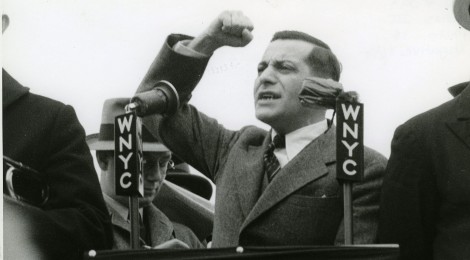
Beloved by his constituents, Vito Marcantonio spoke out against bankrupt U.S. foreign policies during the Cold War and championed Puerto Rican rights
[This article is part of a special CovertAction Magazine series to honor left-wing figures in American history. The first part in the series looked at the career of “the rebel girl,” Elizabeth Gurley Flynn. Today would be Vito Marcantonio’s birthday: He was born on December 10, 1902.—Editors]
Vito Marcantonio was a visionary left-wing congressman from East Harlem from 1935 to 1937 and 1939 to 1950 who spoke out against bankrupt U.S. foreign policies during the Cold War.
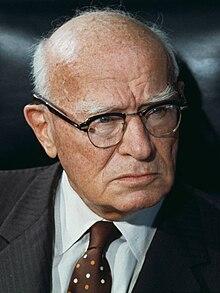
In 1947, he joined forces with Emanuel Celler, a Democratic Party congressman from New York City, to try to prevent the creation of the CIA under the National Security Act, which was signed by President Harry S. Truman.
Marcantonio at the time stated: “With all of the vast powers that are given this agency under the guise of research and study, you are subjecting labor unions and business firms to the will of the military. You are opening the door for the placing of these intelligence agents, supposed to deal with security pertaining to foreign as well as internal affairs, in the midst of labor organizations… I am sure if it were not for the cold war hysteria, very few Members of the Congress would vote for that provision. Certainly the majority would not vote to suspend the rules so that you must take this bill as it is without any opportunity for amendment, despite its serious implications against the security of the liberties of the American people.”
In hindsight these comments are prophetic. By 1963, Harry Truman had come around to express his dismay at the CIA’s evolution into an agency that was “injected into peacetime cloak-and-dagger operations” and was “an operational and at times policy arm of the government.”
Marcantonio would have been particularly aghast to learn the full extent of the CIA’s infiltration of labor unions in foreign countries and use of these unions to help bring down progressive governments like that of Salvador Allende in Chile.[1]
A Visionary Figure
Marcantonio was one of the outstanding progressive political figures of the mid-20th century whose ideals and legacy could be invoked today to help revitalize the American left.
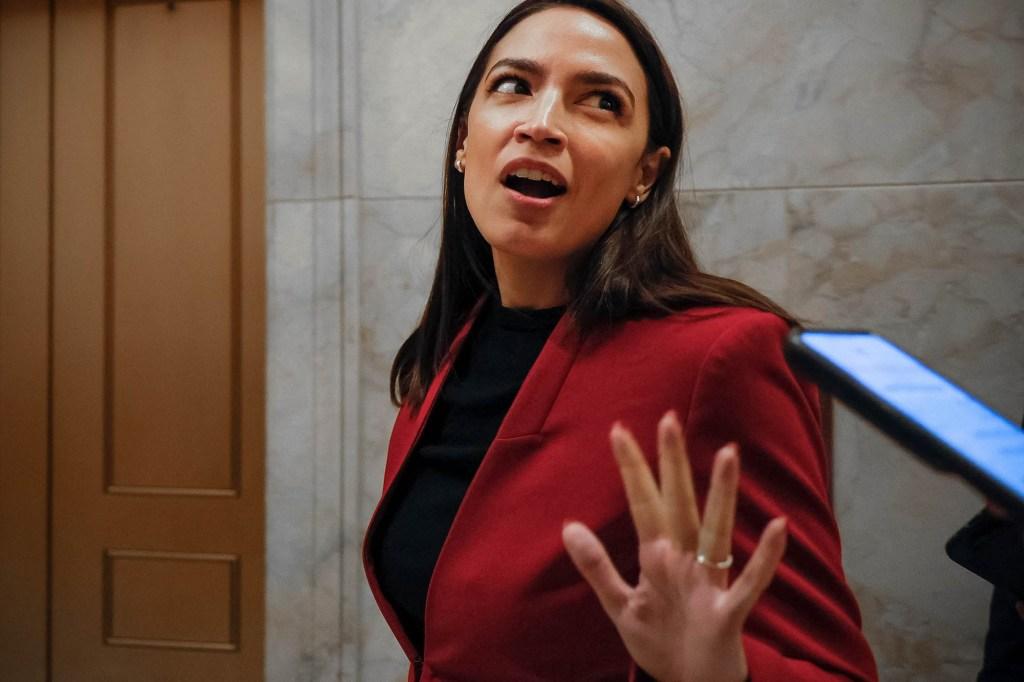
Today’s progressive political standard bearers—Bernie Sanders and Alexandria Ocasio-Cortez, for example—have gone against what Marcantonio stood for through their support for Ukraine military aid, NATO, and a hostile U.S. foreign policy toward Russia.[2]
Both Sanders and Ocasio-Cortez have a track record mainly of opposing wars started by Republicans and displaying loyalty to a Democratic Party that is increasingly corporatist and hawkish, and has substituted a vapid identity politics for any commitment to the working class.

Marcantonio was a political independent who ran for office as both a Democrat and Republican at varying points and became part of the American Labor Party (ALP). He spoke out against the Truman administration’s escalation of the Cold War and Korean War.
Marcantonio’s brilliant career is surveyed in Gerald Meyer’s 1989 book Vito Marcantonio: Radical Politician 1902-1954.
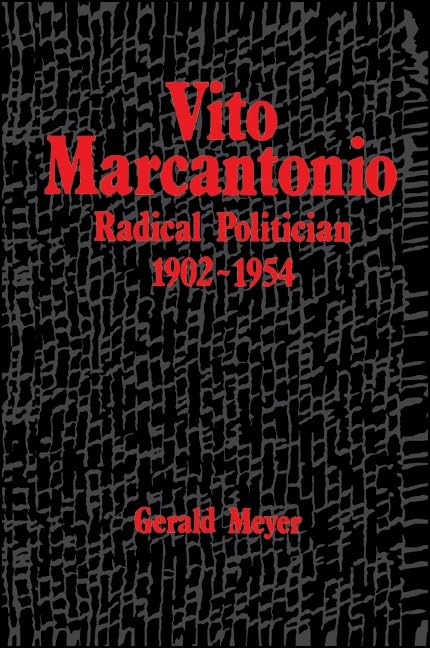
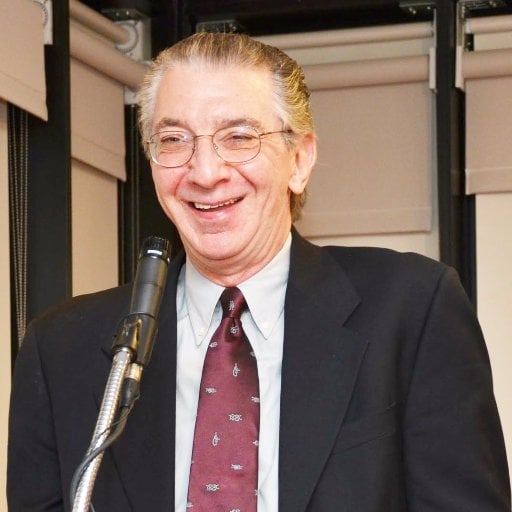
The book shows how Marcantonio was an Italian-American protégé of New York Mayor and Congressman Fiorello La Guardia, a progressive reformer who helped defeat the corrupt Tammany Hall political machine of the Democratic Party in New York City.[3]
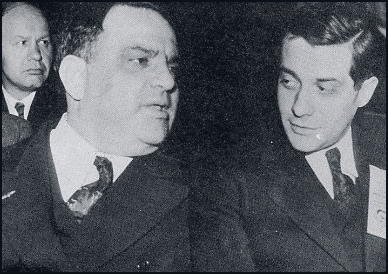
In 1924, Marcantonio and La Guardia campaigned for U.S. Senator Robert La Follete for president. La Follette was a key figure in the early 20th century progressive movement known for standing up to corporate power who passed significant legislation as governor of Wisconsin (1901-1906) and spoke out in Congress against U.S. intervention in World War I and U.S. imperialism more broadly.[4]

Meyer suggests that Marcantonio was the only person ever elected to the U.S. Congress who “ever publicly acknowledged sympathy for the Communist Party.”[5]
Marcantonio’s campaign platform when he first got elected to the House of Representatives in 1934 called for “government control of natural resources and basic industries and public utilities” so the revenues could be “used for the benefit of the entire nation” and so the “exploitation of consumers and the public” by private corporate interests could be stopped.[6]
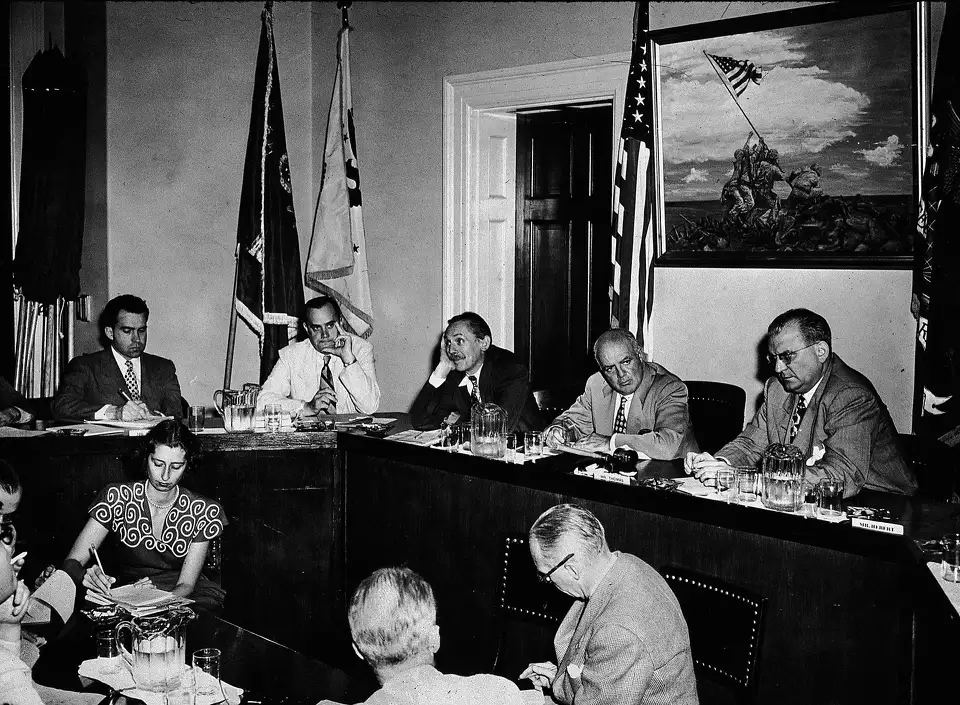
While in Congress, Marcantonio consistently stood up for labor rights, and condemned the anti-labor Taft-Hartley Act of 1947 in the harshest terms.[7] Marcantonio also spoke out against the House Committee on Un-American Activities (HUAC)—whose attacks on free speech and political association, he said, were un-American.[8]
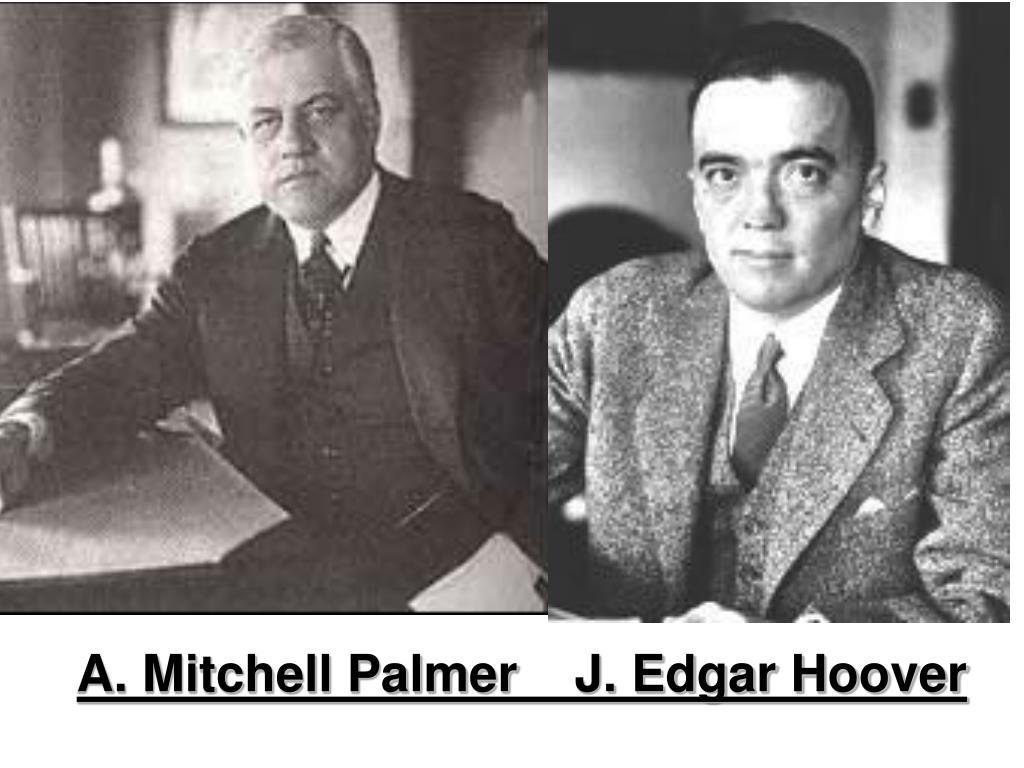
Marcantonio believed that FBI Director J. Edgar Hoover’s compilation of dossiers on political activists and planting of spies and provocateurs in left-wing groups was also un-American and reminiscent of the Palmer raids during World War 1 (raids carried out by Attorney General A. Mitchel Palmer targeting leftists that represented a low point in civil liberties in U.S. history).[9]
Stating at one point that he would “send all the bankers to jail,” Marcantonio spoke out in Congress against the policy of deporting people like anarchist Emma Goldman for their left-wing views, stating that the U.S. government was founded on the principle of freedom of speech, freedom of the press, freedom of religion and freedom of thought.
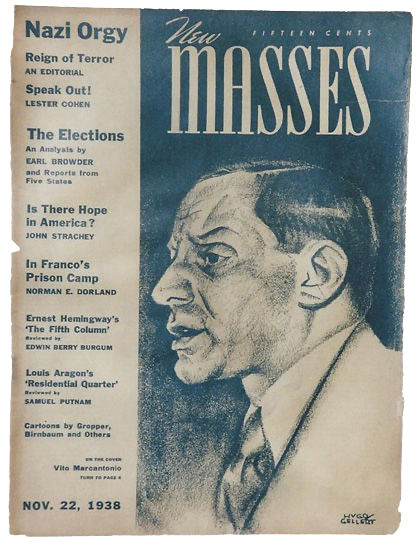
A lawyer by profession who graduated from New York University Law School, Marcantonio fought tirelessly for civil rights and championed the aspirations of Puerto Ricans residents in his district in East Harlem, a poverty-stricken area with low incomes and high unemployment.[10]
Calling Marcantonio a “de facto Congressperson for Puerto Rico,” Meyer writes that he “submitted five bills calling for the independence of Puerto Rico (which he called ‘the greatest victim of United States imperialism’) with an indemnity for the damage done to the island by the U.S. business interests which had replaced tens of thousands of small farms with sugar plantations.”[11]
Marcantonio further distinguished himself in Congress as the major leader for civil rights by “sponsoring anti-lynching and anti-poll tax bills as well as the annual fight for the Fair Employment Practices Commission’s [sic] appropriation”—which he pushed to extend to Puerto Ricans.[12]
In April 1945 he had called on Secretary of Commerce Henry A. Wallace to investigate discrimination against African Americans in professional baseball, setting off a campaign that was to break the color line in the national pastime.[13]
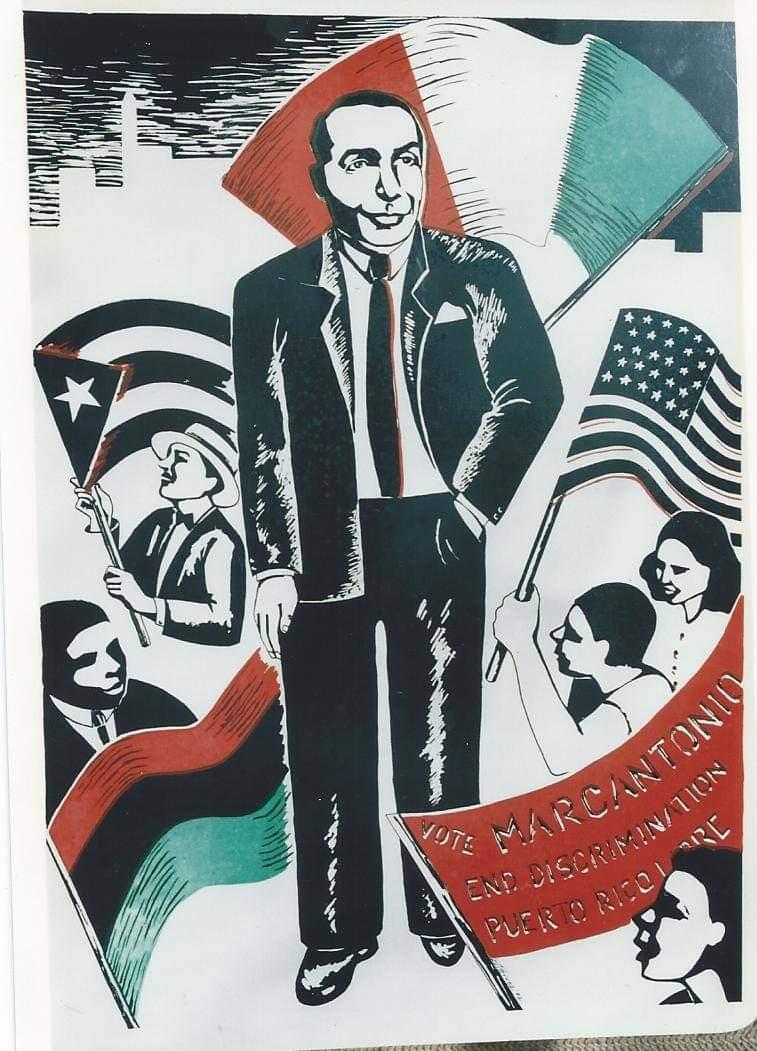
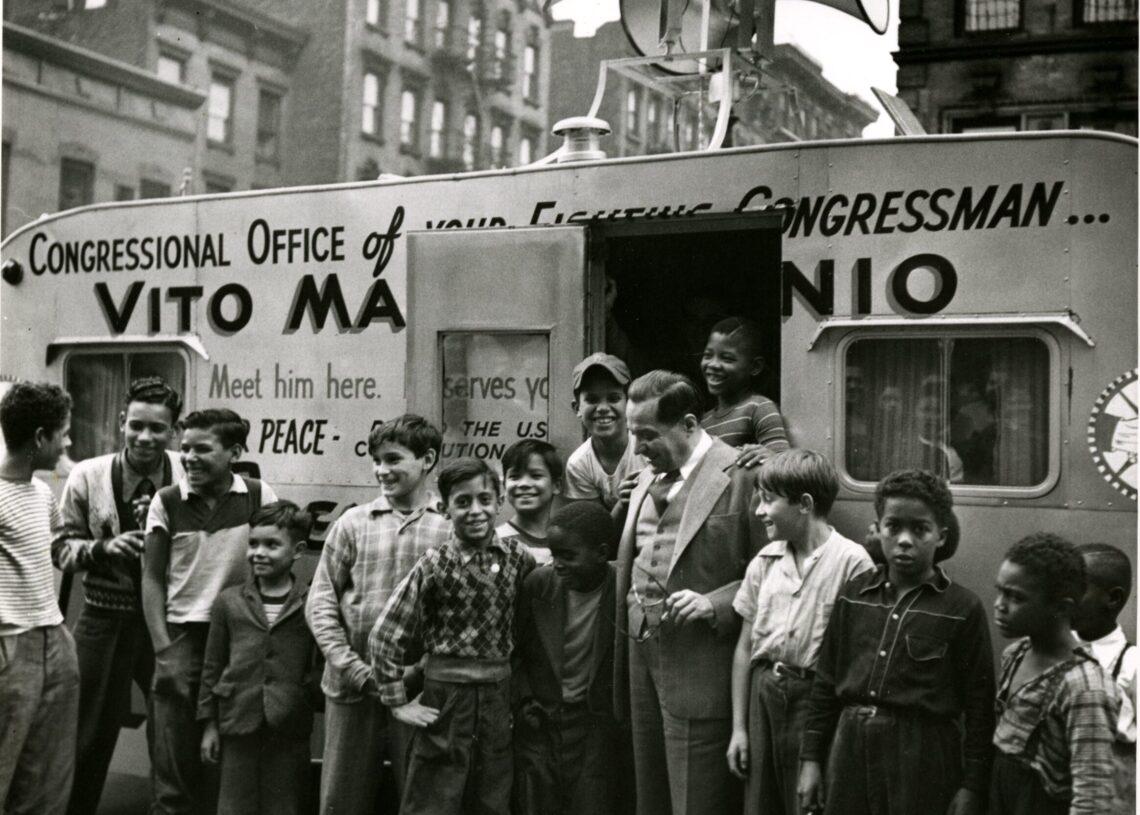
A hands-on politician who lived in a modest apartment in East Harlem, Marcantonio kept an open office in the community and would meet with constituents for hours to hear out their concerns and do what he could to help them.[14]
One East Harlem resident said that Marcantonio was a “humane man” who “was always broke” and “had a good heart.” Another said he was a “humanitarian” who would “help anybody. Nobody would speak badly of him.”[15]
Journalist Sidney Shalett wrote that residents of East Harlem considered Marcantonio to be a “tireless fighter for the man on the streets of East Harlem. He is willing to live in their slums, rub elbows with the best and the worst of them, work himself to the thin end of a frazzle for them. He spends his dough on them, takes up their battles against the landlords….On occasions…the Congressman even has carried scuttles of coal personally to heatless tenements. Anyone who wants to see him…can do so.”[16]
Wallacite Critic of U.S. Cold War Foreign Policy
In 1948, Marcantonio supported the third-party presidential candidacy of Henry Wallace, FDR’s former vice president who had been ousted at the 1944 Democratic Party Convention in Chicago in a coup d’état by corrupt warmongers who headed the Democratic National Committee (DNC).
To the left of Roosevelt on domestic issues, Wallace advocated for continuing Roosevelt’s policy of peaceful cooperation with the Russians at the end of World War II, for closing of all U.S. overseas air bases; and for the use of atomic energy exclusively for peaceful purposes.
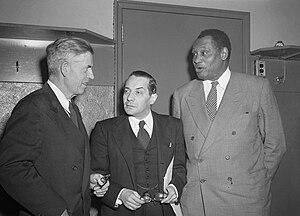
Marcantonio had been against U.S. involvement in the early stages of the Second World War because he believed it was “a war of the Morgans and DuPonts” and one “between two axes, the Wall Street-Downing Street Axis versus the Rome-Tokyo-Berlin Axis, contending for empire and for exploitation of more and more people.”[17]
However, after the bombing of Pearl Harbor, he played an active role in the American Committee for Russian War Relief, supporting efforts to help the Soviet Union stand up to Nazi aggression.
Meyer says that Marcantonio approached foreign policy from a “Leninist perspective,” emphasizing the influence of Wall Street banks in driving aggressive policies that were designed to “help them control the world for profit and more profit and at our expense.”[18]
Condemning U.S. support for the fascist-oriented Chiang Kai-shek against the Maoists in China’s civil war, Marcantonio criticized U.S. intervention in the Greek civil war in the late 1940s on behalf of a fascist junta backed by British imperialism.[19]
In Marcantonio’s view, the containment strategy designed by George F. Kennan was pushed forward by whipping the public into hysteria about a mythic Soviet threat.
The Marshall Plan was further designed to “stop the forward march of the people of Europe toward the nationalizing and public ownership of their base industries and toward the breaking up of the big landed estates” and to “build markets for corporate monopolies” whose intention was to “dump goods abroad while maintaining high prices at home.”
When the Korean War broke out, Marcantonio was the sole member of Congress to disavow U.S. intervention on the grounds of Korea’s right to self-determination.
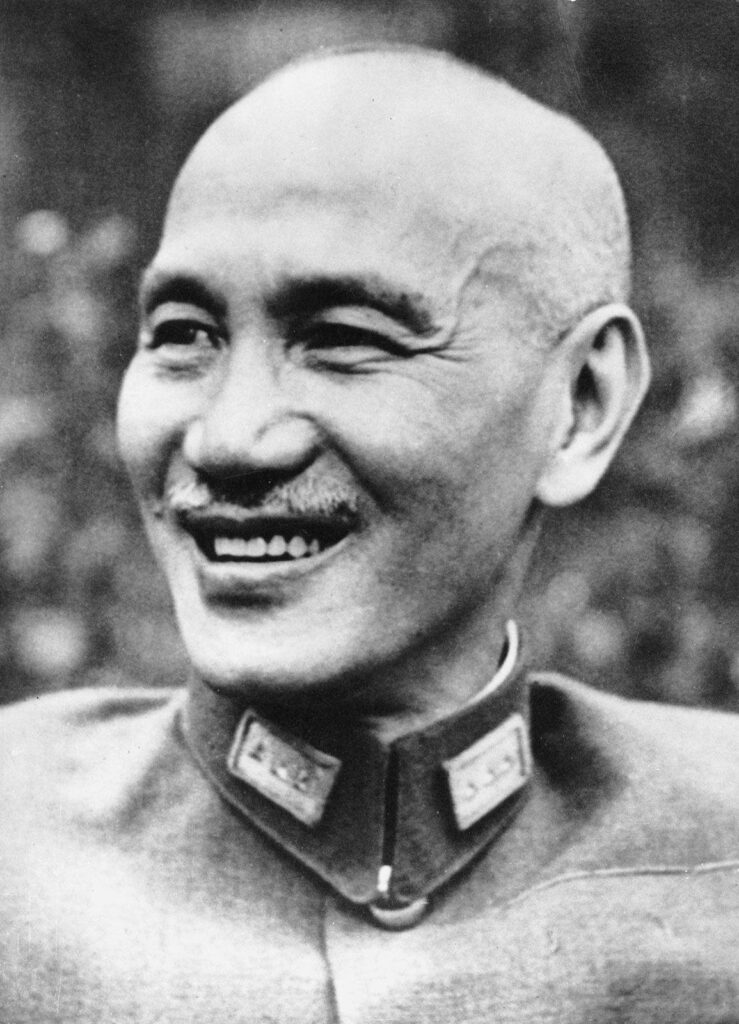
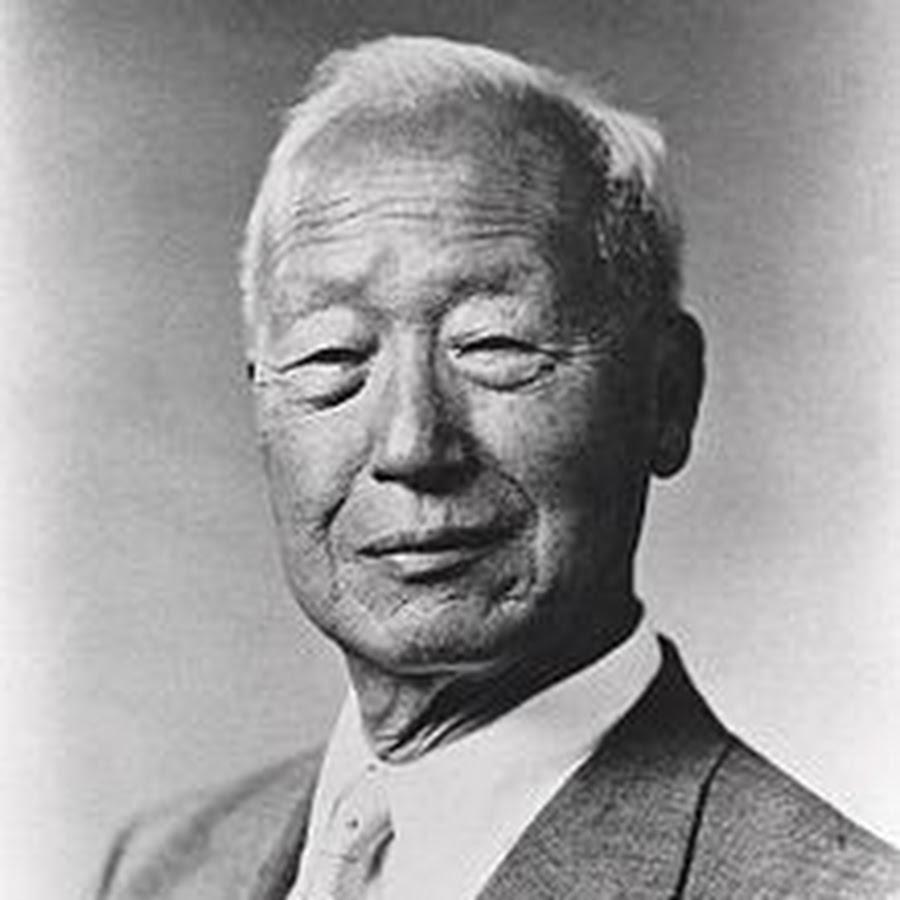
Calling South Korea’s U.S.-backed Syngman Rhee government corrupt and fascistic, Marcantonio told war supporters that “you can keep on making impassioned pleas for the destruction of communism but I tell you, the issue in China, in Asia, in Korea, and in Vietnam, is the right of these people for self-determination, to a government of their own, to independence and national unity.”[20]
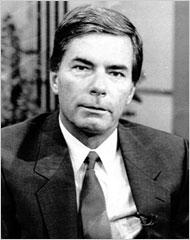
Marcantonio’s leftist critique of U.S. foreign policy in the 1940s and 1950s foreshadowed that of CIA whistleblower and CovertAction Magazine cofounder Philip Agee, who clarified the role of how corporate interests shape covert operations and direct military intervention in his 1975 book Inside the Company: A CIA Diary.
Agee’s book was published as the 1974/75 Church Committee hearings exposed a wide array of abuses carried out by the CIA in the Cold War, all of which helped build momentum for a movement to abolish the CIA and transform U.S. foreign policy along lines Marcantonio would have supported.
A Great Role Model Who Paid a Price for His Principled Stances
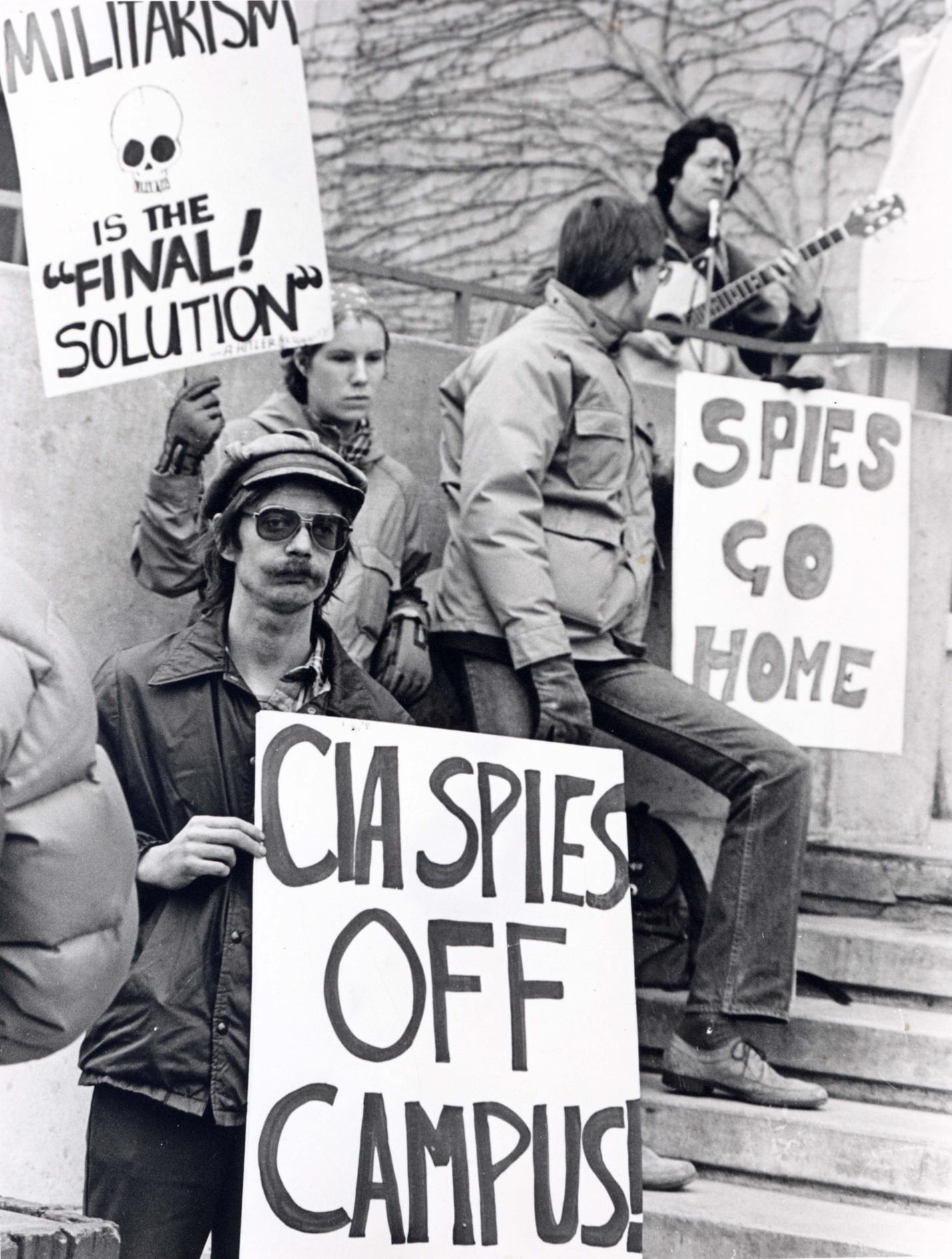
Because of his radical positions, Marcantonio was smeared in The New York Times and other media as a communist agent and Russian stooge and falsely accused of engaging in criminal schemes with the Mafia.[21]
The FBI amassed a 6,000-page file on Marcantonio and placed him on a blacklist of communists even though the FBI told the Attorney General that its files failed to establish direct proof of Marcantonio’s membership in the Communist Party.[22]
During the 1950 mid-term election, Marcantonio’s opponents—who frequently attacked him as a subversive anti-American and Russian stooge[23]—used the legal power of the state to defeat him, ending his political career.

Since his death from a heart attack in 1954, Marcantonio has remained largely forgotten.[24]
Meyer’s book and a couple of others show his outstanding character and progressive vision, which can provide a barometer for measuring progressive politicians today and a model to follow.
Particularly significant was Marcantonio’s principled criticism of the CIA and warfare state and their close relationship to Wall Street banks and other corporate interests.
This is in addition to his support for beleaguered minority and persecuted political groups, for civil liberties, and for a socialist economic program that would place national wealth in public hands.

See Jeff Schuhrke, Blue-Collar Empire: The Untold Story of US Labor’s Global Anticommunist Crusade (London: Verso, 2024). ↑
Carrington Walker, “Bernie Sanders calls out Trump’s ‘lies’ as he makes his stance on Putin and Zelensky clear,” Irish Star, February 25, 2025; Victor Nava, “AOC heckled at town hall for Ukraine support: ‘You’re voting to start a nuclear war,’” New York Post, October 13, 2022. In October 2022, AOC was characteristically heckled by anti-war activists for voting to send weapons to fascist Ukraine. In February 2025, Sanders criticized Donald Trump for trying to restore cordial U.S.-Russian diplomatic relations. Though Marcantonio would have hated Trump, he would not have been against his efforts to mediate an end to the Ukraine conflict or re-establish better U.S.-Russian relations. Nor would he have supported Zelensky, whom he would have seen as cut in the mold of fascist-type leaders that the U.S. supported during the Cold War such as Chiang Kai-shek and Syngman Rhee. For an effective critique of Sanders’ pro-war positions and hypocrisy throughout his career, see Jeffrey St. Clair, Bernie & the Sandernistas: Field Notes From a Failed Revolution (CreateSpace Independent Publishers, 2016). ↑
Gerald Meyer, Vito Marcantonio, Radical Politician, 1902-1954 (Albany: State University of New York Press, 1989), 16. A biographer described La Guardia as “the most vociferous, most colorful and most radical member of a small group of Progressives and Socialists who tried to jab at the conscience of their age.” ↑
On LaFollete’s career, see David P. Thelen, Robert M. La Follette and the Insurgent Spirit (Madison: University of Wisconsin Press, 1986); Richard Drake, The Education of an Anti-Imperialist: Robert LaFollette and U.S. Expansion (Madison: University of Wisconsin Press, 2013). John F. Kennedy wrote of LaFollette, after a five-member Senate committee selected him as one of the first five inductees into the U.S. Senate Hall of Fame, that he was “a ceaseless battler for the underprivileged in an age of special privilege, a courageous independent in an age of conformity who fought memorably against tremendous odds and stifling inertia for the social and economic reforms which ultimately proved essential to American progress in the 20th century.“ ↑
Meyer, Vito Marcantonio, 1. Marcantonio stated in 1952 that the Communist Party USA “operated in what it considered to be the best interests of the American working class.” ↑
Meyer, Vito Marcantonio, 29. During the Depression, Marcantonio—whose father had been a carpenter—proposed reopening and operating shut-down factories by and for the benefit of the unemployed, with production for use instead of profits. This was a similar platform to socialist Upton Sinclair when he ran for governor of California in 1934 with the support of the End Poverty in California (EPIC) movement. A 2018 Jacobin article on Marcantonio by historian Benjamin Serby, even though it is titled “New York’s Last Socialist Congressperson,” fails to report on his support for nationalized industry, and makes him out to be a liberal reformer like AOC and Bernie Sanders when he was a socialist and anti-imperialist (unlike them). The article also omits Marcantonio’s attempt to prevent the creation of the CIA. ↑
Meyer, Vito Marcantonio, 63. In 1937, Marcantonio authored a political pamphlet with an introduction by future Communist Party USA General Secretary William Z. Foster, that displayed his support for the labor movement fittingly titled “Labor’s Martyrs: Haymarket 1887, Sacco and Vanzetti 1927.” ↑
Receiving significant support from rank-and-file communists, Marcantonio was one of only four congressmen to vote against the Smith Act outlawing the Communist Party. ↑
Meyer, Vito Marcantonio, 58. Hoover became head of the FBI’s radical division during the period of the Palmer raids and learned from Palmer. ↑
Meyer, Vito Marcantonio, 4. ↑
One of Marcantonio’s most significant successes was his ability to help secure the inclusion of Puerto Rico in the 1939 extension of the Social Security Act, which added benefits for survivors and dependents of annuity policyholders. Marcantonio also came to the aid of Puerto Ricans who suffered from police harassment and other forms of discrimination and stood up for imprisoned Puerto Ricans nationalist leader Pedro Albizu Campos. Meyer, Vito Marcantonio, 156. On Marcantonio’s support for Puerto Ricans, see also Margaret M. Power, Solidarity Across the Americas: The Puerto Rican Nationalist Party and Anti-Imperialism (Chapel Hill: The University of North Carolina Press, 2023). In 1946, Marcantonio introduced legislation to restore Spanish as the language of instruction in Puerto Rico’s schools, asking President Harry S. Truman to sign the bill “in the name of the children of Puerto Rico who are being tortured by the prevailing system…to fight cultural chauvinism and to correct past errors.” The legislation was passed. ↑
In 2010, historian Thaddeus Russell described Marcantonio as “one of the greatest champions of black civil rights during the 1930s and 1940s.” After his death, the great civil rights leader Paul Robeson, who was a close friend of his, compared Marcantonio to Thaddeus Stevens, a radical Republican who championed black civil rights in the Reconstruction era South. ↑
John J. Simon, “Rebel in the House: The Life and Times of Vito Marcantonio,” Monthly Review, March 11, 2006. ↑
Marcantonio never even owned a car. When in Washington he would walk to the Capitol after staying in a modest hotel. He never took a vacation and was always available to meet with constituents. ↑
Meyer, Vito Marcantonio, 181, 182. ↑
Meyer, Vito Marcantonio, xi. ↑
Meyer, Vito Marcantonio, 57. ↑
Meyer, Vito Marcantonio, 2, 62. ↑
Idem. ↑
Alan Schaffer, Vito Marcantonio: Radical in Congress (Syracuse, NY: Syracuse University Press, 1966), 204. ↑
Meyer, Vito Marcantonio, 2, 41, 79. ↑
Meyer, Vito Marcantonio, 6. ↑
Meyer, Vito Marcantonio, 80. Marcantonio’s 1948 election opponent, Republican John Ellis, inaugurated his campaign by stating that Marcantonio “stands alone…as the champion of those subversive forces so alien to everything American.” In the 1950 California senatorial contest, an infamous Richard “Tricky Dick” Nixon campaign flyer, printed on pink paper, alleged that, while serving in the House, his opponent, Helen Gahagan Douglas, had voted the same way as Marcantonio hundreds of times. ↑
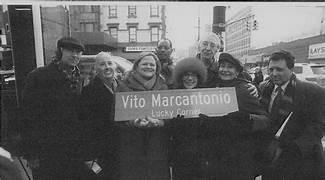
East Harlem’s “hot spot” for political people—the corner encompassing the east side of Lexington Avenue and East 116th Street is now called “Vito Marcantonio Lucky Corner.” ↑
CovertAction Magazine is made possible by subscriptions, orders and donations from readers like you.
Blow the Whistle on U.S. Imperialism

Click the whistle and donate
When you donate to CovertAction Magazine, you are supporting investigative journalism. Your contributions go directly to supporting the development, production, editing, and dissemination of the Magazine.
CovertAction Magazine does not receive corporate or government sponsorship. Yet, we hold a steadfast commitment to providing compensation for writers, editorial and technical support. Your support helps facilitate this compensation as well as increase the caliber of this work.
Please make a donation by clicking on the donate logo above and enter the amount and your credit or debit card information.
CovertAction Institute, Inc. (CAI) is a 501(c)(3) non-profit organization and your gift is tax-deductible for federal income purposes. CAI’s tax-exempt ID number is 87-2461683.
We sincerely thank you for your support.
Disclaimer: The contents of this article are the sole responsibility of the author(s). CovertAction Institute, Inc. (CAI), including its Board of Directors (BD), Editorial Board (EB), Advisory Board (AB), staff, volunteers and its projects (including CovertAction Magazine) are not responsible for any inaccurate or incorrect statement in this article. This article also does not necessarily represent the views the BD, the EB, the AB, staff, volunteers, or any members of its projects.
Differing viewpoints: CAM publishes articles with differing viewpoints in an effort to nurture vibrant debate and thoughtful critical analysis. Feel free to comment on the articles in the comment section and/or send your letters to the Editors, which we will publish in the Letters column.
Copyrighted Material: This web site may contain copyrighted material the use of which has not always been specifically authorized by the copyright owner. As a not-for-profit charitable organization incorporated in the State of New York, we are making such material available in an effort to advance the understanding of humanity’s problems and hopefully to help find solutions for those problems. We believe this constitutes a ‘fair use’ of any such copyrighted material as provided for in section 107 of the US Copyright Law. You can read more about ‘fair use’ and US Copyright Law at the Legal Information Institute of Cornell Law School.
Republishing: CovertAction Magazine (CAM) grants permission to cross-post CAM articles on not-for-profit community internet sites as long as the source is acknowledged together with a hyperlink to the original CovertAction Magazine article. Also, kindly let us know at info@CovertActionMagazine.com. For publication of CAM articles in print or other forms including commercial internet sites, contact: info@CovertActionMagazine.com.
By using this site, you agree to these terms above.
About the Author
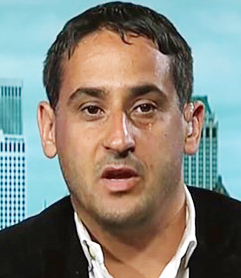
Jeremy Kuzmarov holds a Ph.D. in American history from Brandeis University and has taught at numerous colleges across the United States. He is regularly sought out as an expert on U.S. history and politics for radio and TV programs and co-hosts a radio show on New York Public Radio and on Progressive Radio News Network called “Uncontrolled Opposition.”
He is Managing Editor of CovertAction Magazine and is the author of six books on U.S. foreign policy, including Obama’s Unending Wars (Clarity Press, 2019), The Russians Are Coming, Again, with John Marciano (Monthly Review Press, 2018), Warmonger. How Clinton’s Malign Foreign Policy Launched the U.S. Trajectory From Bush II to Biden (Clarity Press, 2023); and with Dan Kovalik, Syria: Anatomy of Regime Change (Baraka Books, 2025).
Besides these books, Kuzmarov has published hundreds of articles and contributed to numerous edited volumes, including one in the prestigious Oxford History of Counterinsurgency .
He can be reached at jkuzmarov2@gmail.com and found on substack here.


“He ultimately became the candidate of a newly formed third party, the Good Neighbor Party. However, he died before the general election was held, suffering a fatal heart attack on August 9, 1954 while traveling up subway stairs on Broadway by City Hall Park in Lower Manhattan.”
(Source: Wikipedia).
There may be nothing sinister at all about his death. On the other hand, he was only 51 and does not look like an obvious heart attack risk. We might also ask ourselves why he would have had a fatal heart attack given that he was in a major city and would, therefore, likely be rushed to hospital. By no means all heart attacks are fatal.
The fact that he suffered a heart attack in a public place does raise the possibility that he was attacked.
It may not be unreasonable to add his name to the list of other curious fatal heart attack victims such as:
President Kennedy’s driver, Secret Service Agent Thomas Shipman;
Ambassador Adlai Stevenson who collapsed outside the US Embassy in London in 1965 and Judge Preston Battle, found slumped at his desk whilst considering the appeal for a trial from James Earl Ray who was framed for the assassination of Martin Luther King.
None of these people are believed to have previously suffered from heart trouble.
https://allthatsinteresting.com/heart-attack-gun
Nice article. In Congress Marcantonio argued against the policy of deporting people like Emma Goldman for their left-wing views: “I do not believe in the deportation of any man or woman because of the political principles that they hold. Irrespective of what a person advocates, he or she should not be molested, because our Government has been based upon the principles of freedom of speech, freedom of the press, freedom of religion and freedom of thought.”
Marcantonio was accused of being a secret supporter of the American Communist Party. He replied: “I disagree with the Communists. I emphatically do not agree with them, but they have a perfect right to speak out and to advocate communism. I maintain that the moment we deprive those with whom we extremely disagree of their right to freedom of speech, the next thing that will happen is that our own right of freedom of speech will be taken away from us.”