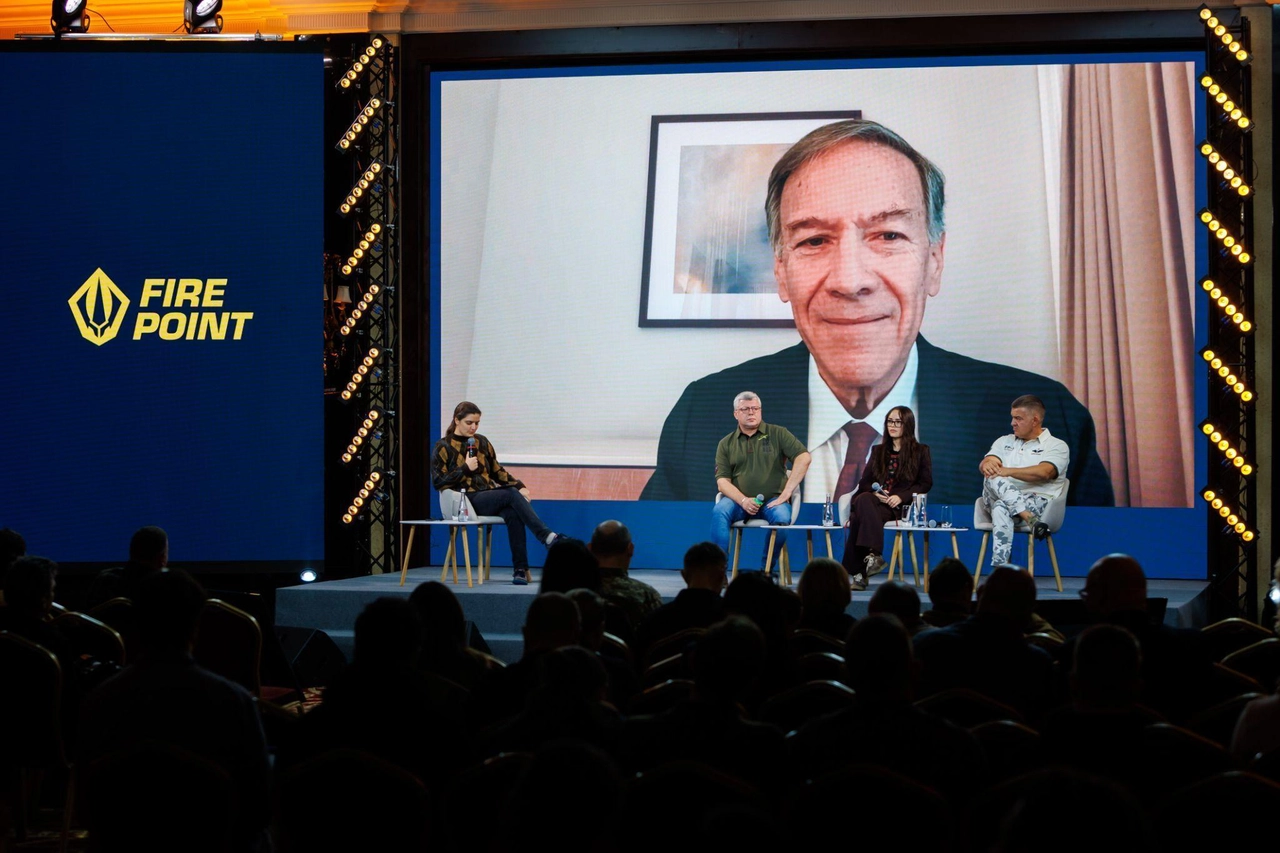
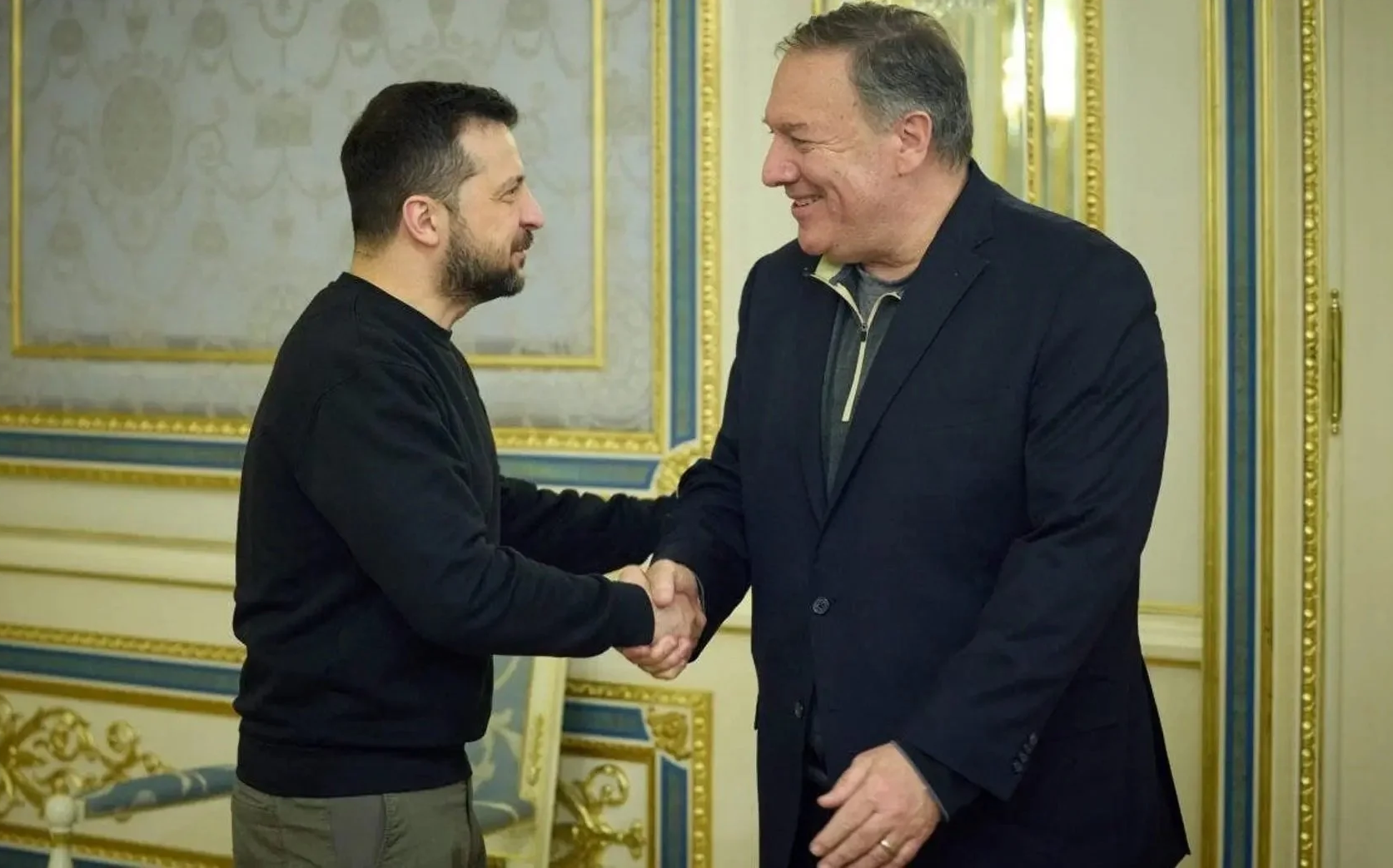
Mike Pompeo, CIA Director and Secretary of State in the first Trump administration, has long been a Ukraine war hawk, calling Russia’s actions genocide, stating that Crimea should be returned to Ukraine (when its people voted overwhelmingly to be part of Russia) and consistently advocating for increased military aid to Ukraine.[1]
Pompeo’s tenure as CIA Director in 2017-2018 coincided with a significant expansion of the CIA’s involvement in Ukraine. The CIA set up 12 clandestine bases following the February 2014 CIA-backed Maidan coup that fueled the conflict with Russia.
In November, AP News reported that Pompeo had joined the advisory board of Ukraine’s leading defense company, Fire Point, which develops long-range drones capable of striking targets deep inside Russia.[2]
At a press conference announcing his appointment, Pompeo said that his mission with the company was to help Fire Point become an important supplier for Western hardware [i.e., drones].”[3]
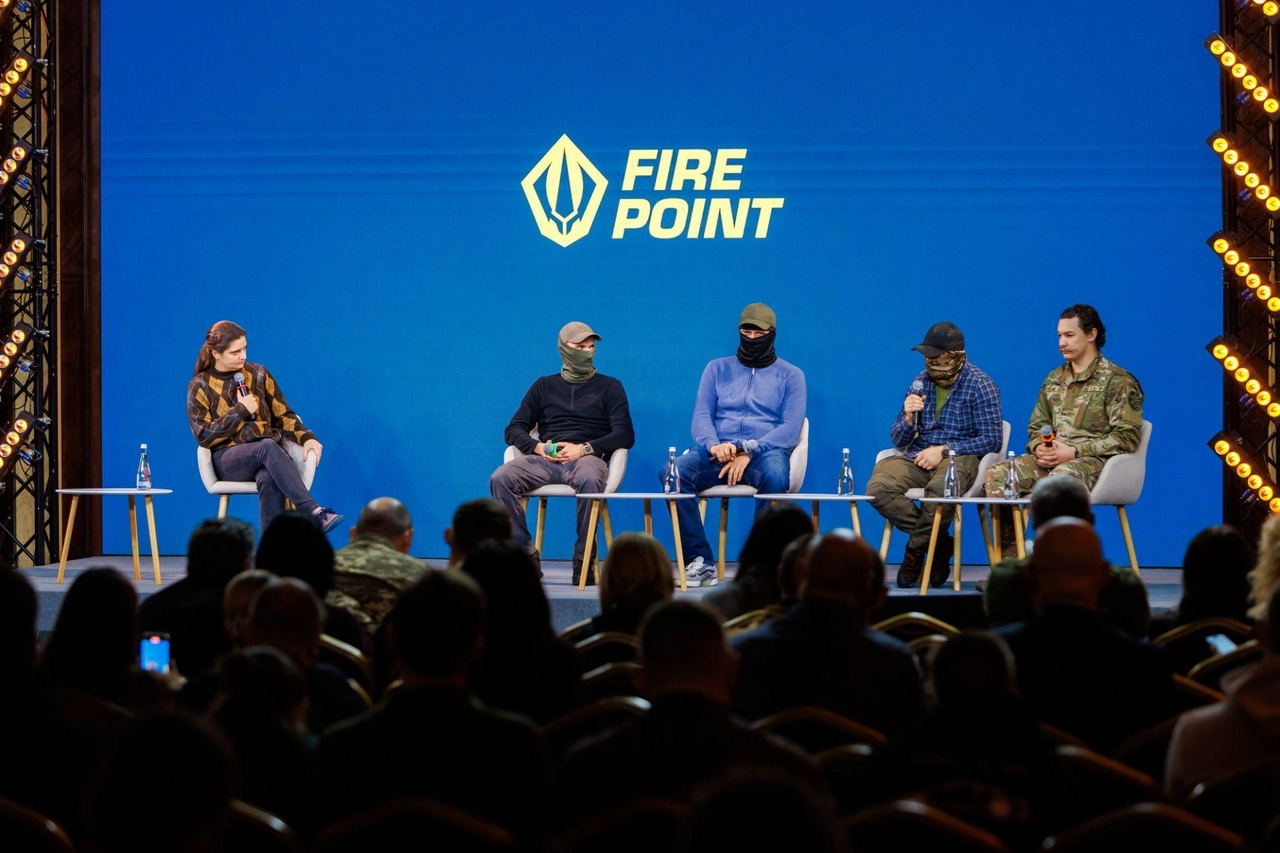
CovertAction Magazine reported last February on how the CIA—going back to Pompeo’s time as Agency director—had played a key role in the development of Ukraine’s drone industry by making billion-dollar investments in it and sending intelligence officials to help out with it.[4]
The same article detailed how Ukrainian drone strikes had struck oil refineries and gas processing plants, causing terrible environmental damage, and struck civilian infrastructure, including apartment buildings and hospitals, and killed three civilians walking on the street in the Belgorod border region.
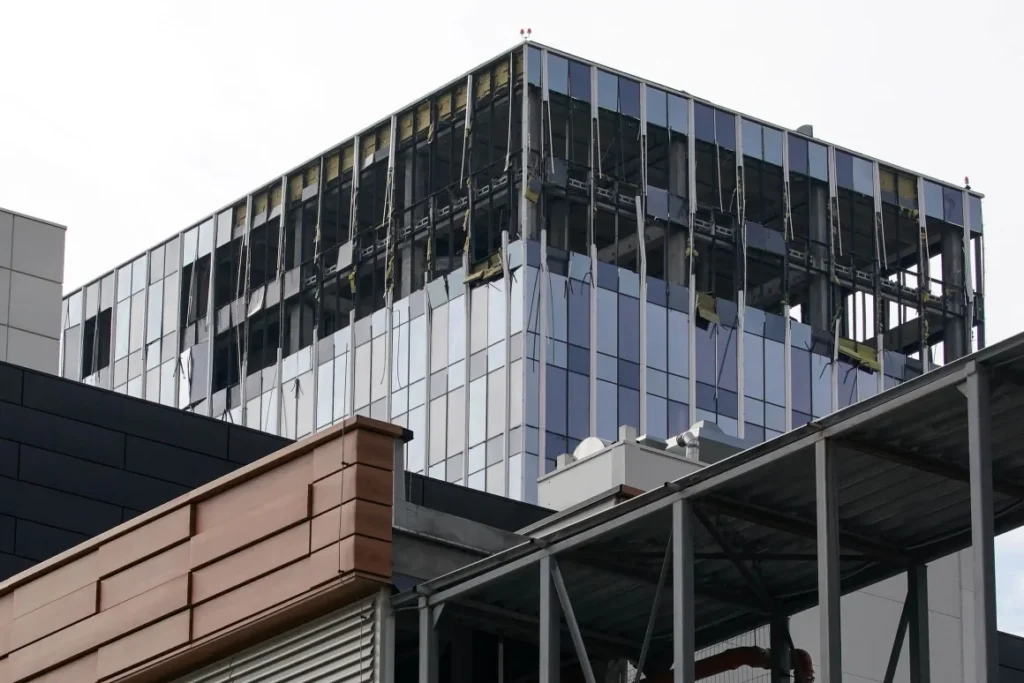
The BBC later reported on the injuries of six civilians in a drone strike in Kharkiv, including a seven-year-old child, while CBC reported on the deaths of two workers at Moscow’s largest meat-producing plant from falling debris caused by a drone strike, and injuries to three children in an apartment complex that was struck.
RT additionally reported on a New Year’s eve drone attack on a cafe and hotel in the Black Sea coastal village of Khorly that caused a fire resulting in the death of at least 24 people, including a child, and injuring of over 50.
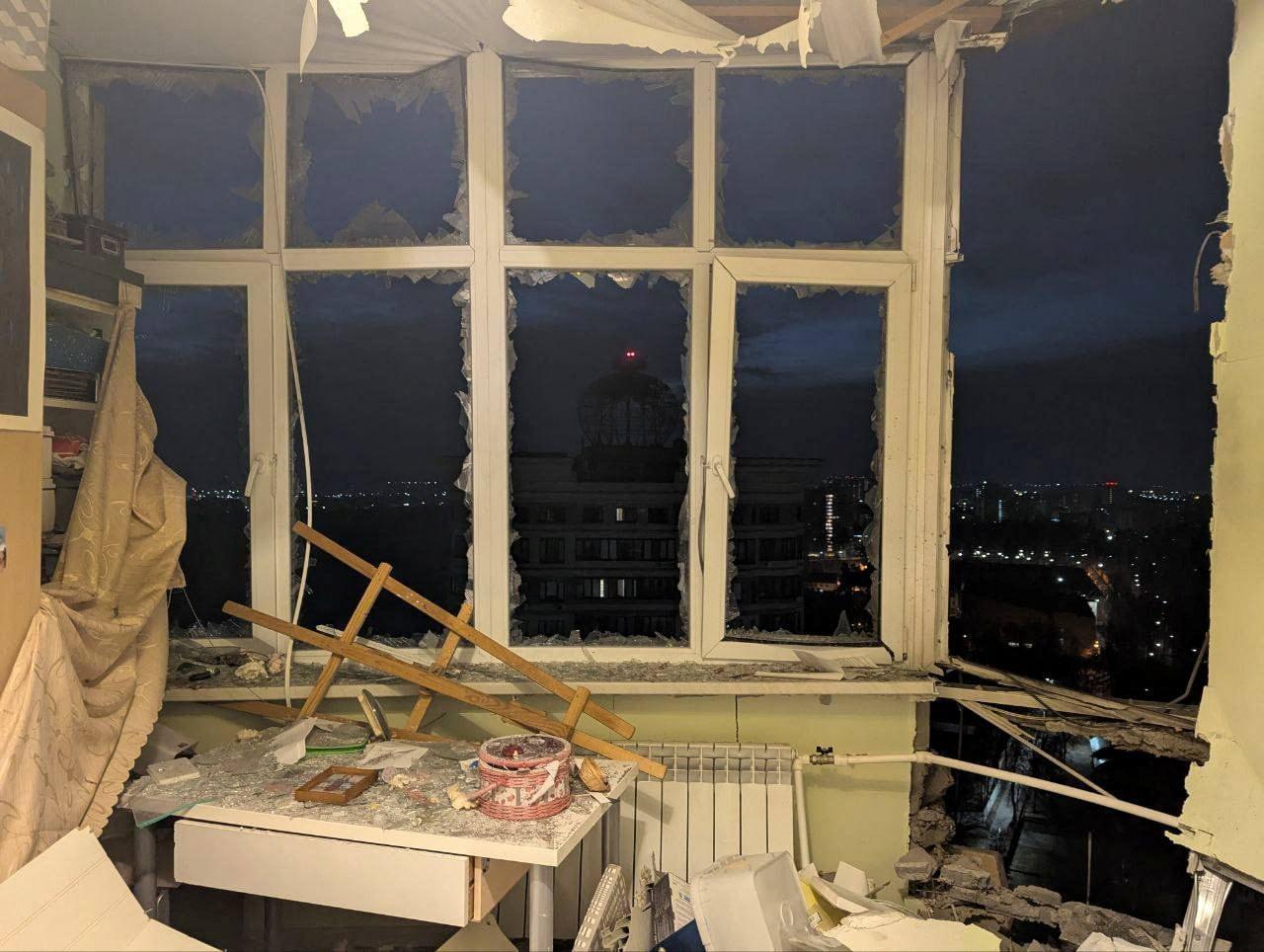
Ukrainian drones are now not only placing Russia under daily bombardment but have been terrorizing the people of Eastern Ukraine for the last 11 years.[5]
A November report by journalist Eva Bartlett, displaying a video in which two civilians were killed in Kharkiv after they had waved a surrender flag, detailed how Ukrainian drones struck a bus in the Donetsk People’s Republic (DPR) city of Gorlovka, injuring five people, including a surgeon known for helping injured civilians.
Other Ukrainian drone attacks killed a Russian war correspondent, Ivan Zuyev,[6] photojournalist Nikita Tsitsagi, a U.S. citizen born in New Jersey who loved Hunter S. Thompson, and cameraman Valery Kozhin.[7]
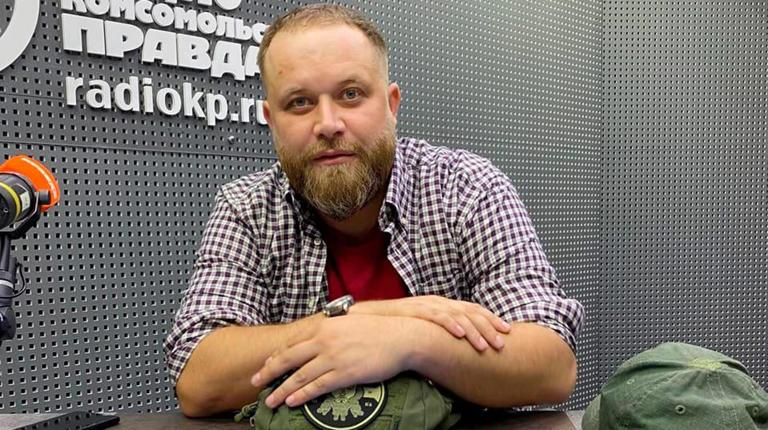
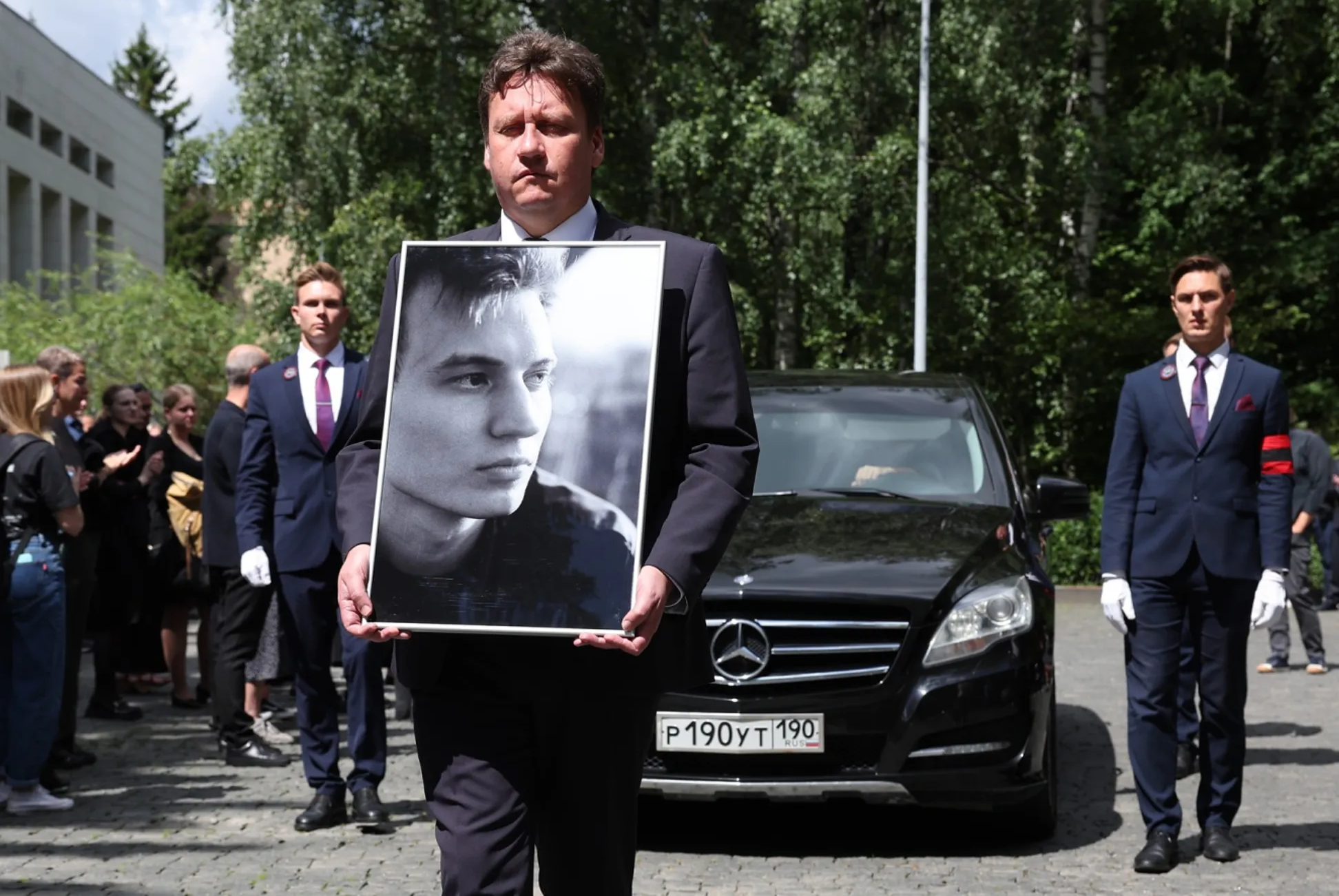
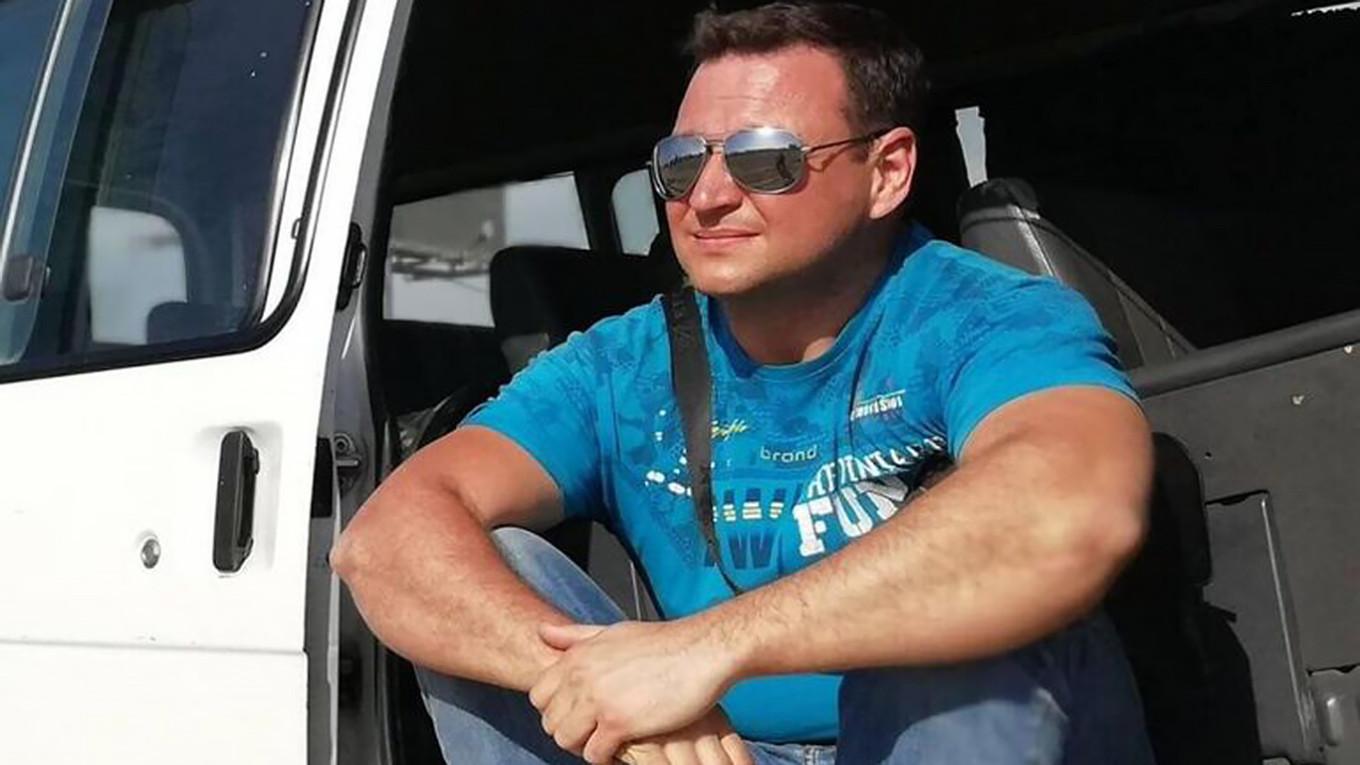
Additionally, Bartlett wrote about a Ukrainian suicide drone striking a woman in the DPR village of Shandrigolovo in the back as a Russian soldier tried to help her.[8]
According to Bartlett, most of the deaths caused by Ukrainian drone strikes cannot be dismissed as mere “collateral damage” but, rather, were part of a program of targeted assassination.
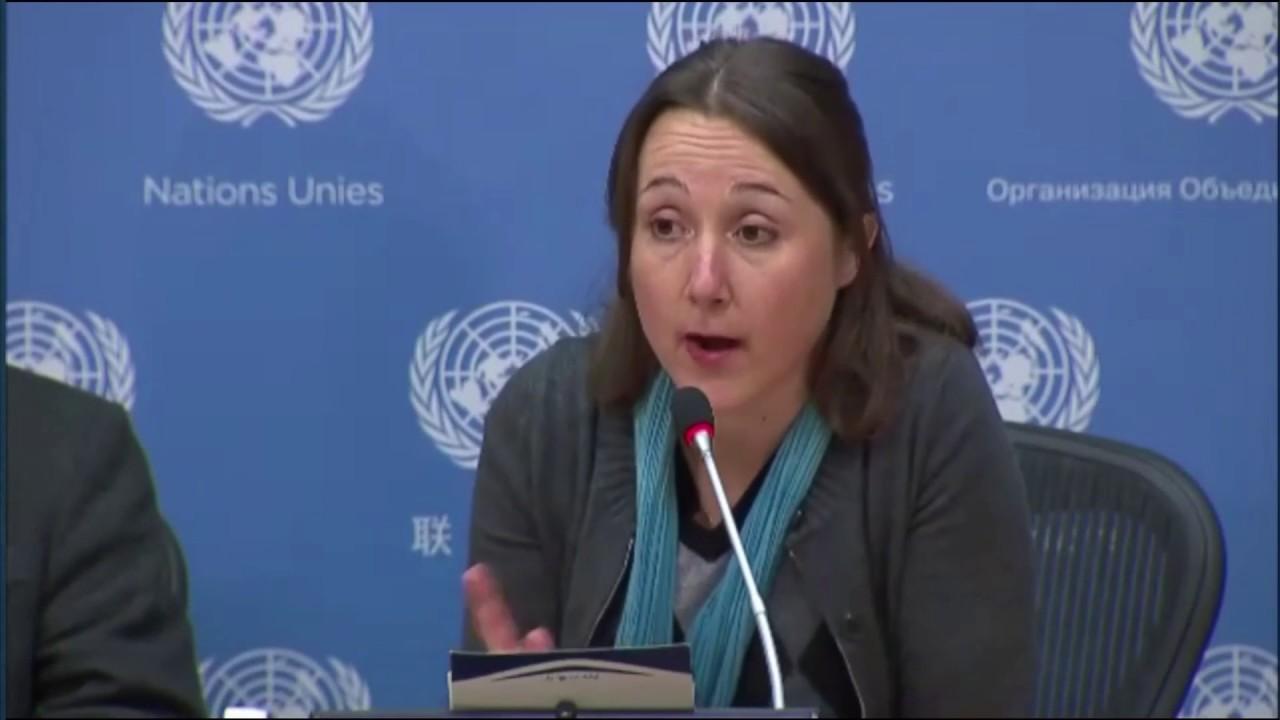
This program is one that the CIA is directly involved in coordinating with Ukraine’s intelligence services,[9] suggesting that Pompeo’s appointment to the board of Fire Point was calculated.
In October, The New York Times published an article about Fire Point titled “3 Years Ago It Was a Casting Agency. Now It Has $1 Billion in Drone Contracts.”
The article went into how Fire Point churns out long range exploding drones built with cheap materials that are pivotal to the drone attacks on Russian oil refineries, whose goal is to inflict economic damage on Russia and to give Ukraine leverage in peace talks.
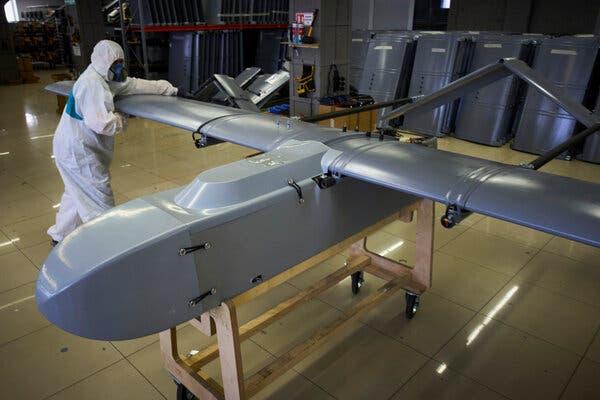
Fire Point is also ramping up production of a larger, longer-range drone weapon, called the Flamingo, that former CIA Director David Petraeus called a potential “game changer” in the war.
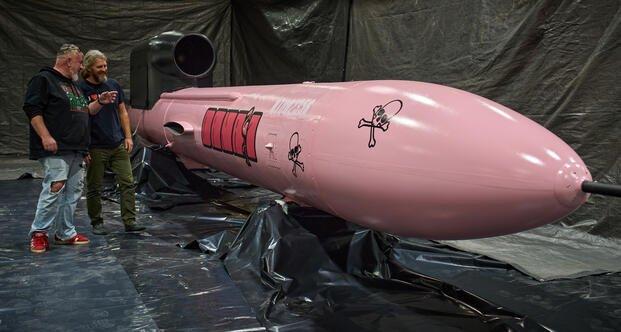
Additionally, it entered into partnership with Danish government to build a plant near the Skrydstrup’s military airport in Vojens[10] that will produce rocket fuel for at least two types of ballistic missiles, FP-7 and FP-9, which Ukraine plans to fly into Russia.[11]
Allegedly, Fire Point CEO Yehor Skalyha first developed the know-how with drones when he used them in camera work that he did in the film-making industry.
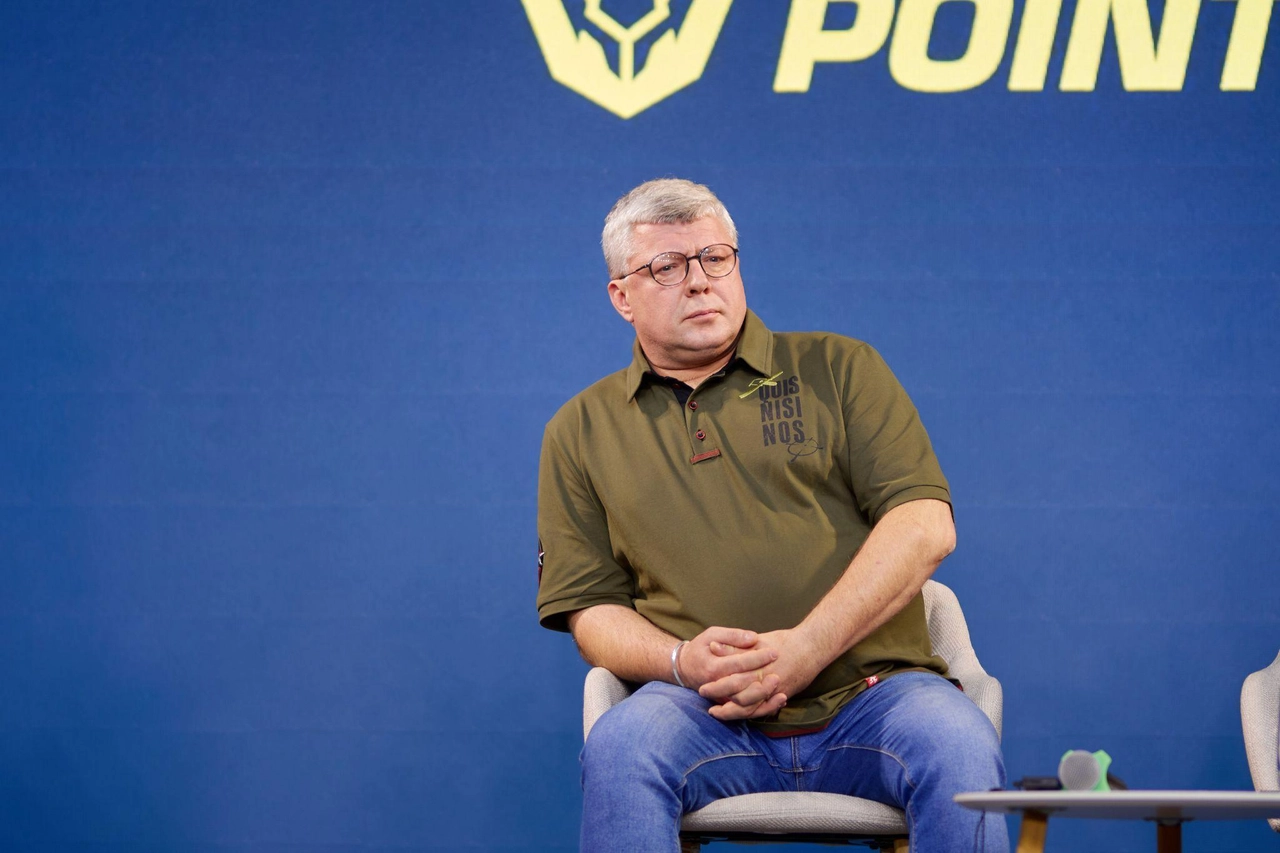
Emerging from Ukraine’s film and TV industry, Fire Point, according to the Times, performed location work for a 2016 romantic comedy in which current Ukrainian President Volodymyr Zelensky starred.
After receiving Ukrainian Ministry of Defense certification in January 2023, Fire Point’s production jumped from 20 drones per month to 100 per day, while the engineering team grew to 650.
Business further boomed after Fire Point became the only company to pass Ukraine Defense Forces’ open electronic-warfare (EW) tests, conducted with the U.S. Embassy in March 2024.

Since 2022, Fire Point’s contracts with the U.S. government have expanded dramatically, with over $1.2 billion in military aid funneled through the company.[12]
These contracts have been justified as essential to Ukraine’s defense, yet whistleblowers within the Pentagon have raised concerns about the lack of oversight.
One such whistleblower, who spoke on condition of anonymity, described Fire Point’s operations as “a shadow war within the war,” where profits are siphoned off through shell companies registered in offshore jurisdictions.
The Boston Times reported that Pompeo’s appointment to Fire Point’s advisory board—alongside three unnamed individuals—has been “framed as a move to ‘ensure corporate standards,’ but insiders suggest it is a calculated effort to shield the company from scrutiny.”
Pompeo’s appointment indeed came just two days after Ukraine’s anti-corruption bureau launched a sweeping operation targeting corruption in Ukraine’s energy sector.[13]
The Independent reported that the anti-corruption bureau was examining whether Fire Point inflated component prices or drone quantities in Defense Ministry contracts for its main weapon, the FP-1 drone.
They are also examining ties between Fire Point and businessman Timur Mindich, who is half-owner of a television studio started by Zelensky and is accused of masterminding a $100 million embezzlement scheme involving Ukraine’s state nuclear-power company.[14]

It is believed that Mindich—a close business associate of Ihor Kholomoisky, who helped finance Zelensky’s rise to power—has received Fire Point profits as an unnamed owner.
Pompeo’s appointment to Fire Point’s board represents a disturbing new phase of the revolving door by which government officials are rewarded for their advancement of militarist policies with lucrative appointments to the executive board of defense contractors when they leave government, or are hired by foreign governments whom they helped arm.
In April 2023, Senator Elizabeth Warren (D-MA), then chair of the Senate Armed Services Subcommittee on Personnel, released an investigative report revealing that nearly 700 former high-ranking and other government officials were working as executives or lobbyists at the top 20 U.S. defense contractors.
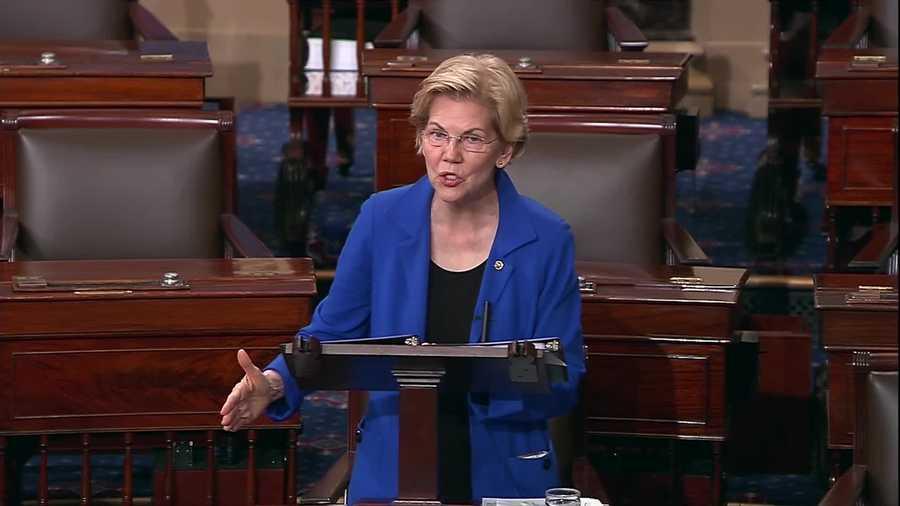
Warren noted that, “when government officials cash in on their public service by lobbying, advising, or serving as board members and executives for the companies they used to regulate, it undermines public officials’ integrity and casts doubt on the fairness of government contracting.” Beyond that, the revolving door entirely compromises U.S. foreign policy and sows great violence and injustice around the world.
Top Biden Administration Official Admits the U.S. Could Have Prevented War
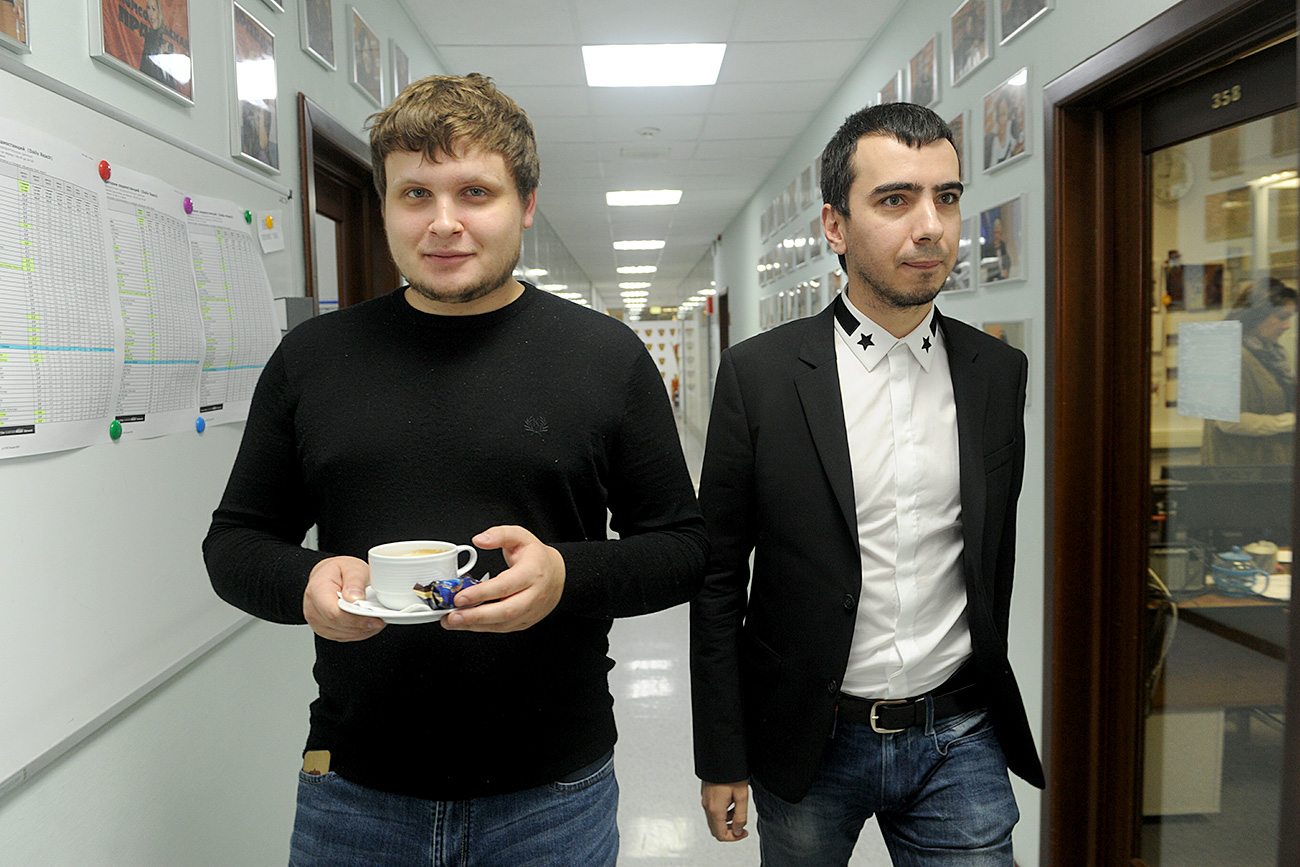
In early December, Russian pranksters Vovan and Lexus released records of calls with two Biden National Security Council (NSC) officials, Amanda Sloat and Eric Green, in which they posed as Ukrainian presidential aide Igor Zhovka.
Sloat, who served as senior director for Europe at the NSC, said in the call that a Ukrainian declaration of neutrality in 2021 or early 2022—which the U.S. could have pushed it to make—“certainly would have prevented the destruction and the loss of life [in the war].”
“I was uncomfortable with the idea of the US pushing Ukraine” into taking that path, she added, noting that it would amount to “implicitly giving Russia some sphere of influence or veto power” on Kyiv’s bid to join NATO.
Senior Russian negotiator Kirill Dmitriev commented on the revelation on X that Biden’s “deep state PROVOKED a PREVENTABLE war.”
Significantly, only 24% of Ukrainians actually wanted to join NATO in the early 2010s, and only 44% around the time of the Maidan coup when the idea was being pushed by U.S. politicians and think tank pseudo-intellectuals.
During the call with Vovan and Lexus, Sloat seemed to support the bombing of the Nord Stream II pipeline and suggested that Trump wanted to make peace with Ukraine so he could reestablish the pipeline and gas supplies between Russia and Europe (that were cut off with the destruction of the pipeline).
Green for his part expressed enthusiasm for the economic war on Russia and suggested that a “Korea outcome” would be a best case scenario for Ukraine in light of the fact that South Korea “enjoys strong connectivity with its allies” and has “U.S. troops on its soil to deter future aggression from the North.”
This viewpoint reflects an imperialist mentality that regards U.S. troops as playing the role of saviors—in a country that the U.S. artificially divided, weakened, devastated and humiliated, no less.[15]
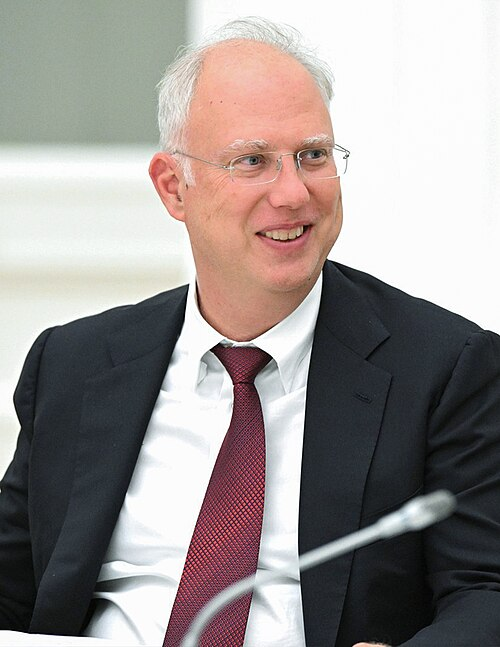
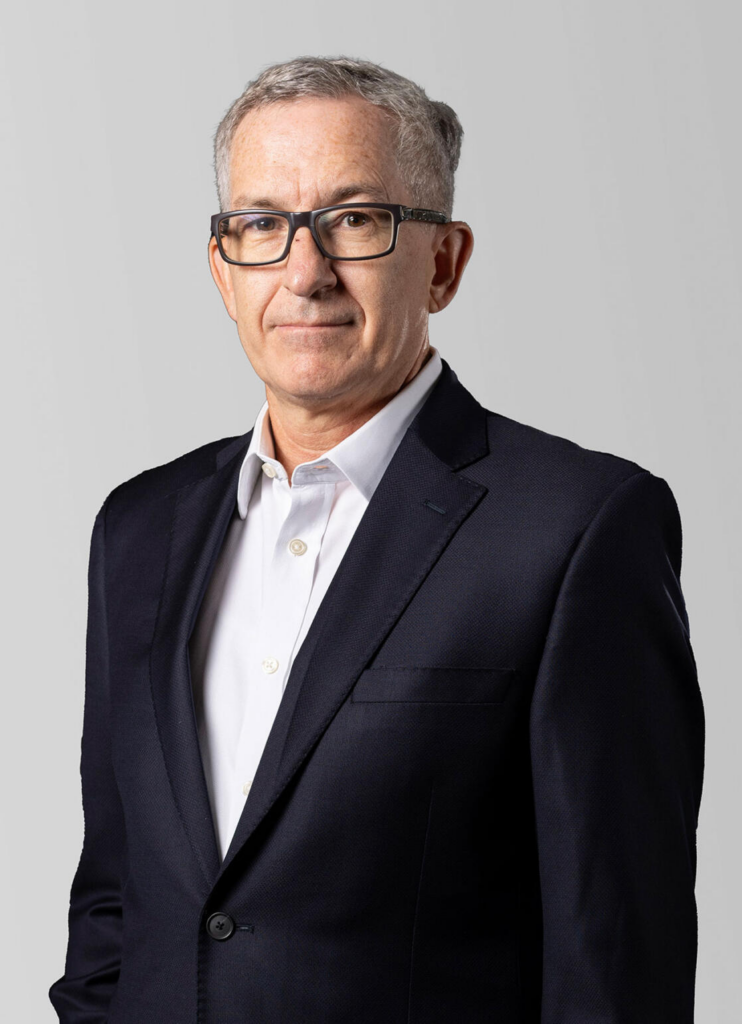
Green also supports a long-term foreign occupation of Ukraine. He agreed with Vovan and Lexus when they characterized the Minsk peace agreements—signed in 2014 and 2015 to defuse conflict—as a “fake agreement” that Ukraine was not willing to comply with.
Green stated that the agreement gave Ukraine time to not only build up its army but to create “better connectivity between its intelligence agencies and U.S. intelligence agencies” which “put Ukraine in a better position in 2022 [when Russia invaded].”[16]
Green then said that Ukraine should seek a settlement marked by a “level of ambiguity” that would give it the capability to rearm and do the things it wants [such as EU integration], while giving Vladimir Putin the “illusion that he has accomplished something.”
Green qualified these latter remarks by specifying that he “didn’t say Ukraine should cheat” but that it should “word the settlement in ambiguous language.”
The latter admission is very significant in showing the modus operandi of the U.S. diplomatic elite, which consciously adopts ambiguous wording in diplomatic settlements in an attempt to deceive its adversaries without openly doing so.
Put in a different way, the U.S. may not set out to openly violate diplomatic agreements that it designs, but words them in certain ways so it can claim that what it is doing is legal and acceptable when it betrays the agreement’s spirit.

In a speech in Odessa, Ukraine in June, Pompeo called for complete victory over Russia, stating also that a peace agreement with Vladimir Putin was unrealistic. ↑
General Staff spokesperson Dmytro Lykhoviy said that more than 50% of Ukraine’s deep-strike drones—which can travel up to 1,600 kilometers (1,000 miles)—come from Fire Point, based on August-September 2025 data. ↑
At the end of the 1st Trump administration, Pompeo was hired to be a consultant for Ukraine’s leading cell phone company, Kyivstar, a position which paid him $600,000 annually in addition to $13 million worth of stock options and a $3 million bonus. In 2024, he was paid a whopping $300,000 to appear in Kyiv to speak before a charity that helps wounded war veterans. Steve Bannon stated pointedly that the “road to perdition ended for him in the morass of Ukrainian oligarchs’ blood money.” In addition to Pompeo’s Ukraine interests, he is also a non-executive director of Israeli cybersecurity firm Cyabra and holds stock options worth $368,888, according to SEC filings. Pompeo has also bagged top jobs with copper mining giant ACG Metals, which has significant interests in Turkey, and Gor Investments, a shadowy firm from the gas-rich dictatorship of Uzbekistan that has former Energy Secretary Rick Perry on its board. ↑
Thanks to the CIA, Ukraine is becoming known as the “Silicon Valley of Defense.” ↑
Jacques Baud in Covert Wars in Ukraine (Paris: Max Milo, 2025), 145 emphasizes that a goal of Ukrainian drone attacks inside Moscow that target civilians is to instill fear in the population and undermine the Russian government, which fits the classic definition of terrorism. Baud incidentally, who has published numerous informative and scholarly books on the Ukraine conflict and exposed U.S.-British efforts to mislead the public, including related to Russian opposition politician Alexei Navalny and his alleged poisoning, has been outrageously subjected to sanctions by the European Union. ↑
Zuyev worked for Reuters and RIA Novosti. His colleague, Yury Voitkevych, was seriously injured in the same drone strike. U.S. media reports defamed Zuyev and other slain Russian journalists upon their assassinations, referring to them not as journalists but Russian propagandists and purveyors of disinformation and as being pro-war. U.S. alternative media sadly expressed no concern or outrage over their deaths, marking them as examples of what Noam Chomsky and Edward S. Herman termed “unworthy victims” whose death could not be exploited for political or propaganda purposes but instead would expose U.S. involvement in major human rights crimes. ↑
Kozhin’s colleague, TV journalist Alexey Ivliev, and an accompanying Russian military officer were injured in the drone attack that killed Kozhin. ↑
After trying to recover, the woman was struck again with explosives and died. Bartlett states that the Ukrainian military has killed close to 10,000 civilians in eastern Ukraine since 2014. ↑
Baud, Covert Wars in Ukraine, 169. ↑
The Skrydstrup airport currently hosts F-16 training for Ukrainian pilots. Many local residents are not happy about what is going on. Marielle, a women in her 40s living in Vojens told The Defense Post:“I don’t like it, it’s too much. We are a small country, we have paid a lot of money to Ukraine.” ↑
Denmark has been a steadfast supporter of Ukraine, contributing 67.6 billion Danish crowns ($10.13 billion) in military aid since 2022. ↑
U.S. Special Envoy to Ukraine Keith Kellogg visited one of Fire Point’s factories during his last visit. ↑
The precedent seems clear with Burisma’s appointment of Hunter Biden and former CIA counterterrorism director Cofer Black to its board of directors in 2015. Thanks to intervention by President Joe Biden—who blackmailed the Ukrainian president—Burisma evaded prosecution and paid a light fine. Former State Department official Mike Benz stated that “the policy imperative of privatizing Ukrainian energy assets and placing them under U.S. control was aided by the appointment of Biden and Black to Burisma’s board, and was “part of the reason that we [the U.S.] overthrew the Ukrainian government in 2014…we were going to be cutting Russia off. So, Western stakeholders wanted to profit from this trillion-dollar windfall if Russia could be kicked out of the European energy market. This is common activity for the Central Intelligence Agency, which was created by corporate lawyers in 1947 as its first class.” ↑
Mindich was co-owner of Zelensky’s production company, Kvartal 95, named for the comedy troupe that helped catapult the Ukrainian president to fame as a comedian before he entered politics. Zelensky used Mindich’s armored vehicle during his 2019 presidential election campaign and celebrated birthdays at his apartment. Investigators cite extensive wiretapping evidence they allege shows Mindich exerted control over a network of loyalists who pressured contractors for Energoatom, the state nuclear-power company, demanding kickbacks of up to 15% to bypass bureaucratic obstacles and do business smoothly. Investigators allege the illicit funds were siphoned off, laundered through shell companies, and funneled into Mindich’s pockets and those of his associates. When authorities raided Mindich’s home, they found a gold toilet. ↑
See https://peacehistory-usfp.org/korean-war/ ↑
Former German chancellor Angela Merkel previously admitted that the Minsk agreements was not taken seriously and was signed with the intent of buying time for Ukraine to build up its military capabilities in preparation for war. ↑
CovertAction Magazine is made possible by subscriptions, orders and donations from readers like you.
Blow the Whistle on U.S. Imperialism

Click the whistle and donate
When you donate to CovertAction Magazine, you are supporting investigative journalism. Your contributions go directly to supporting the development, production, editing, and dissemination of the Magazine.
CovertAction Magazine does not receive corporate or government sponsorship. Yet, we hold a steadfast commitment to providing compensation for writers, editorial and technical support. Your support helps facilitate this compensation as well as increase the caliber of this work.
Please make a donation by clicking on the donate logo above and enter the amount and your credit or debit card information.
CovertAction Institute, Inc. (CAI) is a 501(c)(3) non-profit organization and your gift is tax-deductible for federal income purposes. CAI’s tax-exempt ID number is 87-2461683.
We sincerely thank you for your support.
Disclaimer: The contents of this article are the sole responsibility of the author(s). CovertAction Institute, Inc. (CAI), including its Board of Directors (BD), Editorial Board (EB), Advisory Board (AB), staff, volunteers and its projects (including CovertAction Magazine) are not responsible for any inaccurate or incorrect statement in this article. This article also does not necessarily represent the views the BD, the EB, the AB, staff, volunteers, or any members of its projects.
Differing viewpoints: CAM publishes articles with differing viewpoints in an effort to nurture vibrant debate and thoughtful critical analysis. Feel free to comment on the articles in the comment section and/or send your letters to the Editors, which we will publish in the Letters column.
Copyrighted Material: This web site may contain copyrighted material the use of which has not always been specifically authorized by the copyright owner. As a not-for-profit charitable organization incorporated in the State of New York, we are making such material available in an effort to advance the understanding of humanity’s problems and hopefully to help find solutions for those problems. We believe this constitutes a ‘fair use’ of any such copyrighted material as provided for in section 107 of the US Copyright Law. You can read more about ‘fair use’ and US Copyright Law at the Legal Information Institute of Cornell Law School.
Republishing: CovertAction Magazine (CAM) grants permission to cross-post CAM articles on not-for-profit community internet sites as long as the source is acknowledged together with a hyperlink to the original CovertAction Magazine article. Also, kindly let us know at info@CovertActionMagazine.com. For publication of CAM articles in print or other forms including commercial internet sites, contact: info@CovertActionMagazine.com.
By using this site, you agree to these terms above.
About the Author
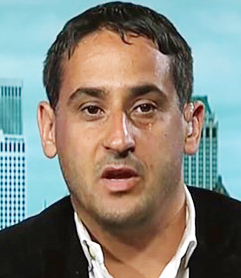
Jeremy Kuzmarov holds a Ph.D. in American history from Brandeis University and has taught at numerous colleges across the United States. He is regularly sought out as an expert on U.S. history and politics for radio and TV programs and co-hosts a radio show on New York Public Radio and on Progressive Radio News Network called “Uncontrolled Opposition.”
He is Managing Editor of CovertAction Magazine and is the author of six books on U.S. foreign policy, including Obama’s Unending Wars (Clarity Press, 2019), The Russians Are Coming, Again, with John Marciano (Monthly Review Press, 2018), Warmonger. How Clinton’s Malign Foreign Policy Launched the U.S. Trajectory From Bush II to Biden (Clarity Press, 2023); and with Dan Kovalik, Syria: Anatomy of Regime Change (Baraka Books, 2025).
Besides these books, Kuzmarov has published hundreds of articles and contributed to numerous edited volumes, including one in the prestigious Oxford History of Counterinsurgency .
He can be reached at jkuzmarov2@gmail.com and found on substack here.







long long long comments are okay, but they make the smaller comments less noticeable. So if someone had made a short comment before the long comment nobody will notice or read the small comment likely.
They obeyed to Putler, the son of a Jewish woman and betrayed their Syria. Shelomova was a Jewish woman, and this explains Putin’s friendship with Netanyahu. Did they really think they would be safe in RUSSIA? They won’t be! Never! Judgement day is closer than they can even imagine. Traitors think they are safe in Russia.
Suddenly Poles, Ukrainians and Kazakhs will strike from all sides and there will not even be Prigozhin to defend them. Judgment Day is approaching and NATO will strike Moscow from all sides. Not a rat will be safe in Moscow, not even a fat Maher al-Assad.
the West to believe will be an inevitable crisis with Russia after the Ukrainian Conflict ends.
Background Briefing
Sputnik reported in early December that Kazakhstan will build four factories that’ll produce Russian- and NATO-standard shells, which prompted First Deputy Chairman of the Duma Defense Committee Alexei Zhuravlev to harshly condemn this development. In his words,
“We try to ignore how a seemingly fraternal republic has swiftly abandoned not only the Russian language but also the Cyrillic alphabet. How they’re creating ‘yurts of invincibility’ while supporting Ukraine.”
.
Kazakhstan | History, Culture, Facts, Map, & People | Britannica
.
He added that “now they’re switching to NATO ammunition standards, clearly intending to abandon Russian weapons in the future, replacing them with Western ones. Astana may not have been the largest buyer of Russian military-industrial complex equipment, but the move itself is certainly unfriendly and must be responded to accordingly. We all know what such cooperation with NATO has meant for Kiev.” This is the latest manifestation of Kazakhstan’s pro-Western pivot that accelerated in recent months:
30 September 2023: “Kazakhstan’s Pro-EU Pivot Poses A Challenge For The Sino-Russo Entente”
2 July 2025: “Why’d Erdogan Decide To Expand Turkiye’s Sphere Of Influence Eastwards?”
9 August 2025: “The TRIPP Corridor Threatens To Undermine Russia’s Broader Regional Position”
2 November 2025: “The West Is Posing New Challenges To Russia Along Its Entire Southern Periphery”
12 November 2025: “A US Think Tank Considers Armenia & Kazakhstan To Be Key Players For Containing Russia”
13 November 2025: “The US’ Central Asian Minerals Deals Could Put More Pressure On Russia & Afghanistan”
23 November 2025: “Why’d Kazakhstan Join The Abraham Accords When It Already Recognizes Israel?”
2 December 2025: “The ‘Community Of Central Asia’ Could Reduce Russia’s Regional Influence”
19 December 2025: “Turkish Curriculum’s Renaming Of Central Asia To Turkistan Is Turkiye’s Latest Soft Power Flex”
In brief, the “Trump Route for International Peace and Prosperity” (TRIPP) will turbocharge the Turkish-led injection of Western influence along Russia’s entire southern periphery by creating a military logistics corridor between NATO member Turkiye and the Central Asian Republics. Kazakhstan and Kyrgyzstan are part of the Russian-led CSTO mutual defense bloc and the Turkish-led “Organization of Turkic States” (OTS) socio-economic one that’s recently begun discussing a joint military structure and drills.
Azerbaijan, whose armed forces completed their conformation to NATO standards in early November, will help those two follow suit through its role in the “Community of Central Asia” (CCA, the newly rebranded annual Consultative Meeting of Heads of State) that it joined later that same month. The CCA is therefore expected to function as the means for the NATO-backed OTS to “poach” Kazakhstan and Kyrgyzstan from the CSTO for irreversibly shattering Russia’s “sphere of influence” in Central Asia.
Grand Strategic Context
The context within which these newly accelerated processes are occurring, which were unleashed by TRIPP (and its origins in turn stem from Nikol Pashinyan seizing the Armenian premiership in 2018 after his successful Color Revolution that later led to the next Karabakh Conflict), is the Ukrainian peace talks. The US is essentially relying on the Azeri-Turkish Axis (ATA) to jointly pressure Russia along its entire southern periphery for raising the odds of Putin agreeing to a lopsided peace deal in Ukraine’s favor.
He’s thus far refused, but Kazakhstan’s planned production of NATO-standard shells adds a sense of urgency to ending the special operation so as to refocus Russia’s strategic attention towards its entire southern periphery in the hopes of averting the irreversible shattering of its “sphere of influence” there. Ideally, the US would help manage Turkish-Russian tensions in this space through the five means described here as part of a grand deal detailed here, here, and here, but that can’t be taken for granted.
Kazakhstan’s Anti-Russian Plans
Russia must therefore prepare itself for the possibility of an inevitable crisis with Kazakhstan, and also ATA by extension that might then come to involve NATO as a whole due to Turkiye’s membership therein, after it just decided to build NATO-standard shells. Its new factories’ purpose is to stockpile these shells ahead of what Kazakhstan appears to have already concluded will be an inevitable crisis with Russia sparked by the undeclared plan to have its armed forces conform to NATO standards.
The only reason why it’s setting this scenario sequence into motion is because its leadership has been duped by the West (including ATA and Ukraine) to believe that Russia will set its sights on historically Russian territory within Kazakhstan’s Soviet-drawn borders after the special operation ends. Kazakhstan thus no longer wants to be dependent on Russian military-technical equipment and has instead quietly decided to transition to NATO wares instead with ATA’s help.
This is expected to occur in parallel with its armed forces conforming with NATO standards under the cover of closer cooperation within the OTS or at least within the CCA, which includes Azerbaijan with whom it, Kyrgyzstan, Tajikistan, and Uzbekistan now jointly drill and consult each other. Conforming with NATO standards, transitioning to its wares, and stockpiling its shells are meant to help Kazakhstan’s armed forces hold out long enough in a conflict with Russia for more NATO-backed ATA support to arrive.
ATA In Action
If Turkish and/or Azeri troops (respectively formal and informal NATO troops who have mutual defense obligations) aren’t already deployed to Kazakhstan by the time that a crisis erupts, and such an advance deployment could also trigger a crisis, then they’d have to speedily be dispatched there afterwards. The only realistic way in crisis conditions is by air over the Caspian Sea, possibly under the cover of civilian airliners to deter Russia from shooting them down, but another supplementary route is also possible.
Casual observers don’t know that ATA is allied with Pakistan, which can be considered an unofficial member of the OTS, so any troops that they might have already deployed there by that time could be airlifted from there to Kazakhstan. This could also be done under civilian cover to deter Russian jets from shooting them down from their airbase in Kyrgyzstan’s Kant. If Afghan-Pak ties stabilize and the PAKAFUZ railway is built by then, Pakistan could also ship military equipment to Kazakhstan that way too.
As a means for either “deterring” or at least “restraining” Russia, ATA might also try to stir trouble in the North Caucasus, which could provoke a Russian response for invoking their mutual defense obligations and thus draw NATO member Turkiye and “Major Non-NATO Ally” Pakistan into the fray. A multi-front conflict with Turkiye in the Black Sea, Azerbaijan in the North Caucasus, it and Kazakhstan in the Caspian Sea, and Kazakhstan in Central Asia (with aid from ATA and Pakistan) could easily overextend Russia.
Trigger Events
The following events could contribute to sparking the worst-case scenario of a Russian-Kazakh crisis:
Kazakhstan making tangible progress on conforming its armed forces to NATO standards;
Its increased import of US, Turkish, Azeri, and/or Pakistani weaponry (all increasingly standardized);
More drills between its armed forces and the aforesaid countries’;
Freezing its membership in the CSTO just like already “poached” Armenia has done;
The deployment of US, Turkish, Azeri, and/or Pakistani advisors/troops (even under PMC cover);
The passing of Ukrainian-like discriminatory legislation against Kazakhstan’s Russian minority;
Pogroms against them;
And/or meddling in the “Orenburg Corridor” amidst the external revival of “Idel-Ural” separatism.
Depending on what happens, Russia’s kinetic response could be framed as preventive or preemptive.
Concluding Thoughts
The Kazakh leadership’s threat perception of Russia that’s responsible for its decision to produce NATO-standard shells is based on the false premise that the Kremlin has revanchist plans for re-incorporating historically Russian land within Kazakhstan. This shows that they never took seriously Russia’s reason for the special operation, namely to neutralize Ukrainian-emanating threats from NATO precisely of the sort that Kazakhstan is now on the path to produce in the same mistaken belief that this will “deter” Russia.
So long as Kazakhstan doesn’t pose a security threat to Russia and treats its minority with respect, Russia doesn’t care what else Kazakhstan does, but its decision to produce NATO-standard shells indisputably poses a latent security threat to Russia as explained. Kazakhstan therefore risks creating the same crisis with Russia that its aforesaid decision and consequent military-strategic trajectory are meant to avert all because it let itself be duped by the US, Turkiye, Azerbaijan, and Ukraine unless it soon changes course.
*
Click the share button below to email/forward this article. Follow us on Instagram and X and subscribe to our Telegram Channel. Feel free to repost Global Research articles with proper attribution.
This article was originally published on the author’s Substack.
Andrew Korybko is an American Moscow-based political analyst specializing in the relationship between the US strategy in Afro-Eurasia, China’s One Belt One Road global vision of New Silk Road connectivity, and Hybrid Warfare. He is a regular contributor to Global Researc
Almost every country in the world does some bad things which merit criticism. So I do not mind reading articles that are critical. of various countries, even countries that I like. However no country should be totally exempt from criticism And yet there are several countries in the world for which not a single word of criticism has ever appeared in Covert Action Magazine. This is not genuine journalism. It is politics.
https://www.globalresearch.ca/silent-genocide-ethnic-cleansing-taking-place-right-now-in-syria/5885863
Putler is a JEW and PIG.