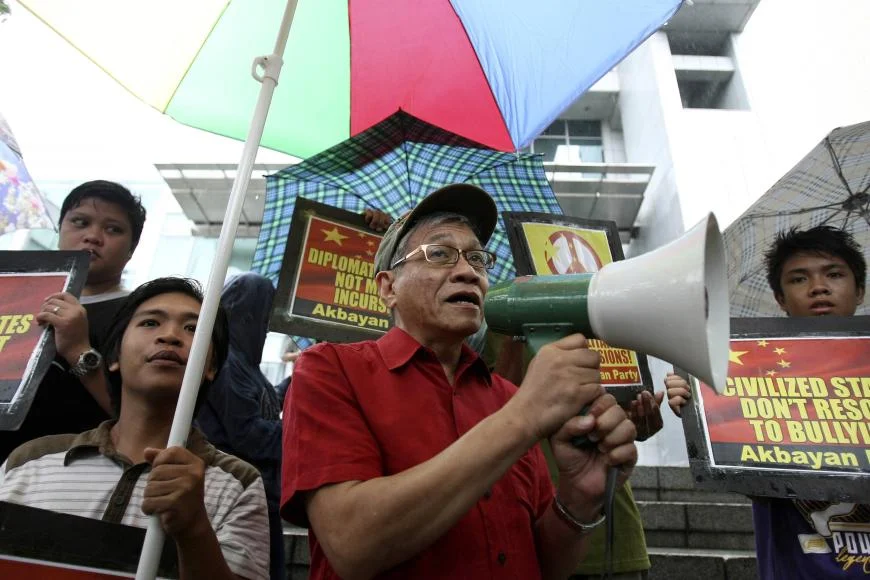
Walden Bello is a well-known figure in the Philippines who served in its House of Representatives and ran as a vice-presidential candidate on a social democratic ticket in the country’s 2022 elections.
For many years, Bello has also been a leading intellectual critic of neo-liberal ideology, showing in books and articles how it has resulted in widening social inequalities and devastation across the Global South.
When Bello was given a distinguished human rights award from Amnesty International in 2023, hs gave a speech calling for the indictment at the International Criminal Court (ICC) of the bureaucrats and technocrats of the International Monetary Fund (IMF) and World Bank and ideologues of neo-liberalism at the University of Chicago.
For years, Bello said that these people had promoted a fake gospel and helped facilitate the ruin of national economies like the Philippines by destroying their manufacturing sector and pushing for a dramatic reduction of social services.
Global Battlefields
Bello’s memoir, Global Battlefields: Memoir of a Legendary Public Intellectual from the Global South, details his trajectory from a Princeton University graduate student in sociology to a leader in the movement against Filipino dictator Ferdinand Marcos and member of the Philippines Communist Party to an anti-globalization activist and leading intellectual critic of neo-liberalism.
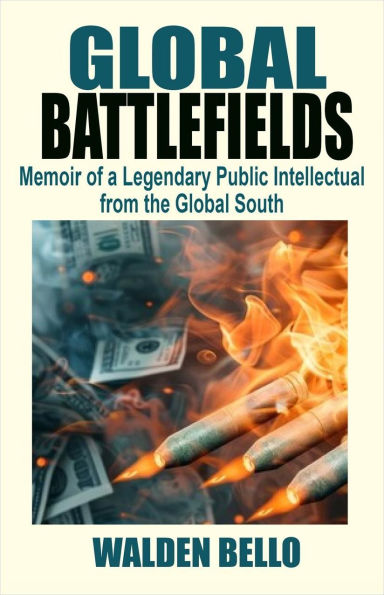
Bello further recounts his time serving in the Philippines House of Representatives and campaign for the vice presidency, and clashes with the Philippines’ last two presidents, Rodrigo Duterte and Ferdinand Marcos, Jr., whom he also accuses of committing crimes against humanity.
Bello’s memoir is a good read that provides a lens for examining the history of left-wing movements during the late 20th and early 21st centuries and limitations and disappointment of these movements.
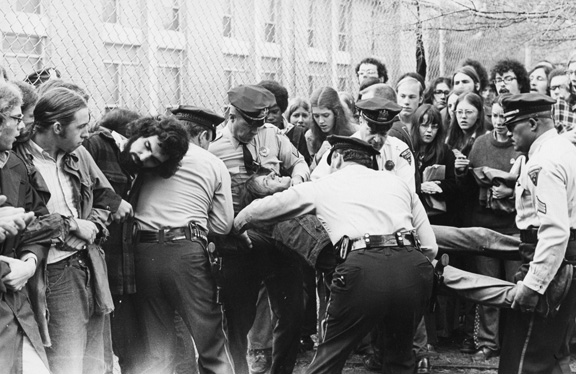
Bello came of age politically in the late 1960s and early 1970s anti-Vietnam War movement and has maintained the value system of that movement to this day.
He describes arriving in 1969 at a Princeton campus that was convulsed by struggles over racism, women’s rights, capitalism and Vietnam.
His Ph.D. dissertation examined how Chile’s middle classes backed the CIA’s right-wing coup against socialist Salvador Allende, whom they saw as a greater threat to their social standing and economic comfort than the far right.
Sadly, Bello saw history repeat itself in the 21st century Philippines, where many in the working and middle classes gravitated to Rodrigo Duterte’s right-wing populism and supported his overzealous war on drugs and crime that caused approximately 27,000 deaths.
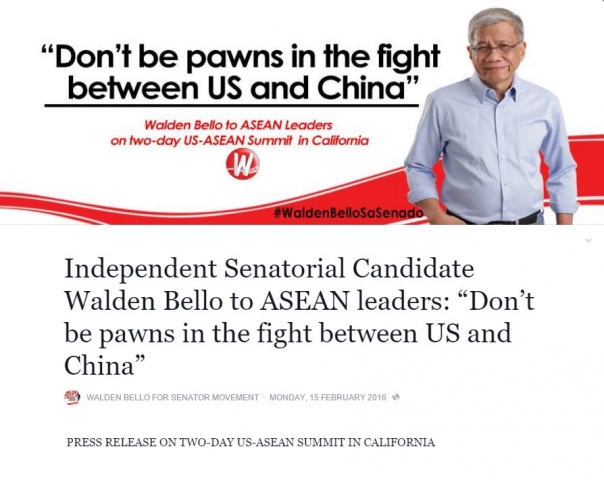
Bello has devoted much of his most recent political activism to helping to counter the U.S. military build-up in the Asia-Pacific and provocations directed against China that could lead to a new Pacific War.
While Bello is critical of Chinese land grabs in the South China Sea, he views those actions largely as defensive and a response to the aggressive U.S. military encirclement of China.
Bello laments how Duterte and Marcos Jr. have allowed for the expansion of U.S. military bases in the Philippines that could be used as a launching pad for attacks against China.
Anti-Marcos Struggle and Critical Perspective on Philippines Left
Perhaps one of the most valuable aspects of Bello’s memoir is the critical perspective he provides about the Philippines’ left and some of the tactical errors that it made which led to its marginalization.
Bello says that one of the biggest mistakes was to remain an observer rather than a direct player in the mid-1980s uprising that toppled Filipino dictator Ferdinand Marcos, who had been supported for two decades by the U.S.
The Communist Party of the Philippines (CPP) decided to boycott the elections that replaced Marcos, and later devoured its own by carrying out a violent purge to which Bello himself nearly fell victim.
Bello had been inspired by the writings of José Maria Sison, a CPP theoretician with whom he later broke over his support for Duterte after the CPP had collapsed.
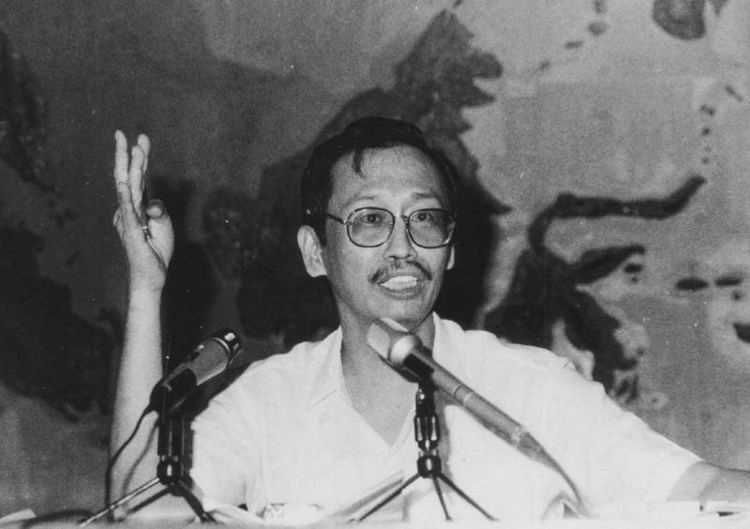
Bello describes in his memoir his devotion to the party, which adopted armed struggle against the Marcos dictatorship.
Living in Washington, D.C., Bello was part of a network of party cadres that lobbied the U.S. Congress to cut off aid to Marcos and tried to raise public awareness about Marcos’s brutality.
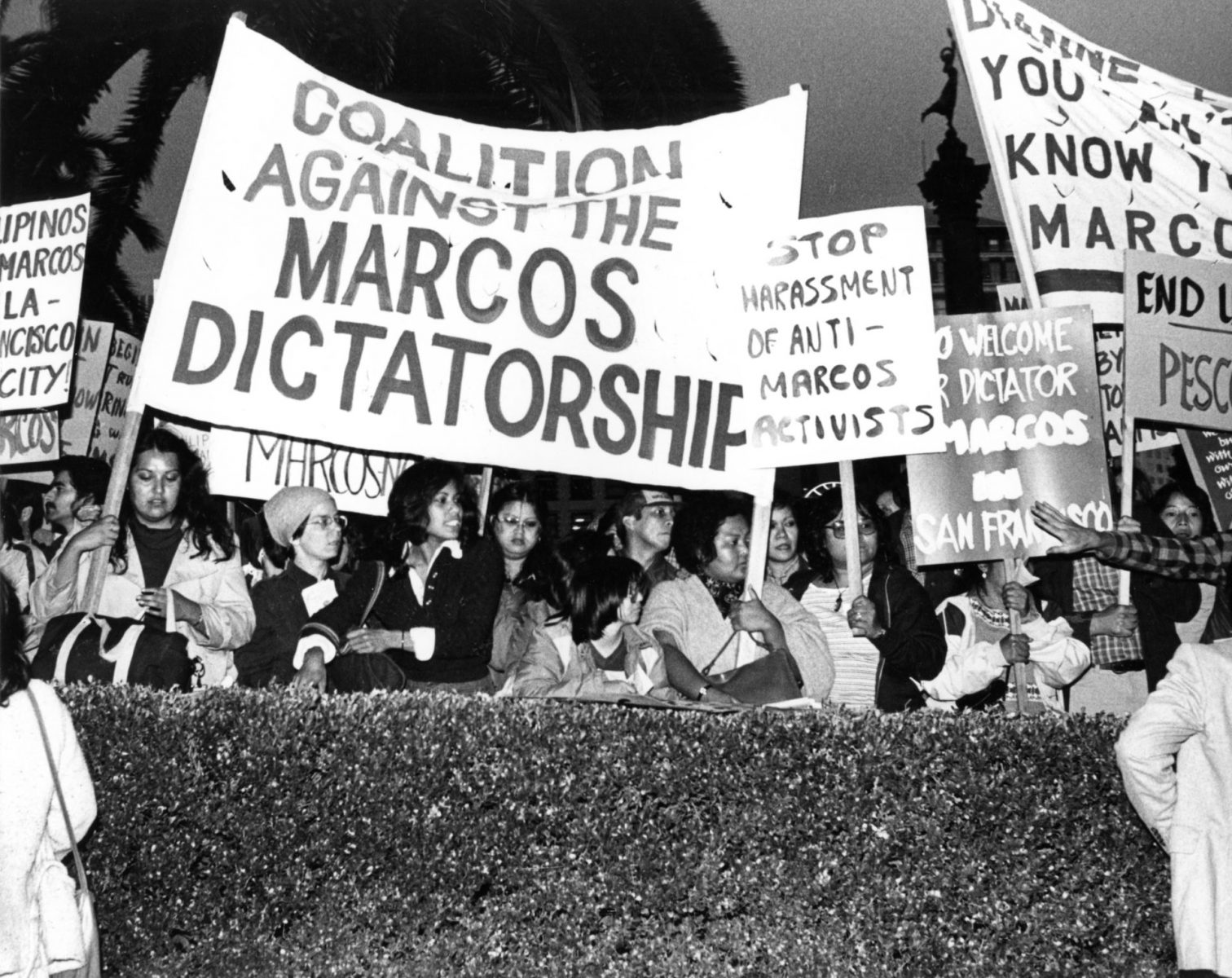
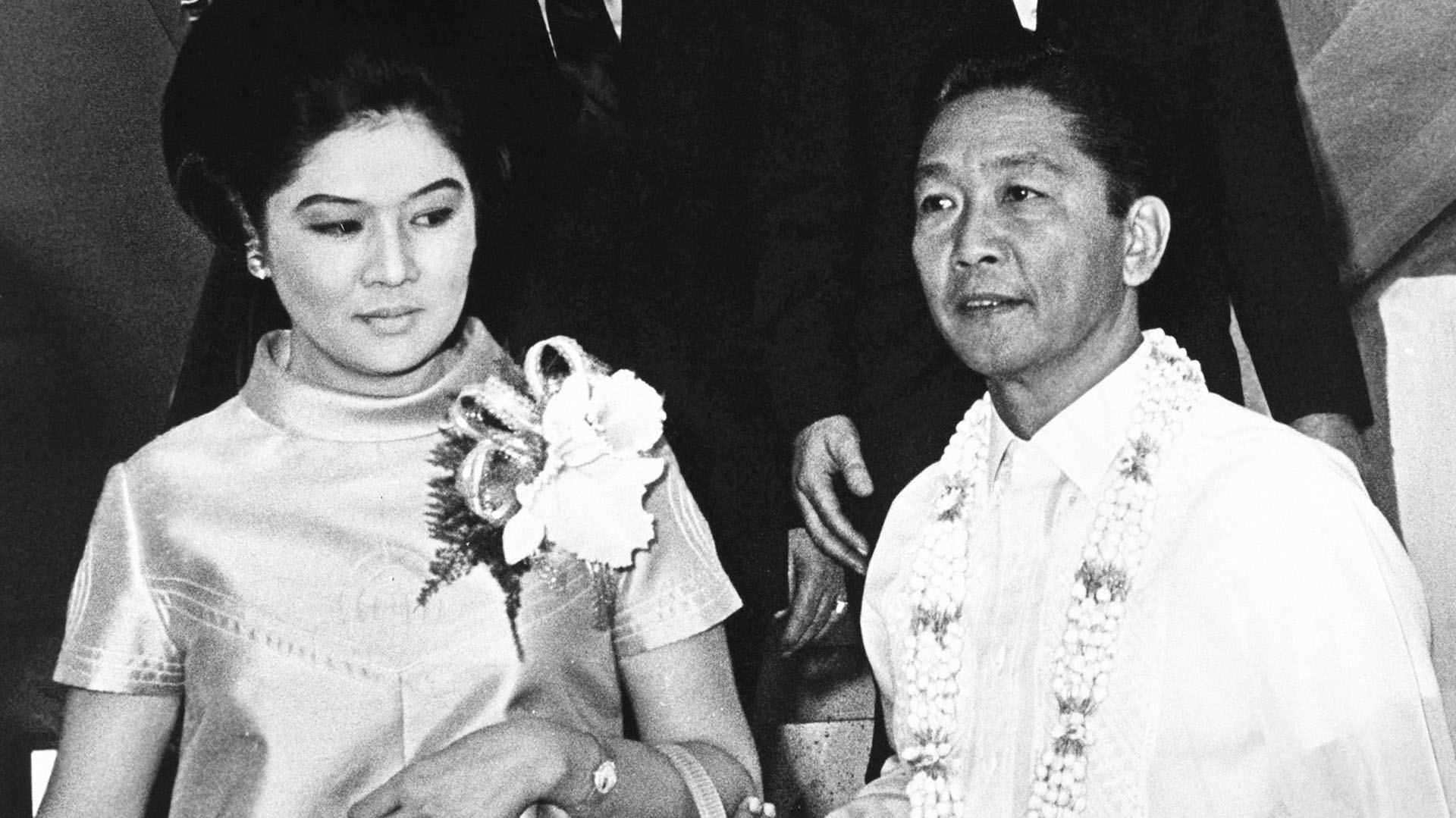
In 1981, Bello’s group staged a protest of Ferdinand’s wife Imelda when she attended a piano concert at the Kennedy Center in Washington.[1] They further staged sit-ins at the Philippines consulate in San Francisco and carried out comedy skits lampooning the Marcoses’ greed and venality in public squares and in the lobby of IMF offices and other agencies that supported them.[2]
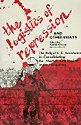
Around this time, Bello co-authored a book, The Logistics of Repression and Other Essays, about U.S. police and military assistance to the Philippines and how it helped to strengthen Marcos’s repressive state security apparatus (that had earlier been built up during the U.S. colonization of the Philippines).
Bello and his activist cohort made particular waves when they broke into World Bank offices and took documents that shed light on how the Philippines had become a testing ground for structural adjustment programs by which the World Bank extended loans to developing countries if they adopted a neo-liberal economic program favoring corporate investors.[3]
The neo-liberal program included the slashing of public services and tariffs on imported goods, privatization and adoption of cuts in wages and taxes.
The World Bank at the time was run by Vietnam War architect Robert S. McNamara, who made the Philippines a “country of concentration” and convinced Marcos and his technocrats to focus on industrializing for export markets instead of the domestic market on the grounds that the latter was too small owing to great poverty and inequality.
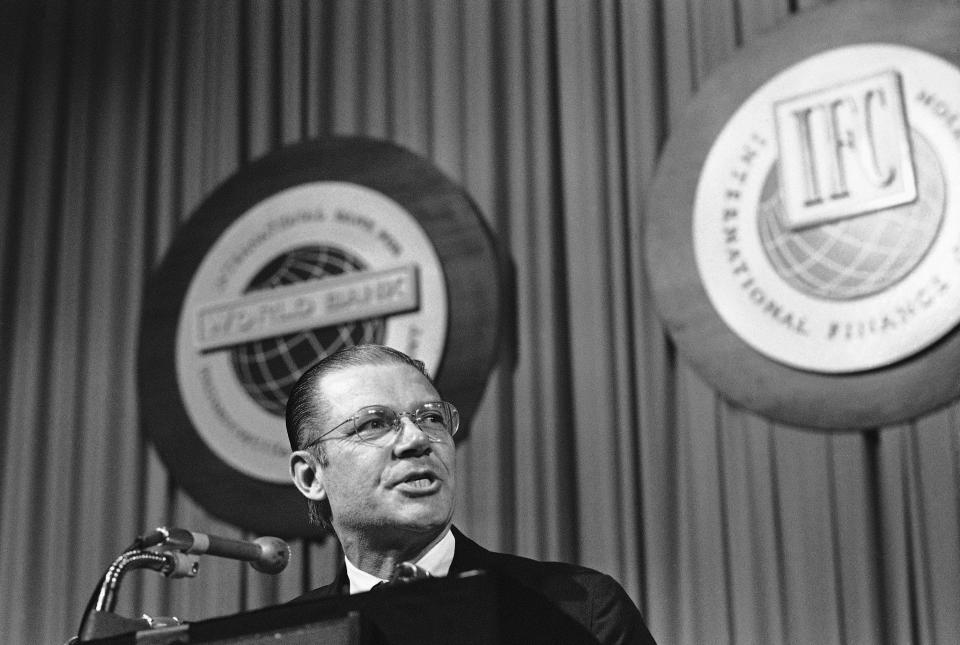
Additionally, Bello and his group found that the World Bank pushed Marcos into adopting moderate land reform with the goal of creating a class of small landholders that could serve as a conservative base against radicalization.
A conflict erupted when Marcos refused to disempower a network of cronies that World Bank economists believed stifled the functioning of the free market in the Philippines.
The conflict helped account for the Reagan administration’s decision to back the anti-communist opposition to Marcos that they thought they could co-opt when the Philippines became gripped with large-scale protests.
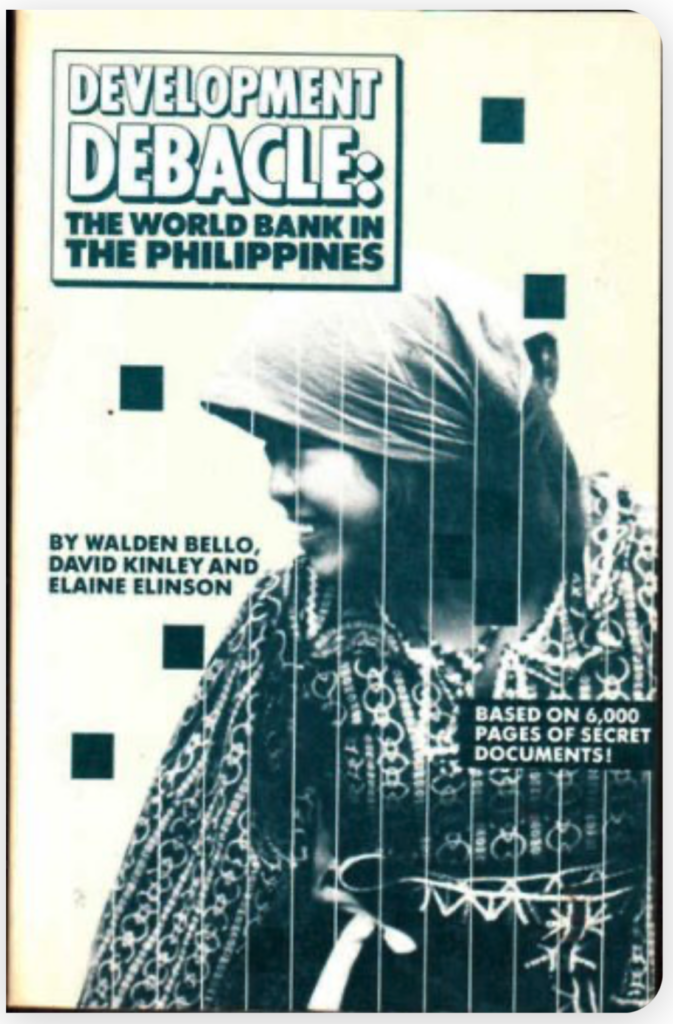
In 1980, Bello’s group held a press conference to announce what was found in the documents and, in 1982, Bello co-authored a book based upon them entitled Development Debacle: The World Bank in the Philippines.
Published in the U.S. by the Institute for Food and Development Policy for which Bello worked, Development Debacle became an underground bestseller in the Philippines and helped contribute to the downfall of Marcos’s dictatorship.
Bello was disappointed, however, in the direction of the Philippines’ post-Marcos government under Corazon Aquino, which restored the formality of democracy but went full-speed ahead in adopting a neo-liberal economic program that thrust more and more Filipinos into poverty.

Bello writes that, rather than representing a social revolution from below, the new political structure restored the system of elitist rule put in place by U.S. colonizers,[4] where wealth was concentrated among a bourgeois elite that mobilized against radical efforts to create a truly independent, socialistic society freed from U.S. military occupation.
Educating People About the Evils of U.S. Militarism
After leaving the Philippines Communist Party, Bello co-authored American Lake: Nuclear Peril in the Pacific (1987), which provided a comprehensive survey of the U.S. military presence and actions in the Asia-Pacific from the 19th century through the then-present.
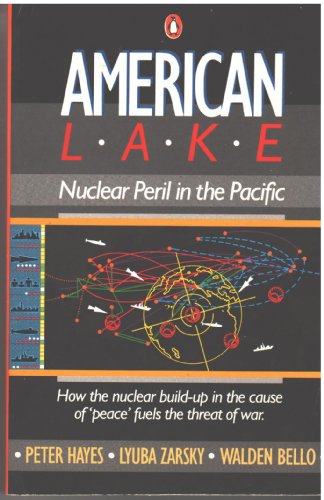
Bello writes that his research enabled him to see the Philippines as “part of a transnational garrison state in the Western Pacific that extended from Japan and South Korea in the north, then from Guam and the Philippines to Australia in the South Pacific, supported from a vast rear area, Micronesia.” The Second World War, according to his analysis, “drastically reshaped the political geography of the Western Pacific, with the creation of semi-sovereign offshore or peninsular states from which the U.S. could project power onto the Asian landmass.”[5]
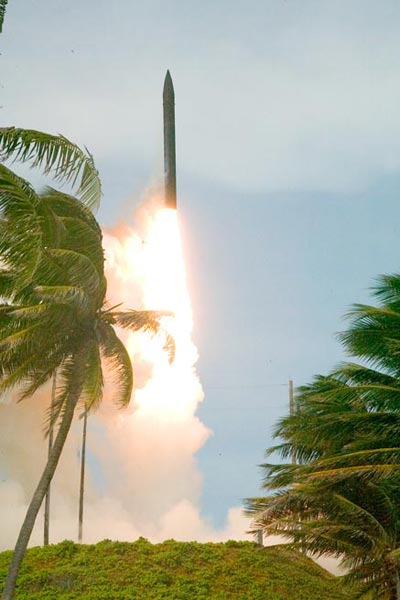
After writing the book, Bello helped establish the U.S. Pacific Network, which aimed to inform the American public about the high cancer rates from nuclear bomb testing at Bikini and other atolls in the Marshall Islands during the 1950s.
One of Bello’s colleagues in this endeavor, Darlene Keju-Johnson, died of breast cancer resulting from genetic complications stemming from radioactive fallout from the 67 nuclear tests to which she and her people were exposed.
Debate with McNamara
In March 1992, Bello had the opportunity to debate Robert McNamara at the University of Notre Dame in South Bend, Indiana.
He opened by noting that structural adjustment programs had been the central factor driving down per capita income in Africa in the late 1980s to the level at the time of decolonization in the 1960s, and depressing per capita income in Latin America below its level in 1980.
Bello went on to state that the World Bank had become a glorified debt collection agency that oversaw the transfer of $155 billion worth of financial resources from the South to the North between 1984 and 1987.
McNamara responded that the heads of state in India, Tanzania and Argentina would tell him that the Bank had played a positive role in the economic development of their countries.
Bello got in the last word when he said: “Mr. McNamara, you yourself designated the Philippines as a ‘country of concentration’ when you were head of the Bank, and you provided the Marcos dictatorship with $6 billion worth of World Bank money, but when Marcos was overthrown in 1986, 70% of Filipinos lived under the poverty line, in contrast to 40% at the beginning of the dictatorship in 1972.”[6]
Structural Adjustment and the Failure of Neo-Liberalism
Seven years after the debate, Bello published Dark Victory: The United States and Global Poverty (1999).
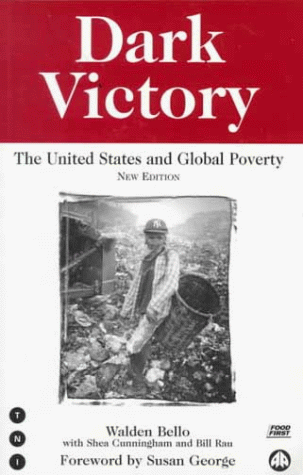
It provided a lot of data to prove that structural adjustment led to Third World countries becoming stuck in a “low-level trap,” in which low investment, reduced consumption, and low output impact interacted to create a vicious cucle of stagnation and decline rather than a virtuous circle of growth, rising employment, and rising investment as envisaged by World Bank theory.[7]
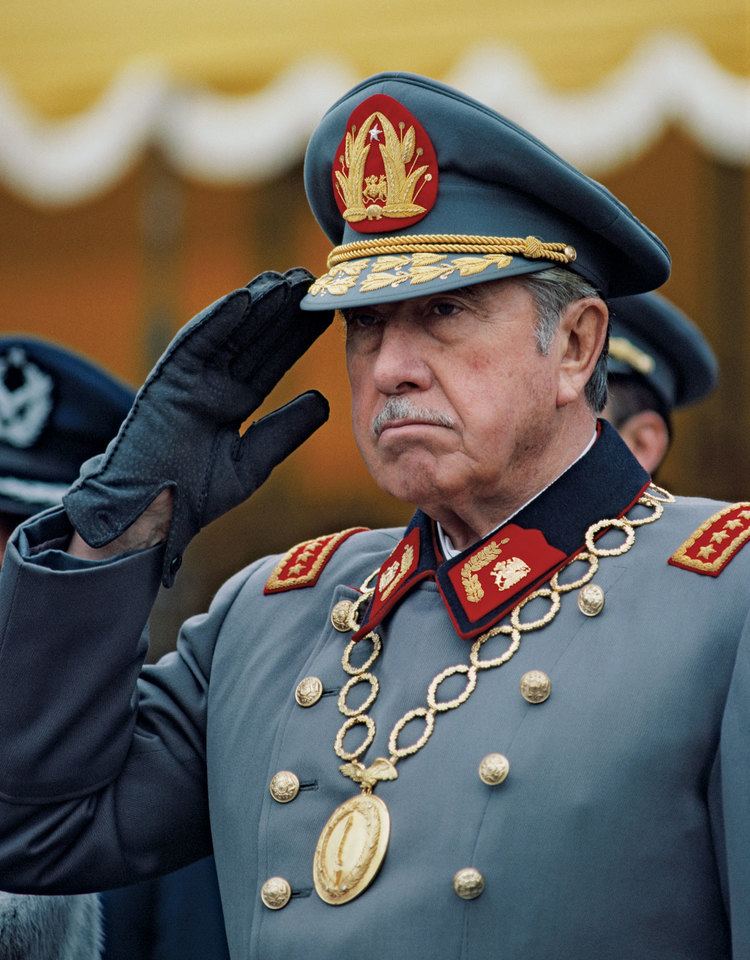
In other of his writings, Bello discussed the failure of free-market theory in Chile, a testing ground for Chicago school economic theory where Augusto Pinochet subjected his people to two depressions, deindustrialization and widening poverty and inequality.
Average GDP growth during his rule from 1974-1989—the radical phase of the Pinochet free-market revolution—was only 2.6% compared to 4% per year during the period from 1951-1973.[8]
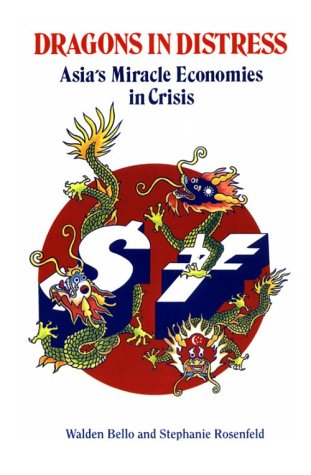
Bello’s 1990 book Dragons in Distress: Asia’s Miracle Economies in Crisis with Stephen Rosenfeld, showed the superiority of the state centric model of development in Asian countries designated as “miracles” in the West and also some of the structural weakensses of the economies of those countries that was made clear during the 1990s Asian financial crisis.[9]
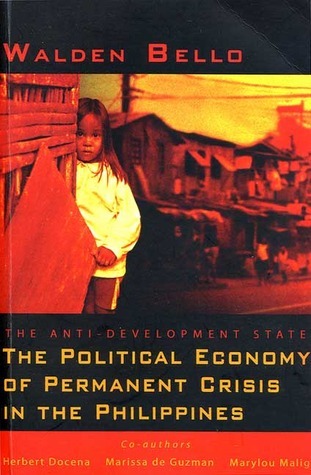
This book was followed by The Anti-Development State: The Political Economy of Permanent Crisis in the Philippines (2004), which detailed how the neo-liberal economic formula led the Philippines to become one of the most unequal societies in Asia, with one-third of its population living in poverty.
The privatization of essential services like energy and water was particularly harmful, as it left much of the Philippines population subject to higher prices and worse services.[10]
Anti-Globalization Movement and Early 2000s Peace Activism
Bello became centrally involved in the protests against the World Trade Organization (WTO) and corporate-driven globalization in Seattle in November 1999.
He recounts trying to prevent a burly police officer from trying to manhandle CodePink founder Medea Benajmin and how he was wrestled to the ground and then hurled by the same cop.[11]
Bello said that police violence against the demonstrators outside the WTO meeting devolved into a full-fledged “police riot” in which peaceful marchers were gassed and disrupted by police, some of them mounted on horses.[12]
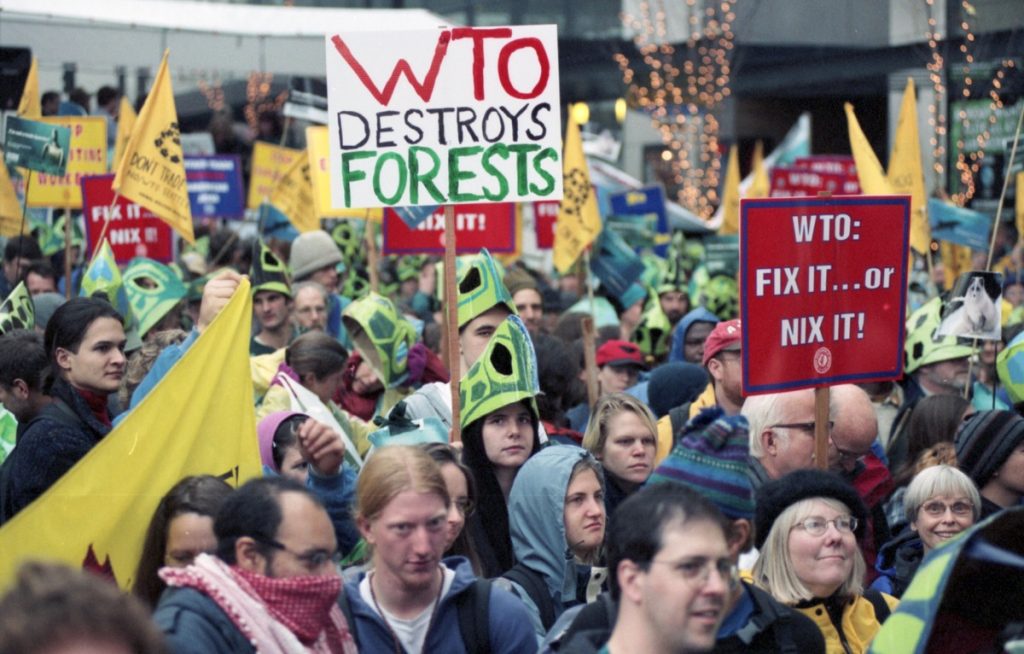
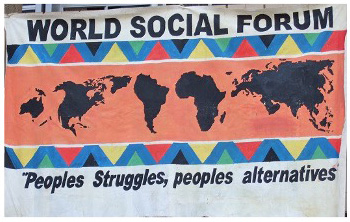
Bello nevertheless came away inspired by the “Battle for Seattle” and subsequent founding of the World Social Forum, which Bello says provided a “site and space” for new visions of “an alternative world order built on a real community of interests.”[13]
Unfortunately, the prospects for social change were dampened by the 9/11 attacks and the fear of terrorism that they engendered propelling support for the U.S.-led Global War on Terror.
Just prior to the 2003 U.S. invasion of Iraq, Bello was part of a peace mission to Baghdad where he met with university students who were ready to fight against the Americans, telling Bello that “we’ve been invaded by many armies for thousands of years, and those who wanted to conquer us always said they wanted to liberate us [as George W. Bush had claimed to want].”[14]
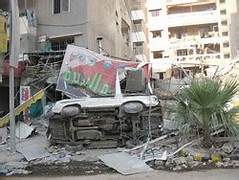
In August 2006, Bello traveled to Beirut, where he witnessed whole neighborhoods that had been flattened in bombings by the Israel Defense Forces (IDF).
Bello was haunted by the images of a teddy bear, child stroller and books which he came across in the rubble.
When he spoke to victims of the bombing, they told him that Israel was a tyrannical state, and that Hezbollah had gained in popularity because it was providing social services to people who had been displaced by the Israeli attacks.
Hezbollah additionally had deployed rockets to neutralize Israeli air power and stymied the IDF through adoption of guerrilla warfare tactics.[15]
Trying to Make Change from Inside
The final part of Bello’s memoir highlights his decision to re-enter Philippine politics as a member of parliament with a leftist party, Akbayan, and the battles that he fought to advance abortion rights, for meaningful agrarian reform, and against the sex slave trade and re-introduction and expansion of U.S. military bases in the Philippines.[16]

Bello laments how the decline of the left created a political vacuum in the Philippines that was filled by Duterte and his brand of right-wing populism that did so much damage to the country.
Ferdinand Marcos, Jr.’s election is another nightmare that has brought back bad memories for people of Bello’s generation.
A Prophet of Our Time?
Overall, Bello comes across in his memoir as a hard-working, sensitive and admirable person who has combined rigorous scholarly analysis and research on a range of important topics with engaged political activism.
Bello tried to affect social change both from within and outside the system and succeeded in many ways doing both.
While his side—the political left—did not win out politically, the movements which Bello was part of could contribute to its resurgence as more and more people experience the injustices associated with capitalism.
Bello himself is keenly attuned to the danger of ascendant fascism as a phase of capitalist evolution where left-wing movements either self-destructed or were destroyed.
But history often unfolds in strange and unexpected ways. Future generations may well look back on Bello as someone who, in doing battle against forces of evil, helped pave the way for a better future.

Walden Bello, Global Battlefields: Memoir of a Legendary Public Intellectual from the Global South (Atlanta: Clarity Press, 2024), 46, 47. ↑
Bello, Global Battlefields, 47, 48. ↑
Other guinea pigs included Turkey, Kenya and Bolivia. ↑
The U.S. colonized the Philippines from 1898 to 1924 and then left it only nominally independent. ↑
Bello, Global Battlefields, 82. ↑
Bello, Global Battlefields, 87. ↑
Idem. ↑
Bello, Global Battlefields, 88. ↑
Bello, Global Battlefields, 89-93. ↑
Bello, Global Battlefields, 105. Another of Bello’s books, A Siamese Tragedy: Development and Disintegration in Modern Thailand (1999), co-authored with Shea Cunningham and Li Kheng Poh traced some of the some problems in Thailand as Philippines and failings of the neolberal model there. ↑
Bello, Global Battlefields, 119. ↑
Idem. ↑
Bello, Global Battlefields, 139. ↑
Bello, Global Battlefields, 157. ↑
Bello, Global Battlefields, 163, 164, 165. ↑
Bello presents the victims of the sex slave trade as typifying the “disposable lives” of people across the Global South as perceived by the “Masters of Mankind” who rule over the global economy. ↑
CovertAction Magazine is made possible by subscriptions, orders and donations from readers like you.
Blow the Whistle on U.S. Imperialism

Click the whistle and donate
When you donate to CovertAction Magazine, you are supporting investigative journalism. Your contributions go directly to supporting the development, production, editing, and dissemination of the Magazine.
CovertAction Magazine does not receive corporate or government sponsorship. Yet, we hold a steadfast commitment to providing compensation for writers, editorial and technical support. Your support helps facilitate this compensation as well as increase the caliber of this work.
Please make a donation by clicking on the donate logo above and enter the amount and your credit or debit card information.
CovertAction Institute, Inc. (CAI) is a 501(c)(3) non-profit organization and your gift is tax-deductible for federal income purposes. CAI’s tax-exempt ID number is 87-2461683.
We sincerely thank you for your support.
Disclaimer: The contents of this article are the sole responsibility of the author(s). CovertAction Institute, Inc. (CAI), including its Board of Directors (BD), Editorial Board (EB), Advisory Board (AB), staff, volunteers and its projects (including CovertAction Magazine) are not responsible for any inaccurate or incorrect statement in this article. This article also does not necessarily represent the views the BD, the EB, the AB, staff, volunteers, or any members of its projects.
Differing viewpoints: CAM publishes articles with differing viewpoints in an effort to nurture vibrant debate and thoughtful critical analysis. Feel free to comment on the articles in the comment section and/or send your letters to the Editors, which we will publish in the Letters column.
Copyrighted Material: This web site may contain copyrighted material the use of which has not always been specifically authorized by the copyright owner. As a not-for-profit charitable organization incorporated in the State of New York, we are making such material available in an effort to advance the understanding of humanity’s problems and hopefully to help find solutions for those problems. We believe this constitutes a ‘fair use’ of any such copyrighted material as provided for in section 107 of the US Copyright Law. You can read more about ‘fair use’ and US Copyright Law at the Legal Information Institute of Cornell Law School.
Republishing: CovertAction Magazine (CAM) grants permission to cross-post CAM articles on not-for-profit community internet sites as long as the source is acknowledged together with a hyperlink to the original CovertAction Magazine article. Also, kindly let us know at info@CovertActionMagazine.com. For publication of CAM articles in print or other forms including commercial internet sites, contact: info@CovertActionMagazine.com.
By using this site, you agree to these terms above.
About the Author
Jeremy Kuzmarov holds a Ph.D. in American history from Brandeis University and has taught at numerous colleges across the United States. He is regularly sought out as an expert on U.S. history and politics for radio and TV programs and co-hosts a radio show on New York Public Radio and on Progressive Radio News Network called “Uncontrolled Opposition.”
He is Managing Editor of CovertAction Magazine and is the author of six books on U.S. foreign policy, including Obama’s Unending Wars (Clarity Press, 2019), The Russians Are Coming, Again, with John Marciano (Monthly Review Press, 2018), Warmonger. How Clinton’s Malign Foreign Policy Launched the U.S. Trajectory From Bush II to Biden (Clarity Press, 2023); and with Dan Kovalik, Syria: Anatomy of Regime Change (Baraka Books, 2025).
Besides these books, Kuzmarov has published hundreds of articles and contributed to numerous edited volumes, including one in the prestigious Oxford History of Counterinsurgency .
He can be reached at jkuzmarov2@gmail.com and found on substack here.