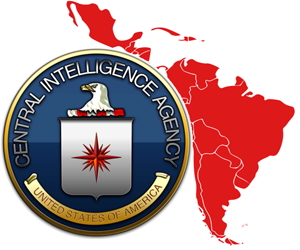
The financial elite the CIA serves is now salivating over the prospects of U.S. corporations retaking control of Venezuela’s oil industry
The Trump administration welcomed the New Year by ordering a brazen Special Forces raid into Venezuela that resulted in the kidnapping of Venezuelan President Nicolás Maduro, who was brought to the U.S. to face charges for alleged drug trafficking.
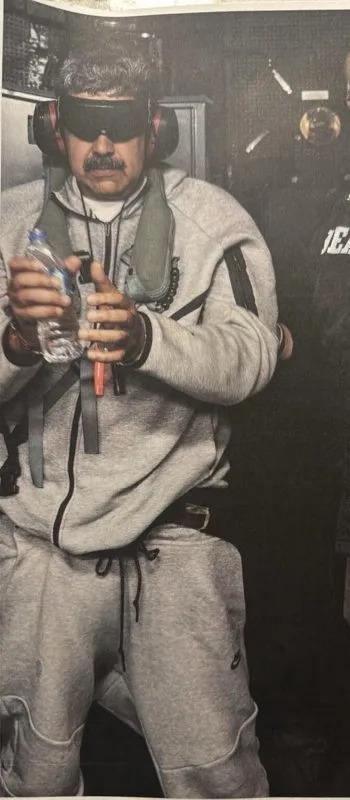
Called Operation Absolute Resolve, the kidnapping had been preceded by months of terrorist activities that included bombing a Venezuelan oil tanker and fishing vessels, resulting in the deaths of more than 100 civilians.
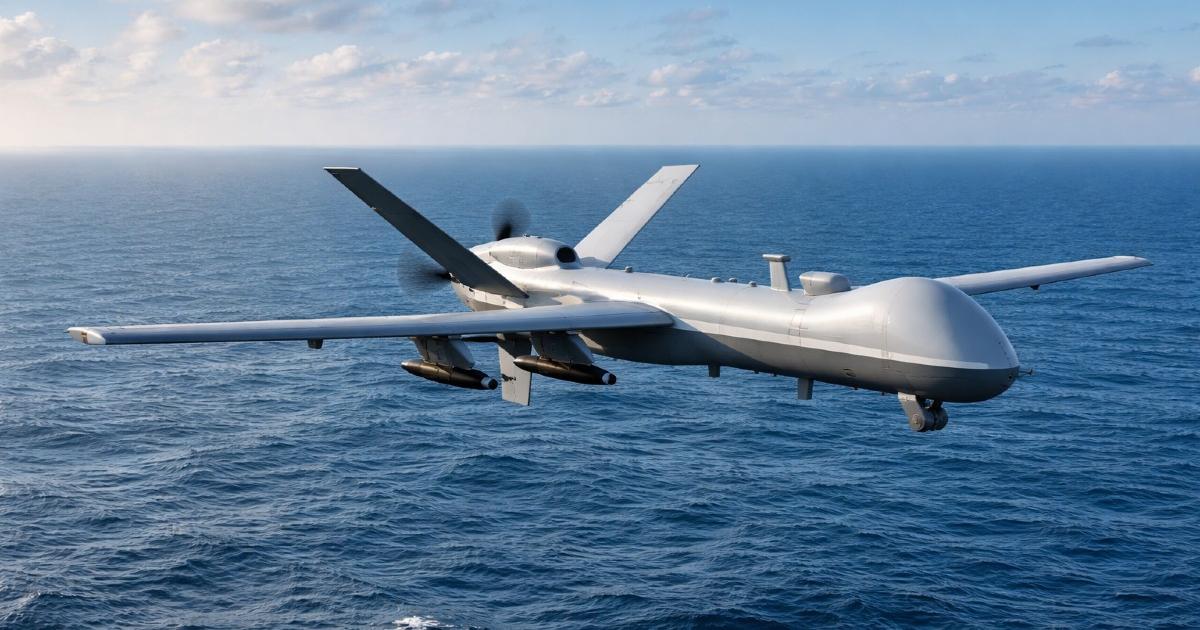
On January 3, The New York Times reported that a CIA source within the Venezuelan government had monitored Maduro’s location in the days and moments before his capture, tipping off the Special Forces about his whereabouts. The CIA also produced the intelligence that led to Maduro’s capture with a fleet of stealth drones.
According to a person familiar with the agency’s work, the CIA was able to recruit informants in Maduro’s inner circle because of the $50 million bounty placed on Maduro’s head.
Beginning in August, the informants worked clandestinely to provide the CIA with information about Maduro’s “pattern of life” and daily movements
The CIA had Maduro so precisely monitored that even his pets were known to U.S. intelligence agents, according to General Dan Caine, Chairman of the Joint Chiefs of Staff and former CIA associate director for military affairs.
In late December, the CIA used an armed drone to conduct a strike on a dock that U.S. officials claimed was being used by a Venezuelan gang to load drugs onto boats.
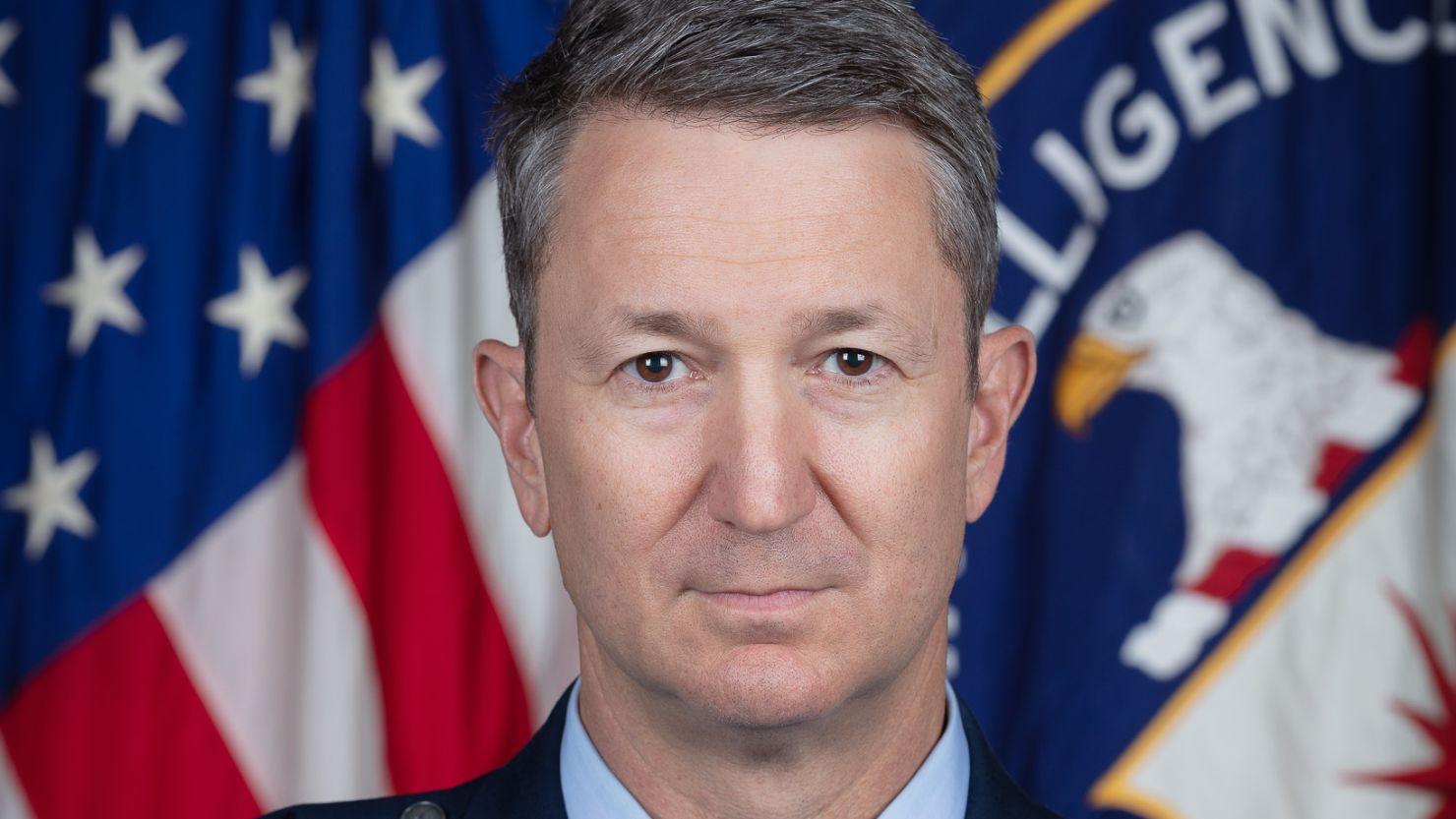
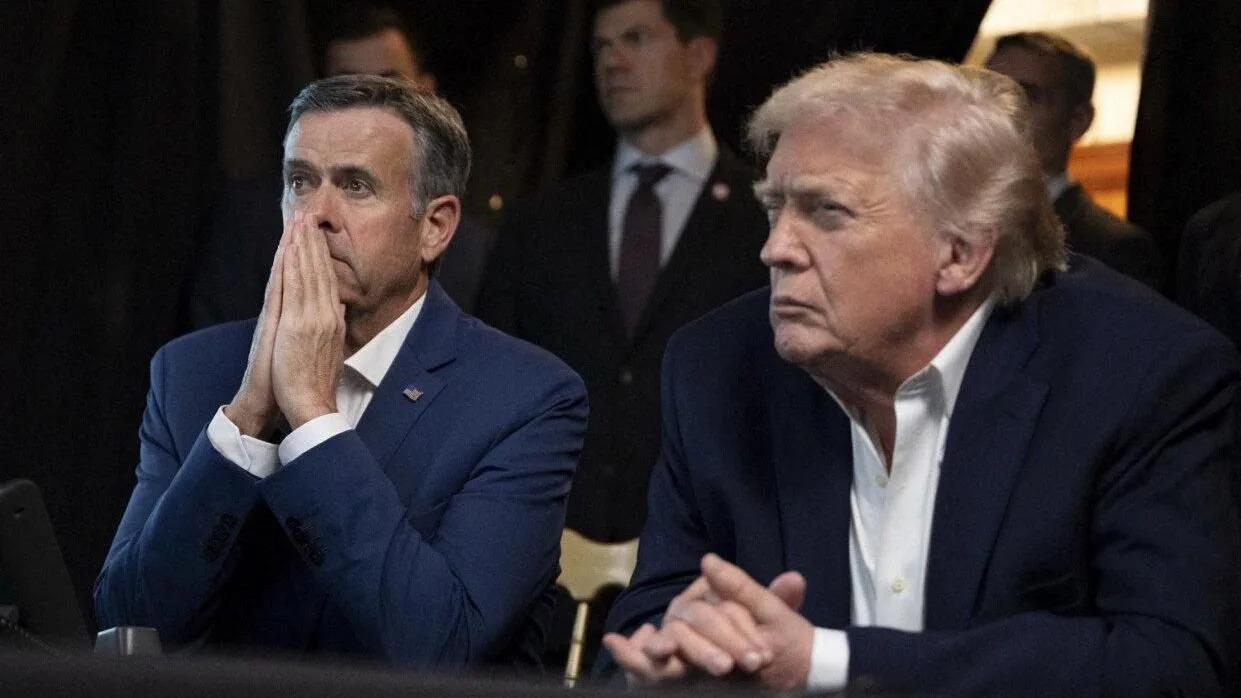
These actions fulfilled a promise of CIA Director John Ratcliffe in his confirmation hearing that he would lead a more aggressive CIA willing to conduct large-scale covert operations.
Despite claiming to be doing battle with the “deep state,” President Donald Trump authorized the CIA to take more aggressive action last fall and openly authorized CIA operations in Venezuela when the CIA normally operates covertly.
To the Victor Go the Spoils
The symbiotic relationship between the CIA and the financial elite intent on profiting from regime change are epitomized by the CIA’s former Venezuelan station chief, Enrique de la Torre, who advertised immediately after Maduro’s kidnapping that his lobbying firm, Tower Strategy,[1] was supporting clients intent on “rebuilding Venezuela’s energy sector.”
De la Torre published a blog post in late November entitled “The Case for Ending Maduro’s Rule,” which characterized Venezuela as a “criminal hub run by a man who treats state power as a franchise leased to foreign intelligence services and armed groups. Russian technicians advise the security services. Iranian operatives use Venezuelan territory as a platform. Hezbollah’s financiers move money through the state like it is a private bank. Cocaine corridors run through military protection. Gold is extracted by armed factions tied to the regime. This is not a sovereign nation in crisis. It is a hostile enterprise with a flag.”
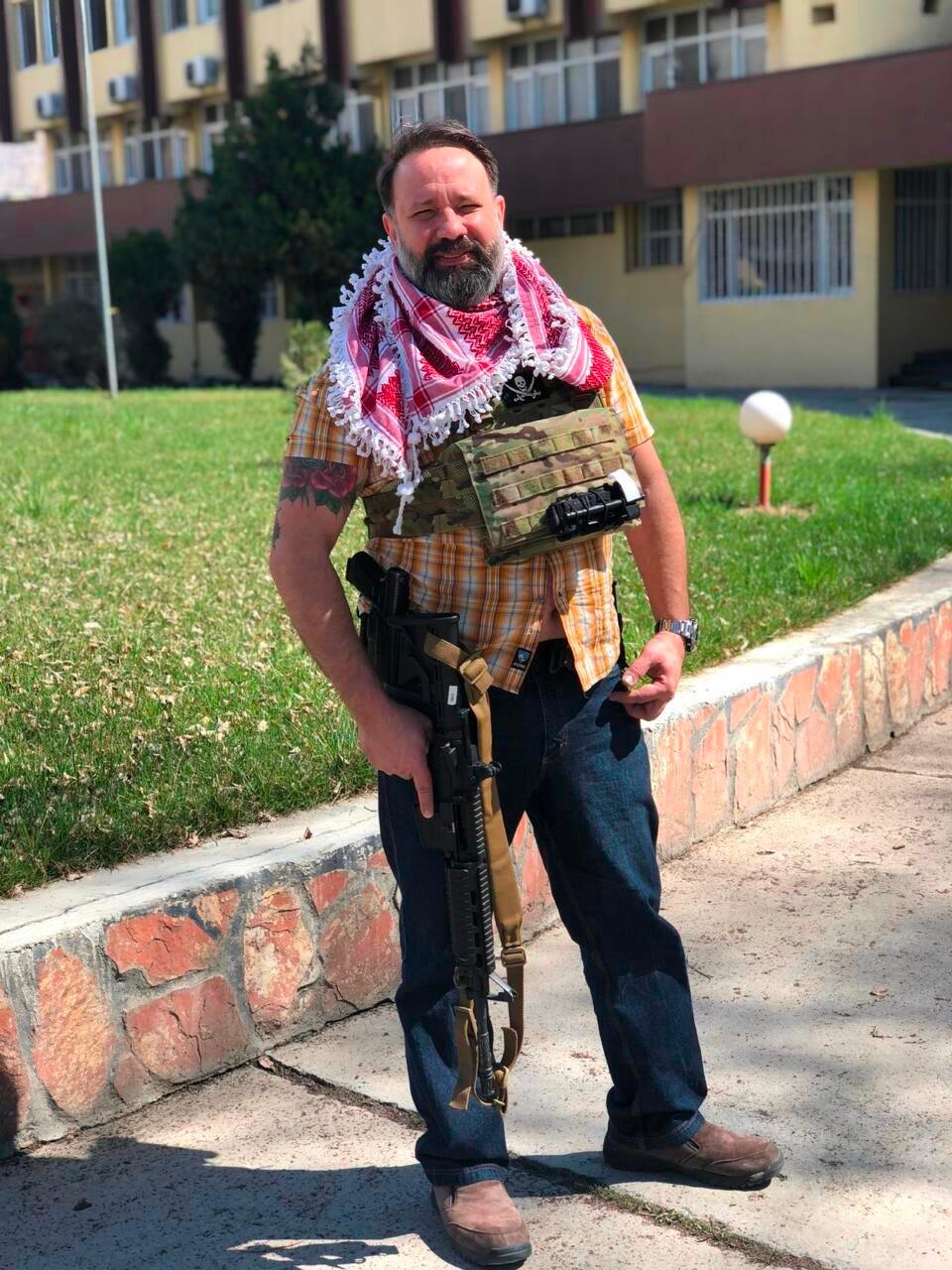
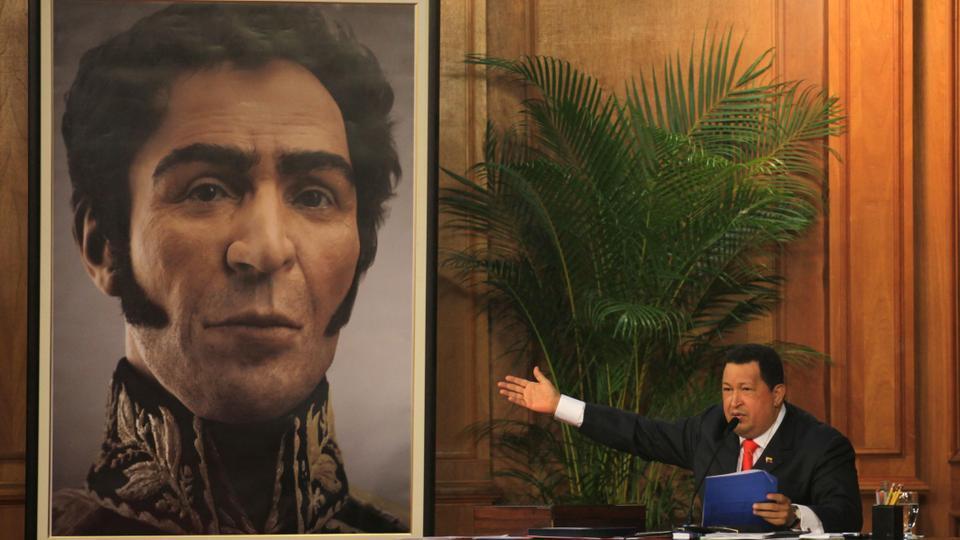
Venezuela’s Bolivarian Revolution under Hugo Chávez (1998-2013) and then Maduro (2013-present) had in fact been designed to establish Venezuela’s economic sovereignty, empower the poor and Indigenous people, and revitalize the legacy of Latin America’s great liberator, Simón Bolívar.
It was opposed by the U.S. financial elite precisely because it threatened to inspire other Latin American and Third World countries to take control over their own economies and limit the influence of American corporations.
Donald Trump echoed de la Torre in stating after the announcement of Maduro’s capture that “we’re going to have our very large United States oil companies, the biggest anywhere in the world, go in and spend billions of dollars and fix the oil infrastructure—the badly broken oil infrastructure—and start making money for the country.”[2]
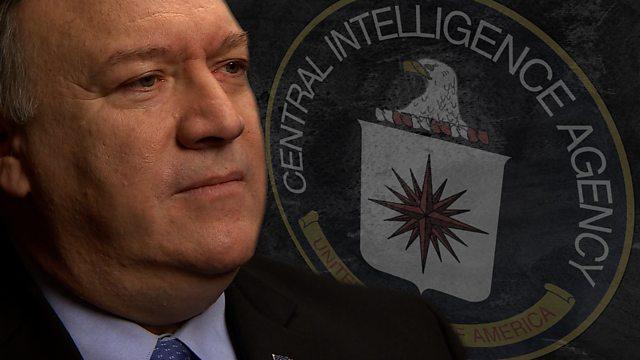
Similarly, former CIA Director Mike Pompeo told Fox & Friends last week that, in the event of the overthrow of the Maduro government, “American companies can come in and sell their products — Schlumberger, Halliburton, Chevron — all of our big energy companies can go down to Venezuela and build out an economic capitalist model.”
These latter comments combined with de la Torre’s action make clear the agenda behind Operation Absolute Resolve.
Stephen Miller, a top aide to President Trump, openly proclaimed that Venezuela’s oil belongs to Washington, describing the nationalization of Venezuela’s petroleum industry as “theft.”
According to Miller, “American sweat, ingenuity and toil created the oil industry in Venezuela. Its tyrannical expropriation was the largest recorded theft of American wealth and property. These pillaged assets were then used to fund terrorism and flood our streets with killers, mercenaries and drugs.”
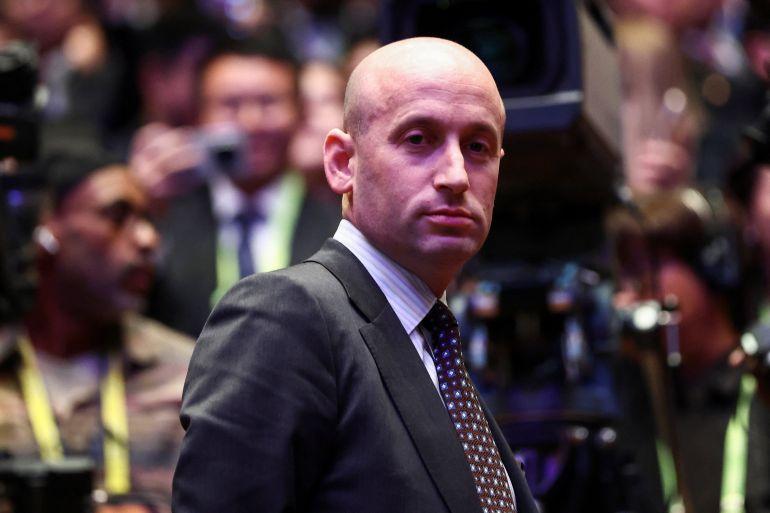
In reality, while U.S. and British companies were involved in early oil exploration in Venezuela, Venezuela’s oil belongs to Venezuela, pursuant to the international law principle of permanent sovereignty over natural resources.
The Venezuelan government never actually denied the U.S. access to its oil and, as late as 2017, remained the U.S.’s third-largest foreign supplier of energy.[3]
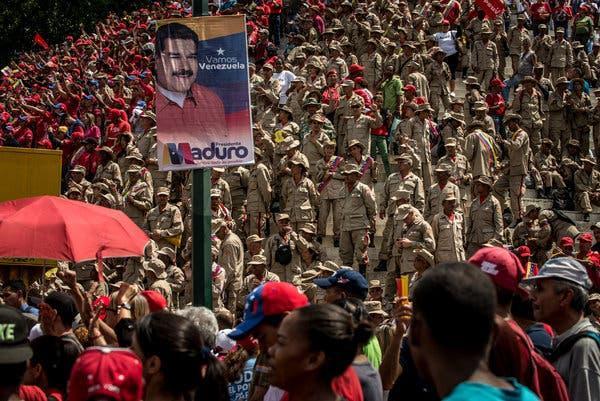
Venezuela’s socialist government, meanwhile, has used oil revenues to adopt social programs for the poor and to develop Venezuela’s economy, accounting for its electoral successes.
During his presidency from 1998 to 2013, Hugo Chávez cut poverty by 20% and extreme poverty by 30%.
Literacy rates in this period also increased, child malnutrition rates declined dramatically, millions of hectares of state-owned land were distributed, and Venezuela’s UN Human Development Index, a composite measure of national income (GDP), access to education, and child mortality—rose from seventh in the region to fourth.[4]
Maduro was continuing the same trajectory as Chávez, though Venezuela’s economy was undermined during his presidency by declining world oil prices, internal corruption typical of South and North American countries and harsh U.S. sanctions imposed by the Obama, Trump I and Biden administrations, whose purpose was to set the groundwork for regime change.[5]
Long War Against Venezuela’s Left
In Modernizing Repression: Police Training and Nation-Building in the American Century, I detail how the Kennedy, Johnson and Nixon administrations set the groundwork for today’s foreign policy by providing significant police aid to help prop up centrist governments in Venezuela that carried out a dirty war against left-wing movements.
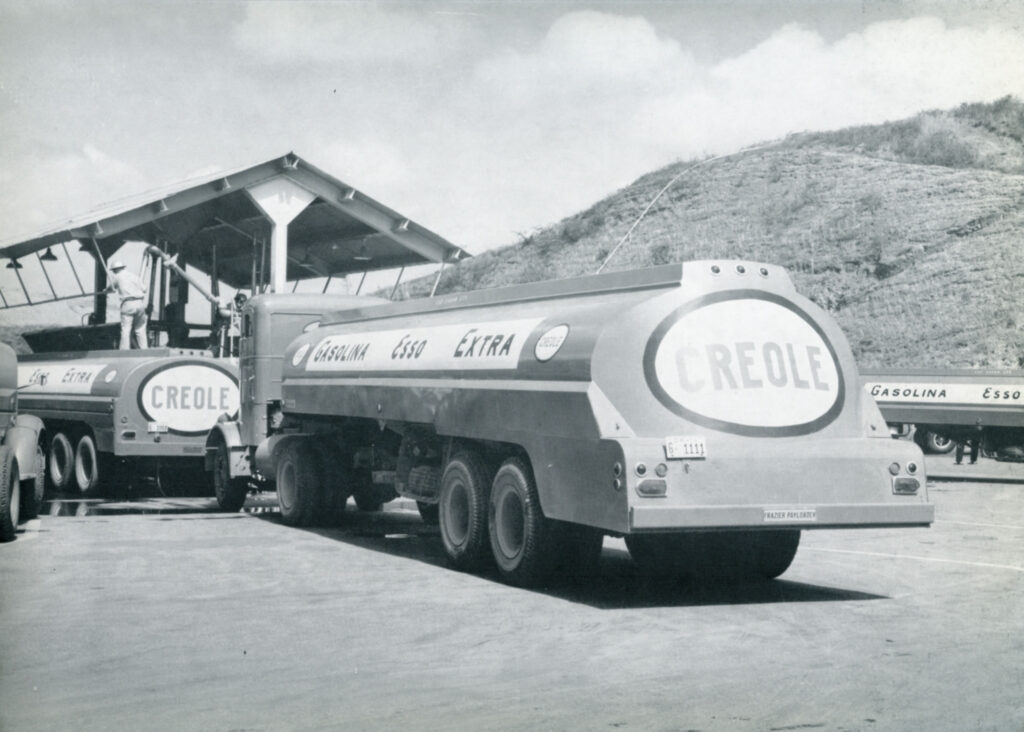
The latter sought to nationalize Creole Petroleum Company, Venezuela’s largest oil company, which was largely controlled by the Rockefeller-owned Standard Oil empire.
Run under the cover of the United States Agency for International Development (USAID), the CIA-led Office of Public Safety (OPS) provided riot-control gear and other repressive police instruments and assisted Venezuelan police in compiling blacklists of left-wing “subversives.”
The OPS’s support for hard-line police tactics was apparent in its push to eliminate the requirement that a policeman who killed a suspect be arrested, paving the way for death-squad activity.
Showing where their true priorities rested, OPS police advisers met monthly with security officials of Creole Petroleum and the major foreign mining companies in Venezuela to discuss “insurgency problems.”
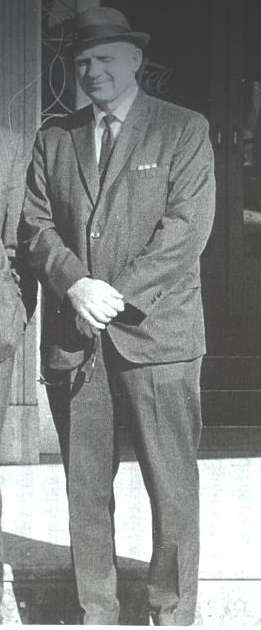
Some of the police advisers had experience serving with the murderous Operation Phoenix in Vietnam. Others like John Longan, a former Oklahoma City police officer, were involved with death squad activity in Guatemala.[6]
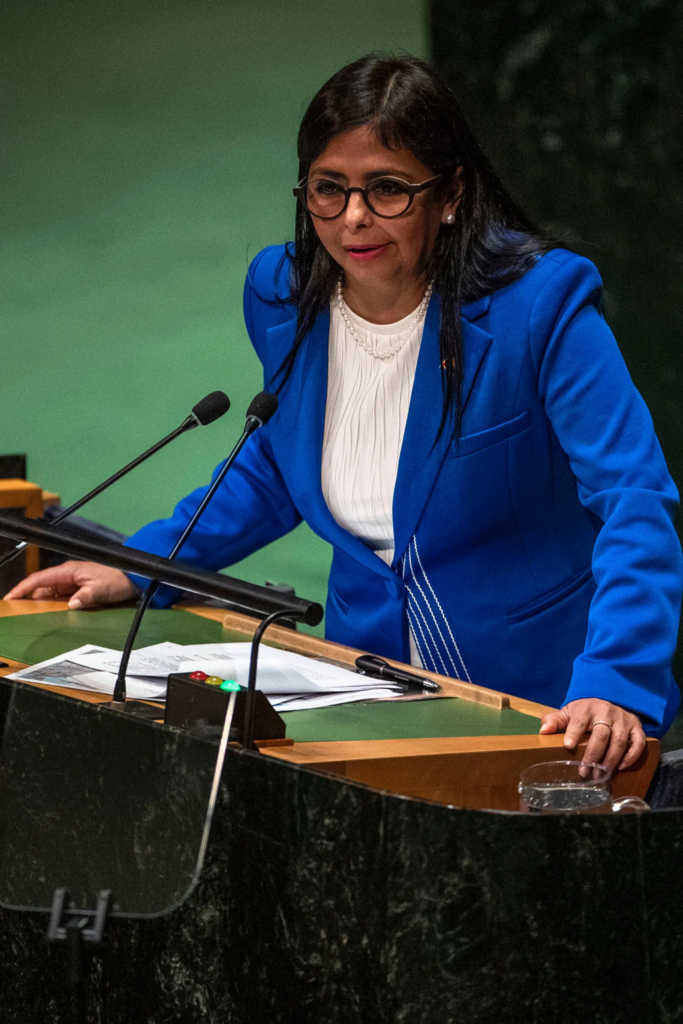
In 1976, the father of newly anointed President Delcy Rodríguez, Jorge Antonio Rodríguez,[7] died in prison after being interrogated by U.S. intelligence agents who probably worked under cover of the OPS.
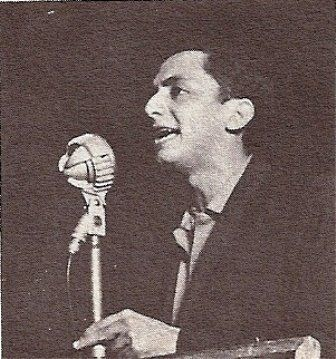
A major leader of the left-wing movements in Venezuela in the 1960s and 1970s was Douglas Bravo (1932-2021), a fervent anti-imperialist who had contacts with Che Guevara and mentored Hugo Chávez when he was a young radical army officer in the early 1980s.
Chávez began at this time to secretly build a leftist movement within the military, which gained recruits after the 1989 Caracazo, when Venezuelan security forces killed hundreds of people who had risen up in revolt against a structural adjustment program imposed by the International Monetary Fund (IMF) that had resulted in a rise in fuel prices and bus fares.
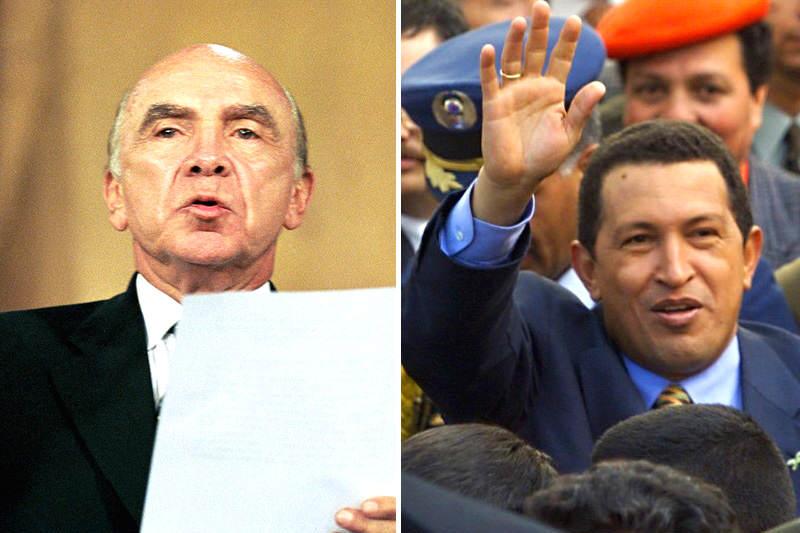
On April 11, 2002, the George W. Bush administration supported a coup against Chávez led by Pedro Carmona—the head of Venezuela’s largest business federation—which was put down after Venezuelans took to the streets at great personal risk to rally behind Chávez.
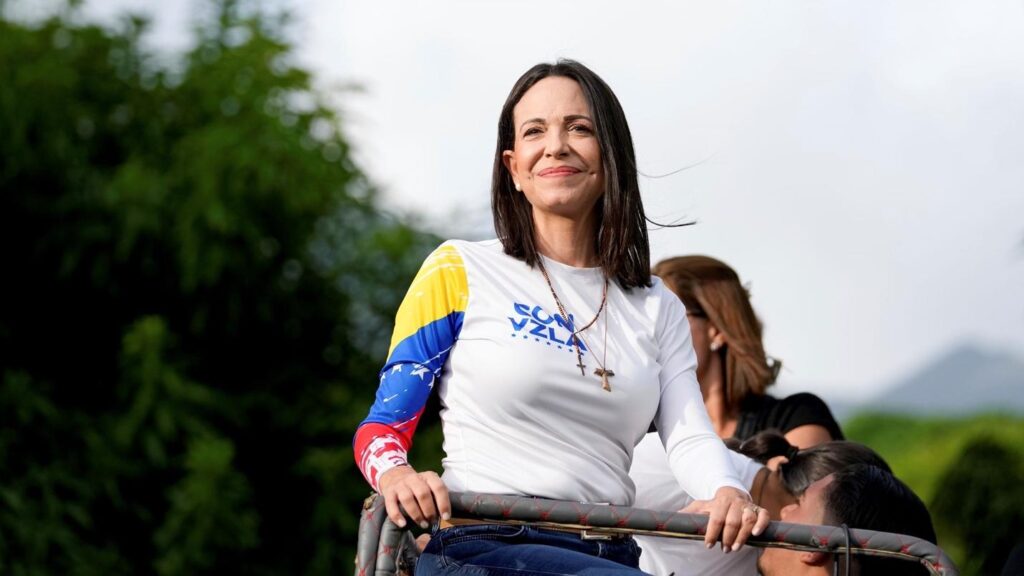
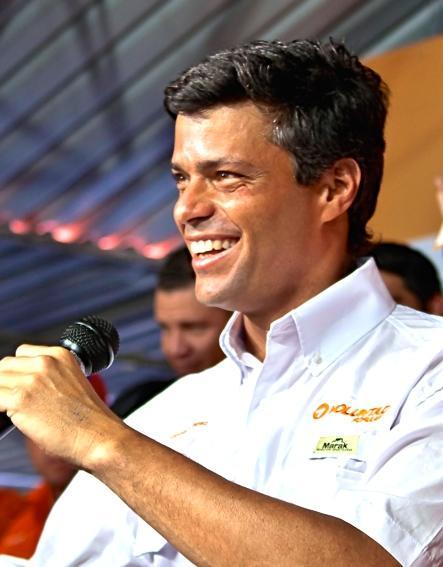
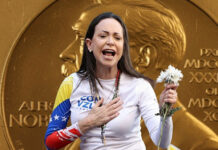
The National Endowment for Democracy (NED), Pentagon and other U.S. agencies provided training, institution building, and other support to individuals and organizations actively involved in the coup, including key instigators such as Leopoldo López, a graduate of the Harvard Kennedy School who served as Mayor of Caracas’s richest municipality, and future Nobel Peace Prize awardee María Corina Machado.[8]
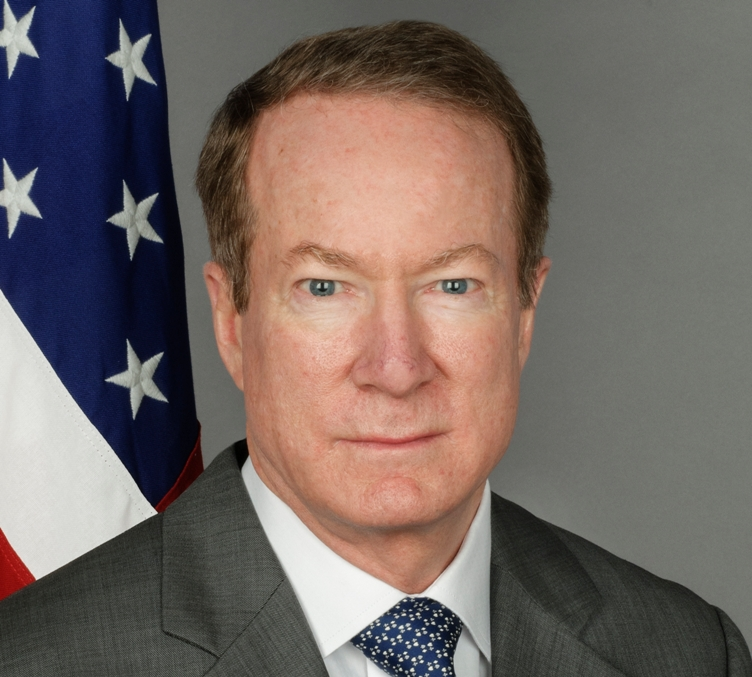
In 2010, WikiLeaks published a U.S. embassy cable in which U.S. Ambassador William Brownfield outlined a five-point cloak-and-dagger strategy for “penetrating Chávez’ political base,” “dividing Chavismo,” “protecting vital U.S. businesses,” and “isolating Chávez internationally.”
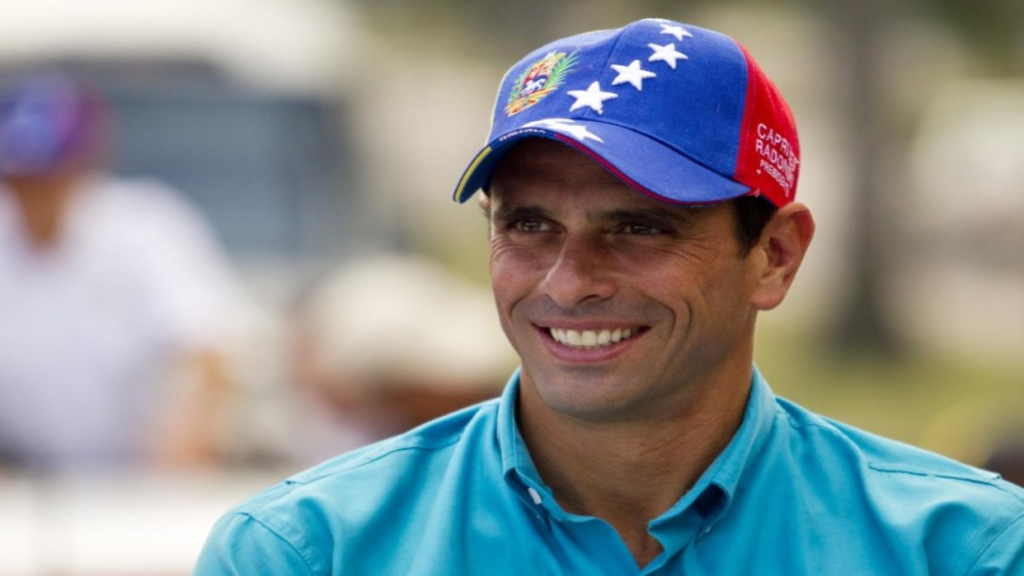
When Maduro won a snap election in April 2013 after Chávez’s death from cancer, defeated candidate Henrique Capriles—a participant in the 2002 coup and a mob siege of the Cuban Embassy—cried fraud and called his supporters into the streets, with backing from the Obama administration.
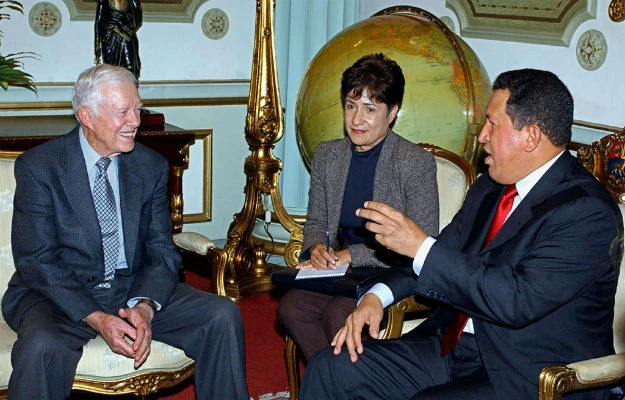
A year earlier, Jimmy Carter had called the technical aspects of Venezuela’s electoral system “the best in the world.”
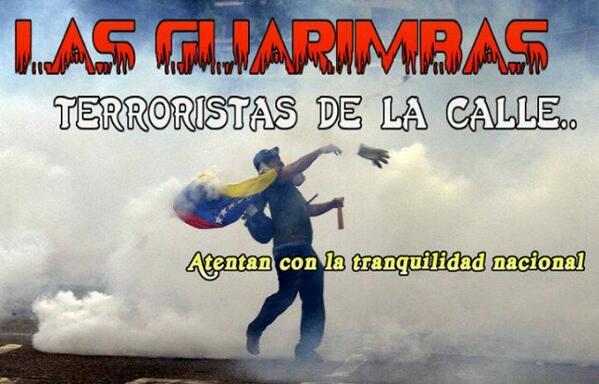
In contesting the 2013 election, Machado and López coordinated right-wing “Guarimbas” that vandalized government buildings and residences, ransacked public transportation hubs, barricaded major highways and assaulted trucks transporting gas and food.
The campaign left behind billions of dollars in property damage, at least three dead, and hundreds more wounded. WikiLeaks cables showed that the U.S. was bankrolling many of the Guarimba movement’s leaders and that funding for such projects increased by 80% between 2012 and 2014.
According to Grayzone journalist Anya Parampil, the Guarimba uprising represented “a genuinely violent, foreign-backed insurrection that made the January 6 U.S. Capitol riot, an eternal source of trauma for Beltway liberals, look like a Macy’s Thanksgiving Day Parade.”[9]
The Guarimba campaign was followed by a fierce U.S. economic war accompanied by the manipulation of public opinion through “fake news,” and pseudo-human rights rhetoric that reinforced Washington’s regime-change narrative.[10]
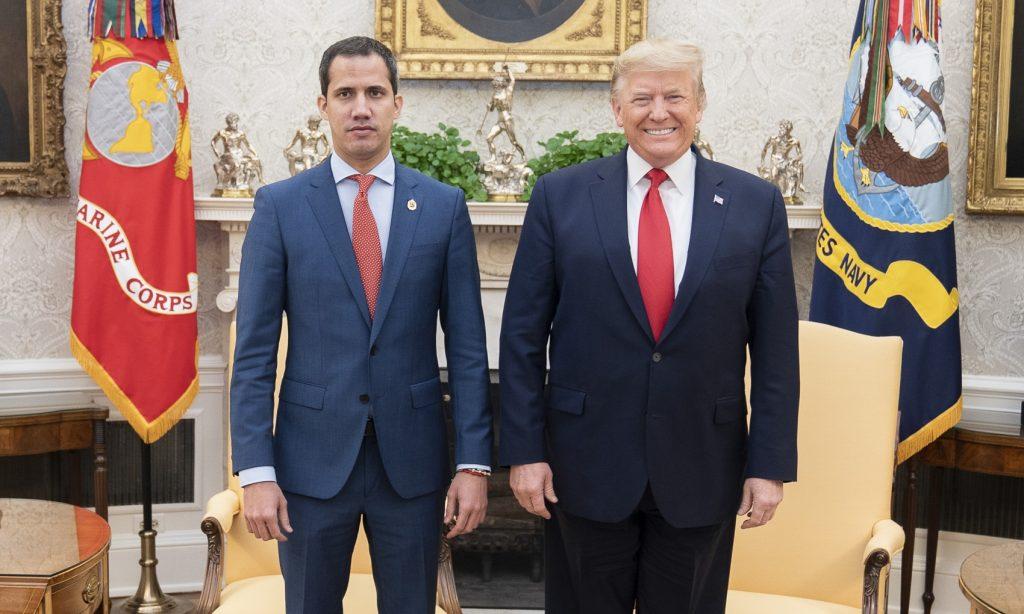
In 2019, the Trump administration officially recognized Juan Guaidó, an opposition politician close to Leopoldo López, who received NED training, as Venezuela’s leader even though he was largely unknown to the Venezuelan population.
Leaked documents showed Guaidó’s intent to privatize Venezuela’s oil industry and turn it over to the control of U.S. corporations that helped finance Trump’s rise to political power.
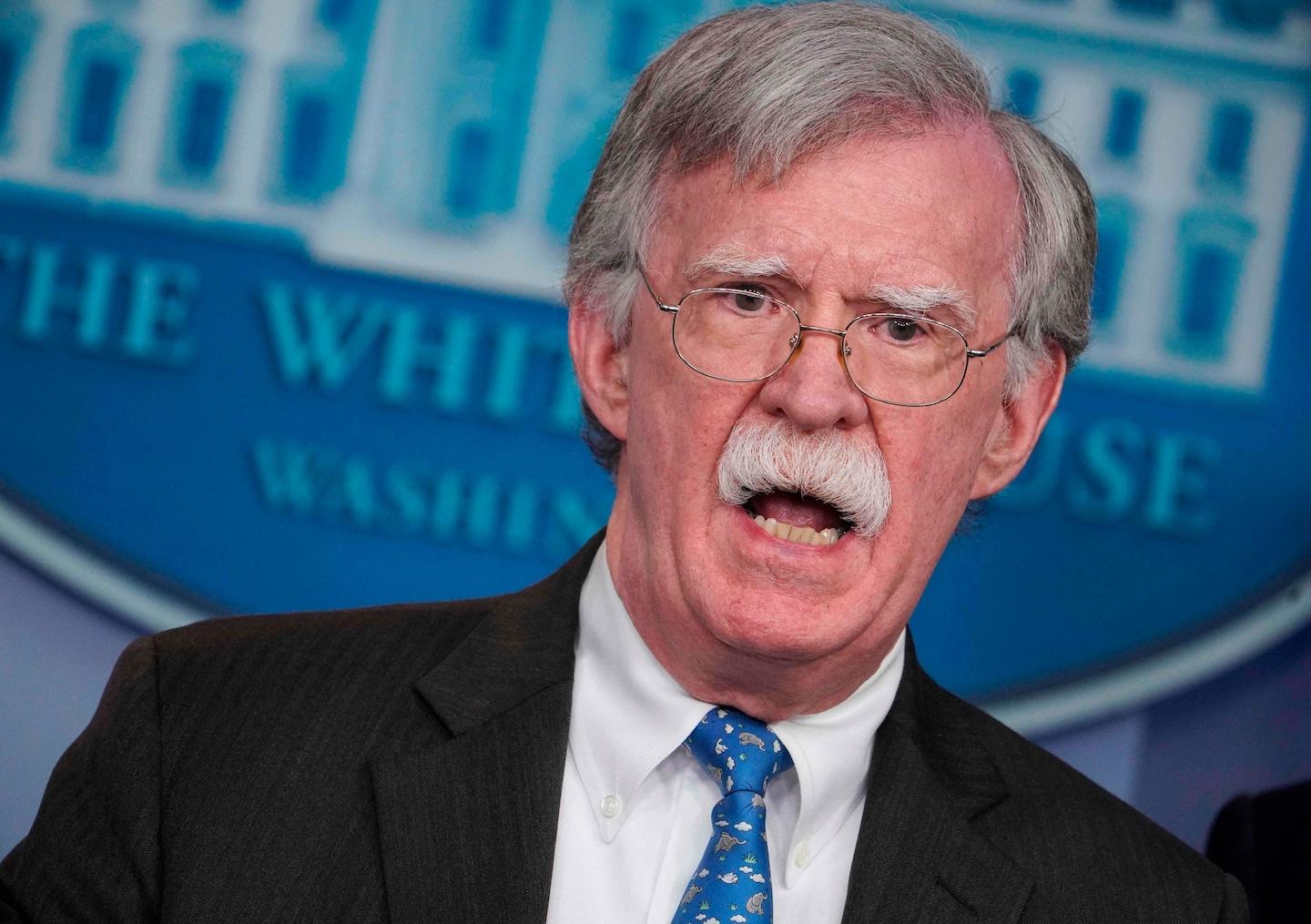
In 2018, Maduro was the victim of a failed assassination attempt using drones, an attempt which Maduro accused U.S. National Security Adviser John Bolton of masterminding.
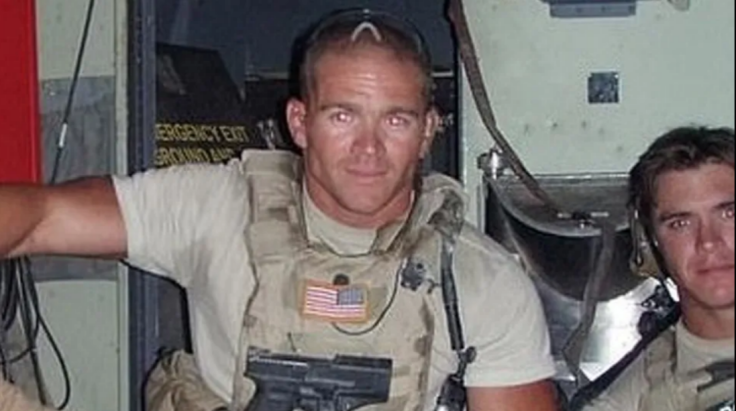
Operation Gideon was another foiled plot led by a former U.S. Green Beret, Jordan Goudreau, to capture and then kill Maduro.
Goudreau worked for a Florida-based mercenary company called Silvercorp USA, which was contracted to oversee training and weapons procurement for Operation Gideon.[11]
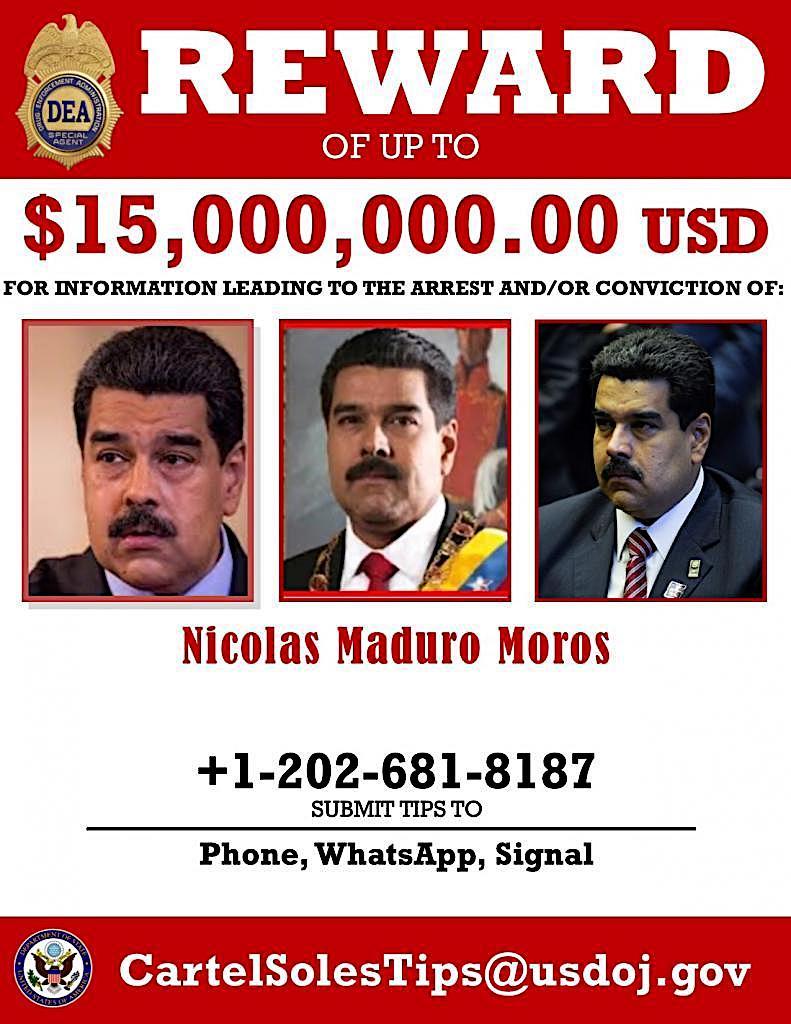
The U.S. State Department, CIA, and Trump’s National Security Council supported Operation Gideon, with the State Department issuing a $15 million reward for Maduro’s arrest on fraudulent narcotics-trafficking charges.[12]
Gangster Capitalism
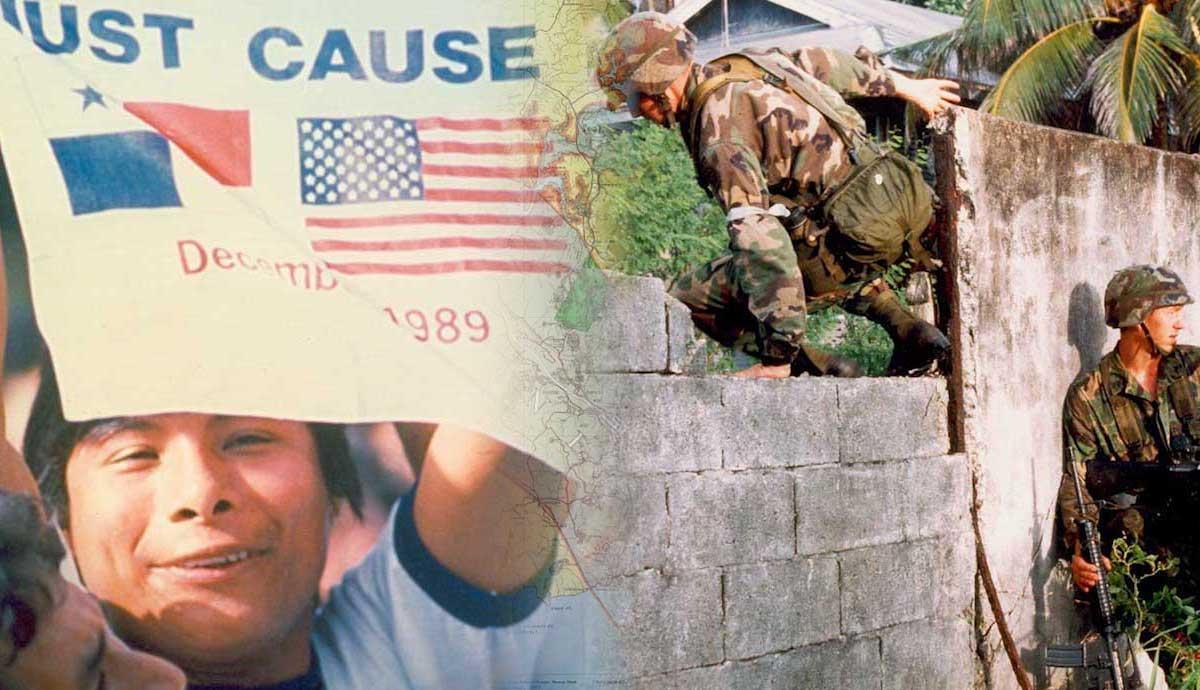
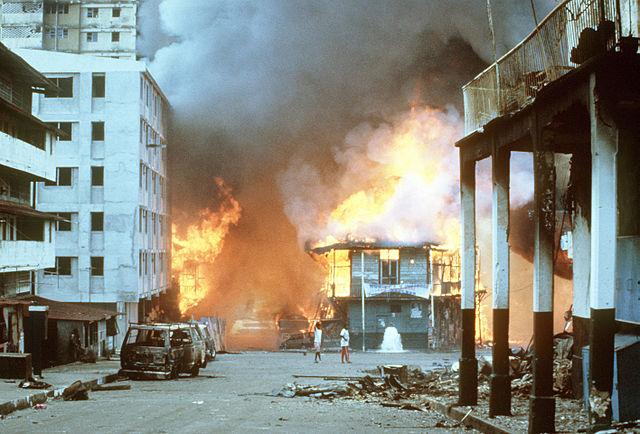
The phony use of the drug war as a pretext for regime change harked back to the 1989 Operation Just Cause targeting Panamanian strongman Manuel Noriega, who had helped the CIA smuggle drugs and arms to assist counter-revolutionaries in Nicaragua in the 1980s but lost his political utility when he turned closer to Cuba.
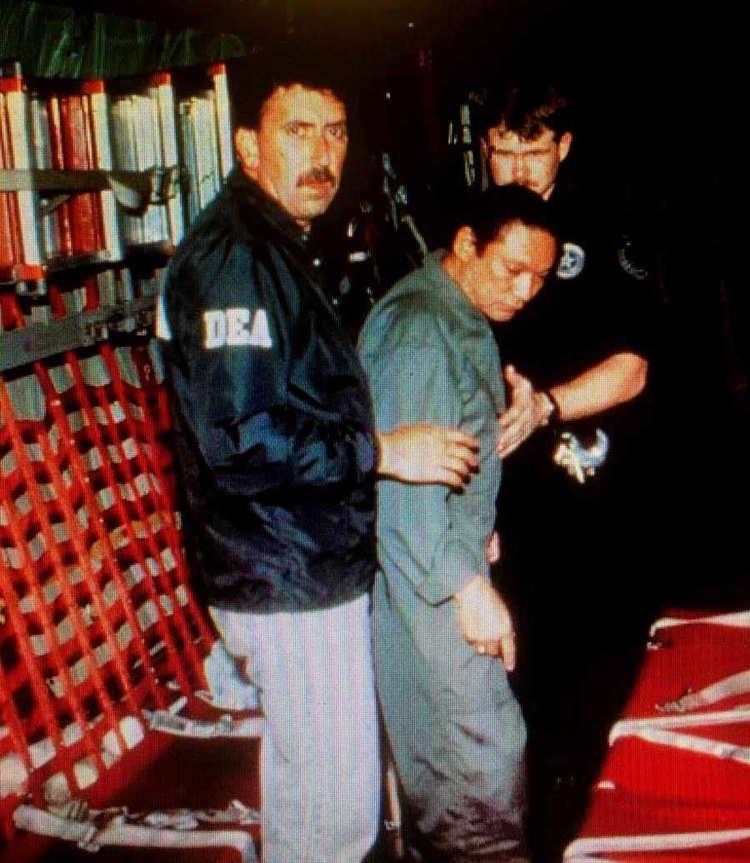
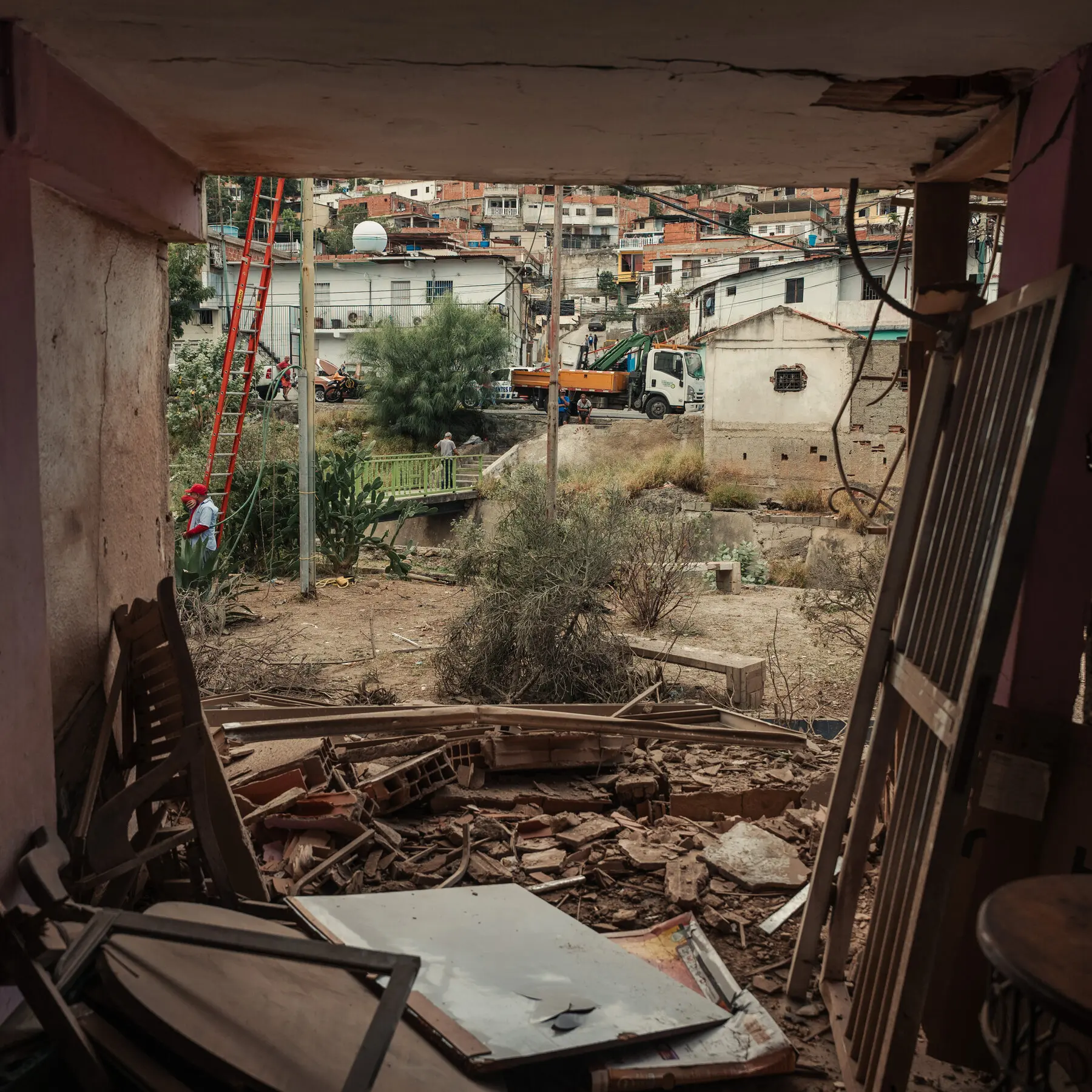
Thousands of civilians were killed during Just Cause in a prelude to the 2026 Operation Absolute Resolve, which left an unknown number of people dead (one U.S. air strike hit an apartment complex in Catia del Mar)—and could be the prelude to something even more destructive.[13]
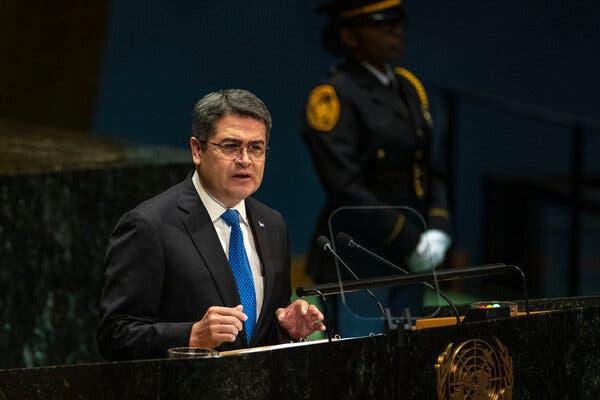
The phoniness of the War on Drugs today is glaringly apparent in Donald Trump’s issuance of a pardon to narco-trafficker Juan Orlando Hernández, the former dictator of Honduras who was convicted in a U.S. federal court of conspiracy to traffic more than 400 tons of cocaine and given a 45-year prison sentence.
Experts have also said that Venezuela is not a major drug producer, describing it as a minor cocaine transit country, with most of the cocaine flowing through Venezuela heading to Europe, not the U.S.
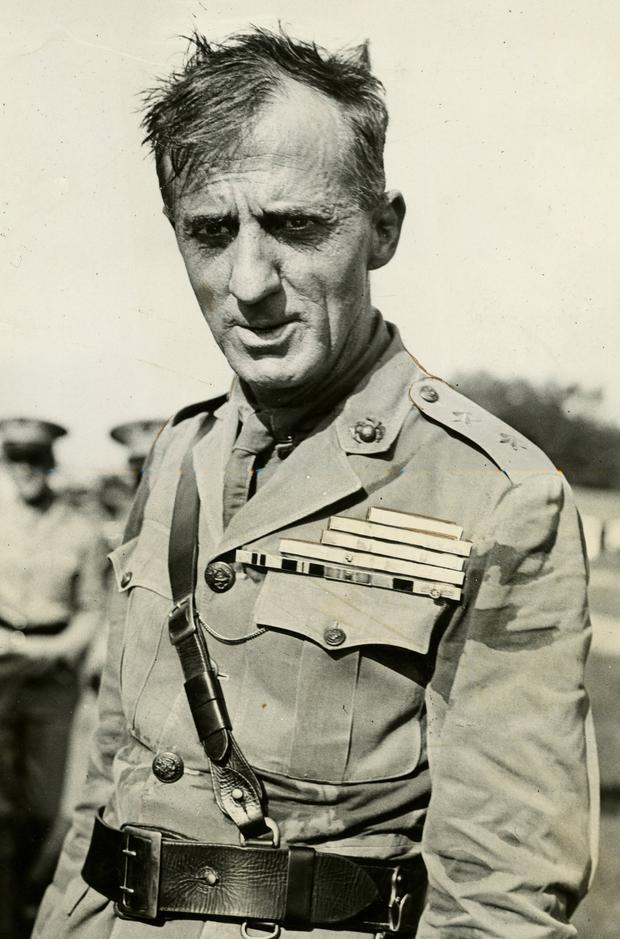
More than 100 years ago, one of the most decorated Marines in American history, General Smedley Butler, called himself a “high class muscle man for Big Business, for Wall Street, and for the bankers…a gangster for capitalism.”
Butler stated: “I helped make Mexico safe for American oil interests in 1914. I helped make Haiti and Cuba a decent place for the National City bank boys to collect revenues in. I helped in raping a half a dozen Central American republics for the benefit of Wall Street. The record of racketeering is long. I helped purify Nicaragua for the international banking house of Brown Brothers in 1910-1912. I brought light to the Dominican Republic for American sugar interests in 1916…During those years, I had as the boys in the back room would say, a swell racket. Looking back on it, I feel I could have given Al Capone a few hints. The best he could do was to operate his racket in three districts. I operated on three continents.”[14]
If Butler were alive today, he would undoubtedly consider Operation Absolute Resolve yet another intervention that Al Capone would have envied.
Butler would also recognize the importance of the CIA to the Wall Street gangster banking elite/oil cartel and how it enables it to get away with even more expansive crimes than in his day.
De la Torre announced that former U.S. Ambassador to Venezuela James Story was a “strategic partner” in Tower Strategy. Story was featured in The New York Times and CNN zealously advocating for regime change in Venezuela. Most of Tower Strategy’s clients were clients of a firm, Continental Strategy, with ties to Secretary of State Marco Rubio. ↑
Venezuela is the largest holder of so-called “proven” oil reserves in the world. The Wall Street Journal reported Saturday that top hedge funds and asset managers are preparing to send a delegation to Caracas in March to assess what one investor called $500–$750 billion in “investment opportunities” over the next five years. Beyond its massive oil reserves, Venezuela is exceptionally rich in other critical resources. There are significant gold reserves, mainly in the southeast (Guiana Highlands). Diamond deposits are also found in the Guiana region, though on a smaller scale than gold and bauxite. Venezuela has documented deposits of copper, nickel, manganese and, in smaller quantities, coltan and cassiterite associated with newer mining frontiers. Surveys indicate the presence of potentially substantial uranium and thorium deposits.
See Joe Emersberger and Justin Podur, Extraordinary Threat: The U.S. Empire, the Media, and Twenty Years of Coup Attempts in Venezuela (New York: Monthly Review, 2021). The book was reviewed by CovertAction Magazine here. ↑
Emersberger and Podur, Extraordinary Threat, 186; Gregory Wilpert, Changing Venezuela by Taking Power: The History and Policies of the Chavez Government (London: Verso, 2007), 112. ↑
Emersberger and Podur, Extraordinary Threat; Anya Parampil, with a foreword by Jorge Arreaza, Corporate Coup: Venezuela and the End of U.S. Empire (New York: OR Books 2024). ↑
Jeremy Kuzmarov, Modernizing Repression: Police Training and Nation-Building in the American Century (Amherst: University of Massachusetts, 2012), 210, 211. On the murderous Phoenix Program, see Douglas Valentine, The Phoenix Program (New York: William Morrow, 1990). ↑
Jorge Antonio Rodríguez was a Marxist leader who was arrested for the kidnapping in Venezuela of William Niehous, an American businessman who was held for three years in a jungle hide-out and rescued in 1979. Niehous was head of a glass container company, Owens-Illinois Inc.; he was accused of bribery and other corrupt dealings with the Venezuelan government and meddling in Venezuelan politics to oppose progressive policies. Niehous was also accused of being a CIA agent. ↑
Emersberger and Podur, Extraordinary Threat; Wilpert, Changing Venezuela by Taking Power, 170. From 2002 to 2005, the U.S. government provided $26 million to Venezuelan NGOs; $3.9 million was provided directly to Venezuelan opposition figures in 2002. ↑
Parampil, Corporate Coup, 20. ↑
Parampil, Corporate Coup, 37; Alfred de Zayas, The Human Rights Industry (Atlanta: Clarity Press, 2023). Obama justified the economic war by calling Venezuela, ridiculously, “an extraordinary threat to the national security of the United States.” ↑
Parampil, Corporate Coup, 250, 251. See an interview with Goudreau by Max Blumenthal of The Grayzone here. ↑
Parampil, Corporate Coup, 263, 271. ↑
For an excellent overview of Operation Just Cause and the fraudulent pretexts behind it, see Brian D’Haeseleer, Jeremy Kuzmarov and Roger Peace, “The post-Cold War era, 1989-2001,” United States Foreign Policy History and Resource Guide. ↑
For more on General Butler, see Jonathan M. Katz, Gangsters of Capitalism: Smedley Butler, the Marines, and the Making and Breaking of America’s Empire (New York: St. Martin’s Press, 2022).
CovertAction Magazine is made possible by subscriptions, orders and donations from readers like you.
Blow the Whistle on U.S. Imperialism
Click the whistle and donate
When you donate to CovertAction Magazine, you are supporting investigative journalism. Your contributions go directly to supporting the development, production, editing, and dissemination of the Magazine.
CovertAction Magazine does not receive corporate or government sponsorship. Yet, we hold a steadfast commitment to providing compensation for writers, editorial and technical support. Your support helps facilitate this compensation as well as increase the caliber of this work.
Please make a donation by clicking on the donate logo above and enter the amount and your credit or debit card information.
CovertAction Institute, Inc. (CAI) is a 501(c)(3) non-profit organization and your gift is tax-deductible for federal income purposes. CAI’s tax-exempt ID number is 87-2461683.
We sincerely thank you for your support.
Disclaimer: The contents of this article are the sole responsibility of the author(s). CovertAction Institute, Inc. (CAI), including its Board of Directors (BD), Editorial Board (EB), Advisory Board (AB), staff, volunteers and its projects (including CovertAction Magazine) are not responsible for any inaccurate or incorrect statement in this article. This article also does not necessarily represent the views the BD, the EB, the AB, staff, volunteers, or any members of its projects.
Differing viewpoints: CAM publishes articles with differing viewpoints in an effort to nurture vibrant debate and thoughtful critical analysis. Feel free to comment on the articles in the comment section and/or send your letters to the Editors, which we will publish in the Letters column.
Copyrighted Material: This web site may contain copyrighted material the use of which has not always been specifically authorized by the copyright owner. As a not-for-profit charitable organization incorporated in the State of New York, we are making such material available in an effort to advance the understanding of humanity’s problems and hopefully to help find solutions for those problems. We believe this constitutes a ‘fair use’ of any such copyrighted material as provided for in section 107 of the US Copyright Law. You can read more about ‘fair use’ and US Copyright Law at the Legal Information Institute of Cornell Law School.
Republishing: CovertAction Magazine (CAM) grants permission to cross-post CAM articles on not-for-profit community internet sites as long as the source is acknowledged together with a hyperlink to the original CovertAction Magazine article. Also, kindly let us know at info@CovertActionMagazine.com. For publication of CAM articles in print or other forms including commercial internet sites, contact: info@CovertActionMagazine.com.
By using this site, you agree to these terms above.
About the Author
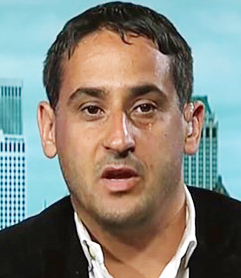
Jeremy Kuzmarov holds a Ph.D. in American history from Brandeis University and has taught at numerous colleges across the United States. He is regularly sought out as an expert on U.S. history and politics for radio and TV programs and co-hosts a radio show on New York Public Radio and on Progressive Radio News Network called “Uncontrolled Opposition.”
He is Managing Editor of CovertAction Magazine and is the author of six books on U.S. foreign policy, including Obama’s Unending Wars (Clarity Press, 2019), The Russians Are Coming, Again, with John Marciano (Monthly Review Press, 2018), Warmonger. How Clinton’s Malign Foreign Policy Launched the U.S. Trajectory From Bush II to Biden (Clarity Press, 2023); and with Dan Kovalik, Syria: Anatomy of Regime Change (Baraka Books, 2025).
Besides these books, Kuzmarov has published hundreds of articles and contributed to numerous edited volumes, including one in the prestigious Oxford History of Counterinsurgency .
He can be reached at jkuzmarov2@gmail.com and found on substack here.
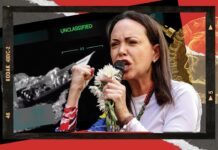

“Experts have also said that Venezuela is not a major drug producer, describing it as a minor cocaine transit country, with most of the cocaine flowing through Venezuela heading to Europe, not the U.S.”
Now that is interesting because much of the cocaine imported into the USA is handled by the CIA. In fact, it has acquired the nickname of the ‘Cocaine Import Agency’.