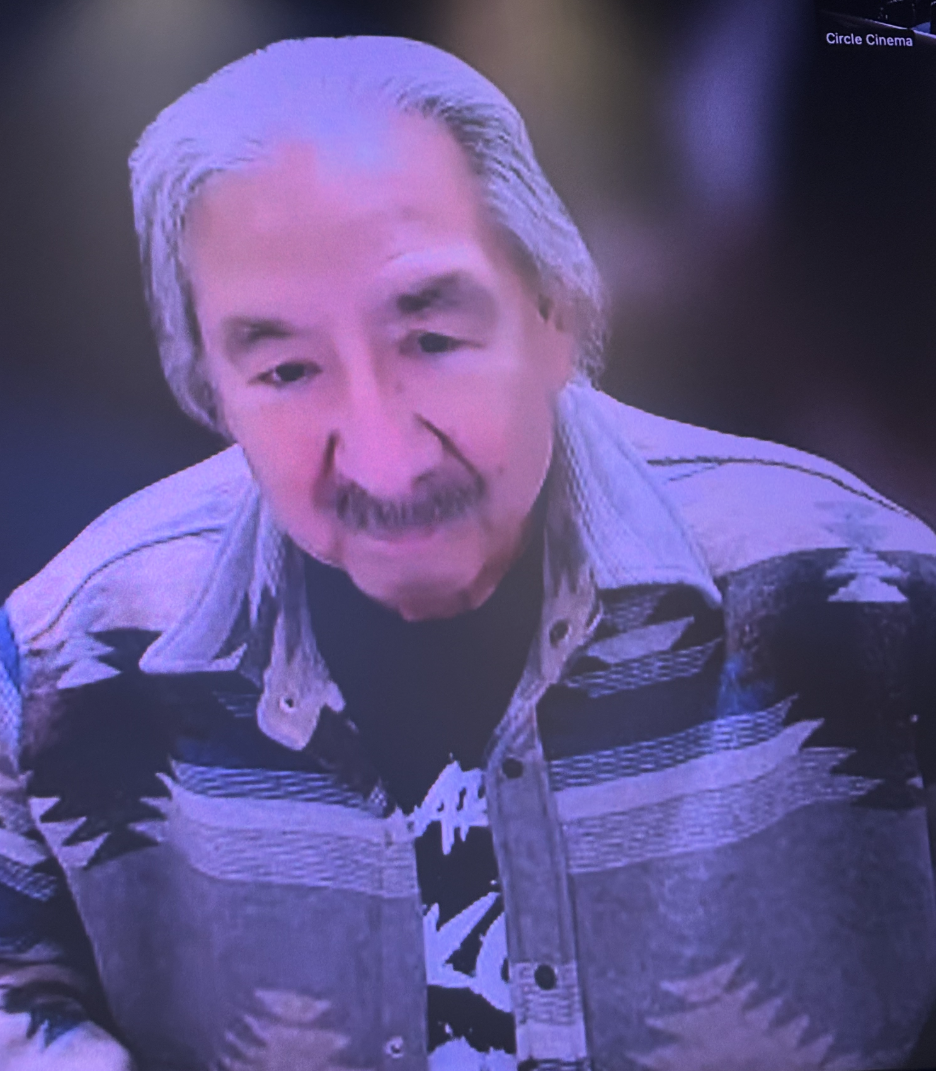
For decades, as one of the longest-serving political prisoners in the United States, Leonard Peltier was a focal point for political activism and symbol of the white man’s injustice toward Native Americans.
In April 1977, Peltier was convicted of the murder of FBI agents Jack Coler and Ronald Williams on the Pine Ridge Reservation in South Dakota.
A standoff had occurred there in June 1975 after the American Indian Movement (AIM) tried to reclaim lands that had been seized by the federal government in the 19th century Indian wars.
Investigation determined that Peltier—a member of the Turtle Mountain Band of Chippewa tribe and AIM leader—was not the one who killed the FBI agents.
The actual shooters, Bob Robideau and Dino Butler, were acquitted of murder charges on the ground that they acted in self-defense.[1]
Peltier’s trial was unfair. There is strong evidence of witness intimidation, and the U.S. government withheld a ballistics report indicating that the fatal bullets did not come from Peltier’s weapon.[2]
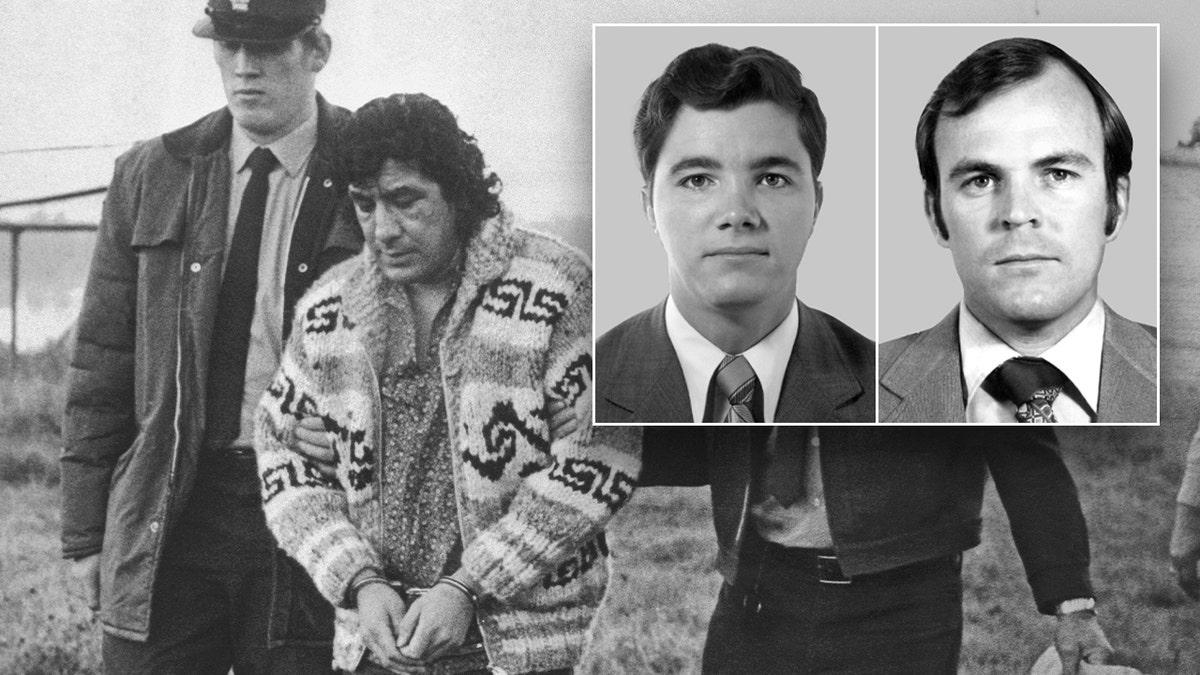
In his last hour as president, Joe Biden commuted Peltier’s life sentence, allowing him to return to live on the Turtle Mountain Reservation in North Dakota where he was born.
Unfortunately, however, President Biden refused to pardon Peltier, with the White House issuing a statement insinuating that Peltier was guilty of the crimes for which he had been charged.[3]
When Peltier was freed from prison, he was subjected to home confinement and now has to obtain a pass to go out—even to medical appointments.
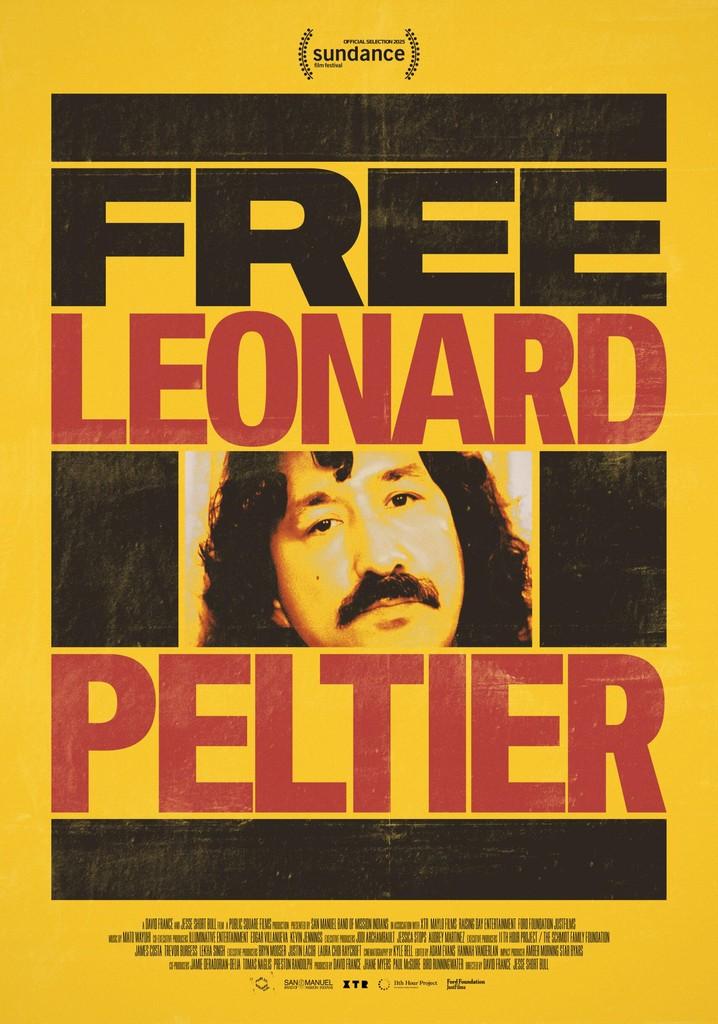
On December 18, I attended the screening in Tulsa, Oklahoma, of a new documentary, Free Leonard Peltier, chronicling Peltier’s story and the efforts of activists over many years to free him.
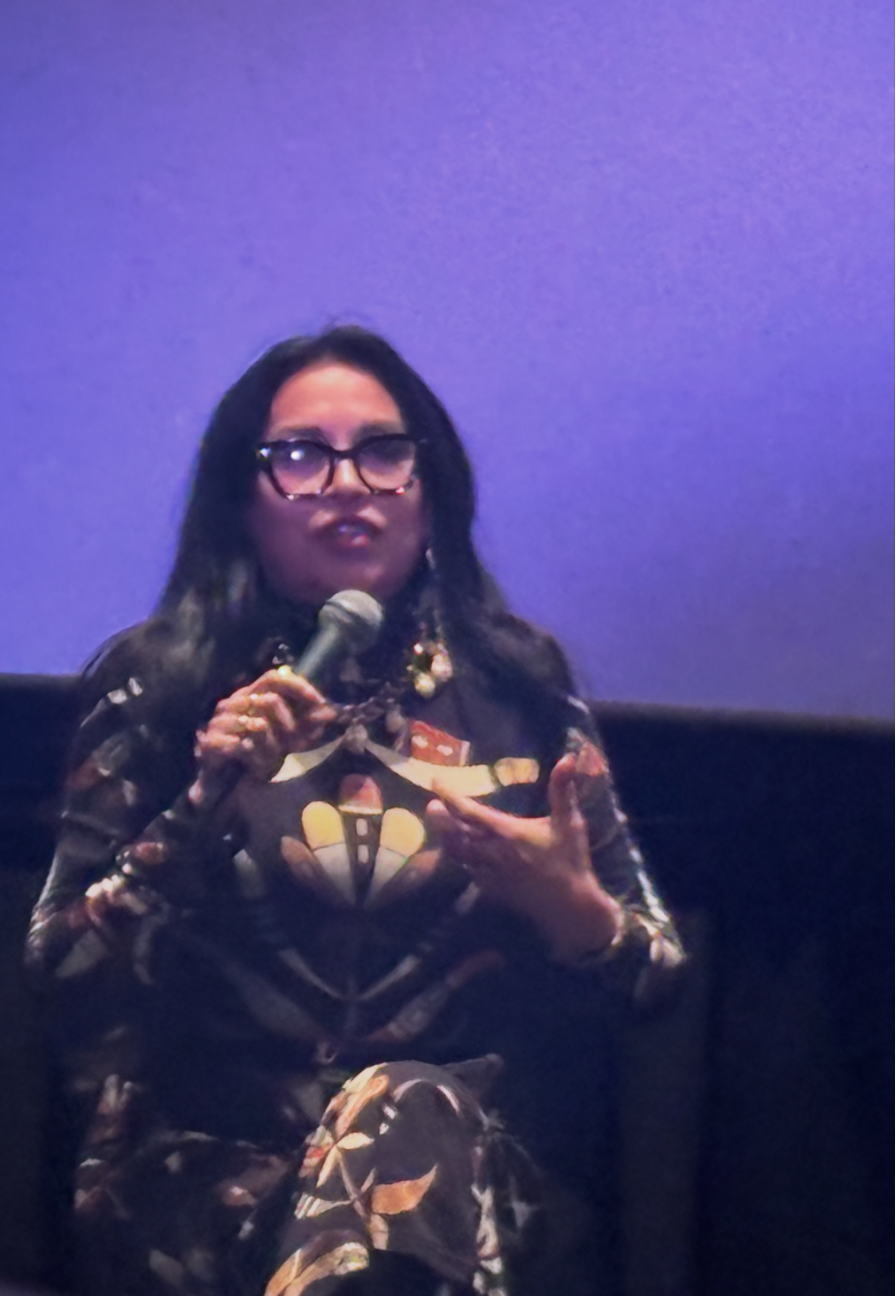
Afterwards, Peltier answered questions from the audience via Zoom along with the film’s producer, Jhane Myers, a Comanche who has previously won an Emmy for a film telling the story of a young Comanche woman’s efforts to prove herself as a hunter.
Despite having spent nearly 50 years in prison and suffering from diabetes and poor eyesight, Peltier appeared mentally sharp and politically astute during the film event.
When I asked him about his experience in a boarding school in North Dakota in the mid-1950s, he said that he had been put there after his grandfather, who was raising him, passed away and that he was rebellious at the school, that they beat him, and that he tried to escape across the Red River in winter and nearly drowned.
A second question I asked him was about Pine Ridge Reservation Chairman Dick Wilson and a group of militiamen working under him, whose collaboration with the FBI in trying to destroy AIM was spotlighted in Free Leonard Peltier.
Peltier said that the militiamen—called GOONs (Guardians of the Oglala Nation)—were supplied with high-grade weapons by the U.S. government and killed a lot of people, including tribal elders, in carrying out a reign of terror. The weapons included M-16s, plastic explosives, armor-piercing ammunition, fragmentation grenades and armored personnel carriers.[4]
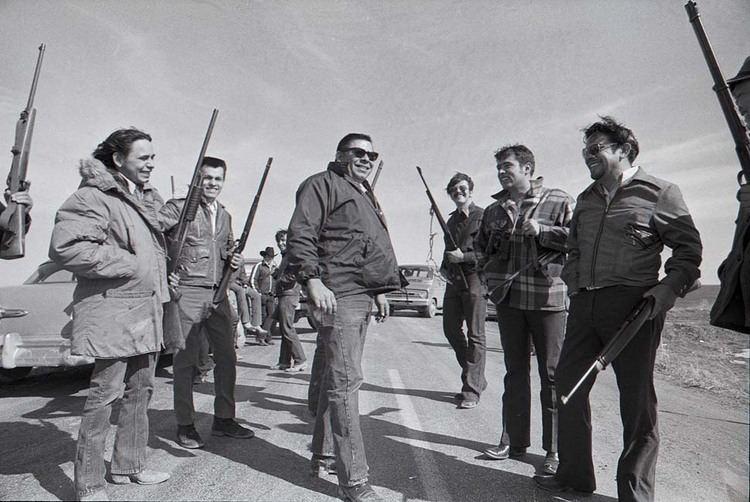
Peltier noted that there “are a lot of sell-outs in Native American history, mercenaries and rats,” including the “Kit Carsons and Scouts hired by the U.S. government who would murder their own people.”
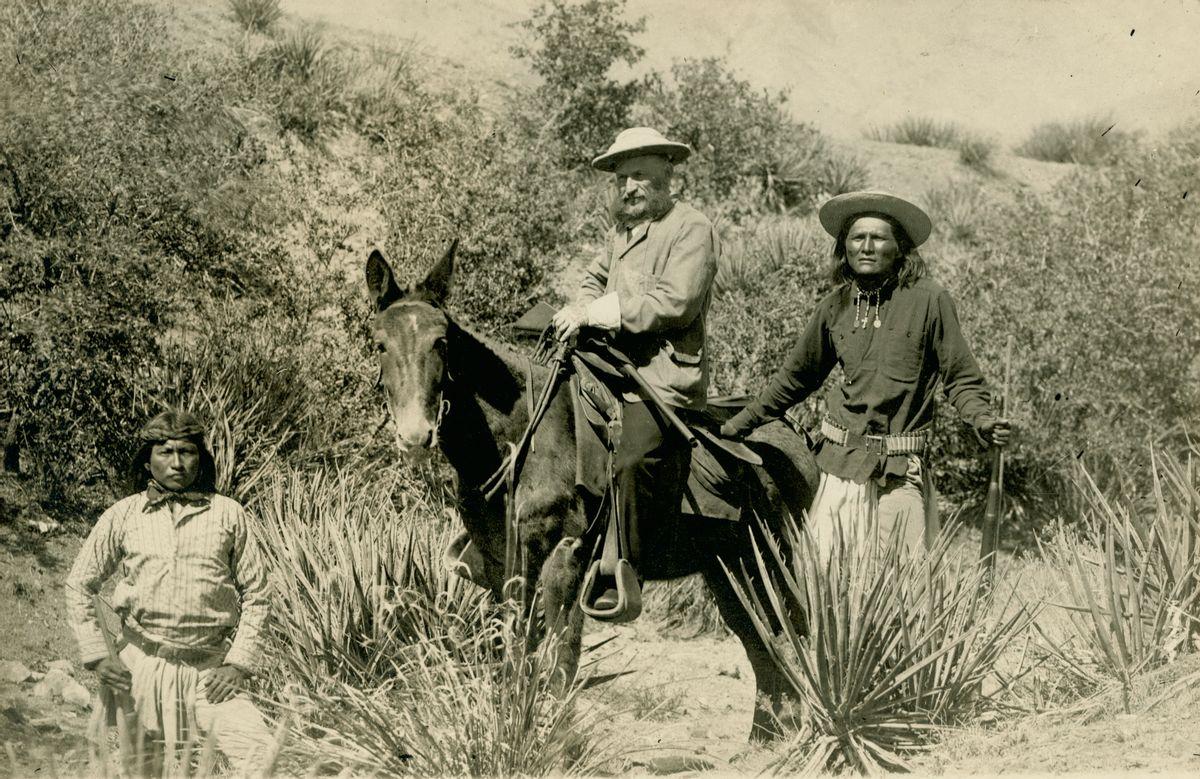
Dick Wilson, he said, was one of those people who “turned against AIM; he was corrupt and with a colonized mind.” Peltier heard some of Wilson’s men even saying “I wish I weren’t Indian.”
FBI agent Tom Parker disclosed to filmmaker Kevin McKiernan in a 2019 documentary, From Wounded Knee to Standing Rock: A Reporter’s Journey, that the FBI’s arming of Wilson’s GOONs was part of a strategy by which “we wanted them [Lakota Sioux] to kill each other, as we were in a war against AIM.”[5]
A number of the GOONs including one of its leaders, Duane Brewer, had fought in Vietnam and used the same tactics against AIM as they did against the “Vietcong.”
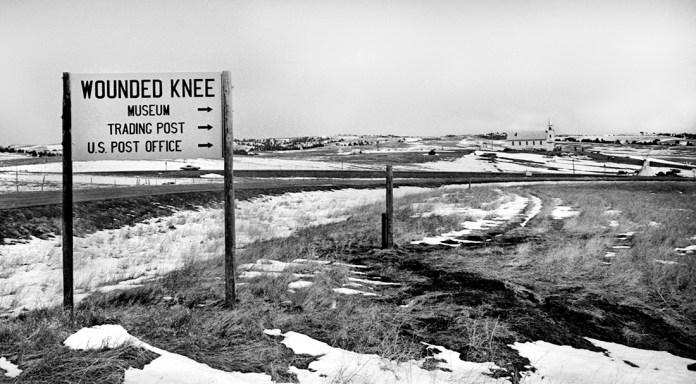
The GOONs characterized AIM as communist, but Peltier said AIM had been invited to the Pine Ridge Reservation by tribal elders and were defending people who were offspring of the victims of the 1890s Wounded Knee massacre—which had marked a culmination of the white settler conquest of North America.
Free Leonard Peltier showed that Wilson’s reign of terror against AIM followed from Wilson having secretly signed an agreement with the Nixon administration in which he agreed to give up one eighth of the Lakota Sioux’s land.
At the time, the U.S. government coveted the land because it possessed uranium deposits that could be used to build atomic bombs like the ones dropped on Hiroshima and Nagasaki.[6]
The film noted how, historically, the white man’s geologists were sent into Indian country to survey for mineral deposits that could be extracted from the land and used to build weapons for the military—a central motive behind the displacement and massacre of Native peoples.
Peltier, in his remarks over Zoom, said that he had no regrets about having stood up with others in AIM to defend the Pine Ridge Reservation in the early 1970s.
The government made false statements about AIM, “calling us radicals, terrorists, communists and other names to discredit us,” but we “had the support of our people,” having been “invited on to the reservation to help defend it,” and were carrying on a “tradition of resistance of our ancestors” at a time when “people were speaking of the ‘vanishing Indian.’”
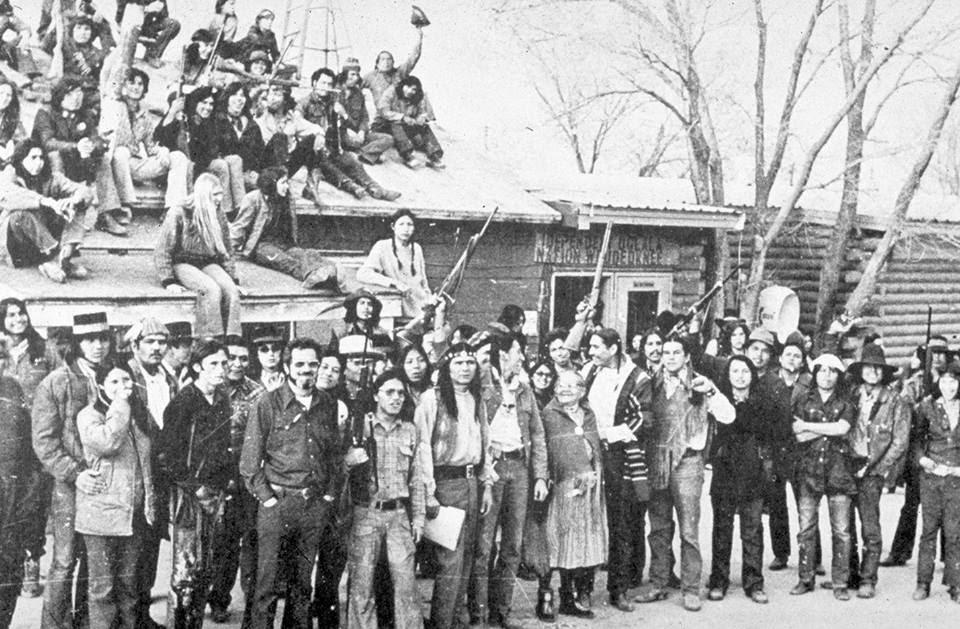
Peltier said that he was one of many Native Americans who have suffered injustice at the hands of the white man, but that he and others will never give up and that he is happy to see younger generations now standing up for Indian people.
These generations, he said, are better educated than the ones that came before, and can fight back through the legal system, by writing books and making films (like Free Leonard Peltier) to tell true history and in other proactive ways.
Peltier said that the plan of the FBI and GOON in the early 1970s was to destroy AIM and that the FBI gave its agents shoot-to-kill orders when they invaded the reservation. Coler and Williams shot and killed AIM activist Joe Stuntz, and Peltier and the others believed they were next.[7]
![Joe Stuntz [Source: whoisleonardpeltier.info]](https://covertactionmagazine.com/wp-content/uploads/2026/01/joe-stuntz-source-whoisleonardpeltier-info.png)
A year before the fateful shootout at Pine Ridge, FBI provocateurs had staged a fight with Peltier and other AIM members who were wrongfully charged with attempted murder.

Peltier said that the judge who presided over his murder case, Paul Benson, was a known racist against Indians. He should have dismissed a juror who openly admitted to hating Indians.
While the government initially claimed that Peltier had executed the two FBI agents in cold blood, they later changed their story when evidence discounted that possibility and characterized Peltier as an “aider and abettor” to the murder, which they still claimed justified his being given two life sentences.
This latter assertion was undercut by the fact that Peltier’s two other alleged co-conspirators, Dino Butler and Bob Robideau were acquitted of murder on the ground of self-defense—something even FBI Director Clarence Kelley conceded at their trial.

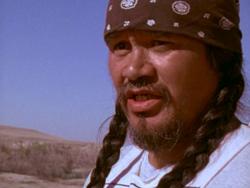
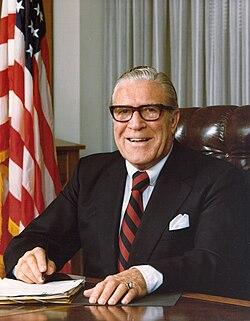
So Peltier asked: How can he be an “aider and abettor to an act of self-defense” and this be considered a crime—let alone one worthy of two life sentences?
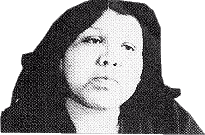
Another injustice that Peltier addressed over Zoom was the false testimony given by Myrtle Poor Bear, an Indian woman who said she was Peltier’s girlfriend and saw him kill the FBI agents. Peltier said he had never even met Poor Bear, who admitted to being coerced by the FBI, which threatened to take her kids away from her.[8]
An additional prosecution witness, Michael Anderson, a young AIM member, testified during cross-examination that he was threatened by an FBI agent, and said that he agreed to testify in exchange for criminal charges against him in another case being dropped.
The film showed that the federal government had gone all-out in trying to convict Peltier because the acquittal of Robideau and Butler on self-defense grounds was a major defeat for the FBI.
Peltier said that, today, he spends a lot of his time listening to music, especially when it is too cold during winter to go outside and walk around his yard (he is not allowed to leave his property without permission).
He said he had wanted to be a musician when he was younger, but his family was so poor that they could not afford electricity, let alone buy him a guitar.
Peltier instead became an artist and made political murals. He also worked as a mechanic and was regarded in his community as a kind person who would help anyone with their car or with other things they might need.
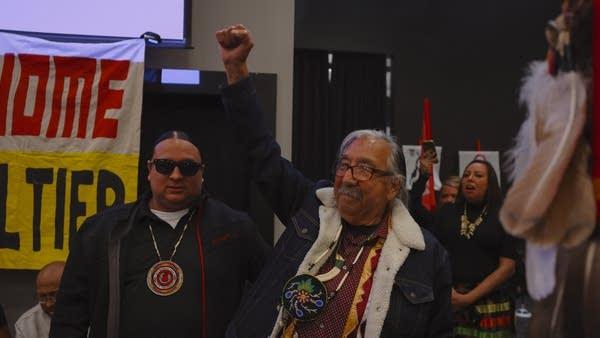
Jhane Myers said that one reason she made the film was not only to spotlight Peltier’s story and Native activism and to keep up the fight for Peltier’s freedom, but also to show Peltier as a regular human being.
During his time in prison, Peltier said that he was subjected to sensory deprivation and torture by being placed in a dark cell in solitary confinement for prolonged periods. He is also reported to have faced beatings by other inmates with the complicity of guards.
One lifeline, Peltier said, was support and guidance he received in prison from members of the Irish Republican Army (IRA) and Black Panther Party who were in solidarity with him and the cause he represented.
Peltier said it was amazing that the authorities called him a murderer when “he never killed anyone in his life” and when “it was the white man who had killed thousands, if not millions of his people over 500 years.”
Now, Peltier said, “they are doing in Gaza what they did to the Indians in the U.S. for so many years—only with different weapons.”
When sitting in his cell for so many years, Peltier said he was “sure he would die in prison and be forgotten,” so it is “incredible for me to be able to go home and to have so much support from so many people.”
Peltier added that, for all the hell he went through, “the bastards didn’t kill me, and I am still around to fight for my people and for a better world.”

Robideau has stated that he had “killed the [FBI agents] with the honor befitting a warrior” and that he had no remorse because it was a “defensive action” against “our enemies.” ↑
For an overview of Peltier’s case, see Jeremy Kuzmarov, “American Indian Movement Leader Leonard Peltier Finally Freed from Prison in Last-Minute Move by Biden Administration,” CovertAction Magazine, February 1, 2025. See also Jeremy Kuzmarov, “Secret COINTELPRO Plot to Infiltrate and Destroy the American Indian Movement: ‘We Wanted Them to Kill Each Other’—FBI Agent Admits After 5 Decades of Silence,” CovertAction Magazine, March 8, 2023.Calling Peltier a “remorseless killer,” former FBI Director Christopher Wray had sent a private letter to Biden, saying, “Granting Peltier any relief from his conviction or sentence is wholly unjustified and would be an affront to the rule of law.” ↑
Ward Churchill, “Death Squads in the U.S.: Confessions of a Government Terrorist,” Z Magazine, May 1991. Churchill noted that GOON was formed with a grant from the Bureau of Indian Affairs (BIA). ↑
According to Parker, one of the goals of the FBI’s COINTELPRO (counterintelligence) operation was to infiltrate informers into AIM and to publicly identify AIM activists with the FBI so that others in AIM would turn against them. In this way, Parker said, dissension would grow among AIM, and AIM members would become paranoid about FBI infiltration and turn against one another, and there would be violence. One victim of this strategy was Annie Mae Aquash, a Mi’kmaq from Nova Scotia and teacher who participated in the 1973 Wounded Knee occupation. She was murdered by two members of AIM in December 1975 at the age of 30 after the FBI and CIA had disseminated rumors that she was an AIM informant. ↑
Uranium was discovered in this region in 1951. For more details and the continued fight to block uranium mining in Pine Ridge, see Delilah Friedler, “‘Get the Hell Off’: The Indigenous Fight to Stop a Uranium Mine in the Black Hills,” Mother Jones, March/April 2020. ↑
Independent investigators concluded that Williams and Coler were “running point” in an elaborate plan to provoke an exchange of gunfire with a group of AIM members who would then be quickly overwhelmed by a large force of BIA SWAT personnel and GOONs pre-positioned in the immediate area. The incident was then to be used as a pretext justifying the introduction of a truly massive FBI contingent to Pine Ridge for the purpose of breaking the back of AIM once and for all. The FBI claimed that Coler and Williams entered the Pine Ridge Reservation to serve a warrant to an AIM member named Jimmy Eagle and were ambushed. ↑
Poor Bear’s testimony was particularly important in facilitating Peltier’s extradition to the U.S. from Alberta, Canada, to where Peltier had fled after the killings and where he was arrested. ↑
CovertAction Magazine is made possible by subscriptions, orders and donations from readers like you.
Blow the Whistle on U.S. Imperialism

Click the whistle and donate
When you donate to CovertAction Magazine, you are supporting investigative journalism. Your contributions go directly to supporting the development, production, editing, and dissemination of the Magazine.
CovertAction Magazine does not receive corporate or government sponsorship. Yet, we hold a steadfast commitment to providing compensation for writers, editorial and technical support. Your support helps facilitate this compensation as well as increase the caliber of this work.
Please make a donation by clicking on the donate logo above and enter the amount and your credit or debit card information.
CovertAction Institute, Inc. (CAI) is a 501(c)(3) non-profit organization and your gift is tax-deductible for federal income purposes. CAI’s tax-exempt ID number is 87-2461683.
We sincerely thank you for your support.
Disclaimer: The contents of this article are the sole responsibility of the author(s). CovertAction Institute, Inc. (CAI), including its Board of Directors (BD), Editorial Board (EB), Advisory Board (AB), staff, volunteers and its projects (including CovertAction Magazine) are not responsible for any inaccurate or incorrect statement in this article. This article also does not necessarily represent the views the BD, the EB, the AB, staff, volunteers, or any members of its projects.
Differing viewpoints: CAM publishes articles with differing viewpoints in an effort to nurture vibrant debate and thoughtful critical analysis. Feel free to comment on the articles in the comment section and/or send your letters to the Editors, which we will publish in the Letters column.
Copyrighted Material: This web site may contain copyrighted material the use of which has not always been specifically authorized by the copyright owner. As a not-for-profit charitable organization incorporated in the State of New York, we are making such material available in an effort to advance the understanding of humanity’s problems and hopefully to help find solutions for those problems. We believe this constitutes a ‘fair use’ of any such copyrighted material as provided for in section 107 of the US Copyright Law. You can read more about ‘fair use’ and US Copyright Law at the Legal Information Institute of Cornell Law School.
Republishing: CovertAction Magazine (CAM) grants permission to cross-post CAM articles on not-for-profit community internet sites as long as the source is acknowledged together with a hyperlink to the original CovertAction Magazine article. Also, kindly let us know at info@CovertActionMagazine.com. For publication of CAM articles in print or other forms including commercial internet sites, contact: info@CovertActionMagazine.com.
By using this site, you agree to these terms above.
About the Author
Jeremy Kuzmarov holds a Ph.D. in American history from Brandeis University and has taught at numerous colleges across the United States. He is regularly sought out as an expert on U.S. history and politics for radio and TV programs and co-hosts a radio show on New York Public Radio and on Progressive Radio News Network called “Uncontrolled Opposition.”
He is Managing Editor of CovertAction Magazine and is the author of six books on U.S. foreign policy, including Obama’s Unending Wars (Clarity Press, 2019), The Russians Are Coming, Again, with John Marciano (Monthly Review Press, 2018), Warmonger. How Clinton’s Malign Foreign Policy Launched the U.S. Trajectory From Bush II to Biden (Clarity Press, 2023); and with Dan Kovalik, Syria: Anatomy of Regime Change (Baraka Books, 2025).
Besides these books, Kuzmarov has published hundreds of articles and contributed to numerous edited volumes, including one in the prestigious Oxford History of Counterinsurgency .
He can be reached at jkuzmarov2@gmail.com and found on substack here.


The senators did the math and realized they were going to throw a lot of money at the oil companies. The oil in Venezuela is not exactly first-rate and the costs of extraction are too high. They are too high and American taxpayers would have to pay for yet another bad Trump project. They are all just for the enrichment of a handful of individuals.