Shadow operators at the front lines of America’s forever wars come back as damaged goods and often parlay the skills they learned overseas into criminal acts at home
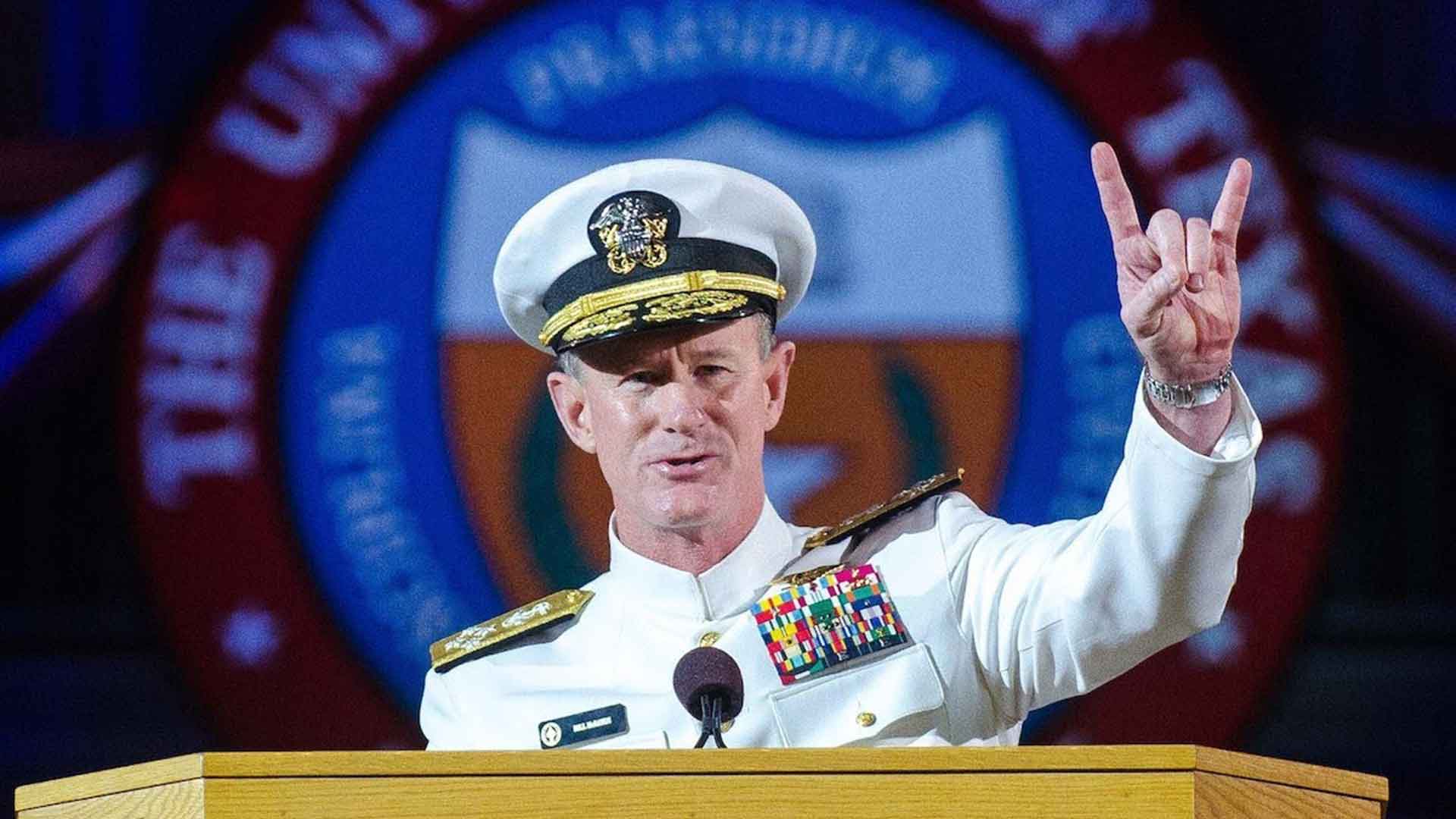
In his 2014 retirement speech, Admiral William McRaven, the former commander of the Joint Special Operations Command (JSOC), called the era of the Global War on Terror the “golden age of special operations.”
In a sense, McRaven’s comments were true as, in the absence of a draft, the U.S. military has come to rely on covert operations using small groups of highly trained shadow operators in fighting the country’s post-9/11 wars.
These shadow operators have been romanticized in Hollywood films that present them in the archetype of the rugged frontiersman and cowboy who does what is necessary to defeat the nation’s evil, and invariably, dark-skinned foes.
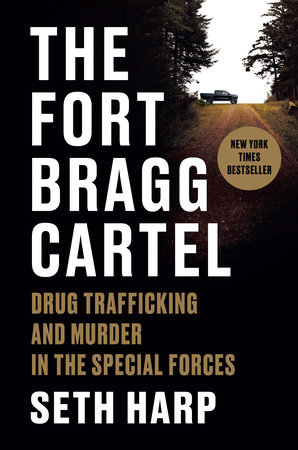
Seth Harp’s book The Fort Bragg Cartel: Drug Trafficking and Murder in the Special Forces shows a dark underside of the Special Forces rarely depicted on the silver screen that turns Admiral McRaven’s triumphalist statement on its head. The book also shows the Trump administration’s kidnapping of Venezuelan President Nicolás Maduro, killing of Venezuelan fishermen accused of drug trafficking and other aspects of its revitalized War on Drugs to be a complete farce.
Harp is a contributing editor to Rolling Stone magazine and foreign correspondent who was an Assistant Attorney General for the State of Texas and served a tour of duty in Iraq.
His book profiles the case of a group of Special Forces soldiers stationed at the military installation at Fort Bragg in Fayetteville, North Carolina, who ran a major drug-trafficking pipeline that originated in Afghanistan.
These soldiers, who were part of the elite Delta Force detachment, had participated in a Phoenix Operation-type assassination program in Afghanistan and other countries that led them to lose their moral compass.
After the men came home, many of them self-medicated through drugs and engaged in rampant criminal activity, including drug and gun running, domestic violence, rape and murder.
When some were considered to have disgraced the reputation of their unit, death squads were activated at Fort Bragg to liquidate them.
The killings were then covered up by people who were expert in performing this task.
Damaged Goods
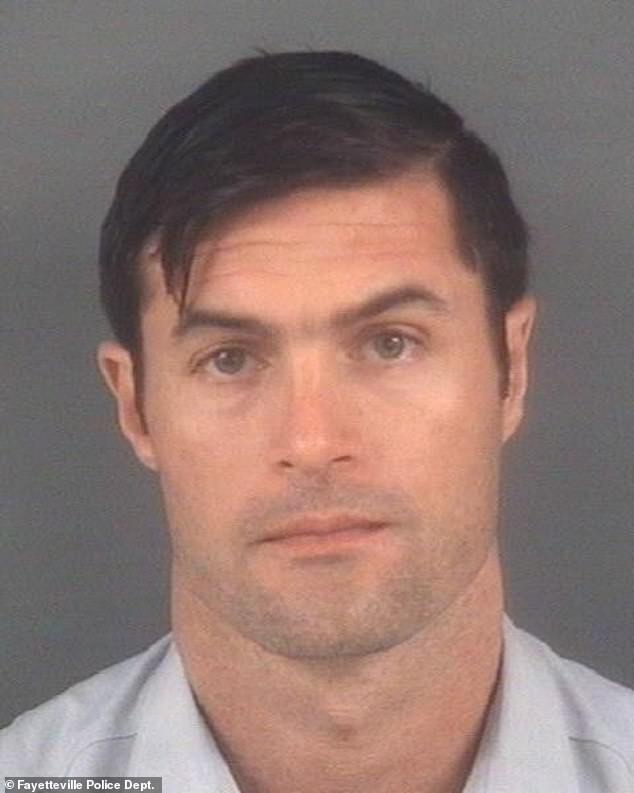
One of the key figures that Harp profiles was a Delta Force Master Sergeant from rural Michigan named Billy Lavigne who had been trained in the art of killing by Israeli assassination experts.[1]
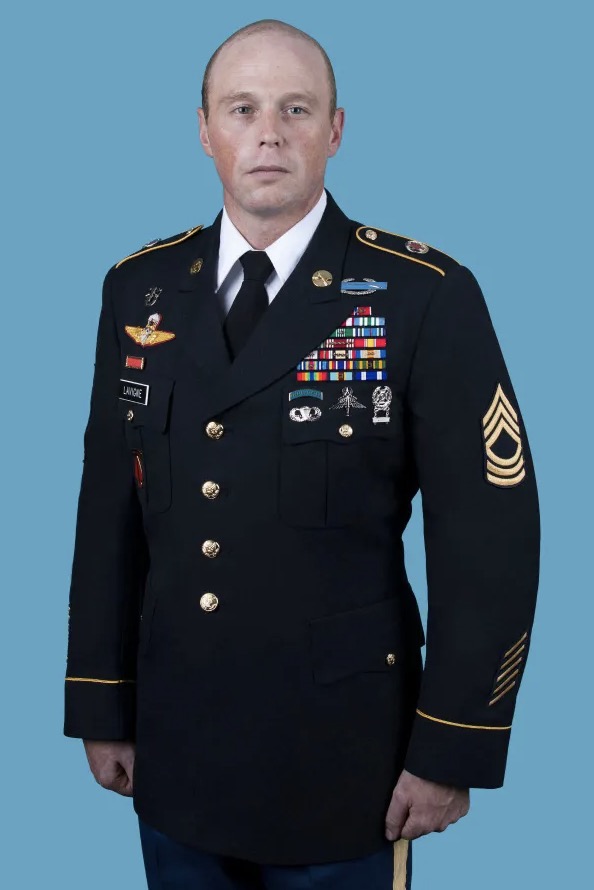
Enlisting in the U.S. Army just before 9/11, Lavigne served multiple tours in Iraq, Afghanistan, and “pretty much anywhere the U.S. had anything going on between 2006 and 2018,” according to his father.[2]
Lavigne belonged to a “secret expeditionary targeting force” dedicated to liquidating Islamic State in the Levant (ISIL) commanders in “covert hit jobs” carried out under cover of night.[3]
Lavigne’s sister Nicole said that, after he returned to Fort Bragg, Lavigne became “weighted down by sadness or guilt” because he was “tormented” by his experience in the Green Berets.
A soulless look came over him, according to Nicole, who said that her brother confessed to her that he had once shot and killed a boy.[4]
After first being given methamphetamine by the military to help stay awake on night missions, Lavigne began using cocaine in the early 2010s. By 2018, he was smoking crack on a daily basis and regularly ingesting crystal methamphetamine and all kinds of other drugs.[5]
He hung around with a rough crowd of Special Forces operatives in Fayetteville who drank heavily, took copious amounts of drugs and told graphic war stories in each others’ company while boasting about the numbers of people they had killed.
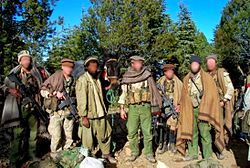
In February 2018, Lavigne and his best friend from the Delta Force, Mark Leshikar, a counter-surveillance specialist from rural Idaho who had served in Afghanistan, Tajikistan and the Philippines, took their young daughters on a trip to Disneyland.[6]
On the way home, they made some side stops to pick up drugs and got high and drunk together.
When they arrived home, in a paranoid and agitated state, Lavigne and Leshikar got in a fight. Lavigne then took out his gun and shot Leshikar to death.[7]
Because of his stature as a decorated combat veteran, Lavigne was never indicted for murder and remained an active-duty soldier in good standing.[8]
Afterwards, Lavigne increased his use and distribution of cocaine, which Army criminal investigators and local authorities never attempted to probe.[9]
Estranged from his ex-wife and daughter, Lavigne worked for a period at an airfield run by a notorious drug trafficker in the Fort Bragg area, Gene Paul Thacker, who claimed to have worked for the CIA, and teamed up with a disgruntled ex-Army logistics officer from Alabama, Timothy Dumas, Sr., to operate a large-scale drug-trafficking ring.[10]
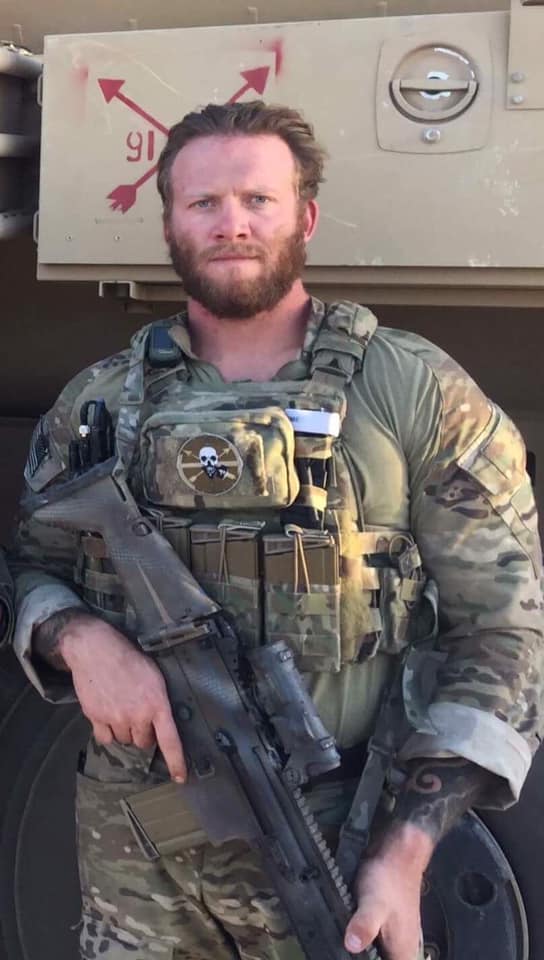
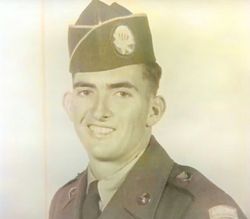
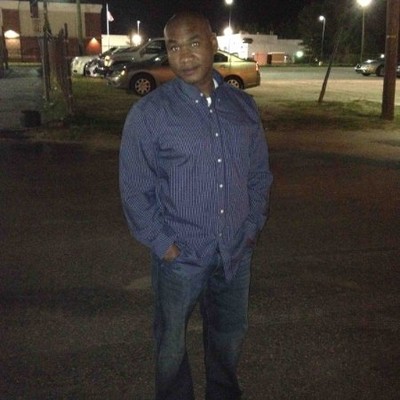
Not long after Leshikar’s death, Lavigne murdered the abusive boyfriend of one of his girlfriends, who said that Lavigne was a good man with a good heart who “got a lot of damage from his time in the service….He thought the way to deal with a situation, if someone was doing something wrong was to kill them.”[11]
Another friend said of Lavigne: “The killing that he was called upon to commit in service of his country corroded him from the inside out. He was forced to be somebody that he wasn’t for so long that it just ate away at him.”[12]
Lavigne’s mother, Judy, said that the U.S. government had trained her son “to be an assassin and then used him as such, again and again, until killing was all that he knew.”[13]
In December 2020 Lavigne and Dumas—who was known to kill people for money—were themselves murdered.
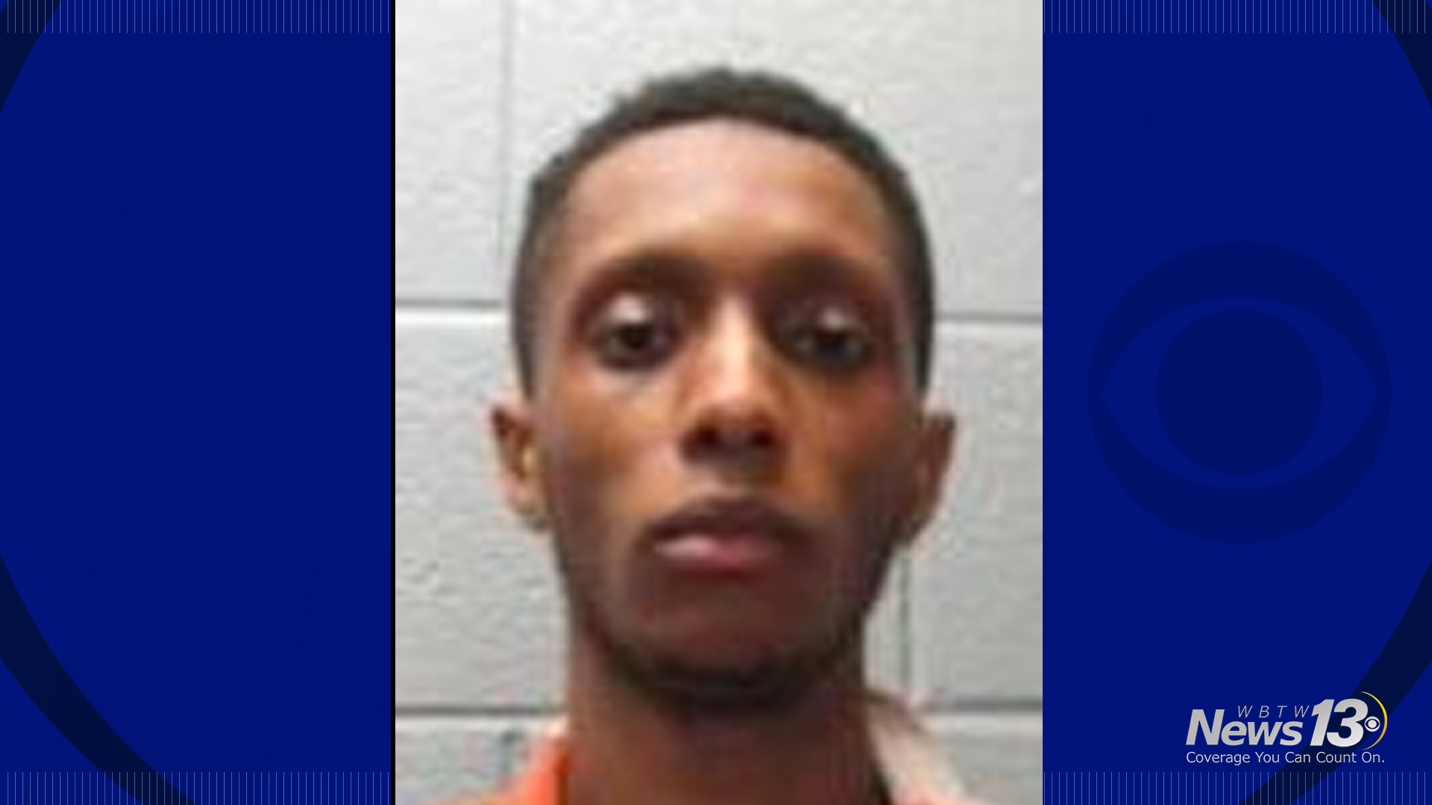
The police charged a 20-year-old drug dealer, Kenneth Maurice Quick Jr., though Harp was told by people in the know that Quick was a patsy and that Lavigne and Dumas had been executed by a Green Beret death squad at Fort Bragg.[14]
Courtney Williams, who had helped Delta Force assemble and curate fake identities, told Harp that she assumed “they [Delta Force or corrupt elements within it] had him [Lavigne] killed. No one will ever be able to prove it but I guarantee it’s what happened. They are so well trained at diversion and misinformation. They are experts at covering things up. I would not put anything past them. They have no morals. They think they have no accountability, because they don’t.”[15]
Uniformed Version of the CIA
Delta Force was established in the late 1970s as a crack counter-terrorism force that could be called upon by the president in emergency contexts.
The Green Berets had been established a decade earlier as an elite jungle fighting force by President John F. Kennedy, whose name is featured as part of the formal name of the special warfare school at Fort Bragg.
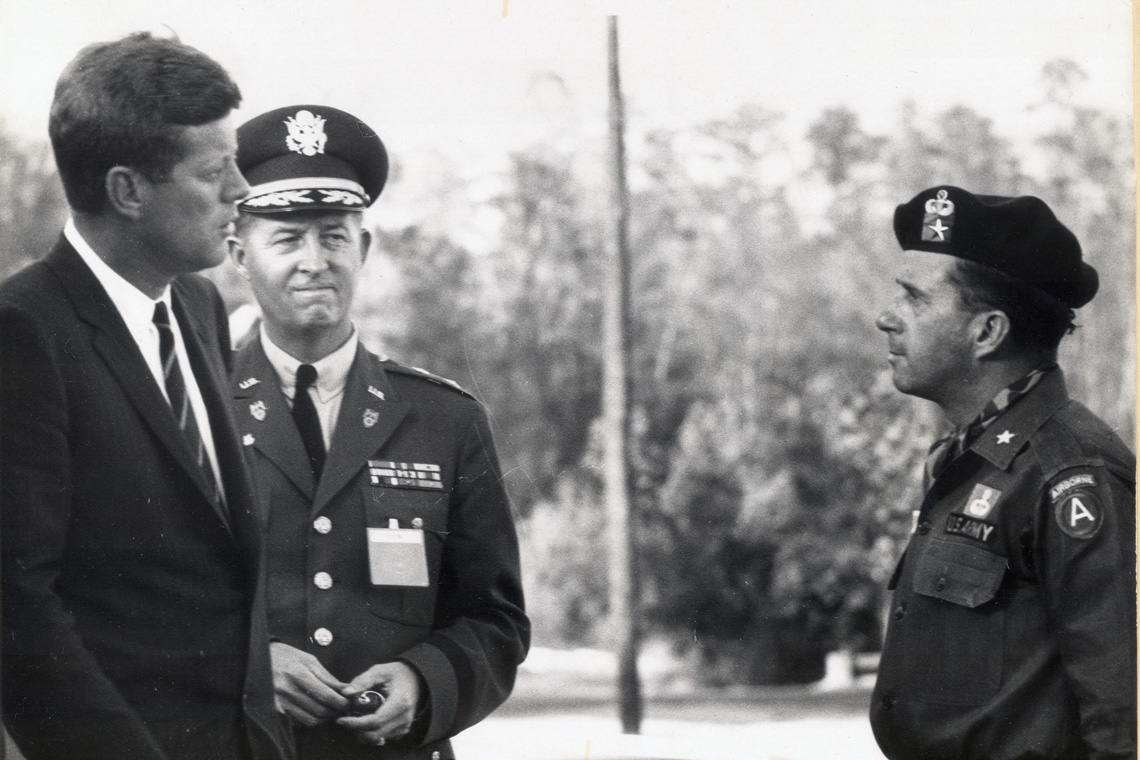
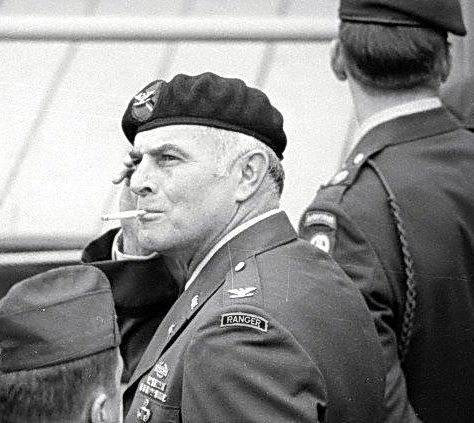
Delta Force founder Charles Beckwith was a bull-necked college football player from Georgia who served with the British Special Air Service in Malaysia and with a long-range reconnaissance unit in Vietnam.[16]
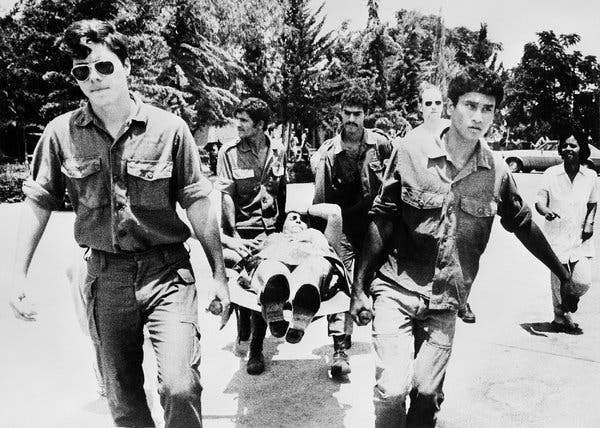
Soon after the Vietnam War ended, American war planners were inspired by a daring Special Forces raid carried out by Israeli commandos in Entebbe, Uganda, that rescued hostages from a hijacked airplane.[17]
JSOC—whose structure the Delta Force fell under—was founded at Fort Bragg after the 1980 election of Ronald Reagan, who was intent on revitalizing U.S. military prowess after Vietnam.
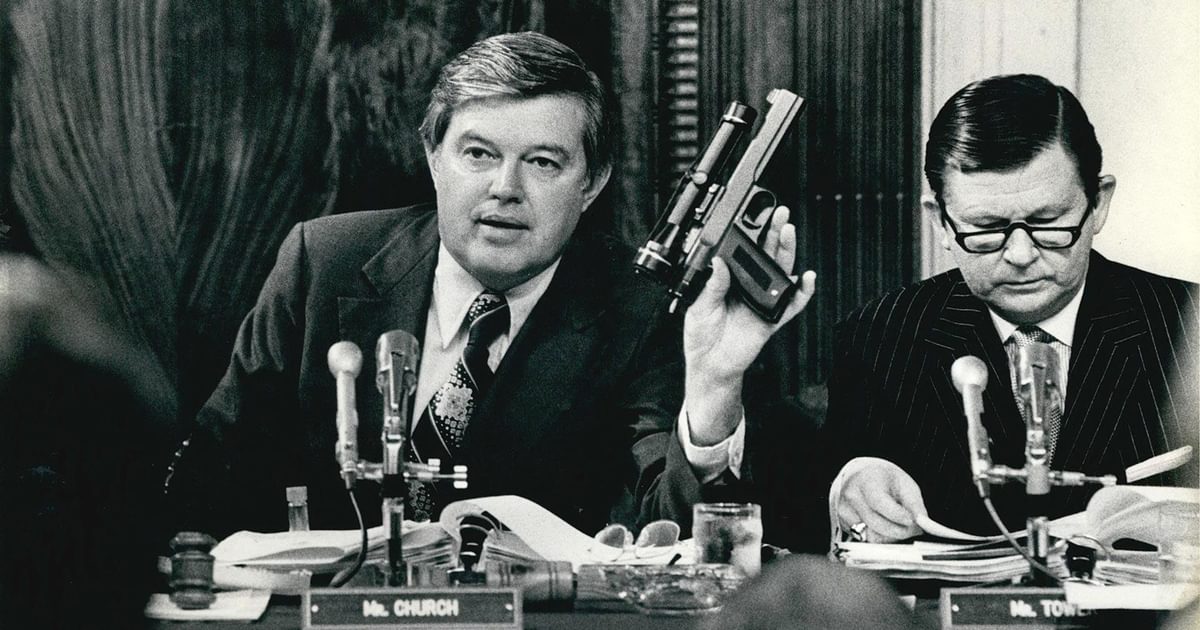
The CIA’s reputation had been soiled in the 1975/76 Church Committee hearings—which led to the establishment of congressional watchdog bodies and efforts to regulate its clandestine activities.[18]
Delta Force and other Special Forces units operating under JSOC took over from the CIA and began to carry out more of the kind of skullduggery for which the CIA was known.[19]
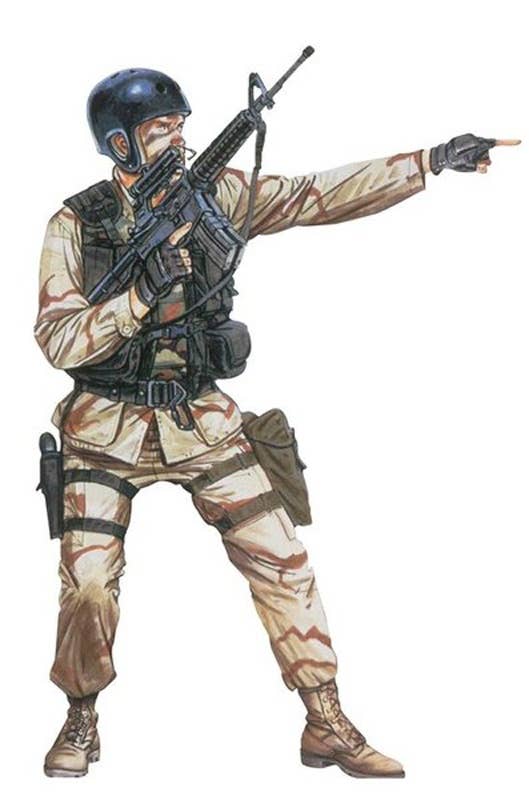
In counterinsurgency operations against leftists in Central America and the 1983 U.S. invasion of Grenada, the Reagan administration relied heavily on Delta Force.
The New York Times during this period warned about JSOC becoming a “uniformed version of the Central Intelligence Agency used by the Executive Branch to circumvent congressional restrictions and reporting requirements.”[20]
Harp suggests that, by the 2010s, JSOC had evolved into a “blood drenched, amphetamine fueled killing machine.”
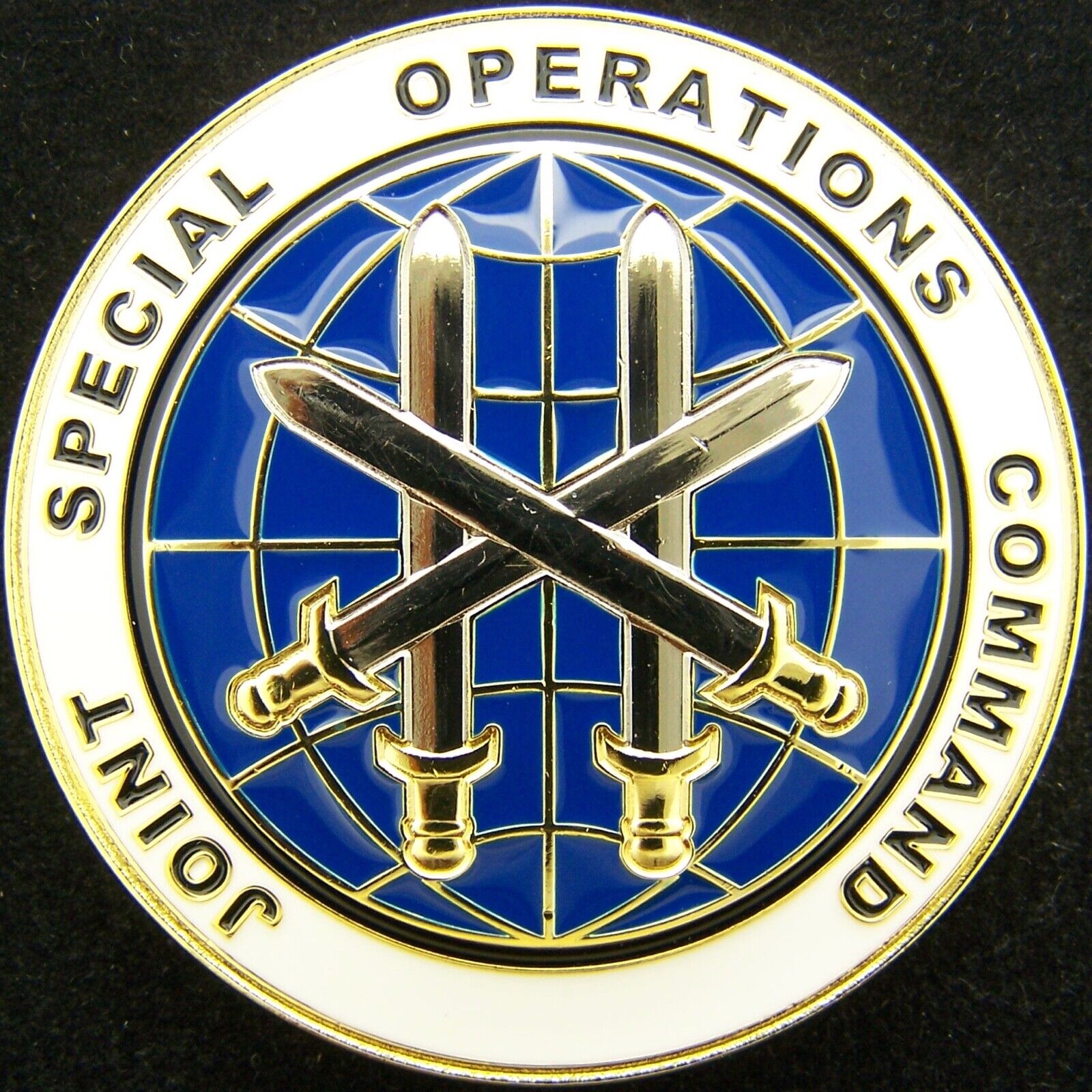
Many innocents were victimized because JSOC operators knew no Arabic and relied on “pseudoscientific nodal analysis,” tips from paid informants, and “arbitrary guesswork” to identify “terrorists,” according to Harp.[21]
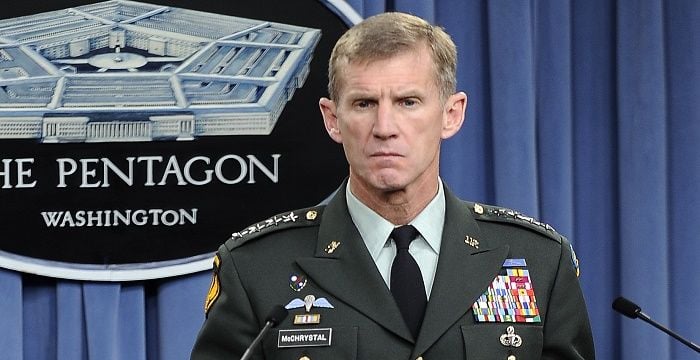
In Iraq, JSOC commander Stanley McChrystal’s philosophy was to “go out at night even if there wasn’t good intelligence” and “hit a bunch of targets anyways to create a sense of offensive momentum—that is to terrorize the Iraqi population into submission.”[22]
“If You Can’t Control It, Kill It”
The stateside blowback resulting from rogue counter-terror operations was apparent in the summer of 2002 when four Army wives at Fort Bragg were separately murdered, within a span of six weeks, by their Special Forces husbands who had recently returned from Afghanistan.[23]
One of the victim’s mothers told a reporter that service in Delta Force had turned her son-in-law into a “violent control freak” whose training was such that, if “you can’t control it, you kill it.”[24]
Later in the book, Harp discusses a rape carried out by one of Lavigne’s platoon mates, Cristobal Lopez Vallejo, who got away with it because the court system in Fayetteville was rigged in favor of U.S. military personnel.[25]
Afghanistan—Where the Drug Pipeline Begins
The major drug-trafficking network that Harp describes was led by Billy Lavigne, Timothy Dumas, Sr., and an ex-North Carolina state trooper and Drug Enforcement Administration (DEA) agent, Freddie Wayne Huff II, who told Harp that “Fort Bragg has a lot of secrets. A lot of underground narcotics secrets. It’s its own little cartel.”[26]
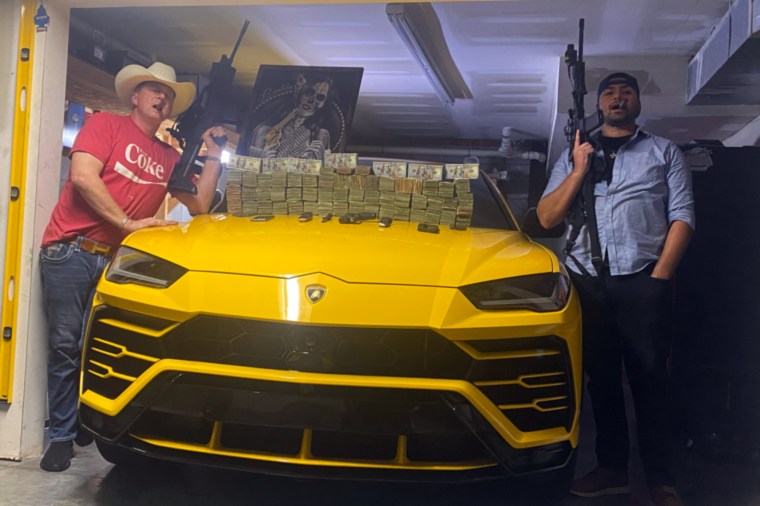
This cartel drew its raw material from Afghanistan, where the government of Hamid Karzai, that was installed by the U.S. after the overthrow of the Taliban in December 2001, was thoroughly corrupt.
Harp describes Karzai as a “rumored heroin addict on the payroll of the CIA” who “exercised power and extended the new government’s writ out from Kabul through a patronage network of warlords, police chiefs, militia commanders, smugglers, and tribal mafioso, many of whom were major drug traffickers.”[27]
Harp further described Karzai’s government as a “military industrial money laundering machine for transatlantic security elites, a corrupt conduit through which a trillion U.S. taxpayer dollars flowed,” and a “massive drug cartel that produced nearly all the world’s illegal opiates.”[28]
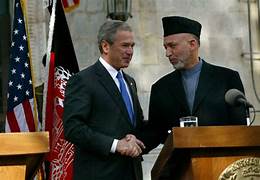
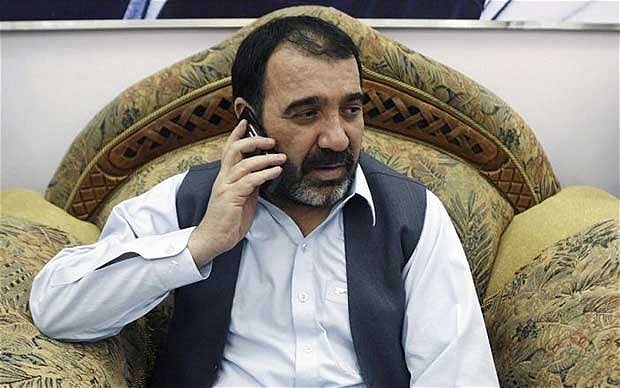
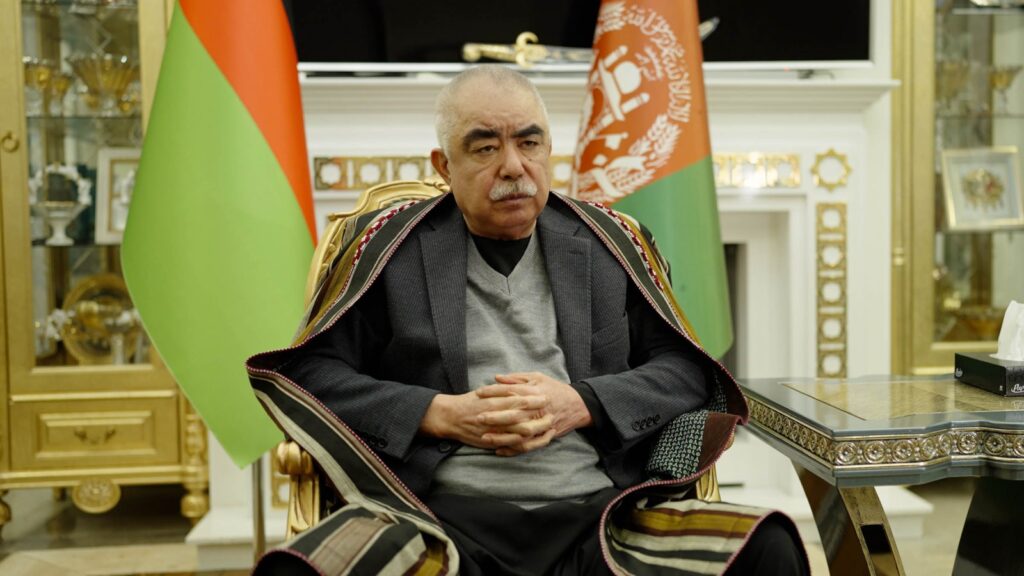
Some of the top narcos in Afghanistan, according to Harp, were Muhammad Fahim, Karzai’s Defense Minister, warlord Abdul Rashid Dostum who served for a period as Afghan Vice President, and the President’s half-brother, Ahmed Wali Karzai, a paid CIA asset who controlled Kandahar Province.[29]
Amazingly, Stanley McChrystal wrote in his memoir about how the U.S. helped restore control over Helmand Province to the clan of Nasim Akhundzada, a long-time ally of the CIA whose tribal militia McChrystal described as a “durable drug cartel.”[30]
Abdul Rahman Jan, the nephew of Nasim Akhundzada, ruled the Helmand city of Marjah as “his own drug-financed fiefdom.”[31]
The Taliban had curtailed the drug traffic prior to the overthrow and suppressed it again when they came back into power in 2021 when they enacted what Harp calls the “most successful counter-narcotics effort in human history.”[32]
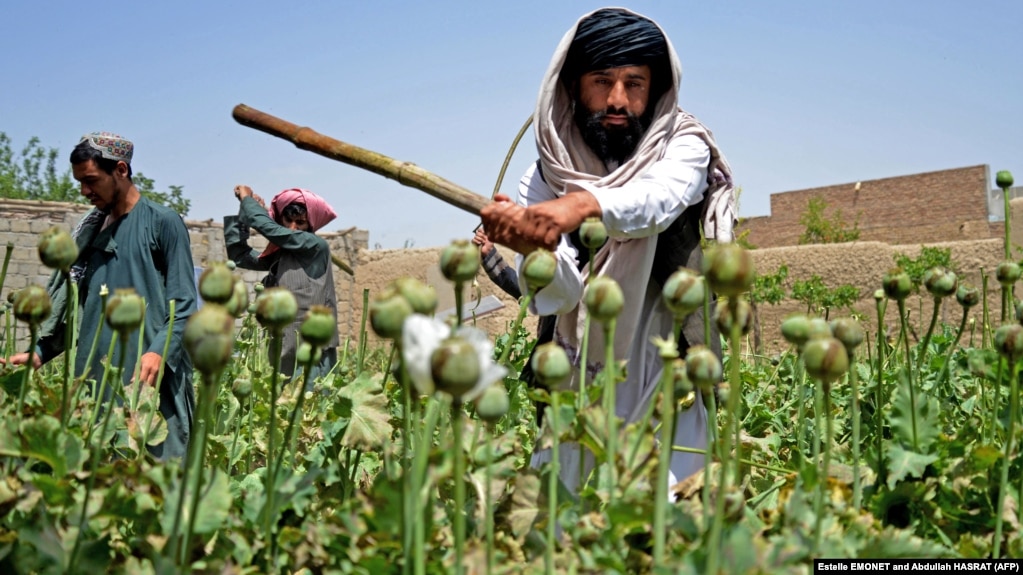
In the interim period, Afghanistan’s output of heroin production eclipsed a thousand metric tons per year, far more than any other country.[33]
Much of the heroin made its way into the U.S., including to Fort Bragg, where a pipeline through the Kandahar airfield had been set up.[34]
Timothy Dumas, Jr., told Harp that “they’re bringing the drugs from overseas into Fort Bragg. They say a group of Special Forces are pushing and selling drugs. They fly it in, put it out on the street. Said they been doin’ that for years.”[35]
Emulating the Higher-Ups
The corruption of the Afghan government punctured the official pretext behind why the U.S. was fighting in Afghanistan and fueled cynicism among Special Forces operatives, who simply emulated what the higher-ups in society were doing—stealing, cheating, lying and engaging in violence against anyone who went against them in any way.
As time passed, the men from Delta Force adopted a mercenary attitude about military service, which accounted in part for their ever-worsening behavior.
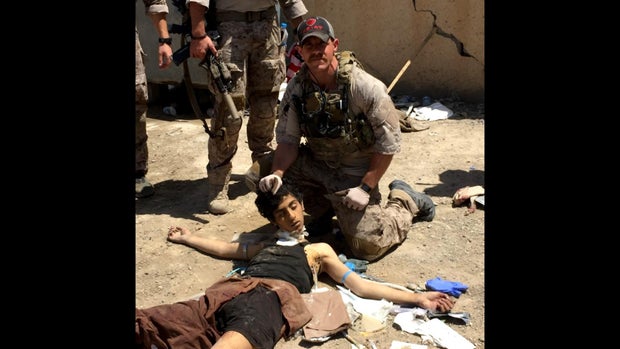
Donald Trump set an especially poor example when he rallied to the cause of a sadistic Special Forces operative named Eddie Gallagher, who took a selfie celebrating the killing of an Iraqi teenager in cold blood.[36]
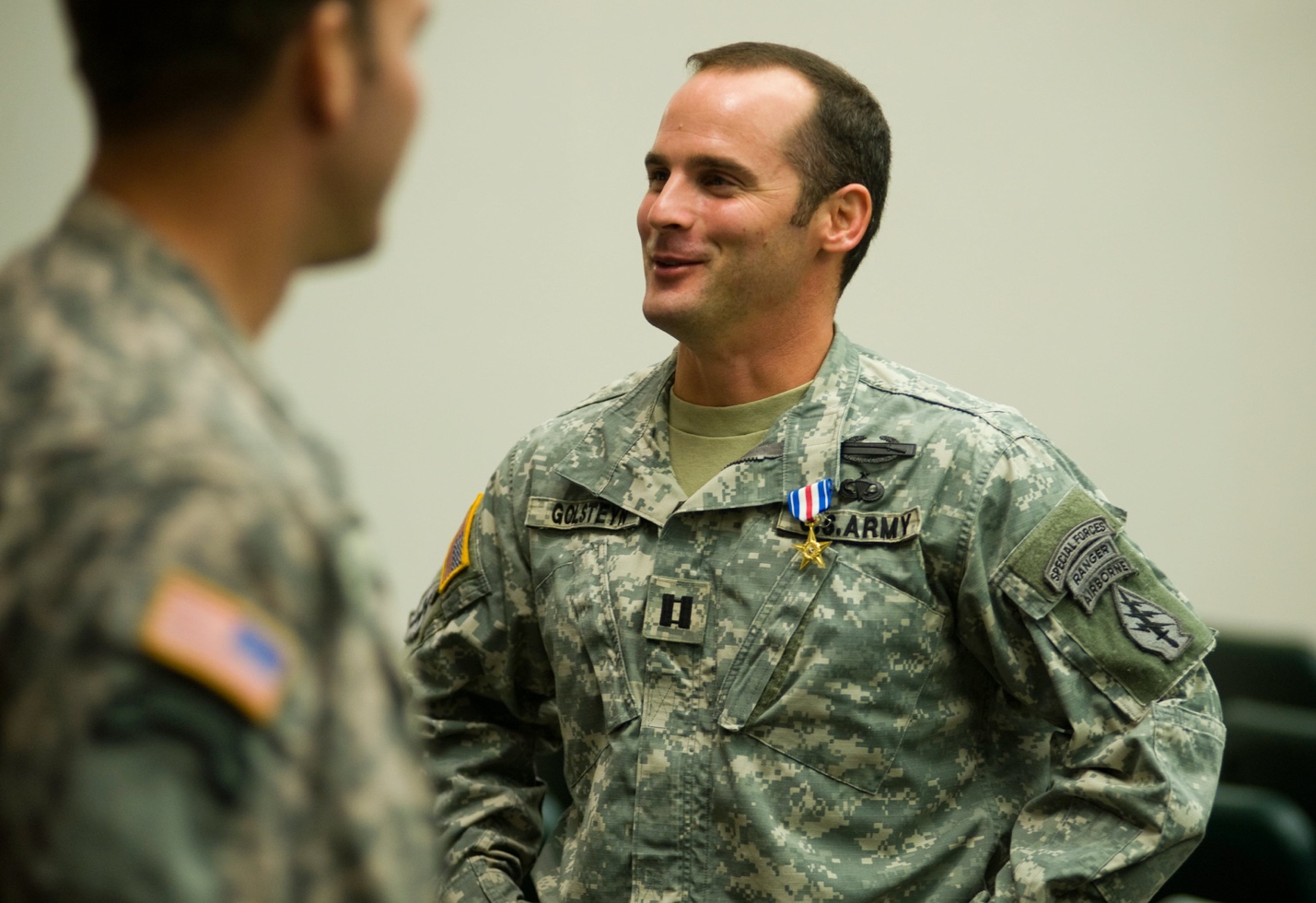
Trump additionally pardoned a Green Beret, Major Mathew Golsteyn, who committed premeditated murder.
Moral Rot Runs Deep
The men profiled in Harp’s book were destroyed when they became cognizant of the total corruption of the American government and the fact that the cause for which they compromised their morality was hollow.
Billy Lavigne and his friends lost all hope in society and purpose in their lives, along with their own self-respect, which led them to willfully embark on a self-destructive path.
Harp’s book is among the best to date in chronicling the moral rot in the U.S. that has resulted from the waging of the Global War on Terror.
Harp shows how Special Forces men emerged from their service not only as hardened killers but as men deeply disillusioned with the country’s leadership for having sent them to fight wars rooted in lies and greed that stripped them of their humanity.
Feeling betrayed by societal institutions, these men no longer had a reason to respect those institutions and abide by prevailing societal norms, and behaved with a level of depravity familiar to colonial settings.
The difference in this case is that the wanton criminality was carried out stateside in their home community whose people were beginning to experience what people around the world had endured for so long.
Seth Harp, The Fort Bragg Cartel: Drug Trafficking and Murder in the Special Forces (New York: Viking, 2025), 9. ↑
Harp, The Fort Bragg Cartel, 9. The countries where Lavigne served included Syria, the Philippines, Thailand and Niger. ↑
Harp, The Fort Bragg Cartel, 9. ↑
Harp, The Fort Bragg Cartel, 10. Lavigne introduced Nicole to his dog who was accustomed to feeding off the flesh of people killed in Special Operations raids. ↑
Harp, The Fort Bragg Cartel, 11. ↑
Harp, The Fort Bragg Cartel, 6. ↑
Harp, The Fort Bragg Cartel, 18, 19. ↑
Harp, The Fort Bragg Cartel, 23. ↑
Harp, The Fort Bragg Cartel, 26. ↑
Harp, The Fort Bragg Cartel, 290, 291. The air field at which Lavigne worked was run by Gene Paul Thacker and his son Tim. The air field saw staggering amounts of cocaine and other drugs pass through it. Gene Thacker claimed to have smuggled drugs with legendary CIA pilot Adler Berriman Seal, whose exploits smuggling drugs as part of clandestine operations in Central America in the 1980s out of Mena, Arkansas, with the support of Governor Bill Clinton are spotlighted in the Hollywood film, American Made. Billy Lavigne worked at the air field in 2017 and 2018. ↑
Harp, The Fort Bragg Cartel, 193. ↑
Harp, The Fort Bragg Cartel, 234. Lavigne referred to himself as a “monster.” ↑
Harp, The Fort Bragg Cartel, 234, 235. ↑
Harp, The Fort Bragg Cartel, 304. ↑
Idem. An obituary in The Southern Pines Pilot, a Fayetteville newspaper which was often called upon to eulogize Delta Force men, called Lavigne an “American hero.” Jordan Terrell told Harp that, “when I found out that Billy died, I was pretty much convinced that Mark’s team did it. Or one of his own unit guys, because he was fucking up quite a bit.” Harp wrote: “For the past two decades, Delta Force has functioned as a high-tech death squad dedicated to covertly liquidating the male population base of recalcitrant ethnic and tribal groups that resist U.S. military occupation. That rogue members of such a monstrous institution might quietly put down one of their own, even on American soil, does not overly strain the imagination.” ↑
Harp, The Fort Bragg Cartel, 33, 34. ↑
Benjamin Netanyahu’s brother Jonathan was killed in the Entebbe raid. Benjamin in turn exploited his brother’s death to present hiself as a politician who was tough on terrorism and intent on avenging his death. ↑
The CIA at this time was found to have been involved in political assassinations, unethical mind-control experiments, drug trafficking and other major crimes which turned many in the public against it. CIA whistleblower Philip Agee’s 1975 expose Inside the Company further helped to turn public opinion against the Agency. ↑
Harp, The Fort Bragg Cartel, 39. ↑
Harp, The Fort Bragg Cartel, 38. ↑
Harp, The Fort Bragg Cartel, 58, 62, 63. For more critical insights into JSOC, see Jeremy Scahill, The World is a Battlefield (New York: The Nation Books, 2013). ↑
Harp, The Fort Bragg Cartel, 65. ↑
Harp, The Fort Bragg Cartel, 48. ↑
Idem. ↑
Harp, The Fort Bragg Cartel, 147, 148. See also Stephen M. Lepore, “Female soldier waives anonymity and slams military court for clearing decorated Delta Force operator of raping her in secret hearing and then destroying records: Chief defense witness and special forces soldier had just killed best friend,” London Daily Mail, December 23, 2021. Billy Lavigne was the chief witness for the defense at the trial.Harp, The Fort Bragg Cartel, 182. ↑
Harp, The Fort Bragg Cartel, 71. ↑
Idem. ↑
Idem. Karzai’s successor, Ashraf Ghani (2014-2021), was equally corrupt and ultimately fled the country with millions of dollars in cash. ↑
Harp, The Fort Bragg Cartel, 72. ↑
Idem. ↑
Harp, The Fort Bragg Cartel, 277. Harp notes that, when the Taliban came back to power in 2021/2022, they set about destroying the country’s entire opium crop through low-tech methods and crop substitution. Additionally, the Taliban helped many addicts get drug treatment snd the help they needed while outlawing the practice of child sex slavery that had been widely adopted during the era of U.S.-NATO occupation by U.S.-backed warlords. ↑
Harp, The Fort Bragg Cartel, 79. ↑
Harp, The Fort Bragg Cartel, 97. ↑
Harp, The Fort Bragg Cartel, 98. ↑
Gallagher had tried to present himself as a victim of liberals intent on imposing too many legal constraints on soldiers. ↑
CovertAction Magazine is made possible by subscriptions, orders and donations from readers like you.
Blow the Whistle on U.S. Imperialism
Click the whistle and donate
When you donate to CovertAction Magazine, you are supporting investigative journalism. Your contributions go directly to supporting the development, production, editing, and dissemination of the Magazine.
CovertAction Magazine does not receive corporate or government sponsorship. Yet, we hold a steadfast commitment to providing compensation for writers, editorial and technical support. Your support helps facilitate this compensation as well as increase the caliber of this work.
Please make a donation by clicking on the donate logo above and enter the amount and your credit or debit card information.
CovertAction Institute, Inc. (CAI) is a 501(c)(3) non-profit organization and your gift is tax-deductible for federal income purposes. CAI’s tax-exempt ID number is 87-2461683.
We sincerely thank you for your support.
Disclaimer: The contents of this article are the sole responsibility of the author(s). CovertAction Institute, Inc. (CAI), including its Board of Directors (BD), Editorial Board (EB), Advisory Board (AB), staff, volunteers and its projects (including CovertAction Magazine) are not responsible for any inaccurate or incorrect statement in this article. This article also does not necessarily represent the views the BD, the EB, the AB, staff, volunteers, or any members of its projects.
Differing viewpoints: CAM publishes articles with differing viewpoints in an effort to nurture vibrant debate and thoughtful critical analysis. Feel free to comment on the articles in the comment section and/or send your letters to the Editors, which we will publish in the Letters column.
Copyrighted Material: This web site may contain copyrighted material the use of which has not always been specifically authorized by the copyright owner. As a not-for-profit charitable organization incorporated in the State of New York, we are making such material available in an effort to advance the understanding of humanity’s problems and hopefully to help find solutions for those problems. We believe this constitutes a ‘fair use’ of any such copyrighted material as provided for in section 107 of the US Copyright Law. You can read more about ‘fair use’ and US Copyright Law at the Legal Information Institute of Cornell Law School.
Republishing: CovertAction Magazine (CAM) grants permission to cross-post CAM articles on not-for-profit community internet sites as long as the source is acknowledged together with a hyperlink to the original CovertAction Magazine article. Also, kindly let us know at info@CovertActionMagazine.com. For publication of CAM articles in print or other forms including commercial internet sites, contact: info@CovertActionMagazine.com.
By using this site, you agree to these terms above.
About the Author
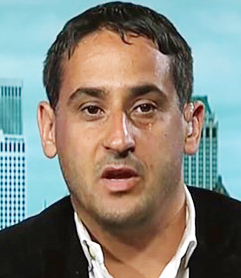
Jeremy Kuzmarov holds a Ph.D. in American history from Brandeis University and has taught at numerous colleges across the United States. He is regularly sought out as an expert on U.S. history and politics for radio and TV programs and co-hosts a radio show on New York Public Radio and on Progressive Radio News Network called “Uncontrolled Opposition.”
He is Managing Editor of CovertAction Magazine and is the author of six books on U.S. foreign policy, including Obama’s Unending Wars (Clarity Press, 2019), The Russians Are Coming, Again, with John Marciano (Monthly Review Press, 2018), Warmonger. How Clinton’s Malign Foreign Policy Launched the U.S. Trajectory From Bush II to Biden (Clarity Press, 2023); and with Dan Kovalik, Syria: Anatomy of Regime Change (Baraka Books, 2025).
Besides these books, Kuzmarov has published hundreds of articles and contributed to numerous edited volumes, including one in the prestigious Oxford History of Counterinsurgency .
He can be reached at jkuzmarov2@gmail.com and found on substack here.