[This article continues CovertAction Magazine’s efforts to expose the CIA’s nefarious history. It is also special for Black History Month. See previous CAM articles for Black History Month here, here and here.—Editors]
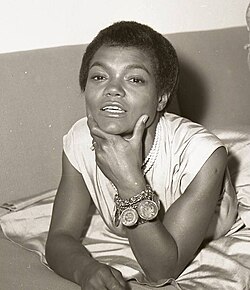
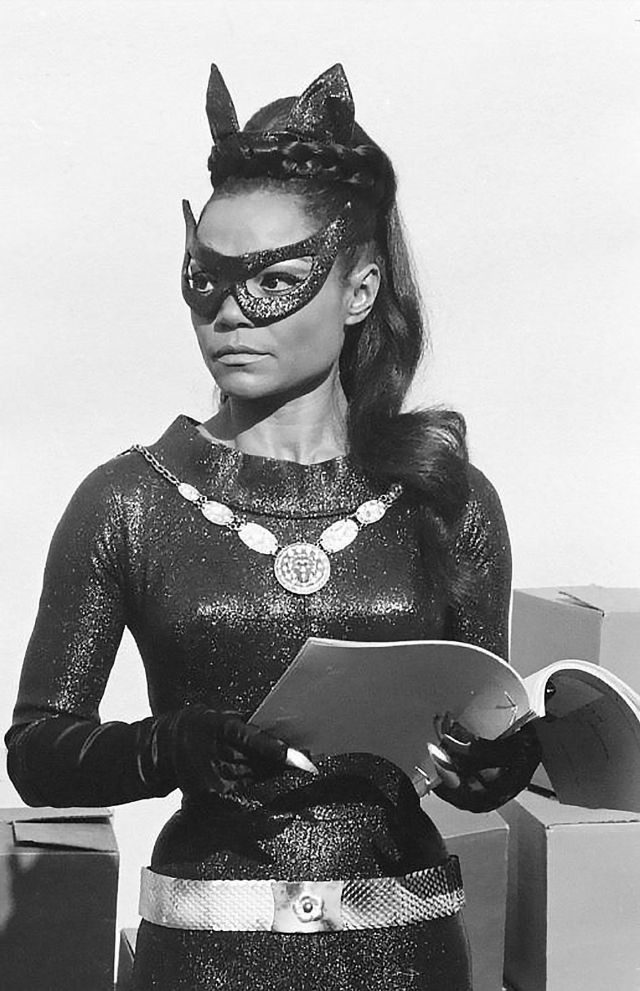
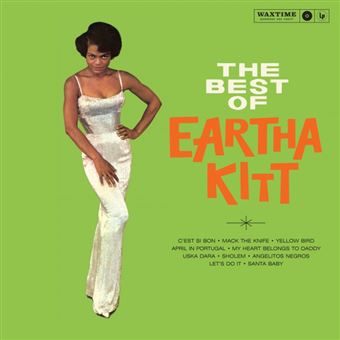
Eartha Kitt was a magnetic singer, songwriter and actress who starred as Catwoman in the 1967 season of television’s Batman and was known for her 1953 Christmas song “Santa Baby.”
In the early 1950s, Kitt recorded six top-30 songs. Orson Welles once called her “the most exciting woman in the world.”[1]
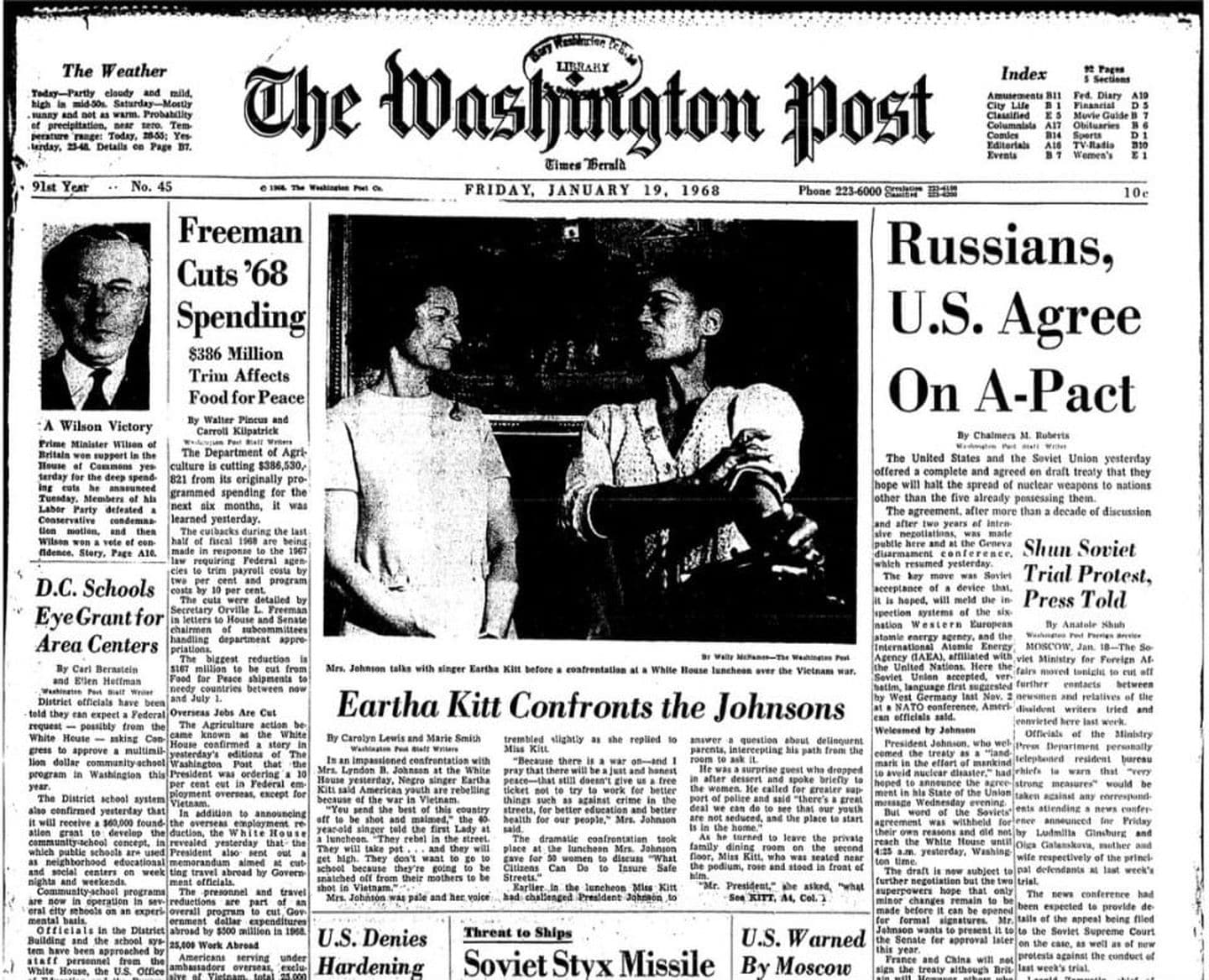
In 1968, her career in the U.S. deteriorated after she criticized the Vietnam War at a White House luncheon she had been invited to with the First Lady, Lady Bird Johnson, because of her celebrity status and work with inner-city youth.
Asked to give her views on the problems of young people in the 1960s, Kitt said that “it was a shame to raise sons just so they could go off to the Vietnam War and be killed.”
Addressing Lady Bird directly, Kitt further stated: “You send the best of this country off to be shot and maimed. They rebel in the streets. They will take pot and they will get high. They don’t want to go to school because they’re going to be snatched off from their mothers to be shot in Vietnam.”
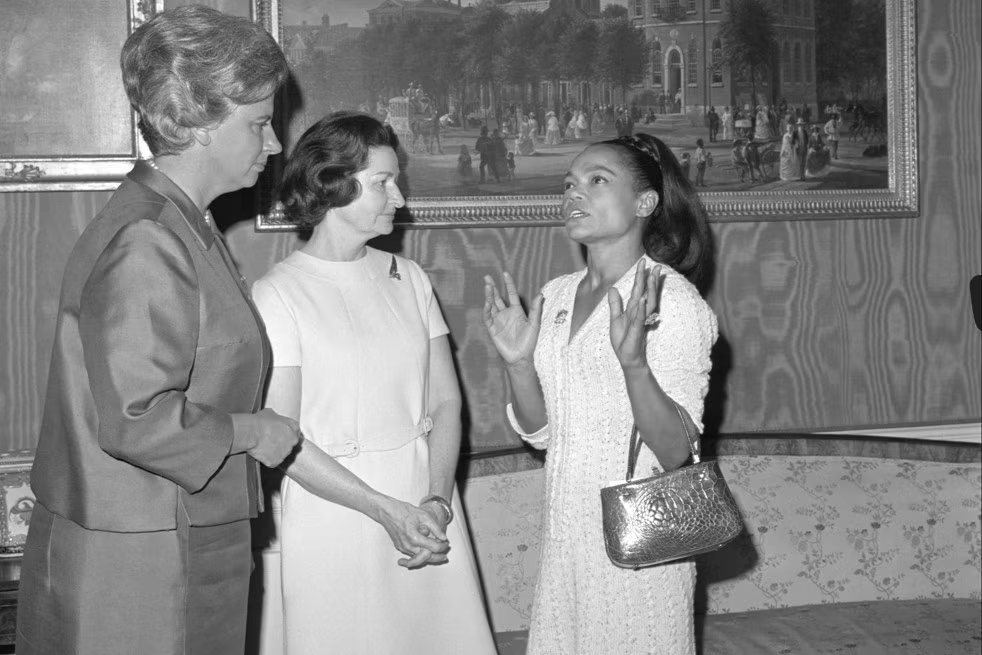
These remarks visibly shocked Lady Bird, angered her husband, and led directly to Kitt’s blacklisting.[2]
Before she was asked to speak by the First Lady, Kitt and President Johnson exchanged a few words as he briefly visited the luncheon.
When President Johnson said to the room that preventing youth crime starts at home with the mothers and called for more police support, Kitt stood up and posed a question about working parents and the difficulties that they faced.
Unable to properly answer the question, Johnson replied that new Social Security funding for day-care centers might help and that the rest was for the women in attendance at the luncheon to figure out. The President then hurried out of the room.
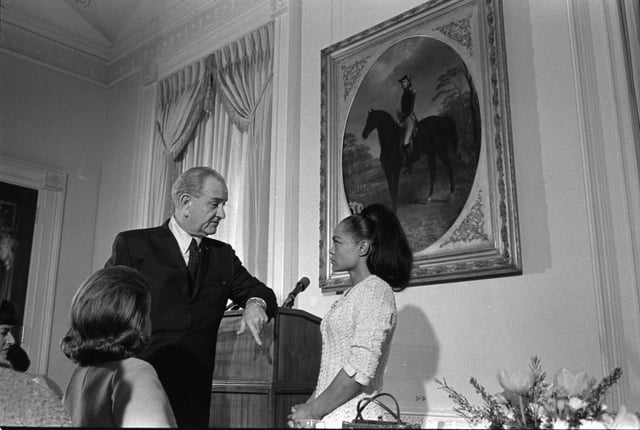
Johnson was so angry that a car was not ordered for Kitt for the way home despite the fact that her travel to the White House had been in a limousine! She had to catch a cab back to her hotel.[3]
Further, Johnson ordered the CIA to amass a file on Kitt, which described her as having “a very nasty disposition,” and as “being a spoiled child, very crude and having a vile tongue.”
Additionally, it falsely claimed that she was a “Sadistic nymphomaniac” and that she did not want to associate with other Black people and bragged about having “little Negro blood,” although it was acknowledged that she had signed an advertisement in 1960 in support of Dr. Martin Luther King, Jr.’s civil rights drive.
At the bottom of the dossier read the words: “Specifically requested by Lady Bird and President Johnson.”
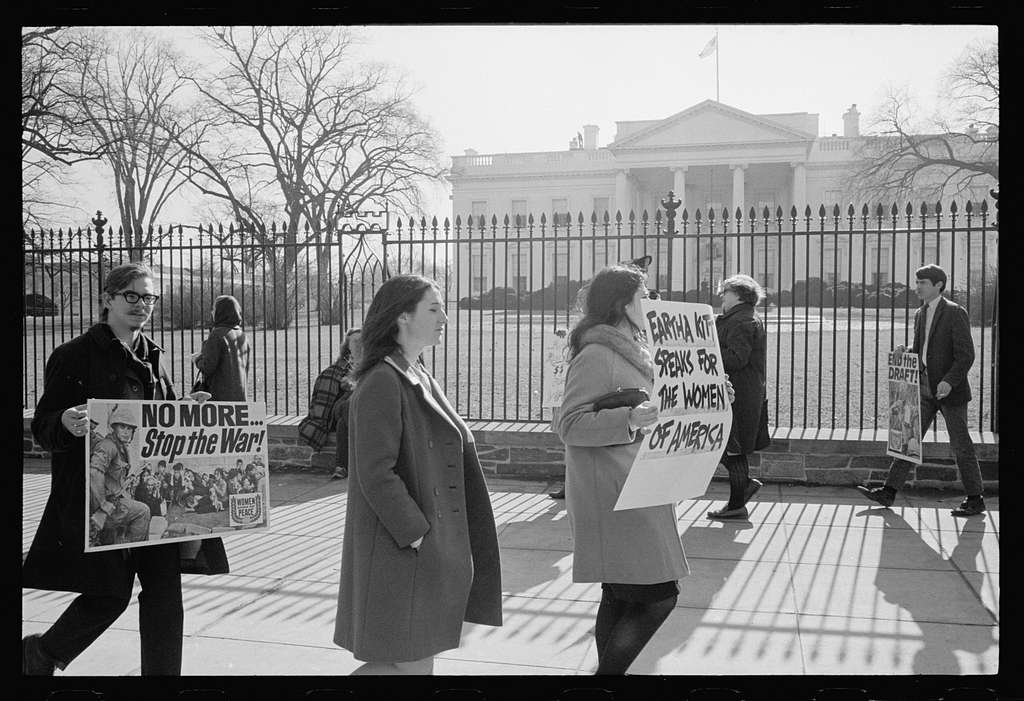
Under the 1947 National Security Act that established the CIA, the CIA was barred from any domestic police or internal security functions, though its Counterintelligence Division routinely monitored the activities of Americans overseas suspected of becoming involved with foreign intelligence operatives.
This is how the surveillance of Kitt was justified even though, predictably, no evidence of any foreign intelligence connection with her was found.
The New York Times reported on December 22, 1974, that 10,000 files were maintained on dissidents until the practice was discovered in 1973 by CIA Director James Schlesinger and supposedly discontinued.
The dossier ordered by Johnson specified that the CIA had been collecting raw data on Kitt since 1956.
Vanderbilt University Professor Harry Howe Ransom, then considered an expert on the CIA and its legal authority, told journalist Seymour Hersh that the CIA spying on Kitt was—even if conducted entirely overseas—“extremely mischievous or worse, unwise and probably in violation of her rights.”
When Ms. Kitt learned about the surveillance and was presented with her dossier, she said it was “disgusting” and that she had “always lived a clean life” and “had nothing to hide.”
“As long as they’re going to investigate any of us,” she said caustically, “they should at least come out with the truth.”
A number of well‐informed Hollywood sources told Hersh that Kitt was “not political at all….She was political [only] in the sense that she was in favor of civil rights.”
After being targeted by Johnson and the CIA, Kitt’s U.S. performances dwindled dramatically as club owners began canceling her appearances.
The talent agency with which she had a contract, the William Morris Agency, suddenly said they could not find her contract and canceled any commitments to her.
It was not until 1974 that Kitt found out the real reason that her U.S. gigs had been drying up: President Johnson and the CIA had essentially blacklisted her in the entertainment world.
Kitt told Whoopi Goldberg in 1993 that Lyndon and Lady Bird had called the TV networks and media across the nation and allegedly told them they “didn’t want to see that woman’s face anywhere.”
Kitt still performed in other countries during her time on the blacklist, but her American career was significantly curtailed at LBJ’s command.

In 1978, after being invited back to the White House by Jimmy and Rosalynn Carter, Kitt made a successful return to Broadway in an original production of the musical Timbuktu! for which she received a Tony Award nomination.
In the 1990s, Kitt found a new generation of fans through various voice-acting roles, including in The Emperor’s New Groove franchise and Vexus in My Life As a Teenage Robot, which earned her two Daytime Emmy Awards.
Kitt died in 2008, and is still remembered fondly for her acting and singing.
By contrast, the historical reputations of Lyndon, Lady Bird and the CIA are far less positive—despite the best efforts of court historians to dictate what we should think.
Kitt was born in a small town in South Carolina in 1927 and grew up in Harlem. While performing in France she became fluent in French. She came to be fluent in four languages and sang in 11 languages. In 1967, besides Batman, she also appeared in a Mission Impossible episode. ↑
A woman seated at Eartha Kitt’s table whispered to thank her for her remarks and said that most people in the room agreed with what she had said but that most of their husbands worked for President Johnson so they could not say what they really believed. Two weeks after the luncheon, in the midst of the Tet offensive, Johnson announced that he would not be seeking re-election as a result of the failure of his Vietnam War policy. ↑
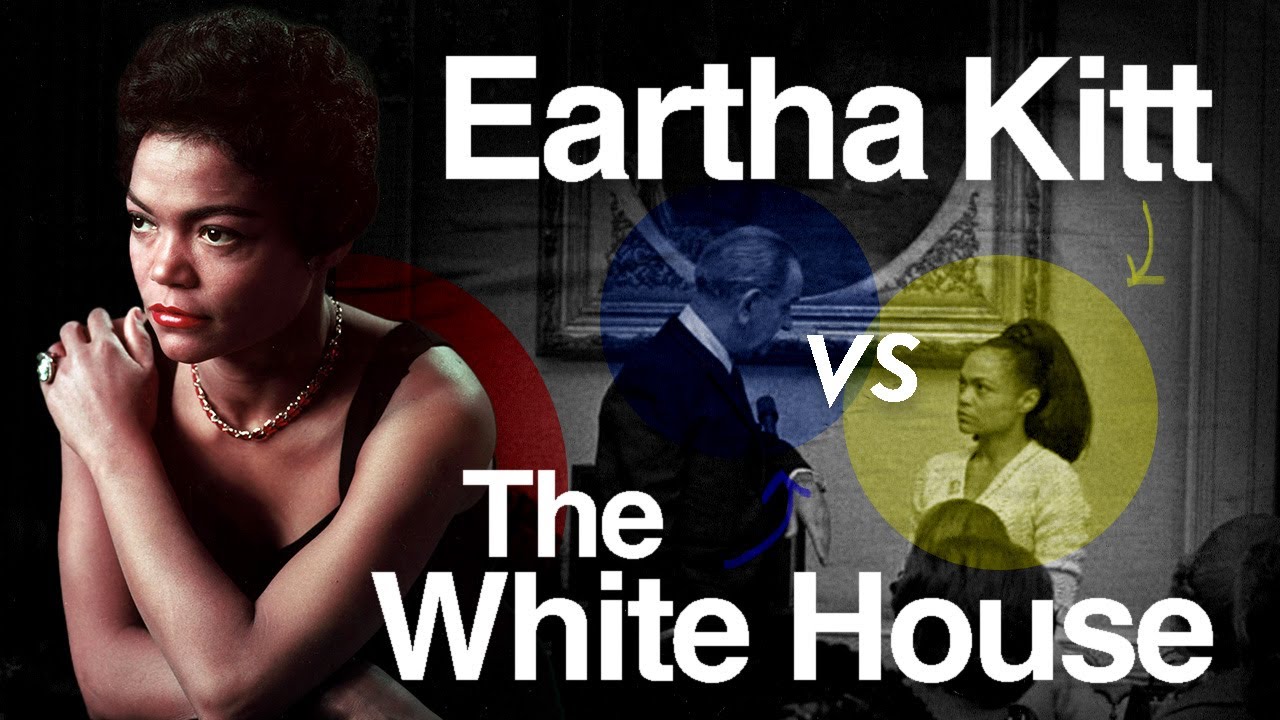
The incident at the White House luncheon was dramatized in a short documentary directed in 2022 by Scott Calonico called Catwoman vs. the White House. ↑
CovertAction Magazine is made possible by subscriptions, orders and donations from readers like you.
Blow the Whistle on U.S. Imperialism
Click the whistle and donate
When you donate to CovertAction Magazine, you are supporting investigative journalism. Your contributions go directly to supporting the development, production, editing, and dissemination of the Magazine.
CovertAction Magazine does not receive corporate or government sponsorship. Yet, we hold a steadfast commitment to providing compensation for writers, editorial and technical support. Your support helps facilitate this compensation as well as increase the caliber of this work.
Please make a donation by clicking on the donate logo above and enter the amount and your credit or debit card information.
CovertAction Institute, Inc. (CAI) is a 501(c)(3) non-profit organization and your gift is tax-deductible for federal income purposes. CAI’s tax-exempt ID number is 87-2461683.
We sincerely thank you for your support.
Disclaimer: The contents of this article are the sole responsibility of the author(s). CovertAction Institute, Inc. (CAI), including its Board of Directors (BD), Editorial Board (EB), Advisory Board (AB), staff, volunteers and its projects (including CovertAction Magazine) are not responsible for any inaccurate or incorrect statement in this article. This article also does not necessarily represent the views the BD, the EB, the AB, staff, volunteers, or any members of its projects.
Differing viewpoints: CAM publishes articles with differing viewpoints in an effort to nurture vibrant debate and thoughtful critical analysis. Feel free to comment on the articles in the comment section and/or send your letters to the Editors, which we will publish in the Letters column.
Copyrighted Material: This web site may contain copyrighted material the use of which has not always been specifically authorized by the copyright owner. As a not-for-profit charitable organization incorporated in the State of New York, we are making such material available in an effort to advance the understanding of humanity’s problems and hopefully to help find solutions for those problems. We believe this constitutes a ‘fair use’ of any such copyrighted material as provided for in section 107 of the US Copyright Law. You can read more about ‘fair use’ and US Copyright Law at the Legal Information Institute of Cornell Law School.
Republishing: CovertAction Magazine (CAM) grants permission to cross-post CAM articles on not-for-profit community internet sites as long as the source is acknowledged together with a hyperlink to the original CovertAction Magazine article. Also, kindly let us know at info@CovertActionMagazine.com. For publication of CAM articles in print or other forms including commercial internet sites, contact: info@CovertActionMagazine.com.
By using this site, you agree to these terms above.
About the Author
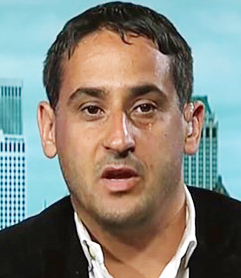
Jeremy Kuzmarov holds a Ph.D. in American history from Brandeis University and has taught at numerous colleges across the United States. He is regularly sought out as an expert on U.S. history and politics for radio and TV programs and co-hosts a radio show on New York Public Radio and on Progressive Radio News Network called “Uncontrolled Opposition.”
He is Managing Editor of CovertAction Magazine and is the author of six books on U.S. foreign policy, including Obama’s Unending Wars (Clarity Press, 2019), The Russians Are Coming, Again, with John Marciano (Monthly Review Press, 2018), Warmonger. How Clinton’s Malign Foreign Policy Launched the U.S. Trajectory From Bush II to Biden (Clarity Press, 2023); and with Dan Kovalik, Syria: Anatomy of Regime Change (Baraka Books, 2025).
Besides these books, Kuzmarov has published hundreds of articles and contributed to numerous edited volumes, including one in the prestigious Oxford History of Counterinsurgency .
He can be reached at jkuzmarov2@gmail.com and found on substack here.




I was deeply saddened to learn of the death, in 2024, of Philip F. Nelson.
His book “LBJ: Mastermind of the JFK Assassination” and some subsequent books are well worth reading in order to understand what LBJ was really like.