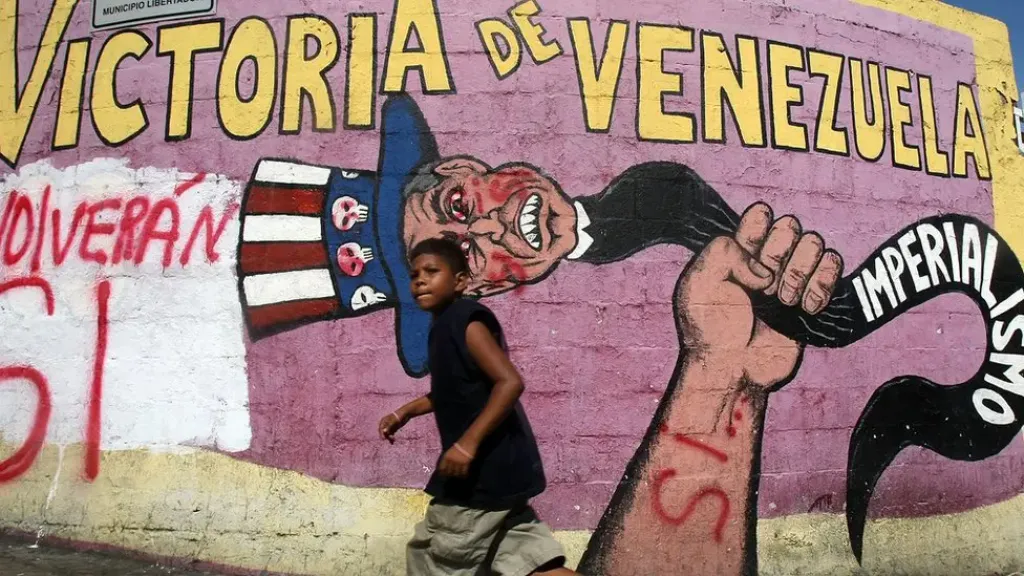
They ask if our own nation was not using massive doses of violence to solve its problems, to bring about the changes it wanted.
.Dr. Martin Luther King, Jr.
Their questions hit home, and I knew that I could never again raise my voice against the violence of the oppressed in the ghettos without having first spoken clearly to the greatest purveyor of violence in the world today—my own government.
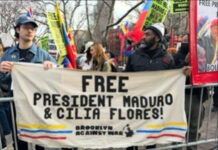
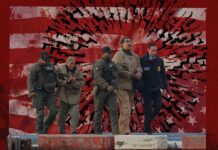
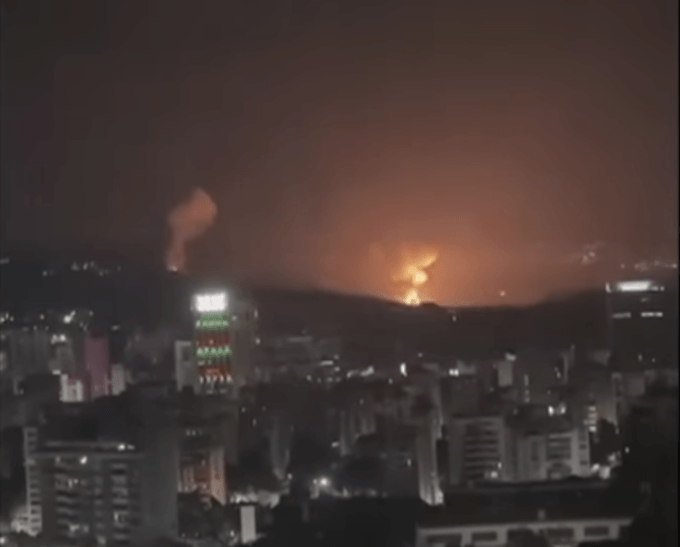
In the early hours of Saturday morning, January 3, 2026, just three days into the New Year, the United States carried out a Special Forces operation on Venezuelan soil, which kidnapped the sitting President Nicolás Maduro Moro and his wife Cilia Flores.
I will not use space to repeat what is already known—that the invasion was unilateral, immoral and in violation of International Law and the United Nations Charter, Article 2. While the above is empirically true, I want to focus on the ideological and political engines that drive this “drum-major instinct” (MLK).
This instinct has been a part of the great power chauvinism that successive U.S. administrations have been obsessed with, and have spared no opportunity, real or imagined, to express it militarily. The atrocity in Venezuela on January 3 is the culmination of a historical “grudge” that the United States has had for a country that has sought to assert its right to self-determination.
The End of Corruption and the Rise of Democracy
Prior to 1998 with the election of Hugo Chávez, Venezuela was plagued with political corruption by politicians, deep and open racial and class divisions, social favoritism, and inequality encouraged by the oil companies operating in the country, and distrust for the numerous political parties and their candidates.
According to Miguel Tinker Salas in his book Venezuela: What Everyone Needs To Know, citing a 1997 poll, “53.4 percent of the population did not favor any of the potential candidates.” On December 6, 1998, Chávez received 56% of the vote. Salas wrote that “the election of Chávez, a former coup leader, sent shock waves throughout the region and raised concerns in Washington.”
Chávez’s election was not only a new point in Venezuelan politics, but one that markedly differed from previous decades. Most notably was the shift of power from the local oligarchs, the influence of the oil companies in domestic affairs, the inclusion of previously marginalized groups and, most importantly, grass-roots participation in the democratic process which was beginning to unfold.
This democratic process was underscored by the adoption of a new and progressive constitution in 2000, which not only addressed domestic inequalities but also foreign affairs issues and the role of Venezuela on the world stage.
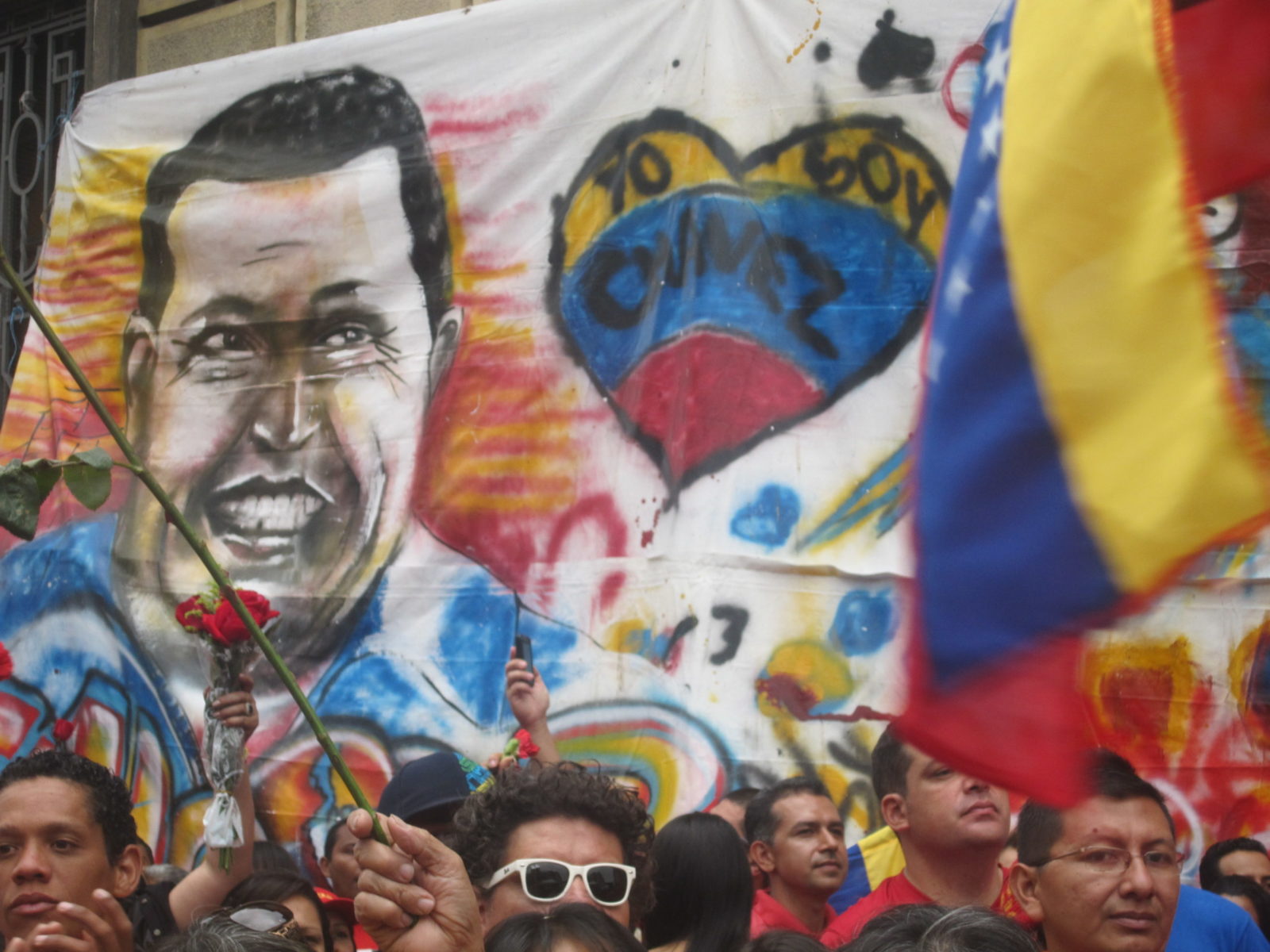
The Chávez administration advocated for an integration and collaborative approach between Latin America and the Caribbean: “creating a community of nations that would defend the economic, social, cultural, political, and environmental interests of the region.” The focal point of the foreign affairs policy of the new constitution is that Venezuela endeavored to assert its right to independence and self-determination. It refused to be a signatory to any international agreement that recognizes any “supra-national” judicial body to resolve disputes.
The ire of the oil companies operating in Venezuela and the administration in Washington was raised when Venezuela became the leader of the Organization of Oil Exporting Countries (OPEC). Chávez visited all OPEC member countries at the time and, apart from an increase in oil prices, Chávez advocated for OPEC to adopt some type of social responsibility policy.
One area of concern was the enormous debt developing countries were “strangled” with.
The local media, the Venezuelan oligarchs and opposition parties began a campaign of misinformation and demonization against the Chávez government; this came to a head when, in 2001, the government approved the Hydrocarbons Law, which placed oil definitively under State control.
The oil companies such as ExxonMobil and ConocoPhillips ceased operations in Venezuela; thereby began the relentless attacks against Venezuela.
The Ideology of Fascism: Militarism and Annexation
I have previously written on this site that one of the characteristics of fascism is narrow nationalism, expressed in its mildest form by extreme hatred of other countries; however, in foreign policy, jingoism and annexation are the modus operandi of fascist regimes.
The U.S. has always embraced the concept of exceptionalism, which was emboldened by the Trump administration’s ascent to power, and the open demonization of other countries and cultures.
Everyone should recall Donald Trump’s tirade against countries of color, and the ban of countries with majority Muslim populations during his first term in office. The same sentiments have continued into his second term.
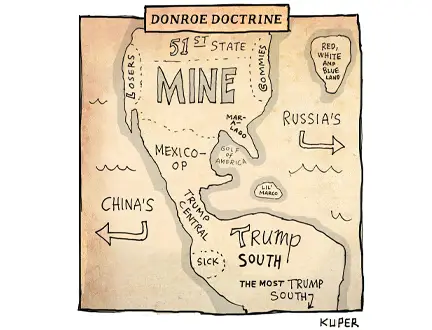
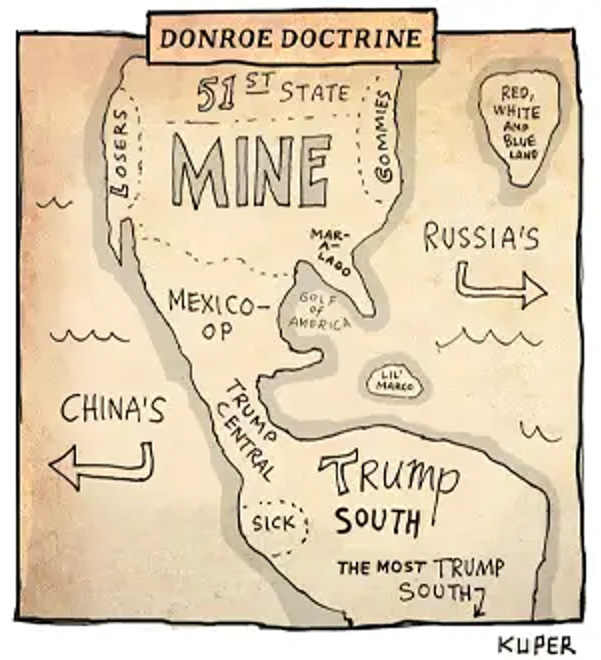
The announcement of making Canada the 51st State of the United States, the threat of taking over Greenland even by force, and threats to Mexico, Cuba and Colombia are not simply expressions of idiocy, but the deep-rooted ideology of the annexationist intent of a fascist administration.
The Monroe Doctrine, the Trump Corollary, and the Project for the New American Century are the U.S.’s version of Adolf Hitler’s Mein Kampf, particularly in the aim of bringing in and controlling all those territories that the fascist regime perceives as “weak,” or can serve as a “launching pad” to attack other nations, or can provide it with unrestricted access to resources that it needs to feed its consumerism appetite.
The “big money” capitalists need fascism to solve their problem of production and markets; goods and services are produced but the buying power of the intended targets—the consumers—is restricted because of soaring prices.
The global market has also shrunk, and competition in prices, terms of trade, regional associations and currency alternatives have plunged capitalism deeper into crisis. The resuscitation of capitalism’s body-politic demands that it resorts to desperate, open and coercive measures to save itself.
Venezuela’s oil reserves and other natural resources are beyond reach by ordinary means. Venezuela is pursuing a socioeconomic path of self-determination, national sovereignty and participatory democracy through its Communes, and various people-power elections. The Bolivarian process that fuels these policies must not be allowed to continue.
State Power and the Role of the Military in Politics
One sociologist referred to the army as a “special group of armed men” and, indeed, that is what they are. The army, as a collective, does not act on the basis of ideological leaning, but more so on the basis of military objectives issued to them by the high command. The army is an integral part of state power, which is the ability to coerce, if necessary, in maintaining and defending the socioeconomic system, whichever type it is. National security is indeed a function of the military, and high on their operational agenda. However, if and when internal or external factors threaten to seriously disrupt or eliminate a socioeconomic system, the military will be used to crush or eliminate those threats.
Although not ideologically driven, the military is not isolated or “insulated” from the social issues occurring in the wider society; military personnel have families and friends with whom they live with or interact, respectively.
Problems of unemployment, health care, inflation, governmental corruption and the like impact their families and friends and are undoubtedly discussed quite feverishly.
It is naïve to think that these problems and discussions would go unnoticed by any individual army officer and would not have a psychological impact on said officer. History is replete with examples of the army acting outside of their basic “code” of operation; armies have acted either in a revolutionary or reactionary manner.
Revolutionary military action was taken by sections of the military in Libya, Sudan, Egypt and Iraq in the 1950s and 1960s; more recently military action in the Sahel States, Mali, Niger and Burkina Faso have produced progressive military governments.
What just took place in Venezuela was not a coup but a downright invasion of sovereignty resulting in the kidnapping of the legitimate, democratically elected president of the country.
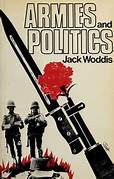
However, the words of Jack Woddis, in his book Armies and Politics, have instructive import for the situation that has occurred in Venezuela: “A coup cannot be avoided or, if begun, defeated solely by vigilance, material preparations, and physical countermeasures, although such precautions should never be forgotten. Of decisive importance is political preparation, the conducting of political work in such a fashion that conditions are not allowed to develop to a stage in which it becomes possible, and in some cases relatively easy to initiate a coup.”
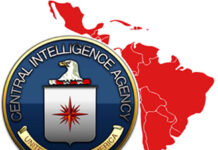
The murderous sanctions imposed on Venezuela, and the placing of a $50 million bounty on President Maduro, and the infiltration and covert action by the United States’s Central Intelligence Agency (CIA) must also fit into this context.
In any case, gaining electoral victory is not automatic that the control and maintenance of state power is guaranteed. The organs of the state—such as the military, police, courts and other “enforcement” agencies—are theoretically responsible, and are expected to defend and cement the governance of the socioeconomic system with which they are entrusted.
By the same token, governmental leadership cannot afford to lose or limit its intimate contact or interaction with the masses. The position occupied by the military puts them in a unique position to challenge the government, if they feel government is a hindrance to the development of theirs, and that of the wider society. Perceived loyalty is not enough; disconnection from the working class is a recipe for disaster.
The Trump administration and the corporate media spare no opportunity to tell the public how precision-like the operation was.
Although it was well executed, too much credit and a lopsided analysis is being given to the U.S. military for what took place in Venezuela. The operation could not have succeeded without there being a “fracture” within and without the military establishment of Venezuela. United States imperialism is relentless and desperate in regaining lost ground globally.
What Is the Way Forward?
Fascism—with all its financial, organizational and military resources—is defeatable. Everywhere that fascism has operated and has been defeated, both at home and abroad, comes from a united mass movement—a movement comprised of anti-fascist, anti-imperialist forces. The mass movement must make it difficult and downright impossible for the forces of fascism to operate in the old way.
Social activism reminiscent of the Vietnam War era, including new tactics, must be the order of the day. Only mass activism within the respective countries can force the international community through its recognized agency—the United Nations (UN)—to act in curtailing and stopping the global threat of fascism looming and expanding before our eyes.
The world faces an existential threat from an administration which has no respect for domestic or international law, has no regard for trampling on the sovereign rights of other countries, and is being led by a megalomaniac and unhinged president.
Only a united front within and outside the United States can stem the tide of this global peril.

CovertAction Magazine is made possible by subscriptions, orders and donations from readers like you.
Blow the Whistle on U.S. Imperialism
Click the whistle and donate
When you donate to CovertAction Magazine, you are supporting investigative journalism. Your contributions go directly to supporting the development, production, editing, and dissemination of the Magazine.
CovertAction Magazine does not receive corporate or government sponsorship. Yet, we hold a steadfast commitment to providing compensation for writers, editorial and technical support. Your support helps facilitate this compensation as well as increase the caliber of this work.
Please make a donation by clicking on the donate logo above and enter the amount and your credit or debit card information.
CovertAction Institute, Inc. (CAI) is a 501(c)(3) non-profit organization and your gift is tax-deductible for federal income purposes. CAI’s tax-exempt ID number is 87-2461683.
We sincerely thank you for your support.
Disclaimer: The contents of this article are the sole responsibility of the author(s). CovertAction Institute, Inc. (CAI), including its Board of Directors (BD), Editorial Board (EB), Advisory Board (AB), staff, volunteers and its projects (including CovertAction Magazine) are not responsible for any inaccurate or incorrect statement in this article. This article also does not necessarily represent the views the BD, the EB, the AB, staff, volunteers, or any members of its projects.
Differing viewpoints: CAM publishes articles with differing viewpoints in an effort to nurture vibrant debate and thoughtful critical analysis. Feel free to comment on the articles in the comment section and/or send your letters to the Editors, which we will publish in the Letters column.
Copyrighted Material: This web site may contain copyrighted material the use of which has not always been specifically authorized by the copyright owner. As a not-for-profit charitable organization incorporated in the State of New York, we are making such material available in an effort to advance the understanding of humanity’s problems and hopefully to help find solutions for those problems. We believe this constitutes a ‘fair use’ of any such copyrighted material as provided for in section 107 of the US Copyright Law. You can read more about ‘fair use’ and US Copyright Law at the Legal Information Institute of Cornell Law School.
Republishing: CovertAction Magazine (CAM) grants permission to cross-post CAM articles on not-for-profit community internet sites as long as the source is acknowledged together with a hyperlink to the original CovertAction Magazine article. Also, kindly let us know at info@CovertActionMagazine.com. For publication of CAM articles in print or other forms including commercial internet sites, contact: info@CovertActionMagazine.com.
By using this site, you agree to these terms above.
About the Author
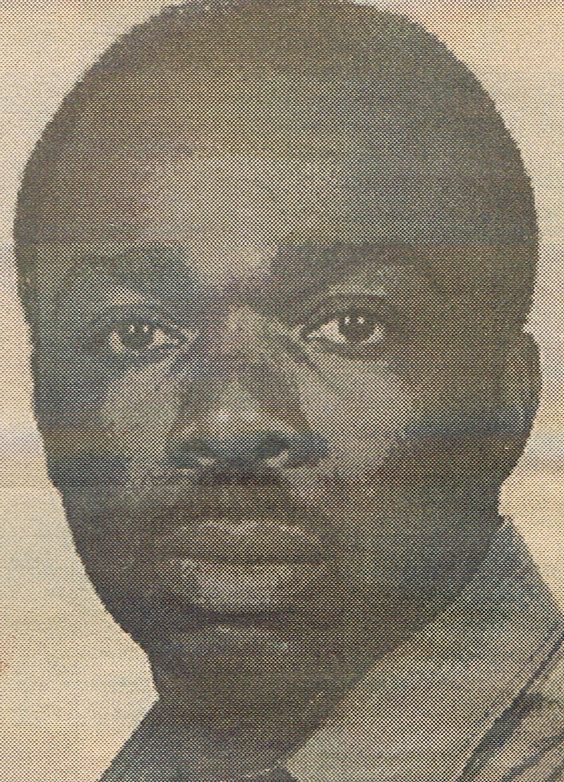
Richard Dunn is a retired construction professional, trained in Architecture and Energy Management.
He’s been a social justice activist since 1968 and was particularly active with the Walter Rodney defense demonstrations.
Richard is an author, a contributing columnist to newspapers, an editor for a music industry magazine and operates a social justice website.
Richard can be reached at: richarddunn75@gmail.com.