Editors compromised integrity as independent news organizations by sending dispatches from foreign correspondents to CIA
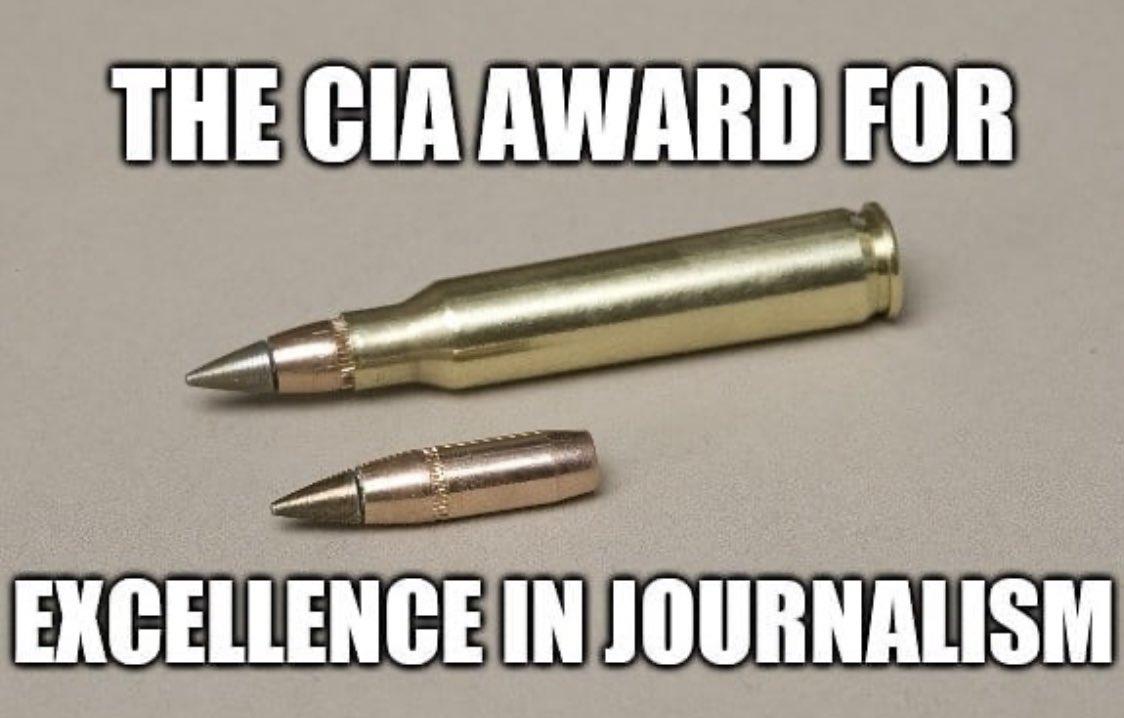
The CIA is known to have enjoyed a close relationship with the mainstream media during the Cold War and to have recruited dozens of journalists to help advance CIA propaganda.
An article in the November 2024 issue of Diplomatic History (DH) shows that the symbiotic relationship between the CIA and media went even further than was previously thought.
The editors of Time and Life magazines and The New York Times provided the CIA with access to dispatches by their foreign correspondents who functioned in effect as intelligence agents.
Life Magazine opened its photographic archive to the CIA, providing between 300-500 photographs per month that the CIA could use for intelligence gathering purposes. The photographs included those of antiwar demonstrations in the 1960s that helped the CIA to spy on protesters and identify the ringleaders of the anti-war movement during the U.S. war on Vietnam.
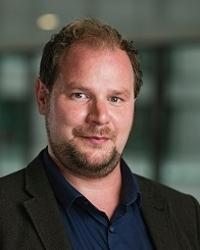
The author of the DH article, Simon Wilmetts, is an associate professor of intelligence studies at Leiden University in The Netherlands.
His findings were the result of research in media archives, which show American magazine editors betrayed journalistic ethics during the Cold War by turning their reporters into intelligence “assets,” sometimes unwittingly.
The editors made the sources for stories susceptible to accusations by their governments of being traitors by divulging information to journalists working as adjuncts of the CIA.
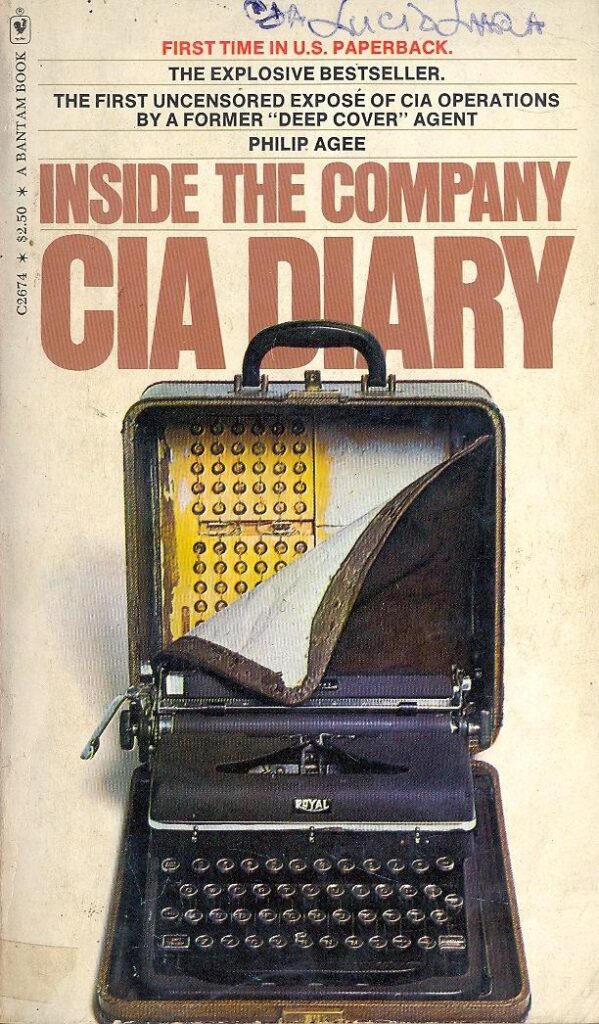
The CIA’s goal was to destabilize foreign governments and foment regime change in order to advance the interests of U.S. multinational corporations—as Philip Agee detailed in his book, Inside the Company: A CIA Diary.
Soldiers in a Holy War
Willmetts emphasizes that the CIA obtained valuable information from foreign correspondents on political developments in foreign countries that were difficult to access, particularly those behind the Iron Curtain.
The foreign correspondents were able to obtain interviews with foreign dignitaries and rebel leaders and yielded important insights on elite political intrigues and power shifts along with in some cases underground movements the CIA wanted to exploit.
Photographers painted a vivid picture of a country’s geography and were sometimes able to take pictures of hidden military installations or weapons production facilities.
The line between foreign correspondent and intelligent agent was especially blurred in Eastern Europe since many of the correspondents had served as intelligence agents in World War II.
Among them was Life European correspondent Percy Knauth. He and other colleagues had networks that had worked with U.S. intelligence whom they used as sources for their articles.
Some of these sources were part of anti-communist rebel groups the CIA was trying to organize for sabotage purposes under the Operation Rollback.
When they returned to the U.S., correspondents like Knauth would be debriefed by the CIA and would divulge their sources to them.
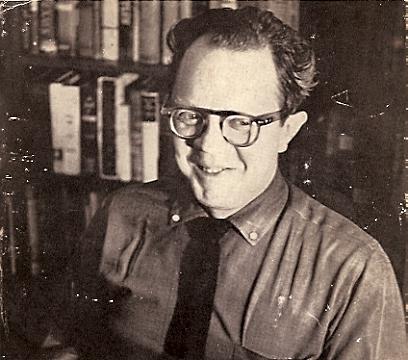
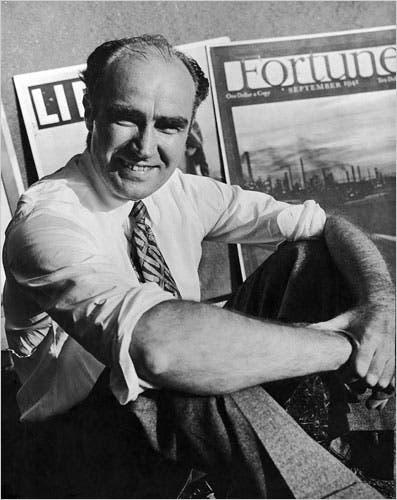
Time founder Henry Luce, the son of presbyterian missionaries raised in China, was particularly eager to cooperate with the CIA because of his view of the Cold War as a new kind of “holy war.” Villanova professor Gabriel Rockhill refers to Luce as the “CIA’s most powerful media collaborator.”[1]
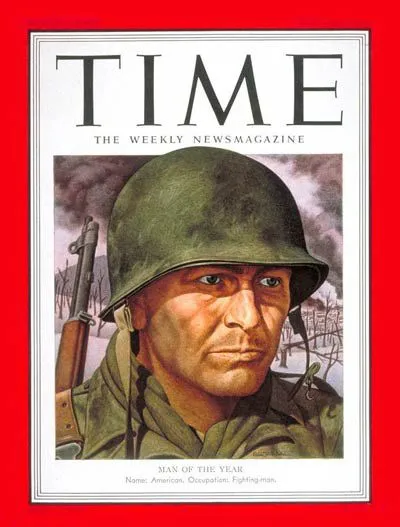
Time’s “Man of the Year” for 1950 characteristically was the “American Occupation Fighting Man” in Korea who stood up against the attempt by the communists to “turn the worldwide forces set free by U.S. progress back into the old channels of slavery.”
The article said the U.S. army battling in Korea was the “nearest approach to a professional army the U.S. had ever sent into war.” It profiled Robert Ward, a Cherokee whose mother had asked for his return home because two of his brothers had been killed in World War II and he was the only surviving son. Ward demurred, however, saying that he was no hero but “if these people [communists] aren’t stopped here on their own ground, we will have to share the thing which so many have died to prevent their loved ones from sharing – the sight of death in their own backyards, of women and children being victims of these people.”[2]
Time was originally founded and was financed by Henry P. Davison, a top executive with the J.P. Morgan Company whose brother Frederick served as the CIA’s Director of Personnel.[3]
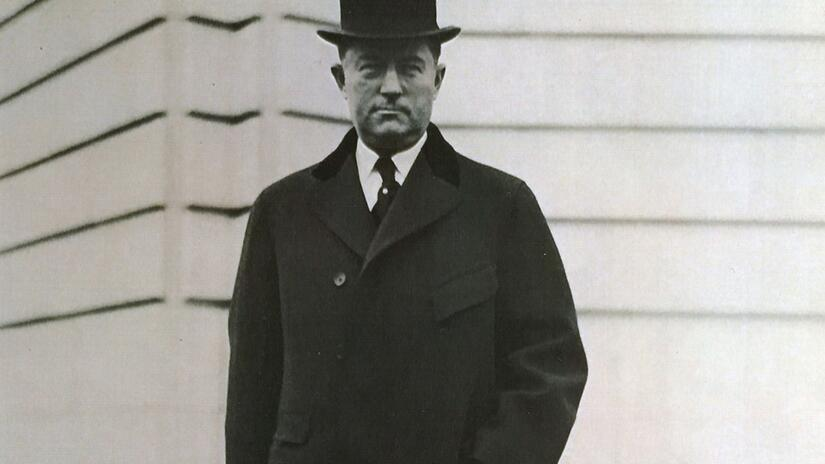
Time Inc.’s Vice President in the 1950s, Allen Grover worked with CIA operative Frank Wisner to establish a CIA front organization, The American Committee for the Liberation of the People of Russia, which organized Russian émigrés and provided the CIA with a conduit for the sponsorship of anti-Bolshevik propaganda.
Grover sat on the Board of Trustees of Radio Liberty, which broadcast American propaganda into the Soviet Union and worked closely with its CIA-funded counterpart, Radio Free Europe, whose creation Luce was intimately involved with.[4]
Beginning in 1947 when the CIA was founded, Time’s Deputy Chief of Foreign Correspondents, Eleanor Welch, would forward Time’s incoming dispatches from their various offices in foreign locales to the CIA. Much of the material that she forwarded never made it into the magazine.
This arrangement began at the behest of Charles Douglas Jackson, Managing Vice-Presidential Director of Time Inc. who had worked for the Office of Strategic Service (OSS-precursor to the CIA) as Deputy Chief of Psychological Warfare in World War II and advised the Eisenhower administration on psychological warfare with the Psychological Strategy Board (PSD).[5]
The PSD was pivotal in shaping government propaganda efforts against the Soviet Union, which made use of influential media outlets like Time and Life magazines and The New York Times.
Jackson worked in collaboration with CIA agent James Ramsay Hunt to bring Time and other leading media organs into the CIA’s fold. Hunt oversaw the CIA’s collaboration with The New York Times through liaison with New York Times publisher Arthur Hays Sulzberger (1935-1961), who had signed a confidentiality agreement with the CIA, the highest level of collaboration.[6]
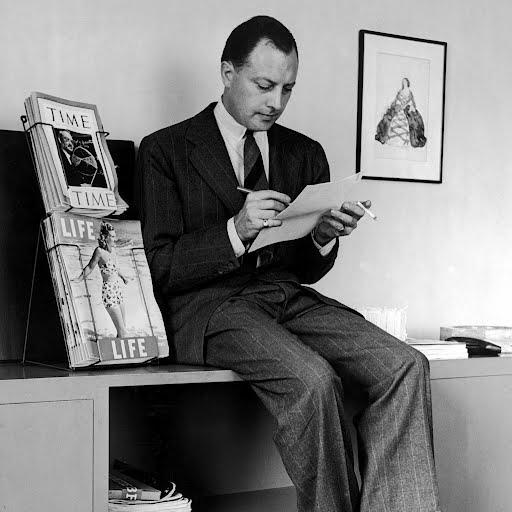
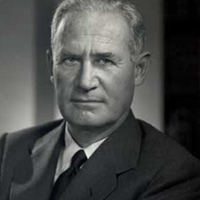
The New York Times was notorious during Sulzberger’s tenure for promoting Cold War propaganda and censoring the dirty deeds of the CIA.
Legendary New York Times reporter James “Scotty” Reston stated that “[s]ince we are clearly in a form of warfare with the Communist world it has not been difficult to ignore information which, if published, would have been valuable to the enemy.”
New York Times’ journalist Kennett Love followed this prescription when he suppressed mention of the CIA’s involvement in the 1953 coup in Iran when he was based in Iran during the coup and obtained an exclusive interview with coup leader General Fazlollah Zahedi.[7]
The New York Times admitted in 2013 that Love, who was close to CIA officers operating in Tehran, “may have played a small role in the coup” by writing about decrees signed by the Shah that called for General Zahedi to replace Mossadegh (the release of the decrees and Love’s writing about them helped legitimize the coup).
Something’s Rotten in Denmark
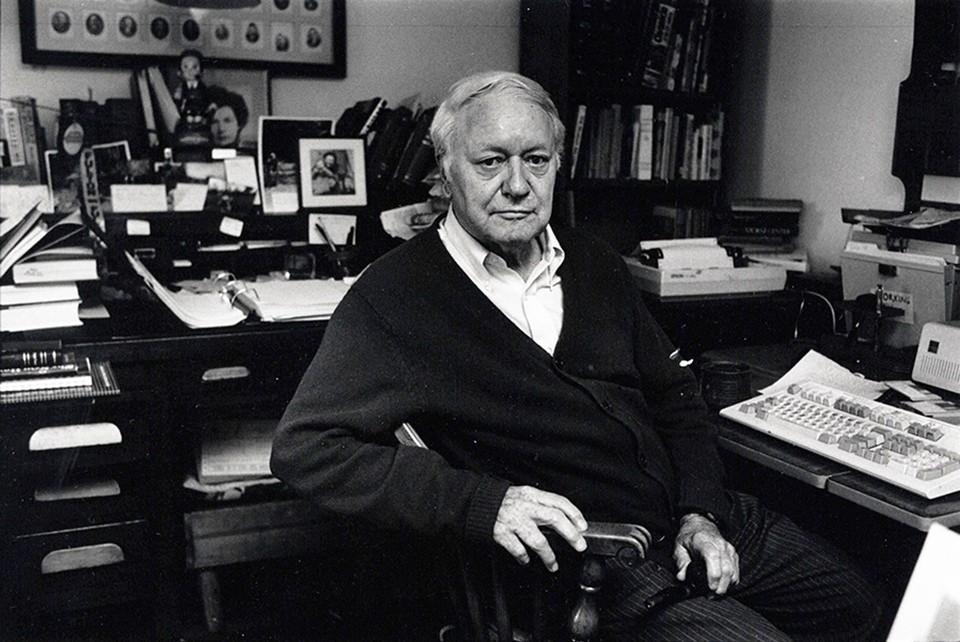
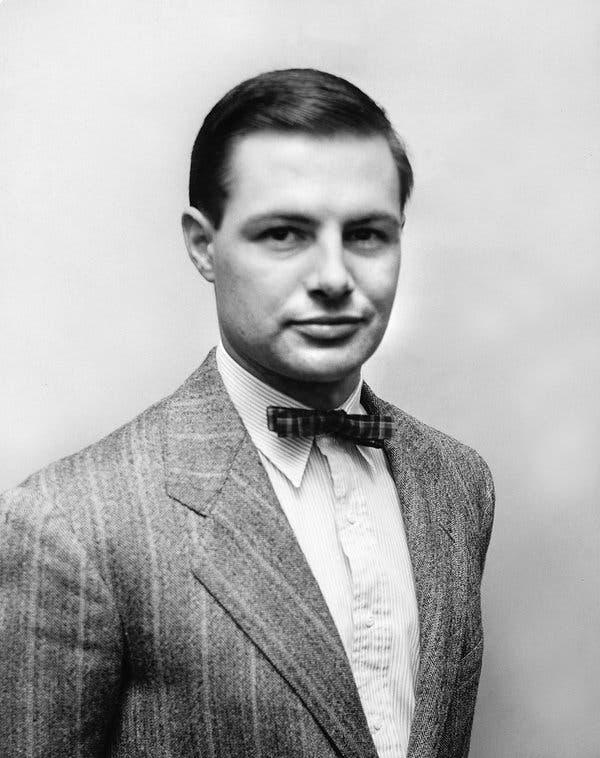
In September 1951, Manfred Gottfried, Time’s Chief of Correspondents for the Overseas Bureau, wrote a letter to Luce expressing his unease with the magazine’s close relationship to the CIA.
Gottfried had been hired fresh out of Yale as one of Time’s first writers in 1922. He told Luce that “there’s something rotten in Denmark if we do things at which we could even in theory get caught. No one gets caught in acts of virtue.”
Gottfried continued: “the last time the CIA boys came to see me, I said look here, we have no business giving you material we got for journalistic purposes, but if you have the power to tap our wires then there’s no way we can keep it from you.”
Gottfried went on to point out the hypocrisy of Time in writing an article denouncing the Telegraph Agency of the Soviet Union (TASS) news services’ close relationship to Soviet intelligence when Time had the same kind of relationship with the CIA.
Gottfried finished his letter by stating that “as long as we pretend to be honest journalists, we ought not to be mixed up in it [work with the CIA]. As journalists, we have a unique obligation to be candid with the public.”[8]
Gottfried’s views were echoed twenty-six years later by veteran Time correspondent Herman Nickel when he testified before the U.S. House Subcommittee on Intelligence in hearings focused on the relationship between the CIA and the media.
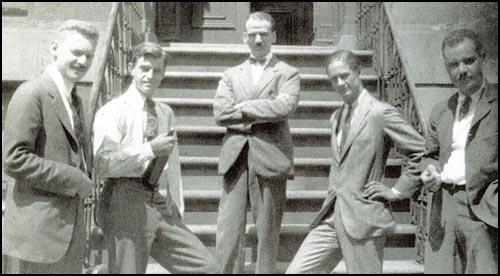
Nickel, who served as U.S. ambassador to South Africa from 1982-1986, said: “It is emphatically not the function of journalists to gather information for their government… Anyone who allows himself or other journalists to be used in this fashion does serious damage to the cause of an independent press. If the impression were to get around that many, or even only a few, American journalists allowed themselves to be used in this fashion, it would seriously undermine the effectiveness, access, and credibility of all correspondents for American media abroad, whether they be U.S. citizens or not.”[9]
The story that Willmetts tells resonates today as many people are concerned about the close symbiotic relationship between U.S. intelligence agencies and dominant media outlets, including Time and The New York Times.
In 1997, President Bill Clinton signed into law the Intelligence Authorization Act, allowing the 1977 ban on the CIA’s use of journalists “to be waived with notification to Congress and presidential approval.”[10]
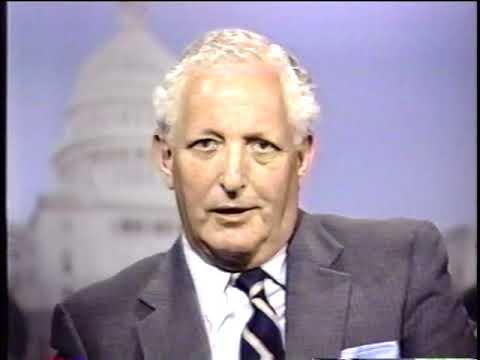
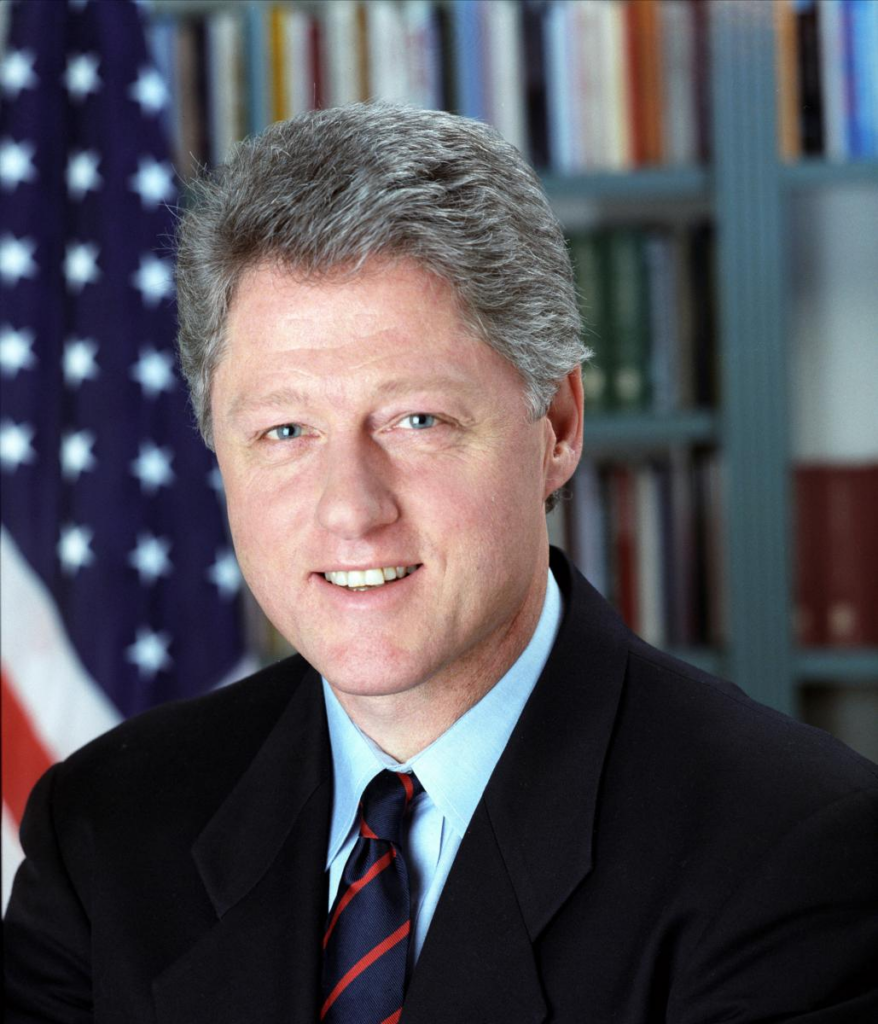
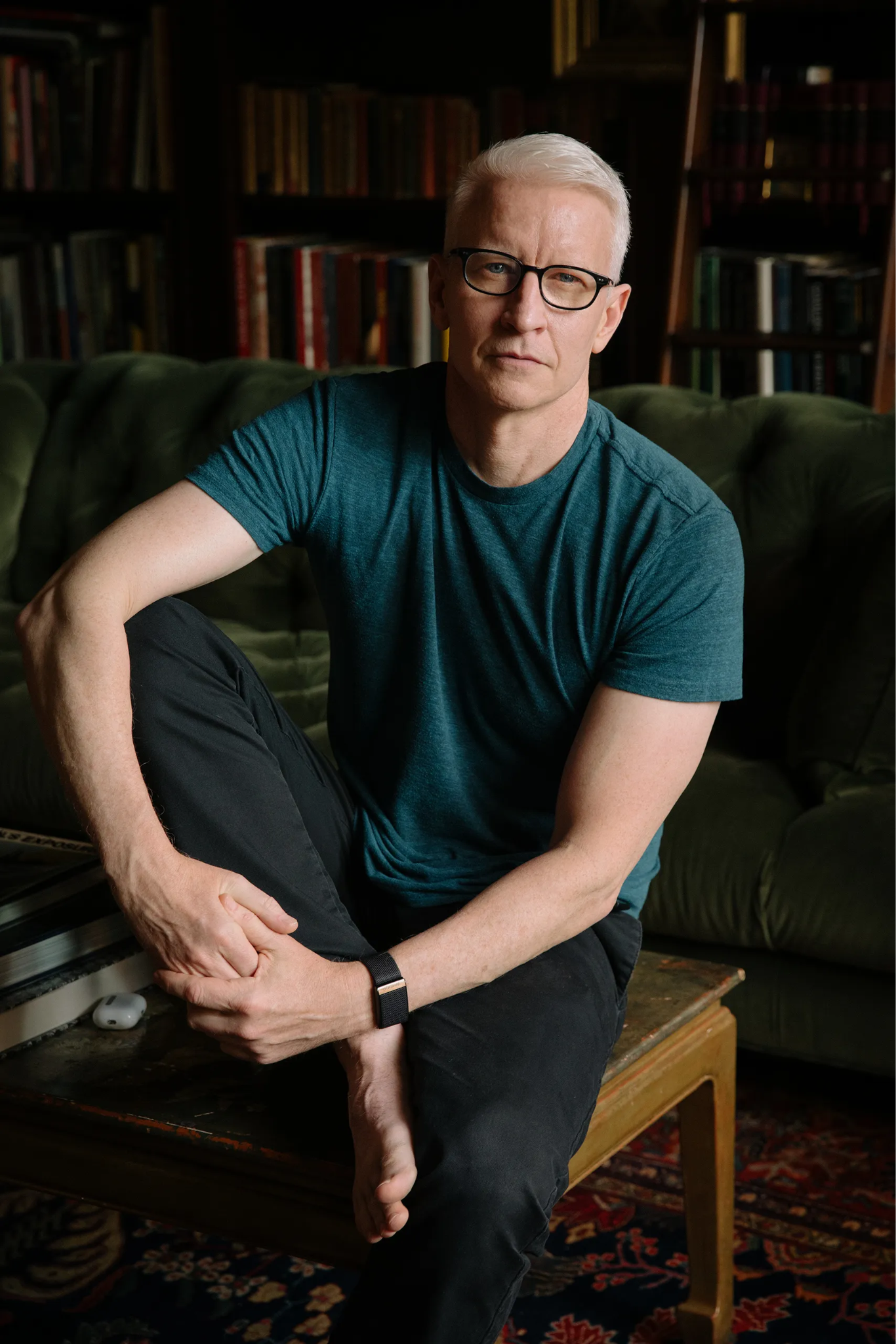
Since then, CIA-linked journalists such as The Washington Post‘s David Ignatius and CNN’s Anderson Cooper[11] have gained prominence in the media and U.S. presidents have pressured news organizations to censor stories about the intelligence community and to force journalists’ to reveal their sources when reporting about it.
Continuing to advance U.S. foreign policy objectives, Time and The New York Times dutifully went along with the Russiagate hoax, for example, which was promoted by the intelligence agencies in order to revitalize a Cold War political climate.
Whether U.S. journalists are directly providing the CIA and other U.S. intelligence agencies with intelligence and compromising their sources today is uncertain, however, we know that history often repeats itself.
Gabriel Rockhill, Who Paid the Pipers of Western Marxism: The Intellectual World War (New York: Monthly Review, 2025), 132. Rockhill suggests that William S. Paley’s Columbia Broadcasting System (CBS) was the CIA’s greatest “asset” in television. It worked so directly with the CIA that it installed a direct phone line to CIA headquarters, which was not routed through its central operator. Paley had worked as Deputy Chief of the Psychological Warfare Division of the Supreme Headquarters Allied Expeditionary Force in World War II. ↑
“Men at War,” Time Magazine, January 1, 1951, 23. See also Robert E. Herzstein, Henry R. Luce, Time and the American Crusade in Asia (New York: Cambridge University Press, 2005). ↑
See Jan Ivins, “R. Gordon Wassan: The Man, the Legend and the Myth: Beginning a New History of Magic Mushrooms, Ethnomycology, and the Psychedelic Revolution,” Logos Media, May 13, 2012. Another founder, Dwight Morrow, was also an executive with J.P. Morgan. ↑
A graduate of Yale, Grover had worked as an assistant to W. Averell Harriman at American Steamship Lines in Manhattan. Harriman was the son of a robber baron who served as U.S. ambassador to the Soviet Union in World War and was a top administrator of the Marshall Plan, later serving in top State Department positions in the Kennedy and Johnson White Houses. A mentor to a young Joe Biden in the U.S. Senate, Harriman is considered one of the key fathers of the Cold War. ↑
Simon Willmetts, “The CIA and Time Magazine: Journalistic Ethics and Newsroom Dissent,” Diplomatic History, 48, 5 (November 2024), 719-743. ↑
Rockhill, Who Paid the Pipers of Western Marxism, 132. ↑
Willmetts, “The CIA and Time Magazine: Journalistic Ethics and Newsroom Dissent.” ↑
Willmetts, “The CIA and Time Magazine: Journalistic Ethics and Newsroom Dissent.” Allen Grover responded to Gottfried’s letter by writing “Gott is living in a world of white knighthood and crystal purity (which I do not recognize) if he thinks we don’t do things for which we do not want glaring publicity.” ↑
Willmetts, “The CIA and Time Magazine: Journalistic Ethics and Newsroom Dissent.” ↑
Willmetts, “The CIA and Time Magazine: Journalistic Ethics and Newsroom Dissent.” Bill Clinton’s CIA background is detailed in my book, War Monger: How Bill Clinton’s Malign Foreign Policy Shaped the U.S. Trajectory From Bush II to Biden (Atlanta: Clarity Press, 2024). ↑
Rockhill, Who Paid the Piper of Western Marxism? 132. A descendant of the Vanderbilt family, Cooper is known to have interned for the CIA. Max Boot is another prominent journalist whose fawning book on CIA operative Edward Lansdale raises suspicion that he has direct ties to the CIA. A member of the Council on Foreign Relations (AKA Wall Street’s think tank) who was a leading purveyor of the Russia Gate narrative and cheerleader for numerous wars, Boot was married to a CIA analyst, Sue Mi Terry, who was charged with being an unregistered foreign agent for South Korea. Boot co-wrote articles in The New York Times with Terry, who was previously married to a CEO of The New Republic, Guy Vidra. One of those article referred to then South Korean President, Yoon Suk Yeol, a staunch ally of President Biden who was later indicted and convicted for instituting martial law and causing major human right abuses, as a “profile in courage.”
CovertAction Magazine is made possible by subscriptions, orders and donations from readers like you.
Blow the Whistle on U.S. Imperialism
Click the whistle and donate
When you donate to CovertAction Magazine, you are supporting investigative journalism. Your contributions go directly to supporting the development, production, editing, and dissemination of the Magazine.
CovertAction Magazine does not receive corporate or government sponsorship. Yet, we hold a steadfast commitment to providing compensation for writers, editorial and technical support. Your support helps facilitate this compensation as well as increase the caliber of this work.
Please make a donation by clicking on the donate logo above and enter the amount and your credit or debit card information.
CovertAction Institute, Inc. (CAI) is a 501(c)(3) non-profit organization and your gift is tax-deductible for federal income purposes. CAI’s tax-exempt ID number is 87-2461683.
We sincerely thank you for your support.
Disclaimer: The contents of this article are the sole responsibility of the author(s). CovertAction Institute, Inc. (CAI), including its Board of Directors (BD), Editorial Board (EB), Advisory Board (AB), staff, volunteers and its projects (including CovertAction Magazine) are not responsible for any inaccurate or incorrect statement in this article. This article also does not necessarily represent the views the BD, the EB, the AB, staff, volunteers, or any members of its projects.
Differing viewpoints: CAM publishes articles with differing viewpoints in an effort to nurture vibrant debate and thoughtful critical analysis. Feel free to comment on the articles in the comment section and/or send your letters to the Editors, which we will publish in the Letters column.
Copyrighted Material: This web site may contain copyrighted material the use of which has not always been specifically authorized by the copyright owner. As a not-for-profit charitable organization incorporated in the State of New York, we are making such material available in an effort to advance the understanding of humanity’s problems and hopefully to help find solutions for those problems. We believe this constitutes a ‘fair use’ of any such copyrighted material as provided for in section 107 of the US Copyright Law. You can read more about ‘fair use’ and US Copyright Law at the Legal Information Institute of Cornell Law School.
Republishing: CovertAction Magazine (CAM) grants permission to cross-post CAM articles on not-for-profit community internet sites as long as the source is acknowledged together with a hyperlink to the original CovertAction Magazine article. Also, kindly let us know at info@CovertActionMagazine.com. For publication of CAM articles in print or other forms including commercial internet sites, contact: info@CovertActionMagazine.com.
By using this site, you agree to these terms above.
About the Author
Jeremy Kuzmarov holds a Ph.D. in American history from Brandeis University and has taught at numerous colleges across the United States. He is regularly sought out as an expert on U.S. history and politics for radio and TV programs and co-hosts a radio show on New York Public Radio and on Progressive Radio News Network called “Uncontrolled Opposition.”
He is Managing Editor of CovertAction Magazine and is the author of six books on U.S. foreign policy, including Obama’s Unending Wars (Clarity Press, 2019), The Russians Are Coming, Again, with John Marciano (Monthly Review Press, 2018), Warmonger. How Clinton’s Malign Foreign Policy Launched the U.S. Trajectory From Bush II to Biden (Clarity Press, 2023); and with Dan Kovalik, Syria: Anatomy of Regime Change (Baraka Books, 2025).
Besides these books, Kuzmarov has published hundreds of articles and contributed to numerous edited volumes, including one in the prestigious Oxford History of Counterinsurgency .
He can be reached at jkuzmarov2@gmail.com and found on substack here.