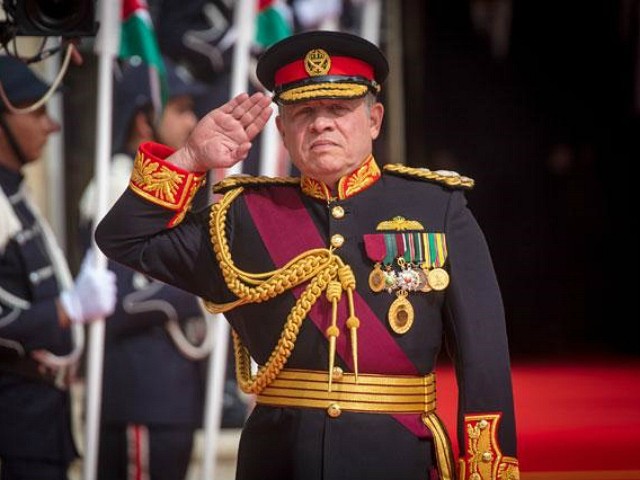
King Abdullah II made a pact with the devil in exchange for more than a billion dollars in annual U.S. support that helps secure his family’s tyrannical rule
In early August, Jordan’s King Abdullah II—who has ruled Jordan since 1999—announced his latest Cabinet reshuffle. Growing popular disaffection with his rule has resulted from mounting social inequality and the King’s compromised position on the Israeli genocide.
Though condemning Israeli actions in Gaza and advocating for a two-state solution to the Israel-Palestine conflict, King Abdullah has quietly helped keep Israel’s economy functioning by providing a land corridor through Jordan to help Israel circumvent the Houthi attacks on Israeli-linked shipping in the Red Sea.
In April 2024, King Abdullah also allowed Israeli fighter jets to enter Jordan’s air space to intercept Iranian missiles as the Jordanian Air Force shot down Iranian drones.
Additionally, King Abdullah passed new cybersecurity laws that, according to Human Rights Watch,[1] provided a pretext for arresting scores of Jordanians taking part in pro-Palestinian protests.
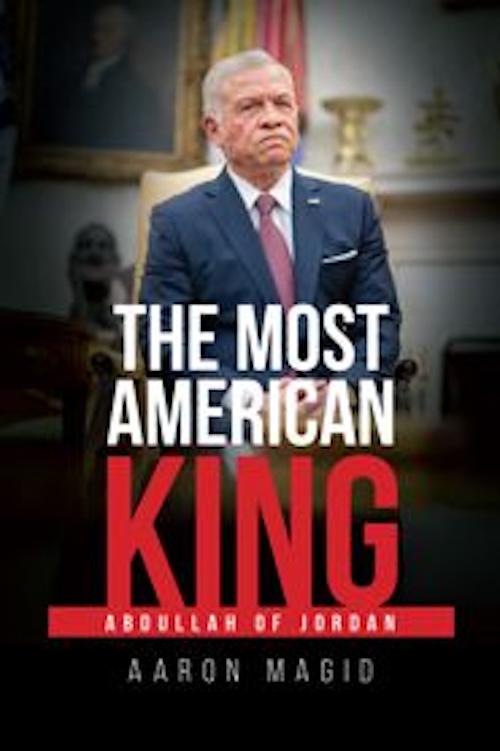
Aaron Magid is a former Amman-based journalist with a Master’s degree from Harvard University who has published an insightful new book entitled The Most American King: Abdullah of Jordan.
The book shows how King Abdullah—whose government receives more than $1 billion in annual U.S. aid—was thoroughly Americanized from his youth, having studied at American schools, attended U.S. military academies and frequently hobnobbed with American military and political officials.
Prone to quote from Hollywood movies, King Abdullah also routinely collaborated with the U.S. in its Middle East escapades that sowed violence across the region.
“A Coward Bought by American Dollars”
After he first came to power, King Abdullah hired Booz Allen Hamilton, an inside-the-Beltway mainstay of the military-industrial complex to help manage Jordan’s political affairs. Jordanian activists began describing Abdullah as a “coward bought by American dollars.”
Foreign Policy magazine noted in 2021 that Jordan’s intelligence apparatus under Abdullah owes “much of its skills and resources to the CIA. The armed forces’ soldier on thanks to U.S. training and military aid. Most of its armory—tanks, jets, artillery and guns—are made in the U.S.” USAID additionally installed 5,200 miles in water pipes and built or expanded 600 schools to help try to legitimize Abdullah’s rule.
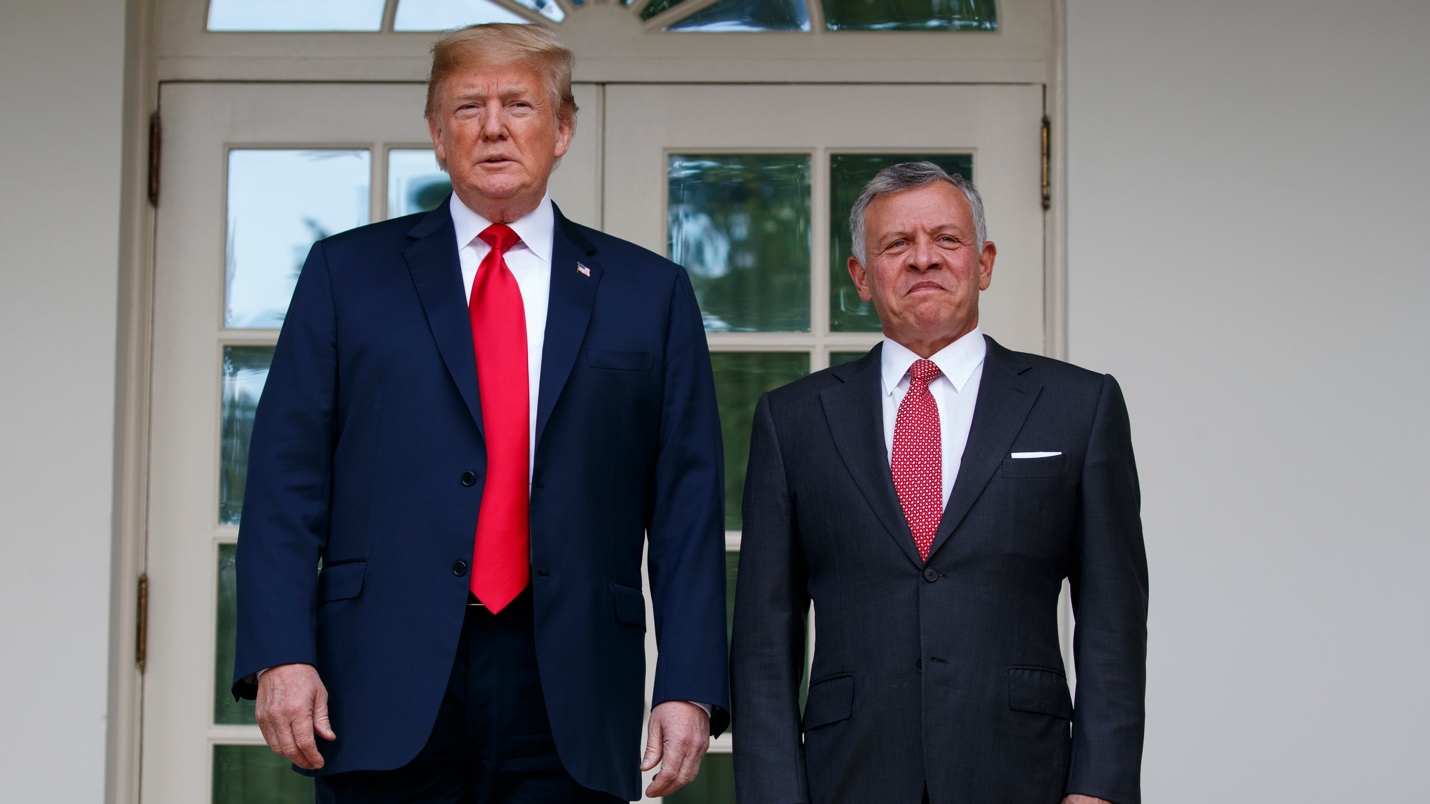
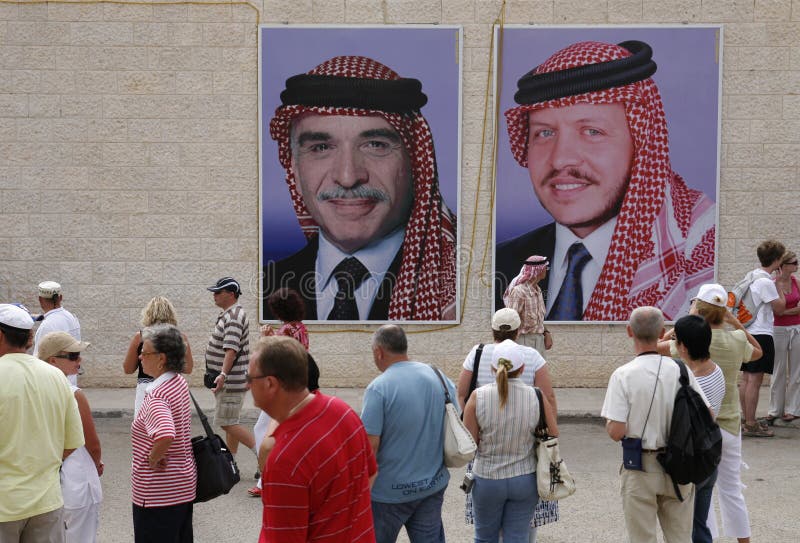
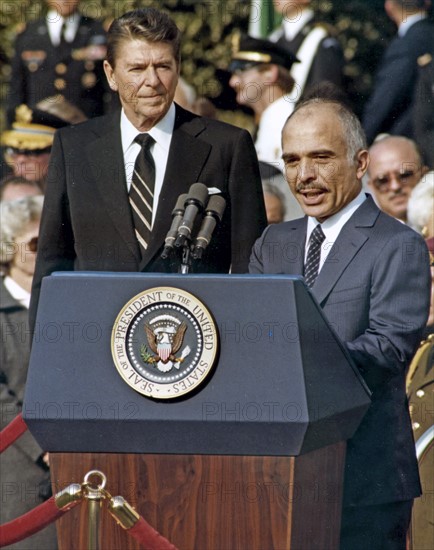
King Abdullah’s subservience to the U.S. is on a much greater scale than his father, King Hussein, who ruled Jordan from 1951 until 1999.
Although deeply tied to the U.S. as well and receiving payments from the CIA, King Hussein presided over a largely command economy that has since been privatized under Abdullah and showed some independence in opposing the first Persian Gulf War.
When George W. Bush was planning to invade Iraq, Abdullah said that he was “not going to make the same mistake” as his father…if he [Bush II] is going into Iraq, I’ve got to make sure he succeeds, because if he fails, I’m toast.”[2]
Consequently, Abdullah allowed the stationing of U.S. troops on Jordanian territory, granted coalition planes flyover rights over Jordan, and allowed U.S. Special Forces to conduct intelligence gathering operations from Jordan into Iraqi territory.
Further, Jordan’s intelligence apparatus provided the U.S. with intelligence in Iraq to help facilitate the invasion and froze the bank accounts of Saddamist officials in Jordan.[3]
When asked by an Italian newspaper about Weapons of Mass Destruction, Abdullah replied that he believed that they existed. “My instinct tells me so.”[4]
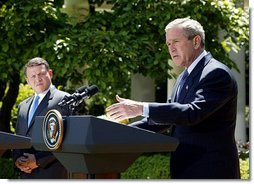
After the development of an anti-occupation insurgency, Abdullah provided training to one-third of Iraq’s police force. The latter was linked to torture and all kinds of brutalities.[5]
Later, when Abdullah became the first Arab leader to visit Baghdad, he acknowledged that “a grand nation of proud and capable people has been reduced to utter devastation”[6]—though left out his own contribution.
Heir of the Pro-British Hashemite Dynasty
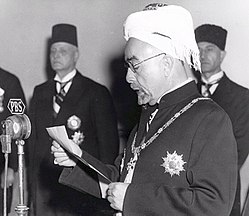
King Abdullah II was named after his great-grandfather, the first ruler of Jordan after it obtained independence from Great Britain in 1946.
From 1909 to 1914, Abdullah I had been a deputy in the Ottoman legislature for Mecca and then played a key role in secret negotiations with Great Britain that led to the great Arab revolt against Ottoman rule during the First World War.[7]
A descendent of the Prophet Muhammad, Abdullah I was from the upper-class Hashemite family which had lived for centuries in the Hijaz region that includes Saudi Arabia.
The Hashemites’ alliance with the British gave them the opportunity to rule as proxies in Jordan after the collapse of the Ottoman Empire.[8]
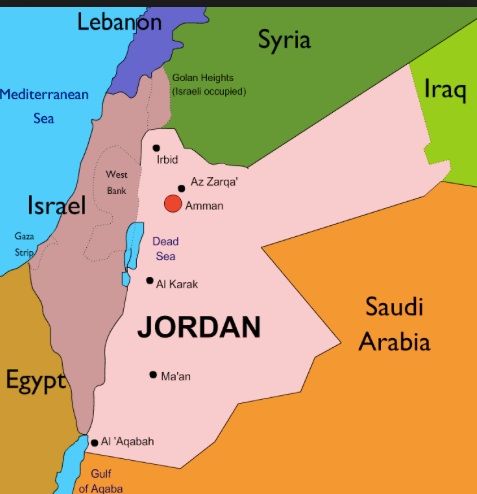
In 1951, Abdullah I was assassinated by a Palestinian gunman while he was visiting the Al-Aqsa Mosque in Jerusalem.
Many Palestinians believed at the time that Abdullah I had collaborated with the Jewish state and insufficiently supported Palestinian interests in the 1948 Arab-Israeli War, after which Jordan took control of the West Bank and East Jerusalem.
King Hussein was similarly viewed with mixed sentiments by many Jordanians because of his close collaboration with the U.S. and UK, the crackdown on Palestine Liberation Organization (PLO) militants based in Jordan, and the signing of a peace treaty with Israel that set the groundwork for intensified repression of Palestinians in the occupied West Bank and Gaza (which were occupied after the 1967 Six-Day War).[9]
American and British Education and Ties to High-Level U.S. Military Officers

Abdullah II’s mother, Antoinette “Toni” Gardiner, was an English woman from a small village 85 miles east of London who had met King Hussein at a palace party. At the time, she was working as a secretarial assistant on the film set of Lawrence of Arabia.
In 1968, at the age of six, Abdullah moved to the UK and attended English schools. He then moved to the U.S. as a teenager where he studied at the prestigious Deerfield Academy in Massachusetts.
Abdullah’s father’s close connection to the CIA was evident in that the CIA paid for Abdullah’s protection in the U.S. as a gesture to King Hussein.
A good but not outstanding student, Abdullah flourished on Deerfield’s wrestling and track teams and became thoroughly Americanized.
After graduation, Abdullah attended Oxford and the British Royal Military Academy at Sandhurst.
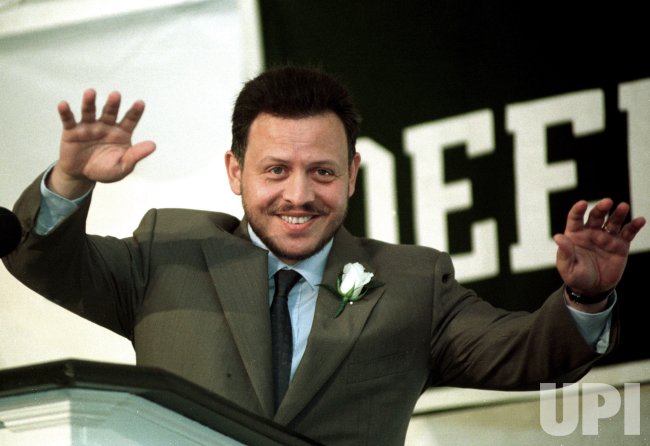
In 1985, after enlisting in the Jordanian military, Abdullah spent six months at a company commander training course for foreign and U.S. military personnel at Fort Knox, Kentucky. While there, according to Magid, he forged a liaison with Israeli army officers.
In 1987, Abdullah enrolled in Georgetown University’s School of Foreign Service. While there, he wrote an essay for which he received an “A” grade, arguing that the 1968 Israel Defense Forces (IDF) operation against Palestinian militants in Jordanian territory was justified.[10]
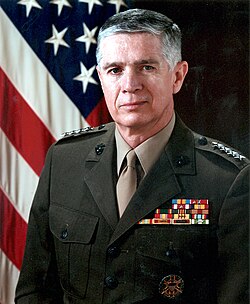
When King Abdullah married a Palestinian beauty, Rania, the commander of the U.S. Central Command (CENTCOM), General Joseph Hoar, a brigade adviser during the Vietnam War, was among those who attended the wedding. Abdullah and Rania went on their honeymoon to Hawaii.
In summer 1998, one year before his accession to the Jordanian throne, Abdullah enrolled in a four-week course at the Defense Management Resource Institute in Monterey, California.
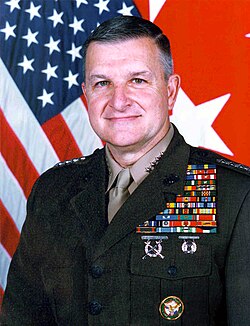
There he made further contacts with top U.S military commanders, including General Anthony Zinni, another CENTCOM commander, who hosted Abdullah for a stay at his Florida home.
War on Terror and Rendition Program
After 9/11, King Abdullah was among the most eager Arab leaders to cooperate with the U.S.-led War on Terror and to speak out against the threat of Islamic terrorism.
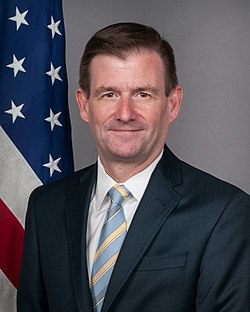
U.S. Ambassador to Jordan David Hale stated in 2005 that “we would be hard-pressed to identify a bilateral counter-terrorism relationship of higher quality and with greater global reach than the one with Jordan. The Government of Jordan has been effective in apprehending suspected terrorists, disrupting plots and prosecuting perpetrators.”[11]
In October 2001, King Abdullah sent Jordanian Special Forces to northern Afghanistan alongside the U.S. coalition.
After the fall of the Taliban in December, he dispatched a military field hospital and de-miners to support Operation Enduring Freedom and sent Jordanian Special Forces to other unnamed locations to back the U.S. War on Terrorism.
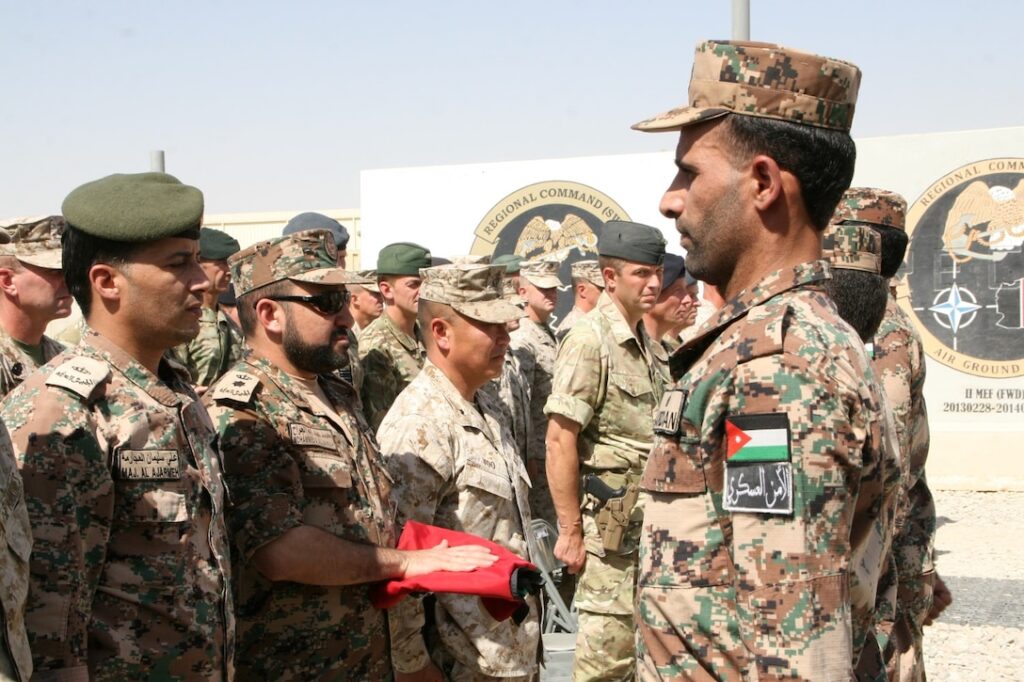
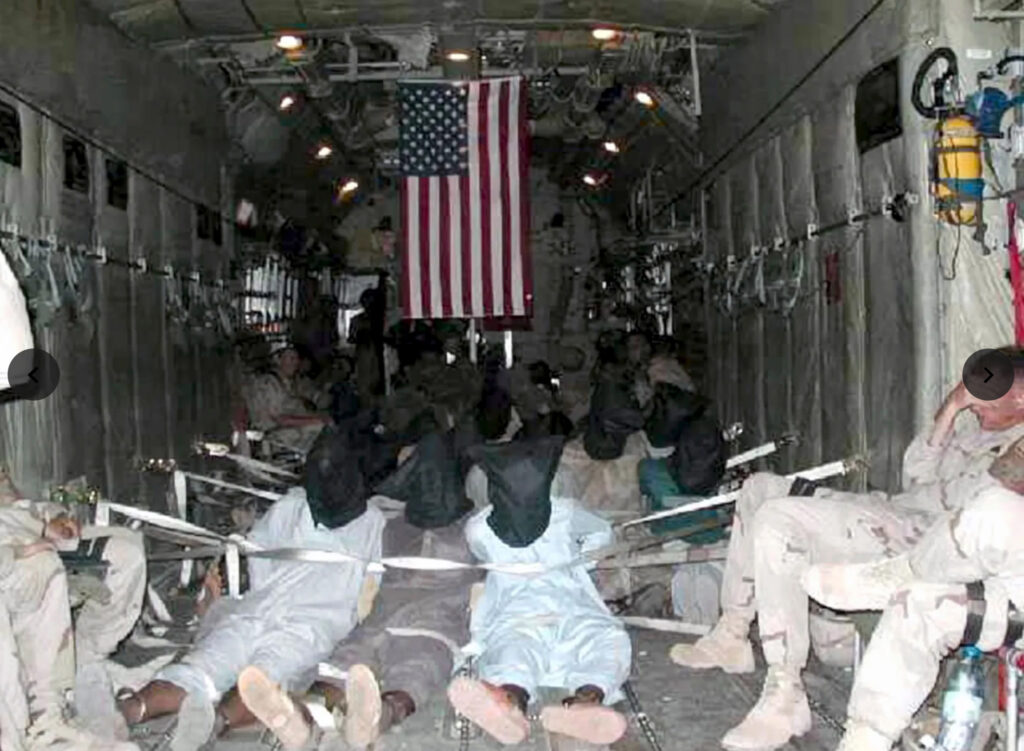
Abdullah additionally lent covert assistance to the CIA’s interrogation of terror suspects by participating in the infamous rendition program.
From late 2001 until 2004, according to Human Rights Watch, the CIA sent at least 14 non-Jordanian terror suspects to Jordan where it was believed that they could be interrogated “more freely.” Prisoners transferred by the CIA reported being harshly beaten by Jordanian intelligence officials and threatened with rape. Some, afterwards, were sent to Guantánamo Bay.
Human Rights Watch concluded that the Jordanian intelligence service “acted as a proxy jailer for the CIA, primarily serving the CIA’s interests, rather than collaborating with the agency for its [own] security reasons.”
Close Ties Between CIA and Jordanian Intelligence Service
According to Magid, the CIA provided Amman with millions of dollars annually to its “covert action fund” for help in arresting terrorist suspects.
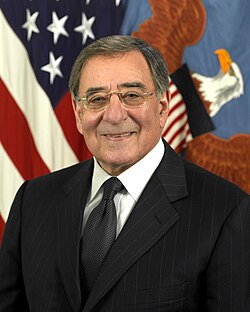
CIA Director Leon Panetta (2009-2011) said “I really think that [King] Abdullah went out of his way to try to make sure that he maintained a good relationship with the CIA.”[12]
Panetta and members of his staff worked closely with the Jordanian intelligence service (General Intelligence Directorate or GID)—which obtained advanced technological equipment from the CIA and provided vital intelligence to the CIA.
A key goal of the mutual partnership was to try to penetrate al-Qaeda and other terrorist groups. Panetta came to believe that the GID was “very good at what they did.”
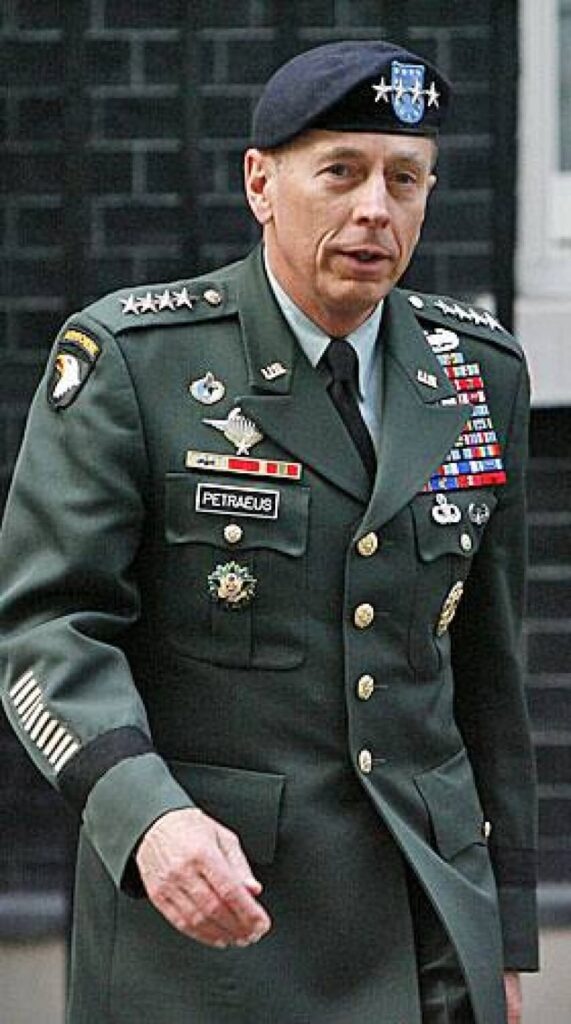
This assessment was shared by CIA Director David Petraeus (2011-2012), who called King Abdullah II a “seriously impressive leader.”
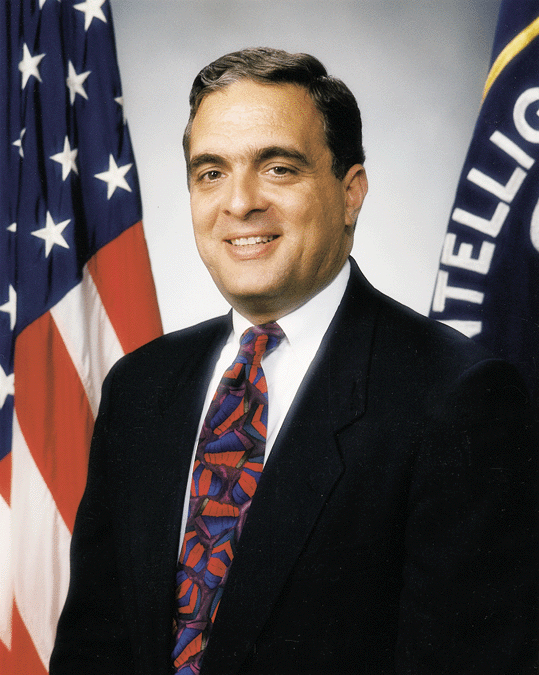

The CIA’s influence over the GID was apparent in its posting of officers at GID headquarters.
Former GID officer Saud Sharafat said that he and other Jordanian intelligence officers participated in multiple training sessions at the CIA’s headquarters in Langley, Virginia.
CIA Director George Tenet (1997-2004) bragged that “we [the CIA] created the Jordanian intelligence service and now we own it.”[13]
Close Ties with Mossad
The GID’s close ties with the CIA went hand-in-hand with its close ties with the Israeli Mossad.
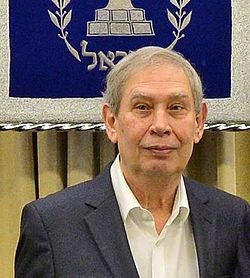
Former Mossad Director Tamir Pardo asserted that the GID did a “superb job” in cooperating with Israel in fighting terrorism. As part of the quid pro quo, the Mossad helped to inform Abdullah about plots against him through intelligence sharing.[14]
Additionally, the two intelligence agencies cooperated against joint enemies such as Hezbollah and other Iranian-backed militias.
A former ambassador stated that, whenever he visited the GID headquarters to meet the Jordanian intelligence director, a senior Israeli security official was always present.
Syria and Timber Sycamore
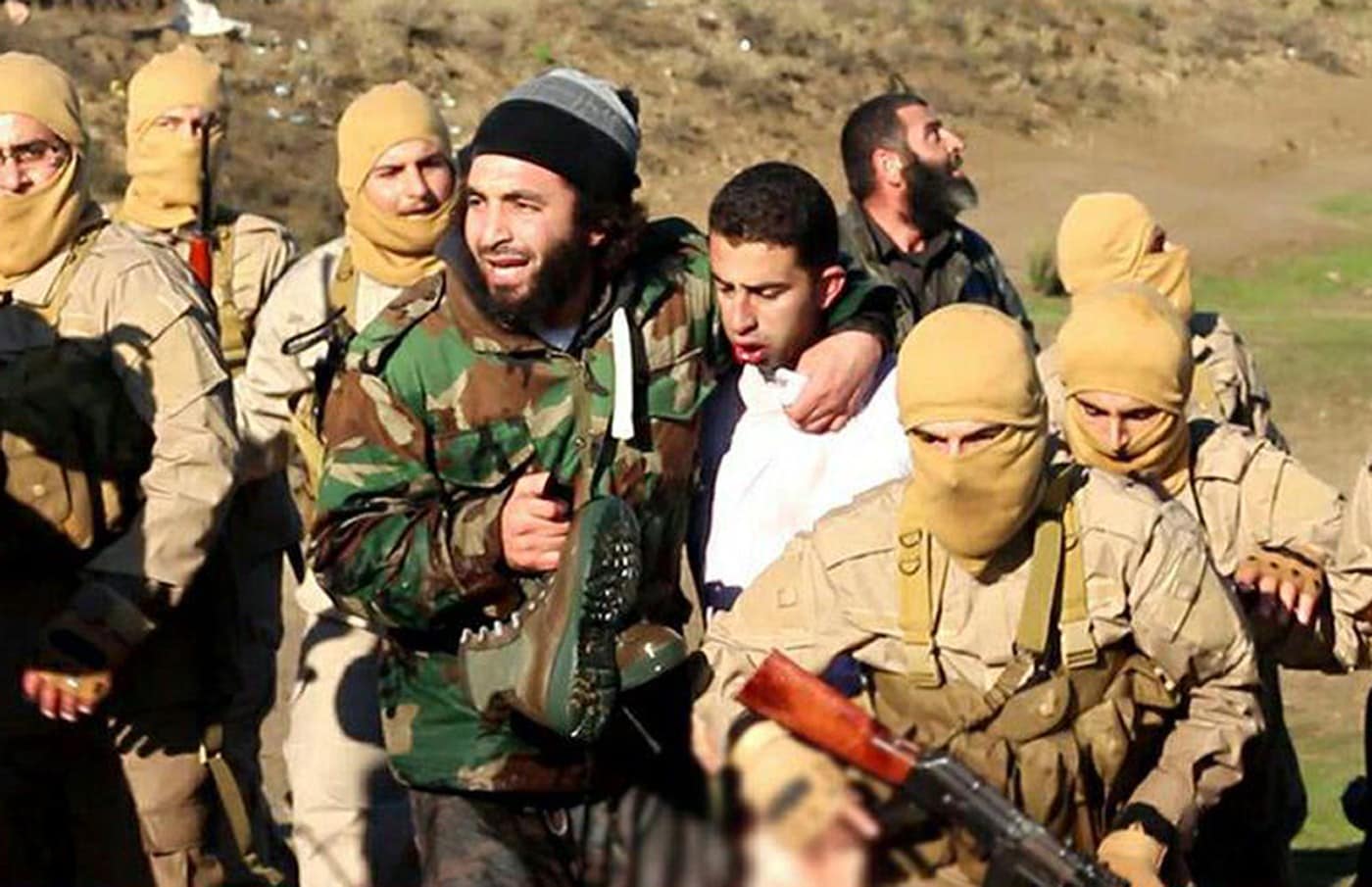
Another former senior U.S. official noted that Jordan allowed the IDF to use Jordanian air space for strikes in Syria that often targeted pro-Iranian militias. Jordanian pilots were captured flying bombing missions over Syria.
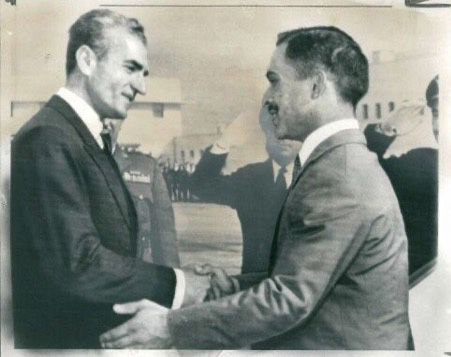
King Hussein established close relations with the Shah of Iran, who had been installed in a CIA coup in 1953, and opposed the 1979 Islamic Revolution overthrowing the Shah, supporting Saddam Hussein and Iraq in the 1980s Iran-Iraq War.
A main fear was the spread of an Iran-led Shia crescent across the Middle East that would be hostile to Jordan, whose population is overwhelmingly Sunni.
King Abdullah II as such supported U.S.-Israeli regime-change operations in Syria targeting the government of Bashar al-Assad, a Shia Alawite who forged close ties with Iran.
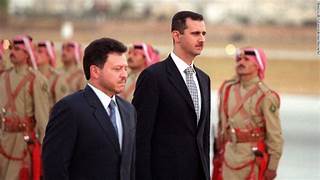
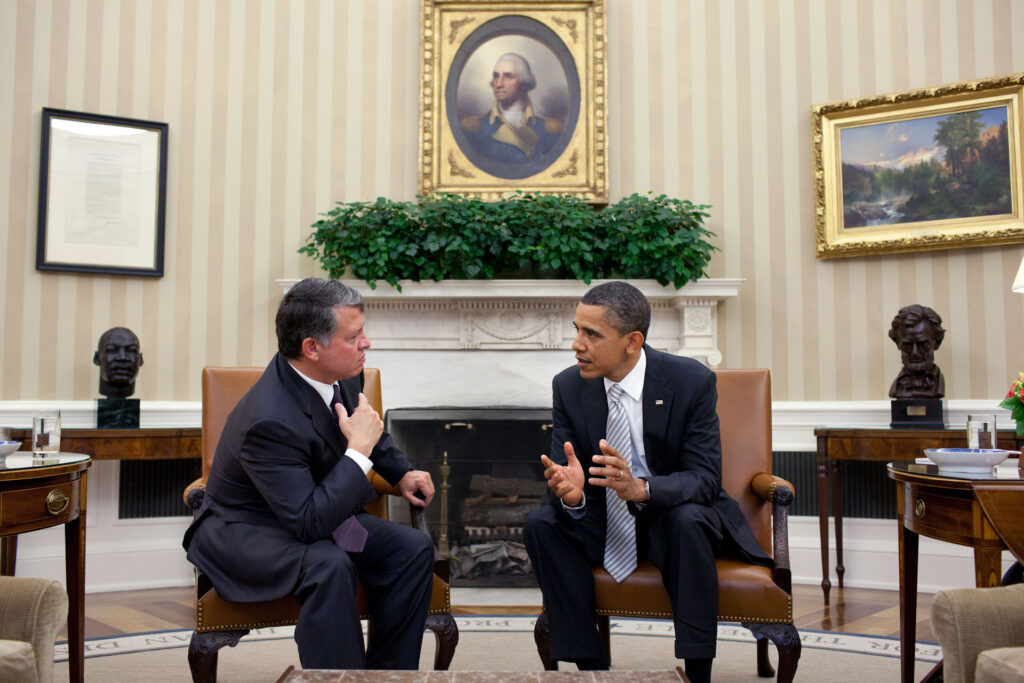
In 2011, following Arab Spring protests, Abdullah was the first Arab leader to call on Assad to step down—something that then-U.S. President Barack Obama called for as well.
In 2012, Abdullah gave a green light for the CIA’s Operation Timber Sycamore, a $4 billion operation initiated by President Obama to arm and train Syrian rebels trying to overthrow the Assad government.
Obama characterized the rebels as “moderates,” though Vice President Joe Biden acknowledged in a speech at Harvard University’s Kennedy School that the majority were jihadist terrorists. Many associated with the Muslim Brotherhood and its radical offshoots and committed heinous atrocities, ranging from torture and beheading of captives to suicide bombings and rape.
Training of the terrorist fighters was carried out at Jordanian military facilities staffed by CIA and U.S. Special Forces advisers. A lot of the arms came from mafia elements in Eastern Europe and the Balkans with whom the CIA collaborated.[15]
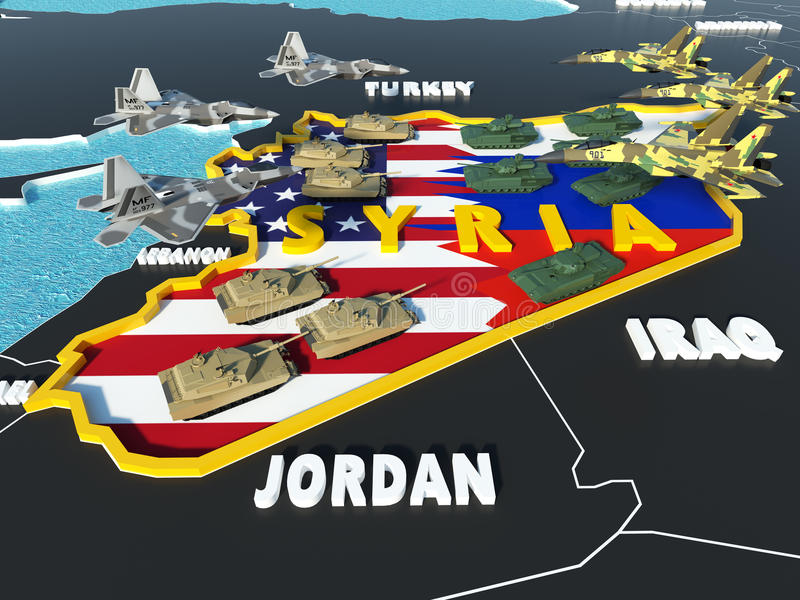
After Assad was toppled in December 2024, King Abdullah moved to establish strong ties with his successor, Abu Mohammad al-Jolani, who was quiescent to Israeli regional designs and said he would build a Trump tower in Damascus.
Al-Jolani had been on the State Department’s terrorist watchlist and carried out ethnic cleansing operations targeting Shia Alawites, which did not seem to bother Abdullah or his American and British allies, who also extended recognition and ended the harsh economic sanctions that had been imposed on Syria when it was ruled by Assad.

A Banana Monarchy
King Abdullah II’s fealty to U.S. foreign policy interests was seen in 2011 in his support of Operation Odyssey Dawn over Libya that resulted in the removal of Muammar Qaddafi and helped empower Islamic extremists.
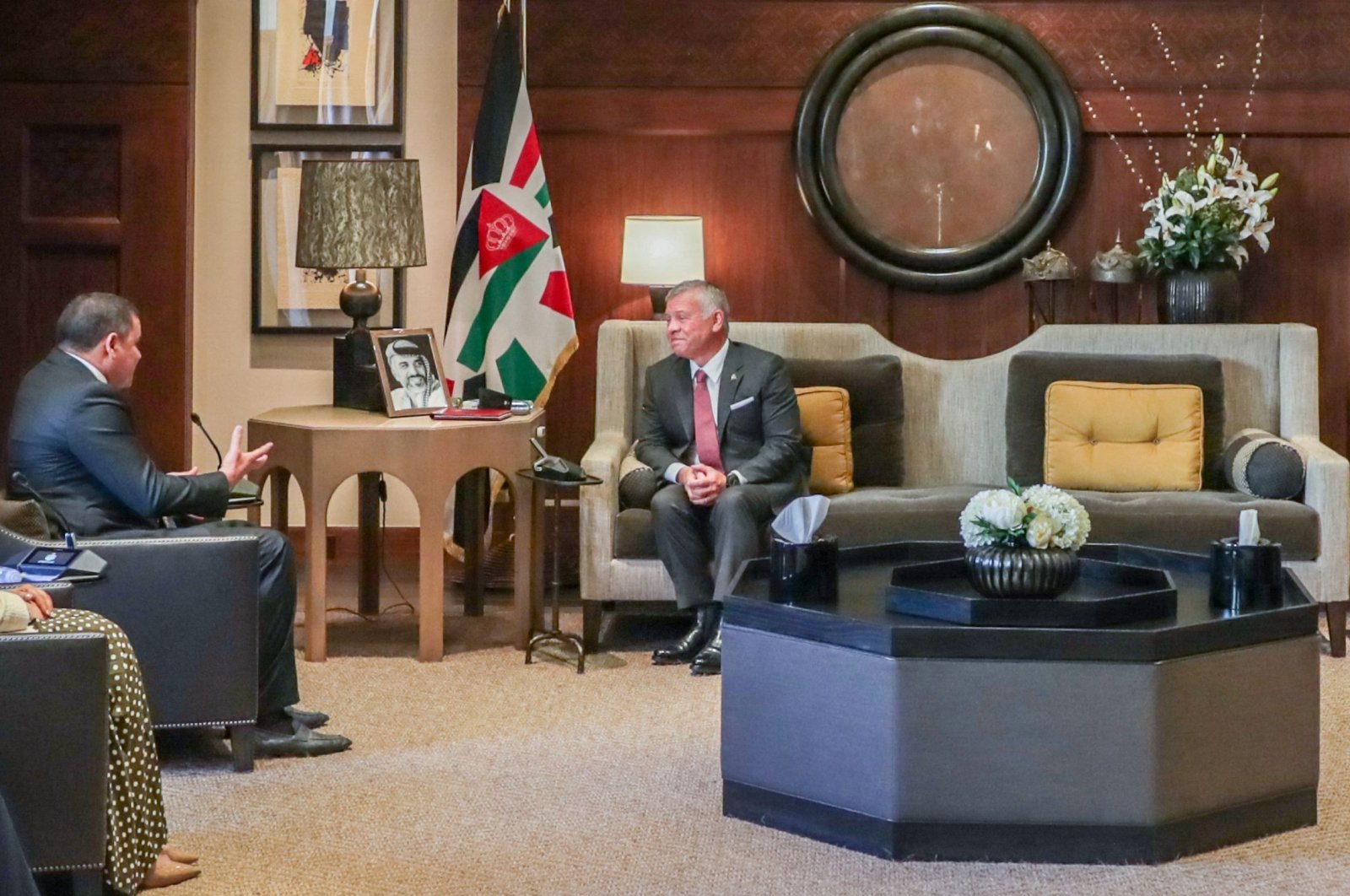
In the years after Qaddafi’s overthrow, Abdullah met with leaders of Libya’s new government, such as Abdul Hamid Dbeibeh, pledged financial support, and sent Jordanian Special Forces and intelligence operatives into the country under British cover.
Although Abdullah said that his intent was to combat ISIS in Libya, Dbeibeh was alleged to have been involved in financing Libya’s Muslim Brotherhood, which had long opposed Qaddafi’s rule, and came from a family that left “a bad taste in Libyans’ mouths,” according to Tarek Megerisi of the European Council on Foreign Relations.
Middle East Eye reported that Abdullah transformed Jordan into the “Special Forces capital of the Middle East” and a key regional site for the defense industry through hosting an annual military exhibition, which allowed arms companies to show off their latest high-tech equipment.
Additionally, Abdullah was the lone Arab leader to attend NATO summits and agreed for Jordan to host NATO’s first Middle East liaison office.[16]
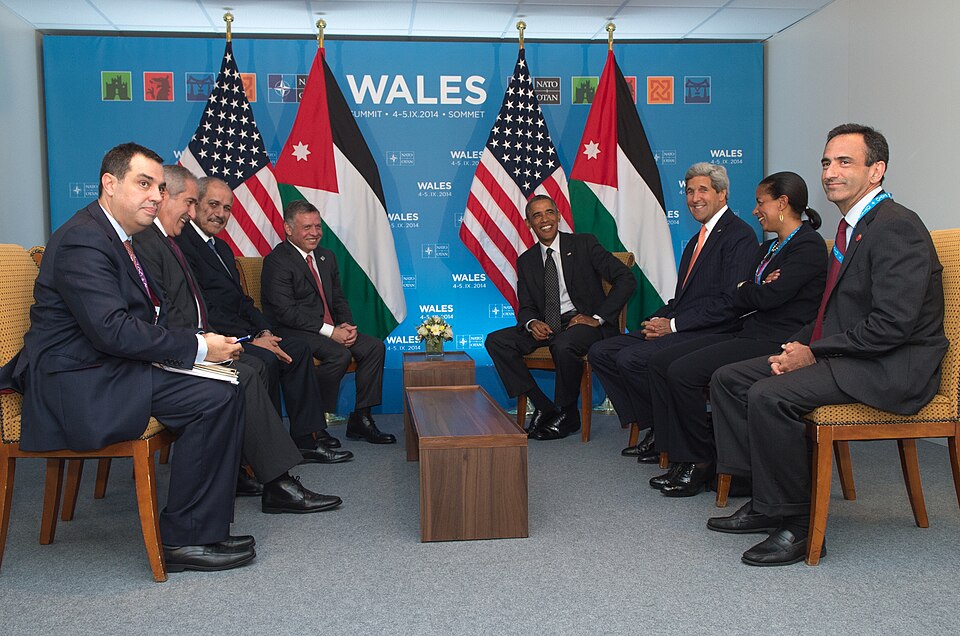
In 2021, Abdullah signed a military cooperation agreement with the U.S. that allowed U.S. troops to carry weapons on Jordanian territory and permitted U.S. forces and aircraft to freely exit and enter Jordanian territory without applying for a visa.[17]
Saleh Armouti, an Islamist lawmaker, was among those to assail the agreement, warning that it represented a “new colonialism and control over [Jordan’s] military facilities…it is blatant interference.”[18]
Mazen Irsheidat, President of the Jordan Bar Association, charged that the deal violated Jordan’s constitution since it did not receive parliamentary approval. Irsheidat bemoaned that U.S. troops would now have immunity from Jordanian courts—like colonial troops in occupied countries.
Temple University Professor Sean Yom wrote at the time in Foreign Affairs that Jordan had become “a banana monarchy whose popular legitimacy [was] in tatters and which survived only through massive infusions of aid and arms from Washington.”[19]
In 2024, this aid was around $1.5 billion. Between 2000 and 2021, U.S. military aid to Jordan was estimated to total more than $9.8 billion.
Since 1951, King Abdullah II and his father had received upwards of $26 billion from the U.S., notwithstanding a long-standing CIA slush fund whose amount has never been publicly disclosed.[20]
“You Became a Demigod and We Are Slaves”
King Abdullah II’s American orientation has not resulted in Jordan’s democratization: Freedom House defines the country as “not free.”
The latter designation has resulted from King Abdullah’s a) dismantling of teachers’ unions; b) prohibiting opposition political parties; c) jailing independent journalists; d) using the intelligence agencies to interfere in all political matters; e) enacting a law that made it a crime to “lengthen the tongue” against the King (i.e., criticize him); and f) presiding over a political system where the King appoints the prime minister and all senators.
Fares Fayez, an opposition figure from the Bani Sakhr tribe, was, characteristically, imprisoned in 2018 when he publicly told King Abdullah that “you became a demigod and we are slaves.”[21]
Obama’s Arab Spring Hypocrisy
When Arab Spring protests broke out against King Abdullah II in 2011, Abdullah responded by sending thugs to attack them with wooden clubs and metal bars—much like Hosni Mubarak had done in Egypt.[22]
When one of the protesters had his teeth shattered and was beaten to death, Abdullah claimed that the man had “died of a heart attack.”[23]
Hypocritically, Obama never condemned Abdullah’s actions nor asked him to “step aside”—as he did Mubarak, Bashar al-Assad and Muammar Qaddafi. The latter were more independent, nationalistic leader than Abdullah II whom the U.S. wanted to replace with Abdullah-type clones.
Neo-liberalism and Theft of the Nation’s Wealth
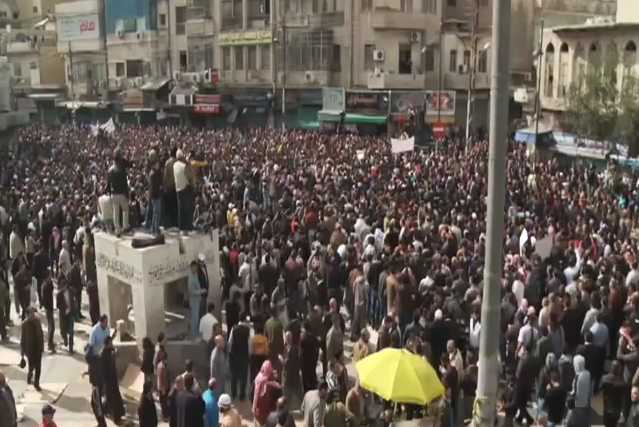
In 2014, Obama prodded King Abdullah to sign a $15 billion gas deal with Israel, which led to yet more protests that Abdullah suppressed.[24]
Four years later, further protests broke out in Amman against economic austerity measures that Abdullah had imposed, including the removal of bread subsidies.[25]
At the beginning of his reign, Abdullah had adopted neo-liberal reforms and a sweeping privatization campaign that resulted in the sale of more than 100 state-owned businesses to private entrepreneurs, many of whom were foreigners.
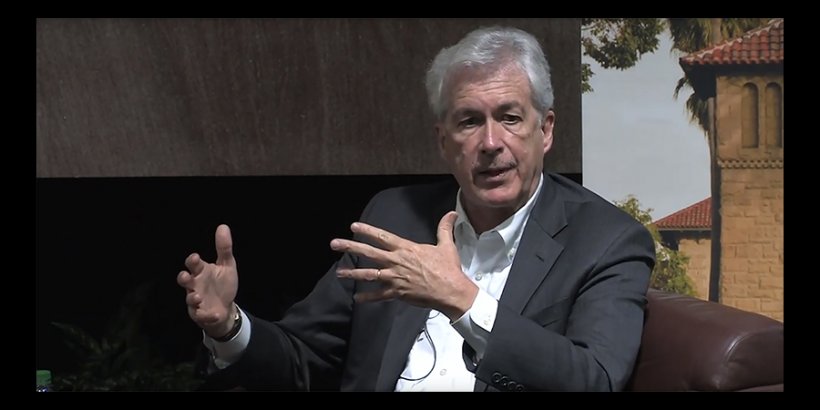
William J. Burns, the U.S. Ambassador to Jordan from 1998 to 2001 and CIA Director under Joe Biden, was a close ally of Abdullah, pushing privatization and other neo-liberal measures, including the easing of tariffs in order to open up Jordan’s economy to foreign investors.
Though heralded as a great success story in the Western media, much of the revenue from sold-off companies under the privatization initiative disappeared.
Like in post-Soviet Russia, the process lacked proper transparency. State-owned firms were sold quickly to foreigners or corrupt persons close to the King and ordinary citizens were given “insufficient time to buy shares,” according to Jordanian Senator Mustafa Hamarneh.[26]
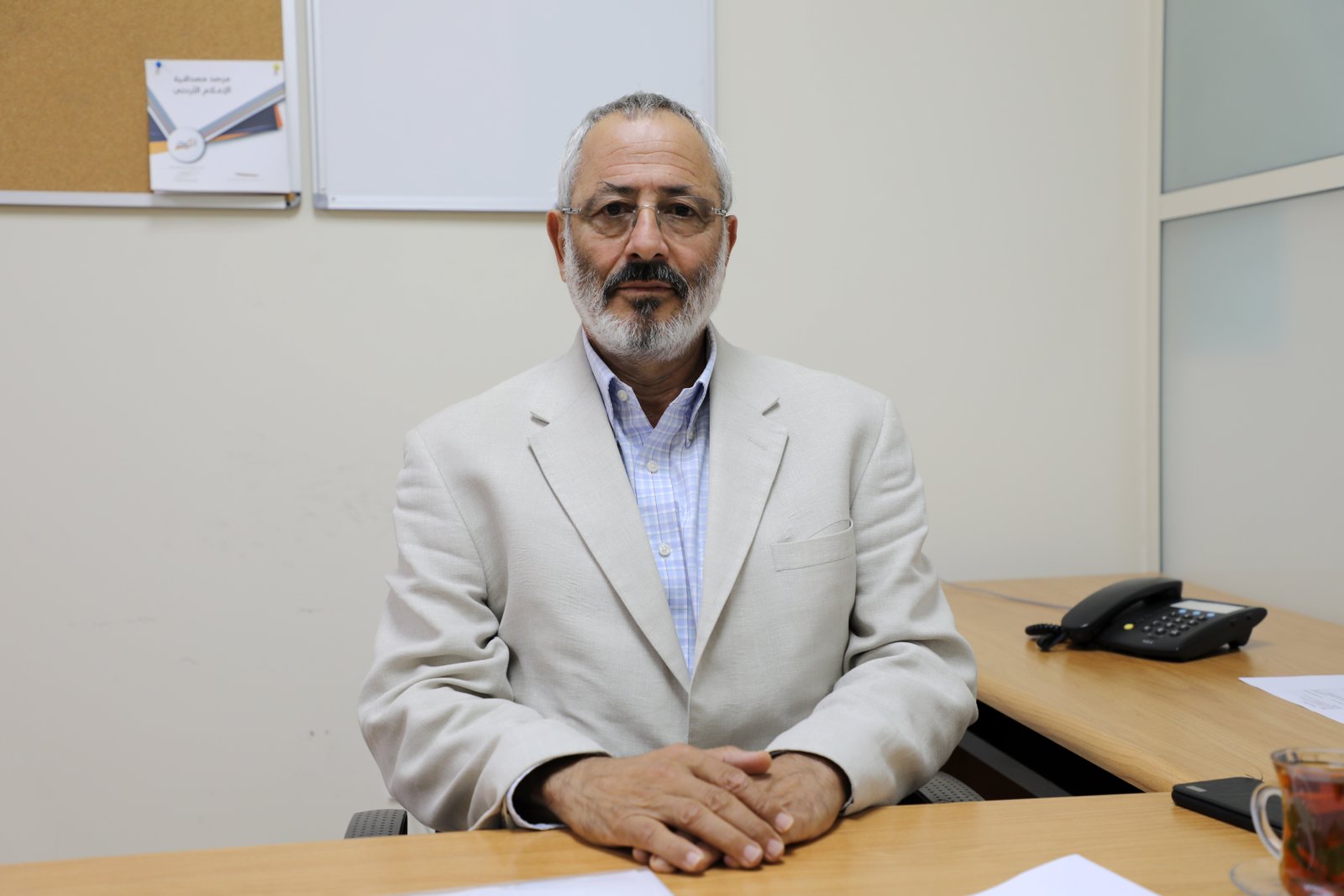
Oraib Rantawi, director of the Al-Quds Center for Political Studies, charged that certain corrupt officials exploited the neo-liberal policies—which were imposed autocratically without public debate—and used their political influence to enrich themselves.[27]
A leaked 2003 cable acknowledged that 5% of Jordan’s population controlled 85% of the Hashemite Kingdom’s wealth.
The CIA ranked the Kingdom 7th world-wide in military expenditures as a percentage of GDP; it was ranked 145th out of 146 countries for women’s participation in the labor force.
The unemployment rate, especially among youth, remains exorbitantly high, with 35% of the population living below the poverty line.
To pay down a $37 billion national debt, King Abdullah was forced to accept IMF structural-adjustment programs that slashed public services.[28]
Abdullah and his wife Rania, meanwhile, were found to have hidden away hundreds of millions of dollars in Swiss bank accounts and offshore holdings in Panama and the British Virgin Islands.[29]
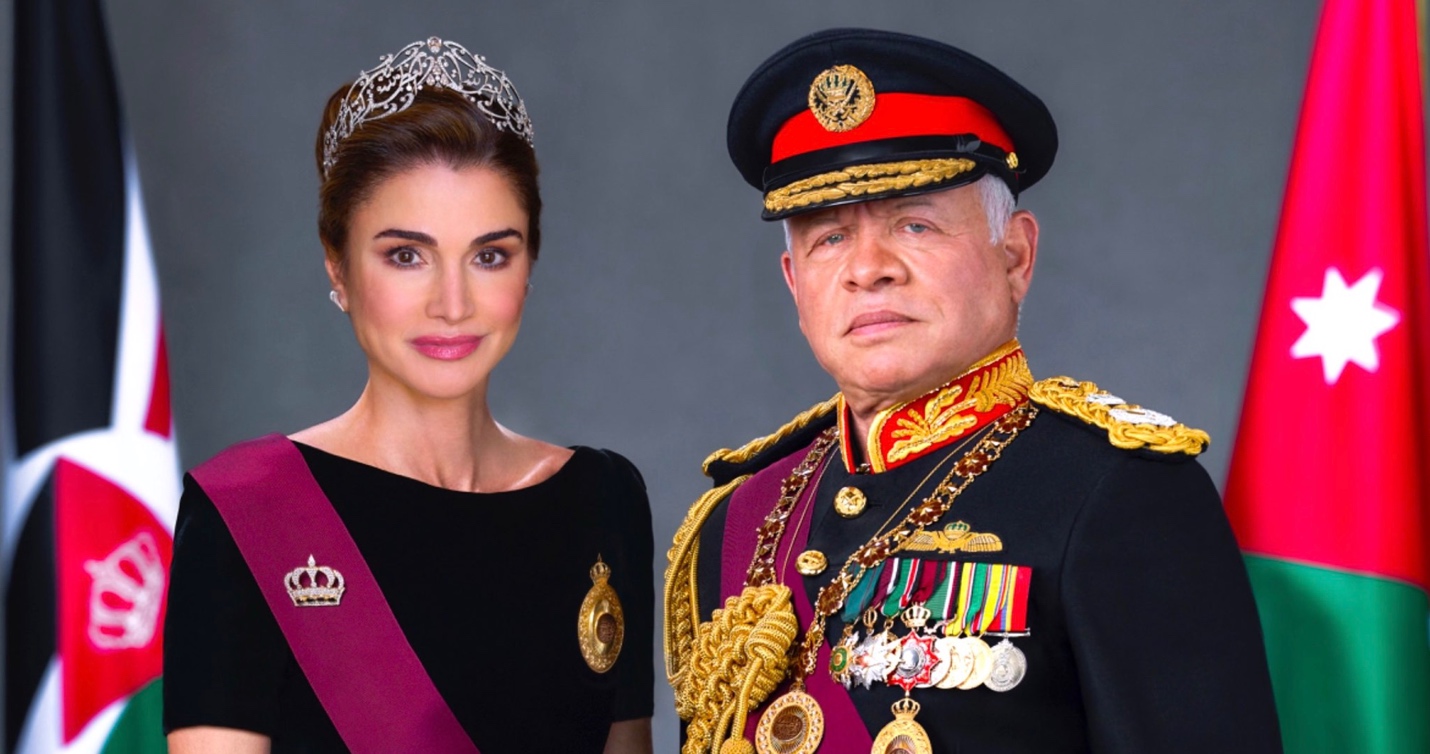
They owned lavish homes around the world, including a 26-room mansion in Malibu overlooking the Pacific Ocean.
When Will the Reign of Tyranny End?
The huge discrepancy in wealth and autocratic features of King Abdullah II, combined with the ugly situation in Gaza, render him politically vulnerable—as American Middle East envoy Steve Witkoff has suggested.
In 2021, Abdullah survived a coup attempt by his half-brother Hamzah bin Al-Hussein, who was supported by influential tribal groups with whom he has a record of effectively engaging.[30]
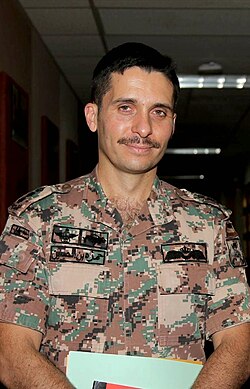
In contrast to Hamzah, Abdullah is more at ease hobnobbing among the global elite and Hollywood celebrities (he has appeared on the Jon Stewart show) than engaging with tribal elders and is seen to be aloof from ordinary people and the country’s problems.[31]
At the beginning of his reign, he would disguise himself and go out in public to interact with regular people and gauge public opinion, but stopped doing that long ago.
While his father, King Hussein, was a gifted orator, Abdullah has trouble communicating with the masses, in part, because he does not speak Arabic very well, having spent his formative years in the U.S. and UK.[32]
U.S leaders have long praised King Abdullah II as a moderate Arab leader committed to the modernization of Jordan who is a force for stability. However, his support for Operation Timber Sycamore, Operation Iraqi Freedom and Operation Odyssey Dawn in Libya helped destabilize the Middle East and fueled the rise of jihadist terrorism that he was supposed to be against.
Furthermore, Abdullah has been implicated in serious human rights crimes, including the torture of captives and shipping them to Guantánamo Bay.
In light of all this, it would indeed seem to be only a matter of time before Abdullah’s number is up. Magid, though, points out that Abdullah has effectively exploited divisions in Jordanian society among Palestinians, tribal groups and East Bankers to sustain his power—which has been disastrous on the whole for the Jordanian population.

More than 1,000 Jordanians were arrested for protesting in support of Gazans during just the first two months of the war alone. ↑
Aaron Magid, The Most American King: Abdullah of Jordan (Irvine, CA: Universal Publishers, 2025), 169. ↑
Magid, The Most American King, 172. Foreign Minister Nasi Sabri charged that King Abdullah had “bowed before American orders” in supporting the war in Iraq. ↑
Magid, The Most American King, 173. ↑
See Jeremy Kuzmarov, Modernizing Repression: Police Training and Nation-Building in the American Century (Amherst, MA: University of Massachusetts Press, 2012), Conclusion. ↑
Magid, The Most American King, 176. ↑
The British established a colonial protectorate over Jordan lasting from the signing of the Sykes-Picot treaty at the end of World War I to the granting of Jordan independence in 1946. ↑
The Hashemites’ goal was to establish a single Arab state from Yemen to Syria. The British also helped empower a Hashemite royal family to rule over Iraq after World War I. From 1946 to 1956, Jordan’s military was commanded by General John Glubb of the UK. ↑
In 1957, King Hussein suppressed a Nasserist revolt that offered a more progressive vision for Jordan. ↑
Abdullah’s professor for the course, Alon Pinkas, later became Israel’s Consul General in New York. ↑
Magid, The Most American King, 85. ↑
Idem. ↑
Magid, The Most American King, 105. ↑
Magid, The Most American King, 139. Magid notes that relations between the GID and Mossad were so strong that Mossad did not operate clandestinely against the Hashemite Kingdom. In 2017, Israel provided satellite photos of areas around the Jordanian Kingdom’s border with Syria and Iraq to help boost Jordan’s defenses. Amman, in turn, provided Israel with early warnings of potential attacks from Syria and Iraq. ↑
Jeremy Kuzmarov and Dan Kovalik, Syria: Anatomy of Regime Change (Montreal: Baraka Books, 2025). ↑
Magid, The Most American King, 139. ↑
At the time, a lot of U.S. weaponry and supplies was being moved to Jordan from Qatar, where three U.S. military bases were closed down. ↑
Magid, The Most American King, 104. ↑
Magid, The Most American King, 104. Under the 2021 and previous agreements, the U.S. agreed to provide Jordan with small arms, artillery, night vision devices, intelligence, surveillance and reconnaissance materiel, and training of its military personnel. ↑
Magid, The Most American King, 289. ↑
Magid, The Most American King, 221. ↑
Magid, The Most American King, 234. ↑
Idem. The Arab Spring protests were not as big in Jordan, in part because of poor organization and a split over the question of whether the Hashemite dynasty should be overthrown. East Bankers feared that, if Abdullah II fell, the Palestinians would take over the country. ↑
Obama—whose political career was long supported by wealthy Jews in Chicago associated with the militant wing of the Zionist lobby (American-Israel Public Affairs Committee-AIPAC)—visited Amman in 2013 and professed to have a personal friendship with King Abdullah II. A large percentage of Jordan’s population were Palestinians who had settled there as refugees after the 1948 Nakba and 1967 Six-Day War. In 1970, major clashes erupted between Palestinian militants and Jordanian security forces. ↑
A slogan from the protests was “corruption equals hunger.” ↑
Magid, The Most American King, 217. Sheikh Mohammed Khalaf Hadid, the head of Jordan’s National Commission for the Defense of Political Prisoners, said that the privatization of national industries by King Abdullah has “left nothing for the Jordanian public.” ↑
Magid, The Most American King, 217. The same thing occurred in many other countries. See Naomi Klein, The Shock Doctrine: The Rise of Disaster Capitalism (New York: Metropolitan Books, 2007). Magid notes that, in Jordan, growing inequality fueled greater divisions between Palestinians who profited the most from neo-liberalism and East Bankers who remained poverty-stricken in remote parts of the Jordanian kingdom. ↑
Magid, The Most American King, ch. 12. Under draconian laws, Jordanians who face personal debt can be jailed. The failure of the neo-liberal reforms enacted by King Abdullah II is evident in that youth try to leave Jordan at the highest rate in the region. ↑
Queen Rania had bolstered her image in the U.S. by appearing on Oprah and The View. When she turned 40, she hosted an extravagant birthday celebration that included celebrities like Ivanka Trump and Nicole Kidman. The celebration garnered great resentment among Jordanians, given the wide-scale poverty prevailing in the country and humble living conditions of most people. ↑
Predictably, the Biden administration voiced support for Abdullah when the coup was unfolding. Queen Noor has considered Hamzah the rightful heir of King Hussein’s throne. Hamzah has been under house arrest since the 2021 coup attempt. Other collaborators were beaten in prison. ↑
Abdullah routinely attends Davos, Switzerland, and Sun Valley, Idaho, known as a “summer camp for billionaires,” and spends time lobbying the U.S. Congress, but spends relatively little time among his own people. He is now grooming his son Hussein for power, though Hussein has lived most of his life outside of Jordan and has no connection to most Jordanians. Abdullah hosted a lavish wedding bash for Hussein that garnered resentment in light of the wide-scale poverty in Jordan today. ↑
King Hussein had also forged good relations with tribal elders like his son Hamza, which is why many see Hamza as his legitimate heir. ↑
CovertAction Magazine is made possible by subscriptions, orders and donations from readers like you.
Blow the Whistle on U.S. Imperialism

Click the whistle and donate
When you donate to CovertAction Magazine, you are supporting investigative journalism. Your contributions go directly to supporting the development, production, editing, and dissemination of the Magazine.
CovertAction Magazine does not receive corporate or government sponsorship. Yet, we hold a steadfast commitment to providing compensation for writers, editorial and technical support. Your support helps facilitate this compensation as well as increase the caliber of this work.
Please make a donation by clicking on the donate logo above and enter the amount and your credit or debit card information.
CovertAction Institute, Inc. (CAI) is a 501(c)(3) non-profit organization and your gift is tax-deductible for federal income purposes. CAI’s tax-exempt ID number is 87-2461683.
We sincerely thank you for your support.
Disclaimer: The contents of this article are the sole responsibility of the author(s). CovertAction Institute, Inc. (CAI), including its Board of Directors (BD), Editorial Board (EB), Advisory Board (AB), staff, volunteers and its projects (including CovertAction Magazine) are not responsible for any inaccurate or incorrect statement in this article. This article also does not necessarily represent the views the BD, the EB, the AB, staff, volunteers, or any members of its projects.
Differing viewpoints: CAM publishes articles with differing viewpoints in an effort to nurture vibrant debate and thoughtful critical analysis. Feel free to comment on the articles in the comment section and/or send your letters to the Editors, which we will publish in the Letters column.
Copyrighted Material: This web site may contain copyrighted material the use of which has not always been specifically authorized by the copyright owner. As a not-for-profit charitable organization incorporated in the State of New York, we are making such material available in an effort to advance the understanding of humanity’s problems and hopefully to help find solutions for those problems. We believe this constitutes a ‘fair use’ of any such copyrighted material as provided for in section 107 of the US Copyright Law. You can read more about ‘fair use’ and US Copyright Law at the Legal Information Institute of Cornell Law School.
Republishing: CovertAction Magazine (CAM) grants permission to cross-post CAM articles on not-for-profit community internet sites as long as the source is acknowledged together with a hyperlink to the original CovertAction Magazine article. Also, kindly let us know at info@CovertActionMagazine.com. For publication of CAM articles in print or other forms including commercial internet sites, contact: info@CovertActionMagazine.com.
By using this site, you agree to these terms above.
About the Author
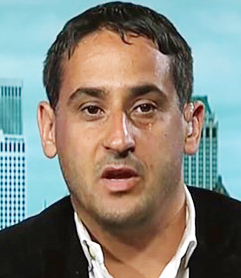
Jeremy Kuzmarov holds a Ph.D. in American history from Brandeis University and has taught at numerous colleges across the United States. He is regularly sought out as an expert on U.S. history and politics and co-hosts a radio show on New York Public Radio and on Progressive Radio News Network called “Uncontrolled Opposition.”
He is Managing Editor of CovertAction Magazine and is the author of eight books, including Obama’s Unending Wars (Clarity Press, 2019), The Russians Are Coming, Again, with John Marciano (Monthly Review Press, 2018), Warmonger. How Clinton’s Malign Foreign Policy Launched the U.S. Trajectory From Bush II to Biden (Clarity Press, 2023); with Dan Kovalik, Syria: Anatomy of Regime Change (Baraka Books, 2025), and Political Assassinations in America: The Intricate Nexus of Deep State Crime (Clarity Press, 2026).
Besides these books, Kuzmarov has published hundreds of articles and contributed to numerous edited volumes, including one in the prestigious Oxford History of Counterinsurgency .
He can be reached at jkuzmarov2@gmail.com and found on substack here.

#/media/File:David_Hale_official_photo.jpg)
.jpg)
Awesome content, available to help with your cause in Wichita Kansas.
Havana syndrome is alive and well in Wichita. Most everyone here, besides my guy and myself, are still asleep.