Nicaragua remains in the crosshairs of U.S. regime-change efforts, along with Cuba and Venezuela, as President Donald Trump boasts of his administration’s goal to remove “Marxists” from Latin America.
This inflammatory rhetoric is repeated endlessly despite the fact that Nicaragua actually has a mixed-economy that recognizes, and even encourages, through low interest loans, grants and infrastructure, the expansion of private businesses, small farms and home ownership.
But then again corporatists Joe Biden and Kamala Harris are considered Marxists by the Trump administration too because the criteria of what defines economic systems is lost on the woefully miseducated U.S. public.
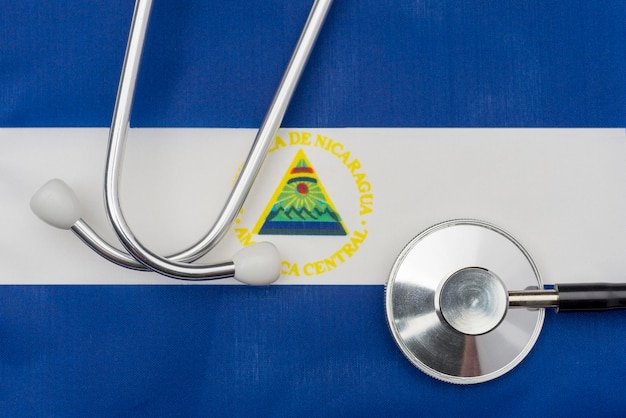
Nicaragua’s “threat” to the U.S. remains that of a good example. Affordable health care under the Ortega administration is an illustrative cornerstone of socioeconomic policies that are humanitarian in nature, as opposed to those in the U.S. that are based on unbridled monopolist practices that are nothing less than exploitative and cruel.

The cost differential between the two countries in essential medicine pricing is irrefutable proof that we are all being lied to and manipulated by our government and its captive press for reasons that serve predator class interests at our expense (pun intended).
A particularly large price differential between the U.S. and Nicaragua can be found for anti-parasitical drugs like albendazole, which is critical for treating parasitic infections.
Anti-parasitical drugs are gaining prominence not only for their traditional uses but also for novel applications against viruses and cancer, positioning them as a medical “plastic” of our era—valuable, versatile, yet mired in controversy due to stark pricing disparities.
In the U.S., a single 400 mg dose of albendazole can cost more than $380, while in Nicaragua, the same dose is mere pennies.
This contrast reveals a U.S. system driven by profit over public health, exacerbated by emerging dietary trends like insect-based foods that heighten parasite risks.
This article explores albendazole’s rising importance, contrasts its pricing between the U.S. and Nicaragua, and critiques how market dynamics exploit a drug poised to redefine medicine.

Albendazole’s Rising Value: The New “Plastic”
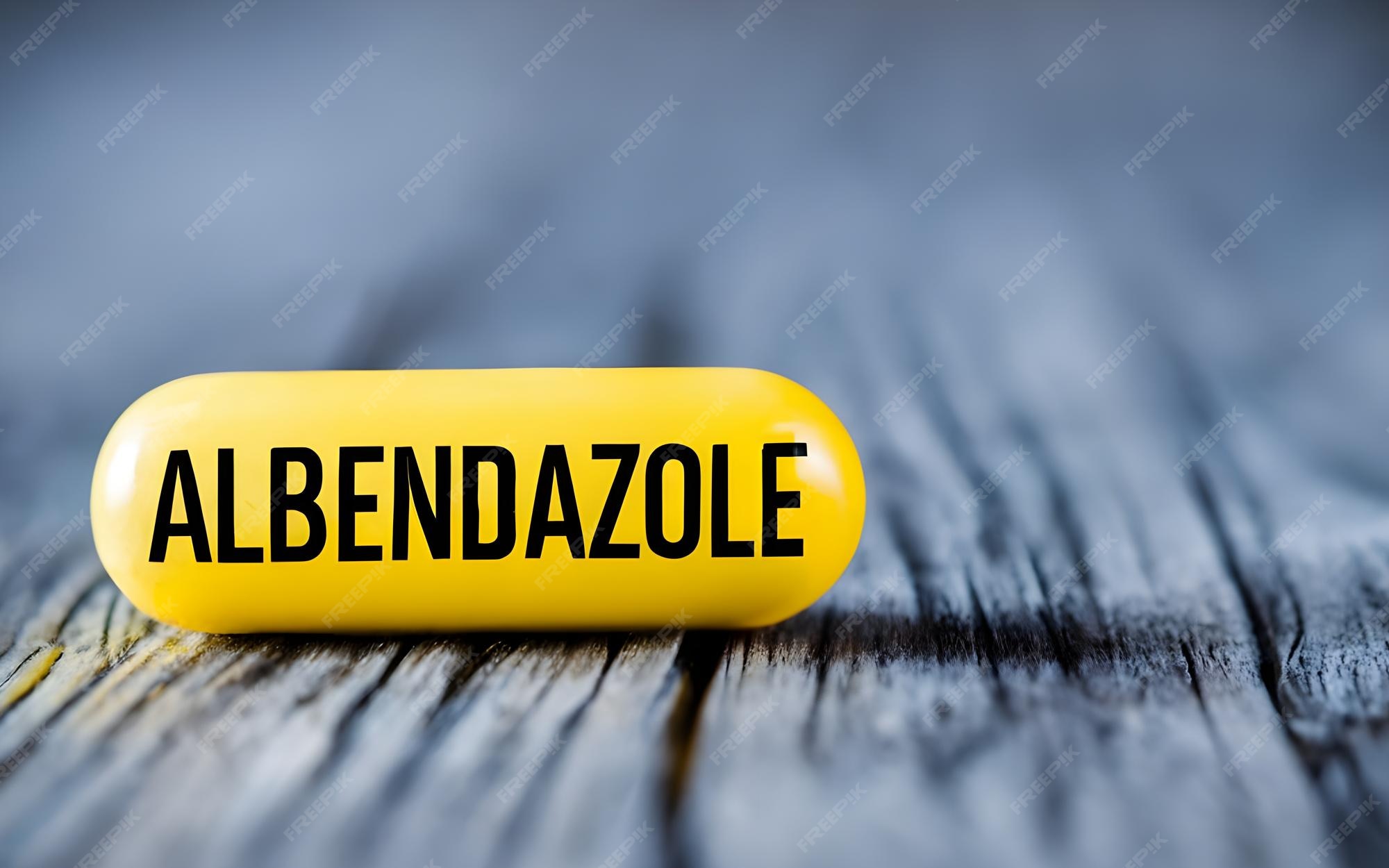
Albendazole, a broad-spectrum antiparasitic, treats infections like hookworm, pinworm, ascariasis, neurocysticercosis, and hydatid disease.
Included on the World Health Organization’s List of Essential Medicines, albendazole is a cornerstone for global health, especially in tropical regions where parasitic diseases are endemic. Its value is soaring due to emerging applications beyond parasites.
Recent studies show albendazole inhibits viral replication in diseases like hepatitis C and dengue, with clinical trials exploring its potential against HIV.
In oncology, it disrupts microtubule formation in cancer cells, showing promise in colorectal and lung cancer models, with phase II trials under way.
These uses elevate albendazole’s status, making it a versatile asset akin to plastics in The Graduate—a game-changer with vast potential.
Yet, this potential is overshadowed by a darker trend: the push for insect-based foods. Promoted as sustainable protein sources, insects like crickets and mealworms are gaining traction, with the global edible insect market projected to reach $7.96 billion by 2030.
Initiatives like the EU’s Novel Foods Regulation and U.S. start-ups advocate for insect consumption to combat climate change.
However, insects can harbor parasites like tapeworms and protozoa, transmissible to humans if improperly processed.
A 2023 study found that 30% of farmed crickets carried parasitic larvae, raising risks as consumption scales.
This trend amplifies the need for drugs like albendazole, yet access is starkly unequal.
U.S. Pricing: A Profit-Driven Crisis
In the U.S., albendazole’s retail price for a standard course (two 200 mg tablets) can exceed $700 without insurance, though discounts via GoodRx or SingleCare drop it to $24–$33.
This is astronomical compared to Nicaragua, where a 400 mg dose costs about $0.04–$0.10, reflecting subsidized generics and government price controls.
The U.S. price surge, despite albendazole being off-patent since the 1990s, stems from market dynamics rather than production costs, which are minimal globally (Health Affairs).
In 2010, GlaxoSmithKline (GSK) sold U.S. rights to CorePharma, then Amedra Pharmaceuticals (private equity-backed), and finally Impax Laboratories (now Amneal). This created a near-monopoly, with Impax as the sole supplier.
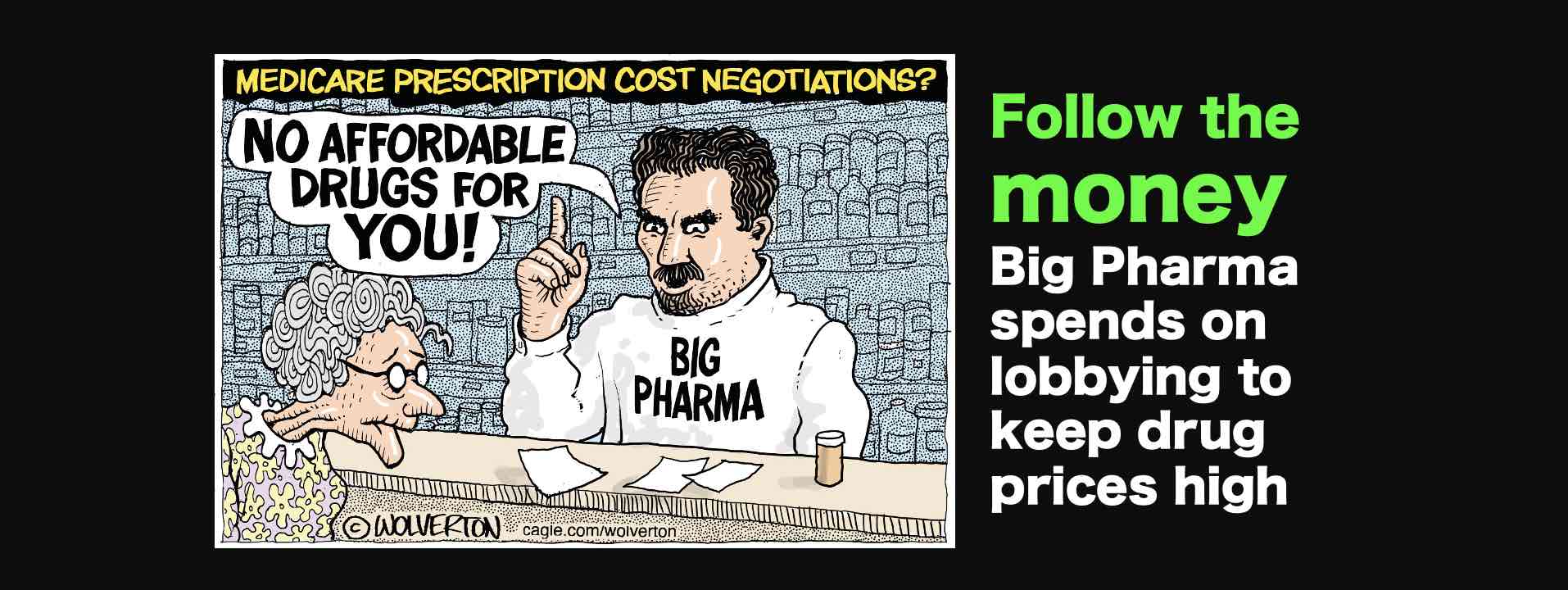
A manufacturing pause triggered FDA shortages, blocking generic competitors due to bioequivalence rules. Prices soared from $6 per dose in 2010 to $190+ per tablet today.
Low U.S. demand (e.g., pinworms affect ~10% of children yearly; hookworm cases are rare but rising) discourages new manufacturers, as market entry costs outweigh profits.
Unlike Nicaragua’s state-driven model, the U.S.’s fragmented system—where insurers must cover FDA-approved drugs—enables “rent-seeking,” with companies exploiting niche markets.
This mirrors broader trends: mebendazole (another antiparasitic) jumped to $430/dose, and praziquantel rose 500% (KFF). Private equity’s role prioritizes short-term gains, and FDA barriers during shortages stifle competition.
For clinics serving immigrants or refugees, where parasitic infections are more common, 15% now skip screening asymptomatic patients due to costs, risking incomplete treatment (New England Journal of Medicine).
Nicaragua: Pennies for Health Equity
In contrast, Nicaragua’s albendazole pricing—$0.04-$0.10 per 400 mg dose—reflects a health system prioritizing access over profit. The Sandinista government, since 2007, has expanded public health care, subsidizing generics through partnerships with Latin American manufacturers like Cuba’s Labiofam.
Programs like the WHO’s mass drug administration for soil-transmitted helminths ensure free or low-cost albendazole for rural communities, where 60% of Nicaraguans face parasitic risks.
Price controls and bulk procurement keep costs down, unlike the U.S.’s market-driven model. Nicaragua’s approach, rooted in socialized medicine, delivers albendazole at a fraction of U.S. prices, even as its GDP per capita ($2,255 in 2024) is dwarfed by the U.S.’s ($81,000) (World Bank).
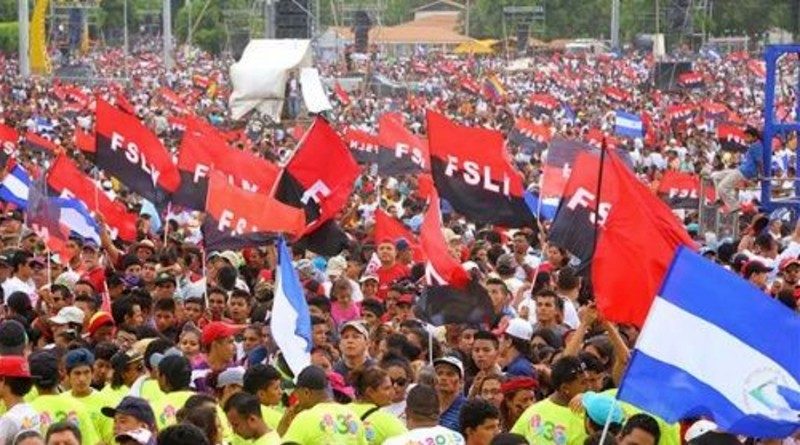
This disparity highlights systemic priorities: Nicaragua’s model, while not perfect—rural access gaps persist—ensures affordability, aligning with global health equity goals.
The U.S., by contrast, allows unchecked price hikes, with insurers and patients bearing the cost.
For a drug now critical against viruses and cancer, and increasingly vital as insect-based diets raise parasite risks, this inequity is stark.
Insect Foods and Parasite Risks
The global push for insect consumption amplifies albendazole’s importance. The UN’s Food and Agriculture Organization promotes insects as sustainable, with North American startups like Aspire Food Group scaling cricket farming.
Yet, insects carry parasites—tapeworms, flukes, and protozoa—transmissible if undercooked or poorly sourced. A 2024 study found 28% of market-sold mealworms harbored parasitic larvae, and improper farming hygiene increases risks.
As insect foods enter mainstream diets (e.g., cricket flour in U.S. protein bars), demand for antiparasitics like albendazole could surge, especially in the U.S., where screening and treatment costs are prohibitive.
The Broader Implications: Profit vs. People
Albendazole’s U.S. pricing reflects a system where profit trumps need, unlike Nicaragua’s equitable model. The drug’s new roles—against viruses, cancer, and emerging parasite risks from insect diets—make it the “plastic” of modern medicine: transformative, indispensable, yet hoarded by market forces.

In the U.S. today, albendazole’s inaccessibility symbolizes greed.
Its large price hike mirrors hikes in generics like insulin (up 1,200% since 2002). The U.S. military health system, facing similar anthelmintic cost spikes, shifted to over-the-counter pyrantel pamoate ($15–$20) for pinworms.
Solutions exist: non-profit generics like Civica Rx, FDA reforms for faster approvals, or importing low-cost albendazole from countries like Nicaragua. Patient assistance programs or coupons help, but gaps remain for the uninsured.
For now, patients can use GoodRx to save up to 97% or explore alternatives like pyrantel, though less effective for complex infections. Nicaragua’s model—pennies for a dose—shows what is possible when health trumps profit.
A Call for Equity
Albendazole—the new “plastic”—is poised to reshape medicine with its anti-viral and anti-cancer potential, yet its U.S. price—$700 versus Nicaragua’s pennies—exposes a system prioritizing wealth over lives.
As insect-based foods raise parasite risks, affordable access becomes critical. Nicaragua’s approach, rooted in public health, contrasts sharply with U.S. market failures.
We in turn must demand a system where life-saving drugs are not luxuries. Equity, not exploitation, must define this new era.
CovertAction Magazine is made possible by subscriptions, orders and donations from readers like you.
Blow the Whistle on U.S. Imperialism
Click the whistle and donate
When you donate to CovertAction Magazine, you are supporting investigative journalism. Your contributions go directly to supporting the development, production, editing, and dissemination of the Magazine.
CovertAction Magazine does not receive corporate or government sponsorship. Yet, we hold a steadfast commitment to providing compensation for writers, editorial and technical support. Your support helps facilitate this compensation as well as increase the caliber of this work.
Please make a donation by clicking on the donate logo above and enter the amount and your credit or debit card information.
CovertAction Institute, Inc. (CAI) is a 501(c)(3) non-profit organization and your gift is tax-deductible for federal income purposes. CAI’s tax-exempt ID number is 87-2461683.
We sincerely thank you for your support.
Disclaimer: The contents of this article are the sole responsibility of the author(s). CovertAction Institute, Inc. (CAI), including its Board of Directors (BD), Editorial Board (EB), Advisory Board (AB), staff, volunteers and its projects (including CovertAction Magazine) are not responsible for any inaccurate or incorrect statement in this article. This article also does not necessarily represent the views the BD, the EB, the AB, staff, volunteers, or any members of its projects.
Differing viewpoints: CAM publishes articles with differing viewpoints in an effort to nurture vibrant debate and thoughtful critical analysis. Feel free to comment on the articles in the comment section and/or send your letters to the Editors, which we will publish in the Letters column.
Copyrighted Material: This web site may contain copyrighted material the use of which has not always been specifically authorized by the copyright owner. As a not-for-profit charitable organization incorporated in the State of New York, we are making such material available in an effort to advance the understanding of humanity’s problems and hopefully to help find solutions for those problems. We believe this constitutes a ‘fair use’ of any such copyrighted material as provided for in section 107 of the US Copyright Law. You can read more about ‘fair use’ and US Copyright Law at the Legal Information Institute of Cornell Law School.
Republishing: CovertAction Magazine (CAM) grants permission to cross-post CAM articles on not-for-profit community internet sites as long as the source is acknowledged together with a hyperlink to the original CovertAction Magazine article. Also, kindly let us know at info@CovertActionMagazine.com. For publication of CAM articles in print or other forms including commercial internet sites, contact: info@CovertActionMagazine.com.
By using this site, you agree to these terms above.
About the Author

Gloria Guillo, MPA is an investigative journalist, former Public Administrator and singer, songwriter.
She co-hosts Uncontrolled Opposition with Jeremy Kuzmarov.
Gloria can be reached at un.ops@icloud.com