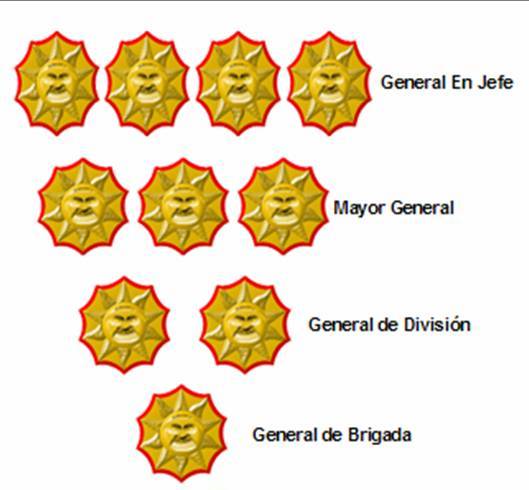
Following the Trump administration’s kidnapping of Venezuelan President Nicolás Maduro and his wife, Cilia Flores, on January 3, the Department of Justice (DOJ) revealed an indictment alleging that Maduro “moved loads of cocaine under the protection of Venezuelan law enforcement” and that profits from the illegal activity “flowed” to corrupt officials “who operate in a patronage system run by the Cártel de los Soles, or Cartel of the Suns, a reference to the sun insignia affixed to the uniforms of high-ranking Venezuelan military officials.”
A 2020 indictment issued by a U.S. grand jury also referenced the Cártel de Los Soles, alleging that Maduro “helped manage and ultimately lead the Cartel…as he rose to power in Venezuela.”[1]
Amazingly, the CIA is known to have facilitated drug trafficking through the very same Cártel de los Soles in 1990.
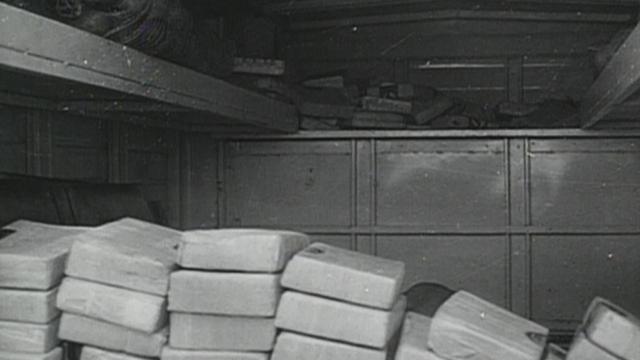
In 1993, CBS’s 60 Minutes aired a segment entitled “The CIA’s Cocaine,” which featured interviews with former Drug Enforcement Administration (DEA) administrator Robert Bonner and DEA Special Agent (and DEA Station Chief in Caracas) Anabelle Grimm, who told host Mike Wallace about an undercover drug operation in Venezuela involving the Cártel de los Soles in which the CIA assisted the cartel in shipping 200 kilograms of cocaine into the U.S.
The purpose of the operation—called Operation North—was for CIA “assets” in the Venezuelan National Guard who were part of the Cártel de los Soles to gain credibility with Colombian drug cartels who could be busted in future sting operations.
Grimm told Wallace that the CIA believed they could get to Pablo Escobar (infamous Medellín drug cartel kingpin) through this operation, which she found to be “ludicrous.”
The chief figure involved in the operation, Ramón Guillén Dávila, head of the anti-drug national command from 1987 to 1991, was considered the CIA’s top “asset” in the Venezuelan military and “its most trusted man,” as was reported in the Miami Herald.[2]
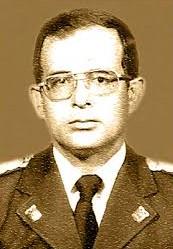
In 2007, Guillén was arrested for his involvement in a conspiracy to assassinate Venezuela’s socialist President Hugo Chávez, who had angered the U.S. by nationalizing Venezuela’s oil industry and using the revenue to fund social programs.
The 60 Minutes report specified that Guillén worked directly with CIA officer Mark McFarlin and Venezuelan CIA Station Chief James Campbell.
McFarlin was put in charge of a counter-narcotics intelligence center in Caracas where the cocaine that was shipped to the U.S. was stored.
The counter-narcotics center had a direct network with the El Paso, Texas, intelligence center, a hub for coordinating intelligence in the War on Drugs.
According to The New York Times, the Venezuelan anti-drug unit was created under the same CIA program that created a Haitian intelligence service whose officers became involved in drug trafficking and acts of political terror.[3]
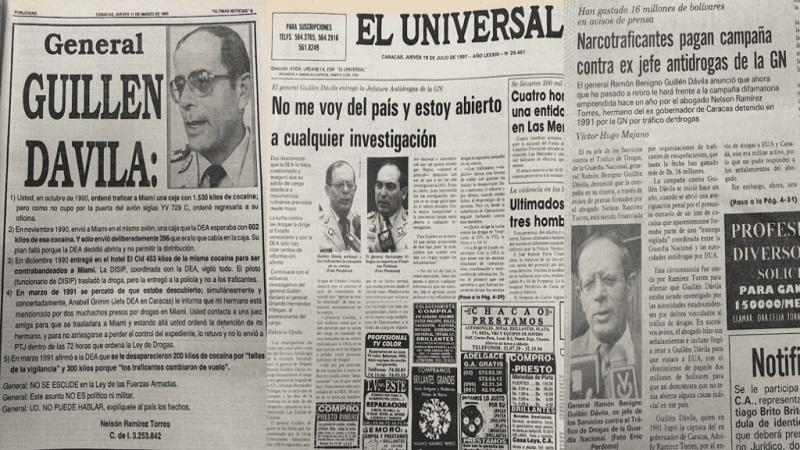
Robert Bonner[4] told Mike Wallace that what the CIA and General Guillén were doing was illegal and that the CIA had blatantly broken the law.
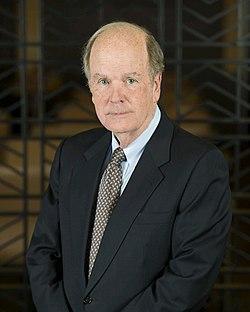
When the U.S. Customs Service seized 998 pounds of cocaine at Miami International Airport traced to the CIA and General Guillén, nobody was prosecuted and Guillén’s indictment was dismissed.
After he returned to Washington, D.C., James Campbell was promoted.
Operation North resembled other CIA operations by which the CIA created drug-trafficking proxies and trafficked drugs into the U.S.
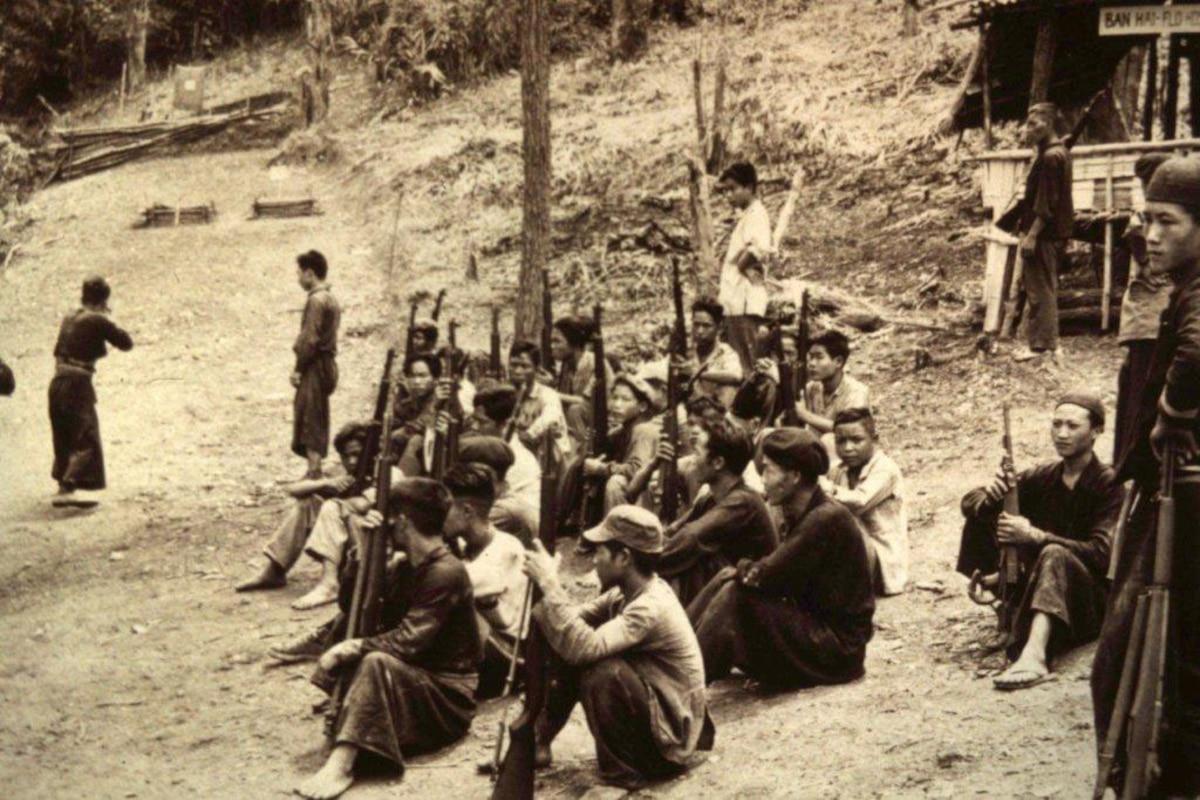
Known examples include the CIA’s drug-trafficking Hmong army that waged war against the communist Pathet Lao in Laos during the Indochina War,[5] and the Iran-Contra affair, by which the CIA trafficked in drugs to finance the waging of a counter-revolutionary war in Nicaragua.[6]
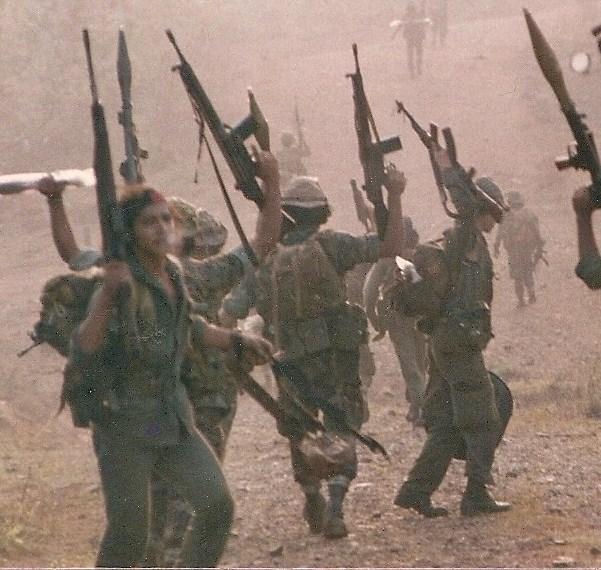
Operation Watchtower was another CIA drug-trafficking operation in the 1980s that established a secret air corridor from southern Colombia to Panama to enable the flow of drugs into the U.S. and entailed support for Colombia’s Cali cartel.[7]
While the stated motive for Operation North was to entrap the Colombian cartels, a hidden motive was probably to generate revenues for CIA black operations in Venezuela targeting the political left.
Mark McFarlin had a background training right-wing counterinsurgents in the CIA-run dirty war against the leftist Farabundo Martí Liberation Front (FMLN) in El Salvador in the 1980s that was financed in part through the drug trade out of Nicaragua and Panama.[8]
Ramón Guillén Dávila was also an extreme rightist arrested in 2007 for his involvement in a conspiracy to assassinate Hugo Chávez.
The CIA has a history of supporting repressive campaigns in Venezuela targeting the left going back to the 1960s, when the Office of Public Safety (OPS) of the United States Agency for International Development (USAID) trained police units that spied on and worked to dismantle the Armed Forces of National Liberation (FALN) in Puerto Rico, and the Revolutionary Left Movement (MIR) in Chile.[9]
The latter were inspired by the Cuban Revolution that sought to nationalize Venezuela’s oil industry, stand up to U.S. imperialism and create a more equitable economy.
The Kennedy, Johnson and Nixon administrations supported centrist presidents with the Democratic Action and Christian Democrat Party, which advanced some New Deal-style reforms but refused to consider nationalizing Venezuela’s oil industry, which was then dominated by the largely Rockefeller-owned Creole Petroleum and other U.S.-based corporations.[10]
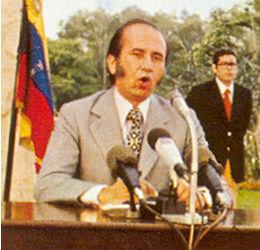
In 1976, President Carlos Andrés Pérez (1974-1979 and 1989-1993) nationalized Venezuela’s oil, compensating U.S. and other foreign multi-nationals, and established a state-owned oil company, Petróleos de Venezuela (PDVSA).
When Pérez came back into power in 1989, after a period of declining world oil prices and economic retraction in Venezuela, he pushed for privatization along with other neo-liberal policies mandated by the International Monetary Fund (IMF), which resulted in a popular uprising known as the Caracazo that was brutally suppressed.[11]
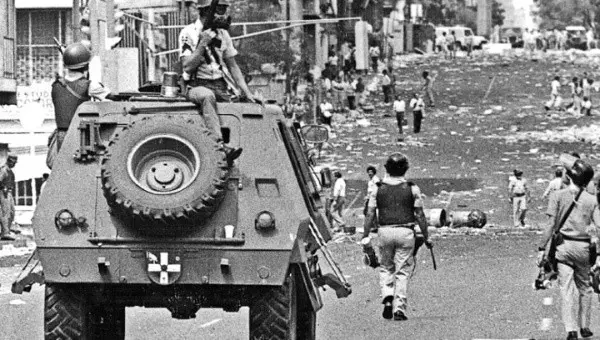
Operation North took place just one year after the Caracazo, which contributed to the revitalization of Venezuela’s left.
Mentored by leftist leaders of the 1960s like Douglas Bravo, Hugo Chávez emerged as a prominent leader around this time who led army officers in a failed coup in 1992 that set the groundwork for the 1998 Bolivarian Revolution.
The CIA had Chávez on its radar and appears to have worked with Venezuelan assets like Guillén to traffic in drugs to try to help sustain the dying neo-liberal order that was favorable to U.S. corporations.
Politicized Indictment and Unstated Aims of War on Drugs
On January 5, The Grayzone published a valuable dissection of the DOJ indictment of Maduro by Max Blumenthal.
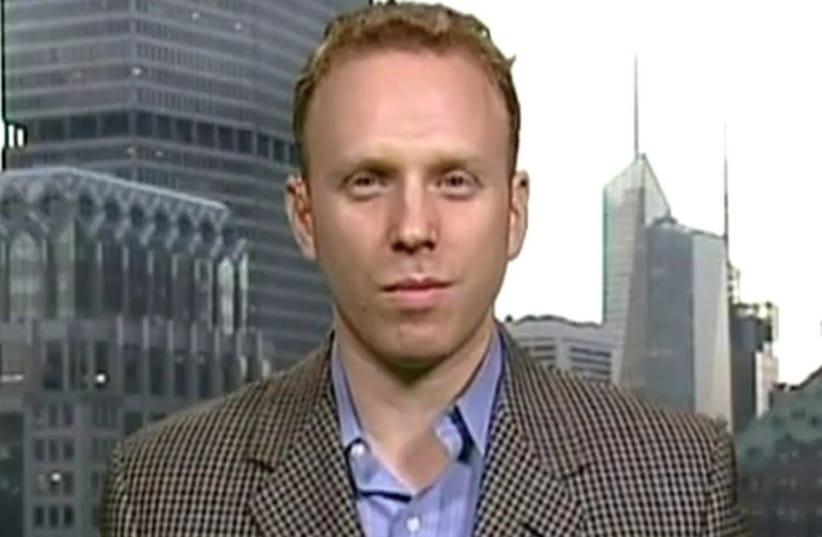
Blumenthal called the indictment a “political rant” that relies heavily on “coerced testimony from an unreliable witness [former military intelligence chief Hugo ‘Pollo’ Carvajal[12]] who was said to have been affiliated with the ‘Cartel of the Suns’” and on alleged drug shipments that “largely took place outside U.S. jurisdiction.”
Accusing Maduro of “having partnered with narco-terrorists” like Tren de Aragua (TdA), the indictment ignores a recent U.S. intelligence assessment which concluded that Maduro actually had no control over TdA and that, in 2023, he ordered a massive military-police raid on the gang’s headquarters (Tocorón Prison).
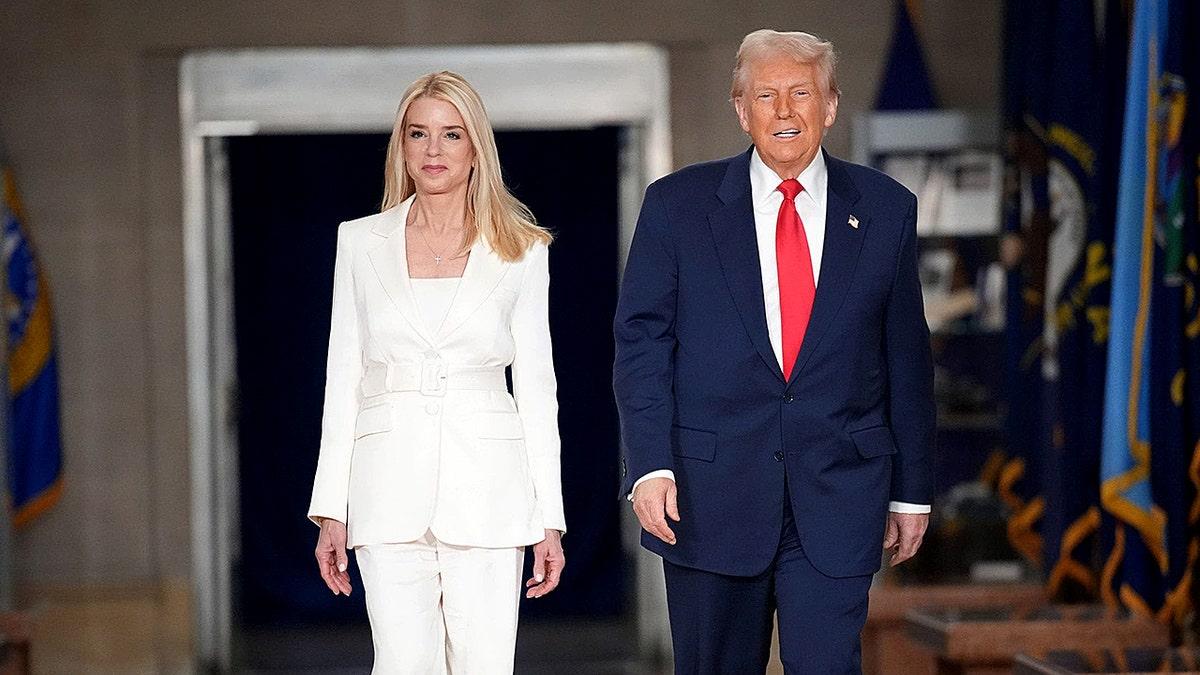
Further, Blumenthal wrote that “the prosecutors stacked the indictment by charging Maduro with ‘possession of machine guns,’ a laughable offense which could easily be applied to hundreds of thousands of gun-loving Americans under an antiquated 1934 law.”
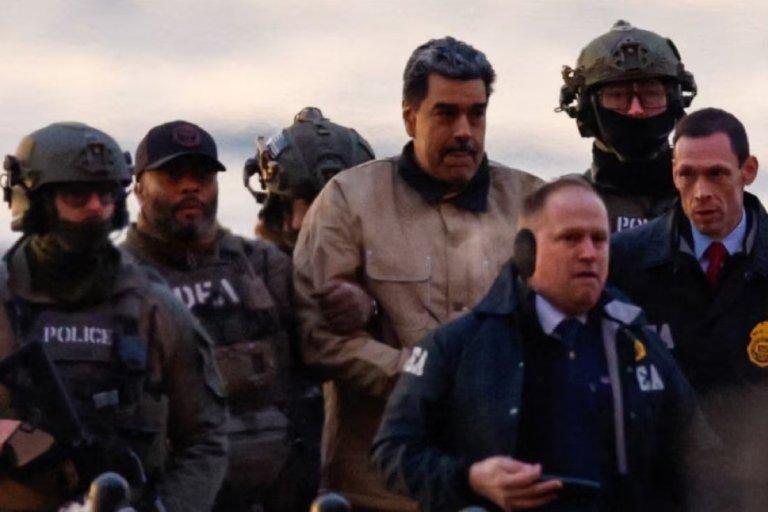
According to Blumenthal, “by resorting to vague, deliberately expansive language larded with subjective terms like ‘corrupt’ and ‘terrorism,’ the DOJ has constructed a political narrative against Maduro in place of a concrete legal case. While repeatedly referring to Maduro as the ‘de facto… illegitimate ruler of the country,’ the DOJ fails to demonstrate that he is de jure illegitimate under Venezuelan law, and will therefore be unable to bypass established international legal precedent granting immunity to heads of state.”[13]
The politicized nature of the DOJ indictment was apparent in its claim that the leftist Fuerzas Armada Revolucionario de Colombia (FARC) was “one of the largest producers of cocaine in the world since its founding in 1964.”
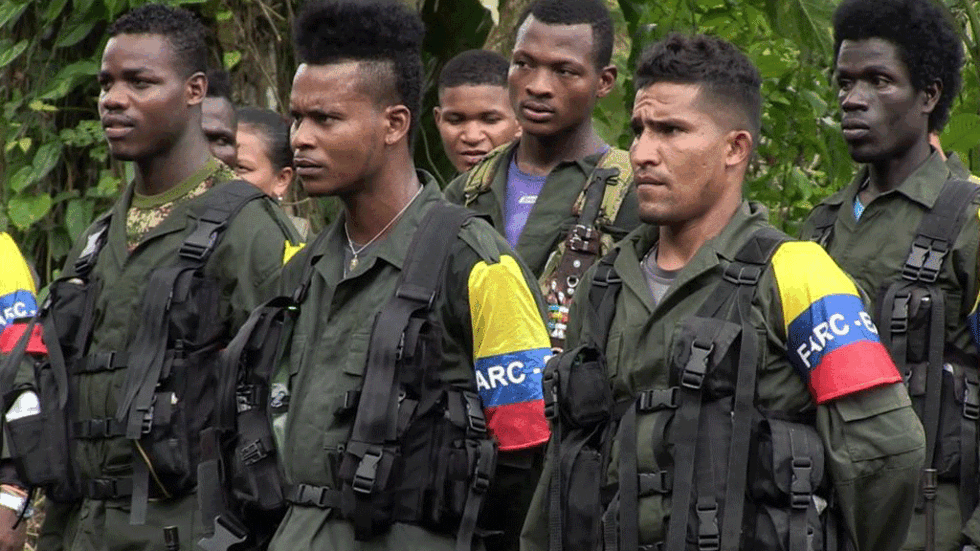
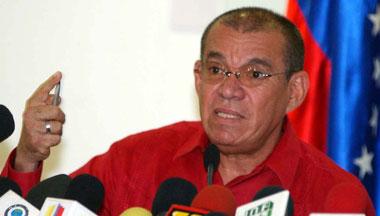
The DOJ alleges that former Interior Minister Ramón Rodríguez Chacín (2002, 2008) took bribes to allow drug trafficking by FARC and maintained a large estate in Barinas state containing a large FARC encampment and training school, and that FARC provided protection for drug shipments made by Sinaloa cartel kingpin Joaquín “El Chapo” Guzmán that went from cocaine labs in Colombia through Venezuela.[14]
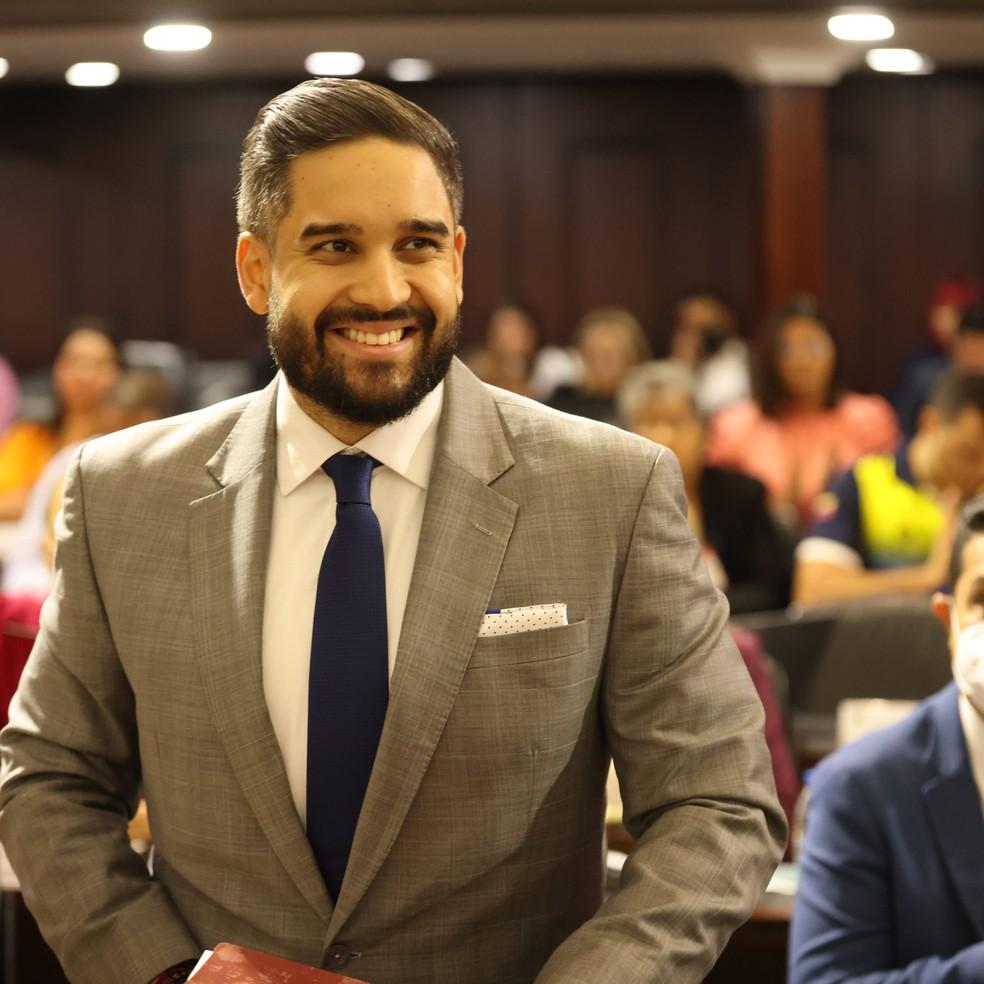
Maduro’s son, Nicolás Ernesto Maduro Guerra, is additionally alleged to have met with FARC representatives in 2020 to discuss moving large quantities of cocaine and weapons through Colombia and into the U.S. for the next six years.
While FARC is known to have protected coca-growing farmers and taxed drug sales in regions they controlled, Colombia’s drug trade, in reality, has long been controlled by rightist elements who have provided the muscle for state terrorist operations targeting the FARC, whose platform calls for breaking up landed estates, include those owned by drug cartel bosses.[15]
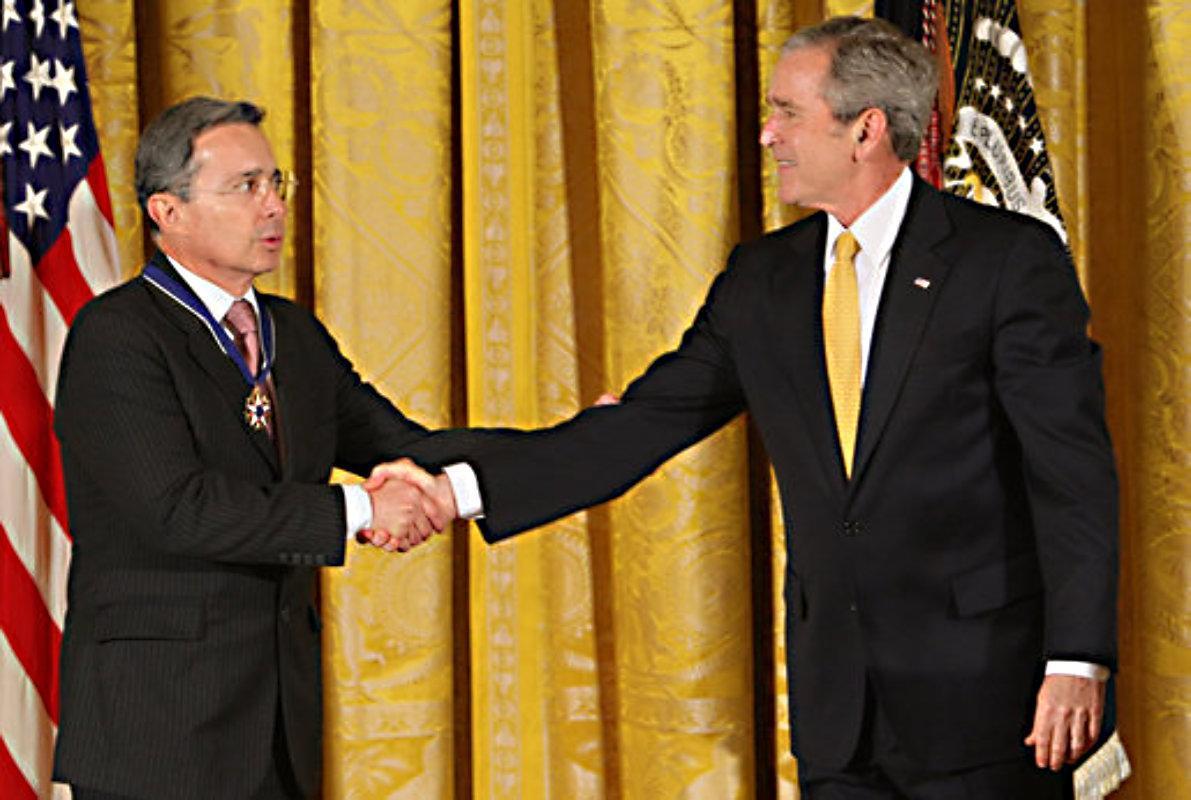
A 1991 Defense Intelligence Agency report identified right-wing Colombian President Álvaro Uribe Vélez (2002-2010), a recipient of lavish U.S. foreign aid, with the Medellín drug cartel.
Uribe was sentenced to 12 years of house arrest in July after being convicted on bribery and fraud charges that centered on his attempt to bribe a witness to change damaging testimony that implicated him with drug-trafficking paramilitary groups that committed egregious war crimes in the suppression of the FARC.[16]
In the 1980s, to justify the expansion of U.S. military aid to Colombia, Ronald Reagan’s ambassador to Colombia, Lewis Tambs, branded FARC as “narco-guerrillas”—a term that has long political staying power.
The reason for this is because it fits with the ideological agenda of the Trump and other U.S. administrations that want to destroy the Latin American left and any political movement that challenges U.S. corporate interests and global hegemony.
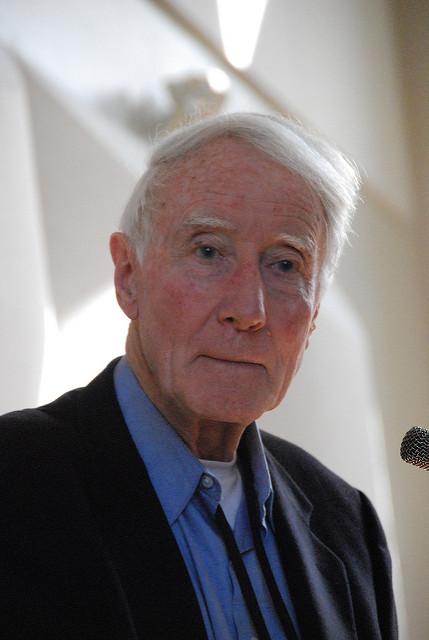
According to Peter Dale Scott, the real purpose of the War on Drugs is not to eradicate drugs but to “alter market share [and] target specific enemies and thus ensure that the drug traffic remains under the control of those traffickers who are allies of the [Colombian] state security apparatus and/or the CIA.”[17]
Maduro’s indictment, combined with Trump’s pardoning of right-wing, former Honduran President Juan Orlando Hernández, who was convicted in U.S. federal court of conspiracy to traffic more than 400 tons of cocaine, shows the continued validity of Scott’s assessment.
Notwithstanding the high bar to convict Maduro, the unstated U.S. strategy in the War on Drugs is to punish ideological enemies, while ensuring that the regional drug traffic is controlled by right-wing allies of the U.S. government and CIA.
Commentators have noted that Cártel de los Soles is not actually a formal cartel but, rather, a loose collection of corrupt military officers whose drug trafficking in the past was facilitated by the CIA. Former Congressman Ron Paul (R-TX) said that the Maduro kidnapping affair was a scam perpetrated by the Trump administration to satisfy top donors like Wall Street hedge fund owner Paul Singer, who stands to make millions of dollars in Venezuela under a new government. Singer donated $5 million to Trump’s Super PAC and tens of millions more to Trump allies in Congress. In November 2025, Singer acquired Citgo, the U.S.-based subsidiary of Venezuela’s state-run oil company for $5.9 billion. ↑
Other members of Operation North included Néstor Reverol, who served under Guillén and was later accused of drug trafficking and was sanctioned by the U.S. in 2016, and Eustiquio José Lugo Gómez, who was sanctioned by the U.S. in 2019. ↑
Tim Weiner, “Anti-Drug Unit of CIA Sent Ton of Cocaine to the U.S. in 1990,” The New York Times, November 20, 1993. ↑
Bonner had served as a federal judge before serving as DEA administrator from 1990-1993. ↑
Alfred W. McCoy’s expose of this sordid affair, The Politics of Heroin in Southeast Asia (New York: Harper & Row, 1972), was based on interviews with disaffected DEA agents like the 60 Minutes exposé about Operation North. McCoy’s work also exposed CIA complicity with drug traffickers in Thailand and South Vietnam. A subsequent book that he published, Drug Traffic: Narcotics and Organized Crime in Australia (New York: Harper & Row, 1980), detailed the CIA’s formation of the Nugan Hand Bank as a money laundering front for drug proceeds and the CIA’s role in helping to foment corruption in Australia where McCoy lived in the 1980s. More details on the Nugan Hand Bank can be found here. ↑
See Gary Webb, Dark Alliance: The CIA, the Contras, and the Crack Cocaine Explosion (New York: Seven Stories Press, 1998). Jeremy Kuzmarov, Warmonger: How Clinton’s Malign Foreign Policy Launched the U.S. Trajectory from Bush II to Biden (Atlanta: Clarity Press, 2024), details the importance of Arkansas to the CIA’s Contra arms and drug-smuggling operation and the key role played by Bill Clinton in it. ↑
See Kenneth C. Bucchi, C.I.A.: Cocaine in America? A Veteran of the C.I.A. Drug Wars—Tells All (New York: S.P.I. Books, 1994); Michael Levine, The Big White Lie: The CIA and the Cocaine/Crack Epidemic: An Undercover Odyssey (New York: Thunder’s Mouth Press, 1993). ↑
See Tim Weiner, “Anti-Drug Unit of C.I.A. Sent Ton of Cocaine to the U.S. in 1990,” The New York Times, November 20, 1993. ↑
See Jeremy Kuzmarov, Modernizing Repression: Police Training and Nation-Building in the American Century (Amherst, MA: University of Massachusetts Press, 2012). ↑
Kuzmarov, Modernizing Repression. ↑
See Dan Kovalik, with foreword by Oliver Stone, The Plot to Overthrow Venezuela: How the US Is Orchestrating a Coup for Oil (New York: Hot Books, 2019); Richard Gott, Hugo Chávez and the Bolivarian Revolution (London: Verso, 2005). ↑
Carvajal pleaded guilty last year to drug trafficking charges and in December wrote a letter asking for leniency, in which he backed the farcical claim that Venezuela had helped rig the 2020 election for Joe Biden. ↑
The indictment accused Maduro of selling passports to drug traffickers when he was Minister of Foreign Affairs from 2006 to 2008 and facilitating the movement of private planes involved in trafficking. Cilia Flores is alleged to have attended a meeting in 2007 where she accepted hundreds of thousands of dollars in bribes to broker a meeting between drug traffickers and the director of Venezuela’s national anti-drug office. The Maduros and their son, Nicolás Ernesto Maduro Guerra, were said to have raised $20 million for their presidential campaign through the drug trade. Others named in the indictment are former Minister of Justice Ramón Rodríguez Chacín, Minister of Interior, Justice and Peace Diosdado Cabello, and Tren de Aragua cartel leader Hector “Niño” Guerrero. ↑
Chacín and the Chávez government’s ties to FARC are detailed in Jens Glüsing, “The Colombian Connection: How Hugo Chavez Courted FARC” Der Spiegel, June 4, 2008. ↑
See Oliver Villar and Drew Cottle, with foreword by Peter Dale Scott, Cocaine, Death Squads, and the War on Terror: U.S. Imperialism and Class Struggle in Colombia (New York: Monthly Review Press, 2011).See Jeremy Kuzmarov, “Top U.S. Drug War Partner and Aid Recipient Convicted on Bribery and Fraud Charges,” CovertAction Magazine, August 11, 2025. ↑
Peter Dale Scott, foreword in Villar and Cottle, Cocaine, Death Squads, and the War on Terror, 14, 15. ↑
CovertAction Magazine is made possible by subscriptions, orders and donations from readers like you.
Blow the Whistle on U.S. Imperialism
Click the whistle and donate
When you donate to CovertAction Magazine, you are supporting investigative journalism. Your contributions go directly to supporting the development, production, editing, and dissemination of the Magazine.
CovertAction Magazine does not receive corporate or government sponsorship. Yet, we hold a steadfast commitment to providing compensation for writers, editorial and technical support. Your support helps facilitate this compensation as well as increase the caliber of this work.
Please make a donation by clicking on the donate logo above and enter the amount and your credit or debit card information.
CovertAction Institute, Inc. (CAI) is a 501(c)(3) non-profit organization and your gift is tax-deductible for federal income purposes. CAI’s tax-exempt ID number is 87-2461683.
We sincerely thank you for your support.
Disclaimer: The contents of this article are the sole responsibility of the author(s). CovertAction Institute, Inc. (CAI), including its Board of Directors (BD), Editorial Board (EB), Advisory Board (AB), staff, volunteers and its projects (including CovertAction Magazine) are not responsible for any inaccurate or incorrect statement in this article. This article also does not necessarily represent the views the BD, the EB, the AB, staff, volunteers, or any members of its projects.
Differing viewpoints: CAM publishes articles with differing viewpoints in an effort to nurture vibrant debate and thoughtful critical analysis. Feel free to comment on the articles in the comment section and/or send your letters to the Editors, which we will publish in the Letters column.
Copyrighted Material: This web site may contain copyrighted material the use of which has not always been specifically authorized by the copyright owner. As a not-for-profit charitable organization incorporated in the State of New York, we are making such material available in an effort to advance the understanding of humanity’s problems and hopefully to help find solutions for those problems. We believe this constitutes a ‘fair use’ of any such copyrighted material as provided for in section 107 of the US Copyright Law. You can read more about ‘fair use’ and US Copyright Law at the Legal Information Institute of Cornell Law School.
Republishing: CovertAction Magazine (CAM) grants permission to cross-post CAM articles on not-for-profit community internet sites as long as the source is acknowledged together with a hyperlink to the original CovertAction Magazine article. Also, kindly let us know at info@CovertActionMagazine.com. For publication of CAM articles in print or other forms including commercial internet sites, contact: info@CovertActionMagazine.com.
By using this site, you agree to these terms above.
About the Author
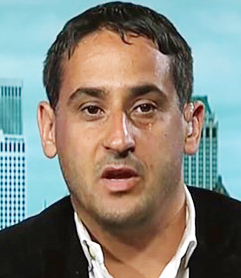
Jeremy Kuzmarov holds a Ph.D. in American history from Brandeis University and has taught at numerous colleges across the United States. He is regularly sought out as an expert on U.S. history and politics and co-hosts a radio show on New York Public Radio and on Progressive Radio News Network called “Uncontrolled Opposition.”
He is Managing Editor of CovertAction Magazine and is the author of eight books, including Obama’s Unending Wars (Clarity Press, 2019), The Russians Are Coming, Again, with John Marciano (Monthly Review Press, 2018), Warmonger. How Clinton’s Malign Foreign Policy Launched the U.S. Trajectory From Bush II to Biden (Clarity Press, 2023); with Dan Kovalik, Syria: Anatomy of Regime Change (Baraka Books, 2025), and Political Assassinations in America: The Intricate Nexus of Deep State Crime (Clarity Press, 2026).
Besides these books, Kuzmarov has published hundreds of articles and contributed to numerous edited volumes, including one in the prestigious Oxford History of Counterinsurgency .
He can be reached at jkuzmarov2@gmail.com and found on substack here.


Richard Blumenthal is one of best senators in the USA.
Richard Blumenthal’s #1 priority? Standing up for people and making a difference. He never backs down from a fight or fails to put Connecticut first. No matter how big or powerful the special interest or lawbreaker, protecting Connecticut’s people is always his top priority and purpose.
The CBC which is a reliable news outlet has uncovered some information.
https://www.cbc.ca/news/world/cartel-suns-venezuela-9.7041663