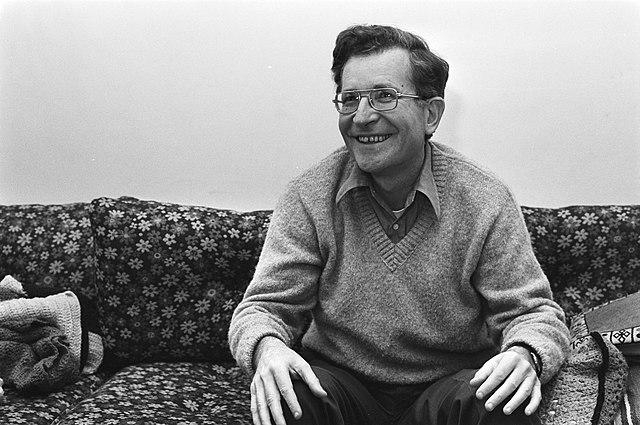
In a classic 1967 essay, “The Responsibility of Intellectuals,” Noam Chomsky argued that faculty at top U.S. universities had betrayed their calling of speaking truth to power by working on military counterinsurgency programs and providing ideological support for the U.S. war in Vietnam whose human costs were incalculable.
In the nearly 60 years since this essay was written, Chomsky’s critique, unfortunately, could be applied to a large number of destructive wars fought by the U.S. directly or by proxy.
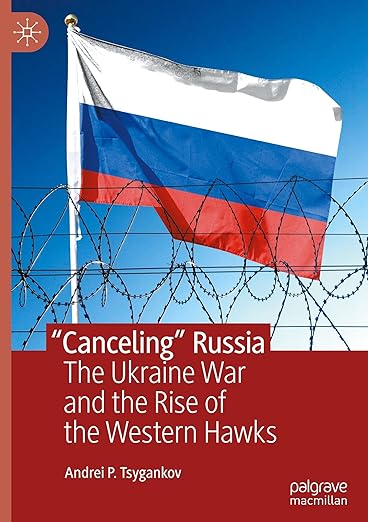
These wars include the ongoing one in Ukraine, as Andrei P. Tsygankov details in his book, “Canceling” Russia: The Ukraine War and the Rise of the Western Hawks.
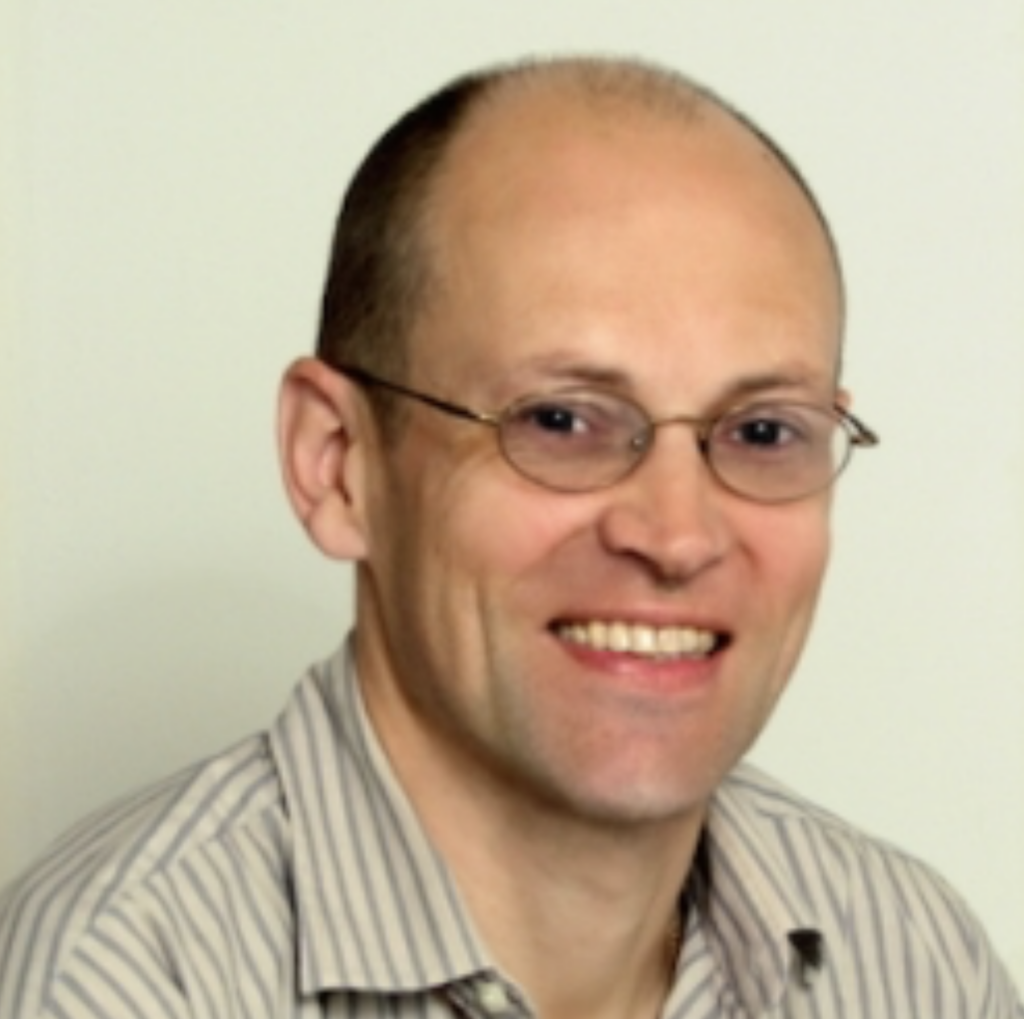
Tsygankov is a Russian-born professor of Political Science at San Francisco State University who has authored a previous book on the anti-Russia lobby and American foreign policy.
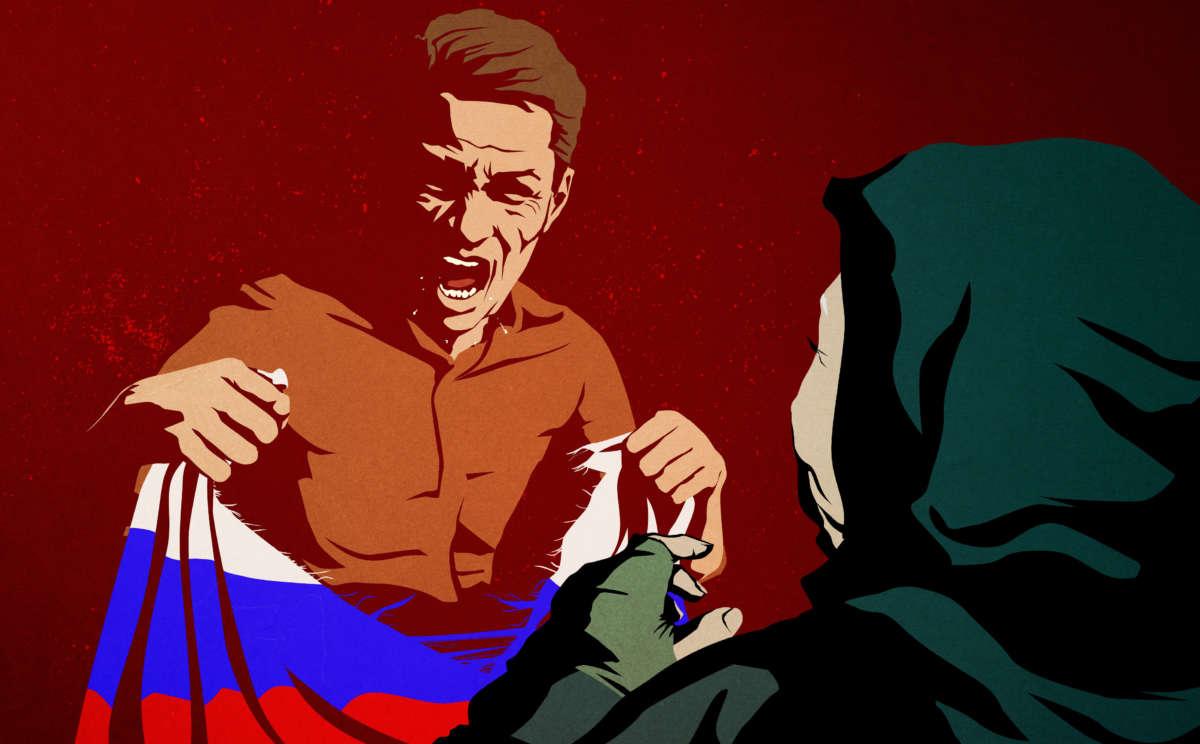
His focus in “Canceling” Russia is on the deep-seated Russophobia prevalent among liberal intellectuals in the U.S. who get away with saying things that would be widely condemned if it were about anyone other than Russians.
Defined by the attempts to make sweeping judgments about the Russian people and character, and to blame Russia exclusively for conflicts in international relations, Russophobia should be regarded as a cancer much like racism, anti-Semitism and Islamophobia, even though it is rarely regarded as such.[1]
Russophobic intellectuals depict Russia as being an inherently backward, autocratic and expansionist country run by “larcenists and liars” and advocate for hawkish foreign policies and for Russia’s isolation and effective “quarantining from the rest of the world.”
Additionally, they seek to “cancel” Russian viewpoints by censoring and blacklisting anyone who tries to explain the Russian perspective, ushering in a virulent new McCarthyism.
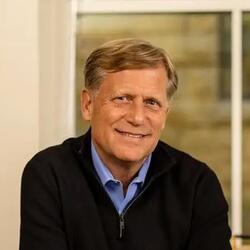
One of the most influential Russophobic intellectuals who is frequently featured in mainstream “liberal” media outlets is Michael McFaul, the U.S. ambassador to Russia from 2012 to 2014, who has served as Director of Stanford University’s Freeman Spogli Institute for International Studies for the last 11 years.
Advancing the fraudulent Russia Gate narrative that helped to mobilize liberal opinion in support of the new Cold War, McFaul has ties to the radical right-wing opposition to Putin, which wants to dismember the Russian Federation and would enable the revitalization of Wall Street corporate plunder from the 1990s.[2]
In a February 2024 article in The Washington Post, McFaul referred to Russian right-wing opposition leader Alexei Navalny as his “fearless friend” who, he said, would have “destroyed Putin,” whom McFaul called a “barbaric dictator,” in a “free and fair election.”
In fact, before his death in prison, Navalny had very limited support within Russia because he advocated for policies that would weaken the Russian Federation and was exposed to have links to British intelligence.[3]
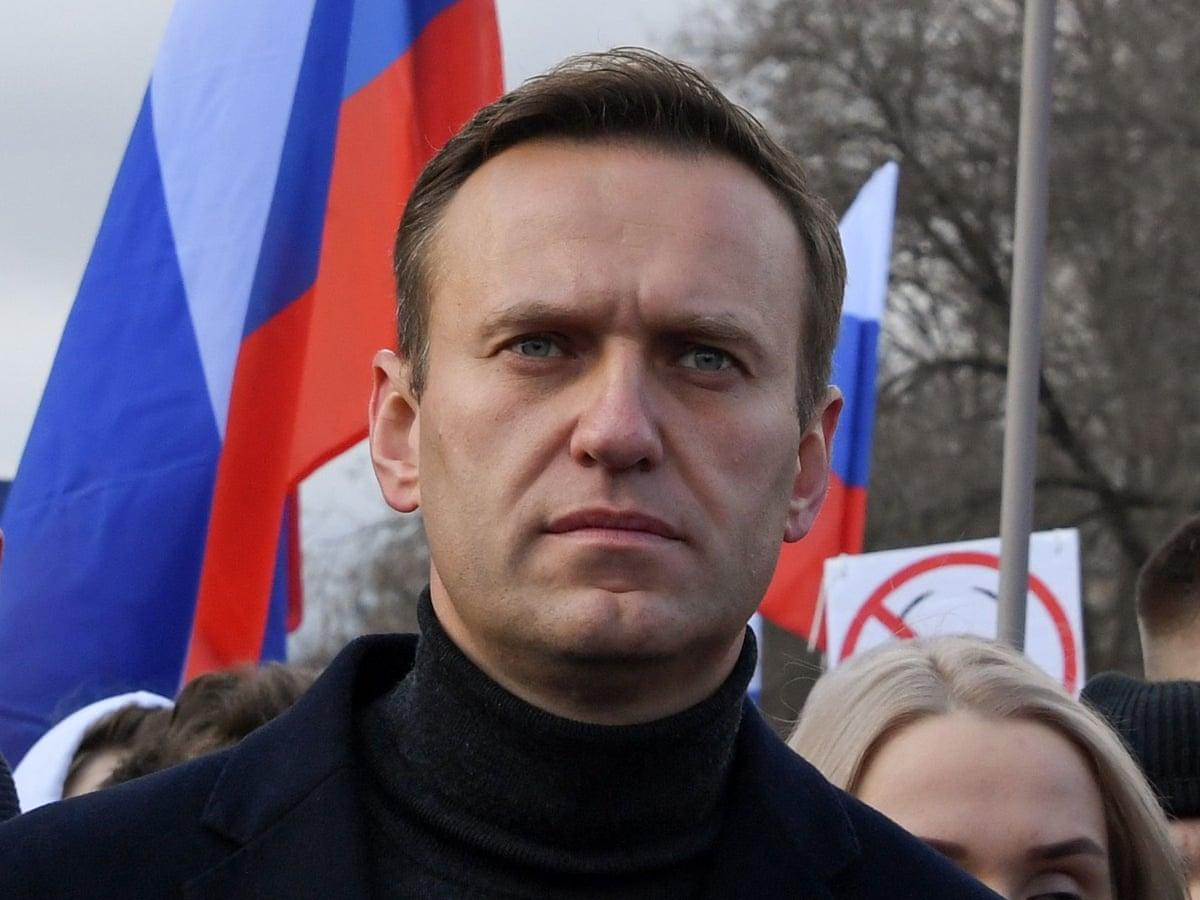
A frequent talking head on MSNBC, McFaul claimed that Putin killed Navalny, though U.S. intelligence—which has a covert operation to vilify and defame Putin—concluded that Putin “probably” did not order Navalny killed.
In 2022, McFaul suggested that the Russian people were collectively responsible for alleged aggression in Ukraine, justifying violent retaliatory measures and punitive sanctions directed against them.
A proponent of NATO expansion into Ukraine, McFaul also called for censorship in U.S. media and academia of what he called “Putin propagandists”—a euphemism for people who try to explain the Russian position so as to create the potential for peace.
McFaul wrote on Twitter: “There is a time and place for hearing two sides of an issue. This tragic moment in European history is not one of them. Do not give false equivalency to voices of evil and voices of good.”[4]
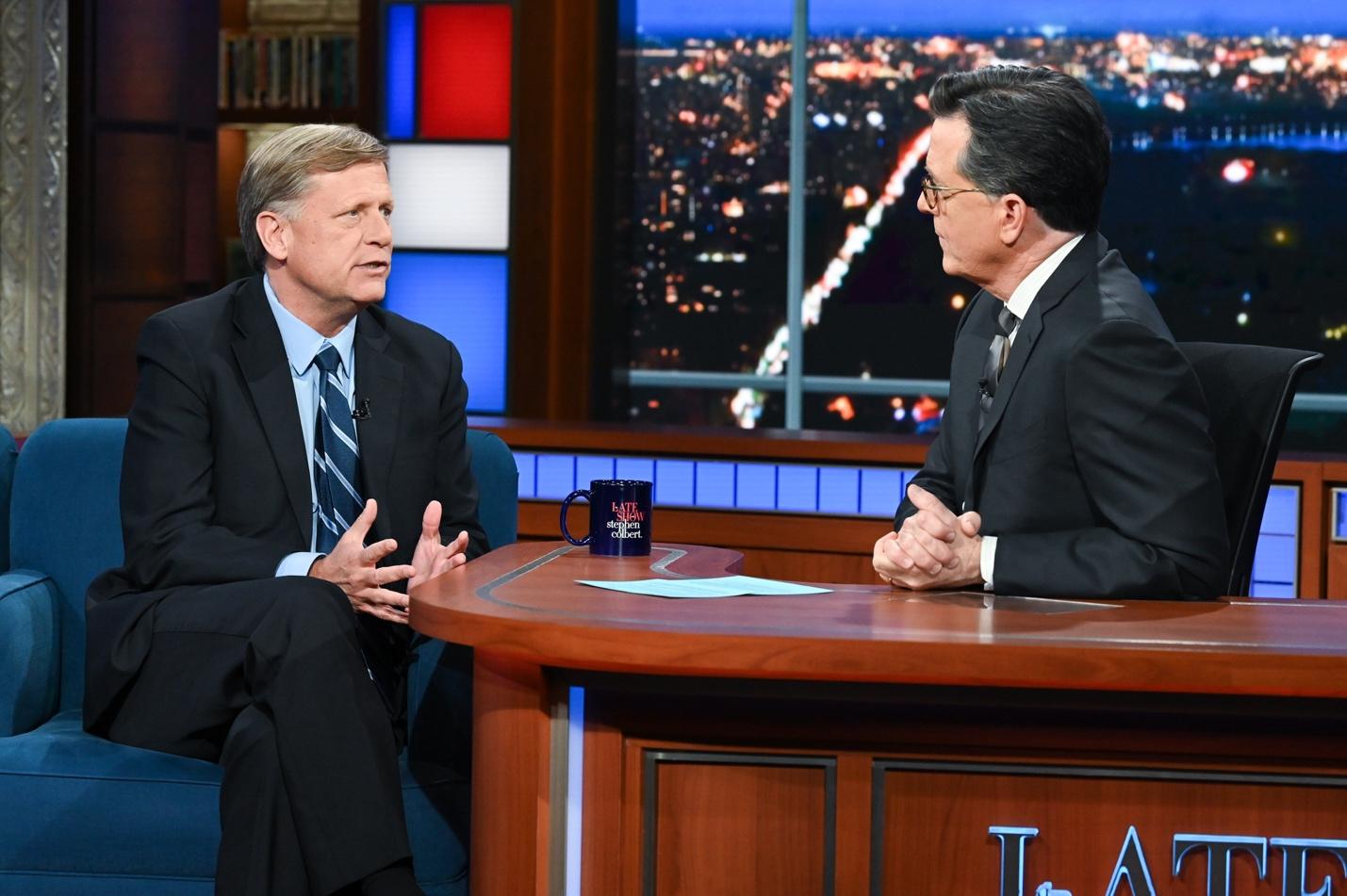
Arguably, it is actually McFaul who is the voice of evil as a de facto spokesman for a Nazi-infested regime in Ukraine functioning as a proxy for the U.S. and UK that has killed an estimated 10,000 civilians in Eastern Ukraine after provoking the conflict with Russia and sabotaging and dishonoring peace agreements.[5]
Other voices of evil chronicled in Tsygankov’s book who have helped advance hate-filled Russophobic attitudes driving support for a new Cold War include:
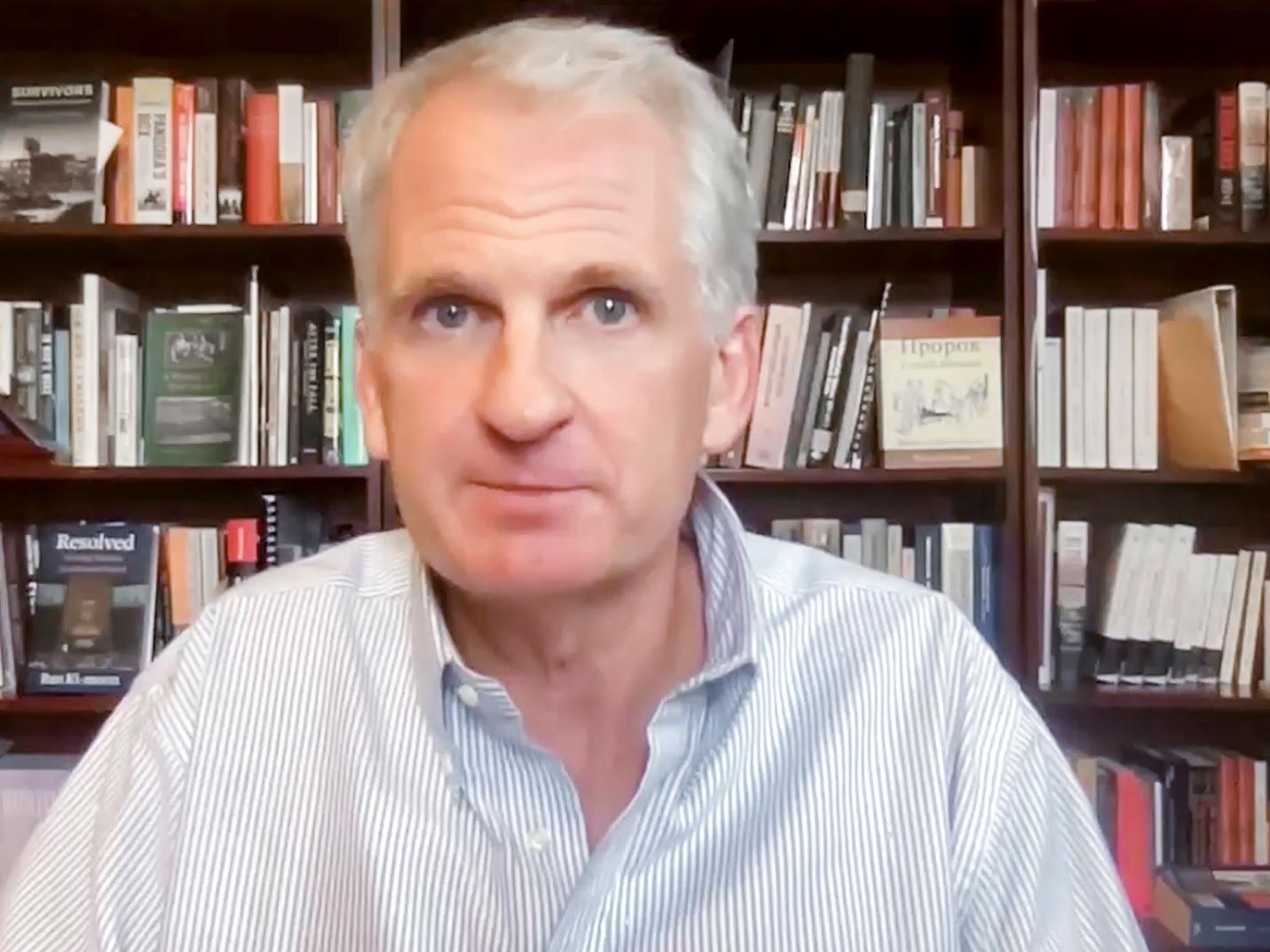
1. Timothy Snyder, a former Yale and now University of Toronto professor often featured on Democracy Now and in The New York Times who equates the Soviet Union with Nazi Germany, accuses Russia of conducting a genocidal colonial war against a “freedom-loving” Ukraine (whose government in reality banned 11 parties and murders dissidents), and favorably reviewed a neo-McCarthyite book[6] by Daily Beast columnist Julia Davis that McFaul wrote the foreword to attacking Ukraine war critics as “Russian propagandists.”
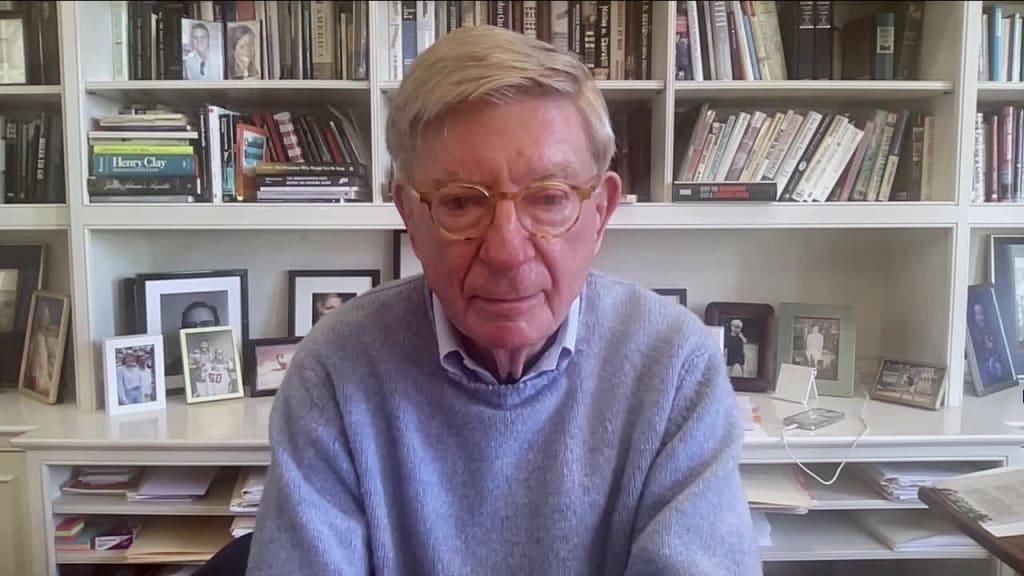
2. George Will, a conservative columnist who wrote that the Bucha massacre (which evidence indicates was carried out by Ukrainian neo-Nazis but blamed on Russia in an attempt to sabotage peace talks) demonstrates a “centuries old continuity; a culture of [Russian] cruelty…Putin’s Russia has a metabolic urge to export its pathologies.”[7]
3. Alexander Motyl, a Professor of Political Science at Rutgers University-Newark and Ukraine war hawk, who wrote of the “rotten Russian soul.”[8]
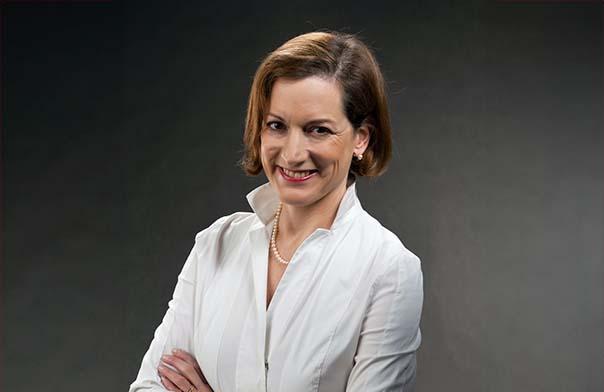
4. Anne Applebaum, a former Board member of the National Endowment for Democracy (NED), a CIA cutout specializing in propaganda, who has written influential books defaming Putin and Russia and who was a long-time columnist for The Washington Post.[9]
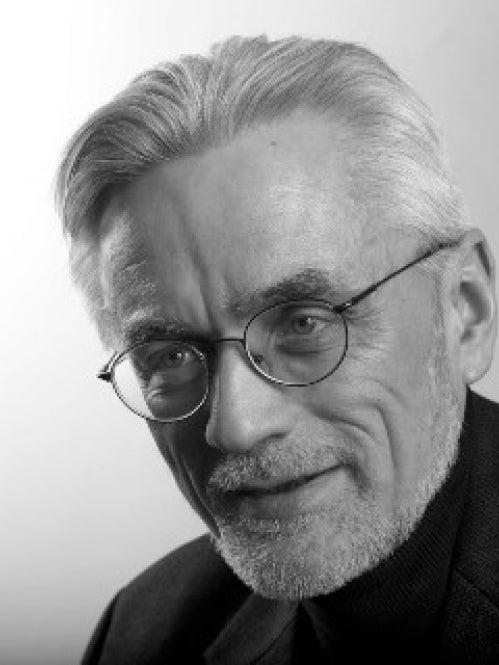
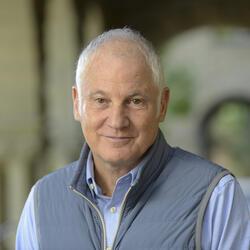
5. Stephen Kotkin, a senior fellow at Stanford’s Freeman Spogli Institute and affiliate of the National Intelligence Council, who wrote: “Way before NATO existed—in the 19th century—Russia looked like this. It had an autocrat. It had repression. It had militarism. It had suspicion of foreigners and the West. This is the Russia that we know. I would go even further. I would say that NATO expansion has put us in a better place to deal with the historical pattern in Russia that we’re seeing today.”[10]
The symbiosis between academia and U.S. intelligence agencies is apparent in a new “decolonizing agenda” in the Russian studies field that Tsygankov describes, which aims to frame Russia as a colonial power and to encourage study of minority groups within the Russian Federation and regions whose secessionist ambitions the CIA has long tried to support.
This field is generally intent on framing Russia as an expansionist, imperial power, which is something really far more true of the United States.
In Syria: Anatomy of Regime Change (Montreal: Baraka Books, 2025), Dan Kovalik and I analyze the important role played by liberal intellectuals in providing moral and ideological justification for a covert military operation in Syria that led to the empowerment of al-Qaeda.
The Russophobic intellectuals profiled by Tsygankov fulfill a similar function in legitimating a hard-line policy toward Russia, and do the bidding of the military-industrial complex. They bear significant responsibility for helping to mobilize public support for the war in Ukraine, which has cost tens of thousands of lives and made the world a much more dangerous place.
For analysis on the origins of Russophobia, see Guy Mettan, Creating Russophobia: From the Great Religious Schism to Anti-Putin Hysteria (Atlanta: Clarity Press, 2017). ↑
On U.S. foreign policy in Russia in the 1990s and Wall Street plunder, see Jeremy Kuzmarov, Warmonger: How Clinton’s Malign Foreign Policy Set the U.S. Trajectory From Bush II to Biden (Atlanta: Clarity Press, 2024). For my critical review of McFaul’s memoir, see here. ↑
See Jeremy Kuzmarov, “Is Russian Opposition Leader Alexey Navalny a Key Prop in a Psychological Warfare Operation Designed to Bring Down Vladimir Putin?” CovertAction Magazine, March 13, 2021; Jacques Baud, The Navalny Case: Conspiracy to serve foreign policy (Paris: Max Milo, 2023).Andrei Tsygankov, “Canceling” Russia: The Ukraine War and the Rise of the Western Hawks (New York: Palgrave Macmillan, 2026), 173. ↑
See Jacques Baud, Operation Z (Paris: Max Milo, 2022); Jacques Baud, Covert Wars in Ukraine (Paris: Max Milo, 2025). McFaul has also long been a key purveyor of the Russia Gate nonsense that Trump is a Russian agent. While purporting to stand for Ukraine, McFaul and his associates have advocated for policies that have resulted in the country’s destruction and death of its youth. ↑
Davis’s book is In Their Own Words: How Russian Propagandists Reveal Putin’s Intentions (Stuttgart: Ibidem Press, 2024). ↑
Tsygankov, “Canceling” Russia, 89. ↑
Motyl wrote an article in The Hill in February 2025 that presents as highly plausible the theory of Soviet defectors that Donald Trump was recruited by the KGB as a forty-year old in 1987. Motyl wrote that “Also lending credence to the allegations [Motyl claims that since three KGB agents promoted this allegation at different times it has plausibility] is the fact that kompromat on Trump would easily, simply and convincingly explain the president’s animus toward NATO, Europe and Ukraine, his admiration of Vladimir Putin and his endorsement of authoritarian rule.” Motyl’s Russophobic outlook and biased political analysis can be found additionally here. ↑
Other Russophobes and hawks whom Tsygankov discusses include New York Times columnist Thomas L. Friedman, neo-conservative writer Francis Fukuyama, CNN commentator Max Boot; and Masha Gessen (who know goes by M. Gessen), an anti-Putin author frequently featured in The New York Times and Democracy Now. Boot has a regular Opinion column in The Washington Post. ↑
Tsygankov, “Canceling” Russia, 215. ↑
CovertAction Magazine is made possible by subscriptions, orders and donations from readers like you.
Blow the Whistle on U.S. Imperialism
Click the whistle and donate
When you donate to CovertAction Magazine, you are supporting investigative journalism. Your contributions go directly to supporting the development, production, editing, and dissemination of the Magazine.
CovertAction Magazine does not receive corporate or government sponsorship. Yet, we hold a steadfast commitment to providing compensation for writers, editorial and technical support. Your support helps facilitate this compensation as well as increase the caliber of this work.
Please make a donation by clicking on the donate logo above and enter the amount and your credit or debit card information.
CovertAction Institute, Inc. (CAI) is a 501(c)(3) non-profit organization and your gift is tax-deductible for federal income purposes. CAI’s tax-exempt ID number is 87-2461683.
We sincerely thank you for your support.
Disclaimer: The contents of this article are the sole responsibility of the author(s). CovertAction Institute, Inc. (CAI), including its Board of Directors (BD), Editorial Board (EB), Advisory Board (AB), staff, volunteers and its projects (including CovertAction Magazine) are not responsible for any inaccurate or incorrect statement in this article. This article also does not necessarily represent the views the BD, the EB, the AB, staff, volunteers, or any members of its projects.
Differing viewpoints: CAM publishes articles with differing viewpoints in an effort to nurture vibrant debate and thoughtful critical analysis. Feel free to comment on the articles in the comment section and/or send your letters to the Editors, which we will publish in the Letters column.
Copyrighted Material: This web site may contain copyrighted material the use of which has not always been specifically authorized by the copyright owner. As a not-for-profit charitable organization incorporated in the State of New York, we are making such material available in an effort to advance the understanding of humanity’s problems and hopefully to help find solutions for those problems. We believe this constitutes a ‘fair use’ of any such copyrighted material as provided for in section 107 of the US Copyright Law. You can read more about ‘fair use’ and US Copyright Law at the Legal Information Institute of Cornell Law School.
Republishing: CovertAction Magazine (CAM) grants permission to cross-post CAM articles on not-for-profit community internet sites as long as the source is acknowledged together with a hyperlink to the original CovertAction Magazine article. Also, kindly let us know at info@CovertActionMagazine.com. For publication of CAM articles in print or other forms including commercial internet sites, contact: info@CovertActionMagazine.com.
By using this site, you agree to these terms above.
About the Author
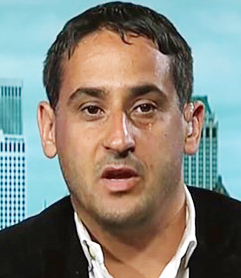
Jeremy Kuzmarov holds a Ph.D. in American history from Brandeis University and has taught at numerous colleges across the United States. He is regularly sought out as an expert on U.S. history and politics and co-hosts a radio show on New York Public Radio and on Progressive Radio News Network called “Uncontrolled Opposition.”
He is Managing Editor of CovertAction Magazine and is the author of eight books, including Obama’s Unending Wars (Clarity Press, 2019), The Russians Are Coming, Again, with John Marciano (Monthly Review Press, 2018), Warmonger. How Clinton’s Malign Foreign Policy Launched the U.S. Trajectory From Bush II to Biden (Clarity Press, 2023); with Dan Kovalik, Syria: Anatomy of Regime Change (Baraka Books, 2025), and Political Assassinations in America: The Intricate Nexus of Deep State Crime (Clarity Press, 2026).
Besides these books, Kuzmarov has published hundreds of articles and contributed to numerous edited volumes, including one in the prestigious Oxford History of Counterinsurgency .
He can be reached at jkuzmarov2@gmail.com and found on substack here.