June 25th marks the 76th anniversary of the provocation of the Korean War which is referred to in the Democratic People’s Republic of Korea (DPRK) as the Fatherland Liberation War or Victorious Fatherland Liberation War.
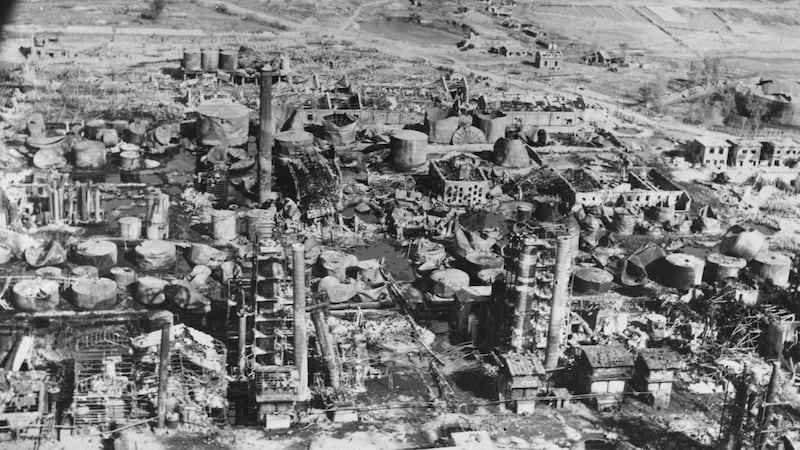
It was a war of a big country against a small country and a racist genocidal war, which saw the deaths of millions of Koreans and the carpet-bombing of the DPRK.[1]
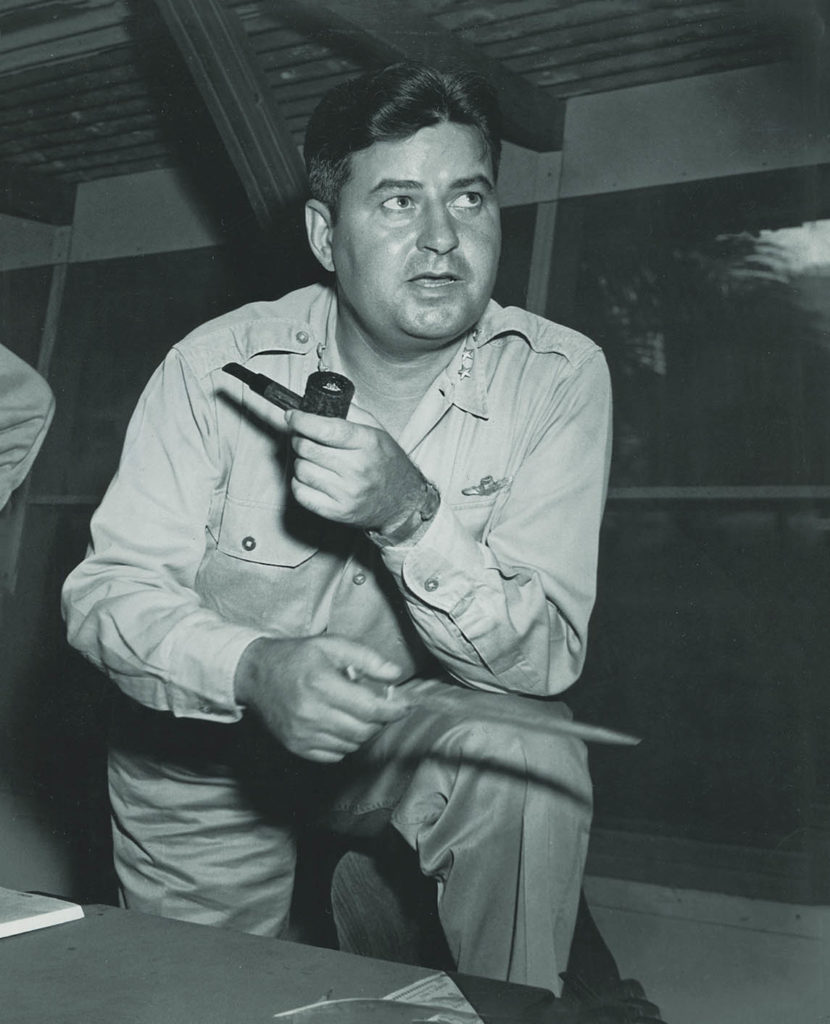
It was a war so destructive that U.S. Air Force General Curtis LeMay (later a far-right candidate for vice president of the United States) said: “We went over there and fought the war and eventually burned down every town in North Korea anyway, some way or another, and some in South Korea too. Over a period of three years or so, we killed off—what—twenty percent of the population of Korea as direct casualties of war, or from starvation and exposure.”
The mainstream media and history books of Western countries continue to falsely accuse the DPRK of starting the war and even that it “invaded” South Korea.
A classic case of blaming the victim. This false narrative is taught in schools and universities. Few dare to challenge the dominant narrative.
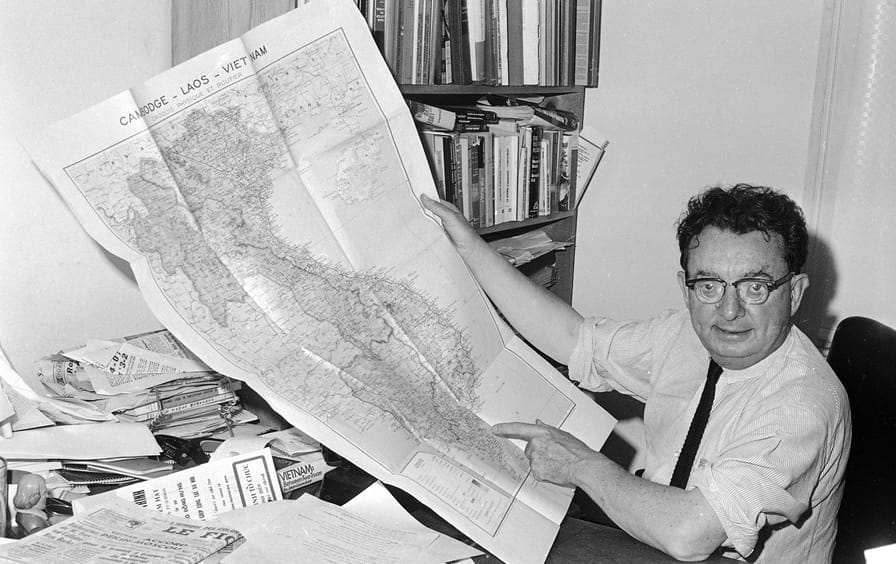
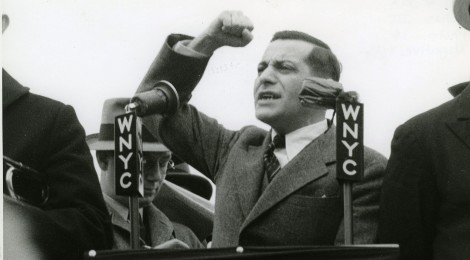
In 1952, legendary U.S. journalist I. F. Stone published The Hidden History of the Korean War, a book which deconstructed much of the Western propaganda and mythology around the Korean War. At the time of the Korean War only U.S. Congressman Vito Marcantonio, of the American Labor Party, voted against it. (Marcantonio, who was profiled in CovertAction Magazine here, also opposed the creation of the CIA.)
As we know the war broke out on June 25, 1950, some 76 years ago. However, it can be said that it really started much earlier, in about 1947 when southern Korea began making raids into the northern half of Korea.
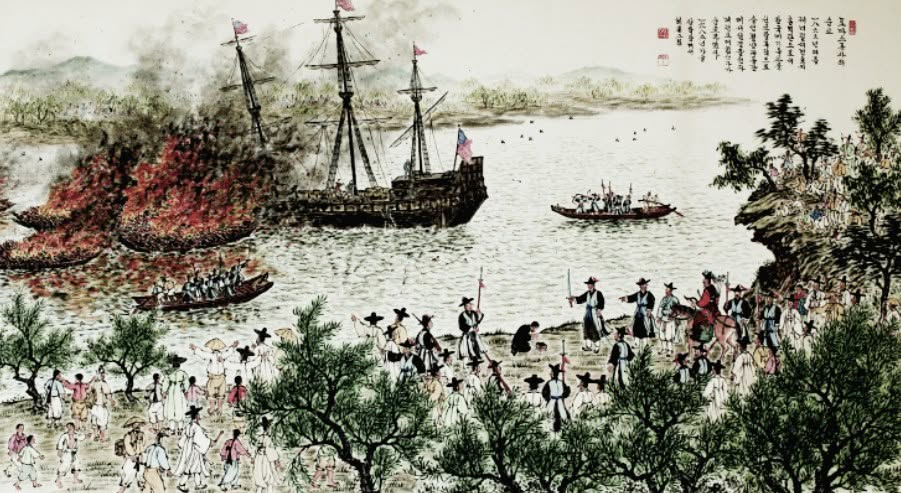
One can argue that the war began on September 8, 1945, when U.S. troops landed in southern Korea, or even in 1866 when the U.S. sent its pirate ship, the SS General Sherman, up the River Taedong to loot and pillage.
The U.S. had long coveted the Korean Peninsula because it saw the peninsula as a strategic vantage point as well as a source of raw materials.
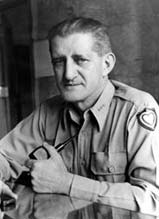
The U.S. had occupied southern Korea in September 1945, establishing a direct-rule U.S. military government under General John Reed Hodge. The people’s committees which had been set up in the south of Korea were dissolved and the Communist Party banned.
When a peasant revolt broke out in Yosu, it was brutally crushed with the assistance of U.S. troops.
The U.S. military government under General Hodge built up the southern Korean police force, which was led by hated Japanese collaborators who were known for sadistic torture.[2]
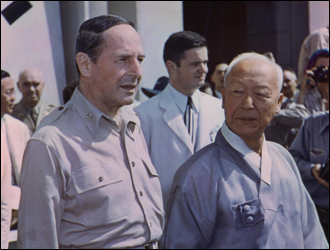
In 1948 the U.S. set up an anti-communist, fascist puppet regime under Syngman Rhee, who had been brought to Korea from Hawaii on a U.S. military plane.
Rhee had been a Korean nationalist leader, but was discredited due to stealing funds from the Korean independence movement.
American journalist Mark Gayn described Syngman Rhee as being “two centuries before fascism—a true Bourbon.” The Republic of Korea from day one was a colony of the U.S. and as an instrument of confrontation against the DPRK.
In those days the U.S. imperialists simply did not believe in the so-called containment of communism but in “Rollback.”
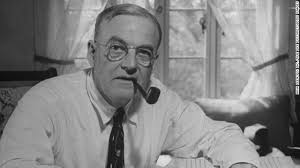
U.S. Secretary of State John Foster Dulles, was a well-known architect of this policy. Dulles had made a lot of money through dealings with the German Nazi Party in the 1930s.
Dulles wrote the 1950 book War or Peace, arguing for “liberating” the socialist countries. He wrote: “We should make it clear…in Eastern Europe and Asia, that we do not accept the status quo…and eventual liberation is an essential and enduring part of our foreign policy.”
In other words, the aim of the U.S. was to crush socialism by means of force, whether direct military force or other kinds of force.
Internally, the U.S. prepared for war by banning the Communist Party USA and jailing 12 of its leaders in 1948. It also restricted trade unions by passing and implementing the Taft-Hartley Act.
Communist-led trade unions in the U.S. were purged from the AFL-CIO. A purge of communists from public life began which came to be known as McCarthyism. Even people with tenuous connections to the Communist Party or liberals were targeted.
A climate of fear prevailed in the U.S. In the late 1940s and early 1950s the U.S. was becoming a fascist or quasi-fascist state in which dissenting opinions were crushed.
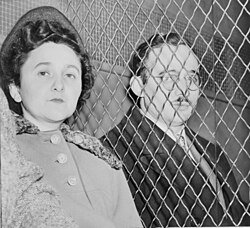
Many people lost their jobs, some were jailed and, in the case of Ethel and Julius Rosenberg (two U.S. communists), actually lost their lives.
In South Korea the U.S. established a puppet army under the control of a U.S. military advisory group. The U.S. armed and primed South Korea for a war against the DPRK.
According to an official document released by the U.S. Congress, the U.S. provided more than 145,000 rifles, some 2,000 machine guns and submachine guns, over 2,000 pieces of various calibres, 4,900 vehicles, 79 warships and other materiel to the South Korean puppet army in 1949 alone. It is noteworthy, as well, that the South Korean puppet navy was greatly expanded.
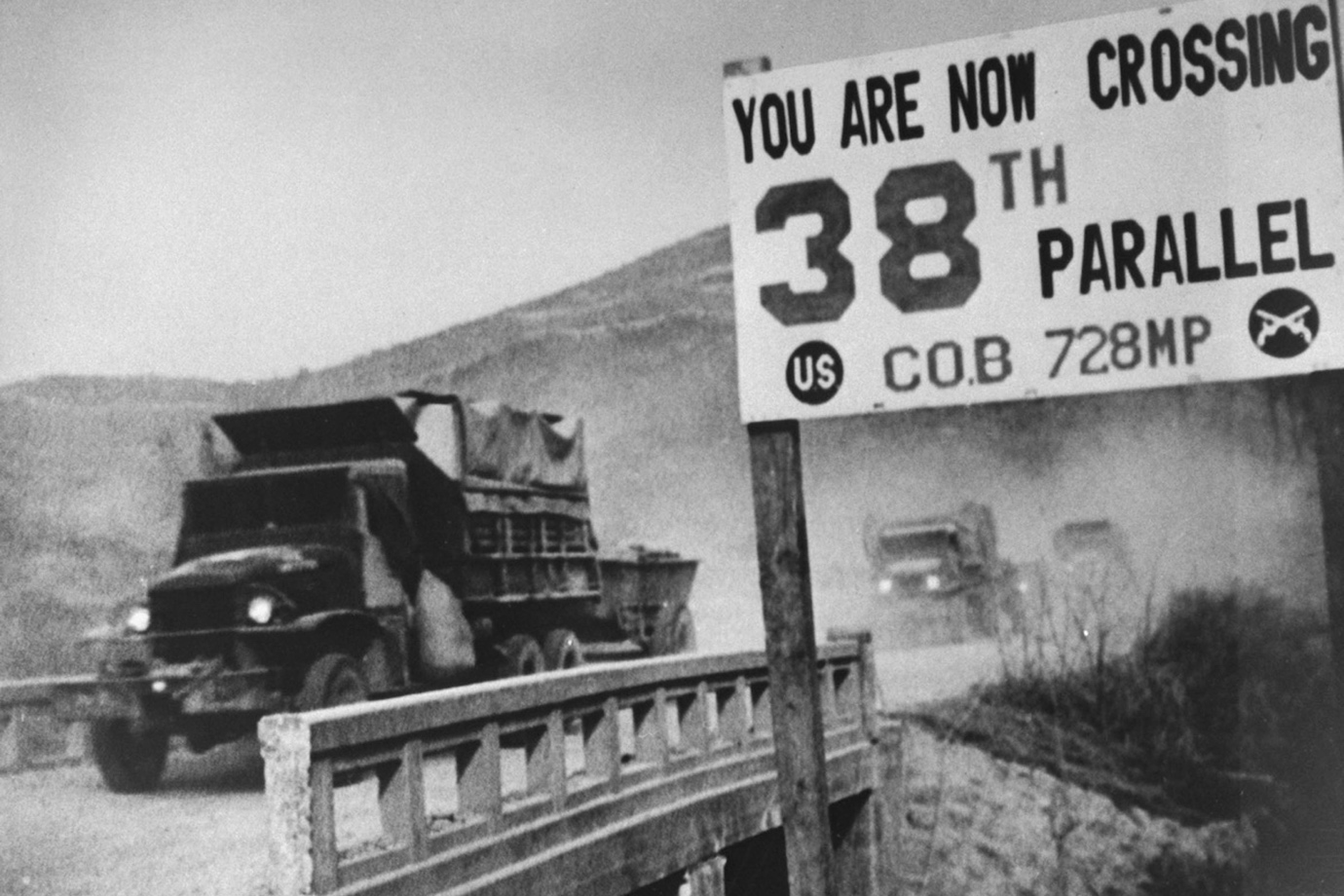
The U.S. deployed most of the South Korean puppet army on the front along the 38th parallel and perpetrated armed provocations against the DPRK. In 1949 the South Korean puppet army intruded into areas of the DPRK, such as Mt. Songak, Mt. Unpha and other areas, causing a lot of damage and casualties. The DPRK was attacked a total of 2,617 times.
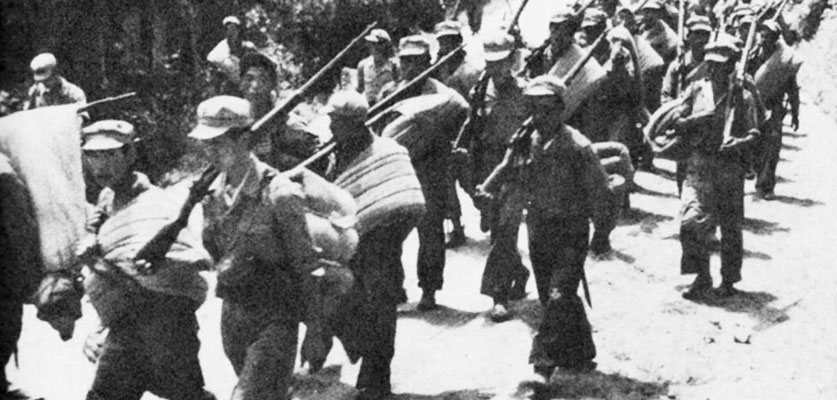
On January 26, 1950, the U.S. concluded the U.S.-South Korea Mutual Defense Treaty. On April 14, 1950, a then-secret directive of the U.S. National Security Council, Directive NSC-68, authorized the start of the Korean War.
Dulles, the architect of the U.S. rollback policy, actually visited South Korea June 17-20, 1950, just one week before the war started. It is impossible for this to have been a coincidence. Dulles even inspected the frontline along the 38th parallel; a photo shows him looking at a map.
Dulles said to the South Korean puppet army: “No strong enemy whatever would stand against you. But I hope you will strive ever harder because the day is not so far off when you’ll have to display your great might for your own sake.”
Addressing the South Korean “national assembly,” Dulles said: “You are not alone. You will never be alone so long as you continue to play worthily your part in the great design for the freedom of human beings.” Dulles added that the “American people would give moral and material support to the ROK in the fight against communism.”
This cryptic speech was a coded message to South Korea to start the war, which had long been planned.
After visiting South Korea, Dulles stopped off in Tokyo and met with General Omar Bradley and General Douglas MacArthur, as well as U.S. Defence Secretary Louis Johnson. Again, this meeting cannot have been coincidental.
On June 22nd Dulles stated, somewhat cryptically and enigmatically, “the United States will soon take some positive action.” It was evident that the meeting was to finalize the provocation of the Korean War.
The DPRK’s population was only half that of South Korea, so it would be absurd for it to try to initiate a war against South Korea. Moreover, on the day the war broke out, it was pointed out by a British soldier in Korea, Julian Tunstall, that “the Rhee army had six fully equipped divisions sitting just below or quite close to the 38th parallel…So far it can be judged the KPA had 2 below combat strength divisions on or near the 38th parallel.”
On June 23, South Korean puppet forces began an artillery bombardment of the areas north of the 38th parallel.
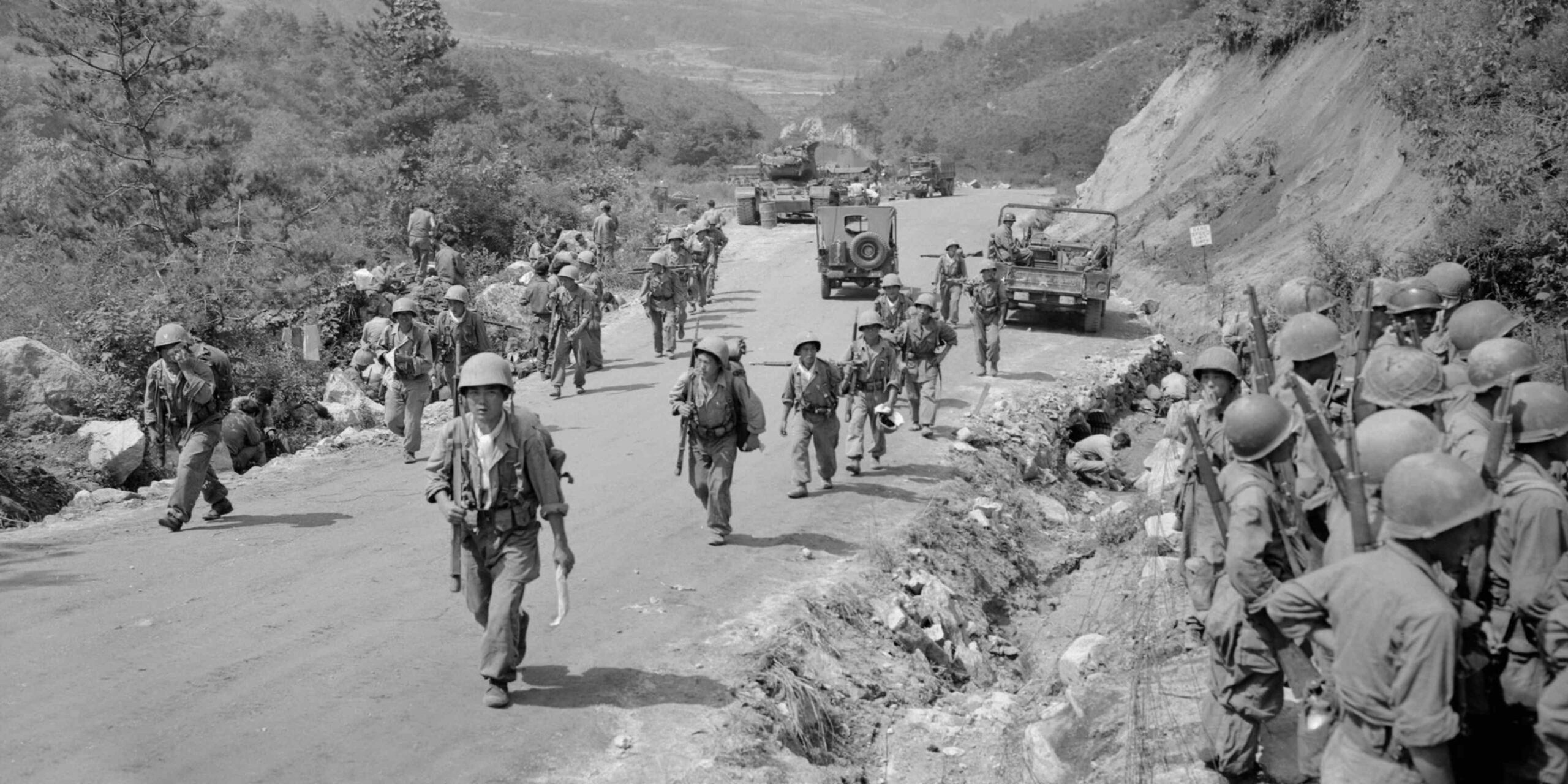
On the early morning of June 25, South Korean forces under the command of the American Military Advisory Group started the attack on the DPRK. The 17th Regiment of the South Korean army pushed forward in Taetan and Pyoksong and the First Infantry attacked in the Kaesong area.
They intruded 12 kilometers into DPRK territory. The DPRK demanded they stop at once but this was ignored, so the DPRK initiated a counter-offensive. It should be noted that the DPRK only launched the counter-offensive after warning South Korea to halt its attack.
On the morning of June 25, 650 U.S. women and children were evacuated by the Norwegian ship the Reinford at 3:00 a.m. U.S. accounts put the war as starting at 6:00 a.m., so how would the U.S. know in advance to plan the evacuation of its nationals?
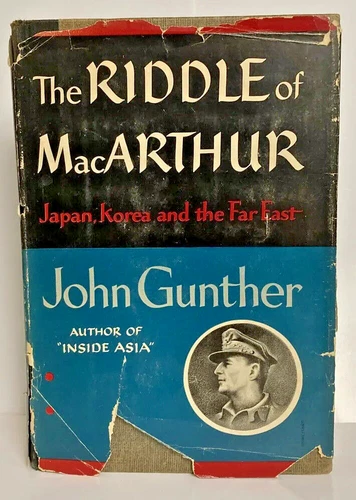
Famous American journalist and author John Gunther wrote in The Riddle of MacArthur that, on June 25, a U.S. staff officer in Tokyo was called to the phone and came back and whispered, “A big story has just broken. The South Koreans have attacked North Korea.”
Choe Dok-shin, former South Korean Army commander, South Korean foreign minister and South Korean ambassador to the UN, who later was to take up residence in the DPRK, stated that he saw the secret order of Syngman Rhee to start the war.
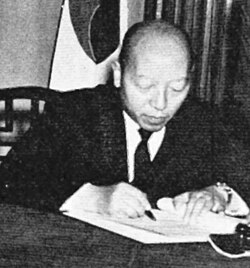
The evidence presented to the UN Security Council blaming the DPRK, and authorizing a massive U.S. intervention in Korea under the cover of the UN, was simply a telegram from US ambassador in Seoul John J. Muccio.
This telegram is a very subjective and sketchy document which refers to “reports,” etc. As the U.S. ambassador to South Korea, the ambassador from the key belligerent in the Korean War, Muccio can hardly have been an objective and impartial witness!
More to the point, he was not at the 38th parallel on the day and, therefore, his so-called “information” was nothing more than recycled claims of the South Koreans and U.S. military. It is actually thought that Muccio’s “telegram” was prepared in advance and duly used as so-called evidence.
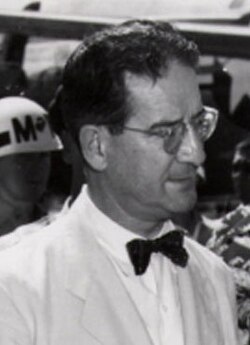
However, another clue as to who started the Korean War was the fact that the U.S. admitted its “UN resolution” had been prepared in advance.
Assistant Secretary of State John D. Hickerson said: “We had a skeleton of a resolution, but only in very rough form.”
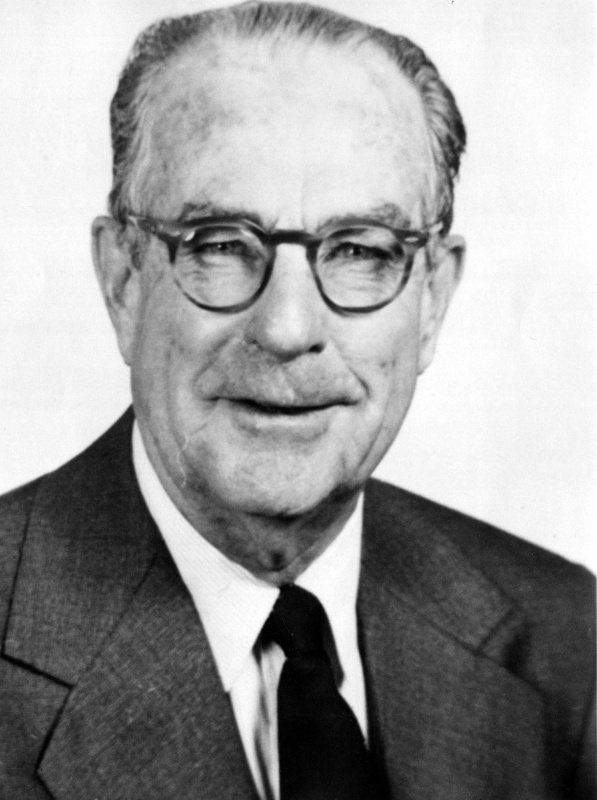
How could U.S. diplomats know that a war was going to start in Korea and prepare a resolution? Moreover, the speed that the notoriously slow-moving, cumbersome and bureaucratic UN moved at to call a meeting and carry the resolution is something quite surprising, especially considering that it was in an era before the internet, email, WhatsApp and Telegram. Normally it can take days and weeks—even months—to get a resolution through the UN Security Council. In a congressional hearing the U.S. admitted that its armed forces went into action before the resolution was carried.
The UN Security Council (UNSC) resolution was also carried without the USSR being present as they were boycotting UNSC meetings because of the exclusion of the People’s Republic of China (PRC) from its seat on the UNSC and the DPRK was not invited to the UNSC meeting to present its case.
When subjected to scrutiny and examination, the story about the DPRK’s so-called “aggression” and “surprise attack” falls to pieces, but that does not stop those who repeat it as a fact.
Today the false narrative that the DPRK started the Korean War is used to justify the continuing hostile policy of the U.S. toward the DPRK, including the presence of more than 30,000 U.S. troops in the ROK and a large number of U.S. troops in Japan.
The U.S. also continues to threaten the DPRK with nuclear destruction while hypocritically calling for the denuclearization of the DPRK.
For an overview, see Jeremy Kuzmarov, “The Korean War: Barbarism Unleashed,” United States Foreign Policy, History and Resource Guide. ↑
See article by Jeremy Kuzmarov on this here. ↑
CovertAction Magazine is made possible by subscriptions, orders and donations from readers like you.
Blow the Whistle on U.S. Imperialism
Click the whistle and donate
When you donate to CovertAction Magazine, you are supporting investigative journalism. Your contributions go directly to supporting the development, production, editing, and dissemination of the Magazine.
CovertAction Magazine does not receive corporate or government sponsorship. Yet, we hold a steadfast commitment to providing compensation for writers, editorial and technical support. Your support helps facilitate this compensation as well as increase the caliber of this work.
Please make a donation by clicking on the donate logo above and enter the amount and your credit or debit card information.
CovertAction Institute, Inc. (CAI) is a 501(c)(3) non-profit organization and your gift is tax-deductible for federal income purposes. CAI’s tax-exempt ID number is 87-2461683.
We sincerely thank you for your support.
Disclaimer: The contents of this article are the sole responsibility of the author(s). CovertAction Institute, Inc. (CAI), including its Board of Directors (BD), Editorial Board (EB), Advisory Board (AB), staff, volunteers and its projects (including CovertAction Magazine) are not responsible for any inaccurate or incorrect statement in this article. This article also does not necessarily represent the views the BD, the EB, the AB, staff, volunteers, or any members of its projects.
Differing viewpoints: CAM publishes articles with differing viewpoints in an effort to nurture vibrant debate and thoughtful critical analysis. Feel free to comment on the articles in the comment section and/or send your letters to the Editors, which we will publish in the Letters column.
Copyrighted Material: This web site may contain copyrighted material the use of which has not always been specifically authorized by the copyright owner. As a not-for-profit charitable organization incorporated in the State of New York, we are making such material available in an effort to advance the understanding of humanity’s problems and hopefully to help find solutions for those problems. We believe this constitutes a ‘fair use’ of any such copyrighted material as provided for in section 107 of the US Copyright Law. You can read more about ‘fair use’ and US Copyright Law at the Legal Information Institute of Cornell Law School.
Republishing: CovertAction Magazine (CAM) grants permission to cross-post CAM articles on not-for-profit community internet sites as long as the source is acknowledged together with a hyperlink to the original CovertAction Magazine article. Also, kindly let us know at info@CovertActionMagazine.com. For publication of CAM articles in print or other forms including commercial internet sites, contact: info@CovertActionMagazine.com.
By using this site, you agree to these terms above.
About the Author
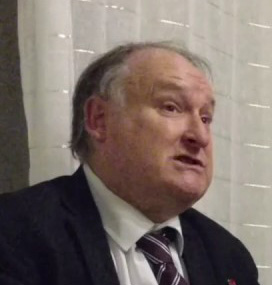
Dermot Hudson was born in London, UK but grew up in Winchester.
He studied History at the University of Winchester and also did some postgraduate study at the University of Greenwich. He has visited the Democratic People’s Republic of Korea 18 times and is the Chairman of the Korean Friendship Association of the UK as well the founder of the British Group for the Study of the Juche Idea.
In 2016 Dermot Hudson was awarded the Doctorate of Socio-politics by the Korean Association of Social Scientists.
He can be reached at juche007@yahoo.co.uk.

Here is a short video that also explains how South Korea invaded the North to spark the Korean war. Note the South Korean General in charge was a former Colonel in the Imperial Japanese Army and an agent for our CIA.
“The United States Started the Korean War”
https://www.youtube.com/watch?v=-8DjwfLH6RY&t=21s
Independent scholars and counterterrorism experts agree that the percentage of Uyghurs who are “militants” or terrorists is a tiny, negligible fraction of the population. The vast majority of the roughly 11 million Uyghurs living in the Xinjiang region of China are ordinary citizens, not involved in political or religious violence. The perception of widespread militancy has been a point of intense geopolitical debate and conflict: The State Perspective: The Chinese government views separatism, religious extremism, and terrorism as a significant threat in the region . Official policies have justified the mass internment of hundreds of thousands—potentially over a million—Uyghurs in “re-education camps” by claiming they were influenced by these militant ideologies. The Independent Perspective: International human rights groups and independent scholars state that Beijing’s militant designation is vastly overstated. They argue that the Chinese state has used the “terrorist” label to enforce assimilation, restrict religious and cultural practices, and suppress peaceful dissent. The Extent of Militancy: While small, localized militant groups like the East Turkestan Islamic Movement (ETIM) have historically existed and claimed responsibility for past violent attacks, experts emphasize that radical Islamist militancy represents only a fringe minority among the Uyghur populace
“Official policies have justified the mass internment of hundreds of thousands—potentially over a million—Uyghurs in “re-education camps” by claiming they were influenced by these militant ideologies.”
There is no proof of that. It’s just CIA propaganda.
That’s why they lost Idlib and then Syria.
The goal was defeat all along.
But I hope the Uyghurs will punish such treacherous nature and wipe out the treacherous Alawite religion from Syria and then overthrow and dismember China. BRICS is even more powerful on betrayal and prostitutions than NATO and therefore BRICS deserves to be destroyed by the Uyghurs. I also hope that a Ukrainian drone or missile will end the disgusting traitorous lives of Putin, Assad, al Hassan and similar traitorous scum.
I’m a bank employee and it doesn’t seem right to me that fat guy Suhail al Hassan and a bunch of Russian recruits with rifles have to shooting Urkaininian drones while I’m serving the customers.
Shouldn’t they really close the banks?
Should Russia at least give him a uniform, if of course Putin has enough fabric to sew a 16XL uniform?
Considering that the bank has a Jewish interest rate of 17% per year and considering that most of those who take out loans end up in the front in Ukraine, I don’t think it would do any harm if Flamingo wiped you and the bank out. For the poor, 17% interest rates, war and death in Ukraine, for the oligarchs, a vacation in Dubai.
This is Russia. Kazar Putler is making free place for Khazaria.
I KNOW what conspiracy Putin and the corrupted Alawites made on in Syria.
Kill as many Arabs as possible to make free land for Israel.
That’s why they lost Idlib and then Syria.
The goal was defeat all along.
But I hope the Uyghurs will punish such treacherous nature and wipe out the treacherous Alawite religion from Syria and then overthrow and dismember China. BRICS is even more powerful on betrayal and prostitutions than NATO and therefore BRICS deserves to be destroyed by the Uyghurs.
A detailed explanation of how North Korea’s military initiated the Korean War can be found in Dr. Youngjun Kim’s book, Origins of the North Korean Garrison State
https://www.taylorfrancis.com/books/mono/10.4324/9781315673288/origins-north-korean-garrison-state-youngjun-kim