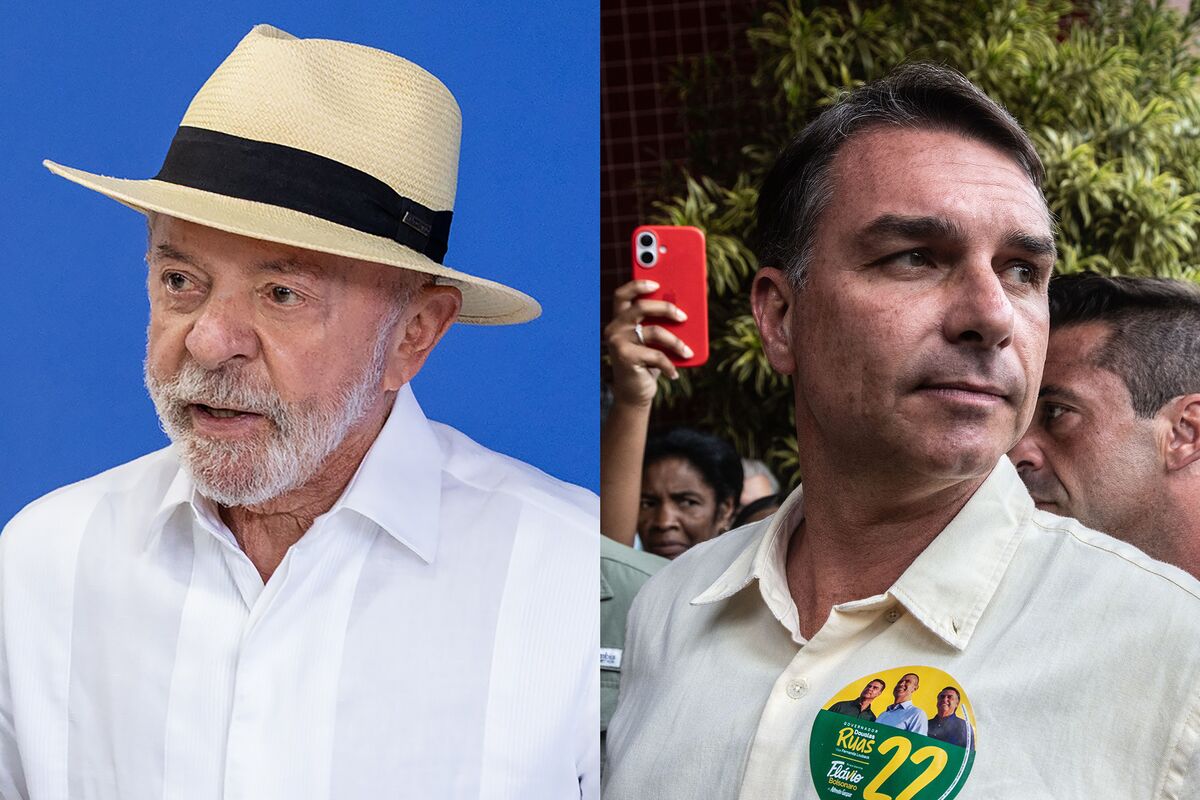
The clash between competing models that has been unfolding globally for decades arrived in October at what is undoubtedly becoming a central event. Brazil’s presidential election offers an extraordinary opportunity to weigh these competing visions of the world—both for the future of South America’s largest country and for its impact on the global stage.
While this contest pits Luiz Inácio Lula da Silva, seeking re-election, against Flávio Bolsonaro, the real dispute involves “the Bolsonaros” as a political family. In the opposition candidate’s own words, what is offered to voters is the continuity of the political project his father launched years ago.
Lula vs. Bolsonaro: A Brief Recent History
With a long history in labor activism during Brazil’s dictatorship, Lula da Silva emerged on the political scene building a nationwide project around the Workers’ Party (PT). After several failed presidential bids in successive elections, he secured broad popular support amid the neo-liberal crisis of the early 2000s. His decisive 2002 win (61% in the runoff) launched, the following year, a cycle that pushed him into a regional and global political leadership role.
The 20 million Brazilians who rose out of poverty by the end of Lula’s second term in 2010—nearly 10% of the total population—reflect a consistent policy focused on narrowing inequality in one of the world’s most unequal countries. The Fome Zero (Hunger Zero) program, together with Bolsa Família (Family Grant), were central to that achievement, and also produced a marked decline in child malnutrition nationwide. Employment expanded sharply, with 14 million jobs created, alongside a notable real-term recovery of the minimum wage—plus family allowances and pensions—of 53.6% across his first two terms.
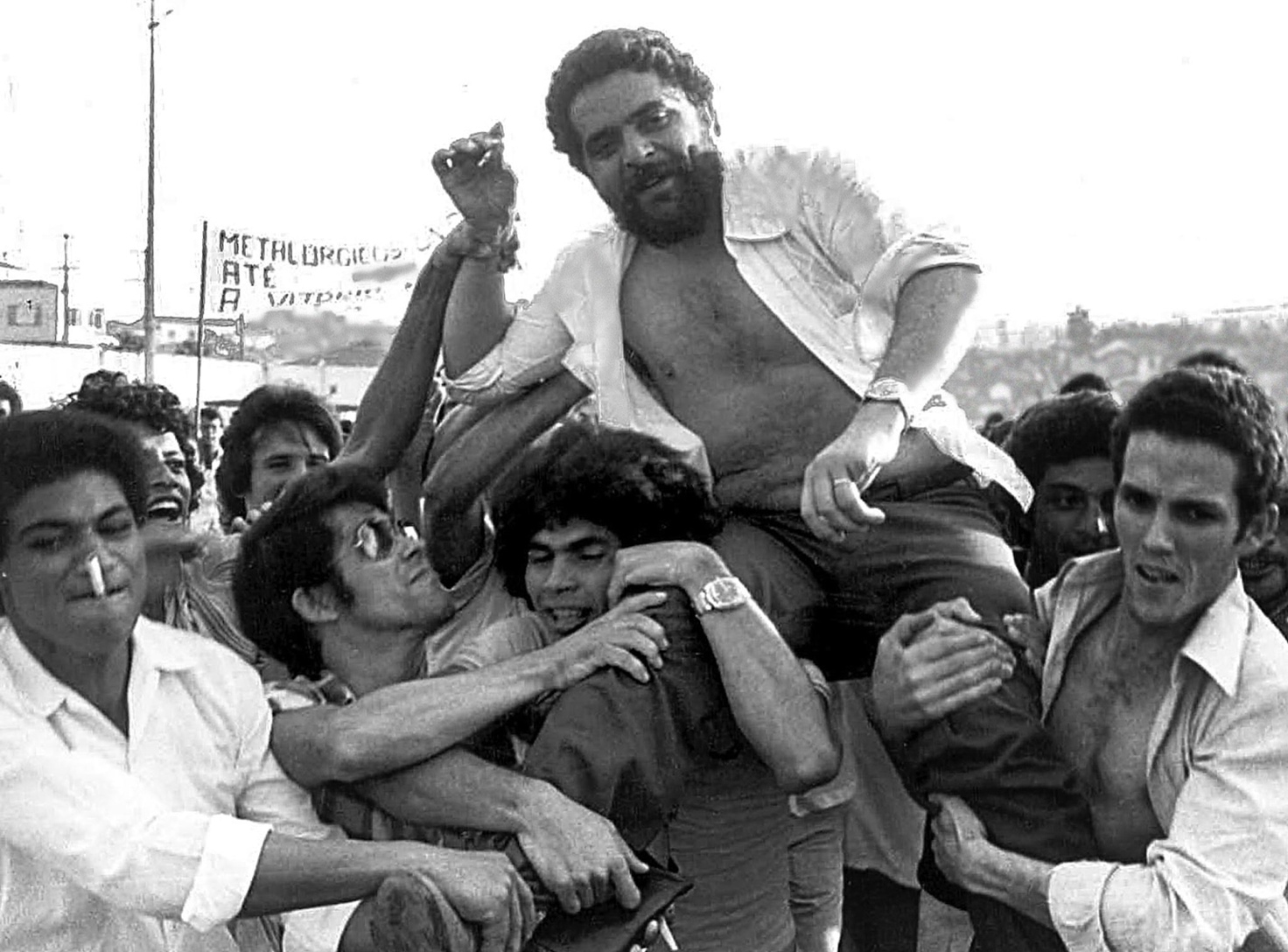
The PT project’s continuity through Dilma Rousseff’s elections to the presidency in the following terms was a direct consequence of Lula’s record in office. Even out of power after his second term ended in 2011, his relevance and centrality to domestic politics remained decisive.
That is precisely why both Dilma Rousseff’s institutional removal and the fraudulent judicial process that ultimately ended with Lula in prison were aimed at blocking any possibility of his running in the 2019 presidential election.
Trained in the Brazilian Army, Jair Messias Bolsonaro—Flávio’s father—aligned himself from his earliest days in politics with right-wing parties and, after a long career within Rio de Janeiro state affairs, broke onto the national stage.
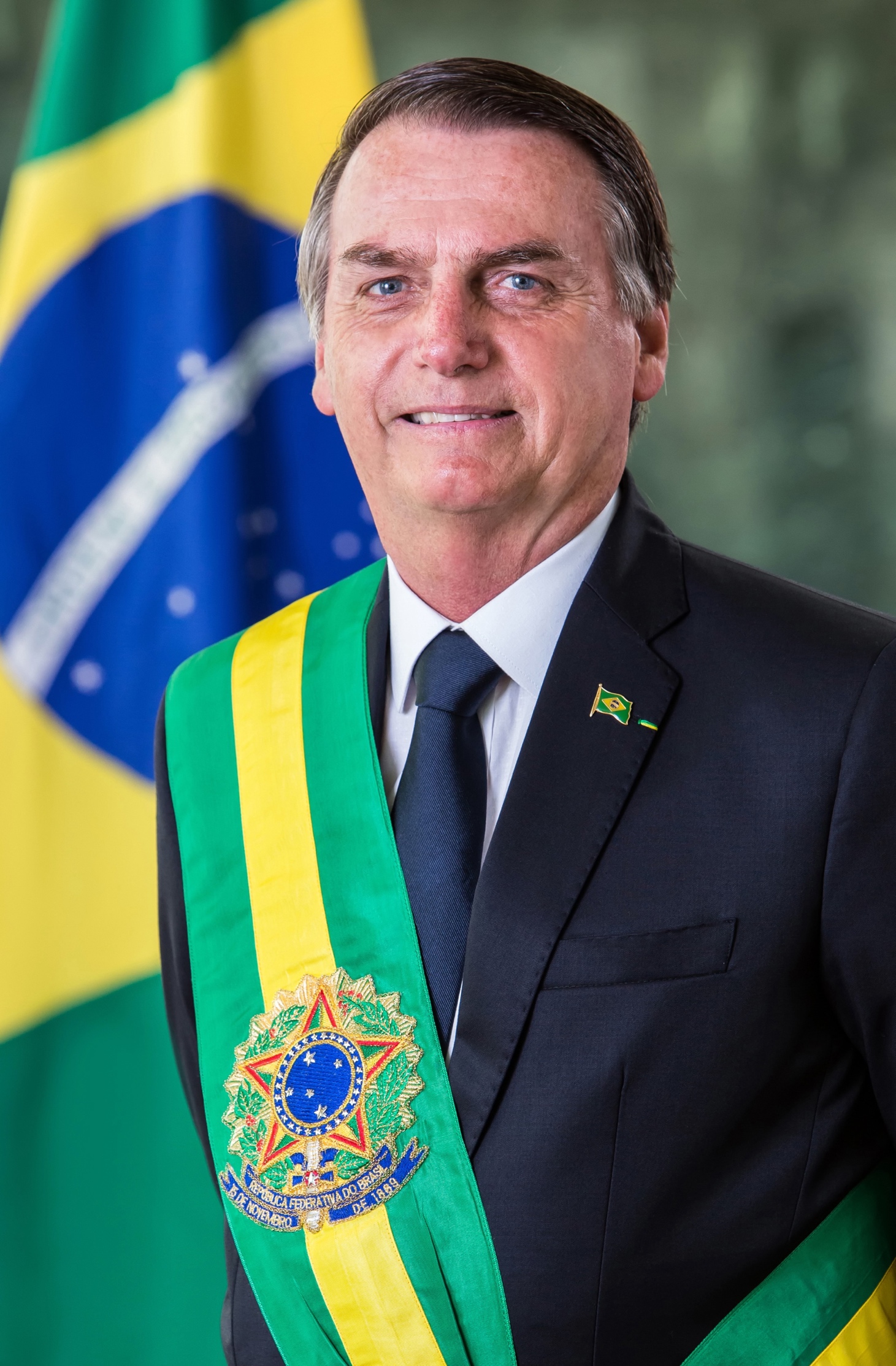
In 2018, he was elected president for the 2019-2023 term, capitalizing on a moment of weakness for the PT project. Lula’s imprisonment—driven by the judiciary as a form of political disqualification — combined with Trump’s rise in the United States, were decisive factors behind that outcome.
From that moment on, the tension between Lula and Jair Bolsonaro became something far deeper than an electoral rivalry. Since then, two models of the country, two visions of society, and two opposing ways of engaging Brazil with the world have been locked in confrontation.
Jair Bolsonaro’s social policy made its debut amid the COVID-19 pandemic in 2019, as the state withdrew from multiple areas of social protection while he dismissed the global crisis as a “gripezinha” (little flu). As a result, Brazil recorded the second-highest total COVID death toll in the world, after the United States.
Seeking to restore centrality to the “traditional” family and opposing gender ideology, he kept the Bolsa Família program in place—though with cuts—while pushing a public spending adjustment program aimed at a fiscal surplus. Far from delivering good results, Brazil slid from the world’s 7th-largest economy under Lula to 13th by 2023. Rising poverty and inflation cornered Bolsonaro, who ultimately lost his re-election bid, once again to Lula.
The coup attempt led by forces loyal to Bolsonaro in January 2024 sought to prevent Lula from taking office. Though it was suppressed, it decisively shaped domestic—and regional—politics, since the outgoing right-wing leader was ultimately tried and convicted for those events.
Multilateralism or Automatic Alignment
Lula’s first period in office sought to strengthen Brazil’s economic development by focusing social policy on improving conditions for lower and lower-middle-income groups. It rested on a belief in an active, decisive role for the state as a promoter of welfare. Leaning on a strong relationship with Argentina, Lula championed multilateralism through an expanding regional platform, Mercosur.
It was during this period that a new strategy took shape for what became known as the “Global South,” launching an alliance between Brazil, Russia, India and China. The birth of the BRIC bloc between 2006 and 2009—later BRICS, with South Africa’s entry in 2010—made clear that Lula sought to position his country at the center of the 21st-century map.
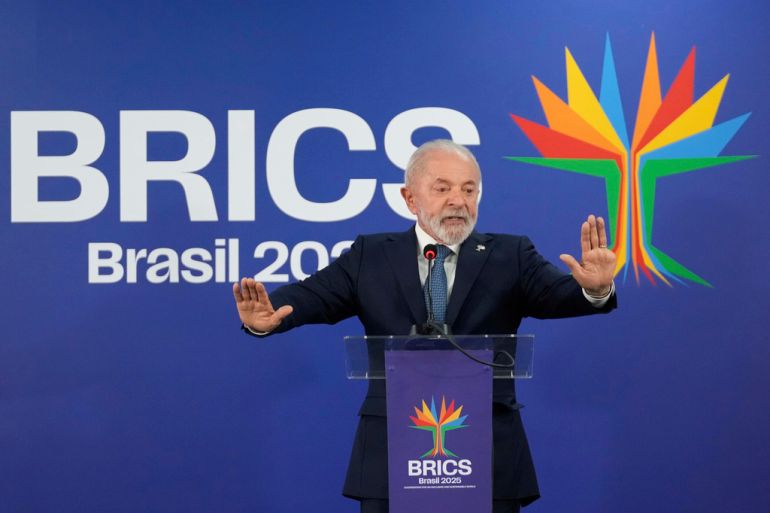
While Brazil maintained this BRICS course, Bolsonaro pursued direct alignment with the United States and found a unique opportunity in Donald Trump’s first term.
That diplomatic pivot was visible in the weakening of ties with Mercosur—alongside Brazil’s withdrawal from Unasur—its entry, promoted by Washington, into the Organization for Economic Co-operation and Development (OECD), and its designation as a major non-NATO ally. Opposing climate action and women’s rights, and wielding anti-communist rhetoric, he rolled back decades of diplomacy in short order.
A Turn to the Right?
Since the latter part of the last decade, social discontent across much of the region has translated into thinning patience with governments and high turnover. Difficulty for ruling parties to hold onto power has become the rule worldwide. In the United States, for instance, the pendulum between Democrats and Republicans means the last president to serve two consecutive terms was Barack Obama.
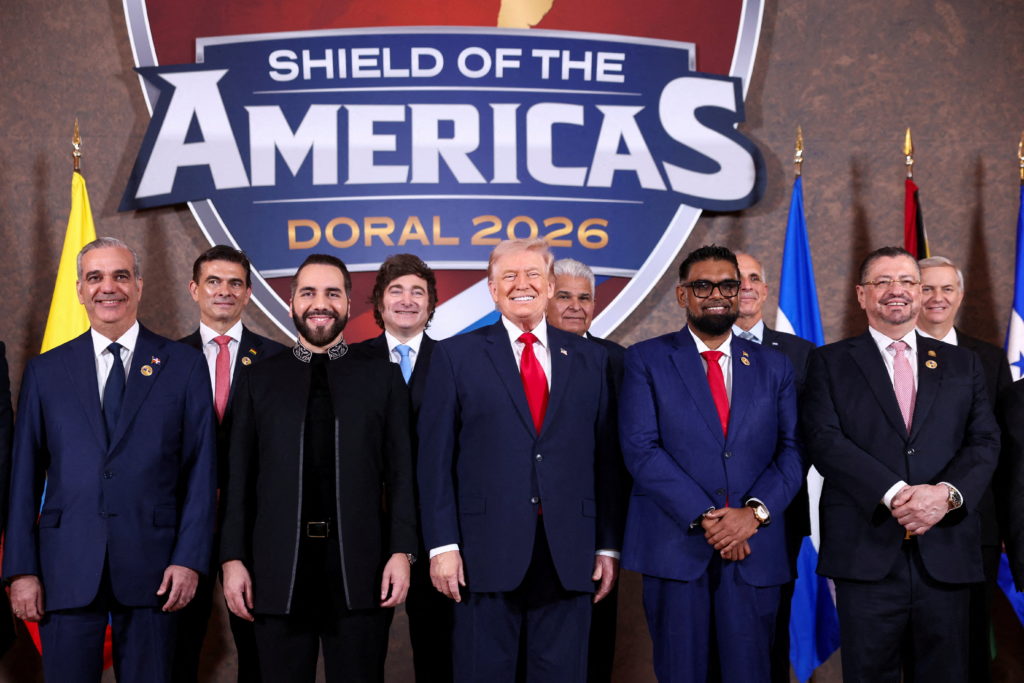
Within that framework, openly conservative, anti-establishment and hard-liberal political projects have strung together wins across Latin America, particularly in the south of the region. Santiago Peña in Paraguay, Javier Milei in Argentina, Rodrigo Paz Pereira in Bolivia, and the more recent victories of Keiko Fujimori in Peru, Abelardo de la Espriella in Colombia, and José Antonio Kast in Chile, together undeniably mark a rightward shift.
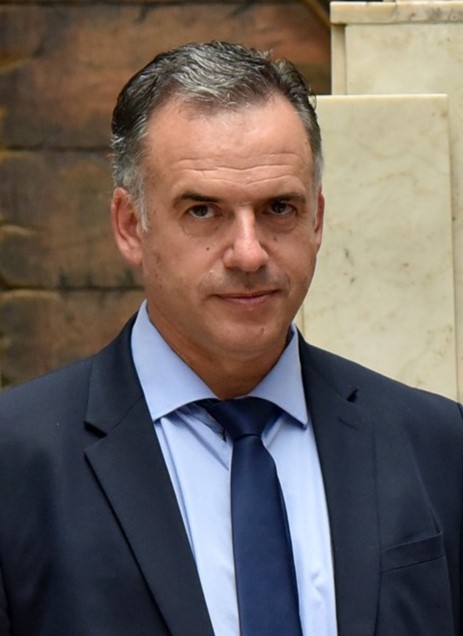
It is equally true that, in the same period, Uruguay took a different path, landing on a left-leaning government under Yamandú Orsi, who defeated the continuity of Luis Lacalle Pou’s liberal coalition.
Mexico appears to be an exception to the rule. The political continuity from Andrés Manuel López Obrador to Claudia Sheinbaum reflects a different trajectory altogether.
It is against this backdrop that Brazil’s pivotal election approaches—one that will open onto two sharply different paths, almost like a forking road. Brazil, the region and the world will all be shaped by a high-stakes political process, and a few threads help map out the contours of both scenarios.
What Happens If Flávio Bolsonaro Wins?
Several of the trends just described would be confirmed in a single electoral outcome. It will mean another case of a government party being voted out, and a win for the conservative-liberal bloc in the region, leaving South America painted the same political color with the exception of Venezuela and Uruguay.
The already-announced decision to free his father from his conviction through a presidential pardon would heavily mark the start of his government. It would mean a rollback in social policy and a new phase of state withdrawal from public investment. It would represent a chance for direct alignment with Trump’s foreign policy, opening an era of conservative dominance in the region comparable only to the period of dictatorships in the 1970s. For Trump, it would be a fresh “bet on a winner,” putting him in a stronger position heading into the dynamics of November’s mid-term elections.
What Happens If Lula Wins?
A re-election would mark another term of PT continuity and confirm the project’s dominance over recent decades. That outcome would, in turn, give breathing room to progressive movements across the region, positioning Brazil as a beacon for similar efforts elsewhere. It would reaffirm Brazilian voters’ approval of the chosen course, of Lula’s leadership in that process, and validate the economic and social policies under way.
Internationally, it would strengthen the BRICS bloc and its expansion in recent years, benefiting both China and Russia in their push to position themselves as poles of today’s multilateralism. The chance to chart new directions and mechanisms within the bloc would open a new phase for deepening trade among partners that together account for nearly 40% of global GDP.
The direct, open influence of the U.S. president on the region’s electoral processes is crystallized in his confrontation with Lula over these past two years, alongside his unhesitating alliance with the Bolsonaros. From tariffs to harsh rhetoric, he has used every tool available to shape Brazilian politics. For Trump, then, this would be a very bad outcome and, heading into November’s mid-terms, a serious defeat.
The unexpected victory of Flávio by fewer than 2 points (nearly 47% to 45% for Lula) this past Sunday, leads Brazil to a runoff set for October 25th. The coin is already in the air, and everyone with a stake in the outcome has their eyes fixed on what path it will chart for the years to come.

CovertAction Magazine is made possible by subscriptions, orders and donations from readers like you.
Blow the Whistle on U.S. Imperialism

Click the whistle and donate
When you donate to CovertAction Magazine, you are supporting investigative journalism. Your contributions go directly to supporting the development, production, editing, and dissemination of the Magazine.
CovertAction Magazine does not receive corporate or government sponsorship. Yet, we hold a steadfast commitment to providing compensation for writers, editorial and technical support. Your support helps facilitate this compensation as well as increase the caliber of this work.
Please make a donation by clicking on the donate logo above and enter the amount and your credit or debit card information.
CovertAction Institute, Inc. (CAI) is a 501(c)(3) non-profit organization and your gift is tax-deductible for federal income purposes. CAI’s tax-exempt ID number is 87-2461683.
We sincerely thank you for your support.
Disclaimer: The contents of this article are the sole responsibility of the author(s). CovertAction Institute, Inc. (CAI), including its Board of Directors (BD), Editorial Board (EB), Advisory Board (AB), staff, volunteers and its projects (including CovertAction Magazine) are not responsible for any inaccurate or incorrect statement in this article. This article also does not necessarily represent the views the BD, the EB, the AB, staff, volunteers, or any members of its projects.
Differing viewpoints: CAM publishes articles with differing viewpoints in an effort to nurture vibrant debate and thoughtful critical analysis. Feel free to comment on the articles in the comment section and/or send your letters to the Editors, which we will publish in the Letters column.
Copyrighted Material: This web site may contain copyrighted material the use of which has not always been specifically authorized by the copyright owner. As a not-for-profit charitable organization incorporated in the State of New York, we are making such material available in an effort to advance the understanding of humanity’s problems and hopefully to help find solutions for those problems. We believe this constitutes a ‘fair use’ of any such copyrighted material as provided for in section 107 of the US Copyright Law. You can read more about ‘fair use’ and US Copyright Law at the Legal Information Institute of Cornell Law School.
Republishing: CovertAction Magazine (CAM) grants permission to cross-post CAM articles on not-for-profit community internet sites as long as the source is acknowledged together with a hyperlink to the original CovertAction Magazine article. Also, kindly let us know at info@CovertActionMagazine.com. For publication of CAM articles in print or other forms including commercial internet sites, contact: info@CovertActionMagazine.com.
By using this site, you agree to these terms above.
About the Author
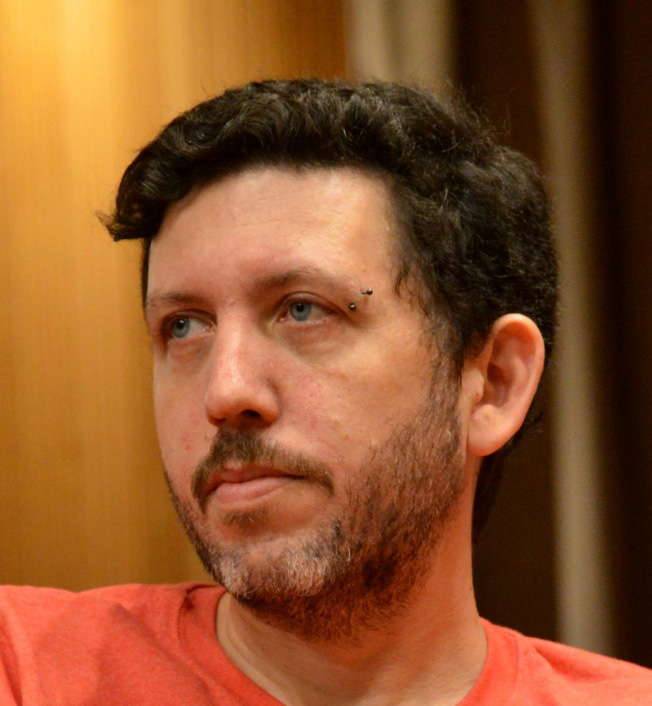
Martin Epstein is a political scientist specialising in economics, a researcher at the Center for Argentine Political Economy (CEPA), and a professor at the University of Buenos Aires (UBA).
He is an economic journalist with over 15 years of experience covering policy, institutions, and politics in Latin America, with a focus on Argentina.
Earlier in his career, he worked with the UNDP and the ILO on institutional diagnostics and social policy in Argentina, and served as President of Amnesty International Argentina.
Martin can be reached at lic.epstein@gmail.com.