Three Undeclared Wars with One Goal—Scarcity
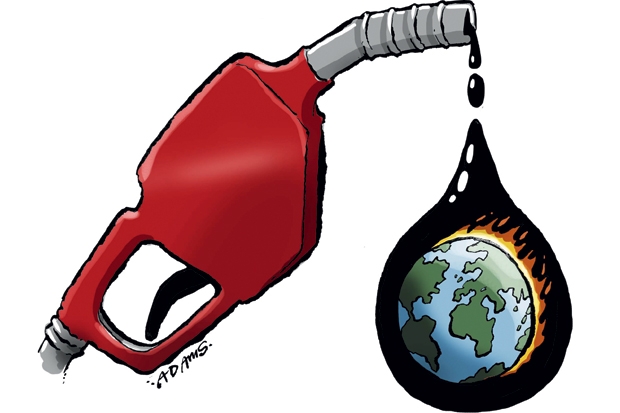
Ukraine, Venezuela and the Gulf are being sold as separate events. They are not. They are strategic moves toward one goal: fossil-fuel checkmate. Rival oil and gas leave the market, the price of what remains goes up, and the producers who still have cargo collect it.
The United States is positioned to collect because of a transformation that pre-dates these wars. Hydraulic fracturing and horizontal drilling turned the country from a major energy importer into the world’s largest oil and gas producer and the largest exporter of liquefied natural gas. Pipeline gas cannot cross an ocean. LNG can. Once the pipes carrying Russian gas to Europe were wrecked, and the strait carrying Gulf oil to Asia was closed, American cargo was positioned to fill the gap.
First came Ukraine: a U.S.-armed proxy war that wrecked Russian pipelines and refineries and pushed Russian gas and diesel out of the European system. Next, on January 3, 2026, U.S. forces seized Venezuela’s president and first lady and flew them to New York. The government left standing signed the oil contracts. Then, on February 28, 2026, the U.S.-Israel war on Iran closed the product line through Hormuz. Each theater was given its own public pretense. Ukraine was sold as an unprovoked Russian war of conquest. Venezuela was sold as a narcotics case. Iran was sold as a nuclear emergency.
The pretenses do not match the record. Russia went to war against a U.S.-built military position on its border. Iran did not possess nuclear weapons. President Maduro was not taken to New York to stop drug trafficking. The constant running through all three conflicts is fuel. Take rival supply off the board and collect the price of scarcity. That is fossil-fuel checkmate.
The Shale Base
None of the contracts and realignments that followed make sense without the shale boom. For most of the late 20th century, the United States imported oil and built LNG terminals to bring gas in, not to send it out. Cheniere’s Sabine Pass was originally designed as an import terminal.
Then drillers learned to fracture tight rock with water, sand and chemicals while drilling horizontally through the same formation. Gas that had been trapped in shale began coming out in volumes conventional wells had never produced. Import terminals were reversed. In February 2016, Sabine Pass shipped the first shale-era LNG cargo.
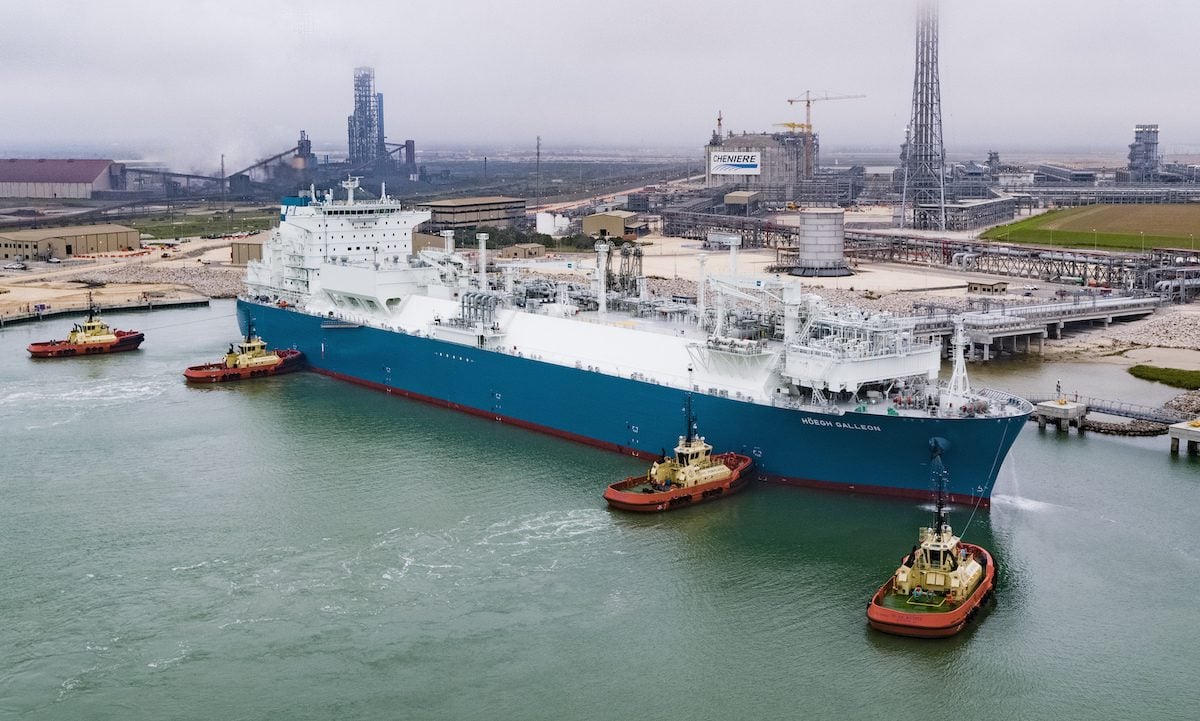
By 2025, U.S. crude production had reached about 13.6 million barrels a day, a record, and more than double the level of the mid-2000s. Dry gas production had passed 100 billion cubic feet a day. The United States became the world’s largest LNG exporter, ahead of Qatar and Australia, and the first country to ship more than 100 million tons in a year. The Energy Information Administration now forecasts exports above 18 billion cubic feet a day by 2027, while capacity already under construction is set to nearly double again by 2031.
That is the material fact sitting beneath these wars. A country that once bought energy now has a surplus whose value rises when competing cargo disappears from the market. Russian pipeline gas to Germany was one competitor. Venezuelan heavy crude was another. Gulf crude and refined product moving through Hormuz to China was a third. Shale did not create the wars. It created the inventory that made the wars profitable.
Europe absorbed much of the extra cargo. U.S. LNG shipments to Europe averaged a record 10.3 billion cubic feet a day in 2025, about 68% of total U.S. export volumes. One industry tally placed the American share of EU LNG imports at 57% in 2025—nearly four times the 2021 volume and 40 times the 2018 level.
Those molecules did not materialize because Europe suddenly decided it wanted them. Shale produced the gas, Gulf Coast plants liquefied it, and the disappearance of Russian pipeline supply created the market.
Nor did the strategic logic appear overnight. Years before the current wars, U.S. policy studies were already examining sanctions, energy pressure, pipeline restrictions, and geopolitical measures against major oil-exporting rivals.
RAND’s 2019 “Extending Russia: Competing from Advantageous Ground,” sponsored by the U.S. Army, examined ways to push Russia into military or economic overextension. Among the options it considered were “Hinder Petroleum Exports,” “Reduce Natural Gas Exports and Hinder Pipeline Expansions,” “Impose Sanctions,” and “Provide Lethal Aid to Ukraine.”
In 2020, the Congressional Research Service’s “Oil Market Effects from U.S. Economic Sanctions: Iran, Russia, Venezuela” examined those three countries together as major petroleum exporters under U.S. sanctions, analyzing the effects on oil production, exports, prices and trade.
The same three countries appear together again in “An Inadequate Solution: Effectiveness of Economic Sanctions as an Instrument of Foreign Policy,” published by Florida International University’s Steven J. Green School of International & Public Affairs in collaboration with the George W. Bush Institute. The paper uses Iran, Russia and Venezuela as its three case studies in examining U.S. sanctions and their political and economic effects.
These documents are not a smoking gun. They establish that energy exports, sanctions, pipelines, military assistance, and geopolitical pressure on Russia, Venezuela and Iran were being analyzed years before the present conflicts. The paper trail was already there. The wars supplied the mechanism.
Ukraine
The official story is that Russia launched an unprovoked invasion of a democracy and that the United States is merely helping Ukraine defend itself. That is the pretense. Russia’s 2022 offensive was a war against a U.S.-built military position on its border. Ukraine fires the drones, but the United States arms, funds and supplies the intelligence that makes a deep-strike campaign against Russian energy infrastructure possible. That is a proxy war.
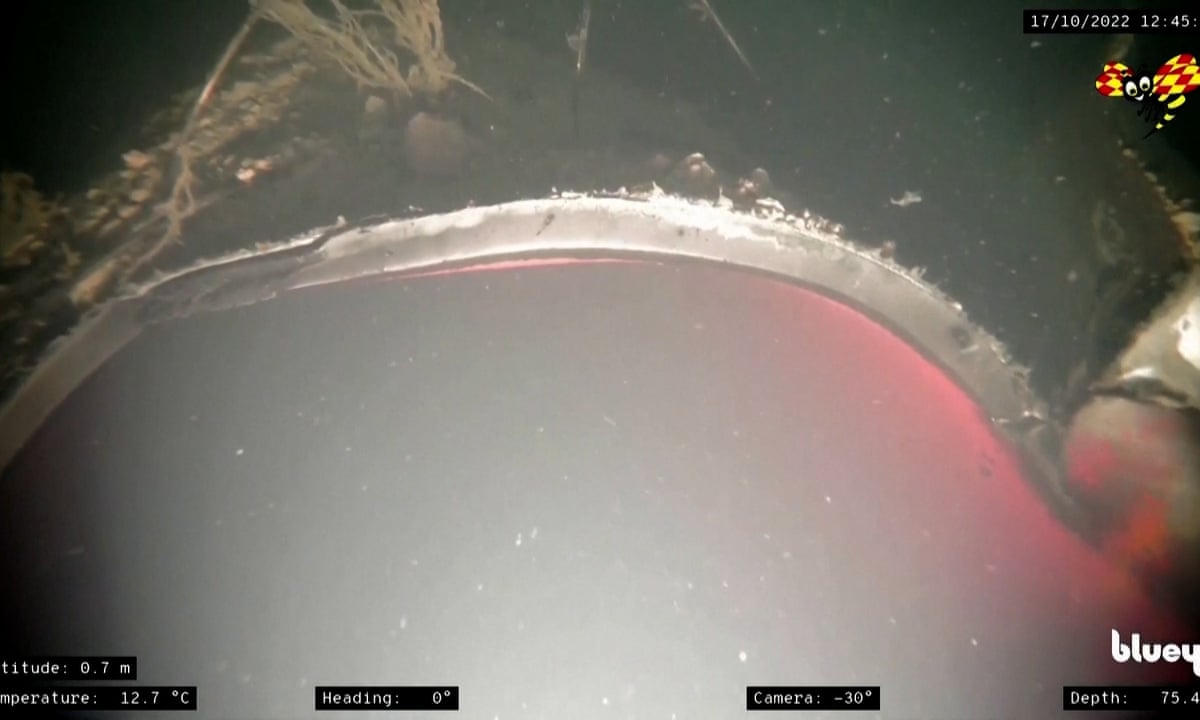
A Nord Stream compressor station sat on the Russian gas system that had supplied roughly half of Germany’s annual demand before the September 26, 2022, sabotage. Three of four Nord Stream strings were wrecked. Cheap Russian pipeline gas did not return.
In July 2026, German federal prosecutors indicted a Ukrainian army officer, alleging that the operation had been carried out on the orders of Ukrainian state agencies. Kyiv denies it. The steel remains on the sea floor. Cheap Russian pipeline gas did not return. U.S. LNG did.
The replacement has names, dates, contracts and terminals.
Cheniere Energy, operator of Sabine Pass and Corpus Christi, is the largest U.S. LNG exporter. In June 2022, as Europe raced to replace Russian gas, Cheniere took a final investment decision to expand Corpus Christi by 10 million metric tons a year and signed long-term supply agreements with European and other buyers, including a 15-year deal with Chevron.
Austria’s OMV signed with Cheniere in November 2023 for up to 850,000 metric tonnes a year beginning in 2029, with delivery through the Gate terminal in Rotterdam. Poland’s Orlen holds a Cheniere contract for about 1.95 billion cubic meters a year through 2042.
The company most exposed to the European opening is Venture Global. It began production at Calcasieu Pass in 2022 and brought Plaquemines online in late 2024. In 2025, it sent 79% of the gas it liquefied to Europe and sold more than twice as much LNG to Europe as Qatar.
Germany’s EnBW, majority-owned by the state of Baden-Württemberg, signed for 1.5 million metric tonnes a year in June 2022—the first binding long-term German purchase of U.S. LNG—and increased the deal to 2 million metric tonnes over 20 years that October, just weeks after the Nord Stream pipes were cut.
In June 2026, EnBW added another 0.82 million metric tonnes a year for five years. Venture Global’s chief executive called the company one of Germany’s top LNG suppliers.
Venture Global also signed 20-year agreements with Germany’s Securing Energy for Europe, along with Greek buyers and Ukraine’s DTEK. Poland’s Orlen holds Venture Global contracts for about 7.4 billion cubic meters a year through 2043.
These are not spot cargoes filling a temporary war-time shortage. They are 15- and 20-year sales agreements tied to plants on the Louisiana and Texas coasts. The customer that once took Russian pipeline gas is now locked into American LNG contracts that will outlast the war.
The Financial Times documented the same rush in 2022 and 2023: U.S. exporters signing European buyers as Russian volumes disappeared. Then came the refineries and inland pipelines.
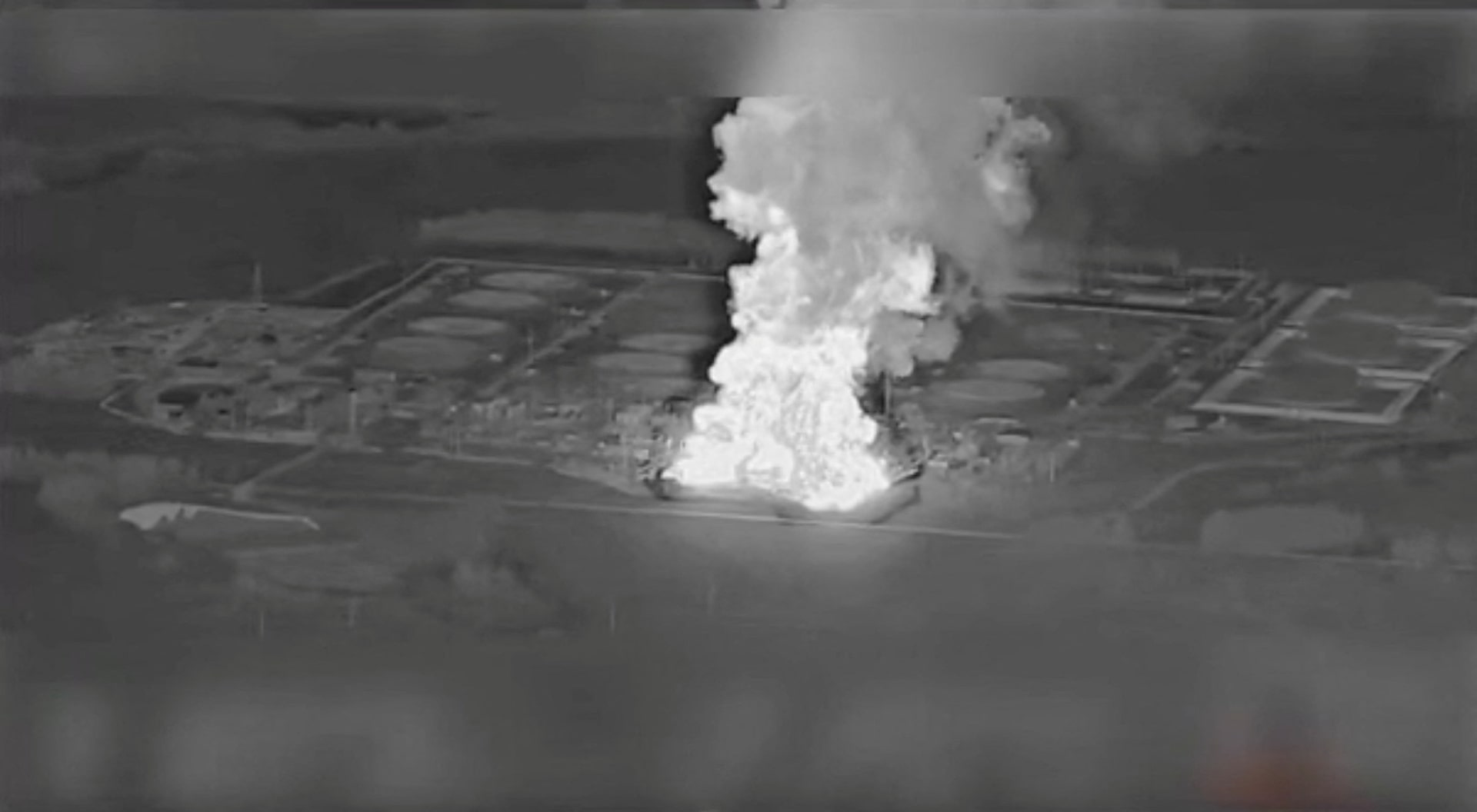
The IEA recorded a Russian refinery strike on average every three days during the first eight months of 2026. June refinery runs fell to a 20-year low. U.S. sanctions had already locked Russian product out of Western markets. The proxy strikes damaged the plants themselves, after which Moscow kept more of the remaining supply at home. Reuters found that half of Russia’s largest diesel plants had reduced or stopped operations.
Ukrainian strikes also hit Druzhba pumping stations feeding Hungary and Slovakia, along with Transneft hubs serving export ports. Destroy the pipeline and you lose the route. Destroy the refinery and you lose the diesel. Either way, the replacement supply increasingly comes from somewhere else. The United States already built the capacity to sell it.
Venezuela
On January 3, 2026, U.S. forces seized President Nicolás Maduro and first lady Cilia Flores in a night raid and flew them to New York. The charge on the docket is federal drug trafficking. That is pretense. The act itself was the seizure of a sitting president and first lady. They remain held in the United States.
Delcy Rodríguez, Maduro’s vice president, was sworn in as interim president. That gave Washington enormous leverage over the government left behind in Caracas.
Within hours of the seizure, President Donald Trump said the United States would run Venezuela and take a tremendous amount of wealth out of the ground. The contracts that followed are the record.
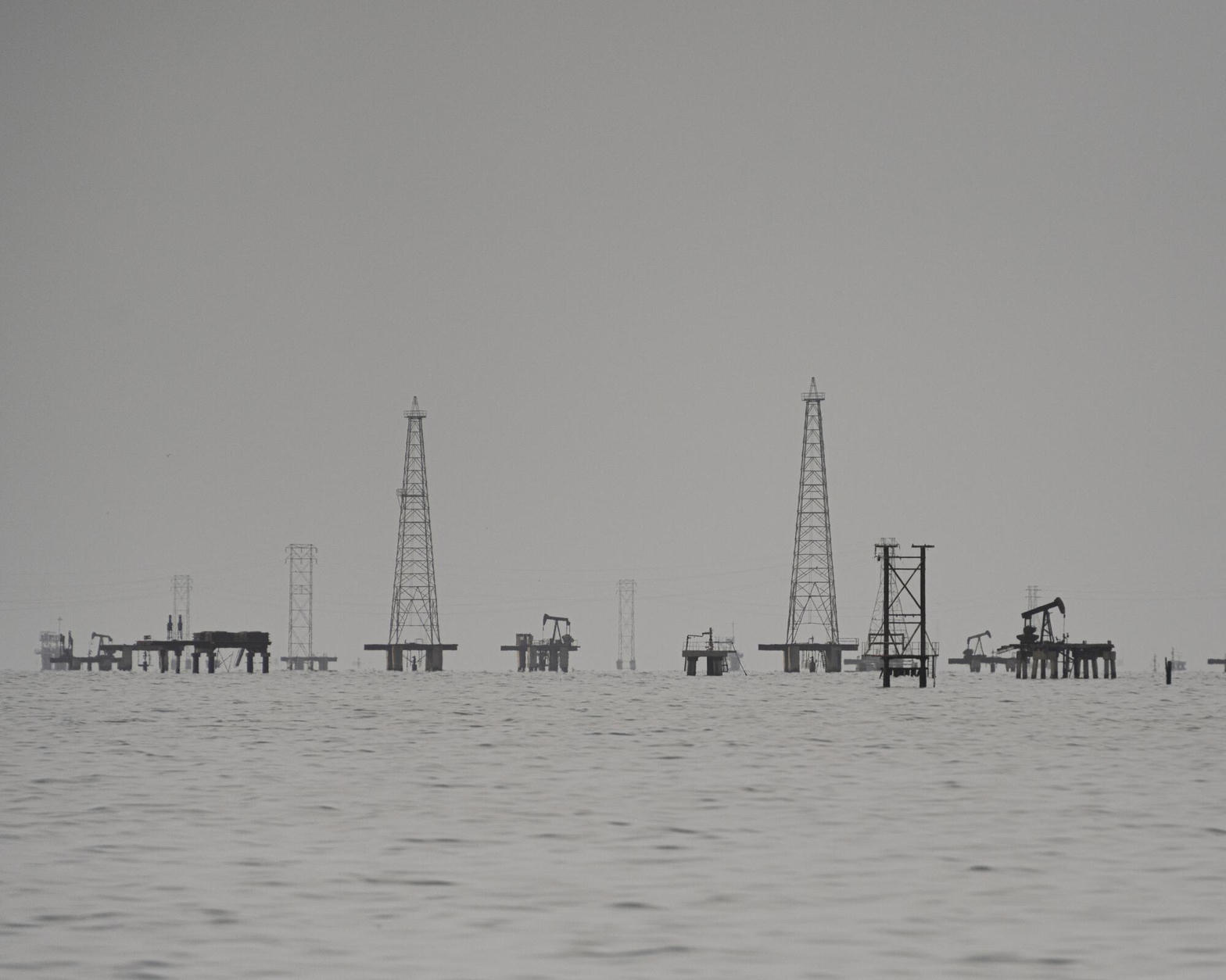
On August 28, Trump announced what he called the biggest oil deal in world history. A White House fact sheet described a partnership with North American Blue Energy Partners (NABEP), owned by Venezuelan businessman Alejandro Betancourt and already the second-largest private operator in the country.
Venezuelan authorities granted NABEP 100-year concessions covering 17 fields in Lake Maracaibo and the Orinoco Belt, estimated to hold 65 billion barrels—roughly one-fifth of Venezuela’s claimed reserves.
The Pentagon’s Office of Strategic Capital takes a 35% equity stake in the parent company. The State Department receives the right to buy 20% of production at cost and a right of first refusal on the remainder. Secretaries Marco Rubio and Pete Hegseth signed for the U.S. side. The White House said NABEP was expected to pay $200 billion in royalties and taxes over 25 years and spoke of as much as $100 billion in infrastructure investment.
The U.S.’s proven oil reserves are about 46 billion barrels. If the concession holds, the Venezuelan fields covered by this one arrangement alone would exceed that figure.
The majors followed the interim government, not an election. On September 2, Energy Secretary Chris Wright stood beside Rodríguez in Caracas as Chevron committed more than $7 billion over five years to existing joint ventures and new acreage in the Carabobo block, targeting production above 600,000 barrels a day—more than triple recent output. Chevron is the only major oil company that maintained a large Venezuelan position throughout the sanction years.
Chairman of the Board and CEO Mike Wirth called the expansion a win for Gulf Coast refiners designed to process heavy crude.
On September 16, Continental Resources, the company of Trump donor Harold Hamm, signed a memorandum with PDVSA, Venezuela’s state-owned oil company, to operate the Ayacucho 2 block, roughly 126,000 acres that the company estimated contains 30 billion barrels. The Wall Street Journal reported ExxonMobil close to an agreement of its own, described as covering more than 50 billion barrels.
These contracts were not negotiated between equals. They were signed after Venezuela’s president had been removed by force and remained imprisoned in the United States. Trump told the UN General Assembly that “to the victor belong the spoils” and said Venezuela was not ready for elections. There is no ballot date.
Narcotics is the courtroom story. The oil is why the raid happened.
Iran
The Strait of Hormuz is the chokepoint through which roughly one-fifth of world petroleum consumption normally moves, including Gulf crude bound for Asia and large volumes of diesel and jet fuel. The war that began February 28, 2026, closed that product line.
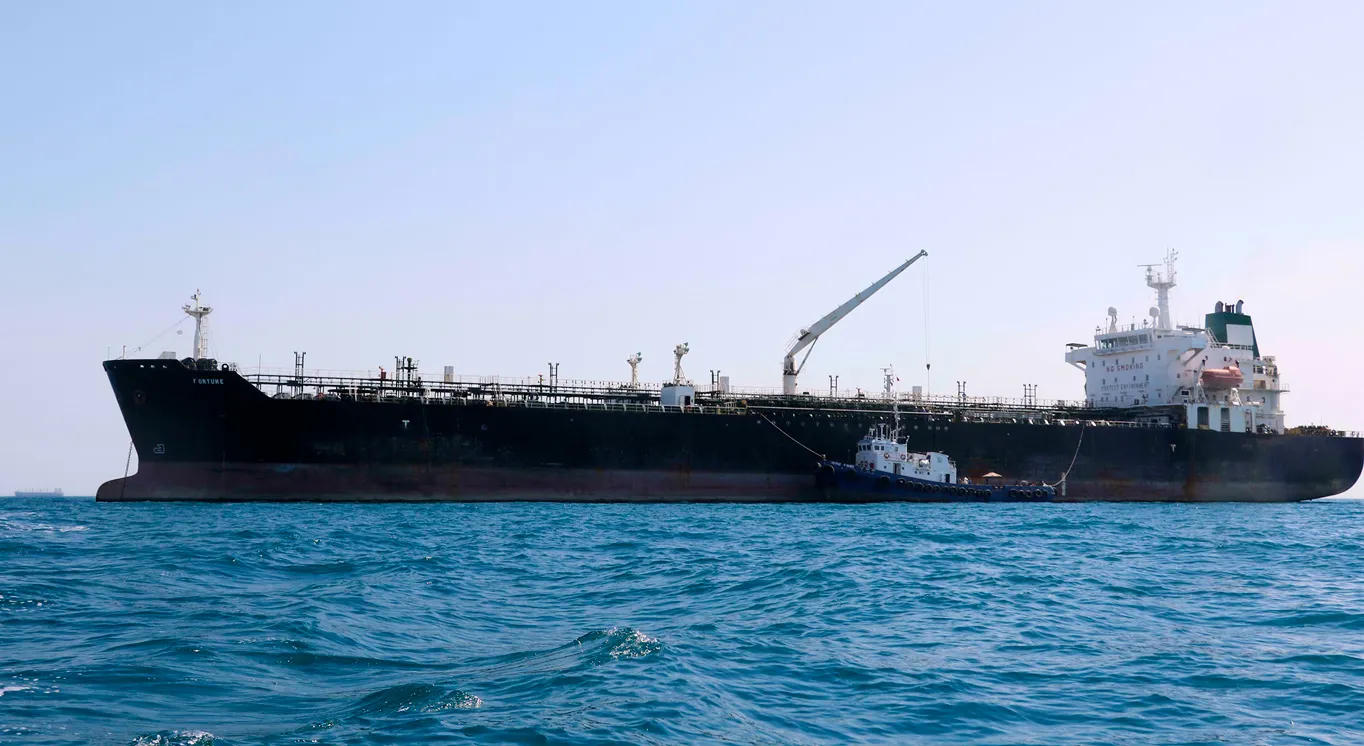
The official story is that Iran was on the verge of obtaining a nuclear weapon and Israel had no choice but to act. That is the pretense. Iran did not possess nuclear weapons. The war is a U.S. war fought with Israel as its regional proxy.
The target set includes Iranian energy infrastructure and traffic through the Strait of Hormuz. Crude can sometimes find another route around a closed strait. Finished product is harder to reroute. When that competing supply leaves the water, U.S. crude and refined product become the swing cargo.
The customer sitting on the other side of that strait is China.
China is the world’s largest single-country importer of crude oil. Before the war, it received about half of its oil from the Middle East.
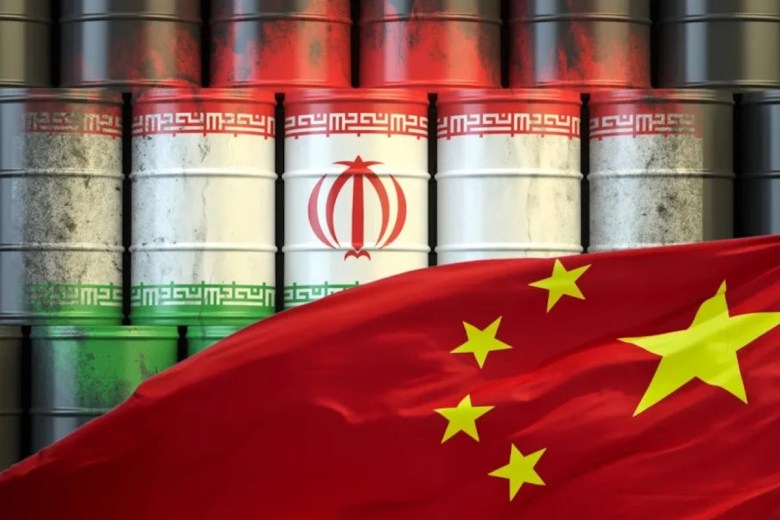
It was also the buyer of last resort for sanctioned Iranian barrels, taking roughly 90% of Iran’s sanctioned exports. In 2025, Iran ranked as China’s second-largest crude supplier for the year as a whole, close behind Saudi Arabia, and in some months it ranked first.
That relationship is at the center of former Marine and analyst Brian Berletic’s argument. He contends that the Iran campaign is not a local nuclear crisis but an attempt to cut energy flowing from the Middle East to China—Iranian barrels as well as Gulf barrels moving through the same water—before a larger confrontation with Beijing.
Washington cannot outproduce China industrially. It can reach for the supply lines that feed it. Hormuz is the valve. Iran is the state sitting on it.
Berletic notes that a U.S. naval and Marine force built to stop ships has been moved into the same waters Iran says it will open only for a short list of buyers, China among them. If the point were solely a nuclear weapon, the target set would be nuclear sites. The target set includes the cargo.
Journalist Richard Medhurst reaches the same conclusion from another direction. Closing Hormuz, he argues, is not necessarily a defeat for a country that is itself a net exporter of crude and the world’s largest LNG shipper. It is a blockade the United States can survive—and profit from—because the missing barrels belong primarily to somebody else.


In a July 2026 post, Medhurst argued that Washington itself is blockading the strait and that higher American energy sales are the measurable result. His film The Petrogas-Dollar places the Iran war in the same sequence as Venezuela: remove rival supply, leave American molecules among the cargo that still moves, and charge allies for protection of the water. Mainstream reporting does not use that language. It does, however, record the same map.
The New York Times reported on September 29, 2026, that the closure had cut off more than half of Asia’s oil supply and removed about 10 million barrels a day of Middle Eastern crude from the market. China imported roughly one-third less crude in July and August 2026 than it had a year earlier. Iranian flows to China through Hormuz fell by about half from pre-war levels.
Treasury Secretary Scott Bessent said China has a much greater interest in reopening the strait than the United States. A White House readout following Trump’s talks with Xi said the Chinese side had expressed interest in purchasing more American oil to reduce its dependence on Hormuz.
That is the checkmate stated in diplomatic English. Close the rival route, then put American crude on the table.
There is a counter-argument that China can simply pipe its way around a closed strait. Part of that is true. China already receives Russian crude through the Eastern Siberia-Pacific Ocean (ESPO) pipeline and by tanker from Kozmino, neither of which relies on Hormuz. It takes Kazakh crude through the Kazakhstan-China pipeline, while Power of Siberia already supplies Russian pipeline gas.
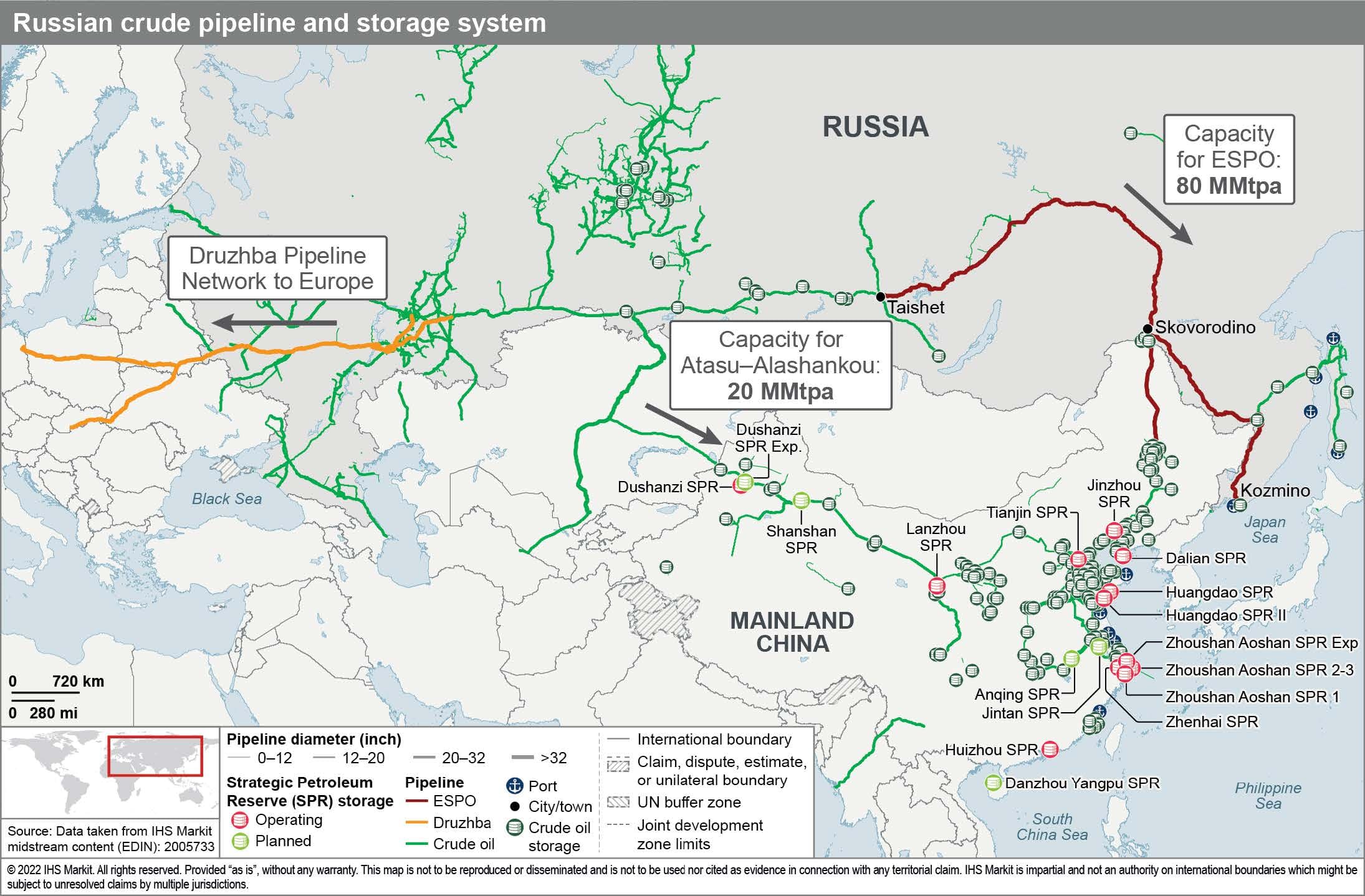
But the Myanmar oil line from Kyaukphyu to Yunnan bypasses the Strait of Malacca, not Hormuz, and its capacity is small compared with China’s total intake. What China does not possess is a pipeline running from the Persian Gulf into China.
The existing Gulf bypasses belong to the exporters. Saudi Arabia’s East-West pipeline to Yanbu is rated at as much as 7 million barrels a day, while the UAE line to Fujairah carries roughly 1.5 to 1.8 million. Together, they cover less than half of normal Hormuz throughput, and they too have been hit. Asia Times put the limit plainly: Asia cannot pipeline its way around Hormuz.
In 2025, almost half of China’s seaborne crude still came from the Arabian Gulf, and most arrived by tanker. After the closure, China increased Russian purchases—ESPO climbed above $120—yet Chinese crude imports were still about one-third lower in July and August.
Power of Siberia 2, the pipeline that could eventually provide another major overland route, remained unsigned when Putin left Beijing in May. The pipelines China has can blunt the blow. They cannot replace the strait.
Fossil-fuel checkmate
First, use Ukraine as a U.S. proxy to destroy Russian pipelines and refineries, pushing Russian gas and diesel out of the European system while signing Europe to 15- and 20-year LNG contracts with Cheniere and Venture Global. Second, seize Venezuela’s president, hold him in the United States, and extract century-long concessions, a Pentagon equity stake, and billions in new commitments from Chevron, Continental, and potentially Exxon from the government that remains.
Third, use Israel as a U.S. proxy in a war sold as a nuclear emergency, close Hormuz, and remove Gulf energy from the market serving the one customer—China—that cannot replace those volumes through pipelines. Each move removes a rival supplier. Each leaves U.S. crude, LNG, and refined product in a stronger position as the cargo the rest of the world must buy. Shale made the cargo. The wars made the customer.
The public words are democracy, narcotics and nuclear deterrence. The energy map tells another story: fossil-fuel checkmate, a market deliberately tightened until scarcity raises the value of the producers still able to sell into it. Europe is without Russian pipeline gas and much of its former Russian diesel supply. Asia is short of Gulf product. American farms and freight pay record diesel prices while the same molecules leave the dock. Three wars. Three rival energy systems. One beneficiary positioned to sell what the others can no longer move.

CovertAction Magazine is made possible by subscriptions, orders and donations from readers like you.
Blow the Whistle on U.S. Imperialism

Click the whistle and donate
When you donate to CovertAction Magazine, you are supporting investigative journalism. Your contributions go directly to supporting the development, production, editing, and dissemination of the Magazine.
CovertAction Magazine does not receive corporate or government sponsorship. Yet, we hold a steadfast commitment to providing compensation for writers, editorial and technical support. Your support helps facilitate this compensation as well as increase the caliber of this work.
Please make a donation by clicking on the donate logo above and enter the amount and your credit or debit card information.
CovertAction Institute, Inc. (CAI) is a 501(c)(3) non-profit organization and your gift is tax-deductible for federal income purposes. CAI’s tax-exempt ID number is 87-2461683.
We sincerely thank you for your support.
Disclaimer: The contents of this article are the sole responsibility of the author(s). CovertAction Institute, Inc. (CAI), including its Board of Directors (BD), Editorial Board (EB), Advisory Board (AB), staff, volunteers and its projects (including CovertAction Magazine) are not responsible for any inaccurate or incorrect statement in this article. This article also does not necessarily represent the views the BD, the EB, the AB, staff, volunteers, or any members of its projects.
Differing viewpoints: CAM publishes articles with differing viewpoints in an effort to nurture vibrant debate and thoughtful critical analysis. Feel free to comment on the articles in the comment section and/or send your letters to the Editors, which we will publish in the Letters column.
Copyrighted Material: This web site may contain copyrighted material the use of which has not always been specifically authorized by the copyright owner. As a not-for-profit charitable organization incorporated in the State of New York, we are making such material available in an effort to advance the understanding of humanity’s problems and hopefully to help find solutions for those problems. We believe this constitutes a ‘fair use’ of any such copyrighted material as provided for in section 107 of the US Copyright Law. You can read more about ‘fair use’ and US Copyright Law at the Legal Information Institute of Cornell Law School.
Republishing: CovertAction Magazine (CAM) grants permission to cross-post CAM articles on not-for-profit community internet sites as long as the source is acknowledged together with a hyperlink to the original CovertAction Magazine article. Also, kindly let us know at info@CovertActionMagazine.com. For publication of CAM articles in print or other forms including commercial internet sites, contact: info@CovertActionMagazine.com.
By using this site, you agree to these terms above.
About the Author

Gloria Guillo, MPA is an investigative journalist, former Public Administrator and singer, songwriter.
She co-hosts Uncontrolled Opposition with Jeremy Kuzmarov.
Gloria can be reached at un.ops@icloud.com
