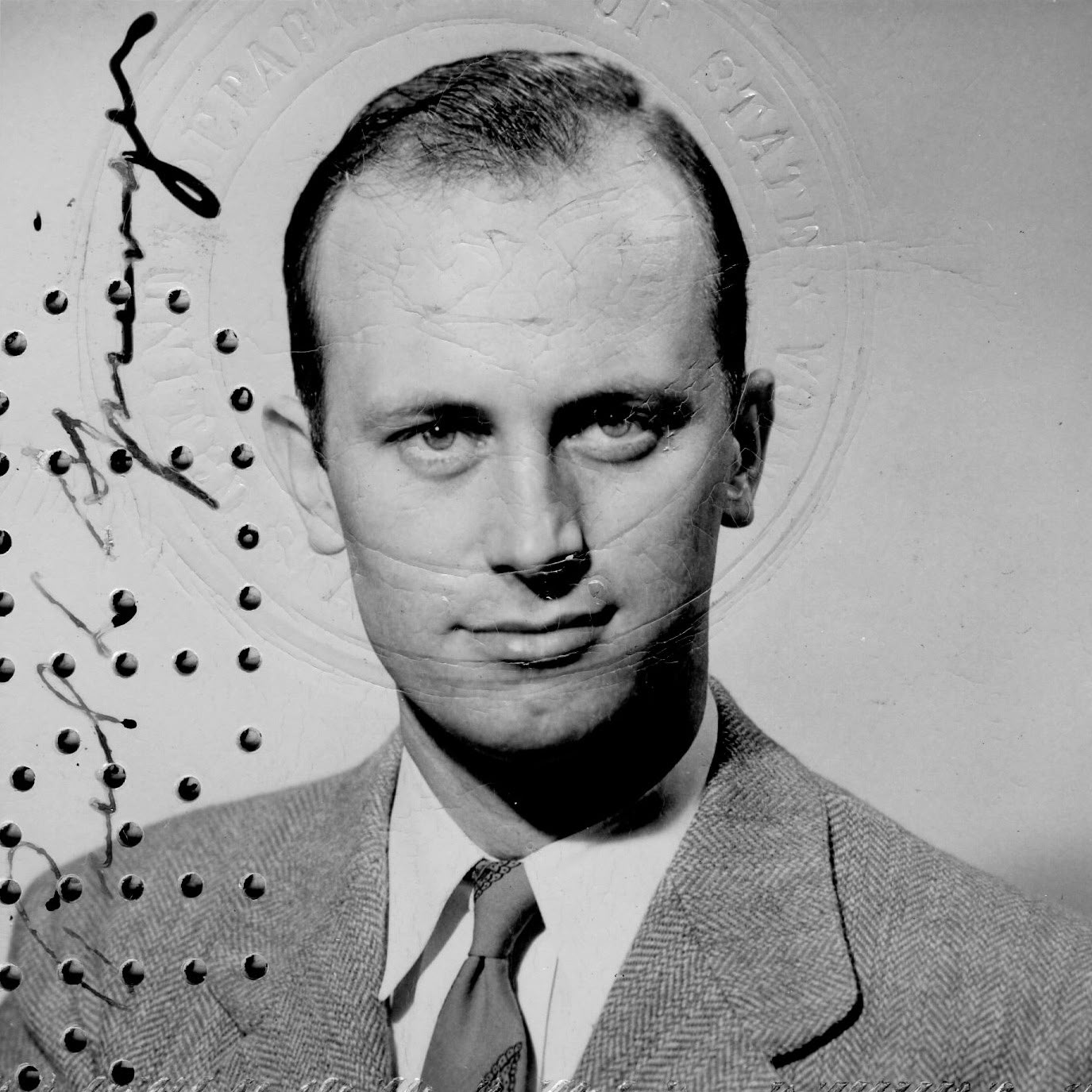
Paul Springer also assisted the French during the 1st Indochina War and ran spy networks against the Vietminh
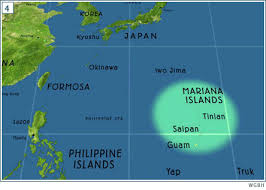
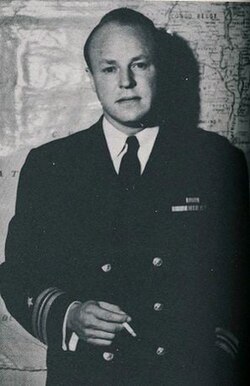
Paul Springer was an all-American type right out of Graham Greene’s novel The Quiet American, who served as the first CIA station chief in Saigon from 1950 to 1953 and as CIA station chief in the Pacific Island of Saipan from 1954 to 1955.
After its victory in the Pacific War, the U.S. established a naval facility on Saipan and a secret base for the CIA to train and infiltrate paramilitary teams into North Vietnam, North Korea, China, Iran and Tibet. Additionally, the CIA interrogated prisoners and suspected spies there after transporting them blindfolded on military planes.[1]
Springer’s activities in Saipan and Vietnam are detailed in James P. Bevill’s book, Spies in Saigon: CIA Covert Operations in French Indochina and South Vietnam 1950-1963.
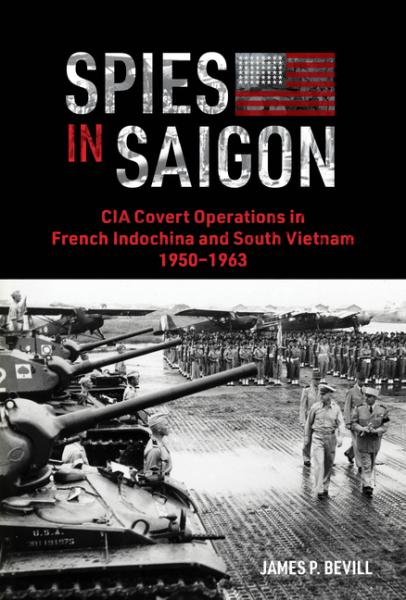
Bevill came to write the story because he is married to Springer’s daughter, Marie Joanne “Jodie” Springer Bevill, who assisted him by compiling family letters, photos and documents.
Spies in Saigon is naturally sympathetic to Springer, though also revealing of his often-times nefarious activities, including in Saipan.
Bevill recounts that, when he asked Springer in 2007 about his assignment in Saipan, Springer responded: “We used to pick up these radicals [in Vietnam] and bring them to Saipan where we were operating under the cover of the naval air station. We would bring these people in, rough them up a bit, and see if we could get some information out of them.”[2]
The term “radicals” sticks out from this statement along with “rough them up.” The former is a reference to the communist Vietminh who fought against the French and then the U.S. and the leaders it tried to impose in South Vietnam who were widely viewed as American puppets. “Rough them up” appears to be a euphemism for physical assault and torture.
Springer went on to call the “radicals” “stay-behind Vietminh cadre” in South Vietnam after the French war, whom he told Bevill were “exposed by fellow villagers and targeted by the Saigon Military Mission (SMM),” under which the CIA operated.
According to Springer, the cadre “were ‘picked up’ or ‘arrested’ out of their home or village, sometimes off the street. This took place at a moment when least expected, usually in the early hours before dawn, when an abrupt transition from sleep to alert mental acuity was most difficult. If not during the pre-dawn hours, the next best time was in the evening when relaxed in his own home.”
Springer continued: “Other times, individuals were merely asked to go for a ride by military police or coaxed out of a business and brought in for questioning. They were taken by car or jeep to a nearby airfield, blindfolded and flown on a plane for several hours, and taken to a military base on a remote island in the Pacific [Saipan]. Upon arrival at the naval air station, there were no customs, no passport stamps, and no physical signs of where they had been taken.”[3]
What Springer is describing is a direct antecedent to a) the Vietnam Phoenix Program run by the CIA in which Vietnamese Special Forces would kidnap suspected Vietcong in the pre-dawn hours and violently interrogate, torture or murder them; and b) the extraordinary rendition program under the Global War on Terror where CIA-backed forces would kidnap suspects, often based on dubious local tips, and then transport them to secret prisons in remote locations or to Guantánamo Bay where they were subjected to “enhanced interrogation techniques” like sleep deprivation and torture in an attempt to extract information from them.
In both of the latter cases, the friends and family members of the captive did not know their whereabouts and believed that they had been killed.
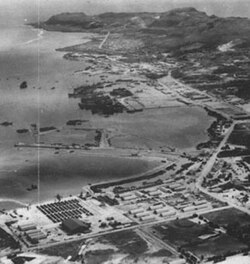
Springer told Bevill that, after their arrival in Saipan, his job was to make a preliminary assessment of the captive with his team. If the suspect was considered to be defiant and would not talk, some “pressure” would be placed upon them, according to Donald Gregg, another CIA operative.[4]
What Gregg meant by the term “pressure” seems to imply some form of torture, including psychological methods favored by the CIA, like placement in solitary confinement and sensory deprivation (messing with sleeping patterns).[5]
A key goal of interrogation was to try to “turn” suspects and get them not only to divulge key information but to become CIA assets who could provide intelligence when they were reintegrated into Vietnamese (or Korean) society.
Springer indicated that two of his most successful Vietnamese intelligence recruits were a Roman Catholic priest and Saigon minister who received money upon their return from Saipan.[6]
Bevill says that Springer was evasive when he raised the question if any of the detainees were disposed of because they were a threat to divulge torture they had endured or had been exposed as double agents.
The CIA was known in the 1950s to have initiated a program of human experimentation using psychedelic drugs and other psychological techniques for trying to control people.
Bevill quoted a cryptic 1952 CIA memo which stated that, “since disposal does not mean shooting a subject, by our standards we are faced with at least three serious issues: Placing the subject somewhere; ensuring his adherence to our views; and or/preventing his giving away our secrets.”[7]
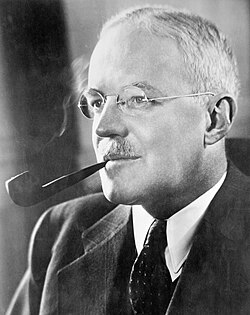
In another cryptic memo to Deputy CIA Director Frank Wisner and his deputy, Richard Bissell, CIA Director Allen Dulles (1953-1960) suggested “augmenting the usual interrogation methods by the use of drugs, hypnosis, shock, etc.”
Dulles further emphasized the use of drugs as a truth serum to expand interrogation techniques and discussed the Agency’s desire to create a “perfect and thoroughly controlled amnesia” that would help solve the dilemma of what to do with uncooperative subjects or those whom the Agency otherwise wanted to dispose of because of what they could reveal.
Dulles pointed out that, in some cases, “difficult subjects were drugged with opiates, or given strong doses of LSD to induce a ‘chemical lobotomy,’” resulting in a sort of amnesia. Afterwards, they were quietly released in their home country, far from where they were abducted.[8] Bevill wrote that the latter methods were “an unseemly way to keep the secrets of the U.S. government safe.”[9]
From the Ivy League to the Front Lines of the Cold War
Raised in Camden, New Jersey, Springer graduated from Yale University in 1941 with a degree in English literature and was then recruited by the senior representative of Yale-in-China to teach at a middle and high school in Yuanling.
While enjoying the teaching, Springer felt compelled to assist in the war effort and began moving medical supplies via truck to Chinese nationalist forces supported by the U.S. along the Burma Road, which the Japanese had tried to cut off.[10]
Springer was subsequently offered a job in the U.S. Embassy in Chungking as a cipher officer that involved encoding and decoding messages coming into and out of the embassy. Through this job, Springer was given a top-secret security clearance and developed a thorough knowledge of the codes used in certain types of communication, including highly classified military and diplomatic ones.[11]
Following appointment as U.S. Vice Consul, he was assigned to the U.S. consular unit at Kunming, the site of all kinds of clandestine intrigue, where he handled passport and visas applications and developed a working knowledge of Chinese.
Springer was then sent to staff a new intelligence unit at the American legation in Cairo, which maintained cipher communications with Washington and all the Middle East advance military bases.[12]
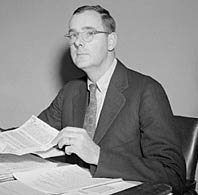
After a stint with the Office of Strategic Services (OSS) in Singapore, Springer was recruited into the CIA in 1948 at the suggestion of his Singapore colleague and Yale classmate Kinsley “Bud” Twining (1918-2002).[13]
Training in espionage techniques in Silver Spring, Maryland, Springer was then sent to Vietnam to serve as an intelligence officer in the first CIA station in Saigon because of his Far Eastern experience and working knowledge of French.
The French at the time were fighting a brutal war to try to retain their colony against communist-led forces headed by Ho Chi Minh known as the Vietminh. The U.S. largely bankrolled the French war effort, with intelligence relations between the U.S. and French formalized by the National Security Council (NSC).
Listed as a vice consul and political officer with the U.S. State Department in Saigon, Springer’s initial work involved recruiting and paying clandestine agents and “spotting foreigners with access to secrets and persuading them to hand those secrets over.”
Further, he “built a network of intelligence agents from scratch and reported information on Vietminh activity, both political and military, directly to Washington through a secure reporting channel for analysis.”[14]
The CIA aimed to recruit someone of “grey eminence,” or a powerful adviser to a premier who could be converted to a paid CIA source behind the scenes to further U.S. influence.[15]
Promoted to head of the CIA’s Saigon mission not long after he began working there, Springer was considered to be an “industrious officer,” creative in finding ways to cultivate sources, and a good mixer, “well-liked by both his superior and subordinates.”[16]
In this new job, Springer expanded his portfolio to oversee training of local agents for paramilitary, covert and psychological warfare operations by which the CIA cultivated journalists, set up radio broadcasts and planted stories with news organizations identifying Ho Chi Minh as an agent of international communism and depicting U.S. activities positively.[17]
Bevill points out that Springer developed a particularly close working relationship with Associated Press reporter Seymour Topping, who arrived in Saigon after covering the Chinese Civil War and later served as a senior editor for The New York Times.[18]
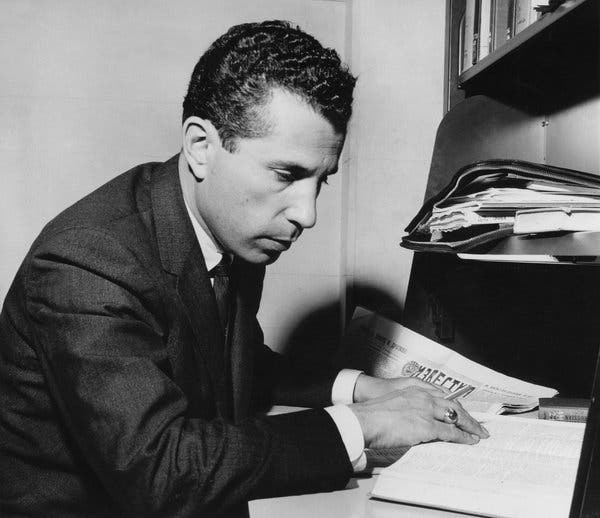
Teaching English classes as a “way for the CIA to insert him in the day-to-day street life of Saigon,” Springer joined the exclusive Cercle Sportif country club, which was good for networking with the upper crust of Saigon.[19]
Deadly Patriot Games
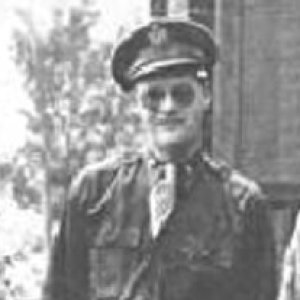
In August 1950, Springer traveled to Bangkok to uncover information on Chinese arms supply networks to the Vietminh. He also oversaw a CIA arms-smuggling operation (Operation Paper) to Chinese nationalist fighters in Burma under the cover of Sea Supply, a CIA front company set up by Willis Bird.[20]
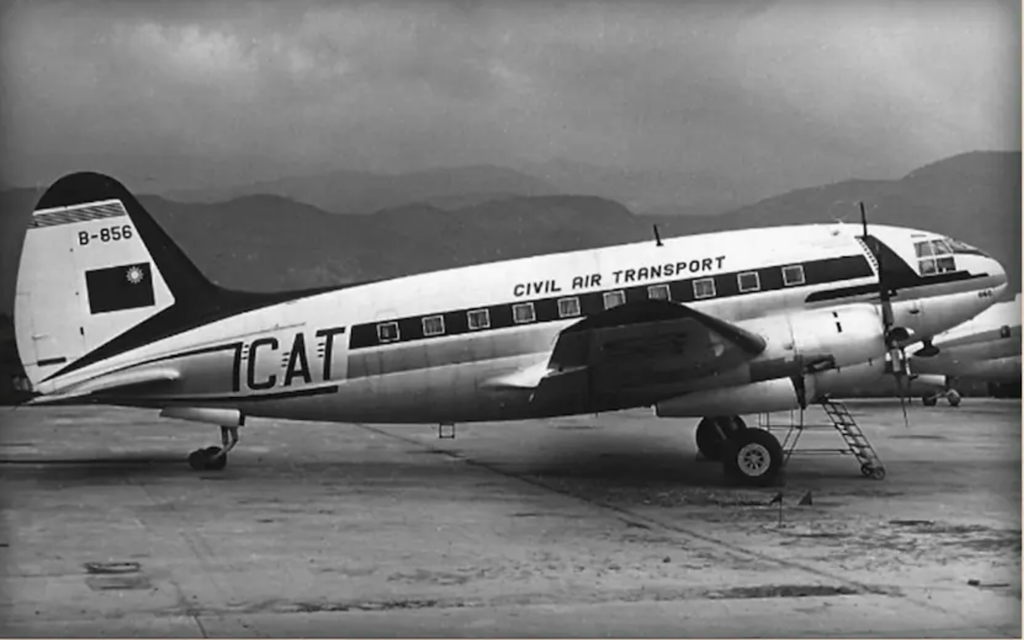
The arms were flown in Civil Air Transport (CAT) planes that were also used for arms shipments to the French carried out under the cover of a U.S. economic aid mission.[21]
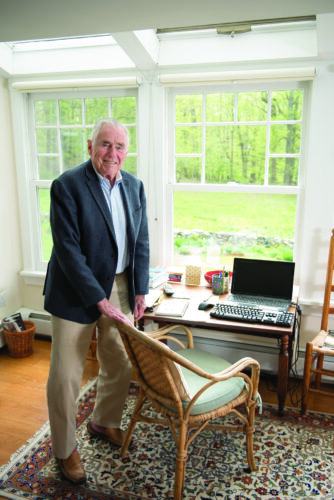
On another trip to Thailand, Springer and colleagues such as Donald Gregg oversaw training of Vietnamese commandos, who were parachuted into North Vietnam to try to foment unrest in Vietminh-controlled territory.[22]
Springer and Gregg oversaw similar covert infiltration missions when Springer served as CIA Station Chief in Saipan.[23] Many of the commandos were captured and executed after show trials in which spy gear supplied by the CIA was shown.[24]
In 1957, some Tibetan Khamba fighters were brought to Saipan for paramilitary training to be used against China’s People’s Liberation Army (PLA). Before returning to Tibet via plane, each commando was given a cyanide poison pill to be taken if they were captured.[25]
One of Springer’s most important tasks in Vietnam was his development of biographical dossiers on key figures in Vietnamese politics, including the leaders of religious sects whom the CIA wanted to win over, and a blacklist of Vietminh leaders, which was “passed on to Vietnamese commanders or French security forces, who quickly eliminated” people on the list. [26]
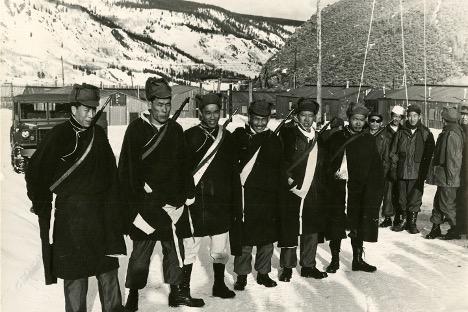
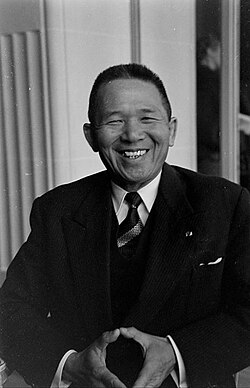
Springer worked directly with Nguyễn Văn Tâm (aka the “Tiger of Cai Lay”), the Minister of the Interior and Prime Minister of the Vietnam state associated with the French Union in 1952-1953, who tortured peasants and “suppressed any uprising in his district [in Tay Ninh Province in the Mekong Delta] with the most savage means.”[27]
Bevill wrote that, under Tam’s order, Vietminh agents were often summarily executed, their dead bodies left on the side of the street with a notice pinned to their clothing that they were a “communist murderer executed for his crimes.”[28]
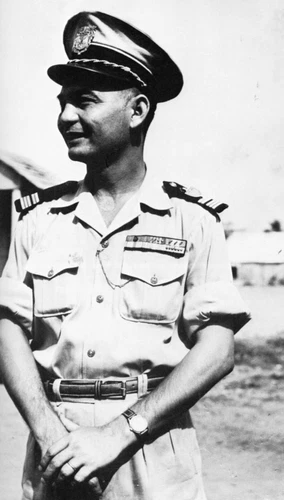
Springer and his wife Jean, a secretary at the U.S. Legation in Saigon, also developed a close relationship with decorated French Colonel Jean Leroy, who had formed a Vietnamese Catholic brigade in Ben Tre Province to fight against the Vietminh.
Years later, Jean recalled how charming Colonel Leroy and his wife were, noting that he was half French and half Vietnamese, and said that, under his direction, the “whole province [of Ben Tre] has been pacified, with only a few Vietminh left to be cleared out.”[29]
Prelude to America’s Albatross: From Bao Dai to Ngo Dinh Diem
After his promotion as the CIA’s station chief for all of Indochina, Springer visited Laos where the CIA tried to amass information on the pro-communist Pathet Lao, and Cambodia, where the CIA plotted the overthrow of Prince Norodom Sihanouk, who wanted to keep Cambodia neutral but leaned more toward China and support for the Vietminh.[30]
In April 1951, Springer took a trip to Manila to confer on novel counterinsurgency methods with Edward Lansdale, a CIA operative working under cover as an Air Force attaché, who was spearheading the suppression of the left-wing Hukbalahap. Springer developed a good working relationship with Lansdale, who was sent to Vietnam in 1955 to try to replicate his “success” with the Huks in the Philippines.[31]
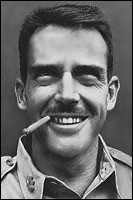
“Success” really meant brutally suppressing the Huks, using savage methods like the “vampire trick,” where Lansdale’s agents would kill a Huk, drain the body of blood and put the corpse in a town square to intimidate villagers. Journalist Douglas Valentine wrote of Lansdale’s “perverse delight in atrocity.”[32]
Springer does not appear to have had the same perverse delight, though he was still involved in violent black operations directed against leftist forces fighting for their country’s sovereignty.
Though they were both on the same side of the Cold War struggle, Bevill highlights that the French intelligence service, SDECE (Service de Documentation Extérieure et de Contre-Espionnage) was reluctant to share any information with the CIA, which it distrusted and kept Springer and other CIA operatives under watch.[33]
The CIA, in turn, worked to expel French forces from Indochina following the Vietminh’s defeat of the French at the 1954 Battle of Dien Bien Phu.
Prior to that time, the U.S. had supported the French puppet emperor Bao Dai, who benefited from a CIA propaganda campaign designed to bolster his public image.
Springer and the CIA came to view Bao Dai as a politically spent force “primarily interested in making money for himself,” finding out that some of his ministers “rendered clandestine service to the Vietminh in order to ensure their safety.”[34]
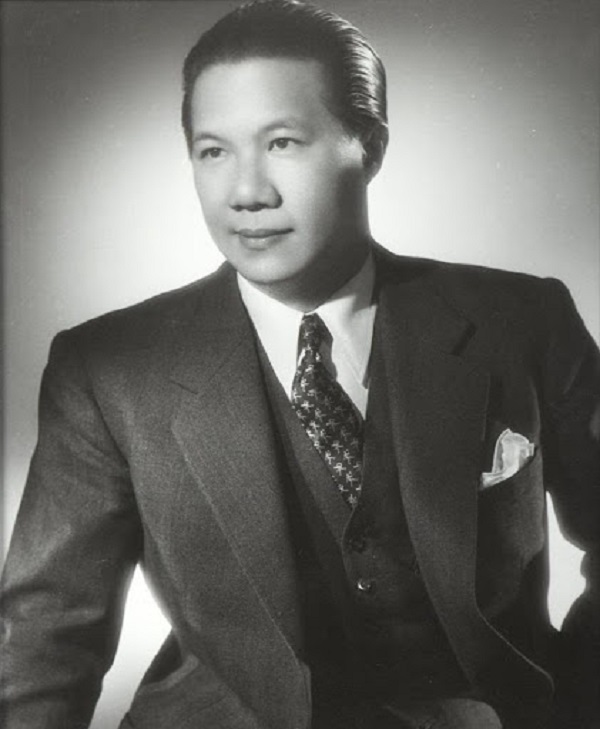
This assessment led the CIA to stage-manage a referendum in October 1955 in which Diem defeated Bao Dai with 98% of the vote.
The U.S. was committed to building a client regime in South Vietnam to counter Ho Chi Minh and the Vietminh, which had consolidated its control in North Vietnam after signing of the 1954 Geneva Agreements calling for elections the next year that would unify the two Vietnams.
The elections were never allowed to take place because the U.S. knew Ho Chi Minh would win with more than 80% of the vote, according to President Dwight Eisenhower’s estimate.
Though he had spent the anti-French war living in exile and had supported the crushing of anti-colonial farmer revolts as chief of Ninh Thuan province in 1930-31, Diem was considered an anti-communist nationalist who curried support from Vietnam’s Catholic community, which had ties with U.S. missionaries.
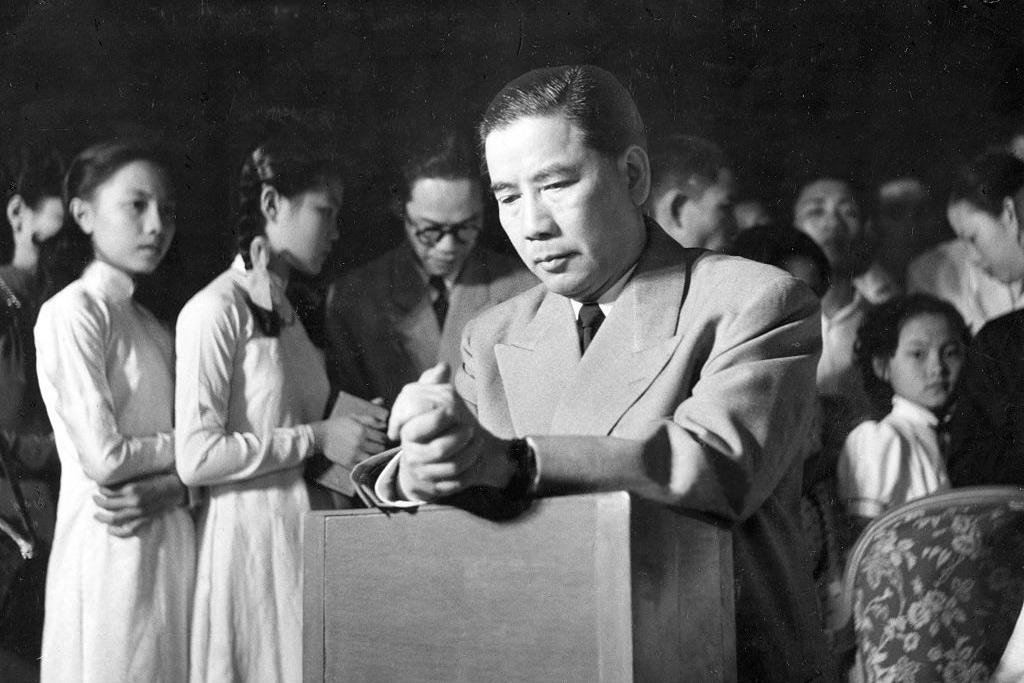
Bevill notes that Springer’s initial contacts with Ngo Dinh Diem and his brother Ngo Dinh Nhu, who came to run his secret police, were made through CIA operative Edward Korn Patterson in 1951. From this time, Nhu became the CIA’s primary political contact in Saigon.[35]
Like other agency assets, such as Colonel Leroy and Nguyen Van Tam, Nhu was known for brutal methods that eventually even turned off the CIA, and led it to back a coup against him and his brother in November 1963.
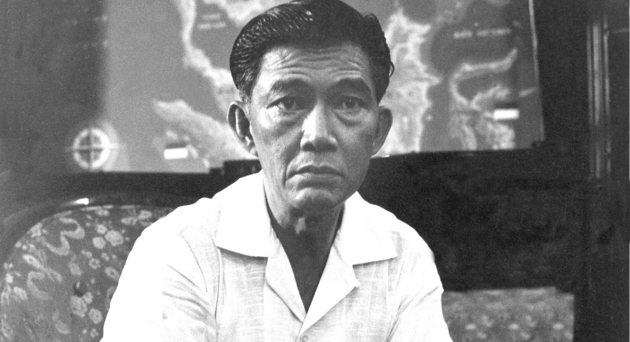
Springer was long gone from Saigon by this time, though his spirit had been present in many of the CIA operations designed to try to build public support for Diem.[36]
The latter included the luring of Catholic refugees from the North to provide a base for Diem, and creation of blacklists and a police-intelligence network that carried out snatch-and-grab operations resulting in gross human rights abuses.
While Springer had many admirable personal qualities, the dirty work that he carried out was vital to U.S. policy in Vietnam in the early 1950s, and helped set the ground work for worse horrors that were to come in the Vietnam War.

James P. Bevill, Spies in Saigon: CIA Covert Operations in French Indochina and South Vietnam 1950-1963 (Atglen, PA: Schiffer Publishing, 2026), 277. The importance of Bevill’s book is enhanced by the fact that CIA involvement in Vietnam has been suppressed in popular documentaries and academic history books written about the Vietnam War. ↑
Bevill, Spies in Saigon, 329. ↑
Idem. ↑
Idem. Gregg said that he was against the use of torture in interrogation, which was ineffective. ↑
See Alfred W. McCoy, A Question of Torture: CIA Interrogation from the Cold War to the War on Terror (New York: Metropolitan Books, 2006). ↑
Bevill, Spies in Saigon, 326. ↑
Bevill, Spies in Saigon, 330. ↑
Idem.. ↑
Ibid., 331. ↑
Ibid., 22, 23. ↑
Ibid., 25. ↑
Ibid., 27. ↑
Ibid., 40. ↑
Ibid., 57. ↑
Ibid., 75. ↑
Ibid., 121. ↑
Ibid., 75, 95. ↑
Ibid., 79, 80. ↑
Bevill, Spies in Saigon, 80. During his tenure as Saigon’s CIA Station Chief, he met his wife Mary Jean, who had a background in naval intelligence and worked as a secretary at the American legation. ↑
Bevill, Spies in Saigon, 145. Led by General Li Mi, the Chinese nationalist forces generated revenue through opium smuggling. David M. Key, the U.S. Ambassador to Burma, returned to Washington after discovering Operation Paper and was incensed over the CIA’s involvement and resigned from the Foreign Service. ↑
Bevill, Spies in Saigon, 138, 145. ↑
Ibid., 185. These missions were modeled after similar ones into North Korea where the majority of commandos were captured and killed. The training in Saipan focused on espionage techniques, jungle warfare and survival, parachuting and explosives and demolitions, among other things. ↑
Working under Frank Wisner, Springer’s cover was as a political adviser to the U.S. Navy force in the Mariana Islands. While stationed in Saipan, he and his wife lived in a magnificent beach house overlooking the ocean and would regularly swim in the ocean with their kids. ↑
Bevill, Spies in Saigon, 386. The same thing happened with the CIA-trained secret teams that were parachuted into North Korea during the Korean War. ↑
Bevill, Spies in Saigon, 331. ↑
Ibid., 120. ↑
Ibid., 123. ↑
Idem. ↑
Ibid., 125. ↑
Ibid., 135. Later, Springer came to head the CIA’s Far East section. ↑
Bevill, Spies in Saigon, 142, 229; Jonathan Nashel, Edward Lansdale’s Cold War (Amherst, MA: University of Massachusetts Press, 2005). Another Lansdale method was to stage a massacre and blame it on the Huks. ↑
Douglas Valentine, The Phoenix Program (New York: William Morrow, 1990). ↑
Bevill, Spies in Saigon, 123. ↑
Ibid., 95. ↑
Ibid., 142. For more on Diem and Nhu’s background and U.S. business support for French colonialism, see Brian D. Roesch, Corporate Tsunami in Countryside Paradise: 1875-1900 Origin of US War in Vietnam (2020). ↑
After Vietnam and Saipan, Springer worked in Washington debriefing field officers after their overseas assignments and then served with the CIA in the Belgian Congo. ↑
CovertAction Magazine is made possible by subscriptions, orders and donations from readers like you.
Blow the Whistle on U.S. Imperialism

Click the whistle and donate
When you donate to CovertAction Magazine, you are supporting investigative journalism. Your contributions go directly to supporting the development, production, editing, and dissemination of the Magazine.
CovertAction Magazine does not receive corporate or government sponsorship. Yet, we hold a steadfast commitment to providing compensation for writers, editorial and technical support. Your support helps facilitate this compensation as well as increase the caliber of this work.
Please make a donation by clicking on the donate logo above and enter the amount and your credit or debit card information.
CovertAction Institute, Inc. (CAI) is a 501(c)(3) non-profit organization and your gift is tax-deductible for federal income purposes. CAI’s tax-exempt ID number is 87-2461683.
We sincerely thank you for your support.
Disclaimer: The contents of this article are the sole responsibility of the author(s). CovertAction Institute, Inc. (CAI), including its Board of Directors (BD), Editorial Board (EB), Advisory Board (AB), staff, volunteers and its projects (including CovertAction Magazine) are not responsible for any inaccurate or incorrect statement in this article. This article also does not necessarily represent the views the BD, the EB, the AB, staff, volunteers, or any members of its projects.
Differing viewpoints: CAM publishes articles with differing viewpoints in an effort to nurture vibrant debate and thoughtful critical analysis. Feel free to comment on the articles in the comment section and/or send your letters to the Editors, which we will publish in the Letters column.
Copyrighted Material: This web site may contain copyrighted material the use of which has not always been specifically authorized by the copyright owner. As a not-for-profit charitable organization incorporated in the State of New York, we are making such material available in an effort to advance the understanding of humanity’s problems and hopefully to help find solutions for those problems. We believe this constitutes a ‘fair use’ of any such copyrighted material as provided for in section 107 of the US Copyright Law. You can read more about ‘fair use’ and US Copyright Law at the Legal Information Institute of Cornell Law School.
Republishing: CovertAction Magazine (CAM) grants permission to cross-post CAM articles on not-for-profit community internet sites as long as the source is acknowledged together with a hyperlink to the original CovertAction Magazine article. Also, kindly let us know at info@CovertActionMagazine.com. For publication of CAM articles in print or other forms including commercial internet sites, contact: info@CovertActionMagazine.com.
By using this site, you agree to these terms above.
About the Author
Jeremy Kuzmarov holds a Ph.D. in American history from Brandeis University and has taught at numerous colleges across the United States. He is regularly sought out as an expert on U.S. history and politics and co-hosts a radio show on New York Public Radio and on Progressive Radio News Network called “Uncontrolled Opposition.”
He is Managing Editor of CovertAction Magazine and is the author of eight books, including Obama’s Unending Wars (Clarity Press, 2019), The Russians Are Coming, Again, with John Marciano (Monthly Review Press, 2018), Warmonger. How Clinton’s Malign Foreign Policy Launched the U.S. Trajectory From Bush II to Biden (Clarity Press, 2023); with Dan Kovalik, Syria: Anatomy of Regime Change (Baraka Books, 2025), and Political Assassinations in America: The Intricate Nexus of Deep State Crime (Clarity Press, 2026).
Besides these books, Kuzmarov has published hundreds of articles and contributed to numerous edited volumes, including one in the prestigious Oxford History of Counterinsurgency .
He can be reached at jkuzmarov2@gmail.com and found on substack here.