[This article is the first of a series of articles this week on the anniversary of the JFK assassination. Last year, we also ran important articles that can be viewed here, here, here and here.—Editors]
I spoke with Lyndon Johnson’s attorney, Barr McClellan, in the summer of 2024, shortly after his wife, Cecile, died. McClellan, who was a member of Lyndon Johnson’s legal team from 1966 through 1971, met LBJ, lunched with Lady Bird, and knew what the key players in his firm also knew: Lyndon Johnson and Ed Clark, through their contacts in the American military, were part of the plot to murder John F. Kennedy.
When I finally heard McClellan’s affable voice on the phone, I could not believe my ears. I was talking to the same man my mother and I had watched on television back in 2003 when McClellan finally came out of the shadows, published his book (Blood, Money & Power: How L.B.J. Killed J.F.K.) and told his story to the History Channel.
“Stated simply,” McClellan said in his book, “LBJ killed JFK.”[1]
McClellan reiterated those claims on The History Channel’s special which aired during the 40th anniversary of the Kennedy assassination. Later, under massive public pressure from Bill Moyers, Gerald Ford, Jimmy Carter, Jack Valenti and Lady Bird, the documentary (Nigel Turner’s The Men Who Killed Kennedy) was removed from the air.[2] To McClellan, and authors like Phillip Nelson, this suppression campaign revealed that the ghost of Lyndon Johnson still wielded considerable influence in the 21st century.
After all, at that late date, 2003, Johnson’s Special Assistant, Valenti, who married Johnson’s mistress, Mary Margaret Wiley, was the president of the Motion Picture Association of America, and one of the wealthiest pro-copyright lobbyists in the world. I wanted to know if McClellan still stood by his claims and if he had learned anything new over the past 20 years.
In short, the answer was yes.
McClellan still thought Johnson was behind Kennedy’s murder and believed that the forces that killed Kennedy persisted in their threat to our republic.
“Our situation in our government has never been this awful,” he told me.
We talked about COVID, Biden, RFK Jr., and the forever wars. McClellan cried at one point, telling me about how Shane Stevens, the grandson of Billie Sol Estes, had called him shortly after his—Stevens’—grandfather’s death.
Billie Sol Estes, who knew Johnson well and pinned the killing of JFK on LBJ, died on May 14, 2013. The stunning tapes Estes made of Johnson’s right-hand man, Cliff Carter, talking with Estes about LBJ, were passed down to the grandson.
On one tape, Carter, who started working for Johnson in 1937 at age 19, comes right out and lays the blame for the JFK assassination at Johnson’s doorstep.
On this particular tape, Carter and Estes discuss Johnson’s decision to hire “Mac Wallace to assassinate the president,” and how “17 got killed in this situation very mysteriously.”[3]
Just before that tape dropped, in our interview, McClellan told me about the grandson who was now the custodian of this radioactive JFK artifact.
“I’m Shane,” McClellan recalled Shane Stevens saying over the phone. “My daddy said if I ever had trouble to talk to you.”
McClellan, who was the father of Scott McClellan, George W. Bush’s former press secretary, and Dr. Mark S. McClellan, the former head of the FDA, did not strike me as crazy or as a lunatic or a Russian asset or a traitor or any of those other neo-McCarthyite slurs so often used to silence critics of the Warren Commission Report, the government, the Establishment, or the Democratic Party.
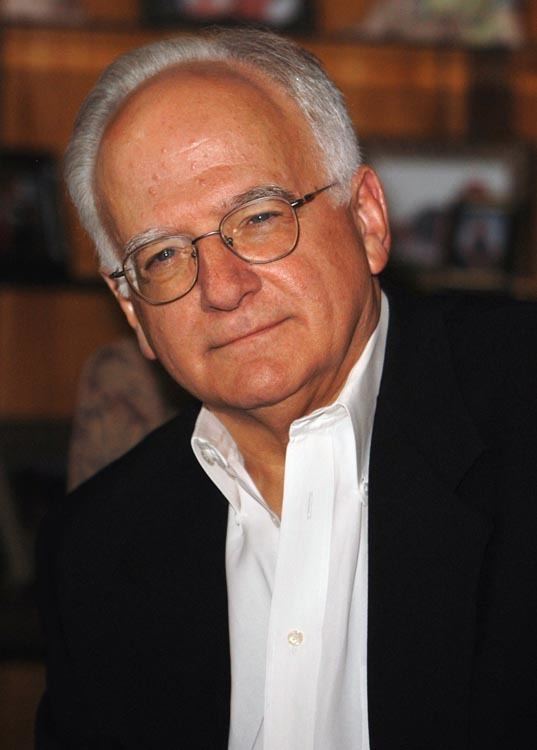
Instead, he struck me as a man with a powerful story who cared deeply about his country and wanted the truth to be told before he died.
What was the truth?
For McClellan, it was the fact that Johnson masterminded the plot to kill Kennedy through his surrogates. Don Thomas, the senior partner, told McClellan this while Johnson was still alive.
“I don’t know what happened in Dallas,” Thomas told McClellan. “But Johnson knows.”
Referring to Ed Clark, the firm’s head and the former ambassador to Australia under LBJ, another associate named John Coates told McClellan, “Only Clark knows.”
McClellan thought of Ed Clark in the same way that Reader’s Digest did back in the 1950s and 1960s: Clark was the “secret boss” of Texas. Johnson was “evil,” and Clark and Johnson together were the heart of darkness at the center of mid-century Austin.[4] Clark was, in McClellan’s words, “the powerful person behind the most powerful person in the world. Clark was the big gun.”[5]
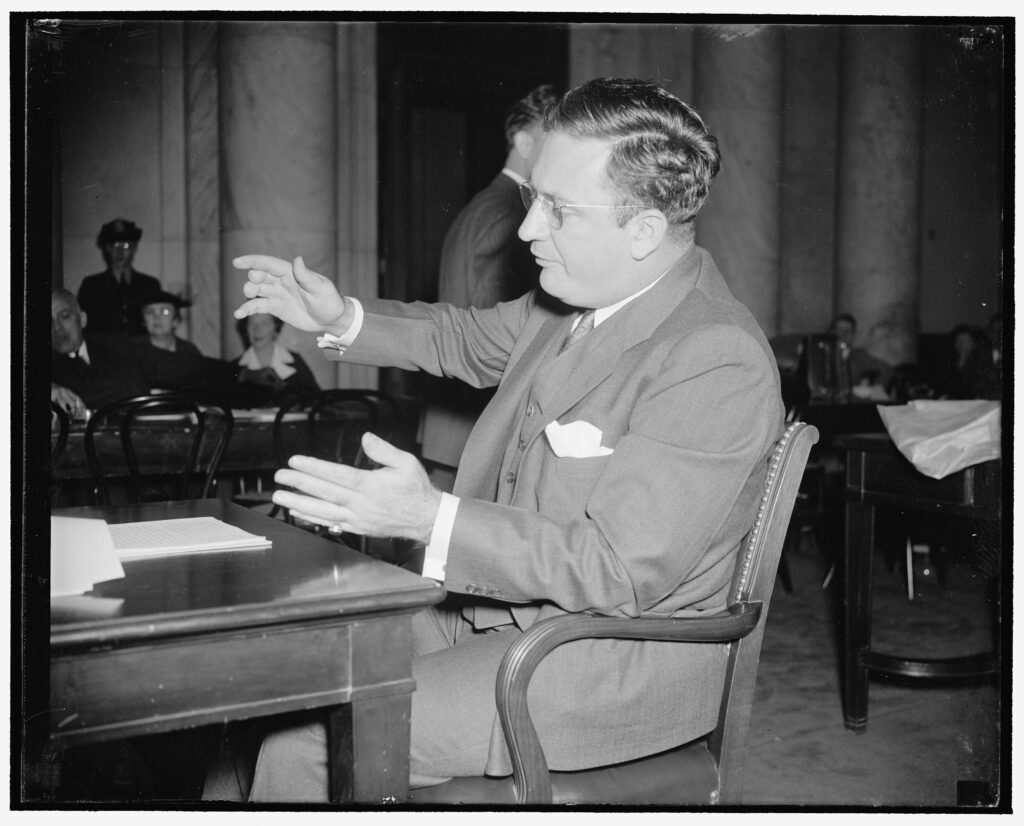
If you wanted to understand the Kennedy assassination, you needed to understand Texas in the 1960s. If you wanted to understand Texas in the 1960s, you needed to understand the lawyers behind Lyndon Johnson and a man whose name does not appear in the Warren Report or most American history books: Ed Clark.
“Do you think Oswald was innocent?” I asked.
“Everything points to that,” McClellan said. “Yes.”
As our conversation concluded, I returned to the question of new information, lessons learned since 2003. I asked about the censorship of the History Channel film I watched with my mother. I knew that Bill Moyers, Jimmy Carter, Gerald Ford, Jack Valenti and Lady Bird had all applied pressure to suppress that film, as stated earlier, and McClellan confirmed that.
What I did not know was that the decision to censor had not, ultimately, come down from the History Channel or A&E television networks. According to McClellan, executives from the History Channel repeatedly protested the call to suppress.
“We’re not taking it off the air,” McClellan paraphrased them saying. “It’s our best-seller.”
The decision to suppress did not come from the history people. The decision to suppress did not come from a transparent and methodological legal process. No, ultimately, the decision to remove the LBJ story from the air came down from a single executive at the History Channel’s parent company. What was the name of the History Channel’s parent company?
Disney! The Walt Disney Company, as many scholars have noted, existed and profited on Florida land purchased by covert action operators from the CIA, such as Paul Helliwell and “Wild Bill” Donovan.[6]
Florida was the place where so many JFK operators (think E. Howard Hunt) spent their retirements. Walt Disney himself was an informant for the FBI. Was Disney’s heavy hand in the JFK case the only thing I learned from Barr McClellan?
No.
There was one more new and important disclosure—one more name McClellan gave me that I had never encountered in the literature of the JFK assassination: Sander “Sandy” Shapiro. We were talking about the politics and the culture of secrecy in McClellan’s firm when he disclosed Shapiro’s name.
“The big one, I guess, was Sandy Shapiro,” McClellan told me. “When he [Shapiro] said, well, we can’t let Barr know about these things.”[7]
Who was Sandy Shapiro, why was Shapiro the “big one,” and what were “these things” that needed to be kept from the young Barr McClellan?
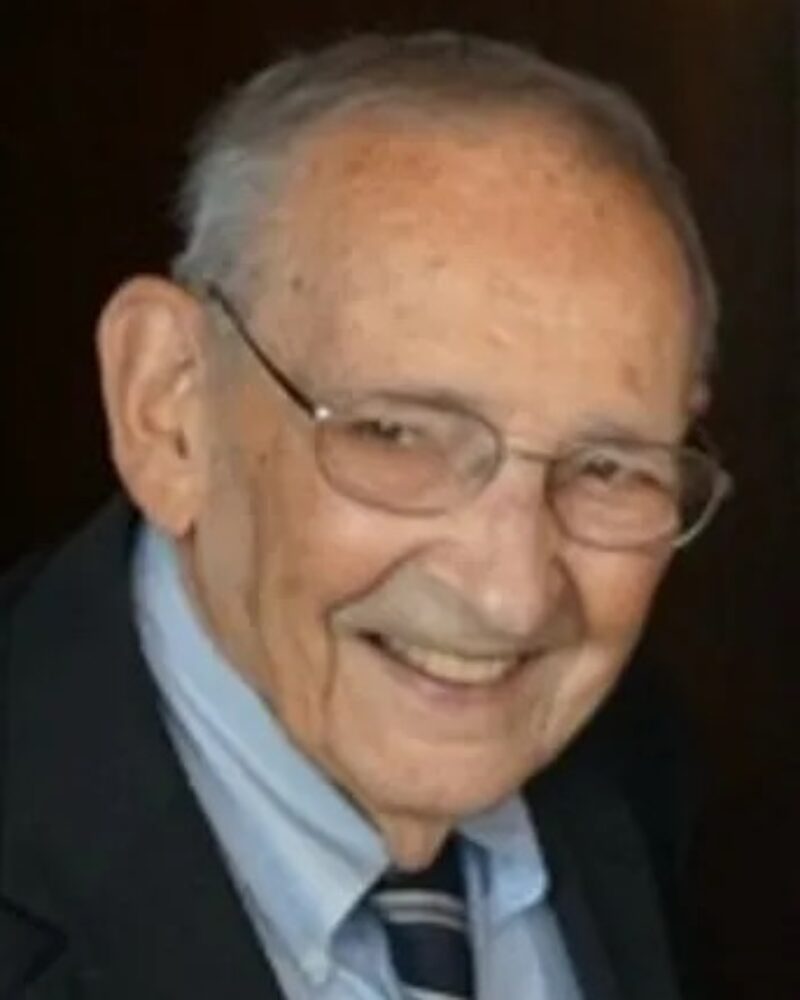
Sandy Shapiro worked at Clark Thomas & Winters, a firm that would later become known as Clark Thomas Winters & Shapiro. Shapiro was the first tax attorney in the history of Austin, Texas, and he worked not only for the firm that represented Lyndon Johnson, but also the firm that defended Joe Tonahill.
Shapiro himself defended Tonahill.
Who was Joe Tonahill?
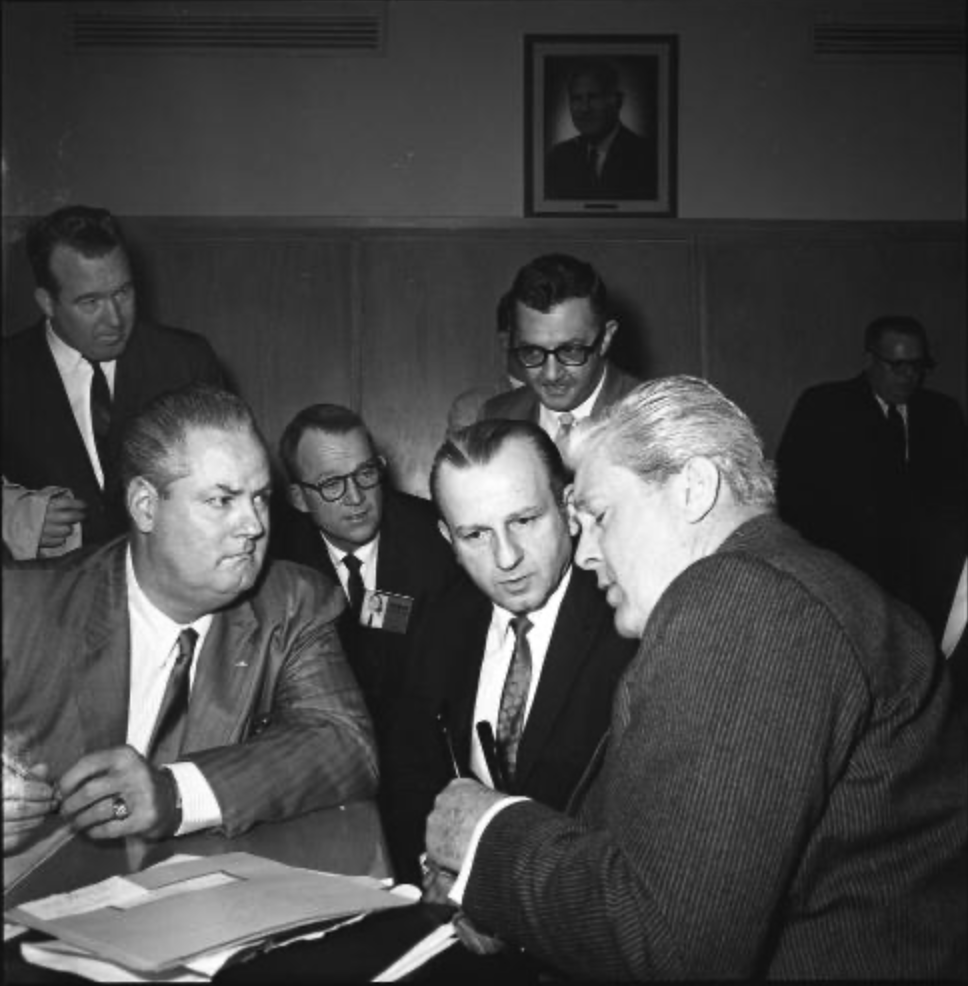
Tonahill, whose name is all over the JFK files, was a 300-pound former wrestler whose father-in-law was a Texas congressman responsible for blocking the legislation of a young JFK in the 1950s. Tonahill was also part of the chaotic and protean defense team for Jack Ruby in Ruby’s trial for the murder of Lee Harvey Oswald.
Tonahill, who believed the JFK assassination was a function of conspiracy (and was the man who arranged for journalist Dorothy Kilgallen to meet with Ruby just before Ruby and Kilgallen died premature deaths), passed away in 2001.
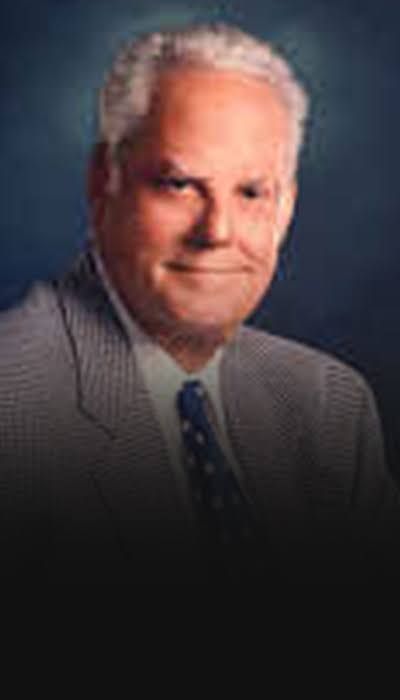
However, before his death, Tonahill told journalist Seth Kantor that “Ruby could have been used” and that he believed the Dallas “police had to be in on it” in reference to the murder of Oswald.
Sandy Shapiro, who died on February 12, 2024, just months before my conversation with McClellan, defended Tonahill in a July 1970 tax fraud case (United States of America vs. Joe H. Tonahill) that was first launched in 1962, the year before the JFK assassination, which raises two questions: How did Lyndon Johnson’s firm come to defend this compromised man, and does this instance of compromised counsel represent a fact pattern in the history of the assassinations of the 1960s?
Three days after JFK was murdered in Dallas, the Deputy Attorney General of the United States, Nicholas Katzenbach, wrote a memo to LBJ’s aide, Bill Moyers, in which Katzenbach stated, “The public must be satisfied that Oswald was the assassin; that he did not have confederates who were still at large; and that the evidence was such that he would have been convicted at trial.”[8]
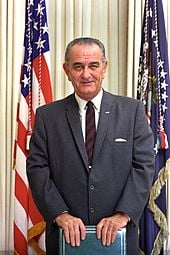
Well before the Warren Commission was even formed, LBJ’s Deputy Attorney General was already communicating to one of LBJ’s closest aides that the case was closed. Katzenbach, like Joe Tonahill, Arlen Specter, and so many others, was a lawyer whose career depended on complying with a pre-ordained government narrative. The leader of the government that launched this narrative warfare was Lyndon Johnson.
The surest way to control an investigation is to control the investigators, i.e., the lawyers. If you can infiltrate an investigation, you can shape it and report on its developments to those in media and those being investigated. Ed Clark, the key man in the JFK assassination according to Barr McClellan, was the brother-in-law of Joe Tonahill’s former law partner, Joseph Jefferson Fisher.
Tonahill, Clark and LBJ were friends, to say the least. Barr McClellan does not have all the answers when it comes to questions about LBJ and the CIA, but a pattern emerges when one studies the lawyers in the case, to say nothing of the doctors. A fact pattern appears when one engages the insider accounts and the primary documents that map the story of the JFK assassination and the killings that followed, namely those of JFK’s brother, Robert F. Kennedy, and the civil rights leader, Martin Luther King, Jr.
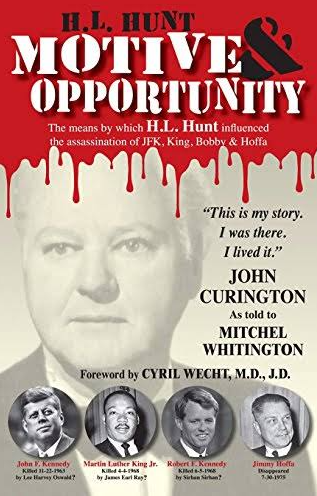
Specifically, the account of John Curington, attorney for H. L. Hunt, is quite illuminating.
According to Curington, the defense teams of James Earl Ray (Martin Luther King, Jr.’s alleged assassin) and Sirhan Sirhan (Robert F. Kennedy’s ostensible killer) demonstrate a pattern of compromise and capture during this exigent moment in American history, a pattern that ties the killings to the social network of Lyndon Johnson.
Like Percy Foreman defending Ray and Grant Cooper defending Sirhan, Tonahill’s defense of Ruby was notoriously shoddy and corrupt. Curington sees the hand of Hunt in this pattern of captured counsel, and Hunt was one of President Johnson’s closest allies.
“At Mr. Hunt’s instruction,” Curington wrote of the time shortly after the King assassination, “I traveled to call on Percy Foreman with a briefcase and laid it on the desk in front of him. ‘I have one hundred and twenty-five thousand reasons why James Earl Ray should plead guilty to killing Martin Luther King,’ I said.”[9]
Curington, who in his memoir leaves out the fact that Foreman also briefly defended Jack Ruby (alongside Tonahill, C. A. Droby, Sam Brody, Phil Burleson, Hubert Winston Smith, Tom Howard, and Melvin Belli), describes H. L. Hunt commanding him—Curington—to locate another intermediary (Mark Deering) to make a similar payoff “four to six weeks after the assassination” of RFK in California.
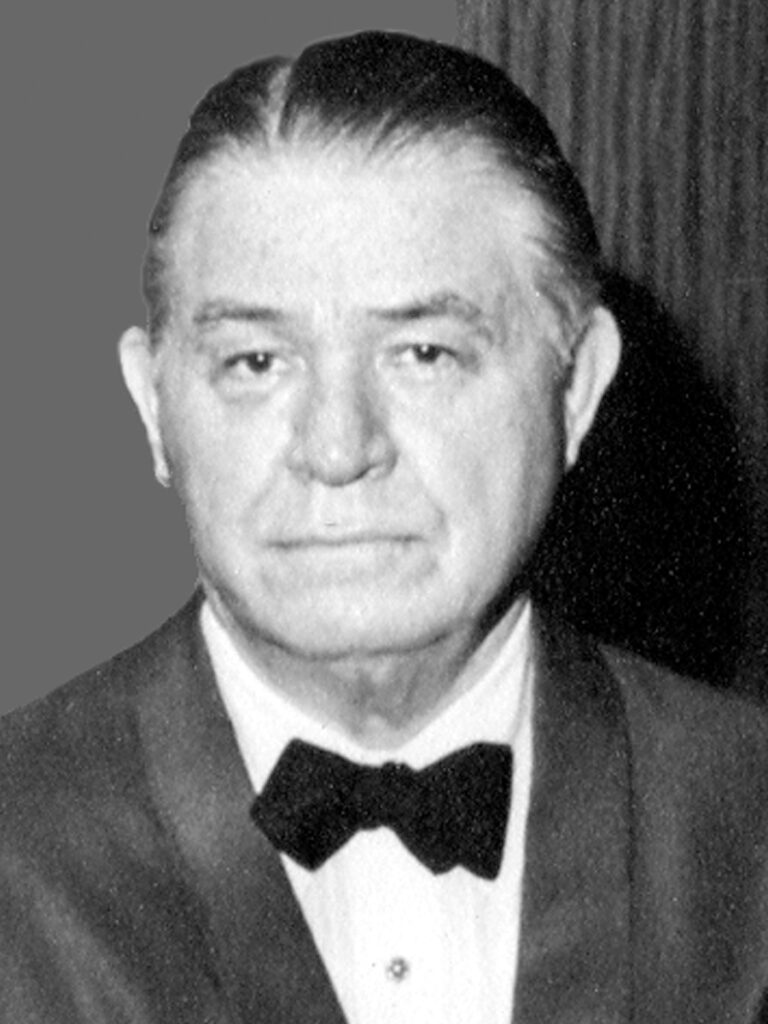
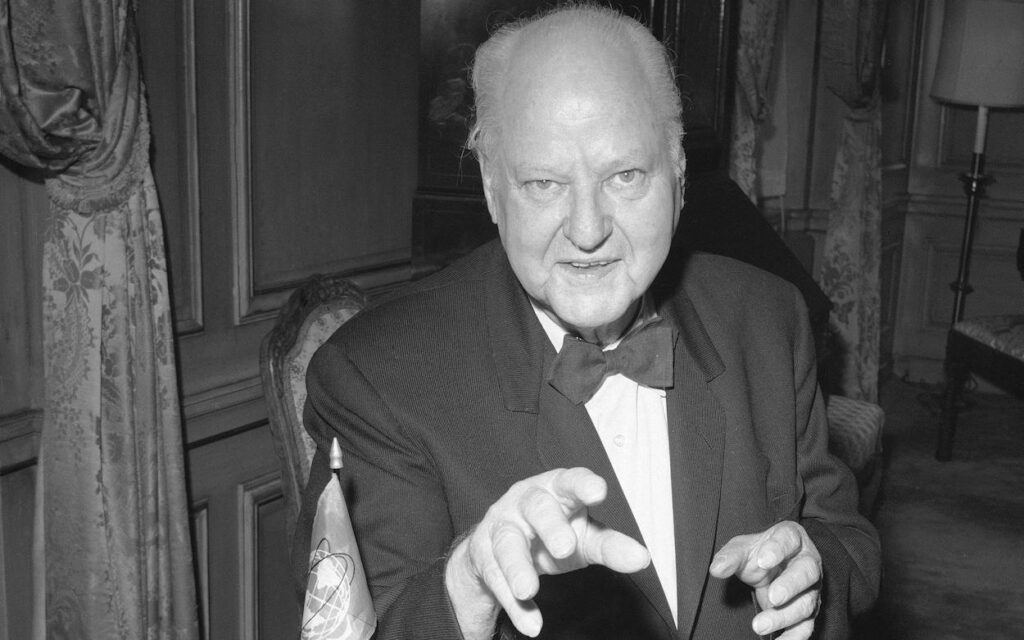
Was Hunt, the richest man in America in 1963 and the largest supporter for the John Birch Society and the neo-fascist paramilitary force known as The Minutemen, also the paymaster for the defense of Jack Ruby and Joe Tonahill?
Melvin Belli, Ruby’s lead attorney from California, claimed he never received an official cent for the defense. Did he receive unofficial compensation from Hunt? C. A. Droby, head of the Dallas Bar and one of Ruby’s first legal advisers after Ruby shot Oswald, claimed he received a death threat the very weekend of the Oswald shooting. Droby’s wife, Betty, told him that a man with a foreign accent called their house and said that Droby would be the “next to die” if Droby represented Ruby.[10]
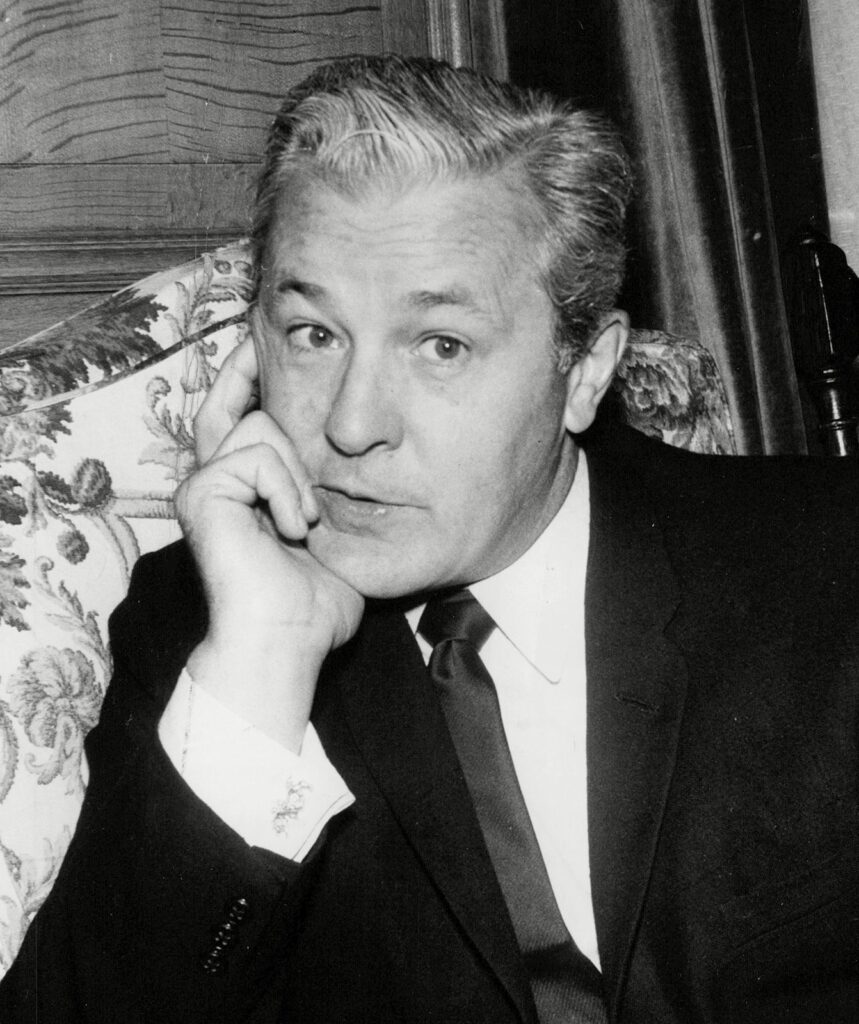
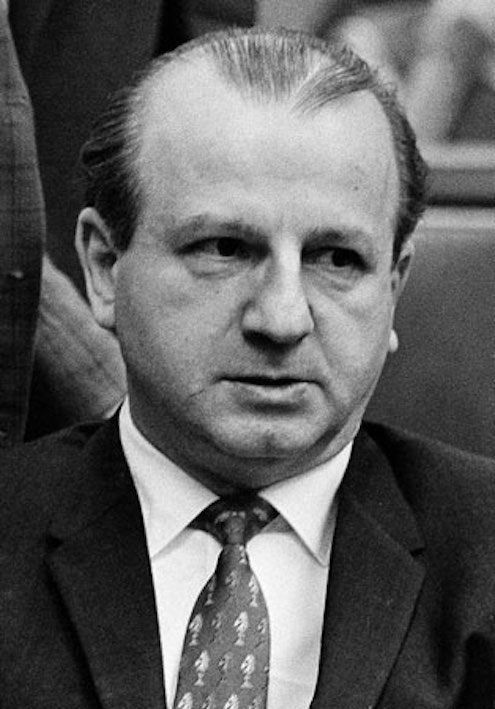
Who out there in Texas with foreign and California connections wanted to mastermind the defense of Jack Ruby? Was it Hunt? Was Hunt a key proxy for Lyndon Johnson in his efforts to defeat his political opponents if, by defeat, one means murder? Was blackmail their method for controlling the narrative?
Listen to the voice of Jack Ruby from the Warren Report: “I don’t think I will get a fair representation with my counsel, Joe Tonahill. I don’t think so. I would like to request that I go to Washington and take all the tests that I have to take. It is very important.”[11]
Jack Ruby, who repeatedly pinned the JFK assassination on Lyndon Johnson, is begging Supreme Court Chief Justice Earl Warren to transport him to Washington, D.C., so he—Ruby—can take a lie detector test and tell the truth far away from the threats native to Lyndon Johnson’s home state of Texas.
Ruby, who in a 33-page letter from 1965, claimed Johnson was part of the plot and that “My lawyers Phil Burleson and Joe Tonahill were in on it,” is begging the Warren Commission to remove him from the jurisdiction of Johnson, Hunt, Burleson and Tonahill.[12]
Ruby’s pleas, however, fell on deaf ears. Deputy Attorney General Nicholas Katzenbach had already asserted the Johnson government’s thesis on November 25, 1963, one day after Ruby killed Oswald. Earl Warren’s commission, which should have been called either the Dulles Commission or the Johnson Commission, was itself infiltrated by Johnson attorneys like Leon Jaworski.
Who was Jaworski?
Jaworski was a close friend of LBJ and Texas power broker and future president, George H.W. Bush.
Jaworski was a right-wing Democrat from Texas who served as a prosecutor and intelligence gatherer during the Nuremberg Trials and then later joined the Watergate investigation of Richard Nixon.
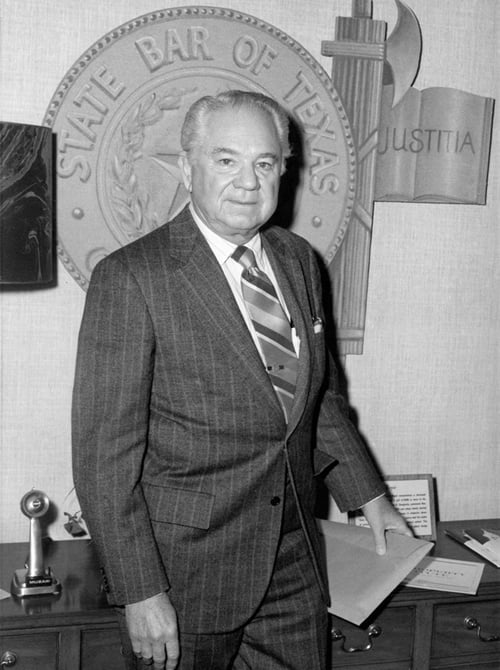
After the assassination of JFK, Jaworski, Robert Storey and Texas Attorney General Waggoner Carr attempted to conduct a Texas investigation, but when that started to appear too unseemly, Jaworski secured himself a place as one of the Warren Commission’s informal monitors on the Texas angle.
Jaworski was one of Johnson’s ears for developments pertinent to Ruby, Oswald and George de Mohrenschildt, the handler of Oswald and associate of H. L. Hunt and LBJ. What did it mean to have a spy, Bush crony, and Johnson attorney like Leon Jaworski infiltrating the Warren Commission?
“I am sure that you will lend a guiding hand to make certain that the trial is a credit to the administration of justice in Texas,” Jaworski wrote to Joe Tonahill on December 11, 1963, just after Tonahill had been appointed to represent Jack Ruby.[13]
Here is what we know for sure about these guiding hands. The assassin of JFK’s ostensible killer never received his wish. Ruby was surrounded by Johnson men and Texas justice at all times. He never traveled to D.C., the only place he believed he could tell the truth.
Ruby, whose first lawyer, Droby, received a death threat, was treated while in custody by famous CIA LSD doctor Jolly West, who was a contact of both Tonahill and Hubert Wilson Smith. Ruby, whose lead attorney, Belli, admitted that he knew he was going to lose in the first trial, therefore, needed to create sufficient chaos to create grounds for appellate defense.
What creates more chaos in the mind of a client than LSD? Mix a crazed defendant with a circus of compromised lawyers and you might just be able to convince a judge to grant Jack Ruby a new trial.
Belli’s strategy worked. But Jack Ruby died in 1967, right after getting his initial conviction overturned on appeal. Did Ruby know he was about to go? Did he try to tell the truth before he died and before he received that trial he probably knew he would never survive?
In a 1966 letter about the Kennedy killing, Ruby writes: “There is only one kind of people that would do such a thing, that would have to be the Nazi’s[sic], and that is who is in power in this country right now.”[14]
Who did Ruby mean when he said “Nazi”? In 1966, the president of the United States, Lyndon Johnson, was a good friend of neo-fascist paymaster H. L. Hunt, an oligarch who had, as mentioned earlier, been the subject of investigation by Senator Maurine Neuberger (D-OR) while JFK was still alive. Where are the Maurine Neubergers in the JFK assassination research community?
The binary mind has a hard time reckoning with the notion of a neo-fascist Democrat who passes civil rights legislation and loathes his own party more than “the opposition,” or the idea that one who is hired to defend a defendant might be working against that very individual for a larger entity.
The binary mind tends to think of Lyndon Johnson and Democrats in one column and Richard Nixon, George H. W. Bush, and Republicans in the other.
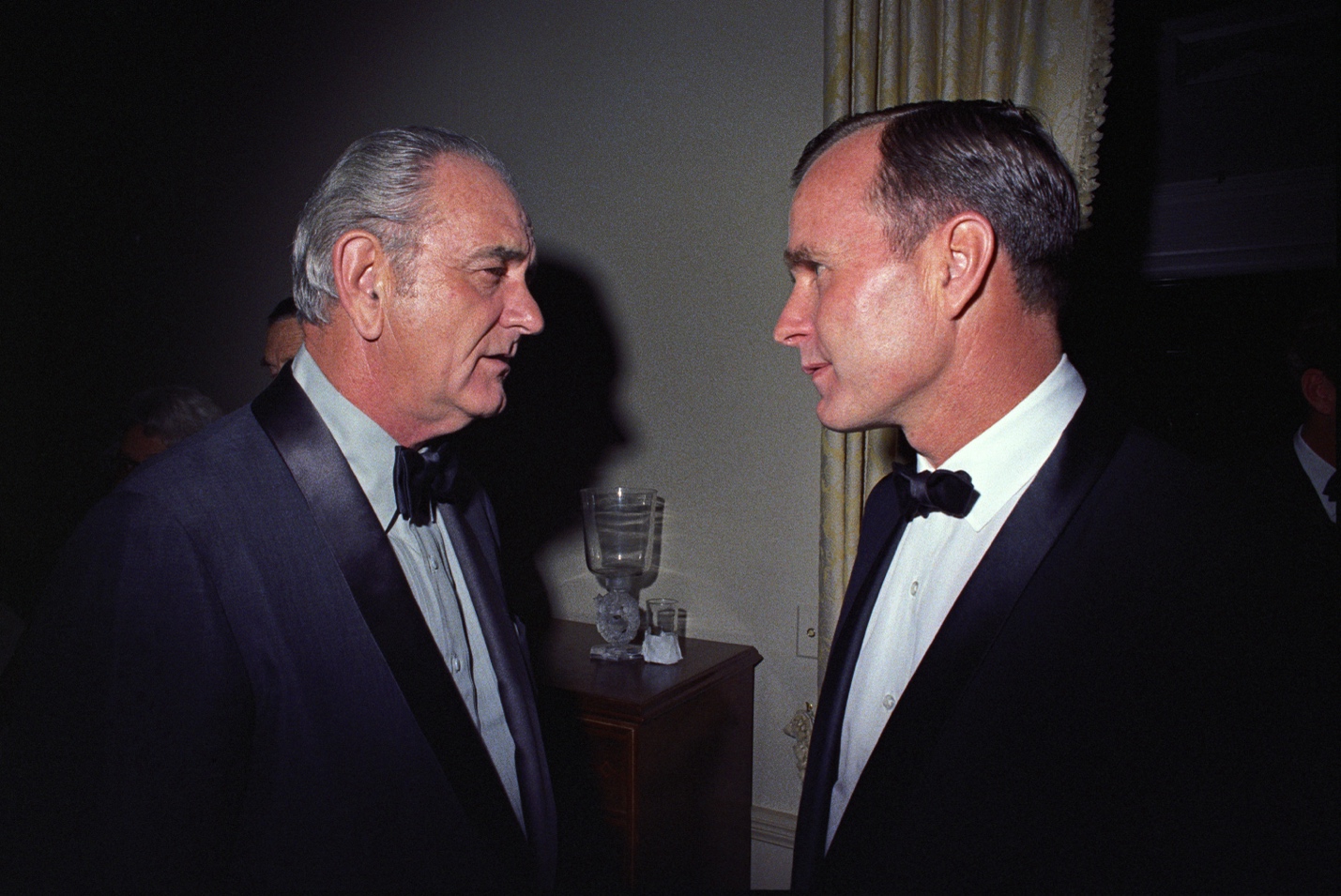
But a deep political analysis of what Russ Baker calls the “Dallas oil-intelligence elite” reveals a rhizomatic root system where Bush and LBJ were cronies and JFK and Nixon were both investigating the books of Texas oilmen at the time of their ousters.[15]
More research is needed into the “oil-intelligence” underworld of oligarchs and lawyers and much more scholarship is needed in this area of Ruby, his compromised defense, and LBJ’s neo-fascist social network as it branches out of the 1960s and into the 1970s Watergate era where figures like Jaworski played such key roles.
In a JFK story and Cold War history where artificial division, suppression, and binary thinking has been the modus operandi for years, Sandy Shapiro’s story reveals yet another connection between the social network of Lyndon Johnson and the world of the JFK assassination conspiracy.
If the key to investigating power is to “follow the money,” who better to compromise a key figure than a tax attorney? Sandy Shapiro served a unique function as counsel for Joe Tonahill; more a spy than a representative.
While working for the legal team of Lyndon Johnson at a moment in history when Barr McClellan was still at the firm and President Johnson was still alive, Shapiro defended Tonahill and, by doing so, Shapiro gained access to Tonahill’s thoughts and records, the primary documents and financial records that mapped his life.
Where lawyers like Jim Garrison, C. A. Droby, Mark Lane and Richard Sprague reveal largely uncompromised counsel willing to risk everything in the name of justice, Shapiro, Tonahill, Foreman and Jaworski show historians a counter-pattern of captured counsel working at the behest of LBJ and the “oil-intelligence elite.”
Like McClellan himself, Shapiro entered into a relationship of attorney-client privilege that, generally, seals the lips of counsel until the concerned parties go to the grave.
Most of these compromised men have now indeed taken that ride to the other side. But a few of them dared to speak up before they died. Robert T. Davis, the Assistant Attorney General of Texas in 1963, was a contemporary of Sandy Shapiro and was assigned by Texas Attorney General Waggoner Carr to help with the Warren Commission’s investigation and interrogations in Dallas.
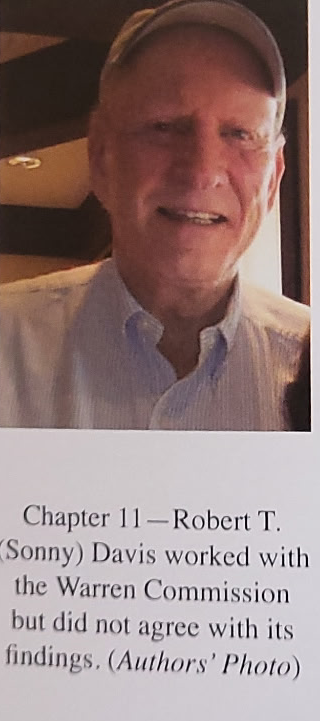
While Shapiro was quietly sifting through the tax records of Joe Tonahill, Davis, like Leon Jaworski, was behind the curtain studying the statements of Texas witnesses to the JFK assassination. He was also taking note of the conduct of his peers in the Texas legal community.
At one point, Davis told Carr that he believed the Warren Commission’s inquiry to be “the biggest whitewash I’ve ever seen.” In 2014, roughly a decade after the first disclosures of McClellan and a decade before the death of Shapiro, Davis said the following to JFK researchers Sara Peterson and K. W. Zachry:
“My personal thought is that LBJ got the Mafia to kill Kennedy, and anyone connected with the assassination was killed, too.”[16]
Davis, in this claim, is supported by LBJ’s own attorney, Barr McClellan. Davis, a true first-generation JFK investigator, stands with McClellan, Jack Ruby and LBJ’s right-hand man, the former Executive Director of the Democratic National Committee, Cliff Carter. Davis, like so many other lawyers in this case, did what he was told during the Johnson administration. He obeyed the code of silence.
Then, in the end, he disobeyed.
Robert Davis, Sandy Shapiro, Grant Cooper, Percy Foreman, Melvin Belli, C. A. Droby, Tom Howard, Waggoner Carr, Arlen Specter, Nicholas Katzenbach, Joe Tonahill, Leon Jaworski, James Earl Ray, John Curington, Lee Harvey Oswald, Jack Ruby, John F. Kennedy, Robert F. Kennedy, Martin Luther King, Jr., H. L. Hunt and Lyndon Johnson have now all gone silent. They have all gone to the grave.
But Barr McClellan lives.
Barr McClellan, Blood, Money & Power: How L.B.J. Killed J.F.K. (New York: Skyhorse Publishing, 2011), 312. ↑
Bruce Weber, “Moyers and Others Want History Channel Inquiry Over Film That Accuse Johnson,” The New York Times, February 5, 2004. ↑
Michael Slovanos, “Trump made aware of tapes proving LBJ conspired to kill Kennedy,” Cairns News, January 15, 2025. ↑
McClellan, Blood, Money & Power, 20. ↑
M. C. Armstrong, “Interview with Barr McClellan,” August 30, 2024, https://www.youtube.com/watch?v=IaMnjP5xqig ↑
T. D. Allman, “How the CIA Helped Disney Conquer Florida,” Daily Beast, April 14, 2013. ↑
M. C. Armstrong, “Interview with Barr McClellan,” August 30, 2024, https://x.com/mcarmystrong/status/1991141565289419203?a=NBdSnoWueJCUyt5ZPnw&s=20 ↑
Nicholas Katzenbach, Memorandum to William Moyers, November 25, 1963, https://www.history-matters.com/archive/jfk/fbi/105-82555/124-10010-10135/html/124-10010-10135_0002a.htm ↑
John Curington, H.L. Hunt: Motive & Opportunity (Jefferson, TX: 23 House Publishing, 2018), 142-43. ↑
YouTube, “November 24, 1963 – Jack Ruby Attorney C. A. Droby interviewed about receiving threatening calls,” https://www.youtube.com/watch?v=beaICK8gXCo . ↑
Warren Commission Report, Volume 5, 1964, https://www.history-matters.com/archive/jfk/wc/wcvols/wh5/pdf/WH5_JackRuby.pdf ↑
“Jack Ruby’s Handwritten Jail Letter Blames LBJ,” https://www.youtube.com/watch?v=pwafF2JUxm0 ↑
Edgar F. Tatro, Unpublished manuscript, “An Outsider’s Look at the Insufferable Leon Jaworski,” https://onedrive.live.com/:w:/g/personal/16949f1d558105bb/IQDfUjxLOcX8Rqd85bT1FKpZAcR5relCzGlJD1-fk0lrsWs?rtime=ty1sxyk130g&redeem=aHR0cHM6Ly8xZHJ2Lm1zL3cvYy8xNjk0OWYxZDU1ODEwNWJiL0VkOVNQRXM1eGZ4R3Azemx0UFVVcWxrQnhIbXQ2VUxNYVVrUFg1LVRTV3V4YXc ↑
Seth Kantor, The Ruby Cover-Up (New York: Kensington, 1978), 322. ↑
Russ Baker, Family of Secrets: The Bush Dynasty, America’s Invisible Government, and the Hidden History of the Last Fifty Years (New York: Bloomsbury Books, 2009), 242-44. ↑
Sara Peterson and K. W. Zachry, The Lone Star Speaks: Untold Texas Stories about the JFK Assassination (Baltimore: Bancroft Press, 2020), 72. ↑
CovertAction Magazine is made possible by subscriptions, orders and donations from readers like you.
Blow the Whistle on U.S. Imperialism
Click the whistle and donate
When you donate to CovertAction Magazine, you are supporting investigative journalism. Your contributions go directly to supporting the development, production, editing, and dissemination of the Magazine.
CovertAction Magazine does not receive corporate or government sponsorship. Yet, we hold a steadfast commitment to providing compensation for writers, editorial and technical support. Your support helps facilitate this compensation as well as increase the caliber of this work.
Please make a donation by clicking on the donate logo above and enter the amount and your credit or debit card information.
CovertAction Institute, Inc. (CAI) is a 501(c)(3) non-profit organization and your gift is tax-deductible for federal income purposes. CAI’s tax-exempt ID number is 87-2461683.
We sincerely thank you for your support.
Disclaimer: The contents of this article are the sole responsibility of the author(s). CovertAction Institute, Inc. (CAI), including its Board of Directors (BD), Editorial Board (EB), Advisory Board (AB), staff, volunteers and its projects (including CovertAction Magazine) are not responsible for any inaccurate or incorrect statement in this article. This article also does not necessarily represent the views the BD, the EB, the AB, staff, volunteers, or any members of its projects.
Differing viewpoints: CAM publishes articles with differing viewpoints in an effort to nurture vibrant debate and thoughtful critical analysis. Feel free to comment on the articles in the comment section and/or send your letters to the Editors, which we will publish in the Letters column.
Copyrighted Material: This web site may contain copyrighted material the use of which has not always been specifically authorized by the copyright owner. As a not-for-profit charitable organization incorporated in the State of New York, we are making such material available in an effort to advance the understanding of humanity’s problems and hopefully to help find solutions for those problems. We believe this constitutes a ‘fair use’ of any such copyrighted material as provided for in section 107 of the US Copyright Law. You can read more about ‘fair use’ and US Copyright Law at the Legal Information Institute of Cornell Law School.
Republishing: CovertAction Magazine (CAM) grants permission to cross-post CAM articles on not-for-profit community internet sites as long as the source is acknowledged together with a hyperlink to the original CovertAction Magazine article. Also, kindly let us know at info@CovertActionMagazine.com. For publication of CAM articles in print or other forms including commercial internet sites, contact: info@CovertActionMagazine.com.
By using this site, you agree to these terms above.
About the Author

M.C. Armstrong is an award-winning writer of both fiction and non-fiction. The Brooklyn Rail named his 2020 memoir, The Mysteries of Haditha (Potomac Books, 2020), one of the best books of the year.
An account of his time as an embedded journalist with the Navy SEALS in Al Anbar Province, Iraq, The Mysteries of Haditha emerged from Armstrong’s regularly filed stories for his hometown newspaper, The Winchester (VA) Star, over the course of 2008.
“Veteran Activism and the Global War on Terror,” his doctoral dissertation (University of North Carolina-Greensboro, 2021), which examines post-9/11 veteran-activists, was published by Bloomsbury in 2024.
Armstrong is also the author of the YA thriller, American Delphi, and the forthcoming investigative memoir, Murder Most Foul, which is a study of Lyndon Johnson’s role in the assassination of John F. Kennedy. When he’s not teaching English literature or writing, Armstrong can be found performing with the rock band, Viva la Muerte, as its guitarist and lead singer-songwriter.
M.C. can be reached at matty8a@gmail.com.

 Radhika Desai is a Professor of Political Studies at the University of Manitoba, Winnepeg, Canada, Director of its Geopolitical Economy Research Group, and Convenor of the International Manifesto Group. Ms. Desai is an author of multiple books, including Geopolitical Economy(2013) and her most recent Capitalism, Coronavirus and War(2022). Ms. Desai hosts a fortnightly show, Geopolitical Economy Hour on the Geopolitical Economy Report website.
 Yan Pan is a Chinese PhD researcher at LUT University, Finland. Her work examines the political economy of China’s technological and industrial development, with a particular focus on the industrialization and governance of neurotechnology in China. Her research concerns industrial policy models for future industries in Chinese and Global South contexts. Prior to her PhD, she researched educational reforms and structural change in labor demand in China.
 Ken Hammond is professor emeritus of East Asian and Global History at New Mexico State University. He has lived and worked in China from time to time since 1982. A lifelong political activist, he is a member of the Party for Socialism and Liberation.
Historians debunked Barr McClellan’s 2003 book, Blood, Money & Power, because it relied on fabricated dialogue, demonstrably false timelines, uncorroborated hearsay from deceased people, and a single fingerprint that forensic experts showed was unrelated to the assassination. When The History Channel aired a documentary segment based on the book in November 2003, it commissioned three prominent historians—Robert Dallek, Stanley Kutler, and Thomas Sugrue—to review the claims, and their findings, alongside independent fact-checks, exposed five major flaws. First, McClellan’s core allegation that LBJ used a hitman named Malcolm Wallace to carry out up to eight murders came primarily from Billie Sol Estes, a convicted Texas con artist who only made these accusations in 1984 while seeking immunity in a separate federal fraud case, and whose credibility the FBI and Justice Department officially deemed “non-existent.” Second, McClellan’s claim that a latent fingerprint on a cardboard box in the Texas School Book Depository’s sixth-floor “sniper’s nest” belonged to Wallace was refuted when the FBI and independent latent print examiners unanimously confirmed it did not match Wallace and noted that the private examiner used by conspiracy researchers had relied on a low-quality photocopy with unverified chain-of-custody markings. Third, McClellan’s assertions that Johnson held secret conspiracy meetings in Texas in the weeks and days before November 22, 1963, were disproven by presidential logs, Secret Service records, news footage, and eyewitness testimony placing LBJ in Washington, D.C., or on official travel surrounded by staffers and reporters at those exact times. Fourth, the book relied heavily on unverified, word-for-word reconstructed conversations from the 1960s and vague office banter attributed to former colleagues at Ed Clark’s law firm—such as Clark and senior partner Don Thomas—who had all died before the book’s publication and could not refute the claims. Finally, reviewers pointed out McClellan’s own credibility issues, noting that he was merely a junior associate at Clark’s firm from 1966 to 1971 rather than a longtime LBJ confidant, and that he omitted from his author biography that he had resigned from the Texas State Bar in 1978 while facing disbarment following a felony forgery conviction. Ultimately, these severe flaws led the History Channel’s review panel to unanimously conclude that the documentary was “utterly lacking in historical credibility,” prompting A&E Television Networks to permanently pull the episode and broadcast an on-air apology in April 2004.