
Ron Pataky appears to have been involved in CIA’s 1954 coup in Guatemala before he was enlisted as a male honeypot to seduce and then murder Dorothy Kilgallen to prevent her from publishing a book about the JFK assassination
Two assassinations in three days—something is very wrong.
Dorothy Kilgallen.[1]
Only one reporter ever earned private access to interview Jack Ruby, during his March 1964 trial, for the accusation of having killed Lee Harvey Oswald. That journalist was Dorothy Kilgallen. Called by Ernest Hemingway “the best female reporter in the world,” she emerged from the exclusive interview brimming with a sleuth’s fervor. “I’m gonna bust this case wide open,” she said. She had beaten out 400 other jealous reporters for the interview.
Kilgallen had always been fearless. She was the first woman to circumnavigate the globe at 23; the first and only female columnist for the Journal–American at 25; and she would go on to have millions of readers and viewers through her syndicated weekly columns and the TV show, What’s My Line?
But she did not believe the lone-gunman theory regarding John F. Kennedy’s assassination on November 22, 1963, and investigating it in real time to a public audience was the most fearless thing she had ever done. It put her right in the bead of the CIA, the mob and Texas millionaires who were cronies of Lyndon Baines Johnson.
Despite this danger, Kilgallen was as wily as ever. She managed to get ten pages of Ruby’s written testimony smuggled out of his jail cell, and also got her hands on the Warren Commission Report even before Lyndon Johnson. Despite home visits from an irate FBI, she never revealed her sources. Publicly, she criticized the Warren Report and the CIA, and voiced her displeasure with Johnson, particularly his escalation of the Vietnam War.
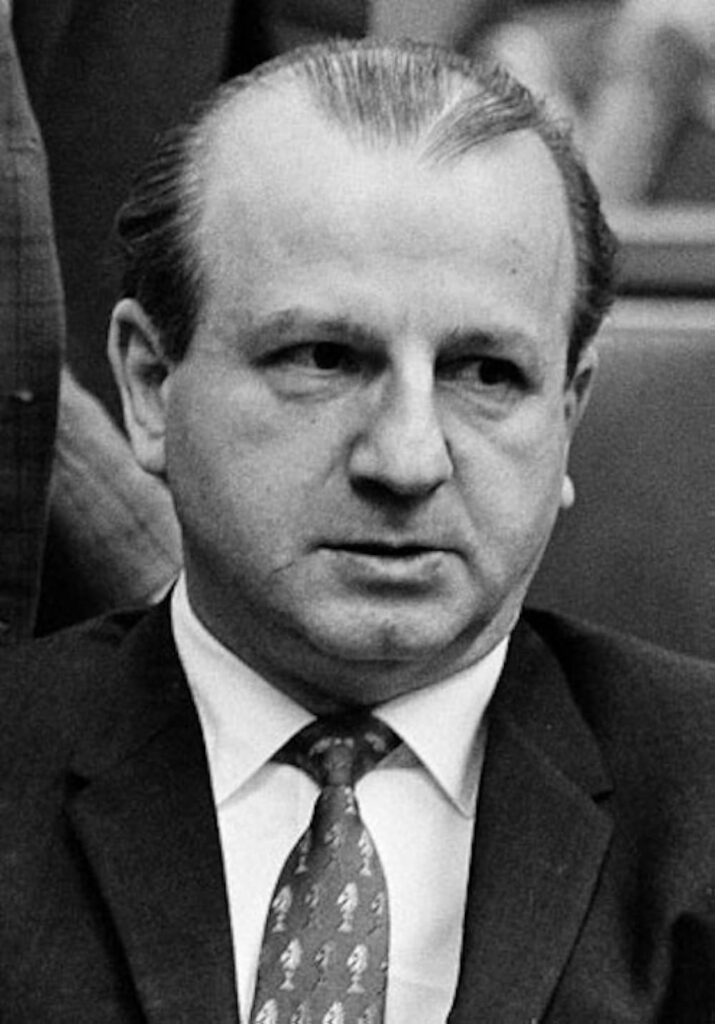
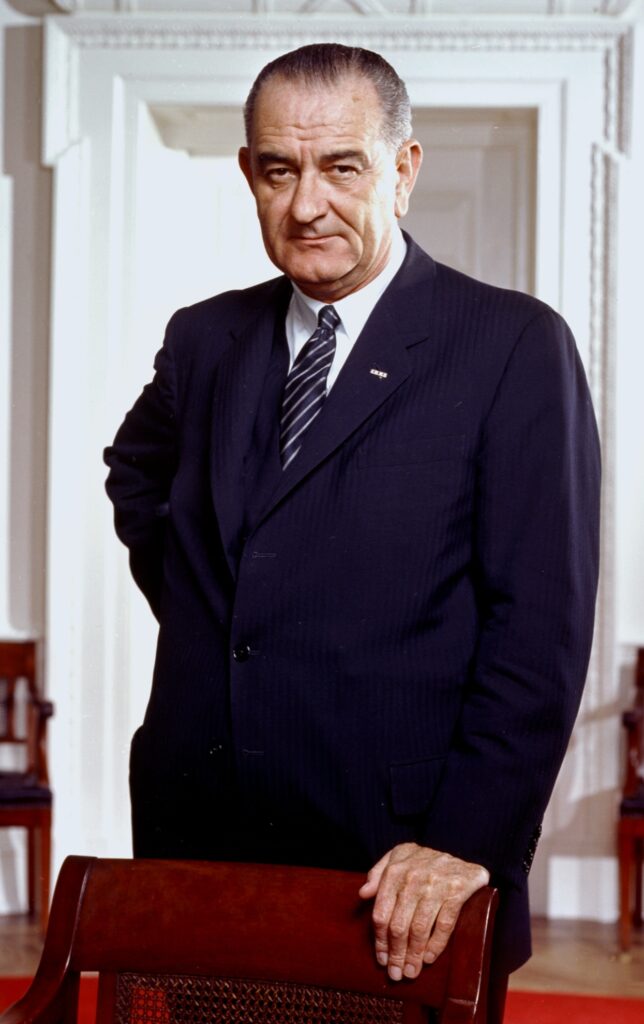
For two years she worked feverishly.
And two years later, her phones were tapped and death threats mounted up—so much so that, terrified, she purchased a handgun. She told her friend (and hairdresser) Marc Sinclaire:[2] “If the wrong people knew what I know, it would cost me my life.”
Still, she was so excited about what she had discovered that she abandoned her usual caution and told several people, including Sinclaire and her friend Florence Pritchett Smith, “in five days I’m going to crack the Kennedy case wide open.” Within those five days she was dead, and her JFK book was gone.
More than 40 witnesses and people connected to the JFK assassination died under suspicious circumstances. (Some scholars have estimated close to 100, but we will err on the conservative side for this article.)[3]
Florence Pritchett Smith, believed to be the only other person to possess Kilgallen’s notes, was dead within 24 hours of Kilgallen—ostensibly from leukemia, but a type of leukemia that results in a cerebral hemorrhage only 0.05% of the time.[4]
Kilgallen’s manuscript vanished from Smith’s house as well. None of Kilgallen’s “Assassination File” was ever found. Other notable and mysterious deaths: Mary Pinchot Meyer (like Smith, a former mistress of JFK), brutally murdered a year later; David Ferrie, Lee Bowers: the list goes on and on.
This does not even take into account the many more who were simply disregarded, such as Acquilla Clemons, whom Dorothy interviewed in 1964. Clemons had a direct line of sight from her porch to the shooting of J. D. Tippit, and maintained her whole life that there were two men, “one heavy, one tall” and that neither looked remotely like Oswald. The Warren Commission did not include her testimony.
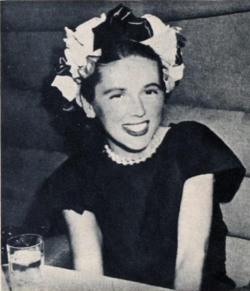
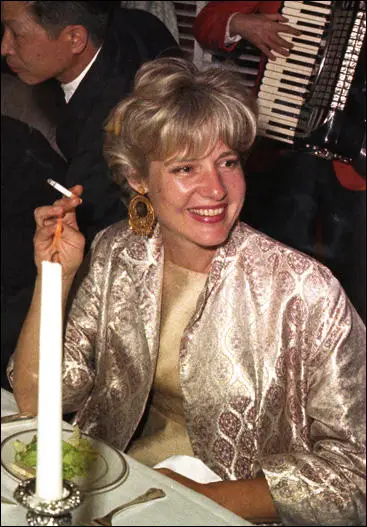
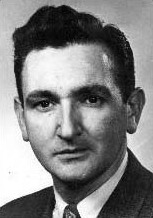
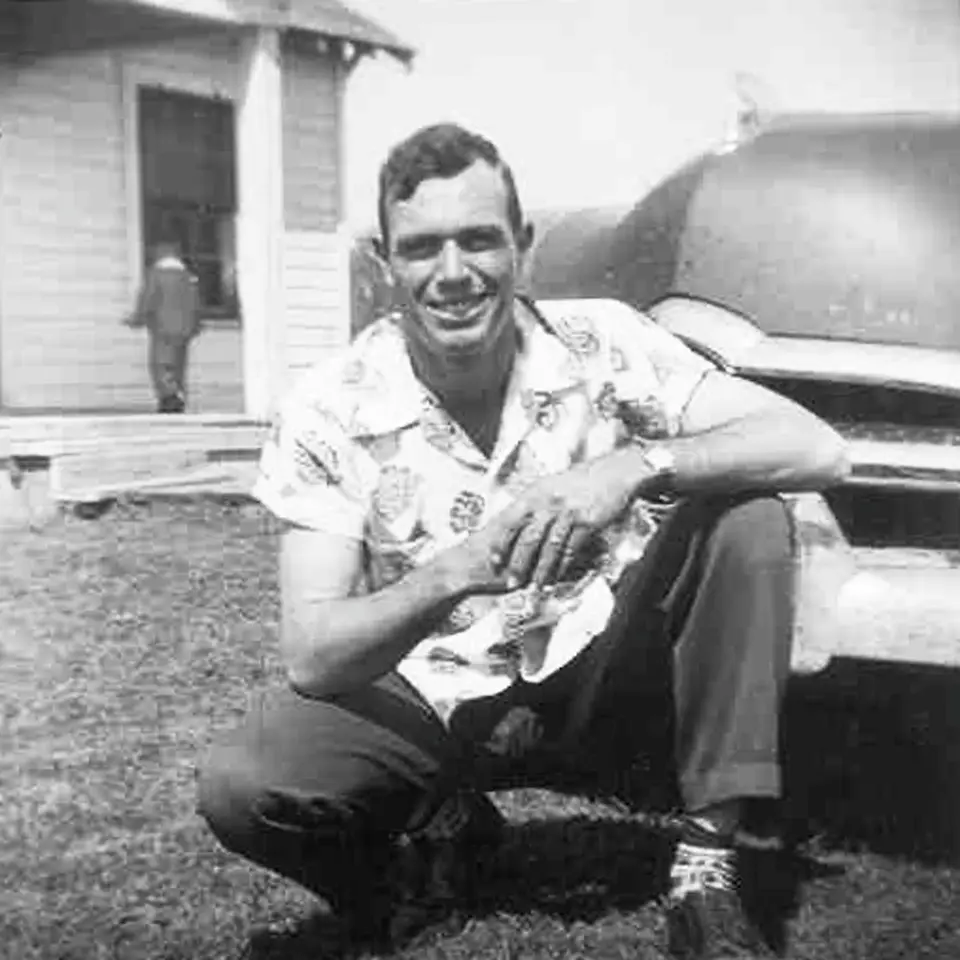
Who, if anyone, was killing and otherwise silencing these people? Have so many people connected to a monumental event ever died in such quick succession and bizarre ways?
Kilgallen had some ideas. And, sadly, just before her death, one of those ideas was that her lover, Ron Pataky, was working for the CIA to supervise her, report on her, and seduce her if necessary: that he was a male honeypot. She confessed to Sinclaire that she was “convinced Pataky was CIA.” There is significant evidence that he may also have been the one to kill her, or instructed one of his associates to do it.
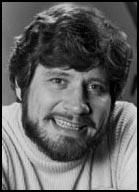
Now, it takes a lot to suspect your lover of wanting to kill you. But Pataky was the last one to see her that night. She was found by Marc Sinclaire the morning of November 8, 1965, when he arrived to style her hair, and he immediately thought that she had been murdered.
Almost no details of her death add up: She was in a bedroom she never used, sitting upright, with her hair and lashes still on, wearing a bedjacket she had never worn before, and the scene was spotless. (Her official cause of death was determined to be an overdose of barbiturates and alcohol.) Barbiturate deaths are never clean, as the body tries to eject the poison; the scene had been cleaned up. The glass beside her had traces of Nembutal dissolved into it.[5] Strangely, though Sinclaire was the one to find her body, he was never questioned by police. Instead, he prepared a wig for her funeral. In a tragic echo of JFK’s assassination, Sinclaire noted as he laid the wig on her head that it had been cut open during the autopsy.
There is ample evidence that Pataky was, by subsequent probes into his character, a shifty con man with an ease at lying and seems to have been perfect fodder for the CIA. He always claimed to have been “in the military,” but he had actually been kicked out of ROTC after just a few months. (He shared LBJ’s penchant for stolen valor—Johnson never saw combat but was bizarrely awarded a Silver Star which he loved to wear at public events.)
Still, his brief time at Stanford taught him some skills: At the time, that university alone had seven CIA-backed programs. (In fact, U.S. campuses had 80 CIA-backed programs in total.)
Pataky confessed later in life that he had taken part in a Panamanian assassin school.
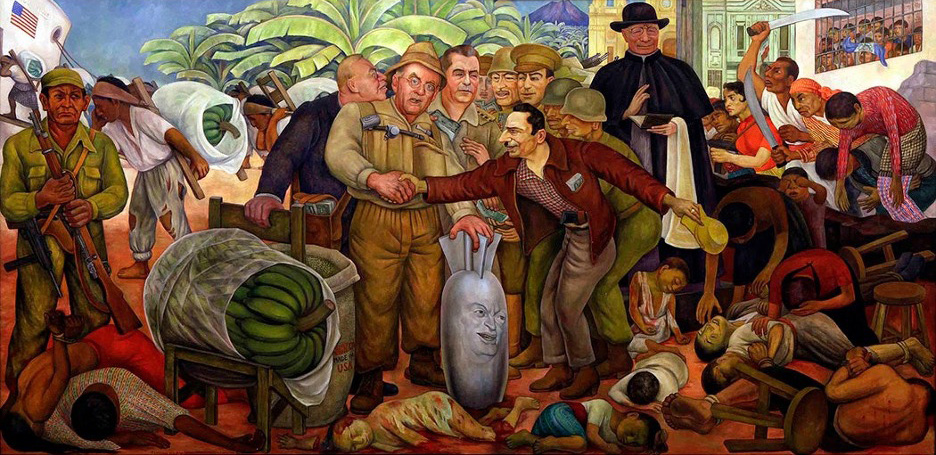
Once, when asked a question about Panama, Pataky blurted about Guatemala instead. He then denied having gone there for years, and reneged on that claim later: “Several hundred of us went,” he said. “We were highly trained.” Journalist Sara Jordan-Heintz notes the relevance of this, because in the timeframe that Pataky spoke of being in Guatemala (1954), the CIA was spearheading a covert mission to depose democratically elected president Jacobo Arbenz through a “heavy campaign of psychological warfare.”
“What ensued,” Jordan-Heintz writes, was “decades of brutal U.S.-backed regimes that committed widespread torture and genocide.”
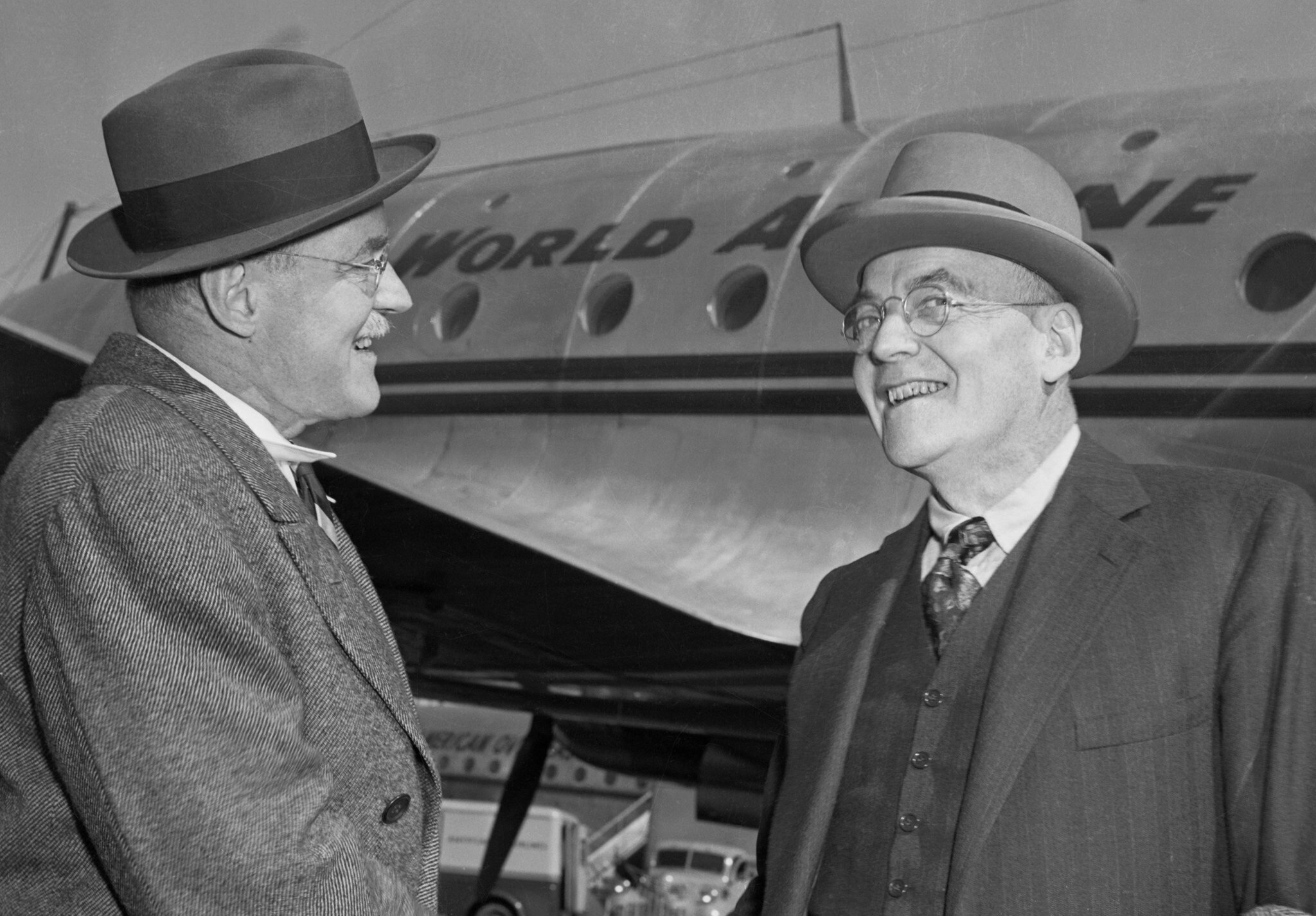
Ostensibly, the campaign was to fight Communism, though Arbenz was not a Communist. However, CIA Director Allen Dulles owned stock in the United Fruit Company and was on the board of directors; his brother, Secretary of State John Foster Dulles, had been the UFC’s lawyer.
The CIA took over the Guatemalan state radio station and used it as a propaganda vehicle to tell wildly false and alarmist stories. Vans of para-militants trained by the CIA kidnapped people off the street in vans and, according to Jordan-Heintz, “in some cases their mutilated bodies would be thrown out of a helicopter in front of a stadium during a sporting event to terrorize the local populace.”
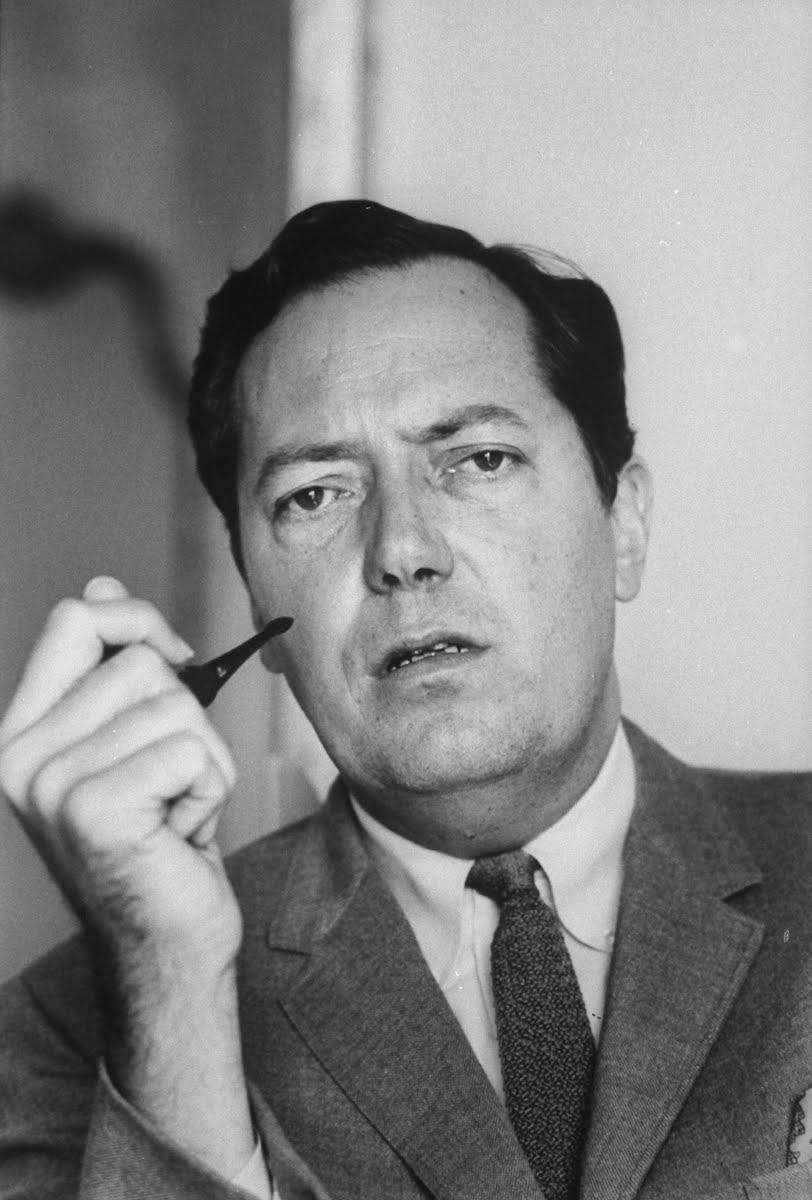
When New Orleans D.A. Jim Garrison began to probe the JFK assassination, before Dorothy’s death, Pataky took a sudden interest in him, saying they talked “for hours” on more than one occasion. Dorothy spoke casually about Jim as if she knew him, too. But why this sudden interest from Pataky?
“I said three things essentially,” Garrison recalled of a 1976 television interview. “I said that the Central Intelligence Agency was extensively engaged in domestic espionage; I said secondly, that it was apparent that the CIA was in the murder business; and I said, third, that part of the CIA was involved in the murder of President Kennedy. New Orleans was an important city for the CIA.” Kilgallen was scheduled to travel there within days to meet someone whom she considered to be a critical source.
Was Ron Pataky—like E. Howard Hunt, Frank Sturgis, Marita Lorenz,[6] Lee Harvey Oswald, James Jesus Angleton, Santo Trafficante, Jr., John Roselli and Sam Giancana—working for or in league with the CIA? What we know for certain is that Dorothy Kilgallen had quite a bit of information that others did not want her to have and a public reach that frightened them. She was determined to learn the truth “if it’s the last thing I do…”
Unfortunately, it was, but she would never have stopped trying.
Mark Shaw, The Reporter Who Knew Too Much: The Mysterious Death of What’s My Line TV Star and Media Icon Dorothy Kilgallen (Brentwood, TN: Post Hill Press, 2016). ↑
Jim Marrs, Crossfire: The Plot That Killed Kennedy (New York: Basic Books, 1989, revised edition 2023). ↑
Sara Jordan-Heintz, The Incredible Life & Mysterious Death of Dorothy Kilgallen (Huntsville, TX: Page Turner Books, 2023). ↑
John Cook, Kathryn Allen and Ximena Jordan Bruno, “Risk factors associated with intraparenchymal hemorrhage in patients with acute leukemia,” Blood (American Society of Hematology), November 3, 2025. ↑
Richard Belzer and David Wayne, Hit List: An In-Depth Investigation into the Mysterious Deaths of Witnesses to the JFK Assassination (New York: Skyhorse Publishing, 2013). ↑
M. C. Armstrong, “The Spotlight Trial,” Wrath-Bearing Tree, November 2019. ↑
CovertAction Magazine is made possible by subscriptions, orders and donations from readers like you.
Blow the Whistle on U.S. Imperialism
Click the whistle and donate
When you donate to CovertAction Magazine, you are supporting investigative journalism. Your contributions go directly to supporting the development, production, editing, and dissemination of the Magazine.
CovertAction Magazine does not receive corporate or government sponsorship. Yet, we hold a steadfast commitment to providing compensation for writers, editorial and technical support. Your support helps facilitate this compensation as well as increase the caliber of this work.
Please make a donation by clicking on the donate logo above and enter the amount and your credit or debit card information.
CovertAction Institute, Inc. (CAI) is a 501(c)(3) non-profit organization and your gift is tax-deductible for federal income purposes. CAI’s tax-exempt ID number is 87-2461683.
We sincerely thank you for your support.
Disclaimer: The contents of this article are the sole responsibility of the author(s). CovertAction Institute, Inc. (CAI), including its Board of Directors (BD), Editorial Board (EB), Advisory Board (AB), staff, volunteers and its projects (including CovertAction Magazine) are not responsible for any inaccurate or incorrect statement in this article. This article also does not necessarily represent the views the BD, the EB, the AB, staff, volunteers, or any members of its projects.
Differing viewpoints: CAM publishes articles with differing viewpoints in an effort to nurture vibrant debate and thoughtful critical analysis. Feel free to comment on the articles in the comment section and/or send your letters to the Editors, which we will publish in the Letters column.
Copyrighted Material: This web site may contain copyrighted material the use of which has not always been specifically authorized by the copyright owner. As a not-for-profit charitable organization incorporated in the State of New York, we are making such material available in an effort to advance the understanding of humanity’s problems and hopefully to help find solutions for those problems. We believe this constitutes a ‘fair use’ of any such copyrighted material as provided for in section 107 of the US Copyright Law. You can read more about ‘fair use’ and US Copyright Law at the Legal Information Institute of Cornell Law School.
Republishing: CovertAction Magazine (CAM) grants permission to cross-post CAM articles on not-for-profit community internet sites as long as the source is acknowledged together with a hyperlink to the original CovertAction Magazine article. Also, kindly let us know at info@CovertActionMagazine.com. For publication of CAM articles in print or other forms including commercial internet sites, contact: info@CovertActionMagazine.com.
By using this site, you agree to these terms above.
About the Author

Andria Williams is the author of the novels ‘The Longest Night’ (Random House 2016) and ‘The Waiting World’ (MilSpeak Books, 2023).
She is the former editor-in-chief of ‘The Wrath-Bearing Tree,’ a long-running literary journal originally founded by combat veterans from the Global Wars on Terror.
Ms. Williams lives in Colorado and regularly leads writing workshops for nonprofits such as Story Circle, Gemini Ink, and the Veterans Writing Project.
Andria can be reached at andria816@aol.com.

 Radhika Desai is a Professor of Political Studies at the University of Manitoba, Winnepeg, Canada, Director of its Geopolitical Economy Research Group, and Convenor of the International Manifesto Group. Ms. Desai is an author of multiple books, including Geopolitical Economy(2013) and her most recent Capitalism, Coronavirus and War(2022). Ms. Desai hosts a fortnightly show, Geopolitical Economy Hour on the Geopolitical Economy Report website.
 Yan Pan is a Chinese PhD researcher at LUT University, Finland. Her work examines the political economy of China’s technological and industrial development, with a particular focus on the industrialization and governance of neurotechnology in China. Her research concerns industrial policy models for future industries in Chinese and Global South contexts. Prior to her PhD, she researched educational reforms and structural change in labor demand in China.
 Ken Hammond is professor emeritus of East Asian and Global History at New Mexico State University. He has lived and worked in China from time to time since 1982. A lifelong political activist, he is a member of the Party for Socialism and Liberation.