
The CIA has been implicated in many of the murkiest incidents of the latter half of the 20th century. From the Kennedy assassination and Project MK-ULTRA, to what Wikipedia dubs the “alleged” Operation Mockingbird, a clandestine program which recruited prominent American journalists into a CIA propaganda network funded by agency front groups—the list goes on.
Even Trump’s much-ballyhood release of the JFK assassination files did not shed full light on certain controversial events in which the agency was implicated.
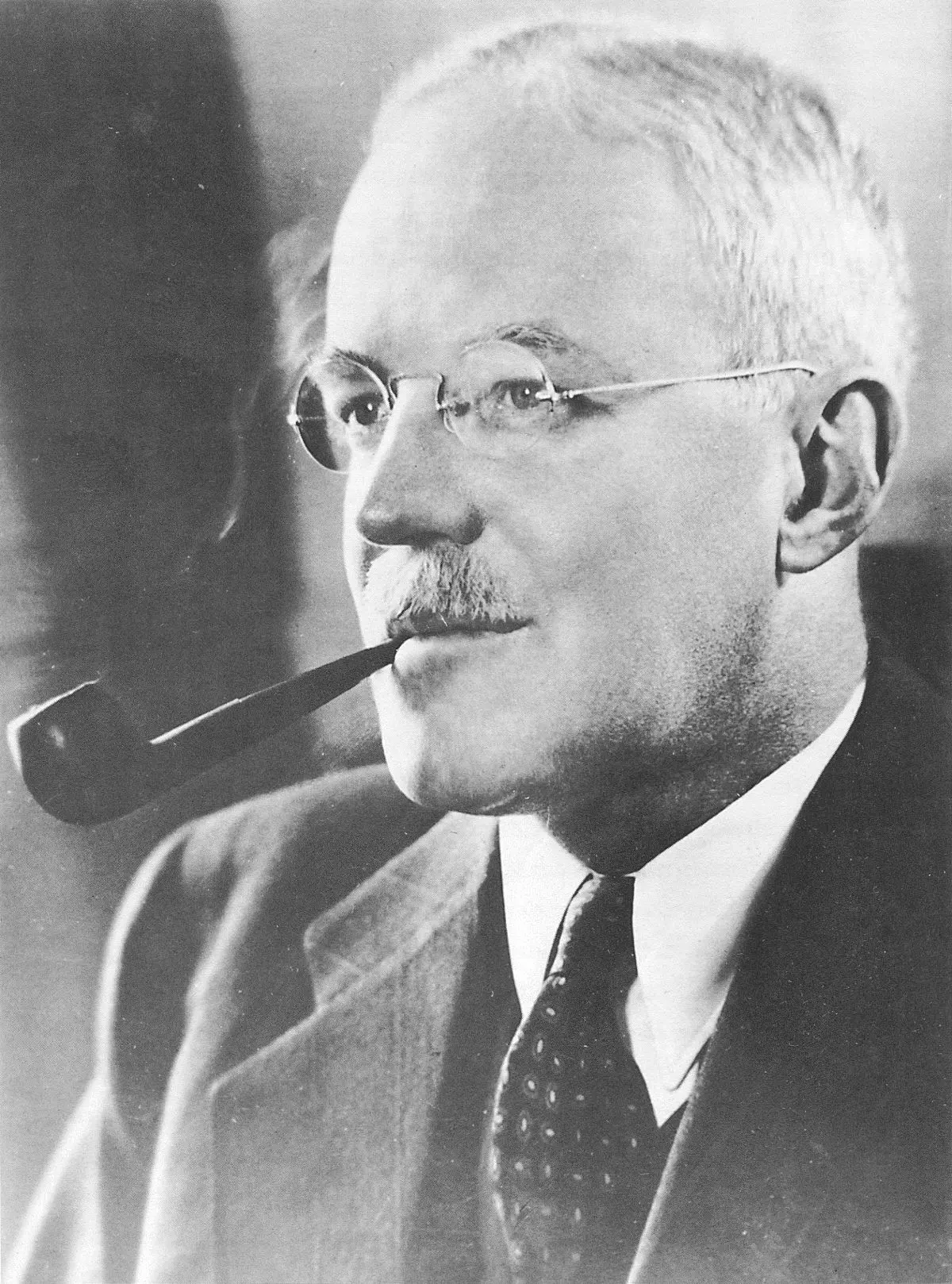
While we may never know the totality of the CIA’s machinations, whether its contemporary activities or the nefarious schemes which transpired under the directorship of Allen Dulles, it is within reason to question mainstream accounts of pivotal historical moments.
One moment that is not often, if at all, associated with the CIA (or Allen Dulles) is the wave of “show” trials that shook the Eastern Bloc countries shortly before Stalin’s death which removed many prominent communists from their positions of power.
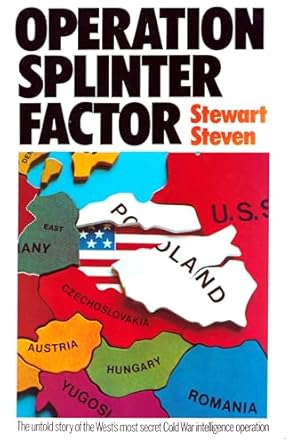
The accusation of American (and British) intelligence involvement in stoking paranoia within the Soviet security apparatus is found in the book Operation Splinter Factor published in 1974 by British journalist Stewart Steven.
Unsurprisingly, the CIA took notice and dubbed Steven a “conspiracy theorist,” dismissing the entire thesis of the book as a “dotty conspiracy.”
Historically, the CIA has used the term “conspiracy theory” to dismiss accusations of its misdeeds. This stigmatization of alternative narratives really took off with the controversy surrounding the Warren Commission Report, the final report of the Warren Commission’s investigation into the 1963 assassination of President John F. Kennedy.
In fact, a 1967 CIA document pertaining to the “lone” assassin of the 35th U.S. president suggested that its propagandists could discredit the claims of “conspiracy theorists” by painting them as Soviet dupes.
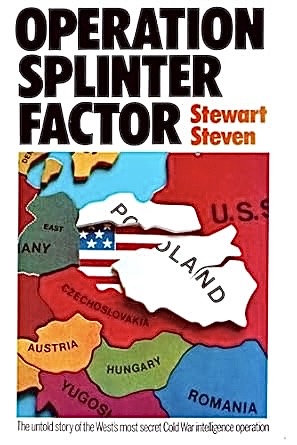
Yet Stewart Steven was an anti-communist, albeit a liberal who rejected what he viewed as the equally “Stalinist” tactics of McCarthyist hardliners. Meanwhile, other respectable journalists have written about Operation Splinter Factor who could not be construed as pro-Soviet sources.
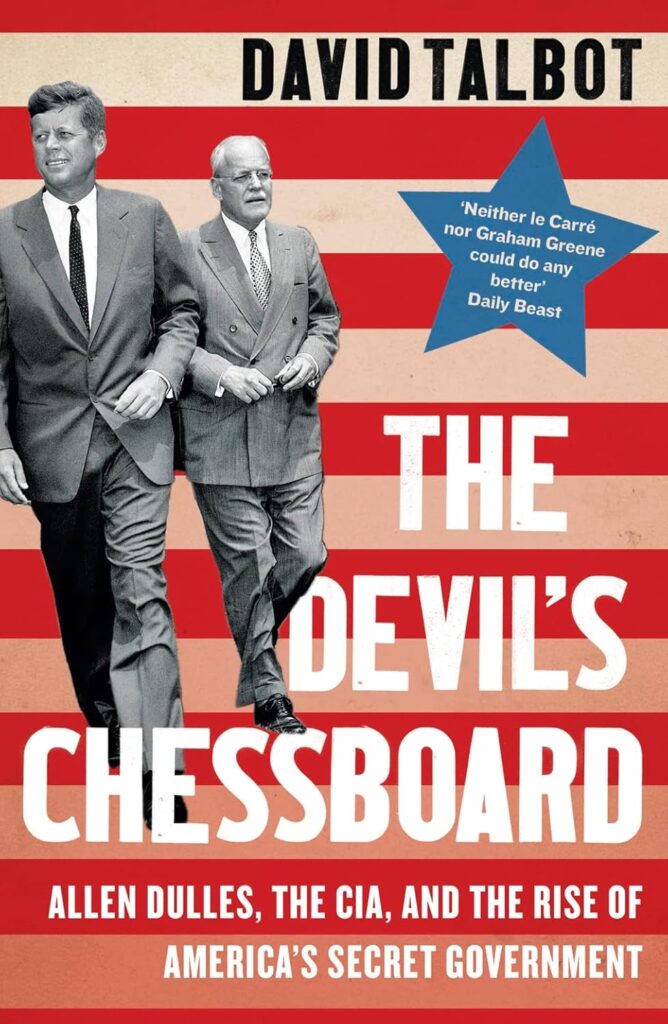
David Talbot, an American journalist and independent historian who has done much reputable work on the Kennedy assassination, wrote about Operation Splinter Factor in his book The Devil’s Chessboard: Allen Dulles, the CIA, and the Rise of America’s Secret Government.
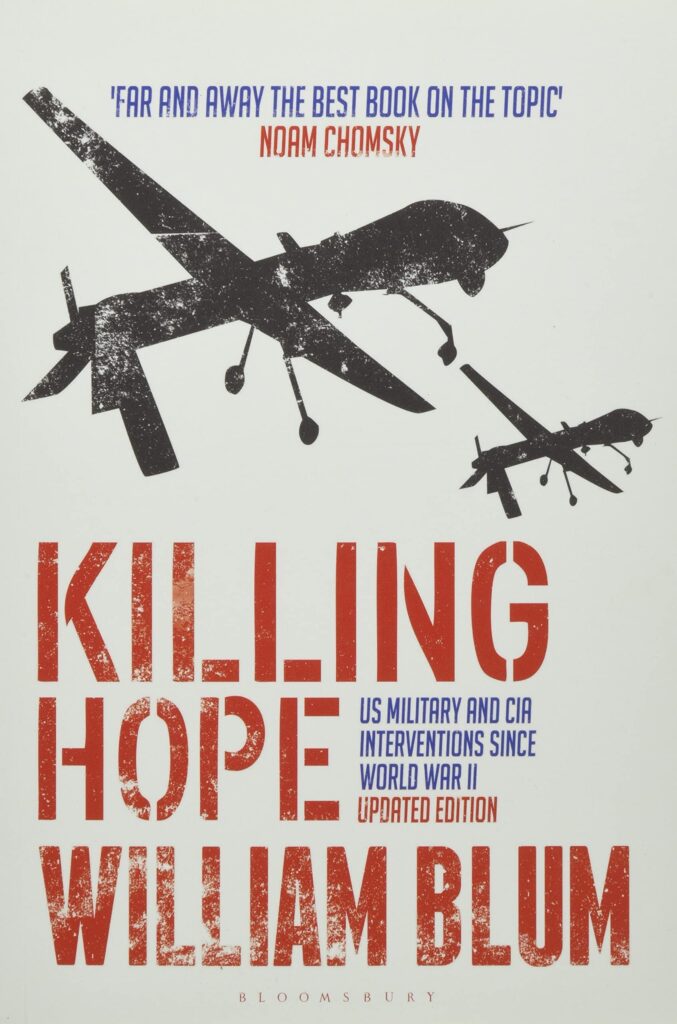
The late, extraordinary critic of U.S. foreign policy, William Blum, examined Operation Splinter Factor in his voluminous and acclaimed work Killing Hope: US Military and CIA Interventions Since World War II. Prior to his career as a journalist and historian, Blum was an IBM and U.S. State Department employee who wanted to “take part in the great anti-communist crusade” until he became disillusioned by the brutality of the Vietnam War.
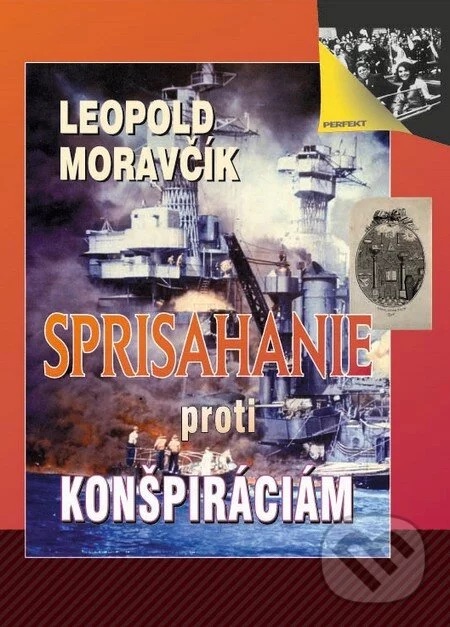
There are non-Anglophone materials on the shadowy operation as well, such as the work of Dr. Leopold Moravčík, a Slovak foreign policy journalist, who wrote about it in his book Conspiracy Against Conspiracies, which also discusses the JFK assassination. In fact, there are multiple articles about the covert operation written in Slovak.
The crossover between authors who challenge the official line on the Kennedy assassination and those who believe in the “dotty conspiracy” of Operation Splinter Factor is paralleled by the response elicited from the CIA.
Discussions of the killing of JFK which deviate from the Warren Commission findings are often targeted vehemently by the CIA’s media and academic assets. As stated in a document entitled Countering Criticism of the Warren Report, the agency calls to “employ propaganda assets to answer and refute the attacks of the critics. Book reviews and feature articles are particularly appropriate for this purpose.” This exact method has been employed to discredit Operation Splinter Factor, whether it be the operation itself or Stewart Steven’s book.
A review of Steven’s book appeared in the Houston Post which announced that, referring to Operation Splinter Factor, “there was no such operation, nor has such a cryptonym ever before been heard by American intelligence officials.”
The author of the review, Donald Morris, was a naval officer who served in the Korean War before joining the CIA in 1956 where he carried out counterespionage activities abroad.
Morris subsequently “retired” from the agency in 1972 and became a columnist on foreign affairs.
Given the CIA’s history of using assets in the media to cover up potential scandals, it is doubtful that Morris reviewed the book on a whim.
The CIA’s infiltration of the press is an acknowledged fact even by mainstream authors, a prominent example being Carl Bernstein, one half of the journalistic duo who famously uncovered the Watergate Scandal. In 1977 Bernstein penned an article published in Rolling Stone entitled The CIA and the Media in which he described the agency’s close relationship with the American press.
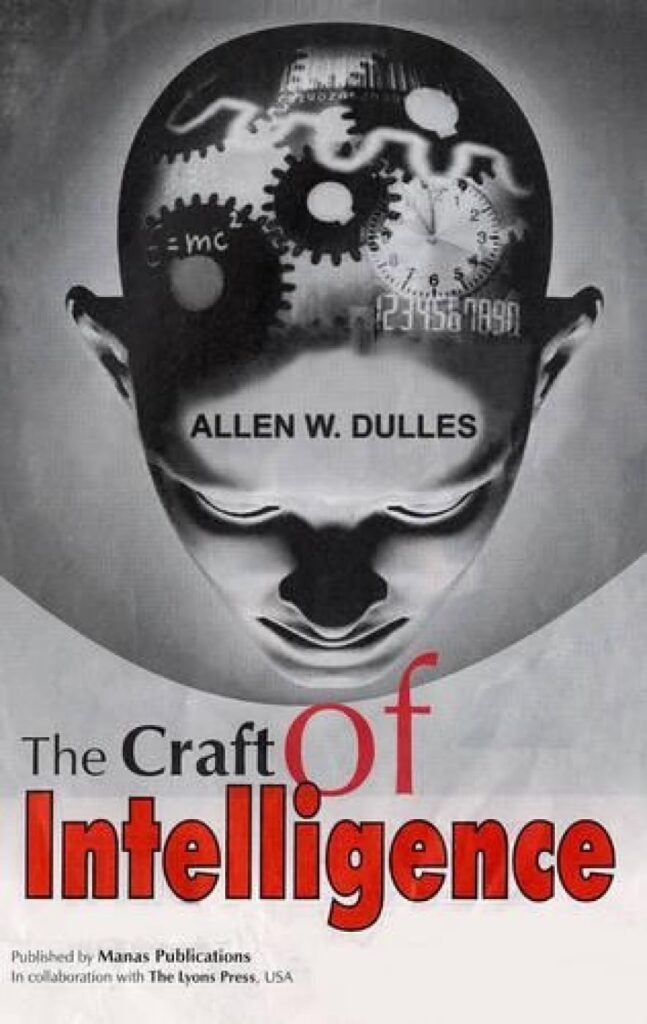
Another example of an intelligence asset decrying Steven’s book is a negative review written by George C. Constantinides. He opined that Operation Splinter Factor was “one of the worst books to appear in years in the field of intelligence; no time need be spent on it.” Constantinides proceeded to recommend instead Allen Dulles’s book, an unsurprising endorsement given that Constantinides was a CIA official.
Even William Blum’s brief summary of the “non-existent” operation in Killing Hope came under the scrutiny of the agency. Excerpted from the CIA’s quarterly journal Studies in Intelligence, referring to Blum’s book, “While Blum’s judgment in each is open to debate, in the case of Operation Splinter Factor and the defection of Polish intelligence officer Jozef Swiatlo, he is just wrong: there never was an Operation Splinter Factor.”
To proceed it is necessary to put aside the CIA’s dismissals and examine the operation and the events surrounding it as portrayed by Steven, Blum and Talbot.
In a post-World War II world, the West was shifting much of its energy and resources to combatting the supposed communist threat. There was a collective effort by British intelligence, the Freemasons, the Mafia, West German intelligence (staffed by many former Nazis), and American intelligence to carry out anti-communist operations in Western Europe, such as election manipulation to keep Communist parties from taking power as well as the arming and training of fascist stay-behind networks (Operation Gladio).
Of course, Eastern Europe was of just as much, if not more, interest to the Western imperialist powers. After the defeat of the Nazis, communist governments came to power in a swath of European countries, forming the Eastern Bloc. Confronting the Red Menace became an important objective of the Western intelligence apparatus which began to instigate the overthrow of the Soviet-aligned governments in Poland, Czechoslovakia, Hungary and Bulgaria.
It is an acknowledged fact that the lands behind the “Iron Curtain” were inundated with pro-Western propaganda, whether it was leaflets dropped from the sky or radio programs such as Radio Free Europe, with the hope of sparking a rebellion.
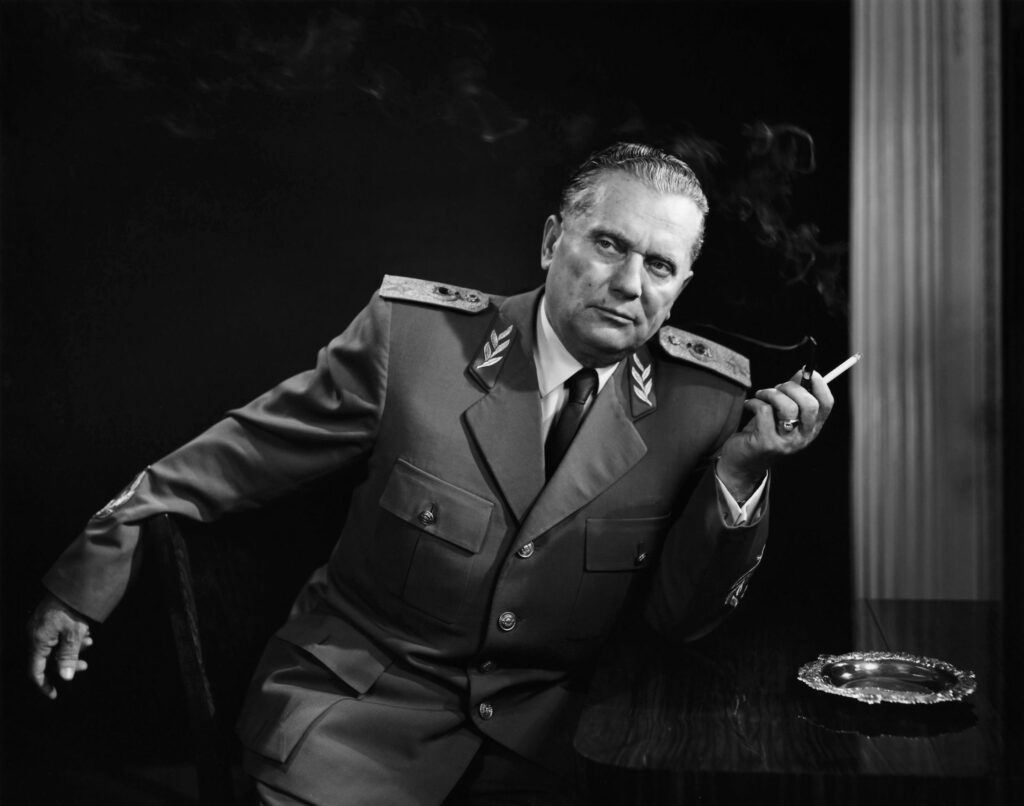
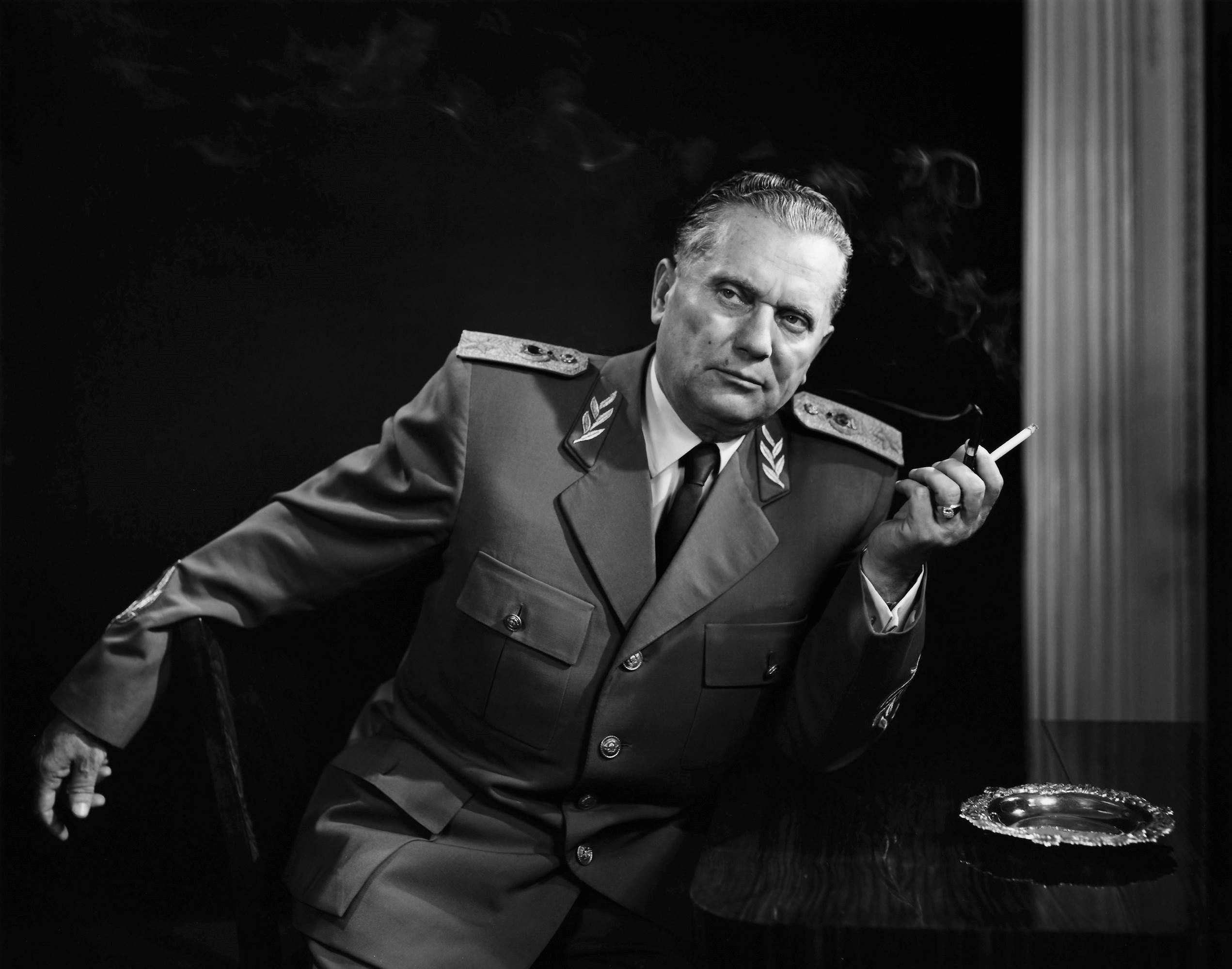
After Marshall Josip Broz Tito split with Stalin and Yugoslavia co-founded the Non-Aligned Movement, a prime directive for Western intelligence was to make the rest of the Soviet satellites follow suit.
In essence this was the aim of Operation Splinter Factor, to create an atmosphere of fear, paranoia and repression in the Eastern Bloc by stoking Soviet concerns of Western infiltration.
Spymaster Allen Dulles believed that worsening the political environment for the populations there would incite popular revolts against the communist governments.
During the years 1946 through 1948, Dulles, while he worked for the Sullivan and Cromwell law firm, was rumored to be engaged in undercover intelligence work, running his own private espionage operations inside Eastern Europe.
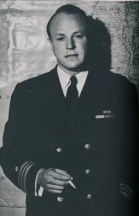
The operation hinged on the shadowy figure of Jozef Swiatlo, a senior official in the Polish secret police, and the serendipitous appearance of Dulles’s war-time acquaintance, the American diplomat Noel Field, in the Eastern Bloc. The story began when Swiatlo covertly met with a MI6 (Britain’s secret intelligence service) official to express that he was interested in defecting to the West.
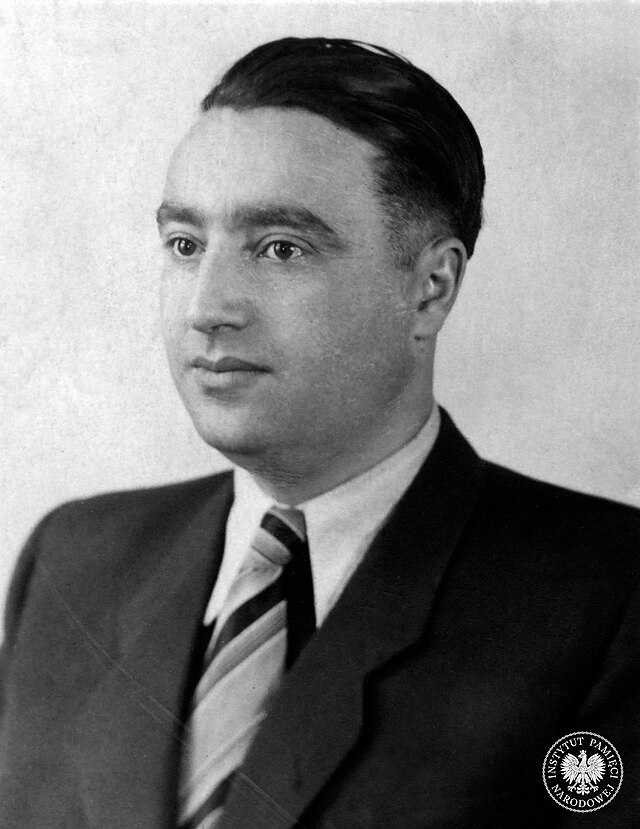
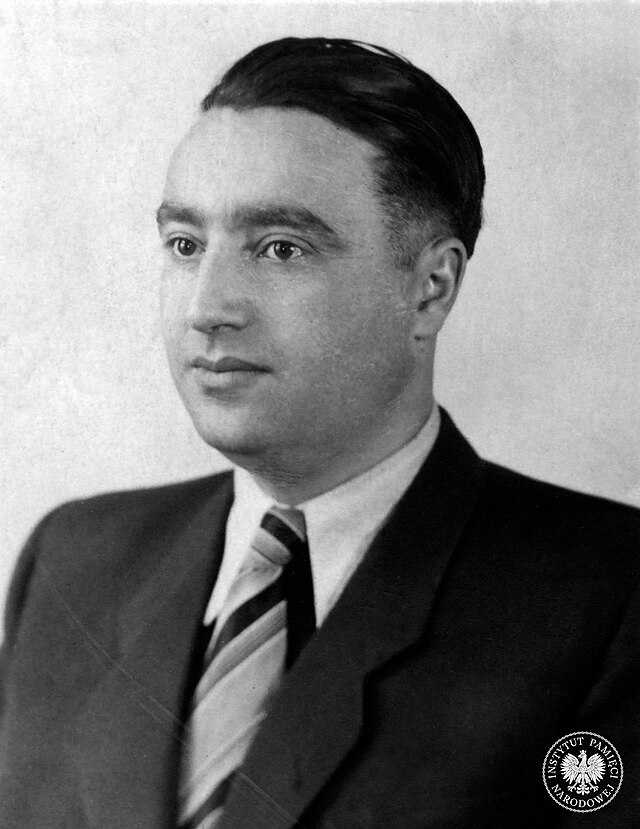
According to most sources, Swiatlo was born Isaak Fleischfarb in 1915. In his younger days, Swiatlo was politically active in the Union of Communist Youth. He was conscripted to the Polish Army in 1939 and was subsequently captured by the Germans as a prisoner of war. Swiatlo managed to escape, illegally crossing the border into the USSR, where the Soviet authorities deported him further east, although the details are unclear as to exactly where.
Around this time, he met his second wife, Justyna Swiatlo, and adopted her surname. Unfortunately, there is a dearth of information about Swiatlo’s life story in English and there are conflicting accounts of his biography.
Even the date of Swiatlo’s death has been contested, being variously dated as the late sixties, 1975, and 1985. Some sources said he lived longer after undergoing plastic surgery and changing his name. In 2010 the U.S. government released previously classified information revealing that he passed away on September 2, 1994.
Initially, Swiatlo was viewed by British intelligence as a potential Soviet trap. However, he was too important a man to pass up if he genuinely wished to defect. MI6 decided to hedge its bets and hand its newly acquired asset over to American intelligence, specifically Allen Dulles.
Recognizing the importance of such a highly placed potential mole, Dulles requested that Swiatlo remain at his post and conduct intelligence from the inside. Swiatlo’s safety was guaranteed and arrangements were made to rescue him should an emergency arise.
As was common with double agents, when Swiatlo ceased to be of use working in the Polish security services, he would be provided with transport to the West. As will later become apparent, Swiatlo’s public defection to the West in 1953 bears all the marks of a pre-coordinated effort.
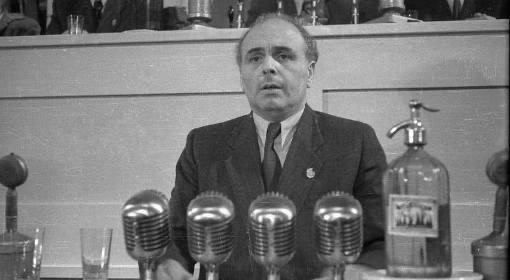
Stewart Steven attributes the driving reason for Swiatlo’s wish to change allegiance to the West to his power struggle with Polish communist leader Jakub Berman who, from 1949, was considered the most powerful politician in Poland, second only to President Boleslaw Bierut.
Prior to his covert defection, Swiatlo had diligently compiled a dossier on Berman and demanded that Bierut launch an investigation against him. Bierut defied his expectations and, instead, ordered the arrest of Swiatlo’s personal informants.
However, Bierut allowed Swiatlo to continue his inquiry into Berman’s past with the provision that he keep it to himself.
Operation Splinter Factor itself only took its full shape once former U.S. government employee and fellow traveler Noel Field surfaced in post-war Poland.
Field had a Quaker background and had worked for the State Department in the 1930s, assisting Jewish and anti-fascist refugees. He left in 1936, turning down the job of officer in charge of the German desk to work for the League of Nations.
Known to be a communist sympathizer, it is alleged that, before he went to work for the League, a Soviet spy named Hede Massing attempted to recruit Field to work for the NKVD, the USSR’s secret police. (Massing, who defected after the Great Purge of the 1930s, came to public attention when she testified at the second trial of Alger Hiss.)
Field had tried to join the Communist Party of the United States of America (CPUSA), but was advised not to by Massing who still wanted to recruit him for spy work.
She thought that a party membership card would draw unwanted suspicion of Field from the U.S. government, ruining his espionage potential.
In the end, he was rejected by the Party, with some accounts saying that Earl Browder, the leader of the CPUSA, was ordered by Moscow not to accept Field.
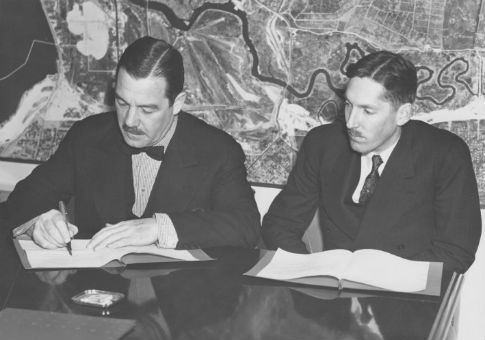
During the Spanish Civil War, Field headed the Intergovernmental Committee of the League of Nations where he helped foreign volunteer fighters in the International Brigades repatriate to their home countries after Franco’s military victory. Field resigned from his post with the League in 1940.
Being a committed activist, he then worked for the American Society of Assistance of the Unitarian Service Committee and, as the situation in Hitlerite Germany worsened, he and his wife Herta helped people flee from the Nazi-occupied territories.
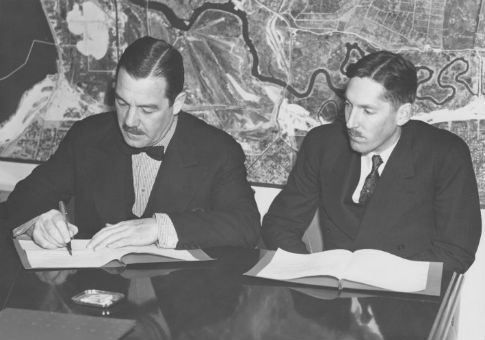
Employed in the OSS during World War II, diligently doing his part against fascist Germany, Field came into contact with Allen Dulles in Zurich. Given his politically complicated history, it is no surprise that the anti-fascist activist was viewed with suspicion on both sides of the Iron Curtain.
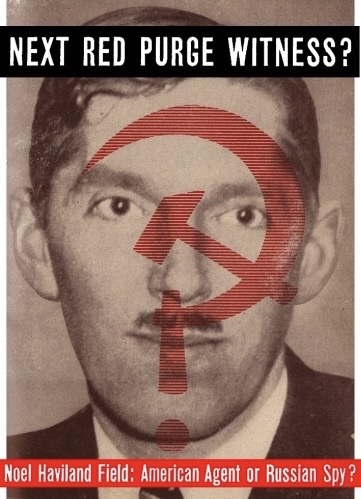
In the West, Field looked like a clever communist agent, especially given that he had helped many European communists escape Nazi persecution during the war. In the East he looked like a suspicious character who had come too close to leading champions of Western imperialism such as Allen Dulles.
After the war, Field remained in Eastern Europe, fruitlessly trying to get a visa in Czechoslovakia. As early as 1948 the Czechoslovak security authorities were suspicious of Field and kept him under surveillance during his time there. When Field visited Poland in 1949, he presented Dulles and Swiatlo with the opening they needed to create a panic within the Soviet security apparatus.
As in Czechoslovakia, the Polish authorities viewed Noel Field as a compromised character and, when he wrote a letter to Berman requesting help obtaining a job in the Eastern Bloc, it was a golden opportunity for Swiatlo to implicate his political rival in an anti-Soviet conspiracy.
It is speculated that Dulles personally held a grudge against Field because, toward the end of World War II, he had convinced the spymaster to provide U.S. support for a project which placed communist agents in political positions in European countries to combat Nazi influence and prepare the way for an Allied victory. This likely greatly offended Dulles, who was known to be a Nazi sympathizer.
Because of his refugee work during World War II, Field was acquainted with many of the communists who had recently come to power in the Eastern Bloc. Dulles realized that, if he could be slandered as a Western intelligence agent, it would ignite a purge of many of the most competent and highly placed communists in the Soviet satellites. This was the inception and gist of Operation Splinter Factor.
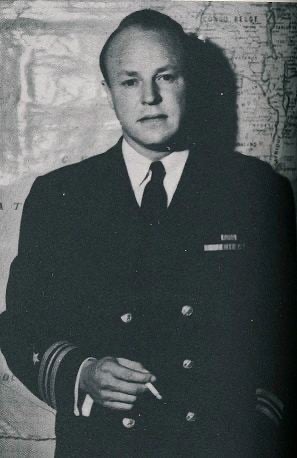
The operation itself was partly orchestrated under the guidance of the CIA’s black ops agency, the Office of Policy Coordination (OPC), which Frank Wisner originally headed. Wisner, similar to Dulles, was a former Wall Street lawyer and had worked as an OSS agent in Europe, heading its Secret Intelligence Branch until he resigned to join the State Department.
There he ran his own personal intelligence group which subsequently merged into the newly created CIA under the name of the OPC. Notoriously, this was the man who was responsible for interfacing with the Gehlen Organization, as well as for bringing on many “former” Nazis to work for the Americans after the war.
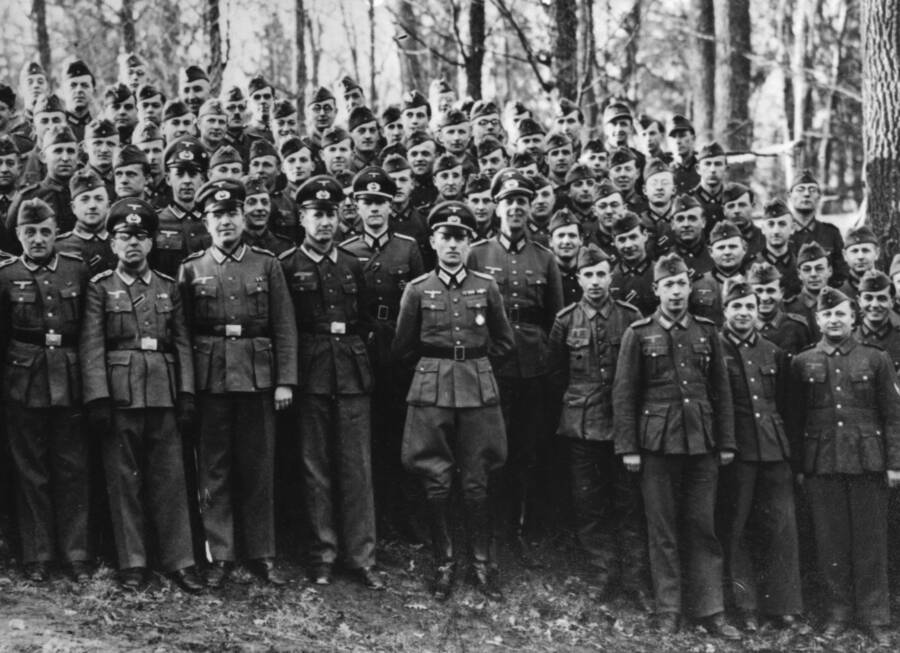
The Gehlen Organization was an anti-communist intelligence group staffed by many “ex”-Nazis and once-members of the Waffen SS headed by General Reinhard Gehlen. A Nazi spymaster who surrendered to the U.S. to spare his own neck once Hitler’s defeat became apparent, Gehlen worked in West Germany with the support of the CIA and set up the Bundesnachrichtendienst (BND), Germany’s federal intelligence agency.
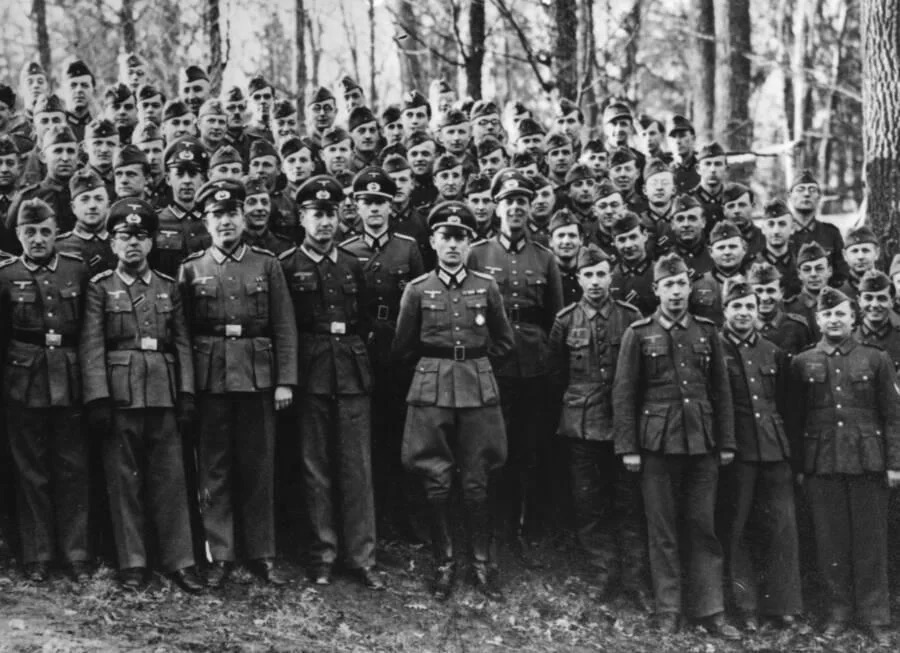
Jozef Swiatlo, enmeshed as he was in the Polish security apparatus, was tasked by Dulles with feeding false information to his one-time comrades. It is purported that there was a similarly high-ranking Czech official who was a German asset employed by the Gehlen Organization.
According to Steven, the unnamed double agent even went so far as to ignore the direct orders of Joseph Stalin. In essence, double agents working for the CIA, the Gehlen Organization, and quite probably MI6 fed false intelligence to the Soviet leadership in order to sow confusion.
The notorious Soviet paranoia in this period was also spurred on by the CIA-backed Radio Free Europe, which was used to transmit propaganda and disinformation behind the “Iron Curtain.”
Noel Field was just the first domino in a larger game.
In early 1949, two weeks before journalist-turned Soviet agent and subsequent defector Whittaker Chambers testified in the Alger Hiss trial, an event which kicked off the McCarthy era, Noel Field disappeared from a hotel in Prague. His wife Herta, and not long after his brother Hermann, also mysteriously vanished.
Their disappearances were followed by that of Erica Wallach, a German political activist and accused American spy, who had traveled to Berlin in an attempt to contact the missing Fields.[1] The latter had rescued Wallach from a French internment camp during World War II, after which she went to Switzerland to live with him and his wife. There she worked in the OSS under Dulles and continued her work for the organization after the war, as she simultaneously joined the German Communist Party.
In 1948 Wallach left for Paris with her U.S. Army captain-husband, only to return to Germany in 1950 to search for her vanished loved ones where she was arrested by the Soviets in connection with the “Fieldist conspiracy.”
In Budapest, Swiatlo himself interrogated Noel Field and he was intimately involved in the arrest of his brother Hermann Field, a U.S. citizen who had gone to Warsaw to search for his missing sibling.
In the same year, likely with Noel Field’s letter as evidence, Jakub Berman was accused of participating in an international anti-communist conspiracy and of having illicit foreign contacts. In keeping with the historically overlooked caution exercised by the Soviet leadership during the second round of infamous Soviet “show” trials, Berman was not immediately executed, but rather kept at his post.
After a fortnight of interrogations, Field confessed to being an American agent. Yet the next day he reneged on his admission, never to repeat it.
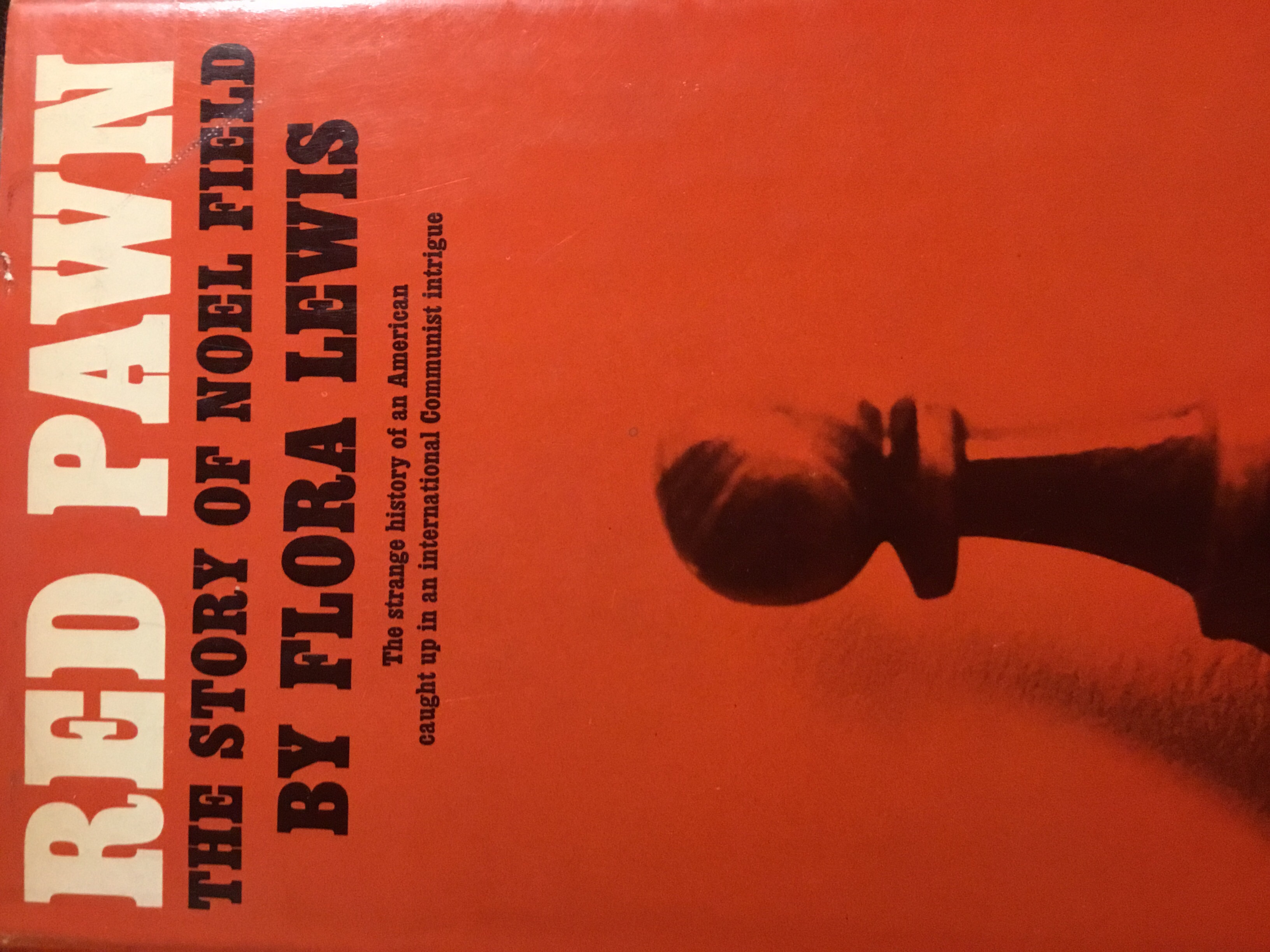
Contradictorily, most of the material written about Field in the West portrays him as a Communist spy, or just a Soviet dupe, a naive weapon in the hands of the devil incarnate that was Joseph Stalin. This is the picture painted in Red Pawn: The Story of Noel Field, written by Washington Post reporter Flora Lewis and published by Doubleday in 1965.
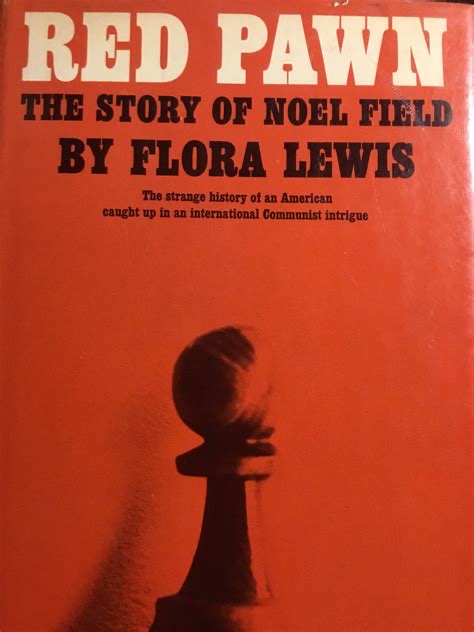
However, Erica Wallach was convinced that Noel was not a spy at all. Questioned by HUAC upon her arrival to the U.S. after the Soviets released her in 1955, Wallach was asked in a hearing if she thought Field was a Soviet espionage agent. In The Erica Wallach Story, a HUAC report issued in 1958, she is on record as answering, “No, I know of no activities which might be considered espionage on behalf of the Communists, or the Russians, or whatever it is. I could not mention a single fact.”
Wallach proceeded to explain to the committee how it was unlikely Field was a Communist spy, given that he was openly pro-communist, not the sign of a sophisticated espionage agent. As to the question of whether he was an American spy, given his activities prior to and during World War Two, it is completely understandable that the Soviets were suspicious.
Erica Wallach, in an interview cited in a 1999 book about Allen Dulles (Allen Dulles: Master of Spies by James Srodes) explained how she viewed Field as politically genuine. He was a naive “romantic” and, in her view, Dulles deliberately used Field as a pawn in a larger game designed to destroy the Eastern Bloc.
In the same interview, commenting on Operation Splinter Factor, which she believed to be a real operation, Wallach said “Allen Dulles’s motives are easy to imagine. [—] Anything that destabilized the situation in Eastern Europe was good for U.S. interests. Stalin was paranoid enough. The crackdown was real enough. By fanning the flames, you could turn the people against communism. The strategy is completely understandable.”
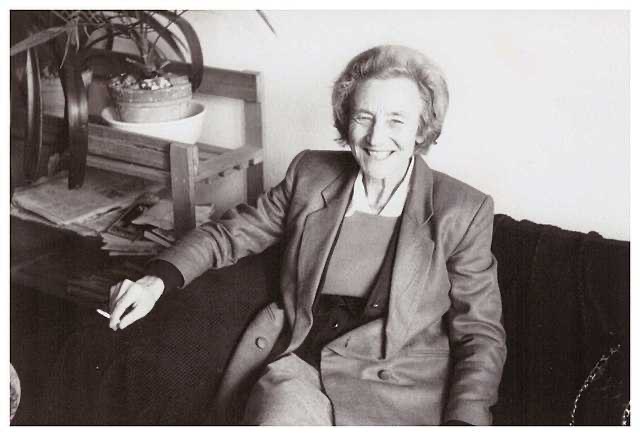
Almost immediately after the end of World War Two, Western intelligence trained its sights on the Soviet Union and the newly formed Eastern Bloc. Not too long after the agency’s inception, the internal politics of the Soviet satellites came under the CIA’s close scrutiny.
In a CIA document dated July 15, 1948 but which was only pubicly released in 2000, it was predicted that “the following will be pushed aside in a purge of moderate ‘nationalist’ Communists in the next months: Clementis, Gottwald, Nosek, and Kopecky. Fierlinger will probably replace Clementis. Rudolf Slansky (Secretary General of the Czech Communist Party), Vesely (Ministry for Interior Counsellor), Andre Simon (journalist), Geminder, and Bares are emerging as strong Communist figures.”
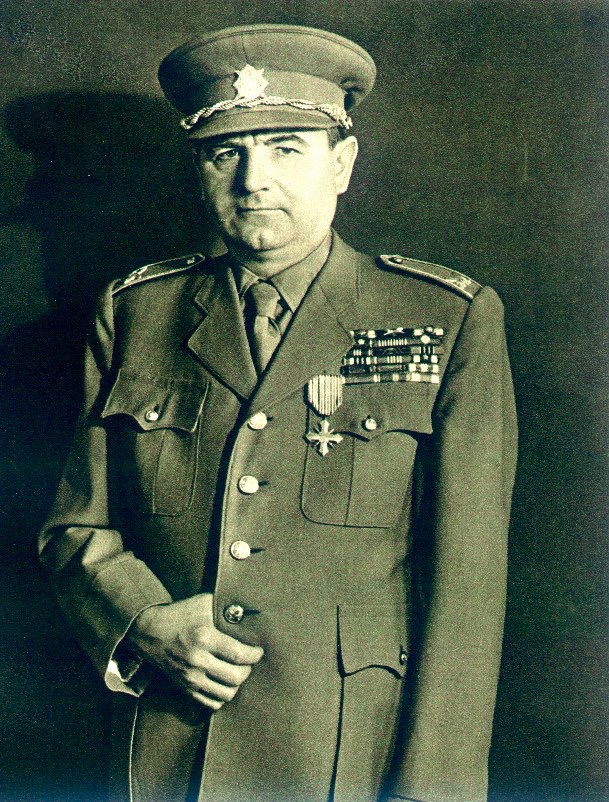
Incidentally, the memorandum’s prediction of Gottwald’s removal from power never came to pass, remaining at his post until his death in March 1953.
Prior to the rollout of Operation Splinter Factor and the ensuing panic created by the “revelation” of a grand conspiracy centered around Noel Field, Communist officials who wanted greater independence for their respective countries were removed from their political positions but not accused of espionage or imprisoned.
After Swiatlo and a network of Western-backed disinformationists painted Field as a master spy, nationalist politicians began to take on the sinister cast of foreign agents. According to Stewart Steven, who claimed to have access to sensitive intelligence information, State Security Officer Mikhail Illich Belkin (who he wrongly identified as “Fedor” Belkin) fed information to NKVD head Lavrentiy Beria and Stalin about an Anglo-American conspiracy to break apart the Communist Bloc which was centered on the imperialist agent Noel Field.
Indeed, in the trials that followed, Field figured in every case, whether in person or by name.
Steven also alleged that a professor at Georgetown University in Washington, D.C., under orders from the CIA, wrote letters under a pseudonym to prominent Soviet officials. Essentially, the network of double agents engaged in feeding disinformation to the Soviet leadership was backed by propaganda emanating from the CIA itself.
All this effort was expended in the hope of instigating a purge of the most competent politicians so as to cripple their economies and spark anti-communist rebellions.
It must be noted, however, that some of the plants were discovered during the liquidation.
For example, Belkin himself was arrested by the Soviets in October 1951 and charged with involvement in a Zionist conspiracy and the Masonic lodge.
Freemasonry had been banned in Russia since the Bolshevik Revolution, deemed as an organization of the bourgeoisie. As noted in the BBC’s documentary about Operation Gladio, Freemasons in Europe took part in the fight against the “Red Menace.”
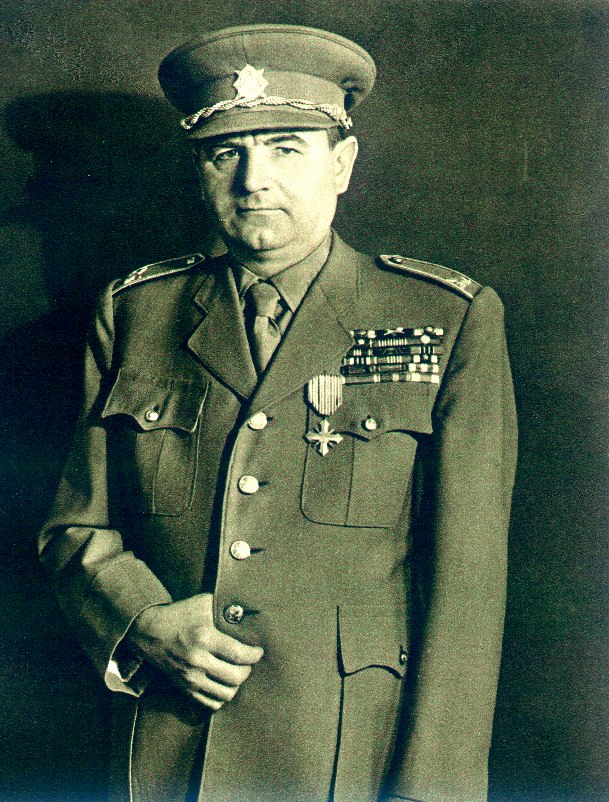
The internal situation in the Eastern Bloc, spurred on by fabrications disseminated by double agents like Swiatlo, grew more tense as concern of political infiltration mounted. In September 1949, Klement Gottwald, the President of Czechoslovakia, and Party Secretary Rudolf Slansky requested that the Soviets send two security advisers to help bring under control what appeared to be an emerging conspiracy surrounding Noel Field.
Of all the countries shaken by the subsequent political purges, Czechoslovakia’s Communist Party sustained the most losses. Many military leaders, even generals, were arrested. In light of this, in Operation Splinter Factor, Steven alleges that Dulles specifically planned to target Czechoslovakia because he thought it would be the easiest of the Eastern Bloc countries to incite an anti-communist rebellion, since the country had a history of bourgeois “democracy” prior to 1948 and, in his view, did not take well to communism.
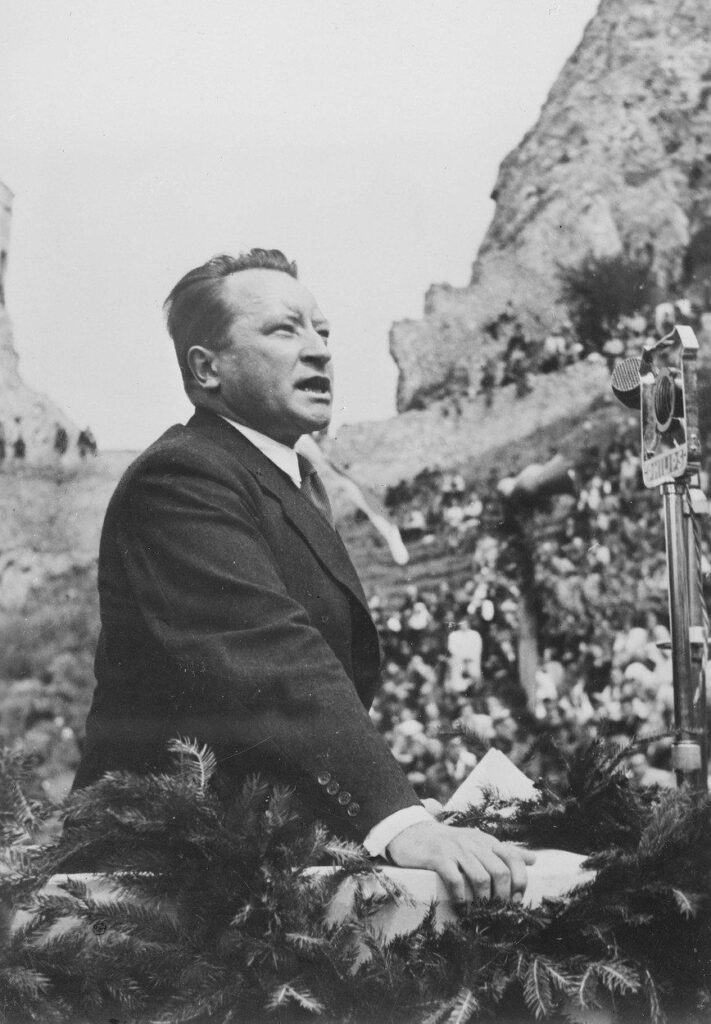
Contrary to the picture presented in mainstream history, there were notable Communists in the Eastern Bloc who were very cautious in accusing their comrades. In Czechoslovakia, President Gottwald had been reluctant to search the upper ranks of the party for conspirators. In fact, Gottwald had initially opposed the arrest of Vladimir Clementis, a Czech foreign minister who was subsequently accused of promoting Slovak nationalism.
In October 1949, Clementis had attended the UN General Assembly in New York, where he likely encountered CIA men. Steven states that the CIA attempted to get him to defect to the West, yet Clementis remained unconvinced. However, the accusations of nationalism were not entirely unfounded, given that Clementis supported an independent Slovak Communist Party and opposed a unified central leadership with the Czechoslovak Communist Party.
At a time when the Eastern Bloc was under such external (and internal) pressure from the West, promoting dualism between Communist parties was a security risk. Historically, stoking the flames of nationalism has been a long-term strategy of the West toward communist countries, paralleled today by the CIA’s fueling of “national independence movements” in regions of China.
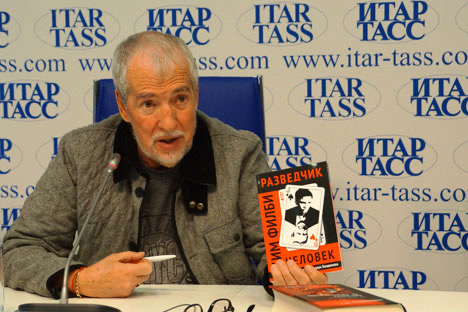
Another view of Operation Splinter Factor emerges with Bulgarian Communist General Todor Boyadzhiev who worked for Bulgarian intelligence for more than 30 years. He claims that the Moscow leadership was aware of Operation Splinter Factor and used Field as an excuse to purge nationalist-oriented politicians.
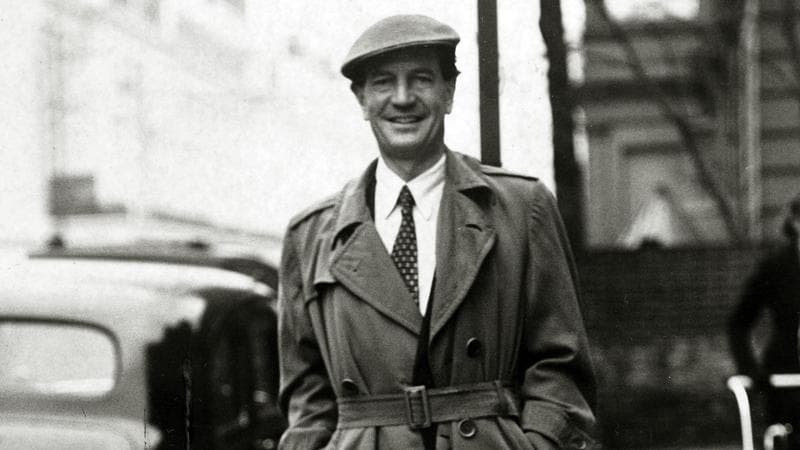
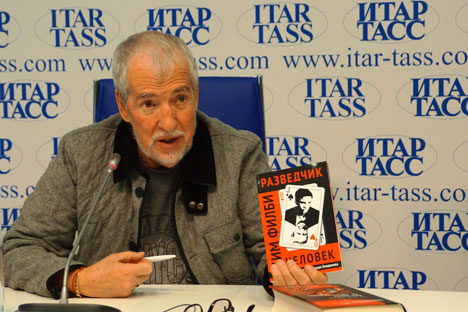
Boyadzhiev was acquainted with the notorious British double agent Kim Philby, even penning a book about the legendary spy’s achievements, and he believed that Philby was aware of the plot and had passed along the information to the Soviets. The general met Philby in 1973 when he was assigned to accompany the spy and his wife on their first visit to Bulgaria.
When he was leading Philby around the country, they came upon a memorial to Boyadzhiev’s uncle, who had been arrested during the Kostov trials in Bulgaria and supposedly killed during the preliminary investigation. This is the proof the Bulgarian general gives of Philby’s awareness of Operation Splinter Factor.
Yet, contrary to the general’s view of an opportunistic purge of nationalist communists by Stalin, many of those accused in the subsequent trials were ostensibly devoted to Moscow. In fact, George Hodos, who lived through the Rajk trials in Hungary, wrote in his book Show Trials: Stalinist Purges in Eastern Europe that most of the victims were loyal “Stalinists,” the main exception being Gomulka of Poland who actually did have “Titoist” tendencies.
Indeed, Czech President Gottwald, who the CIA had thought would be purged for nationalist tendencies, outlasted one of the most prominent “Stalinists” in the Eastern Bloc, General Secretary of the Czech Communist Party Rudolf Slansky.
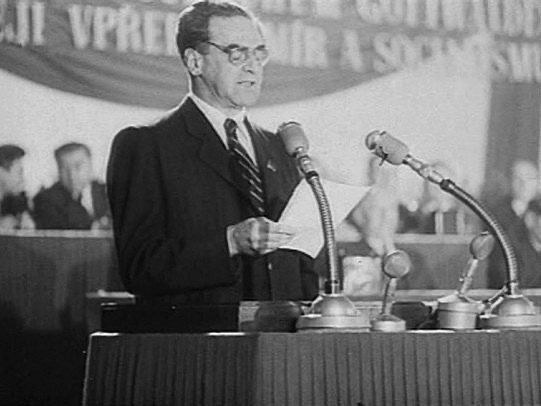
According to Steven’s book, Dulles had his eyes set on removing Slansky from power, believing him to be the man holding Czechoslovakia together. In the summer of 1951, suspicion against Slansky mounted, perhaps spurred on by falsifications provided by double agents such as Swiatlo. However, even though certain politicians lobbied against Slansky, Stalin wrote to President Gottwald that the incriminating material about the General Secretary “was insufficient and that there is no cause for making accusations.”
Contrary to the black legend built up after his death, Stalin was slow to call for the arrest of Slansky. In a letter to Gottwald dated July 24, 1951, Stalin wrote: “We still believe that statements of offenders, with no supporting facts, cannot serve as a basis for accusing leaders known for their great positive work. Our experiences in struggling against the enemy suggest that proven offenders resort to slandering honest people, thereby trying to sow mutual mistrust among party leaders (this is how they struggle against the party).”
Gottwald concurred with Stalin’s cautious approach, pointing out that the statements of Slansky’s guilt came from convicted criminals. It seemed that the Soviet leadership had an awareness of the fact that internal enemies could do significant damage by slandering loyal communists.
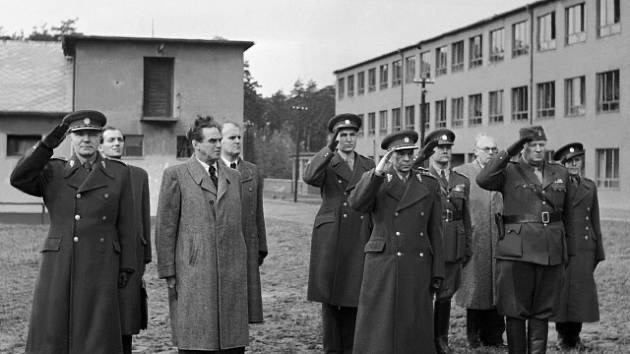
Interestingly, Oskar Langer, a Slovak Communist who worked as an economist for the Central Committee of Czechoslovakia before being arrested by the Czech authorities in 1951, seemed to have an intuition of Operation Splinter Factor.
According to his wife Jo Langer, as she wrote in her book Convictions: My Life with a Good Communist, he attempted to warn his friends about the dangers of the paranoia of the time. Presciently, “He hinted at the possibility that the class enemy himself found a field of activity in the very heart of the organization created as a shield. In that case the real saboteurs were those who were arresting good men in key positions to wreck the economy and thereby undermine the confidence of the masses.”
To deliberate Slansky’s potential arrest, the Czech Deputy Prime Minister made a trip to Moscow to meet with the Politburo. Yet again, Stalin urged caution, perceptively noting that “This could be a provocation on the part of the enemy. [—] If the work of investigating organs is not to be turned to the benefit of the enemy, it is necessary to exercise constant and rigid control over them and not to allow general mistrust to spread to the highest organs.”
At this meeting, instead of immediately calling for Slansky’s head to roll, Stalin recommended Slansky’s removal from his senior party post. Purportedly, the CIA had been planting incriminating evidence against Slansky, as well as spreading the bogus rumor that he wished to defect to the West. Subsequently, a double agent informed Moscow that Slansky planned to change allegiance, something which, if true, would have greatly compromised internal security. Only after this did Stalin issue warrant for Slansky’s arrest.
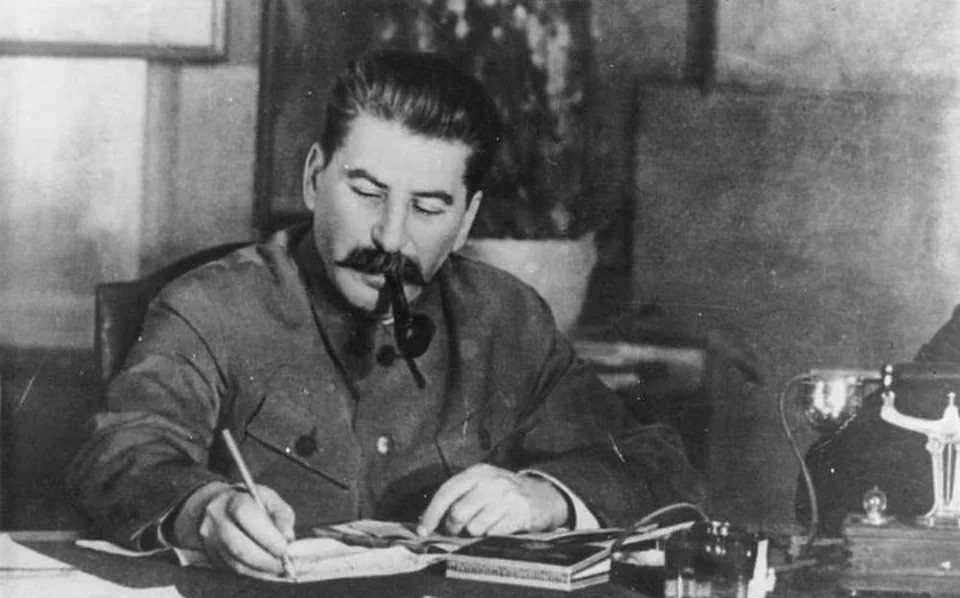
Always keeping an eye on the internal affairs of the Soviet Union, a CIA document from December 2, 1951, observed that Slansky’s arrest revealed the seriousness with which the Moscow leadership viewed the situation in Czechoslovakia. The document pointed out that “These arrests are the only known cases of trusted Moscow Communists being deposed in Eastern Europe since the war.”
The previous purge that the document references has also been rumored to have been the result of subterfuge, this time perpetrated by Nazi double agents, and a possible historical predecessor to Operation Splinter Factor. Whatever the details of the wave of trials sparked by Slansky’s arrest, the CIA was certainly pleased to see the communists at each other’s throats.
In The Devil’s Chessboard, Frank Wisner is quoted as gloating over the political crisis in the Eastern Bloc, commenting that “the comrades are merrily sticking knives in each other’s backs and doing our dirty work for us.”
In a similarly triumphal fashion, a CIA document from February 8, 1952, stated “Under pressure the Soviets had to modify their policy toward the satellites. But this pressure may soon force the Soviet Government to decide, either in favor of complete absorption of the satellites by the Soviet Union or in favor of a fundamental relaxation of the ties which bind them today to the Soviets and are endangering their whole existence. Slansky’s arrest points to the urgency of such a decision, which cannot be avoided for long.”
To return to the central thread of Operation Splinter Factor, Jozef Swiatlo defected to the West in early December of 1953, although his treason was not made public in Poland until October 1954, when the Polish Press Agency labeled him a traitor and provocateur.
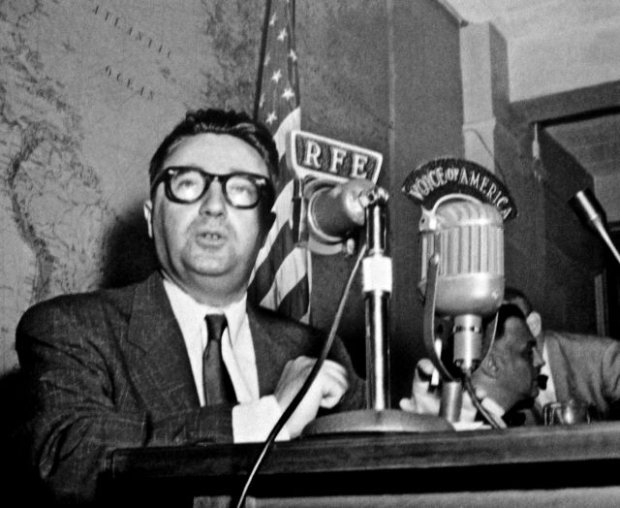
However, Swiatlo was heard by the world in March 1954 when he suddenly appeared on Radio Free Europe explaining how the Polish security apparatus operated. The CIA connections of Radio Free Europe are widely acknowledged today and certainly the 170 aired radio programs featuring Swiatlo served Western interests by painting communism in the blackest light.
In addition to the numerous radio programs, 800,000 copies of leaflets based on his testimony were dropped over the Eastern Bloc. Deposited by balloon, the pamphlets were entitled Behind the Scenes in the Secret Police and Party and were published by the CIA-funded Free Europe Press.
All of this came under the banner of the murky Operation Spotlight, which was run by the National Committee for a Free Europe. Guiding the operation, which consisted of the public airing of Swiatlo’s inside scoop on the communist secret services, was C. D. Jackson, the Special Assistant for Cold War Affairs under U.S. President Dwight Eisenhower.
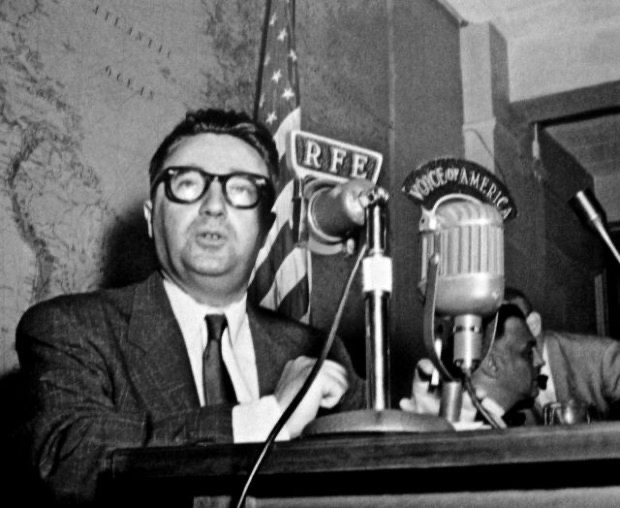
The story of Swiatlo’s escape to the West bears the marks of a pre-planned intelligence operation. Swiatlo claims that he and his chief at the time, Anatol Fejgin, were in East Berlin for a conference and one day they “accidentally” found themselves in West Berlin and enjoyed it so much that they went in secret again the next day. Swiatlo’s “day of escape” occurred when he simply marched over to the American authorities and reported that he wished to defect.
Inconsistencies arose and on a different occasion Swiatlo stated that the Stasi security chief in East Berlin, Colonel Erich Mielke, was his traveling companion. Most other sources concur that Swiatlo and Fejgin were on an important security mission to consult with Colonel Mielke upon which Swiatlo slipped away to the U.S. military mission in West Berlin. From there he was transported to the U.S. military authorities in Frankfurt and by Christmas of 1953, Swiatlo had been flown to Washington, D.C.
Upon arrival state-side he was thoroughly debriefed and his interrogations were said to have amounted to approximately 50 long reports. Given the clouds around his defection and the way in which the U.S. government granted him political asylum, it is not unlikely that Swiatlo was lifted out, as promised, by the CIA.
Swiatlo’s public defection and RFE broadcasts spurred unrest in Poland and caused a crisis in the Polish government, leading to the arrest of many Ministry of Public Security officials. The Central Committee of the Polish United Workers’ Party formed a commission to investigate irregularities in the security apparatus and to ascertain what sensitive information Swiatlo harbored.
Going over his files, the Polish government realized that he had been an undercover operative all along. When Swiatlo gave a press conference in Washington, D.C., on September 28, 1954, where he announced Noel Field’s imprisonment in Hungary, the commission decided to re-examine Field’s file.
In November of the same year Noel and Herta were released by the Hungarian government and given monetary compensation for their time in prison. Perhaps showing their commitment to communism, or their disillusionment with the U.S., Noel and Herta chose to remain in Hungary.

In fact, Field supported the suppression of the 1956 Hungarian “Revolution” that was partly catalyzed by the Rajk Trials. In June 1957, Field made a statement broadcast by Radio Budapest in which he declared that the UN report on Hungary was full of “slanderous falsehoods interspersed at best with misleading half-truths.”
Still a contentiously debated event to this day, those in the international communist movement who opposed the Hungarian uprising were derogatorily referred to as “tankies” in reference to the T-34s used in the Soviet intervention. With the Trump administration’s recent declassification of the remaining JFK files, information was revealed that affirmed what the “tankies” had suspected all along, namely, that the CIA was involved in the (counter)-revolution.
Unsurprisingly, MI6 was also part of the events. An officer in Her Majesty’s Secret Service previously admitted that British intelligence-trained fighters for the uprising and CIA-trained foreign-born nationals were sent into Hungary to aid the cause.
Similar to the events in Hungary in 1956, a cloud of mystery surrounds Noel Field and Jozef Swiatlo.
In an article leveling charges of spying against two other Polish defectors, the Warsaw Communist Youth’s newspaper, Sztandar Mlodych (“Standard for the Young”), accused Swiatlo of engaging in espionage for the West prior to his public defection.
Tellingly, the CIA is reticent on both Field and Swiatlo. Flora Lewis, the author of Red Pawn: The Story of Noel Field, stated in her book that she ran into an “official barrier of silence” when she requested information about dates and places regarding Field from American, Swiss, French, British and German intelligence agencies.
The CIA refused her access to any information on Swiatlo, a man whose personal history remains largely undiscussed.
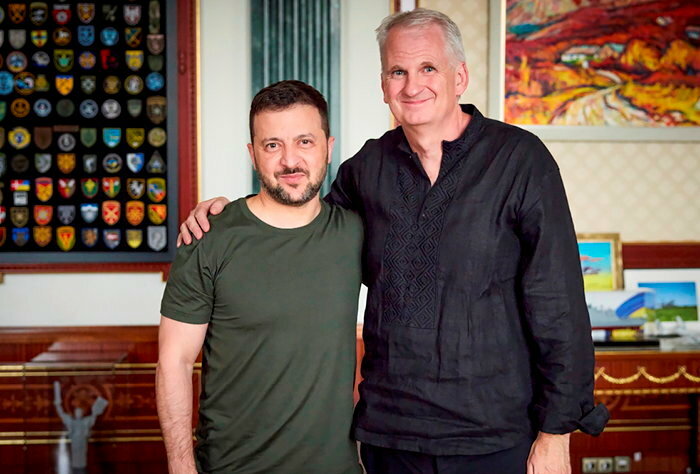
Even in recent years efforts to retrieve information on Swiatlo have been frustrated by the authorities. Multiple professors, including even the odious anti-communist historian Timothy Snyder, have put in FOIA requests to the CIA for documents pertaining to Swiatlo only to be rebuffed.
In 2005, Snyder corresponded with Scott Koch, the Information and Privacy Coordinator of the CIA, appealing the denial of his FOIA request. In a rare moment of integrity, Snyder pointed out the absurdity of concealing the facts about Swiatlo given that he was long dead. Koch firmly denied the liberal historian’s appeal.
Similarly, Dr. Włodzimierz Rozenbaum put in an FOIA request specifically inquiring about Swiatlo’s potential contact with U.S. intelligence prior to his defection in 1953. First, the CIA informed the professor that “the CIA can neither confirm nor deny the existence or nonexistence of records responsive to your request.”
He attempted to appeal the CIA’s decision, to no avail. Rosenbaum was subsequently told that “we regret to inform you that you were mistakenly granted appeal rights.”
Thirdly, a man named Walter Orlowski requested records of the interrogation of Swiatlo which occurred after he came to the U.S., as well as transcripts of the documents of his debriefing and the intelligence he shared about the NKVD’s activities in Poland. Orlowski received the same Glomar response as Rozenbaum with the added provision that “the fact of the existence or nonexistence of requested records is properly classified.”
If Swiatlo were merely a spontaneous defector, why the need for such official silence, especially since the events in question now lie in the dustbin of history? Surely, if there truly never was an Operation Splinter Factor, the CIA would not work so diligently to slander those who write about its very existence.
Perhaps the reason for concealment of an operation which centered on three men long dead (Dulles, Field, and Swiatlo) and a Bloc of countries which no longer exists (the Soviet Union) is that the revelation that Western intelligence had a hand in the legendary Soviet “show” trials would cast a different light on the political repression that occurred in communist countries.
The notion that a political atmosphere of mistrust and repression was actively encouraged by the self-appointed purveyors of “freedom” and “democracy” does not fit comfortably into the dominant anti-communist line.
For example, if Western penetration of high levels of the Soviet government is acknowledged, the notorious paranoia ceases to seem unreasonable and any reconsideration of the carte blanche demonization of communism seems to be unacceptable in the mainstream.

The story of Jozef Swiatlo and Operation Splinter Factor threatens to shatter the entire myth of madness erected around communism, making its concealment something of contemporary importance to the CIA.
Not to mention, to quote from the Slovak journalist mentioned earlier, “While the files on Operation Splinter Factor lie classified deep underground at the CIA’s headquarters in Langley, near Washington DC, the US can successfully point to Stalin’s crimes and the monstrosity of communist governments in Eastern Europe in the early 1950s. After publishing the truth about this operation, Washington would have to ‘fraternally’ share with Moscow the reprisals of the time and admit its share of guilt in the political trials and subsequent executions.” [Leopold Moravčík, Conspiracy Against Conspiracies (Perfect 2015), p. 88]
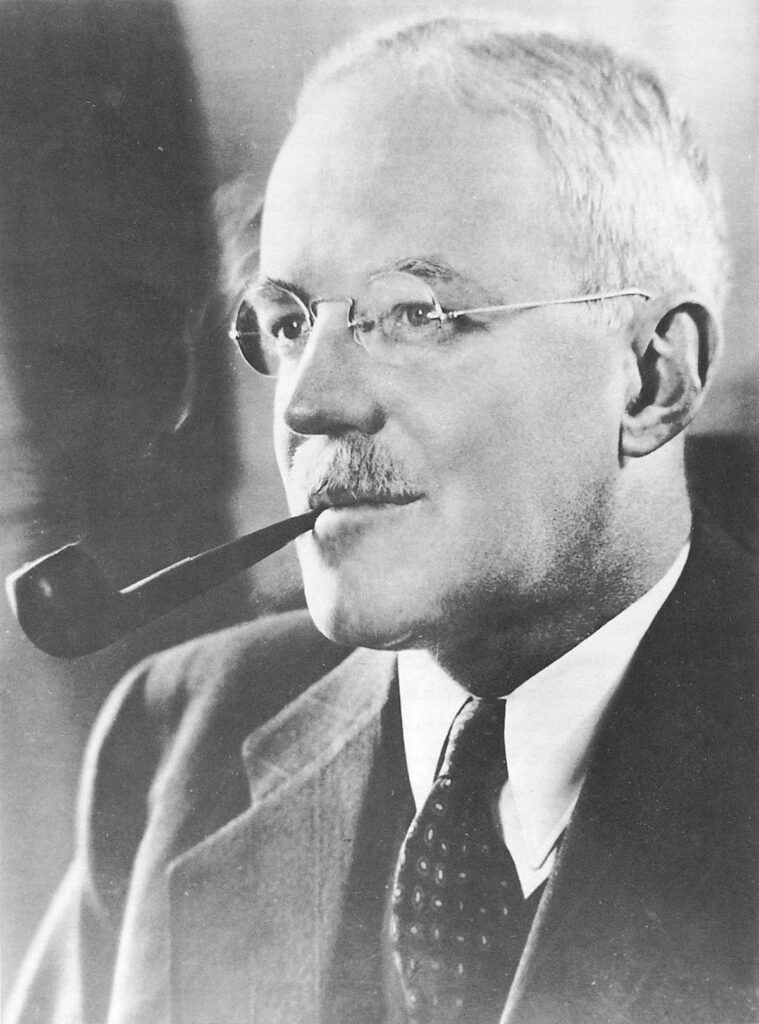
Indeed, such an operation of devious intrigue would not be out of keeping with the CIA’s track record. Nor would deliberate sabotage and a widespread campaign of disinformation fall out of line with the plethora of Machiavellian schemes hatched by Allen Dulles.
In fact, Erica Wallach, who briefly worked under Dulles in the OSS, was asked in an interview as to whether the agency’s longest serving director would conduct such a nefarious plot. She answered with conviction, “Of course. It was his job. And it was easy enough to do. They [the CIA] had contacts everywhere in those governments.”
Hopefully, scholars, journalists and historians will continue to re-examine the murkiest pages of Soviet history to bring to light the truth of Western infiltration and subversion as the source of anti-communist myths.
Wikipedia refers to Wallach as Field’s adopted daughter. ↑
CovertAction Magazine is made possible by subscriptions, orders and donations from readers like you.
Blow the Whistle on U.S. Imperialism
Click the whistle and donate
When you donate to CovertAction Magazine, you are supporting investigative journalism. Your contributions go directly to supporting the development, production, editing, and dissemination of the Magazine.
CovertAction Magazine does not receive corporate or government sponsorship. Yet, we hold a steadfast commitment to providing compensation for writers, editorial and technical support. Your support helps facilitate this compensation as well as increase the caliber of this work.
Please make a donation by clicking on the donate logo above and enter the amount and your credit or debit card information.
CovertAction Institute, Inc. (CAI) is a 501(c)(3) non-profit organization and your gift is tax-deductible for federal income purposes. CAI’s tax-exempt ID number is 87-2461683.
We sincerely thank you for your support.
Disclaimer: The contents of this article are the sole responsibility of the author(s). CovertAction Institute, Inc. (CAI), including its Board of Directors (BD), Editorial Board (EB), Advisory Board (AB), staff, volunteers and its projects (including CovertAction Magazine) are not responsible for any inaccurate or incorrect statement in this article. This article also does not necessarily represent the views the BD, the EB, the AB, staff, volunteers, or any members of its projects.
Differing viewpoints: CAM publishes articles with differing viewpoints in an effort to nurture vibrant debate and thoughtful critical analysis. Feel free to comment on the articles in the comment section and/or send your letters to the Editors, which we will publish in the Letters column.
Copyrighted Material: This web site may contain copyrighted material the use of which has not always been specifically authorized by the copyright owner. As a not-for-profit charitable organization incorporated in the State of New York, we are making such material available in an effort to advance the understanding of humanity’s problems and hopefully to help find solutions for those problems. We believe this constitutes a ‘fair use’ of any such copyrighted material as provided for in section 107 of the US Copyright Law. You can read more about ‘fair use’ and US Copyright Law at the Legal Information Institute of Cornell Law School.
Republishing: CovertAction Magazine (CAM) grants permission to cross-post CAM articles on not-for-profit community internet sites as long as the source is acknowledged together with a hyperlink to the original CovertAction Magazine article. Also, kindly let us know at info@CovertActionMagazine.com. For publication of CAM articles in print or other forms including commercial internet sites, contact: info@CovertActionMagazine.com.
By using this site, you agree to these terms above.
About the Author
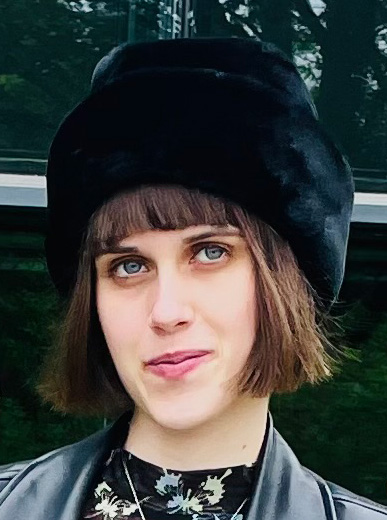
Shaenah Batterson is a polemicist and poet located in Eugene, Oregon.
She writes a Substack called The Red Letter and cohosts the podcast Captive Minds.
Shaenah can be reached at shaenahbatterson@icloud.com.












The CIA assassinated Robert Kennedy and even planned to assassinate President Nixon but settled for ousting him instead when one of the members of the assassination team, Edwin Kaiser, pulled out.
We will soon see the forty fifth anniversary of the CIA assassination of John Lennon.
According to medical staff who saw him when he was delivered to Roosevelt Hospital, he had been shot from the front and the bullet holes were in close formation. This would indicate that the assassin was a very skilled sniper and had a good view of Lennon as he entered the vestibule of the Dakota Building.
Mark Chapman would not have had the skill to shoot so expertly especially as it was dark.
Further reading:
“Mind Games: The Assassination of John Lennon” by David Whelan.