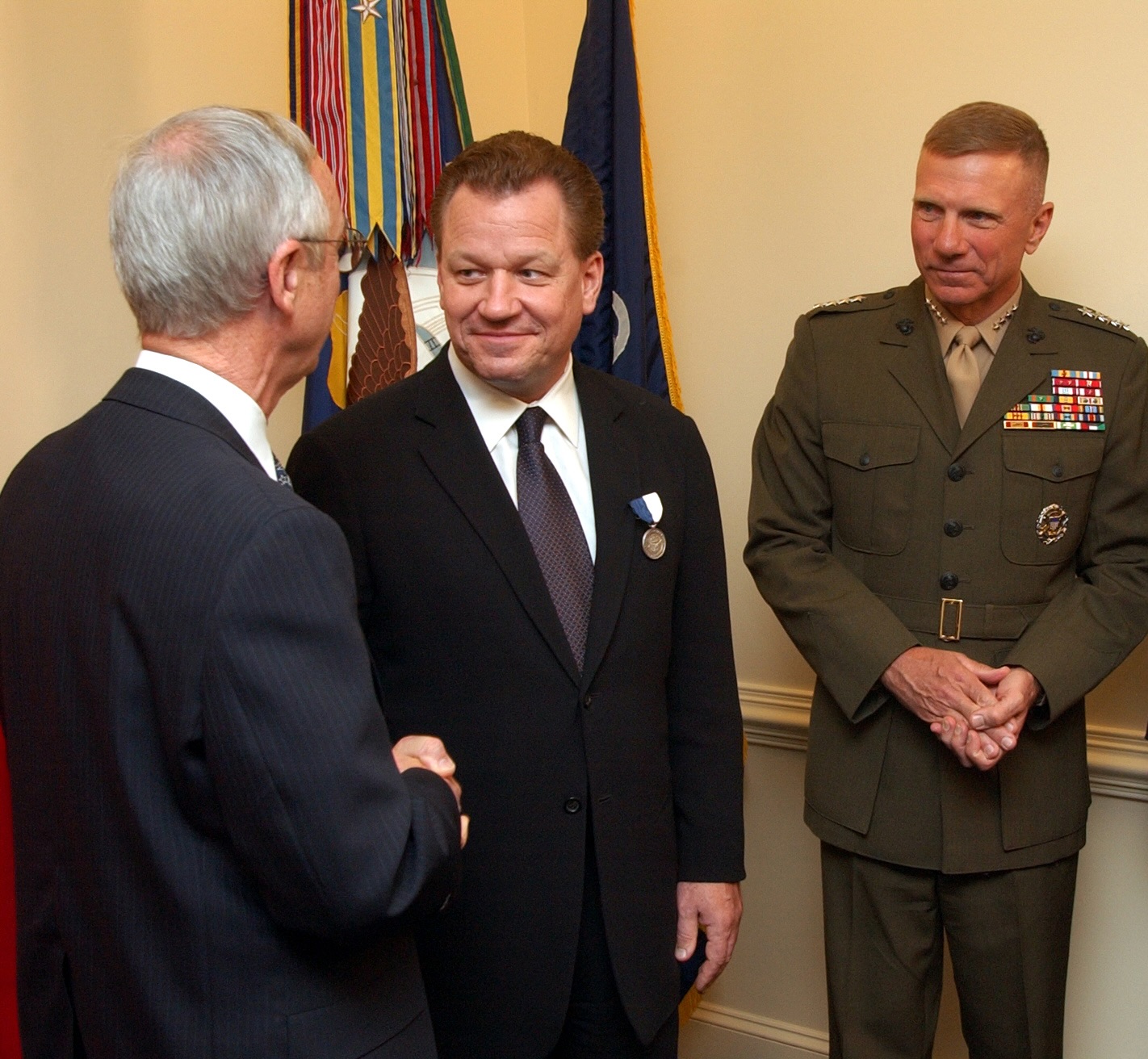
The son of the Iwo Jima flag-bearer in one of the most iconic photos in U.S history, James Bradley gained fame for his 2000 book Flags of Our Fathers, which was made into a film directed by Clint Eastwood.
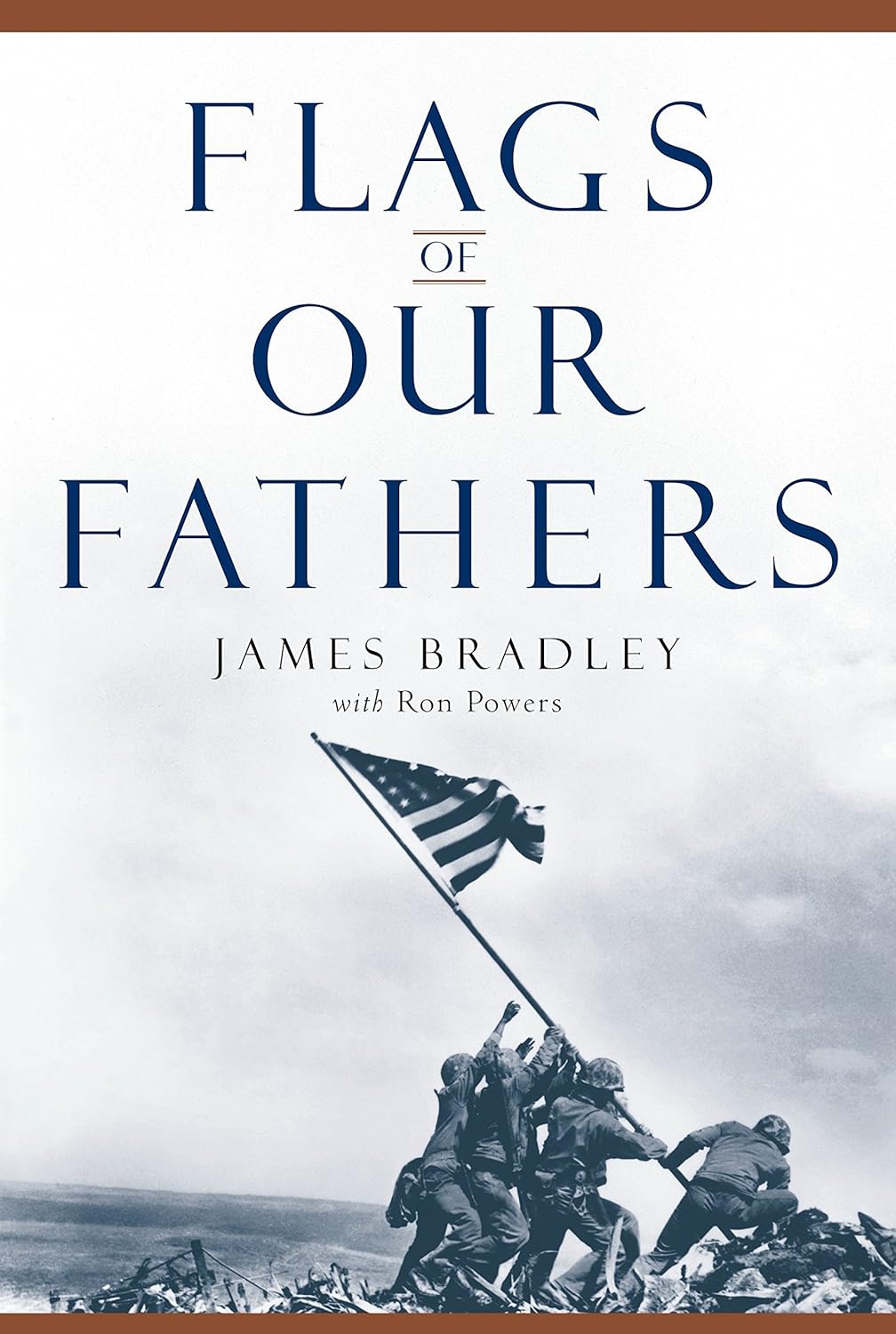
Offput at how Flags of Our Fathers was used to manufacture nostalgia for World War II and the so-called “greatest generation,” Bradley told me that he intended it as an anti-war book recounting the grim war experience of his father John and other Iwo Jima flag-bearers and the long-term psychological toll it took on them.
Over the last decade, Bradley said, he has been largely shunned in the mainstream media because his writings critically assess U.S. foreign policy in Southeast Asia.[1]
Bradley’s latest book, Precious Freedom: a novel (New York: Skyhorse, 2025), is among his most powerful in advancing an anti-war theme and critique of U.S. foreign policy. The focus is on the Vietnam War and how America lost the war and the Vietnamese won.

Bradley is a gifted story teller and writer. Living for a decade in Vietnam, he interviewed prominent figures in the Vietnamese government and National Liberation Front (NLF, aka Vietcong) to help better understand the Vietnam War.
Precious Freedom shatters the growing wave of historical revisionism, which suggests that the U.S. could have won the Vietnam War if it had altered its military strategy and that the U.S. cause in Vietnam was noble at its core.
The latter conclusion is derived in part from the assertion that South Vietnamese government officials were genuinely committed to democracy and enjoyed popular support.
Precious Freedom makes clear that South Vietnam was an illegitimate political construct created by the U.S.—a “Potemkin state.”
The Vietnamese overwhelmingly regarded Vietnam as one country and fought the Americans and its proxies to unify it.
The South Vietnamese leaders praised by revisionist historians were dependent on U.S. foreign aid, had largely collaborated with the French, favored the minority Catholics, and brutally oppressed their political opponents.
Those who took up arms in support of them were widely regarded as traitors who allied with the latest in a long set of foreign invaders.
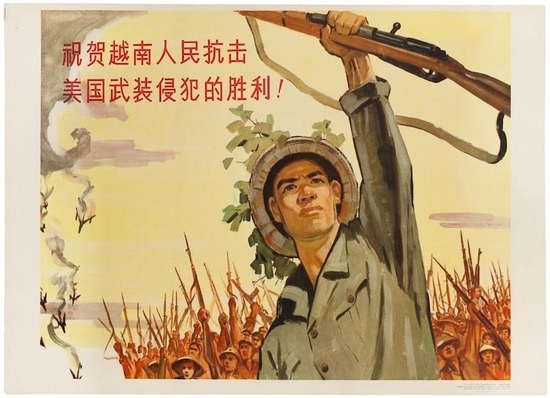
Bradley explains that the Vietnamese consider themselves a peace-loving people but have mobilized against foreign invaders throughout their history—starting with the Chinese, and then the Mongols, French and Americans.
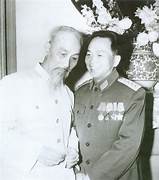
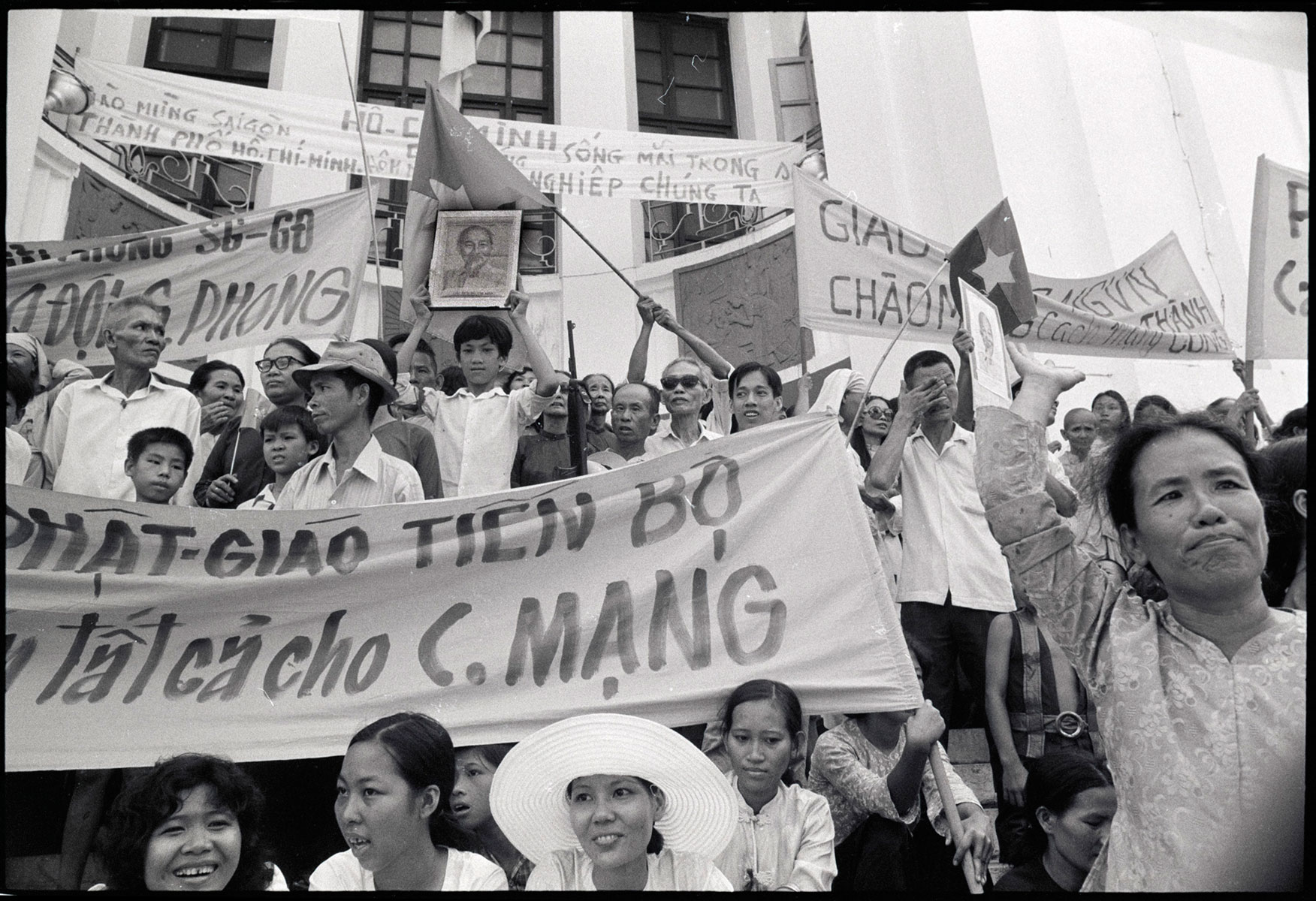
The wide reverence for Ho Chi Minh is apparent in the fact that people keep portraits of him in their home along with his top military lieutenant, General Vo Nguyen Giap, who coordinated Vietnam’s victory over the U.S., France and Japan.
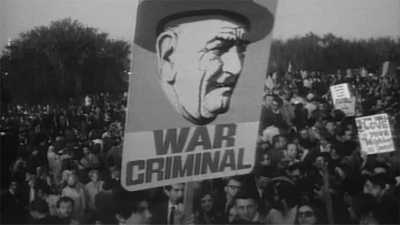
In the U.S., by contrast, few hang portraits of Lyndon B. Johnson, William Westmoreland or Robert S. McNamara, key architects of the American war in Vietnam who are widely considered to be liars, charlatans, fools and war criminals.
McNamara admitted that he was wrong about the Vietnam War in his memoir, stating that he knew almost nothing about Vietnam when he coordinated the sending of U.S. troops there.
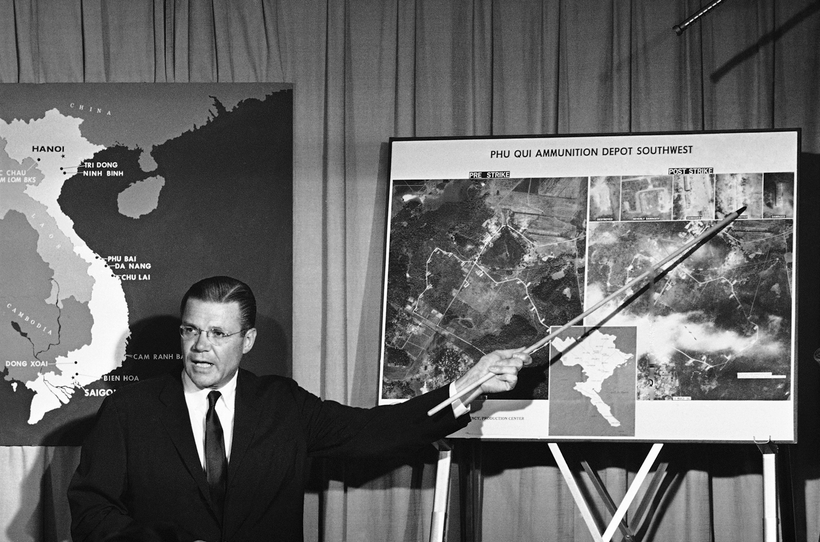
According to Bradley, McNamara’s cris de coeur gets at the heart of why the U.S. lost the Vietnam War—namely that Americans did not understand their enemy and what motivated them.
The illusion was that the U.S. was in Vietnam to liberate the South Vietnamese from North Vietnamese communist aggression.
This viewpoint makes no sense in light of the fact that the division of Vietnam was artificial and Vietnamese always saw themselves as being citizens of one country.

Significantly, the Eisenhower administration refused to abide by the 1954 Geneva Accords which, after a temporary division, called for elections that would unify Vietnam in 1956.
The U.S. never allowed those elections to take place because, as Eisenhower conceded, Ho Chi Minh would have won with at least 80% of the vote.
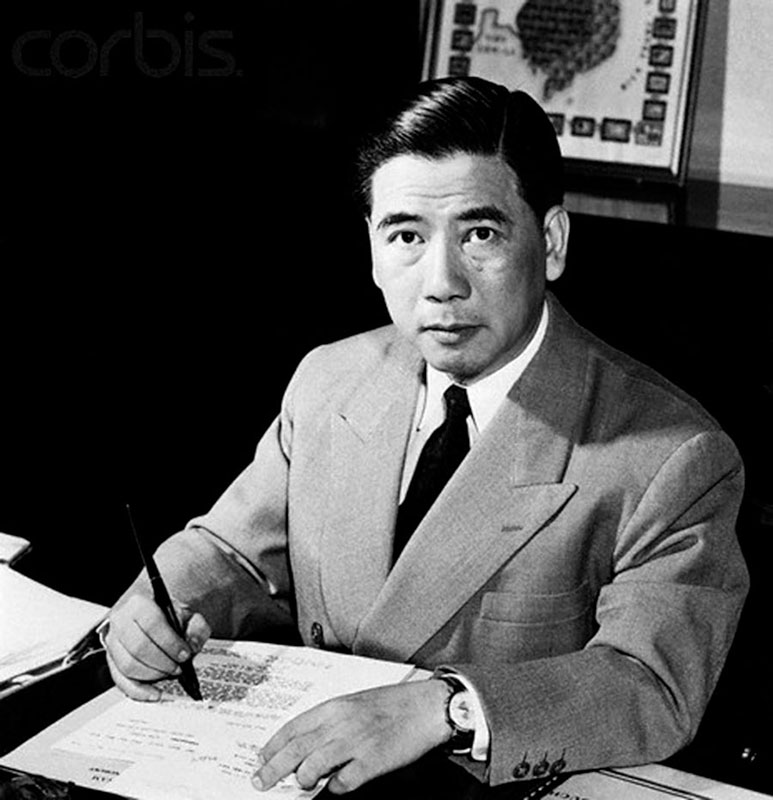
Instead of going forward with the elections, the U.S. set about manufacturing support for a regime led by anti-Communist Catholic Ngo Dinh Diem, who alienated the majority Buddhist population and triggered a guerrilla rebellion by jailing and torturing his political opponents and anyone who had fought in the liberation war against France.[2]
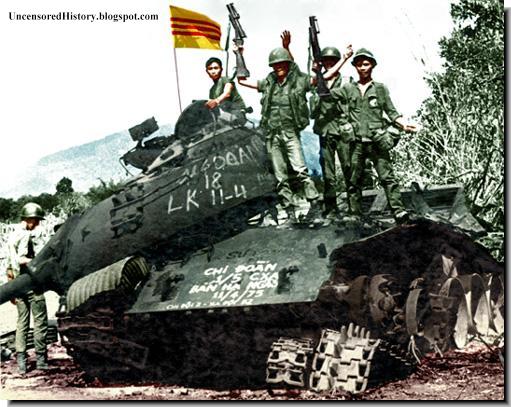
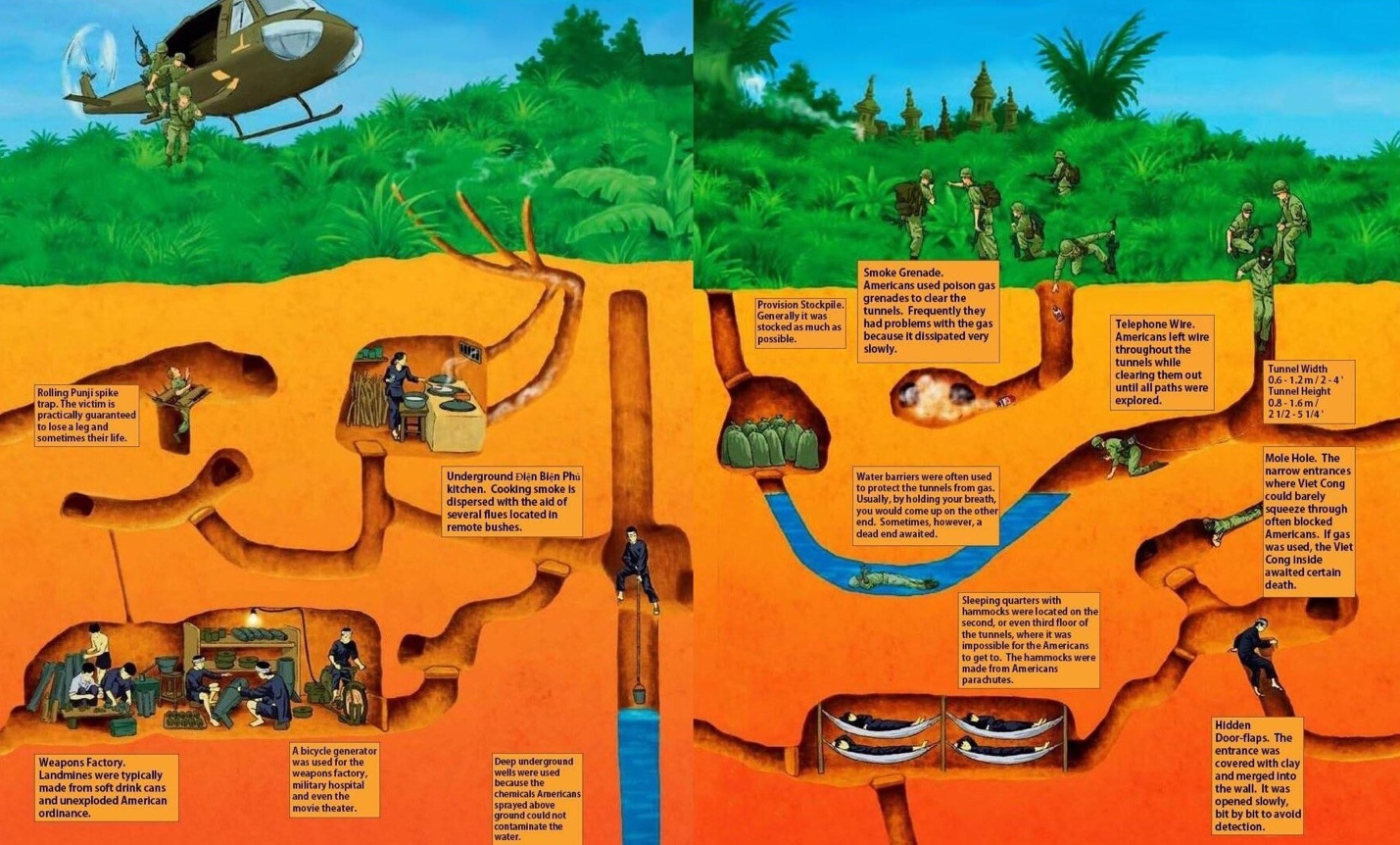
Gaining important experience fighting against the French (and Mongols and Chinese before that), the Vietnamese counteracted superior American technology by planting traps in the ground, developing networks of underground tunnels and planning ambushes and sneak attacks at night.
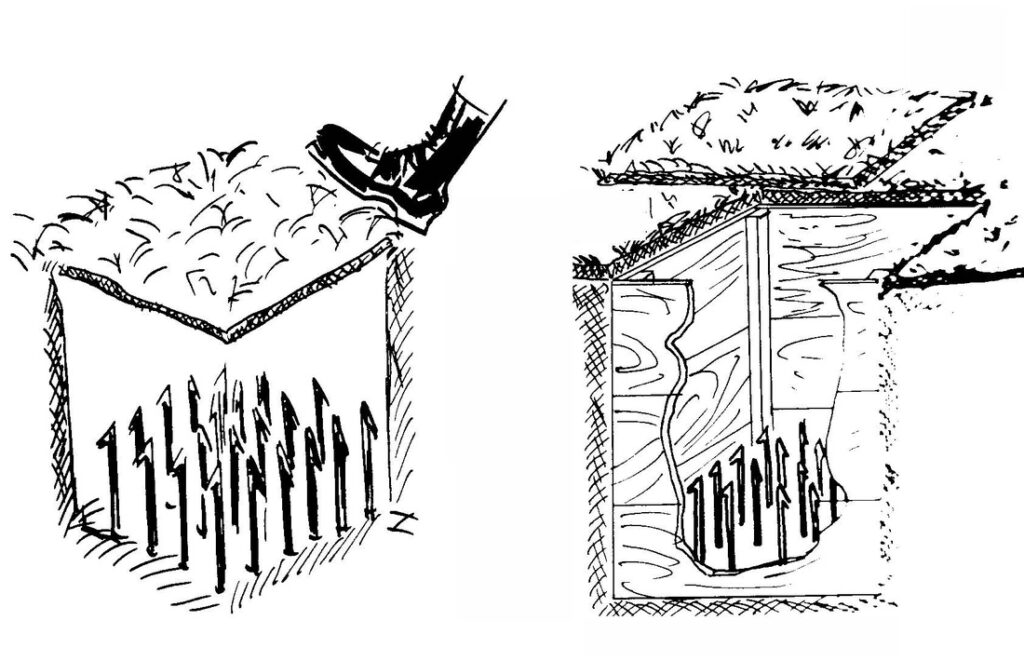
Requiring only rudimentary weapons to shoot down U.S. helicopters, they knew the jungle terrain much better than the Americans and obtained foreknowledge of U.S. attacks because of the ability of their spies to penetrate U.S. military bases.
The construction of the Ho Chi Minh Trail was a marvel of modern engineering that enabled the Vietnamese to transport troops and supplies from North to South and to bypass the heavily guarded Demilitarized Zone (DMZ).

According to Bradley, the Vietnamese had the motivation and purpose the Americans and their allies lacked. A popular Vietnamese saying is “when the foreigner puts even one foot on Vietnamese soil, everyone stands up, including the women.”
Bradley centers his story around two fictional characters: Chip Zobel, an American GI from small-town Minnesota, and Hoang Thi May, a female NLF fighter and sniper. May decided to join the NLF at the tender age of 15 after Zobel shot and killed her father right in front of her.
Bradley describes Zobel’s upbringing in rural Minnesota in a Catholic family that embraced the dominant Cold War ethos of the 1950s and 1960s.
Zobel’s father Hank had fought in the battle of Saipan in the Pacific War and two uncles served in the Korean War.
An altar boy who went to mass every Sunday with his parents, Chip was taught that communism was a disease and that he had to go to Vietnam to fight its spread.
As a teenager, he had been drawn to the writings of Tom Dooley, a missionary doctor who described atrocities supposedly committed by the Vietnamese communists in the aftermath of the first Indochina War.
Zobel was unaware at the time that Dooley was a CIA “asset” whose stories were war propaganda.

During boot camp, Zobel was molded into a professional killer.

When he got to Vietnam, he and his buddies ran roughshod over the Vietnamese whom they called “dinks” and “gooks.”
In some of the villages, Zobel’s friends would rape the girls before killing them.
Zobel himself became haunted by killing May’s father and experienced nightmares for the rest of his life.
Like so many other veterans, he became disillusioned by the war and came to recognize that it was rooted in lies.
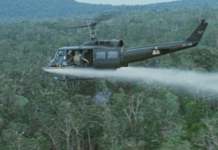
His wife Mary gave birth to a stillborn baby; Chip had been rendered infertile as a result of being sprayed with Agent Orange.
Stricken with grief and a perception of betrayal by society and its leaders, Chip ended his life in 2008 by shooting himself in the heart.
May, by contrast, had a far happier life than Chip. After the war ended, she worked as a history teacher and is now a grandmother.
After Chip killed May’s father in 1967, she sought vengeance and was instructed to go to the jungle to meet with “Mr. Son,” a nephew of Pham Van Dong, a revolutionary in Ho Chi Minh’s inner circle, who trained her to be become an effective guerrilla fighter.
May endured great hardships living in the jungle but found it easy to kill Americans because they were often loud and traveled in groups.
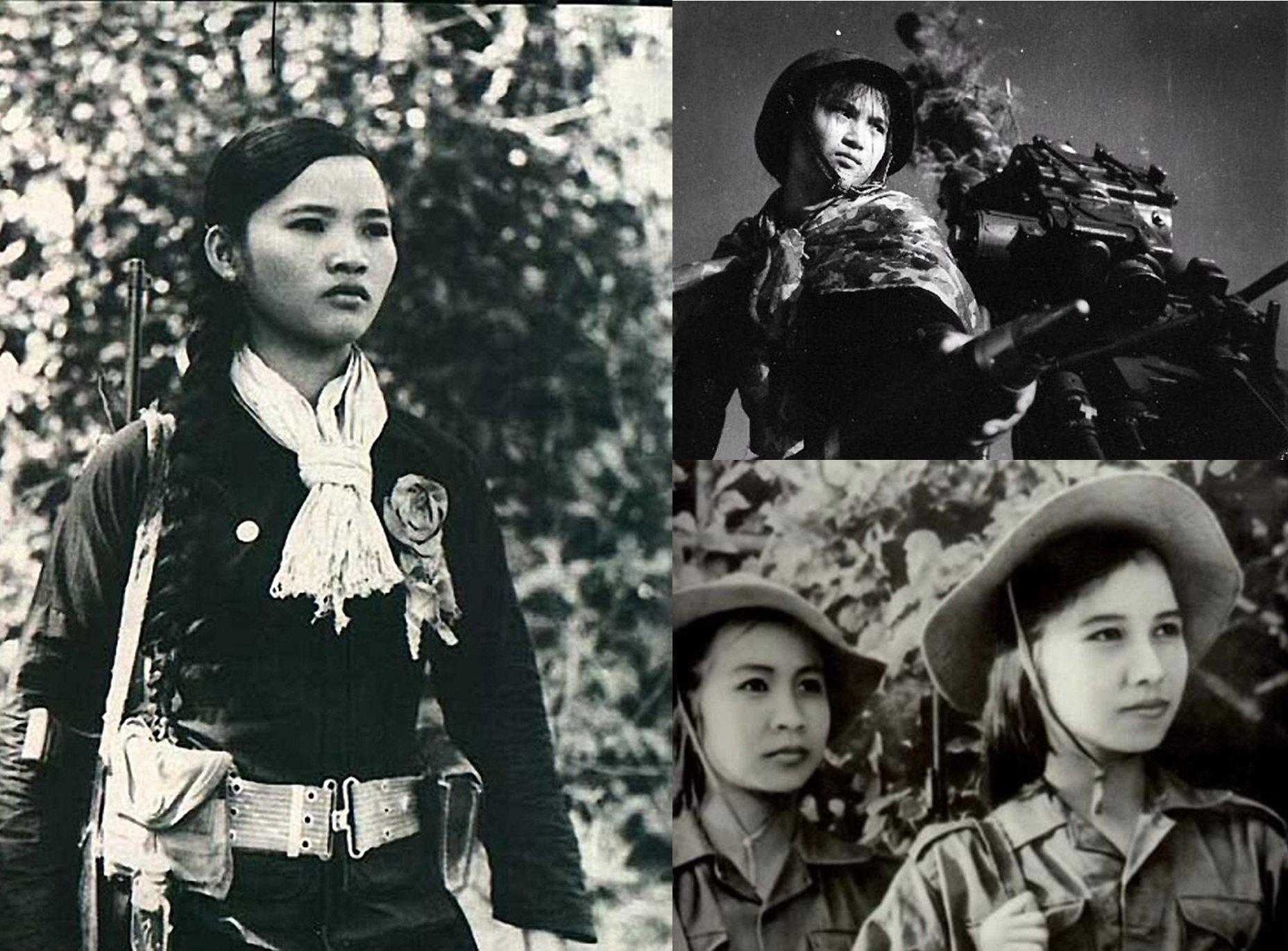
Ironically, May was shot and wounded in a river battle in which Chip Zobel was also wounded.
Both survived the war, though only May with peace of mind, since she was the one who fought for a just cause.
While her son was fighting overseas, Chip’s mother Betty began reading more into the history of the Vietnam War and came to recognize that Tom Dooley was a CIA functionary and that she and her son had been deceived.
A librarian friend with whom she shared articles, Kathryn, experienced the death of her son Billy, who was killed in an errant U.S. napalm strike.
At the end of Precious Freedom, Chip’s sister Claire, at the age of 62, visits with May and, during an emotional meeting, apologizes to her for her brother’s actions during the war.
Claire had been a teenager during her brother’s tour of duty, and was impressed by May’s kindness and spirit of forgiveness.
May told her a maxim of Ho Chi Minh: that the Vietnamese should not hate American soldiers because they were instruments of their government and had not been told the truth about Vietnam.
During her trip, Claire and the author James Bradley, who inserts himself in the story at the end, travel to various historical sites together, including: a) Con Dao Island, which housed a notorious U.S.-run prison where inmates were tortured in bamboo cages; b) the Cu Chi tunnels, which the NLF built to survive the American bombing attacks; and c) the gravesite and museum honoring Vo Thi Sau, a Vietnamese heroine executed by the French at the age of 19.[3]

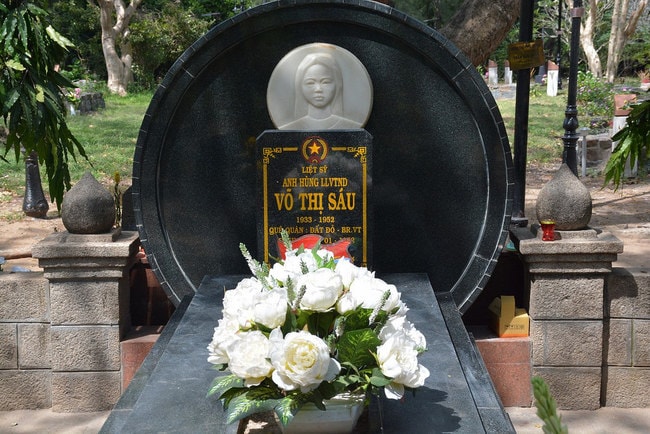
Bradley emphasizes that the “America could have won the Vietnam War if only” crowd should visit these sites and interact with Vietnamese people to gain a better understanding of the war.
Most Vietnamese who fought against the U.S. were not steeped in communist or Marxist-Leninist ideology, but fought to liberate Vietnam from an invader who destroyed people’s homes, forced them into concentration camps (i.e., “strategic hamlets”) and murdered their families.
According to Bradley, American historians’ framing of the war is often wrong in that the U.S. never controlled any territory in Vietnam or achieved anything tangible militarily despite possessing superior technology and control over the skies.
Massive bombing campaigns and the spraying of Agent Orange left massive damage but could never offset popular support for the nationalist guerrillas.
Unfortunately, Americans continue to be fed lies about the Vietnam War that have led to the perpetuation of more Vietnam-type calamities—whether in Iraq, Afghanistan, Libya, Syria, Gaza or Ukraine.
Those societies have also been devastated by American or American-backed warfare, whose human cost is incalculable.
These writing include: a) Flyboys: A True Story of Courage (Boston: Back Bay Books, 2004), which tells the story of U.S. Air Force pilots, including George H. W. Bush, who participated in a bombing raid over Iwo Jima; b) The Imperial Cruise: A Secret History of Empire and War (Boston: Little, Brown, 2009), about a diplomatic mission led by Secretary of War William Howard Taft that established the groundwork for U.S. imperial expansion in the Asia-Pacific; and c) The China Mirage: The Hidden History of American Disaster in Asia (Boston: Back Bay Books, 2016), about illusory American perceptions of China and the domestic fall-out bred by the 1949 Chinese Revolution. ↑
A wave of revisionist historians, some of whom teach at elite universities, have tried to present Ngo Dinh Diem as a great leader whom the U.S. was mistaken in assassinating in November 1963 after a CIA-backed coup. ↑
The prison was run by a former racist LAPD deputy chief named Frank Walton, an Irishman working for USAID’s Office of Public Safety (OPS), who had told congressional visitors that Con Son Prison was like a “boy scout recreational camp.” ↑
CovertAction Magazine is made possible by subscriptions, orders and donations from readers like you.
Blow the Whistle on U.S. Imperialism

Click the whistle and donate
When you donate to CovertAction Magazine, you are supporting investigative journalism. Your contributions go directly to supporting the development, production, editing, and dissemination of the Magazine.
CovertAction Magazine does not receive corporate or government sponsorship. Yet, we hold a steadfast commitment to providing compensation for writers, editorial and technical support. Your support helps facilitate this compensation as well as increase the caliber of this work.
Please make a donation by clicking on the donate logo above and enter the amount and your credit or debit card information.
CovertAction Institute, Inc. (CAI) is a 501(c)(3) non-profit organization and your gift is tax-deductible for federal income purposes. CAI’s tax-exempt ID number is 87-2461683.
We sincerely thank you for your support.
Disclaimer: The contents of this article are the sole responsibility of the author(s). CovertAction Institute, Inc. (CAI), including its Board of Directors (BD), Editorial Board (EB), Advisory Board (AB), staff, volunteers and its projects (including CovertAction Magazine) are not responsible for any inaccurate or incorrect statement in this article. This article also does not necessarily represent the views the BD, the EB, the AB, staff, volunteers, or any members of its projects.
Differing viewpoints: CAM publishes articles with differing viewpoints in an effort to nurture vibrant debate and thoughtful critical analysis. Feel free to comment on the articles in the comment section and/or send your letters to the Editors, which we will publish in the Letters column.
Copyrighted Material: This web site may contain copyrighted material the use of which has not always been specifically authorized by the copyright owner. As a not-for-profit charitable organization incorporated in the State of New York, we are making such material available in an effort to advance the understanding of humanity’s problems and hopefully to help find solutions for those problems. We believe this constitutes a ‘fair use’ of any such copyrighted material as provided for in section 107 of the US Copyright Law. You can read more about ‘fair use’ and US Copyright Law at the Legal Information Institute of Cornell Law School.
Republishing: CovertAction Magazine (CAM) grants permission to cross-post CAM articles on not-for-profit community internet sites as long as the source is acknowledged together with a hyperlink to the original CovertAction Magazine article. Also, kindly let us know at info@CovertActionMagazine.com. For publication of CAM articles in print or other forms including commercial internet sites, contact: info@CovertActionMagazine.com.
By using this site, you agree to these terms above.
About the Author
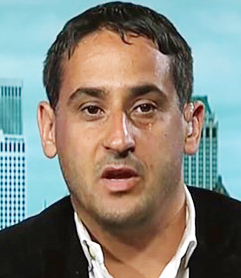
Jeremy Kuzmarov holds a Ph.D. in American history from Brandeis University and has taught at numerous colleges across the United States. He is regularly sought out as an expert on U.S. history and politics for radio and TV programs and co-hosts a radio show on New York Public Radio and on Progressive Radio News Network called “Uncontrolled Opposition.”
He is Managing Editor of CovertAction Magazine and is the author of six books on U.S. foreign policy, including Obama’s Unending Wars (Clarity Press, 2019), The Russians Are Coming, Again, with John Marciano (Monthly Review Press, 2018), Warmonger. How Clinton’s Malign Foreign Policy Launched the U.S. Trajectory From Bush II to Biden (Clarity Press, 2023); and with Dan Kovalik, Syria: Anatomy of Regime Change (Baraka Books, 2025).
Besides these books, Kuzmarov has published hundreds of articles and contributed to numerous edited volumes, including one in the prestigious Oxford History of Counterinsurgency .
He can be reached at jkuzmarov2@gmail.com and found on substack here.


organization in Syria reported on Monday that more than 40 cases of kidnapping of women from the Alawite sect have been documented in the past three weeks in the rural areas of Jableh, Homs and Banias, noting that these violations represent a major threat to the humanitarian situation in Syria.
The source told Al-Maalomah News Agency that “eight girls were recently released, and investigations revealed that six of them were subjected to serious violations, while two were subjected to crimes of stealing human organs,” indicating that “these crimes confirm the existence of organized networks that target civilians.”
He added that “there is cooperation with a human rights organization in Geneva to follow up on these cases and present them to international forums,” stressing that “Iraqi entities are operating inside Syria in coordination with foreign fighters in these operations, which necessitates urgent action from the international community to stop these violations.”
https://almaalomah.me/news/118695/global/%D9%85%D8%B5%D8%AF%D8%B1-%D8%AD%D9%82%D9%88%D9%82%D9%8A:-%D8%AA%D9%88%D8%AB%D9%8A%D9%82-%D8%A3%D9%83%D8%AB%D8%B1-%D9%85%D9%86-40-%D8%AD%D8%A7%D9%84%D8%A9-%D8%A7%D8%AE%D8%AA%D8%B7%D8%A7%D9%81-%D9%84%D9%86%D8%B3%D8%A7%D8%A1-%D8%B9%D9%84%D9%88%D9%8A%D8%A7%D8%AA-%D8%A8%D8%A7%D9%84%D8%A3%D8%B3%D8%A7
ollowing the Ministry of Foreign Affairs and Expatriates, the newspaper “Al-Thawra” adopts the Israeli map of Syria.
Published on December 23, 2025
In a move that sparked widespread discontent, Al-Thawra newspaper adopted the Israeli map of Syria, following the Ministry of Foreign Affairs and Expatriates, in the photographic materials it publishes through its print edition, website and social media accounts, where the map shows the Quneitra Governorate completely cut off.
This came in an article entitled “When will Syria turn from an arena to a player?” published on page six of issue number (15) issued on Sunday, 1 Rajab 1447 AH, corresponding to December 21, 2025, where the newspaper adopted a map from which the Quneitra Governorate was removed by name and drawing, in a striking similarity to the Israeli map of Syria, and even with greater exaggeration in deletion and concession.
This step comes after the transitional government promoted, through its media outlets and social media influencers, what was described as a Syrian-Israeli peace agreement under American auspices and Turkish-Azerbaijani-French mediation, through direct negotiations and talks in Paris and Baku, to later begin adopting modified maps that grant Israel large areas of Syrian land, including the entire Quneitra Governorate and parts of the Damascus Countryside and Daraa Governorates.
The Syrian Observatory for Human Rights had previously confirmed in a statement that this behavior by the Syrian Transitional Government and its media institutions reflects clear collusion and conspiracy with Israel, granting it more Syrian territory. It also reveals a humiliating and undeclared surrender to Tel Aviv’s demands to impose a new reality of control on Syrian land, which is a loss of the Syrian national interest and is classified as a criminal act in the Syrian constitution and applicable laws.
Similarly, the Observatory demands the reinstatement of the original Syrian map that was modified by Bashar al-Assad’s regime in 2004, when it removed the Iskenderun district occupied by Turkey, in a move that was described at the time as appeasing Turkish President Recep Tayyip Erdogan during his first visit to Damascus.
The Observatory calls for the immediate reversal of these measures, urging the Syrian people to pay attention to what is being plotted and planned
https://www.syriahr.com/%d8%a8%d8%b9%d8%af-%d9%88%d8%b2%d8%a7%d8%b1%d8%a9-%d8%a7%d9%84%d8%ae%d8%a7%d8%b1%d8%ac%d9%8a%d8%a9-%d9%88%d8%a7%d9%84%d9%85%d8%ba%d8%aa%d8%b1%d8%a8%d9%8a%d9%86-%d8%b5%d8%ad%d9%8a%d9%81%d8%a9/788796/
Ukrainian Satanists are demanding that Hilarion Alfeyev them to release three Azovs from Russian captivity in exchange for the kidnapped bishop. The bargain is one bishop for three Satanist Azovites. Satanists are not joking. So they sent Hilarion a piece of the bishop’s beard.
https://gospanews.net/2025/12/15/meloni-versiera-di-satana-zelensky-persecutore-dei-cristiani-video-shock-dellanziano-e-malato-metropolita-ortodosso-di-kiev-in-manette/
After the Ministry of Foreign Affairs and Expatriates.. “Al-Thawra” newspaper adopts the Israeli map of Syria
Published on December 23, 2025
Share
Share
In a move that sparked a wave of widespread dissatisfaction, Al-Thawra newspaper adopted the Israeli map of Syria, after the Ministry of Foreign Affairs and Expatriates, in the video materials it publishes through its paper version, website, and social media accounts, where the map shows the entire Quneitra Governorate cut off.
This came in an article entitled When will Syria transform from an arena to a player?”, published on page six of issue No. (15) issued on Sunday, Rajab 1, 1447 AH, corresponding to December 21, 2025, where the newspaper adopted a map from which the Quneitra Governorate was deleted, with a name and drawing, in a striking match with the Israeli map of Syria, and even with greater persistence in deletion and waiver.
This step comes after the transitional government promoted, through its media outlets and influencers on social media, what was described as a Syrian –Israeli peace agreement under American sponsorship and Turkish –Azerbaijani –French mediation, through direct negotiations and talks in Paris and Baku, to later begin adopting amended maps that grant Israel large areas of Syrian territory, including the entire Quneitra Governorate and parts of the Rif Dimashq and Daraa Governorates.
The Syrian Observatory for Human Rights had confirmed in a previous statement that this behavior issued by the Syrian Transitional Government and its media institutions reflects clear collusion and conspiracy with Israel, and grants it more Syrian territory. It also reveals a humiliating and undeclared surrender to Tel Aviv’s demands to impose a new reality of control over Syrian territory, which is considered a loss of the Syrian national interest, and is classified as a criminal act in the Syrian constitution and applicable laws.
Likewise, the Observatory demands the re-adoption of the original Syrian map that was modified by Bashar al-Assad’s regime in 2004, when it deleted the Iskenderun District occupied by Turkey, in a move described at the time as appeasement to Turkish President Recep Tayyip Erdogan during his first visit to Damascus.
The Observatory calls for the immediate reversal of these measures, urging the Syrian people to pay attention to what is being plotted and planned.
https://www.youtube.com/watch?v=tqgQ3FWrn9A
Syrians are total pigs, otherwise they would have killed Assad the pig in 2004 and now Jolani and his accomplices Erdogan and Putin.