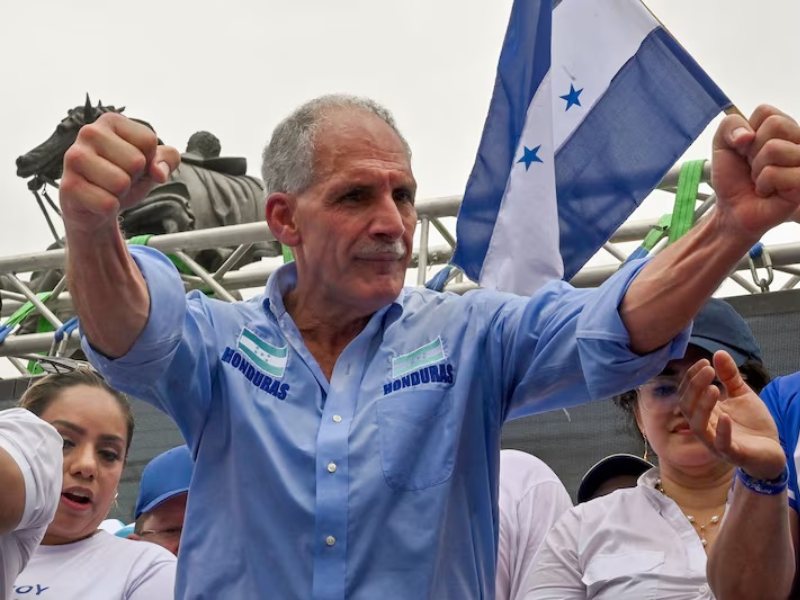
In a December CovertAction Magazine article, I described the Honduran presidential election of November 30 and the accusations of fraud that surrounded it.
Since then, the electoral crisis has only deepened. And the widely criticized and blatant interventions of U.S. President Donald Trump in favor of National Party candidate Nasry (Tito) Asfura can be linked to Trump’s personal financial interests and those of some of his close wealthy associates, with implications that extend beyond Honduras.
Since November 30, there has been an electoral crisis in Honduras. Despite extensive evidence of fraud and irregularities, two of the three members of the National Electoral Council (CNE) declared Nasry Asfura, the National Party candidate, the winner on December 24, just as many people were celebrating the holidays. If that declaration holds, Asfura will be inaugurated on January 27.
But the CNE decision appeared to disregard evidence of widespread fraud and failure to count at least 130,000 votes, more than enough to overturn the narrow 27,000-vote victory claims for Asfura.
The decision also disregarded the dissent of the third CNE member, Marlon Ochoa, who declined to certify Asfura’s election. It was Ochoa who, shortly after the election, publicly presented extensive evidence of electoral fraud. Honduran law requires the unanimous assent of all three CNE members to certify a winner.
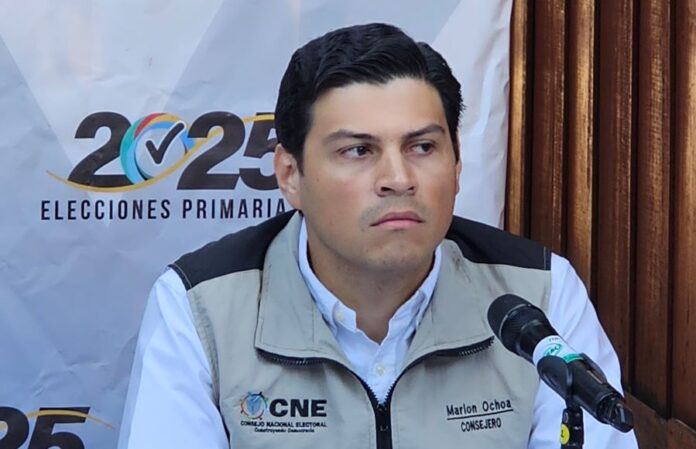
The declaration of Asfura as President-elect triggered a sharp response from outgoing President Xiomara Castro and the National Congress. The Congress passed Decree 58-2025, ordering the CNE to do a partial recount and include all the missing votes, and threatened to do a recount itself if the CNE failed to do so.
In signing the decree, Xiomara Castro said that, as president of Honduras, she would uphold the integrity of the law and democratic institutions until her last moment in office, and would work to safeguard the integrity of the electoral process.
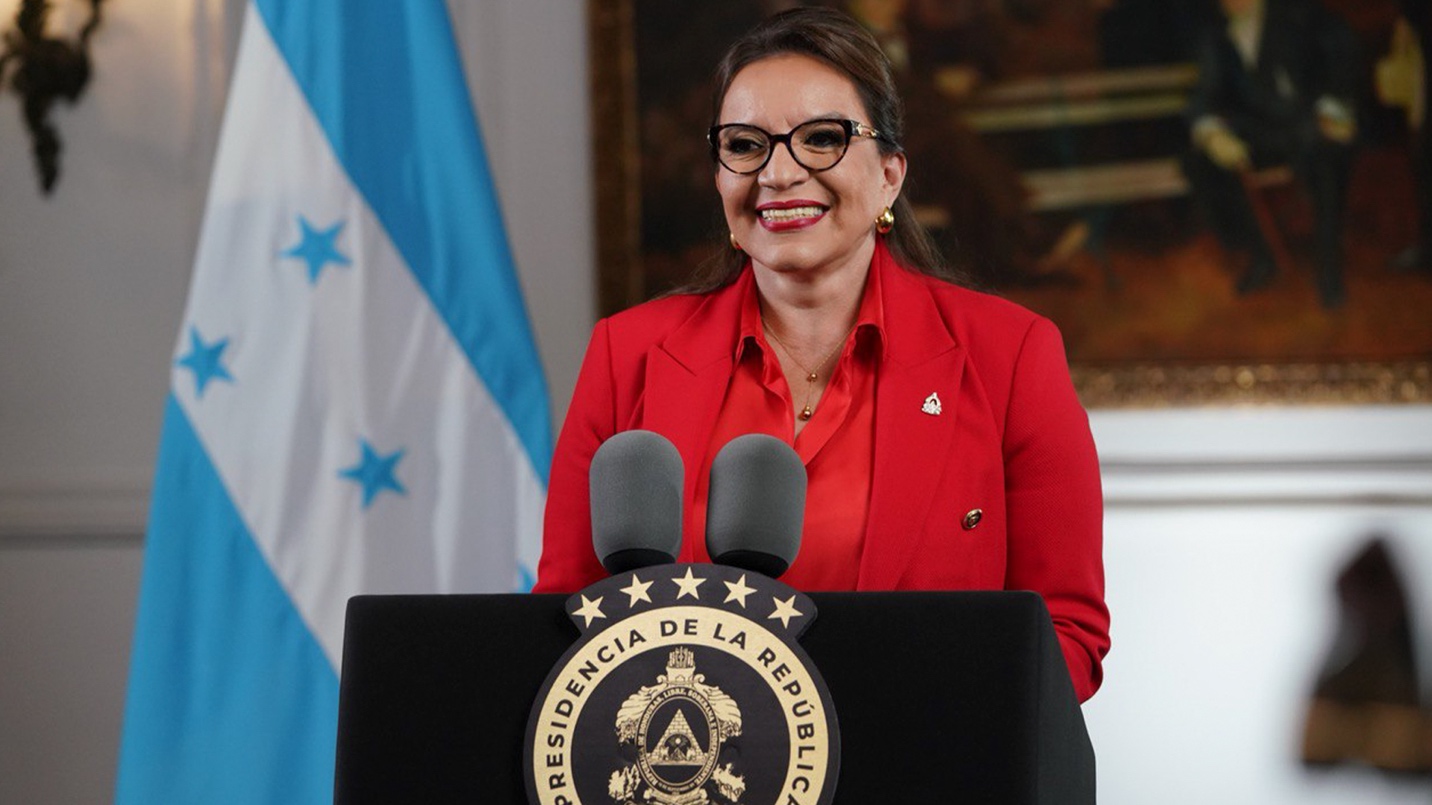
She accused Trump of interference—openly threatening “hell to pay” if Asfura were not elected, and pardoning former Honduran President and “narco-dictator” Juan Orlando Hernández and releasing him from prison in the U.S. But she also invited Trump to engage in a dialogue with her over how to defuse the electoral crisis.
In response to Decree 58-2025 and Xiomara Castro’s statements, the U.S. Embassy in Tegucigalpa posted this, apparently in a sudden and newly found concern for the sanctity of the people’s voice:
The voices of 3.8 million Hondurans have spoken, and the CNE has certified the results of the election. Any attempt to reverse, overturn illegally the Honduran election will have grave consequences. There is no place for political violence in the democratic process. The Honduran people deserve a peaceful transition of power. We look forward to working with the president elect, Tito Asfura, to advance our shared objectives.
What are those “shared objectives”? Asfura is the candidate of the far right, who is seen as an ally of former President Hernández. Asfura’s presidency promises to continue the policies and practices of Hernández, whose two terms as president were widely declared illegal under Honduran law and were widely characterized in Honduras as a narco-dictatorship.
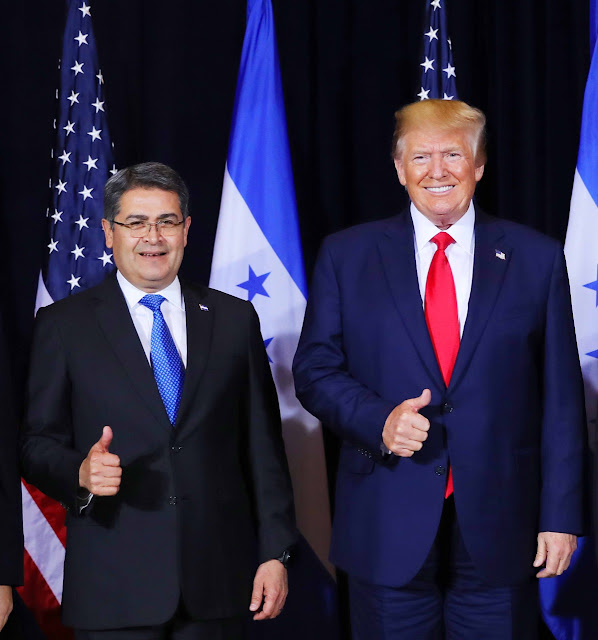
Hernández enjoyed the support of three U.S. administrations—Obama, Trump and Biden. U.S. interest in Honduras has long included both a geopolitical objective of countering socialist states such as Nicaragua—harkening back to Reagan’s Contra war against the Sandinistas in the 1980s—as well as securing the unrestrained rights of U.S. corporations to extract Honduran resources. The latter has often involved the forcible displacement of entire communities and has resulted in the killings of local environmental activists.
Trump’s pardon of Hernández and his release from prison in New York just before the Honduran election was deliberately timed. It is reported that Hernández will return to Honduras and be a guest at Asfura’s inauguration—a clear sign of return to the recent corrupt past in which foreign extractive corporations had broad license to extract Honduran resources at the expense of local communities.
Trump and his wealthy associates also have more personal financial and political reasons for wanting to return Honduras to its recent corrupt past. Specifically, this has to do with the fate of the model cities projects, known in Honduras as Zones Especiales de Desarrollo Economico, ZEDEs), that the Hernández government approved, but were blocked by the Xiomara Castro government over the past four years. Asfura’s election seems to guarantee unfettered support for the ZEDEs already in Honduras.
Model cities—the creation of economic and political interests in the U.S. and elsewhere—are conceived as enclaves within a nation’s territory where international capital investment can establish its own laws, rules, legal system, courts, and tax levy, with very few restrictions. It is an extreme expression of a neo-liberal world.
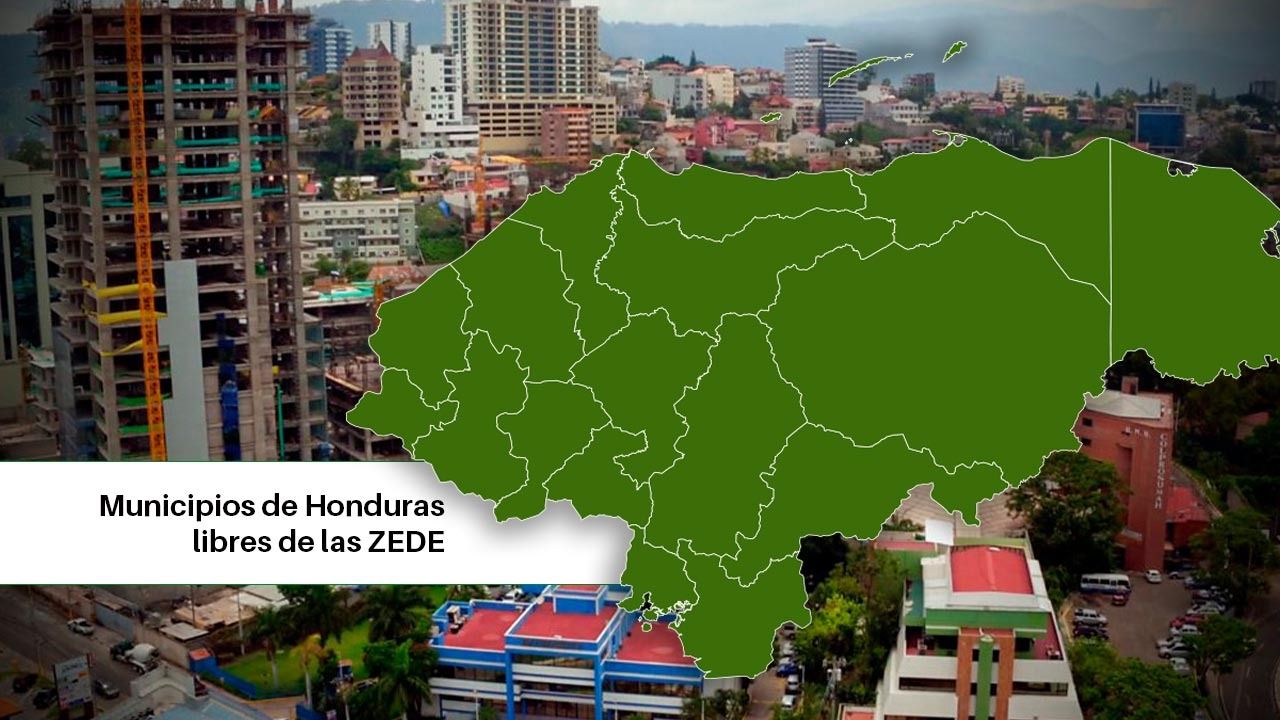
When the Honduran Congress approved the enabling legislation for model cities development in the country, the Honduran Supreme Court declared it unconstitutional. In what is known in Honduras as the “technical coup,” Hernández, in his capacity as president, removed four of the Court’s justices and appointed others who promptly approved the enabling legislation.
Model cities proponents often say that the land they take over is “empty” or unused. But in Honduras, at least, the Hernández government made it legal for ZEDE projects to annex lands from neighboring communities, leaving communities without legal recourse.
The first and most advanced ZEDE in Honduras is Próspera, an enclave located on the island of Roatán off the Caribbean Coast. People in the nearby fishing village have repeatedly complained about Próspera’s presence and their fear that it might annex community land.
The choice of Roatán, a popular foreign tourist destination, is not a coincidence. The particular focus of Próspera is biotech development, providing the benefits of enhanced medical technology to wealthy foreign tourists. There, foreigners can pay several thousand dollars for infusions that purport to defer aging and advance life expectancy.
Meanwhile, the poverty rate in Honduras is one of the highest in the hemisphere. A few of Próspera’s neighbors believe it can bring them jobs, but this belief is not widespread and has not been validated.
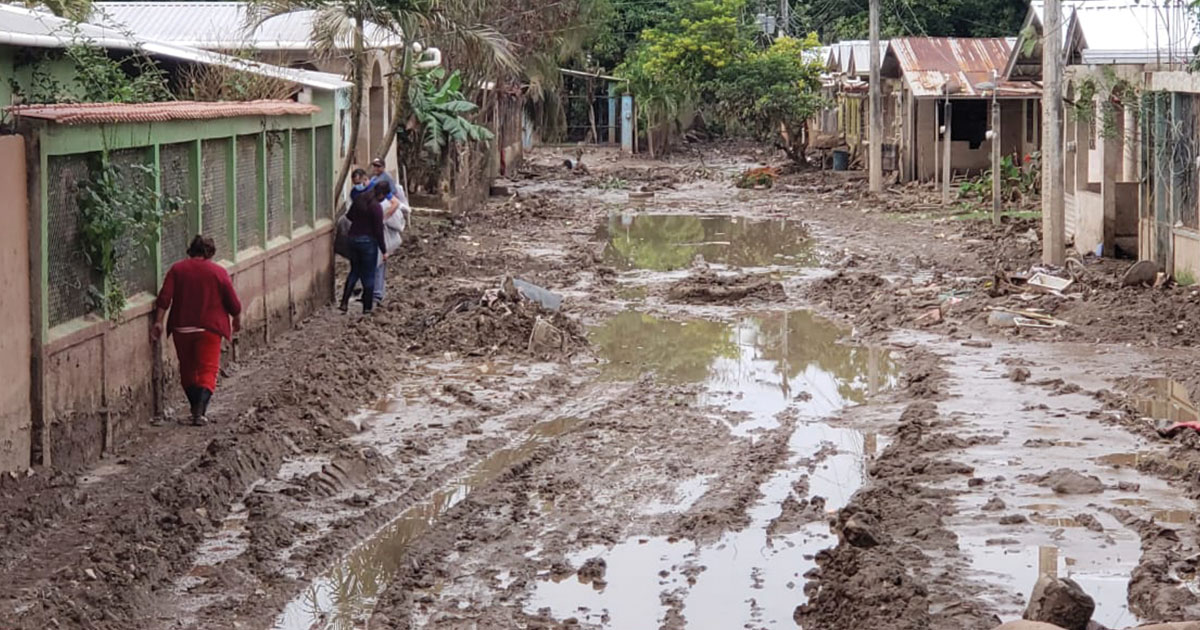
The other enterprise that Próspera hosts is the promotion of cryptocurrency. Próspera ZEDE includes a cryptocurrency center that develops ways of persuading people and governments to adopt the shady currency. Evidently, Próspera’s investors and developers want a global economy dependent on cryptocurrency that they can control.
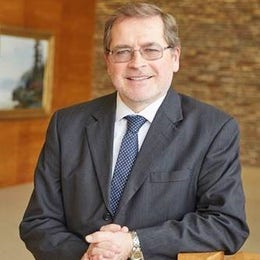
Próspera is actually a corporation with its own oversight committee that has included foreign and U.S. conservatives such as anti-tax activist Grover Norquist and Michael Reagan, a son of former President Ronald Reagan who died recently. (Notably, Reagan Sr. said government is the problem, and Norquist was in favor of a tiny government, or none at all.)
Individuals with investment or other financial interest in Próspera have included wealthy tech moguls who are close Trump associates, including Peter Thiel and Marc Andreessen.
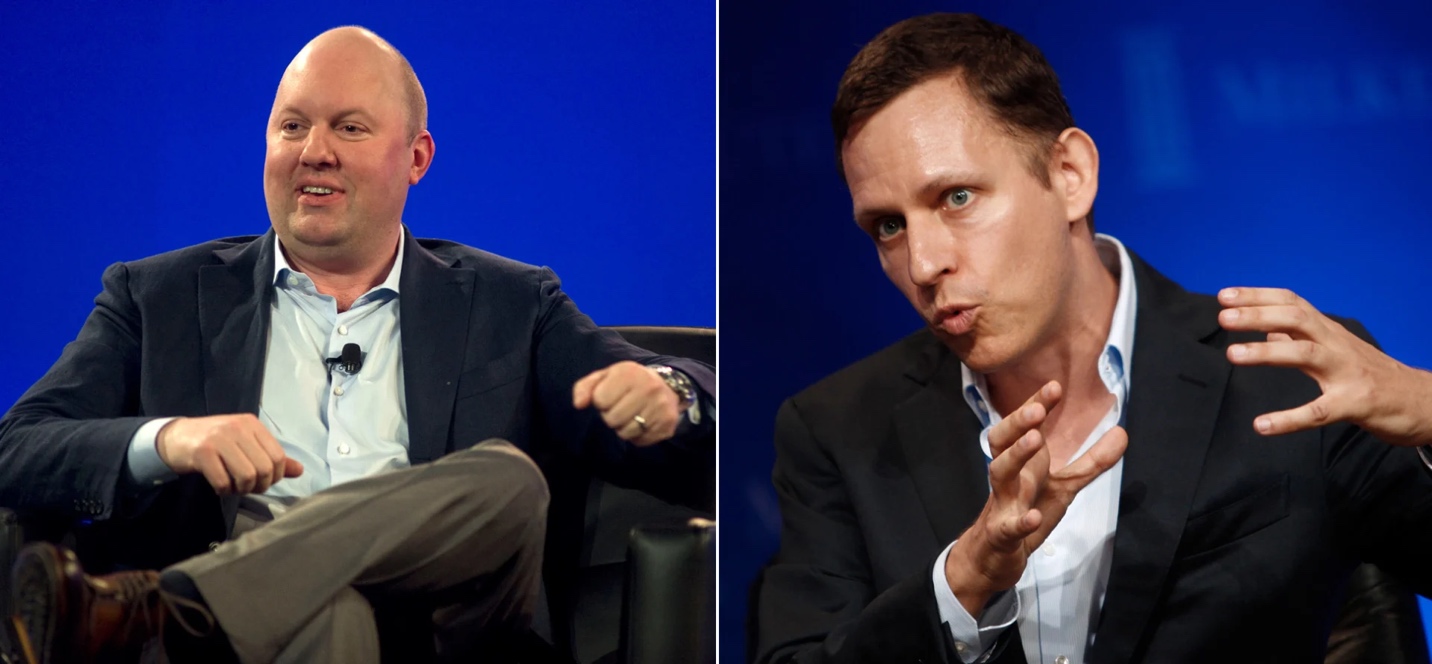
Trump has a personal interest in the success of Próspera and other model cities like it. He sees Asfura and Hernández as his best bets to assure this in Honduras. Beyond this, the success or failure of this enterprise in Honduras has global implications for other poor or “developing” countries.
When the Xiomara Castro government rescinded the legislation supporting model cities, it also meant rescinding the contract that Hernández had signed with Próspera. One clause of that contract reportedly insured the right for Próspera to continue in Honduras undisturbed for 50 years.
In reaction to the Castro government’s legislation against the ZEDEs and Próspera in particular, Próspera sued Honduras for breach of contract, using the mechanism of the global Investor State Dispute Settlement System (ISDS) that allows Próspera to demand reimbursement for losses and for estimated future lost profits.
Other foreign corporations also began suing Honduras under the same ISDS mechanism. Currently, these claims in total are in excess of $US 14 billion, enough to severely strain or even break the country financially, and certainly enough to divert funds from needed social services.
From the perspective of close Trump adviser Roger Stone, the U.S. and Próspera would win no matter the outcome of the Honduran election. If LIBRE Party candidate Rixi Moncada had won, Honduras could be crushed by foreign corporate legal suits, and thereby brought under control.
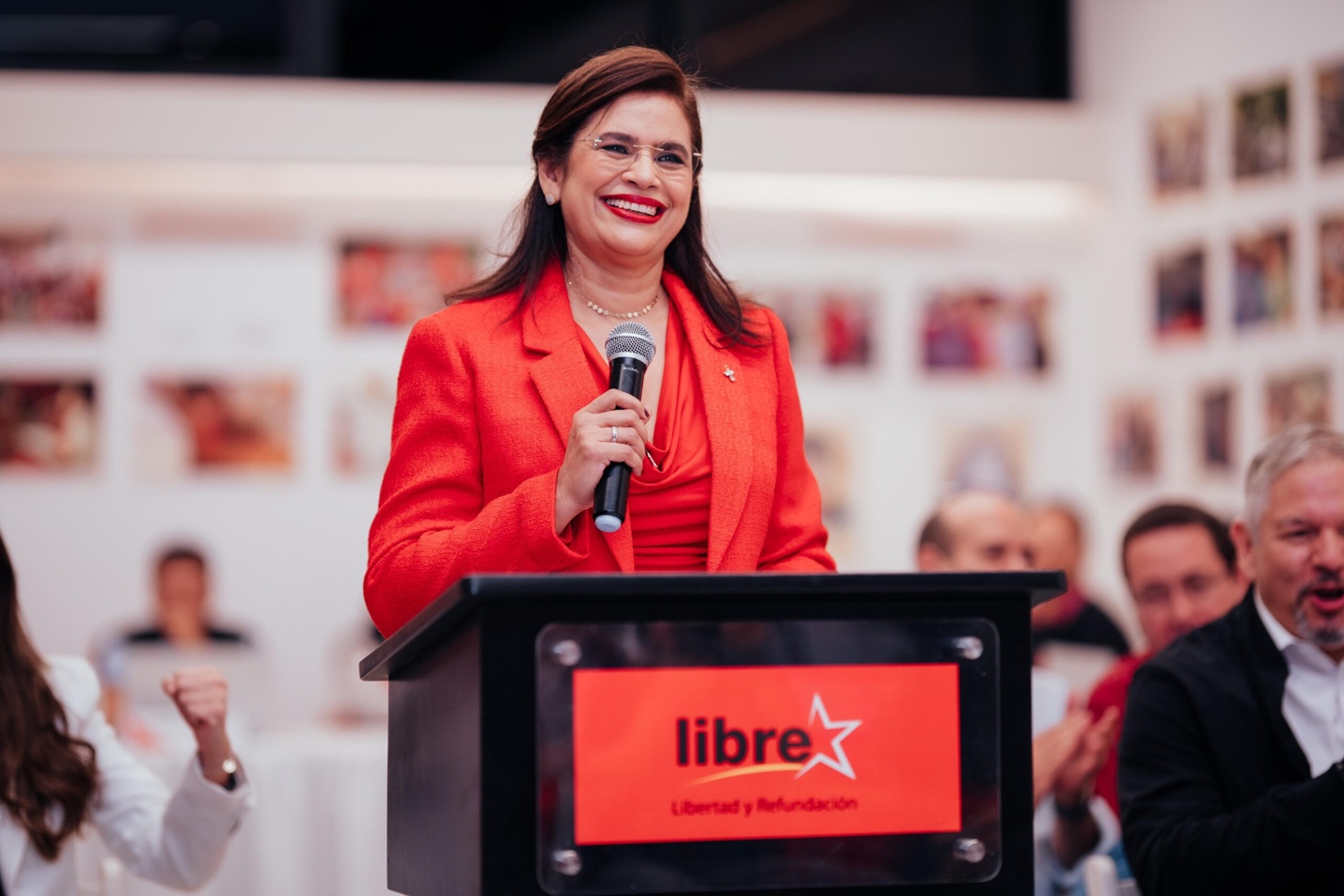
With Asfura as President of Honduras, the country will almost certainly renew the enabling legislation for Próspera and other foreign investment, and again be “open for business.” Either way, U.S. and foreign corporate interests and control would be secured.
In a global context, the Honduran election drama and the Próspera episode are the playbook for U.S. and corporate control over the governments of small, poor nations that try to extricate themselves from the stranglehold of that control.
It is also a message to the people of such nations that their votes do not matter. As for the Honduran people, they have been given that message many times before, and have always pushed back, creating a political space with enormous and courageous people power.

CovertAction Magazine is made possible by subscriptions, orders and donations from readers like you.
Blow the Whistle on U.S. Imperialism

Click the whistle and donate
When you donate to CovertAction Magazine, you are supporting investigative journalism. Your contributions go directly to supporting the development, production, editing, and dissemination of the Magazine.
CovertAction Magazine does not receive corporate or government sponsorship. Yet, we hold a steadfast commitment to providing compensation for writers, editorial and technical support. Your support helps facilitate this compensation as well as increase the caliber of this work.
Please make a donation by clicking on the donate logo above and enter the amount and your credit or debit card information.
CovertAction Institute, Inc. (CAI) is a 501(c)(3) non-profit organization and your gift is tax-deductible for federal income purposes. CAI’s tax-exempt ID number is 87-2461683.
We sincerely thank you for your support.
Disclaimer: The contents of this article are the sole responsibility of the author(s). CovertAction Institute, Inc. (CAI), including its Board of Directors (BD), Editorial Board (EB), Advisory Board (AB), staff, volunteers and its projects (including CovertAction Magazine) are not responsible for any inaccurate or incorrect statement in this article. This article also does not necessarily represent the views the BD, the EB, the AB, staff, volunteers, or any members of its projects.
Differing viewpoints: CAM publishes articles with differing viewpoints in an effort to nurture vibrant debate and thoughtful critical analysis. Feel free to comment on the articles in the comment section and/or send your letters to the Editors, which we will publish in the Letters column.
Copyrighted Material: This web site may contain copyrighted material the use of which has not always been specifically authorized by the copyright owner. As a not-for-profit charitable organization incorporated in the State of New York, we are making such material available in an effort to advance the understanding of humanity’s problems and hopefully to help find solutions for those problems. We believe this constitutes a ‘fair use’ of any such copyrighted material as provided for in section 107 of the US Copyright Law. You can read more about ‘fair use’ and US Copyright Law at the Legal Information Institute of Cornell Law School.
Republishing: CovertAction Magazine (CAM) grants permission to cross-post CAM articles on not-for-profit community internet sites as long as the source is acknowledged together with a hyperlink to the original CovertAction Magazine article. Also, kindly let us know at info@CovertActionMagazine.com. For publication of CAM articles in print or other forms including commercial internet sites, contact: info@CovertActionMagazine.com.
By using this site, you agree to these terms above.
About the Author
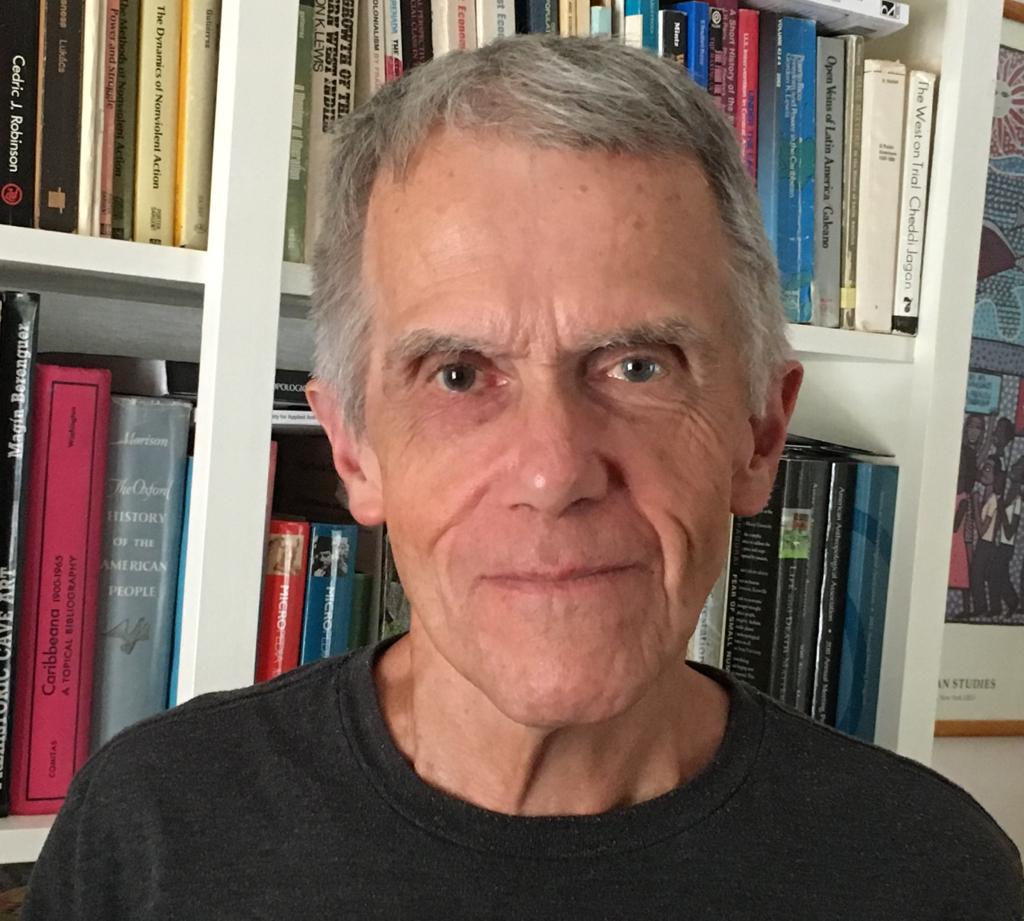
James Phillips is a cultural and political anthropologist with forty years as a student of Central America.
His major concerns are movements of social change, political conflict, human rights, colonialism, and immigrant and refugee populations.
He is the author of articles and book chapters on Honduras and Nicaragua. His most recent book is Extracting Honduras: Resource Exploitation, Displacement, and Forced Migration (Lexington Books, 2022).
James can be reached at anthrodocjp@gmail.com.




I want the Democrats to win so strongly in the 2028 election that the Syrians and the Hondurans will pay dearly for their groveling before Trump. That someone will come who will be able to push all the citizens of these two countries into complete misery and hunger.That they will suddenly realize that they are at the bottom of a cesspool.
https://www.corriere.it/esteri/26_febbraio_02/epstein-legami-russi-servizi-segreti-donne-trappole-6bed8289-9553-4790-aa6f-1eec29529xlk.shtml?utm_source=kurir&utm_medium=web_article&utm_campaign=adria_internal