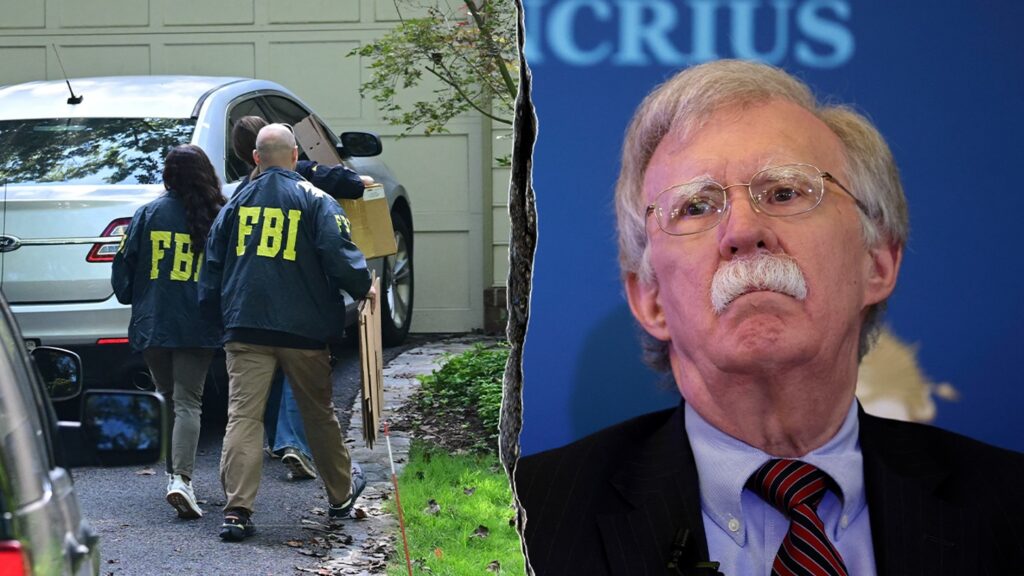
In a case that seems to have largely dropped out of the mainstream media, John Bolton faces an 18‑count federal indictment for mishandling classified national defense information, a case that tests how aggressively the Espionage Act and related statutes can be used against a former national security adviser whose alleged misconduct blends negligence, personal gain and defiance of the classification system.
The case grows out of a longer conflict over his memoir and his use of private communication channels, and it invites comparison to prior episodes involving David Petraeus, Hillary Clinton, Sandy Berger and Donald Trump.
Bolton served as President Donald Trump’s national security adviser in 2018–2019, with direct, daily access to the government’s most sensitive compartmented programs. In October 2025, a federal grand jury returned an indictment charging him with 18 counts tied to the retention and transmission of “national defense information,” much of it alleged to be classified at the top-secret level.
According to the indictment, Bolton kept a running diary of his work as national security adviser—more than 1,000 pages of notes—that he transmitted from a personal email and an encrypted messaging app to two relatives who lacked security clearances. Prosecutors allege that these diary entries described sensitive operational details and deliberations on foreign policy crises, falling squarely within the category of information protected by federal secrecy laws.
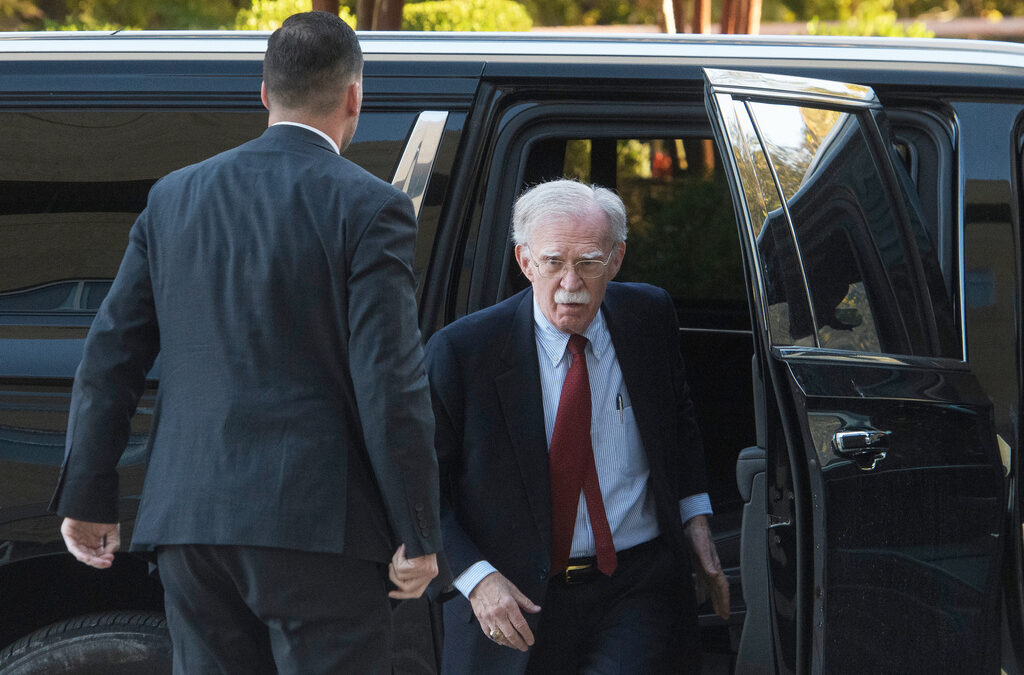
The criminal case follows an earlier Justice Department civil and criminal campaign centered on Bolton’s memoir, The Room Where It Happened, in which officials claimed he breached pre-publication review requirements and included classified material; that earlier investigation was eventually dropped without charges, but it laid a factual and political foundation for the present prosecution. The indictment unveiled in 2025 appears to rest not on the book itself, but on documentary evidence from his electronic communications and diary transmissions that investigators pieced together over several years.

The central legal weapon in the Bolton case is 18 U.S.C. § 793, part of the Espionage Act, which criminalizes the willful retention or unauthorized transmission of “information relating to the national defense” that could harm the United States or aid a foreign power. Prosecutors rely on the “national defense information” concept rather than formal classification labels, but the indictment emphasizes that many of the diary passages were in fact marked or treated as classified, including at the top-secret level, to show Bolton’s knowledge and intent.
The government portrays the misconduct as “spillage”—classified material leaking into unsecure systems—on a massive scale, arguing that a senior official who had been steeped in security procedures for decades could not plausibly claim ignorance. By charging multiple counts tied to specific diary entries and transmissions to family members, the indictment mirrors the granular structure used in the Espionage Act cases against Donald Trump and other recent defendants, where each document or disclosure is treated as a separate offense.
At the same time, the Bolton case differs from traditional espionage prosecutions involving foreign agents or ideological leakers; there is no allegation that he passed secrets to an adversary or sought to damage the United States. Instead, prosecutors frame his behavior as a willful disregard of the statutory regime: a choice to treat highly sensitive material as personal property to be mined for a future book and private family narrative, which they argue satisfies the “willfulness” requirement because he knew disclosure to uncleared recipients was forbidden and he did it anyway.
Bolton’s trajectory also illustrates how internal administrative processes—especially pre-publication review and security training—interact with criminal law. As a condition of access to sensitive programs, he signed non-disclosure agreements that required him to submit manuscripts and writings for pre-publication review and to refrain from revealing classified information obtained in government service.
In the earlier memoir dispute, career National Security Council official Ellen Knight told Bolton in April 2020 that she had completed a review and believed the book no longer contained classified information, but White House political appointees then reopened the process and claimed to find sensitive passages, creating a contested record over what, if anything, remained classified.
That earlier conflict cuts in both directions in the criminal case. On the one hand, Bolton points to the chaotic, politicized pre-publication fight as evidence that classification judgments can be manipulated, and that he acted in reliance on a seasoned reviewer’s assurances.
On the other hand, the indictment’s focus on diary entries and email traffic, rather than the book manuscript, allows prosecutors to sidestep that controversy and argue that no reasonable national security adviser could think that sending operational details and high‑level deliberations to relatives on personal systems complied with his security obligations.
The government also highlights Bolton’s use of private email accounts and a secure messaging app for official business, drawing implicit parallels to other high‑profile controversies over off‑system communications. By presenting extensive evidence of briefings and training Bolton received on safeguarding classified information, the indictment seeks to foreclose a defense of confusion or bureaucratic error and to cast the misconduct as a conscious choice made over an extended period.
Commentary on the Bolton prosecution consistently situates it within a broader pattern of politically fraught investigations into senior officials accused of mishandling secrets. Several reference points recur:
- David Petraeus: The former CIA director pleaded guilty in 2015 to a misdemeanor for mishandling notebooks containing code‑word‑level classified information that he shared with his biographer and lover, receiving probation and a fine. Like Bolton, he retained highly sensitive material outside secure channels and disclosed it to a trusted personal contact, though Petraeus’s plea deal avoided Espionage Act felonies.
- Sandy Berger: President Bill Clinton’s former national security adviser admitted to a misdemeanor for removing classified documents from the National Archives in 2003, some of which he destroyed, and lost his clearance and paid a substantial fine. Berger’s case resembles Bolton’s in that both involved former national security advisers who had long experience with classification rules, but Berger’s conduct focused on physical documents rather than large‑scale electronic “spillage.”
- Hillary Clinton: As secretary of state, Clinton used a private email server through which dozens of messages containing classified information, including top-secret material, were sent and received; the FBI labeled her conduct “extremely careless” but declined to recommend charges, in part because investigators did not find evidence of intentional mishandling. Analysts contrast that outcome with the decision to indict Bolton, suggesting DOJ is trying to draw a sharper line when there is evidence of repeated, knowing transmissions to unauthorized recipients.
- Donald Trump: Trump’s own Espionage Act indictment over classified documents retained at Mar‑a‑Lago features multiple counts under §793 for willful retention and obstruction based on allegedly deliberate refusal to return materials and efforts to conceal them. Bolton’s case, while also framed as willful, centers more on dissemination than on defiance of a retrieval process, highlighting the statute’s flexibility in reaching both retention and transmission theories.
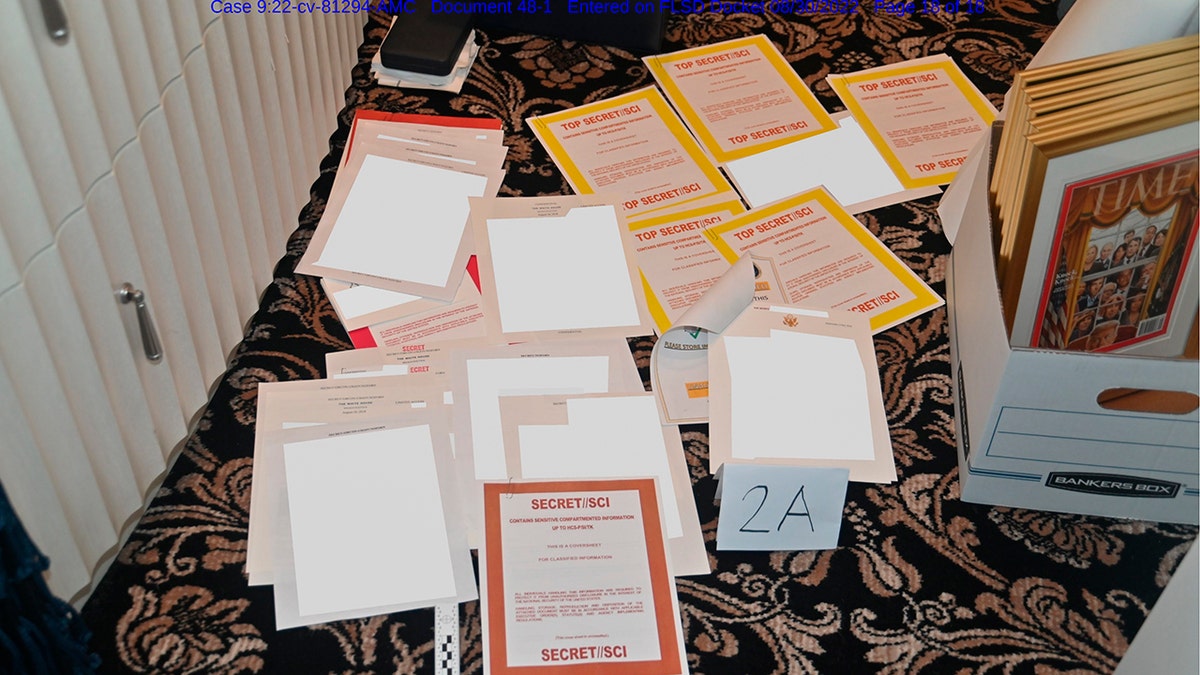
These comparators underscore the discretionary space prosecutors have in applying the Espionage Act and related statutes, as well as the heavy influence of politics and public perception in deciding who is charged and how severely. Critics of the Bolton indictment argue that uneven enforcement risks chilling legitimate writing and memoirs by former officials, while supporters contend that lax treatment of elite offenders has undermined respect for classification rules and that a high‑profile conviction is necessary to restore deterrence.
The Bolton case sits at the intersection of national security law, executive branch secrecy, and the political culture of Washington memoir writing. For decades, senior officials have treated post‑government books and private note‑keeping as routine, even as formal classification rules have grown stricter and digital communication has multiplied pathways for inadvertent leakage.
By framing Bolton’s conduct as criminal rather than merely administrative, the Justice Department signals a willingness to use the Espionage Act against insiders for behavior that historically might have been punished through clearance revocations and reputational sanctions. If courts uphold aggressive applications of §793 in cases like Bolton’s and Trump’s, the result could be a more robust enforcement regime—but also one in which the line between ordinary “spillage” and felony exposure becomes more perilous and contested for those who handle secrets at the highest levels of government.
With all that said, there is a rather clear bottom line here. Prosecutors don’t charge people with espionage, of all things, just to have the case “go away,” unless your name is Donald Trump and you have the U.S. Supreme Court behind you. Bolton will likely see prison time, so long as the case is not delayed to the point that it lasts beyond Trump’s presidency. And internal Bureau of Prisons rules demand that that time not be served in a minimum-security facility. Bolton may have some tough days ahead.

CovertAction Magazine is made possible by subscriptions, orders and donations from readers like you.
Blow the Whistle on U.S. Imperialism
Click the whistle and donate
When you donate to CovertAction Magazine, you are supporting investigative journalism. Your contributions go directly to supporting the development, production, editing, and dissemination of the Magazine.
CovertAction Magazine does not receive corporate or government sponsorship. Yet, we hold a steadfast commitment to providing compensation for writers, editorial and technical support. Your support helps facilitate this compensation as well as increase the caliber of this work.
Please make a donation by clicking on the donate logo above and enter the amount and your credit or debit card information.
CovertAction Institute, Inc. (CAI) is a 501(c)(3) non-profit organization and your gift is tax-deductible for federal income purposes. CAI’s tax-exempt ID number is 87-2461683.
We sincerely thank you for your support.
Disclaimer: The contents of this article are the sole responsibility of the author(s). CovertAction Institute, Inc. (CAI), including its Board of Directors (BD), Editorial Board (EB), Advisory Board (AB), staff, volunteers and its projects (including CovertAction Magazine) are not responsible for any inaccurate or incorrect statement in this article. This article also does not necessarily represent the views the BD, the EB, the AB, staff, volunteers, or any members of its projects.
Differing viewpoints: CAM publishes articles with differing viewpoints in an effort to nurture vibrant debate and thoughtful critical analysis. Feel free to comment on the articles in the comment section and/or send your letters to the Editors, which we will publish in the Letters column.
Copyrighted Material: This web site may contain copyrighted material the use of which has not always been specifically authorized by the copyright owner. As a not-for-profit charitable organization incorporated in the State of New York, we are making such material available in an effort to advance the understanding of humanity’s problems and hopefully to help find solutions for those problems. We believe this constitutes a ‘fair use’ of any such copyrighted material as provided for in section 107 of the US Copyright Law. You can read more about ‘fair use’ and US Copyright Law at the Legal Information Institute of Cornell Law School.
Republishing: CovertAction Magazine (CAM) grants permission to cross-post CAM articles on not-for-profit community internet sites as long as the source is acknowledged together with a hyperlink to the original CovertAction Magazine article. Also, kindly let us know at info@CovertActionMagazine.com. For publication of CAM articles in print or other forms including commercial internet sites, contact: info@CovertActionMagazine.com.
By using this site, you agree to these terms above.
About the Author
John Kiriakou was a CIA analyst and case officer from 1990 to 2004.
In December 2007, John was the first U.S. government official to confirm that waterboarding was used to interrogate al-Qaeda prisoners, a practice he described as torture.
Kiriakou was a former senior investigator for the Senate Foreign Relations Committee and a former counter-terrorism consultant. While employed with the CIA, he was involved in critical counter-terrorism missions following the terrorist attacks of September 11, 2001, but refused to be trained in so-called “enhanced interrogation techniques,” nor did he ever authorize or engage in such crimes.
After leaving the CIA, Kiriakou appeared on ABC News in an interview with Brian Ross, during which he became the first former CIA officer to confirm the existence of the CIA’s torture program. Kiriakou’s interview revealed that this practice was not just the result of a few rogue agents, but was official U.S. policy approved at the highest levels of the government.
Kiriakou is the sole CIA agent to go to jail in connection with the U.S. torture program, despite the fact that he never tortured anyone. Rather, he blew the whistle on this horrific wrongdoing.
John can be reached at: jkiriakou@mac.com.



Bolton should have thought more about sending his memoirs containing classified information to others who didn’t have the right to know. But it sets a bad example to hold him accountable, and not others like Mrs. Clinton and Mr. Trump. And hearing that he shared it with his relatives and not adversaries should be a benefit in his case, but I’m sure the courts won’t care. Great read, it was written really well!