The election of a Pinochet admirer as Chile’s new president shows that the evils she devoted her life to fighting have not been eradicated
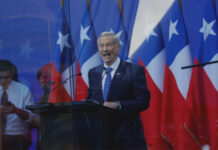
The election of José Antonio Kast in Chile, an extreme right-wing admirer of fascist dictator Augusto Pinochet (1973-1990), has brought fears of a return to Chile’s dark age.
Under Pinochet’s rule, thousands of leftists were tortured and murdered, while the imposition of neo-liberal economic policies destroyed the country’s social fabric.
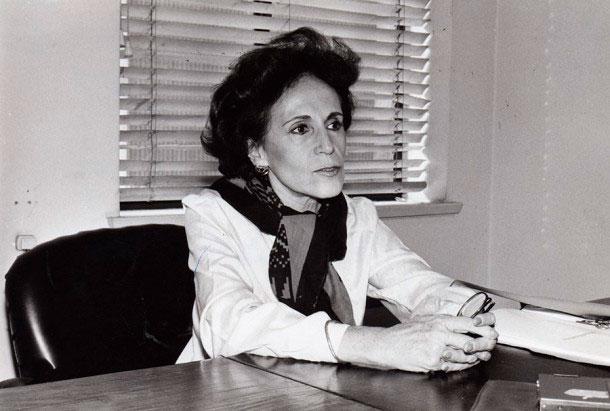
Fabiola Letelier del Solar (1929-2021) was one of the brave opponents of the Pinochet dictatorship and a champion of human rights whose legacy is important to remember at this time.
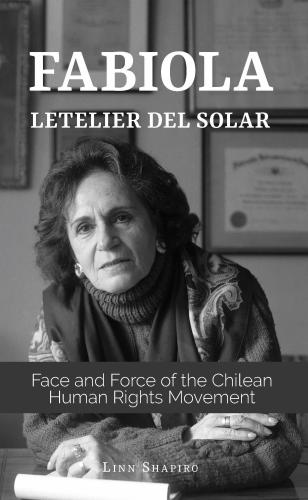
Letelier’s brother, Orlando, served as Minister of Defense under socialist President Salvador Allende (1970-1973), and was assassinated in a 1976 car bombing in Washington, D.C., carried out by Pinochet’s agents in collaboration with CIA operative Michael Townley.
A lawyer who was herself detained by Pinochet’s fascist forces, Fabiola’s career is profiled in a new biography by Linn Shapiro, a Washington, D.C.-based historian who previously edited the 1985 book on red diaper babies, i.e., children of American Communist Party members.
Shapiro’s book is based on interviews with Fabiola, who had been planning to write an autobiography but was too busy to complete it.[1] Undoubtedly, she would be very pleased by Shapiro’s account of her life.
Shapiro starts her book by discussing the 1973 CIA-backed coup in Chile that brought Pinochet to power, quoting Henry Kissinger, Richard Nixon’s National Security Adviser, who stated: “I don’t see why we need to stand by and watch a country go communist due to the irresponsibility of its people. The issues are much too important for the Chilean voters to be left to decide for themselves.”[2]
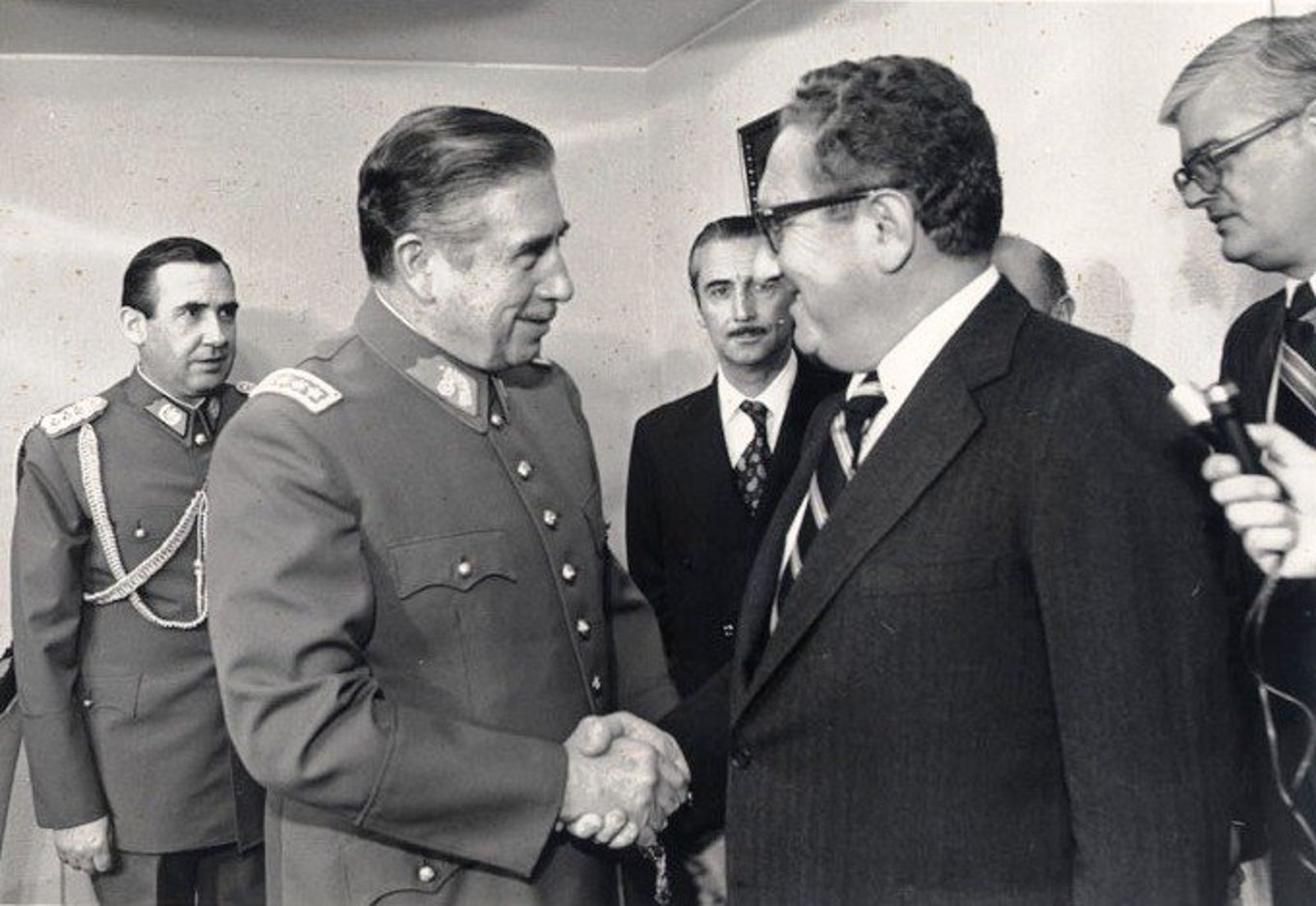
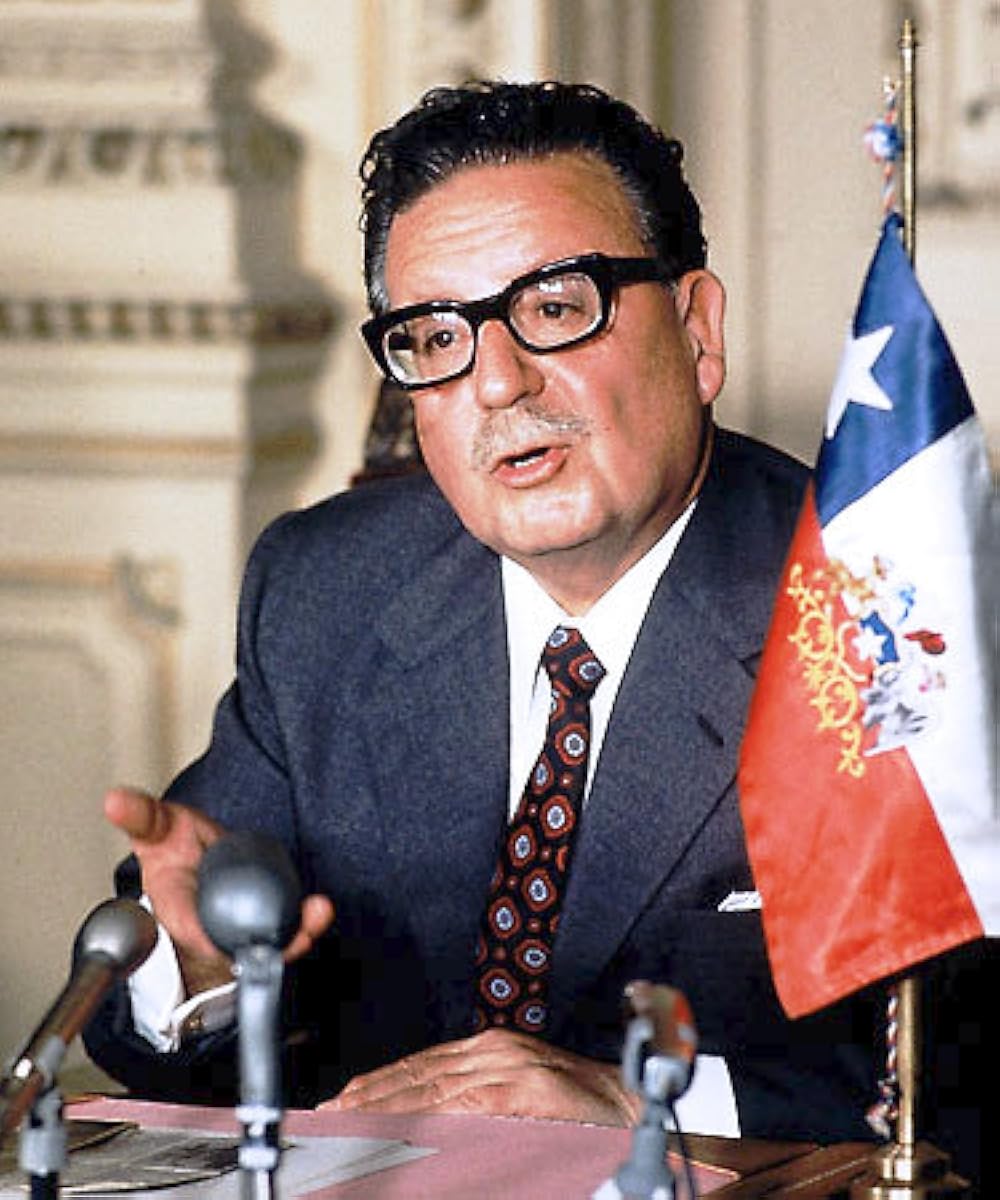
Allende’s government was seen as such a great threat in Washington because it represented what Shapiro calls a “laboratory of social transformation in pursuit of a third, alternative path between U.S. capitalism and Soviet socialism.”[3]
One of Allende’s cornerstone policies was the nationalization of Chile’s copper industry, which had previously been controlled by two politically connected American companies—Anaconda and Kennecott.
After Pinochet took over, Chile became “ground zero” for neo-liberal economic policies—privatization, deregulation and reduced government spending on social services—which could only be instituted by repressing Chile’s vibrant political left.[4]
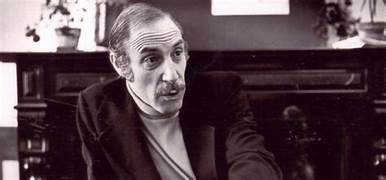
Orlando Letelier drew connection between neo-liberal economics and state terrorism in an article published before his assassination that was entitled “Economic Freedom’s Awful Toll.”
Orlando wrote in the article that “repression of the majority and ‘economic freedom’ for a small number of privileged groups are in Chile two sides of the same coin,” adding that Pinochet’s economic plan “could only be accomplished by murdering thousands, establishing concentration camps across the country, imprisoning more than 100,000 people in three years, abolishing trade unions and neighborhood organizations, and banning all political activity and all forms of free expression.”[5]
Chile’s judiciary was central in consolidating Pinochet’s fascist rule by enforcing decrees instituted by the ruling junta and by sanctioning the persecution of political dissidents.
Fabiola’s work as such was vital in her attempt to use domestic Chilean and international law to “resist, restrain and counter a brutal dictatorship.”[6]
Fabiola and a handful of other lawyers devised legal strategies to counter the arbitrary detention, torture and murder of supporters of Allende’s Popular Unity government.[7]
Few cases were successful because of the control of Pinochet over the courts, though Shapiro points out that “a legal paper trail was established so that upon the return to democracy dozens of cases could be reopened and hundreds of new ones filed.”[8]
Fabiola told Shapiro that “through our actions, we were able to maintain the historical and judicial memory of the crimes committed against humanity in our country. Despite repeated legal setbacks, we persevered in our legal actions over years and decades.”[9]
Move to the Left
Fabiola’s identification with the political left occurred gradually over time. Coming from a middle-class family that instilled in her the value of education and compassion for the disadvantaged, her parents were never part of Chile’s communist or socialist movements.
When she attended law school in the early 1950s at the University of Chile, Fabiola’s political affiliation was with the centrist Christian Democratic Party, which was funded by the CIA.
The party blended a conservative defense of so-called Christian civilization with calls to reform Chile’s almost feudal agricultural economy and archaic social structure.[10] It fell short of embracing Allende’s nationalization program, while advocating for incremental social change.
Fabiola said that she had entered law school because it “offered a route to a life of social responsibility and a career in defense of truth, protection of life and respect for the human being.”[11]
Her political awakening began with her alignment with students opposing repression being carried by Gabriel González Videla (1946-1952), who banned the Communist Party and declared martial law in response to a miners’ strike.[12]
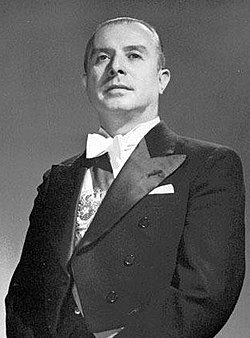
After graduation, Fabiola visited Spain, then ruled by fascist General Francisco Franco, as a member of the Chilean delegation of the first Hispanic American Congress.
Unbeknownst to Fabiola, the Congress was designed to strengthen the connection between Spanish and Latin American women by imparting the Franco dictatorship’s social and political philosophy combining Catholicism and fascist ideology.[13]
The trip’s organizer, Pilar Primo de Rivera, was the daughter of Spain’s dictator in the 1920s, Miguel Primo de Rivera, and sister of José Antonio Primo de Rivera, founder of the Falange, Spain’s fascist movement.
Fabiola was strangely enthusiastic about what she saw in Spain, but stuck with a more centrist political disposition after finding a job working for the Chilean delegation to the Organization of American States (OAS), which required implementation of Christian Democratic policies.[14] Part of her work involved assisting women’s organizations, with which she developed solidarity.
When Fabiola traveled to Washington, D.C., she was exposed to the civil rights and Vietnam anti-war movements, which furthered her move to the political left.[15]
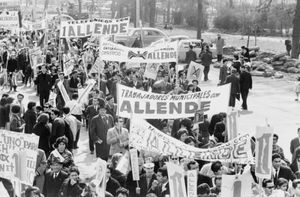
After Allende’s election in September 1970, Fabiola was hired as Executive Secretary of Chile’s Reception and Hospitality Commission for the third conference of the UN Commission on Trade and Development (UNCTAD), which was at the center of international efforts to foster an alternative economic model to help Third World countries gain freedom from the dictates of global capitalism.[16]
At the Center of the Storm
When the fascist coup took place on September 11, 1973, Fabiola flew back to Chile from Washington on a plane filled with Chilean military officers who expressed enthusiasm about going back home “to kill Marxists.”[17] Subsequently, she was taken prisoner in the Ministry of Defense’s basement, accused of being a courier for the Popular Unity government.[18]
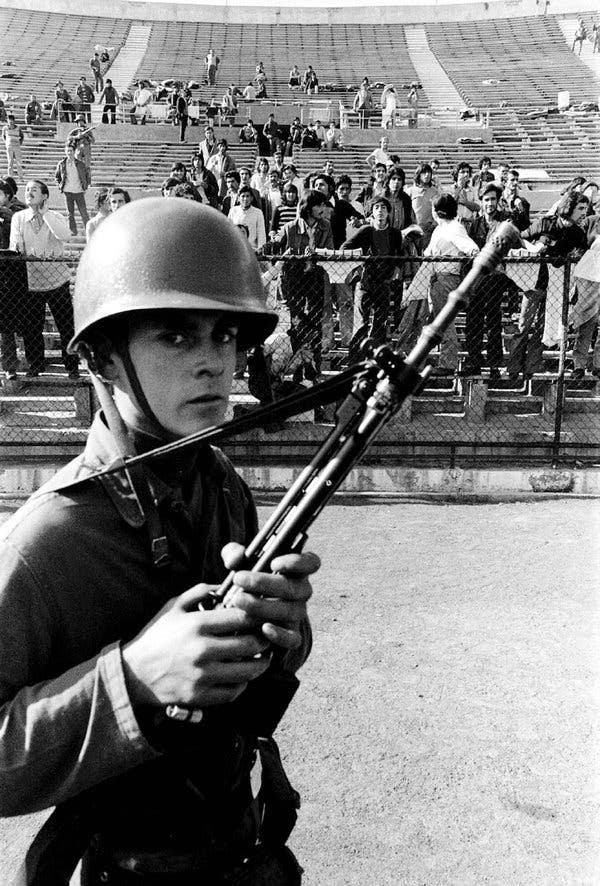
When Fabiola was about to be escorted to the National (Soccer) Stadium, where mass executions were carried out, the most senior military general after Pinochet intervened to save her because he had worked with her when she was a lawyer at UNCTAD.[19]
Driving home in Santiago under police escort, Fabiola realized the changes the coup had wrought as the streets were quiet and marked by the presence of armed soldiers everywhere. Fabiola’s son, who was active in leftist politics, had to flee the country, as did her other children.
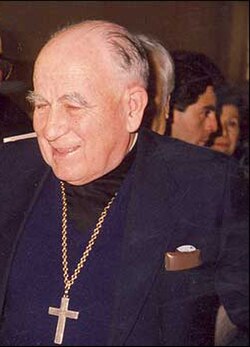
When the Archbishop of Santiago, Cardinal Raúl Silva Henríquez, created a human rights organization one month after the coup, Fabiola became a key part of its legal team that provided free legal services to people detained by the ruling junta.
From this time, Fabiola was inundated with cases of people who had friends who had gone missing or had been arbitrarily imprisoned or fired from their jobs for political reasons.[20]
Fabiola’s work also involved trying to protect detainees who had been tortured.
She and her team filed a large number of habeas corpus petitions, which forced the court to provide lawful grounds for detaining suspects within 24 hours; otherwise the suspects had to be released.[21]
An underlying purpose behind many of these petitions was to see if suspects were actually alive. Though 2,300 petitions were filed after the coup, only three were accepted by the courts, which argued that habeas corpus should be rendered inapplicable during states of emergency.[22]
Shapiro notes that Fabiola was often only able to meet with her clients for a few minutes before a hearing and was denied the opportunity to appeal. Guilty verdicts accompanied by long prison sentences accompanied by torture were almost always assured.[23]
Fabiola and her colleagues themselves faced intimidation by state authorities, including anonymous threatening phone calls, dead cats in the doorway, red paint on the walls and military cars parked outside the home.[24]
Fabiola was valued for consoling her clients and appearing professional and well-groomed at all of the hearings. One of her colleagues, María Luisa Sepúlveda, stated that “few had her courage.”[25]
Fabiola’s clients included members of the Gallardo Moreno family, several of whom had been kidnapped, tortured and murdered by secret police agents in November 1975.
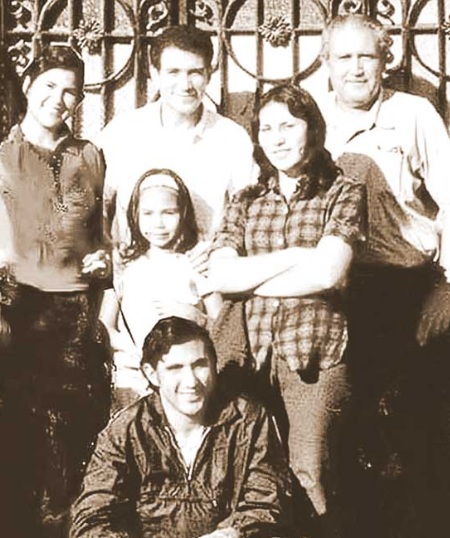
The secret police had staged the operation to appear as if those killed had died in armed confrontation. Decades later, secret police head Manuel Contreras received a 20-year sentence for aggravated homicide of six members of the Gallardo Moreno family,[26]
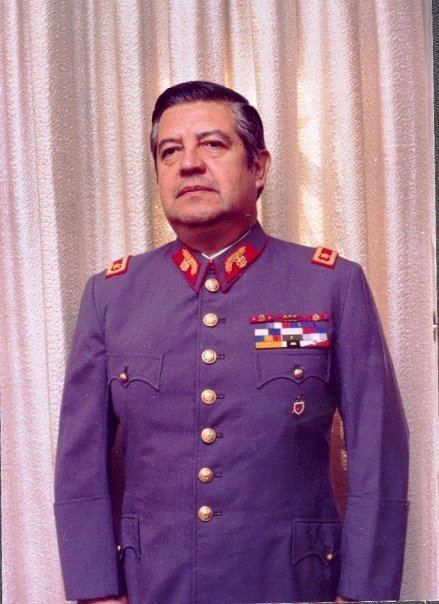
Fabiola had first taken on the case after witnessing the tortured bodies of members of the Gallardo family at the Santiago morgue. So mutilated were the remains that only faces were recognizable.[27]
Fabiola’s work with Cardinal Henríquez’s committee led to her co-founding in 1980 of the Committee for the Defense of the Rights of the People (CODEPU), Chile’s only human rights organization that defended those who engaged in armed resistance to the Pinochet dictatorship.[28]
Shapiro writes that CODEPU became the central pillar of Fabiola’s life—for nearly two decades she helped create and sustain the organization, serving as chief executive, legal director and fundraiser, which led her to travel to 17 different countries.[29]
Beyond legal defense, CODEPU published a bulletin that provided political and economic analysis and provided a source of information on political repression.[30]
Fabiola was also actively involved in the Association of Women for Democracy, founded by Communist Party activists, which protested the dictatorship in the streets, performed political plays and organized relief drives for political prisoners.[31]

In addition, she was involved with the Revolutionary Left Movement, MIR, an insurgent group supportive of Marxist-Leninist ideals that challenged the reluctance of Chile’s established left-wing parties to confront the dictatorship in the streets.[32]
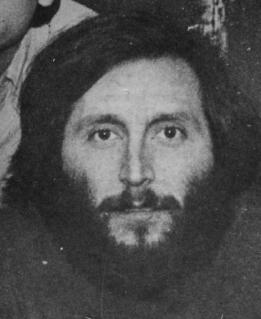
Fabiola’s status as Orlando Letelier’s sister gave her a platform for her viewpoints and led her to become among the most prominent left-wing leaders in Chile during the 1980s and 1990s.
Fabiola told Shapiro that her work against the Pinochet dictatorship led to constant fears of assassination. CODEPU became infiltrated by government agents, its offices were raided and set on fire, and two of its leaders were assassinated.[33]
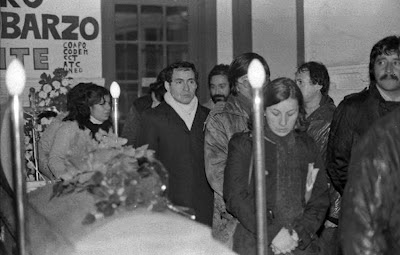
In 1984, Fabiola and her daughter were arrested for running a clandestine printing press.[34] A good friend of hers who was an MIR activist, Patricio Sobarzo, was shot and killed by one of Pinochet’s agents while trying to get medical help for another DINA victim.[35]
Years later, when she encountered Sobarzo’s son Simon, she told him how much she loved his father and what an honorable man he was and how sick she was by the outrageous manner in which he was killed.[36]
String of Legal Victories and an Inspiring Legacy
After Chile returned to civilian rule in 1990, Fabiola continued to publicly denounce neo-liberal economic policies while working to hold Pinochet officials accountable for their crimes.
In 1995, Fabiola was featured in national media as she argued the case before the Chilean Supreme Court against Manuel Contreras in the car-bombing murder of her brother.
Fabiola’s legal arguments were accepted and the Supreme Court upheld the convictions of Contreras and DINA’s second-in-command, Pedro Espinoza, and concluded that DINA as an agency had directly participated in Orlando’s murder.[37]
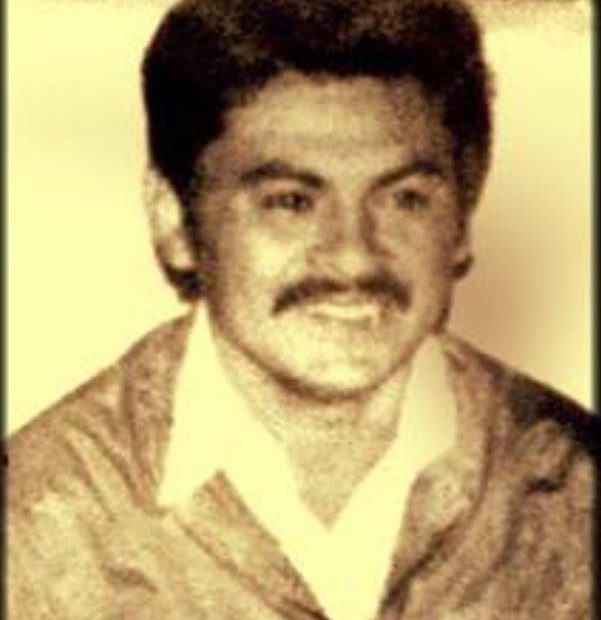
The convictions marked the first time in Latin American history that leaders of a secret police agency had been convicted of human rights violations and sentenced to prison.
Outside the Supreme Court, thousands gathered to await the verdict, with some holding banners that read: “Life sentences for Contreras and Espinoza.” Others chanted: “Assassins, the day has come when you have to pay for your crimes. Mamo Contreras and Pinochet: Never, ever, ever; we will never forget.”[38]
Fabiola was greeted as a hero when she emerged from the courthouse and gave a stirring speech that made her son think of the great agitators of the 20th century.[39]
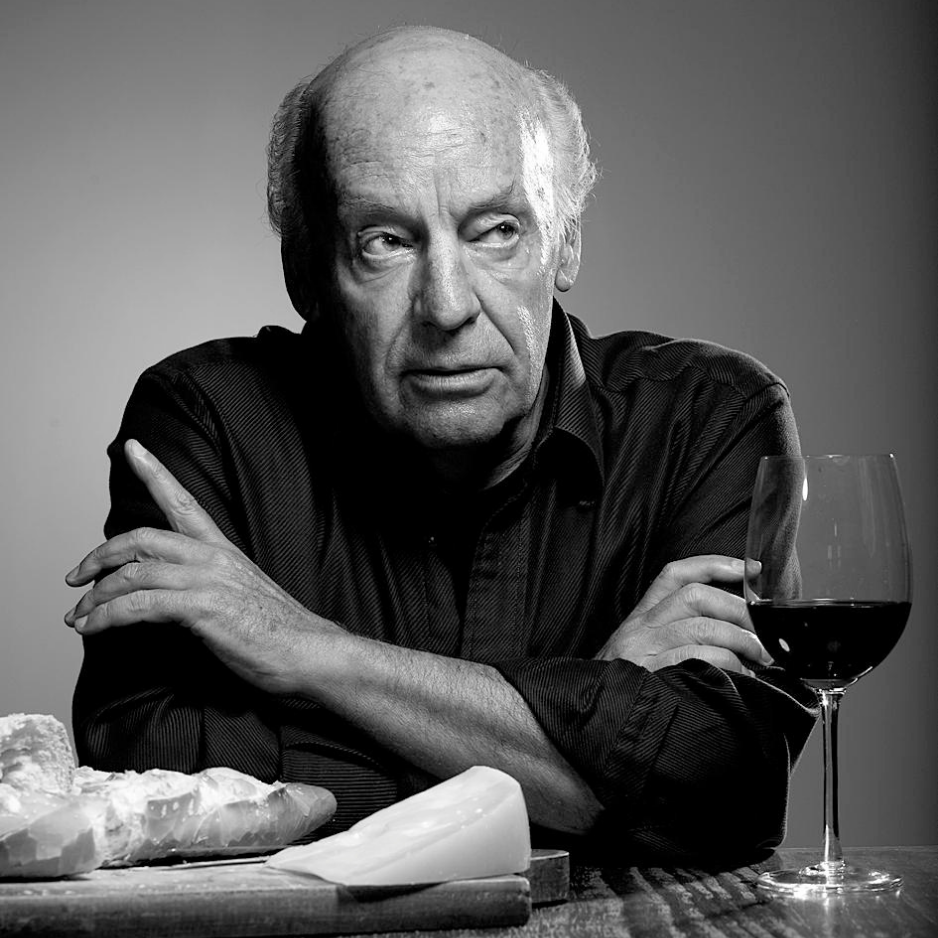
When a victory celebration was held to honor “the brave lawyer who challenged Pinochet and the former heads of the DINA,” one of the tributes came from Uruguayan writer Eduardo Galeano who said, “the truly irrefutable proof that justice exists lies in the fact that people like Fabiola exist, who struggle for and believe in justice. In these lands, in these times, it is these people who restore our faith.”[40]
Fabiola won another major legal victory in 2015 when the Chilean Supreme Court upheld a lower court’s ruling resulting in a guilty conviction for Fernando Torres Silva, a former Army military prosecutor who transmitted orders to get Eugenio Berríos, a DINA chemist who had produced sarin gas to kill Orlando Letelier, out of Chile so he could be murdered.
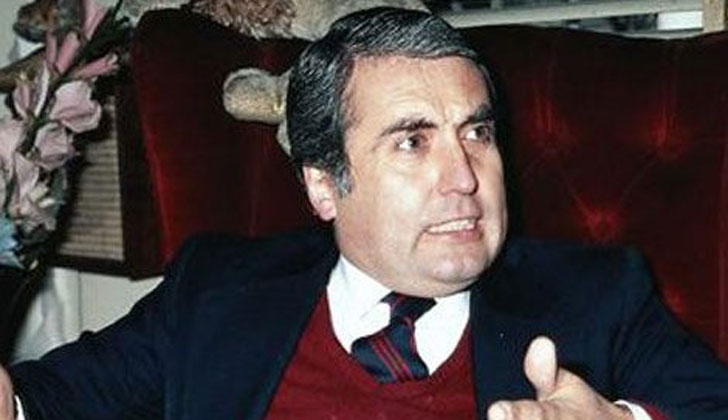
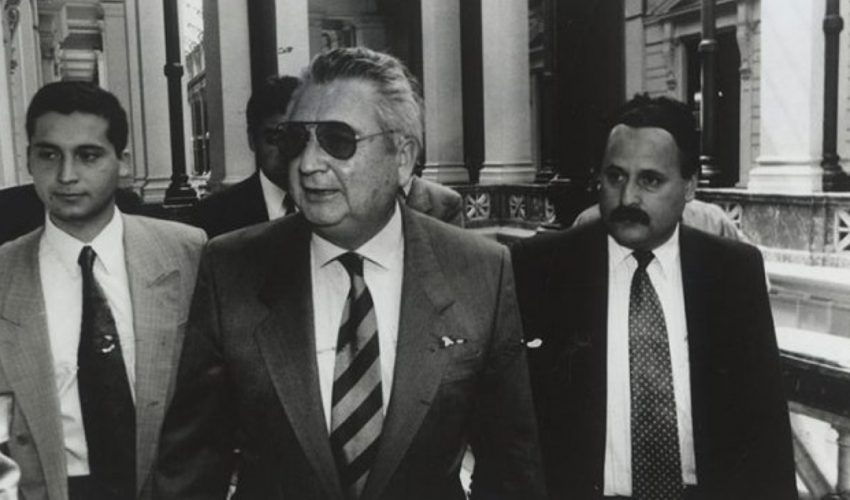
Berrios’s murder occurred in 1993—which showed the perpetuation of the CIA-backed Operation Condor even after the restoration of civilian rule.
Silva received a ten-year prison sentence as did the Uruguayan and Chilean military officers involved in the conspiracy.[41]
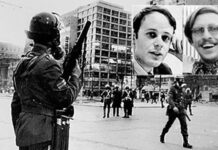
Fabiola won another partial legal victory after filing a criminal complaint on behalf of Joyce Horman, the widow of Charles Horman, an American journalist who was kidnapped and murdered by DINA after the 1973 coup.
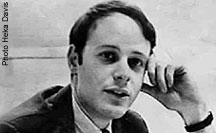
In 2011, Judge Jorge Zepeda indicted two Chilean officials, Pedro Espinoza and former Air Force intelligence officer Rafael González, as well as Captain Ray Davis, who had led the U.S. military group in Chile and had led a secret intelligence gathering operation on American citizens in Chile.
Four years later, Espinoza was sentenced to seven years in prison for aggravated homicide of Horman and Frank Teruggi, another American who was killed.[42]
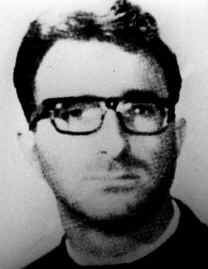
Fabiola achieved yet another victory when Judge Zepeda charged Contreras and eight former DINA agents with kidnapping Antonio Llidó, a Spanish priest in Chile who had been accused of protecting members of the MIR and was never again seen alive.[43]
Allegedly, General Pinochet had identified Llidó’s name on a list and said “that one is not a priest, he’s a Marxist. Marxists must be tortured; there’s no other way to make them talk. Torture is necessary to extirpate Marxism.”[44]
In September 2006, Pinochet was stripped of his immunity from prosecution on human rights violations, and on October 30, he was charged with 36 counts of kidnapping, 23 counts of torture, and one count of murder of political prisoners held at Villa Grimaldi. Twelve days after being placed under house arrest, December 10, 2006, Pinochet died.[45]
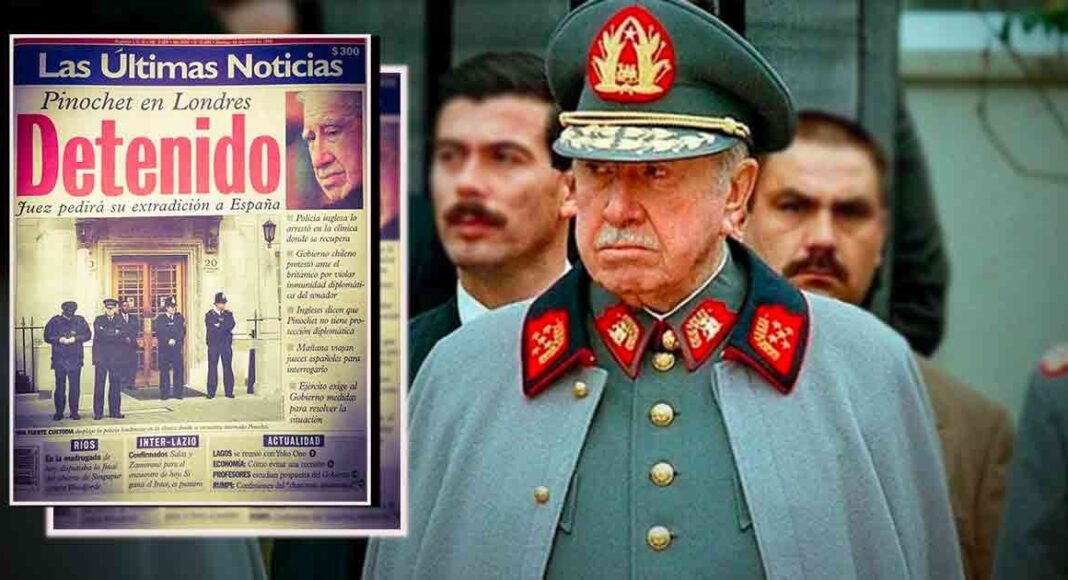
While it is a shame Pinochet never stood trial or served any time in prison, his indictment was a significant action for which Fabiola deserves some credit in helping to lay the groundwork.
After her death in 2021, tributes poured in for Fabiola who was called a “visionary” and “woman full of energy” who worked “tirelessly for human rights and democracy” and to “end the [Pinochet] dictatorship’s culture of death.”[46]
This biography demonstrates that Fabiola was a true hero: She exhibited qualities that provide us an important model for a new generation of attorneys committed to reaffirming the rule of law and fighting back against right-wing extremism and political repression. By sharing Fabiola’s story, Shapiro has done a great service for political activists throughout the world.

Linn Shapiro, Fabiola Letelier del Solar: Face and Force of the Chilean Human Rights Movement (Washington, D.C.: Opus Publishing, 2025). ↑
Shapiro, Fabiola Letelier del Solar, 10. ↑
Shapiro, Fabiola Letelier del Solar, 12, quoting Franck Gaudichaud and Mariana Ortega Breña, “Popular Power, Oral History, and Collective Memory in Contemporary Chile, Latin American Perspectives, 36, No. 5 (2009), 58. ↑
Shapiro, Fabiola Letelier del Solar, 12. ↑
Shapiro, Fabiola Letelier del Solar, 122, quoting Orlando Letelier, “The Chicago Boys in Chile: Economic Freedom’s Awful Toll,” The Nation, August 1976, 31-32. ↑
Shapiro, Fabiola Letelier del Solar, 15. ↑
Shapiro, Fabiola Letelier del Solar, 15. ↑
Shapiro, Fabiola Letelier del Solar, 16. ↑
Idem. ↑
Shapiro, Fabiola Letelier del Solar, 33. ↑
Shapiro, Fabiola Letelier del Solar, 35. ↑
Shapiro, Fabiola Letelier del Solar, 36. ↑
Shapiro, Fabiola Letelier del Solar, 37. ↑
Shapiro, Fabiola Letelier del Solar, 47. ↑
Shapiro, Fabiola Letelier del Solar, 52. ↑
Shapiro, Fabiola Letelier del Solar, 54. ↑
Shapiro, Fabiola Letelier del Solar, 60. ↑
Shapiro, Fabiola Letelier del Solar, 61. ↑
Shapiro, Fabiola Letelier del Solar, 62. ↑
Shapiro, Fabiola Letelier del Solar, 66. ↑
Shapiro, Fabiola Letelier del Solar, 68. ↑
Shapiro, Fabiola Letelier del Solar, 72, 76. ↑
Shapiro, Fabiola Letelier del Solar, 73. ↑
Shapiro, Fabiola Letelier del Solar, 75. ↑
Shapiro, Fabiola Letelier del Solar, 77. ↑
Idem. ↑
Shapiro, Fabiola Letelier del Solar, 78. ↑
Shapiro, Fabiola Letelier del Solar, 79. ↑
Shapiro, Fabiola Letelier del Solar, 124. ↑
Shapiro, Fabiola Letelier del Solar, 148, 149 ↑
Shapiro, Fabiola Letelier del Solar, 80, 81. ↑
Shapiro, Fabiola Letelier del Solar, 131. ↑
Shapiro, Fabiola Letelier del Solar, 153, 154. ↑
Shapiro, Fabiola Letelier del Solar, 158. ↑
Shapiro, Fabiola Letelier del Solar, 160. ↑
Shapiro, Fabiola Letelier del Solar, 162. ↑
Shapiro, Fabiola Letelier del Solar, 217. ↑
Shapiro, Fabiola Letelier del Solar, 218. ↑
Shapiro, Fabiola Letelier del Solar, 218-19. ↑
Shapiro, Fabiola Letelier del Solar, 220. ↑
Shapiro, Fabiola Letelier del Solar, 235. The former head of Pinochet’s Army intelligence bureau killed himself after learning he had been sentenced to 20 years in prison in the case. ↑
Shapiro, Fabiola Letelier del Solar, 245. For more details on the case, see John Dinges, Chile in Their Hearts: The Untold Story of Two Americans Who Went Missing After the Coup (Berkeley: University of California Press, 2025). ↑
Shapiro, Fabiola Letelier del Solar, 247, 248. ↑
Shapiro, Fabiola Letelier del Solar, 248. ↑
Shapiro, Fabiola Letelier del Solar, 257. ↑
Shapiro, Fabiola Letelier del Solar, 291. ↑
CovertAction Magazine is made possible by subscriptions, orders and donations from readers like you.
Blow the Whistle on U.S. Imperialism

Click the whistle and donate
When you donate to CovertAction Magazine, you are supporting investigative journalism. Your contributions go directly to supporting the development, production, editing, and dissemination of the Magazine.
CovertAction Magazine does not receive corporate or government sponsorship. Yet, we hold a steadfast commitment to providing compensation for writers, editorial and technical support. Your support helps facilitate this compensation as well as increase the caliber of this work.
Please make a donation by clicking on the donate logo above and enter the amount and your credit or debit card information.
CovertAction Institute, Inc. (CAI) is a 501(c)(3) non-profit organization and your gift is tax-deductible for federal income purposes. CAI’s tax-exempt ID number is 87-2461683.
We sincerely thank you for your support.
Disclaimer: The contents of this article are the sole responsibility of the author(s). CovertAction Institute, Inc. (CAI), including its Board of Directors (BD), Editorial Board (EB), Advisory Board (AB), staff, volunteers and its projects (including CovertAction Magazine) are not responsible for any inaccurate or incorrect statement in this article. This article also does not necessarily represent the views the BD, the EB, the AB, staff, volunteers, or any members of its projects.
Differing viewpoints: CAM publishes articles with differing viewpoints in an effort to nurture vibrant debate and thoughtful critical analysis. Feel free to comment on the articles in the comment section and/or send your letters to the Editors, which we will publish in the Letters column.
Copyrighted Material: This web site may contain copyrighted material the use of which has not always been specifically authorized by the copyright owner. As a not-for-profit charitable organization incorporated in the State of New York, we are making such material available in an effort to advance the understanding of humanity’s problems and hopefully to help find solutions for those problems. We believe this constitutes a ‘fair use’ of any such copyrighted material as provided for in section 107 of the US Copyright Law. You can read more about ‘fair use’ and US Copyright Law at the Legal Information Institute of Cornell Law School.
Republishing: CovertAction Magazine (CAM) grants permission to cross-post CAM articles on not-for-profit community internet sites as long as the source is acknowledged together with a hyperlink to the original CovertAction Magazine article. Also, kindly let us know at info@CovertActionMagazine.com. For publication of CAM articles in print or other forms including commercial internet sites, contact: info@CovertActionMagazine.com.
By using this site, you agree to these terms above.
About the Author
Jeremy Kuzmarov holds a Ph.D. in American history from Brandeis University and has taught at numerous colleges across the United States. He is regularly sought out as an expert on U.S. history and politics for radio and TV programs and co-hosts a radio show on New York Public Radio and on Progressive Radio News Network called “Uncontrolled Opposition.”
He is Managing Editor of CovertAction Magazine and is the author of six books on U.S. foreign policy, including Obama’s Unending Wars (Clarity Press, 2019), The Russians Are Coming, Again, with John Marciano (Monthly Review Press, 2018), Warmonger. How Clinton’s Malign Foreign Policy Launched the U.S. Trajectory From Bush II to Biden (Clarity Press, 2023); and with Dan Kovalik, Syria: Anatomy of Regime Change (Baraka Books, 2025).
Besides these books, Kuzmarov has published hundreds of articles and contributed to numerous edited volumes, including one in the prestigious Oxford History of Counterinsurgency .
He can be reached at jkuzmarov2@gmail.com and found on substack here.