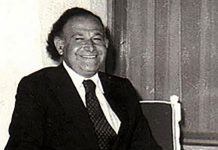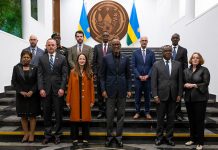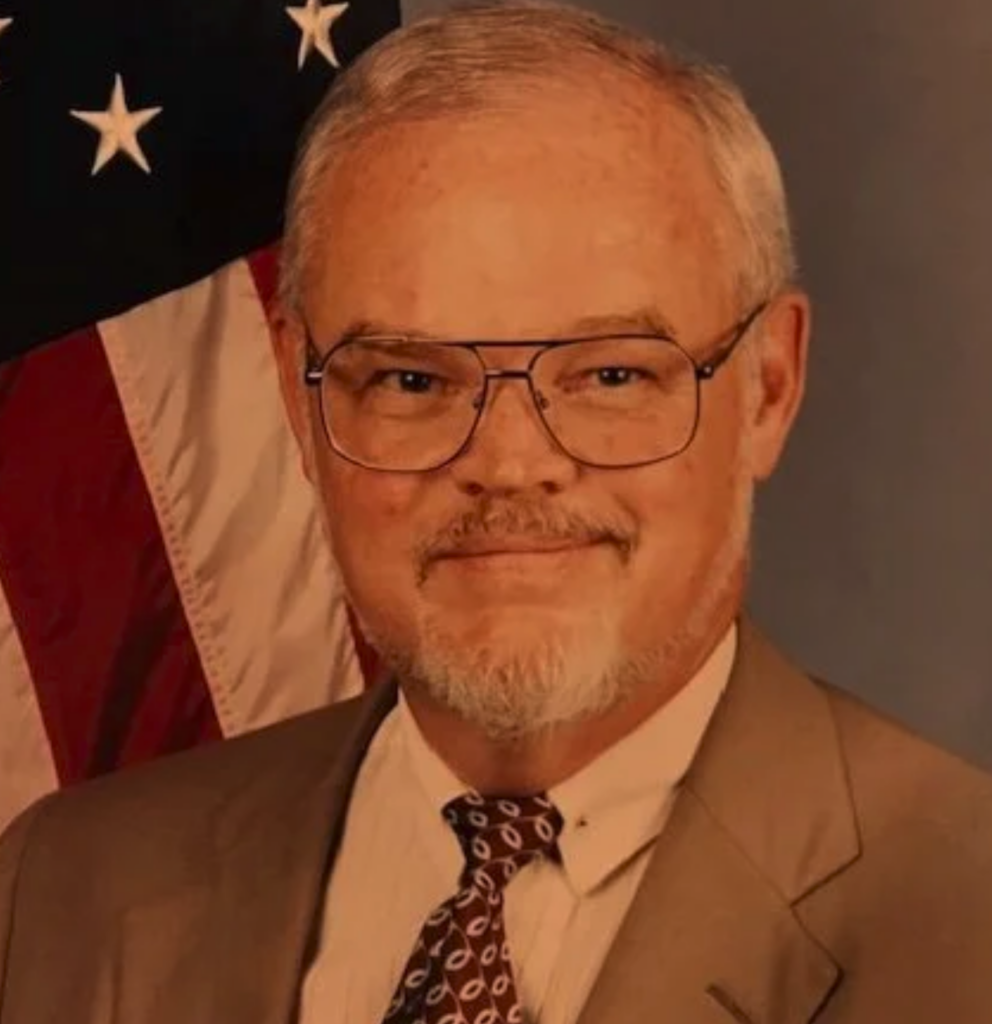
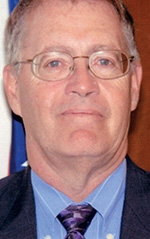
In 1997, Ambassador Robert Houdek was the senior U.S. official in eastern Congo.
His job was to assist in the repatriation of Hutu refugees who fled Rwanda after the Tutsi-led Rwandan Patriotic Front (RPF) took control following Rwanda’s 1990-1994 civil war.
A former senior U.S. official characterized Houdek as “our man in Kisangani” who “worked for the CIA.”
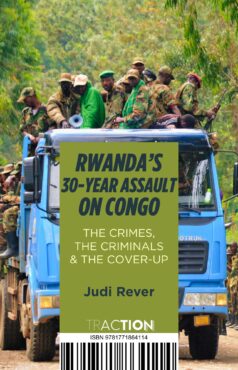
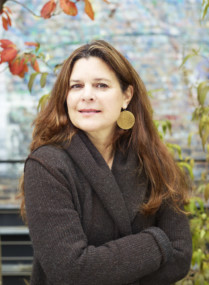
Canadian journalist Judi Rever suggests in her book Rwanda’s 30-Year Assault on Congo: The Crimes, the Criminals & the Cover-Up that Houdek helped cover up RPF death-squad operations that were tied to a U.S.-led regime-change operation in the Democratic Republic of Congo (DRC) employing the RPF as a proxy.[1]
In October 2025, Houdek told Rever that he did not work for the CIA and that he was unaware of killing by the RPF at that time, though he said that he didn’t necessarily deny that RPF killings occurred.
Rever concluded, however, that Houdek had to have been aware of the RPF killings in the late 1990s since he was then in charge of a disaster response unit within the United States Agency for International Development (USAID) tasked with helping refugees who were fleeing Rwanda.
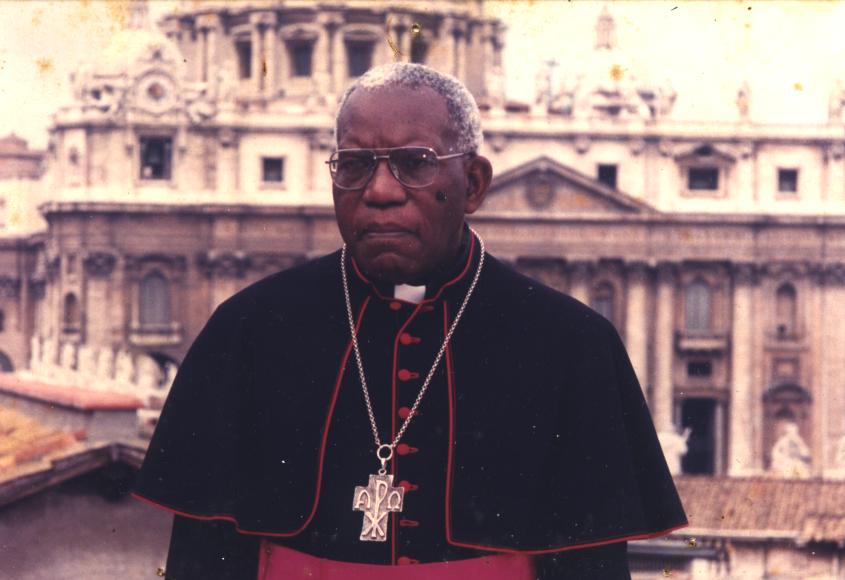
Not only would the refugees have talked, but Houdek would have had access to the reports of human rights organizations and UN agencies that referenced RPF massacres, including a violent attack on a hospital in northwestern Congo, which was reported in local media along with the 1996 murder by RPF-linked forces of Congolese Archbishop Christophe Munzihirwa.[2]
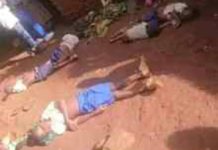
A Belgian priest living in the region said that “there was a trail of dead here, kilometers long,” which anyone working there had to have known about. The RPF dumped their victims in the Ruki River, which became over-filled with corpses.
The U.S. official who identified Houdek as a CIA agent told Rever that Houdek had worked to stonewall attempts by the UN and other agencies to investigate the RPF’s crimes against the Hutu refugees, which resulted in the extermination of hundreds of thousands of civilians.
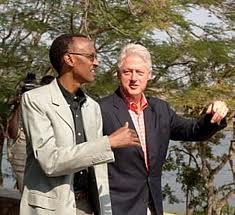
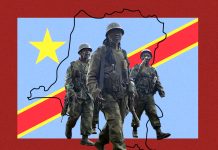
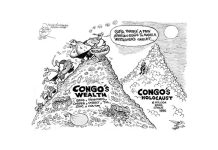
The Clinton administration at the time was supporting the RPF under the direction of Rwandan President Paul Kagame as a proxy force with the goal of opening up the DRC and its rich mineral resources—estimated to be worth $24 trillion—to multi-national mining and other corporations.
The DRC is the world’s biggest producer of cobalt, a strategic metal essential for aerospace, energy and defense industries, and has an abundance of copper, tantalum, diamonds, oil and timber.
To help in opening up these riches, the CIA equipped the RPF with satellite equipment and intelligence data as it conducted bait-and-kill operations against Rwandan Hutu refugees in the Congolese jungle.
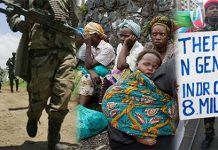
The bait was the aid supplied by USAID to the Hutu refugees who were tracked with spy satellites and then methodically hunted down in dense forests where they had had to deal with venomous snakes and giant spiders and had been rendered weak with malnutrition.
The refugees had fled Rwanda after the victory of the RPF in Rwanda’s civil war that was triggered by an illegal RPF invasion of Rwanda from Uganda on October 1, 1990, supported by the Bush I administration against the warning of U.S. Ambassador to Uganda Robert Flaten.
Publicly, the Clinton administration claimed that the U.S was providing humanitarian support for the refugees, when in reality it helped “set for them a death trap” while “facilitating Kagame’s military advance into the DRC,” according to Rever.[3]
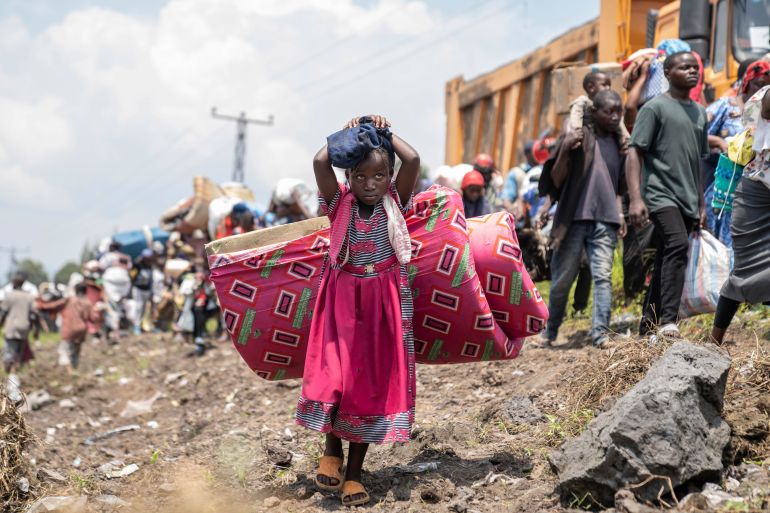
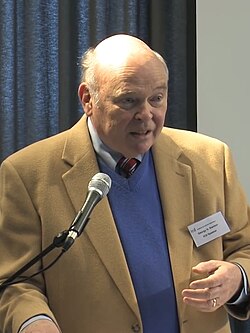
Daniel Simpson, a former U.S. ambassador to Congo, told Rever that the U.S. likes “efficient, militarized killers” and that “the Tutsi regimes in Burundi and Rwanda have been ‘ruthless killers. The Tutsis take the position that the only way they can rule is by killing. And so they will kill. They feel as though if they’re not on top, they will be dead. And that may be true [emphasis in the original].’”[4]
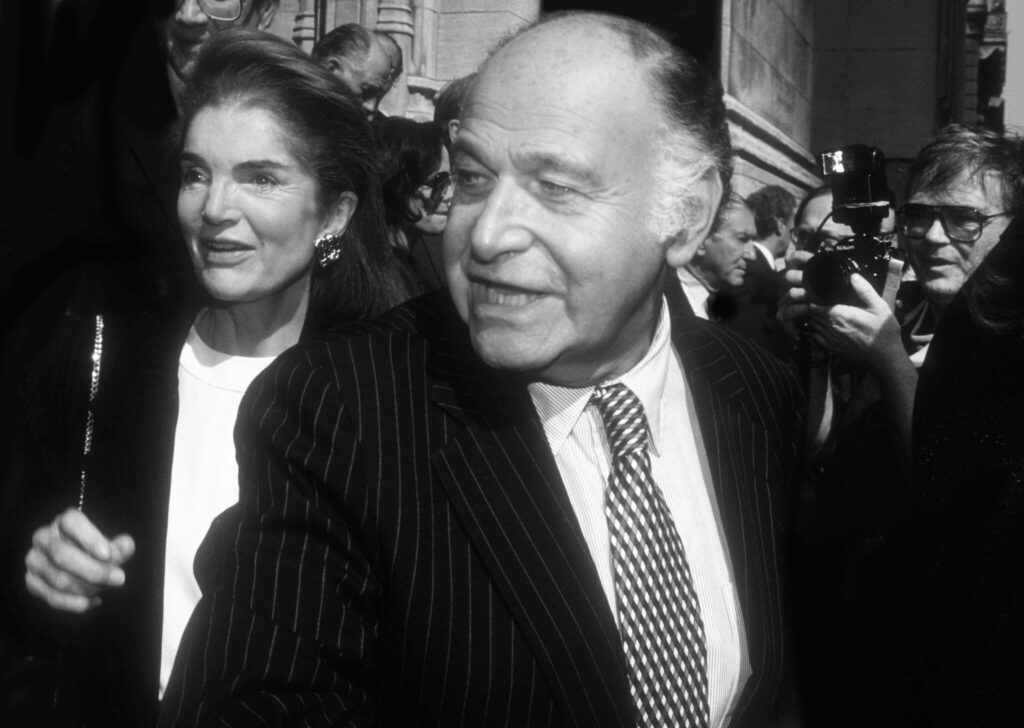
Simpson happened to be in Washington at a U.S. foreign policy research institute at the time of Rwanda’s invasion of the DRC in August 1996 with Michael Southwick, the U.S. ambassador to Uganda, and Larry Devlin, the former CIA station chief in Congo who had worked for Maurice Tempelsman, a diamond magnate and Democratic Party donor who made a fortune in the DRC over the years.[5]
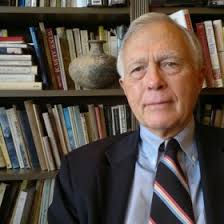
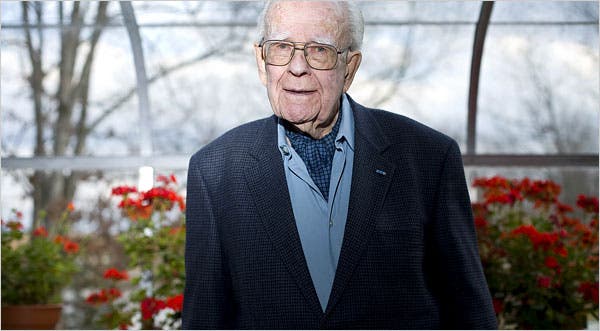
Rwandan President Paul Kagame was at the time meeting with senior Pentagon officials who sanctioned and helped plan Kagame’s invasion of the DRC.
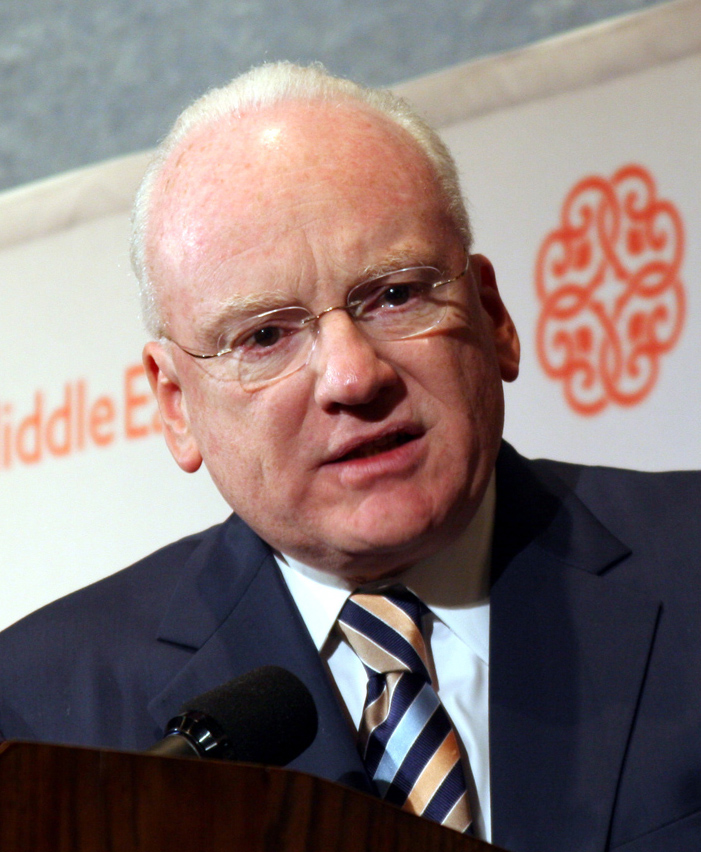
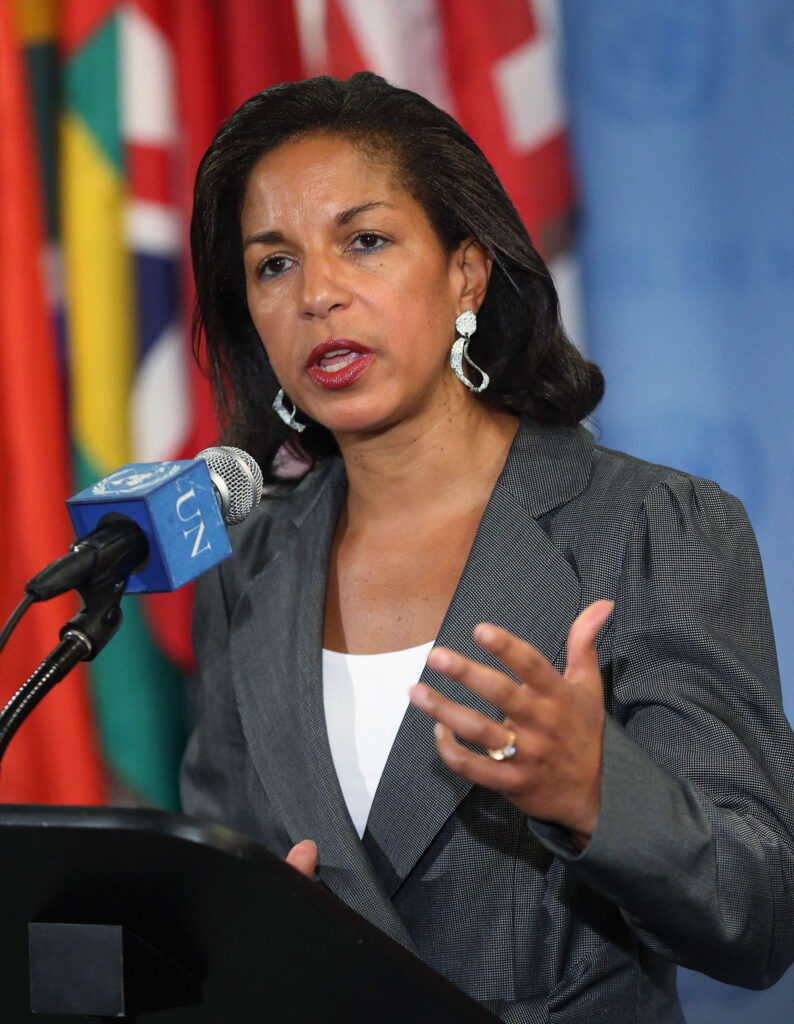
Gregory Stanton, who attended meetings in mid-1996 at the State Department in which officials from the Pentagon and National Security Council (NSC) discussed the situation in the DRC, said that Richard Clarke, a member of the NSC, was driving policy on Africa at the time, and that Susan Rice, who was Special Assistant to President Bill Clinton and Senior Director for African Affairs at the NSC, also supported the invasion of the DRC.[6]
Stanton said that, when he visited the U.S. embassy in Kigali in October 1996 during the first days of the invasion, U.S Ambassador Robert Gribbin and his second-in-command, Peter Whaley, told him to leave, and that the U.S. role in helping to plan the RPF invasion was “concealed from the public,” along with the killings that were perpetrated.[7]
Besides the spy satellites, the Pentagon used reconnaissance, surveillance and battle management systems in Congo’s air space as RPF forces advanced and deployed AC-130 ground-attack gunships and P-3 Orion planes—ostensibly to provide surveillance—under U.S. and European command.[8]
U.S. psychological warfare teams were further deployed to work alongside Kagame’s forces who were trained by U.S. Special Forces in counterinsurgency tactics.[9]
Kathi Austin, a specialist on arms transfers who worked for Human Rights Watch and Physicians for Human Rights, told a U.S. congressional hearing that she had witnessed U.S. military personnel in Rwanda since 1995 and saw military exercises involving U.S. troops on the border of western Rwanda.[10]
Rwanda’s president from 1973 to 1994, Juvénal Habyarimana, was a Hutu who developed close relations with France, and favored a state-centered approach to economic development.
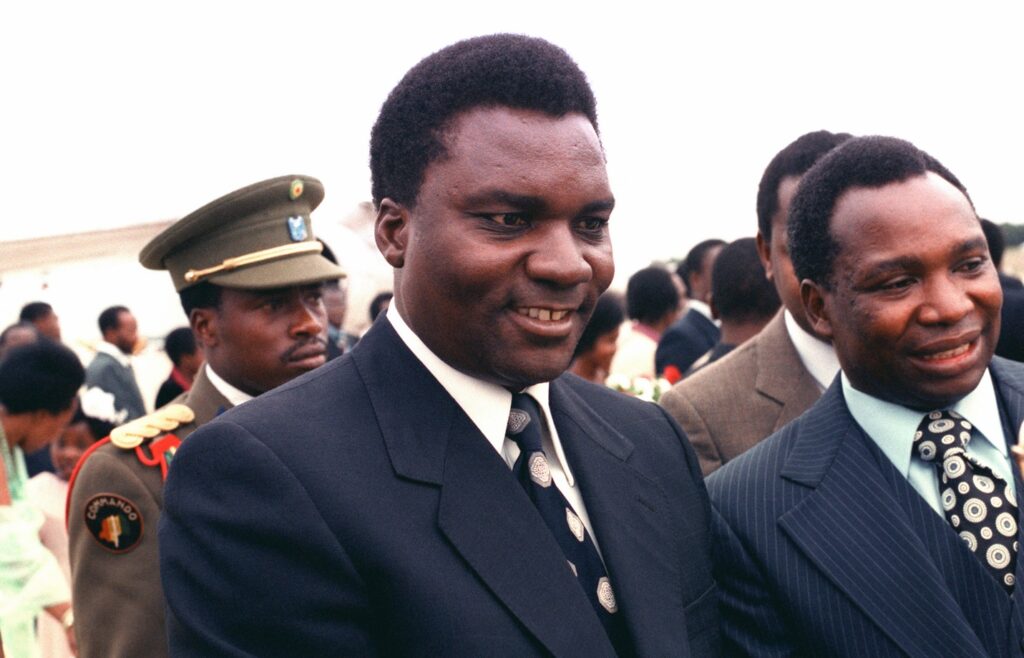
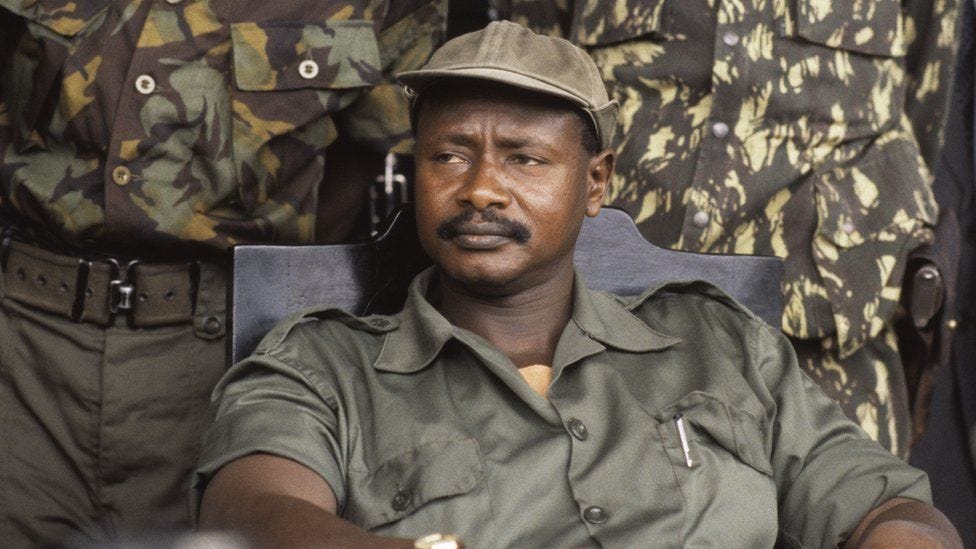
In the late 1980s, the Bush I administration expanded military and economic aid to Uganda whose ruler, Yoweri Museveni, supported the RPF invasion of Rwanda in 1990.
Kagame became head of the RPF after murdering Fred Rwigyema who was open to a power- sharing arrangement with Habyarimana.
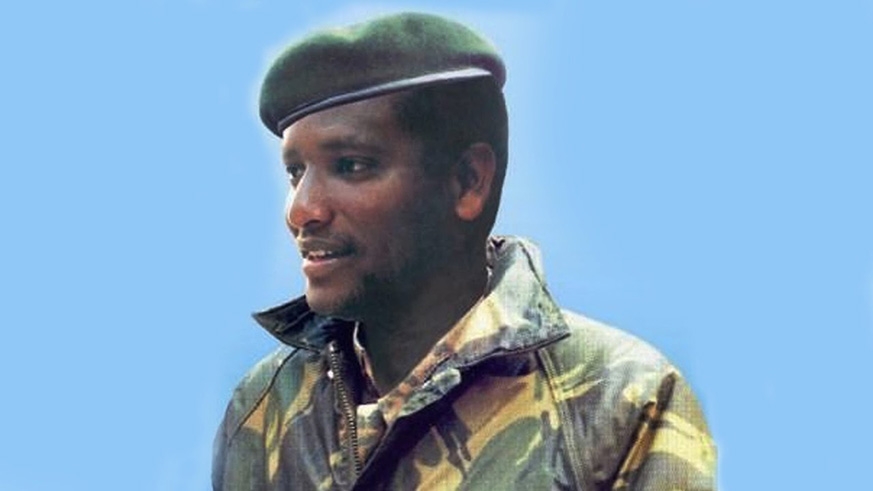
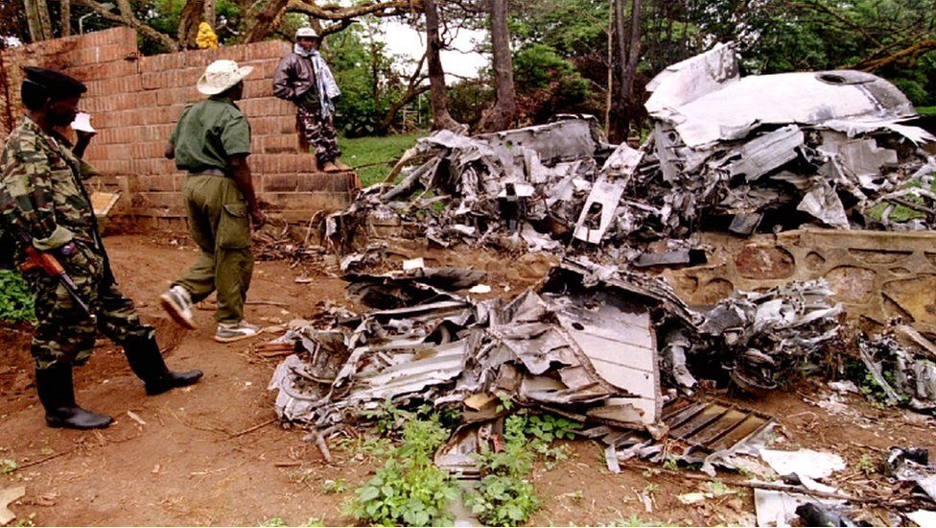
A French judge found Kagame culpable in the downing of Habyarimana’s airplane when the latter was returning from peace talk in Arusha, Tanzania, a criminal act that precipitated the orgy of bloodletting in April 1994 known as the Rwandan genocide.
The U.S. and Kagame’s government engaged in a large-scale psychological warfare operation to make it seem that the RPF and Tutsi were victims of the Rwandan genocide, which they exploited to advance their goal of a regional Tutsi empire.
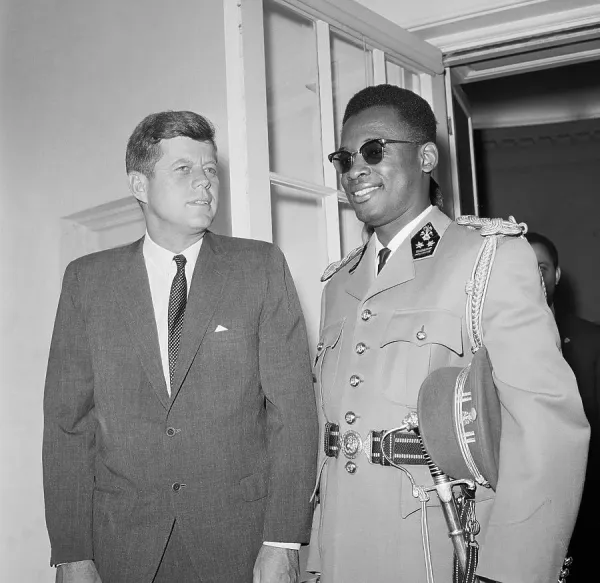
The DRC’s long-standing ruler, Joseph Mobutu, had been installed by the CIA in the early 1960s after the murder of leftist Patrice Lumumba, but had become ill and lost his political utility.
Canada’s envoy to Central Africa, Marius Bujold, told Rever that “the American and other countries, with a few exceptions, had come to the conclusion that Mobutu had to go.”[11] This was in large part because his mismanagement of the DRC’s economy made it increasingly inhospitable to foreign investors.
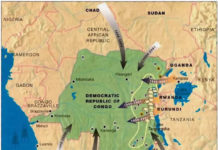
To help achieve the goal of regime change, the Clinton administration first helped consolidate the rule of the RPF in Rwanda, and then supported its illegal invasion of the DRC to replace the aging Mobutu with a pliable proxy who would grant U.S. corporations access to the DRC’s mineral wealth.
Houdek, who went on to join the U.S. National Intelligence Council, emerges from Rever’s book as one of the key foot soldiers carrying out this criminal plan.
In the 1960s, Houdek had served as a special assistant to U.S. National Security Adviser Henry Kissinger during the bombing raids on Cambodia. In 1976, CIA whistleblower Philip Agee suspected him of collaborating with the CIA in Jamaica.
From 1985 to 1988, Houdek was the U.S. ambassador to Uganda, where Kagame was deputy head of military intelligence during a period when Washington began supplying Museveni with substantive development assistance and military aid that was funneled to Kagame and the RPF.
From 1991 to 1993, Houdek was Washington’s Deputy Assistant Secretary of State for African Affairs when Uganda provided weapons, training and a rear base for Kagame’s troops to carry out a scorched-earth campaign in northern Rwanda, ahead of the 1994 Rwandan genocide.[12]
In Kisangani in the mid-1990s, Houdek claimed that his role had been to separate Rwandan refugees from the Hutu armed elements whom he claimed were holding the refugees hostage.
However, the scale of the killing was so vast that the RPF brought in tanks of gasoline and bundles of firewood to secluded areas in the jungle to burn the bodies of thousands of victims.[13] Hutu and Congolese women were also subjected to routine gang rapes, especially in the second Congo War.[14]
The RPF’s butchery was framed as defensive because the Hutu refugees were labeled as genocidaires, when it was actually the RPF that had precipitated the genocide in Rwanda and carried out a considerable proportion of the mass killings there.
From 1995 until 1999, Kagame deceived the international community by staging false-flag operations in which RPF soldiers massacred civilians in western Rwanda, blaming the attacks on Hutu insurgents so that they would seem more of a menace and threat than they actually were.[15]
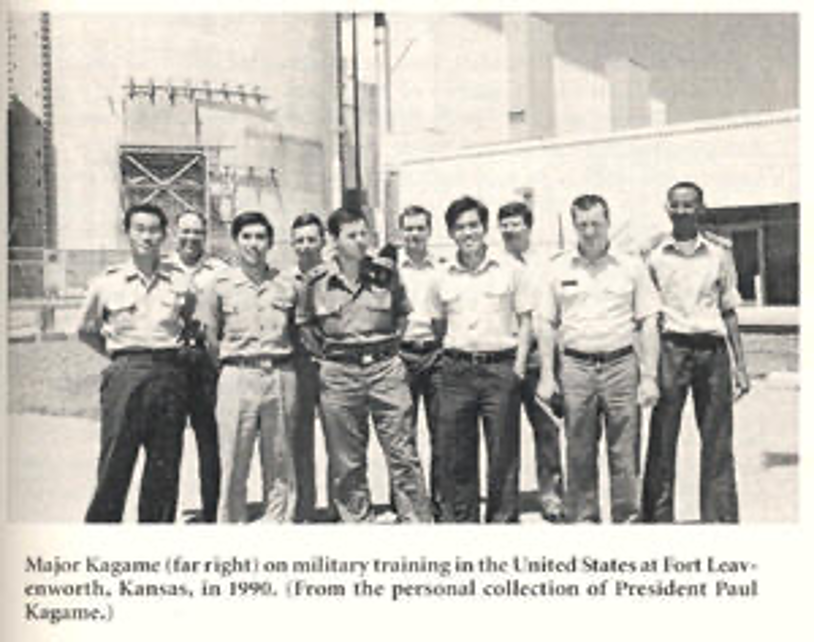
Kagame learned these techniques studying U.S. psychological warfare operations at Fort Leavenworth, Kansas, on the eve of the 1990 Rwandan invasion of Uganda.
After Mobutu’s ouster in May 1997, the Clinton administration helped install Laurent Kabila in the DRC. In the 1960s, Kabila had allied with Che Guevara in fighting against Mobutuist forces, but became corrupted by wealth accrued through the diamond trade.[16]
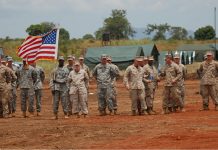
In March 1997 after the fall of Kisangani, Clinton deployed 675 U.S. Special Forces troops, helicopters, and a U.S. Air Force liaison team and maritime expeditionary unit to the DRC to ensure that the final military stage of regime change against Mobutu would proceed.[17]
Ambassador Simpson told Rever that he put the commander of Mobutu’s forces, General Donatien Mahele on the phone with Kabila in Lubumbashi to “work out a deal” to surrender control of Kinshasa, the DRC’s capital. Mahele subsequently was shot in the head and killed, reportedly by Mobutu’s son Kongulu, who was an officer in his father’s presidential guard.[18]
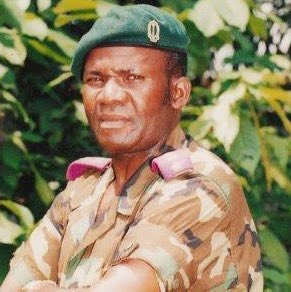
By this point, Mobutu’s forces were demoralized, unpaid and unable to mount an effective resistance to the RPF invaders.
Just a month before Mobutu was toppled in April 1997, the Rwanda-backed rebel alliance signed a $1 billion deal with America Mineral Fields (AMF), a mining company whose headquarters was located in Hope, Arkansas, Bill Clinton’s home town.
Jean-Raymond Boulle, the company’ CEO, was a big-time Clinton donor who gave the rebel alliance use of his Lear jet and advanced U.S. $1 million in mineral taxes and fees to Laurent Kabila in return for a contract to rehabilitate and develop the DRC’s zinc and copper mines, a project worth $16 billion.[19]
On May 9, 1996, a few days before Rwandan soldiers threw refugees into the river at Mbandaka, Boulle flew a group of 30 investment bankers, market analysts and U.S. officials to Lubumbashi.
Among the companies which were on the trip were two Canadian firms, CIBC Wood Gundy and Bunting Warburg, an arm of London’s SBC Warburg, Goldman Sachs and Deutsche Morgan Grenfell’s Johannesburg office.
Aboard the South Africa-chartered Boeing 727 was Robin Sanders, director of African Affairs for the U.S. NSC.[20]

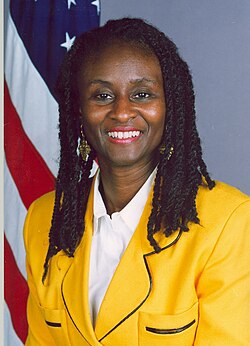
When Kabila proved to be too independent, the Clinton administration sponsored another Rwandan invasion that installed Laurent’s adopted son, Joseph, whose real name was Hyppolite Kanambe, and who was a Rwandan quisling.
Convicted of treason in absentia last year for his role in covertly leading Rwandan M23 militias that now occupy Goma, Kanambe ruled the DRC from 2001 to 2019 and is estimated to have stolen an estimated $138 million in his final year in power.[21]
He had been mentored by his uncle, General James Kabarebe, Chief of Staff of the Rwandan Patriotic Front (RPF), who presided over major massacres of Hutu in the late 1990s.
Kanambe’s real father, Adrien Christophe Kanambe, was a Rwandan Tutsi who was killed by Laurent Kabila after he had been accused of disloyalty to his cause.
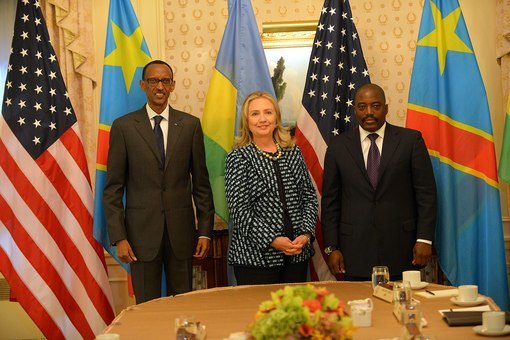
The Congolese army under Kanambe’s command integrated thousands of Rwandan and Ugandan Tutsi who committed legions of atrocities against civilians and Mai Mai fighters and others seeking the liberation of North Kivu, which Rwanda aimed to annex.
Kanambe’s security forces also detained and tortured trade union organizers and murdered human rights activists, like Floribert Chebeya, the president of the NGO Voice for the Voiceless, priests such as Cardinal Frederic Etsou, the Pope’s representative in the DRC, and members of Laurent Kabila’s family who threatened to expose his dark secret.[22]
When a rebellion broke out against Kanambe’s rule in 2017 in Kasai, Kanambe appointed one of Kagame’s top commanders, General Eric Ruhorimbere, who had been implicated in gruesome killings and rapes in Kasika and Makobola from 1998 to 2000, to violently crush it, leading to yet more gruesome atrocities.[23]
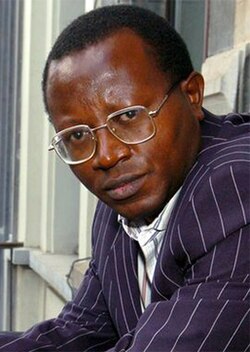
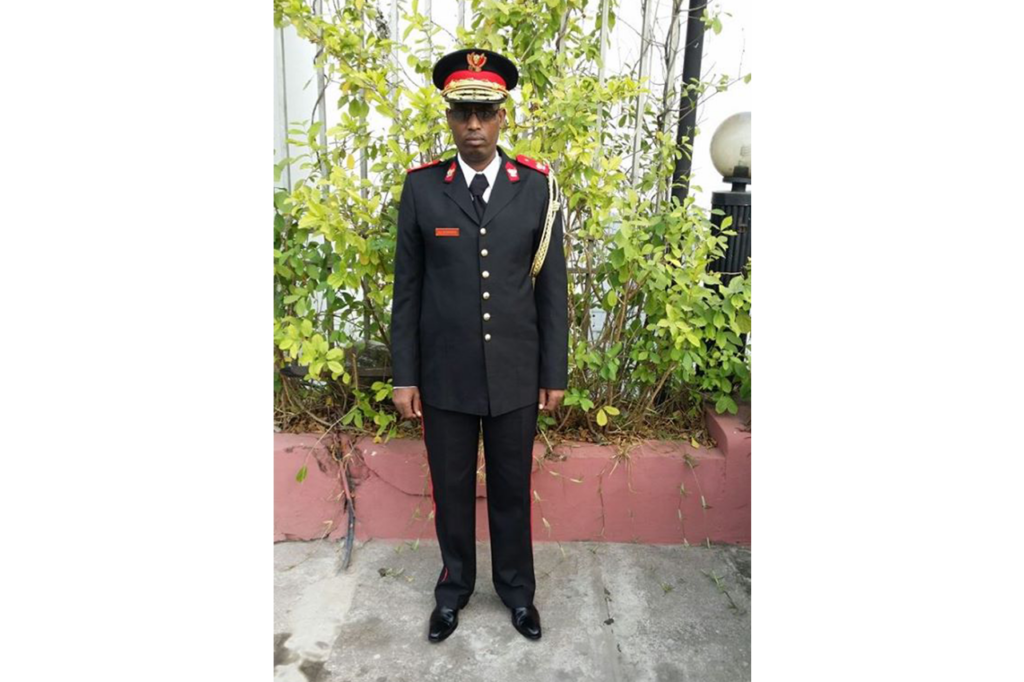
Another Rwandan commander in Congo, Gabriel Amisi, earned notoriety when he and another Kagame warlord, Laurent Nkunda, summarily executed 28 ex-combatants and put their bodies in bags and threw them off the Tshopo bridge in Kisangani in 2002.[24] Amisi was subsequently promoted and became Deputy Chief of Staff for Operations and Intelligence in the DRC army.
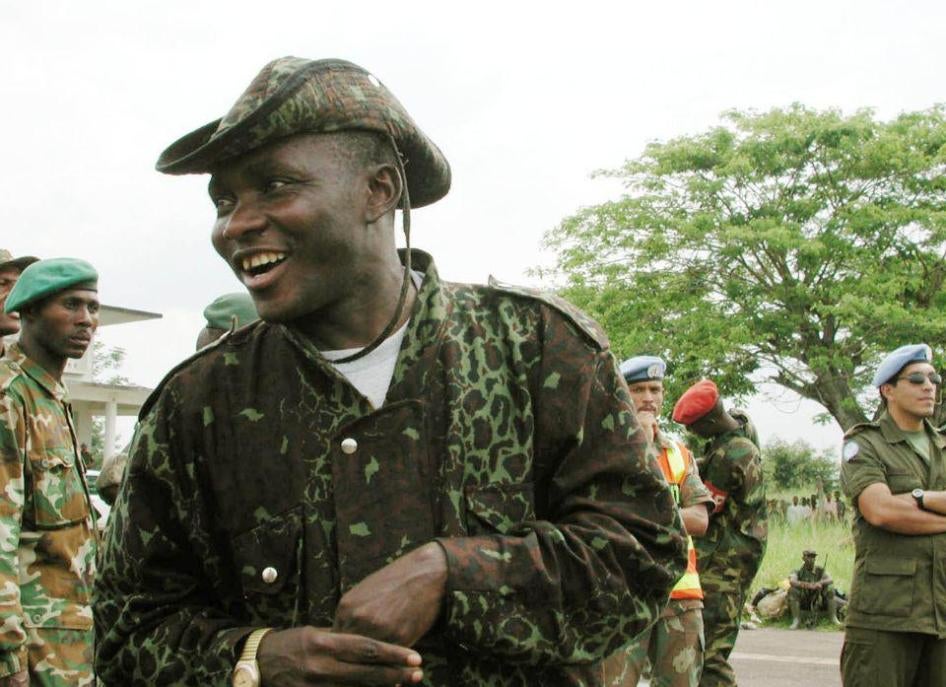
Beginning in the early days of the second Congo war, the Rwandan army engaged in mass looting of tantalum, which is used for manufacturing smart phones and spacecraft.[25]
The UN estimated that up to 70% of tantalum exported from the DRC was mined under the direct surveillance of the Rwandan military, which drove the locals off their land and tortured and murdered them when they tried to resist.[26]
Rwandan occupiers committed particularly horrific atrocities in Kisangani and Ituri, which are rich in diamonds, timber and oil, and exploited long-standing grievances between the rival ethnic groups, the Hema and Lendu, who were pitted against each other.
In 2019, a Rwandan warlord, Bosco Ntaganda was convicted by the International Criminal Court (ICC) on 18 counts of war crimes, including murder, rape, sexual slavery and using child soldiers, though Rever notes that the ICC refused to examine the issue of command responsibility for Ntaganda’s crimes.[27]
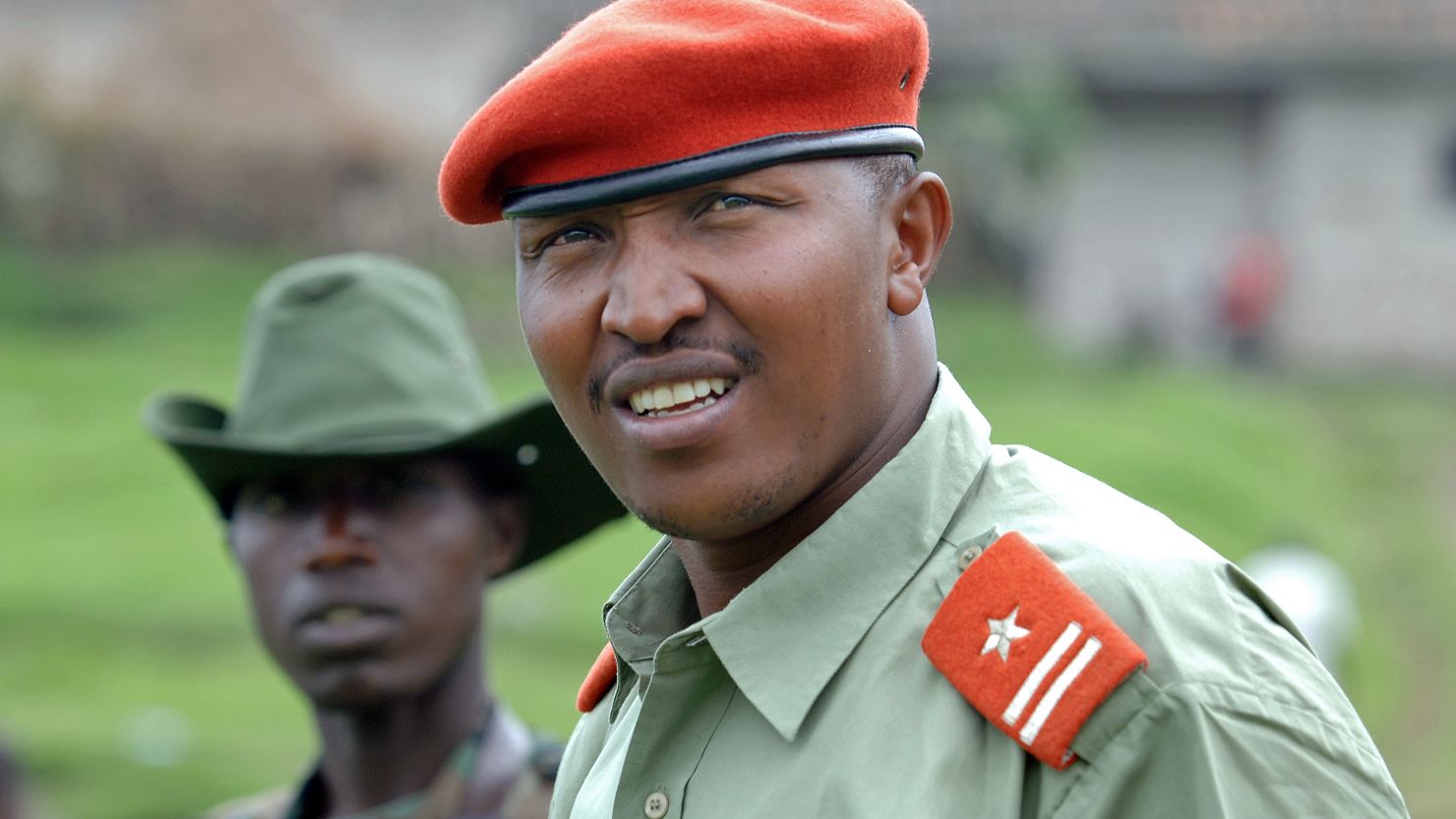
According to Rever, “Ntaganda was not a rogue warlord working on his own dime. His criminal godfather was president of Rwanda, Paul Kagame. Ntaganda terrorized and removed Congolese civilians from their homeland so that Rwanda could reap profits from the illicit trafficking of minerals and ultimately assert sovereignty over Congo’s territory. These atrocities were not an abstraction. The criminal intent was clear and was part of a larger parapolitical scheme that international officials and mining industry elite were fully aware of, but refused to publicly acknowledge.”[28]
Rever ends her book by noting that “history will mark the shame of international courts and their Western enablers for giving Paul Kagame the means to wage a thirty year rampage on Congo. He has been the worst agent of imperialism of the African continent in our time.”[29]
Unfortunately, there does not appear to be a light at the end of the tunnel, as Rwanda maintains thousands of occupying troops in North and South Kivu, and its M23 militia continues to commit wanton violence while running shadow governments in territories it controls.[30]
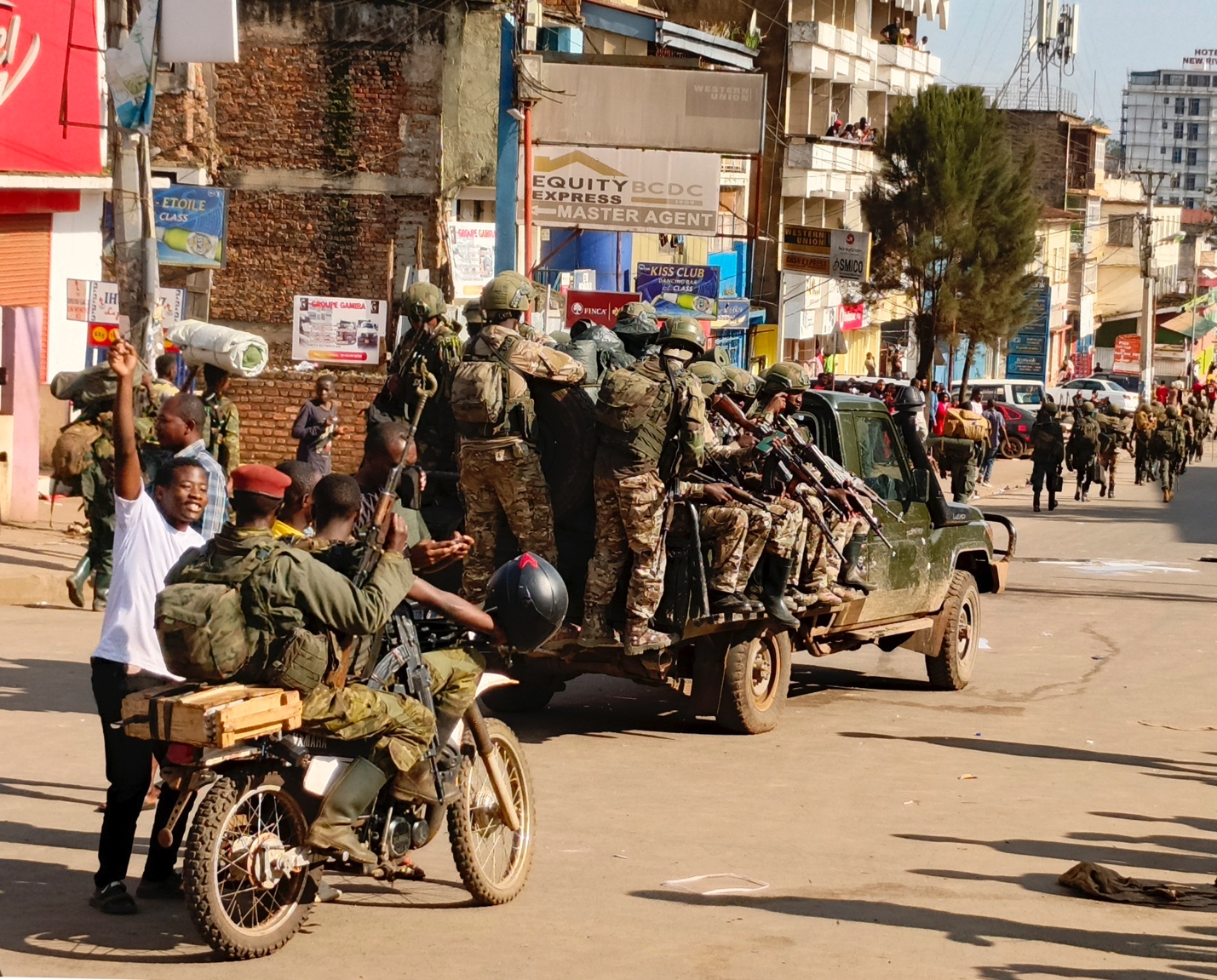
The millions of Congolese victims remain largely faceless in the U.S. and West where people’s addiction to their i-phones and other electronics is contingent on the exploitation of the DRC’s mineral supplies.
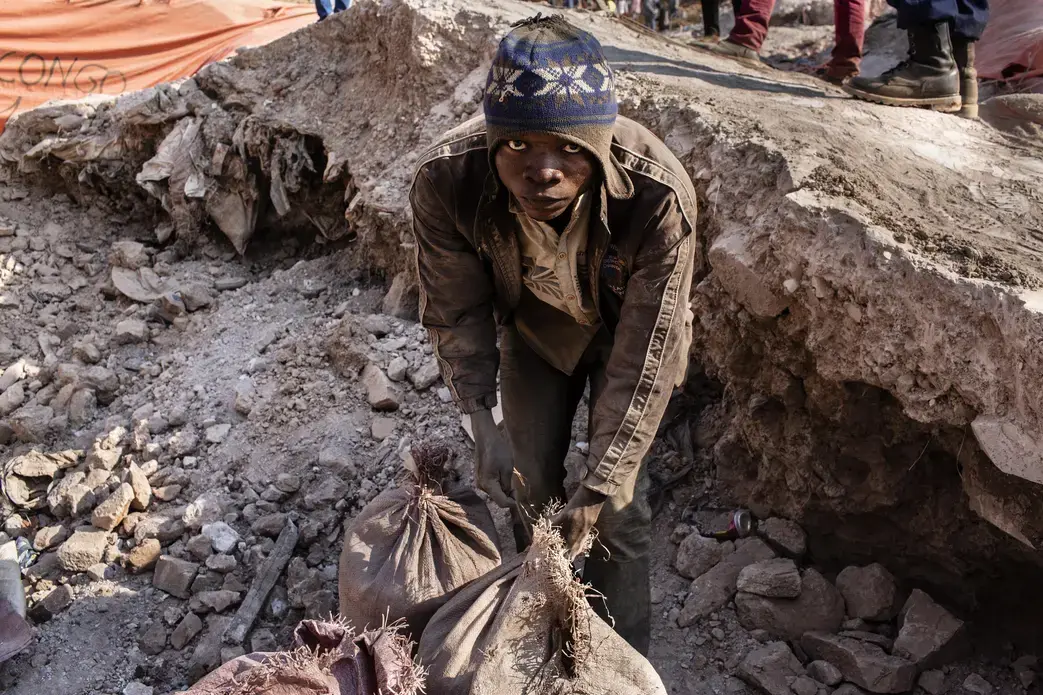
A senior prosecutor at the International Criminal Tribunal for Rwanda (ICTR) told Rever that “the Congolese victims are invisible to the American government, its Congress, the mainstream Western press and the American people watching their tv screens at night…The reality is that nobody cares what Kagame does in Central Africa.”[31]
Predicting this public indifference, the architects of U.S. foreign policy in Central Africa knew they could get away with the most heinous crimes so long as they were subcontracted out. And they found the most perfect proxy for doing so—whose killing rampage has approached Nazi levels.
Rever previously authored the book, In Praise of Blood: The Crimes of the Rwandan Patriotic Front (Toronto: Random House Canada, 2018). ↑
Judi Rever, Rwanda’s 30-Year Assault on Congo: The Crimes, the Criminals & the Cover-Up (Montreal: Baraka Books, 2026), 4, 8. A peace activist, Munzihirwa was considered the Oscar Romero of the DRC and had called for deployment of an international force to protect Rwandan refugees and Congolese civilians. Romero was a Salvadoran priest who spoke out for social justice and was murdered by U.S.-backed death squads in 1980. Amnesty International reposted in October 1996 a UN report that dozens of Hutu refugees had been killed at Kibumba Camp by the RPF and their proxies and buried in mass graves. How could Houdek not have known of this? ↑
Rever, Rwanda’s 30-Year Assault on Congo, 16. ↑
Rever, Rwanda’s 30-Year Assault on Congo, 10. ↑
Until his death in August 2025, Tempelsman was on the board of the CIA-linked National Endowment for Democracy (NED). ↑
Rever, Rwanda’s 30-Year Assault on Congo, 20. ↑
Rever, Rwanda’s 30-Year Assault on Congo, 21. Gribbin told Rever that only 10,000 Hutu refugees were killed when the number is at least 200,000-300,000. ↑
Rever, Rwanda’s 30-Year Assault on Congo, 15. ↑
Idem. Some Rwandan troops received training in the U.S. Paul Kagame had been trained at Fort Leavenworth, Kansas, in psychological warfare techniques. ↑
Rever, Rwanda’s 30-Year Assault on Congo, 19. Journalist Wayne Madsen also documented U.S. support for the Rwandan and Ugandan invaders of the DRC in his valuable book, Genocide and Covert Operations in Africa, 1993-1999 (New York: Edwin Mellen Press, 2000). ↑
Rever, Rwanda’s 30-Year Assault on Congo, 24, 33. ↑
Rever, Rwanda’s 30-Year Assault on Congo, 6, 7. ↑
In October 1997, between 5,000 and 8,000 Hutu civilians alone were murdered in Kanama caves. ↑
In the first nine months of 2025 alone, the UN documented 81,388 cases of rape in eastern Congo. ↑
Rever, Rwanda’s 30-Year Assault on Congo, 63. In the first five weeks of 1997, Kagame’s intelligence operatives murdered more than a dozen foreign nationals in northeastern Rwanda, including four UN observers, two Spanish aid workers and a Spanish journalist. These killings were wrongfully pinned on Hutu infiltrators from Congo. Coinciding with these crimes, Rwanda orchestrated the murder of Guy Pinard, a Quebecois priest who had spent 35 years in Rwanda and was a school friend of Canadian Prime Minister Jean Chrétien. He had condemned the genocide and arbitrary arrest and assassinations ordered by Kagame’s regime. Canada did nothing to obtain justice for Pinard and his family. Kagame’s force also orchestrated the killing of schoolchildren in Nyange, Kibuye, in March 1997 and slaughtered 17 schoolgirls and their teacher, a Belgian nun, in Muramba near Gisenyi in April 1997. Yet another false-flag attack was carried out on a bar where sports lovers were watching the World Cup in July 1998. An ex-RPF intelligence officer who watched the building go up in flames and saw people desperately trying to escape and dying, said that “it was barbaric.” ↑
Che had viewed Kabila as a “Gucci revolutionary” and said he spent most of his time politicking and living the high life in fancy hotels in Kinshasa rather than fighting out in the bush with his men. See Piero Gleijeses, Conflicting Missions: Havana, Washington, and Africa, 1959-1976 (Chapel Hill: University of North Carolina Press, 2003). ↑
Rever, Rwanda’s 30-Year Assault on Congo, 25. ↑
Rever, Rwanda’s 30-Year Assault on Congo, 26. ↑
Rever, Rwanda’s 30-Year Assault on Congo, 31. ↑
Rever, Rwanda’s 30-Year Assault on Congo, 31, 32. ↑
Rever, Rwanda’s 30-Year Assault on Congo, 57; Ruth Maclean, “Congo’s Leader For 18 Years is Now a Fugitive,” The New York Times, March 31, 2026, A4. The current Congolese government led by Felix Tshisekedi sees Kanambe as the “undiputed leader of M23.” Congo’s Communication Minister Patrice Muyaya said that Mr. Kabila [Kanambe] was “visibly in the pay” of Rwanda “whose false narrative he regularly relays.” Kanambe himelf claims that he is currently living under the protection of M23 simply because it controls Goma and that the allegations against him are false.” ↑
See Yaa-Lengi M. Ngemi, “Joseph Kabila”, Identity Thief, Impostor, and Rwandan Trojan Horse in Congo (self-published, 2017); Rever, Rwanda’s 30-Year Assault on Congo, 55. General John Numbi, who is alleged to have coordinated Chebeya’s killing, was implicated in coltan trafficking. In 2018, he was promoted to head Kanambe’s armed forces ahead of the presidential election. Fred Bauma, an opposition politician considered the “Ghandi of the DRC” was jailed for 18 months as one among many political prisoners under Kanambe’s rule. During protests that took place between January 2015 and September 2016, thousands were killed, kidnapped or tortured by secret police forces in the DRC. ↑
Rever, Rwanda’s 30-Year Assault on Congo, 55. ↑
Idem. ↑
Rever, Rwanda’s 30-Year Assault on Congo, 40. ↑
Idem. Kagame set up a Congo desk for managing the exploitation of the DRC’s natural resources. It was headed by Jack Nziza and Patrick Karegeya; the latter was later murdered in South Africa by one of Kagame’s death squads. ↑
Rever, Rwanda’s 30-Year Assault on Congo, 44. When ICTR prosecutor Carla Del Ponte, who has a reputation for integrity, tried to prosecute Paul Kagame, she was fired. ↑
Rever, Rwanda’s 30-Year Assault on Congo, 44. ↑
Rever, Rwanda’s 30-Year Assault on Congo, 77. ↑
Rever, Rwanda’s 30-Year Assault on Congo, 68. ↑
Rever, Rwanda’s 30-Year Assault on Congo, 76. ↑
CovertAction Magazine is made possible by subscriptions, orders and donations from readers like you.
Blow the Whistle on U.S. Imperialism

Click the whistle and donate
When you donate to CovertAction Magazine, you are supporting investigative journalism. Your contributions go directly to supporting the development, production, editing, and dissemination of the Magazine.
CovertAction Magazine does not receive corporate or government sponsorship. Yet, we hold a steadfast commitment to providing compensation for writers, editorial and technical support. Your support helps facilitate this compensation as well as increase the caliber of this work.
Please make a donation by clicking on the donate logo above and enter the amount and your credit or debit card information.
CovertAction Institute, Inc. (CAI) is a 501(c)(3) non-profit organization and your gift is tax-deductible for federal income purposes. CAI’s tax-exempt ID number is 87-2461683.
We sincerely thank you for your support.
Disclaimer: The contents of this article are the sole responsibility of the author(s). CovertAction Institute, Inc. (CAI), including its Board of Directors (BD), Editorial Board (EB), Advisory Board (AB), staff, volunteers and its projects (including CovertAction Magazine) are not responsible for any inaccurate or incorrect statement in this article. This article also does not necessarily represent the views the BD, the EB, the AB, staff, volunteers, or any members of its projects.
Differing viewpoints: CAM publishes articles with differing viewpoints in an effort to nurture vibrant debate and thoughtful critical analysis. Feel free to comment on the articles in the comment section and/or send your letters to the Editors, which we will publish in the Letters column.
Copyrighted Material: This web site may contain copyrighted material the use of which has not always been specifically authorized by the copyright owner. As a not-for-profit charitable organization incorporated in the State of New York, we are making such material available in an effort to advance the understanding of humanity’s problems and hopefully to help find solutions for those problems. We believe this constitutes a ‘fair use’ of any such copyrighted material as provided for in section 107 of the US Copyright Law. You can read more about ‘fair use’ and US Copyright Law at the Legal Information Institute of Cornell Law School.
Republishing: CovertAction Magazine (CAM) grants permission to cross-post CAM articles on not-for-profit community internet sites as long as the source is acknowledged together with a hyperlink to the original CovertAction Magazine article. Also, kindly let us know at info@CovertActionMagazine.com. For publication of CAM articles in print or other forms including commercial internet sites, contact: info@CovertActionMagazine.com.
By using this site, you agree to these terms above.
About the Author
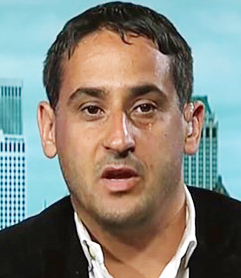
Jeremy Kuzmarov holds a Ph.D. in American history from Brandeis University and has taught at numerous colleges across the United States. He is regularly sought out as an expert on U.S. history and politics and co-hosts a radio show on New York Public Radio and on Progressive Radio News Network called “Uncontrolled Opposition.”
He is Managing Editor of CovertAction Magazine and is the author of eight books, including Obama’s Unending Wars (Clarity Press, 2019), The Russians Are Coming, Again, with John Marciano (Monthly Review Press, 2018), Warmonger. How Clinton’s Malign Foreign Policy Launched the U.S. Trajectory From Bush II to Biden (Clarity Press, 2023); with Dan Kovalik, Syria: Anatomy of Regime Change (Baraka Books, 2025), and Political Assassinations in America: The Intricate Nexus of Deep State Crime (Clarity Press, 2026).
Besides these books, Kuzmarov has published hundreds of articles and contributed to numerous edited volumes, including one in the prestigious Oxford History of Counterinsurgency .
He can be reached at jkuzmarov2@gmail.com and found on substack here.