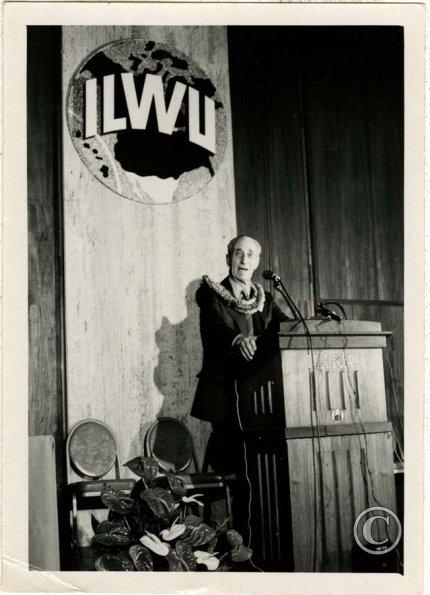
Harry Bridges made his mark as leader of the International Longshore and Warehouse Union (ILWU) for more than 40 years, surviving FBI harassment and efforts to deport him.
His fusion of union leadership with the rank and file and outspoken opposition to U.S. imperial foreign policies provide a model that today’s union leaders should follow.
[This article is part of an annual CAM special for Labor Day where we honor progressive labor leaders. Last year, our focus was on Elizabeth Gurley Flynn. See article here.—Editors]
In 2001, then-California Governor Gray Davis designated July 28—the day of Harry Bridges’ birthday—as Harry Bridges Day, following a special ceremony in which the plaza in front of the San Francisco Ferry Building was named Harry Bridges Plaza.
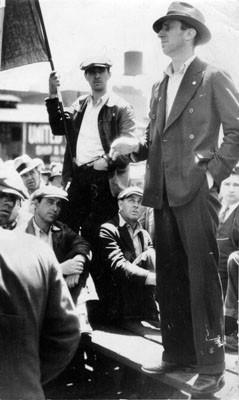
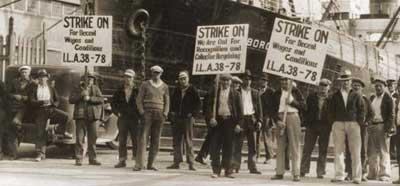
Some 67 years earlier in 1934, San Francisco had been roiled by a longshoremen’s strike that catapulted Bridges into national fame as a leader of the International Longshoremen’s Association (ILA), whose West Coast affiliates became the International Longshoremen’s and Warehousemen’s Union (ILWU) in 1937 (and the International Longshore and Warehouse Union in 1997).
Rooted in demands for higher wages ($1 an hour), a shorter work week and a union hiring hall, the longshoremen’s strike lasted for 83 days and led to a city-wide general strike after two strikers were killed by police in what was known as “Bloody Thursday.”
Bridges remained ILWU president until he retired in the late 1970s, during which time he was widely respected for his commitment to democratic standards and support for progressive policy positions.
In 1941, The Almanac Singers—then composed of founders Pete Seeger, Lee Hayes and Millard Lampell (and subsequently joined by Woody Guthrie)—wrote a song called “The Ballad of Harry Bridges” which paid tribute to Bridges as an “honest union leader” whom “the bosses tried to frame”—accusing him of being a Soviet-communist agent and trying to have him deported.
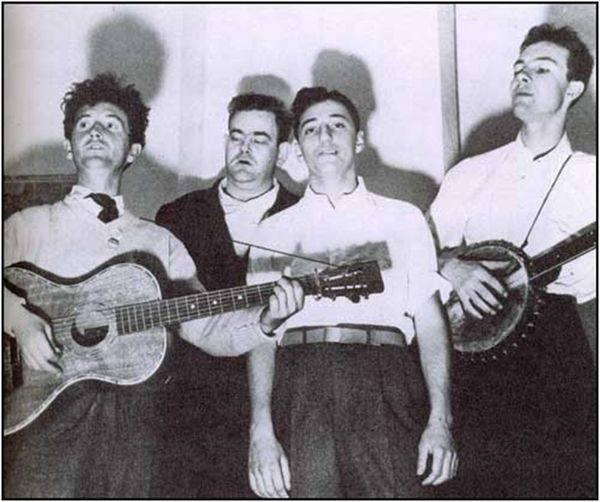
“The Ballad of Harry Bridges” noted how he had “left home in Australia [where he was born]” and “sailed across the ocean to land in ‘Frisco town.’” At the time, a “worker had to stand in line for a lousy dollar a day,” but “up spoke Harry Bridges, ‘Us workers got to get wise, our wives and kids will starve to death if we don’t get organized.’”
The song continued by relating the events of the 1934 longshoremen’s strike and its aftermath:
They built a big bonfire by the Matson Lines that night,
They threw their fink books in it and they said, ‘We’re gonna fight!
You’ve got to pay a livin’ wage or we’re gonna take a walk.’
They told it to the bosses, but the bosses wouldn’t talk.
They said, ‘There’s only one way left to get that contract signed’
And all around the waterfront they threw their picket line.
They called it Bloody Thursday, the fifth day of July,
For a hundred men were wounded and two were left to die.
Now that was seven years ago, and in the time since then,
Harry’s organized thousands more and made them union men.
‘We must try to bribe him,’ the shipping bosses said.
And if he won’t accept a bribe, we’ll say that he’s a red.
The final stanza of the song went as follows:
The bosses brought a trial to deport him over the sea,
But the judge said, ‘He’s an honest man, I got to set him free.’
Then they brought another trial to frame him if they can,
But right by Harry Bridges stands every working man.
Harry Bridges, Labor Radical, Labor Legend
Bridges’ career is chronicled in Robert W. Cherny’s masterful biography, Harry Bridges: Labor Radical, Labor Legend.
Cherny is a professor emeritus of history at San Francisco State University with an earlier book on communists in the Bay Area during the first half of the 20th century and on Populist Party leader William Jennings Bryan. He interviewed Bridges before his death in 1990 and accumulated large filing cabinets of material researching his life over a 35-year period.
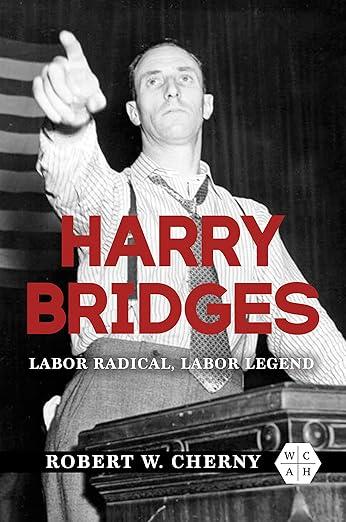
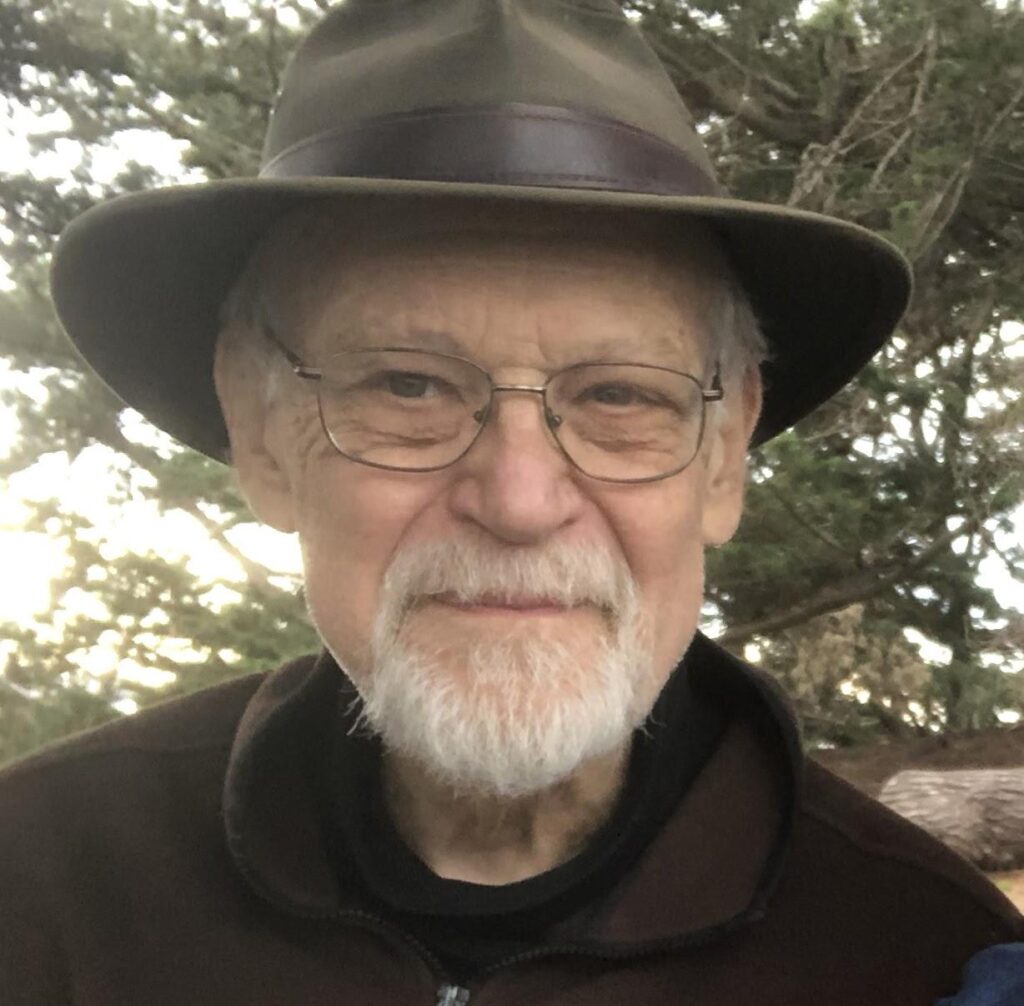
Cherny presents Bridges as an effective and principled union leader who angered employers because of his refusal to cut a closed-door deal with them and because of his insistence that the rank and file ratify everything.
During his long years of leadership, the ILWU organized port workers in San Francisco, sugar and pineapple field workers in Hawaii, borax miners and cotton compress workers in Southern California, tugboat workers in Alaska, craft beer workers in San Francisco, and bookstore workers in Portland.[1]
The ILWU was known for adopting left-wing positions—including standing up for racial equality and civil liberties—and for not succumbing to red-baiting tactics that resulted in the purging of militants in other labor unions.
Cherny shows that Bridges’ commitment to the union rank and file derived in part from his experience as a member of the Industrial Workers of the World (IWW aka Wobblies), an anarcho-syndicalist union known for its inclusivity and support for worker-run industry.
Bridges also drew upon a Marxist understanding of class that led him to see those on the other end of the union bargaining table as a “class enemy.”[2]
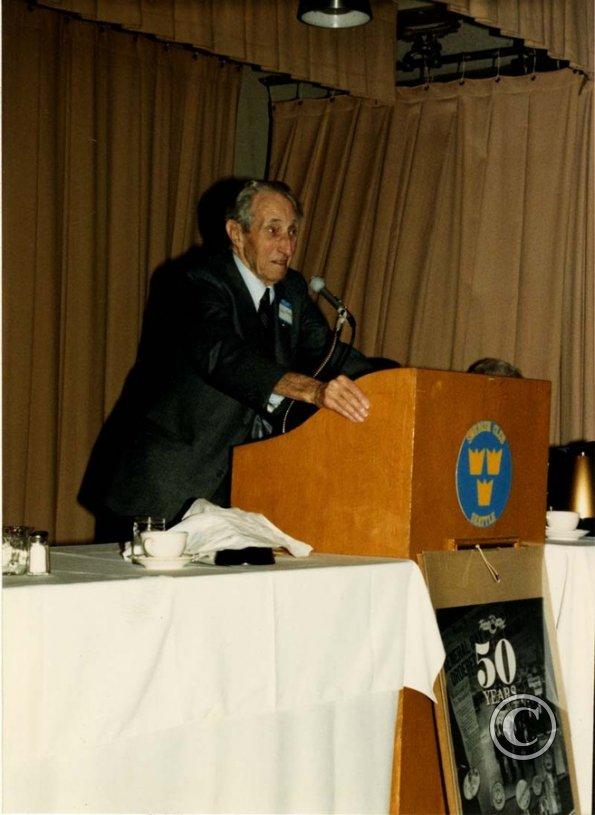
While speaking about his life at the National Gallery of Art in 1976, Bridges said that his understanding of the importance of labor unions was cultivated during his youth in Melbourne, Australia.
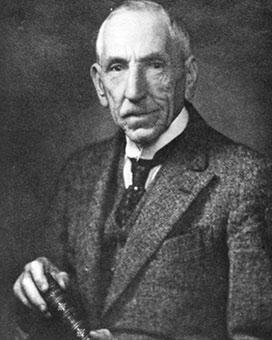
His father, Alfred, a real-estate developer, spoke favorably about the social democratic Australian Labor Party (ALP), which advocated nationalization of corporate monopolies and support for social welfare programs, and about William Morris Hughes, a founder of the Waterside Workers (dockworkers) Federation, who became Australian Prime Minister in 1915.[3]
At this time, Australia was the most unionized nation in the world, with 106 union members per 1,000 inhabitants.[4]
When Hughes betrayed Australian working people by supporting conscription and intervention in the Great War and by banning the IWW, Australian coal miners and seamen organized a six-week general strike, which impressed young Harry.
One of the key strike leaders, Adela Pankhurst, was the daughter of a famous British suffrage leader, Emmeline Pankhurst, and a socialist who was imprisoned for a period at the Pentridge gaol.
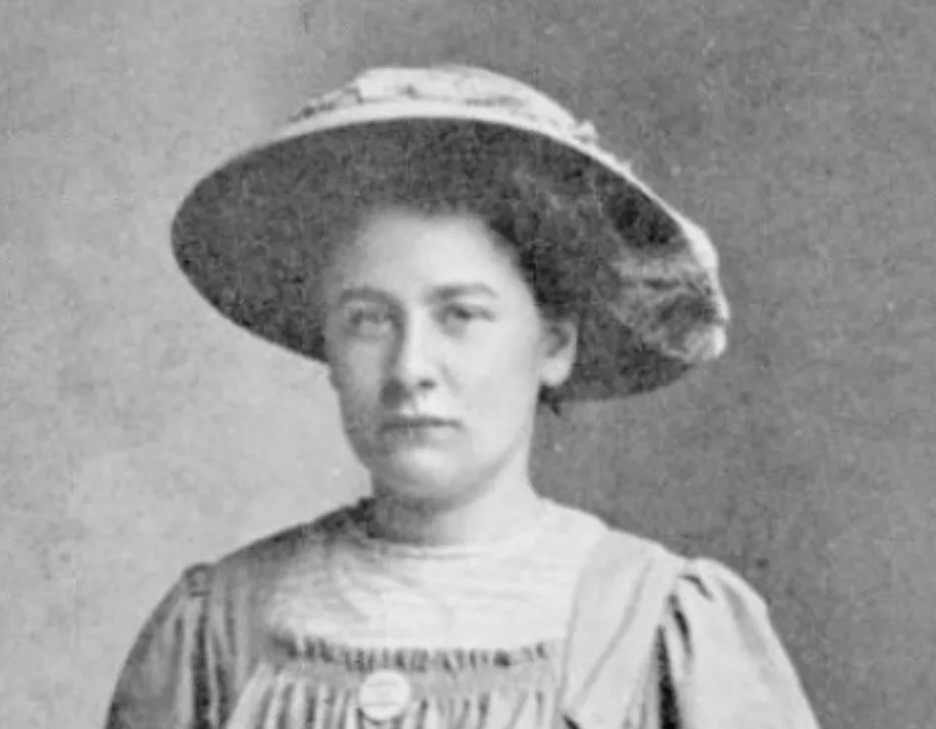
Throughout his life, Harry loved to talk about the 1917 Australian general strike, the anti-conscription campaign by activists and his personal introduction to Pankhurst.[5]
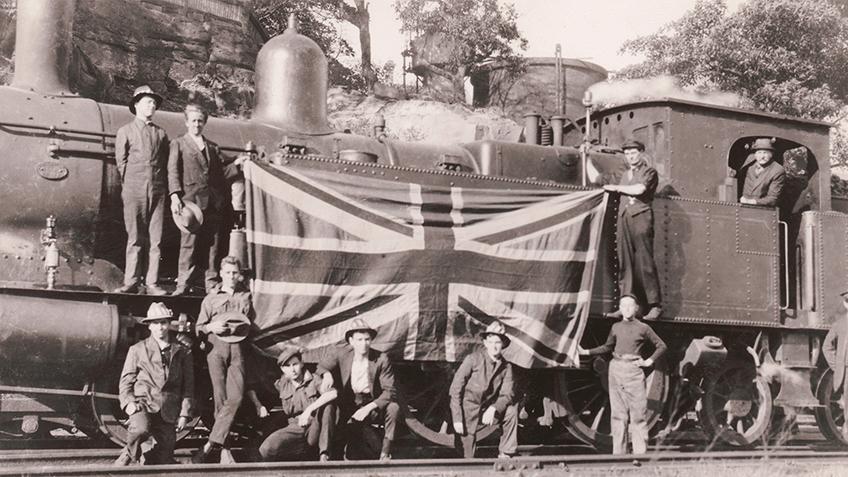
Bridges’ anti-imperialist views were also shaped in part by his mother Julia, who gave young Harry lessons in Irish nationalism, and his uncle Renton, who had served in South Africa during the Boer War but became disillusioned with the British cause.[6]
As a boy, Harry devoured adventure novels about the sea, including Jack London’s Sea Wolf and Martin Eden, and began frequenting the Melbourne docks with seamen, taking odd jobs aboard ships and dreaming of going to sea.
In February 1918, at the age of 17, Bridges worked on a ship that carried mixed lumber to Tasmania, and a year later set sail on a ship that docked in San Francisco, the major Pacific port for cargo to and from the western part of the U.S.[7]
Upon arrival, Bridges began working on the docks and joined the IWW. Unlike in Australia, he found that few employers in the U.S. acknowledged the legitimacy of unions and that the government usually supported employers in labor disputes.[8]
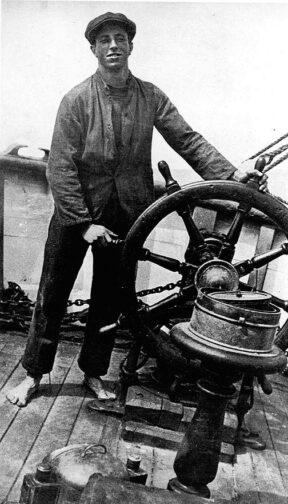
When Bridges and three other Wobblies went to work on a levee on the southernmost tip of the Mississippi Delta, they organized their fellow workers and took them out on strike against miserable accommodations and wages. The sheriff of Plaquemines Parish quickly arrived and identified Harry and the other Wobblies as the strike leaders and made them leave town.[9]
Working for a period in New Orleans, Bridges and his IWW friends continued their organizing and took direct action to oppose segregation.[10]
After settling back in San Francisco to work as a longshoreman, Bridges saw many injustices first-hand, including the firing of port workers who reported injuries and bosses setting up races between hatch gangs (the hatch was the place where the ship opened up so cargo could be put in) that resulted in severe injuries and the death of a man after a sheet of copper fell on him.[11]
Throughout the 1920s and early 1930s, Bridges was known as a hard worker; he once worked for 28 hours straight loading steel and other heavy products onto cargo ships with only meal breaks.[12]
When the Depression struck, Bridges concluded that the existing economic system had no prospect for shaking it off. It was at that time that he took on a leadership role with the ILA, which included members of the American Communist Party (CP) with whom Bridges interacted.
When the longshoremen’s strike broke out in May 1934, Bridges began facing death threats.[13]
Cherny considers the longshoremans’ strike, which involved 21 different unions and helped precipitate the San Francisco General strike, the “most dramatic demonstration of labor solidarity in twentieth century U.S. history.”[14]
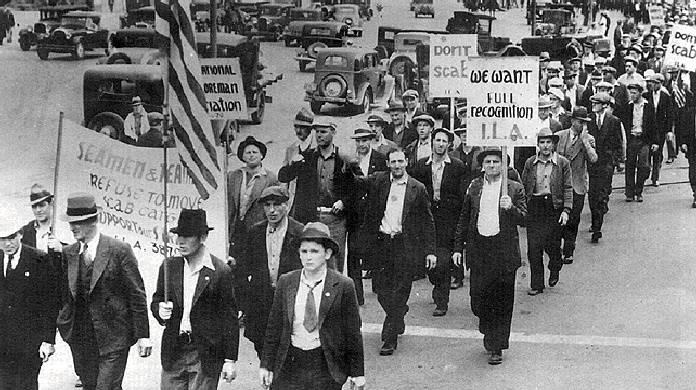
The San Francisco business elite saw in it an opportunity to “drive the communists out of the state of California,” in the words of John Forbes, president of the city’s Industrial Association.[15]
Refusing a $50,000 bribe to resolve the strike on the bosses’ terms, Bridges showed resolve in negotiations with city officials in fighting for union control over hiring practices, which was one of the major demands of the strikers.
The ILWU won the latter along with a six-hour work day, 30-hour week, a modest wage increase and collective bargaining rights in what Cherny calls a “smashing victory.”[16]
Newspapers in Australia described Bridges as a “forceful speaker” during the strike who had “established leadership which the strikers accept, in the belief he is incorruptible,” adding that they had “lost their faith in other leaders.”[17]
That week a reporter startled Harry’s mother Julia, who had not seen Harry since he had left for San Francisco 14 years earlier and had stopped receiving letters from him.
A portrait in The New York Times by George West presented Bridges flatteringly as “shrewd and aggressive fighter” and a “lightning thinker” who “makes the shrewdest of corporation lawyers…seem soft and a little helpless in contrast.”
Emphasizing Bridges’ commitment to internal union democracy, West noted that “the longshoremen who know him best follow him with loyalty and affection [though] shipowners hate and fear Bridges.”[18]
Henry Melnikow of the Pacific Coast Labor Bureau noted Bridges’ “sincerity and devotion to the labor movement,” stating that it was “refreshing to have a man so devoted to the cause of the men that he represented. He would be willing to work day and night, sit down in the chair in my office completely exhausted and sleep for 15 minutes and then go back to work completely refreshed.”[19]
In 1937, Congress of Industrial Organizations (CIO) President John Lewis named Bridges the CIO’s Western Regional Director, a decision that West said was certain to bring accusations that the CIO was “ultra-radical” and “communistic.”[20]
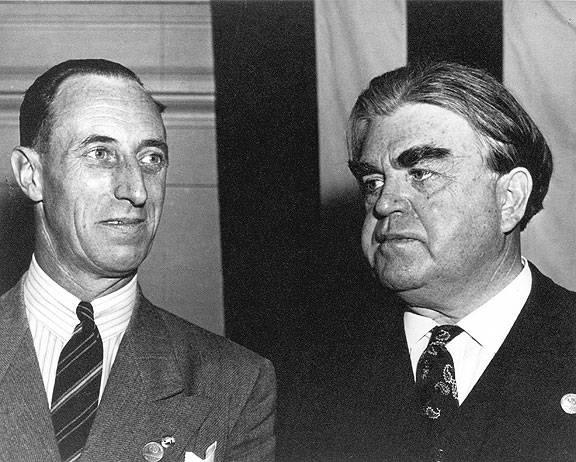
Bridges in this period worked with leaders of AFL and CIO unions and the Railway Brotherhood to create the Organized Labor Democratic Committee (OLDC), which was committed to the election of progressive New Deal Democrats.
In California, the OLDC helped secure the victory of Governor Culbert Olson (1939-1943) and Lieutenant Governor Ellis Patterson[21] (1939-1943) and Sheridan Downey for the U.S. Senate (1939-1950). All three had been part of the End Poverty in California (EPIC) movement that nearly succeeded in getting socialist Upton Sinclair elected governor in 1934.[22]
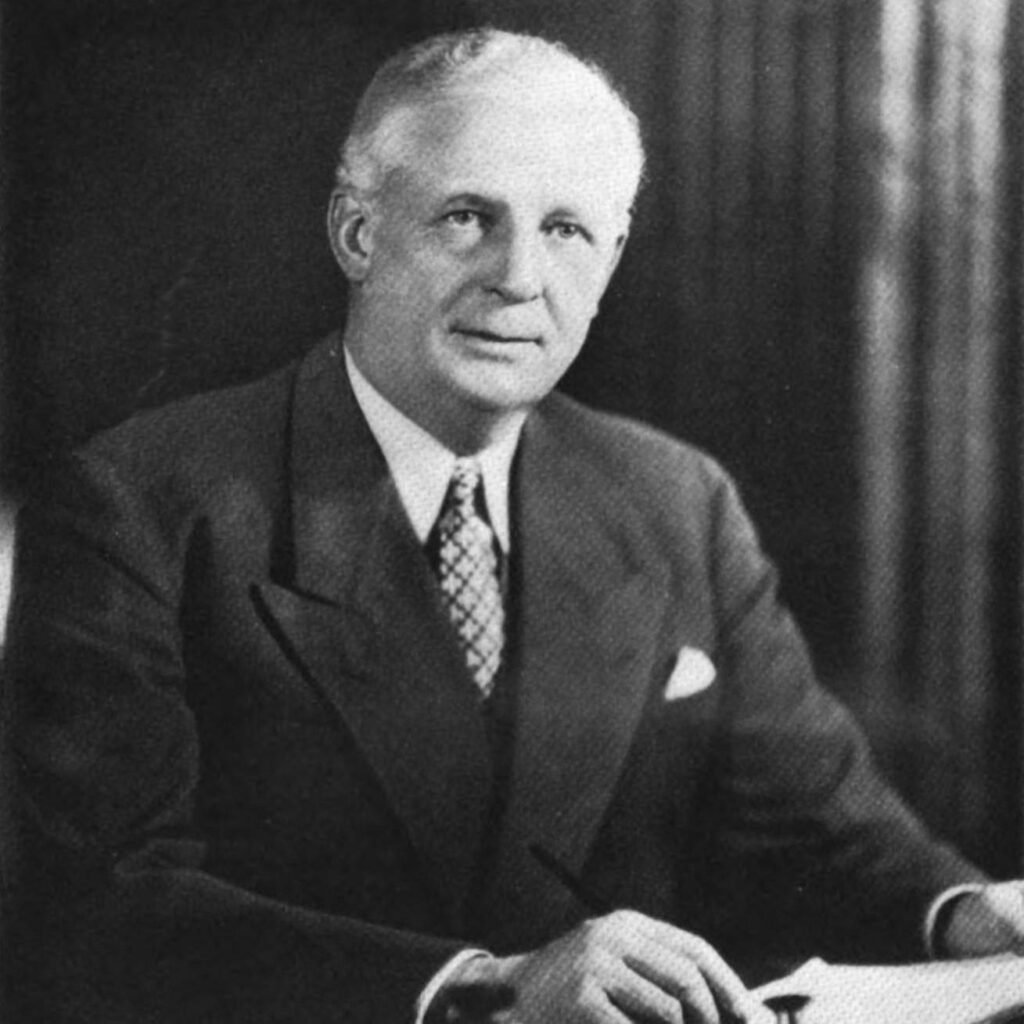
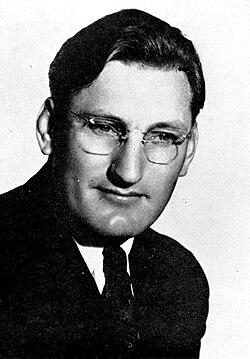
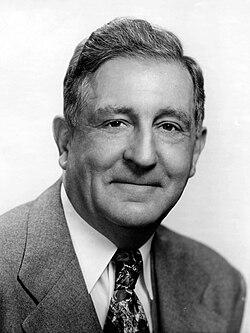
In one of his first official actions as governor, Olson freed Tom Mooney, a labor leader convicted in 1916 of a bombing on falsified evidence.
By 1938, some CIO leaders targeted Bridges in their efforts to reduce the influence of communists in the CIO.
Cherny shows that Bridges was never actually a card-carrying member of the Communist Party, though he supported many of its positions, worked closely with communists who played a vital role in the 1934 longshoreman’s strike and others, and admired the Soviet political-economic system throughout his life.[23]
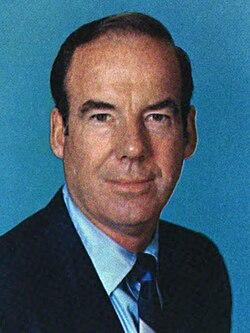
Because of his association with communism and labor militancy, the FBI amassed a huge file on Bridges and, for years (from the mid-1930s through the mid-1950s) attempted to have him deported by other government agencies.[24] One of the FBI agents who tracked him, Evelle J. Younger, served as California Attorney General in the 1970s and was close to Ronald Reagan.[25]
In August 1936, FBI Director J. Edgar Hoover flew to San Francisco to take charge of the Bridges investigation, which received the code name HARBIM (Harry Bridges Immigration Matter).[26] A former FBI agent wrote that “Just the mention of the name Harry Bridges was enough to turn the director’s [Hoover’s] face livid…Lots of careers began and ended with that case. It was one of Hoover’s biggest failures, and he blamed everyone but himself.”[27]
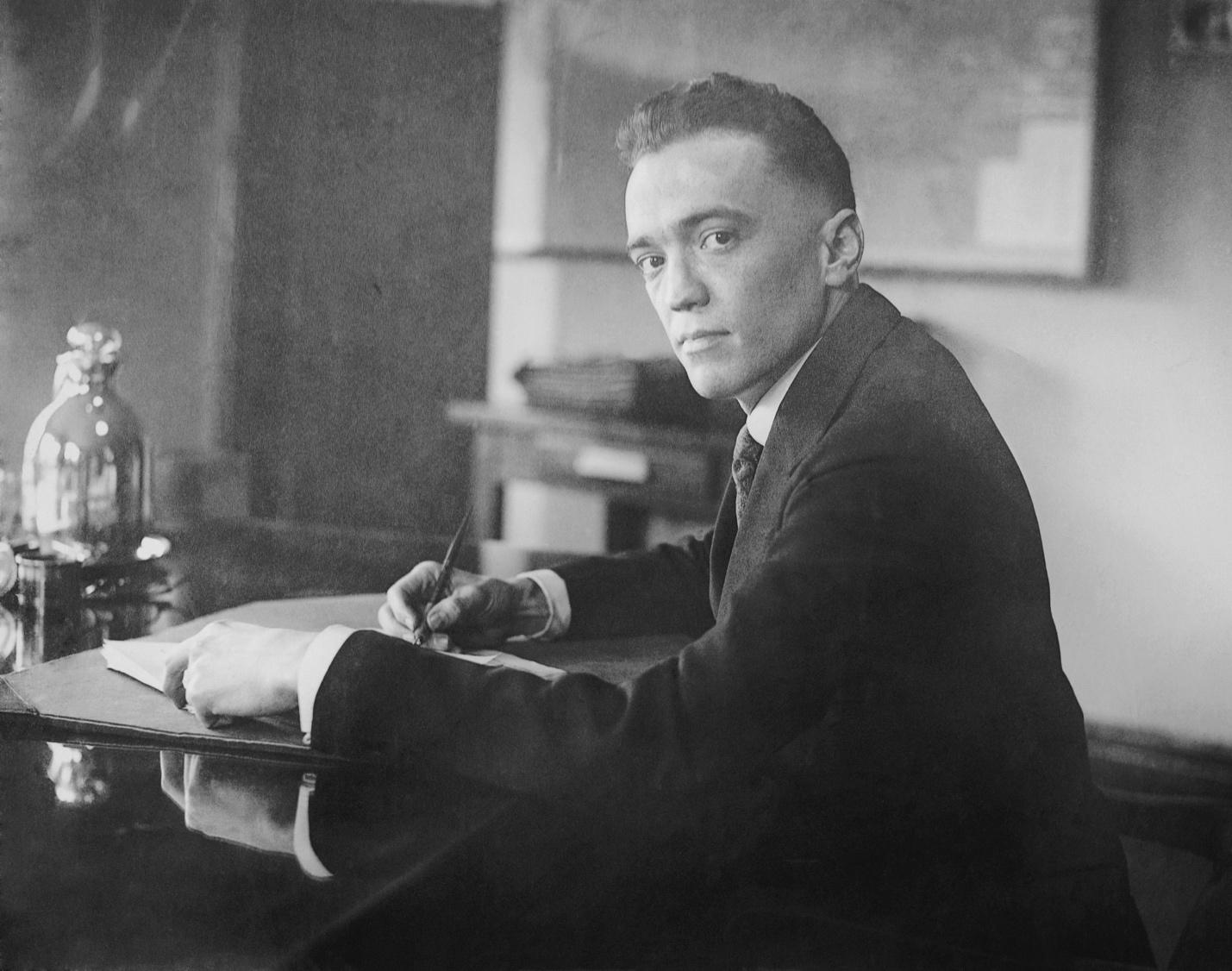
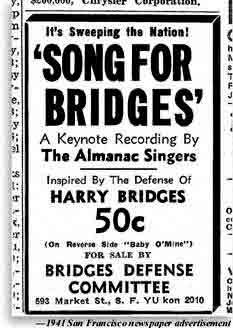
The reason that Hoover failed was that FBI agents were certain that Bridges was a communist but could not prove it. After receiving a copy of The Almanac Singers’ “Song for Bridges,” the FBI initiated a discreet inquiry into them—including Woody Guthrie and Pete Seeger—whom the FBI claimed were “extremely untidy, ragged and dirty.”[28]
In 1941, the FBI added Bridges to its Custodial Detention Index, a card file begun in 1939 of persons of “German, Italian and Communist sympathies” who, in the FBI’s views, should be subject to detention in time of war or national emergency.[29]
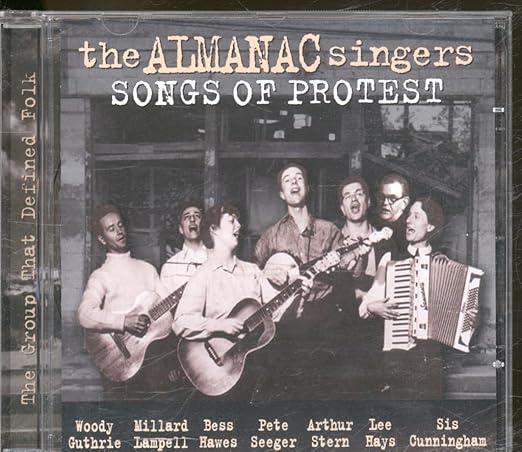
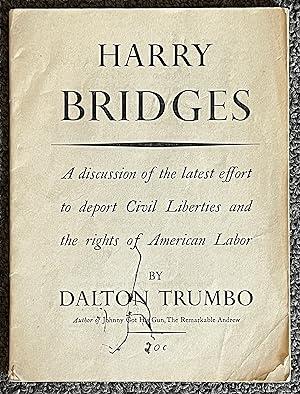
The main theme of The Almanac Singers’ song about Bridges was replicated in two pamphlets published in 1941, Leo Huberman’s Storm over Bridges and Dalton Trumbo’s Harry Bridges.
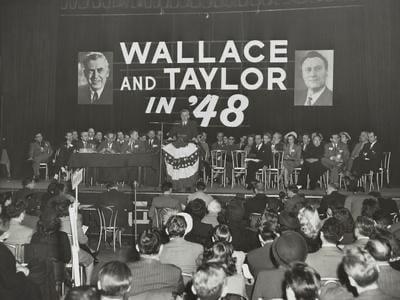
During the early years of the Cold War, Bridges split with rightist elements in the AFL-CIO in his support for Henry Wallace’s independent third-party presidential run and in his opposition to the Marshall Plan, which he called a “scheme to use money and food of the American people to purchase and turn over to Wall Street at practically no cost to the private interests the basic industries and raw materials of Germany and all Western European nations.”[30]
Bridges’ statement in support of Henry Wallace condemned the “ruinous bipartisan domestic and foreign policies” that Wallace was intent on challenging.[31]
After the Korean War broke out, Bridges penned a column in The Dispatcher, the ILWU newsletter, opposing U.S. intervention and condemning the South Korean government as undemocratic and corrupt—which is exactly what it was.[32]
After being accused of supporting the sabotage of war-related shipments, Bridges was thrown in jail for two days, during which time he characteristically managed to convince the deputy sheriffs who staffed the jail to form a union.[33]
Around that time, the ILWU broke from the CIO, which had merged with the AFL and became a refuge for smaller left unions and individual locals of expelled left unions.[34]
During 1949 and 1950, the ILWU led a six-month work stoppage in Hawaii, which secured a wage increase in another victory for Bridges.[35] Five years later, Bridges agreed to the embrace of containerization and other technological innovations in exchange for certain wage and job benefits and guarantees the ILWU’s rank and file had supported.[36]
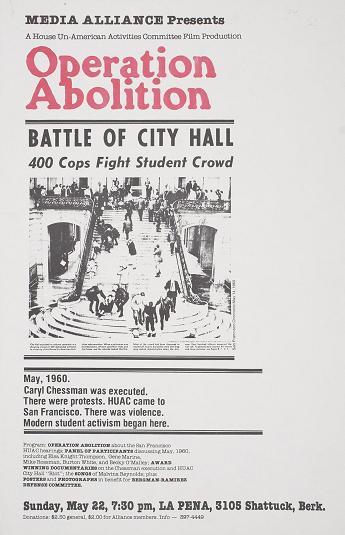
Bridges received negative press attention in 1960 when he was branded in a House Un-American Activities Committee (HUAC) film, Operation Abolition, as a Communist Party agitator who had allegedly caused “riots” outside HUAC hearings held in San Francisco.
The riots were in fact protests designed to raise awareness about HUAC’s function as a witch-hunting body by students at the University of California at Berkeley who came to lead the Berkeley Free Speech Movement.[37]
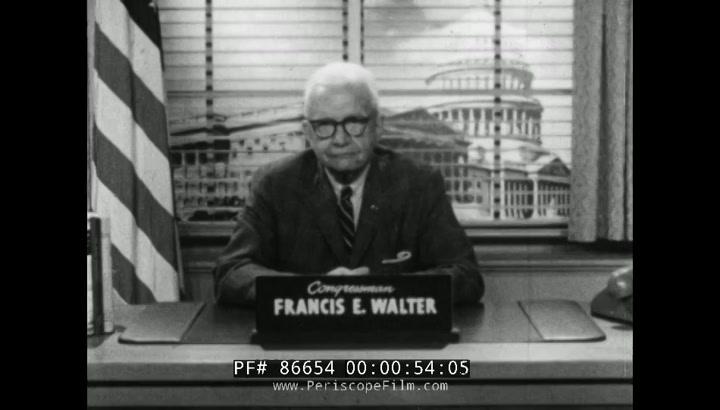
Bridges called Operation Abolition a “Hitler-like lie,” and referred to HUAC Chairman Francis Walter (D-PA) as “the most consummate liar on the political scene today.”
During the 1960 presidential election, Bridges and the ILWU board supported neither Richard Nixon nor John F. Kennedy, who were both considered to be anti-labor.
As a senator, Kennedy had investigated corruption in unions as a member of the Senate Select Committee on Improper Activities in Labor and Management, or McClellan Committee, whose chief counsel was Robert F. Kennedy.
The McClellan Committee’s investigation produced the Landrum-Griffin Act of 1959 regulating election and financial procedures of unions and prohibiting Communist Party members from holding union office, with which Bridges and the ILWU vowed not to comply.
Bridges said that union members “had the right to elect anybody they damn well please,” and that he “didn’t have the authority or power to upset a democratic union election.”[38] In Bridges’ assessment, the Landrum-Griffin Act was “one of the phoniest anti-labor laws slipped over on workers by such enemies of labor as Bobby Kennedy.”[39]
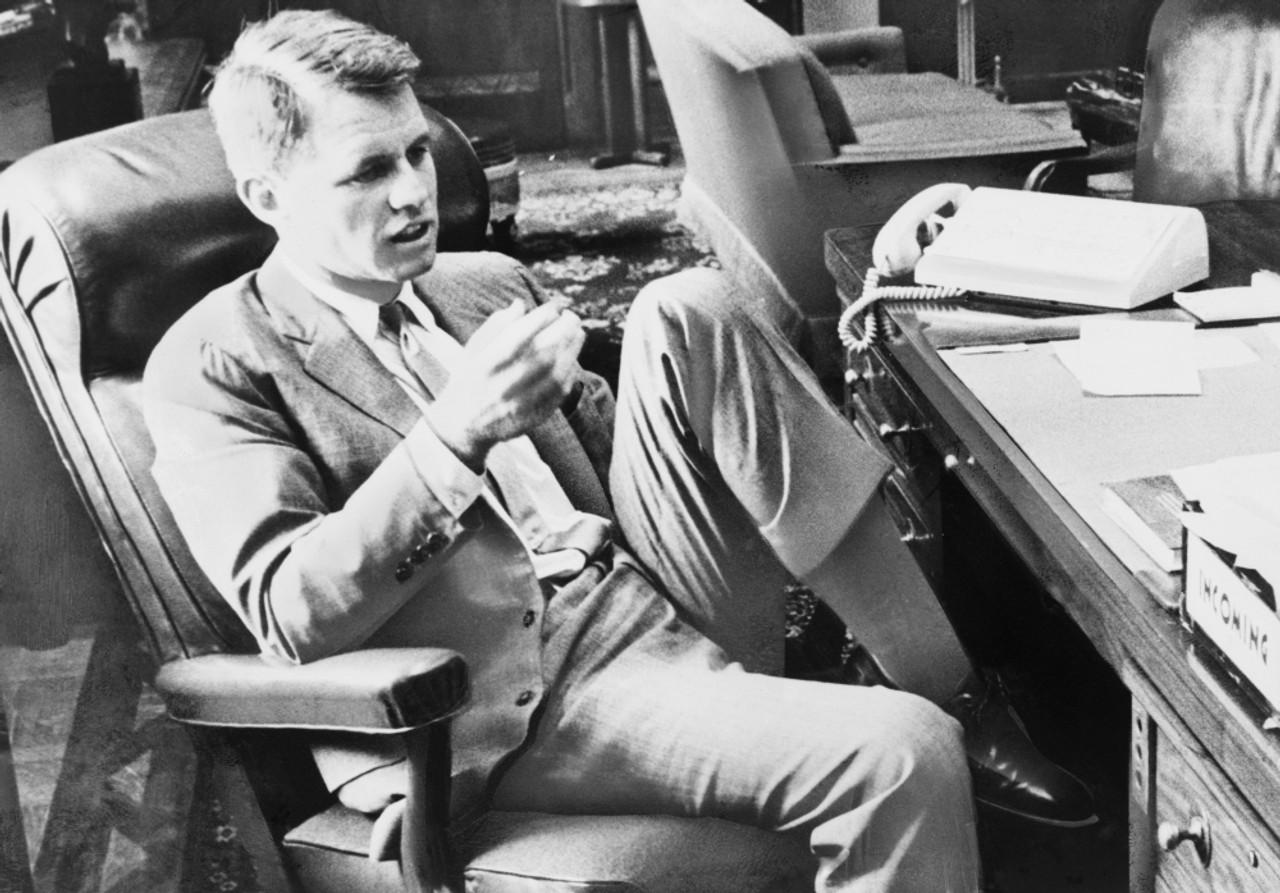
Bridges’ vendetta against the Kennedy’s represented an exception to the ILWU’s usual political preference for liberal Democrats.
In the 1964 election, the ILWU executive board endorsed Lyndon B. Johnson over Barry Goldwater, though called for the withdrawal of all non-Vietnamese troops from Vietnam.
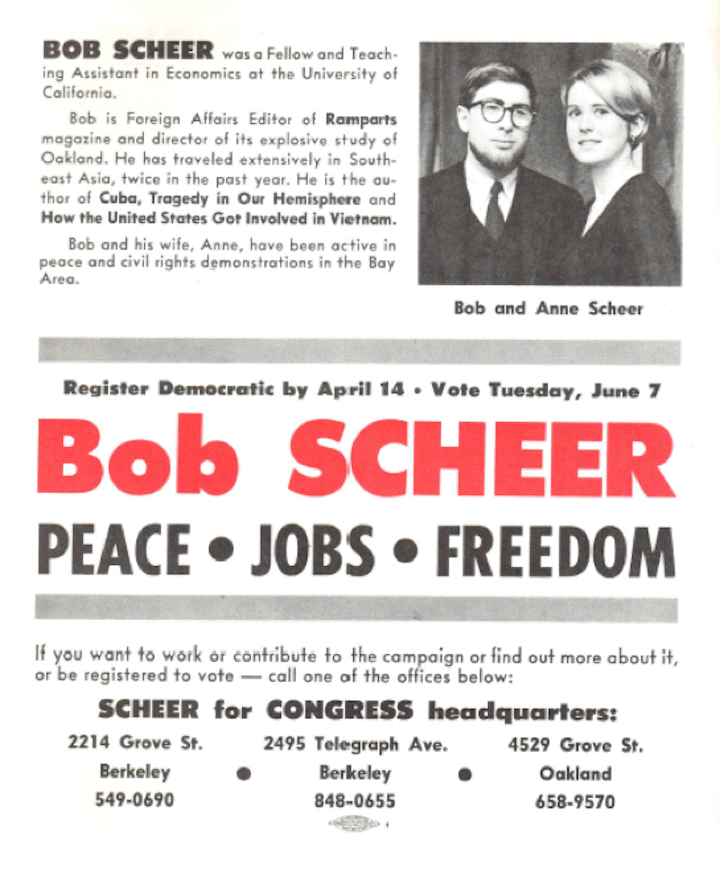
In the 1966 mid-term election, Bridges and the ILWU endorsed Robert Scheer, anti-war editor of the leftist Ramparts magazine, over Jeffery Cohelan, in the Democratic Party primary for a congressional seat in the San Francisco area.[40]
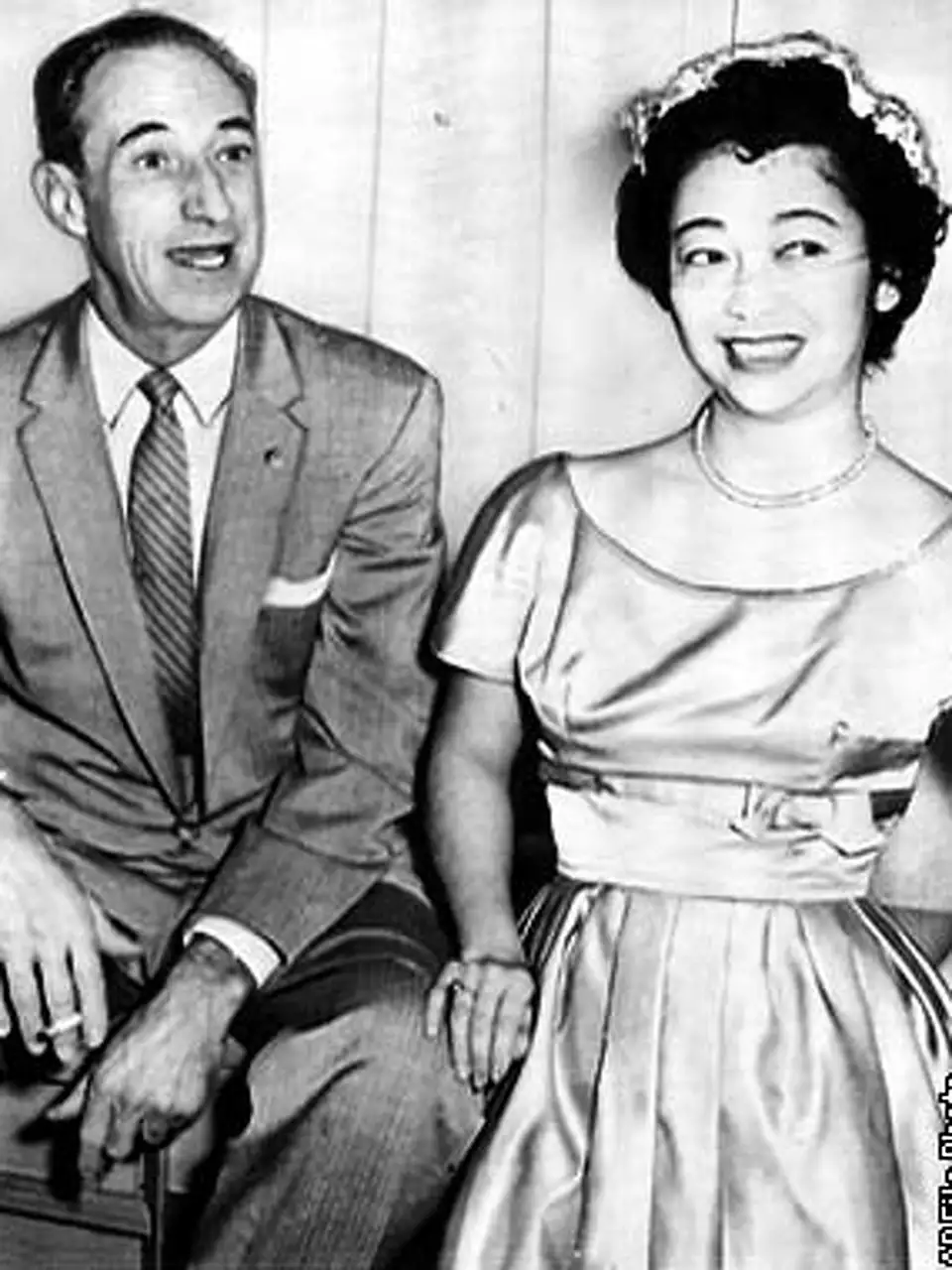
Harry’s third wife, Noriko, took a leadership role in the Jeannette Rankin Brigade, an anti-Vietnam peace group named after America’s first female congresswoman who was the only member of Congress to vote against U.S. intervention in the first and second world wars.[41]
Throughout the 1960s and 1970s, Harry advocated for opening U.S. trade to the Soviet Union, China and Cuba and for establishing peaceful diplomatic relations with them.
In 1968, after he accepted an appointment from the San Francisco mayor as commissioner for the Port of San Francisco, Bridges wrote in a letter “no longer in this country does the accusation of being a communist ruffle anybody’s feelings…[T]o be known as a communist these days is to be known as someone who may be a few degrees to the left of the policies enunciated by Franklin Roosevelt and the New Deal.” Bridges added, however, that “I still hold to the notion that the one great socialist revolution occurred in 1917 [a reference to the Russian Revolution].”[42]
When Bridges died at his home in March 1990, Pacific Coast longshore work temporarily stopped and San Francisco’s mayor, Art Agnos, ordered that the city hall flag fly at half-staff. These actions testified to the wide reverence for Bridges and hugely positive impact that he made in his life.

Robert W. Cherny, Harry Bridges: Labor Radical, Labor Legend (Urbana: University of Illinois Press, 2023), ix. ↑
Ibid., 340. ↑
Cherny, Harry Bridges: Labor Radical, Labor Legend, 4. Additionally, the ALP additionally supported a graduated tax on land intended to break up large estates and creation of a commonwealth bank to compete with privately owned banks. ↑
Cherny, Harry Bridges: Labor Radical, Labor Legend, 4. ↑
Ibid., 7. ↑
Ibid., 3. ↑
Ibid., 11, 12. ↑
Ibid., 12. ↑
Ibid., 15. ↑
Idem. ↑
Ibid., 23, 24. ↑
Ibid., 31. ↑
On July 18, during the strike, media mogul William Randolph Hearst wired instructions to the editors of The Examiner newspapers in both San Francisco and Los Angeles for editorials denouncing the general strike as a “political revolution,” an attempt to overthrow the government “by force and violence,” a “treasonable attempt to destroy democracy and install communism.” Cherny, Harry Bridges: Labor Radical, Labor Legend, 97. ↑
Cherny, Harry Bridges Labor Radical Labor Legend, 91. ↑
Ibid., 70. ↑
Ibid., 75, 82, 105. ↑
Ibid., 80. ↑
Cherny, Harry Bridges: Labor Radical, Labor Legend, 121. ↑
Cherny, Harry Bridges: Labor Radical, Labor Legend, 215. ↑
Cherny, Harry Bridges: Labor Radical, Labor Legend, 140. ↑
Patterson was a leftist said to be close to the Communist Party and ran unsuccessfully for Congress in 1948 when he supported Henry Wallace’s run for the presidency. Wallace was a peace candidate who supported sustaining positive diplomatic relations with the Soviet Union after World War II and the shutting down of all U.S. overseas air bases. In 1940, when Patterson tried to run for president against Roosevelt, he backed a slate of candidates including Carey McWilliams, who became editor of The Nation magazine. ↑
Cherny, Harry Bridges: Labor Radical, Labor Legend, 147. ↑
Ibid., 162. ↑
Ibid., ch. 9. ↑
Ibid., 192, 193. ↑
Ibid., 184. ↑
Ibid., 192. Vito Marcantonio urged Bridges to charge the FBI with illegal wiretapping. Bridges was defended by Telford Taylor, lead counsel in the prosecution of the Nuremberg trials. Cherny recounts an incident in which future Vice President Hubert Humphrey, a liberal Democrat known for his red-baiting, ran into Taylor. When Taylor mentioned his defense of Bridges, Cherny says, Humphrey gave him a cold shoulder and walked away. ↑
Ibid., 190, 191. ↑
Ibid., 193. The index’s name was later changed by J. Edgar Hoover to the Security Index. ↑
Ibid., 228. In January 1948, the CIO executive board declared a third party was “unwise” and endorsed the Marshall Plan. Their resolution was hotly contested and Bridges spoke in opposition. Bridges later opposed a CIO measure to expel communists. ↑
Cherny, Harry Bridges: Labor Radical, Labor Legend, 228. Bridges’ role in the Wallace campaign was ultimately limited. ↑
Ibid., 250. For validation of Bridges’ views, see Bruce Cumings, The Origins of the Korean War, 2 vols. (Princeton, NJ: Princeton University Press, 1981, 1988). ↑
Ibid., 252. ↑
Ibid., 255. ↑
Ibid., 256. ↑
Ibid., ch. 15. ↑
Ibid., 302. ↑
Ibid., 303. When Attorney General Robert Kennedy arrested longshoreman Archie Brown, a CP member elected to union office, for violating the terms of the Landrum-Griffin Act, Bridges called the arrest and indictment a “national disgrace” and “direct attack against the ILWU and other American trade unions which insist upon the rights of its members to elect anyone to office they wish.” ↑
Cherny, Harry Bridges: Labor Radical, Labor Legend, 303. Sidney Roger, a colleague of Bridges said that “Harry’s hatred for Kennedy, the detestation he felt for the attorney general, Bobby Kennedy, was incredible.” When Robert Kennedy ran for the U.S. Senate (from New York) in 1964, Bridges called him a “danger to labor, to civil rights, to civil liberties, and maybe even to a peaceful world.” Bridges spoke out against Bobby Kennedy’s prosecution of Teamsters leader Jimmy Hoffa, who was convicted of jury tampering in 1964 and began a five-year prison sentence in 1967. After Hoffa entered prison, the ILWU issued a report calling his jailing “one of the most outrageous frame-ups in the history of the American labor movement,” adding that, “whenever a move is made to decapitate any union, by framing its leaders, the target is the entire labor movement,” the same argument made against the repeated legal efforts against Bridges. ↑
Cherny, Harry Bridges: Labor Radical, Labor Legend, 306. ↑
Idem. ↑
Ibid., 308. ↑
CovertAction Magazine is made possible by subscriptions, orders and donations from readers like you.
Blow the Whistle on U.S. Imperialism
Click the whistle and donate
When you donate to CovertAction Magazine, you are supporting investigative journalism. Your contributions go directly to supporting the development, production, editing, and dissemination of the Magazine.
CovertAction Magazine does not receive corporate or government sponsorship. Yet, we hold a steadfast commitment to providing compensation for writers, editorial and technical support. Your support helps facilitate this compensation as well as increase the caliber of this work.
Please make a donation by clicking on the donate logo above and enter the amount and your credit or debit card information.
CovertAction Institute, Inc. (CAI) is a 501(c)(3) non-profit organization and your gift is tax-deductible for federal income purposes. CAI’s tax-exempt ID number is 87-2461683.
We sincerely thank you for your support.
Disclaimer: The contents of this article are the sole responsibility of the author(s). CovertAction Institute, Inc. (CAI), including its Board of Directors (BD), Editorial Board (EB), Advisory Board (AB), staff, volunteers and its projects (including CovertAction Magazine) are not responsible for any inaccurate or incorrect statement in this article. This article also does not necessarily represent the views the BD, the EB, the AB, staff, volunteers, or any members of its projects.
Differing viewpoints: CAM publishes articles with differing viewpoints in an effort to nurture vibrant debate and thoughtful critical analysis. Feel free to comment on the articles in the comment section and/or send your letters to the Editors, which we will publish in the Letters column.
Copyrighted Material: This web site may contain copyrighted material the use of which has not always been specifically authorized by the copyright owner. As a not-for-profit charitable organization incorporated in the State of New York, we are making such material available in an effort to advance the understanding of humanity’s problems and hopefully to help find solutions for those problems. We believe this constitutes a ‘fair use’ of any such copyrighted material as provided for in section 107 of the US Copyright Law. You can read more about ‘fair use’ and US Copyright Law at the Legal Information Institute of Cornell Law School.
Republishing: CovertAction Magazine (CAM) grants permission to cross-post CAM articles on not-for-profit community internet sites as long as the source is acknowledged together with a hyperlink to the original CovertAction Magazine article. Also, kindly let us know at info@CovertActionMagazine.com. For publication of CAM articles in print or other forms including commercial internet sites, contact: info@CovertActionMagazine.com.
By using this site, you agree to these terms above.
About the Author
Jeremy Kuzmarov holds a Ph.D. in American history from Brandeis University and has taught at numerous colleges across the United States. He is regularly sought out as an expert on U.S. history and politics and co-hosts a radio show on New York Public Radio and on Progressive Radio News Network called “Uncontrolled Opposition.”
He is Managing Editor of CovertAction Magazine and is the author of eight books, including Obama’s Unending Wars (Clarity Press, 2019), The Russians Are Coming, Again, with John Marciano (Monthly Review Press, 2018), Warmonger. How Clinton’s Malign Foreign Policy Launched the U.S. Trajectory From Bush II to Biden (Clarity Press, 2023); with Dan Kovalik, Syria: Anatomy of Regime Change (Baraka Books, 2025), and Political Assassinations in America: The Intricate Nexus of Deep State Crime (Clarity Press, 2026).
Besides these books, Kuzmarov has published hundreds of articles and contributed to numerous edited volumes, including one in the prestigious Oxford History of Counterinsurgency .
He can be reached at jkuzmarov2@gmail.com and found on substack here.



This is an excellent very truthful article which highlights in great detail the wonderful personality traits of Harry Bridges. However human beings are seldom perfect and thus there were also some areas of Harry’s personality where there was room for improvement.
Harry Bridges was almost certainly aware of the atrocities and political purges committed by the Soviet Union, but he consistently chose to downplay, defend, or completely ignore them. As a staunch Marxist and fervent admirer of the “Soviet experiment,” Bridges closely aligned his public stances with the geopolitical interests of Moscow throughout his career, often ignoring information that contradicted Soviet propaganda. During the late 1930s, when Joseph Stalin conducted brutal internal purges and executed hundreds of thousands of political opponents, Bridges maintained absolute solidarity with the Kremlin. Despite heavy Western media coverage and fierce debates within American labor circles regarding mass murders and the Gulag system, Bridges publicly condoned the suppression of Trotskyists and other Soviet dissidents.His loyalty to the Soviet line was further demonstrated by his shifting stances during World War II. When Stalin signed a non-aggression pact with Adolf Hitler in 1939, which led directly to the invasion and partition of Poland, Bridges immediately adopted the Kremlin’s anti-war position and opposed U.S. intervention under the slogan “The Yanks Ain’t Coming.” However, the moment Hitler invaded the Soviet Union in 1941, Bridges instantly reversed his position, demanding all-out U.S. military aid to Moscow. Even after Soviet Premier Nikita Khrushchev delivered his famous “Secret Speech” in 1956—which officially exposed and denounced Stalin’s mass terror, executions, and gulags to the entire communist world—Bridges did not break from his pro-Soviet worldview. His union, the International Longshore and Warehouse Union (ILWU), had already been expelled from the CIO in 1950 due to its unyielding adherence to the Communist Party line.Mainstream historians generally agree that Bridges’s blind spot for Soviet atrocities was rooted in pragmatism and ideological devotion. The Communist Party had provided vital organizational and financial aid to his union during the tumultuous 1934 West Coast waterfront strike. For Bridges, the advancement of the labor movement and his Marxist convictions took precedence over acknowledging the human toll of Soviet totalitarianism.