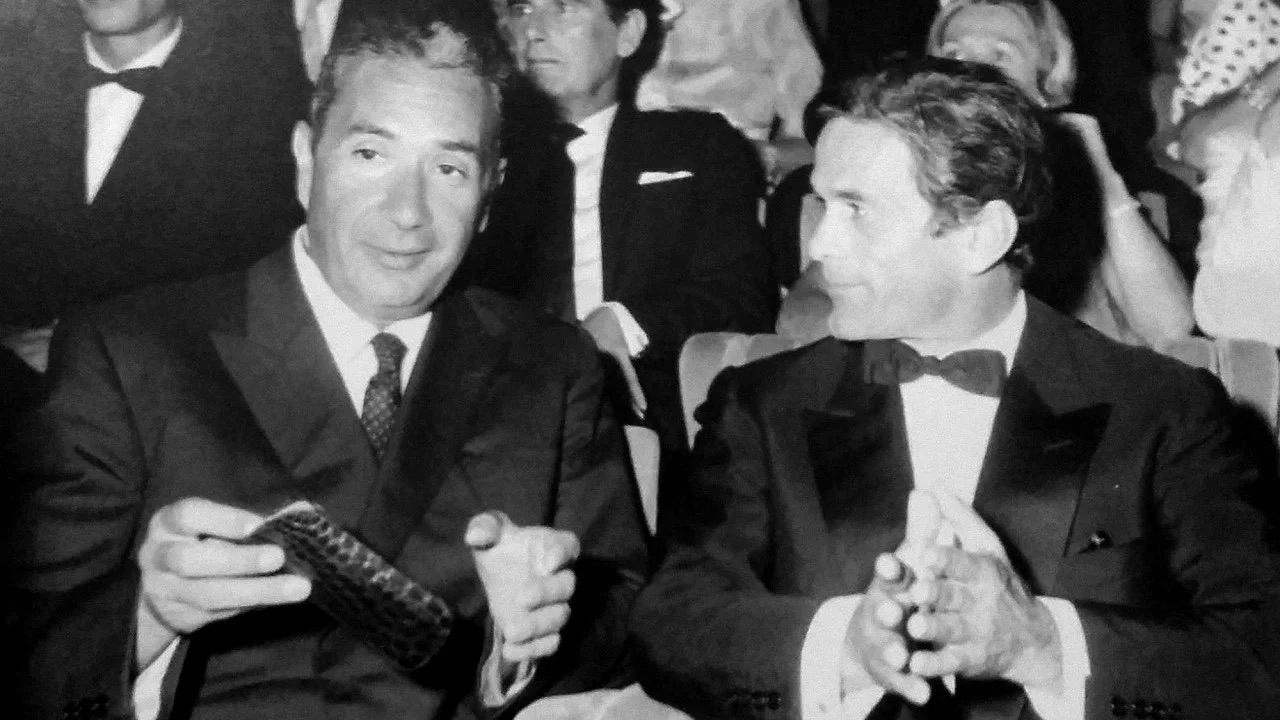
Part II of a two-part series
“Like a Resistance fighter
– Pier Paolo Pasolini, “Poems in the Form of a Rose”
dead before May 45,
I shall begin to decompose
ever so slowly
in the harrowing light of this sea,
a poet and citizen forgotten.”
This is the second installment of a two-part series exploring the murder of the renowned Italian film director, poet and novelist Pier Paolo Pasolini. Part one challenged the conventional narrative of his death, connecting it to the contemporaneous Operation Gladio and Pasolini’s investigation into the shadowy entrepreneur-cum-politician Eugenio Cefis.
The censorship Pasolini’s artistic output frequently faced cast a shadow over his career. Yet this was only one component of his contentious relationship with the Italian state. In addition to the domestic press exploiting his homosexuality to undermine his credibility as an artist, the media often misrepresented his political views in an effort to discredit him as an intellectual. As controversial a public figure as he was a filmmaker, Pasolini did not shy away from espousing his radical views, which made him an easy target for attacks from the establishment. For example, when Pasolini remarked that he considered classical fascism a “dead letter” and viewed the power of neo-capitalism as a greater threat, the Italian daily La Stampa accused Pasolini of harboring nostalgia for fascist Italy. These remarks deeply infuriated the poet, who had come of age under Mussolini, and he responded to what he regarded as a gross distortion of his views with a furious polemic.
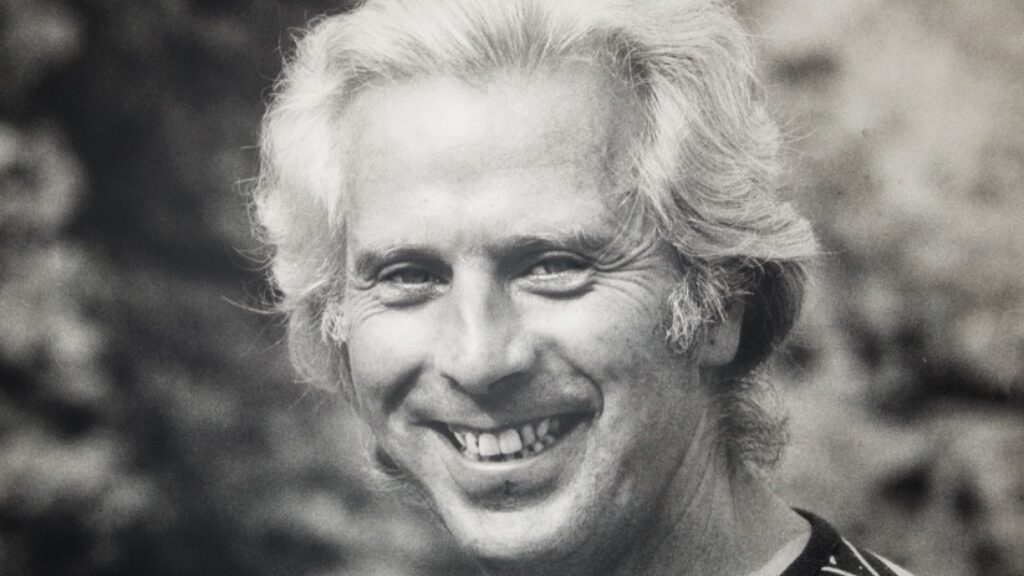
Pasolini was not alone in his critique of post-war Western society. In fact, his observations about neo-capitalism strongly resemble those of the French Marxist sociologist Michel Clouscard.
Pasolini detested the growth of consumerism in Italy and the Americanization of his homeland, which he believed were destroying authentic peasant and working-class cultures on a genocidal level. Like Clouscard, Pasolini viewed neo-capitalist consumer society as a new and more insidious form of fascism—one that did not require direct state coercion.
Clouscard, similarly, argued that the sexual liberation movement inaugurated a new, permissive form of capitalism which converted rebellion into lifestyle politics. In keeping with Clouscard’s critique of what he termed “libertarian liberalism,” Pasolini contended that neo-capitalism eroded working-class and peasant values and encouraged a hedonistic culture that was ultimately more destructive to the social fabric than traditional fascism. “One is therefore justified in saying that the ‘tolerance’ of the hedonistic ideology of the new power is the worst kind of repression in human history,” wrote the legendary filmmaker. Labeled by some scholars as a “Catholic Marxist” despite his self-professed atheism, Pasolini believed activists who valorized tolerance of difference as an end in itself lost sight of the more important goal of universal human emancipation. In his view, they risked becoming incorporated into an increasingly “democratized” consumer society that remained fundamentally based off of class oppression.
In fact, parallels between the two figures have been drawn by French essayist Aymeric Monville, who co-founded the Marxist publishing house Delga Éditions with Michel Clouscard in 2004. Monville himself has worked on translations of both Clouscard and Pasolini, and even published a French-language edition of previously uncollected interviews and texts by the late director. Philosopher Daniel Tutt has also drawn comparisons between the French sociologist’s and the Italian filmmaker’s views on the working class, particularly in Pasolini’s collection of writings titled Lutheran Letters.
Although Pasolini was often a sharp critic of the Italian left, he generally did so from within the movement. From his youth until his untimely death he considered himself a Marxist and a communist. Although he has been frequently characterized as a reactionary because of his controversial views on abortion and the 1968 student movement, he never stopped giving his, albeit qualified, support to the Italian Communist Party (PCI).
Pasolini’s life-long support for the PCI is actually quite commendable considering his complicated and often contentious relationship with the organization. He openly acknowledged his petty bourgeois background: His father was a career military officer who had supported Mussolini but, despite coming of age under Italian fascism and serving in the Italian Army during World War II, he matured into a committed communist.
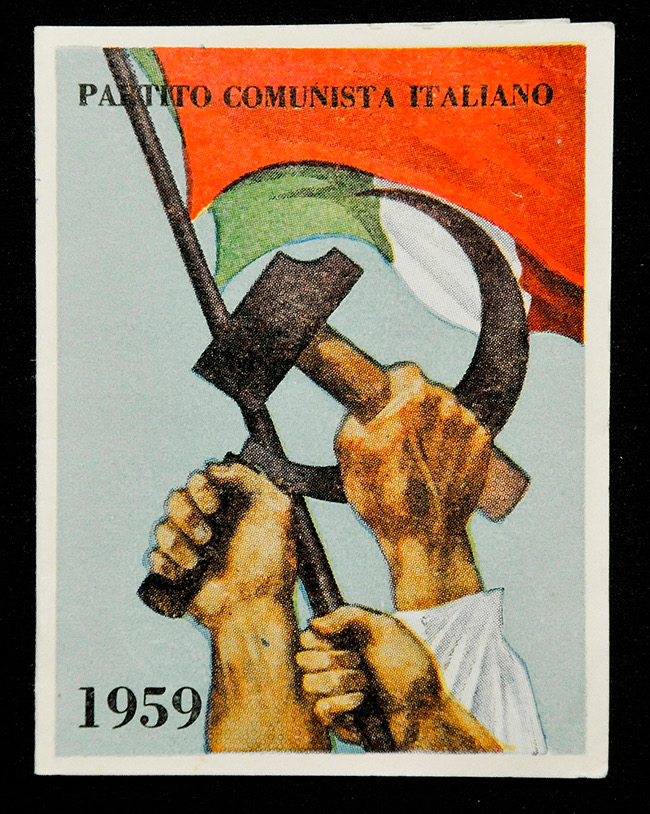
Although Pasolini was initially at odds with the PCI over its centralized approach toward regional self-determination and cultural preservation, his views evolved as he engaged in organized politics. In post-war Italy, he joined the Friulian autonomy movement and co-founded the Movimento Popolare Friulano in 1947 to champion greater local independence.
However, that same year he abandoned the organization for the PCI when he realized that the autonomy movement was being covertly manipulated by the ruling Christian Democrats as a geopolitical tool to counter potential Yugoslav annexation of the region. The decision demonstrated his ability to separate the personal from the political, putting his personal grievances aside for his Marxist ideals. Pasolini had strong maternal ties to Friuli, while his brother, an anti-communist partisan during WWII, died at the hands of Titoist partisans who were fighting for Friulian accession to Yugoslavia. His sibling’s death devastated the young poet but, nonetheless, he prioritized the communist cause.
While continuing to work as a teacher in the region, Pasolini became entangled in a life-changing scandal which could have caused a permanent rupture with the PCI. In 1949, he was accused of “corruption of minors” following an anonymous complaint to the local police that he had engaged in sexual acts with teenage boys after drinking at a festival in the village of Ramuscello. Although the parents of the alleged victims declined to press charges and Pasolini denied the accusations, the case sparked a public firestorm which severely damaged the young poet’s reputation.
Even though he was eventually acquitted, the ensuing controversy and media frenzy incited the PCI to expel Pasolini on the ground of “moral unworthiness,” while the party’s paper characterized his homosexuality as a form “bourgeois degeneration.” The scandal also marked a turning point in Pasolini’s public image and inaugurated his vilification in the press as a heretical deviant.
However, not everyone within the Italian Communist Party agreed with the decision to oust the Italian renaissance man. For example, PCI member and fellow educator Teresa Degan opposed his expulsion from the party. Following his removal, an undeterred Pasolini wrote to the PCI’s official daily L’Unità that, “Despite all of you, I remain and will remain a Communist in the truest sense of the word.”
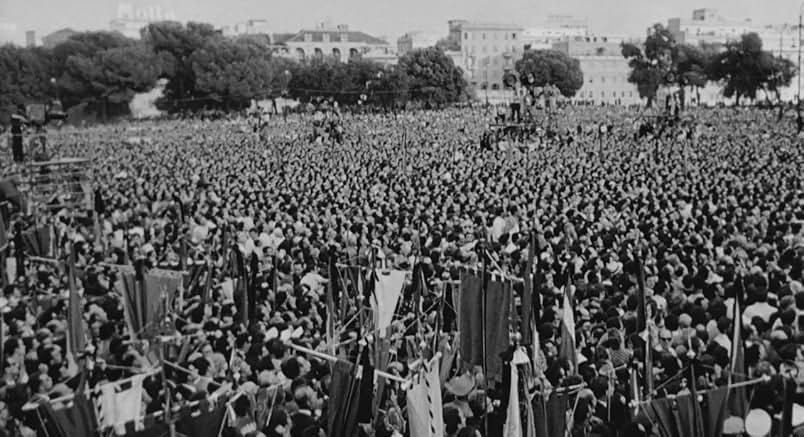
By the time the charges were scrapped for lack of evidence, it was too late—both Pasolini’s reputation and his teaching career had been destroyed. On top of that, his relationship with the PCI was in ruins. Pasolini himself asserted that there was a political dimension behind the scandal, pointing a finger at the Christian Democrats who he believed orchestrated the affair to smear his name. Considering the numerous documented instances of Western intelligence agencies and political establishments targeting prominent left-wing figures, such a possibility cannot be dismissed.
In the press, there does appear to have been a concerted effort to discredit Pasolini. Throughout his prolific career, his political positions were consistently distorted in the media where he was frequently depicted as a crypto-reactionary afflicted by an ineradicable strain of conservative Catholicism. For example, his views on abortion and the 1968 student uprisings were sensationalized and misrepresented by yellow journalists and colleagues alike.
Although it was reported that Pasolini opposed the carte-blanche legalization of abortion as a supposed Catholic pro-life fanatic, in fact, his actual position on abortion had more to do with his homosexual identity. Pasolini believed the expansion of access to abortion care would further reinforce heterosexual norms and discourage alternative sexual practices, writing that “we must fight against this society on the plane of the cause of abortion, that is, on that of sexual intercourse.” In reality, Pasolini’s supposedly right-wing position on abortion aligned with that of the “socially conservative” PCI of the time.
The media also repeatedly alleged that Pasolini sided with the police against the 1968 Italian student protesters, particularly after clashes with the police in Rome, a fabrication largely based on a quote ripped out of its broader context. Writing about the student uprising, Pasolini observed: “When yesterday at Valle Giulia you and the policemen were throwing blows. I sympathized with the policemen! Because policemen are sons of the poor [.]” However, what frequently goes unmentioned is that he continued, “We agree, of course, to be against the police institution, but try to fight against the Judges, and you’ll see what happens! The young policemen you were hitting…are from a different social class. At Valle Giulia, yesterday, there was a fragment of class struggle: you, my friends, (although in the right) were the rich and the policemen (although in the wrong) were the poor.”
Pasolini emphasized the class dimension of the confrontation, but never endorsed the authority of the police over what he saw as privileged student demonstrators. In fact, he supported the PCI’s proposal to disarm the police. Instead, he identified the rank-and-file police as belonging to the working class, sympathizing with them as victims of poverty but not as instruments of state repression.
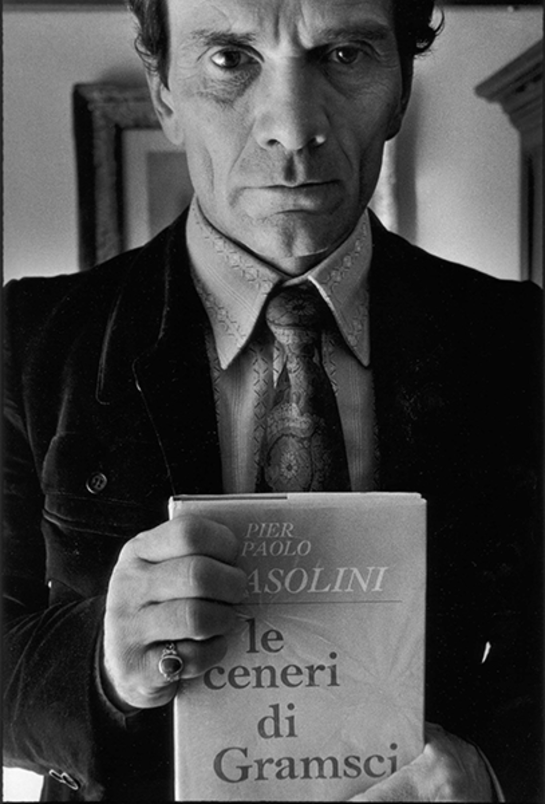
To be clear, Pasolini’s position on the 1960s student movement stemmed from his Marxist analysis rather than from any genuine support for law enforcement. As thoroughly documented by the anonymous Italian authors’ collective Wu Ming in an article about the filmmaker’s relationship with the police, Pasolini adhered to the Orthodox Marxist view that the sole motor of revolutionary change was the working class.
He viewed the students as “the children of the bourgeoisie,” whom he nonetheless encouraged, if they wished to become real revolutionaries, to take up “the only truly dangerous tool to fight against [their] fathers: that is communism.”
Alongside attempts to recast Pasolini as an ally of the right, there has also been a tendency to exaggerate his estrangement from the PCI. Although he criticized the party over its proximity to the corrupt Christian Democratic regime, he nevertheless supported the Communist Party’s assumption of power within the government. Demonstrating how he maintained ties to the organization even after his expulsion a decade earlier, Pasolini was given a regular column in the PCI’s magazine Vie Nuove which ran from 1960 until 1965.
Unlike many other prominent intellectuals and artists, Pasolini never broke with the communist movement, remaining committed to it until his premature death. In an article from late 1974, published in his regular column in the prominent Italian daily Corriere della Sera, titled “I Know” (cited in part one of this series), Pasolini argued that the PCI was the saving grace of Italy and represented its best hope for a true opposition party. Nearly a year later, in June 1975, the poet affirmed that he would still vote for the PCI because he regarded the party as a refuge of critical consciousness and human dignity. In his op-ed, Pasolini called for the PCI to reassert its cultural hegemony and in the final months of his life, he grew close with the Rome section of the PCI’s Italian Communist Youth Federation.
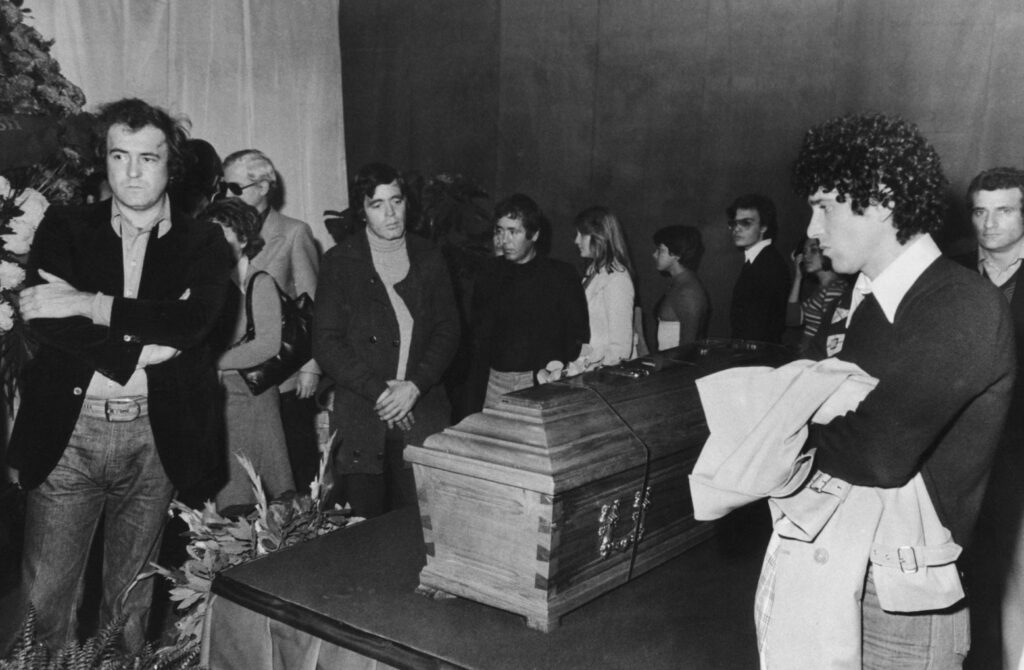
The day after the filmmaker’s murder, L’Unità, the PCI’s official newspaper, hailed him as a “true militant” and Pasolini’s coffin was even given a place in the Communist Party’s Casa di Cultura (House of Culture) in Rome. Prior to his death, Pasolini had prepared to deliver a speech as a fellow-traveler at the congress of the Italian Radical Party, a left-libertarian organization.
Two days after his murder, the address was read aloud by a member of the PCI’s Roman youth organization, in which Pasolini reaffirmed his Marxist convictions, stating, “I am not here as a Radical, nor as a Socialist. I am not here as a Progressive. I am here as a Communist who votes for the PCI and places great hopes on the new generation of Communists. I have hopes of the new generation of Communists just as I have hopes of the Radicals.”
The 1949 legal scandal that led to Pasolini’s expulsion from the PCI was merely the first in what became a consistent pattern of persecution against the famed director. His career was plagued with legal troubles and he was the target of repeated investigations, sometimes charged with “obscenity” and “contempt for the state” related to his artistic output. Although most of the charges against him did not result in convictions, Pasolini also recurrently faced defamatory attacks. In perhaps the most remarkable case of libel against the director, in 1961 the press circulated a misleading photo of him purportedly in the midst of committing a bank robbery.
The photo was published after formal charges had been filed against Pasolini, and his friend and frequent collaborator Sergio Citti, over an alleged attempted hold-up of a roadside bar and gas station. The story was sensational: According to the gas station attendant, Pasolini had held him at gunpoint with a black pistol containing a single golden bullet, only to abort the attempted robbery after the attendant slashed his hand with a knife.
In reality, the photo disseminated in the media to prove Pasolini’s guilt turned out to be a publicity still from Il Gobbo, a film in which he, an occasional actor, had played a small supporting role. Even though the filmmaker and co-defendant Citti were eventually acquitted due to a complete lack of evidence, during the trial the former was required to undergo a psychiatric evaluation which concluded that he was a “sexual deviant” and “dangerous homosexual psychopath” whose “criminal tendencies” were worsened by his close ties to the communist movement.
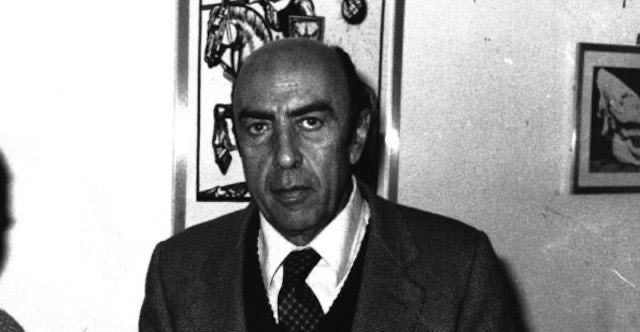
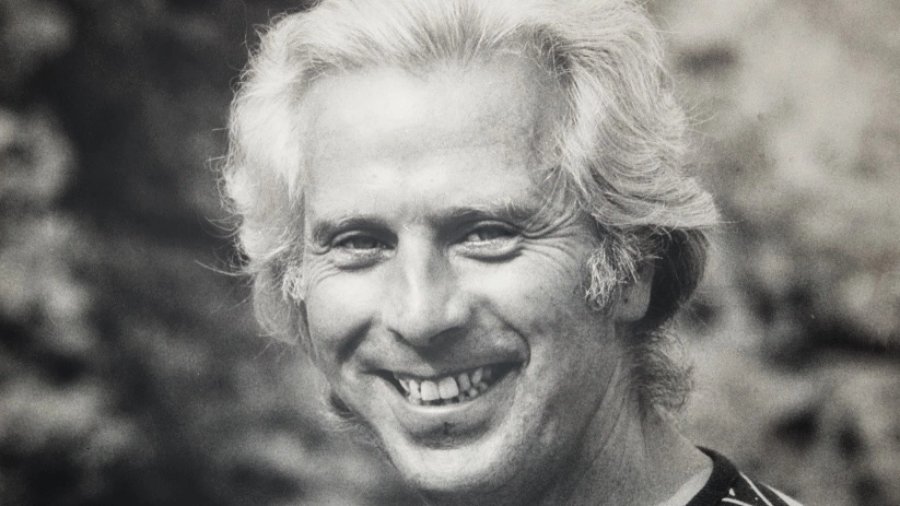
The psychological assessment of Pasolini was conducted by Aldo Semerari, a psychiatrist and criminologist at the University of Rome. However, Semerari’s testimony was thrown out by the court because he had never personally interviewed the famed filmmaker. Nonetheless, his superficial psychological assessment was published during the trial and the media prematurely disseminated his “diagnosis,” helping to shape the public’s perception of Pasolini. Semerari was himself a neo-fascist, known to have amassed a sizable collection of Nazi memorabilia. Nicknamed the “black professor,” Semerari also had ties to Italian military intelligence and was an advocate of the “strategy of tension,” a covert political maneuver which aimed to exploit public fear over societal instability to justify an authoritarian expansion of state power.
This strategy was closely intertwined with Operation Gladio, which became the subject of extensive investigations and controversy over its connections to a spate of political violence in Cold War-era Italy known as the “Years of Lead” (1968-1988). Semerari was later suspected of involvement in the 1980 Bologna massacre, an offensive which subsequent judicial inquiries linked to neo-fascist terrorists and Gladio.
Throughout this time, terrorist attacks were clandestinely carried out by “stay-behind” networks to convince the frightened public to accept, and even demand, an increasingly repressive government. He was also a member of the anti-communist Masonic lodge Propaganda Due (P2), now thought to be behind the 1980 bombing (and an instrumental organization to the surreptitious NATO operation).
Additionally, the fascist psychiatrist had ties to the criminal organization Banda della Magliana, reportedly organizing their meetings at his summer home. The Rome-based organized crime group was heavily involved in criminal activities during the Years of Lead and dominated the city’s underworld until the early 1990s. It was also implicated in several major events during this tumultuous period, including the 1978 kidnapping and assassination of former Italian Prime Minister Aldo Moro, statesman and leader of the Christian Democrats who was in the process of negotiating what became known as the “Historic Compromise” with the PCI. Founded in 1975, the Magliana gang was an amalgam of several Roman underworld groups which had joined forces. The criminal organization was later implicated in Gladio, collaborating with P2.
A central thread running through Operation Gladio was the Italian state’s use of right-wing extremists to further its political agenda, with the covert support of SIFAR [Servizio di Informazioni della Forze Armate] emboldening these subversive groups. For his part, Pasolini was under fire from more than just the authorities. He also was regularly the target of neo-fascist attacks, for both his politics and his sexuality. While Pasolini certainly did not take these assaults lying down, such incidents are often overlooked in accounts of his murder, despite their likely relevance. To give a few illustrations, in September 1962 Pasolini was aggressively accosted by a young fascist outside of the premiere of his controversial and temporarily banned film Mamma Roma.
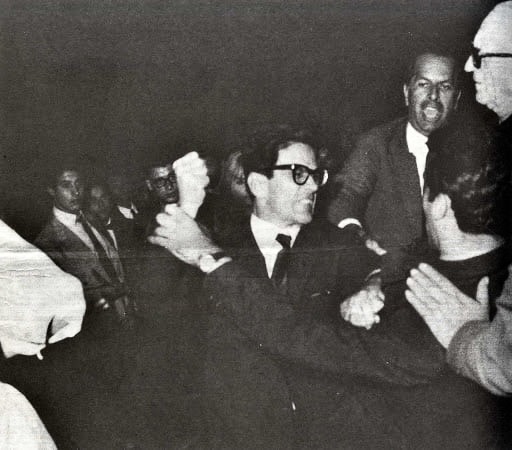
During the altercation, the director ended up physically striking the reactionary. The homophobic right-wing press, however, tried to distort the incident by portraying Pasolini as a passive victim of the assault. Regardless of how the episode was represented, the influential filmmaker’s anti-fascism was more refined than such accounts suggest.
Having grown up under Mussolini’s regime, Pasolini regarded the renewed interest in fascism among Italian youth as a profound tragedy. He believed that many young people were drawn to reactionary politics in reaction to the vacuity of consumerism and the destruction of authentic Italian culture. Perhaps because he had himself spent time in fascist youth organizations before he embraced Marxism, Pasolini criticized communists who refused to engage with misguided young fascists. In his opinion, the strategy of non-engagement abandoned the latter to their self-destructive beliefs.
Another incident occurred in February 1964 in Rome when Adriano Romualdi, a young Italian far-right intellectual and the son of fascist politician Giuseppe “Pino” Romualdi, attempted to drive his car into a group of Pasolini’s friends as they defended the director during an assault by fascist activists. The state was not entirely absent from this hostile political climate, as the elder Romualdi had served in the fascist party under Mussolini and was a member of the Chamber of Deputies, the lower house of the Italian parliament. In this case, Pasolini did not press charges, likely weary from enduring so many hostile legal proceedings. By 1968, the talented filmmaker had gone through four arrests, 16 charges, and 11 trials in addition to three assaults by neo-fascists and a police search of his apartment for firearms.
Pasolini was a passionate critic of the post-war Italian state, and there was a deep-seated mutual hostility between him and the political establishment he opposed. He was a prolific detractor of the ruling Christian Democratic Party (DCI), which enjoyed the support of the United States as a bulwark against communism in Italy. During the 1948 national elections, the CIA intensively intervened to prevent the Italian Communist Party (PCI), then the largest communist party in Western Europe, from gaining power.
These efforts included financial support for various anti-communist political forces, including the Christian Democrats (who received millions of dollars from the CIA for their election campaign) and organized crime networks, in addition to propaganda campaigns targeting the PCI. Subsequent revelations around Gladio and Italy’s Cold War “strategy of tension” brought the period under renewed scrutiny and it became apparent that, during the 1948 elections, a paramilitary branch of the DCI had been prepared to intervene militarily in the event of a communist victory. The CIA worked hard to smear the Italian communists, particularly by issuing anonymous pamphlets which defamed PCI candidates’ personal and sex lives. In light of these revelations, was Pasolini’s persecution in the press merely a product of homophobia or part of the larger campaign against the Marxist left?
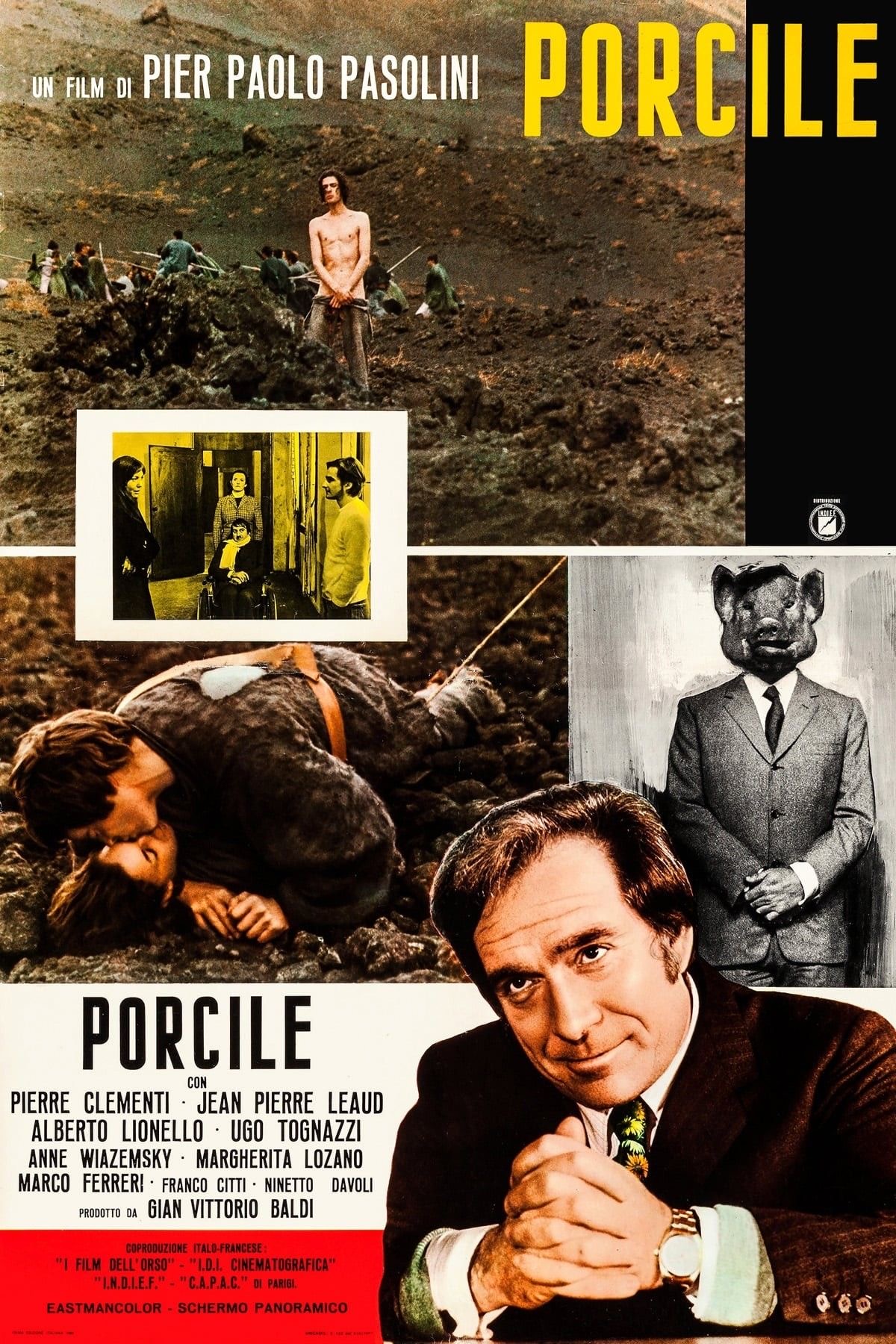
The post-war political situation of Christian Democrat-led Italy paralleled that of West Germany where many “former” fascists and fascist collaborators retained positions in government or returned to public life after brief periods of removal. Pasolini himself addressed this issue in his enigmatic 1969 film Porcile (Pigsty), one of the feature’s two timelines being set in contemporary (1960s) Europe, split between West Germany and Italy. In a Brechtian fashion the film depicts the prominent role given to rehabilitated fascists in post-war West Germany and Italy, emphasizing the continuities between fascism and capitalism.
In an article from March 1974, Pasolini explained how he viewed Christian Democrat-led Italy as a continuation of the fascist period, noting that the organization of the state remained essentially unchanged. He drew parallels in the exercise of power under Italian fascism and Christian Democratic rule, characterizing the distinction between the former’s outright dictatorship and the latter’s “parliamentary police state” as primarily formal. He wrote, “The continuity between the twenty years of fascism and the thirty years of Christian Democratic rule is based on moral and economic chaos, on political indifference and immaturity, and on the marginalization of Italy from the stage of history.” In his polemic, Pasolini further argued that the appearance of democracy, together with the influence of the Church in manipulating voters, helped to give the erroneous impression that the DCI’s rule bore no similarities to fascism.
But Pasolini went further than simply criticizing the Christian Democrats. In a series of articles published in Corriere della Sera and Il Mondo during August and September 1975, he contended that the Christian Democratic leaders needed to be put on trial, accusing them of a broad range of crimes. He alleged they had colluded with the Mafia in governmental affairs, covered up neo-fascist bombings, collaborated with the CIA, and conspired with the military and American intelligence to halt the rise of the Italian left. Many of these accusations were later corroborated in the revelations surrounding Operation Gladio.
Although he could not have known the name of the top-secret operation, it appears that Pasolini grasped the essential components of Gladio in terms of the CIA’s role and the “strategy of tension,” a turn of phrase he actually employed. In one of his articles, Pasolini wrote, “For among the different components that today constitute the fascist mosaic in Italy, the ‘only’ ones that make sense are those that are manipulated by the CIA and other forces of international capitalism, whose purpose is the conquest of markets, that is, of happy, free, tolerant, perfectly hedonistic nations.” Moreover, Pasolini asserted that the Christian Democrats were responsible for the clandestine policy and for the terrorist bomb attacks occurring at the time, claiming that they knew all about the massacres but feigned ignorance.
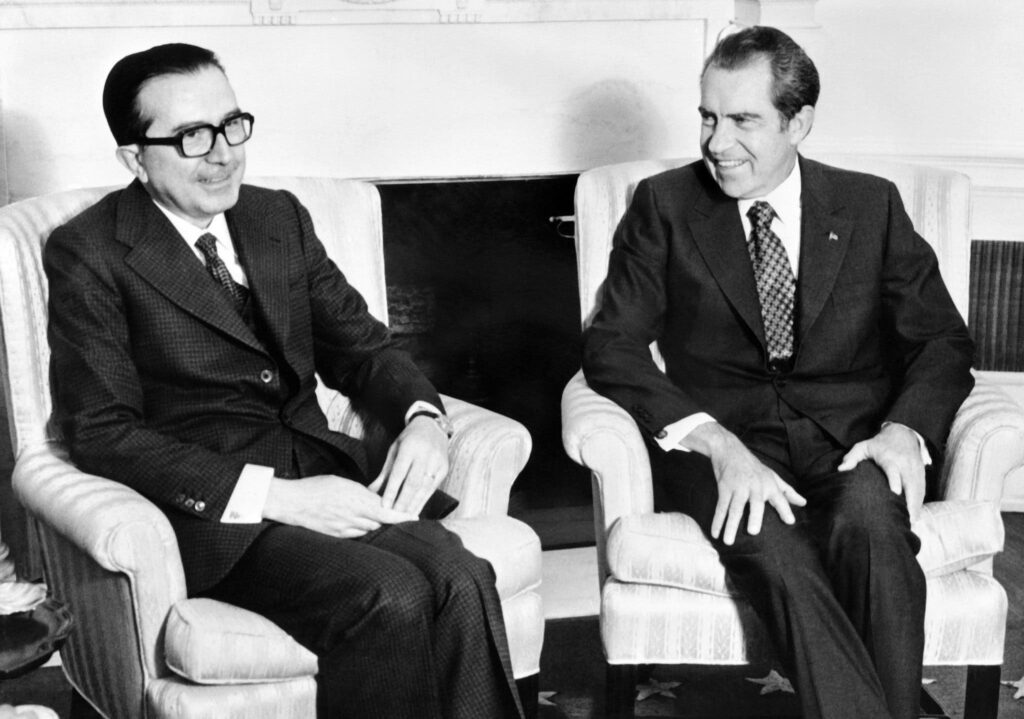
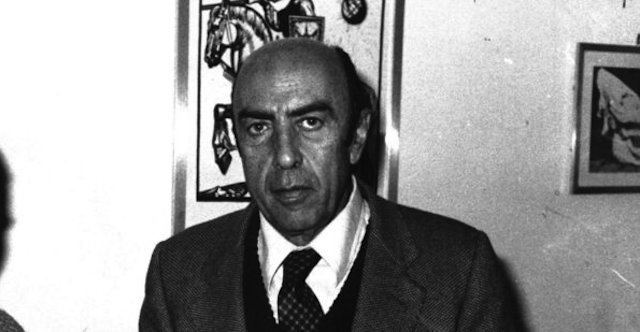
Never one to avoid voicing his often-controversial opinions, Pasolini penned an article entitled “The Christian Democrat Bosses Should Be Tried.” In his piece he called for the PCI and PSI (the Italian Socialist Party) to initiate a trial of Christian Democratic leaders, stating the need for a public reckoning with the past three decades of their misrule. Among those he singled out was then-Prime Minister Giulio Andreotti, whom Pasolini had previously accused of being aware of the strategy of tension, among other prominent Christian Democrats.
He postulated that they “should be dragged into the dock like President Nixon. Or rather not like Nixon who was saved by President Ford from a proper trial – let’s keep a sense of proportion – but like Papadopoulos. Into the dock like Papadopoulos, and there accused of a vast number of crimes. [—]: unworthiness, contempt for the citizen, manipulation of public funds, deals with oil firms, with bankers, complicity with the Mafia, high treason in the interest of a foreign power [Pasolini was referring to the United States], collaboration with the CIA, illegal use of organizations like SID [Italian military intelligence], responsibility for the massacres in Milan, Brescia, and Bologna (at least insofar as they are guilty of being unable to punish those who carried them out.)”
In fact, Andreotti was later implicated in controversies surrounding Operation Gladio and the broader network of right-wing organizations including the anti-communist Masonic lodge Propaganda Due (P2). Operating like a shadow government, P2 was a secret association of politicians, businessmen, heads of the secret service, and military leaders who conspired with the CIA to prevent the PCI from coming to power. (P2 has also been connected to Pasolini’s murder, as was discussed in the first part of this series.) Andreotti was likewise accused of involvement in the murder of left-leaning Christian Democrat Aldo Moro and of ties to the Banda della Magliana.
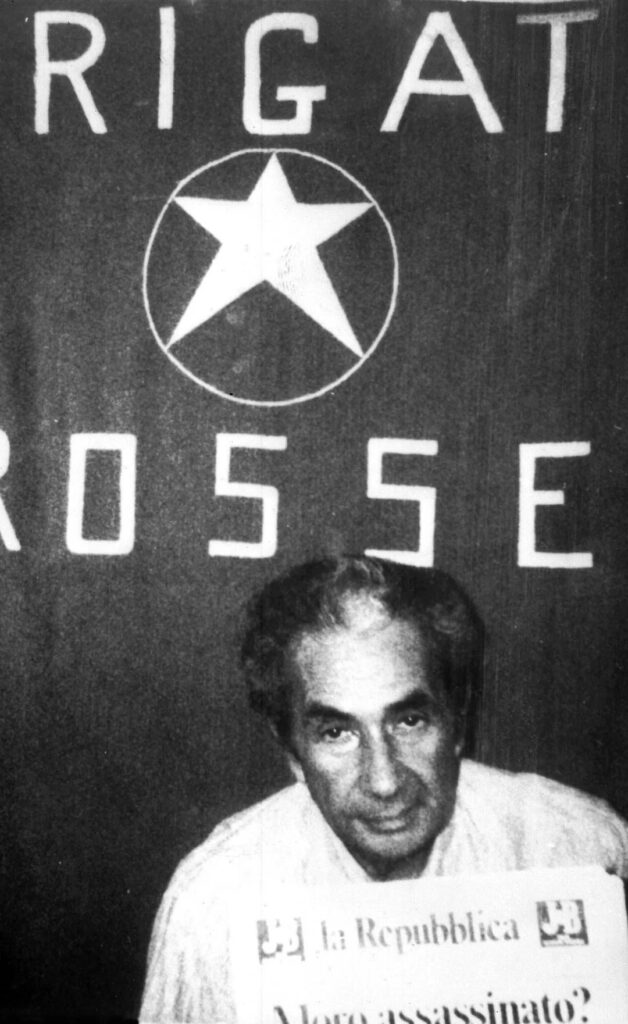
In March 1978, Moro was abducted on his way to parliament to ratify the “Historic Compromise,” a proposed political rapprochement between the Christian Democrats and the Communists. He was allegedly kidnapped by the Red Brigades (Brigate Rosse), a far-left militant organization, and held ransom before being murdered by the group.
However, subsequent investigations have connected the ambush to Operation Gladio, while Moro’s willingness to pursue dialogue with the Communist Party made him an enemy of sub-rosa political forces within the establishment. Moro was also one of the few Christian Democratic politicians who Pasolini viewed with a degree of respect and, in an eerie twist, his brother Alfredo Moro was the presiding judge at Giuseppe “Pino” Pelosi’s trial for his alleged murder of the filmmaker. (Alfredo himself wrote in his judgment that the evidence indicated that Pelosi did not act alone.)
Pasolini faced significant backlash for his calls to put the Christian Democrats on trial, but he remained steadfast in his position. In response to a critical article printed in La Stampa called “Why the Trial?” the poet wrote: “The Italians want to know what the real role of the CIA was. The Italians want to know to what extent the Mafia took part in the decisions of the Rome Government or collaborated with it. The Italians want to know what the reality of the so-called Fascist ‘coup’ was. The Italians want to know in whose mind, and at what level, the idea of the ‘strategy of tension’ (first anti-Communist and then anti-Fascist, indiscriminately) was launched. [—] The Italians want to know who instigated and are materially responsible for the massacres in Milan, Brescia, and Bologna.” He even went so far as to pen a letter to the President of the Italian Republic, Giovanni Leoni, where he fiercely criticized the DCI.
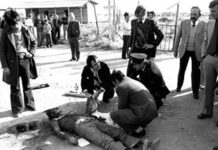
Pasolini was famous as a poet, novelist and film director, but he was also a widely read public intellectual who commented on current events. His criticisms of the Christian Democrats reached a broad audience, which made him a prominent dissident and subject of controversy. His writings on the “strategy of tension” anticipated much of what was later substantiated by the revelations surrounding Gladio. Given Pasolini’s passionate determination to expose the truth about the political corruption plaguing post-war Italy, his murder should be examined as a potential political assassination connected to Operation Gladio. Other mysterious deaths in Italy at that time have been retroactively connected to the operation and in recent years more evidence has emerged about the famous director’s homicide which points in this direction.
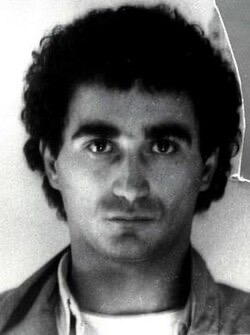
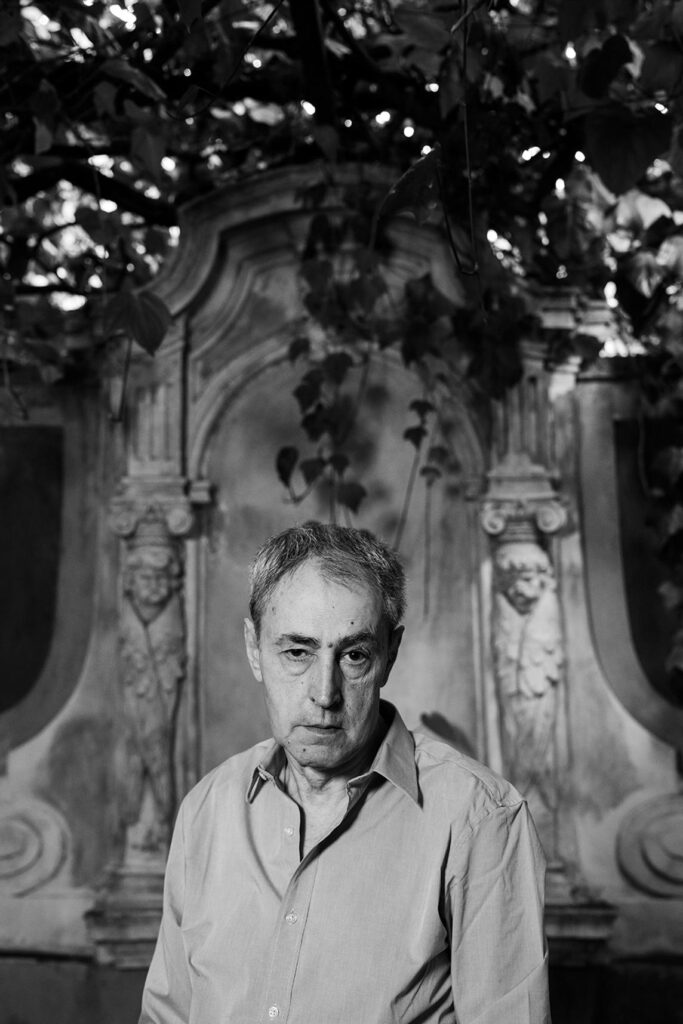
When Pasolini’s murder case was reopened in 2010, investigators uncovered previously undiscovered DNA evidence. Five samples were reportedly identified on the clothes Pasolini was wearing on the night of his death, a finding that corroborates the account of his friend and collaborator Sergio Citti who insisted that multiple assailants had killed the filmmaker.
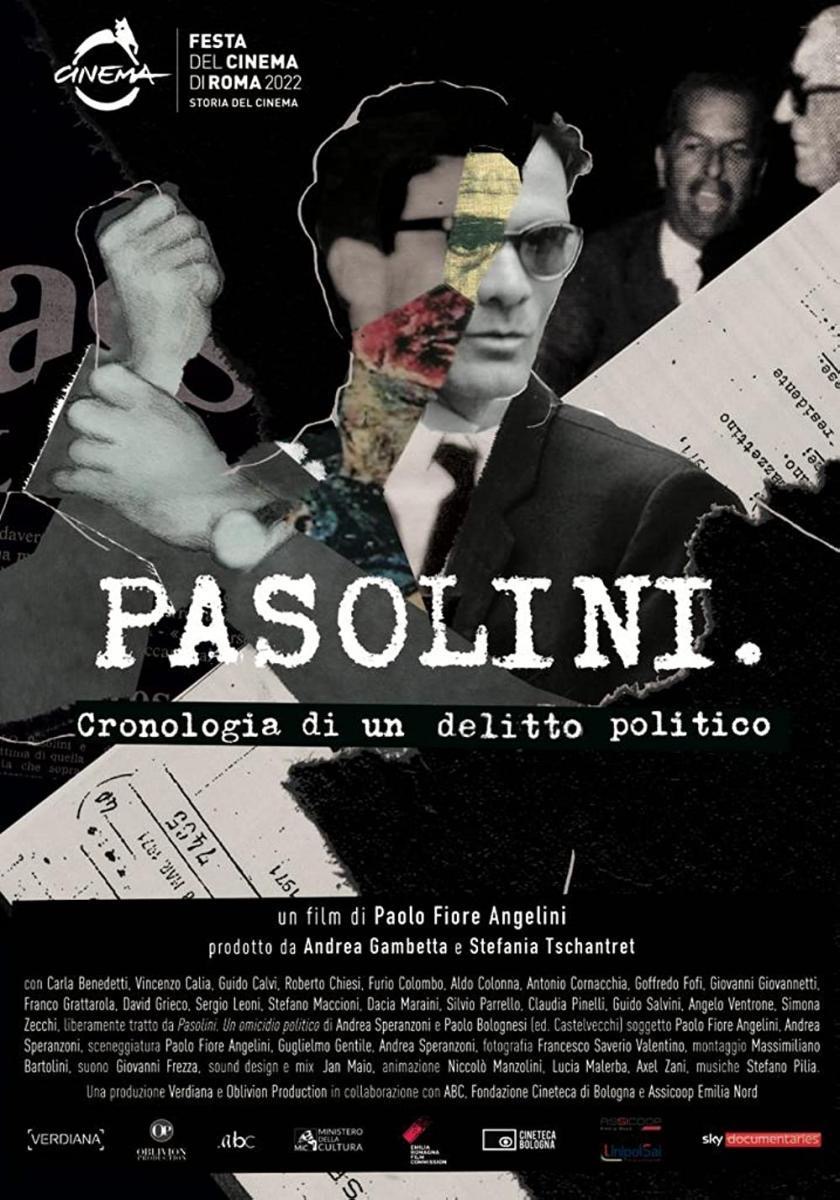
These genetic traces, combined with a statement made by former Banda della Magliana gang associate Maurizio Abbatino at a parliamentary anti-Mafia commission in 2022, led Italian director David Grieco, whose 2016 film La Macchinazione dramatizes the events surrounding the director’s tragic demise, and screenwriter Giovanni Giovannetti to jointly petition in 2023 for the case to be reopened. Their lawyer, Stefano Maccioni, who first began investigating the poet’s slaying in the 1990s, also launched an online petition in January 2023 calling for the case to be reopened which garnered thousands of signatures.
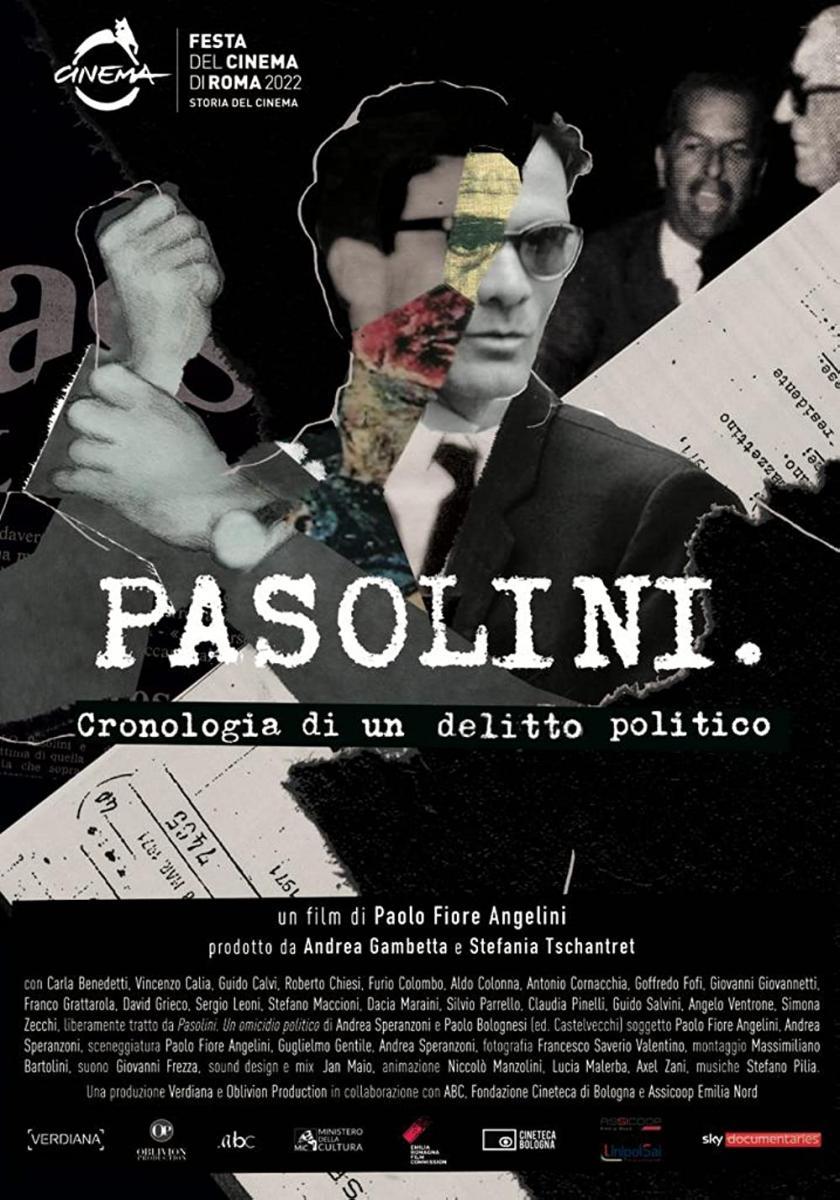
Also in the same year, Italian filmmaker Paolo Fiore Angelini released a documentary called Pasolini: Cronologia di un delitto politico (Pasolini: Chronology of a Political Murder), which explores the political implications of the tragedy. In addition to Abbatino’s 2022 testimony linking Banda della Magliana to Pasolini’s murder, it also confirmed Citti’s account of his friend’s brutal slaying. According to Abbatino, Pasolini’s murder was connected to the theft of reels during the production of his final film Salò, or the 120 Days of Sodom. A report based on the former’s testimony states that Pasolini went to the desolate beach in Ostia in an attempt to recover his stolen footage.
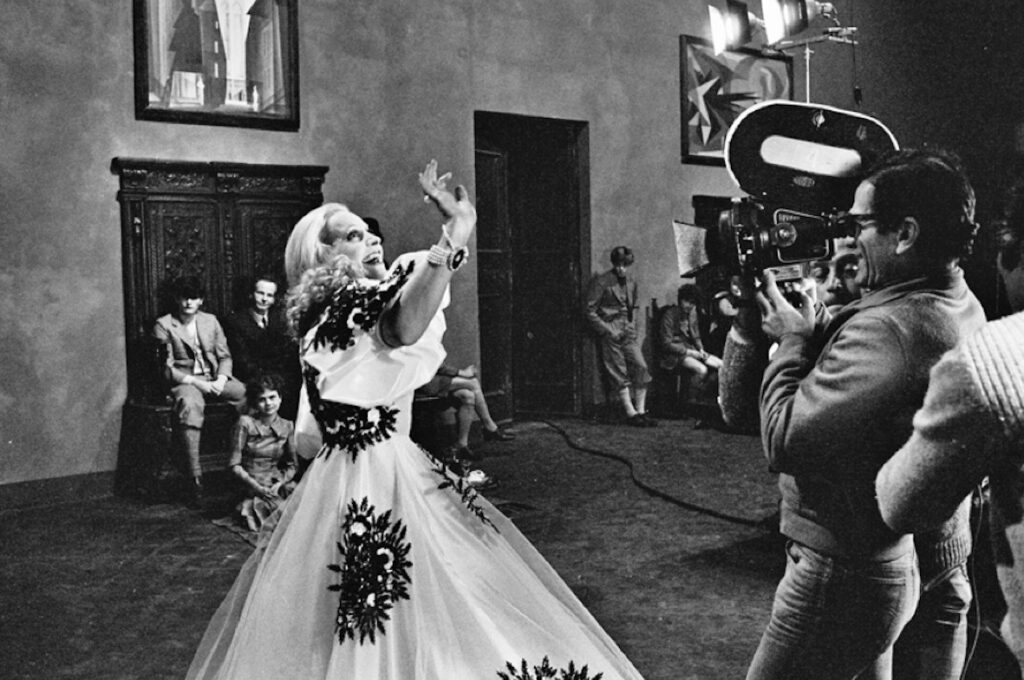
In light of these most recent revelations, an alternative account of Pasolini’s death has emerged that challenges the official narrative. Perhaps it goes something like this: On the evening of November 1, 1975, Pasolini was planning to meet with the extortionists who had stolen reels of Salò to get back his intellectual property. Instead, the meeting may have been arranged by neo-fascist Mafiosos who plotted to kill the director.
Maybe the orders for the hit came from higher-up, such as Eugenio Cefis, as implied in David Grieco’s film, or from another Gladio-connected Christian Democrat. Perhaps future investigations will clarify the circumstances surrounding Pasolini’s murder and expose who, if anyone, was behind it. Although it may now be impossible to bring those responsible to justice, learning the full truth about his death would reclaim his legacy and serve as a corrective to sensationalized portrayals that minimize his important contributions as a writer, filmmaker and public intellectual.
Pasolini’s legacy as a Marxist thinker also died that autumn night in Ostia. Just as the conventional account of his murder has centered on his persecution for his homosexuality, the legendary filmmaker’s identity as a gay man has posthumously eclipsed his Marxist politics. This portrayal of Pasolini paints a fictitious picture of him as an ally of the New Left who was rejected by the “socially conservative” communist movement, when in reality the iconoclastic poet offered a prescient critique of 1960s radicalism. In response to accusations that his Trilogy of Life films (The Decameron [1971], The Canterbury Tales [1972], and Arabian Nights [1974]) promoted the 1968 sexual “revolution,” the disgruntled director retorted, “If my films should happen to contribute to the present form of ‘permissiveness’ I would reject them. In fact, I find such permissiveness planned and programmed by those in power.”
In fact, his queer identity informed his critique of the sexual liberation movement. Pasolini believed that consumer society had absorbed the movement into a new form of false tolerance which ultimately commodified the human body and marginalized sexual minorities. The corporatization of queer culture occurring today might well have the poet rolling in his grave, a man who once wrote, “I would rather be unjustly condemned than tolerated.” Pasolini’s homosexuality informed much of his work but, in the end, his political commitments ultimately came first, demonstrated by his qualified yet consistent support for the PCI even after his expulsion. Revealingly, he once wrote, “I act because I believe in politics, I believe in the ‘formal’ principles of democracy. I believe in Parliament and I believe in political parties. All this naturally through my particular viewpoint, which is that of a communist.”
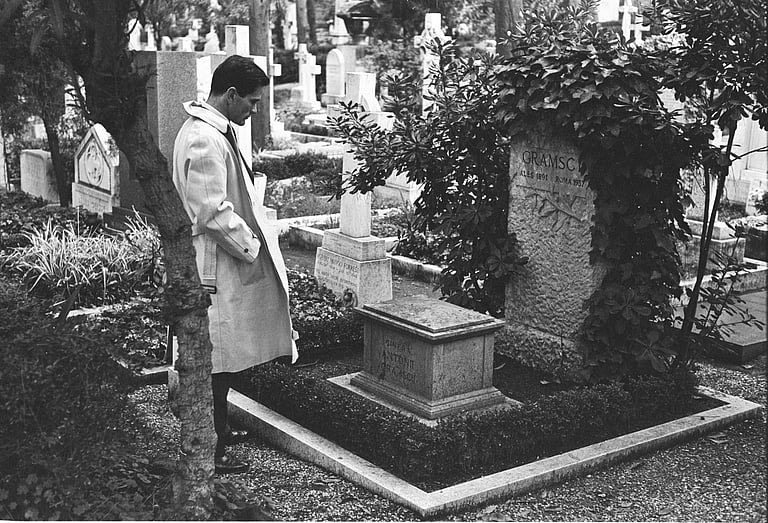
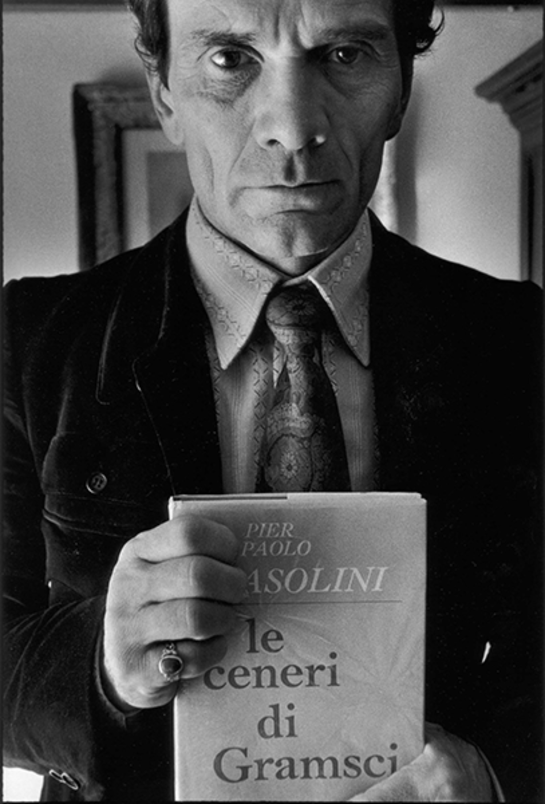
Although he held certain heterodox views, such as his defense of pre-industrial societies, his critique of capitalist modernization, and his idealization of the lumpenproletariat, Pasolini was deeply influenced by the Italian Marxist philosopher and founding member of the PCI Antonio Gramsci and was more of a committed communist than most accounts acknowledge.
Interestingly, although he criticized consumer society in a way similar to the Frankfurt School, he by no means viewed the Soviet Union as equally bad or worse than Western capitalist society as they did. Much of his horror at rising consumerism in Italy, which Pasolini viewed, similarly to Clouscard, as a new permissive form of fascism, was directed at the ensuing Americanization and destruction of authentic regional popular cultures.
It is very telling to examine Pasolini’s comparative analysis of the West and the Soviet Union which appeared in his Corsair Writings, a collection of his articles for Corriere della Sera. In both societies, he observed the uniformity of the crowd, but he characterized the homogeneity of the USSR as evidence of genuine equality won by the triumphant workers’ revolution, whereas he viewed the sameness of the “Free World” as a criminalization of difference imposed from above. Pasolini inverted the prevailing political maxim of his time; in his view, the East was where freedom had been conquered by the people and the West was the society of authoritarian rule.
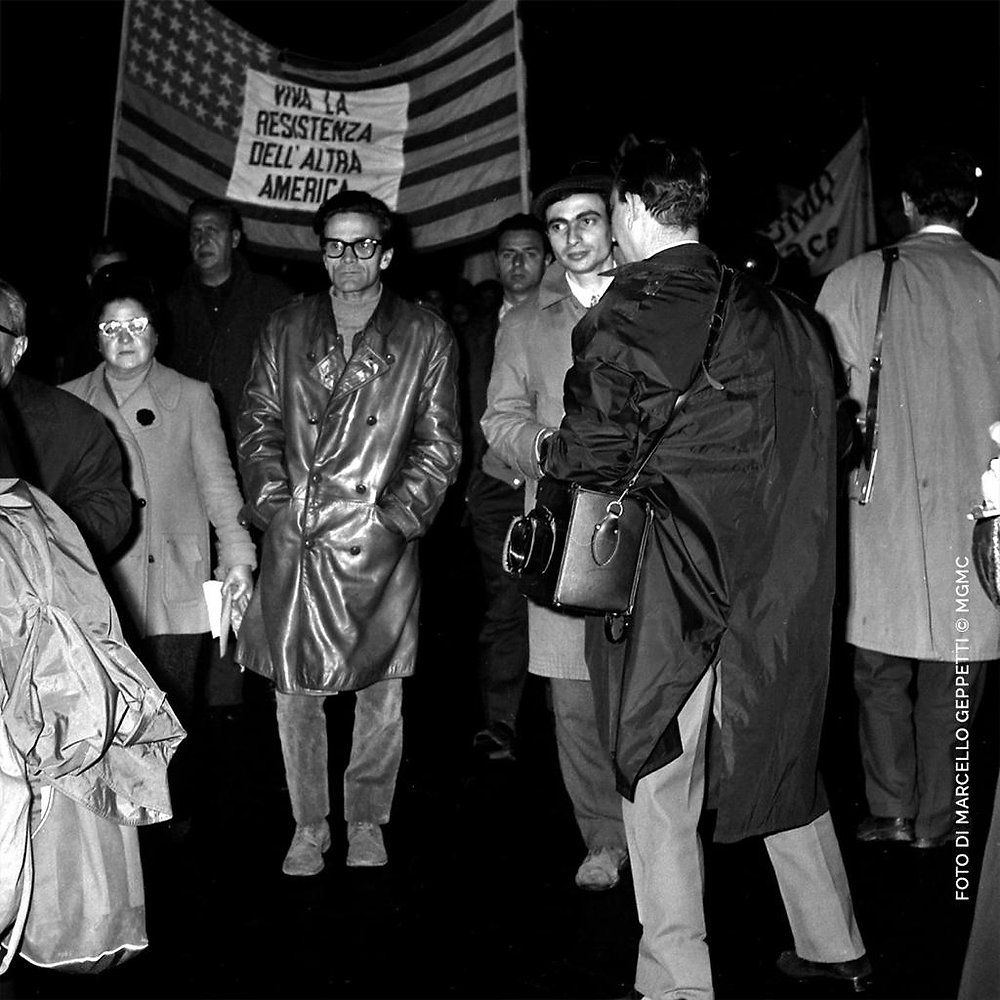
Pasolini’s heterodox brand of Marxism certainly deserves greater study today. His criticisms of the tolerant façade of democracy, combined with his analysis of the homogenizing effects of consumer capitalism and its destruction of national differences and authentic popular culture remain strikingly relevant.
His film oeuvre is brilliant and his broader intellectual legacy demands re-examination, particualrly in light of the possibility that he was murdered for his sincere commitment to telling the truth, exposing corruption and, ultimately, justice. Pasolini needs to be re-remembered as a persecuted outsider whose steadfast political dedications ultimately cost him his life.

CovertAction Magazine is made possible by subscriptions, orders and donations from readers like you.
Blow the Whistle on U.S. Imperialism

Click the whistle and donate
When you donate to CovertAction Magazine, you are supporting investigative journalism. Your contributions go directly to supporting the development, production, editing, and dissemination of the Magazine.
CovertAction Magazine does not receive corporate or government sponsorship. Yet, we hold a steadfast commitment to providing compensation for writers, editorial and technical support. Your support helps facilitate this compensation as well as increase the caliber of this work.
Please make a donation by clicking on the donate logo above and enter the amount and your credit or debit card information.
CovertAction Institute, Inc. (CAI) is a 501(c)(3) non-profit organization and your gift is tax-deductible for federal income purposes. CAI’s tax-exempt ID number is 87-2461683.
We sincerely thank you for your support.
Disclaimer: The contents of this article are the sole responsibility of the author(s). CovertAction Institute, Inc. (CAI), including its Board of Directors (BD), Editorial Board (EB), Advisory Board (AB), staff, volunteers and its projects (including CovertAction Magazine) are not responsible for any inaccurate or incorrect statement in this article. This article also does not necessarily represent the views the BD, the EB, the AB, staff, volunteers, or any members of its projects.
Differing viewpoints: CAM publishes articles with differing viewpoints in an effort to nurture vibrant debate and thoughtful critical analysis. Feel free to comment on the articles in the comment section and/or send your letters to the Editors, which we will publish in the Letters column.
Copyrighted Material: This web site may contain copyrighted material the use of which has not always been specifically authorized by the copyright owner. As a not-for-profit charitable organization incorporated in the State of New York, we are making such material available in an effort to advance the understanding of humanity’s problems and hopefully to help find solutions for those problems. We believe this constitutes a ‘fair use’ of any such copyrighted material as provided for in section 107 of the US Copyright Law. You can read more about ‘fair use’ and US Copyright Law at the Legal Information Institute of Cornell Law School.
Republishing: CovertAction Magazine (CAM) grants permission to cross-post CAM articles on not-for-profit community internet sites as long as the source is acknowledged together with a hyperlink to the original CovertAction Magazine article. Also, kindly let us know at info@CovertActionMagazine.com. For publication of CAM articles in print or other forms including commercial internet sites, contact: info@CovertActionMagazine.com.
By using this site, you agree to these terms above.
About the Author
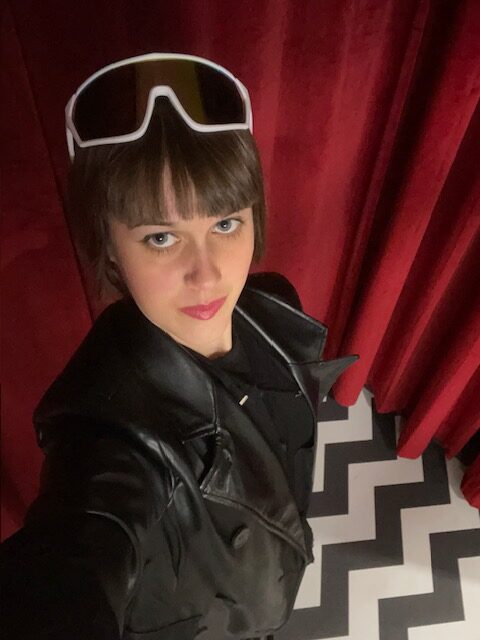
Shaenah Batterson is a polemicist and poet located in Baltimore, Maryland.
She writes a Substack called The Red Letter and cohosts the podcast Captive Minds.
Shaenah can be reached at shaenahbatterson@icloud.com.