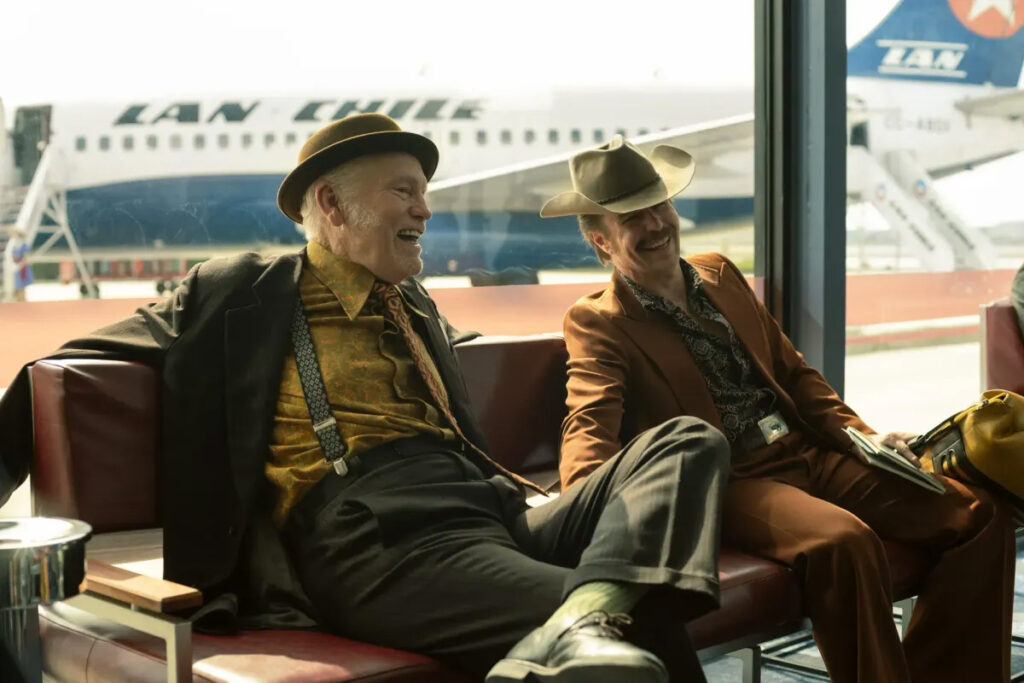
John Malkovich and Sam Rockwell play CIA agents plotting coup on socialist Chilean leader Salvador Allende in Wild Horse Nine
In Martin McDonagh’s sophisticated political comedy and spy thriller Wild Horse Nine, set during the summer of 1973, undercover CIA agents Lee Chesterfield (Sam Rockwell) and Chris Carlisle (John Malkovich) take time out from plotting to overthrow Salvador Allende to visit Easter Island.
Waiting at the Santiago airport for their flight to Chile’s Pacific island territory located 2,500 miles west of South America, the loose-lipped Chris engages in banter with two much younger Chilean women who appear to be student activists.
Monica (Mariana di Girólamo, who starred in Pablo Larraín’s 2019 Ema) asserts that “everybody likes” Allende, “the world’s first democratically elected Marxist president.” In-the-know Chris, an “ugly American” from out of central casting who is privy to top-secret plans for General Augusto Pinochet’s impending military coup d’état, slyly responds, smiling: “Not everybody. That wouldn’t be true.”
When Alicia (Ailín Salas) snaps back, “and who the fuck are you? The CIA?” Chris jauntily confesses, “We are the CIA,” as a flustered, exasperated Lee tries to laugh it all off. Asked why they have come to Chile, Chris gamely answers, “to destabilize your democracy,” and, for good measure, adds, “Your country is going to get fucked.”
Chris is a veteran operative of the clandestine agency, who has been implicated in many of the CIA’s greatest Cold War hits: The overthrow of Jacobo Arbenz in Guatemala; Patrice Lumumba’s liquidation in the Congo; the Bay of Pigs; the assassination of JFK in Dallas (it’s repeatedly hinted that Chris pulled the trigger).
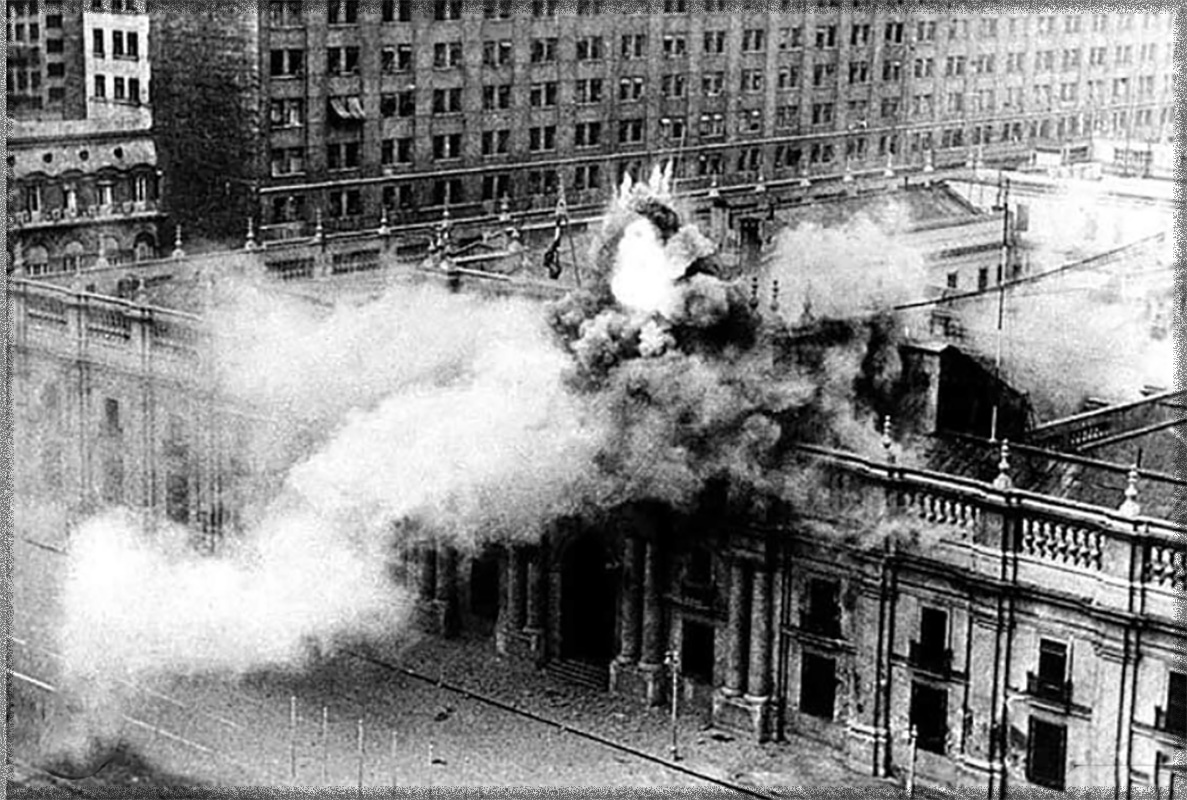
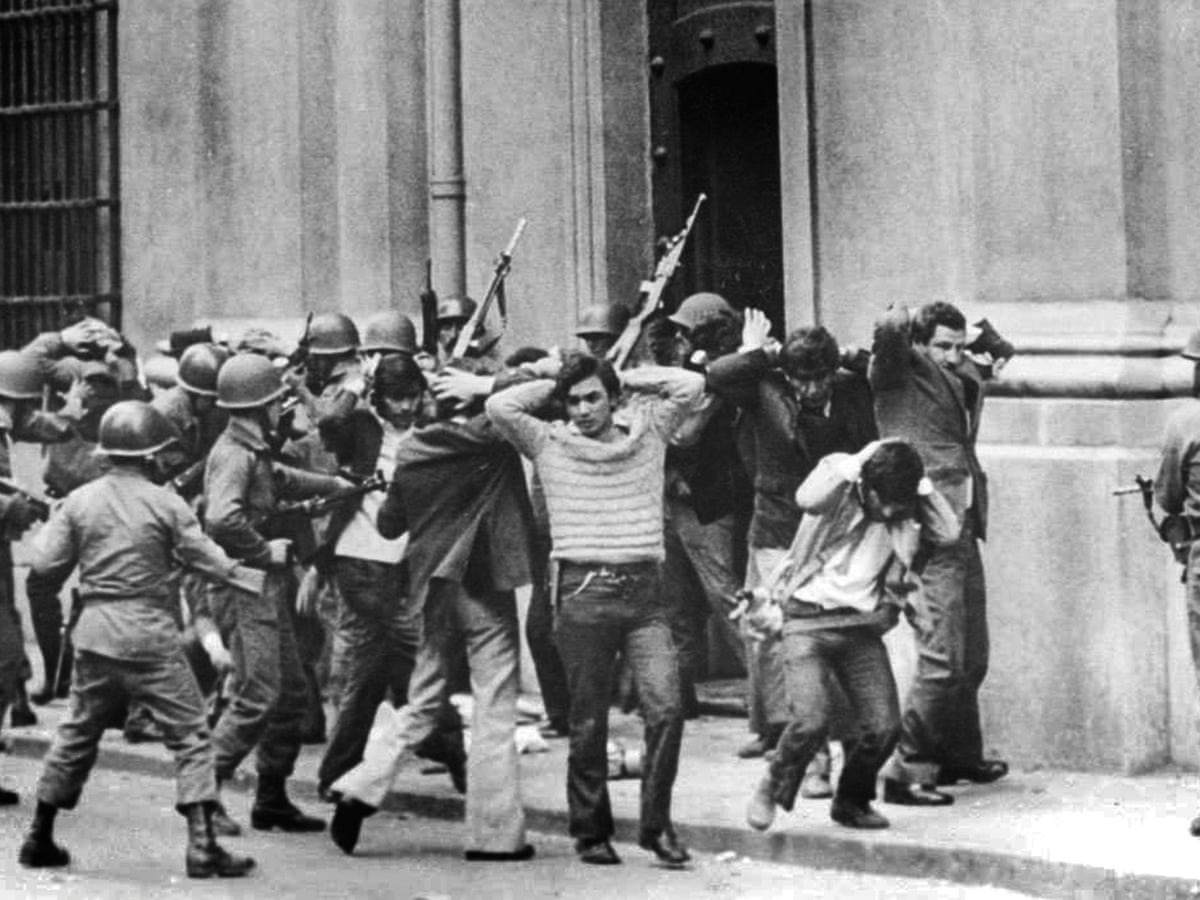
Now he is in the thick of it in Chile, as the Central Intelligence Agency schemes to topple Allende’s democratically elected leftist government on that other September 11th—in 1973, in Santiago.
However, at 70-something and facing his mortality, Chris has lost much of his killer instinct and come to regret the roles he has played in bloody covert actions for two decades, making the world safe for imperialism.
To fulfill a bucket list wish, along with his long-time friend and fellow Company man Lee, Chris vacations at Easter Island—which the Chilean women he encounters at the airport insist upon calling by its Polynesian name, “Rapa Nui,” although Chris mocks their effort to be culturally sensitive to the Indigenous people.
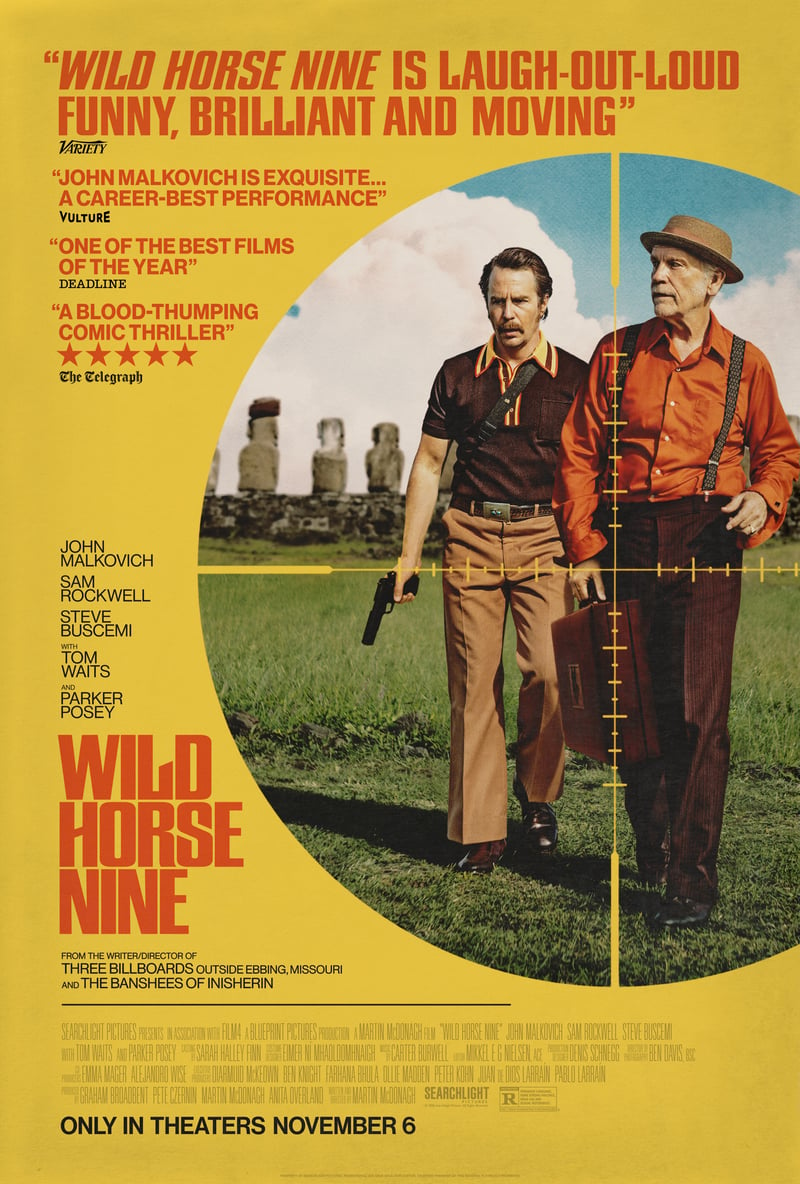
Wild Horse Nine has splendid aerial cinematography of the remote, 64-square mile Pacific Island, as well as of the Moai, those mysterious, monolithic, gigantic stone heads and statues sculpted by ancient Polynesians that adorn this Oceanic outpost.
A strong sense of place is key to McDonagh’s films: The London-born writer/director shot 2008’s In Bruges on location in Belgium and 2022’s The Banshees of Inisherin, which received nine Oscar nominations, at County Galway and other locations in Ireland.
Last September, during an onstage conversation following the movie’s private screening at the Directors Guild of America on Hollywood’s Sunset Strip, McDonagh told the audience of largely industry professionals that it was only after visiting Rapa Nui that the plot for the screenplay he was envisioning “gelled,” when he placed it in the political context of the Allende coup.
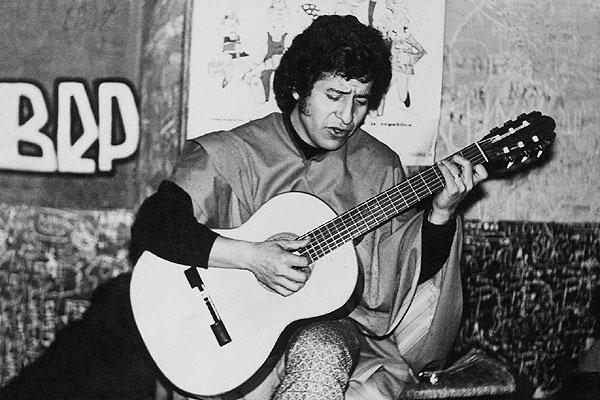
President Allende is glimpsed onscreen only swiftly in vintage footage at rallies, although an actor portraying folksinger Victor Jara, the so-called “Bob Dylan of Chile,” is briefly depicted performing at a Rapa Nui nightspot.
Chilean actress Mariana di Girólamo told the DGA audience that her parents, like the character she plays, were pro-Allende student activists and that the bloody coup that ousted the leftist leader remains “an open wound” for Chile.
While Wild Horse Nine has elements of a James Bond-like espionage picture, McDonagh’s movie is mostly cut in the mold of topical black comedies, like Stanley Kubrick’s 1964 Dr. Strangelove.
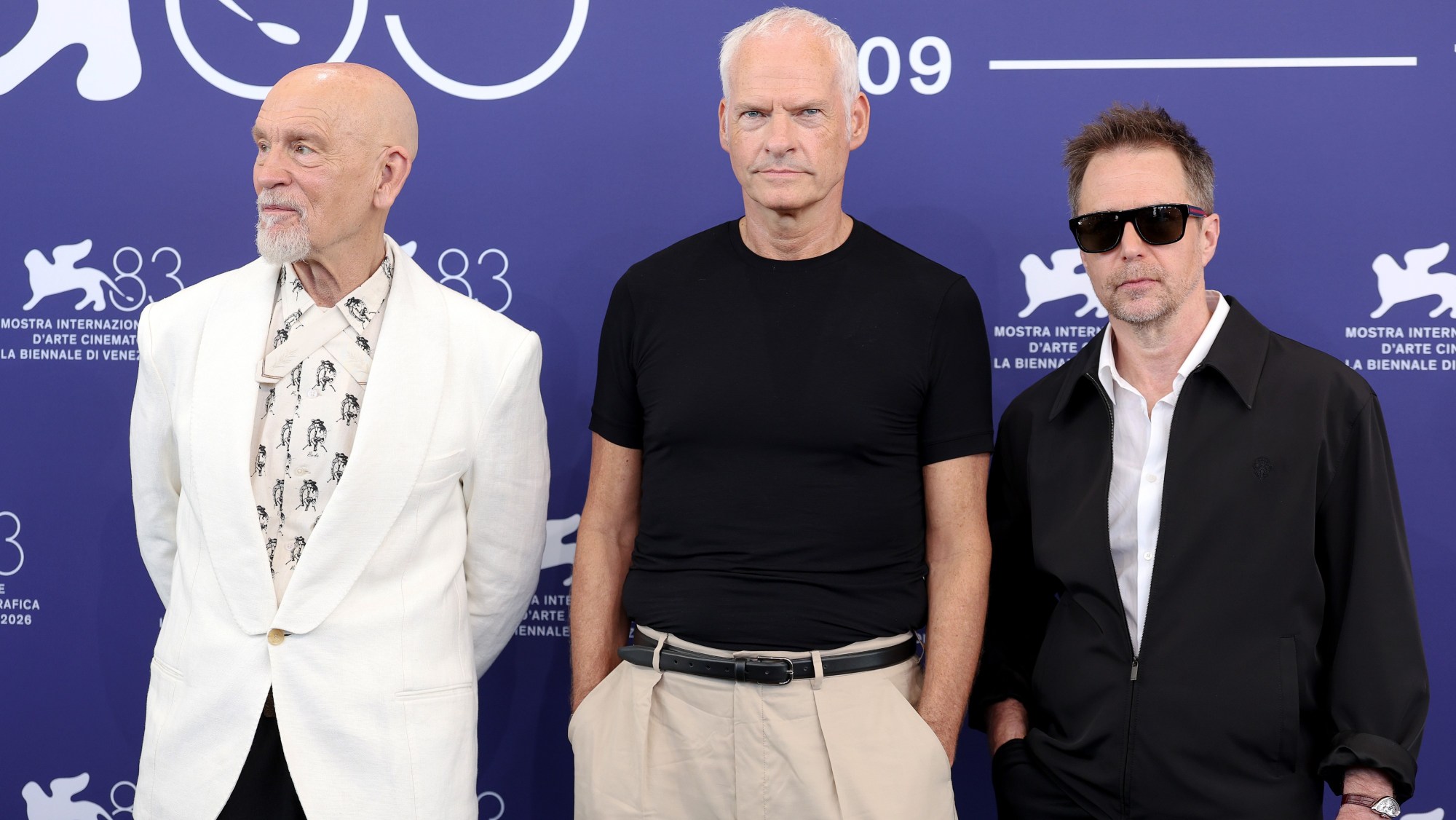
It also has a Western-type vibe, and even includes a scene featuring actor/musician Tom Waits lensed at Utah’s Monument Valley, where John Ford shot many John Wayne horse operas.
Without revealing plot spoilers, McDonagh’s script also seems influenced by John Steinbeck, as Chris and Lee have a relationship somewhat similar to that of George and Lenny, the itinerant farmhands in 1937’s Of Mice and Men.
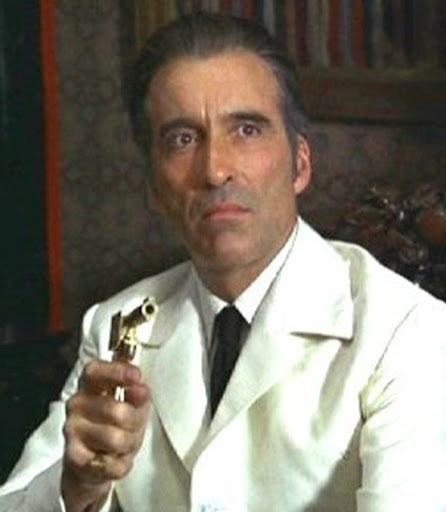
Likely intentionally, the names of these CIA agents who have wreaked horrors around the world, from Congo to Dallas and soon Santiago, “Chris” and “Lee,” suggest the name of the British actor Christopher Lee, who, starting in the 1950s, starred in countless horror movies, notably as the bloodsucking Count Dracula (a perfect metaphor for the CIA if ever there was one). Tellingly, Christopher Lee also co-starred as the title character in the 1974 007 thriller The Man with the Golden Gun, playing the infamous hitman Scaramanga, who is contracted to shoot James Bond.”
Interestingly, Malkovich portrayed the dimwitted Lenny in a 1992 screen adaptation of Steinbeck’s novella. Malkovich co-starred in the Coen Brothers’ CIA-themed 2008 dark comedy Burn After Reading and has also depicted psychopathic killers in several movies including, tellingly, in the 1993 presidential assassination thriller In the Line of Fire, wherein Clint Eastwood plays a Secret Service agent who failed to save John F. Kennedy at Dallas.
Now, in Wild Horse Nine, Malkovich may have gone full circle, as he is portraying a hitman who, it is hinted, may have whacked JFK.
As the quirky, guilt-ridden, world-weary Chris, Malkovich—who has twice been Academy Award-nominated, including for In the Line of Fire—is generating Oscar buzz. A September Variety article was headlined: “How John Malkovich’s 30-Year Oscar Drought Could Finally End With ‘Wild Horse Nine.’”
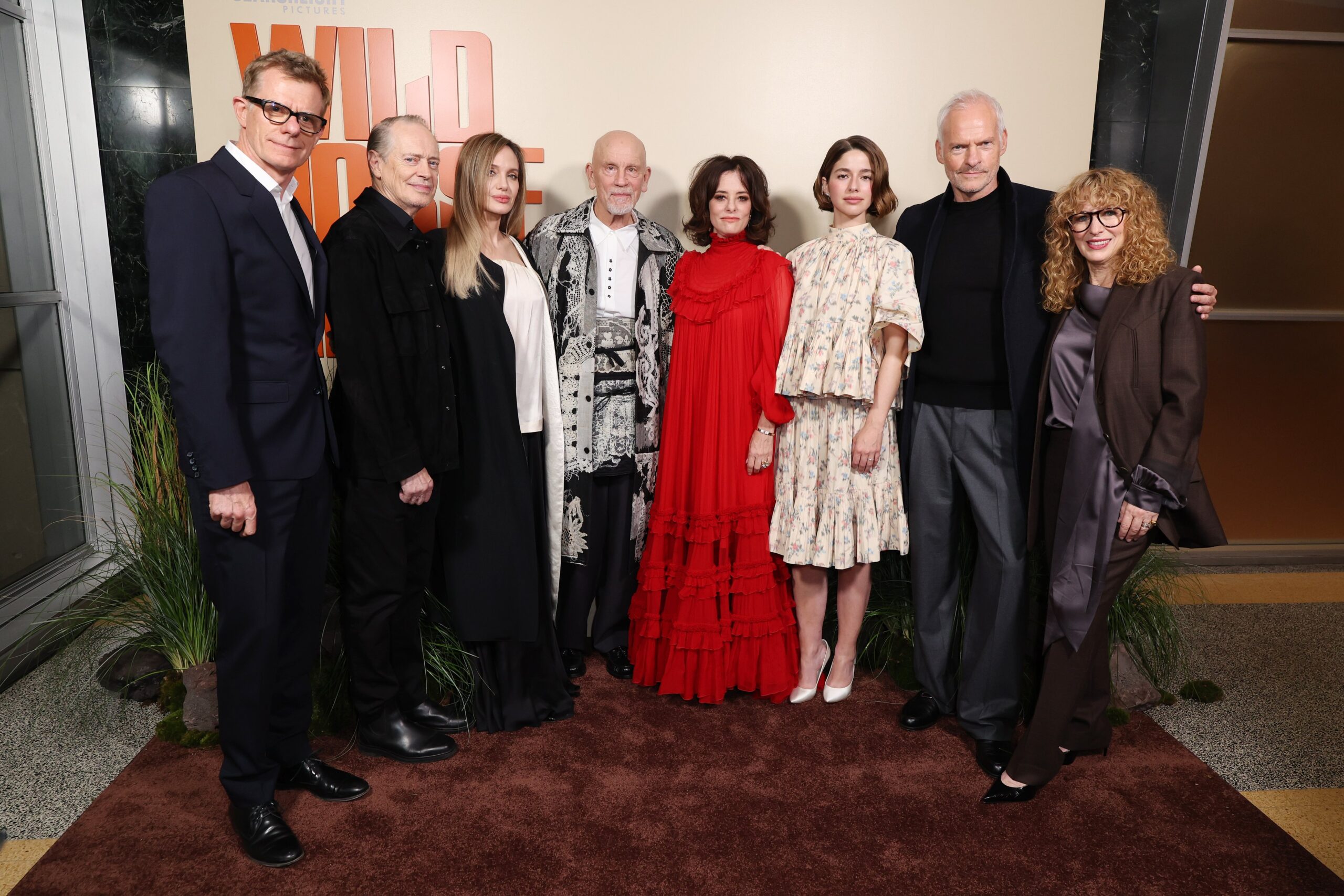
Previously, McDonagh directed both Sam Rockwell and Frances McDormand to Oscar gold in 2017’s Three Billboards Outside Ebbing, Missouri. Wild Horse Nine’s cast also includes Steve Buscemi as the CIA’s Santiago station chief and Parker Posey as Lee’s wife.
McDonagh’s film is only the second feature in motion picture history to have been shot on location at far-flung, isolated Easter Island—the other was the 1994 epic Rapa Nui, starring Jason Scott Lee.
However, documentaries have been shot on location at remote Easter Island, including archaeologist Thor Heyerdahl’s 1960 Aku-Aku and Rapa Nui filmmaker Sergio Mata’u Rapu’s 2018 Eating Up Easter.
As politically astute as McDonagh’s critique of U.S. foreign policy is, Wild Horse Nine perpetuates a trope of the South Seas cinema genre: The Pacific Islands form the exotic backdrop for the really important derring-do performed by the Caucasian characters. The dramatis personae do not include a single significant Polynesian character, although most of Wild Horse Nine is beautifully shot there, Moai and all—but, alas, sans Rapa Nui Natives.

CovertAction Magazine is made possible by subscriptions, orders and donations from readers like you.
Blow the Whistle on U.S. Imperialism

Click the whistle and donate
When you donate to CovertAction Magazine, you are supporting investigative journalism. Your contributions go directly to supporting the development, production, editing, and dissemination of the Magazine.
CovertAction Magazine does not receive corporate or government sponsorship. Yet, we hold a steadfast commitment to providing compensation for writers, editorial and technical support. Your support helps facilitate this compensation as well as increase the caliber of this work.
Please make a donation by clicking on the donate logo above and enter the amount and your credit or debit card information.
CovertAction Institute, Inc. (CAI) is a 501(c)(3) non-profit organization and your gift is tax-deductible for federal income purposes. CAI’s tax-exempt ID number is 87-2461683.
We sincerely thank you for your support.
Disclaimer: The contents of this article are the sole responsibility of the author(s). CovertAction Institute, Inc. (CAI), including its Board of Directors (BD), Editorial Board (EB), Advisory Board (AB), staff, volunteers and its projects (including CovertAction Magazine) are not responsible for any inaccurate or incorrect statement in this article. This article also does not necessarily represent the views the BD, the EB, the AB, staff, volunteers, or any members of its projects.
Differing viewpoints: CAM publishes articles with differing viewpoints in an effort to nurture vibrant debate and thoughtful critical analysis. Feel free to comment on the articles in the comment section and/or send your letters to the Editors, which we will publish in the Letters column.
Copyrighted Material: This web site may contain copyrighted material the use of which has not always been specifically authorized by the copyright owner. As a not-for-profit charitable organization incorporated in the State of New York, we are making such material available in an effort to advance the understanding of humanity’s problems and hopefully to help find solutions for those problems. We believe this constitutes a ‘fair use’ of any such copyrighted material as provided for in section 107 of the US Copyright Law. You can read more about ‘fair use’ and US Copyright Law at the Legal Information Institute of Cornell Law School.
Republishing: CovertAction Magazine (CAM) grants permission to cross-post CAM articles on not-for-profit community internet sites as long as the source is acknowledged together with a hyperlink to the original CovertAction Magazine article. Also, kindly let us know at info@CovertActionMagazine.com. For publication of CAM articles in print or other forms including commercial internet sites, contact: info@CovertActionMagazine.com.
By using this site, you agree to these terms above.
About the Author
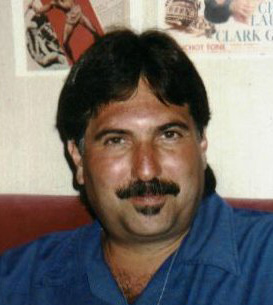
Ed Rampell is an L.A.-based film historian and critic who also reviews culture, foreign affairs and current events.
Ed can be reached at edrampel@gte.net.



 Radhika Desai is a Professor of Political Studies at the University of Manitoba, Winnepeg, Canada, Director of its Geopolitical Economy Research Group, and Convenor of the International Manifesto Group. Ms. Desai is an author of multiple books, including Geopolitical Economy(2013) and her most recent Capitalism, Coronavirus and War(2022). Ms. Desai hosts a fortnightly show, Geopolitical Economy Hour on the Geopolitical Economy Report website.
 Yan Pan is a Chinese PhD researcher at LUT University, Finland. Her work examines the political economy of China’s technological and industrial development, with a particular focus on the industrialization and governance of neurotechnology in China. Her research concerns industrial policy models for future industries in Chinese and Global South contexts. Prior to her PhD, she researched educational reforms and structural change in labor demand in China.
 Ken Hammond is professor emeritus of East Asian and Global History at New Mexico State University. He has lived and worked in China from time to time since 1982. A lifelong political activist, he is a member of the Party for Socialism and Liberation.