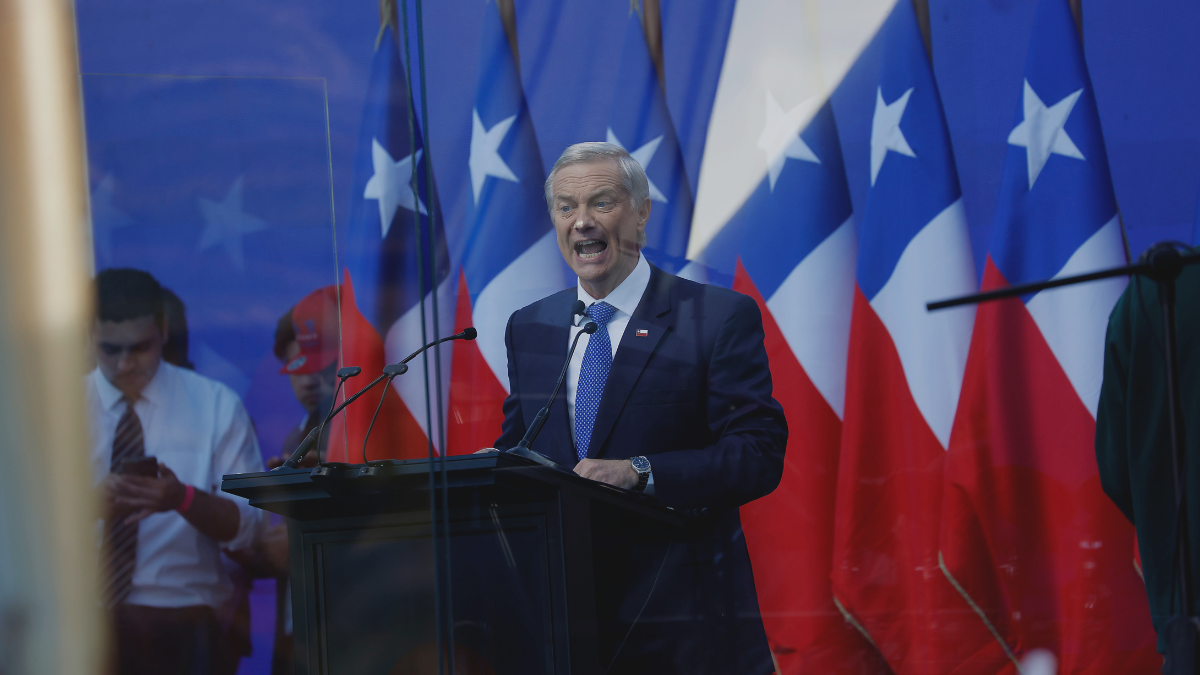
The first round of Chile’s presidential election determined that center-left government candidate Jeannette Jara and far-right opposition leader José Antonio Kast will face off in the December 14 runoff. Although Jara won the first round with 26.75%—3,446,854 votes—against Kast’s 23.96%—3,086,963 votes—everything suggests that the right will win the second round and take office on March 11, 2026.
“The ultra-conservative right is stalking Jara, easily labeling her as a continuity candidate and a communist, although if Kast wins, he will be forced to negotiate,” says political communication scholar Mauricio Osorio.
Jara is a communist, a lawyer, the daughter of union activists, and served in the governments of Michelle Bachelet and current President Gabriel Boric, both center-left. As Minister of Labor, she pushed for pension system intervention, the reduction of the workweek to 40 hours, and an increase in the minimum wage.
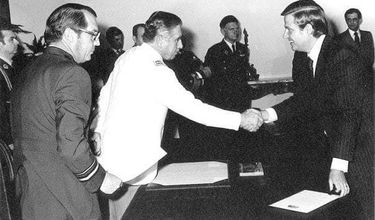
Kast, for his part, is the son of a German who was affiliated with the Nazi Party in his youth and was a “Chicago Boys” right-wing economist and Minister of Planning and Central Bank director under dictator Augusto Pinochet. Today, José Antonio Kast is a critic of feminism and same-sex marriage and a defender of Pinochet’s dictatorship.
Third place went to independent candidate Franco Parisi who, with 19.8%—2.55 million votes—was the surprise of the election. The leader of the Partido de la Gente will be key in upcoming negotiations, especially in the Chamber of Deputies: In this election, his party increased its seats from 6 in 2021 to the current 14. “We will talk with whoever becomes president to help in whatever we can. As for supporting Jara or Kast, they have the task of earning my trust and that of my voters.”
In fact, Parisi will not support either candidate and called for null votes after a virtual consultation among his members: 78% favored null voting, 20% supported Kast, and only 2% backed Jara.
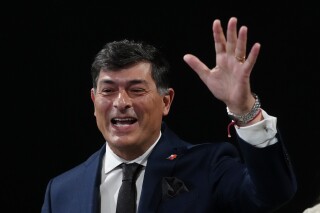
A key feature of this election was that, for the first time, voting was not only mandatory but also automatic—previously registration was voluntary—leading to a very high turnout. It was the election with the largest number of total votes since the return to democracy, nearly 13.5 million ballots. In terms of participation, it ranks third historically (85.3%), behind a constitutional assembly election and a previous presidential election, both at 86%.
For the runoff, votes from other left-wing candidates amount to 31%, compared to 46.5% in the 2021 presidential election in which Gabriel Boric defeated Kast. This marks a loss of more than 15 points. Conversely, Kast is expected to receive the votes of Johannes Kaiser and Evelyn Matthei—third and fourth place—giving him around 60% of the total vote. Not only polls but also the political climate after the first round indicate that the right is likely to win the presidency this time.
Libertarian candidate Johannes Kaiser (PNL)—a mirror of Argentine President Javier Milei in Chile—placed fourth with 1,796,034 votes (13.94%) despite polls placing him close to second place. Evelyn Matthei, also from the right, appears to be the biggest loser of the day: She finished in fifth place (12.44%, 1.6 million votes), reflecting the decline of traditional right-wing politics in favor of more radical options like those of Kast and Kaiser. Both Kaiser and Matthei have already pledged their support to Kast.
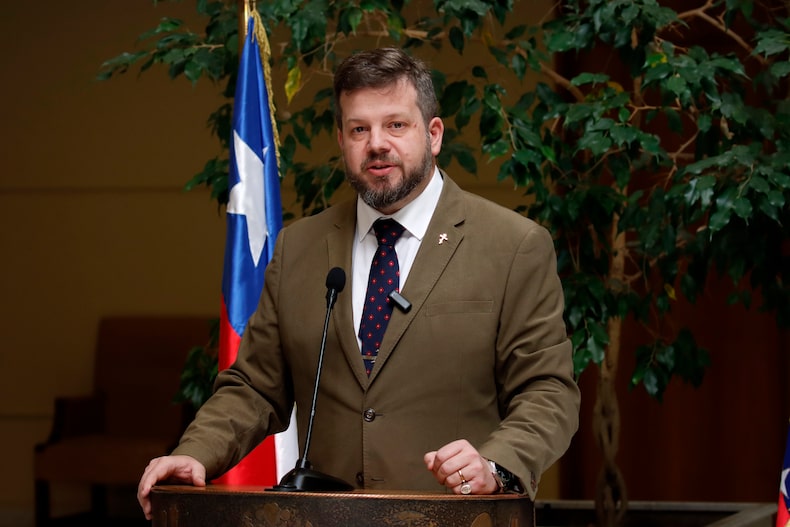
According to Osorio, “mandatory voting in Chile resulted in a strong rightward shift in the political system. But a nonlinear one: the traditional right suffered a strategic defeat—its candidate finished fifth—while the far right consolidated Kast’s place in the runoff and gained space in Congress. At the same time, Franco Parisi’s Partido de la Gente emerged with the slogan ‘neither fascist nor communist,’ expressing anti-establishment sentiment and becoming a hinge force both in the Chamber and in the presidential dispute.”
The rest of the candidates combined for only 3.12% and were even outpolled by the sum of null, blank, and abstention votes, which reached 4%.
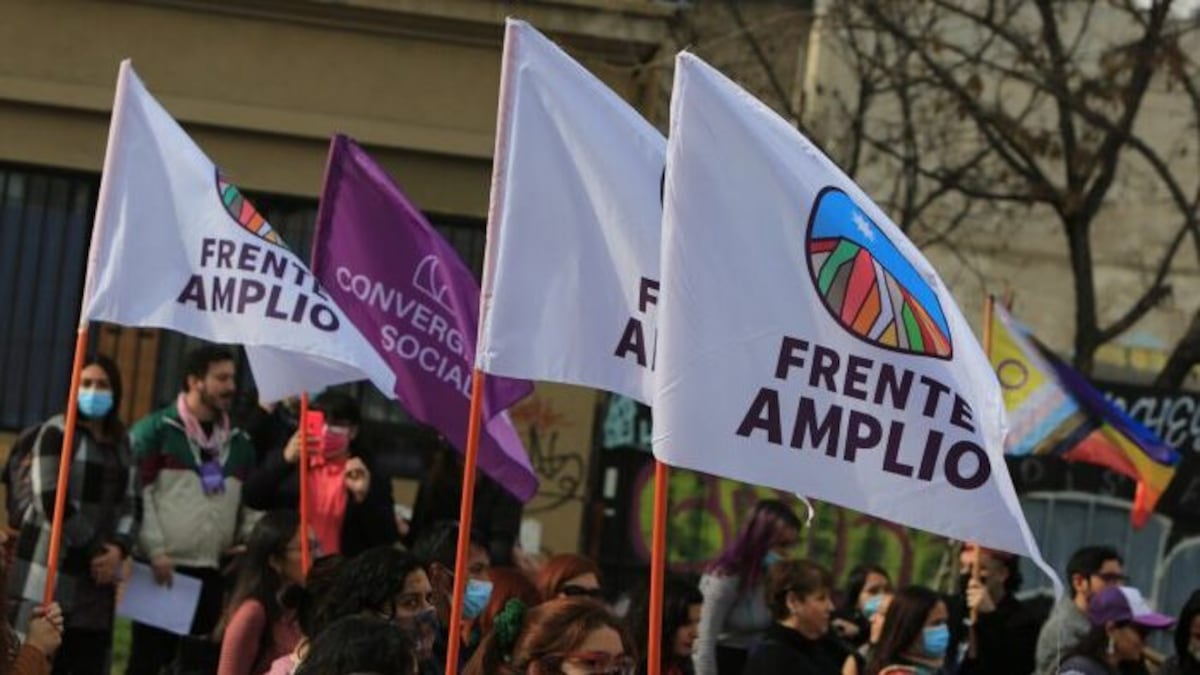
Thus, Jara’s remaining option is a shift in political strategy to try to overturn what appears to be a highly challenging election. Camilo Fuentes, a leader of Jara’s Frente Amplio Party, described for CovertAction Magazine the process ahead: “We see in Jara’s candidacy a leadership capable of building majorities and forging agreements to address the needs of the public. Proof of this is her role in major reforms during this government and her strategic position at the head of a broad and plural coalition. It is necessary to ‘territorialize’ the campaign even more, focus on the program, challenge Kast on values, labor and economic issues, and build all possible alliances and negotiations with other candidates and particularly with voters who face a very adverse choice.”
The Future Composition of Congress
Accordig to Osorio, “parliament is highly fragmented, with a strong right that is nonetheless forced to negotiate, since it failed to obtain the 4/7 necessary to change organic laws. And although the ruling coalition is weakened in the Executive, progressive voters took refuge in the Communist Party—which now has one of the largest caucuses in the government coalition and is among the most voted with the highest electoral efficiency.”
In the election for deputies, the ruling coalition was the most voted (3.2 million), but obtained only 61 seats; it fell from 72 to 64—including the three seats not up for re-election. Kast’s Republican Party won 31 seats; Matthei’s UDI secured 18.
Altogether, the right-wing coalitions Cambio por Chile (PRep, PNL, PSC) and Chile Grande Unido (RN, UDI, Evópoli, Demócratas) now hold 76 of 155 seats—two short of a majority. The traditional right shrank from 53 to 34 seats compared to 2021 and is barely half of the 66 seats it held in 2017. Meanwhile, the far-right list increased from 15 to 42 deputies.
In the Senate, there is something of a technical tie. Of the 50 total seats, the right holds 25 (18 for the traditional right and seven for the far right), while the ruling coalition holds 20 in its main list, plus three Greens and Humanists and two independents aligned with the government.
The Coming Runoff
The electoral roll includes 15.8 million eligible voters (in a country of around 20 million). The North accounts for 12% of voters; the Center, 63.4%; and the South, 23.6%. The region with the most voters is the Metropolitan Region, including the capital of Santiago, with 38.5% of the electorate. Chileans abroad represent 1% of the total.
“Kast embodies a project of authoritarian, neo-liberal, Pinochet-style restoration, anchored in rhetoric about public security, order, and the proposal to expel 300,000 immigrants. Meanwhile, Jara represents the possibility of continuity and correction within the progressive cycle, attempting to address security concerns by tracking drug-trade money through her proposal to lift banking secrecy, build social housing, and raise the minimum wage,” says Osorio.
In the first round, the traditional and far right combined for 50.33% of the vote, approaching their historic high of 57% in 1946. In the runoff, they will likely reach or surpass that figure. Polls predict Kast receiving around 60% of votes.
On the center-left side, Jara can count on the votes of Marco Enríquez-Ominami and probably Harold Mayne-Nicholls, totaling roughly 31%. “Jara will have to target part of that independent electorate,” Osorio argues, referring to Parisi’s voters.
Social media and digital platforms played a key role, even surpassing traditional mass-media advertising. The political agenda is dominated by insecurity, an issue much closer to right-wing narratives. Even Jara has been forced to make proposals on a topic that generally poses difficulties for the left.
Closely linked to insecurity is immigration. With nearly 1.9 million immigrants, almost 10% of the population—46.8% more than five years ago—and around 336,000 of them in irregular status, tensions have risen. According to the Public Studies Center, 55% of Chileans believe there are strong conflicts between locals and immigrants—11 points more than two years ago.
Kast emphasizes immigration control: “If someone does not leave voluntarily and we have to find and expel them, they will never again set foot on Chilean soil,” he warns. In a joint statement, former left-wing foreign ministers argue that “proposals based on mass expulsions, separating families, or confining people in quasi-carceral facilities are incompatible with human dignity and with the standards of international and regional human-rights systems.”
In contrast, Jara argues that “we must confront the issue: Mandatory registration and expulsion of those who refuse to register is key.” She proposes strengthening the National Migration System with a six-month biometric registration program to identify foreigners; those who do not comply would be expelled.
Economist Rafael Agacino reflected in CovertAction Magazine on both candidates’ political projects: “Regarding the programs, comparing them is of little use. Jara changes hers constantly within a concealed neo-liberal perspective. And Kast is the most consistent in neo-liberal ideas of austerity and public-spending cuts.”
About the first-round results, he adds: “This process took far longer than Gabriel Boric’s current government. Since 1990, with the return of civilian administrations and the negotiated ‘top-down’ exit from Pinochet’s tyranny, neo-liberal capitalist relations intensified through the state and political institutions. Non-right-wing governments adopted the right’s agenda and policies, aligned with major economic groups. Over time, the differences between the two blocs alternating in La Moneda—imitating Anglo-Saxon, especially U.S., political models—blurred into nearly invisible distinctions.
Meanwhile, under the pretext of governability and social peace, union and social-movement leaderships were co-opted, fragmenting the popular movement. This led to depoliticization and a brutal disconnect between the political class and communities. Chile has experienced ‘corporate-guild fragmentation,’ focused on productivism, labor discipline, and the erasure of working-class identity, creating passive consensus toward an unequal and elitist order.”
Agacino concludes: “Boric’s government merely reiterated the previous model. And Jara cannot detach herself from a government of which she was an organic part. The favorable results for ‘Pinochetism’ are also a result of the loss of meaning in projects linked to democratic socialism.”
Like Argentina, Peru, Ecuador, Paraguay, and most recently Bolivia, another South American country—Chile—is aligning itself with the right-wing bloc led by Donald Trump.
On the other side stand powerful nations like Brazil and Mexico, along with Colombia, Uruguay and, for now, Venezuela, but fewer and fewer countries are betting on national and sovereign projects.

CovertAction Magazine is made possible by subscriptions, orders and donations from readers like you.
Blow the Whistle on U.S. Imperialism

Click the whistle and donate
When you donate to CovertAction Magazine, you are supporting investigative journalism. Your contributions go directly to supporting the development, production, editing, and dissemination of the Magazine.
CovertAction Magazine does not receive corporate or government sponsorship. Yet, we hold a steadfast commitment to providing compensation for writers, editorial and technical support. Your support helps facilitate this compensation as well as increase the caliber of this work.
Please make a donation by clicking on the donate logo above and enter the amount and your credit or debit card information.
CovertAction Institute, Inc. (CAI) is a 501(c)(3) non-profit organization and your gift is tax-deductible for federal income purposes. CAI’s tax-exempt ID number is 87-2461683.
We sincerely thank you for your support.
Disclaimer: The contents of this article are the sole responsibility of the author(s). CovertAction Institute, Inc. (CAI), including its Board of Directors (BD), Editorial Board (EB), Advisory Board (AB), staff, volunteers and its projects (including CovertAction Magazine) are not responsible for any inaccurate or incorrect statement in this article. This article also does not necessarily represent the views the BD, the EB, the AB, staff, volunteers, or any members of its projects.
Differing viewpoints: CAM publishes articles with differing viewpoints in an effort to nurture vibrant debate and thoughtful critical analysis. Feel free to comment on the articles in the comment section and/or send your letters to the Editors, which we will publish in the Letters column.
Copyrighted Material: This web site may contain copyrighted material the use of which has not always been specifically authorized by the copyright owner. As a not-for-profit charitable organization incorporated in the State of New York, we are making such material available in an effort to advance the understanding of humanity’s problems and hopefully to help find solutions for those problems. We believe this constitutes a ‘fair use’ of any such copyrighted material as provided for in section 107 of the US Copyright Law. You can read more about ‘fair use’ and US Copyright Law at the Legal Information Institute of Cornell Law School.
Republishing: CovertAction Magazine (CAM) grants permission to cross-post CAM articles on not-for-profit community internet sites as long as the source is acknowledged together with a hyperlink to the original CovertAction Magazine article. Also, kindly let us know at info@CovertActionMagazine.com. For publication of CAM articles in print or other forms including commercial internet sites, contact: info@CovertActionMagazine.com.
By using this site, you agree to these terms above.
About the Author

Hernán Viudes is an independent journalist and a graduate from The Faculty of Social Sciences at the University of Buenos Aires. He lives in Argentina and enjoys music, culture and football.
Hernán can be reached at hernanviudes@gmail.com.