
Donald Trump, at the start of both his first and second terms, said that he would order the Department of Justice (DOJ) to clean up its act in the area of prison health care.
Trump also pledged to push states to improve health care in their prison systems. That has not happened. And to make matters worse, health care in federal, state and local prisons and prison systems worsened dramatically under Joe Biden.
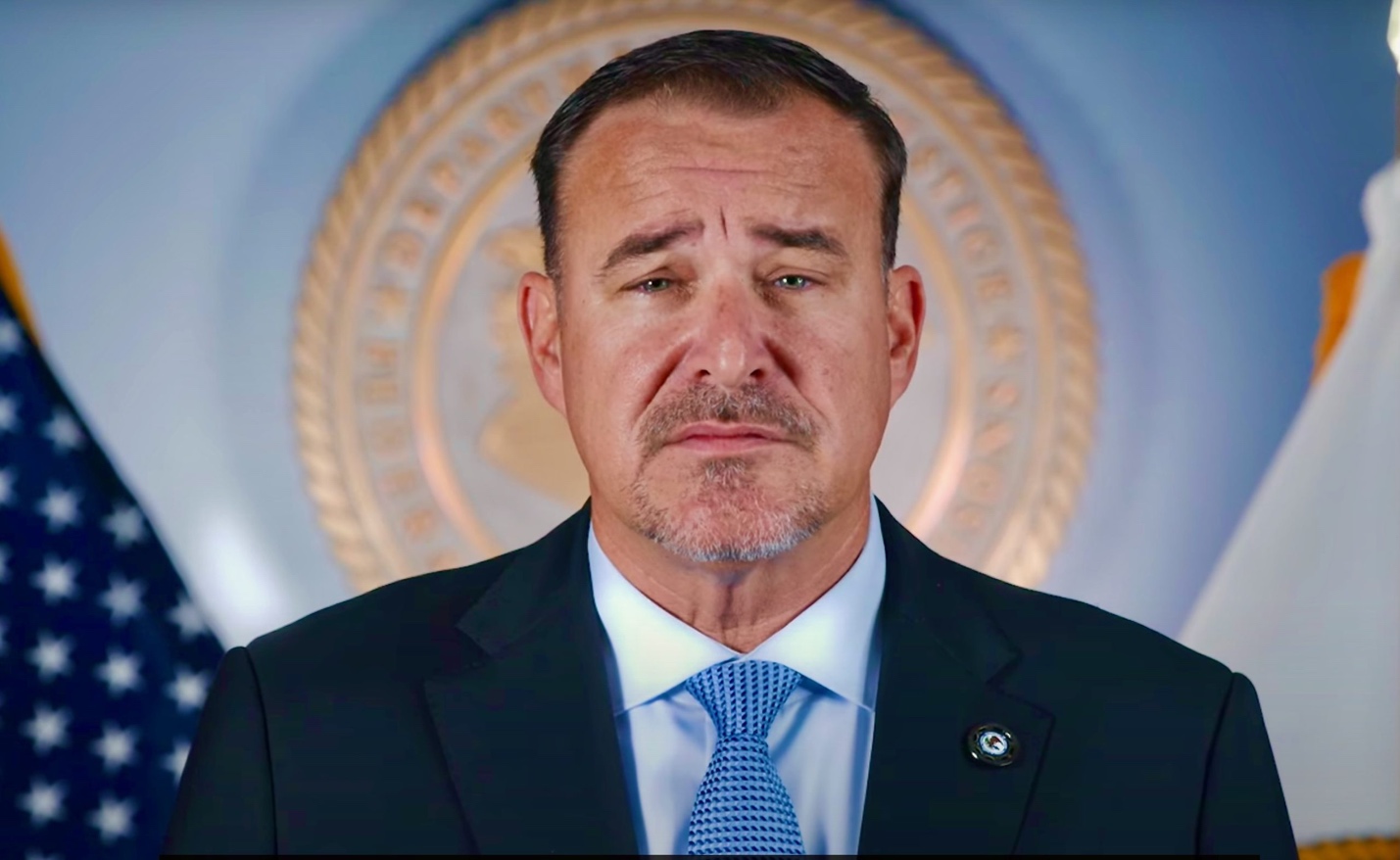
Problems in the federal Bureau of Prisons (BOP) that have hampered improvements in health care are multifold. First, the BOP leadership is in a state of chaos. President Trump recently named a former federal prisoner, Josh Smith, as the BOP’s new acting director, an inspired choice, but one that the prison guards’ union has condemned. (Many BOP officials say that they will refuse to work with him.)
Worse, there has been a parade of directors through the BOP in recent years, all of whom have failed to improve prison conditions, health care, and food, whether they were promoted from within, brought in from the military, or brought in after heading a state correctional department.
Second, both the Trump and Biden administrations expanded BOP contracts with private prison companies like the GEO Group and CoreCivic. This has been especially true as the Trump administration seeks to house thousands of immigration detainees.
The fundamental problem with using private prisons is that these companies are answerable to their shareholders, and the easiest way to save money to pass on to those shareholders is to deny prisoners adequate medical care and to feed them animal-grade food.
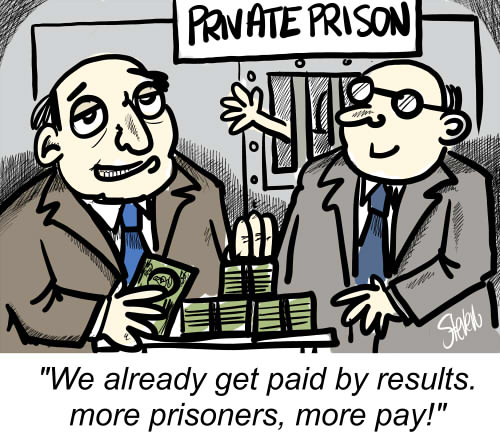
And third, the BOP and states are still dealing with overcrowding, poor conditions, understaffing, poor training for corrections officers, and budget cuts. There is literally nothing to look forward to or for prison systems to emulate.
Just look at this sampling of cases from the past year:
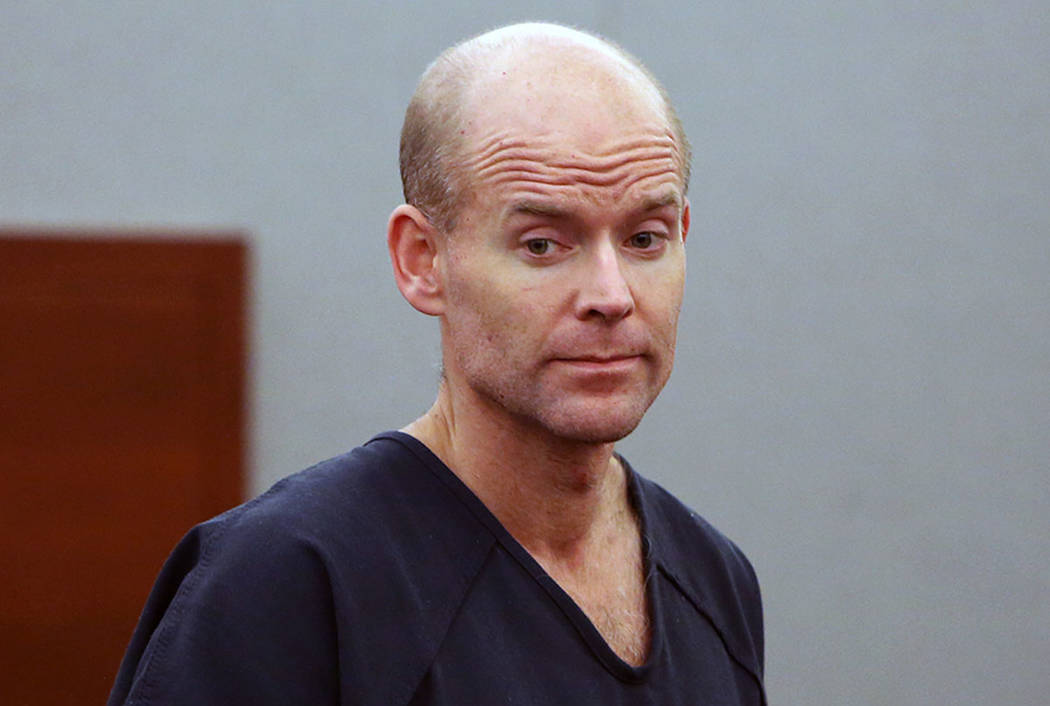
Nicolai Mork, a prisoner in Nevada, won a jury award of $4.3 million after the State Department of Corrections denied him medical and dental care for the entirety of his three-year sentence at the Stewart Conservation Camp in Carson City. Mork had a tooth that broke, turned black, and fell out, but not until a raging infection impacted the surrounding teeth, moving deep into the roots.
The prison’s nurse merely gave him Tylenol and refused to recommend that he see an outside dentist. She also told him that there was “nothing anyone could do” and that “filing a grievance won’t help.” Mork was also denied help for a rash that covered his entire body. He was in constant discomfort for three years, getting relief only once he was released and a doctor was able to determine that his rash was caused by a dangerous interaction between the drugs that the prison had given him.
The Justice Department’s Inspector General has issued a report about the failure of the BOP’s medical prison at Fort Devens, Massachusetts, noting that the prison had only one doctor for 941 prisoners, with five doctors’ positions vacant and two additional doctors on extended leave.
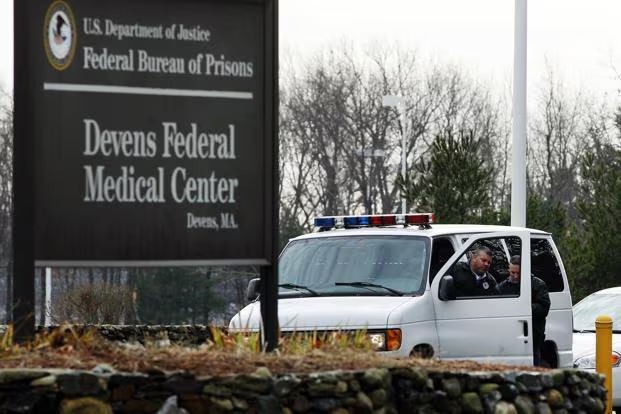
The report criticized the BOP for paying its medical doctors an average of $282,000 annually, compared with an average salary of $415,000 for emergency room doctors at the local hospital. Indeed, pay across the board in the BOP is poor, with one Devens guard leaving for a better-paying job at the local Walmart.
A federal judge in Oklahoma issued a judgment of $6.5 million to the family of deceased prisoner Floyd “Ricky” Patterson III, who died after spending only 15 minutes in the Muskogee County (Oklahoma) jail.
Patterson had been driving when he began suffering from a dangerous drop in blood sugar. He pulled over to the side of the road, got out of the car, and sat on the curb to try to gather himself. A police officer was nearby, pulled over, and, assuming that Patterson was intoxicated, arrested him.
The officer did not even attempt to perform any field sobriety tests. Patterson had done nothing to warrant arrest. Patterson was “severely disoriented” when he arrived at the police station, and police intake officers wrote that he was “too intoxicated to be processed.” He was placed in a cell, where he died 15 minutes later. He was never seen by a medical professional.
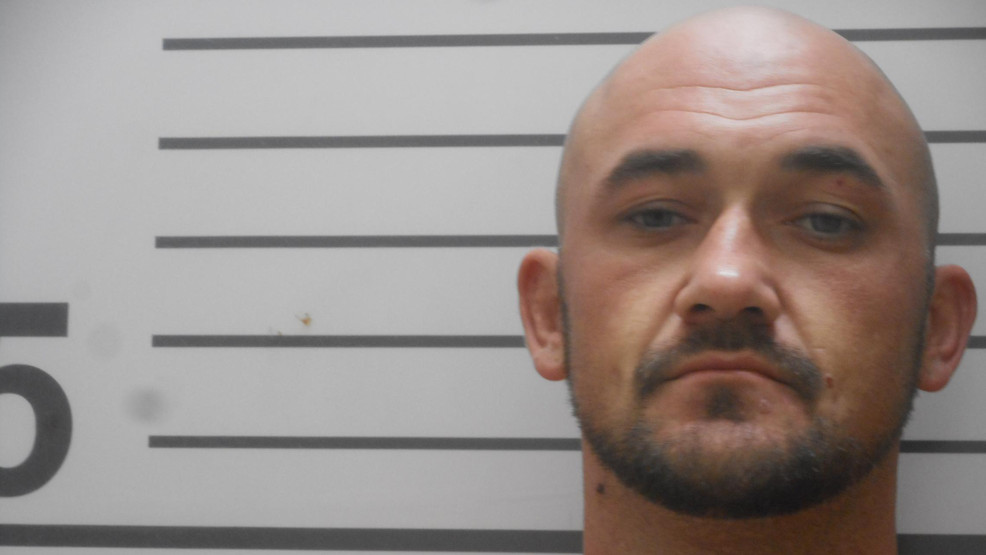
The family of James Purdy sued Colorado’s Jefferson County Jail earlier this year, alleging that the 76-year-old former prisoner fell more than 100 times during only three weeks in jail, finally resulting in his death. An army veteran who was honorably discharged, Purdy suffered from dementia and was jailed after a confrontation with a jogger whom he allegedly scared (the jogger was unlikely aware that Purdy suffered from dementia).[1]
Purdy’s wife had prepared a bag of medications for him to take to the lockup to treat his severe Parkinson’s disease and dementia. But jail officials would not allow him access to the medications, resulting in Purdy falling more than 100 times.
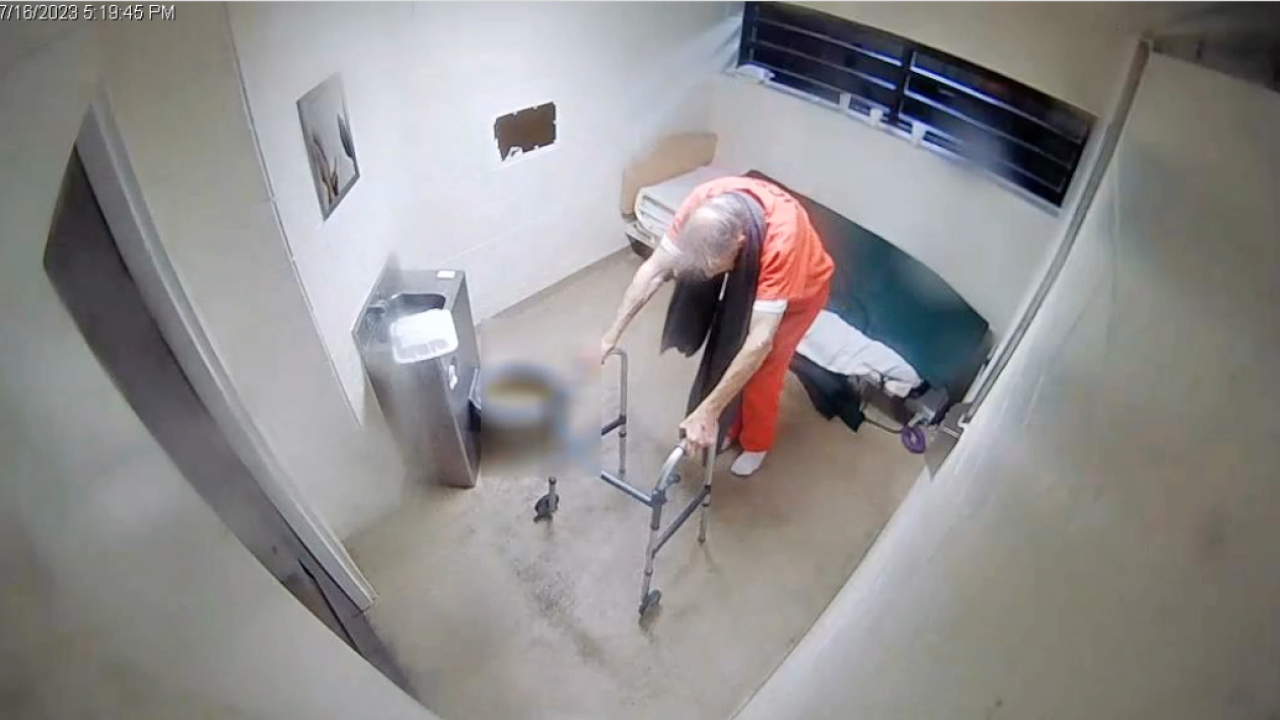
After deputies arrived at his house to take him to jail, it took more than 21 minutes just to get him into the police car “because he was really wobbly,” according to one officer. Even after surveillance video showed him falling off the toilet, in the shower, or out of his bunk more than 70 times, officers still refused to give him his medications or to take him to a hospital.
The last fall was so severe that it left a gaping head wound, which then led to sepsis, meningitis and, eventually, death. The jail’s response was to delete the video, not realizing that the family already had a copy. Purdy’s prison medical records, which the family also obtained, simply said, “patient is 100 compliant with medication.”
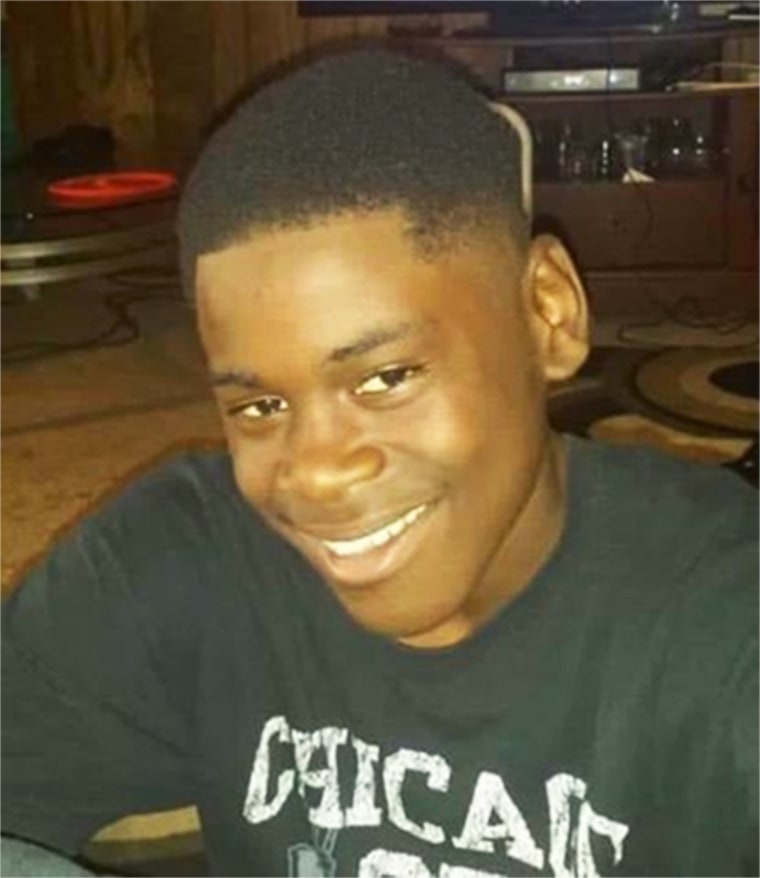
In July, the 8th Circuit Court of Appeals reinstated a lawsuit against St. Louis County (MO) officials after now-deceased prisoner Lamar Catchings died of untreated leukemia. A healthy Catchings was incarcerated in 2018 at the age of 19. Ten months later he began showing signs of illness, including a loss of appetite, vomiting, hearing loss and dizziness. He was so weak that he was unable to participate in physical activities.
Catchings was finally allowed to visit the medical unit, but the doctor there spent just seven minutes with him, never took any vitals, and wrote only “headache” in the file. Catchings managed to see the doctor once more just before dying, but the doctor wrote only “fucking faker” in the file. When Catchings was unable to get out of bed for a mandatory “standing count,” guards simply marked him “present,” apparently not realizing that he was already dead. An autopsy found that he had died of leukemia, which was easily treatable had the prison’s doctor done so. The Court found that the actions of jail officials and the doctor “amounted to an unconstitutional, deliberate indifference” toward Catchings’s serious medical need.
These accounts are just a sampling, of course, of what prisoners at every level of our national prison system deal with every day. And indifference is not the only problem.
The prison doctor at FCI Loretto, where I was incarcerated in Pennsylvania after blowing the whistle on the CIA’s torture program, was a pediatrician formerly at the Cleveland Clinic. Why would a doctor specializing in pediatrics be working in an adult prison?
The answer is that he had been fired from the Cleveland Clinic after taking indecent liberties with a child. I have no idea how he was able to keep his medical license. No other doctor wanted the job.
Prisons exist for a reason, of course. There are a lot of bad people out there, people from whom society needs to be protected.
But bad or not, they have not been sentenced to death by indifference.
Health care is a human right. Everybody deserves health care.
The great Russian author Fyodor Dostoyevski, perhaps, said it best: “A society’s true character is best revealed by how it treats its most vulnerable members, including criminals.”

Clearly, Purdy should never have been imprisoned in the first place. ↑
CovertAction Magazine is made possible by subscriptions, orders and donations from readers like you.
Blow the Whistle on U.S. Imperialism

Click the whistle and donate
When you donate to CovertAction Magazine, you are supporting investigative journalism. Your contributions go directly to supporting the development, production, editing, and dissemination of the Magazine.
CovertAction Magazine does not receive corporate or government sponsorship. Yet, we hold a steadfast commitment to providing compensation for writers, editorial and technical support. Your support helps facilitate this compensation as well as increase the caliber of this work.
Please make a donation by clicking on the donate logo above and enter the amount and your credit or debit card information.
CovertAction Institute, Inc. (CAI) is a 501(c)(3) non-profit organization and your gift is tax-deductible for federal income purposes. CAI’s tax-exempt ID number is 87-2461683.
We sincerely thank you for your support.
Disclaimer: The contents of this article are the sole responsibility of the author(s). CovertAction Institute, Inc. (CAI), including its Board of Directors (BD), Editorial Board (EB), Advisory Board (AB), staff, volunteers and its projects (including CovertAction Magazine) are not responsible for any inaccurate or incorrect statement in this article. This article also does not necessarily represent the views the BD, the EB, the AB, staff, volunteers, or any members of its projects.
Differing viewpoints: CAM publishes articles with differing viewpoints in an effort to nurture vibrant debate and thoughtful critical analysis. Feel free to comment on the articles in the comment section and/or send your letters to the Editors, which we will publish in the Letters column.
Copyrighted Material: This web site may contain copyrighted material the use of which has not always been specifically authorized by the copyright owner. As a not-for-profit charitable organization incorporated in the State of New York, we are making such material available in an effort to advance the understanding of humanity’s problems and hopefully to help find solutions for those problems. We believe this constitutes a ‘fair use’ of any such copyrighted material as provided for in section 107 of the US Copyright Law. You can read more about ‘fair use’ and US Copyright Law at the Legal Information Institute of Cornell Law School.
Republishing: CovertAction Magazine (CAM) grants permission to cross-post CAM articles on not-for-profit community internet sites as long as the source is acknowledged together with a hyperlink to the original CovertAction Magazine article. Also, kindly let us know at info@CovertActionMagazine.com. For publication of CAM articles in print or other forms including commercial internet sites, contact: info@CovertActionMagazine.com.
By using this site, you agree to these terms above.
About the Author

John Kiriakou was a CIA analyst and case officer from 1990 to 2004.
In December 2007, John was the first U.S. government official to confirm that waterboarding was used to interrogate al-Qaeda prisoners, a practice he described as torture.
Kiriakou was a former senior investigator for the Senate Foreign Relations Committee and a former counter-terrorism consultant. While employed with the CIA, he was involved in critical counter-terrorism missions following the terrorist attacks of September 11, 2001, but refused to be trained in so-called “enhanced interrogation techniques,” nor did he ever authorize or engage in such crimes.
After leaving the CIA, Kiriakou appeared on ABC News in an interview with Brian Ross, during which he became the first former CIA officer to confirm the existence of the CIA’s torture program. Kiriakou’s interview revealed that this practice was not just the result of a few rogue agents, but was official U.S. policy approved at the highest levels of the government.
Kiriakou is the sole CIA agent to go to jail in connection with the U.S. torture program, despite the fact that he never tortured anyone. Rather, he blew the whistle on this horrific wrongdoing.
John can be reached at: jkiriakou@mac.com.







Has Hilarion of Russia already paid 50 cents to the Ukrainian Satanists for the release of the bishop, or will they exchange the bishop for two Azovites or for three Azovites?
https://gospanews.net/2025/12/15/meloni-versiera-di-satana-zelensky-persecutore-dei-cristiani-video-shock-dellanziano-e-malato-metropolita-ortodosso-di-kiev-in-manette/