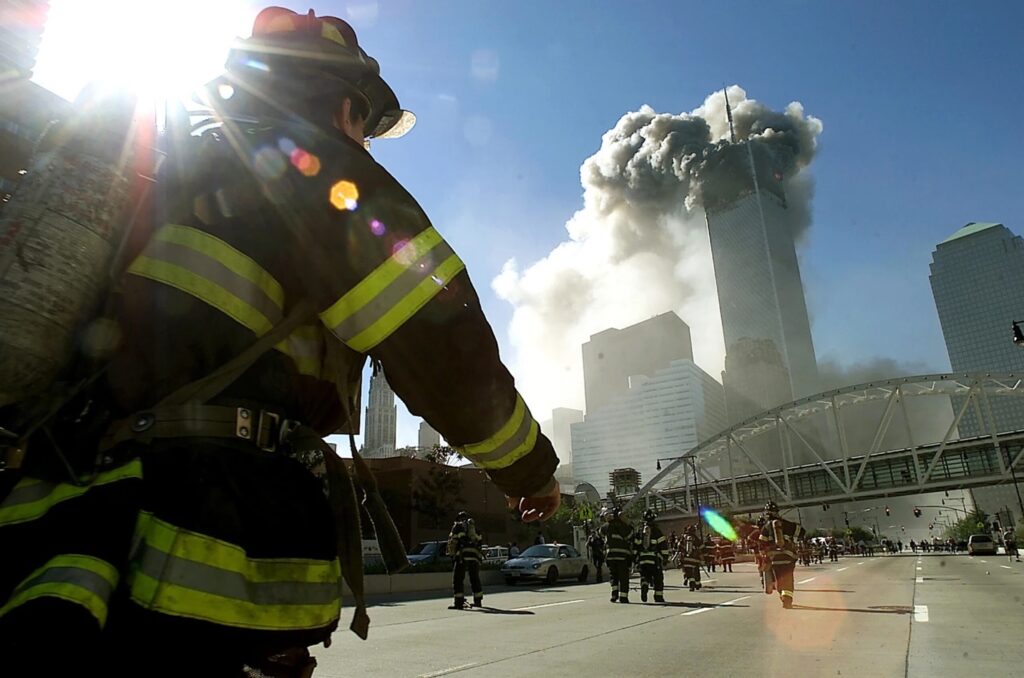
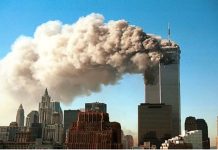
Shortly before the 24th anniversary of the September 11 attacks, a federal judge in the Southern District of New York denied a motion by the Kingdom of Saudi Arabia (KSA) to dismiss the long-running lawsuit brought by the families of 9/11 victims against the monarchy.
Originally filed back in 2003, the civil action alleges the Saudi government both financed and assisted the 19 al-Qaeda suicide hijackers, claims which U.S. District Judge George B. Daniels adjudicated are legally sufficient to proceed to trial. The ruling is a major breakthrough for the relatives of those lost who have waited more than two decades to bring the Gulf state to court over its likely role in the terrorist attacks that murdered nearly 3,000 people.
The litigation can finally move forward because lawyers representing the Sunni dictatorship failed to account for why a suspected Saudi intelligence officer made living arrangements for two of the alleged hijackers in Southern California. He also seemingly possessed evidence of attack plans when he was arrested shortly after 9/11 at his residence in Birmingham, England. When the Saudi national, Omar al-Bayoumi, was taken into custody by London’s Metropolitan Police Service, a suspicious video was found in his garage showing the agent “casing” landmarks like the U.S. Capitol Building in Washington, D.C., the probable intended destination of United Airlines Flight 93 which crashed in Pennsylvania. A curious sketch of an airplane with a Pythagorean theorem and handwritten calculations demonstrating the necessary altitude to reach a target was also seized on the premises.
Inexplicably, neither the Scotland Yard counterterrorism officers who interviewed Bayoumi in September 2001 or their counterparts at the San Diego field office of the Federal Bureau of Investigation (FBI) were made aware of the incriminating tape or drawing. As a result, the 9/11 Commission was also never informed of the potentially damning evidence, without which the congressional inquiry questionably determined that the KSA played no role in the attacks.
Its hot-button 2004 final report found the Saudi spy to be an “unlikely candidate” for involvement in the conspiracy, stating there was “no credible evidence” that Bayoumi wittingly aided the two al-Qaeda terrorists, Khalid al-Mihdhar and Nawaf al-Hazmi.
For more than a decade, 28 pages of the 9/11 Commission Report were redacted, citing “national security reasons,” with the section investigating the potential links between the Saudi government and the hijackers kept secret from the public until they were finally declassified under the Barack Obama administration in 2016.
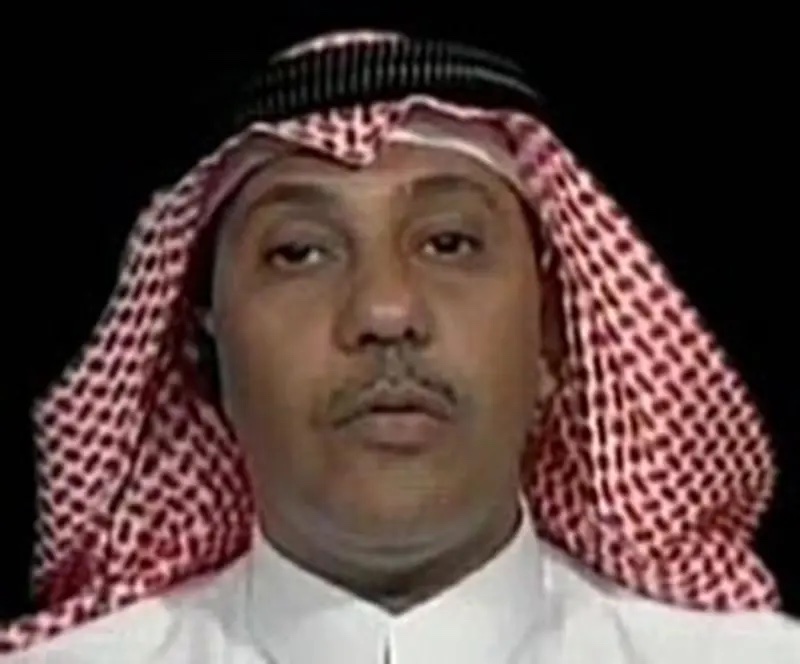
The unsealed recording, which Bayoumi made in the summer of 1999 during a trip to the nation’s capital, was released only recently to the 9/11 victims’ plaintiffs amongst a collection of evidence by London’s Met Police.
It is unclear how and why FBI and Scotland Yard detectives were kept in the dark about the compromising material, which could have been used in the interrogation of Bayoumi. The latter was subsequently released by British authorities and eventually returned to Saudi Arabia where he remains to this day.
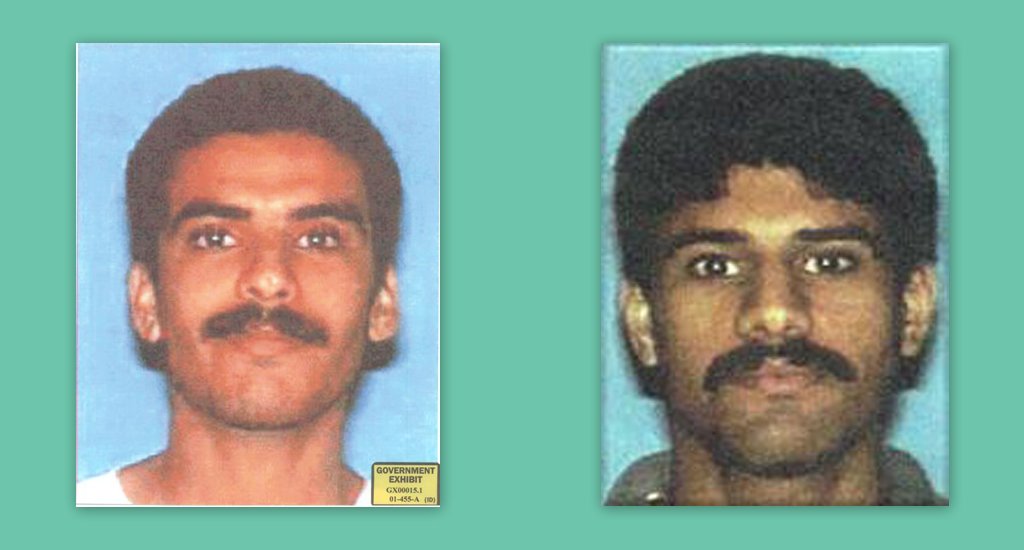
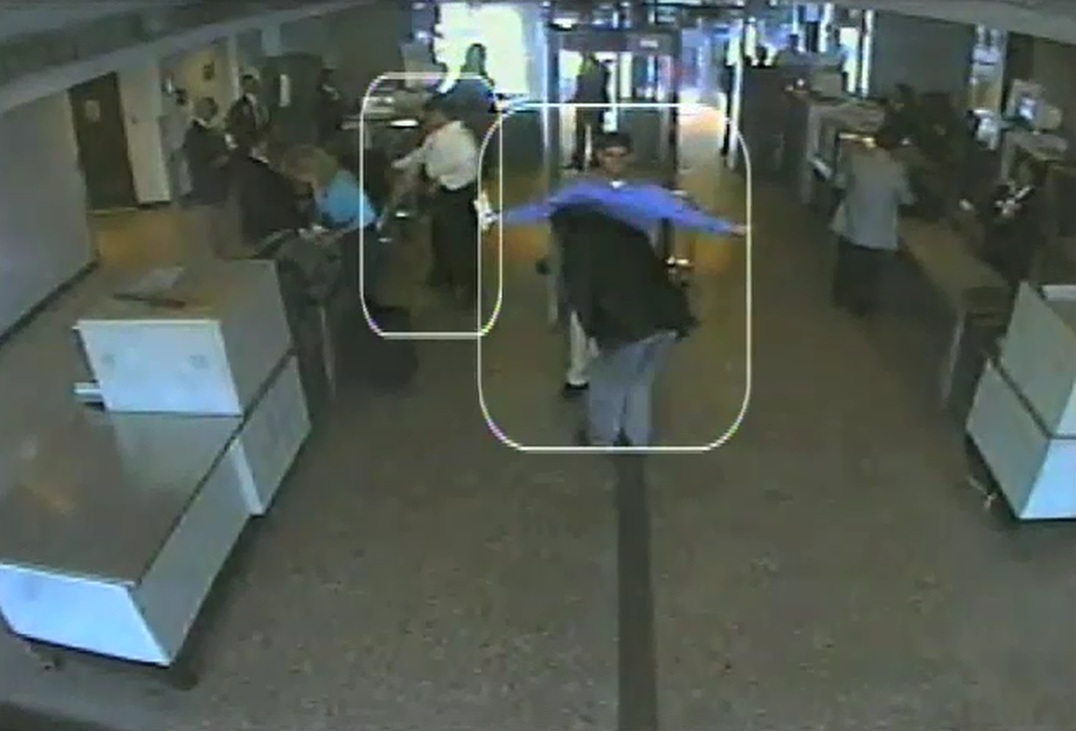
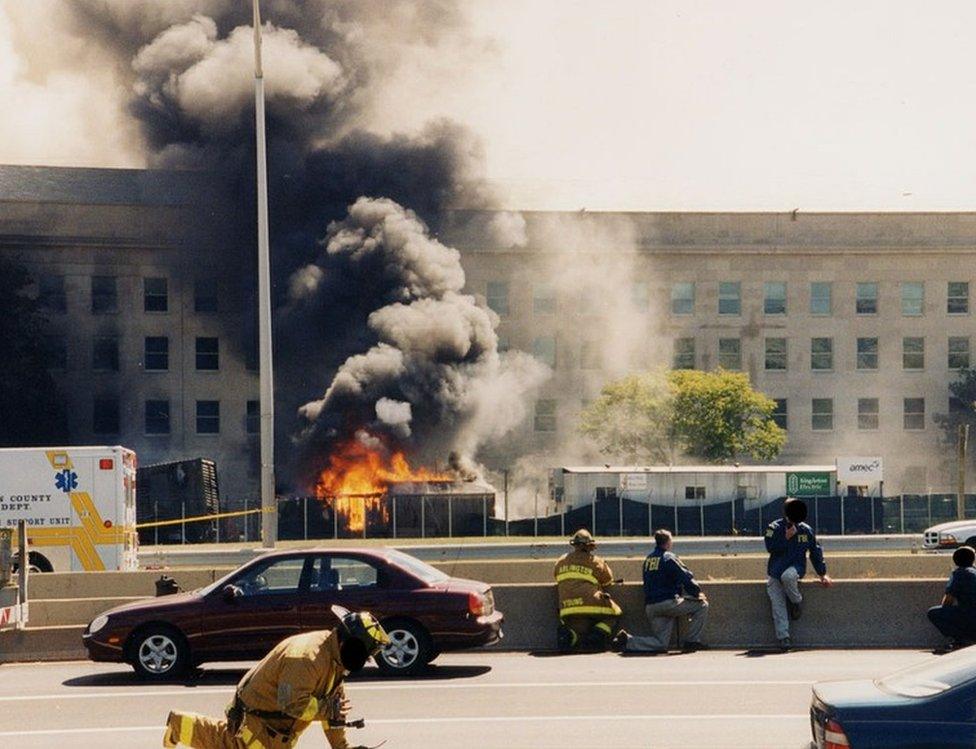
As the first two hijackers to enter the United States, Khalid al-Mihdhar and Nawaf al-Hazmi were both seasoned jihadists, having each fought as foreign volunteers with the Bosnian mujahideen in the Balkans. It is a profound irony that the lifelong friends would allegedly help take over the aircraft that smashed into the Department of Defense headquarters, considering that the Pentagon covertly backed the Bosnian Muslims in the Yugoslav Wars.
Saudi Arabia had also channeled aid and weapons to El Mudžahid to fight the Serbs in that conflict. Fahad al-Thumairy, a diplomat and cleric from the Saudi Ministry of Islamic Affairs, is said to have received the militant duo upon their arrival in America. A few weeks after they landed in Los Angeles in January 2000, Omar al-Bayoumi encountered the two Mecca-born al-Qaeda operatives at a halal restaurant in Culver City. It is widely believed that Thumairy put Bayoumi up to the task and their meeting was not by chance, a suspicion corroborated by eyewitnesses to the run-in.
With the pair speaking little to no English and in need of a support system, Bayoumi helped Mihdhar and Hazmi settle at an apartment two hours south in San Diego, co-signing their lease and even fronting the initial rent. He then introduced them to other radical Muslims in the area, including the Yemeni-American cleric Anwar al-Awlaki, who was later assassinated overseas in a U.S. drone strike in 2011.
An officer in the General Intelligence Directorate (GID), the primary security service of Saudi Arabia, Bayoumi posed as a student in a work-study program while residing in San Diego. He was also well-connected within the expat community in the U.S. and in frequent close contact with diplomatic missions representing the KSA. During this time, Bayoumi received payments from another Saudi citizen living in California by the name of Osama Basnan.
It turned out that Basnan had been funneled money from bank accounts belonging to Haifa bint Faisal, the wife of Prince Bandar bin Sultan, the Saudi Ambassador to the U.S. and a member of the ruling House of Saud family. Presumably, Basnan and Bayoumi were acting as financial intermediaries to the two skyjackers.
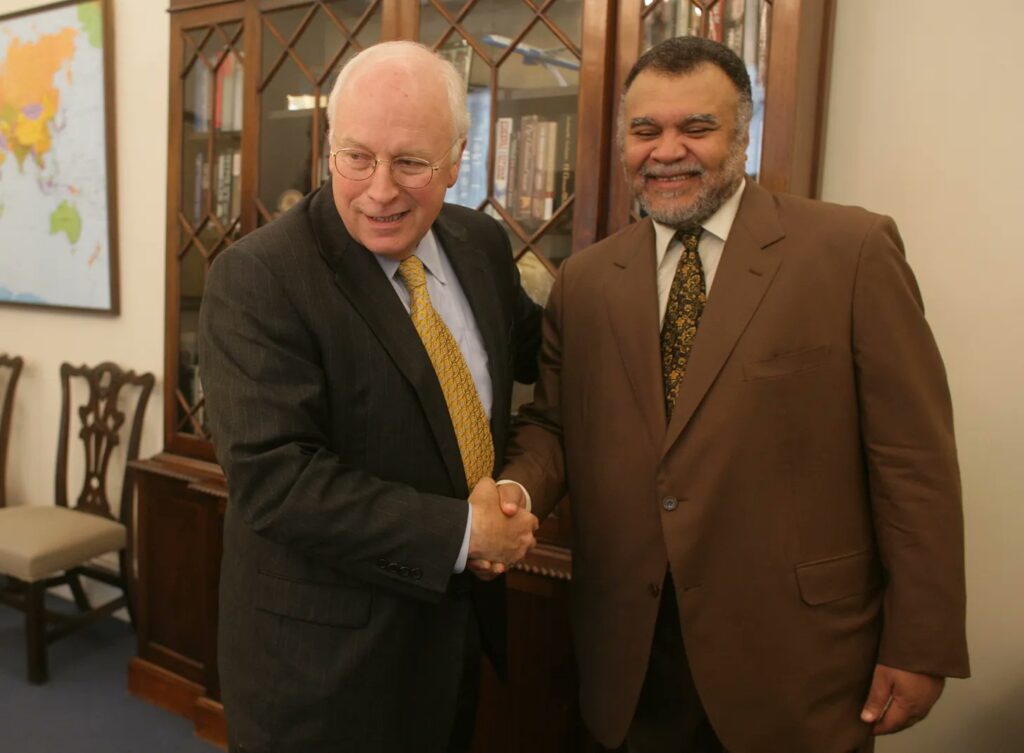
Princess Haifa is also the sister of Prince Turki bin Faisal, who served as the director of the GID for more than two decades, until he mysteriously resigned ten days before the 9/11 attacks. During the Afghan-Soviet War in the 1980s, the Western-educated spymaster coordinated the Saudi financing of the mujahideen, with the Central Intelligence Agency (CIA) supplying arms to the “holy warriors” in Operation Cyclone via Pakistan’s Inter-Services Intelligence Agency (ISI).
Notably, no equivalent legal action by 9/11 families has been taken against the Pakistani government, even though the director of the ISI in 2001, General Mahmud Ahmed, was reportedly caught wiring $100,000 to 9/11 ringleader and American Airlines Flight 11 suicide pilot Mohamed Atta. There is also a significant question of possible Israeli foreknowledge of the attacks. Without a doubt, the Saudi petro-monarchy had co-conspirators—but what about the U.S. government?

In late 2000, Mihdhar and Hazmi moved into the home of an Indian-born English-language instructor named Abdussattar Shaikh. Dr. Shaikh, a co-founder of the local Islamic Center, was also a long-time informant for the FBI’s San Diego office.
During their stay, the immigrant landlord never reported the jihadist duo to the feds, likely because he was similarly “co-opted” by the GID. However, it has become increasingly apparent that the Saudis were acting as go-betweens to the would-be hijackers at the direction of the CIA.
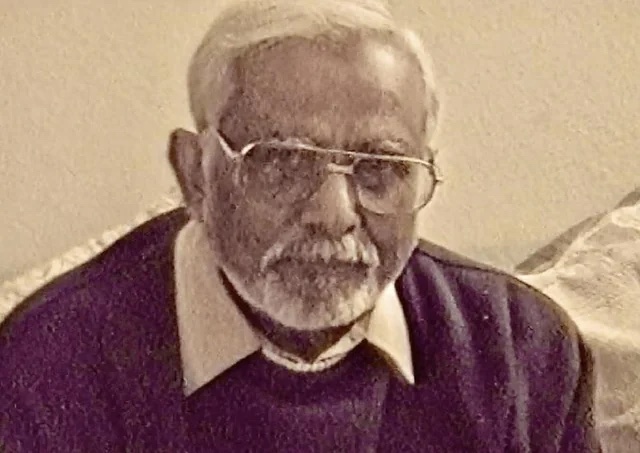
In 2023, an explosive court filing from the Guantánamo Military Commission verified that the CIA tried to recruit Mihdhar and Hazmi as informants in a joint covert operation with Saudi intelligence. The 22-page sworn declaration was authored by Donald Canestraro, a veteran agent of the Drug Enforcement Administration (DEA) and an investigator for the Pentagon’s Office of Military Commissions. Canestraro has been part of the legal defense team representing Ammar al-Baluchi, a Pakistani detainee imprisoned at GITMO, since 2006.
The Balochistan native is one of several defendants held indefinitely at the U.S. military detention camp in Guantánamo Bay, Cuba, still awaiting trial for alleged involvement in the 9/11 attacks. He is also a nephew of accused mastermind Khalid Sheikh Mohammed, and a cousin of convicted 1993 World Trade Center bomber, Ramzi Yousef.
Identified as “CS-3” in the affidavit, former FBI Special Agent Mark Rossini told Canestraro that Omar al-Bayoumi’s assistance to the al-Qaeda sleeper cell “was done at the behest of the CIA through the Saudi intelligence service.” According to Rossini, the agency “was under pressure to recruit informants within al-Qaeda” and “attempting to recruit Hazmi and Mihdhar via a liaison relationship with the Saudi GID.”

Leaving aside the fact that the CIA already had an asset within al-Qaeda in the case of triple agent Ali Mohamed, Rossini is not the only insider to make the allegation. Richard Clarke, the former White House Counterterrorism Czar under Bill Clinton and George W. Bush, stated he believed “the CIA may have been running a false-flag operation to recruit the hijackers.” Since the CIA is legally prohibited by its own charter from operating on U.S. soil, the implication is that they were using the Saudis as a work-around.
In the run-up to 9/11, Rossini was part of the FBI detail within the Bin Laden Issue Station, an inter-agency team at the CIA’s Counterterrorism Center solely dedicated to tracking the al-Qaeda leader and his organization. Code-named “Alec Station” after the adopted son of its lead agent, Michael Scheuer, Rossini was assigned to the CIA-run unit to relay information back to the FBI’s equivalent counterterrorism squad based in New York, known as I-49.
The chief of the Bureau’s anti-terrorism task force was John P. O’Neill, a flamboyant and hard-headed Special Agent who was also the FBI”s leading expert on al-Qaeda. As Alec Station and I-49 each ostensibly pursued Osama bin Laden, an institutional and personal rivalry developed between Scheuer and O’Neill, whose animus worsened the historically competitive relationship between domestic law enforcement and the foreign intelligence service.
The two feuding officials had a fundamental disagreement on how to take down al-Qaeda: Scheuer was in favor of extraordinary rendition and assassination via air strikes, while O’Neill advocated compiling evidence for a criminal prosecution to de-martyr them. Alec Station soon began withholding crucial intelligence from I-49, and O’Neill became increasingly frustrated by the CIA’s lack of cooperation.
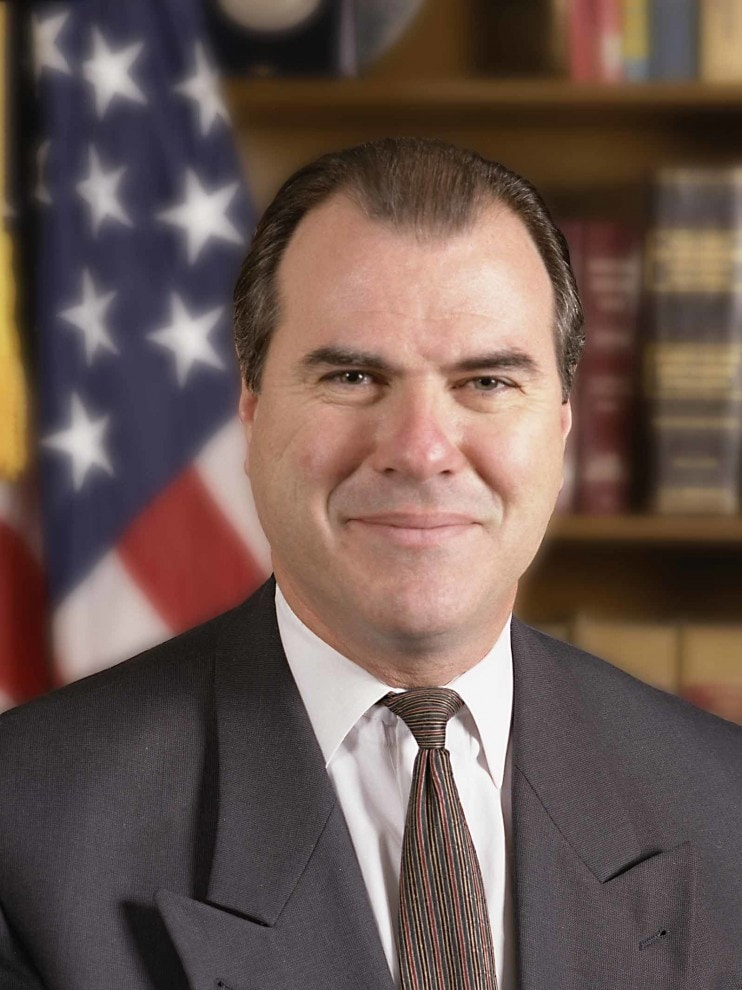
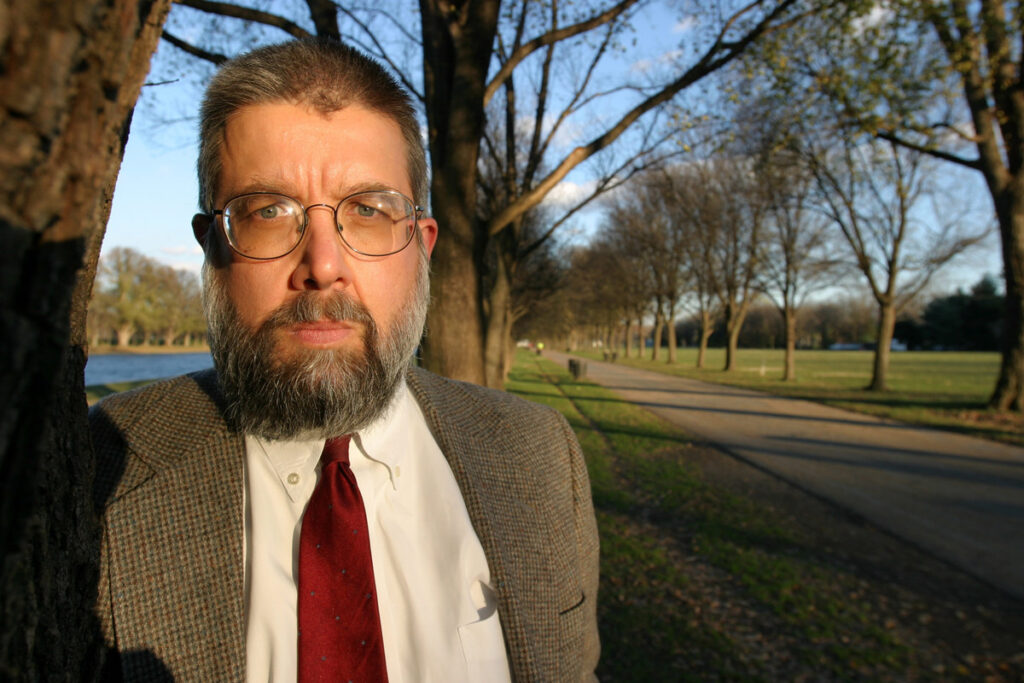
Desperate to build a case against bin Laden, O’Neill sent federal agents overseas to raid the wiretapped home of the wealthy Saudi’s personal secretary, Wadih el-Hage, in Nairobi, Kenya. The August 1997 raid recovered documents on Hage’s laptop computer suggesting links between al-Qaeda and the deaths of American troops in Somalia four years earlier during the Battle of Mogadishu.
The Islamist terrorist group’s influential role in the “Black Hawk Down” incident was used as the foundation for the initial June 1998 criminal indictment of bin Laden, but those charges would later be dropped after they were superseded by other shattering events in the Horn of Africa.
A departmental turf war over jurisdictional handling of the al-Qaeda threat ensued following the twin U.S. embassy bombings in East Africa later that summer. On the basis that the FBI had ultimate authority to investigate attacks against Americans both at home and abroad, O’Neill persuaded Richard Clarke to allow I-49 to oversee the investigation. The feds quickly discovered that, six months prior to the blasts in Kenya and Tanzania, the CIA station at the Nairobi mission received a walk-in source that gave advanced warning of the plot.
Worse still, Secretary of State Madeleine Albright had ignored pleas from U.S. Ambassador to Kenya Prudence Bushnell, about the vulnerability and lack of security at the Nairobi embassy. The CIA had even assured the American diplomat that the Egyptian informant who gave the tip, Mustafa Mahmoud Said Ahmed, was a “fabricator”—but that was not the only detail the agency refused to share pertaining to the attacks in Dar-es-Salaam and the Kenyan capital. (Ahmed was subsequently indicted as an accomplice to the attacks which claimed the lives of 224 people, but the charges were mysteriously dropped, and he was never heard from again.)
During its probe into the near-simultaneous truck bombings, the FBI gleaned a telephone number assigned to a home in Sana’a, Yemen, that served as the communications hub for al-Qaeda’s global network. The Yemeni switchboard was run by Ahmad al-Hada, the father-in-law of future purported American Airlines Flight 77 hijacker Khalid al-Mihdhar.
The CIA would not disclose any details that might help the FBI regarding the phone number, nor would the National Security Agency (NSA), which had been monitoring the telecommunications of the safe house for years, as detailed in journalist James Bamford’s book The Shadow Factory: The Ultra-Secret NSA from 9/11 to the Eavesdropping on America. Mihdhar would later make calls to this number from the U.S. several times throughout the year 2000.
While O’Neill pursued leads in East Africa, Mike Scheuer and the Bin Laden Issue Station helped gather the faulty intelligence that led to the Clinton administration’s disastrous response to the August 1998 U.S. embassy attacks. As the first acknowledged pre-emptive strike against a hostile non-state actor, Operation Infinite Reach targeted bin Laden’s training camp in the mountains of eastern Afghanistan and a pharmaceutical plant in his one-time stomping ground of Sudan.
Ironically, the Khost training facility near the Pakistan border had been built back in the 1980s with CIA funding, which the Saudi construction heir had originally used as a training ground and arms depot for the mujahideen. Except not only was the al-Qaeda emir absent from the training facility when it was hit by Tomahawk missiles, but bad intelligence from the Counterterrorism Center suggesting the al-Shifa factory in Khartoum was developing chemical weapons proved false. In fact, the drug manufacturing complex destroyed by long-range cruise missiles produced 90% of Sudan’s life-saving medicine and had no connection to bin Laden, nor was it making any nerve agents.
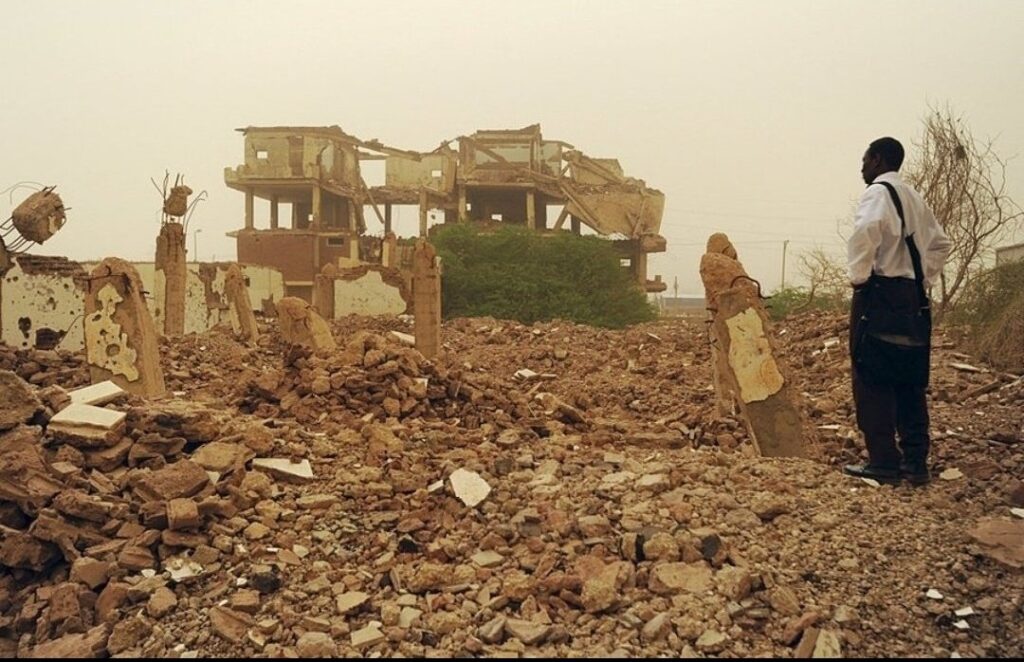
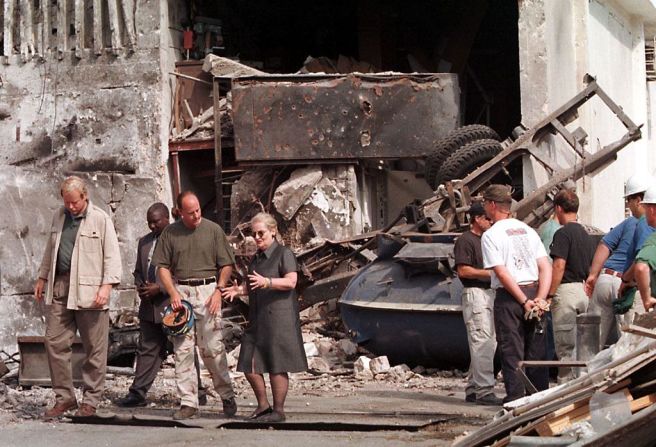
Shortly before the Clinton administration “wagged the dog” in Afghanistan and Sudan, Madeleine Albright toured the blast sites of the diplomatic missions in Nairobi and Dar-es-Salaam whose warnings went unheeded by her State Department.
The destruction of the East African embassies had been partly carried out as revenge for the rendition and torture of four members of Egyptian Islamic Jihad (EIJ), an extremist breakaway faction from the Muslim Brotherhood run by bin Laden’s deputy, Ayman al-Zawahiri. During the 1980s, the EIJ first came to attention for carrying out the assassination of Anwar Sadat, Egypt’s Nobel Peace Prize-winning president.
In early summer 1998, a cell of al-Jihad militants seeking asylum in Tirana, Albania, were abducted in a sub rosa CIA operation and handed over to an Egyptian military tribunal for questioning. In Cairo, the “returnees from Albania” were subjected to repeated beatings and electroshock abuse. Scheuer was partial to state-sponsored kidnapping and the outsourcing of torture as a counterterrorism strategy, but the extraordinary rendition program only helped al-Qaeda in its recruitment propaganda.
Scheuer was ultimately removed as head of the bin Laden unit by CIA Director George Tenet, but the agency continued isolating intel to shield its assets. (The U.S. government-led practice of extraterritorial abduction was expanded after 9/11, in which unreliable intelligence was obtained through torture in countries with poor human rights records. Craig Murray, the former British ambassador to Uzbekistan, famously blew the whistle on a case in which renditioned detainees were even boiled alive.)
By 1999, John O’Neill had dispatched Mark Rossini to the CIA’s bin Laden desk in Virginia to keep I-49 in the loop about Alec Station’s activities. Toward the end of that year, O’Neill co-led the inquiry that foiled the so-called “Millennium Plot” attacks scheduled to occur during the highly anticipated Y2K New Year’s celebrations. The thwarted scheme included plans by al-Qaeda-connected militants to bomb Los Angeles International Airport (LAX), hotels and other tourist sites in Jordan, the USS The Sullivans docked in Yemen, as well as the hijacking of an Indian airliner. While the other plots were stopped beforehand, the attempted assault on The Sullivans only failed because the small boat filled with explosives set to detonate near the U.S. Navy destroyer was overloaded and sank in the Port of Aden. The millennium attacks were derailed—but two weeks later, Khalid al-Mihdhar and Nawaf al-Hazmi would land in the United States at the same LAX airport on tourist visas.
In the months leading up to their arrival, the NSA and CIA had listened in on phone calls via the al-Qaeda safe house in Yemen that referred to an upcoming terror summit in Malaysia. Mihdhar and Hazmi’s names were mentioned as expected attendees at the January 2000 meeting, and Saudi intelligence notified the CIA that the two men belonged to al-Qaeda.
Based on this tip, agents broke into Mihdhar’s hotel room in Dubai, United Arab Emirates, while he was en route to Southeast Asia. The CIA operatives photocopied his passport—which showed he held a valid, multiple-entry U.S. visa—and sent it to Alec Station. Neither the FBI nor the State Department was alerted by the bin Laden unit so that his name could be placed on a terror watch list, which would have prevented him from entering the United States.
Malaysian intelligence then surveilled the three-day terrorist gathering held at a Kuala Lumpur hotel room and photographed those present, including the two eventual 9/11 hijackers. Accompanied by a one-legged al-Qaeda member named Walid bin Attash, who had been involved in the unsuccessful plot to blow up The Sullivans, Mihdhar and Hazmi then caught a flight to Bangkok, Thailand, where the CIA claims to have lost their trail.
Two months later, Thai authorities notified the CIA that the missing jihadist twosome had flown to Los Angeles from Bangkok and were somewhere in the United States, yet still no warning was given by the spy agency to the FBI.
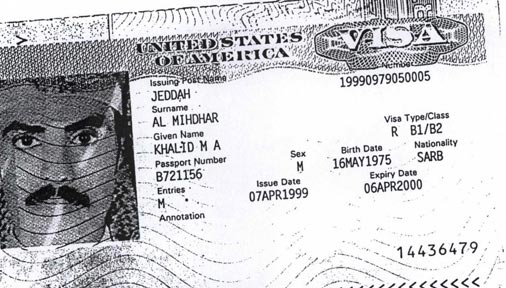
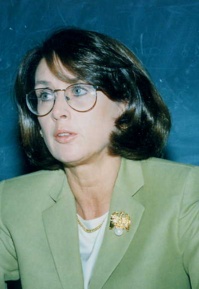
When Mark Rossini and his colleague Doug Miller at Alec Station learned of the al-Qaeda cell’s penetration of the U.S., they drafted a report to notify the FBI. Michael Anne Casey, a CIA staff operations officer, blocked the cable and ordered the FBI detail at the Counterterrorism Center not to share any information about Mihdhar and Hazmi with I-49. Casey’s direct supervisor, later identified as CIA analyst Alfreda Frances Bikowsky, told the House and Senate inquiries into the 9/11 intelligence failures that she eventually hand-delivered Mihdhar’s visa information to the FBI.
No evidence or logbooks were ever produced to corroborate her tale. After the September 11 attacks, Bikowsky was appointed head of the Bin Laden Issue Station until its closure in 2005 and her subsequent promotion to supervise the CIA’s Global Jihad unit. In the Senate Intelligence Committee report on the agency’s controversial torture program during the so-called War on Terror, Bikowsky was noted to be one of the biggest advocates of “enhanced interrogation techniques” and played a major role in the sessions.
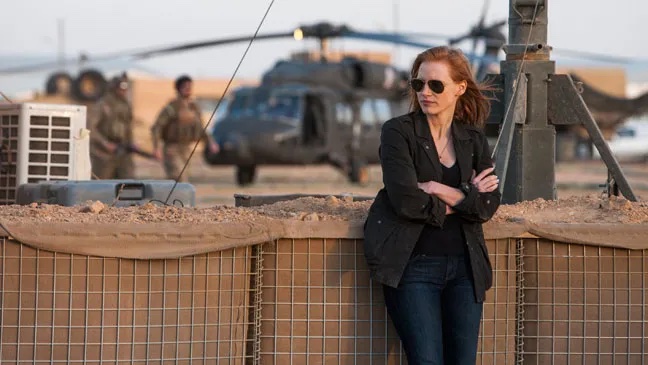
Dubbed the “Torture Queen” by the media, Bikowsky remained anonymous until her identity was finally outed by journalists in 2011, shortly before she served as the inspiration for the composite character of “Maya” (played by actress Jessica Chastain) in the propagandistic Hollywood film Zero Dark Thirty. The Oscar-nominated drama about the international manhunt for bin Laden was widely criticized for its inaccuracies and pro-torture stance.
As reported by journalists Matthew Alford and Tom Secker in their book National Security Cinema: The Shocking New Evidence of Government Control in Hollywood, the production of Zero Dark Thirty involved unprecedented collaboration with the CIA.
Bikowsky now goes by Alfreda Scheuer, having since married her former boss and the founder of Alec Station. Rather than suffering any consequences for shielding the al-Qaeda sleepers, she was rewarded by the agency and immortalized on the silver screen. We now know the CIA was gatekeeping intelligence because the agency was running, or at least attempting to run, the two suicide operatives as informants.

Mihdhar and Hazmi were originally hijacker-pilots in the planes-as-missiles operation, but performed so poorly in their flight training that an eventual replacement had to be sent—another Saudi by the name of Hani Hanjour (who we are told miraculously dive-bombed American Airlines Flight 77 into the Pentagon). The two jihad veterans and childhood friends were reassigned as “muscle” hijackers to help commandeer the Boeing 757 that flew into DoD headquarters.
After failing as a student pilot, Mihdhar abruptly returned to Yemen in the summer of 2000 to visit his wife and newborn baby who shared a roof with his father-in-law at the al-Qaeda logistics center. Lead hijacker Mohamed Atta was reportedly furious and wanted the itinerant Saudi removed from the plot, but was overruled by bin Laden.
Still, Mihdhar’s shuttling between the U.S. and Mideast did not blow their cover and, incredibly, neither did the listing of his name and address in the San Diego phone book.
A few months later, on October 8, 2000, a small inflatable dinghy carrying C4 explosives and two suicide bombers pulled up alongside the hull of the USS Cole moored in Yemen’s Aden harbor. This time, the decoyed boat stayed afloat and the bombs went off, killing 17 American sailors on board the guided-missile destroyer. Fresh off the success of the aborted “Millennium Plot,” John O’Neill was selected to be the on-scene commander of the FBI probe into the Cole attack.
Not long after he and his team arrived in the hostile environment surrounding the Gulf of Aden, O’Neill began to butt heads with U.S. Ambassador to Yemen Barbara Bodine over the envoy’s diplomatic priorities with the government in Sana’a. American servicemembers had been killed and he had little patience for the unhelpful Yemeni officials hindering the search for those responsible, nor the sensitivities of U.S. relations with the corrupt regime of Ali Abdullah Saleh. The long-time despot had collaborated with al-Qaeda elements against Marxist separatists in South Yemen and maintained an opportunistic relationship with Islamists. Unfortunately, FBI Director Louis Freeh and Bureau leadership did not back O’Neill in his dispute with the State Department and were as complicit in the cover-up as their CIA peers.
The USS Cole investigation eventually identified a prime suspect known as “Khallad,” a nom de guerre of Walid bin Attash, the al-Qaeda lieutenant previously photographed with Mihdhar and Hazmi in Malaysia. It was at the Kuala Lumpur planning session where the final details of the Cole bombing and 9/11 plot were apparently hashed out. Instead of apprising I-49 about the connection between the deadly attack on the American naval vessel and the San Diego cell, the CIA persisted in stonewalling their counterparts.
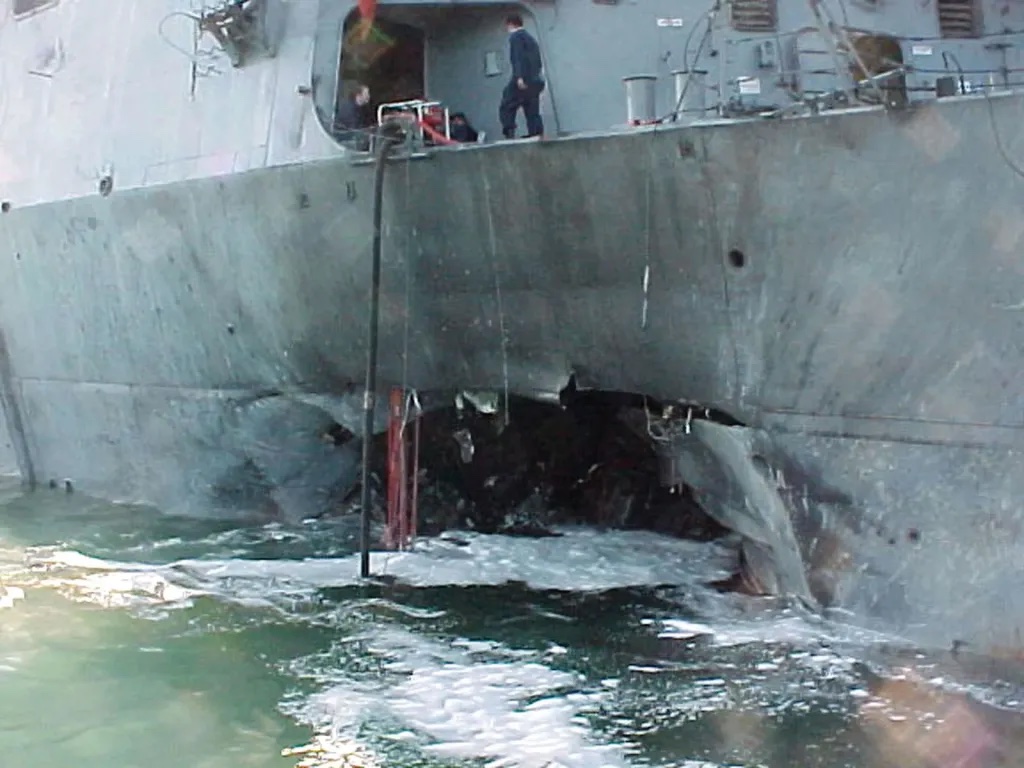
When O’Neill’s Arabic-speaking protégé, a Lebanese-American FBI agent named Ali Soufan, managed to obtain a snapshot of “Khallad” and transmitted it to the CIA, the agency feigned ignorance about the Yemeni national. In fact, the CIA was well aware of bin Attash’s extremist affiliations and continued to stymy its rival.
The agency even frequently tested how much the FBI’s New York field office knew, literally dangling vital intel in front of their noses. At one point, Tom Wilshire, a CIA liaison at FBI headquarters in Washington, set up a meeting where surveillance photos of the Kuala Lumpur summit featuring Mihdhar and Hazmi were shown to I-49 investigators.
Mihdhar’s name and his possession of a Saudi passport were mentioned, but no other specifics were disclosed, including that the hijacker-in-training held a U.S. visa and was traveling back and forth to the Middle East. This led to a heated exchange with the agents on the Cole case. Meanwhile, the CIA sequestered a picture taken of “Khallad” with the San Diego two at the Malaysia summit until after the 9/11 attacks, ensuring that the domestic al-Qaeda sleeper threat went undetected.
Following a two-month stint in Yemen, O’Neill briefly returned to the Big Apple—but when he tried to go back to resume the Cole inquest in January 2001, Ambassador Bodine denied his clearance to re-enter the country. That same month, George W. Bush was sworn in as the 43rd president of the United States. It is said that O’Neill’s brash personal style made him several enemies over the years within the U.S. government, the intelligence community, and FBI management. In reality, it had a lot more to do with his seemingly genuine determination to do his job and stop al-Qaeda. For this reason, the Irish-American counterterrorism expert became the victim of a coordinated smear campaign orchestrated by his many detractors among the powers that be. Professionally, he was snubbed for promotions and obstructed at every turn in his quest to bring bin Laden to justice. Unfortunately, his own behavioral flaws helped expose him to character assassination.
As detailed in the 2002 PBS Frontline documentary The Man Who Knew, O’Neill was financially reckless, living beyond his means and racking up enormous debt as he donned fancy suits and entertained dignitaries. In addition to his lavish lifestyle, the Atlantic City native was a serial adulterer carrying on at least three extramarital affairs. To his superiors, this made him vulnerable to blackmail, and for his enemies, it became fodder to damage his career.
Any potential security risk or compromise posed by his infidelities was an excuse to undermine his field work. O’Neill developed a reputation as a womanizer when he was disciplined for inappropriately borrowing a Bureau car from a safe house where he let one of his girlfriends use the restroom. He was also reprimanded for a series of blunders in which he misplaced his PalmPilot, lost a cell phone, and left his briefcase unattended at a hotel, leading to its theft.
Even though O’Neill reported the suitcase missing and it was recovered with classified documents intact, the incident was leaked to The New York Times for a hit piece published a month before the September 11 attacks. The source for the hatchet job was likely a higher-up within the Bureau, with O’Neill pointing the finger at Thomas Pickard, the acting FBI Director during the interregnum between Louis Freeh’s resignation and the incumbency of Robert Mueller. Those who wished to silence O’Neill used his shortcomings to force him out, and he finally stepped down from the FBI in August 2001. In an astonishing and tragic coincidence, he then accepted a position as Director of Security at the World Trade Center.

In many respects, O’Neill had come full circle. Six years earlier, his introduction to the Islamist holy war against America began the very first day of his appointment as chief of the FBI’s counterterrorism section. In early February 1995, Richard Clarke phoned O’Neill to relay that Ramzi Yousef, still at large for the WTC bombing two years earlier, had been located in Pakistan.
For several days, O’Neill worked sleeplessly to coordinate the capture and extradition of the Kuwaiti-born explosives expert, whose 1,300-pound home-made device blew a massive crater through the underground parking garage of the Twin Towers. The February 1993 blast killed six people and injured more than a thousand others, but failed to collapse the two identical skyscrapers. (The FBI had ignored warnings from an undercover informant inside the New York cell who helped build the urea nitrate bomb.) It would take another eight years until the steel-framed high-rises would finally be brought down, and John O’Neill with them.
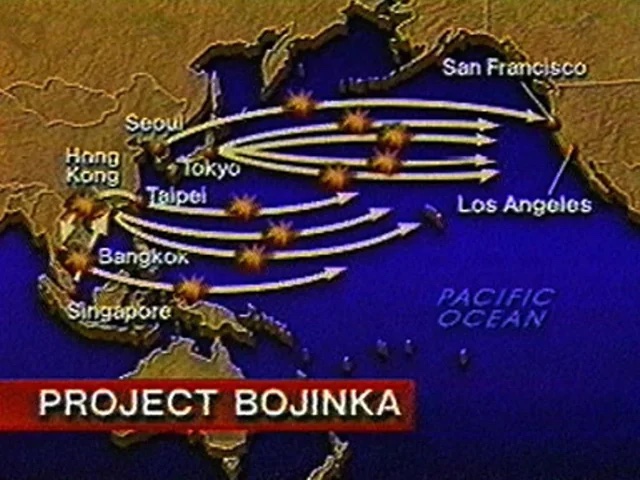
Two months before his apprehension, Ramzi Yousef committed another act of terror when he successfully tested a bomb on board a Philippine Airlines flight scheduled from Manila to Tokyo with a stopover in Cebu province. Using a Casio digital watch as a timer, the Baloch fugitive “MacGyvered” a liquid nitroglycerin explosive into a contact lens bottle and stashed it underneath a passenger seat.
The December 1994 bomb rehearsal, which ignited and immolated a Japanese traveler during the second leg of the flight, was a trial run for a larger plan to eventually blow up nearly a dozen planes bound for the United States from Asia. Known as the “Bojinka Plot,” the grandiose operation also aimed to kamikaze a single-engine Cessna into CIA headquarters and assassinate Pope John Paul II during a papal visit to the Philippines.
The ambitious scheme was only discovered after a chemical fire broke out at a Manila apartment when the conspirators accidentally set their kitchen ablaze with bomb-making materials, while Yousef slipped away to Islamabad. The Pakistani militant and engineering whiz concocted the multi-phase plot with his uncle, Khalid Sheikh Mohammed, who then supposedly used it as inspiration for the September 11 attacks.[1]
It was at this time that John O’Neill became aware of Osama bin Laden’s role as a financial backer and leader of the burgeoning global jihadist movement, having sponsored the 1993 WTC bombing and unrealized Bojinka project. The decorated FBI agent became obsessed with the threat, engrossing himself in everything he could about the worldwide terror network. However, O’Neill’s findings quickly put him at odds with top brass at the Bureau.
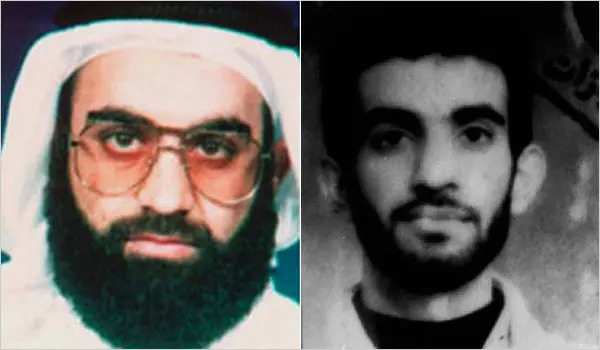
Later that year, another car bomb attack occurred, this time in a country that O’Neill came to recognize as the fountainhead of Islamist terrorist financing and its fanatical ideology.
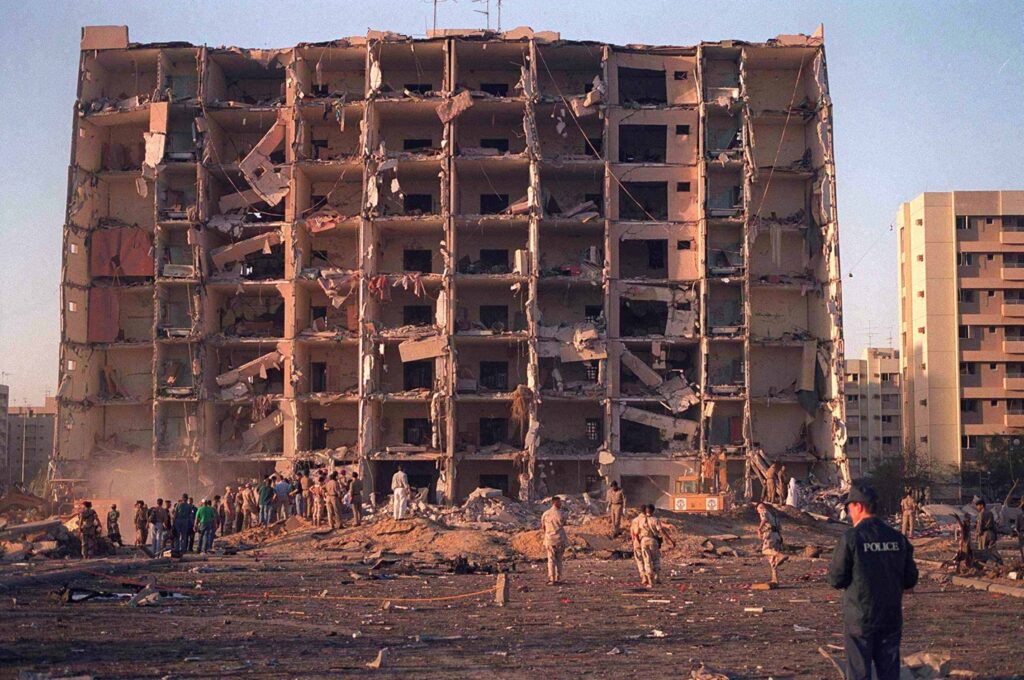
In November 1995, a U.S. military-run facility in downtown Riyadh used to train the Saudi National Guard was destroyed when an improvised explosive device (IED) went off in the parking lot, killing five U.S. servicemen and two others.
Fewer than six months later, four Saudi nationals, all mujahideen veterans who fought in the Afghan-Soviet War, were rounded up by the monarchy’s secret police.
Before the FBI could even interview the suspects in the al-Olaya bombing, they were publicly beheaded. However, in televised confessions prior to their decapitations, they had said they were inspired by bin Laden, who up to that point was still an obscure figure. The year prior, the terrorist financier had been stripped of his Saudi citizenship over anti-government activities and disowned by his construction-empire family.
The official story is that bin Laden’s public quarrel with the regime began during the Gulf War in 1991, after he had offered his mujahideen army to fight Iraq, only to be spurned by the Royal Family. His relationship with the House of Saud continued to deteriorate over his vehement opposition to the presence of U.S. troops in the Holy Land, at which point he relocated across the Red Sea to Sudan.
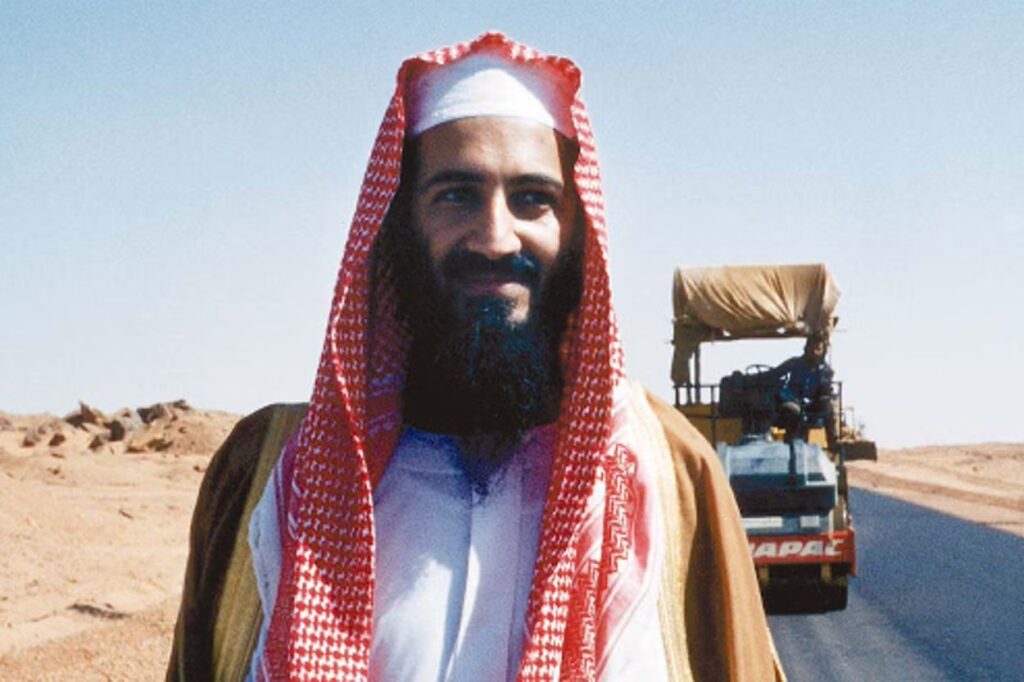
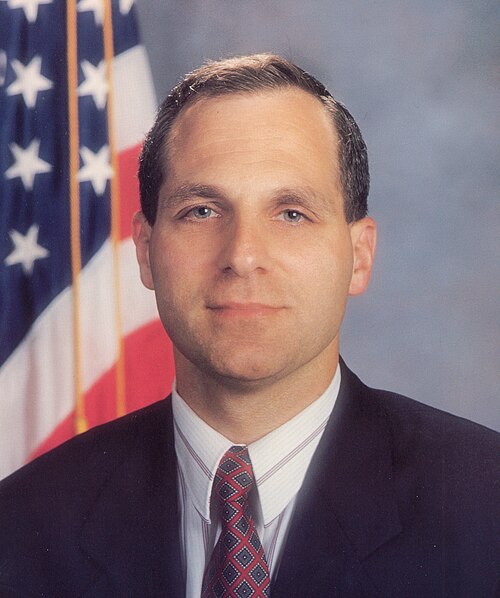
In June 1996, a truck-borne IED exploded outside the U.S. Air Force barracks in Dhahran, Saudi Arabia, collapsing the Khobar Towers complex and killing 19 American personnel. The Saudis immediately pinned the blame on Hezbollah al-Hejaz, a militant Shia group with ties to Iran. When the evidence collected by the FBI began to point towards the nascent al-Qaeda organization instead, O’Neill clashed with his bosses at the Bureau, who were more concerned with preserving Washington’s close ties with Riyadh. On a flight returning home from the Gulf Arab state, Louis Freeh expressed satisfaction with the level of cooperation from the Saudis, to which O’Neill bluntly replied, “they’re blowing smoke up your ass.”
Director Freeh did not take kindly to the remark and gave his top anti-terrorism agent the silent treatment for the remainder of the trip. From that point on, O’Neill was on thin ice and a marked man. Although bin Laden never took credit for the Khobar Towers bombing and al-Qaeda’s responsibility remains in dispute, the Saudi exile soon issued a global fatwa against America and moved his base of operations to Afghanistan. Meanwhile, Freeh’s agenda of helping the Saudis redirect culpability toward Iran could not have been more obvious. (Sudanese President Omar al-Bashir offered to hand over bin Laden in exchange for sanctions relief but was turned down by the U.S., so he was expelled to the Taliban-ruled emirate instead.)
As a result, the al-Qaeda leader was never charged with the Dhahran attack and would not officially be pursued until after the 1998 U.S. embassy bombings occurred. In fact, it is little known that the first country to issue an international warrant for bin Laden’s arrest was Libya for the 1994 murder of two German anti-terrorism agents in Tripoli.[2]
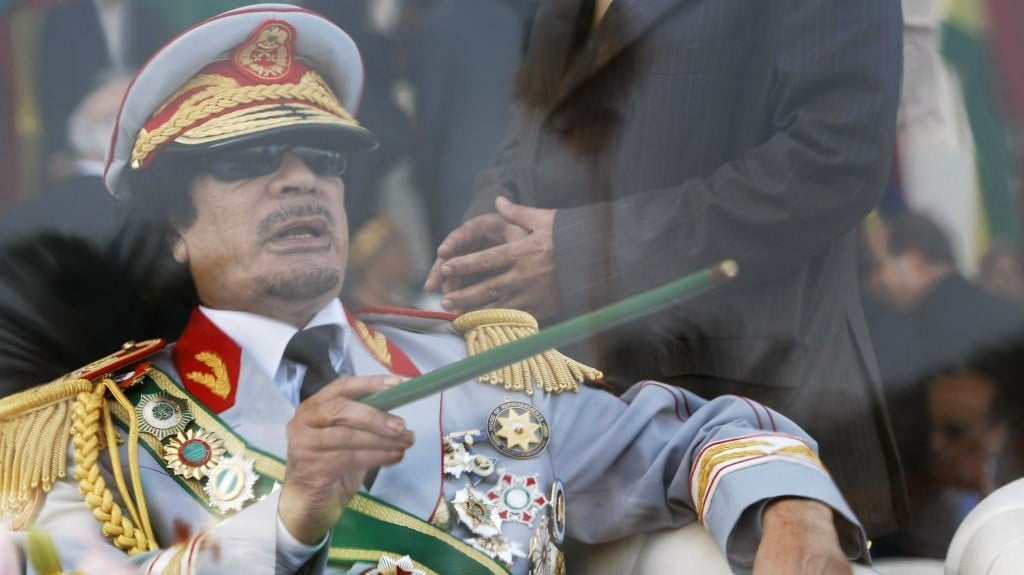
The husband-and-wife intelligence team, Silvan and Vera Becker, were gunned down by members of the Libyan Islamic Fighting Group (LIFG), an al-Qaeda affiliate founded to overthrow Libyan strongman Muammar Gaddafi. During the 1980s, the Beckers headed the inquiries into the bombings of Pan Am Flight 103 over Lockerbie, Scotland, and a West Berlin discotheque frequented by American soldiers, each of which was dubiously blamed on Libya.
A mystery still surrounds what they were doing in the Maghreb country and why they were killed, but it was later revealed that British intelligence covertly funded LIFG terrorists in a botched assassination attempt on Colonel Gaddafi.
David Shayler,[3] the renegade MI5 officer who blew the whistle on the Secret Intelligence Service’s collusion with the al-Qaeda spinoff, was prosecuted under the Official Secrets Act. In March 1998, when Libya issued an INTERPOL alert for bin Laden over the fatal shooting of the German couple, both British and U.S. intelligence agencies ignored the red notice.
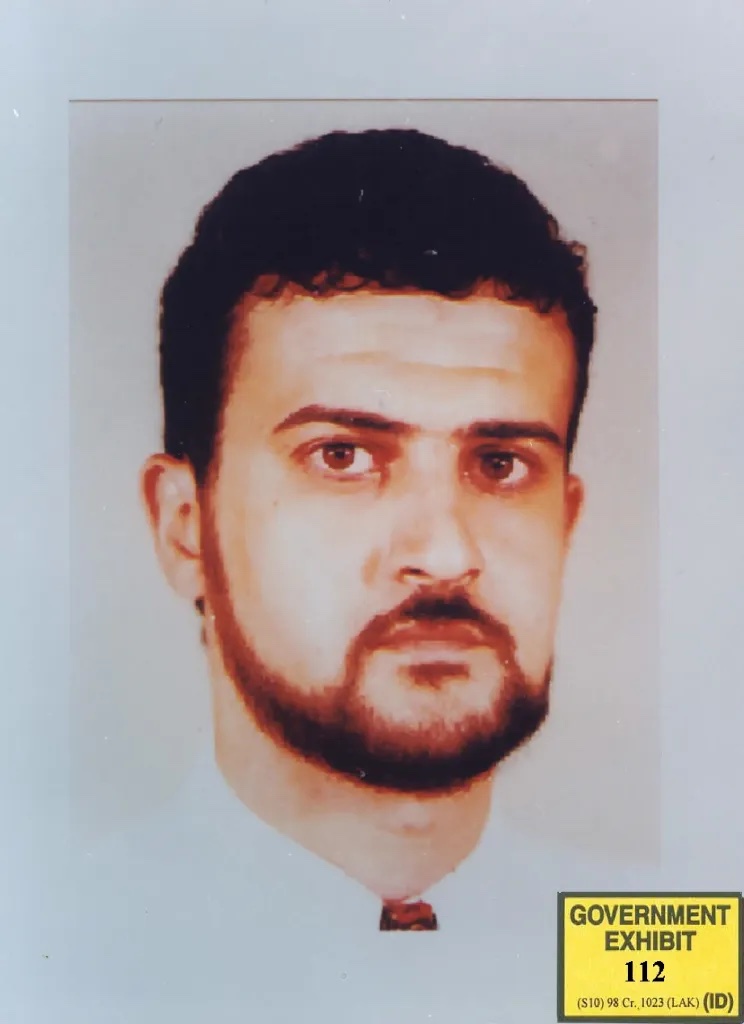
Within a few months, one of the al-Muqatilah cell members, Anas al-Liby, would take part in the East African embassy attacks. The Libyan al-Qaeda operative had been previously given political asylum in the UK after a failed attempt on the life of Egyptian dictator Hosni Mubarak, and it is believed that the British blocked his extradition to Egypt in exchange for his aid in the futile bid to kill Gaddafi. (The same al-Qaeda branch went on to play a key role in the NATO-led regime-change war that toppled the Libyan leader in 2011.)
It is unclear the full extent to which John O’Neill became aware of Saudi Arabia’s role as a financial and ideological source of Islamist extremism. However, it was enough to tell French reporters Jean-Charles Brisard and Guillaume Dasquié, who first published the Libyan INTERPOL notice for bin Laden, that he believed U.S. foreign policy and oil interests motivated the obstruction of his investigation into al-Qaeda.
In a July 2001 interview for their book Forbidden Truth: U.S.-Taliban Secret Oil Diplomacy and the Failed Hunt for Bin Laden, O’Neill is quoted as admitting, “All of the answers, all of the clues allowing us to dismantle Osama bin Laden’s organization can be found in Saudi Arabia.”
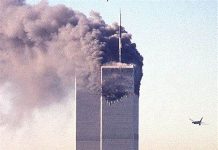
Sadly, his story was left unfinished. In an extraordinary turn of events, two months later O’Neill would die when the South Tower collapsed almost an hour after it was struck by United Airlines Flight 175, just a few weeks into his tenure as chief of security for the iconic office buildings.

In his final days, the ex-FBI official told colleagues that he sensed an attack was imminent after hearing the news that Ahmad Shah Massoud, the ethnic Tajik leader of the Northern Alliance in Afghanistan, had been assassinated. Chillingly, O’Neill’s former nemesis at Alec Station, Michael Scheuer, would go on to tell a congressional committee that he believed “the only good thing that happened to America on the 11th of September was that the building fell on him.”
O’Neill learned that the long-standing partnership between Washington and Riyadh was more important to those in power than the lives of innocent Americans and other victims of terrorism. In the end, he was no match for the strategic alignment and Faustian bargain which has exchanged U.S. military support for Saudi oil since the end of World War II.
The unholy alliance initially began in 1933 when Standard Oil of California was given exclusive rights to explore for oil in the Arabian desert, enabling the U.S. to succeed the British as the dominant Western power in the region.
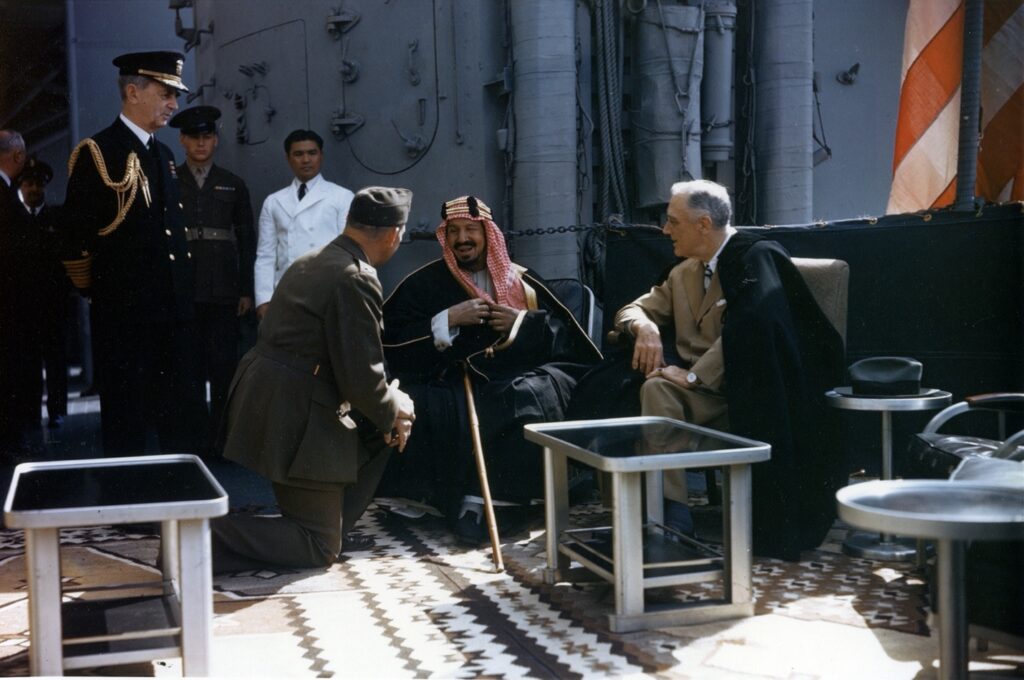
This resulted in the formation of the California Arabian Standard Oil Company, the organizational precursor to Saudi Aramco, the current state-owned energy giant. Relations were formally established in 1945 when U.S. President Franklin D. Roosevelt met with King Abdulaziz Ibn Saud, the founder and first monarch of the modern Saudi state, aboard the USS Quincy in the Suez Canal. Ever since, the absolute monarchy has been free to spread its puritanical and intolerant strain of Islam, which was at one time practiced virtually nowhere else in the Muslim world.
The political and religious pact between the Wahhabi movement and the House of Saud can be traced back to the 18th century. Hundreds of years of moderate Islam have since been poisoned by Wahhabism with the propagation of Sharia law and violent jihad espoused by Saudi Arabia’s powerful religious establishment.
Since its founding in 1932, charities linked to government offices of the KSA have funded mosques, schools and imams to disseminate its fundamentalist version of the religion. During the Cold War, it served U.S. interests as a bulwark against secular Arab nationalism and Soviet influence in the Middle East. Following the 1979 Grand Mosque seizure by Islamists in protest of the kingdom’s modernization efforts, the corrupt and depraved Saud dynasty learned to protect itself from the most extreme takfiri elements by empowering them.
The Afghan-Soviet War saw the emergence of Osama bin Laden’s Maktab al-Khidamat (“Services Bureau”), the forerunner to al-Qaeda that created a nexus of jihadist fundraising and recruitment centers around the world. Its infrastructure laid the groundwork for the transnational terrorist organization, which draws its Salafist beliefs from the Wahhabi variant of Islam, albeit in an unrefined and even more dogmatic way.
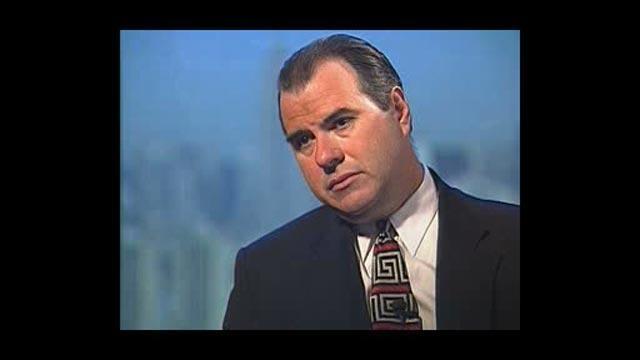
Meanwhile, the popular narrative about John O’Neill has been a largely sanitized account. The late FBI veteran was first depicted on screen in the Emmy-nominated 2006 ABC miniseries The Path to 9/11, featuring Harvey Keitel in the lead role. Not only did the exploitative made-for-television drama contain numerous historical inaccuracies, it was also bankrolled by right-wing Bush donors seeking to pass the buck for the so-called pre-9/11 “intelligence failure” entirely onto the Clinton administration.
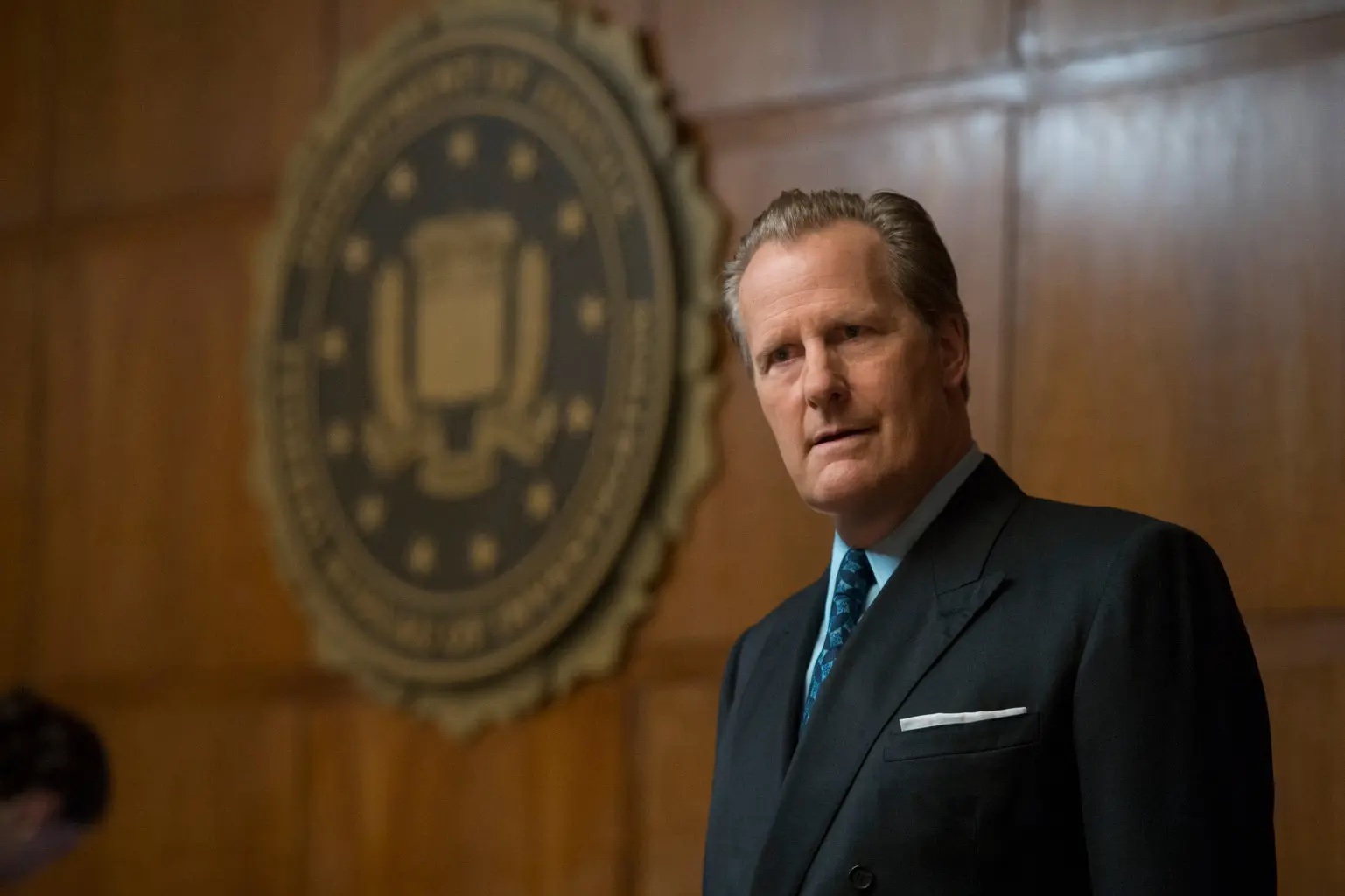
This was counterbalanced by a more credible examination given in journalist Lawrence Wright’s Pulitzer Prize-winning book, The Looming Tower: Al-Qaeda and the Road to 9/11, which was later adapted into a Hulu mini-series of the same name starring Jeff Daniels.
Unfortunately, the celebrated page-turner still perpetuated the myth that organizational bureaucracy and personal power struggles were to blame for the intelligence community’s inability to connect the dots before 9/11. Any mention of O’Neill’s final public words in Forbidden Truth was conspicuously absent from Wright’s bestseller, as well as its television adaptation.
The numerous oversight commissions and internal agency reviews reached the same conclusion as to why the CIA, NSA and FBI declined to share the necessary information to prevent the attacks, leading to the establishment of the Director of National Intelligence (DNI). Specifically, we are told it was “the wall,” or red tape between counterintelligence and criminal law enforcement, which compartmentalized vital intel that could have averted the tragedy.
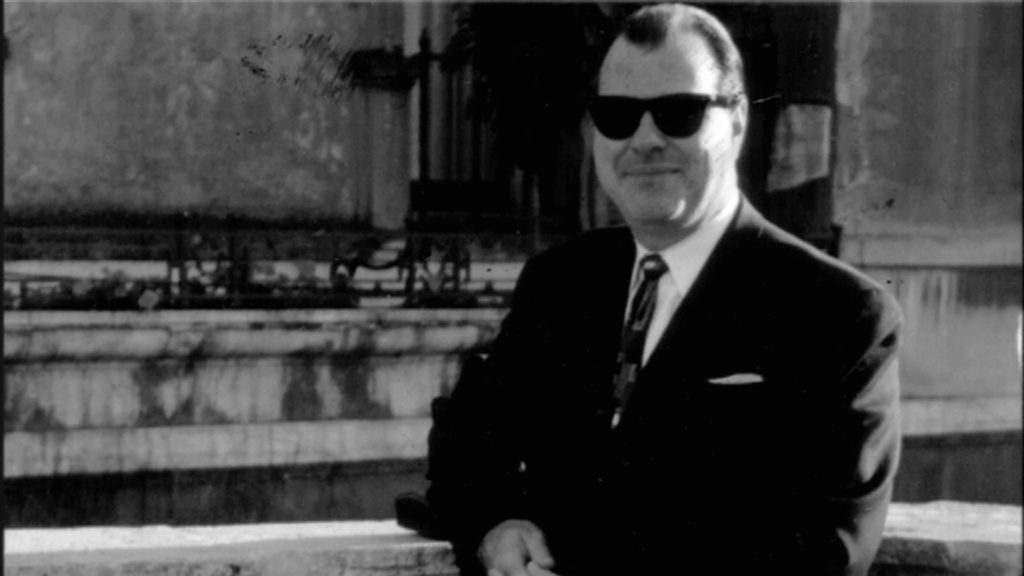
At no point was the possibility that such obstacles were deliberately created ever considered by purveyors of the official story. The Keystone Kops narrative of bumbling incompetence put up a 20-year smokescreen that the 9/11 victims’ lawsuit can hopefully begin to clear away, at last. The tragic John P. O’Neill saga is an important piece to the puzzle that cannot be omitted.

Khalid Sheikh Mohammed only conceded to orchestrating 9/11 after being waterboarded 183 times and is still awaiting trial at GITMO. ↑
Some media reports list the murder of Silvan and Vera Becker as occurring in Sirte, but the Libyan INTERPOL document states it took place in Tripoli. ↑
David Shayler is now known as Delores Kane. ↑
CovertAction Magazine is made possible by subscriptions, orders and donations from readers like you.
Blow the Whistle on U.S. Imperialism
Click the whistle and donate
When you donate to CovertAction Magazine, you are supporting investigative journalism. Your contributions go directly to supporting the development, production, editing, and dissemination of the Magazine.
CovertAction Magazine does not receive corporate or government sponsorship. Yet, we hold a steadfast commitment to providing compensation for writers, editorial and technical support. Your support helps facilitate this compensation as well as increase the caliber of this work.
Please make a donation by clicking on the donate logo above and enter the amount and your credit or debit card information.
CovertAction Institute, Inc. (CAI) is a 501(c)(3) non-profit organization and your gift is tax-deductible for federal income purposes. CAI’s tax-exempt ID number is 87-2461683.
We sincerely thank you for your support.
Disclaimer: The contents of this article are the sole responsibility of the author(s). CovertAction Institute, Inc. (CAI), including its Board of Directors (BD), Editorial Board (EB), Advisory Board (AB), staff, volunteers and its projects (including CovertAction Magazine) are not responsible for any inaccurate or incorrect statement in this article. This article also does not necessarily represent the views the BD, the EB, the AB, staff, volunteers, or any members of its projects.
Differing viewpoints: CAM publishes articles with differing viewpoints in an effort to nurture vibrant debate and thoughtful critical analysis. Feel free to comment on the articles in the comment section and/or send your letters to the Editors, which we will publish in the Letters column.
Copyrighted Material: This web site may contain copyrighted material the use of which has not always been specifically authorized by the copyright owner. As a not-for-profit charitable organization incorporated in the State of New York, we are making such material available in an effort to advance the understanding of humanity’s problems and hopefully to help find solutions for those problems. We believe this constitutes a ‘fair use’ of any such copyrighted material as provided for in section 107 of the US Copyright Law. You can read more about ‘fair use’ and US Copyright Law at the Legal Information Institute of Cornell Law School.
Republishing: CovertAction Magazine (CAM) grants permission to cross-post CAM articles on not-for-profit community internet sites as long as the source is acknowledged together with a hyperlink to the original CovertAction Magazine article. Also, kindly let us know at info@CovertActionMagazine.com. For publication of CAM articles in print or other forms including commercial internet sites, contact: info@CovertActionMagazine.com.
By using this site, you agree to these terms above.
About the Author
Max Parry is an independent journalist and geopolitical analyst based in Baltimore.
His writing has appeared widely in alternative media and he is a frequent political commentator featured in Sputnik News and Press TV. He also hosts the podcast “Captive Minds.”
Max can be reached at maxrparry@live.com.



No wreckage, no planes. There were never ANY hijackers, so take away the whole Arab radical Islamists. We did have Dancing Israelis, who went on Israeli television and bragged about their involvement. The Israeli’s also couldn’t wait to tell the world about how the whole operation was good for them.
“No planes” is promoted by feds to discredit the 9/11 truth movement. And I mentioned the Israeli angle, so clearly you didn’t even read the article before commenting.
the only conversation i will entertain is whether there was a plane that hit the Pentagon, because they’ve only ever released the few stills from the gas station security camera. other than that, “no planes” is a ruse promoted by the security services.
On the third anniversary of 9/11, Lt Col. Robert Bowman stated:
“I think the very kindest thing that we can say about George W. Bush and all the people in the U.S. government that have been involved in this massive cover-up, is that they were aware of the impending attacks and let them happen. Now some people will say that’s much too kind. However, even that is high treason and conspiracy to commit murder”
The CIA has done bad things, but they are not all bad. For example they helped stop terror plot targeting Taylor Swift concert in 2024. There are other examples although I do not have details.
Good if it is true but we need verification.