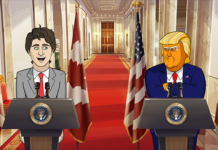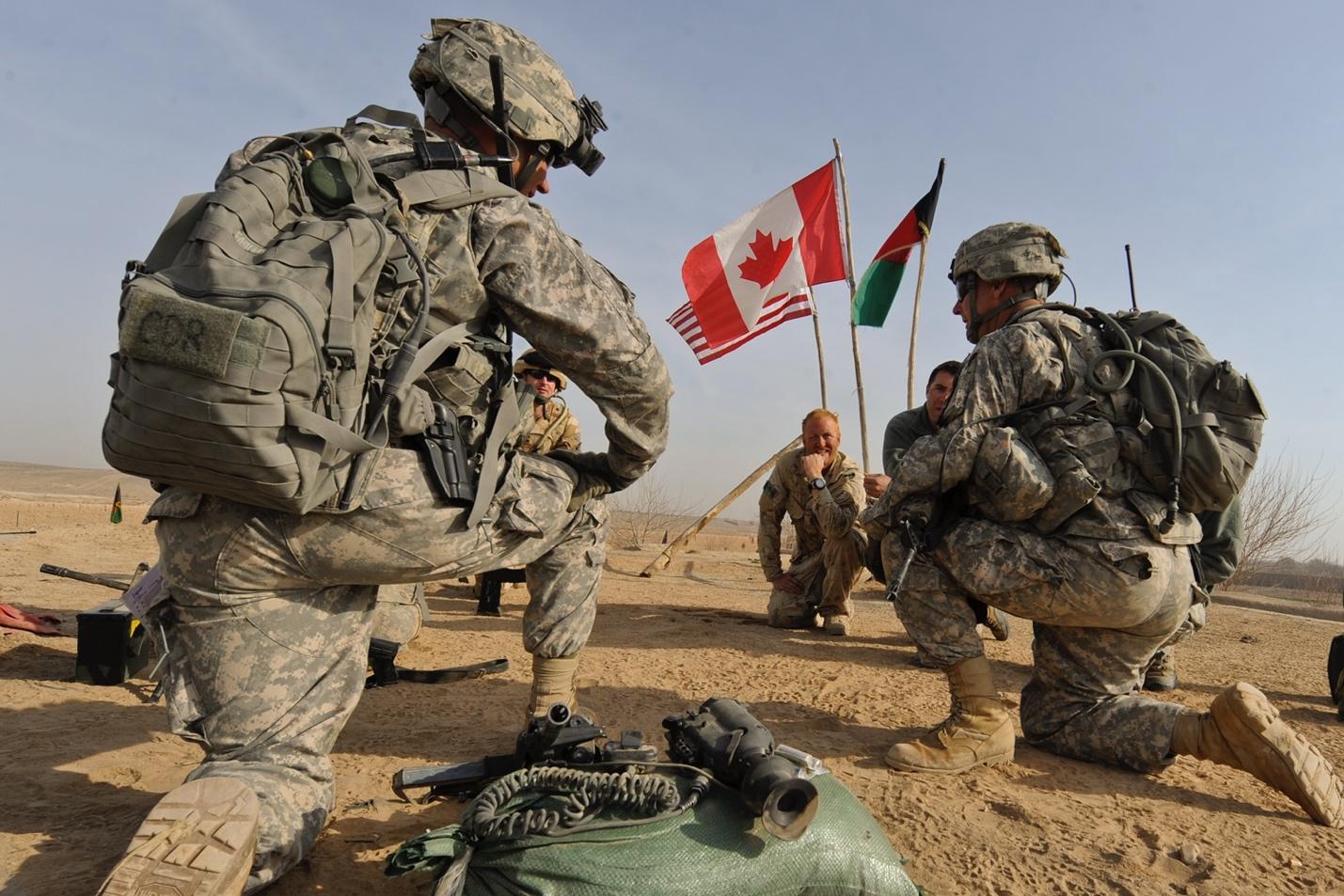
In early November, the Canadian government released its 2025 budget, which detailed plans to increase military spending by $84 billion over the next five years—the largest military expansion in more than 70 years.
After his victory over Conservative Pierre Poilievre in April elections, Liberal Mark Carney announced an immediate 17% increase in military spending to ensure Canada meets NATO’s 2% of GDP military spending target and is vowing to hike Canada’s defense expenditure to 5 percent of GDP, or $150 billion annually by 2035.[1]
Meeting these targets will require major cuts to public services, including health care, housing, education and social supports, with Carney’s government further accelerating attacks on the right to strike and slashing taxes for big business and the rich.
Part of the new defense budget will go towards a 300,000-strong military reserve; towards upgrading military bases and Navy ports; heightened research on new weapons-systems, and towards subsidizing aerospace and other military industries.[2]
Canada’s rising military spending combined with cuts to social services follows the lead of the U.S., whose military budget has eclipsed $1 trillion under Donald Trump.
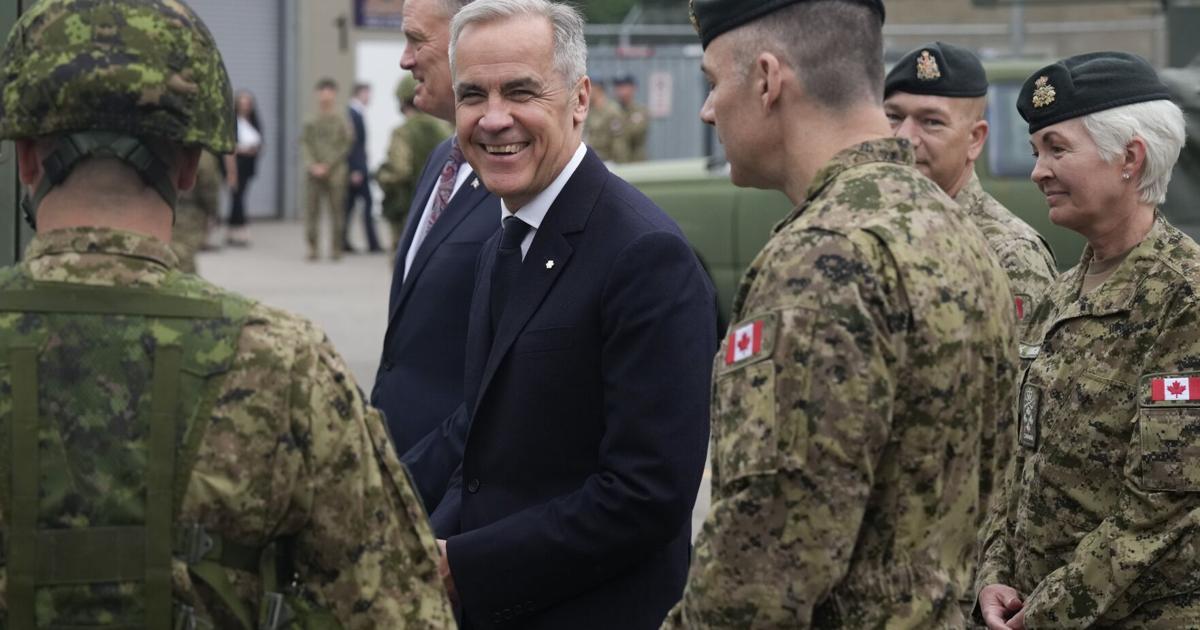
CovertAction Magazine has previously detailed how Carney’s predecessor, Justin Trudeau, a fellow Liberal who served as Canada’s Prime Minister from 2015 to 2025, sold out his people to corporate interests and eagerly participated in U.S. imperialistic wars around the globe.
In his first five years, Trudeau raised Canada’s military budget by $62 billion and committed Canada to spending $40 billion to upgrade the North American Aerospace Defense (NORAD) Command with the U.S., which is seen as critical for waging war with Russia and China.
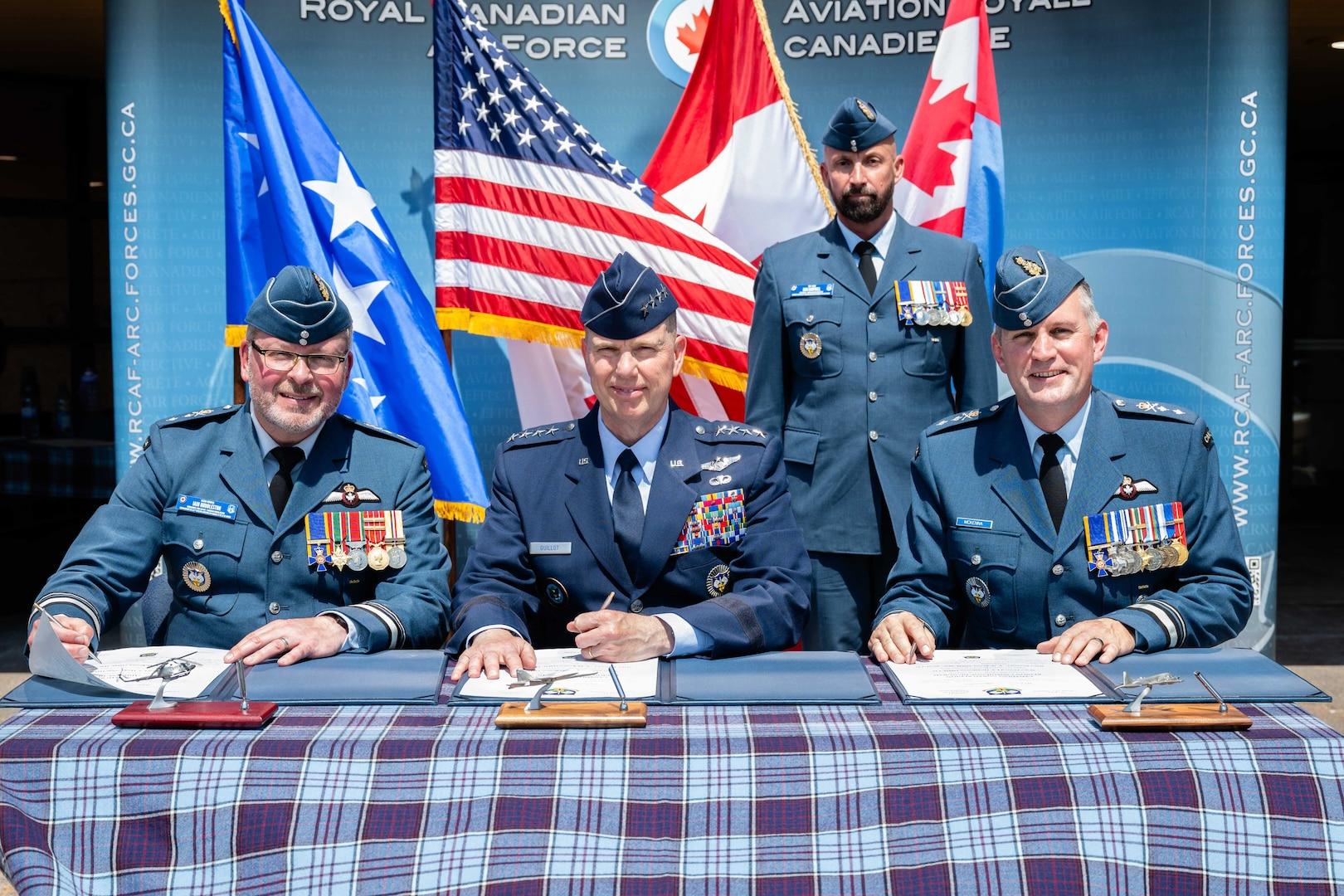
In the months after the Russia-Ukraine war broke out in February 2022, Trudeau’s government dispatched Canadian Special Forces and provided $626 million in military aid to Ukraine, including anti-tank weapons, precision-guided excalibur shells, and drone cameras.
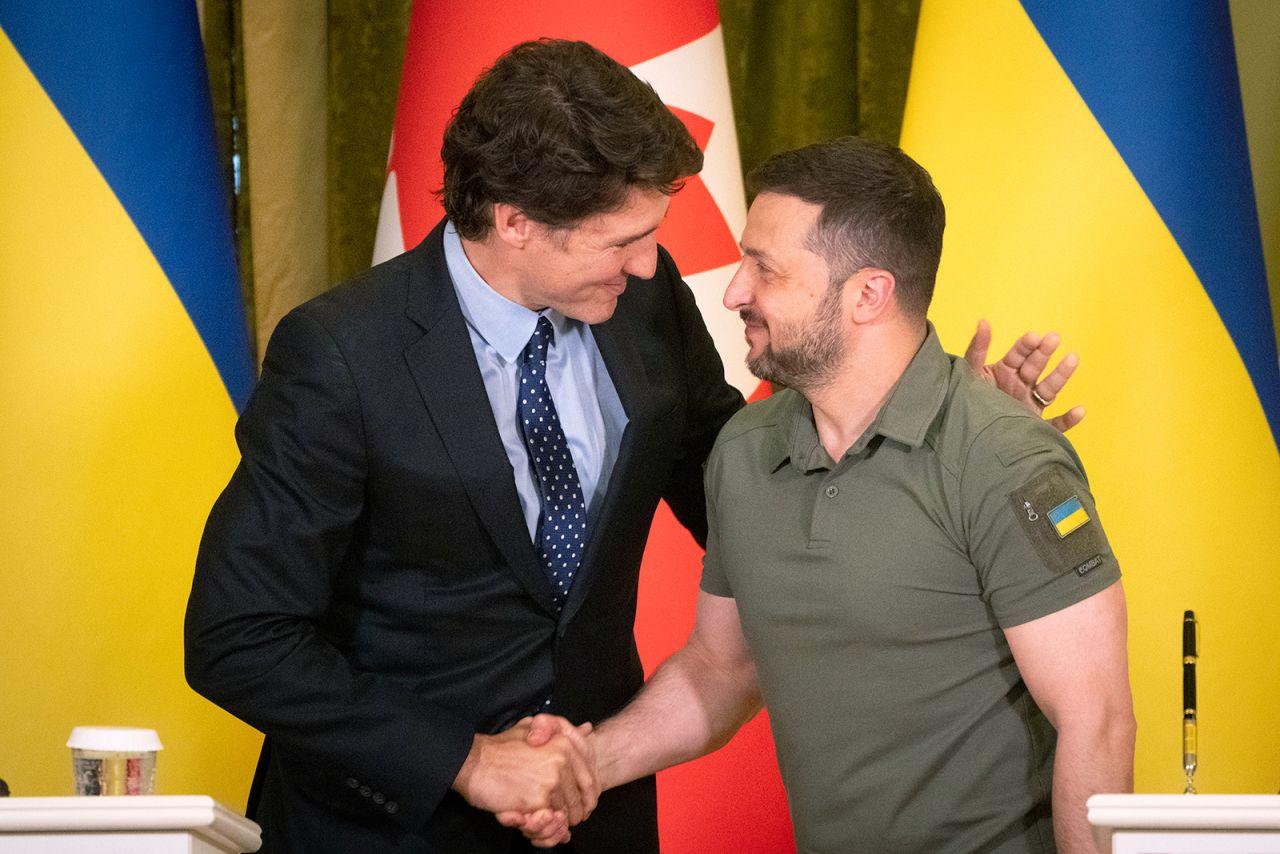
The 2025 Canadian government budget allocates an additional $6.2 billion in military aid to Ukraine and $2.7 billion over three years to fund Operation Reassurance, the Canadian Armed Forces’ largest overseas deployment supporting NATO’s forward military presence on Russia’s borders through its battlegroup in Latvia.
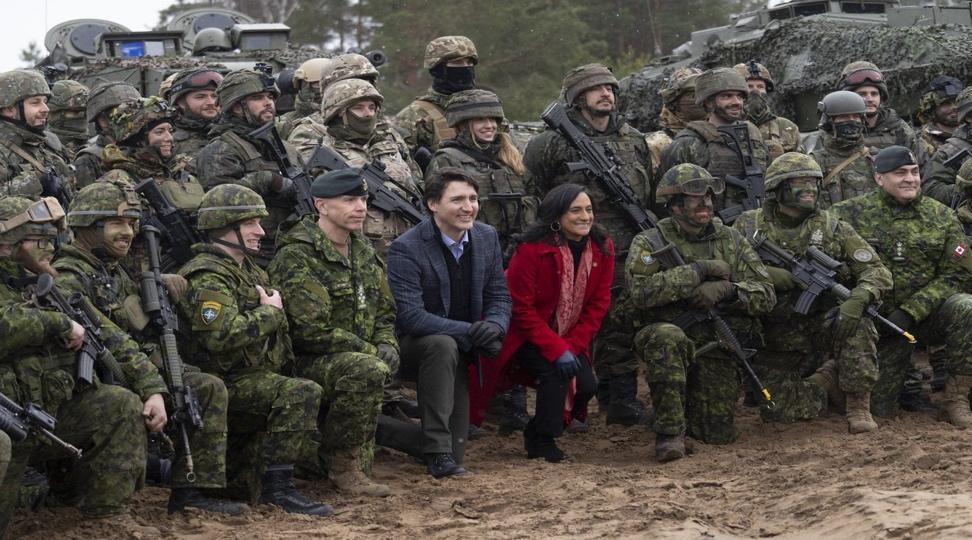
The Canadian government at the same time is launching a new $1 billion Arctic Infrastructure Fund to build airports, deep-water ports and all-season road networks across the North—which aim to facilitate civilian logistics and military force projection toward the Arctic frontier, where resource extraction and strategic conflict with Russia and other global powers are intensifying.
Between late 2023 and November 2025, Canada sent at least 391 shipments containing bullets, military equipment, weapons parts, aircraft components, and communication devices to Israel, despite Ottawa’s repeated claims to have ended weapons deliveries.
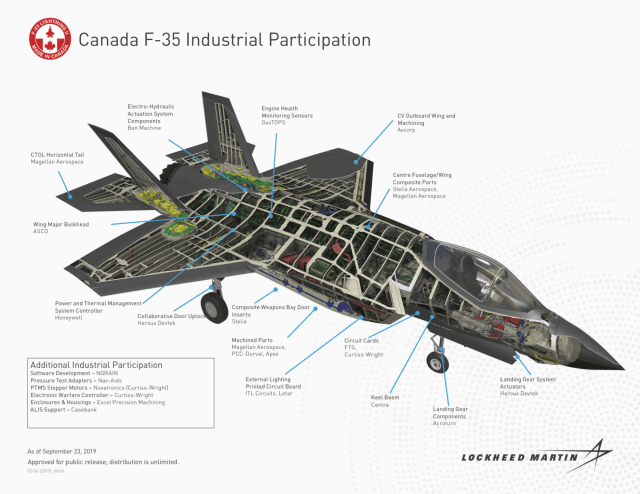
Ottawa, has also long worked with Washington to bring about regime change in Venezuela, including by helping finance and organize the pro-imperialist opposition and by imposing crippling sanctions that Mark Carney extended in one of his first acts as Prime-Minister.
Canada’s plans to further increase its integration with U.S. defense structures includes its involvement with Donald Trump’s $175 billion “Golden Dome” missile project directed at Russia and China, a boondoggle for the military-industrial complex that extends into Canada.

The tightened U.S.-Canada military integration comes amidst growing apprehension that the Trump administration is working to turn Canada into the 51st state and completely undermine Canada’s national sovereignty.
The day after the Trump administration’s military attacks on Venezuela, The Globe and Mail, the voice of Canada’s financial elite, published an editorial titled “Venezuela’s fate is a warning for Canada,” which declared that “Saturday [January 3] marked the formal debut of an imperial America, led by a president who recognizes no law, save that of the jungle. …Every country in the Western Hemisphere should be worried, particularly this country, which Mr. Trump so obviously covets as a 51st state…Assuming for a moment that [Trump] keeps to his word [of forswearing direct military intervention in Canada], there are myriad ways in which to use economic coercion to accomplish the goal of turning Canada into a de facto protectorate. The threats, tariffs and rhetoric of the last 10 months provide all the proof that is needed.”[3]
Leading the Way in the 2011 Attack on Libya
Owen Schalk’s recent book—Targeting Libya: How Canada went from Building Public Works to bombing an oil-rich country and creating chaos for its citizens—provides a damning indictment of Canadian foreign policy and its collaboration with the U.S. in waging illegal wars over the last 15 years.
Schalk is a Winnipeg-based writer who has written previously for CovertAction Magazine.
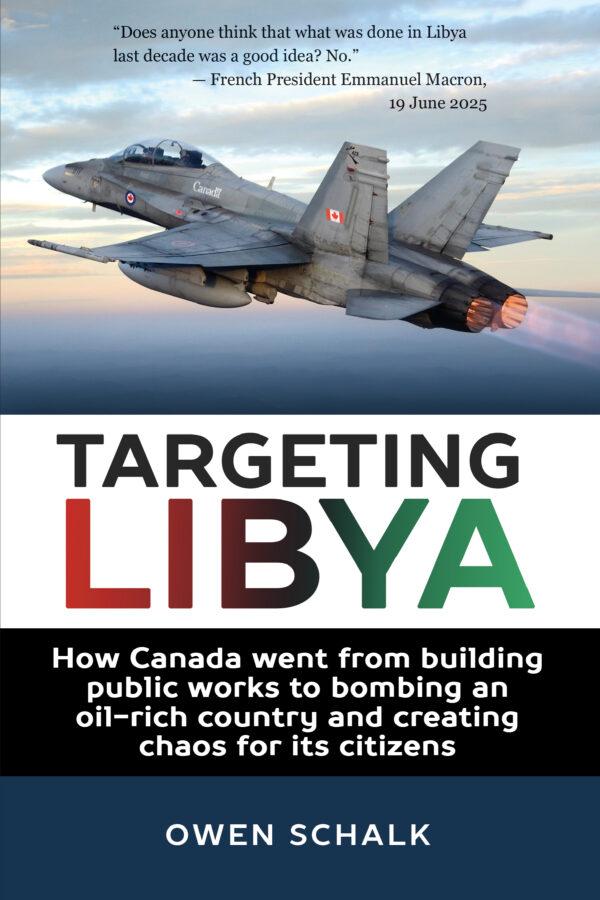

He emphasizes the importance of trans-national corporations in driving Canadian foreign policy—just like the United States.
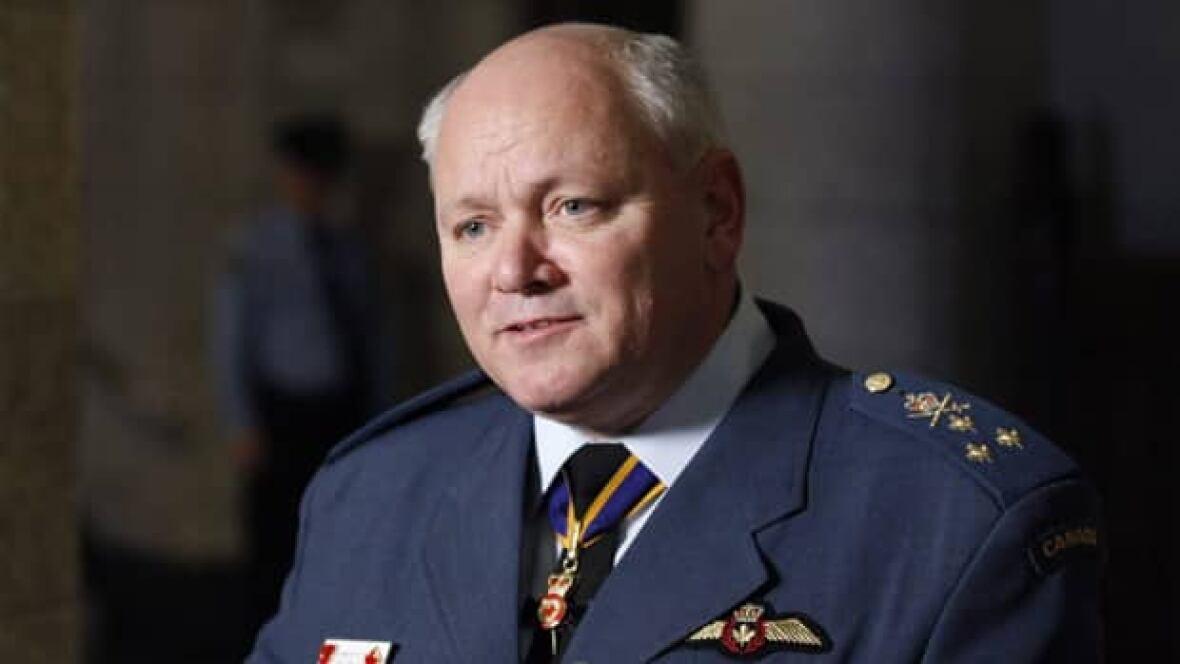
Canada’s central role in the 2011 NATO-led military operations that resulted in the ouster of Muammar Qaddafi was epitomized by the fact that it was a Canadian general, Charles Bouchard, who commanded NATO forces and personally signed off on every strike target during the seven months of war.
In April 2011, between 600 and 700 Canadian forces were deployed to Libya under the $347 million Operation Mobile and fought alongside British commandos.
Canadian CC-150s delivered more than 14 million pounds of fuel to coalition planes, while Canadian surveillance planes waged psychological warfare from the skies, broadcasting propaganda messages designed to get Libyans to support the rebels.
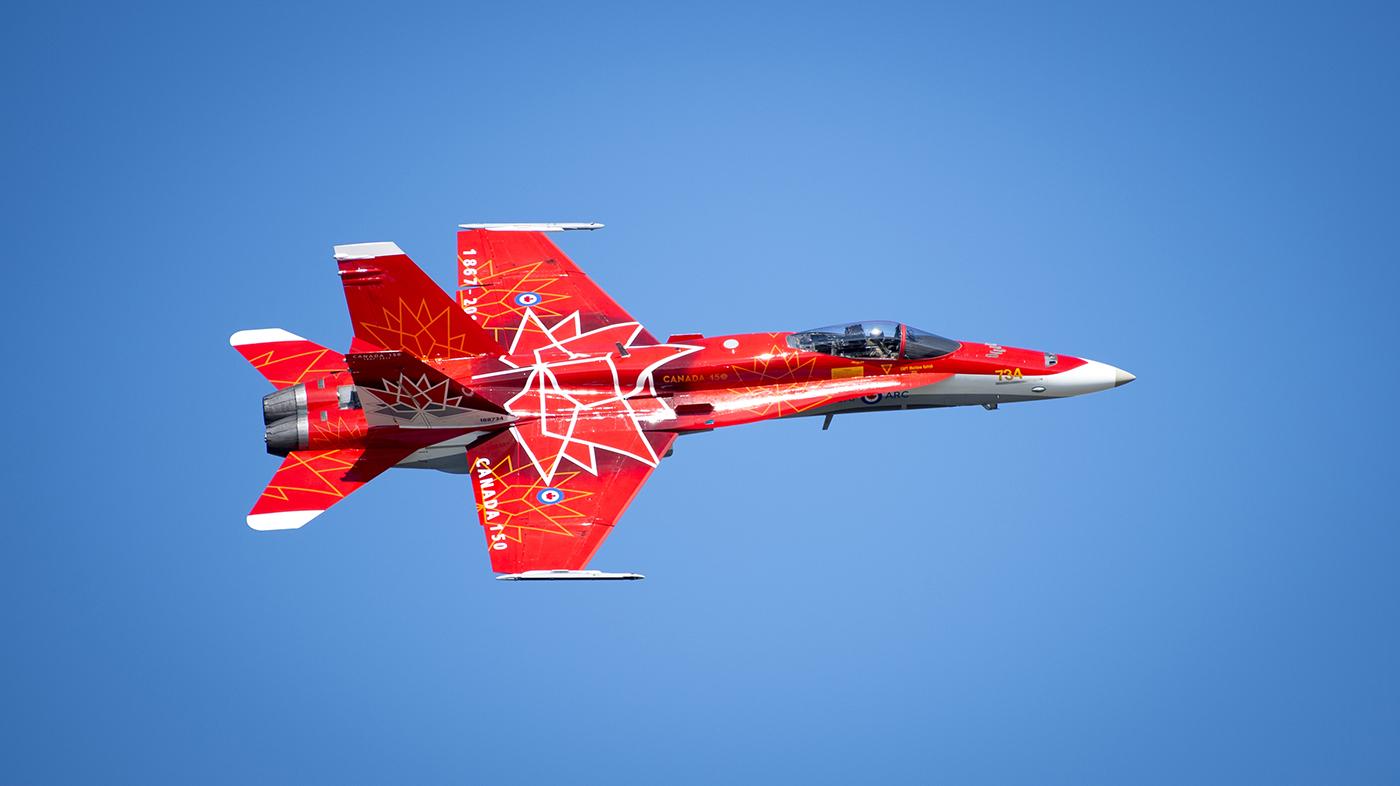
The HMCS Charlottetown patrolled waters off the Libyan coast, equipped with helicopters and an air detachment, and exchanged fire with government forces—the first time a Canadian warship had engaged in battle since the Korean War.[4]
In addition to all this, the Canadian government helped break an arms embargo by supplying weapons to anti-Qaddafi forces, including a $100,000 military drone that was delivered by an Ottawa-based private security firm, Zarba Security Corporation.
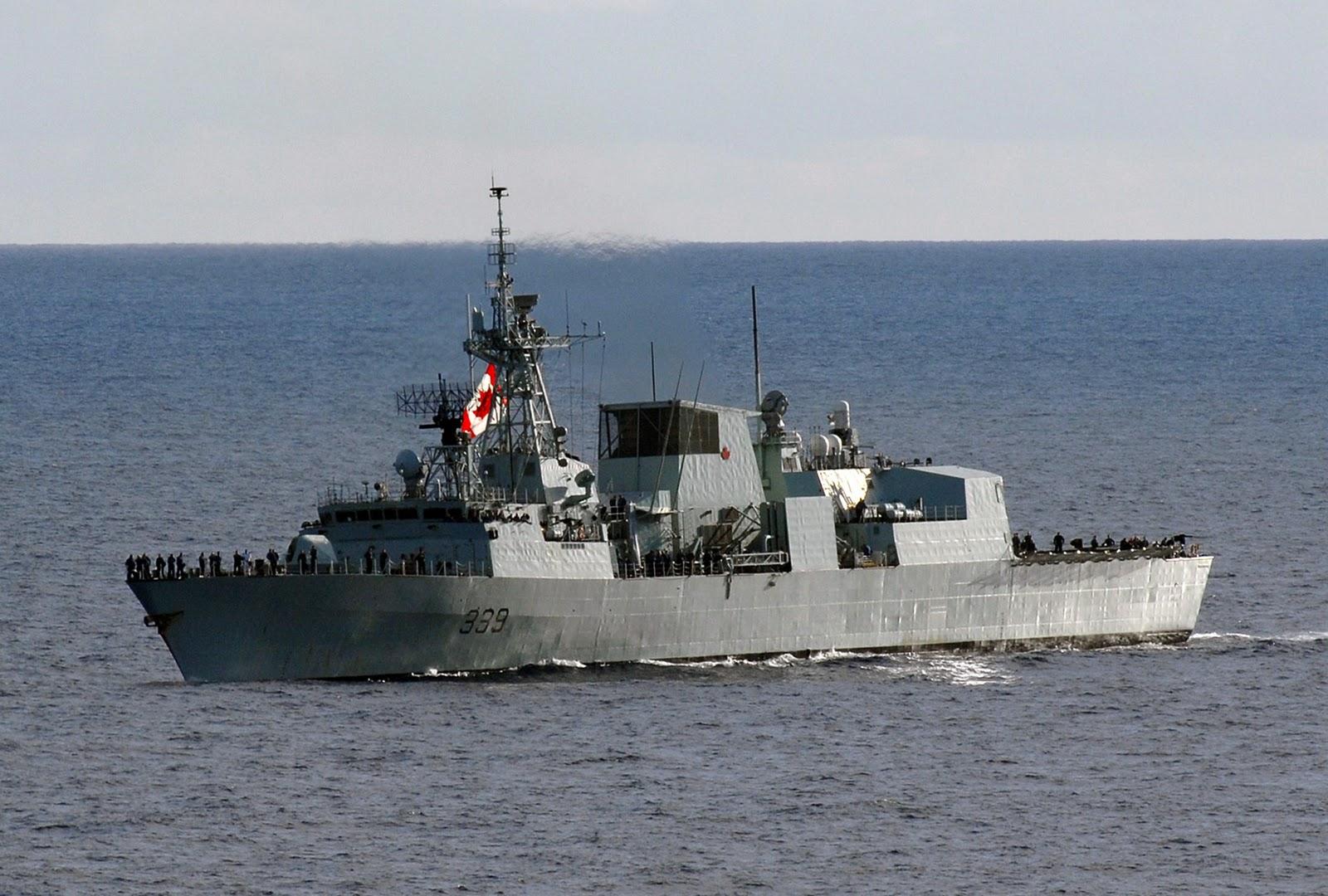
Schalk estimates that, in seven months, Canadian CF-18s dropped at least 700 bombs on Libya, likely killing many civilians and destroying civilian infrastructure.
In June 2011, Minister of Foreign Affairs John Baird landed in Benghazi to cheer on a rebel offensive and to deliver a message of support from conservative Prime Minister Stephen Harper.

After Qaddafi was overthrown, Harper hosted an $850,000 televised victory party where General Bouchard was presented with the Meritorious Service Cross by the Governor-General.[5]
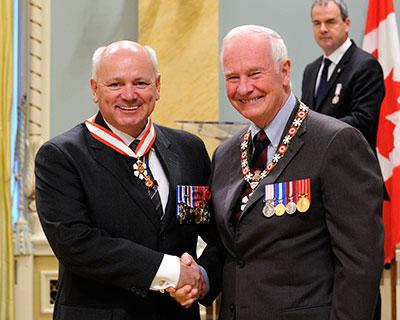
Bouchard stated at the time that Libya was “an emerging democracy by people who may not know all the things that need to be done to and who may not understand all the human rights issues.”[6] This was a veiled racist comment that sugarcoated the fact that the NATO-led war on Libya had helped to empower violent jihadists that carried out horrible human rights abuses.
Bouchard justified the bombing of hospitals and mosques by claiming that Qaddafi hid in them, and defended ethnic cleansing operations in Tawergha by falsely claiming that the people living there were “African mercenaries.”
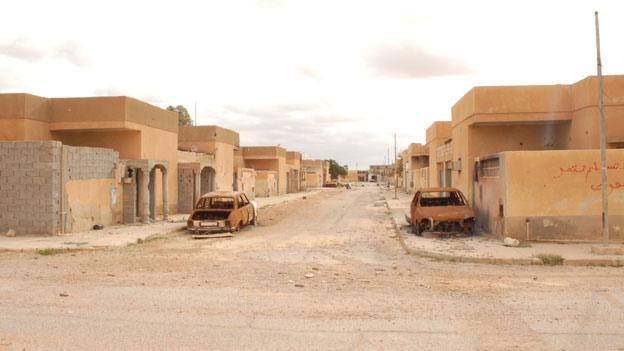
The Canadian government and its media echo chamber (little different from the U.S.) had framed the war against Qaddafi as a noble undertaking that would rid the world of an evil dictator.
False atrocity stories were spread along with claims about genocide and civilian massacres by Qaddafi’s forces.
A post-war investigation by the British House of Commons confirmed that the proposition that the West had to bomb Libya to save Benghazi from massacres and genocide “was not supported by the available evidence.”
General Bouchard claimed that the rebels were a group “of bakers, lawyers and university students who took up weapons for the first time when they said we’re not going to take it anymore.”[7]
In fact, these rebels flew the Sanusi flag of the old monarchy and came to be controlled by Islamic fundamentalists seeking to establish an Islamic caliphate.
Canadian intelligence reports themselves described Libya’s east, the stronghold of anti-Qaddafi sentiment, as an “epicenter of Islamist extremism.”
Canadian military members privately joked that the Royal Canadian Air Force had become “al-Qaeda’s air force” in Libya.
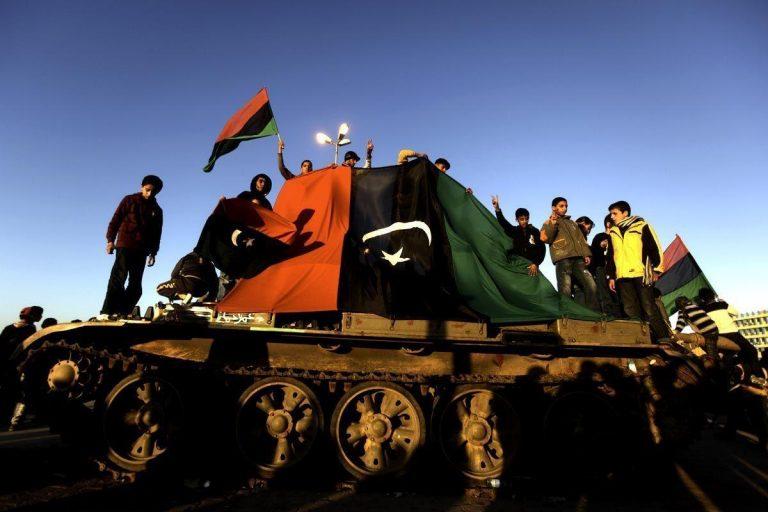
The depravity of the al-Qaeda-linked rebels was apparent when they sodomized Qaddafi and murdered him and his son following the bombing of their convoy by a U.S. Predator drone and French fighter jets.
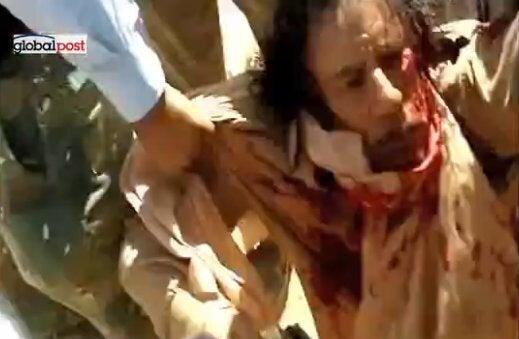
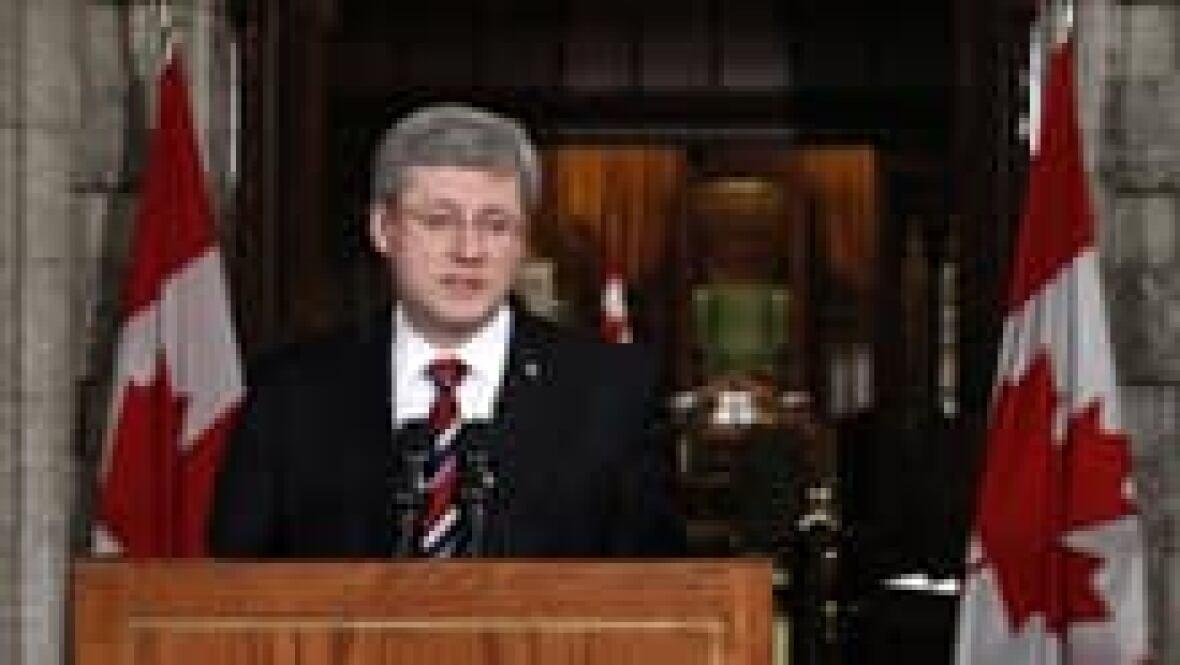
After Qaddafi’s execution, Stephen Harper stated that “the Libyan people can finally turn the page on 42 years of vicious oppression…with the shadow of Qaddafi now lifted from their land, it is our hope that the Libyan people will find peace and reconciliation after this dark period in the life of their nation and we look forward to working with them.”[8]
Schalk shows that what Harper referred to as a dark period was actually an era of economic development and rising living standards in Libya along with expanded democratic participation.
In 1969, Qaddafi had ousted the Sanusi dynasty, which was a pawn of Great Britain and the West.

Having grown up hearing stories about Italian occupation and Libyan national resistance,[9] Qaddafi closed down a U.S. military base at Wheelus and established control over Libya’s oil resources, which were nationalized by the 1970s.
Qaddafi stated in a 1973 speech that “the Americans think that they dominate the world with their fleets and their military bases…America continues to support Israel to humiliate the Arabs. American imperialism now takes the form of limitless aid to monopolistic oil companies, which refuse to recognize our rights…It is time for us to give a vigorous slap to the impassive and insolent face of America.”[10]
After instituting his nationalization decree, Qaddafi used the oil revenues to build up Libya’s infrastructure and finance quality education and health care.
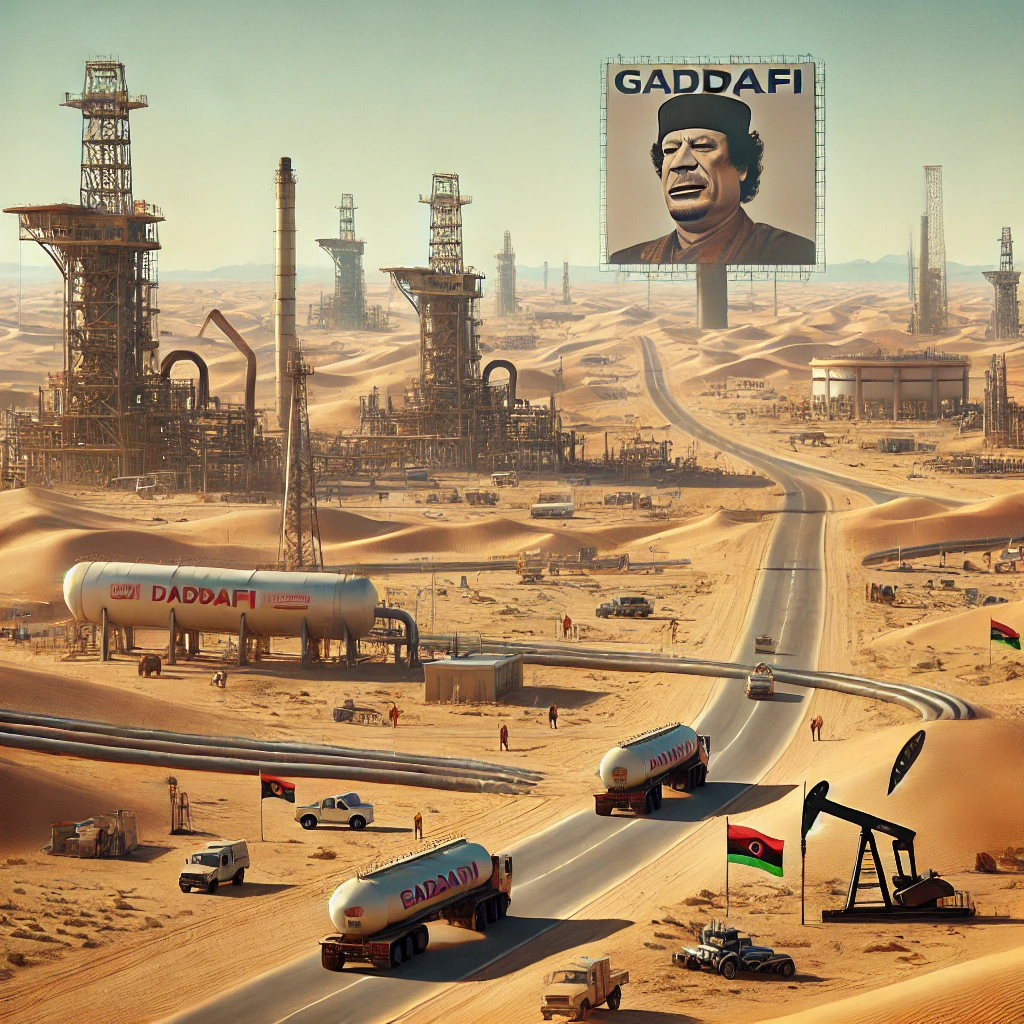
The infrastructure projects included a man-made river designed to irrigate the desert and provide ample fresh drinking water to Libyans.
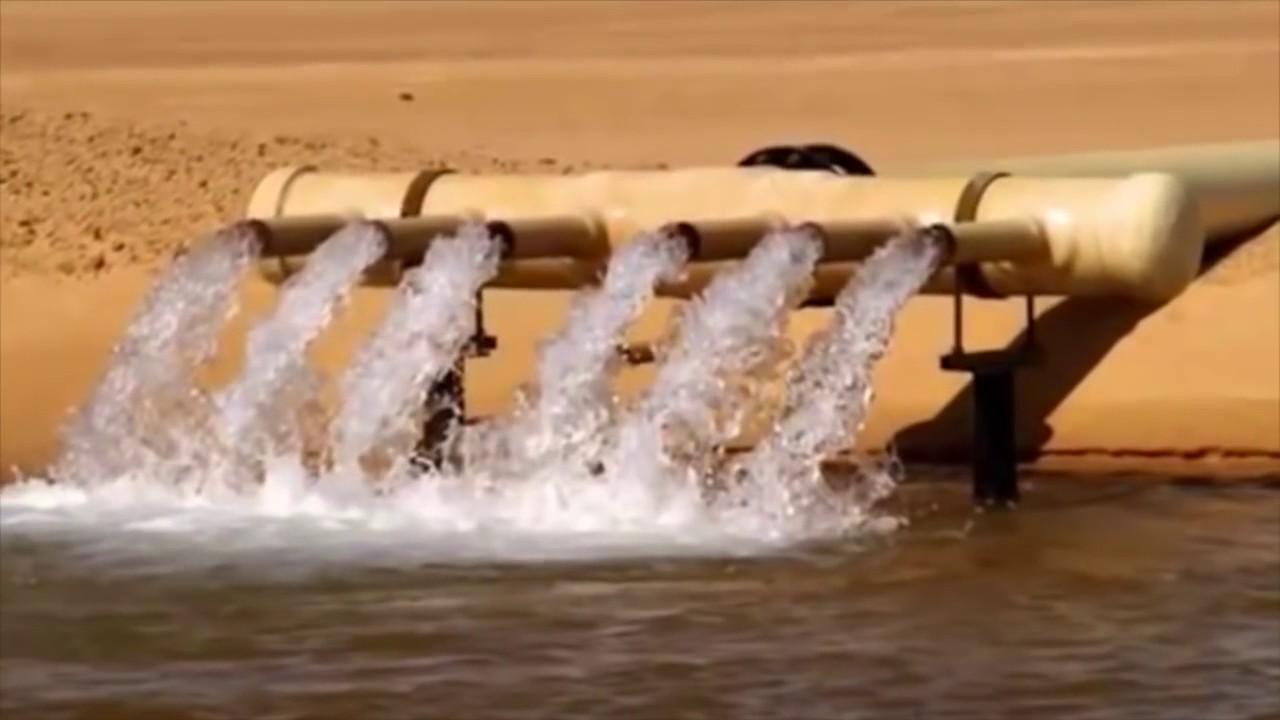
Under the Jamahiriya system, Qaddafi increased democratic participation by establishing local revolutionary committees that helped dismantle the tribal governing structure and allowed women more participation.
Schalk emphasizes that Qaddafi’s Jamahiriya won wide public support among lower and middle-class citizens and had high grass-roots participation.
He quotes from a 1981 Newsweek article that gushed “you don’t see poverty or hunger here [in Libya]. Basic needs are met to a greater degree than in any other Arab country.”[11]

Though Qaddafi wielded ultimate power, there were debates over policy and Qaddafi did not always win out.
Beginning in the 1990s, a group of reformers pushed for the liberalization of Libya’s economy and opening to the West, which was achieved to some degree by the mid-2000s, along with the dismantling of Libya’s nuclear program.
Qaddafi was among those who felt Libya gave up too much without getting anything in return.
Canadian hostility to Qaddafi went back to the 1970s when the Canadian government was especially weary of his oil nationalization policy and support for African liberation movements from which Canada sought to distance itself.
In 1986, conservative Prime Minister Brian Mulroney supported Ronald Reagan’s bombing of Tripoli after Qaddafi was falsely accused of supporting a terrorist attack in a discotheque in Berlin that killed two American servicemen.[12]

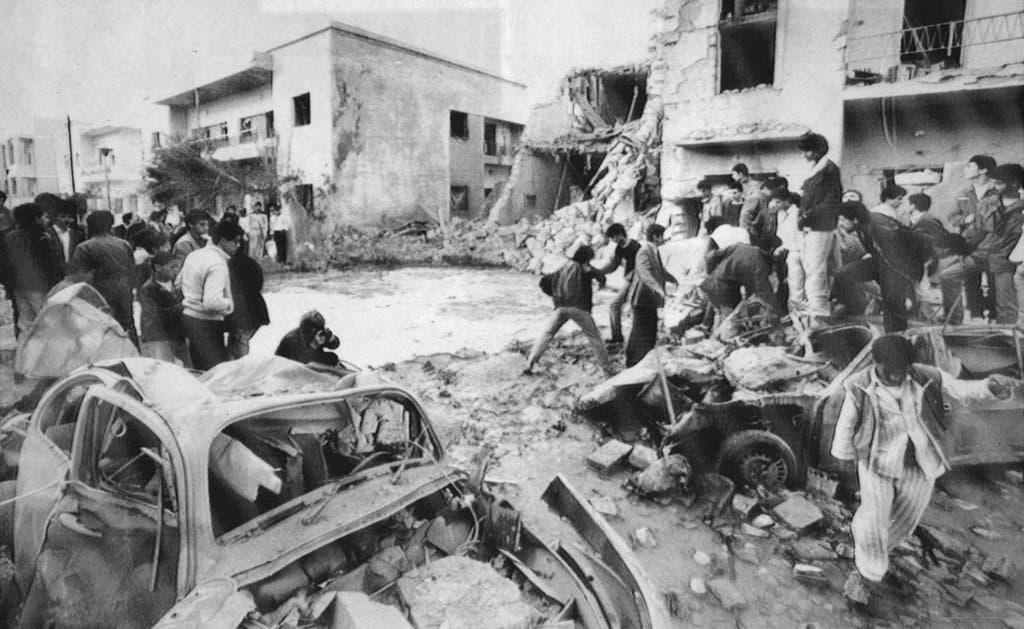
Qaddafi was also falsely accused of bombing a Pan American Airways jet that a CovertAction Magazine investigation linked to a CIA cabal led by Theodore Shackley and George H. W. Bush.
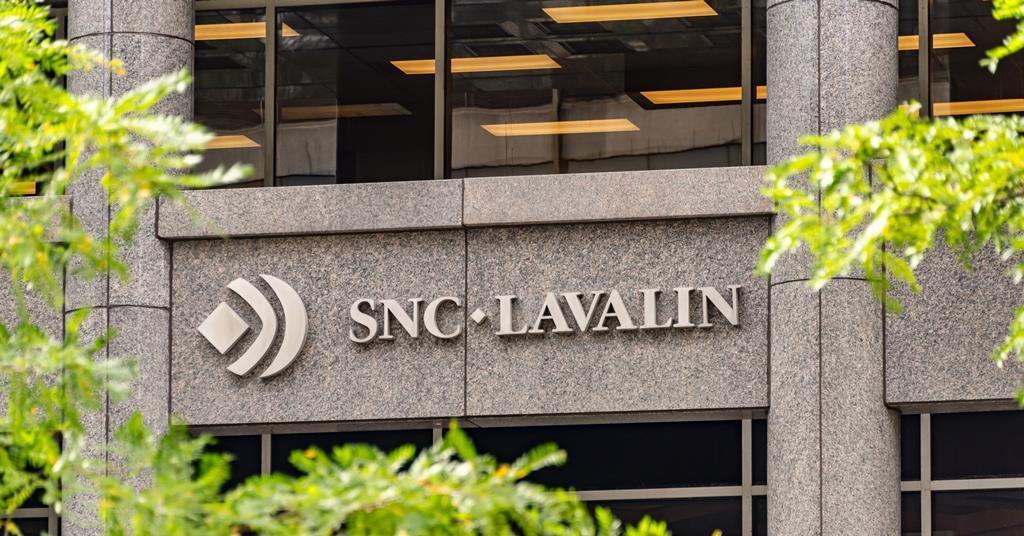
In the 1990s, the Canadian engineering giant SNC-Lavalin began cultivating ties with Qaddafi and was rewarded with some lucrative construction contracts after engaging in bribery.
Petro-Canada and other Canadian oil companies began investing in Libya in the 2000s; however, they were gradually shut out of the Libyan market when Qaddafi revived his economic nationalist program after wrestling control of the government from a neo-liberal faction.

Schalk quotes Toronto Star columnist Thomas Walkom, who said that the real reason for Canada’s participation in the 2011 NATO war on Libya was “oil.”[13]
Soon after Qaddafi’s ouster, Stephen Harper’s cabinet, tellingly, approved an all-out Canadian commercial offensive in Libya to support Canadian businesses looking to invest in Libya.
Canadian Trade Minister Ed Fast traveled to Libya on a three-day trade mission and launched the Libyan-Canadian Association of Cooperation and Development.
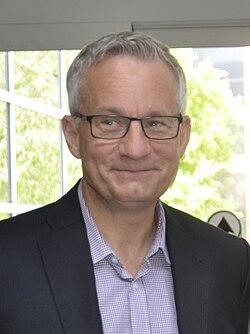
The new El Dorado did not pan out, however, because of the chaos and instability that has marked post-Qaddafi Libya.
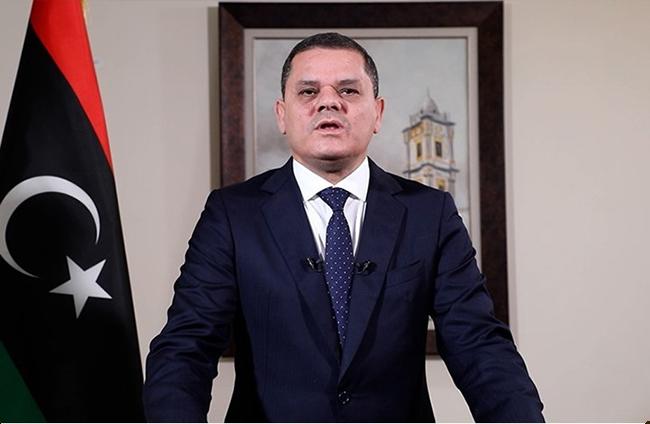
At the end of 2025, Libya had two competing legislatures, with the UN-recognized government under Abdul Hamid Dbeibeh known for its corruption.
The home of the old Jamahiriya legislature, symbolically, was turned into a drug den by local gangs.
When coastal flooding resulting from decaying infrastructure led to the deaths of more than 11,000 people in the coastal city of Derna, the CBC had the audacity to blame the catastrophe on Libya’s “preoccupation with war” which, it said, had “left it vulnerable to epic flooding.”[14]
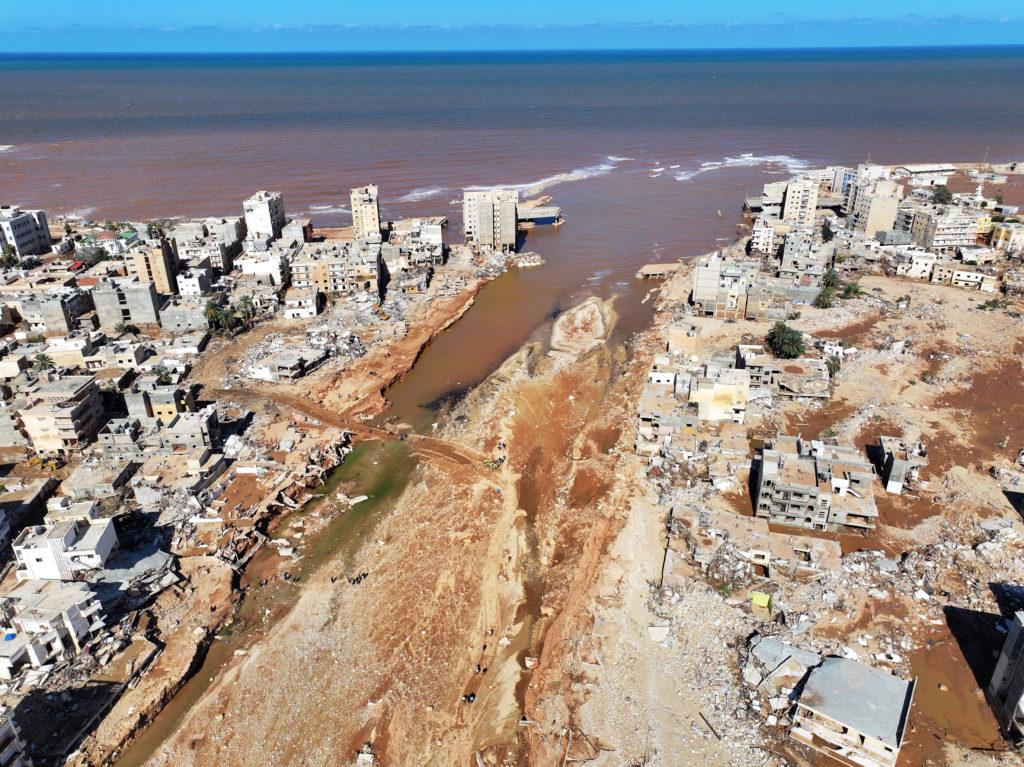
No mention was made of Canada’s role in helping to facilitate a destructive war alongside the U.S. that has left Libya in ruins.
Embracing the Task of War Fighting…in Afghanistan
![Canadian soldiers on patrol in Kandahar province, Afghanistan, 2006. [PHOTO: ADAM DAY, LEGION MAGAZINE]](https://covertactionmagazine.com/wp-content/uploads/2026/01/canadian-soldiers-on-patrol-in-kandahar-province.jpeg)
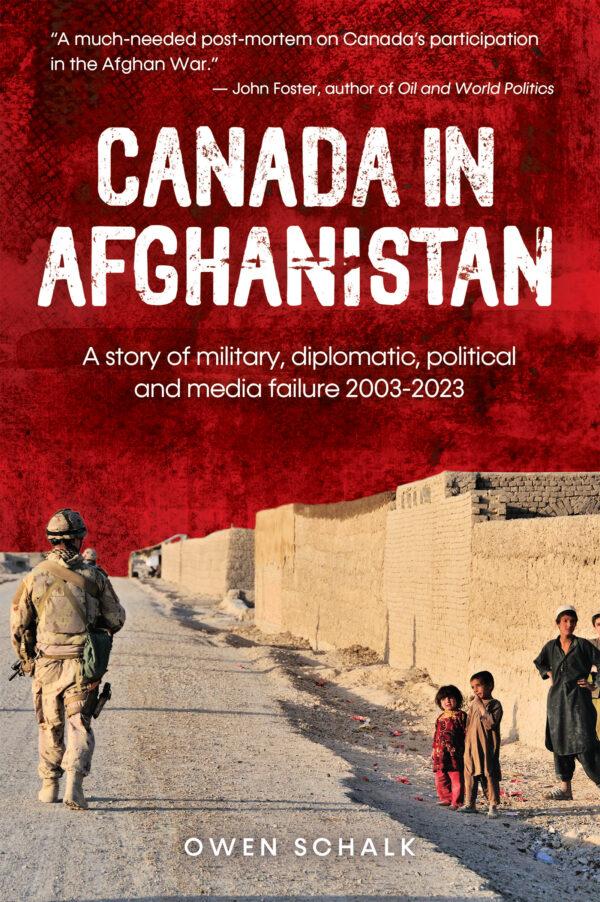
In 2023, Schalk published another important book, Canada in Afghanistan: A story of military, diplomatic, political and media failure 2003-2023.
This book points out that, between 2001 and 2014, Canada deployed some 40,000 soldiers to Afghanistan who were highly integrated with American troops.
Canada coveted Afghanistan’s mineral wealth, which was put up for sale under a privatization decree initiated by Afghan President Hamid Karzai.[15]
Canadian troops were sent to patrol the province of Kandahar, which was the site of a proposed pipeline project that would run through Central Asia and undercut Russian, Chinese and Iranian influence in the region.
Corporal Paul Demetrick stated that Canadian troops in Kandahar “responded to hostile fire by indiscriminate bombing and shelling of villages, killing innocent men, women and children. We fire white phosphorus shells [chemical weapon outlawed by Geneva Convention] into vineyards where it was known Afghan insurgents were deployed; we hand over prisoners of war to Afghan authorities, who torture them; and we shoot and kill a two-year-old Afghan boy and his four-year-old sister.”[16]
Samantha Power, the National Security Adviser under Barack Obama, lauded Canada for being “one of only a handful of NATO countries that embrace the task of actual war fighting.”[17]
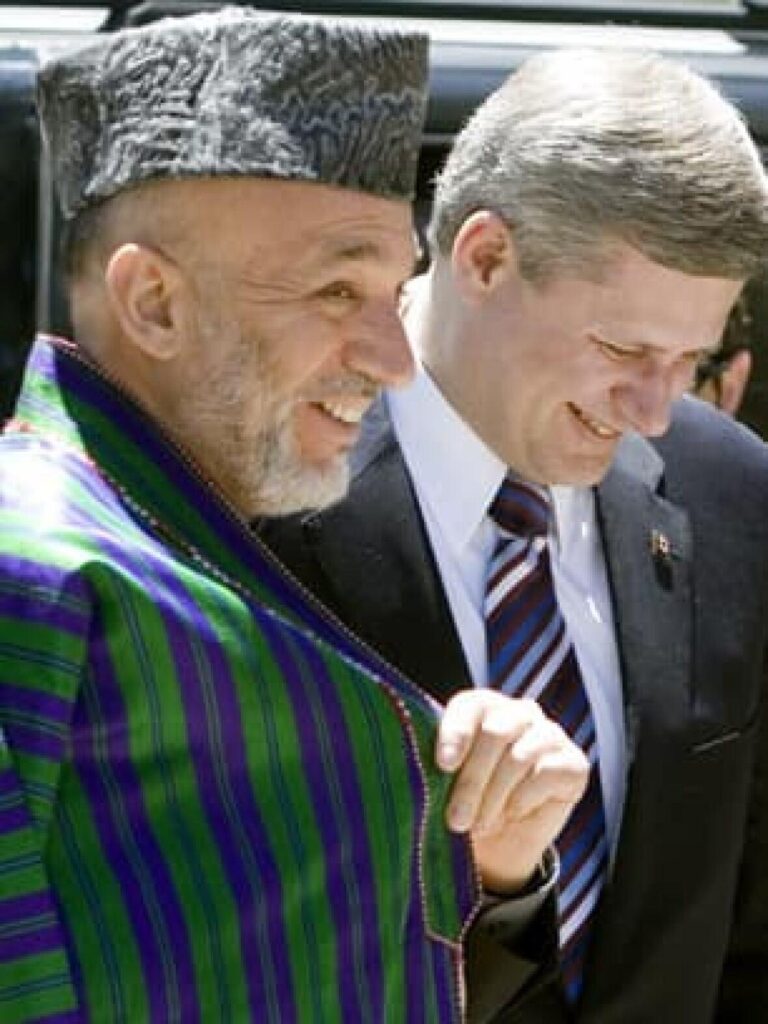
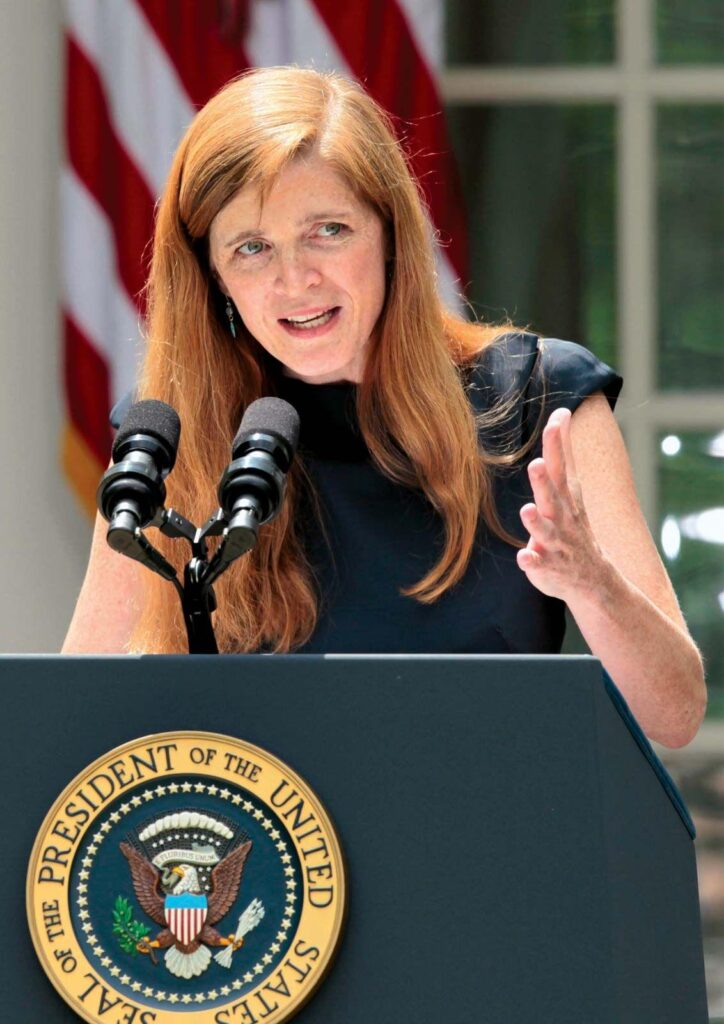
The result was none too favorable for the Afghan population or the troops themselves, as 165 Canadians died in the war and several thousand were wounded.
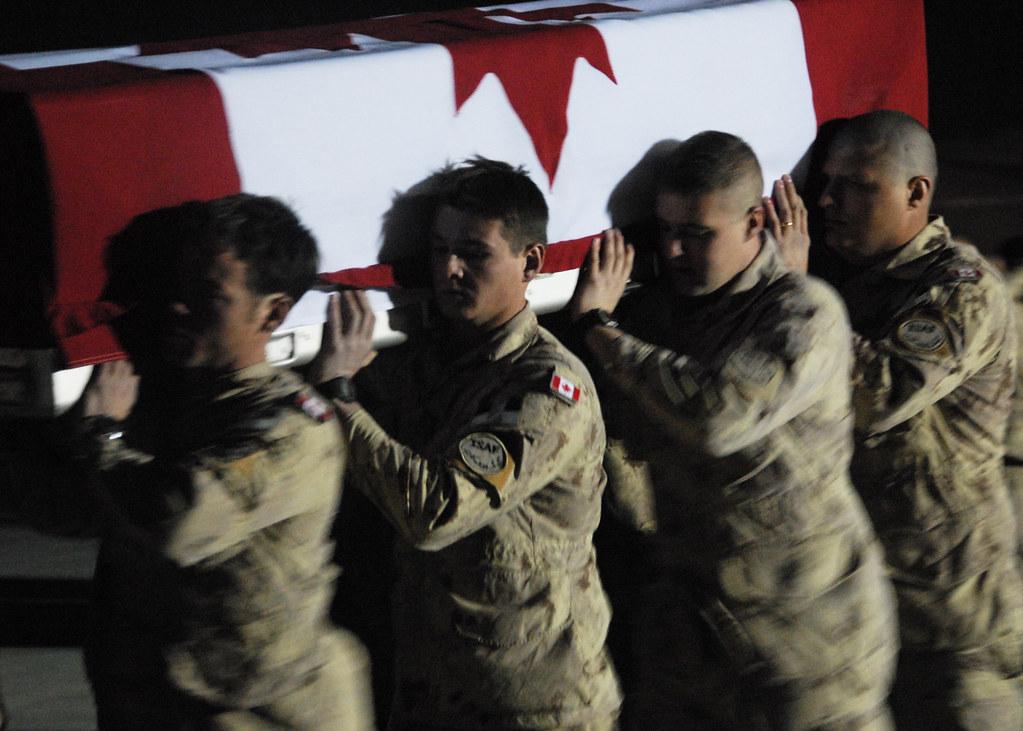
For years, the Canadian public was subjected to what journalist David Pugliese called one of the “most intense government propaganda campaigns since World War II.”[18]
The campaign was supported by national celebrities like former hockey coach Don Cherry, who was made an honorary member of the Canadian light infantry, and embedded journalists who presented the war from the vantage point of Canadian soldiers.[19]
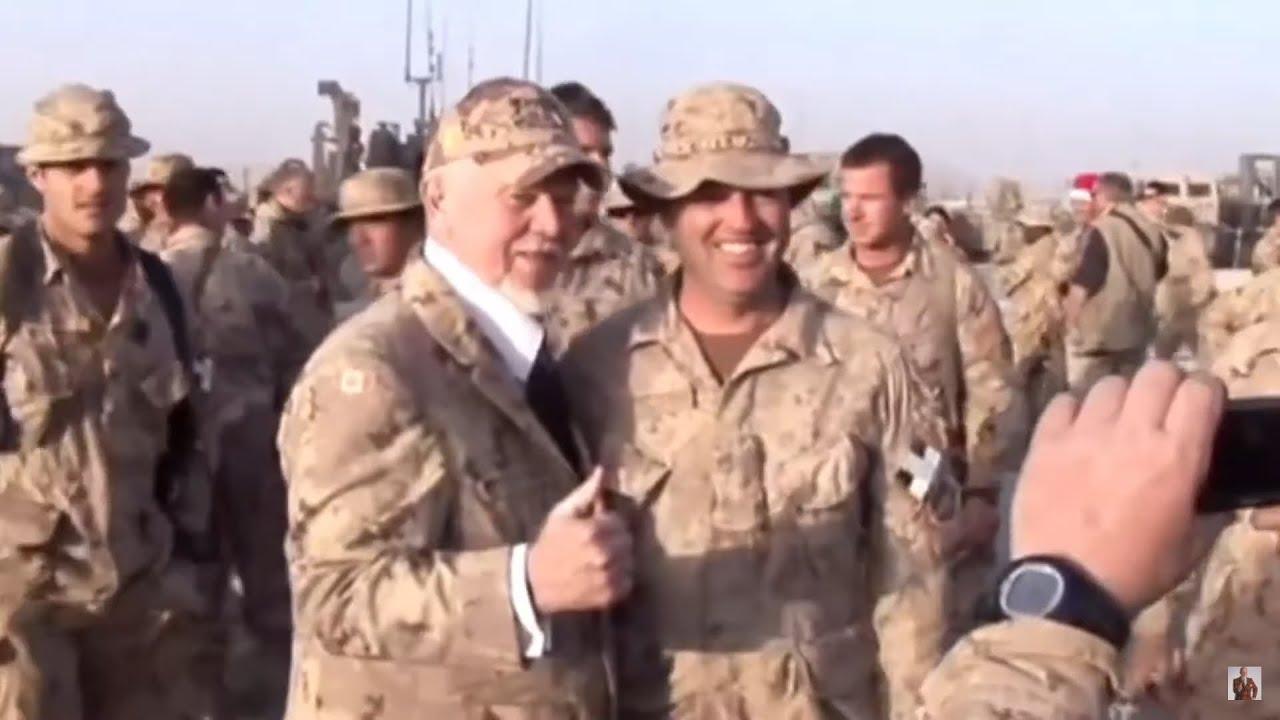
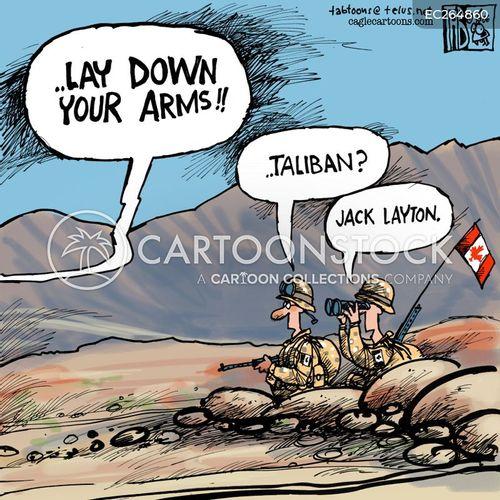
Like in the U.S., critics of the war were branded as unpatriotic, with Foreign Minister Peter MacKay (PC)[20] calling New Democratic Party (NDP) leader Jack Layton “Taliban Jack” when he came out against the war.[21]
Long-Standing Collaboration with U.S Imperialism
Schalk emphasizes in both of his books that Canadian collaboration with the U.S. empire was firmly established in the post-World War II era.
In the early 1950s, Canada supported U.S. military aims in the Korean War and helped arm the U.S. military in Vietnam through arms sales totaling $12.5 billion in “ammunition, aircraft parts, napalm and other war materials.”[22]
On a visit to South Vietnam, Canadian activist Claire Culhane observed that Canada’s foreign policy had become “a mirror-image of our economic policy: in both cases the Americans are calling the shots.”
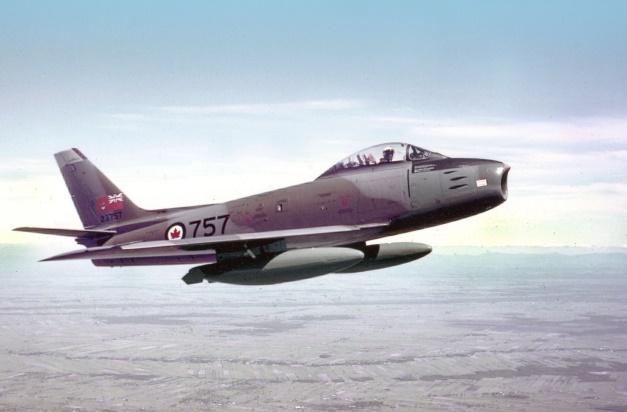
Canada joined the NORAD continental defense system with the U.S. in 1957 but, for many, Canadian-U.S. military integration was typified by the Avro Arrow affair. This controversy occurred when the conservative Diefenbaker government abruptly scrapped plans to develop fighter aircraft through Avro Canada and, instead, purchased U.S.-made missiles.
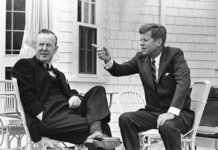
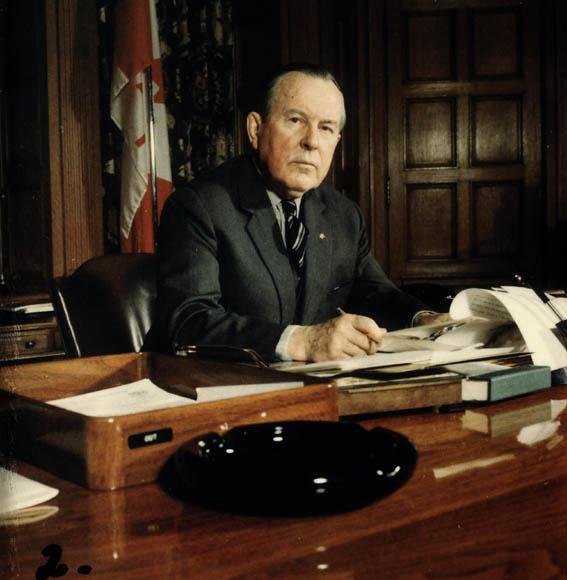
In 1963, Lester Pearson’s Liberal Party government accepted American BOMARC missiles armed with nuclear warheads, further deepening the military-industrial relationship between the U.S. and Canada.
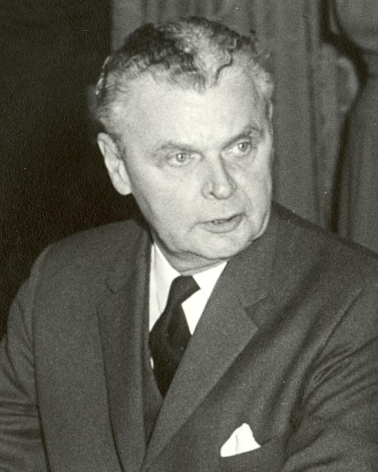
Prime Minister Pierre Elliott Trudeau, often considered one of Canada’s most nationalistic leaders who pushed for greater federal control over Canadian natural resources,[23] continued to side with Washington on almost every pressing global issue (except Cuba).
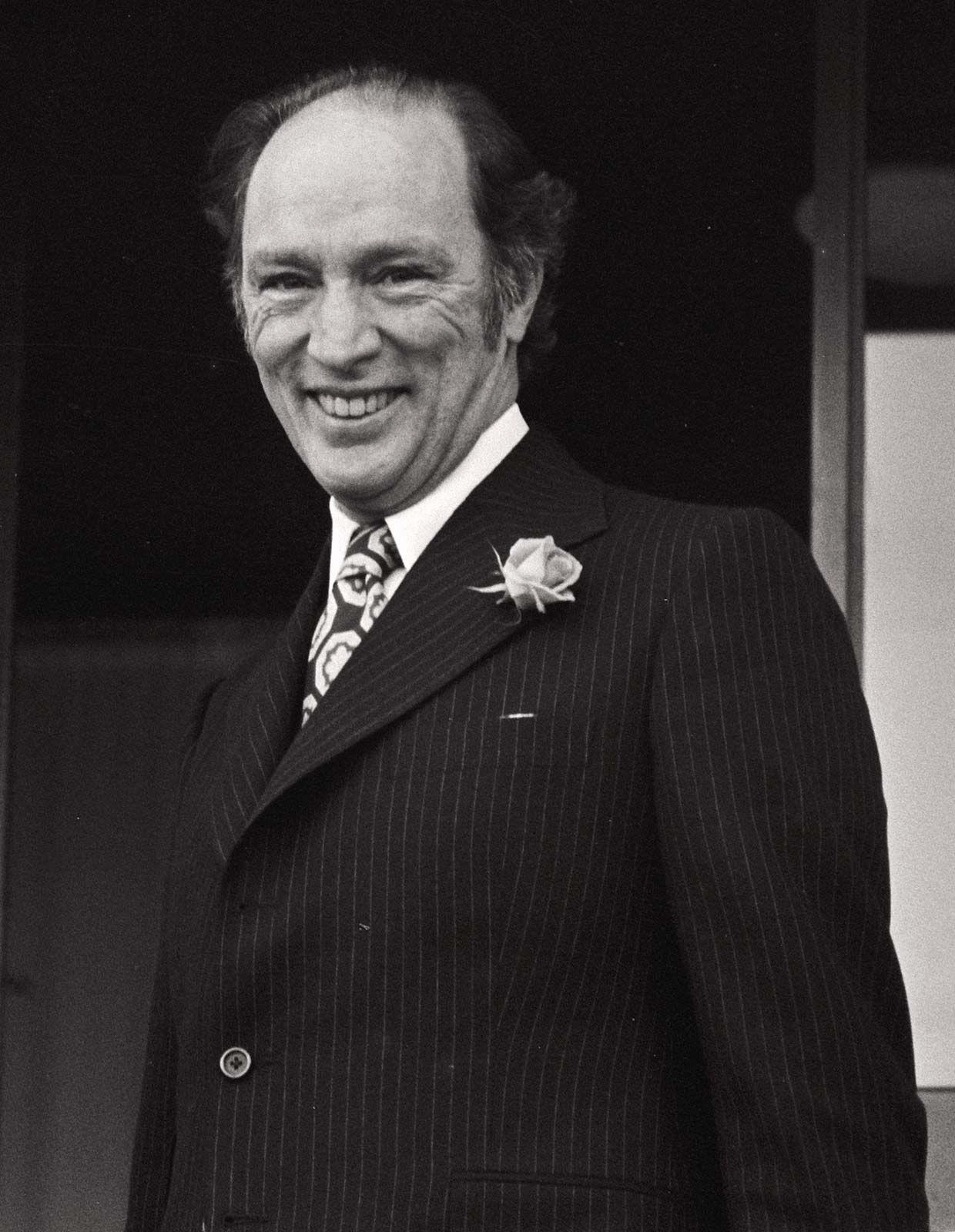
Journalist Peter McFarlane wrote that Trudeau’s “Third Position” proposal, which ostensibly sought to distinguish Canadian foreign policy actions from those of the U.S., “consisted mainly of smoke and mirrors.”
Trudeau worked with the U.S. to isolate the government of Salvador Allende in Chile, welcomed the military coup led by General Augusto Pinochet in 1973 and maintained cordial relations with Washington-backed dictatorships in Guatemala and Nicaragua throughout the 1970s.[24]
Keeping a distance from socialist liberation movements in Africa, Trudeau, additionally, supported Idi Amin in Uganda after his predecessor, Milton Obote, took majority control of the Kilembe Copper Mine from the Canadian mining giant Falconbridge, and offered diplomatic support to Indonesia’s genocidal invasion of East Timor in 1975, which was greenlit by Henry Kissinger.[25]
Anemic Pushback and Call for Economic Democracy
Like its U.S. counterpart, the Canadian anti-war movement and political left has been anemic in building grass-roots opposition and effective pushback against the status quo.
The left-leaning NDP has largely aligned with Canadian foreign policy and been particularly hawkish when it comes to Ukraine, with 100 NDP MPs endorsing the 2011 bombing of Libya.[26]
Yves Engler, an anti-imperialist author of 13 books on Canadian foreign policy, is mounting a welcome insurgent campaign to take over the leadership of the NDP that calls for Canada’s withdrawal from NATO, lessening U.S. military ties, weakening of the intelligence agencies and cuts to military spending.
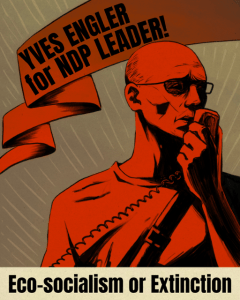
Engler is also advancing an egalitarian, democratic vision for replacing a capitalist economic system based on one dollar, one vote with an economic democracy based on one person, one vote.
Unfortunately, the NDP leadership moved to bar Engler from standing in the race despite his having raised the required $100,000 entry fee and securing well over the required 500 party member signatures. The party’s vetting committee claimed that Engler was spreading “pro-Russian disinformation” on the war in Ukraine, Rwandan genocide denial and issued comments “consistent with anti-semitic attitudes.”[27]
These latter charges are outright false and reflect the use of neo-McCarthyite smears to silence well-informed challenges to the dominant narrative on events like the Rwandan genocide[28], and critiques of U.S. and Canadian foreign policies vis a vis Russia and Israel-Palestine among other places.
Engler is in reality on a higher moral and intellectual plane than his detractors. Among other things, he understands that the injustices associated with foreign policy cannot be divorced from the inequities of the domestic political-economy and skewing of democracy by corporate interests that enrich themselves by destroying planet Earth and its people.
Carney’s future aim is to position Canada to meet NATO’s expanded spending target of 5% of GDP, which will require raising the defense budget more than three-fold from what it was last year to more than $150 billion per annum. ↑
James Clayton reported in the World Socialist website that a newly created Canadian company, Nalagx announced plans to build the largest explosives factory in Canada since World War II in cooperation with France’s state-owned Eurenco. The joint venture will supply Canada, France and other NATO powers with artillery shells and gun ammunition. “Our agreement,” said Nalagx CEO and former Liberal MP Patrick Gagnon, “is a concrete illustration of the rebirth of the defence industry in Canada.” Montreal-based Bombardier is in negotiations with Saab to build its Gripen fighter jet in Canada to fulfill potential orders from the Canadian and Ukrainian militaries. Bombardier and Saab are already partners in Saab’s “Global Eye” surveillance jet, which uses Bombardier’s 6000/6500 business jet as its platform. ↑
See also Michel Chossudovsky, “President Trump’s Ultimate Intent: The Annexation of Canada, The Annexation of Greenland, the Militarization of the Arctic. Militarization of the Western Hemisphere,” Global Research, January 6, 2026. Chossoduvsky discusses the U.S. establishment of the U.S. northern military command in 2003 that gives the U.S. broader rights of military intervention in Canada, including in the north. Liberal Prime Minister Jean Chrétien, who refused to support the U.S. invasion of Iraq, tried to block its establishment but it was implemented by his successor, Paul Martin (2003-2006) after Chrétien resigned. On the eve of Trump’s second inauguration, Chrétien, aged 91, published a letter, which stated: “To Donald Trump, from one old guy to another: Give your head a shake! What could make you think that Canadians would ever give up the best country in the world – and make no mistake, that is what we are – to join the United States? I can tell you Canadians prize our independence. We love our country. We have built something here that is the envy of the world – when it comes to compassion, understanding, tolerance and finding a way for people of different backgrounds and faiths to live together in harmony. We’ve also built a strong social safety net – especially with public health care – that we are very proud of. It’s not perfect, but it’s based on the principle that the most vulnerable among us should be protected. This may not be the ‘American Way’ or ‘the Trump Way.’ But it is the reality I have witnessed and lived my whole long life.” ↑
Owen Schalk, Targeting Libya: How Canada went from building public works to bombing an oil-rich country and creating chaos for its citizens (Toronto: Lorimer Books, 2025), 146. ↑
Schalk, Targeting Libya, 161. On another occasion, Bouchard also received the U.S. Legion of Merit. Harper, at the gala, bragged that Canada had flown 10% of the bombing sorties in Libya. ↑
Schalk, Targeting Libya, 162 ↑
Schalk, Targeting Libya, 155. ↑
Schalk, Targeting Libya, 158. ↑
Qaddafi’s grandfather had been killed in Libya’s anti-colonial struggle against Italy. ↑
Schalk, Targeting Libya, 47. ↑
Schalk, Targeting Libya, 62. ↑
For more details, see Jeremy Kuzmarov, “‘The Yanks Did This Thing Themselves,’” CovertAction Magazine, April 5, 2022. ↑
Schalk, Targeting Libya, 155. ↑
Schalk, Targeting Libya, 190. ↑
In late 2011, Canadian mining company Kilo Goldmines, which had already profited enormously from mineral extraction in war-torn Congo, won a concession to exploit “one of the richest iron-ore deposits in the world”—the Hajigak deposit in Bamyan province. ↑
Owen Schalk, Canada in Afghanistan: A story of military, diplomatic, political and media failure 2003-2023 (Toronto: Lorimer Books, 2023), 108. Canadian troops were also heavily involved in efforts to train the Afghan military and police and larger counterinsurgency operations throughout the country. In 2007, the Standing Senate Committee on National Security and Defence released a report criticizing the brutal actions of Canada’s allies in Kabul. The report quotes an Afghan police colonel who “claimed that Canada had no chance of winning the support of the people of Kandahar as long as so many innocent Afghans were dying as a result of NATO air strikes.” ↑
Schalk, Canada in Afghanistan, 25. ↑
Schalk, Canada in Afghanistan, 26. ↑
NHL players such as Jarome Iginla and Guy Lafleur were brought to Afghanistan to play a hockey game with troops in Kandahar officiated by NHL referees. ↑
PC stands for Progressive Conservative. ↑
Layton supported the bombing of Libya. ↑
Schalk, Canada in Afghanistan, 57. Since the passage of the Defence Production Sharing Agreement in 1959, Canada’s defence sector has been reliant on exporting military components and sub-systems to globe-spanning U.S. arms manufacturers, including Boeing, Lockheed Martin, Raytheon, General Dynamics and others. The Canadian government heavily subsidizes these sales. From 1976 to 2006, Canadian arms suppliers received $5 billion in federal subsidies from Liberal and Conservative governments. ↑
Trudeau established Petro-Canada after nationalizing portions of Alberta’s oil industry, so it could not be dominated by U.S. corporations such as those owned by the Rockefeller family. ↑
Schalk, Canada in Afghanistan, 57, 58; Schalk, Targeting Libya, 40; Yves Engler and Owen Schalk, Canada’s Long Fight Against Democracy (Montreal: Baraka Books, 2024). ↑
Schalk, Canada in Afghanistan, 58; Schalk, Targeting Libya, 40. During the occupation of East Timor (1975–1999) and the genocide of tens of thousands of Timorese, Canada sold massive amounts of weaponry to the Indonesian military, with sales peaking in the 1990s under the Liberal government of Jean Chrétien. In 1995 alone, the Chrétien government authorized more than $362 million in military export permits to Indonesia where Canadian mining companies have significant investments. ↑
See Yves Engler, Left, Right: Marching to the Beat of Imperial Canada (Montreal: Black Rose Books, 2018). The World Socialist website reported that the NDP has “supported virtually every Canadian imperialist war of aggression over the past three decades, supports Canadian rearmament and like Carney and the European imperialist powers is determined that the war against Russia continue.” After Qaddafi was savagely killed, NDP interim leader Nycole Turmel released a statement noting: “The future of Libya now belongs to all Libyans. The announcement of the death of former dictator Muammar Gaddafi may mean the end of a long oppressive regime and decades of brutal fighting for democracy…Our troops have done a wonderful job in Libya over the past few months. I want to salute the efforts and courage of our troops.…New Democrats are proud to have supported Libyans in their quest for democracy and will continue to work with the Libyan people to establish a democratic society.” In April 2022, NDP foreign affairs critic Heather McPherson proposed that the Canadian government recognize a genocide of Ukrainians by the Russian Armed Forces during the Russo-Ukrainian War. The proposal was passed unanimously in the House of Commons. Engler notes that not only did they promote the war, but the NDP brass suppressed party members’ efforts to discuss it. “ “To forestall debate on Libya, Gaza and NATO,” wrote NDP Socialist Caucus leader Barry Weisleder about the party’s convention three months into the violence, “the foreign policy panel moved up two resolutions on military and RCMP veterans’ affairs, plus ‘motherhood’ motions on accessible medicines and conflict minerals. To the dismay of many, party icon Stephen Lewis gave a rhapsodic introduction to the foreign policy selections, during which he bestowed his blessing on the murderous NATO bombing of Libya, purportedly as an antidote to alleged mass rapes attributed to forces of the Ghadaffi regime.” ↑
In a public letter to the NDP Federal Council, appealing for the body to overturn the ban, Engler denounced the NDP’s decision as the result of a “kangaroo court” and declared that his campaign “has no intention of accepting the decision” and “will fight this decision by every means at our disposal.” He warned that “this leadership contest will now be met with a full-blown campaign of protest” and insisted that any leader “elected through this rigged process will have no legitimacy.” Pierre Lajuenesse wrote on the World Socialist website that “the exclusion of Engler only confirms what the WSWS has long explained: that the NDP is a trap for the working class, a party of Canadian imperialism and the union bureaucracy, organically hostile to any genuine struggle against war, austerity and the capitalist system. Engler is being targeted because his past record as an anti-war campaigner and critic of Canada’s role in Haiti, the NATO war on Russia (including Ottawa’s decades long alliance with the Ukrainian far-right) and the genocidal onslaught in Gaza cuts across the NDP leadership’s slavish alignment with the foreign-policy objectives of Canadian imperialism. The ruling class fully supports the Liberal government under Prime Minister Mark Carney as it massively hikes military spending so that Canadian imperialism can assert its aggressive interests in a rapidly escalating third world war for the redivision of the world’s resources. This agenda necessarily entails a savage onslaught on what remains of public services, worker rights, and social supports, because the ruling class needs every penny for war and its own enrichment.” ↑
See for example, Jeremy Kuzmarov, “Still Unsolved: The Great Crime That Triggered the 1994 Rwandan Genocide,” CovertAction Magazine, April 6, 2021, which validates Engler’s view of the events in Rwanda along with Edward S. Herman and David Peterson, Enduring Lies: The Rwandan Genocide in the Propaganda System 20 Years Later (Create Space Publishing, 2014) among other works. ↑
CovertAction Magazine is made possible by subscriptions, orders and donations from readers like you.
Blow the Whistle on U.S. Imperialism
Click the whistle and donate
When you donate to CovertAction Magazine, you are supporting investigative journalism. Your contributions go directly to supporting the development, production, editing, and dissemination of the Magazine.
CovertAction Magazine does not receive corporate or government sponsorship. Yet, we hold a steadfast commitment to providing compensation for writers, editorial and technical support. Your support helps facilitate this compensation as well as increase the caliber of this work.
Please make a donation by clicking on the donate logo above and enter the amount and your credit or debit card information.
CovertAction Institute, Inc. (CAI) is a 501(c)(3) non-profit organization and your gift is tax-deductible for federal income purposes. CAI’s tax-exempt ID number is 87-2461683.
We sincerely thank you for your support.
Disclaimer: The contents of this article are the sole responsibility of the author(s). CovertAction Institute, Inc. (CAI), including its Board of Directors (BD), Editorial Board (EB), Advisory Board (AB), staff, volunteers and its projects (including CovertAction Magazine) are not responsible for any inaccurate or incorrect statement in this article. This article also does not necessarily represent the views the BD, the EB, the AB, staff, volunteers, or any members of its projects.
Differing viewpoints: CAM publishes articles with differing viewpoints in an effort to nurture vibrant debate and thoughtful critical analysis. Feel free to comment on the articles in the comment section and/or send your letters to the Editors, which we will publish in the Letters column.
Copyrighted Material: This web site may contain copyrighted material the use of which has not always been specifically authorized by the copyright owner. As a not-for-profit charitable organization incorporated in the State of New York, we are making such material available in an effort to advance the understanding of humanity’s problems and hopefully to help find solutions for those problems. We believe this constitutes a ‘fair use’ of any such copyrighted material as provided for in section 107 of the US Copyright Law. You can read more about ‘fair use’ and US Copyright Law at the Legal Information Institute of Cornell Law School.
Republishing: CovertAction Magazine (CAM) grants permission to cross-post CAM articles on not-for-profit community internet sites as long as the source is acknowledged together with a hyperlink to the original CovertAction Magazine article. Also, kindly let us know at info@CovertActionMagazine.com. For publication of CAM articles in print or other forms including commercial internet sites, contact: info@CovertActionMagazine.com.
By using this site, you agree to these terms above.
About the Author
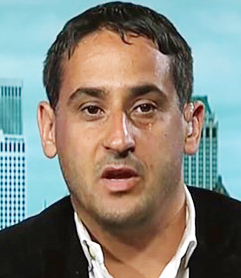
Jeremy Kuzmarov holds a Ph.D. in American history from Brandeis University and has taught at numerous colleges across the United States. He is regularly sought out as an expert on U.S. history and politics and co-hosts a radio show on New York Public Radio and on Progressive Radio News Network called “Uncontrolled Opposition.”
He is Managing Editor of CovertAction Magazine and is the author of eight books, including Obama’s Unending Wars (Clarity Press, 2019), The Russians Are Coming, Again, with John Marciano (Monthly Review Press, 2018), Warmonger. How Clinton’s Malign Foreign Policy Launched the U.S. Trajectory From Bush II to Biden (Clarity Press, 2023); with Dan Kovalik, Syria: Anatomy of Regime Change (Baraka Books, 2025), and Political Assassinations in America: The Intricate Nexus of Deep State Crime (Clarity Press, 2026).
Besides these books, Kuzmarov has published hundreds of articles and contributed to numerous edited volumes, including one in the prestigious Oxford History of Counterinsurgency .
He can be reached at jkuzmarov2@gmail.com and found on substack here.