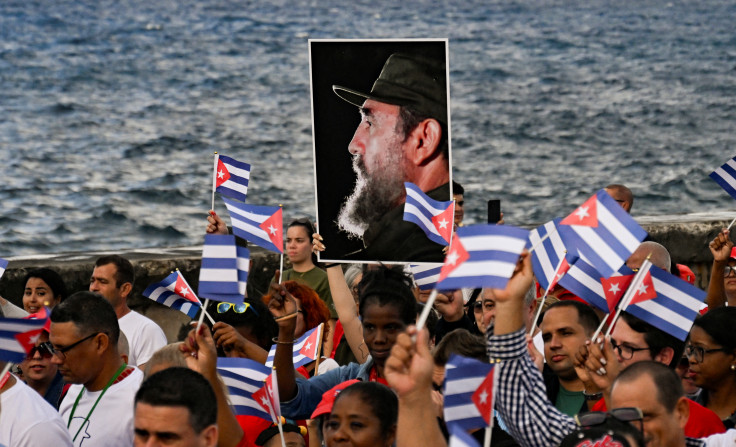
I came back from Cuba over last weekend, where I had not been for a year.
Despite the warnings from the U.S. State Department and Marco Rubio, now is the time for U.S. citizens to travel to Cuba in solidarity with the Cuban people against the latest U.S. aggressions in the Caribbean and Latin America.
You Can Go to Cuba
At this moment, of all times, it is important for U.S. citizens to show solidarity with the Cuban people against the threats of the U.S. government by traveling to Cuba.
Yet, most U.S. citizens do not realize that they can go to Cuba as an individual or in a group.
A great resource for U.S. citizens to travel to Cuba is “Yes, You Can Travel to Cuba,” a five-minute video that gives information on the details of how one can make arrangements for travel to the largest island in the Caribbean, a mere 90 miles from Key West, Florida.
You have to obtain an electronic visa from the Cuban Embassy (or consulate) in Washington, D.C., which costs $50 and takes a couple of days, and then book a flight. There are three U.S. airlines that fly several times a day from Florida. American and Delta fly from Miami and Southwest flies from Tampa.
There are plenty of hotels in Havana and the other larger cities in Cuba as lots of tourists come from Europe. However, during Trump’s first term, the U.S. banned people from staying in hotels that were on a list of hotels that were “owned” or “controlled” by the Cuban military’s business arm, which does restrict where people can stay (an alternative is to stay in BnBs).
Canadians represent the largest group of tourists visiting Cuba. Sadly, on February 9, Canadian airlines announced the suspension of flights to Cuba from Canada due to a lack of fuel in Cuba to refuel the aircraft for the return flight.
However, persons traveling from Florida are not affected by the fuel shortage since U.S. airlines travel such a short distance from departure points in Florida that they do not need to refuel in Cuba.
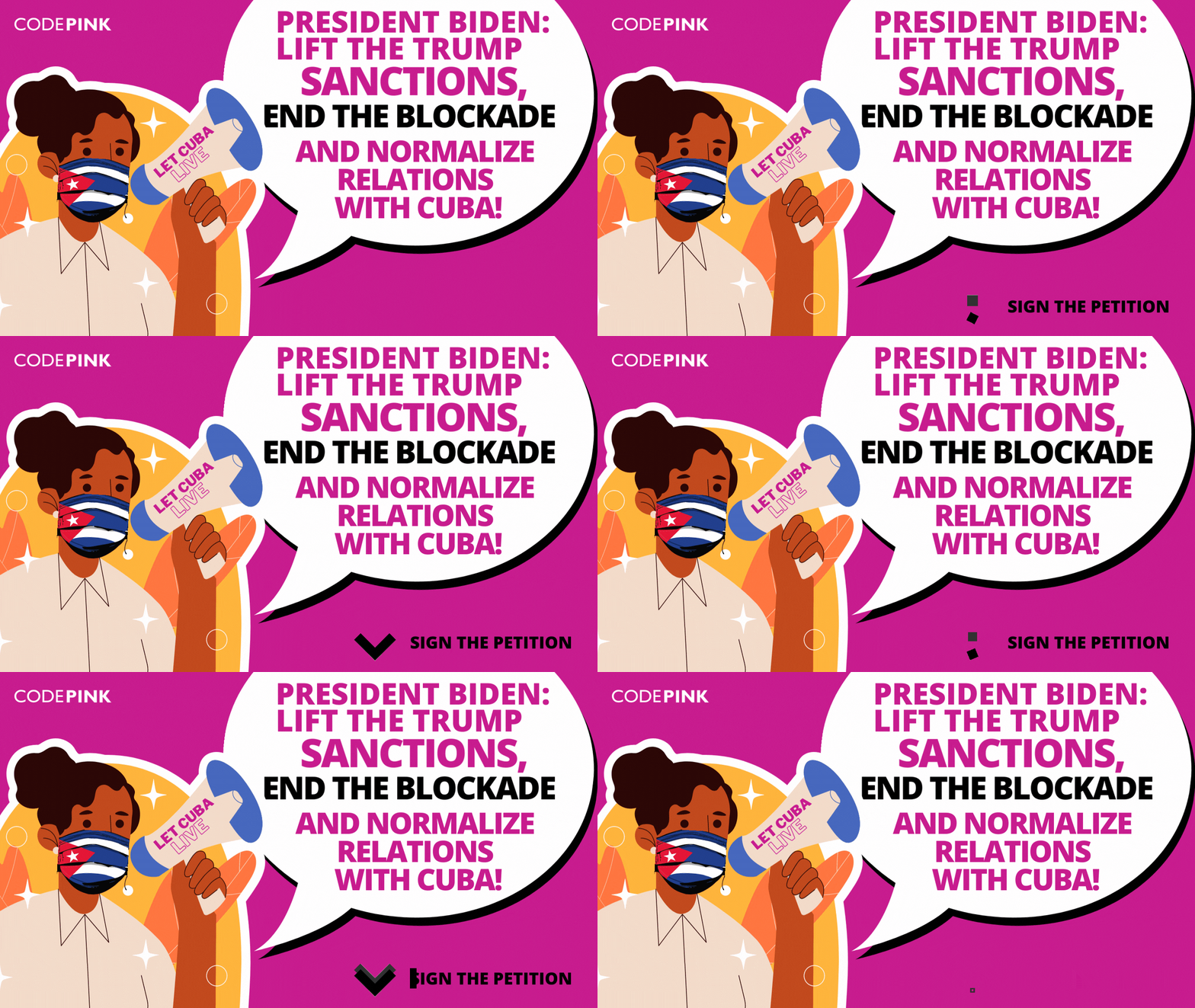
If you want to go to Cuba with a group, you can contact a number of organizations to see if they have scheduled trips when you want to go: National Network on Cuba, CODEPINK, the Center for Cuban Studies, and Busboys and Poets, among others.
More Tough Times for Cuba
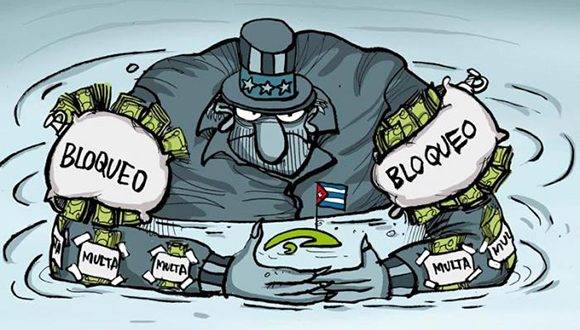
When visiting Cuba, one can quickly see the terrible effects of the more than six decades of the U.S. economic blockade of Cuba. The current fuel shortage due to the U.S. stopping fuel from Venezuela and strong-arming Mexico, affects everything, from moving food from the countryside to the cities, getting people to workplaces, keeping medical equipment operating in hospitals and clinics, to picking up garbage from the streets.
While Cuba has increased the use of solar energy from 3% to 10% of energy needs of the country, the country still depends on petroleum products for most of its electricity and transportation needs. The list of the impacts of U.S. aggression is long and well-documented.
U.S. Increases Sanctions and Aggressions
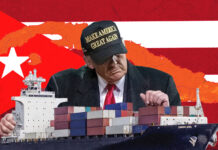
Trump’s latest salvo toward Cuba is his January 29, 2026, executive order that sanctions any nation that provides any amount of oil to Cuba, essentially strangling the daily life of Cuban citizens with the aim that they will “overthrow” their own government.
This explicit threat to the survival of Cuba by the U.S. to cut off oil supplies to Cuba is a culmination of almost 70 years of hatred of the Cuban Revolution that took the country back from the oligarchy who had kept the population in poverty and slavery.
Much of the oligarchy moved to Miami, Florida, and has formed the base of the Republican Party’s political fortunes in the state, including the former U.S. senator and now Secretary of State, Cuban-American Marco Rubio.
More about Rubio’s birthright citizenship and deportation order of his grandfather from the U.S. later in the article.
More U.S. Aggressions in the Caribbean and Latin America
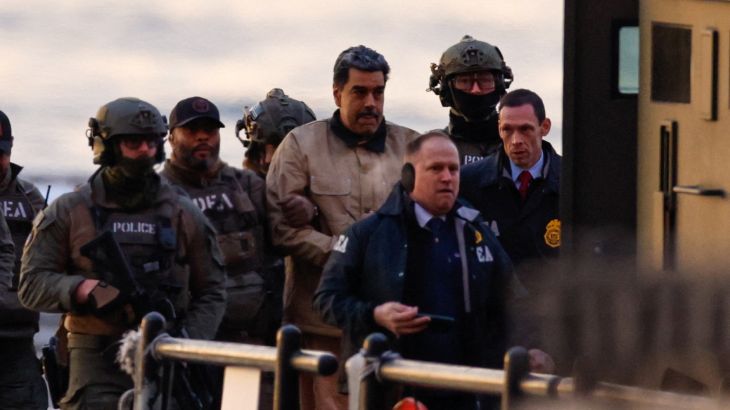
Topping the list of U.S. aggressions in Latin America is the kidnapping of Venezuelan President Nicolás Maduro and his wife Cilia Flores. On January 3, 2026, the U.S. military kidnapped Maduro and Flores from their home on a Venezuelan military base, flew them to a U.S. naval ship, and then to New York where they have been charged with narco-trafficking. Some 32 Cuban military and police and 24 Venezuelan military who were part of the security for President Maduro’s security team were killed by the U.S. military.
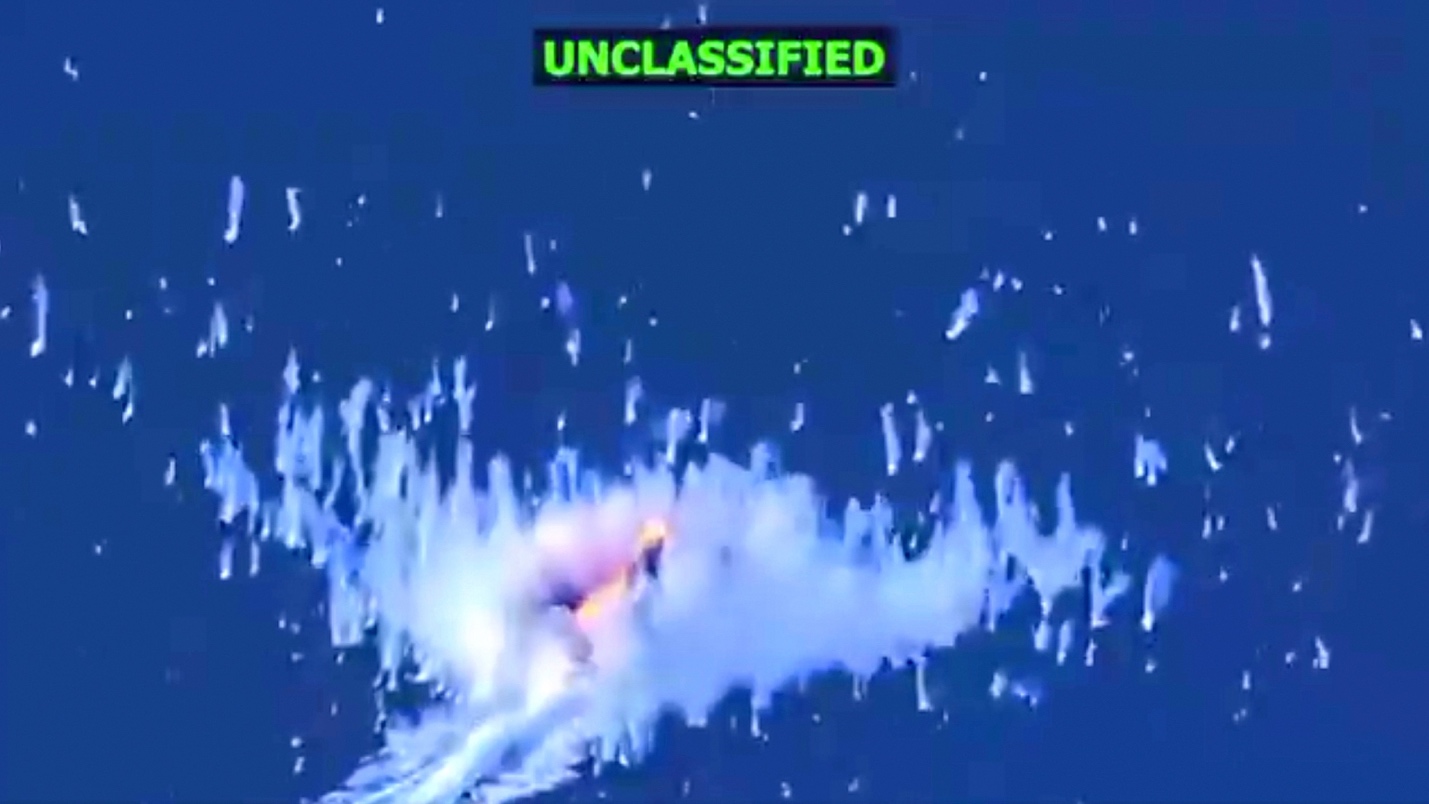
The latest U.S. military aircraft bombing of small boats was on February 9, killing two persons and bringing the known death toll to at least 130 in the Trump administration’s campaign since early September 2025 that claims to be targeting drug smugglers.
The bombings have been conducted without evidence made public that the boats and people were actually involved in drug smuggling. Secretary of Defense Pete Hegseth ordered the U.S. military to kill two survivors who were clinging to a boat bombed on September 2 which, by the law of warfare, is illegal—the killing of people who are out of action and pose no threat.
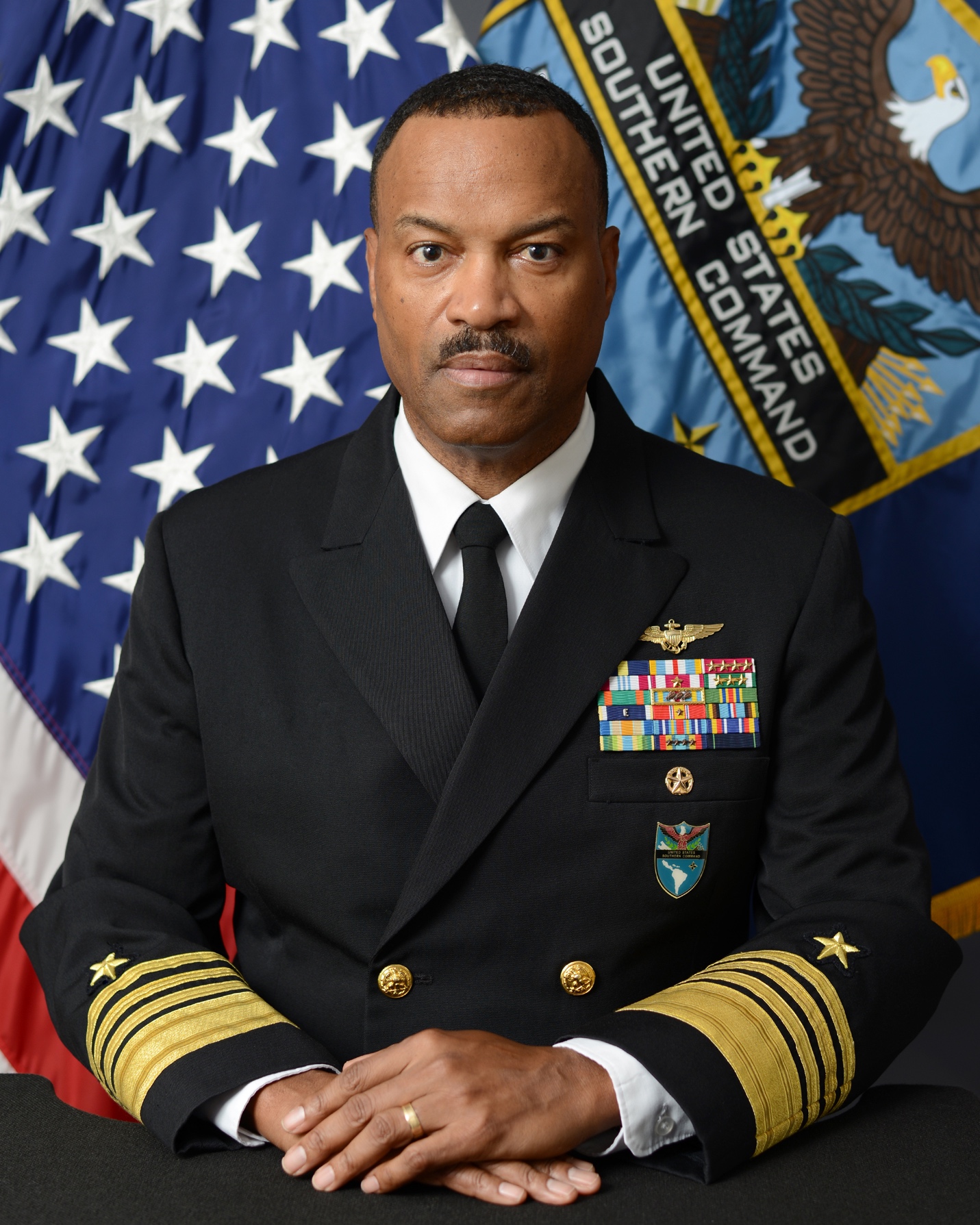
In December 2025, Admiral Alvin Holsey, the commander of the U.S. Southern Command who reportedly had “reservations” about the legality of the military strikes on boats, retired at the demand of Hegseth after only one year in the position.
In November 2025, Britain suspended its intelligence-sharing agreement with the Joint Interagency Task Force South (JIATF-S), an intelligence group that monitors narco-trafficking across the Caribbean and Latin America, concerned that it was being used to violate international law.
Trump Pardon of Convicted Former President of Honduras for Taking Bribes from Drug Traffickers
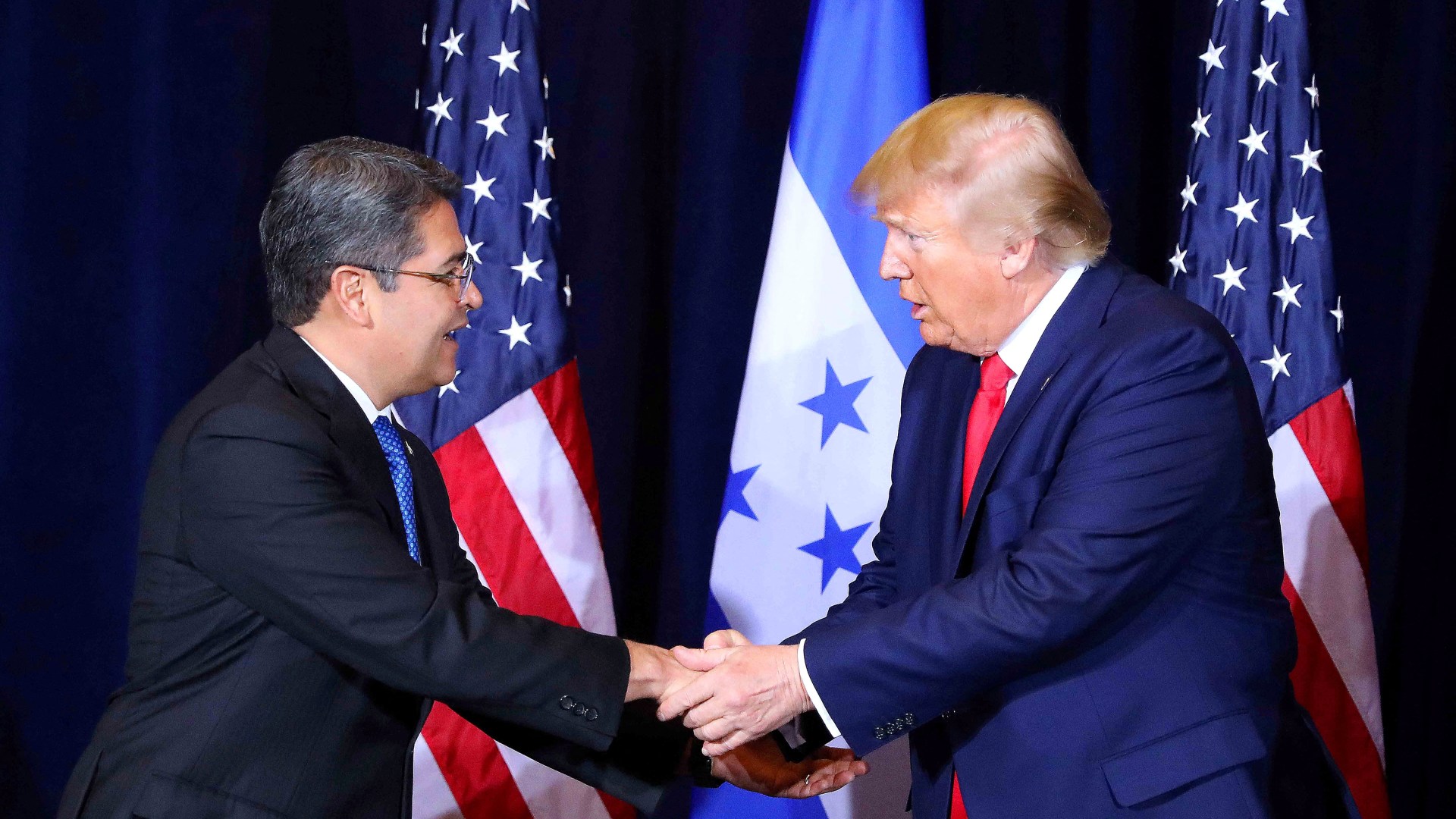
In another assault on the U.S. judicial system, President Trump, on December 1, 2025, pardoned former Honduras President Juan Orlando Hernández, sentenced by a U.S. federal court in 2024 to 45 years in prison for taking bribes from drug traffickers to allow them to move 400 tons of cocaine to the United States.
When Trump was asked about why he pardoned Hernandez, Trump responded: “I was asked by Honduras, many of the people of Honduras. They basically said he was a drug dealer because he was the president of the country. And they said it was a Biden administration set-up. And I looked at the facts and I agreed with them.”
Terrible History of U.S. Aggression Against Cuba—Assassinations, Bombings and Blockades
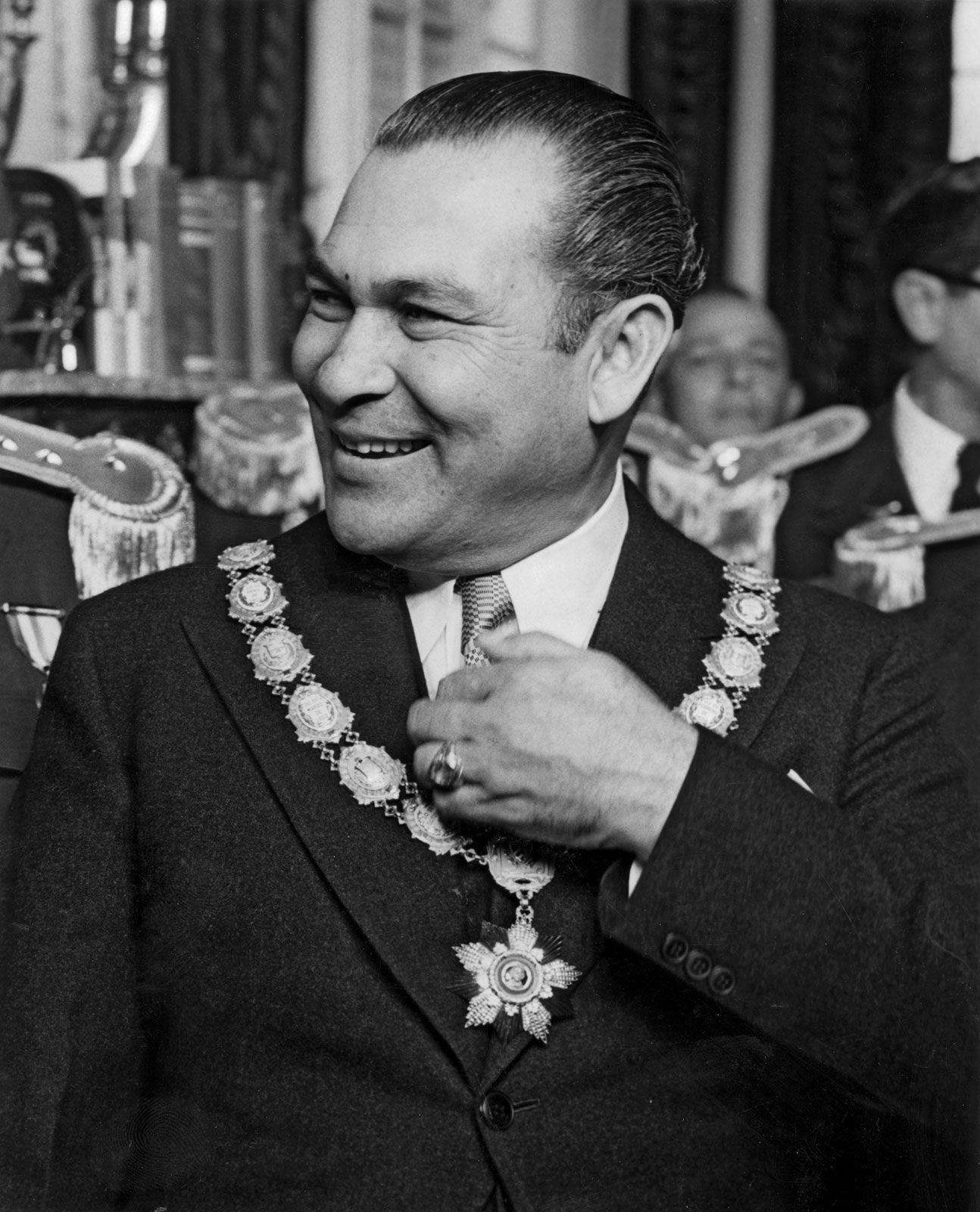
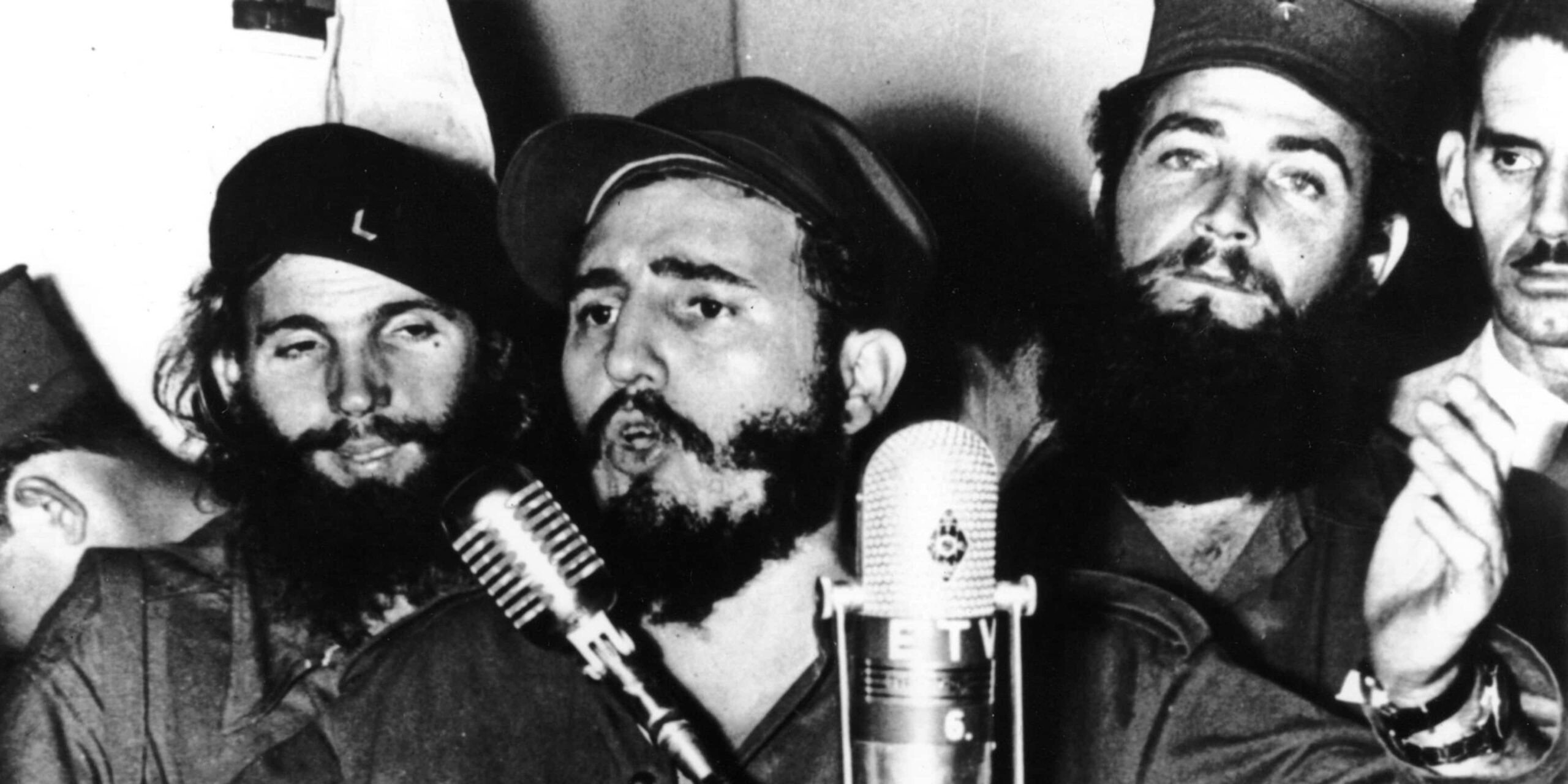
For almost 70 years, since 1959, 13 successive U.S. presidential administrations have attempted to overthrow the Cuban Revolution that ousted the U.S. puppet dictator Baptista.
The Cuban Revolution nationalized the resources of the country to implement literacy, health care and housing programs for all citizens of the small country of 11 million people. Many of the rich in the country decided that their personal wealth was more important than the humane treatment of the poor of the country and left, mostly settling in southern Florida and becoming an important political force in U.S. elections.
Beginning with the Kennedy administration and the attempted coup against the Cuban Revolution in the notorious CIA-orchestrated Bay of Pigs invasion in 1961, and continuing through the Johnson, Nixon, Ford, Carter, Reagan, Bush 1, Clinton, Bush 2, Obama, Trump 1, Biden and now Trump 2 presidential administrations, these efforts have included a brutal economic blockade on Cuba, orchestrated more than 600 attempts at assassinating the leadership of the revolution and placed extremely severe restrictions on the Cuban population to push them to overthrow the revolutionary government. In these almost 70 years, the Cuban people have never tried to overthrow their government.
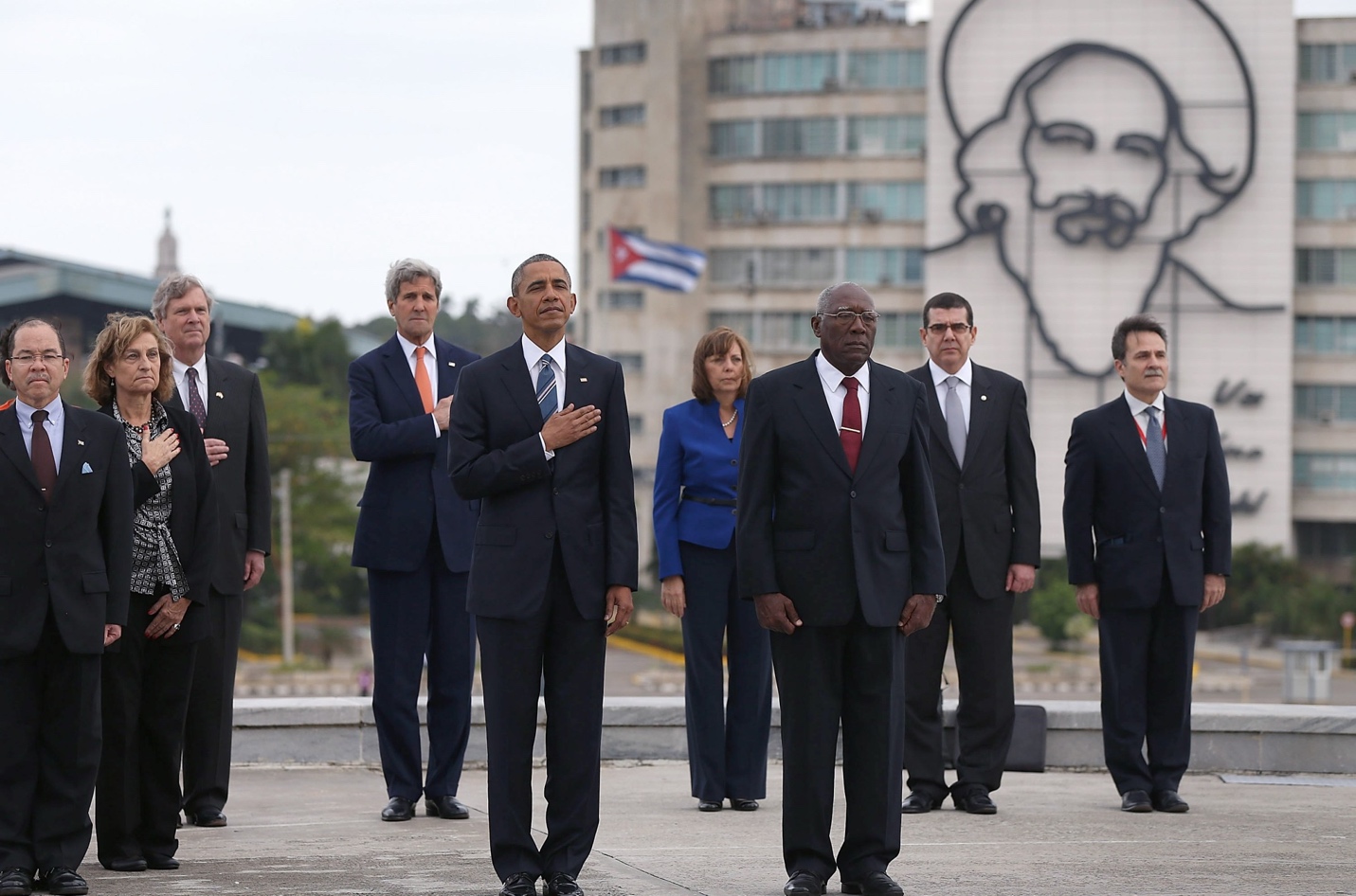
Only during the last two years of the Obama administration did the U.S. government modify its economic and political blockade of Cuba by opening an Embassy and signing 22 agreements with the Government of Cuba that were mainly for the protection of U.S. national security. Those agreements, which range from migration, counter-narcotics, and law enforcement to environmental protection and public health, are still in effect and are being adhered to by Cuba, its efforts being ignored much of the time by the U.S. government.
To the chagrin of those in the U.S. Congress who wanted the people of Cuba to suffer under the severe economic blockade the U.S. created, the agreements negotiated by the Obama administration also allowed U.S. citizens to travel by plane and ship to Cuba in the greatest numbers since the 1959 revolution. The Cuban government then began allowing private enterprises to form, particularly in the restaurant field.
Humanity and Morality Have Not Meant Anything to U.S. Presidential Administrations, Particularly the Trump Administrations
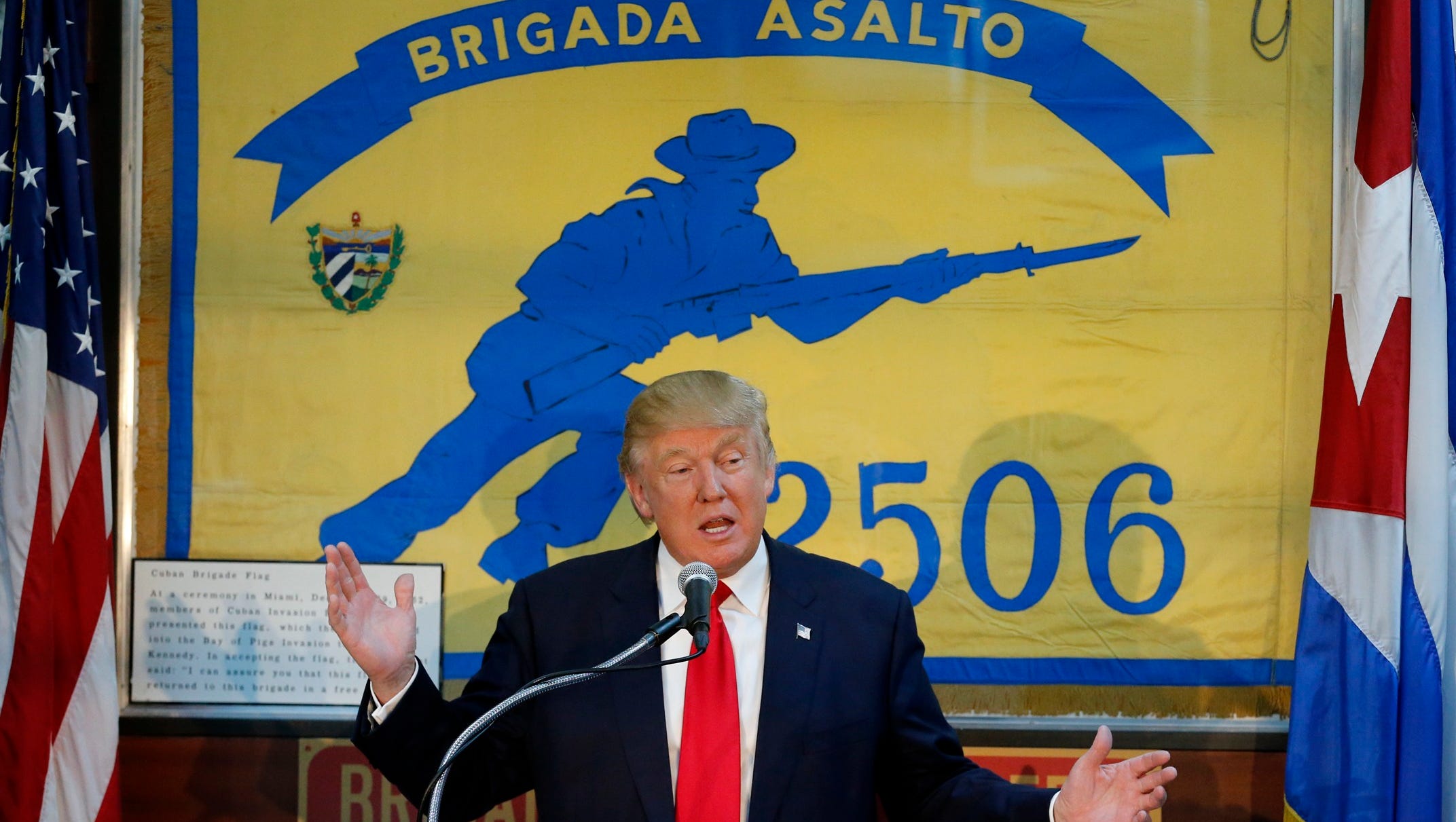
Trump defeated Obama Secretary of State Hillary Clinton in the 2016 presidential election and immediately began to eliminate programs of cooperation that benefited both the U.S. and Cuba.
Trump’s campaign platform was strongly influenced by the Cuban elite who settled in southern Florida and became the most powerful political influence in Florida where Trump had purchased the Mar-a-Lago complex.
Another era of brutal blockades began and, in the final days of his first administration, on January 11, 2021, Trump reinstated the designation of Cuba as a State Sponsor of Terrorism, which had been reversed during the period of rapprochement between Cuba and the United States during President Obama’s second term in office.
Joe Biden, Obama’s Vice President, levied new sanctions on island officials and the national revolutionary police after hundreds of Cubans were arrested during demonstrations in Havana and other cities to protest shortages, power outages and government policies. They were the first such protests since the 1990s.
Human rights groups and activists, including the U.S. Conference of Catholic Bishops, pressed the Biden administration to lift the designation to ease the suffering of Cuban people who feel the impact of Cuba’s economic isolation. However, Biden maintained the State Sponsor of Terrorism designation on Cuba until the last week of his administration.
Cuba Is Trump 2’s Next Target for Decapitation
Trump’s second administration, with Cuban-American Marco Rubio as Secretary of State, put the country back on the State Sponsor of Terrorism list the day after his inauguration in January 2025.
After decapitating the leadership of Venezuela with the kidnapping of Venezuelan President Maduro and his wife and the theft of Venezuelan oil for U.S. oil corporations, Trump 2 has targeted Cuba as the next victim of illegal U.S. actions.
The Trump administration cited Cuba’s support for Venezuela’s leader, Nicolás Maduro, and its refusal to extradite Colombian rebels to Colombia, among other issues, also including its harboring of wanted Americans.
The Trump administration has made Cuba one of seven countries facing heightened restrictions on visitors and revoked temporary legal protections that had shielded about 300,000 Cubans from deportation. The administration has also announced visa restrictions on Cuban and foreign government officials involved in Cuba’s medical missions, which Rubio has falsely called “forced labor.”
Secretary of State Marco Rubio Is a “Birthright” U.S. Citizen, a Status He Wants to Deny to Others
Trump nominated and the U.S. Senate confirmed their colleague—Florida Senator “Little Marco” Rubio as then-candidate Trump called him—to be the pit bull and very undiplomatic Secretary of State. In his rewrite of his family history for his political career, contrary to what Rubio stated in his campaign materials, Rubio’s parents did not flee Cuba from the Cuban Revolution. Instead, Rubio’s parents left Cuba in 1956 as immigrants, not refugees, three years before the Revolution and while dictator Batista was ruling the country for the rich.
Marco Rubio was born in 1971 in Miami, Florida, five years after his parents moved to the U.S. but, at the time of Marco’s birth, they were not U.S. citizens. They were naturalized as U.S. citizens in 1975, four years after Marco Rubio became a U.S. citizen by birth, a status that the Trump administration is attempting to deny others born on U.S. soil to non-U.S. citizen parents.
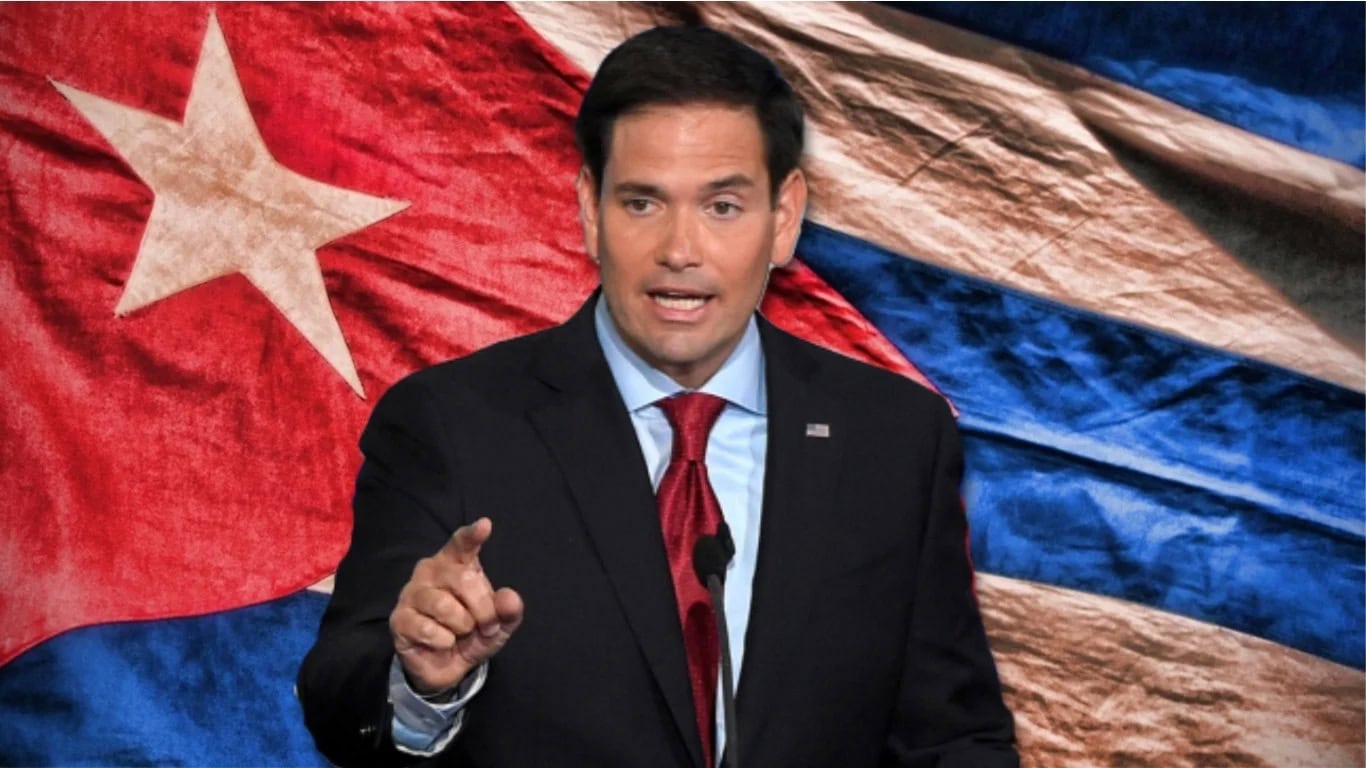
Rubio Has Visited Cuba Only Once and for Only a Few Hours….to the U.S. Prison at Guantanamo Naval Base
As a U.S. senator, Rubio led the mean-spirited congressional efforts to undermine Cuba economically and politically, yet, as a Cuban-American, he had never set foot in Cuba to understand first-hand the effect of U.S. policies.
Finally, in May 2012, at age 41, Marco Rubio made his one and only trip to Cuba …a one day trip to the notorious U.S. prison for those captured in the so-called War on Terror at the U.S. Naval Base in Guantánamo, Cuba.
Secretary of State Marco Rubio’s Grandfather Was an Illegal Immigrant Who Was to Be Deported Until a Benevolent U.S. Government Allowed Him to Stay
Adding to the duplicity of Marco Rubio’s view on Cuba and immigrants, Rubio’s grandfather, Pedro Victor García, came to the United States and was in the country illegally for six years before receiving legal status, for which his grandson, as Secretary of State, would have had him deported.
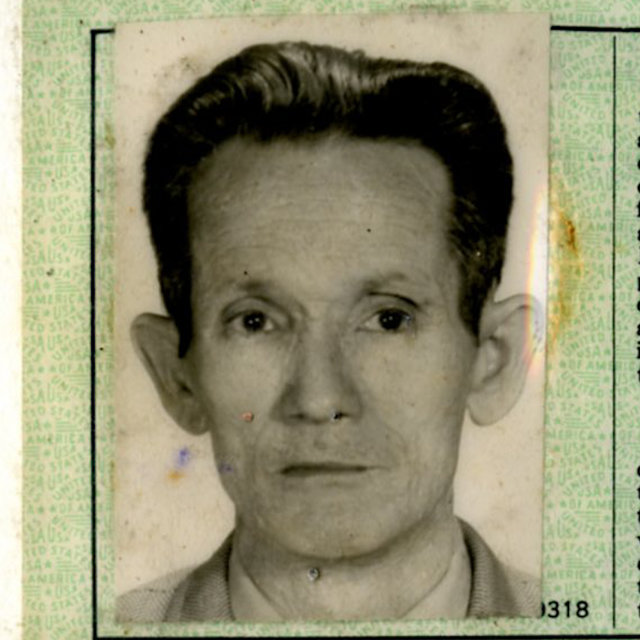
García first came to the United States in 1956, the same year as his daughter and son-in-law, Rubio’s parents. Unable to find work, he moved back to Cuba and took a government job. He returned to the U.S. in 1962 without a visa as Cubans could not get a visa because U.S. consulates in Cuba were closed in January 1961.
Rubio’s grandfather was detained in the U.S. for entering without a visa and ordered to return to Cuba. However, lucky for him, he ended up staying in the U.S. another six years, as the Cuban Missile Crisis happened at the same time and commercial air traffic from the U.S. to Cuba was suspended.
Ignoring a deportation order (as many undocumented immigrants do today), Pedro Victor García simply stayed in the United States and was eventually able to become a permanent resident in 1967, following passage of the Cuban Adjustment Act.
In a benevolent gesture, unlike what Rubio and the Trump administration are doing now, the U.S. government did not force him to leave in the midst of the crisis or in the subsequent six years. He eventually was allowed to receive legal status in 1967 following the passage of the Cuban Adjustment Act having been in the country illegally for six years (technically he was an “illegall alien” of the kind that Rubio and the far-right currently treats in such a malicious way).
Rubio Destroys USAID but Saves the Anti-Cuban Programs
After destroying the U.S. Agency for International Development, affecting thousands of employees and gutting funding to programs across dozens of countries, Secretary of State Rubio, in early 2025, exempted from elimination Cuban regime-change programs that he and his Cuban allies in southern Florida want and groups lobbied the State Department for restoration.
These restored programs include the anti-Revolution publication CubaNet, based in Miami, which had its nearly $2 million grant cut, then restored, as did the Support Group for Democracy in Cuba and the Foundation for Human Rights in Cuba that had almost $1 million each cut and then restored.
These actions show the politicized agenda of the Trump foreign policy team, which is intent on cutting aid programs that actually help people and restoring ones that help advance nefarious U.S. geopolitical interests.

CovertAction Magazine is made possible by subscriptions, orders and donations from readers like you.
Blow the Whistle on U.S. Imperialism
Click the whistle and donate
When you donate to CovertAction Magazine, you are supporting investigative journalism. Your contributions go directly to supporting the development, production, editing, and dissemination of the Magazine.
CovertAction Magazine does not receive corporate or government sponsorship. Yet, we hold a steadfast commitment to providing compensation for writers, editorial and technical support. Your support helps facilitate this compensation as well as increase the caliber of this work.
Please make a donation by clicking on the donate logo above and enter the amount and your credit or debit card information.
CovertAction Institute, Inc. (CAI) is a 501(c)(3) non-profit organization and your gift is tax-deductible for federal income purposes. CAI’s tax-exempt ID number is 87-2461683.
We sincerely thank you for your support.
Disclaimer: The contents of this article are the sole responsibility of the author(s). CovertAction Institute, Inc. (CAI), including its Board of Directors (BD), Editorial Board (EB), Advisory Board (AB), staff, volunteers and its projects (including CovertAction Magazine) are not responsible for any inaccurate or incorrect statement in this article. This article also does not necessarily represent the views the BD, the EB, the AB, staff, volunteers, or any members of its projects.
Differing viewpoints: CAM publishes articles with differing viewpoints in an effort to nurture vibrant debate and thoughtful critical analysis. Feel free to comment on the articles in the comment section and/or send your letters to the Editors, which we will publish in the Letters column.
Copyrighted Material: This web site may contain copyrighted material the use of which has not always been specifically authorized by the copyright owner. As a not-for-profit charitable organization incorporated in the State of New York, we are making such material available in an effort to advance the understanding of humanity’s problems and hopefully to help find solutions for those problems. We believe this constitutes a ‘fair use’ of any such copyrighted material as provided for in section 107 of the US Copyright Law. You can read more about ‘fair use’ and US Copyright Law at the Legal Information Institute of Cornell Law School.
Republishing: CovertAction Magazine (CAM) grants permission to cross-post CAM articles on not-for-profit community internet sites as long as the source is acknowledged together with a hyperlink to the original CovertAction Magazine article. Also, kindly let us know at info@CovertActionMagazine.com. For publication of CAM articles in print or other forms including commercial internet sites, contact: info@CovertActionMagazine.com.
By using this site, you agree to these terms above.
About the Author
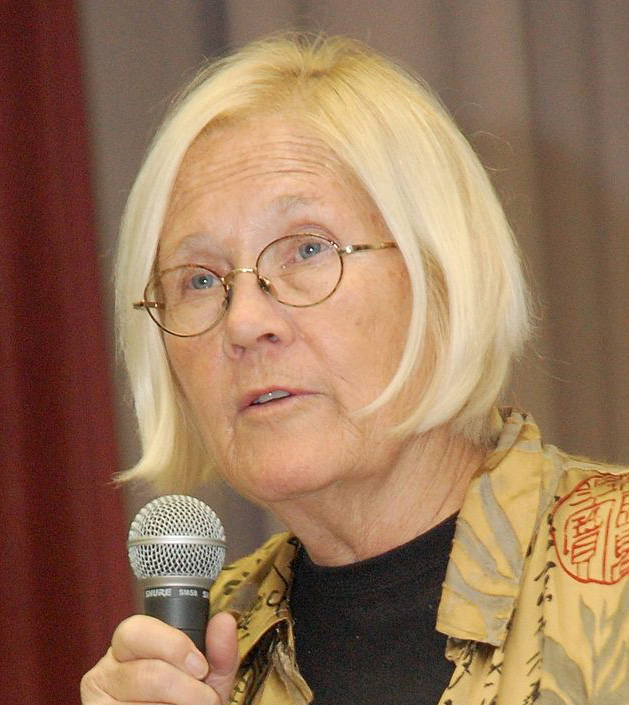
Ann Wright is a retired United States Army colonel and retired U.S. State Department official.
She was one of three State Department officials to publicly resign in direct protest of the 2003 Invasion of Iraq.
Since that time Colonel Wright has been a dedicated peace activist.
Ann can be reached at annw1946@gmail.com.