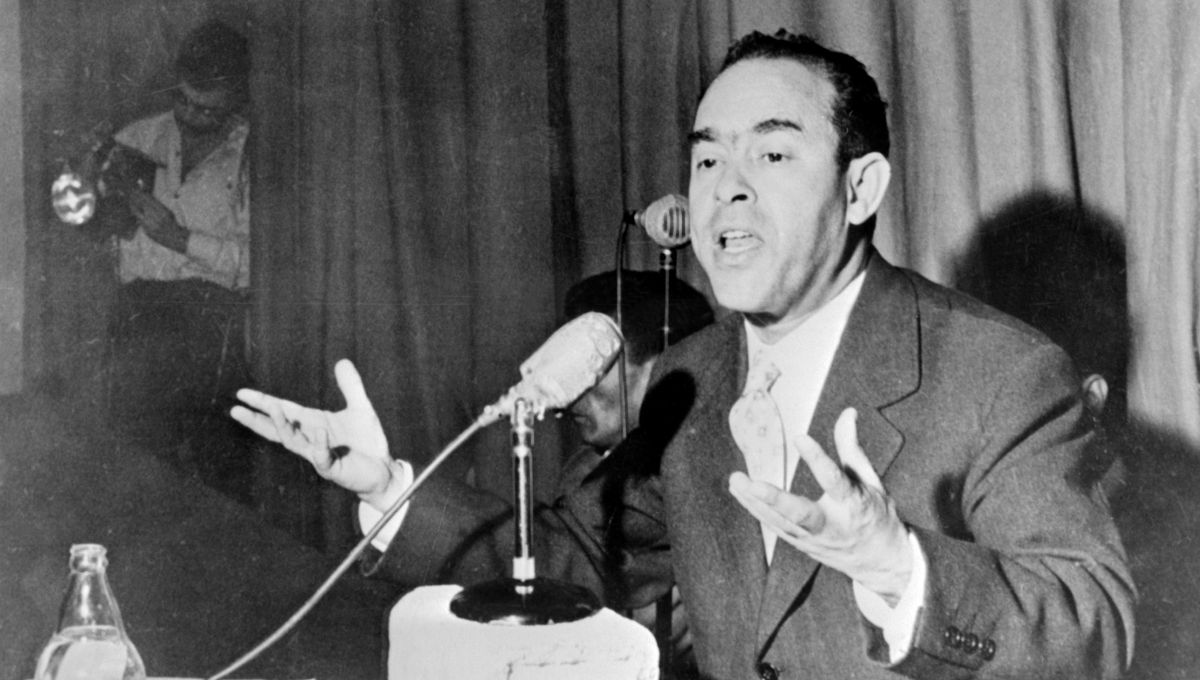
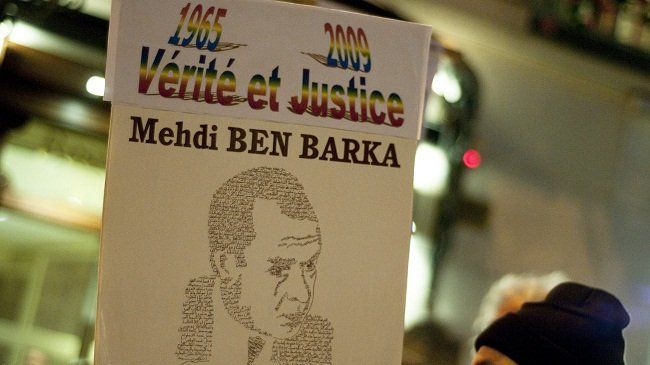
On November 22, 1963, the same day as the JFK assassination, Mehdi Ben Barka, an anti-colonial politician and head of the left-wing Union of Popular Forces (UNFP) of Morocco, was sentenced to death in absentia for conspiracy to overthrow King Hassan II.
The sentence was carried out two years later in Paris, France, with the assistance of French gangsters and police, the Mossad and its Moroccan affiliate, and probable financing by the CIA.
The Ben Barka assassination, like many political assassinations, had its roots long before Ben Barka was actually abducted and killed in France in 1965.
It began at the end of World War II when the U.S. Office of Strategic Services (OSS) formed relationships with Zionist terrorists and the Kingdom of Morocco.
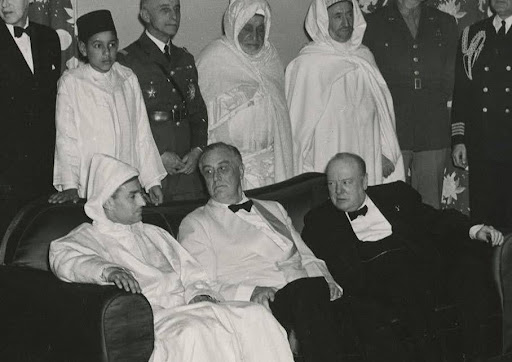
As FDR informed a favorably impressed Sultan Mohammed V at a dinner party with Winston Churchill in 1943, Morocco had desirable resources, and they would go to the U.S. after the war.
The U.S. set up its primary North African air base in Morocco with, of course, the CIA embedded therein.
In 1951, CIA chief of Counterintelligence James J. Angleton in 1951 virtually created Israel’s Mossad. (Angleton was so emmeshed with the Zionist project that he committed treason multiple times on its behalf.)
In 1948 the newly minted state of Israel needed more Jews to fill it up and, between 1955 and independence in 1956, 60,000 Jews were smuggled out of Morocco.
In late 1961 newly crowned King Hassan II and security chief General Mohamed Oufkir held secret negotiations with Mossad in Paris, and Operation Yachin was launched whereby Israel paid $500,000 for a “collective passport” that allowed Jews for the first time to legally leave Morocco. Between 1962 and 1964, Mossad relocated 100,000 Moroccan Jews to Israel at about $200 a head.
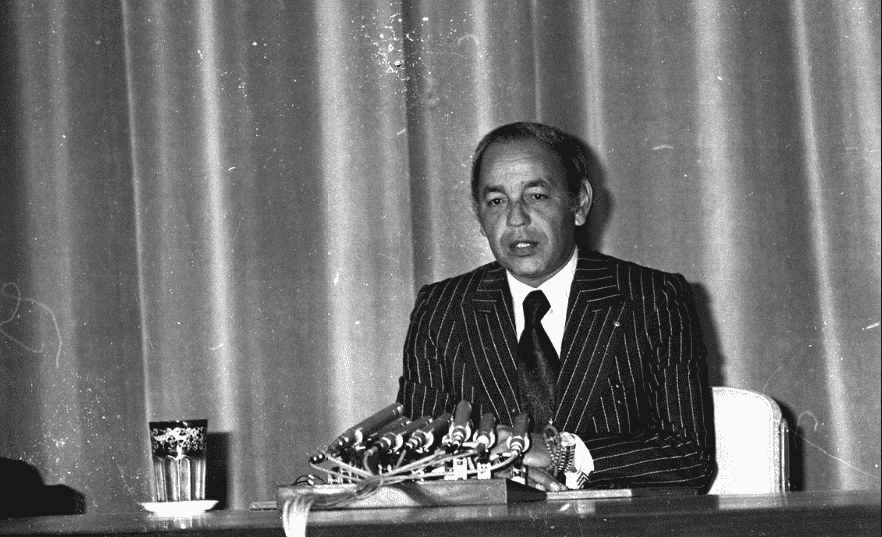
In the 1960s Morocco was fighting a war with Algeria and received weapons, surveillance and military training from Israel, which saw Algeria and Egypt as enemies. In return, the Mossad was given a permanent base in Rabat. The secret relationship between the Mossad and Moroccan security continued throughout the 20th century.
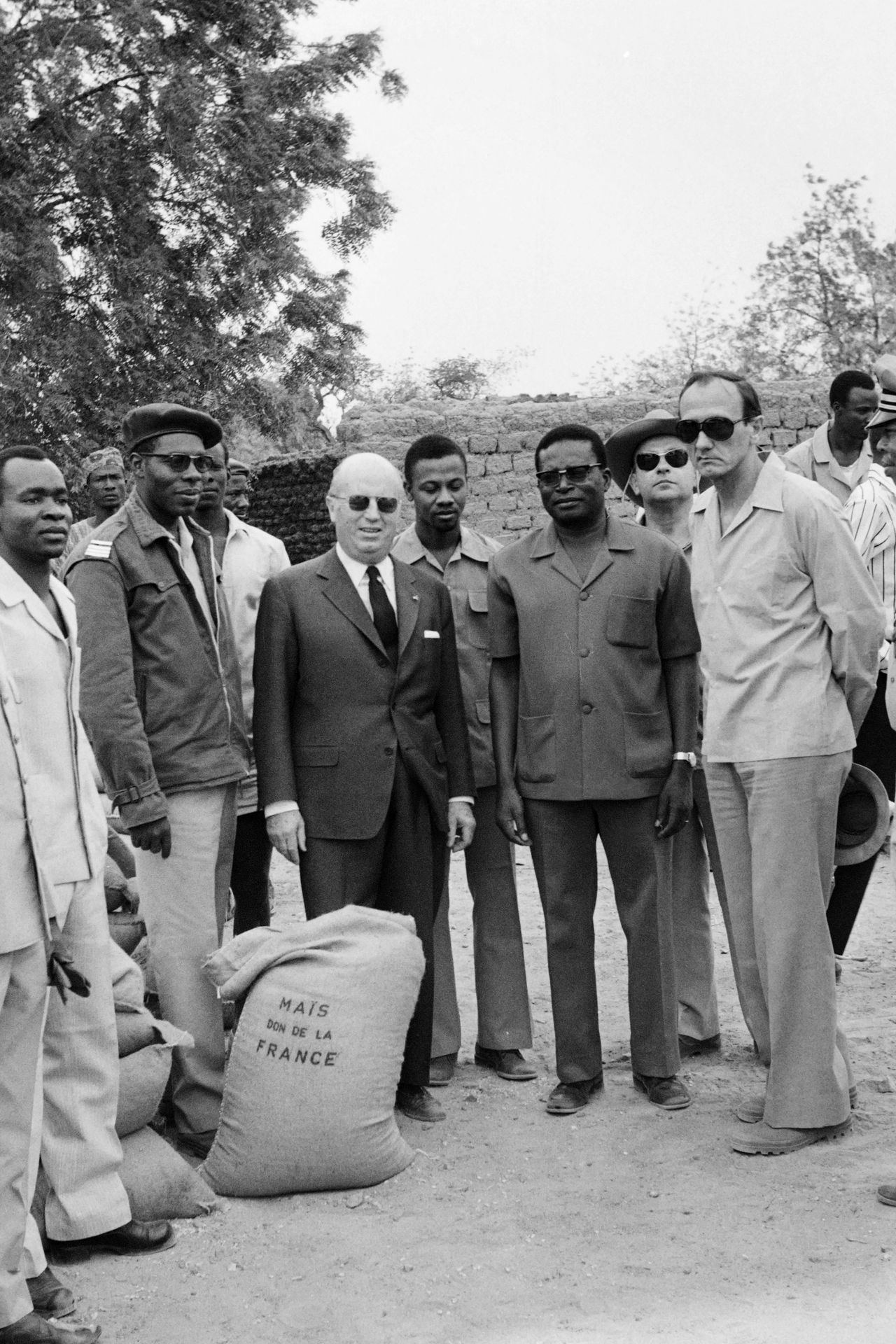
After World War II, the French fought desperately to keep their colonies. The man considered the most powerful in France, Jacques Foccart, created a special force (Civil Action Service/SAC) to fight against nationalists wanting independence.
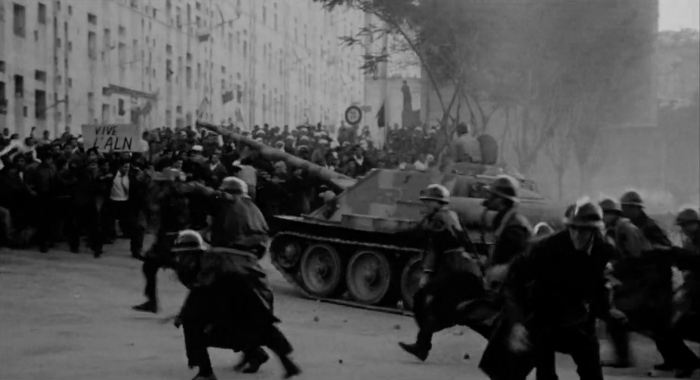
In Algeria those seeking independence, the National Liberation Front (FLN), launched a nationwide attack on the French occupiers on November 1, 1954. In some ways it was similar to the October 7, 2023, Palestinian armed assault on their colonizers.
The famous Battle of Algiers was fought in 1956 and 1957. Much like the situation in Gaza, the French devastated the Arabs, but French behavior was so inhuman that they lost credibility and the French government collapsed. The colonialist power won a military victory, but it lost the war.
After a 1962 referendum, French President Charles de Gaulle changed course and acceded to Algerian desires for independence. A new secret army organization (OAS) fought on to maintain French Algeria. Many in the SAC, such as Jean Souetre, quit and joined the OAS. Others, like Jo Attia, continued to be loyal to Foccart and de Gaulle.
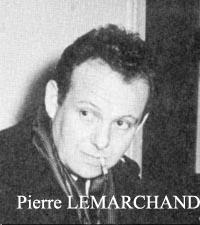
Pierre Lemarchand had fought in the French Resistance during World War II. Under Interior Minister Roger Frey and the SAC’s Foccart, he and his wife (who just happened to be the de Gaulles’ adopted daughter) organized a special force of 300 hardened criminals, the Barbouzes (“bearded ones”), to battle against OAS terrorists.
Lawyer Lemarchand had “long-standing contact with key figures in the French and French-colonial underworld, a gangster apparatus centered out of Marseille and Tangiers [Morocco] with close ties to the international crime syndicate of Meyer Lansky.”[1]
Among the pro-de Gaulle Barbouzes was the gang leader Jo Attia (real Tunisian name Joseph Brahim). Attia, unlike many criminals, had worked with the Resistance during the war. He was said to have helped hundreds of Jews escape through Spain.
He was captured by the Gestapo and sent to Mauthausen concentration camp where he was helpful to other inmates, who later held high government positions and treated him with respect. French Connection kingpin Christian David was part of the Attia gang recruited for the Barbouzes by Lemarchand.
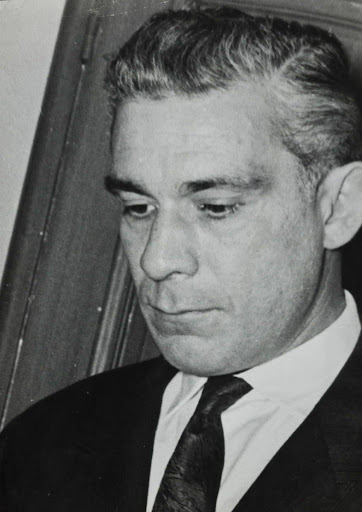
The activities of the FLN in Algeria inspired independence seekers in Morocco, where the king was close with the French and Americans. The nationalist party was led by conservative Muslim scholar Allal al-Fassi.
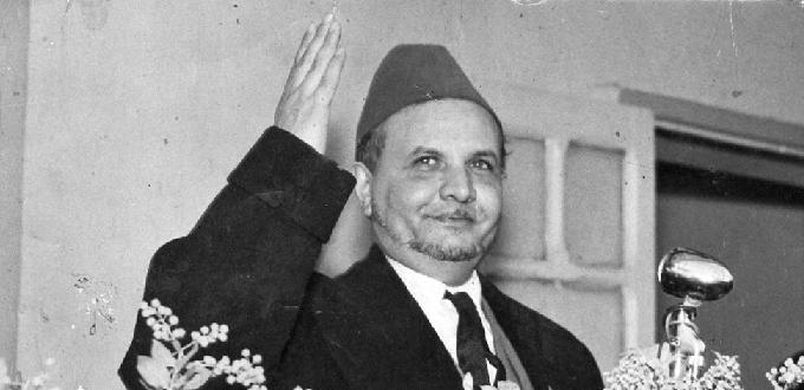
A young Mehdi Ben Barka belonged to this party. Ben Barka was a brilliant mathematics professor who had risen from modest circumstances. He even taught Hassan II when he was Crown Prince of Morocco.
The French in 1955 were fighting independence seekers in all their colonies. The SAC asked Barbouze Jo Attia and his gang to assassinate Allal al-Fassi. The attempt failed. The gang members’ escape was facilitated by an Air France representative in Tangiers named Antoine Lopez.
Ben Barka left Allal al-Fassi’s party and founded his own progressive party, the National Union of Popular Forces. He had entered politics and signed the Proclamation of Independence of Morocco in 1944, which resulted in his arrest and imprisonment for over a year. He then helped create the important newspaper Al-Aram.
Ben Barka was expected to become president when Morocco became a republic. But in 1962 he was accused of plotting against Hassan II. In November of that year, he survived an assassination attempt arranged by General Oufkir and his Mossad-trained deputy, Colonel Ahmed Dlimi.
In February 1963, French security honchos—Foccart, Frey, and Lemarchand—once again asked Attia to take care of a political opponent. OAS officer Colonel Antoine Argoud backed an assassination of de Gaulle at a French war college.
The lone sniper was someone who had participated in the not-quite-successful assassination of de Gaulle at Petit-Clamart in August 1962. Both plans were devised in Spain by Nazi Col. Otto Skorzeny and his OAS shooter team under Jean Souetre, and likely funded by the CIA.
The Attia gang kidnapped Argoud in Munich and dumped his still-living body in Paris. The sniper disappeared. This was the last OAS assassination attempt.
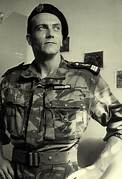
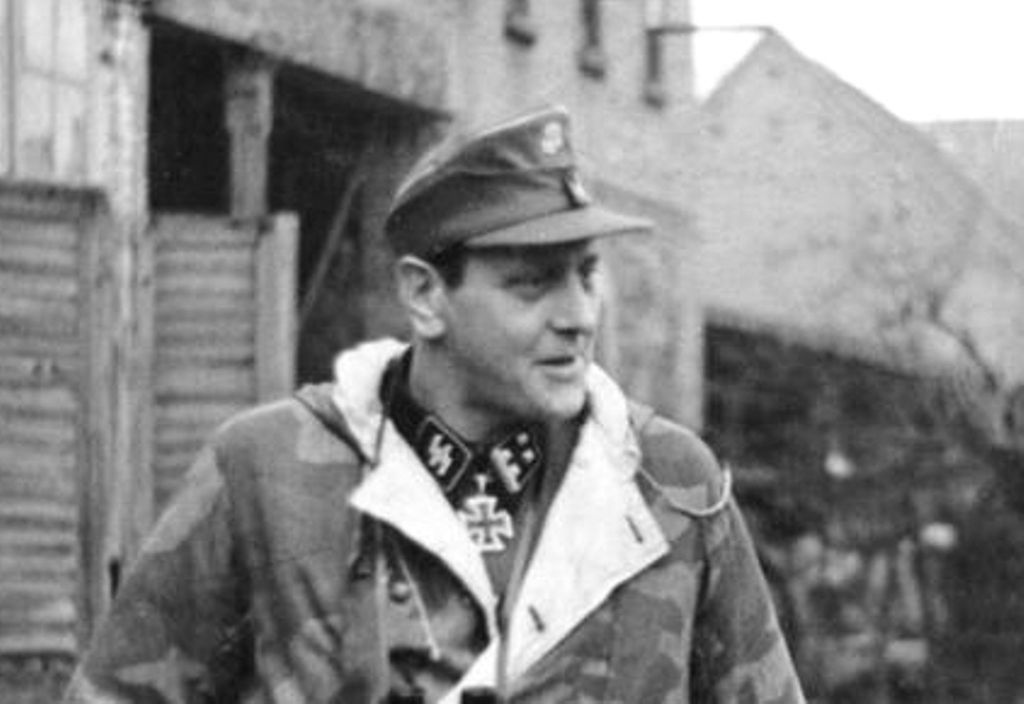
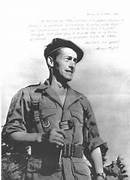
President Kennedy was reforming the CIA, and Souetre failed to obtain further CIA funding for his shooters. In fact, as the OAS died, Kennedy was becoming the new target of the Skorzeny/Souetre team.
In July 1963 Moroccan government troops arrested leaders of Ben Barka’s party at a meeting in Casablanca, accusing them and Ben Barka of plotting a coup d’état against the king. Party members across Morocco were rounded up. Ben Barka, in Cairo at the time, was convicted in absentia and sentenced to death the same day President Kennedy was assassinated.
Ben Barka traveled widely, promoting socialist nationalist revolution in Algiers, Cairo, Rome, Geneva, Prague and Havana. He became a leader of the Third World Tricontinental Movement. His peers included Ahmed Ben Bella, Fidel Castro, Che Guevara, Salvador Allende, Amilcar Cabral, Malcolm X, and Chou En Lai.
A conference in Bandung in 1955 resulted in the establishment of the Non-Aligned Movement of nations headed by President Tito in Yugoslavia, Prime Minister Nehru in India, President Nkrumah in Ghana, President Sukarno in Indonesia, and President Nasser in Egypt (UAR).
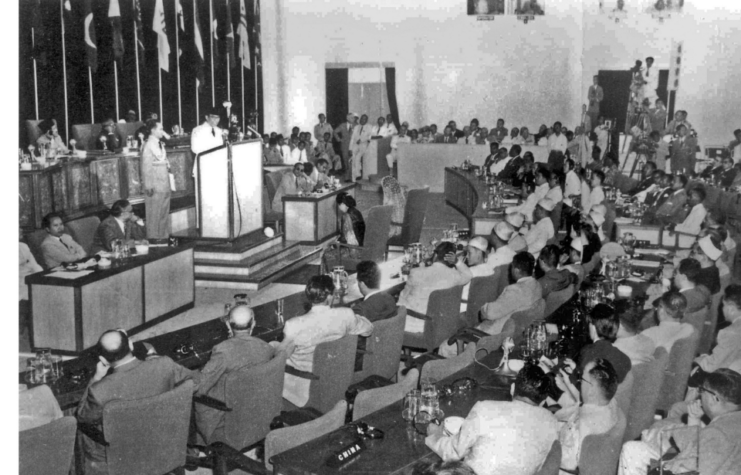
This was followed by the 1957 Cairo Conference, which included, in addition to African nations, five Communist countries.
Ben Barka was chief organizer of the upcoming first Tricontinental Congress of 82 countries, including those of the Non-Aligned Movement, to be held in Havana in January 1966.
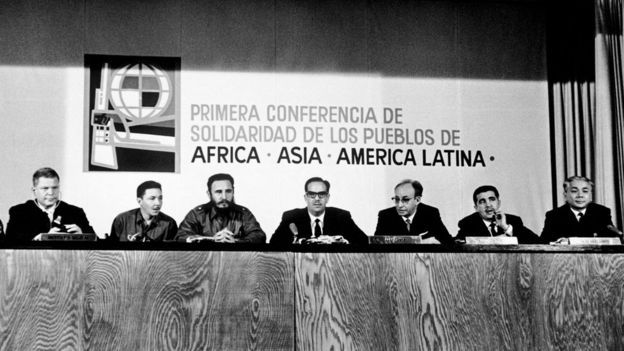
While today’s BRICS bloc primarily seeks economic independence for its member states, and like the NAM does not promote an ideological orientation, the Tricontinental Congress and Ben Barka posed a serious threat to American and European neo-colonial hegemony and to the capitalist system generally.
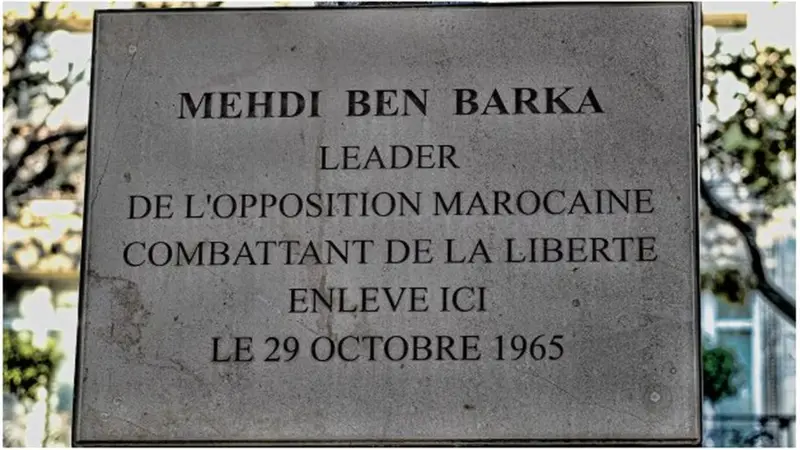
Then, on October 29, 1965, Ben Barka was abducted by police on the streets of Paris and never seen again. The kidnapping of Ben Barka was a tremendous mystery at the time, and evidence of what happened to him—and why—only trickled out over the decades.
How It Went Down
The following reconstruction of what happened in 1965 regarding the murder of Mehdi Ben Barka is based on what we now understand, not what people thought at the time or some final truth.
In April 1965 General Oufkir met “French friends” at the Crillon Hotel on the Place de la Concorde. The friends were, likely, SAC head Foccart, Interior Minister Frey, and de Gaulle’s son-in-law Lemarchand.
They discussed kidnapping Ben Barka. It is not clear if they understood he would be killed. (It was only in 2004 that, contrary to his testimony at the time, Lemarchand admitted he knew about the planned kidnapping of Ben Barka.)
Following this high-level meeting, Morocco’s undercover agent at their Paris embassy, a man with the alias “Chtouki,” approached French journalist Philippe Bernier, who was a long-time friend of Ben Barka.
Bernier was working on an outline for a documentary film about the Tricontinental movement to be called Basta! Chtouki offered Bernier a large sum of money to induce Ben Barka to go to Morocco. Bernier refused and notified Ben Barka.
Oufkir and Dlimi then met with Israeli Mossad chief Meir Amit and Yitzhak Shamir’s successor as head of Mossad’s Special Operations, Michael Harari, to ask for help in providing everything needed for their planned kidnapping and murder of the leading progressive politician: locating Ben Barka; creating a scenario to lure him to Paris; coordinating and paying operatives; renting a villa; arranging for rental cars, fake passports, and airflights; even providing poisons, a shovel, and fast-acting lime. (It is likely the CIA paid for these things. More than 1,800 CIA files on Ben Barka were still classified for national security reasons as of 2010.)
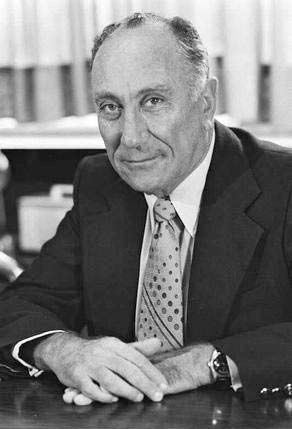
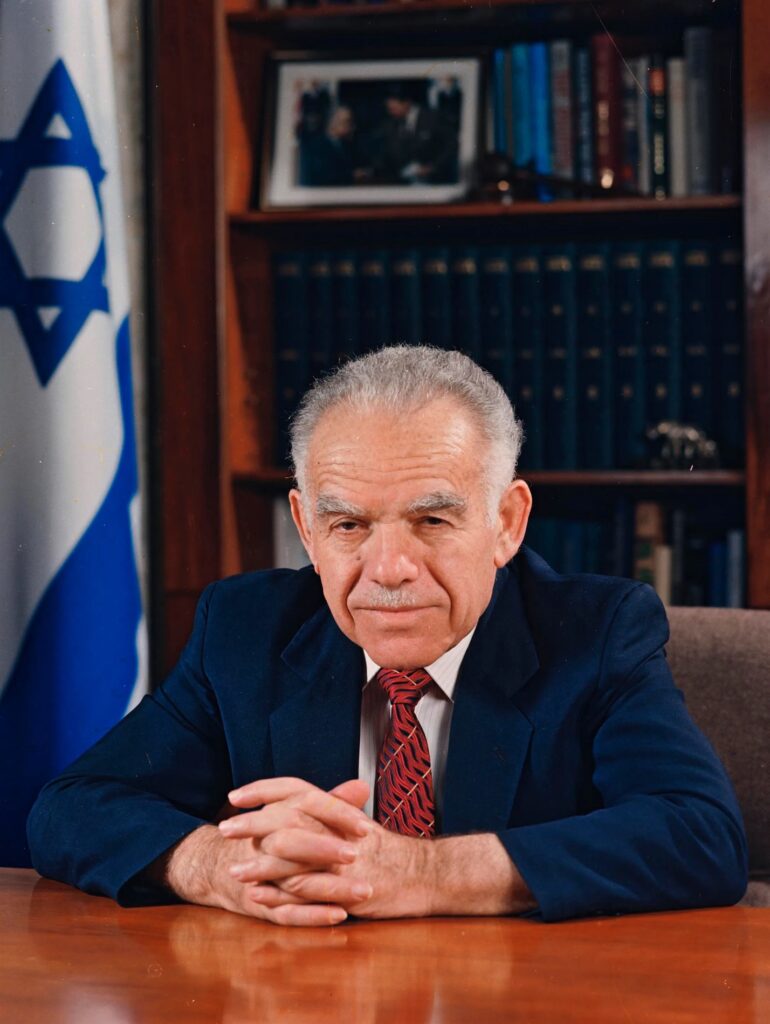
According to Amit, Israel did this out of an obligation to help. Morocco was going to host a large meeting of Arab leaders at Casablanca in September 1965, and the Moroccans had offered to let Mossad agents secretly record the meeting. This information would be tremendously important to Israel in their planned war against the UAR.
Amit later told researchers, “We faced a dilemma: either help and get drawn in—or refuse and endanger the national achievements of the highest order. The decision was clear and unequivocal: to be true to our principles and not get involved in helping directly, but to incorporate it into our regular joint activities with them.”[2] (Emphasis added.)
Amit and Harari created a plan similar to Shamir’s Operation Damocles plan for abducting top German scientist Heinz Krug in Munich in 1962. That plan involved using a “friend” to lure the victim to meeting someone known to the friend (but not known to the victim) who offered to introduce the victim to a highly desirable other person for a desired purpose.
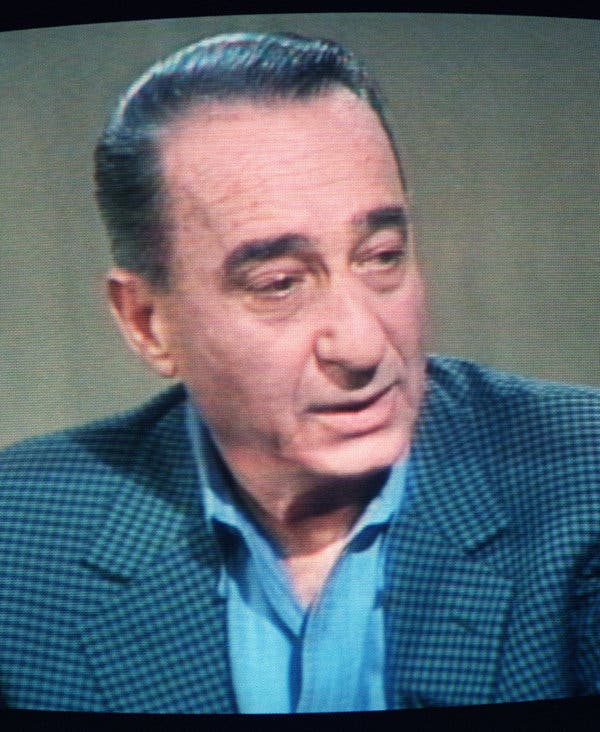
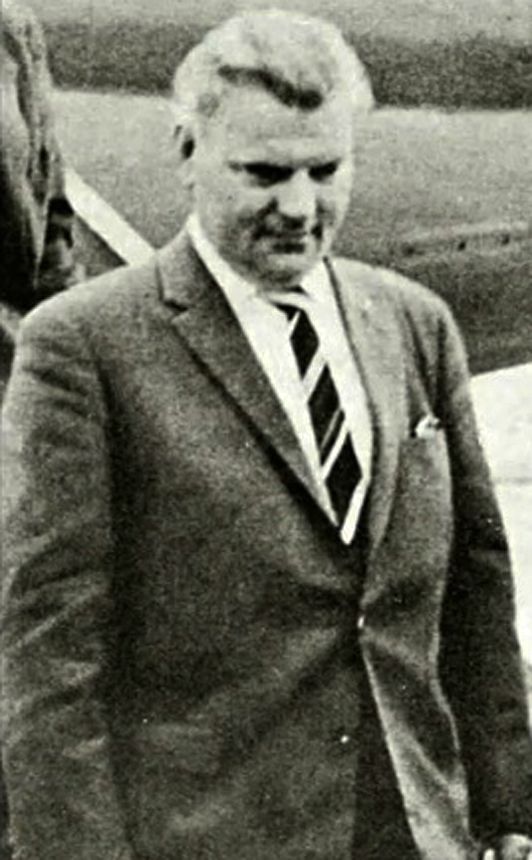
The victim goes with the new acquaintance to meet the important person at an upscale villa. At the door of the villa the victim is pulled inside, the new friend disappears, and the victim is at the mercy of his abductors, who kill and bury him. Because the body is never found, a feeling of undefined angst permeates the political world.
The Israeli plan for Ben Barka would have only a few variations.
Since the plan was so similar to the Krug plan, which was successful, it is logical to suspect it had the same author or authors. Shamir headed Operation Damocles and resigned from Mossad when the operation was canceled by Prime Minister Ben-Gurion in March 1963.
What differs most about the two plans is the intended victim: Krug was a civilian businessman and a former Nazi. Ben Barka was a major political figure. In 1962 Isser Harel was head of Mossad. His policy was to refrain from assassinating political figures in other countries. When Meir Amit was appointed head of Mossad in March 1963, this policy changed.
Operation Damocles
A brief discussion of assassination methods is germane to the subject of foreign assassinations by Mossad and the CIA in the 1960s. Assassins usually specialize in one type of killing, which is reasonable, given each technique requires particular skills.
For example, Shamir usually preferred bombs, especially letter bombs, and they were used extensively in Operation Damocles. (Rafi Eitan said he would never use letter bombs because one cannot control what will happen once they are posted.)
“Suiciding” is often done by military or police who want to disguise who did it. Defenestration, as a specialized form of suiciding, requires a certain combination of strength and invisibility. (The person who defenestrated Frank Olson in 1953 should be a person of interest in the defenestration of James Forrestal in 1949 and Grant Stockdale in December 1963.)
Otto Skorzeny favored daring paramilitary operations and collaborated with Jean Souetre, who dealt in ambushes and concealed shooters. The OAS-instigated, CIA-funded assassination attempt on de Gaulle at Petit-Clamart in August 1962 was designed by Skorzeny and Souetre as a triangular ambush of a presidential motorcade.
Many have pointed out the similarity to the assassination of President Kennedy. Skorzeny’s and Pierre Lafitte’s papers provide powerful circumstantial evidence that the Skorzeny-Souetre group assassinated President Kennedy. The problems in the de Gaulle attempt were corrected for in Dallas.
That Skorzeny was working for the Israelis in 1963 is well-documented. Some journalists claim he personally assassinated Heinz Krug in Operation Damocles. But evidence is strong that Krug was killed by the same design used for Ben Barka, and it is not one that would be typical of Skorzeny. (See my series “Who Killed Heinz Krug?” in CAM.)
In addition, in 1965 Skorzeny was no longer working for the OAS or Mossad or the CIA. He was retired. Shamir had been head of Mossad Special Operations headquartered in Paris until he resigned over the cancellation of Operation Damocles. Mike Harari succeeded him as head of Special Operations.
The point is that the same people likely designed the Krug and Ben Barka abductions, while the same other people likely designed the de Gaulle and Kennedy assassinations. The assassination goals of the two groups were totally different: murky disappearance versus public spectacle.
Operation Baba Batra
In France, domestic agents were needed to conduct the actual abduction of Ben Barka. Lemarchand agreed to lend his Attia Barbouzes.
Because of Attia’s previous assistance to French intelligence and SAC, he and his Barbouze friends were able to operate openly and were known for avoiding long prison sentences when caught in criminal activities.
The Barbouzes congregated at Attia’s bar, Le Gavroche, and at a “rendezvous hotel” on Avenue Niel owned by one of them.
At Orly Airport multi-agent Air France security officer Antoine Lopez, who had cooperated in the 1957 Barbouze attack on Morocco’s Allal al-Fassi, was put in charge of coordinating the actual kidnapping of Ben Barka.
In early May, Lopez went to Rabat to meet with Moroccan security (Oufkir and Dlimi) to discuss “recovery of Ben Barka by unorthodox methods.” He was promised a good job in Morocco if the Ben Barka kidnapping failed.[3]
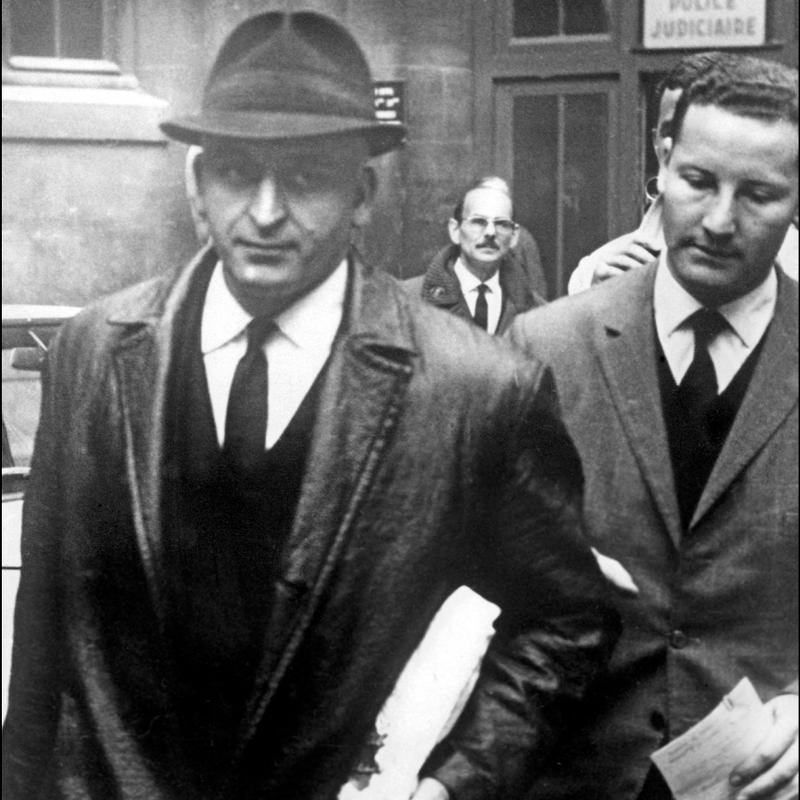
One of Marchand’s Barbouzes, Georges Figon, was related to a government official. He had been in a psychiatric hospital earlier in his life and afterward engaged in theft and was in prison when recruited by Lemarchand to fight the OAS terrorists. By profession he was a chemist, which in his world often means a heroin manufacturer, but he had the appearance not of a thug but of a mild-mannered accountant. He had a reputation for having intellectual interests.
In summer 1965, perhaps as a staged precursor to the abduction, Figon was talking one night to a British journalist named Lennon and told him he wanted to produce a film about real French gangsters. He asked Lennon if he would work with him to find a big-name director. Lennon happened to have met Joseph Losey (The Servant, etc.) and wrote to him about it. Losey declined. With this reputation, Figon was recommended to journalist Bernier as someone who might help him find a big-name scriptwriter and director for Basta! Bernier, a genuine friend of Ben Barka, took the Figon bait, likely unwittingly.
On September 2 Bernier and Figon went to Orly Airport to fly to Cairo for three days so Bernier could introduce Figon to Ben Barka and discuss the possible filming of Basta! At the airport, Bernier suddenly discovered that his passport had expired. Figon contacted his friend, inspector Lopez. Lopez then connected Bernier with a police official, who instantly renewed his passport.
As a result of the trip to Cairo, Figon began to suspect that the plan for Ben Barka might be darker than just to lure him to Morocco to talk to the king. He told Lopez that, if something bad was going to happen, he wanted to get paid, upfront, the enormous sum he had been promised. The money was not forthcoming at the time, but he was somehow mollified.
Just a few weeks later, September 13-15, the important Arab Summit was held in Casablanca. As promised, Hassan II allowed Mossad to install electronic eavesdropping devices in “all the meeting rooms and private suites of the leaders of the Arab states and their military commanders during an Arab summit in Casablanca,” which gave Israel “an unprecedented glimpse” of the military and intelligence planning of its existential enemies.[4]
The Arab armies reported that their forces were not prepared for a new war against Israel. This intelligence was a vital factor in Israel’s decision to start what became the Six-Day War in 1967. The information gathered was also of great interest to the Moroccan king and the CIA.
Also as promised, “immediately after the conference [Moroccan intelligence] gave [Mossad] all the necessary information and did not keep anything from us.”[5] The Ben Barka assassination conspiracy, called Operation Baba Batra by Mossad, was on track to proceed.
On September 20 Bernier and Figon again flew to Geneva to meet with Ben Barka. This time Bernier and Figon did not take the same plane. In the departure lounge, Figon talked with security officer Lopez and with Lemarchand. Figon had persuaded famous French director Georges Franju and scriptwriter Marguerite Duras to take on the film.
Figon claimed to have production funding from tabloid publisher and film producer Cino Del Duca. Bernier, Figon, and Ben Barka met in Geneva. By phone with Franju they arranged a working session together in Paris. Ben Barka said he wanted to involve a friend of his, a history student, as a consultant. They agreed to all meet in Paris in October.
The next day, the French Interior Ministry ordered the wiretapping of the Avenue Niel “rendezvous hotel” where the Attia gang regularly met. The gang members, including Figon and Lopez, discussed their various roles in the Ben Barka kidnapping plan. The wiretaps continued until six days before Ben Barka was kidnapped.
The 40 pages of wiretaps were sent to Frey’s Interior Ministry and likely also to the prime minister. The officials knew a kidnapping was being planned and either chose not to intervene to stop it or were negligent in following through. (The wiretap tapes were only published in 2006.)
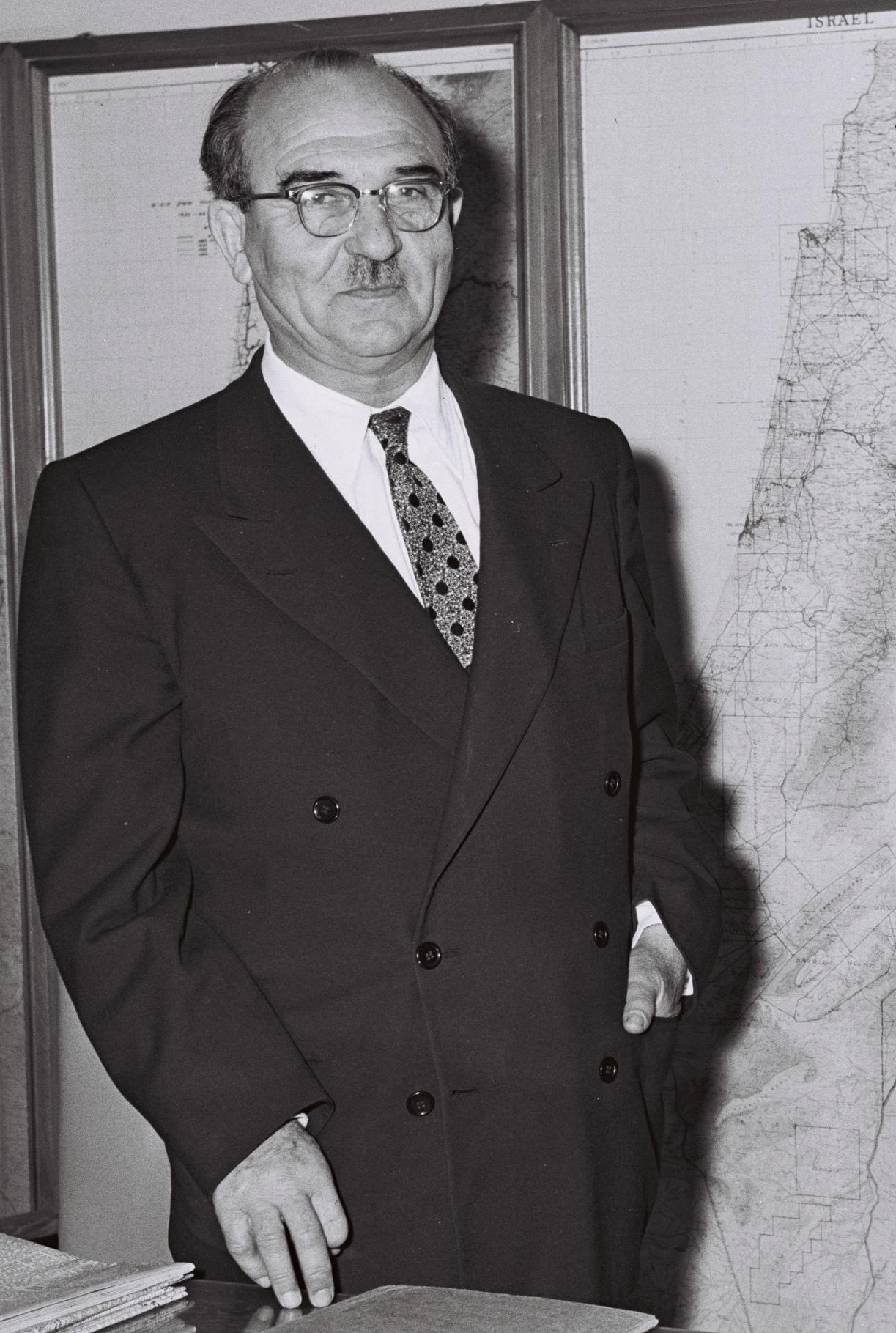
It was not until early October that Mossad chief Amit admitted the details of Operation Baba Batra to Israeli Prime Minister Levi Eshkol. Eshkol was not happy about it. “It does not smell right to me,” Eshkol said in Yiddish.[6] He added enigmatically, something that amounted to “once was enough.” Eshkol and Amit agreed that Israelis should perform their own assassinations and not hire others to do them and that they would not kill Ben Barka themselves.
On October 26, Ben Barka contacted his friend Bernier and asked him to reserve the last three days of the month for the working session with producer Figon, director Franju, and his history student. Bernier suggested that they meet at the famous Brasserie Lipp in Saint-Germain. Bernier let Franju know the time and place, and Franju informed Figon. Figon gave the information to Lemarchand who contacted Lopez and the Attia Barbouzes.
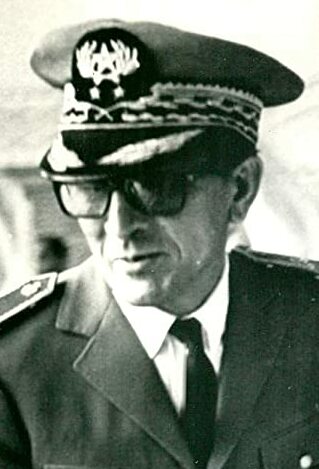
The next day Colonel Dlimi and his “nurse” assistant El Houssaini (probably Chtouki) flew to Paris to oversee the operation. A senior Mossad official, likely Harari, met Dlimi at the airport. They arranged to meet later at Fort-de-Saint-Cloud, “where they walked past cafes and talked for about ten minutes, while an operational unit from Mossad guarded them.”[7]
Two days later, October 29, Ben Barka arrived in the morning at Orly Airport. Later that morning he met with his grad student and his wife in a café on the Champs-Élysées. Around noon, he and his student were dropped off by a taxi in Saint-Germain and began walking to the Brasserie Lipp. A black Peugeot pulled up, and two of Lopez’s airport policemen showed their narcotics police badges and persuaded Ben Barka to get in the car with them.
The policemen told Ben Barka he was being taken to a meeting. Their boss, Air France security officer Lopez was driving the car. Apparently, Ben Barka was not too worried until they passed the airport and headed toward the countryside. They arrived at a villa in Ormoy owned by Georges Boucheseiche, one of the Barbouzes. At the door of the house, they were met by four members of Attia’s gang who dragged Ben Barka inside. Lopez and his policemen sped away.
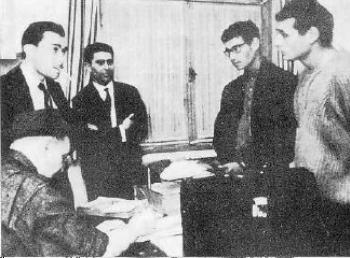
Bernier, Franju and Figon were stood up at the cafe. Of the three, only Figon had an idea of what happened. No one reported the missed appointment to the police. Figon’s forebodings were realized, and he ran. Lemarchand was out with his constituents in Auxerre (as 20 mayors attested). Attia was in jail. Figon’s buddies were at Boucheseiche’s house in Ormoy.
On October 30, Oufkir and Dlimi and El Houssaini/Chtouki arrived at Orly Airport in early afternoon. Oufkir’s nephew, who knew Boucheseiche, picked them up and drove them to the villa. Lopez then drove his wife to a hotel in Bellegarde (Loiret department) and then drove back to Ormoy.
Oufkir and Dlimi had dinner at the Simplon restaurant between 10:30 p.m. and midnight, telling the server that they had a plane to catch. They did have reservations in the names of Boucheseiche, Dlimi, El Houssaini (Chtouki), and a certain Cohen—it is unclear who this was, but my guess is Figon—for Casablanca, but they could not have made the 11:45 p.m. departure. Apparently, Ben Barka had not been killed early enough or there was some other difficulty, such as Figon’s disappearance.
The revolutionary leader was tortured and killed by the Moroccans that night, either before or after the security chiefs’ dinner. It is still not certain exactly by whom or how. Some say he was shot or stabbed, others that he accidentally drowned during water torture. Some say he was killed by Oufkir, others by Dlimi. The Mossad had supplied two types of poison. My guess is that he was injected with poison by the “nurse” assistant, that is, Chtouki working for Dlimi.
Mossad chief Meir Amit reassured Prime Minister Eshkol that the Moroccans alone had done the actual torture and killing in Operation Baba Batra. Amit called the operation “smooth and untainted.” At the time, no one outside of Israel and the co-conspirators themselves suspected Mossad’s role.
In the early morning of October 31, Lopez drove Oufkir back to Orly Airport. (He had not stayed at his hotel.) Oufkir flew to Geneva to attend an event at his daughter’s school. Dlimi and “El Houssaini” took a taxi in mid-morning to the airport and flew to Casablanca. Lopez made it back to his wife’s hotel later in the morning. Somehow Boucheseiche and the four Barbouzes fled the villa and got to Morocco. (After having typical gangster careers, the Ben Barka Barbouzes and Oufkir were executed in 1972 on orders from Dlimi for complicity in a coup attempt against the king. Dlimi himself was assassinated in 1983, probably on orders of the king.)
Ben Barka’s body was buried, perhaps in the Saint-Germain forest. Christian David later claimed to have done the burying. Imprisoned criminals frequently confess, however, to crimes they have not committed, and David’s various claims have not been verified. One thing is true, though: David did something sufficiently serious so that, in February1966 when questioned at a café, he killed the policeman and ran.[8]
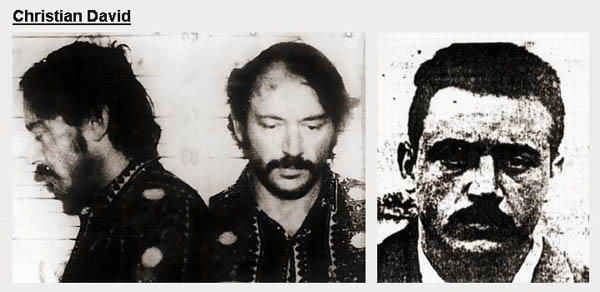
When Ben Barka failed to show up for the appointment at the cafe, Figon went into hiding with members of the Lesca gang, Barbouzes he knew from Lyon. He demanded and apparently received a passport and a good sum of money, likely from Lemarchand. But he did not flee with the others.
On November 2, Oufkir flew back to Paris and, on the next day, attended a cocktail party put on by Interior Minister Frey. The next day he flew back to Morocco. An arrest warrant was issued for Figon, and de Gaulle announced his candidacy for president. King Hassan II announced that he knew nothing about the disappearance of Ben Barka and refused to extradite Oufkir, Dlimi, and Chtouki, whose testimony was requested by the French court.
The new year began with the convening of the Tricontinental Congress without Ben Barka.
After three months of being on the lam, Figon gave interviews to reporters for L’Express in which he confessed to luring Ben Barka to meet the filmmakers in Paris. “I Saw Ben Barka Get Killed” was published on January 10, 1966. The journalists wrote that Figon saw the murder done by General Oufkir. But Figon was not present and denied it.
On January 17, 1966, before he could testify, Figon was found “suicided.” Later in prison, Christian David claimed to have killed Figon. It is, perhaps, one of the few things he claimed that he actually did.
Just as anti-Castro Cubans and all but the top members of the National Crime Syndicate believed Kennedy was going to be the victim of a “failed” assassination attempt in Dallas, it is possible, even probable, that Lemarchand and the Attia gang did not know in the beginning that they were luring Ben Barka to his death. Most people, including Ben Barka’s student, believed he was negotiating with King Hassan on conditions for return to political life in Morocco.
By1965, when Ben Barka was abducted, Skorzeny had “retired” from the assassination business, whether for the OAS, the CIA or Mossad. After November 22, 1963, he naturally had to stay out of the limelight and was not involved with the Ben Barka assassination. An international conspiracy of Morocco, Israel and their French agents, with funding by the CIA, killed Ben Barka.
As recently as 2015, many believed that Oufkir acted independently of Hassan II when he killed Ben Barka, but the Mossad’s Amit admitted the deed was ordered by the Moroccan king.
Similarly, many in the U.S. today believe—falsely—that rogue CIA elements, the Italian Mafia, and a domestic military clique acted independently of the Rothschilds, Rockefellers, Israeli Prime Minister David Ben-Gurion and National Crime Syndicate CEO Meyer Lansky in the assassination of President Kennedy.
The assassination of Mehdi Ben Barka in 1965 by reactionary forces, including the colonialist vassal kingdom of Morocco and its Israeli and U.S. allies, is important for the real damage it caused the Trilateral and Non-Aligned movements with lessons for today’s BRICS countries.
The same forces that killed Ben Barka, set back the movement for peace and justice, by striking John Kennedy, Enrico Mattei, Che Guevara, Patrice Lumumba and others. De Gaulle and Castro barely escaped.
President de Gaulle’s prestige plummeted because of the Ben Barka assassination in France as well. True leaders are rare, and they matter. Good backups also matter. Assassination is a form of terrorism that weak parties can engage in with real consequences.

Jeffrey Steinberg, http://www.larouchepub.com/eiw/public/1995/eirv22n17-19950421/index.html. Steinberg notes that the Lansky organization played an important role in the “Permindex international derivative assassinations bureau—the apparatus implicated by New Orleans District Attorney Jim Garrison’s probe in the 1963 assassination of President Kennedy.” ↑
Ronen Bergman and Shlomo Nakdimon, “The ghosts of Saint-Germain forest,” ch. 2, Ynet News, March 23, 2015, https://www.ynetnews.com/articles/0,7340,L-4639608,00.html. ↑
General Jacquier memorandum to Judge Zollinger, December 22, 1965 (in Roger Faligot and Pascal Krop, La piscine: Les services secrets français, 1944-1984 (Paris: Seuil, 1985). ↑
Ronen Bergman, Rise and Kill First: The Secret History of Israel’s Targeted Assassinations (New York: Random House, 2018), 87. ↑
Quote from Rafi Eitan in Bergman and Nakdimon, “Ghosts of Saint-Germain forest,” ch.1. ↑
Bergman and Nakdimon, “Ghosts of Saint-Germain forest,” ch. 2. ↑
Ronen Bergman and Shlomo Nakdimon, “Ghosts of Saint-Germain forest,” ch. 3. ↑
David also claimed to know who killed JFK and to have been asked by Corsican drug lords to do it himself. One thing is certain: Otto Skorzeny and Jean Souetre never worked for or with Lemarchand’s Barbouzes but, rather, for their opponents, the OAS and related anti-Gaullist groups. Souetre’s nemesis, Michel-Victor Mertz (whose passport Souetre apparently stole), was a genuine Barbouze, loyal to de Gaulle. His infiltration of the OAS helped save the French president in one of their assassination attempts. Mertz was most likely engaged in his SAC-protected gangster activities in his home in Canada on November 22, 1963. ↑
CovertAction Magazine is made possible by subscriptions, orders and donations from readers like you.
Blow the Whistle on U.S. Imperialism

Click the whistle and donate
When you donate to CovertAction Magazine, you are supporting investigative journalism. Your contributions go directly to supporting the development, production, editing, and dissemination of the Magazine.
CovertAction Magazine does not receive corporate or government sponsorship. Yet, we hold a steadfast commitment to providing compensation for writers, editorial and technical support. Your support helps facilitate this compensation as well as increase the caliber of this work.
Please make a donation by clicking on the donate logo above and enter the amount and your credit or debit card information.
CovertAction Institute, Inc. (CAI) is a 501(c)(3) non-profit organization and your gift is tax-deductible for federal income purposes. CAI’s tax-exempt ID number is 87-2461683.
We sincerely thank you for your support.
Disclaimer: The contents of this article are the sole responsibility of the author(s). CovertAction Institute, Inc. (CAI), including its Board of Directors (BD), Editorial Board (EB), Advisory Board (AB), staff, volunteers and its projects (including CovertAction Magazine) are not responsible for any inaccurate or incorrect statement in this article. This article also does not necessarily represent the views the BD, the EB, the AB, staff, volunteers, or any members of its projects.
Differing viewpoints: CAM publishes articles with differing viewpoints in an effort to nurture vibrant debate and thoughtful critical analysis. Feel free to comment on the articles in the comment section and/or send your letters to the Editors, which we will publish in the Letters column.
Copyrighted Material: This web site may contain copyrighted material the use of which has not always been specifically authorized by the copyright owner. As a not-for-profit charitable organization incorporated in the State of New York, we are making such material available in an effort to advance the understanding of humanity’s problems and hopefully to help find solutions for those problems. We believe this constitutes a ‘fair use’ of any such copyrighted material as provided for in section 107 of the US Copyright Law. You can read more about ‘fair use’ and US Copyright Law at the Legal Information Institute of Cornell Law School.
Republishing: CovertAction Magazine (CAM) grants permission to cross-post CAM articles on not-for-profit community internet sites as long as the source is acknowledged together with a hyperlink to the original CovertAction Magazine article. Also, kindly let us know at info@CovertActionMagazine.com. For publication of CAM articles in print or other forms including commercial internet sites, contact: info@CovertActionMagazine.com.
By using this site, you agree to these terms above.
About the Author
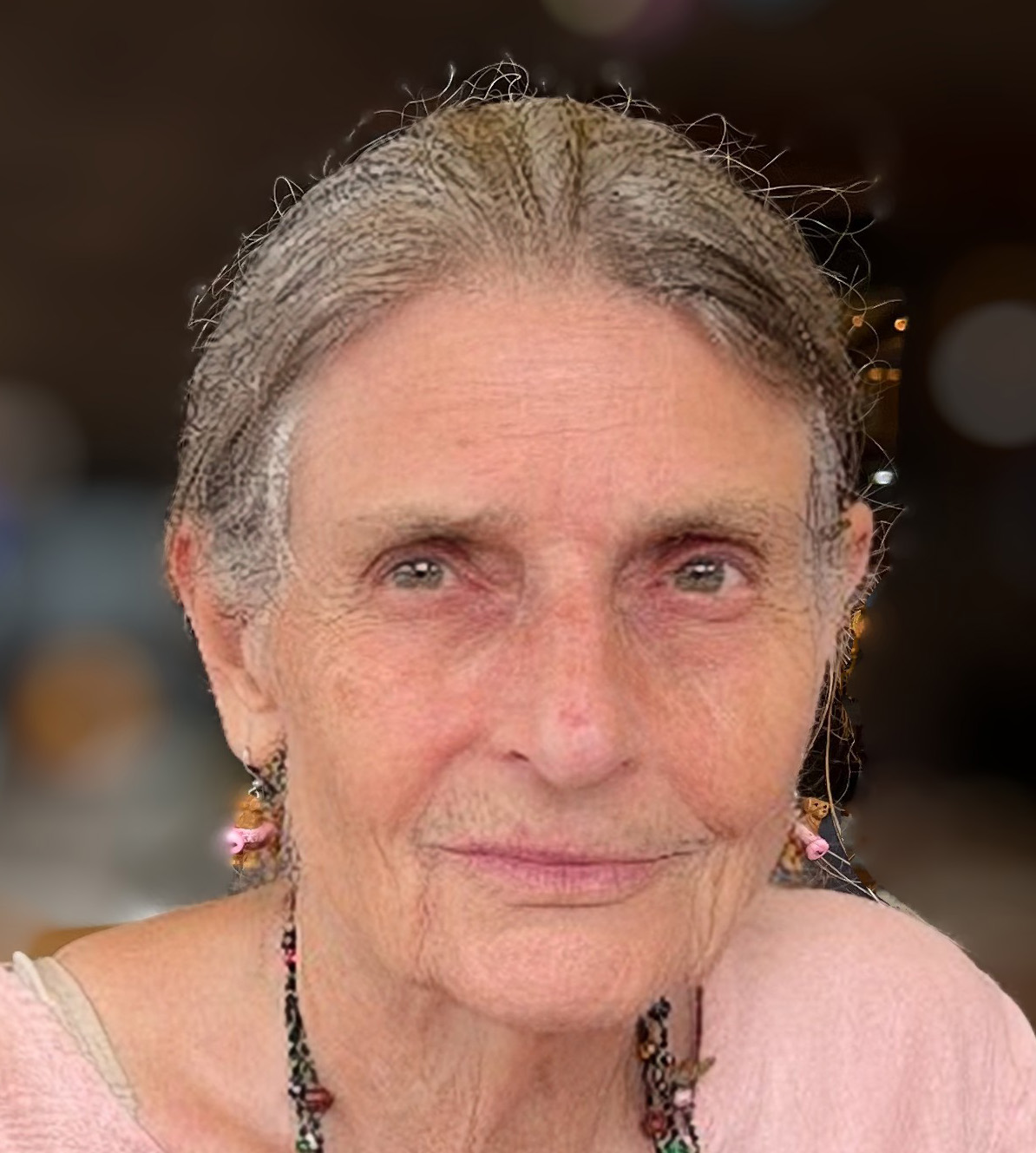
Kathleen Meigs is a thirteenth generation American and walked precincts for John Kennedy for president in 1960.
She matriculated at Stanford University, graduated from UCLA in history and has been a journalist, editor, and published academic author.
Her anthropological novel Mishopshno is available on Amazon. Her love is research, and her passion is truth and good government.
Kathleen can be reached at katymeigs@sbcglobal.net.