1. Modern Imperialism and the Structural Logic of War
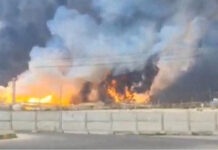
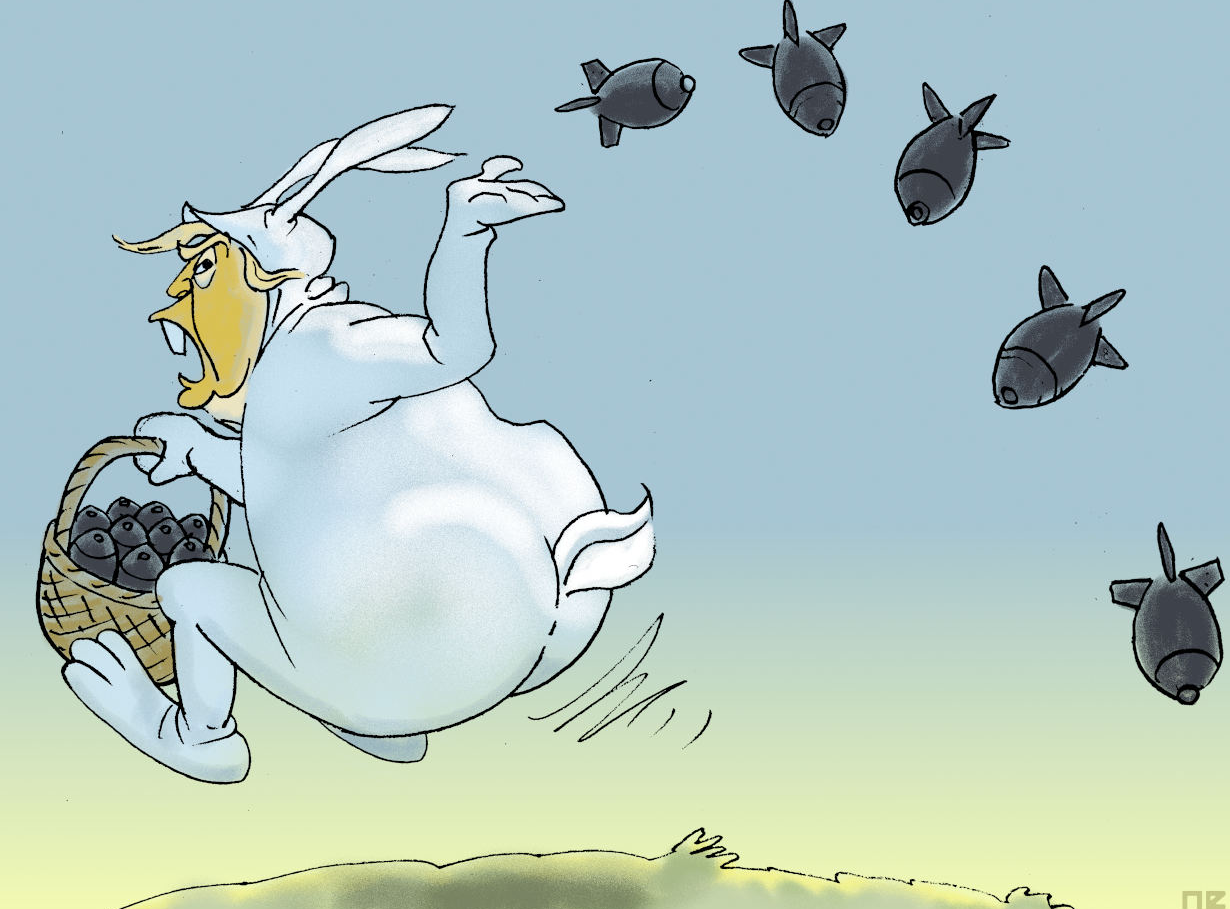
In the history of United States foreign policy, wars have rarely been the product of an immediate and unavoidable threat; rather, they have often been the outcome of a complex process of narrative construction, economic interests, and geopolitical calculations. The recent attack by the United States and Israel on Iran must also be analyzed within this framework. This action was not a sudden reaction, but part of a historical pattern in which war is used as a tool to preserve and reproduce the global order.
Imperialism in the 21st century no longer necessarily means direct territorial occupation. Its modern form operates more through structural control: control over the flow of capital, control over narratives, and control over the developmental trajectories of countries. This control is exercised through a range of instruments—from international financial institutions and economic sanctions to media and, ultimately, military intervention. Within such a system, countries are not viewed as independent actors, but as components of a global economic order that must serve the reproduction of capital.
The global capitalist system, particularly in its neo-liberal form, requires continuous expansion. This expansion is only possible when obstacles are removed. These obstacles may include states with independent economic policies, or societies unwilling to integrate into imposed frameworks. Under such conditions, these countries are quickly defined as “threats” or “challenges,” even in the absence of any real or immediate danger.
Iran is understandable within this framework. It has been targeted not because of what it has done, but because of what it represents: a political model grounded in independence, national sovereignty, and resistance to external domination. This characteristic places Iran in direct opposition to the logic of imperialism. A system built on control and integration cannot easily tolerate the existence of an independent actor.
From this perspective, the war against Iran must be seen as part of a broader effort to manage and contain “non-aligned” actors within the global system. This war is not merely a military confrontation, but an attempt to send a political message: that stepping out of the rules of the game will come at a cost.
2. The Islamic Republic, Political Independence, and Its Tension with Capitalist Order
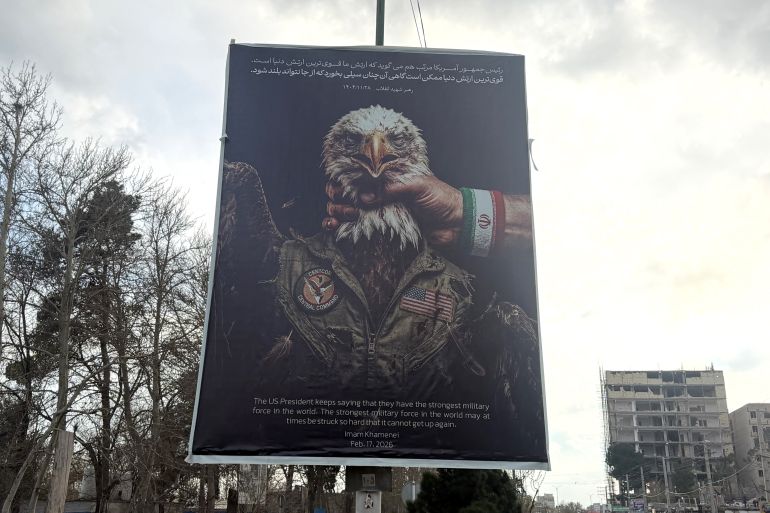
To understand this confrontation more deeply, one must consider the ideological nature of the Islamic Republic of Iran. This political system, emerging from the 1979 revolution, is grounded in a set of principles that stand in direct opposition to the logic of global capitalism: independence, rejection of foreign domination, and an emphasis on national sovereignty. Within this framework, independence is not merely a political slogan, but a strategic principle reflected in major policymaking. Iran has sought to achieve a degree of self-sufficiency and independent decision-making across various domains—from energy and technology to foreign policy. This effort, particularly in a world where economic dependency is a key instrument of control, inevitably encounters resistance.
From the perspective of global capitalism, countries are expected to exist within networks of interdependence in which capital flows and major decisions are influenced by centers of power. Any attempt to exit this network is perceived as a threat. Iran, by emphasizing independence, stands precisely in opposition to this logic.
In this context, the narrative of “promoting democracy” is deployed as one of the primary tools of legitimization. This narrative, repeatedly invoked in recent decades, is based on the assumption that foreign interventions aim to help nations achieve freedom and self-determination. However, closer examination reveals that this concept is often applied selectively and instrumentally. In many cases, democracy is supported only when it aligns with economic and geopolitical interests.
This contradiction is particularly evident in the case of Iran. While the country is criticized for its political structure and domestic repression, at the same time, close relations are maintained with other non-democratic governments—provided that they operate within the preferred economic order. This double standard demonstrates that the core issue is not democracy, but control.
Iran’s nuclear issue must also be understood within this framework. While Iran has cooperated with international institutions and has been subject to extensive monitoring in recent years, this issue has been framed as an immediate threat. Numerous technical reports, including those from U.S. institutions themselves, indicate that this threat is far more complex and limited than portrayed in political discourse. Thus, it can be argued that the nuclear program has served less as the true cause of the crisis and more as a pretext for advancing other objectives.
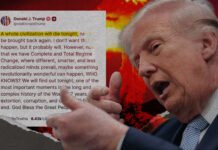
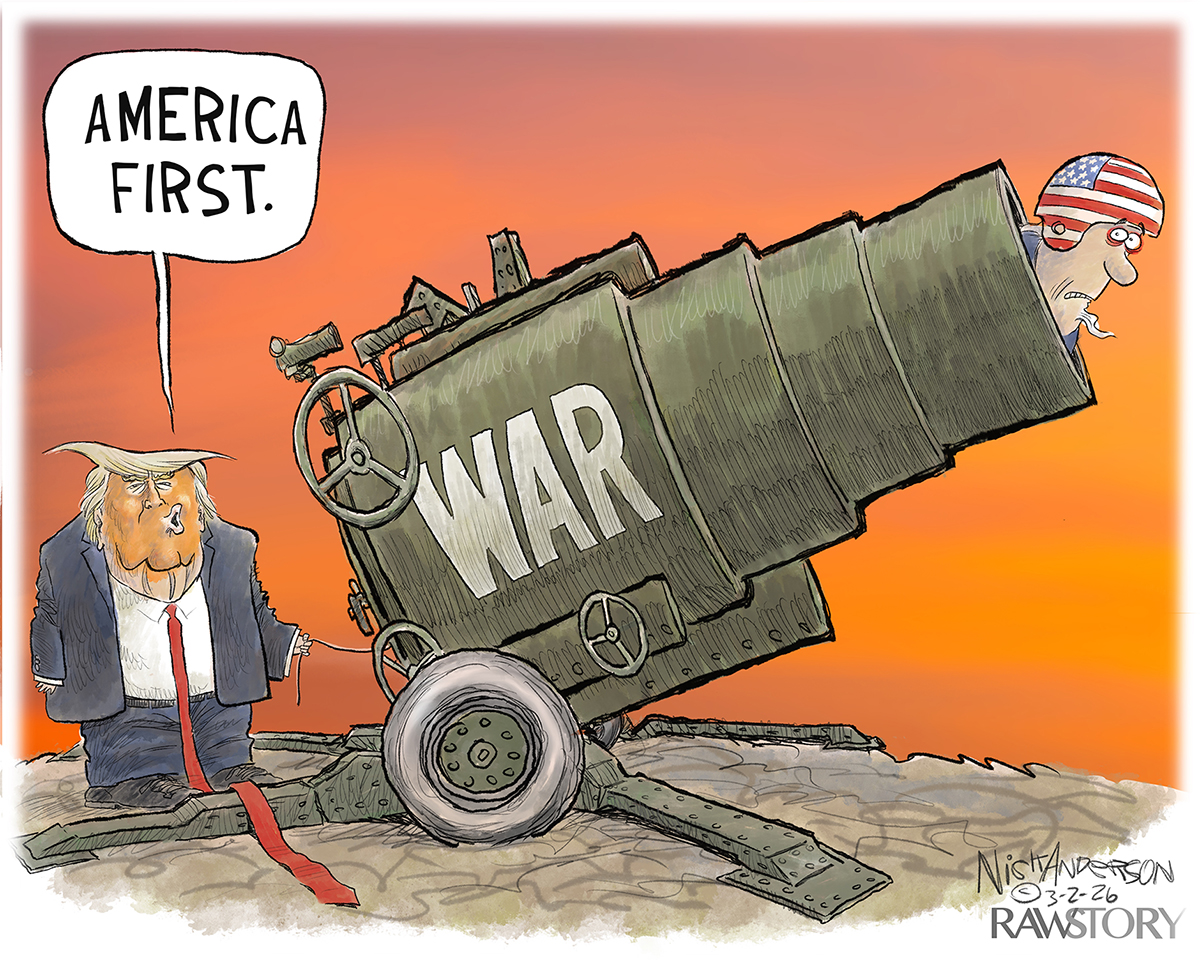
Furthermore, the manner in which the decision to attack was made itself reveals a crisis within the structure of American “democracy.” This decision was not based on consensus among institutions following the so-called constitutional principles of checks and balances, and separation of powers, but was taken within a limited circle of political actors. A small group—including the president, the secretary of defense, and the vice president—played the central role, while international law, and the views of many experts and specialized institutions, were disregarded. In a brief reference, one can also point to a series of contradictory, and sometimes misleading, statements made by Trump on social media, reflecting instability in the official narrative of this crisis.
This concentration of power raises serious questions about the nature of democracy in the United States. If decisions of war—decisions that affect millions of lives—are made within a narrow circle and without transparency, then the prevailing definition of democracy must be reconsidered.
3. The Reality of War: Civilians, Infrastructure and Human Costs
Beyond theoretical and structural analysis, what transforms this war into a human catastrophe is its direct impact on the lives of ordinary people. During the recent attacks, numerous reports have emerged indicating that civilians were targeted—reports that, although underrepresented in mainstream media, clearly reflect realities on the ground.
In Minab, the killing of some 168 schoolchildren as a result of the initial attack stands as one of the most shocking examples. These children were neither part of any power structure nor involved in political decision-making. They were simply victims of a war designed at levels far removed from their everyday lives. Such incidents raise profound questions about the ethics of war and the accountability of international actors.
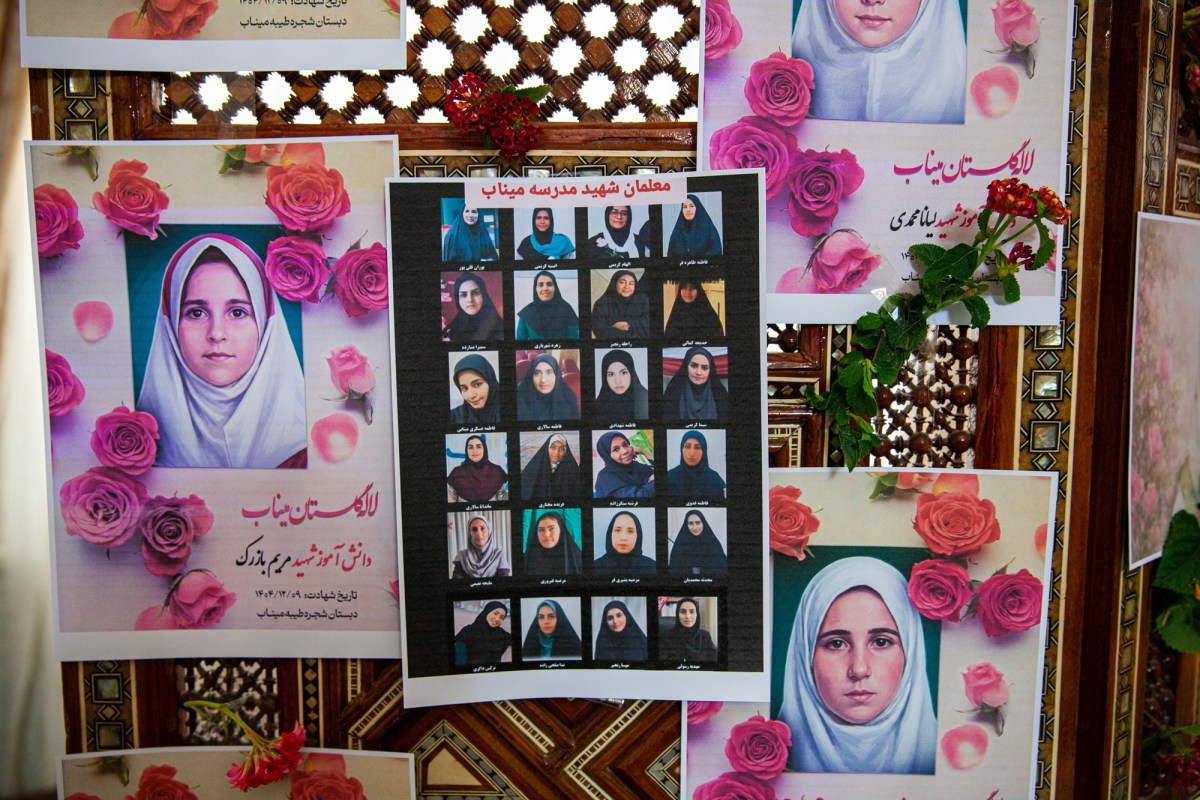
Attacks on civilian infrastructure further reveal the dimensions of this crisis. Medical centers, which should be regarded as safe and neutral spaces, have in some cases been targeted. Gandhi Hospital, as a major health-care facility, along with scientific institutions such as the Pasteur Institute, which play vital roles in public health and research, are among these examples. Such actions not only constitute clear violations of humanitarian law, but also undermine the long-term capacity of a society for recovery and development.
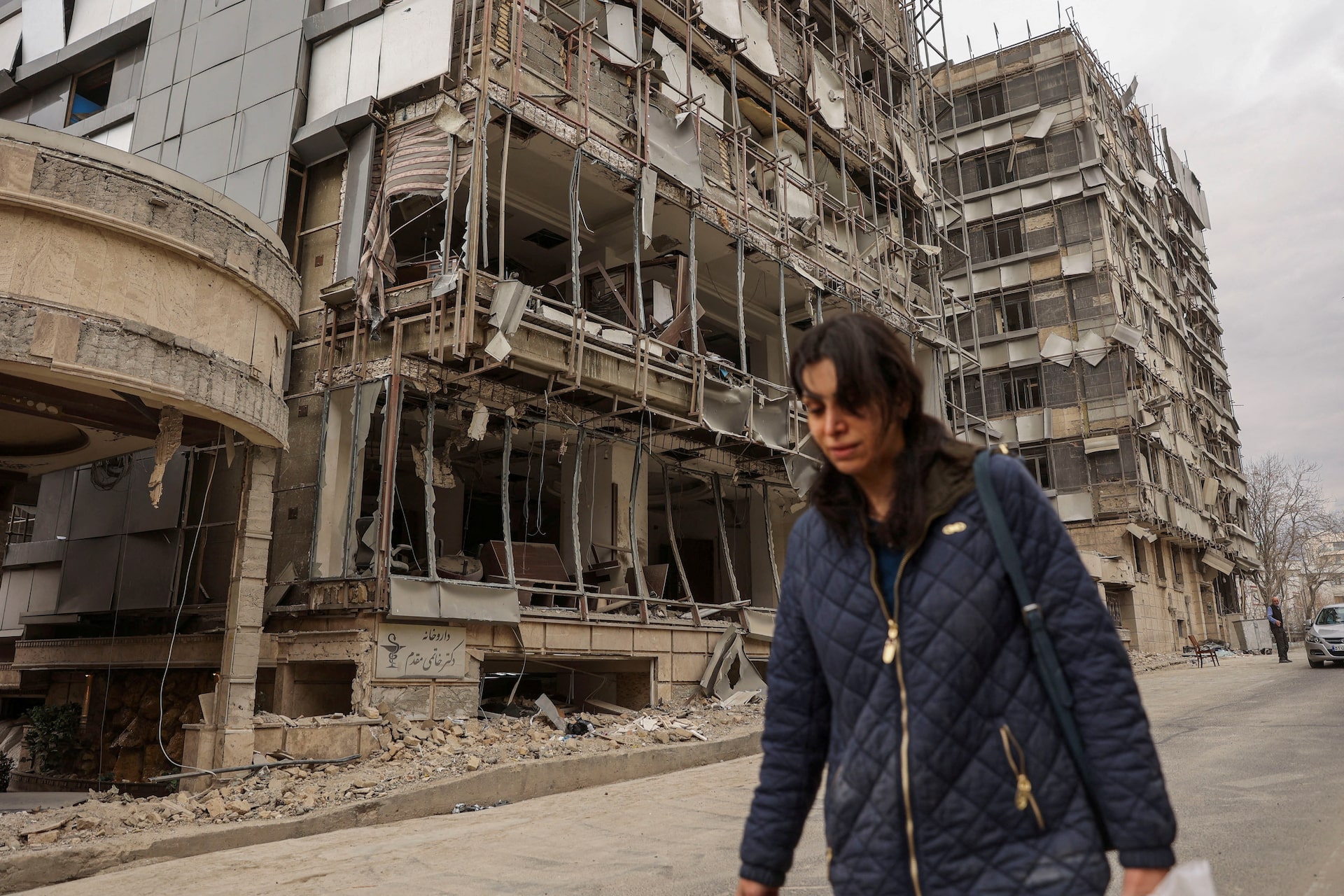
Universities and research centers have not been spared either. These institutions, which should function as spaces for knowledge production and dialogue, have become vulnerable targets in times of war. This not only damages physical infrastructure, but also leads to brain drain, reduced scientific capacity, and a weakened future for the country.
In addition, the psychological and social impacts of war must be considered. Living under conditions of insecurity, losing loved ones, and witnessing the destruction of infrastructure produce deep and long-lasting effects on societies—effects that persist long after military conflicts have ended.
Such patterns of targeting cannot be reduced to mere “operational errors.” Rather, they must be understood within a broader framework in which maximum pressure on a country encompasses all dimensions—economic, political, social and human. In such a framework, the distinction between military and civilian gradually becomes blurred.
Ultimately, the attack on Iran must be analyzed as an assault on a concept: the concept of independence. A people who have sought to define their path—despite complexities and challenges—outside imposed frameworks now face pressure aimed not only at changing behavior, but at altering the very nature of that independence.
For an American audience, this war is not merely a foreign issue. It is a mirror reflecting structures of power, decision-making processes, and proclaimed values. The question of who makes decisions, on what basis, and with what level of accountability is a question whose answer is critical not only for Iran, but for the future of the United States itself.
In a world that needs cooperation and mutual understanding more than ever, the continuation of these interventionist patterns not only leads to greater instability, but also eliminates real opportunities for peace and development. Perhaps the time has come to move beyond the logic of war and to reconsider its underlying foundations—foundations that, while justified in the language of security and democracy, in practice often serve to maintain an unequal and unstable order.
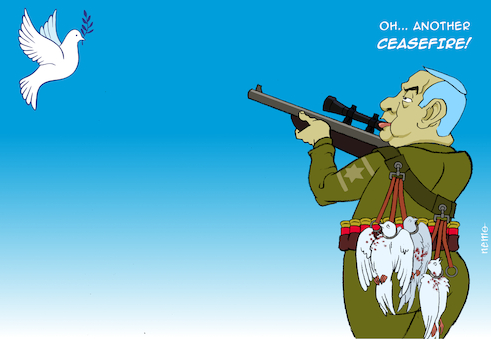
Rethinking Ethical Responsibility and the Future of the Global Order
Beyond what has been discussed, it is necessary to examine this crisis at a deeper and more philosophical level—one that relates to the ethical responsibility of states and the international community. If we accept that the international system is not merely a set of power relations, but also an arena in which principles such as justice, human dignity, and the right to self-determination must have meaning, then an attack on an independent country without a defensible legal basis seriously challenges these principles.
One of the most significant consequences of such actions is the erosion of trust in the international order. When rules designed to prevent war and protect civilians are easily disregarded, the message is sent to other actors that these rules are not binding. The result is increased instability and decreased predictability in international relations.
Moreover, such wars are often initiated under the claim of creating “stability,” yet in practice they produce broader instability. The experiences of Iraq and Afghanistan have shown that military intervention, even if it leads to short-term political changes, can result in the long-term collapse of social structures and the spread of insecurity. In this context, the fundamental question is whether the instrument of war can truly achieve its stated objectives, or whether it becomes part of the problem itself.
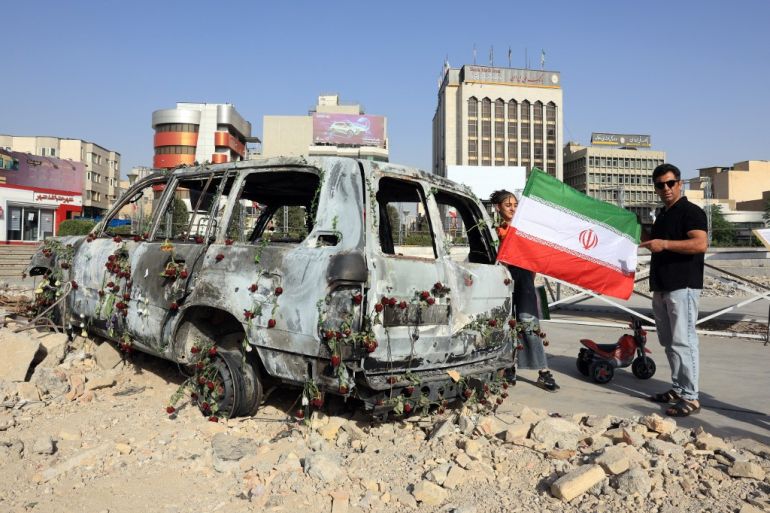
For the United States, this issue extends beyond foreign policy. The country faces a choice between two paths: continuing an interventionist logic whose human and political costs are increasingly evident, or moving toward an approach based on multilateralism, respect for national sovereignty, and the peaceful resolution of conflicts.
Ultimately, what has occurred in Iran is not merely a regional event. It is part of a broader trend shaping the future of the global order—an order that will either be built on cooperation and mutual respect, or move toward greater instability under the weight of destructive competition and repeated interventions. The choice between these two paths lies not only with governments, but also with global public opinion.

CovertAction Magazine is made possible by subscriptions, orders and donations from readers like you.
Blow the Whistle on U.S. Imperialism

Click the whistle and donate
When you donate to CovertAction Magazine, you are supporting investigative journalism. Your contributions go directly to supporting the development, production, editing, and dissemination of the Magazine.
CovertAction Magazine does not receive corporate or government sponsorship. Yet, we hold a steadfast commitment to providing compensation for writers, editorial and technical support. Your support helps facilitate this compensation as well as increase the caliber of this work.
Please make a donation by clicking on the donate logo above and enter the amount and your credit or debit card information.
CovertAction Institute, Inc. (CAI) is a 501(c)(3) non-profit organization and your gift is tax-deductible for federal income purposes. CAI’s tax-exempt ID number is 87-2461683.
We sincerely thank you for your support.
Disclaimer: The contents of this article are the sole responsibility of the author(s). CovertAction Institute, Inc. (CAI), including its Board of Directors (BD), Editorial Board (EB), Advisory Board (AB), staff, volunteers and its projects (including CovertAction Magazine) are not responsible for any inaccurate or incorrect statement in this article. This article also does not necessarily represent the views the BD, the EB, the AB, staff, volunteers, or any members of its projects.
Differing viewpoints: CAM publishes articles with differing viewpoints in an effort to nurture vibrant debate and thoughtful critical analysis. Feel free to comment on the articles in the comment section and/or send your letters to the Editors, which we will publish in the Letters column.
Copyrighted Material: This web site may contain copyrighted material the use of which has not always been specifically authorized by the copyright owner. As a not-for-profit charitable organization incorporated in the State of New York, we are making such material available in an effort to advance the understanding of humanity’s problems and hopefully to help find solutions for those problems. We believe this constitutes a ‘fair use’ of any such copyrighted material as provided for in section 107 of the US Copyright Law. You can read more about ‘fair use’ and US Copyright Law at the Legal Information Institute of Cornell Law School.
Republishing: CovertAction Magazine (CAM) grants permission to cross-post CAM articles on not-for-profit community internet sites as long as the source is acknowledged together with a hyperlink to the original CovertAction Magazine article. Also, kindly let us know at info@CovertActionMagazine.com. For publication of CAM articles in print or other forms including commercial internet sites, contact: info@CovertActionMagazine.com.
By using this site, you agree to these terms above.
About the Author
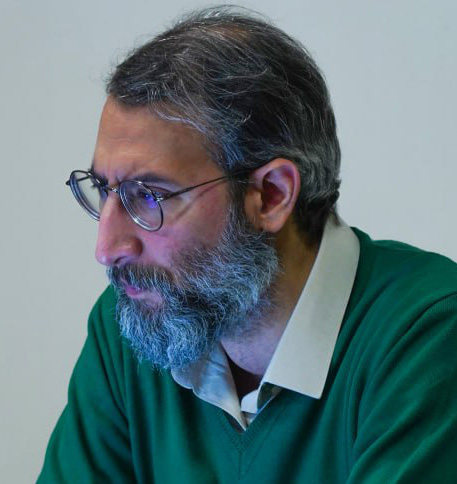
Mohammad Javad Ostadi holds an MA in Communication Studies.
He has worked extensively as a researcher in cultural studies and cultural policy within various executive institutions in Iran. Since 2005, he has worked as an analytical and international journalist, serving as international editor for several major publications.
Mohammad is best known for conducting in-depth interviews with more than 300 Western intellectuals in the humanities. Over the past five years, he has been the editor-in-chief of several television programs focused on cultural studies in Iran, and he also lectures on media and communication.
Mohammad can be reached at aiacountpersonal@gmail.com.