[This article is part of a series looking back on the historic double standards and failures of America’s international War on Drugs. The timing is very apt in light of the Trump administration’s escalation of this failed war.—Editors]
The Unknown Part of the French Connection
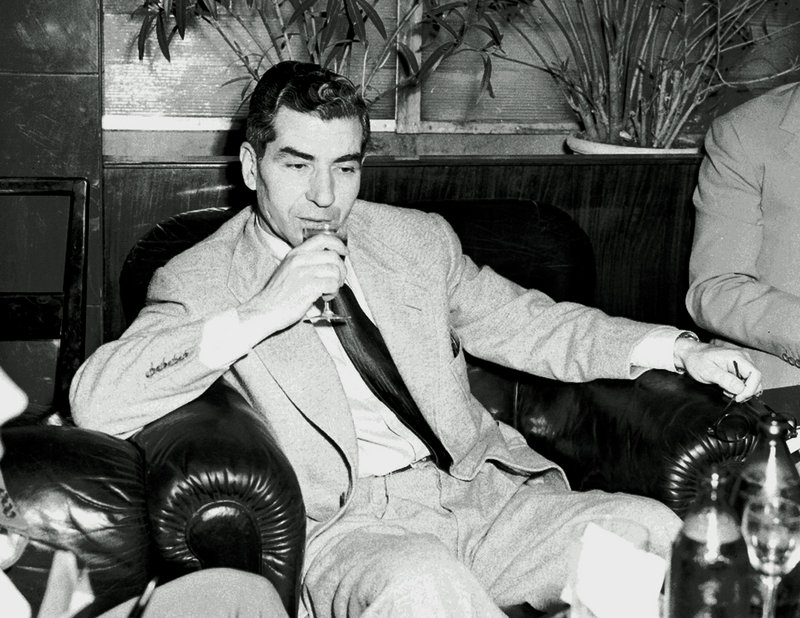
In 1931 American Mafia leader “Lucky” Luciano united most of the New York Mafia families into the Cosa Nostra, making him the most powerful Mafia leader in America.
Five years later, Luciano was convicted and sent to Sing Sing prison. In 1947, after he had been released from prison in a deal which deported him to Italy under condition that he never come back to America, Luciano returned to Italy and started a large narcotics operation to produce heroin and smuggle it to America.
In the original operation, Turkish opium was sent to Beirut, where it was made into morphine base by Sami Khoury’s chemists. The morphine base was then sent to Palermo, Sicily, where it was made into heroin #4 (which is injected with a needle).
This was then shipped to Havana, Cuba, where American mafioso Santo Trafficante, Sr. sent it up the East Coast of the U.S. to Baltimore, Philadelphia, New York, Detroit, and elsewhere. New York mobster Meyer Lansky was in charge of the East Coast operation, and of seeing to it that much of the money got to Luciano in Italy.
In 1954 Italian police shut down the Palermo heroin labs and the operation moved to Marseilles, France, where Auguste Ricord’s heroin labs agreed to produce the heroin for Luciano’s network. Before the arrangement with Trafficante, Ricord’s Marseilles labs had gotten their morphine from French Indo-China. Ricord’s labs produced high-quality heroin. The main chemist, Joseph Cesari, was called “Mr. 98%.”
From this time on Luciano’s heroin operation may be correctly called “the French Connection.” Also in 1954, Santo Trafficante, Sr. died and was replaced by his son, Santo Trafficante, Jr.
In 1958 Fidel Castro overthrew Cuban dictator Batista and took over Cuba himself. Many Cubans fled from Cuba and went to Florida. In 1959 Castro expelled Trafficante and his entire Havana Mafia organization from Havana to Tampa, Florida, where Trafficante continued to receive heroin from Marseilles and ship it up the East Coast.
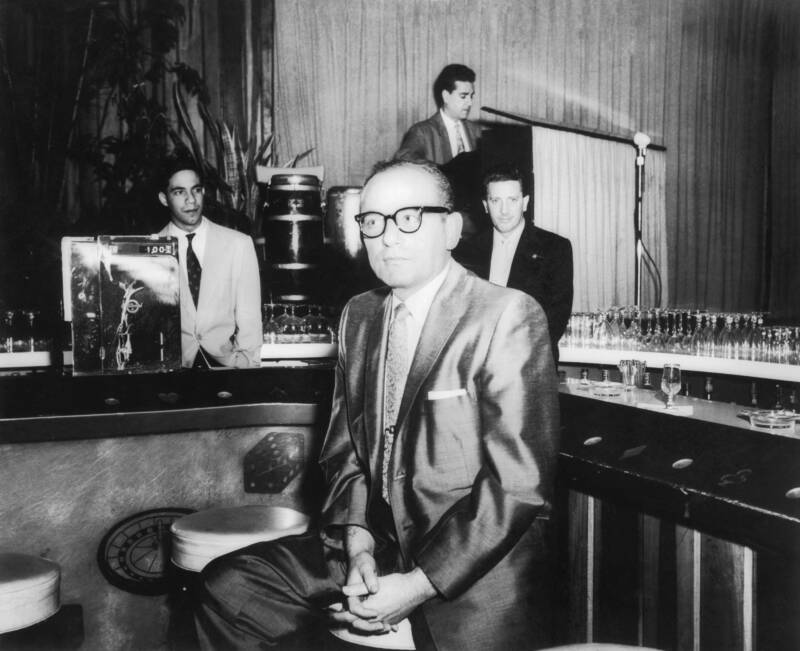
By 1959-’60 Castro had nationalized American properties in Cuba, had allied his regime to Moscow, and was trying to “export the revolution” to elsewhere in Latin America.
The CIA set about organizing an invasion to overthrow Castro. But because the U.S. officially supported the anti-colonial independence movements of the 1950s and ‘60s in Africa, Asia, and the Caribbean, U.S. troops couldn’t be involved, and the invasion force would have to be manned by Cuban refugees in Florida. But there were no volunteers from the Miami Cuban community. So the CIA struck a deal with Trafficante in Tampa.
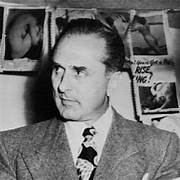
In 1954 the CIA made an agreement with the Justice Department allowing the CIA to stop any prosecution on the grounds of national security. In 1956 CIA contractor Robert Maheu introduced Sheffield Edwards, head of the CIA’s Office of Security, to Los Angeles mafioso Johnny Roselli. Edwards cultivated Roselli so that the CIA could potentially use him and other American mafiosi for domestic purposes.
The CIA’s deal with Trafficante was that Trafficante would provide 1,200 mafia soldiers for the Bay of Pigs invasion force, and in return the CIA guaranteed that henceforth no high-ranking member of Trafficante’s organization would ever be charged with a crime. Trafficante agreed, and the CIA got 1,200 “volunteers” for the Bay of Pigs invasion force.
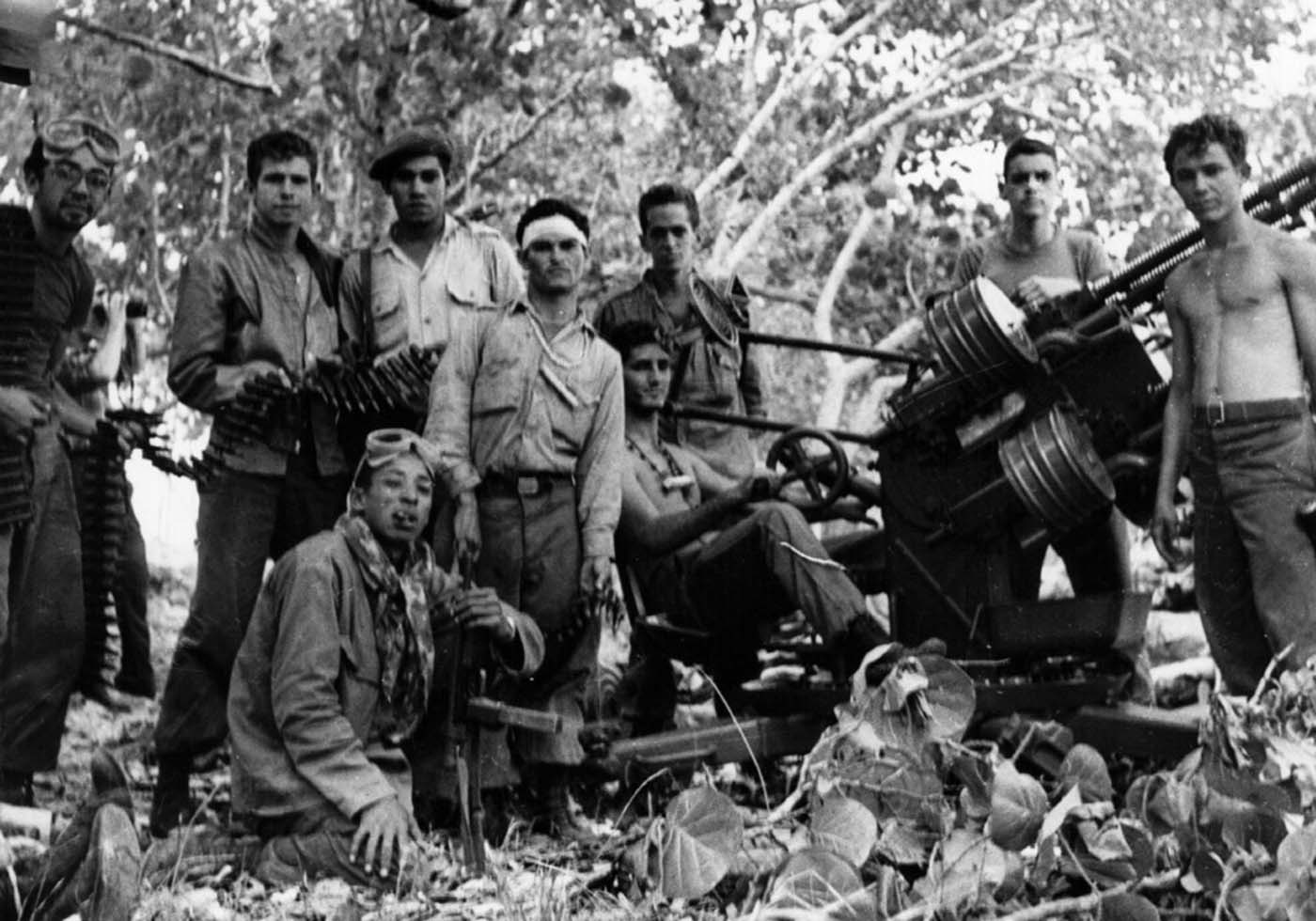
The invasion happened in April 1961, failed miserably (because Cuban intelligence learned about it), and most of the 1,200 “volunteers” were captured by Castro’s military. President Kennedy was furious and ordered that in the future large-scale invasions would be conducted only by the U.S. military. The CIA was to cease all operations against Cuba, and henceforth the State Department would handle Cuba. The CIA’s top leaders were ordered to resign quietly. In 1962 the captured Bay of Pigs “volunteers” were ransomed from Cuba by the U.S. government.
But it didn’t end there. The CIA’s Miami facility (JM/WAVE) quietly continued to organize anti-Castro operations. Often these were sabotage missions targeting facilities in Cuba to hurt the Cuban economy, conducted by former (or current) Trafficante soldiers.
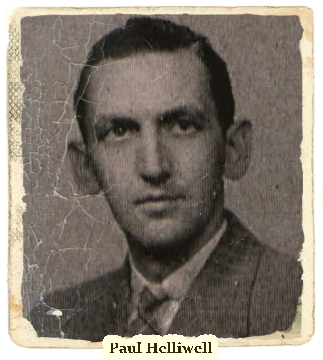
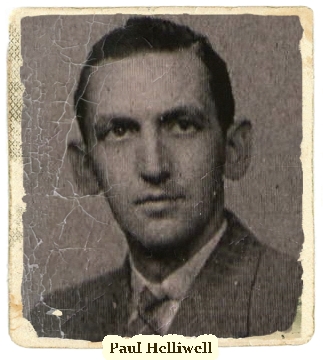
In 1962 CIA official Paul Helliwell, who had been the “paymaster” of the Bay of Pigs operation, founded the world’s first offshore drug-banks (Castle Bank and Mercantile Bank, both in the Bahamas) to finance these anti-Castro raids and to service Trafficante’s French Connection drug operations. The plan was to subvert JFK’s 1964 re-election campaign so that he would lose the election, and for Trafficante to provide more “volunteers” for a second invasion of Cuba sometime in the future.
Trafficante and Ricord
After “Lucky” Luciano died in 1962, the French Connection was run by Meyer Lansky and Santo Trafficante, Jr.
Ricord still ran the Marseilles labs, but the powerful Luciano wasn’t around to keep him in check.
The Marseilles labs were the core of the French Connection, but Ricord and his Marseilles associates received relatively little money. In 1967 Ricord decided to create a new heroin-trafficking network to America that cut out Trafficante. (He needed Lansky to oversee distribution in America.)
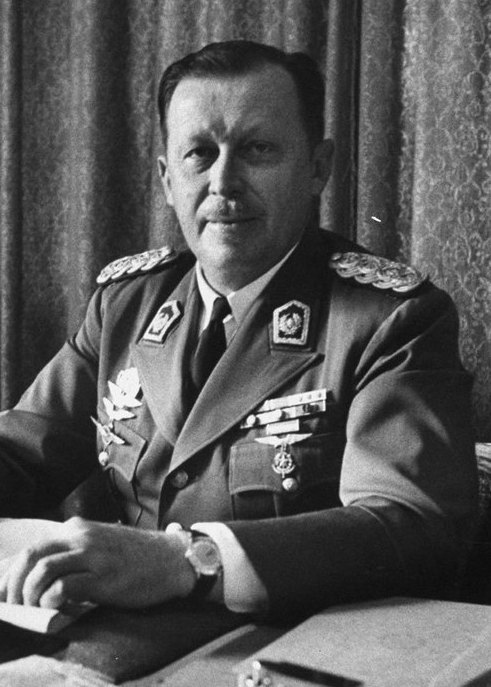
During World War II, Ricord had worked for the Gestapo (the German secret police). After the war some of his friends in the Gestapo had gone to Paraguay. Ricord’s plan was for Marseilles heroin to be sent by ocean-going freighters to Buenos Aires, Argentina, then shipped by boat up the Rio de la Plata and the Paraguay River to the country Paraguay. From Paraguay it would be re-shipped to America.
Through his Gestapo friends in Paraguay, Ricord made contact with Paraguay’s dictator, General Alfredo Stroessner. Stroessner allowed Ricord to trans-ship the heroin through Paraguay, but wanted a “cut” of the money. Ricord went to Paraguay and ran this part of the operation himself.
General Stroessner was later notorious for his role in Operation Condor, the CIA-organized security-and-terror operation with several other South American countries that tortured and killed many thousands of left-wing persons in the 1970s and ’80s. Ricord organization money helped finance it.
After reaching Paraguay, the heroin was then flown to America in small planes to avoid U.S. customs. Because a small plane can’t carry enough jet fuel to fly all the way from Paraguay to Florida, the planes had to land and refuel in Panama.
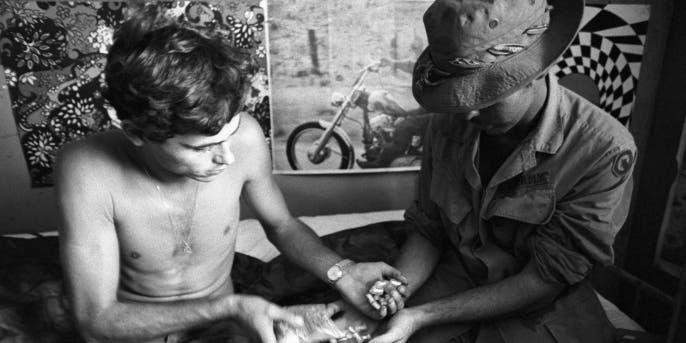
By 1968 the Ricord organization was supplying 60-70% of the heroin in America—and none of Ricord’s heroin was coming in through Tampa. So in 1968 Trafficante made a “business trip” to Southeast Asia, going to Hong Kong, Singapore, and Saigon. Up until this time the only heroin made in Indo-China was heroin #3, which is smoked or snorted (not injected with a needle) and is less potent than heroin #4. For this reason GIs in Vietnam smoked marijuana or hashish (both from Laos) rather than using the local heroin. The war was so horrific that the troops had to use drugs to relieve the stress.
Trafficante recruited Chinese master chemists from Hong Kong to work at some of the heroin labs in Saigon and Singapore. By late 1969 these labs were producing heroin #4 (pure heroin) – good enough to be sold on the streets of New York and Chicago. From late 1969 on GIs in Vietnam were using this new heroin. But most of it was being smuggled to America, where Trafficante still had to compete with Ricord’s heroin.
Two other things happen in 1969. The Bureau of Narcotics and Dangerous Drugs (now called the DEA) made a major push to crack down on heroin usage in Detroit. Operation Eagle targeted the distributors and higher-level dealers in Detroit. 70% of the 120 drug-dealers arrested in Operation Eagle were veterans of the Bay of Pigs, meaning that they were current (or former) members of the Trafficante organization.
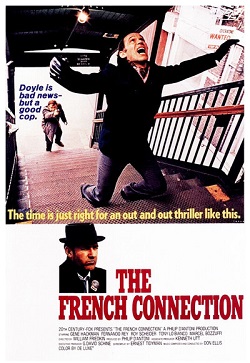
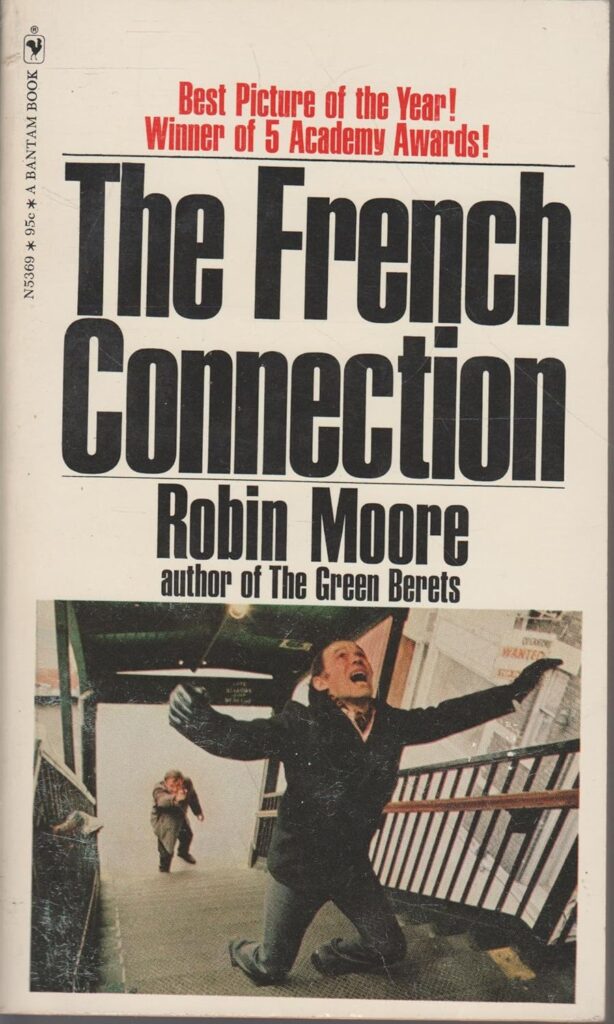
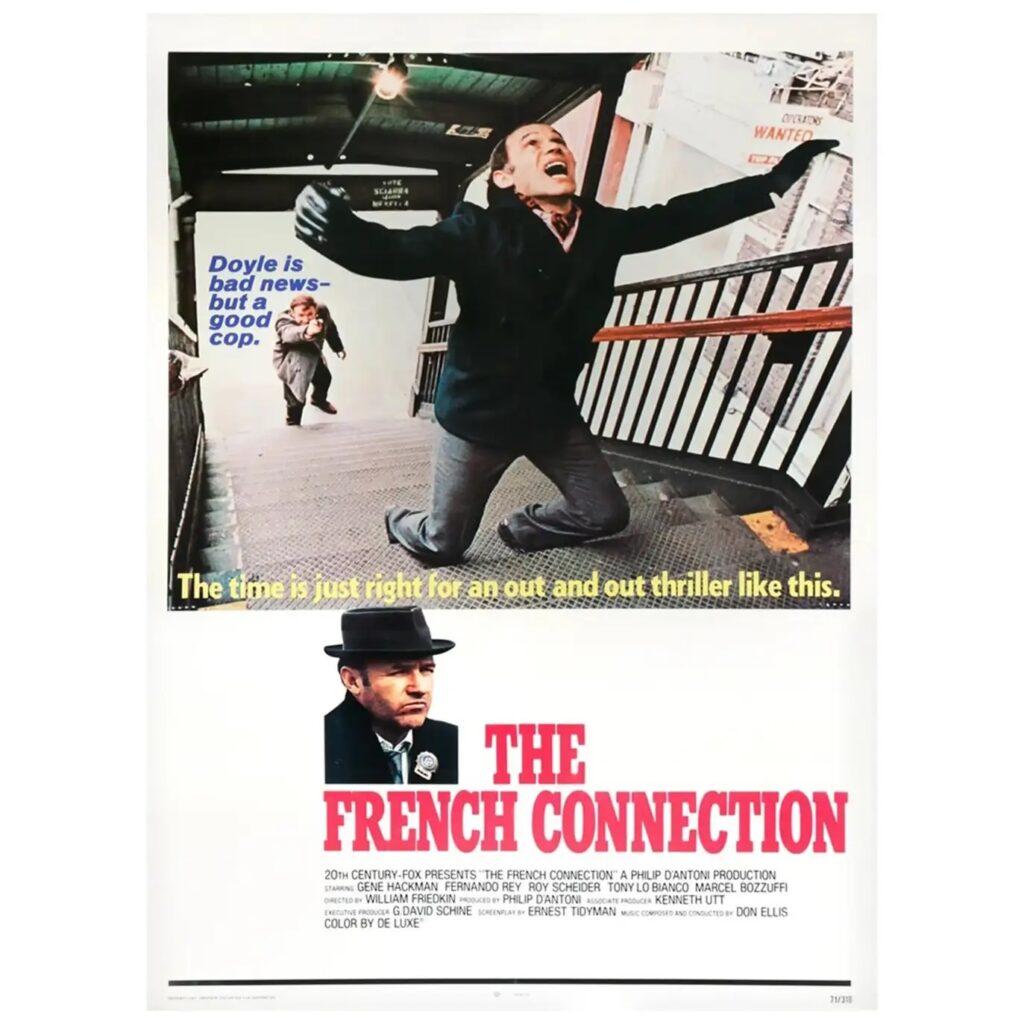
The second event that happened in 1969 was the publication of Robin Moore’s book The French Connection. Moore’s work was a fictionalized account of a real NYPD investigation in 1961 that broke up a crime-ring that was connected with the French Connection.
The American public and government didn’t know about the French Connection until this book was published. The book was made into a movie in 1971.
The CIA and Nixon’s ‘War on Drugs’
Drug use among young people exploded in the late 1960s. And Robin Moore’s book The French Connection prompted the government to take action. It became obvious that arresting individual drug-dealers was ineffective because the one removed was soon replaced by another one. A more effective strategy appeared to be stopping the flow of drugs into the country.
The Nixon administration began taking steps to control drug use and in 1971 Nixon declared a full-scale “War on Drugs.” The plan’s two main steps were: a) working with French authorities to shut down the Marseilles heroin labs, and b) creating a new position, Assistant Secretary of Defense (Drugs and Alcohol), to oversee drug-reduction efforts in the U.S. military.
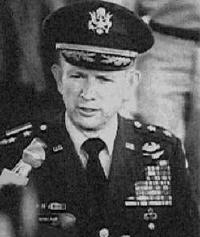
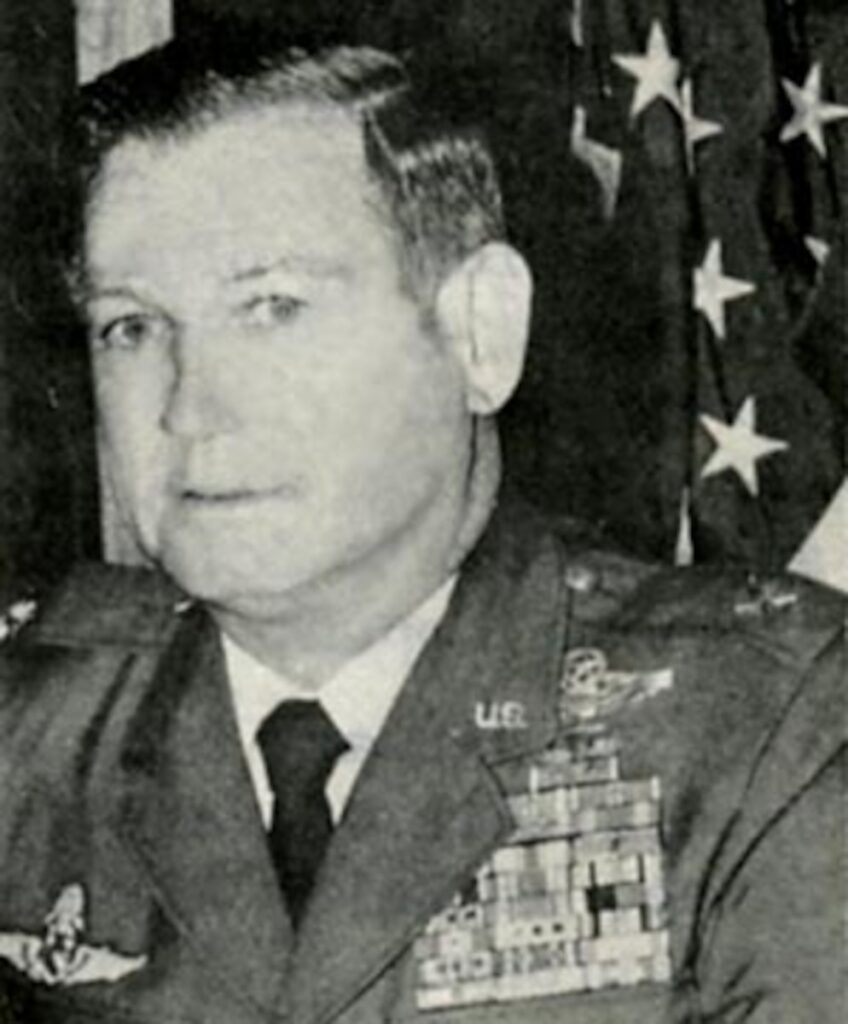
What actually happened included the following: a) French authorities helped the BNDD (which became the DEA in 1973) shut down the labs in Marseilles, and b) the new Assistant Secretary of Defense (Drugs and Alcohol) was General John Singlaub.
Singlaub was a longtime CIA ally, and close friend of General Harry Aderholt who helped run Air America’s drug-flights in Vietnam. It appeared that Singlaub’s real role would be to insulate the military from the “War on Drugs.’
It gets worse:
- Since the BNDD didn’t have an overseas intelligence unit, the CIA gave the BNDD most of the information it used to arrest overseas drug-traffickers.
- The French Connection (meaning the Ricord organization in Marseilles and Paraguay) was completely shut down.
- Golden Triangle drug-trafficking (most of which now occurred through Trafficante’s network) was not targeted, and not stopped.
- The Trafficante organization survived, and even expanded.
- The number of heroin-users in the U.S. didn’t decrease, it increased.
- The CIA had even more money for the secret operations that Congress wouldn’t have allowed (such as its role in the Angola war).
Let’s look a little closer at the key part of this. In late 1971 BNDD director John Ingersoll stated:
“The CIA has for some time been this Bureau’s strongest partner in identifying foreign sources and routes of illegal trade in narcotics. Liaison between our two agencies is close and constant in matters of mutual interest. Much of the progress we are now making in identifying overseas narcotics traffic can, in fact, be attributed to CIA cooperation.”
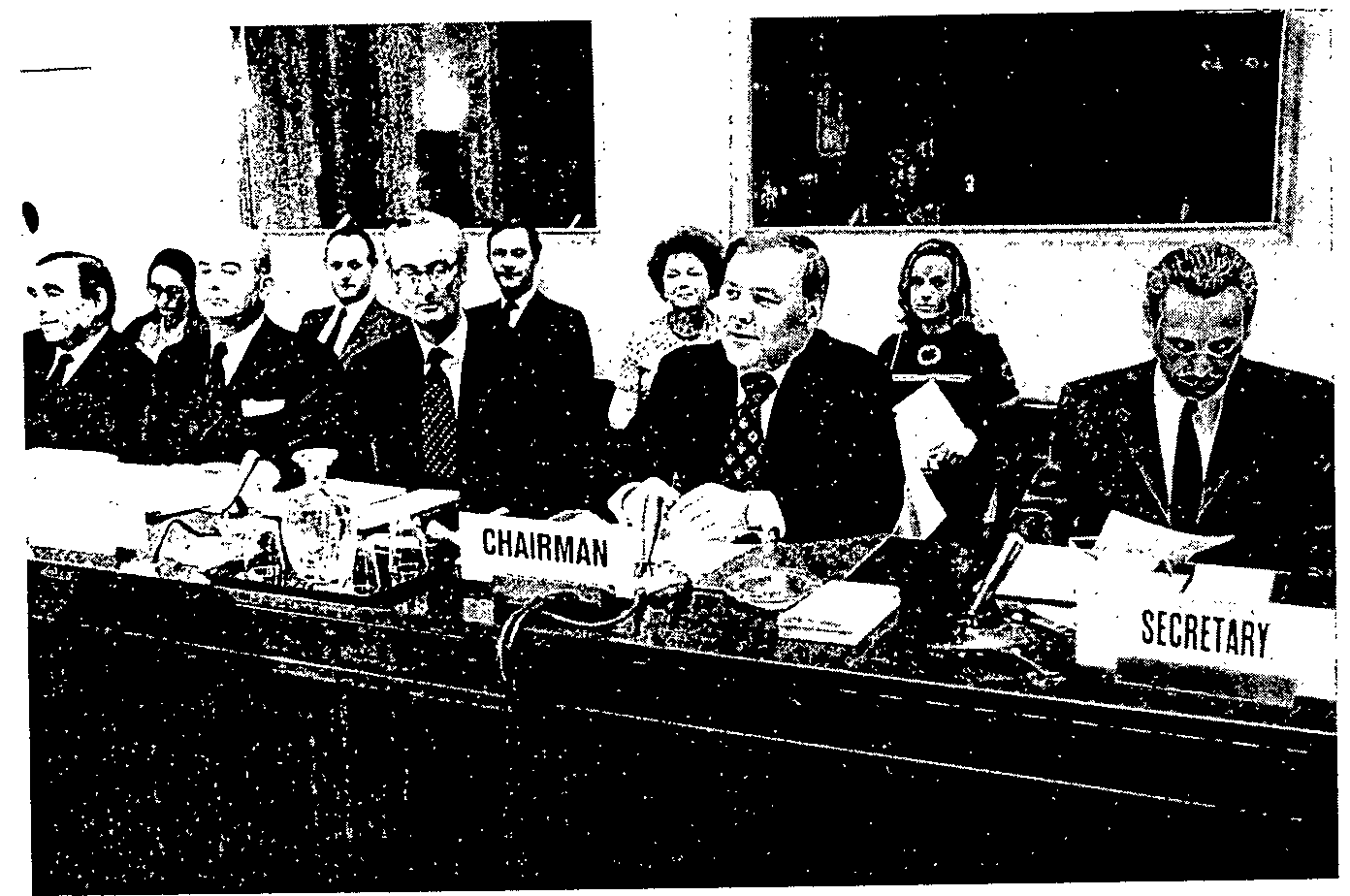
In other words, in Nixon’s “war on drugs,” the BNDD targeted who the CIA told them to target (i.e., the Ricord organization that replaced the older French Connection). This meant that the Trafficante organization (which was now using Golden Triangle opium to make heroin) expanded because it now had a near monopoly on heroin entering the U.S.
More importantly, the number of U.S. heroin addicts increased greatly during Nixon’s “War on Drugs.” The 1973 Congressional report The U.S. Heroin Problem and Southeast Asia stated (p. 65): “It is now estimated that there are between 500,000 and 600,000 heroin users in the United States, a substantial increase over the mid-1971 estimate of 315,000 addicted.”
In other words, between 1971 and 1973 the number of heroin addicts in the U.S. doubled, from 300,000 to 600,000. This was due both to the greater availability of heroin through Trafficante’s Golden Triangle network, and to the large number of GI heroin users that were returning to the U.S. from Vietnam.
This great increase in heroin usage also means that in the next five years or so, an additional 50 to 100,000 people died from heroin overdoses. Nixon’s “war on drugs” didn’t cause the great expansion of heroin use, it was caused by the greater availability of heroin that the Trafficante organization created, and the CIA’s undermining of the U.S. government’s efforts to keep heroin from entering the country.
In 1975 North Vietnam took over South Vietnam, the Pathet Lao took over Laos, and the Khmer Rouge rook over Cambodia. All of Indo-China was now under the rule of Communist regimes that were opposed to drug usage and put an end to drug-smuggling.
Opium production continued in northern Thailand and found new ways of being smuggled to America and West Europe.
In the 1990s “black tar” heroin began coming to the U.S. from Mexico. The heroin problem is still with us. Between 1968 and 1973 the CIA and the Trafficante drug organization effected a heroin coup in the United States.
CovertAction Magazine is made possible by subscriptions, orders and donations from readers like you.
Blow the Whistle on U.S. Imperialism
Click the whistle and donate
When you donate to CovertAction Magazine, you are supporting investigative journalism. Your contributions go directly to supporting the development, production, editing, and dissemination of the Magazine.
CovertAction Magazine does not receive corporate or government sponsorship. Yet, we hold a steadfast commitment to providing compensation for writers, editorial and technical support. Your support helps facilitate this compensation as well as increase the caliber of this work.
Please make a donation by clicking on the donate logo above and enter the amount and your credit or debit card information.
CovertAction Institute, Inc. (CAI) is a 501(c)(3) non-profit organization and your gift is tax-deductible for federal income purposes. CAI’s tax-exempt ID number is 87-2461683.
We sincerely thank you for your support.
Disclaimer: The contents of this article are the sole responsibility of the author(s). CovertAction Institute, Inc. (CAI), including its Board of Directors (BD), Editorial Board (EB), Advisory Board (AB), staff, volunteers and its projects (including CovertAction Magazine) are not responsible for any inaccurate or incorrect statement in this article. This article also does not necessarily represent the views the BD, the EB, the AB, staff, volunteers, or any members of its projects.
Differing viewpoints: CAM publishes articles with differing viewpoints in an effort to nurture vibrant debate and thoughtful critical analysis. Feel free to comment on the articles in the comment section and/or send your letters to the Editors, which we will publish in the Letters column.
Copyrighted Material: This web site may contain copyrighted material the use of which has not always been specifically authorized by the copyright owner. As a not-for-profit charitable organization incorporated in the State of New York, we are making such material available in an effort to advance the understanding of humanity’s problems and hopefully to help find solutions for those problems. We believe this constitutes a ‘fair use’ of any such copyrighted material as provided for in section 107 of the US Copyright Law. You can read more about ‘fair use’ and US Copyright Law at the Legal Information Institute of Cornell Law School.
Republishing: CovertAction Magazine (CAM) grants permission to cross-post CAM articles on not-for-profit community internet sites as long as the source is acknowledged together with a hyperlink to the original CovertAction Magazine article. Also, kindly let us know at info@CovertActionMagazine.com. For publication of CAM articles in print or other forms including commercial internet sites, contact: info@CovertActionMagazine.com.
By using this site, you agree to these terms above.
About the Author
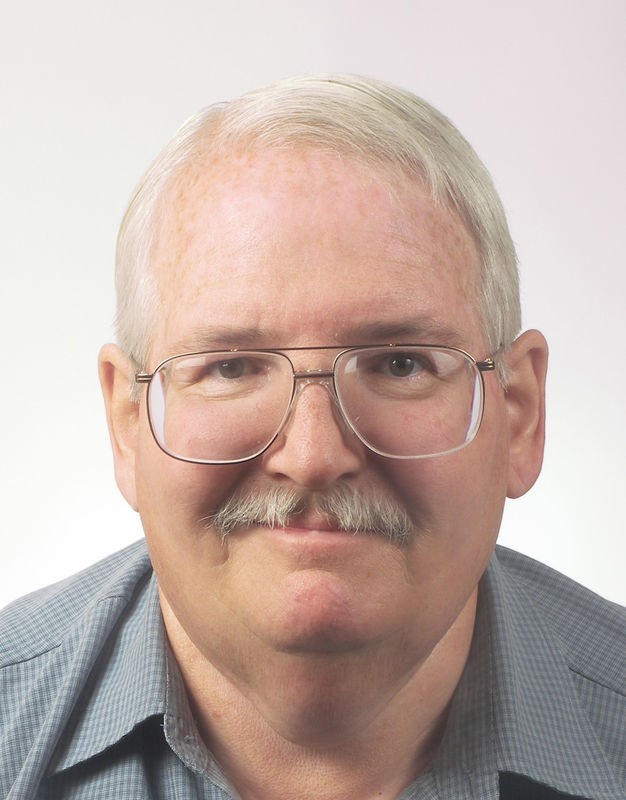
Robert Aldridge was raised as an “Army brat” (his father was a POW under the Japanese for 3½ years during WWII) and graduated from the University of Central Florida in 1979 (B.A. History and Political Science). He now lives in Los Angeles, where he formerly worked for the Abstract Expressionist artist Sam Francis.
In the early 1990s, being outraged at the CIA’s involvement in the Contras’ cocaine-trafficking, he began researching the CIA’s larger role in international drug-trafficking. This soon expanded to include the CIA’s domestic activities (common cast of characters). In 1999 he published “The Lost Ending of the Didache” (Vigiliae Christianae, Feb. 1999), which revealed the missing ending of a very early Christian writing.
In 2011 he wrote The First Gospel, which tells the story of the first Christian writing, the Aramaic gospel Melê d-Māran. In 2015 he wrote The Aramaic Hypothesis, which makes corrections to the text of the four gospels based on the Aramaic substratum. In 2018 he created the DVD The Story of Illegal Drugs in America to encourage young people not to use illegal drugs.
Robert can be reached at sgc.radio2@gmail.com.

.jpg)