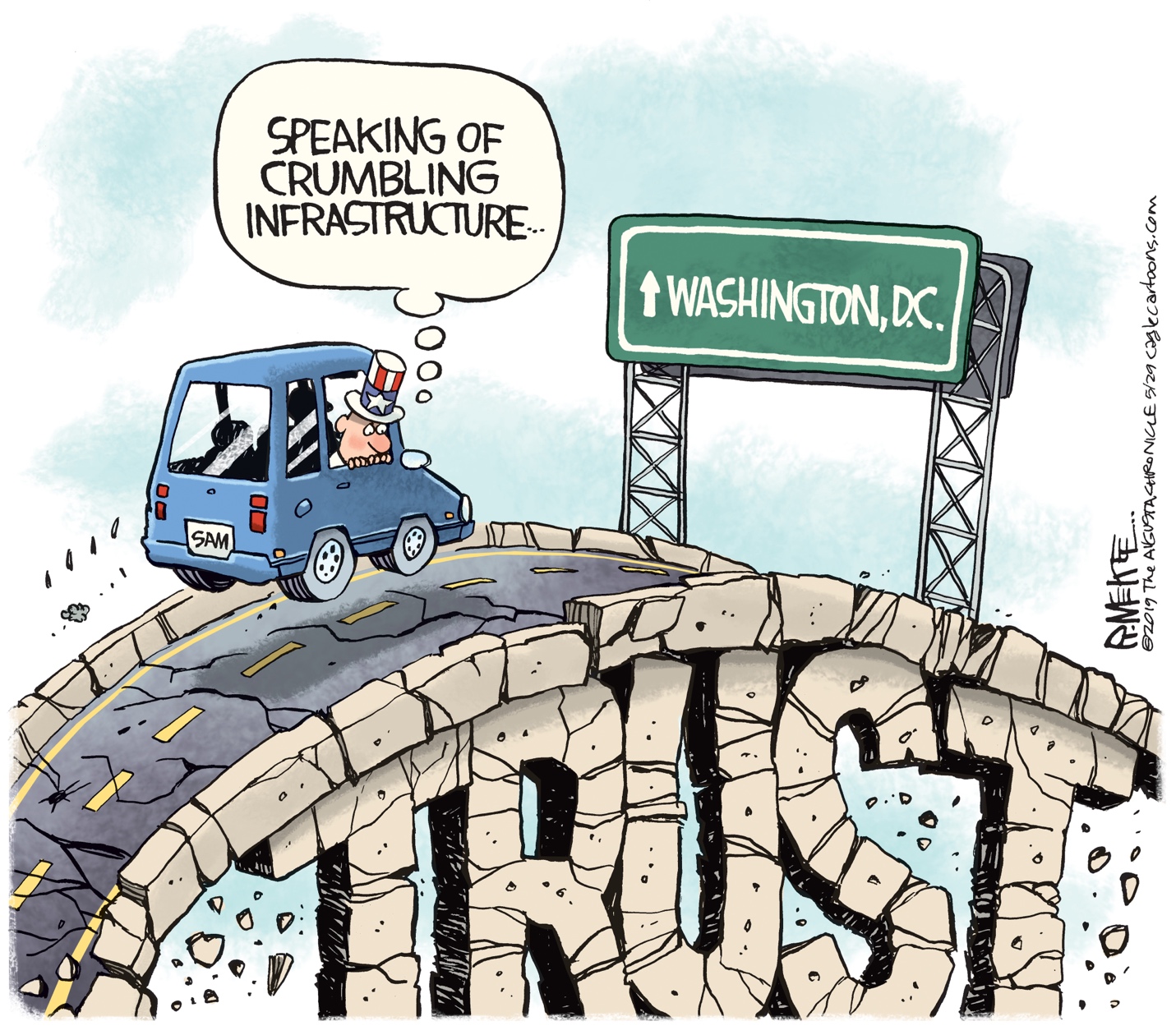
Meanwhile, in the U.S., public systems are crumbling or being sold off to private corporations
Upon landing in Miami, a TSA agent asked me where I had just come from. “Nicaragua,” I said. “Aren’t the people there poor?” he asked.
His inquisitiveness surprised me, but I went with it: “Yes, there is poverty in Nicaragua. But even families living in small homes with tin roofs know they can receive quality health care as well as education up to the university level. All of it is entirely free.”
The young man checking my passport sighed. He lamented that he himself had been avoiding routine doctor visits, because they lead to expensive bills. He agreed a change is needed in the United States.
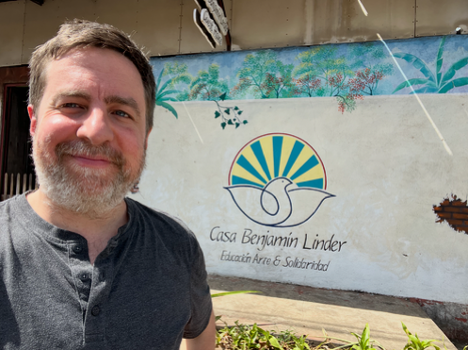
I had just spent three weeks traveling in Nicaragua, most of that time with a delegation organized by Casa Ben Linder, a Managua-based organization dedicated to building an international solidarity movement with Nicaragua. Members of the Black Alliance for Peace, which promotes the anti-war, anti-imperialist, and pro-peace positions of the radical Black movement, were also essential in making the trip possible.
Nicaragua is not a wealthy country. It has been battered by U.S.-sponsored hybrid warfare, including punishing economic sanctions, military interventions, and more. Despite this, since the Sandinista Front returned to power in 2007, the Nicaraguan state is building public infrastructure and providing services for poor people who had been neglected for hundreds of years.
This includes new water systems, affordable public transit, free university education, and rural electrification. Meanwhile, in the United States, our own public systems are crumbling or being sold off to private corporations.
Participating in this delegation gave me a new perspective on the critical importance of the state in providing the basic services people need. Progressive forces in the United States have much to learn by comparing the role the Nicaraguan state plays in bringing about social change and what the U.S. state does.
Political Transformation in Nicaragua
Nicaragua was late to start developing modern infrastructure. While looking out on Managua from a tall perch, our guides explained that, before the Sandinista Revolution overthrew the Somoza dictatorship in 1979, the city’s sewage was simply poured into Lake Managua, creating a major public health danger.
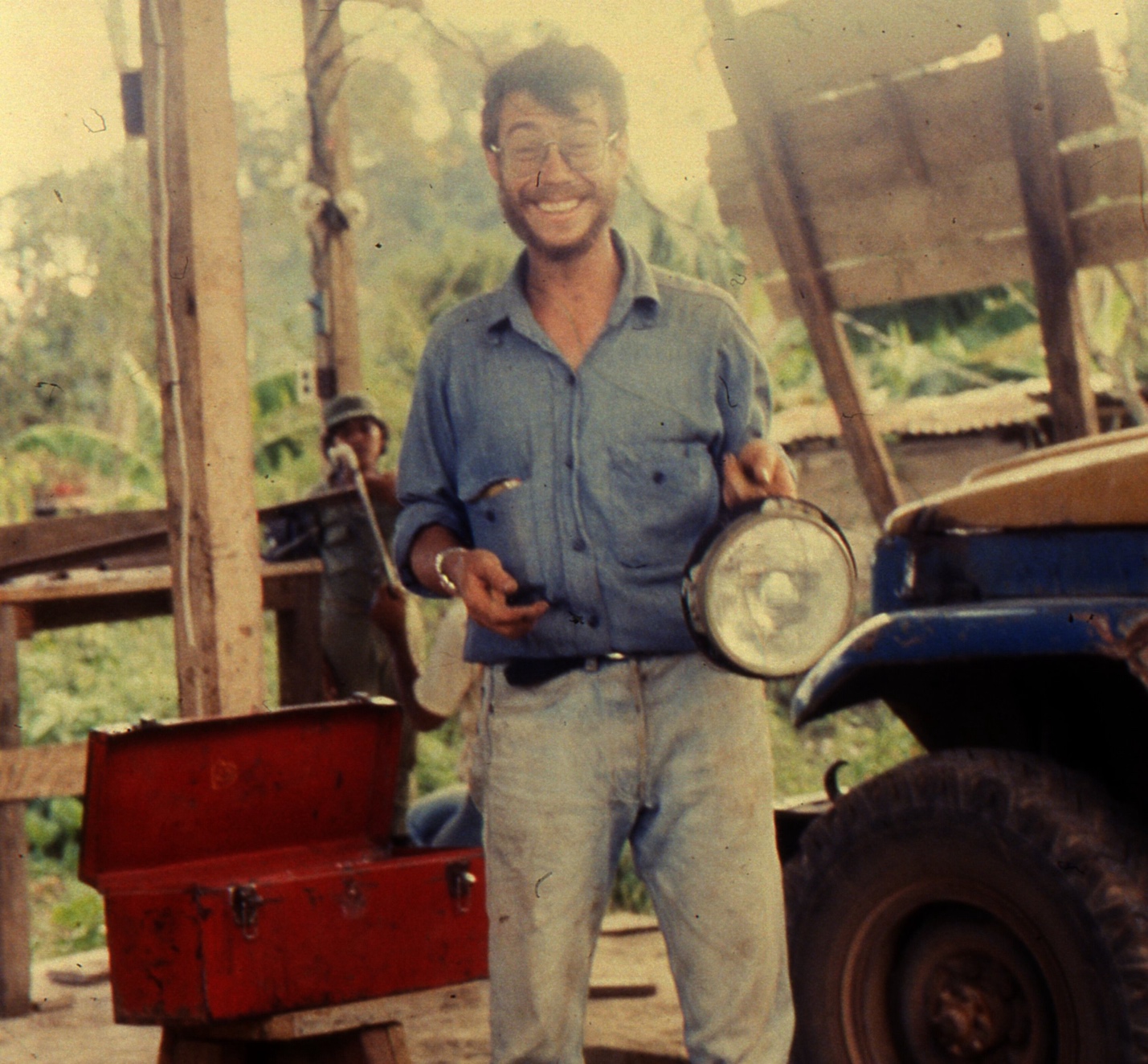
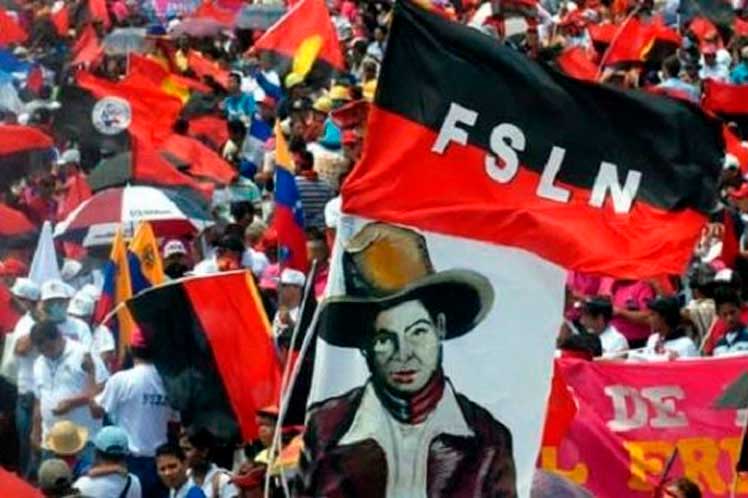
The revolution immediately led to a mass literacy campaign and free universal health care. During the first 11 years, the U.S.-sponsored Contra War killed 42,000 Nicaraguans. Washington’s death squads targeted literacy educators, healthcare workers, and Ben Linder himself, whose namesake organization arranged my trip.
Linder was a circus artist and engineer who moved from the U.S. to Nicaragua in the 1980s to share his diverse skills with the country’s young revolution. He was widely beloved by children in the countryside for his juggling unicycle act, designed to encourage them to get the measles vaccine. He was working on a small-scale hydro-electric plant in a remote community in northern Nicaragua when the Contras—armed with U.S. weapons—murdered him in 1987.
The Contra War significantly slowed, but did not stop, Nicaragua’s progress. However, in the 1990 election, Nicaragua’s right-wing neo-liberal elite defeated the Sandinista Front, whose traditional supporters had grown weary from years of brutal war.
The new government, which ruled for the next 16 years, was ideologically committed to supporting U.S. domination in Latin America—not building public infrastructure for people’s needs. They privatized public services and set back the progress of the 1979 revolution.
But in the past 19 years, since 2007, when the Sandinista Front returned to power, Nicaragua has seen slow but steady progress toward infrastructure systems that serve the whole country. One of the first steps was building a wastewater treatment plant for Managua, which has dramatically improved the lake.
I observed a new public water system completed within the past five years that provides running water to people living on a mountain on the outskirts of Ciudad Sandino, near Managua. Previously, families on that mountain had to pay for an ox cart to pull water up the hill.
With the new system, they pay a fraction of what they used to pay for water. Now water comes to their homes with the ease of gravity. The supply has also become more generous, leading one family to start a small tree nursery. The young trees are now helping to re-forest the surrounding hillsides.
In Managua, there are new reinforced concrete highways, which are more durable than the asphalt roads one typically finds in the U.S. They are also more expensive to build in the short term. A dedicated bus lane with covered bus stops is included. The state heavily subsidizes the bus fare to the point that one ride costs the equivalent of seven U.S. cents, quite affordable for Managua’s working-class population.
The government is also building transit routes between regions of the country that were never previously connected. For instance, throughout the 1934-1979 Somoza dictatorship, the Caribbean coast of Nicaragua was economically and culturally cut off from major cities like Managua on the Pacific coast. I learned that people used to joke about the Caribbean region being “a different country” than Nicaragua, even though it was officially incorporated into the national territory in 1894.
The region has six major ethnic groups, including Indigenous and Afro-descended groups. They lacked legal recognition by the state until 1987 when Nicaragua adopted a new constitution that defined the nation as multi-ethnic.
The Somoza dictatorship’s neglect in providing necessary infrastructure for the Caribbean coast cast a long shadow from which the region is only recently starting to escape. Our delegation spent two weeks in the Caribbean town of Bluefields.
We drove there on a road the government had completed just five years ago. Before then, travel between the two coasts required an expensive airplane flight or a slow truck ride followed by a long riverboat trip.
The new road allows Bluefields and other Caribbean coastal communities to be economically integrated with the rest of the country, providing educational and economic opportunities that did not previously exist.
We visited three universities in Bluefields where young people are able to study and gain professional credentials, completely free of charge. The director of URACCAN University (the University of the Autonomous Regions of the Nicaraguan Caribbean Coast) told us that, when it began in the mid-1990s, state support for public higher education was scarce because the right-wing neo-liberal government refused to abide by the 1987 constitutional mandate that 6% of the nation’s budget be allocated to higher education.
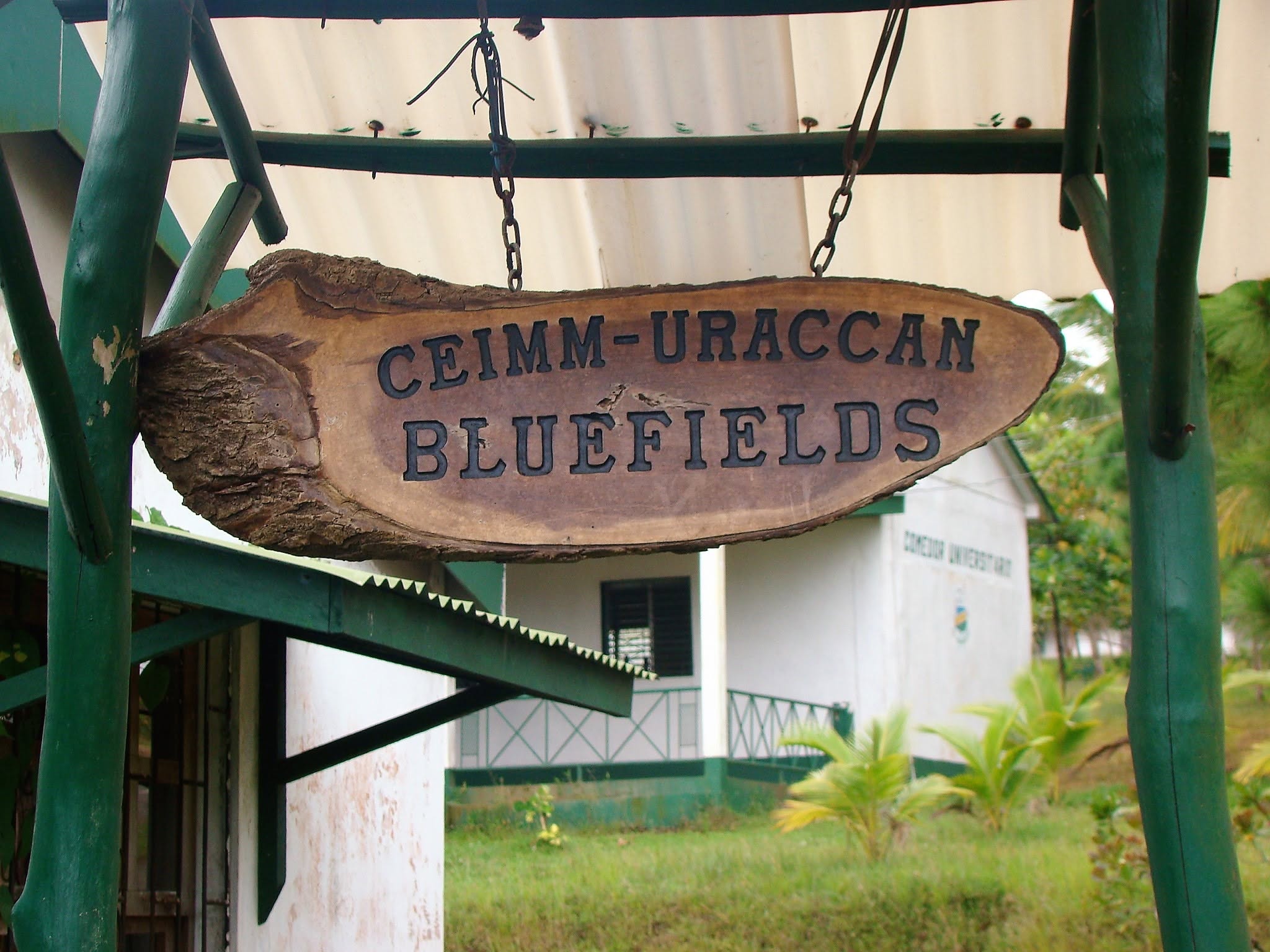
She said that, in those early days, it would have been impossible for her to even imagine that her institution would grow to serve the 5,800 students it serves today. Since the Sandinista Front returned to power, the campus has grown with the enthusiastic support of the state. In addition to educating students at her own vibrant campus, URACCAN also sends professors to more remote communities on the Caribbean coast, providing college-level classes for students who would have a hard time moving to Bluefields to pursue on-campus study.
Nicaragua’s recovery from its long period of state neglect has also played out with electricity. Before 2007, only 25% of the 20 municipalities on the Caribbean coast had functioning electrical service. The region as a whole has a low population density compared to the Pacific coast. Nonetheless, electrification today is close to 95% on the Caribbean side, although certain small remote communities like Orinoco, which we visited, turn off the generator for a few hours every night.
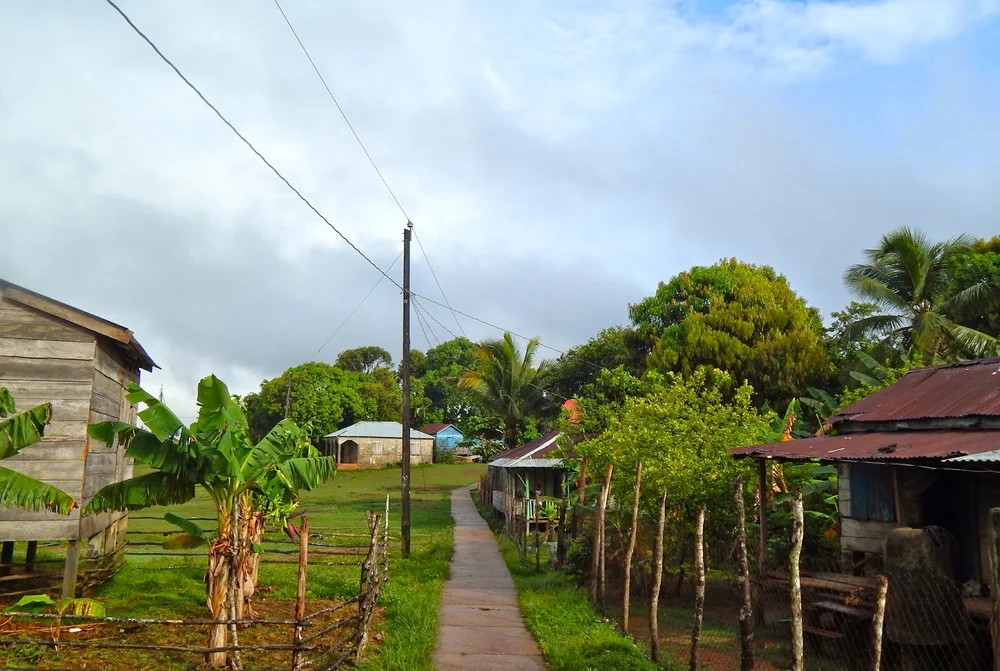
Orinoco was founded in 1898 by John Sambola, a leader in the Garifuna community, an Afro-descended ethnic group present in Nicaragua as well as other Caribbean countries. The geography makes the town accessible only by boat. But even there, the government has provided solar panels plus a small diesel generator to support the community’s electrical needs.
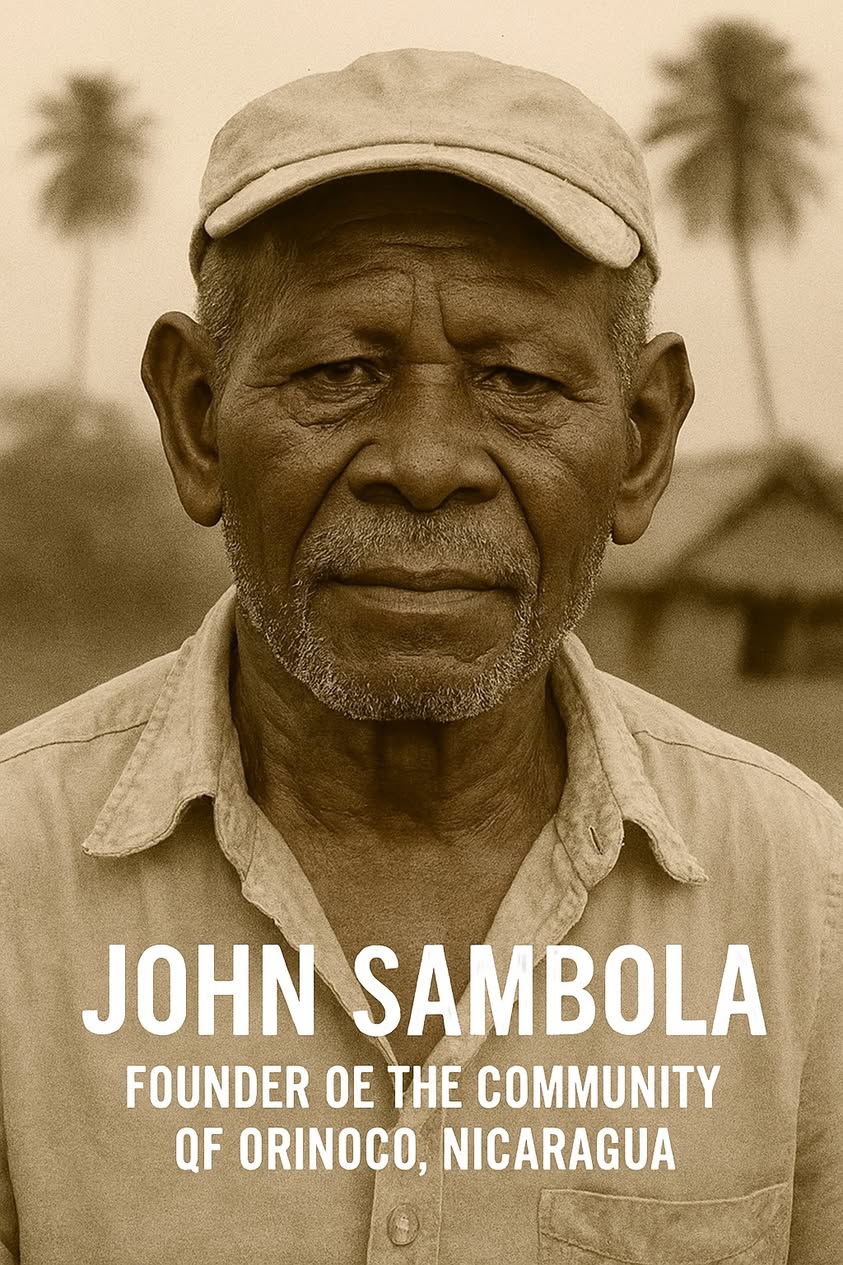
While the community has already seen a great improvement in electrical service since the neo-liberal period, our local guide, Humberto, said they would like to get 24-hour electrical service soon. We stayed in Orinoco on a hot night, and some in our group were awakened when the fans pointed toward our sweltering bodies suddenly stopped in the middle of the night.
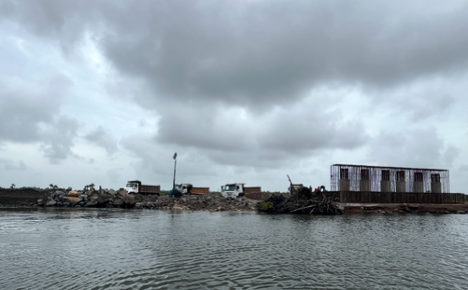
On our way to Orinoco, our boat had to slow down while passing the construction site for a bridge set to cross a river on the way to a new deep-water port that the Nicaraguan government is planning to build with financial support from China. Currently, Nicaragua’s Caribbean Coast has no deep-water port, limiting possibilities for economic development in the region.
The university leaders we met told us their curriculum is integrated as part of a larger development plan for the region and the country. They are preparing their youth for a different Nicaragua. They see poverty as the enemy. They are coordinating their educational curriculum with economic planning processes at the national and regional level.
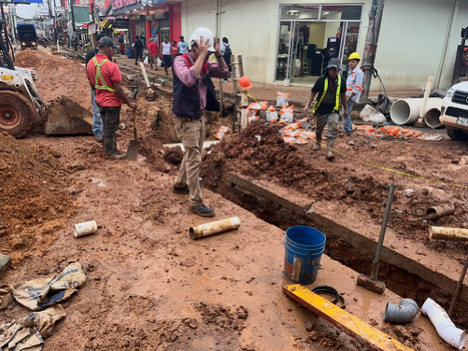
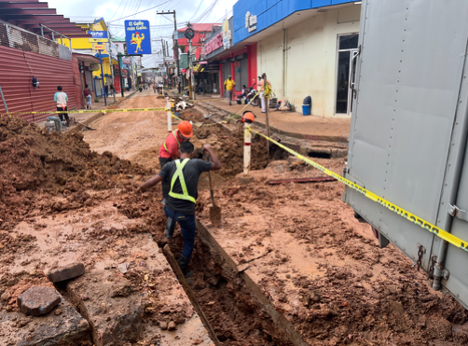
During our stay, Bluefields itself was in the midst of an enormous project to add sewage pipes beneath the town’s old streets. Over the course of a single week, I witnessed the steady work of men digging up a one block-long section of street adjacent to our hotel.
They laid down sewage pipes and then covered up the holes with cement. Numerous walks around town revealed mended cuts in the old concrete, which were visible everywhere—evidence that this massive city-wide project had been under way for some time.
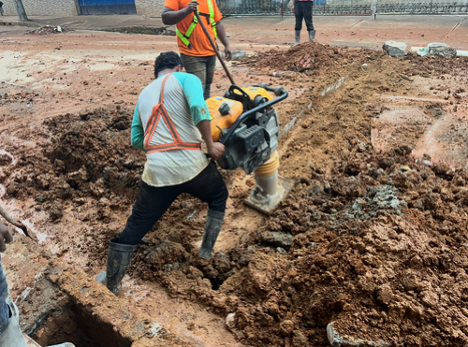
I asked a few people living in Bluefields about the project. They told me that, without a modern wastewater treatment system, the norm has been that sewage from each home goes into an on-site septic system which, when crowded together with many other nearby systems, contaminates the ground water. This expensive project will dramatically improve ground water quality in the future.
A Utopian Experiment?
Improving the lives of Nicaragua’s people is not merely a question of infrastructure. Nor will such changes alone solve all the country’s problems.
Nicaragua, like all countries, contains internal contradictions and divisions. Early in my life, I took inspiration from utopian theories about radically transforming social relationships away from that of buyer and seller in an anonymous capitalist market.
My sense of Nicaragua’s progress, before I arrived, was more modest. I knew there remains a capitalist class system in Nicaragua, alongside the socialist aspects of the state. Like any capitalist class, the Nicaraguan one exploits labor for profit.
Gaudy commercial advertisements and billowing diesel fumes fill up the major roads, just like in the U.S. The government has made certain compromises with its local capitalist elite, which wants to undermine the movement toward a more socialist economy.
However, when I visited the Gloria Quintanilla Cooperative—a women-led, coffee-producing community in Santa Julia, Managua—I saw that at least some parts of Nicaragua are undergoing a social transformation that is more radical than I had expected.
The community was established in 2008 with support from the Rural Workers’ Association (Asociación de Trabajadores del Campo—ATC), just a year after the Sandinista Front returned to power. It has 90 families living at the end of a five-kilometer dirt road high in the mountains.
The community has its own leadership structure, separate from the municipal government. The women are clearly in charge of the cooperative, which has legal right to the large tract of land.
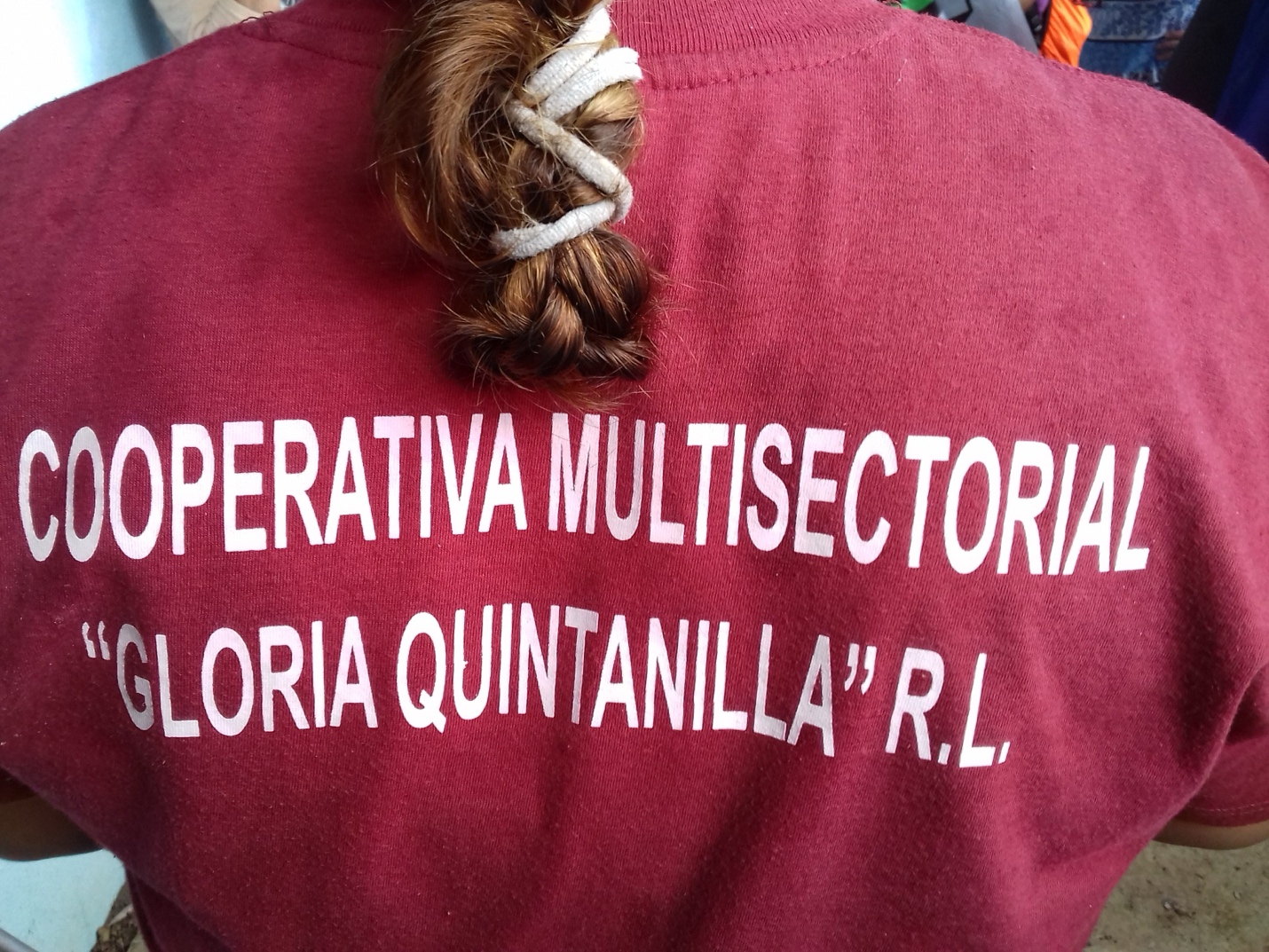
We spoke with four women leaders in the community. All came from poverty and had survived domestic violence. Though alcohol is legal nationally, the cooperative prohibits it. The leaders told us this is essential to ending violence against women. One leader told us they have eliminated 90% of domestic violence within the community and are now working on the last 10%.
We learned that there is a gift economy within the community. Various members grow either avocados, or pineapples, or eggs, or chicken, according to agro-ecological principles. When they visit one another, the custom is to bring a portion of what each family produces as a gift.
The customs and leadership within the cooperative are essential to the well-being of its members, but this cooperative could not be thriving as it is without the support of the state. Health-care workers employed by the government regularly come to the community to support members with their health challenges.
One of the women, Claudia, told us that she is the coordinator for chronic diseases. She keeps a comprehensive list of who is suffering from what condition. When the healthcare workers come by, she is present for the visits, helping to maintain communication and supporting community members with their health challenges.
The cooperative depends on income from its coffee sales, and the government provides support in marketing the coffee. The government supports basic infrastructure needs by improving the water well and the dirt road that connects the community to the rest of the city.
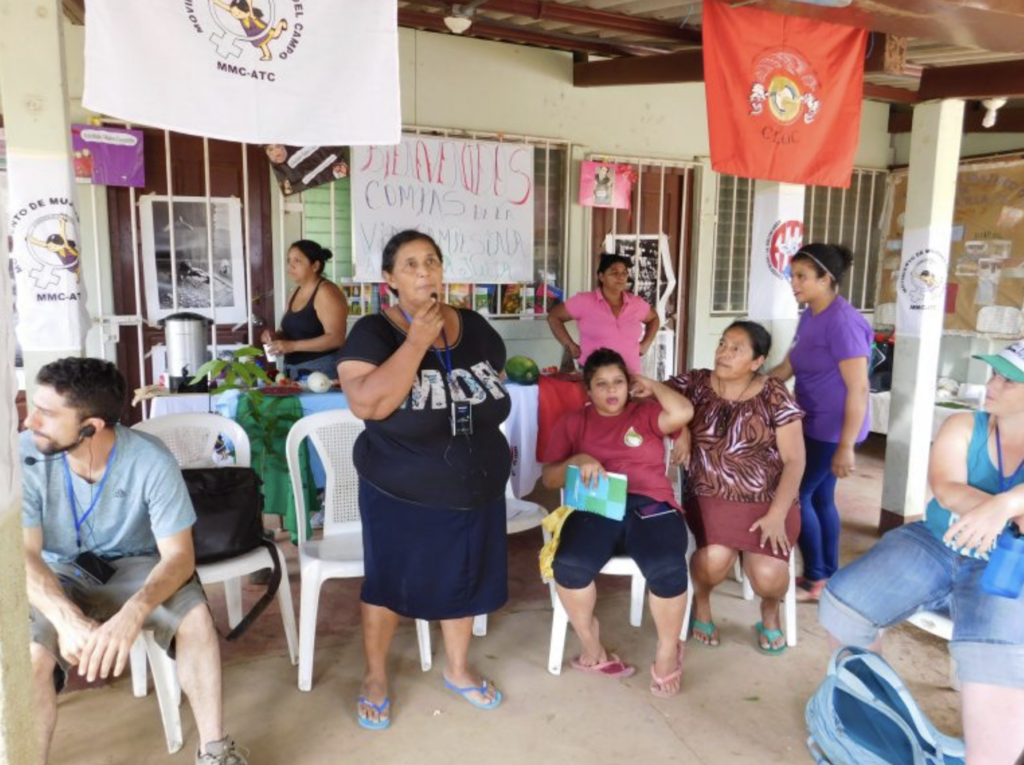
I am aware of several co-housing eco-communities in the U.S. practicing alternatives to standard home ownership. They are typically expensive to live in—especially given the unfavorable housing market in the U.S.—and, therefore, only available to the upper middle class.
Like these experiments, the Gloria Quintanilla Cooperative aims to develop a healthier culture than the one surrounding it but, unlike them, this one was built by and for poor people with strong state support.
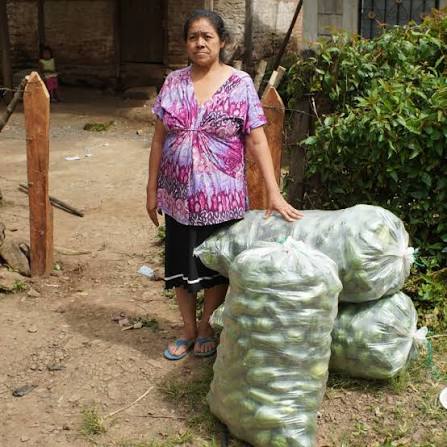
In the U.S., ideas like anarchism and libertarianism are attractive among people wanting to live an alternative lifestyle. “The state never does anything for us anyway, so let’s just do it ourselves,” is a sentiment I have encountered many times. But Doña Eloisa, president of the Gloria Quintanilla Cooperative, told us, “We are all Sandinistas here,” indicating that she sees the role of the current government as essential to her community’s well-being.
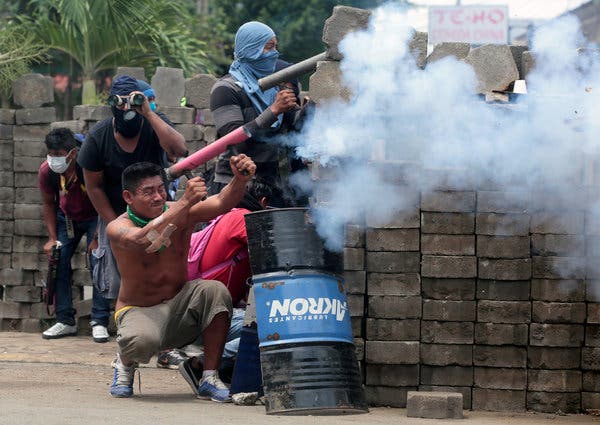
She told us that, in 2018, her community stood solidly on the side of the Sandinista government when the right-wing opposition was creating hundreds of roadblocks all over Managua in an effort to cause political instability.
For months, masked men operating with financial support from the National Endowment for Democracy (NED), an instrument of the CIA, sought to overthrow the Sandinista government. For her, what is at stake in whether or not the current government is allowed to continue or whether it is overthrown in yet another coup attempt is the very survival of the community to which she has dedicated her life.
A View from Home
Nicaragua’s history of colonialism and foreign intervention by the U.S. has put the country at a disadvantage compared to the U.S. in terms of providing the infrastructure required for a prosperous and dignified life for its people.
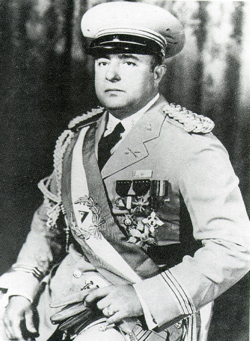
In the mid-20th century, when Flint and Detroit were prosperous cities with a highly unionized working class population performing complex industrialized labor, Nicaragua was still under the Somoza dictatorship.
Back then, Nicaragua built infrastructure for the narrow purpose of fulfilling its role in the global economy as an exporter of raw materials and foodstuffs to industrial centers in the U.S. and Europe. The dictatorship had no need for skilled labor from a large part of its population. That is why it never provided the infrastructure and public services required to sustain a large and prospering middle class.
Seeing Nicaragua in 2026, however, revealed many improvements toward an economy that benefits the majority of its population. It also highlighted ways in which the United States is falling behind by comparison.
Everywhere around me, I see the U.S. ruling class—represented by both major political parties—carrying out an organized neglect of our country’s roads, schools, hospitals, water systems and other essential services.
The water, electrical and transportation infrastructure of the United States has taken hundreds of years to build. Much to the nation’s shame, that process heavily relied upon wealth stolen from the Global South—including from Nicaragua itself—through slavery, colonization and exploitation.
But today the public wealth of the U.S. is being squandered. Basic infrastructure and services are either becoming dilapidated and dysfunctional or privatized and expensive. Public roads in many parts of the country—especially majority Black communities like Detroit—grow massive potholes, while motorists who lack quality public transportation options are individually burdened with the cost of vehicle repair. Old water delivery pipes in communities like Flint, Michigan, and Baltimore, Maryland, corrode and release lead into the water. This creates medical problems our health-care system will not address.
People are forced to seek private solutions, like buying clean water trucked in from somewhere else at great expense. When they get sick and their care is not covered by insurance, they rely on GoFundMe crowd-funding campaigns to meet medical expenses.
Students commonly graduate from U.S. colleges and universities with economically crippling debt and grim prospects for finding employment in their chosen field. In the U.S., individuals bear the burden of paying for education—a structure that incentivizes them to see themselves as individual consumers, not public servants.
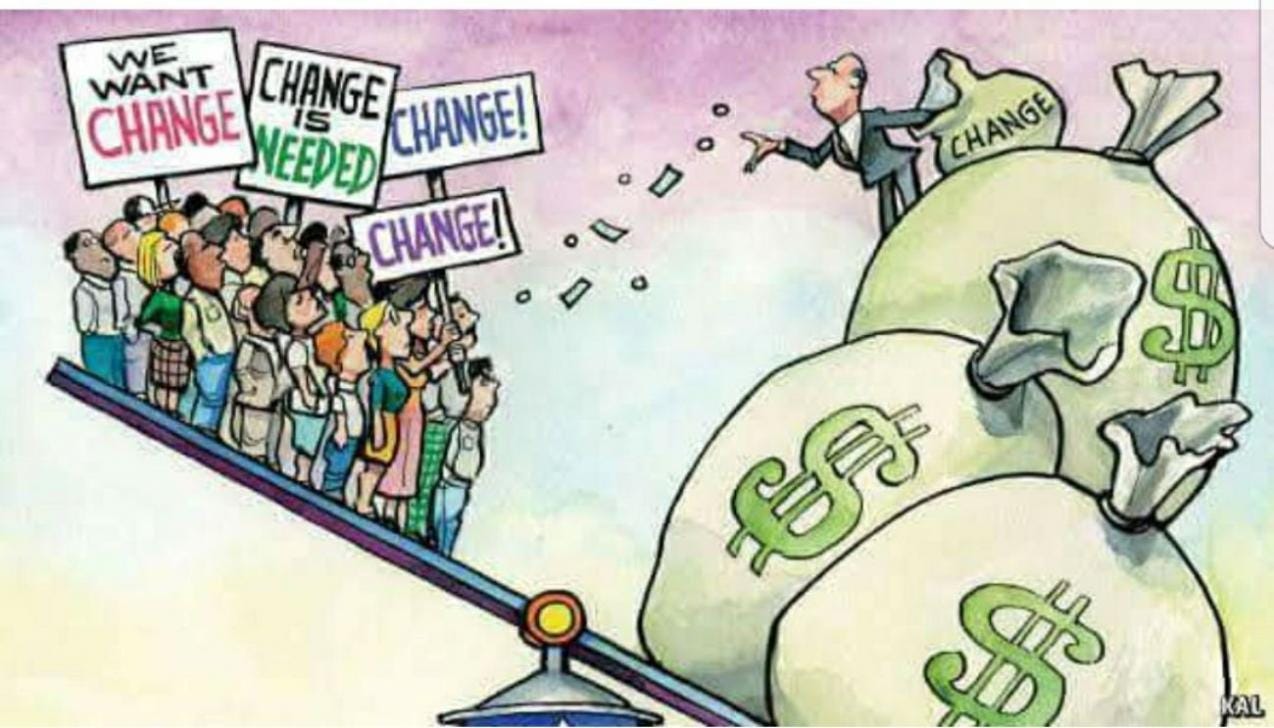
Many people are aware that something is profoundly wrong with the U.S. The TSA agent I met at the Miami International Airport is certainly among them.
Political Will and the Need for Change
Starting to reverse Nicaragua’s long history of social and infrastructural neglect—under both the Somoza dictatorship and the neo-liberal period—has required a political commitment to invest in the people, manifested concretely through a political party wielding state power.
The privatization of public assets has played out for centuries in the resource colonies from which the U.S. extracted much of its wealth.
Today, the United States is suffering its own infrastructural and economic decline, as that same logic of privatization has been applied at home for decades by both major political parties.
The TSA agent in Miami asked if Nicaraguans were poor. Many are. But they have something most Americans do not have: a state that treats health care, education and clean water as public goods—not commodities.
Nicaragua’s example suggests that political will—manifested through organized state power—can reverse decades of neglect.
An urgent question for progressive politics in the United States is whether we have the courage to establish a new political formation and political consciousness outside the two-party duopoly, that is committed to providing the services and infrastructure the people of the U.S. need.

CovertAction Magazine is made possible by subscriptions, orders and donations from readers like you.
Blow the Whistle on U.S. Imperialism
Click the whistle and donate
When you donate to CovertAction Magazine, you are supporting investigative journalism. Your contributions go directly to supporting the development, production, editing, and dissemination of the Magazine.
CovertAction Magazine does not receive corporate or government sponsorship. Yet, we hold a steadfast commitment to providing compensation for writers, editorial and technical support. Your support helps facilitate this compensation as well as increase the caliber of this work.
Please make a donation by clicking on the donate logo above and enter the amount and your credit or debit card information.
CovertAction Institute, Inc. (CAI) is a 501(c)(3) non-profit organization and your gift is tax-deductible for federal income purposes. CAI’s tax-exempt ID number is 87-2461683.
We sincerely thank you for your support.
Disclaimer: The contents of this article are the sole responsibility of the author(s). CovertAction Institute, Inc. (CAI), including its Board of Directors (BD), Editorial Board (EB), Advisory Board (AB), staff, volunteers and its projects (including CovertAction Magazine) are not responsible for any inaccurate or incorrect statement in this article. This article also does not necessarily represent the views the BD, the EB, the AB, staff, volunteers, or any members of its projects.
Differing viewpoints: CAM publishes articles with differing viewpoints in an effort to nurture vibrant debate and thoughtful critical analysis. Feel free to comment on the articles in the comment section and/or send your letters to the Editors, which we will publish in the Letters column.
Copyrighted Material: This web site may contain copyrighted material the use of which has not always been specifically authorized by the copyright owner. As a not-for-profit charitable organization incorporated in the State of New York, we are making such material available in an effort to advance the understanding of humanity’s problems and hopefully to help find solutions for those problems. We believe this constitutes a ‘fair use’ of any such copyrighted material as provided for in section 107 of the US Copyright Law. You can read more about ‘fair use’ and US Copyright Law at the Legal Information Institute of Cornell Law School.
Republishing: CovertAction Magazine (CAM) grants permission to cross-post CAM articles on not-for-profit community internet sites as long as the source is acknowledged together with a hyperlink to the original CovertAction Magazine article. Also, kindly let us know at info@CovertActionMagazine.com. For publication of CAM articles in print or other forms including commercial internet sites, contact: info@CovertActionMagazine.com.
By using this site, you agree to these terms above.
About the Author
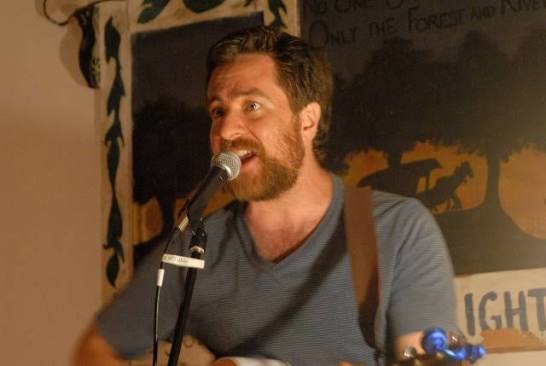
Ben Grosscup is a folk singer who sings about the ideas and values of the revolutionary social movements he’s part of.
Ben can be reached at ben.grosscup@gmail.com.

It is true that Nicaragua has a public, state-funded healthcare and education system that provides services to its citizens, which international institutions like the World Bank support through various infrastructure and health initiatives. However, the claim that it is universally “entirely free” and of high quality is subjective. Independent data indicates that while care is publicly funded, patients frequently face out-of-pocket costs for medications and medical tests, particularly in rural areas, due to resource limitations.