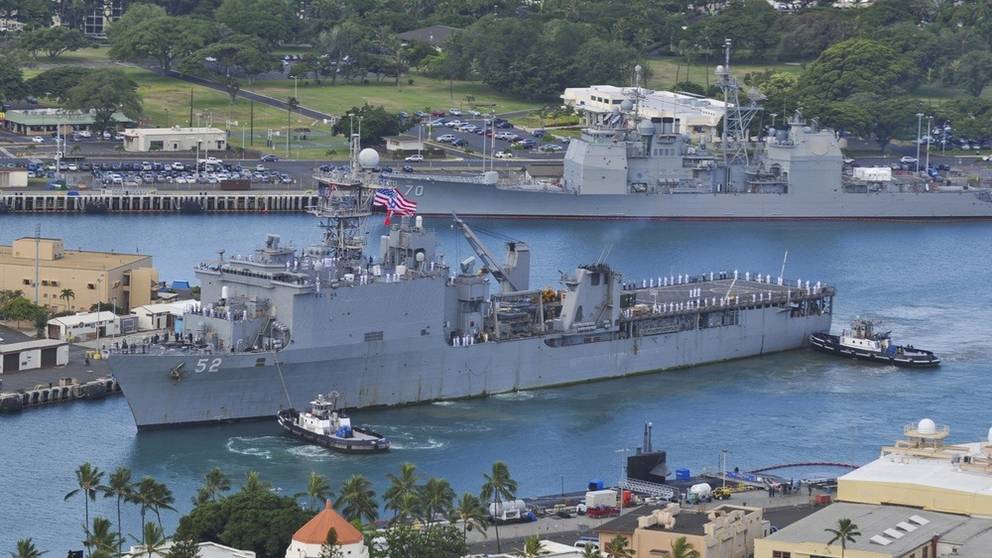
Hawai’i functions as head of a vast Pacific network of bases and surveillance systems, though expiration of military base leases in 2029 offers an opportunity to convert its land to more sustainable uses
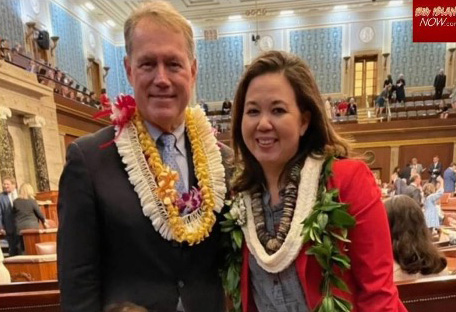
In December 2025, Hawaiian Congressman Ed Case (D) issued a press release announcing his support for the $900 billion National Defense Authorization Act (NDAA), which included $1 billion for military construction projects in Hawai’i.
The projects included a new drydock for the Pearl Harbor naval shipyard, ship support upgrades at the Pearl Harbor-Hickham Base, replacement of the main gate at Marine Corps Base Hawai’i and airfield improvement at the Pacific Missile Range facility.
Case gave a speech before Congress last year asserting that Chinese Premier Xi Jinping was cheering on Republicans who voted against funding the Ukraine War because they were supposedly playing into Xi’s ambitions to establish Chinese global domination—enabled by an isolationist U.S.
Case’s use of Sinophobic rhetoric to justify an expansion of the U.S. military presence in Hawai’i is matched by Hawai’i’s other Democratic Party congresswoman, Jill Tokuda, who sits on the House Select Committee on the Chinese Communist Party (CCP), a fear-mongering body that has spread alarmist rhetoric and false accusations directed against China reminiscent of the McCarthy era.[1]
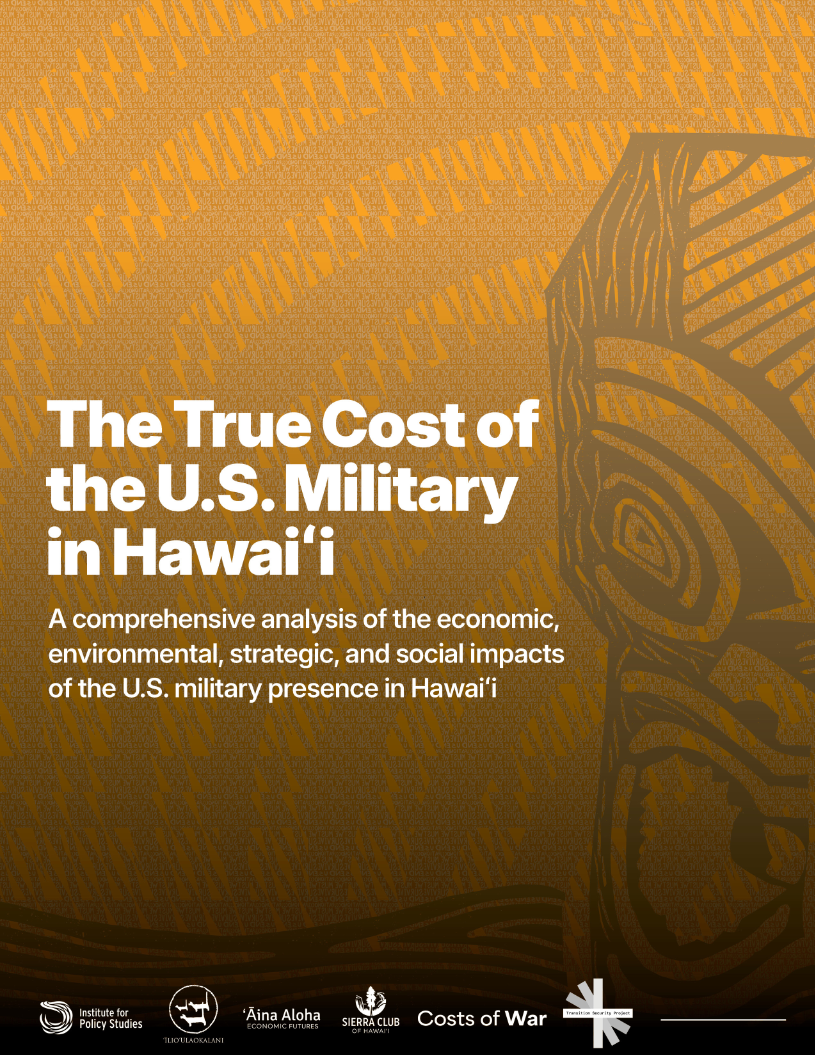
In late May, the Institute for Policy Studies issued a report—co-sponsored by two human rights NGOs (Āina Aloha Economic Futures and Īlioʻulaokalani Coalition), the Hawai’i Sierra Club and Cost of War Project at Brown University—showing the harrowing cost of the U.S. military presence in Hawai’i that is being accelerated because of the New Cold War.
Entitled The True Cost of the U.S. Military in Hawai’i, the report makes clear Hawai’i’s function as a “central node” in U.S. Indo-Pacific war planning dating back to the U.S. government’s illegal overthrow of Queen Lili’uokalani and the Hawaiian Kingdom in 1893.
President Grover Cleveland described the 1893 U.S. Hawaiian coup as “an act of war…committed…without authority of Congress.”
In 1899, Hawai’i was used for Navy refueling as the U.S. colonized the Philippines and, in 1929, the U.S. Army began to acquire parcels of land that were used for military training.


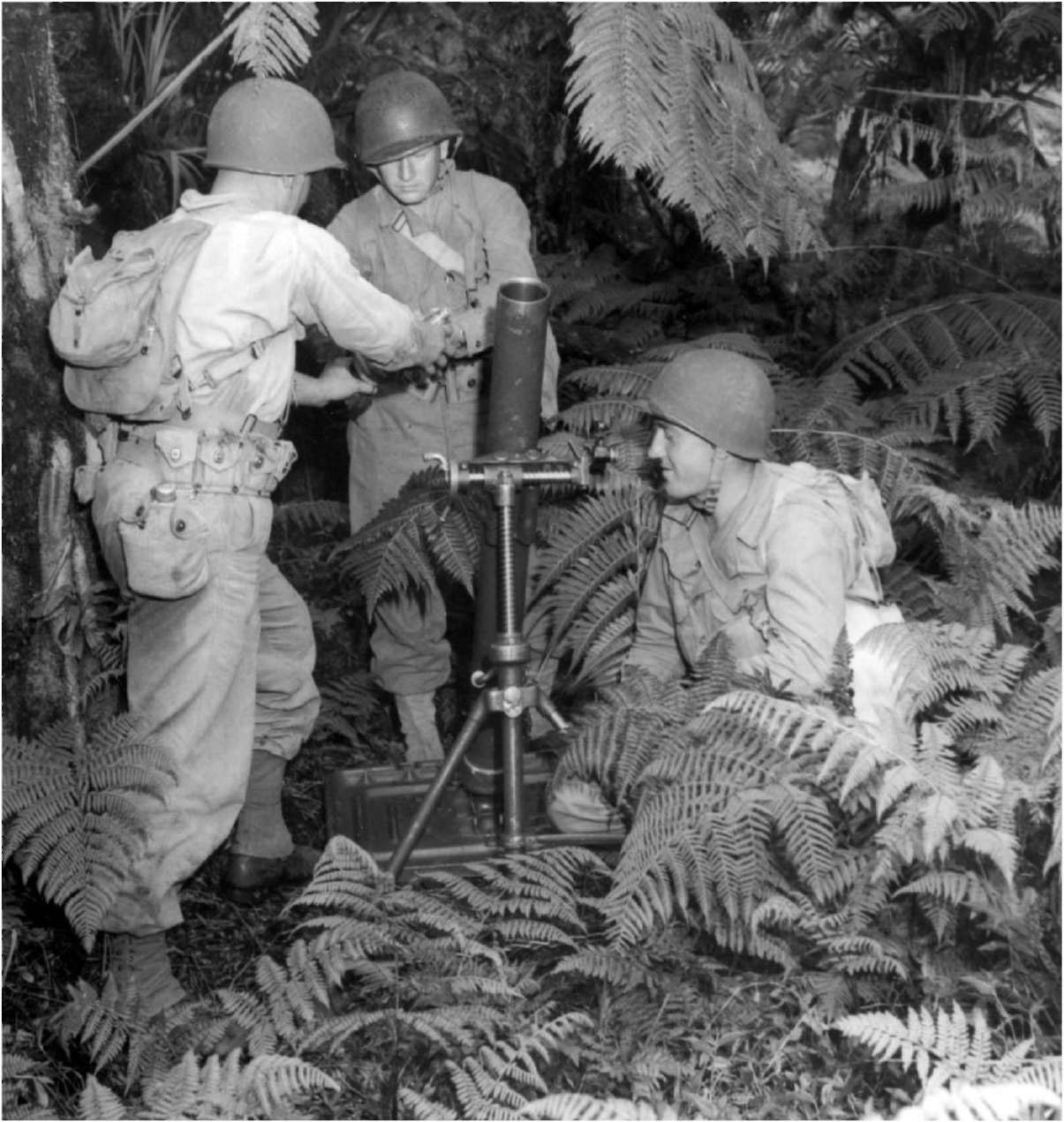
After the Pearl Harbor attacks, martial law was declared in Hawai’i for the next three years and the U.S. Army evicted all of Mākua’s residents in order to seize their land for training operations.[2]
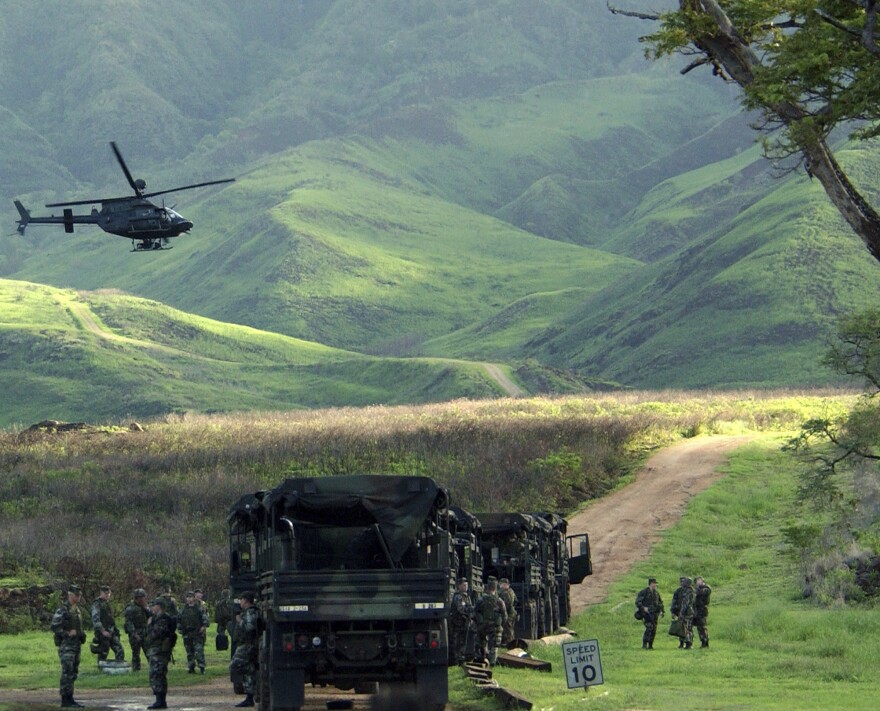
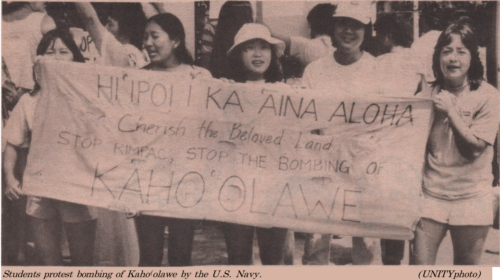
In January 1976, inspired in part by the Native American occupations of Alcatraz and Wounded Knee, a coalition of activists occupied Kahoʻolawe, a live-fire bombing and training island range that troops passed through before serving in the Korean and Vietnam Wars.
Live-fire training was ended there in 1990 and money has since been invested in trying to clear unexploded ordnance, which had made much of the sacred island unsafe.

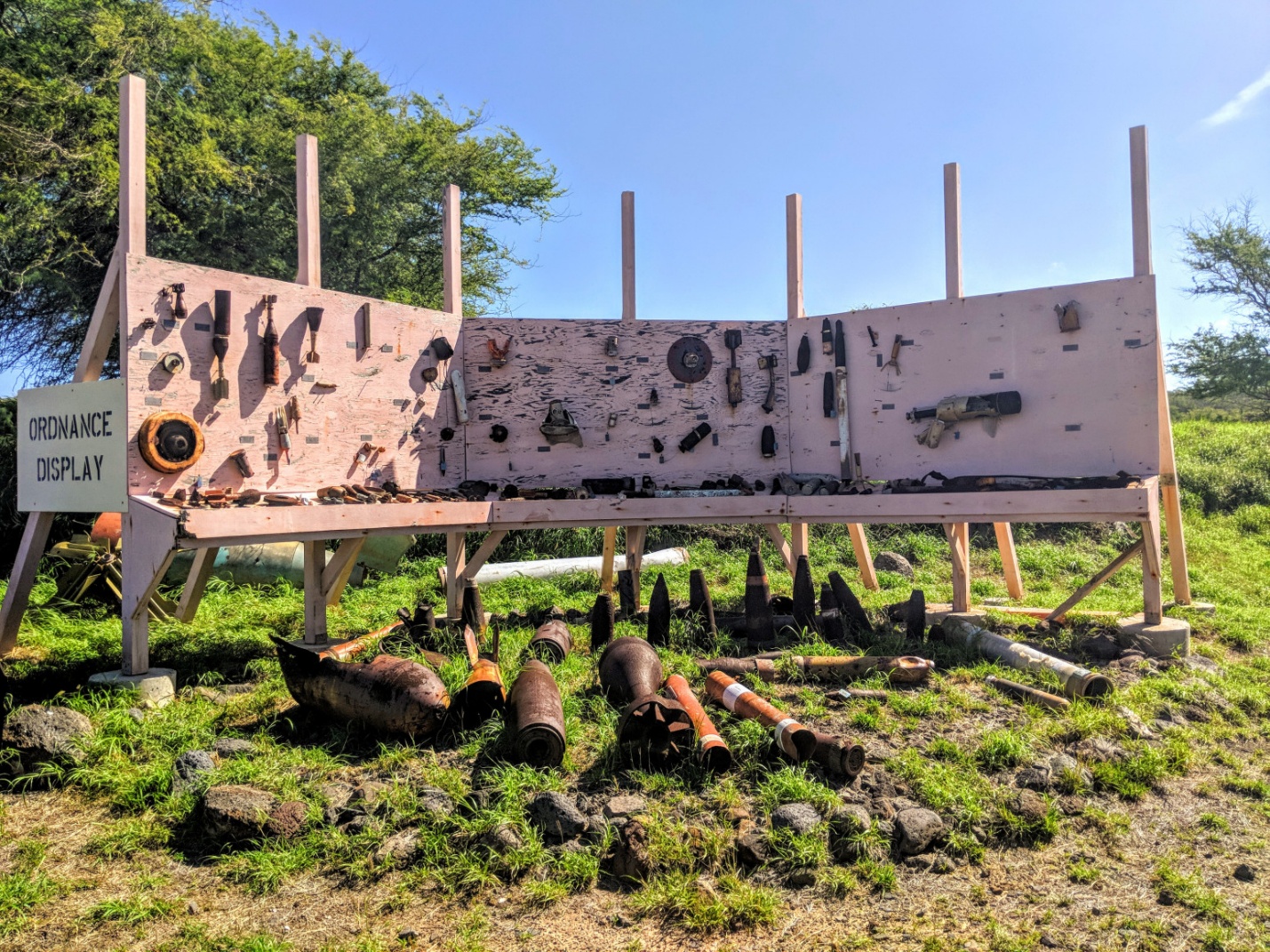
The expansion of military training operations over the last decade has been instituted as part of the “pivot to Asia” policy initiated by the Obama administration and planning for a new Pacific War.[3]
Staff Sergeant Kevin Cassara was quoted in Monocle, a global affairs magazine, stating that the “Marine Corps is going back to its amphibious roots. We’re shifting to be a light-infantry, island-hopping force—and Hawai’i is essential for this. We can mirror what they’ll face in the South China Sea.”
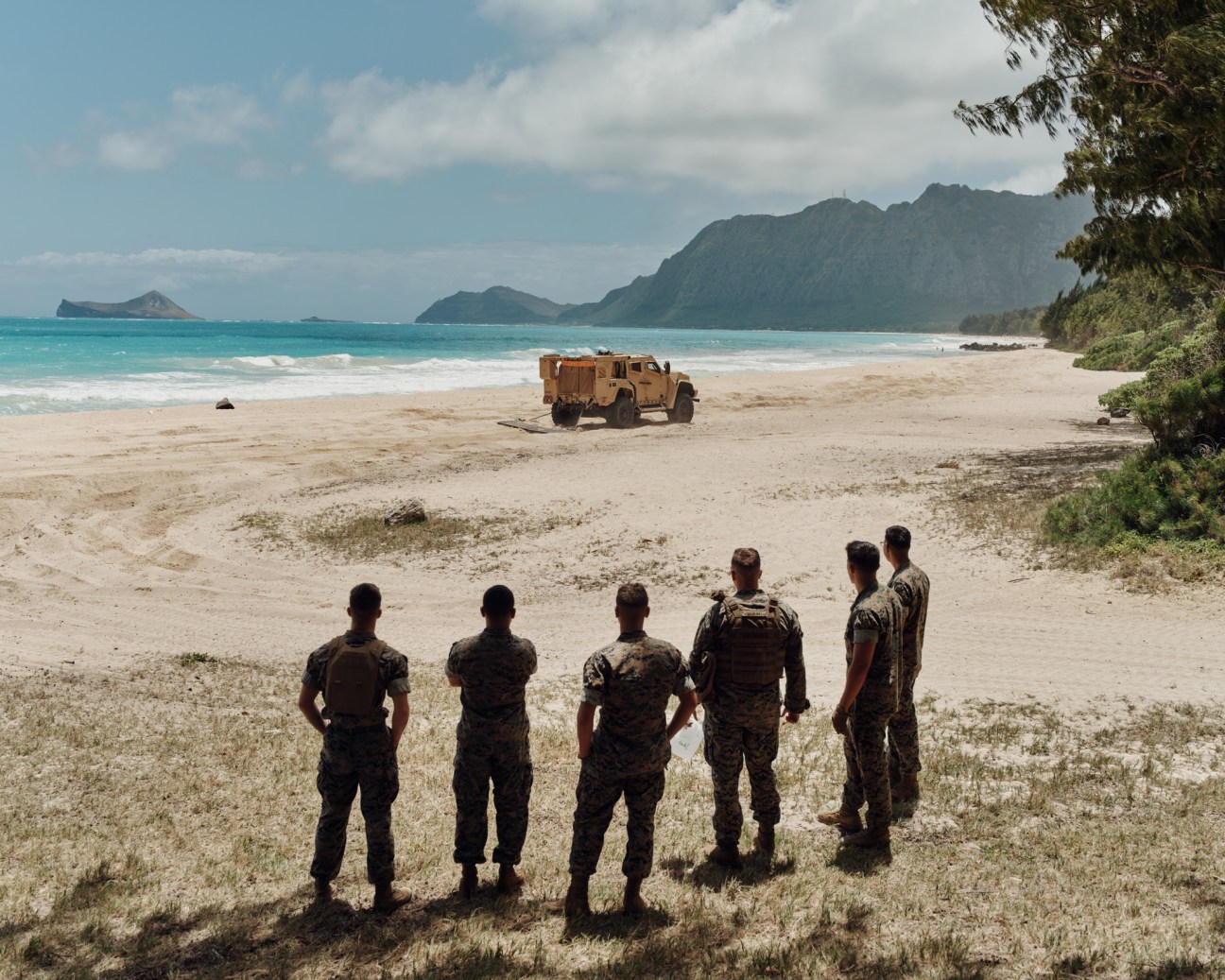
The U.S. military currently has more than 107,000 soldiers stationed in Hawai’i and controls an estimated 133 sites, totaling 254,225 acres, plus another 1,017 acres operated by the Hawai’i National Guard.

Established in 1947, the Indo-Pacific Command (USINDOPACOM) is the oldest and largest U.S. unified command, headquartered at Camp Smith overlooking Pearl Harbor.
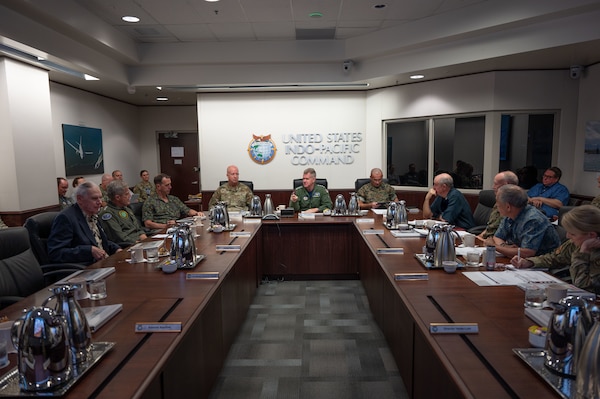
The U.S. Pacific Fleet (PACFLT), headquartered at Joint Base Pearl Harbor-Hickam (JBPHH), is the largest naval command in the world, responsible for miles of ocean, nearly 200 ships, 1,700 aircraft and more than 225,000 sailors and Marines.
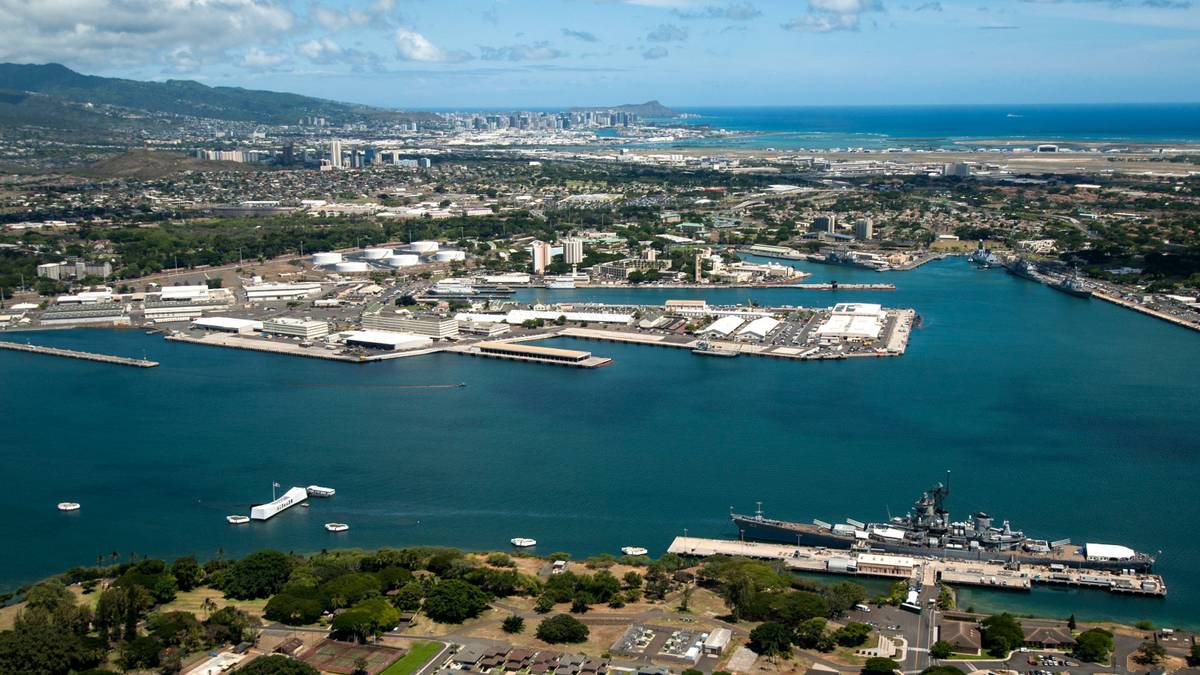
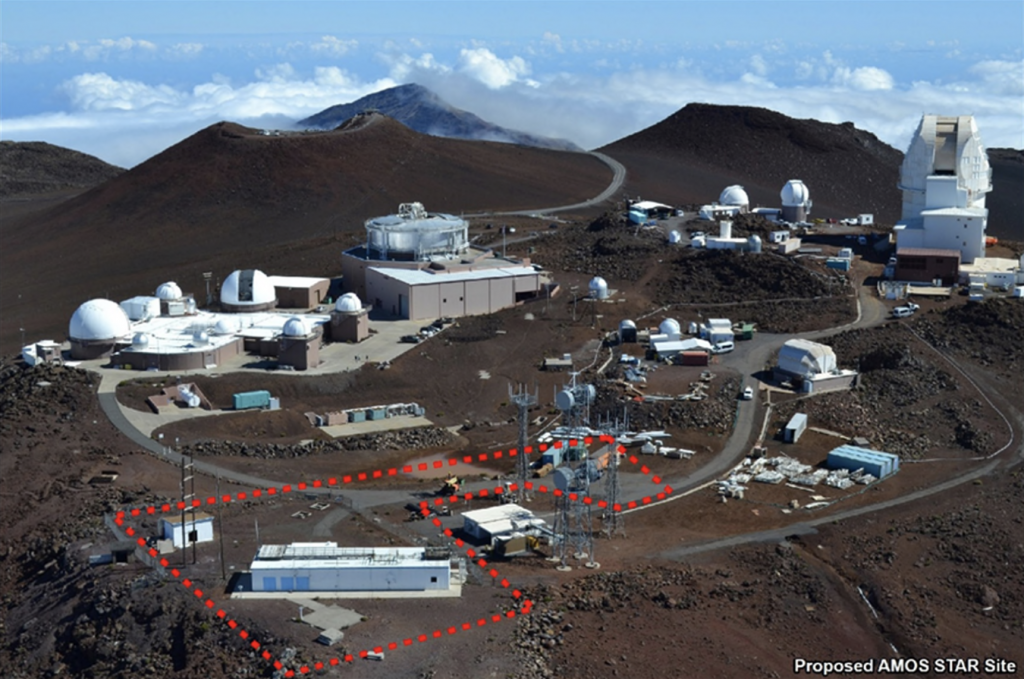
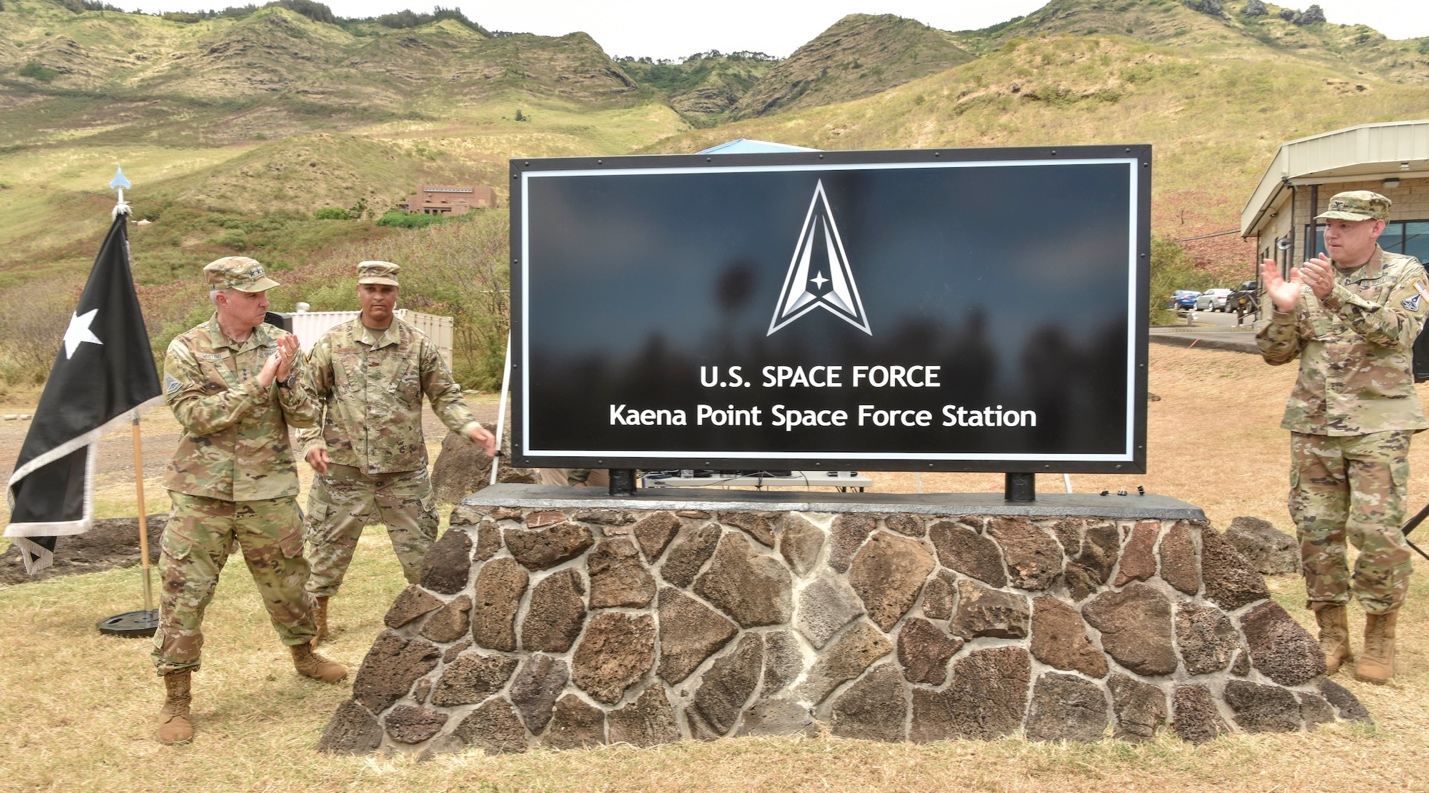
Additional key military/intelligence facilities include:
- the Air Force Maui Optical and Supercomputing Site on Haleakalā;
- the Ka’ena Point Space Force Station on O’ahu;
- Navy tracking facilities associated with the Pacific Missile Range Facility (PMRF) on Kaua’I;
- a Naval Computer and Telecommunications Area Master Station (NCTAMS); and
- a National Security Agency/Central Security Service (NSA/CSS) regional signals intelligence center where Edward Snowden worked.[4]
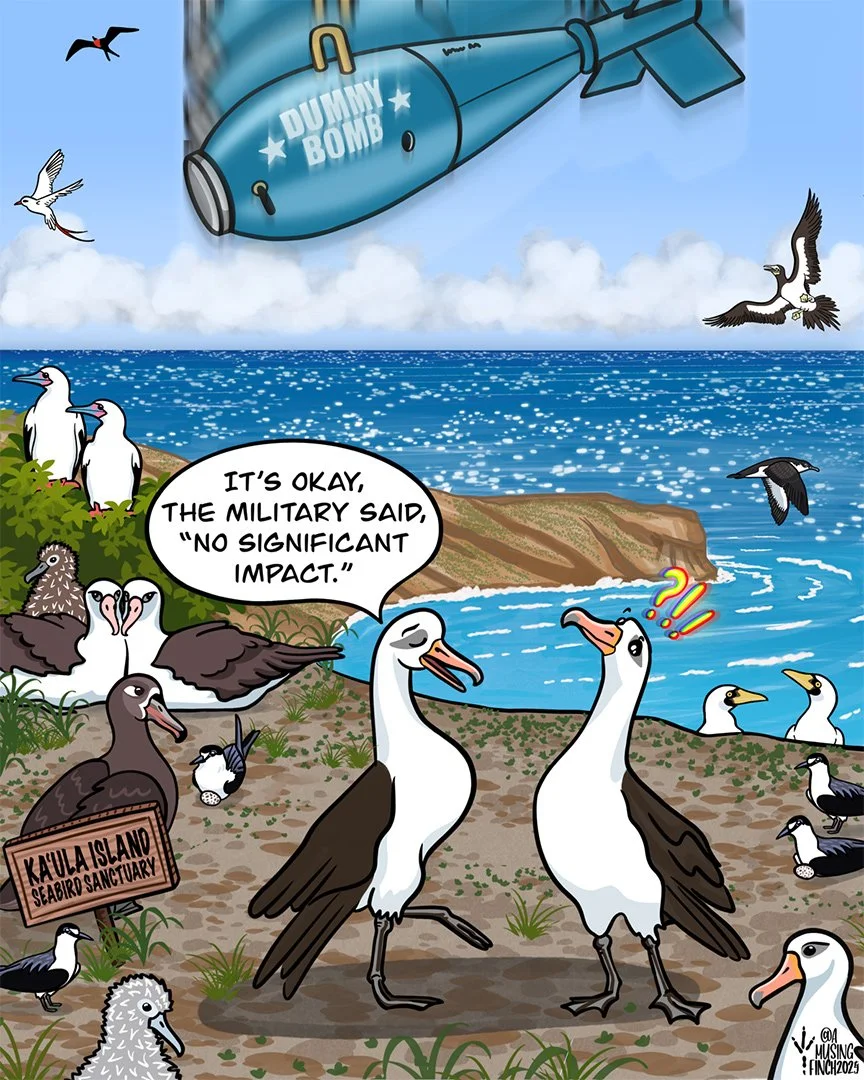
Kyle Kajihiro[5] and Neta Crawford[6] reported in January that the U.S. Navy proposed an increase in bombing of Ka’ula (an island and seabird sanctuary off Ni’ihau), an increase in training at sea around Hawai’i and California, an increase in the use of underwater explosives, and a higher authorized “take” of marine species.
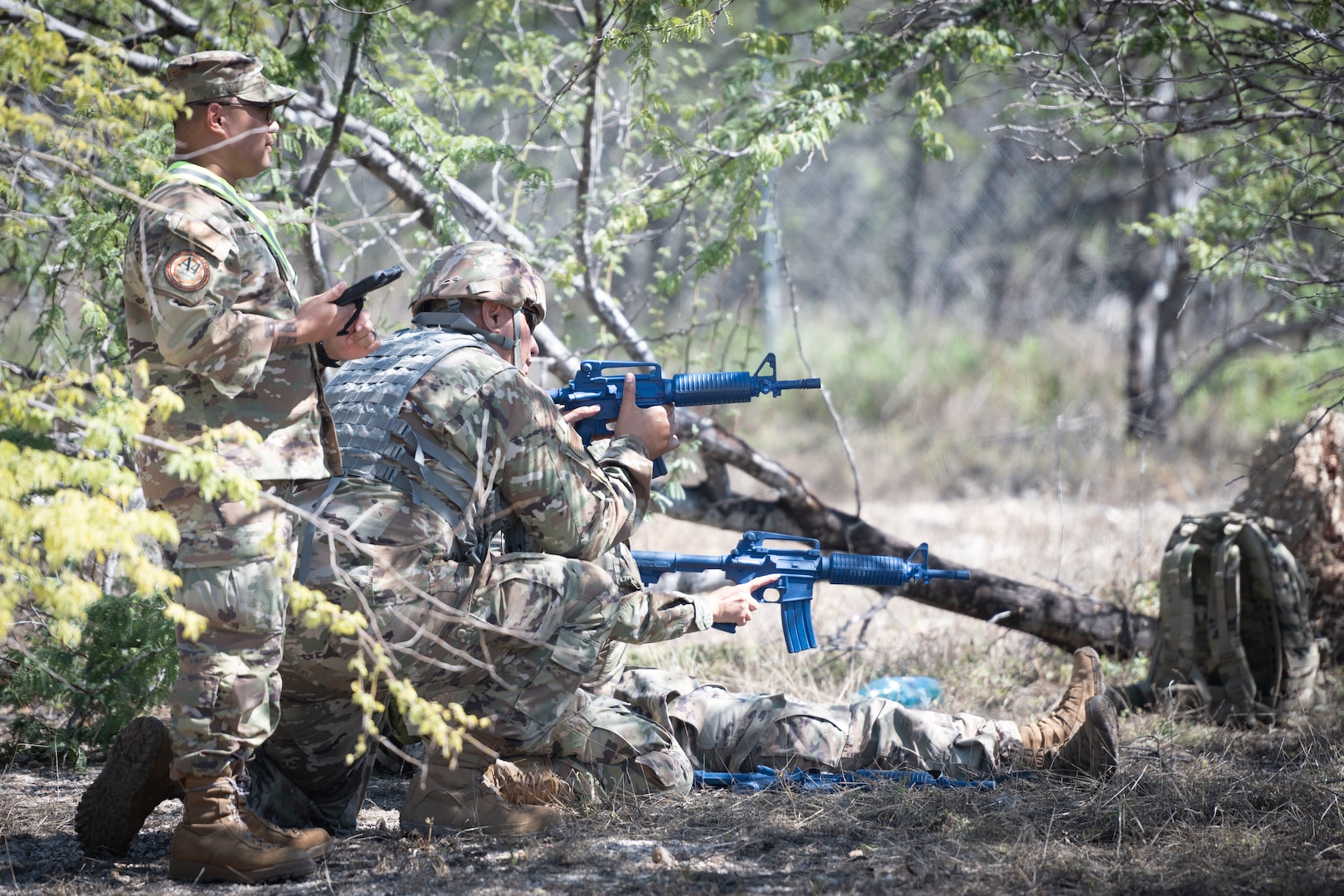
The U.S. Army has further expanded its training with other countries in Hawai’i through the Joint Pacific Multinational Readiness Center.
These initiatives will only compound the already devastating consequences of the U.S. military presence in Hawai’i chronicled in The True Cost of the U.S. Military in Hawai’i, which estimates that the Pentagon owes Hawai’i between $32.8 billion and $133.7 billion in unpaid rent.
Since 1964, the U.S. military has leased tens of thousands of acres of public trust land in Hawai’i for the token fee of $1 per year.
The above estimate does not include billions in additional costs to clean up environmental damage caused by the U.S. military and destruction of cultural and archeological sites.
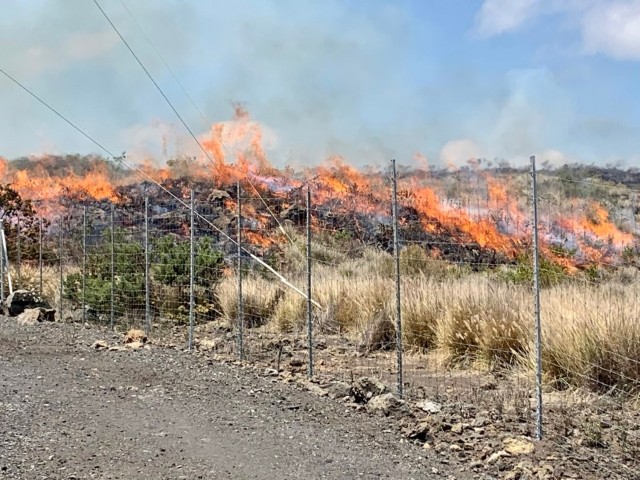
The environmental damage includes large wild-fires triggered by munitions testing at the Pōhakuloa Training Area and elsewhere, and contamination of Hawai’i’s land and drinking water with per- and polyfluoroalkyl substances (PFAS) that derive from various weapons systems and have been linked to harm in fetuses and cancer.
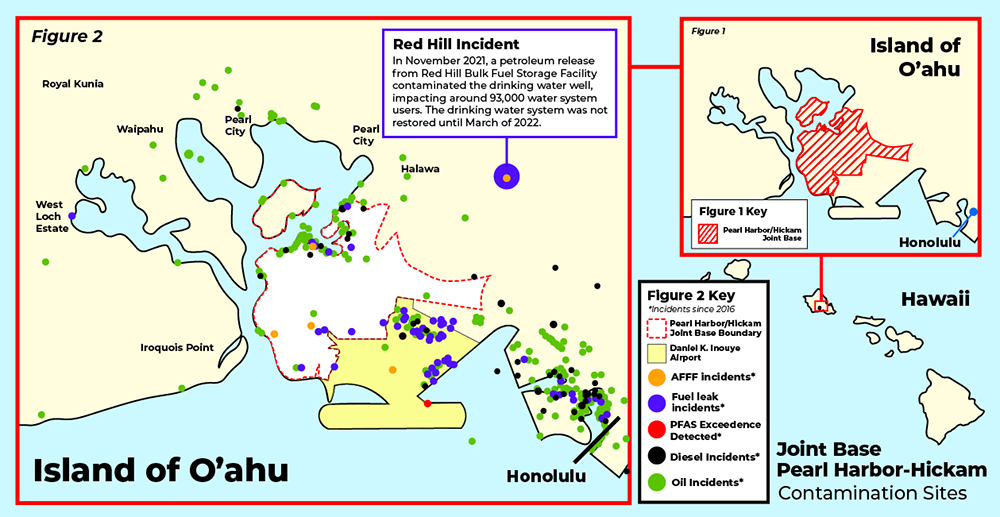
In November 2021, thousands of residents living near Pearl Harbor noticed that their tap water smelled of fuel and reported headaches, nausea, vomiting and rashes.
Within weeks, investigators discovered that the U.S. Navy’s Red Hill Bulk Fuel Storage Facility—which stored roughly 250 million gallons of jet fuel just 100 feet above O’ahu’s primary aquifer—had leaked, contaminating the drinking water supply of 93,000 people.
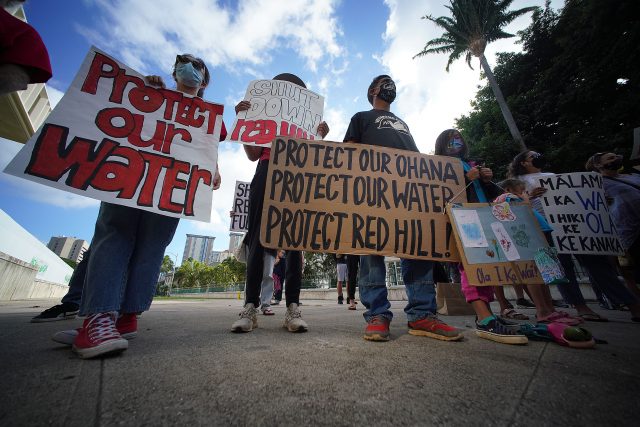
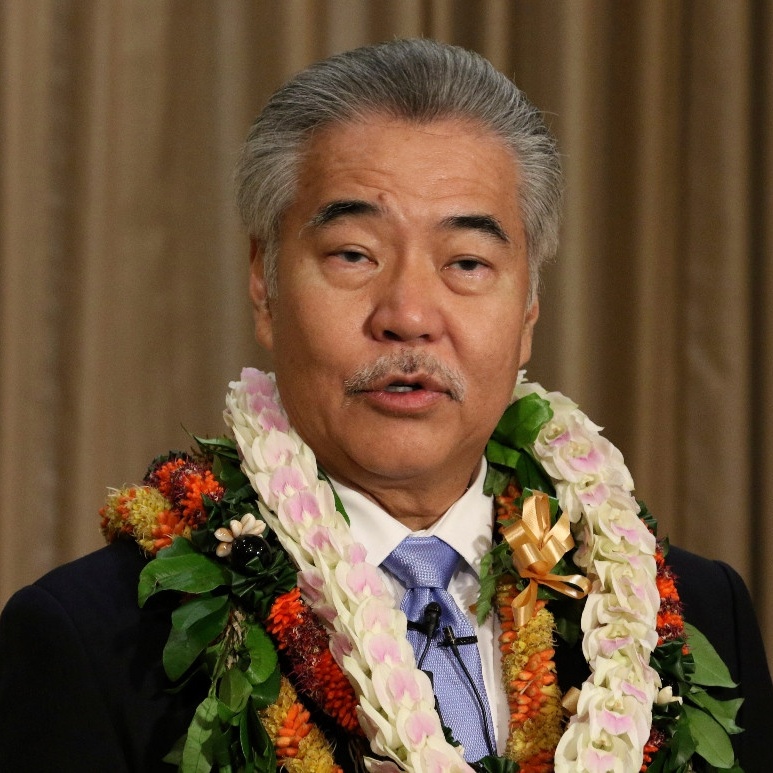
After the leak, Governor David Ige cited the military as a “vibrant part in our economy” to justify his reluctance to order the Red Hill Underground Fuel Storage Facility shut down.
The True Cost of the U.S. Military in Hawai’i, however, shows that the alleged economic benefits of the U.S. military in Hawai’i have been grossly overstated and are largely negative as the military occupies choice land and inhibits the creation of jobs in other social sectors.
In a chapter entitled “The True Economic Impact of the U.S. Military in Hawai’i,” anthropologist David Vine notes that the economic impact of military spending is nearly 30% less than was claimed and that the military’s total of Hawai’i’s GDP is smaller than the real estate, accommodation and food services industries.

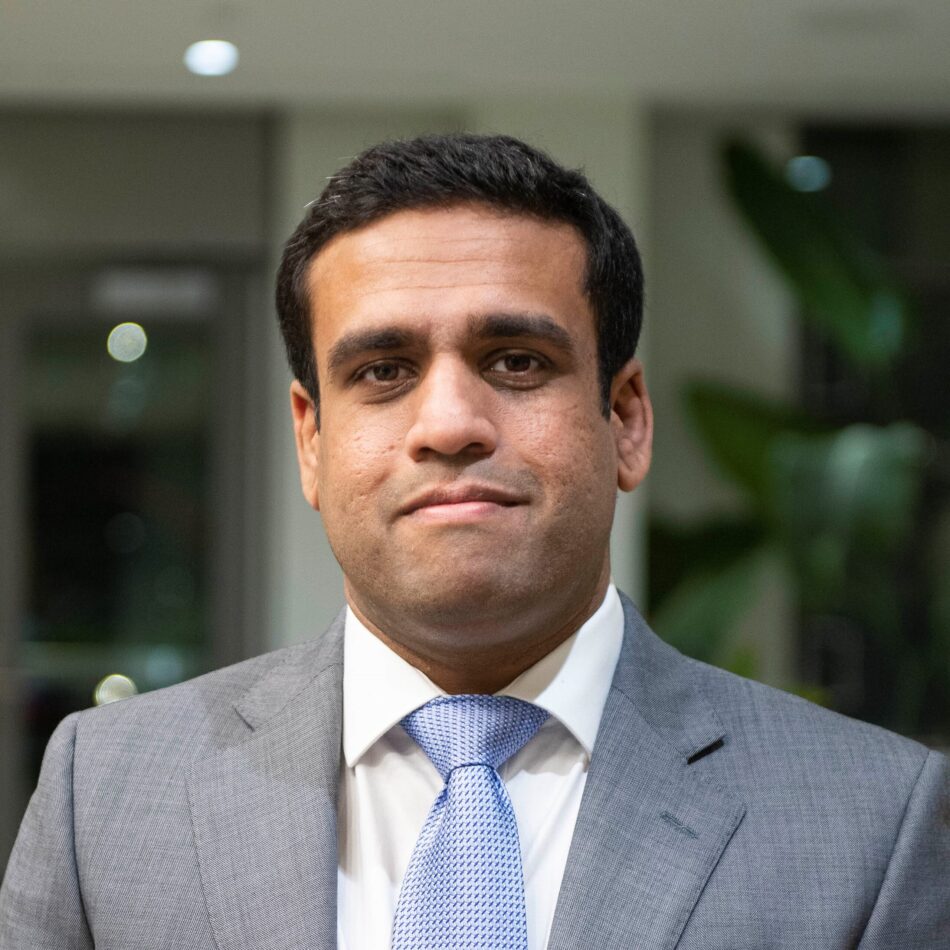
Omar Ocampo[7] and Brag Selvarajan[8] show in their chapter that military housing demand in Hawai’i caused rents to increase by 7.1% in 2024, thereby causing non-military tenants of Hawai’i to spend an estimated $234.8 million more in rent that year, or $1,848, per renter household.

Part of the problem, Vine contends, is that many military contracts go to large corporations headquartered outside of Hawai’i, which do not pay local taxes.[9]
Since they are designated as federal lands, military bases are also not subject to property taxes.
Additionally, many of the military personnel live on base or on Navy vessels only temporarily and, therefore, do not pay taxes locally or invest heavily in the local economy.
In general, military spending generates fewer jobs than investments in sectors such as health care, education, housing, food production, or energy-efficient housing upgrades.[10]
Heidi Peltier, a researcher at Brown University’s Watson School of International and Public

Affairs, estimates that, for every $1 million shifted from military spending to education or health care in Hawai’i, five jobs would be lost, but between 10 and 22 jobs would be created, for a net gain of 5 to 17 jobs.
At the end of the report, the authors emphasize how the expiration of military land leases in 2029 presents an opportunity to transform bases into new non-military uses that benefit local communities, including by establishing schools, hospitals, parks, farms, cultural sites, business incubators, entertainment centers and renewable energy projects.
The Pentagon, of course, will do everything in its power to prevent this, using fear-mongering anti-China rhetoric and inflated claims about the military’s economic benefits to try to justify its continued colonization of Hawai’i’s land. However, the movement of opposition in Hawai’i has grown stronger and has justice on its side.

Case received more than $12,000 in 2025-26 in campaign donations from Anduril, a leading drone manufacturer. Tokuda received $19,000 in campaign donations in 2025-26 from EO Solutions, a defense company specializing in AI applications and direct energy weapons. ↑
Mākua Military Reservation now occupies more than 4,000 acres. ↑
For more on the significance of the Obama administration’s “pivot to Asia,” see Jeremy Kuzmarov, Obama’s Unending Wars: Fronting the Foreign Policy of the Permanent Warfare State (Atlanta: Clarity Press, 2019). ↑
Underwater acoustic sensors in the ocean near PMRF monitor naval exercises. The NSA/CSS regional signals intelligence center is implicated in domestic surveillance programs, according to The True Cost of the U.S. Military in Hawai’i. ↑
Kajihiro is Professor of Ethnic Studies at the University of Hawai’i. ↑
Crawford is Professor of International Relations at the University of St. Andrews in Scotland, and co-founder and strategic advisor to Brown University’s Costs of War Project. ↑
Omar Ocampo is a researcher for the Program on Inequality and the Common Good at the Institute for Policy Studies. ↑
Brag Selvarajan is an independent consultant at Selvara Strategy. ↑
The report lists some of the top recipients of Pentagon contracts in terms of dollar value in Hawai’i as being: a) Nan, Inc., a construction company that built bachelor quarters on a Marine base; b) Hensel Phelps, a construction company that repaired administrative facilities; c) Koa Lani, which provides operations support for a missile range facility; d) BAE Systems, which performs shipbuilding and repair; and e) IES Downstream, which handles fuel facility supply.
On the parasitic impact of military-related spending, see Seymour Melman’s classic study, Pentagon Capitalism: The Political Economy of War (New York: McGraw-Hill, 1970). ↑
CovertAction Magazine is made possible by subscriptions, orders and donations from readers like you.
Blow the Whistle on U.S. Imperialism

Click the whistle and donate
When you donate to CovertAction Magazine, you are supporting investigative journalism. Your contributions go directly to supporting the development, production, editing, and dissemination of the Magazine.
CovertAction Magazine does not receive corporate or government sponsorship. Yet, we hold a steadfast commitment to providing compensation for writers, editorial and technical support. Your support helps facilitate this compensation as well as increase the caliber of this work.
Please make a donation by clicking on the donate logo above and enter the amount and your credit or debit card information.
CovertAction Institute, Inc. (CAI) is a 501(c)(3) non-profit organization and your gift is tax-deductible for federal income purposes. CAI’s tax-exempt ID number is 87-2461683.
We sincerely thank you for your support.
Disclaimer: The contents of this article are the sole responsibility of the author(s). CovertAction Institute, Inc. (CAI), including its Board of Directors (BD), Editorial Board (EB), Advisory Board (AB), staff, volunteers and its projects (including CovertAction Magazine) are not responsible for any inaccurate or incorrect statement in this article. This article also does not necessarily represent the views the BD, the EB, the AB, staff, volunteers, or any members of its projects.
Differing viewpoints: CAM publishes articles with differing viewpoints in an effort to nurture vibrant debate and thoughtful critical analysis. Feel free to comment on the articles in the comment section and/or send your letters to the Editors, which we will publish in the Letters column.
Copyrighted Material: This web site may contain copyrighted material the use of which has not always been specifically authorized by the copyright owner. As a not-for-profit charitable organization incorporated in the State of New York, we are making such material available in an effort to advance the understanding of humanity’s problems and hopefully to help find solutions for those problems. We believe this constitutes a ‘fair use’ of any such copyrighted material as provided for in section 107 of the US Copyright Law. You can read more about ‘fair use’ and US Copyright Law at the Legal Information Institute of Cornell Law School.
Republishing: CovertAction Magazine (CAM) grants permission to cross-post CAM articles on not-for-profit community internet sites as long as the source is acknowledged together with a hyperlink to the original CovertAction Magazine article. Also, kindly let us know at info@CovertActionMagazine.com. For publication of CAM articles in print or other forms including commercial internet sites, contact: info@CovertActionMagazine.com.
By using this site, you agree to these terms above.
About the Author
Jeremy Kuzmarov holds a Ph.D. in American history from Brandeis University and has taught at numerous colleges across the United States. He is regularly sought out as an expert on U.S. history and politics and co-hosts a radio show on New York Public Radio and on Progressive Radio News Network called “Uncontrolled Opposition.”
He is Managing Editor of CovertAction Magazine and is the author of eight books, including Obama’s Unending Wars (Clarity Press, 2019), The Russians Are Coming, Again, with John Marciano (Monthly Review Press, 2018), Warmonger. How Clinton’s Malign Foreign Policy Launched the U.S. Trajectory From Bush II to Biden (Clarity Press, 2023); with Dan Kovalik, Syria: Anatomy of Regime Change (Baraka Books, 2025), and Political Assassinations in America: The Intricate Nexus of Deep State Crime (Clarity Press, 2026).
Besides these books, Kuzmarov has published hundreds of articles and contributed to numerous edited volumes, including one in the prestigious Oxford History of Counterinsurgency .
He can be reached at jkuzmarov2@gmail.com and found on substack here.


https://www.lowyinstitute.org/the-interpreter/southeast-asia-paying-environmental-price-rare-earth-boom
China’s impact on the environment
https://www.lowyinstitute.org/the-interpreter/beijing-s-green-mirage-how-china-drives-environmental-destruction-abroad-while
Training areas in Hawaii are limited so the US Army should move at least one combat brigade to the west coast.
“planning dating back to the U.S. Marines illegal overthrow of Queen Lili’uokalani and the Hawaiian Kingdom in 1893.”
No Marines were involved, just the landing force from the USS Boston.
https://www.youtube.com/watch?v=2OP_THTzXhE&t=19s