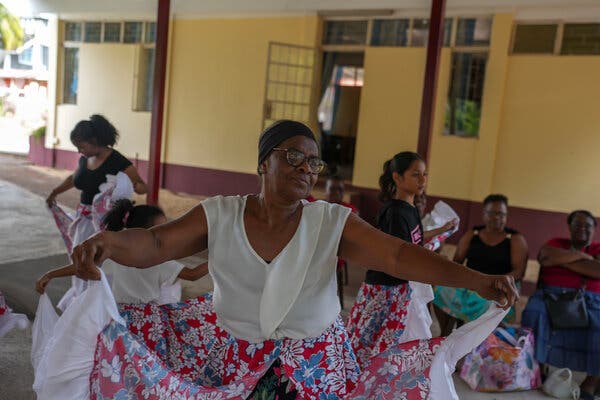
The Trump administration is blocking an agreement that would allow Chagossians who were displaced 60 years ago to return to their homeland
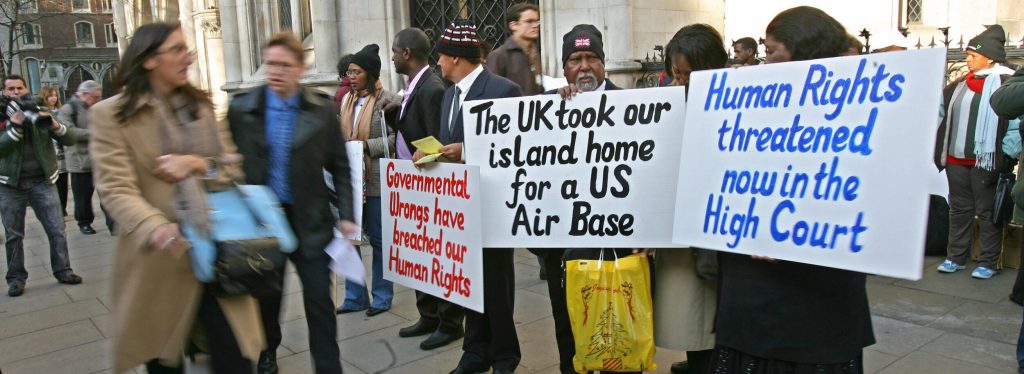
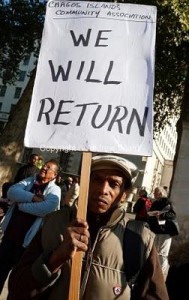
The many victims of the Iran War include thousands of Chagossian refugees living in Mauritius who have been prevented from returning to their home on Diego Garcia in the Chagos Islands for more than 60 years.
In May 2025, the British government signed an agreement with the Mauritius government, which vowed to allow the displaced Chagossians to finally return home.[1]
The Trump administration initially supported the agreement, though withdrew its support shortly before the U.S. attacked Iran in February. Donald Trump stated that he did not want to relinquish control of the U.S. military base on Diego Garcia in the Indian Ocean.[2]
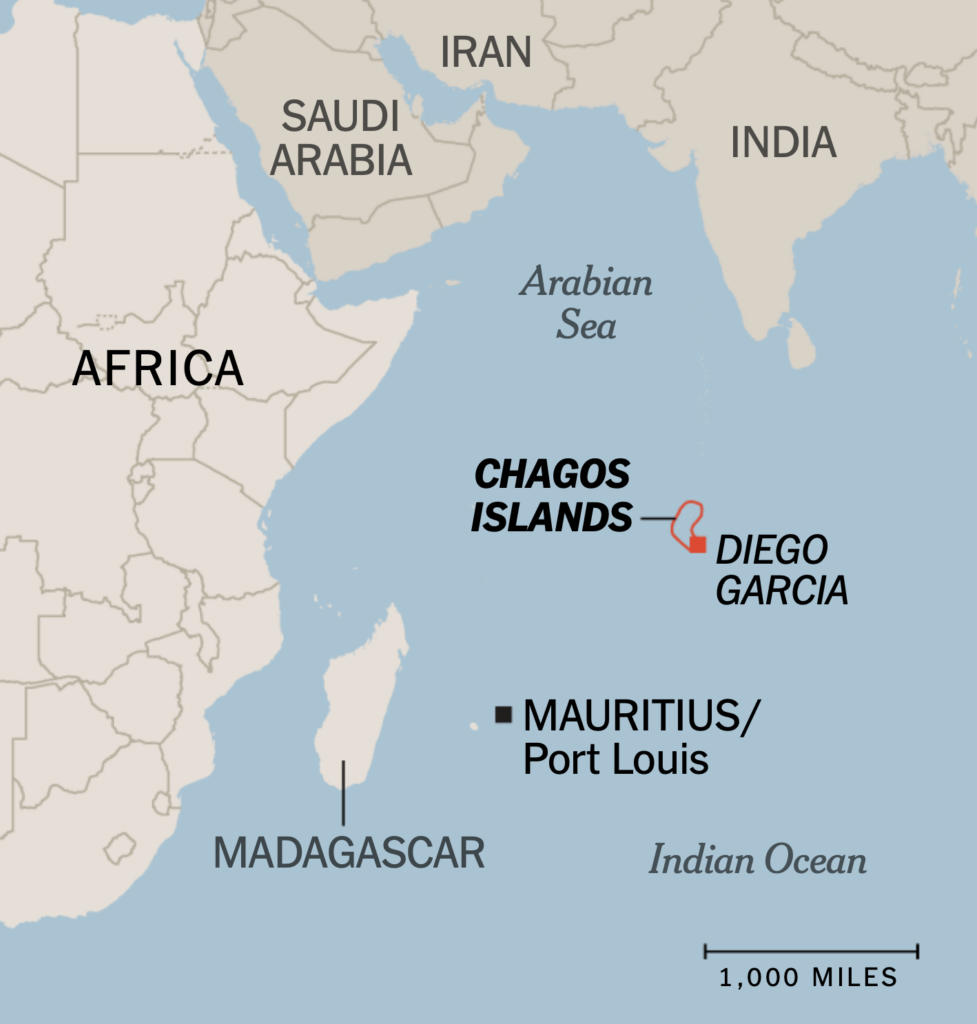
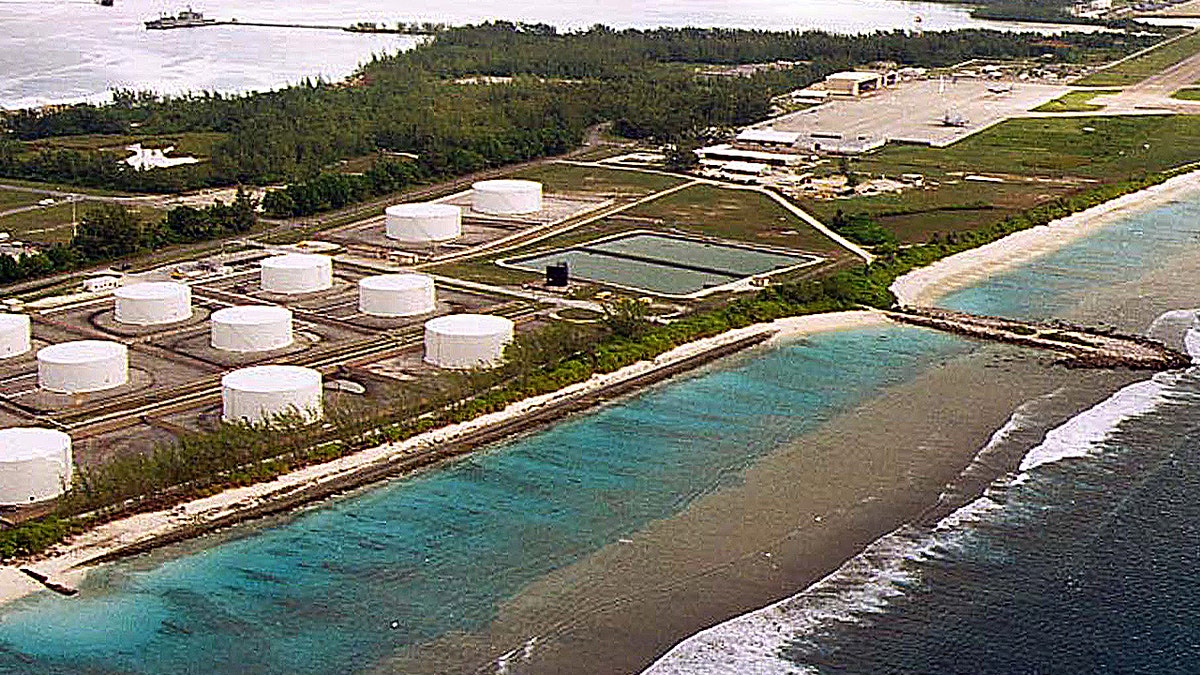
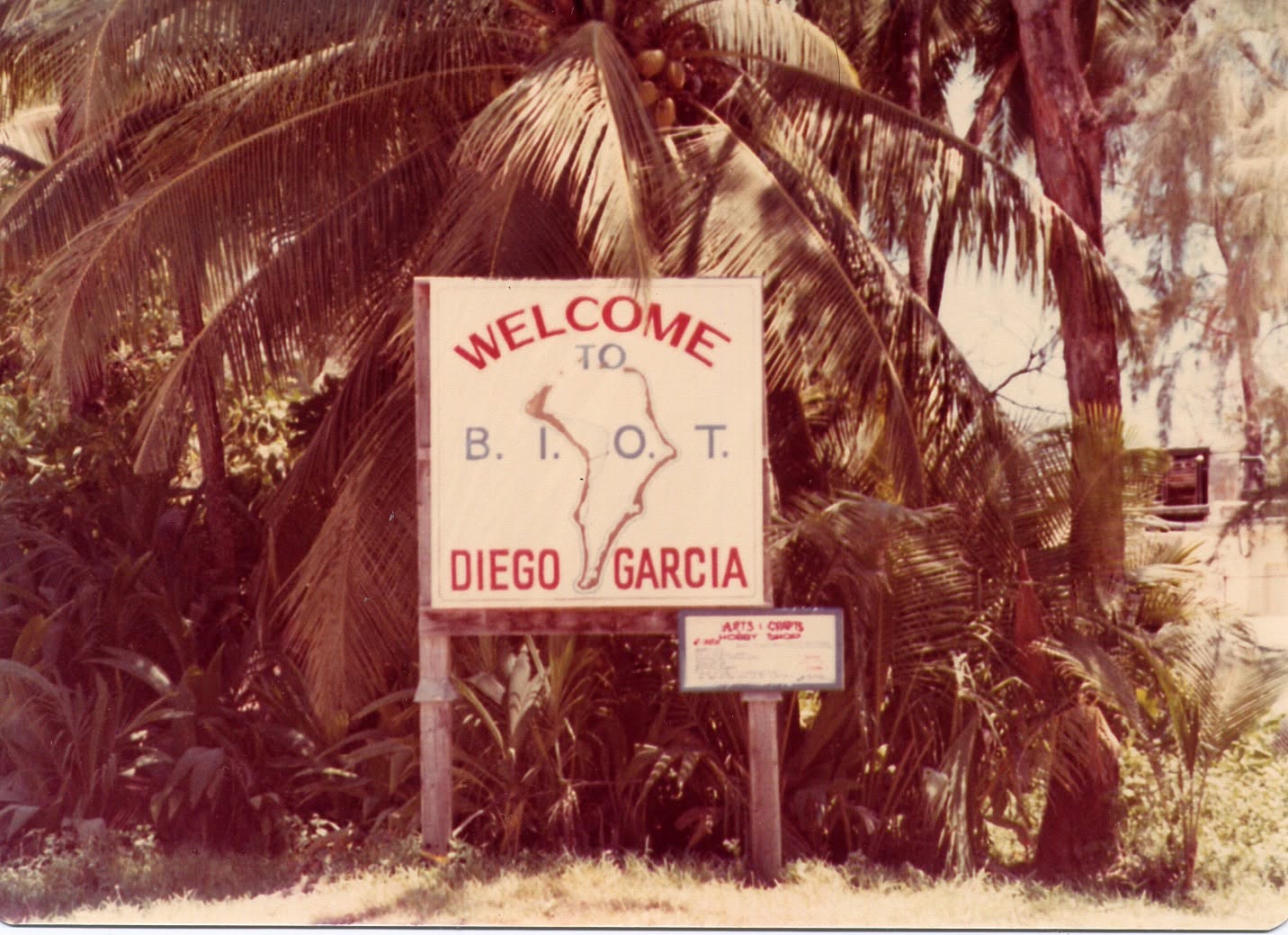
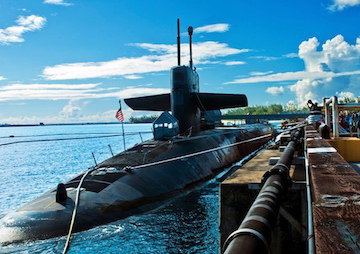
Hosting 2,500 U.S. troops and some of the world’s most advanced military and logistical equipment, including B-52 bomber aircraft, radar installations and fuel storage facililties, the U.S. Diego Garcia base has reportedly supported carrier strike groups including the U.S.S. Abraham Lincoln, whose forces have conducted air operations over Iran and helped enforce the blockade of Iranian ports.[3]
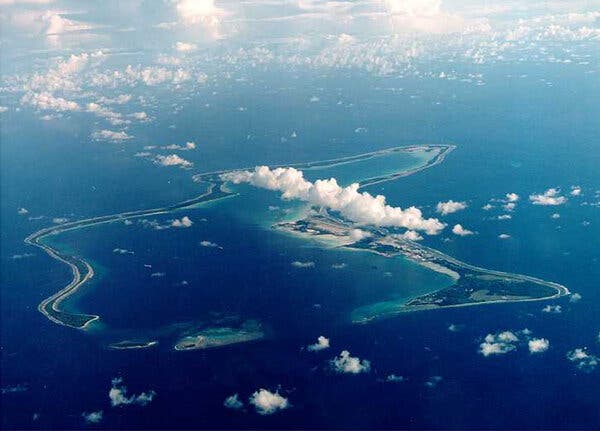
The U.S. established the Diego Garcia base in conjunction with the UK in the late 1960s when the native Chagossians were ordered to leave their homeland and sent to Mauritius and the Seychelles.
Since that time, Diego Garcia has served as a launching pad for U.S. bombing attacks in the Middle East and Africa, and a hub for U.S. and British covert operations. For a period, it was a secret CIA “black site” for holding terrorist suspects. Except for the military base, much of the island is uninhabited.
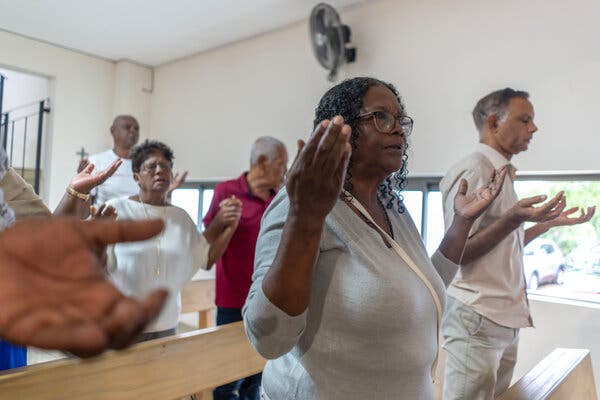
In an August 7 article, The New York Times spotlighted the story of displaced Chagossians who were hoping to be able to return home. Most fear that time may be running out. If they are not allowed to return home soon, their peoples’ history and culture may be lost as the younger generations lack connection to Diego Garcia, having been born in Mauritius.
One of the people profiled in the Times piece, Roseline Rabouine, said she was forced to leave her home on Diego Garcia when she was eight years old after British soldiers showed up to her family’s home and forced everybody off the island. Ms. Rabouine and her family were then sent on an eight-day journey to Mauritius and have never been allowed to return.
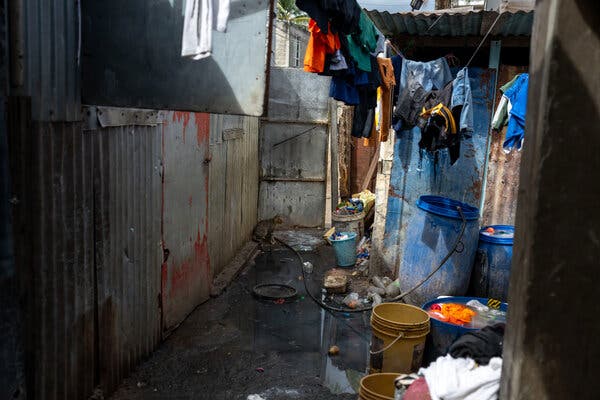
Ms. Rabouine told The New York Times how Chagossians had been discriminated against living in Mauritius and that many were forced to live in slum areas in Port Louis in tin shacks wedged between cinder block homes, near fields littered with trash and water that smells like sewage.
Ms. Rabouine contrasted the plight of Chagossians living in Mauritius with life in the Chagos Islands when she was a kid: Most people were self-sufficient and did not worry about money.
It was common, she said, for people to build their own homes and eat freshly caught lobster for dinner. On Friday evenings, everyone gathered on the beach for traditional singing and dancing.
After being expelled to Mauritius, many Chagossians struggled to navigate mundane routines like opening bank accounts and paying rent because they could not read or write. They could barely afford to buy chicken feet for dinner. “Too many people died, too many people lived in despair here in Mauritius because they didn’t choose to be here,” Ms. Rabouine said.
Island of Shame
In 2009, David Vine, a professor of anthropology at American University, published Island of Shame: The Secret History of the U.S. Military Base on Diego Garcia, which gives the full story of the Chagossians’ expulsion from their homeland.[4]
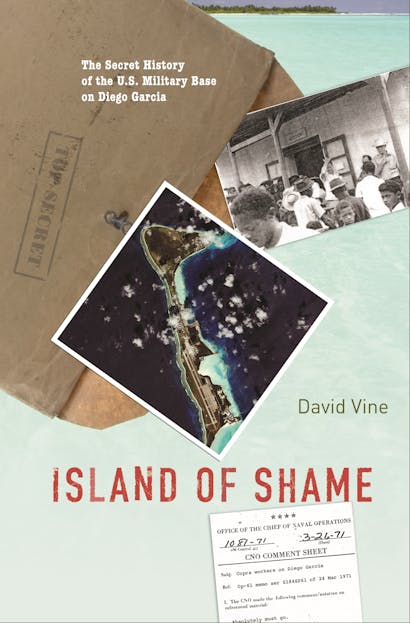
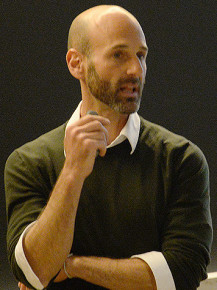

The forward was written by Michael Tigar, who has long represented the Chagossians in their legal fight for financial compensation and right of return.
The right to build the Diego Garcia base was granted to the U.S. by the British owners of the Chagos Islands after the signing of a secret 1966 agreement that was never approved by the U.S. Congress or British Parliament.
During the process of expulsion, Marcel Moulinie, the manager of the Moulinie Company which ran a coconut plantation on Diego Garcia, was ordered by British troops to kill all the dogs on the island, which he did by luring them into a barn with raw meat and then poisoning them with noxious gas.
The Chagossians who were forced to abandon their homes were only allowed to bring one small suitcase on the ships that brought them to Mauritius, which were overcrowded and caused people to become sick and pregnant women to miscarry.[5]
Vine explains that the Chagos Islands were uninhabited until the 18th century when the French established coconut plantations there and imported slave labor predominantly from Madagascar and Mozambique.
The islands were taken over by the British in the early 19th century after they defeated France in the Napoleonic wars. The locals continued to work on the coconut plantations, which produced coconut oil and copra.
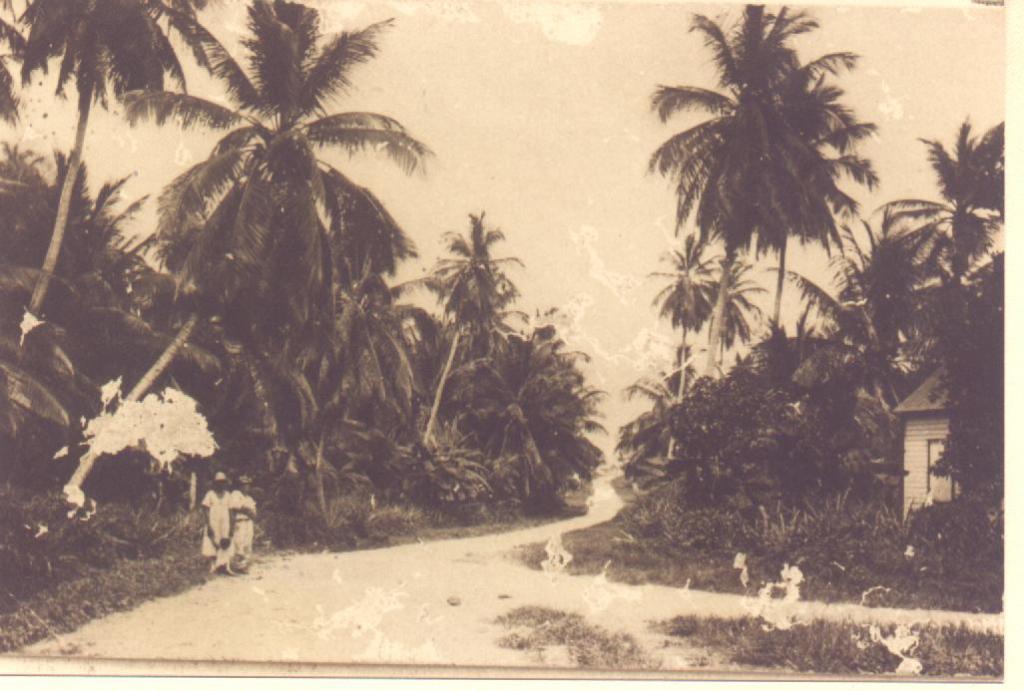
Though forced to work hard on the plantations, Vine points out that the companies would provide generous benefits, including free housing, medical care and burial services to the plantation workers, who kept their own vegetable gardens and farm animals and developed a strong community fabric. On weekends, they would have free time to relax and host singing and dancing parties on the beach, as Ms. Rabouine also described.
A Chagossian woman, Marie Rita Elysée Bancoult, told Vine: “You had your house—you didn’t have to pay rent…with my rations, I got ten and a half pounds of rice each week, ten and a half pounds of flour, oil, salt and beans…On Saturdays, [we] bought fresh fish. We [also] caught fish ourselves. We planted pumpkin, greens, [and] had chickens and ducks. My family had a dog, and when the ocean was at low tide, he went there and caught fish in his mouth and brought them to me. Life there paid little money, a very little, but it was a sweet life.”[6]

That sweet life was destroyed when the U.S. decided to deport Marie Rita and all other Chagossians to make way for the military base. Afterwards, Marie Rita’s husband, Julien, suffered a stroke and died from what she said was “his profound sorrow.”[7] Her son Alex lost his job as a dock worker and died at the age of 38 addicted to drugs and alcohol. Another son Eddy died at 36 of a heroin overdose, while yet another son, Rénault, died at age 11 of a mysterious ailment.[8] Marie Rita stated that “it’s as if I was pulled from my paradise to put me in hell.”[9]
Strategic Island Concept and the Lack of Military Necessity
Vine juxtaposes the humanity and suffering of Chagossian victims like Bancoult with the sterile Pentagon and State Department bureaucracies that so callously played with the Chagossians’ lives.
The decision to establish a U.S. military base at Diego Garcia originated with a memo drafted in the late 1950s by Stuart Barber, a civilian working at the Pentagon in the Navy’s long-range planning office.
Barber’s memo became a basis for the “Strategic Island Concept” by which the U.S. would establish naval bases in remote, lightly populated islands to sustain worldwide military dominance.
Building from the U.S.’s island-hopping strategy during the Pacific War, Barber explained that “traditional base sites located in populous mainland areas were vulnerable to local non-Western opposition.” Lightly populated islands separated from major population masses, by contrast, “could be safely held under full control of the West.”[10]
Diego Garcia was especially valued because of its central location in the middle of the Indian Ocean “within striking distance of potential conflict zones, great natural harbors in its protected lagoon and land mass that was large enough to build an airstrip.”[11]
An added benefit was that the Indigenous population—which Barber believed had to be removed—supposedly numbered only in the hundreds, though in fact it was around 2,000.
Amazingly, in 1991, Stu Barber wrote a letter to The Washington Post, saying it was now time to “redress the inexcusably inhuman wrong inflicted by the British at our insistence on the former inhabitants of Diego Garcia islands,” noting that the “costs would be trivial compared with what we invested in construction and what we gained,” and that “there was never any good reason for evicting residents from northern Chagos 100 miles or more from Diego Garcia.”[12]
Barber stated emphatically in another letter to human rights groups that “the expulsion of the Chagossians was not necessary militarily.”[13]
Support from the Best and the Brightest
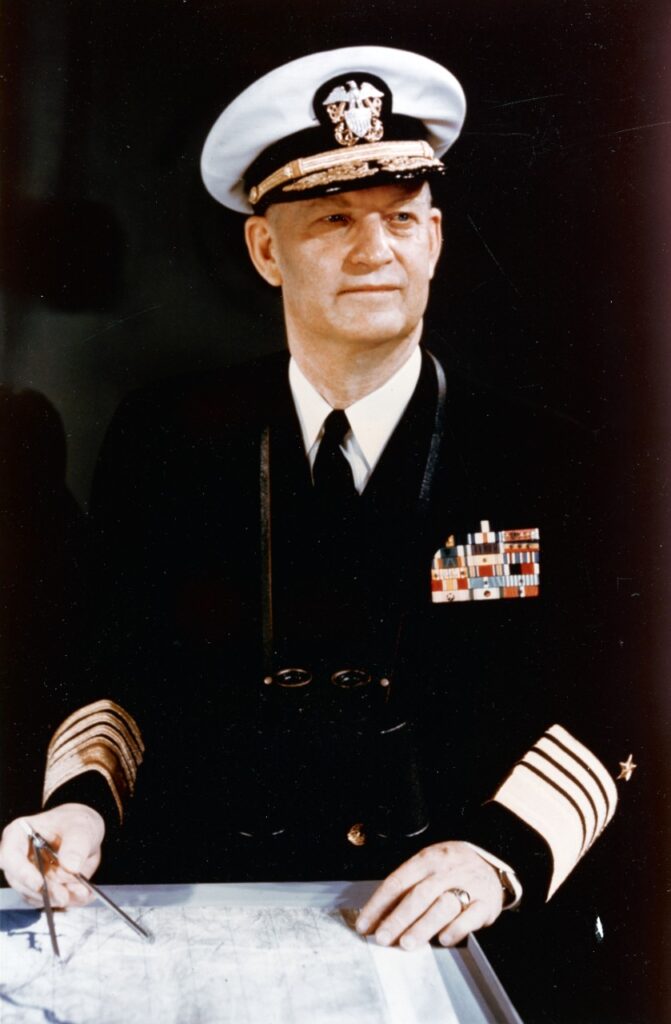
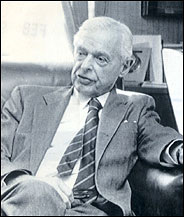
Barber’s Strategic Island Concept received support at the Pentagon from Admiral Arleigh Burke, Chief of Naval Operations from 1955 to 1961, and Paul Nitze, an influential Wall Street banker who served as Deputy Secretary of Defense (1967-1969) and Secretary of the Navy (1963-1967).
After the U.S. Joint Chiefs recommended to Defense Secretary Robert S. McNamara that steps be taken to assure access to strategically located islands in the Indian Ocean, McNamara began negotiations with British Defense Minister Peter Thorneycroft, which led ultimately to the 1966 secret agreement.[14]
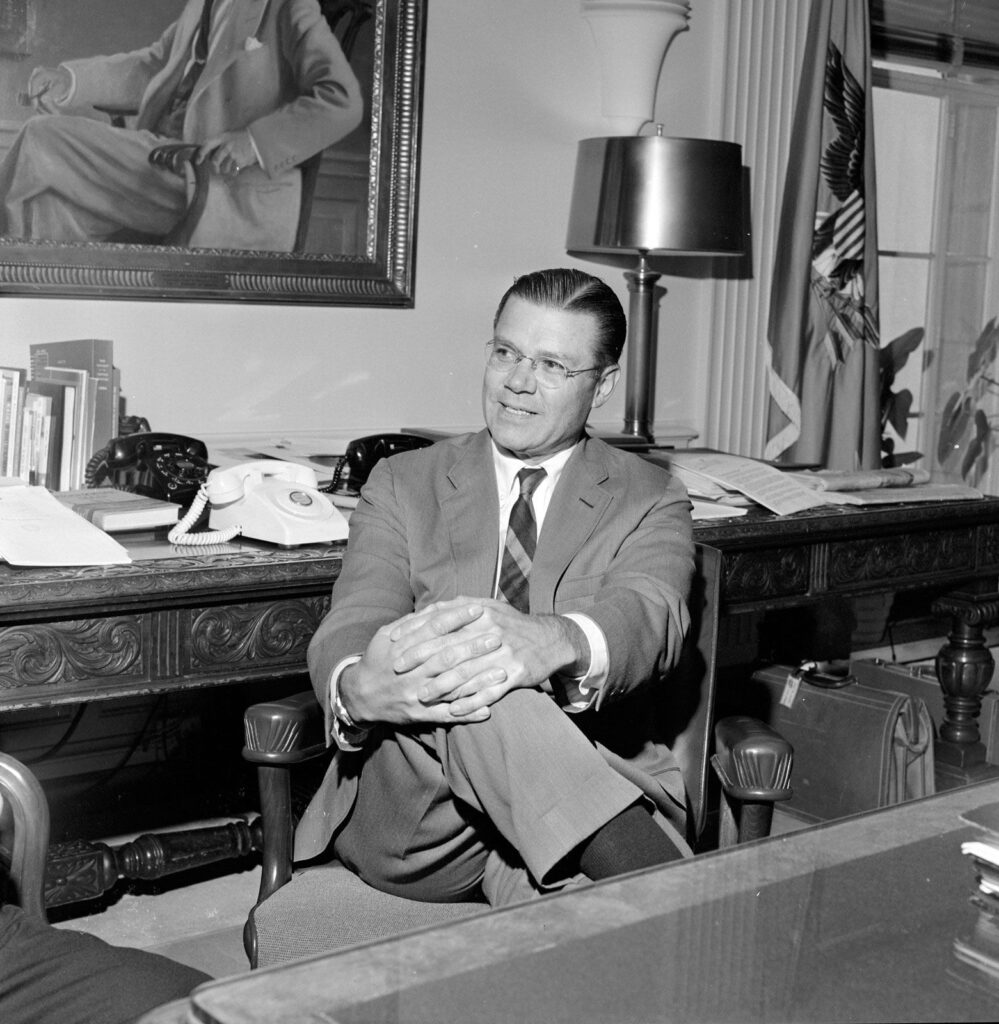
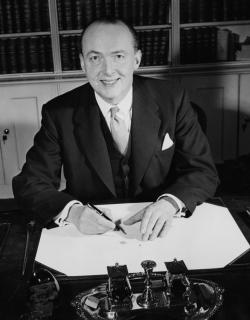

One of the staunchest champions of the U.S.’s Strategic Island Concept was Robert W. Komer, a 15-year CIA veteran and later head of the Vietnam Phoenix Program who was responsible for the Indian Ocean region on the National Security Council during the Kennedy administration.
Komer advocated for the U.S. increasing its naval presence in the Indian Ocean and creating a chain of Indian Ocean bases with Diego Garcia as the centerpiece, warning in an internal memo that “the whole area from Suez to Singapore is heating up. We’ve had the Chinese making trouble in 1962. We have the Paks starting to play footsie with the Chicoms and then with the Russians. We have Bandaranaike in Ceylon [Sri Lanka].[15] We have Sukarno [Indonesian socialist leader] over on the eastern end. We have…Nyerere in Tanzania sort of playing games with our friends the Chinese as well as the Russians. We have the Zanzibar business. I was saying ‘look, this is one area of the world that is becoming more volatile at the very time and with the strategic balance holders, the British essentially are pulling back and it is a more important area.’”[16]
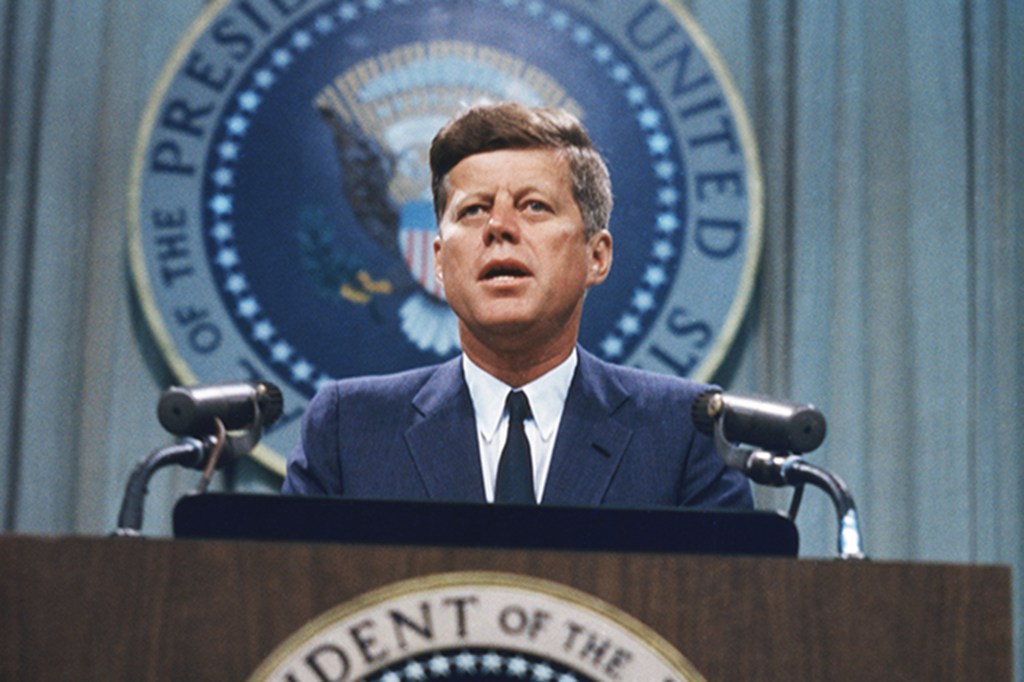
With the approval of his boss, McGeorge Bundy, Komer proposed to President John Kennedy in June 1963 the deployment of an aicraft carrier in the Indian Ocean supported by island bases. President Kennedy “jumped on [Komer’s] idea with enthusiasm” and told Komer “let’s try it out for size. Take it up with McNamara.”[17] President Kennedy subsequently approved the proposal for a communications base in the Indian Ocean—the State Department had selected Diego Garcia as the best site—and ordered McNamara to carry out the plan.[18]
More Deception and Callousness from State Department Officials
To prevent any public opposition, U.S. officials described Diego Garcia as being “virtually uninhabited,” which the media duly reported without further investigation.
Under the terms of the 1966 secret agreement, the U.S. agreed to pay Great Britain $14 million in exchange for the British granting the U.S. the right to build a base on Diego Garcia, which was formally detached from the rest of the Chagos Islands.
To avoid involving the U.S. Congress, the Pentagon did not take any direct payments; rather, it wiped out a debt by crediting the British for payment owed on research and development costs on the purchase of Polaris missiles.[19]
After the secret agreement was consummated, the U.S. and British began planning for the removal and resettlement of the Chagossian natives who were promised compensation and resettlement funds that were never delivered.
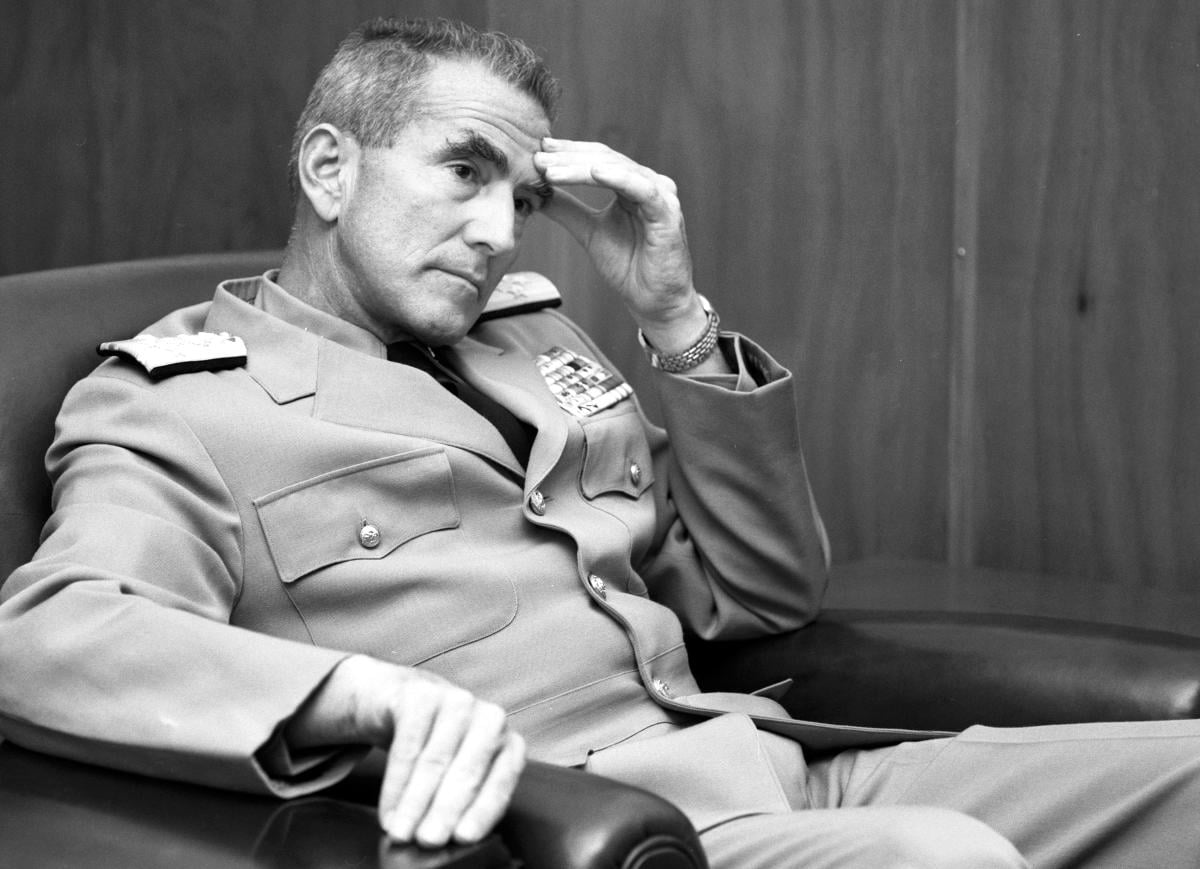
A key figure in the Pentagon seeing the whole operation to completion was Navy Admiral Elmo Zumwalt, who gave the orders to the British to remove the Chagossian islanders.[20]
A 1975 State Department report later claimed that the Chagossians had moved “willingly” to Mauritius, which was untrue.[21]
When Henry Precht and other staff at the U.S. embassy in Port Louis cabled the State Department and U.S. Navy to report on what they termed the “cavalier treatment” of the Chagossian refugees, their cables went ignored.
Years later, James Bishop, a State Department employee who received Precht’s memos, told Vine that human rights was not on the State Department’s agenda at that time.
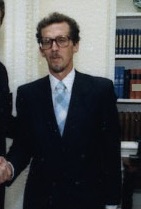
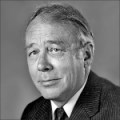
Jonathan “Jock” Stoddart, a U.S. Army intelligence officer who had responsibility at the State Department for the Chagossians’ removal from Diego Garcia, told Vine that Precht’s reports were never investigated and that the State Department’s attitude was that this was a problem for the British to deal with.
Stoddart added, with a note of defiance, that the base rights deal at Diego Garcia was “one of the best deals the U.S. has ever negotiated.”[22]
Stoddart’s comments reflect an imperialistic mindset where the feelings of the Chagossian people, like other victims of U.S. imperial undertakings, are disregarded.
In reading about Stoddart’s reaction, I was reminded of Fred Branfman’s observations regarding cold bureaucratic calculation and inhumanity in the U.S.-led secret war in Laos during the same period as the Diego Garcia’s expulsions.[23]

Branfman had observed the secret war in Laos as an aid worker and infiltrated an American military base in Thailand where bombing operations were being coordinated.
What struck Branfman was the business-like atmosphere within the base and that the U.S. Air Force officers he encountered harbored no personal animosity toward the Lao peasants whose lives they were destroying, they simply thought little about them.
This seems to be just like Stoddart, who showed little compassion or remorse for the plight of the Chagossian people even years after he had helped to ruin their lives.

The agreement grants Mauritius full sovereignty over the archipelago while allowing the UK to exercise authority over Diego Garcia for an additional 99 years, which could be extended by another 40 years and renewed further by mutual agreement. The UK is part of the agreement is supposed to pay Mauritius $4.5 billion over the first ninety-nine years. During this time, Mauritius will allow the U.S. and UK to access, maintain and invest in the joint military base. ↑
Peter Harris, a Colorado State University professor and expert on the Chagos islands, suggests that Trump failed to support the deal to get back at the UK and its former Prime Minister Keir Starmer who refused to support Trump’s bid to acquire Greenland. ↑
The base’s significance was reflected in it being targeted in an Iranian missile attack in March. ↑
David Vine, Island of Shame: The Secret History of the U.S. Military Base on Diego Garcia (New Jersey: Princeton University Press, 2009). ↑
Ibid., 112. ↑
Ibid., 3. ↑
Ibid., 61. ↑
Ibid., 61. ↑
Idem. By the mid 1970s, 1 out of 40 Chagossians had died in Mauritius of starvation and disease. A 1980 survey found that 85.8% of Chagossians living in Mauritius were underemployed and that 46.3% of women were unemployed. In 1981, a survey found that the male unemployment rate was 41% and the female unemployment rate was 58%. Theft, prostitution and illegal drug use and sales were a big problem in the Chagossian community, which had a high incarceration rate. Many Chagossians were also indebted to loan sharks and vulnerable to exploitation, facing routine ethnic and racial discrimination, according to Vine. (p. 131) ↑
Vine, Island of Shame, 4. Barber had a background in naval intelligence. ↑
Idem. ↑
Ibid., 197. ↑
Ibid., 198. ↑
Ibid., 70. ↑
This is a reference to S. W. R. D. Bandaranaike, a left-wing prime minister of Ceylon who promoted far-reaching reforms and tried to ally Ceylon with communist countries. ↑
Vine, Island of Shame, 73. ↑
Ibid., 74. Years later, Komer would claim to have been the one who proposed seeking from Britain a joint base in the Indian Ocean which led to Diego Garcia. ↑
Vine, Island of Shame, 75. Kennedy’s behavior contradicts the portrayal of him as an anti-imperialist by some liberal authors and accords with the presentation of Kennedy in Jeremy Kuzmarov, “The Liberal Savior as Conservative: John F. Kennedy’s Foreign Policy,” Class, Race and Corporate Power, 12, 2 (2024). ↑
Vine, Island of Shame, 87. ↑
Ibid., 108. Admiral Zumwalt summed up the Chagossians fate in three words in a 1971 memo: “Absolutely must go.” A British official who helped oversee the relocation of the Chagossians referred to them in racist terms as “Tarzans,” and in a reference to Robinson Crusoe, “Man Fridays.” ↑
Ibid., 122, 123. George Churchill of the State Department reported to Congress that the U.S. had no moral or legal responsibility toward the islanders. ↑
Vine, Island of Shame, 117. Stoddart was involved in the negotiation with the British. He was a Purple Heart recipient during World War II who obtained an M.A. in international affairs from the Tufts Fletcher School and served in army intelligence in the Korean War. (He was working on a thesis on Zionist influence on U.S. foreign policy which was interrupted by his call to service in the Korean War.) Stoddart worked at the U.S. embassy in London and as a political adviser to the commander-in-chief Allied Forces, Southern Europe. He noted in a February 2000 interview for the Library of Congress that “some of the environmentalists got a little upset [with the establishment of the base at Diego Garcia] because the navy had to blow up a lot of coral heads in the harbor, the navy was developing.” Stoddart though said nothing about the inhabitants of Diego Garcia who were removed and the trauma this entailed for them. ↑
See Fred Branfman, Voices from the Plain of Jars: Life Under an Air War (New York: Harper & Row, 1972). ↑
CovertAction Magazine is made possible by subscriptions, orders and donations from readers like you.
Blow the Whistle on U.S. Imperialism

Click the whistle and donate
When you donate to CovertAction Magazine, you are supporting investigative journalism. Your contributions go directly to supporting the development, production, editing, and dissemination of the Magazine.
CovertAction Magazine does not receive corporate or government sponsorship. Yet, we hold a steadfast commitment to providing compensation for writers, editorial and technical support. Your support helps facilitate this compensation as well as increase the caliber of this work.
Please make a donation by clicking on the donate logo above and enter the amount and your credit or debit card information.
CovertAction Institute, Inc. (CAI) is a 501(c)(3) non-profit organization and your gift is tax-deductible for federal income purposes. CAI’s tax-exempt ID number is 87-2461683.
We sincerely thank you for your support.
Disclaimer: The contents of this article are the sole responsibility of the author(s). CovertAction Institute, Inc. (CAI), including its Board of Directors (BD), Editorial Board (EB), Advisory Board (AB), staff, volunteers and its projects (including CovertAction Magazine) are not responsible for any inaccurate or incorrect statement in this article. This article also does not necessarily represent the views the BD, the EB, the AB, staff, volunteers, or any members of its projects.
Differing viewpoints: CAM publishes articles with differing viewpoints in an effort to nurture vibrant debate and thoughtful critical analysis. Feel free to comment on the articles in the comment section and/or send your letters to the Editors, which we will publish in the Letters column.
Copyrighted Material: This web site may contain copyrighted material the use of which has not always been specifically authorized by the copyright owner. As a not-for-profit charitable organization incorporated in the State of New York, we are making such material available in an effort to advance the understanding of humanity’s problems and hopefully to help find solutions for those problems. We believe this constitutes a ‘fair use’ of any such copyrighted material as provided for in section 107 of the US Copyright Law. You can read more about ‘fair use’ and US Copyright Law at the Legal Information Institute of Cornell Law School.
Republishing: CovertAction Magazine (CAM) grants permission to cross-post CAM articles on not-for-profit community internet sites as long as the source is acknowledged together with a hyperlink to the original CovertAction Magazine article. Also, kindly let us know at info@CovertActionMagazine.com. For publication of CAM articles in print or other forms including commercial internet sites, contact: info@CovertActionMagazine.com.
By using this site, you agree to these terms above.
About the Author
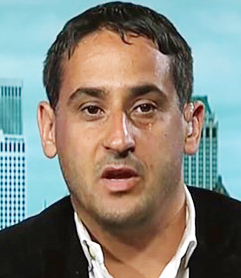
Jeremy Kuzmarov holds a Ph.D. in American history from Brandeis University and has taught at numerous colleges across the United States. He is regularly sought out as an expert on U.S. history and politics and co-hosts a radio show on New York Public Radio and on Progressive Radio News Network called “Uncontrolled Opposition.”
He is Managing Editor of CovertAction Magazine and is the author of eight books, including Obama’s Unending Wars (Clarity Press, 2019), The Russians Are Coming, Again, with John Marciano (Monthly Review Press, 2018), Warmonger. How Clinton’s Malign Foreign Policy Launched the U.S. Trajectory From Bush II to Biden (Clarity Press, 2023); with Dan Kovalik, Syria: Anatomy of Regime Change (Baraka Books, 2025), and Political Assassinations in America: The Intricate Nexus of Deep State Crime (Clarity Press, 2026).
Besides these books, Kuzmarov has published hundreds of articles and contributed to numerous edited volumes, including one in the prestigious Oxford History of Counterinsurgency .
He can be reached at jkuzmarov2@gmail.com and found on substack here.





Superb article. The Bahai community in Iran is also suffering greatly.
The Baha’i minority in Iran has faced an intensified, highly targeted wave of state-sponsored persecution following the outbreak of the 2026 war involving the United States and Israel. As the largest unrecognized non-Muslim religious minority in Iran, Baha’is lack any constitutional or legal protections, leading the Iranian government to historically use the community as a convenient scapegoat during external crises. Because the Baha’i World Centre has been located in Haifa, Israel, since the 19th century, the Iranian regime routinely weaponizes this geographical coincidence to frame the community as a national security threat. Organizations like Amnesty International and the Baha’i International Community (BIC) report that Iran’s state media has launched a coordinated campaign falsely painting Baha’is as “Israeli spies” and “collaborators,” effectively amplifying these narratives to deflect domestic public anger away from wartime inflation, resource scarcity, and political instability.This heightened political rhetoric has translated directly into severe economic warfare and judicial extortion against the community. While foreign economic sanctions and the military campaign have strained the entire Iranian population, human rights groups like the Human Rights Activists News Agency (HRANA) note a sharp, targeted uptick in the judiciary seizing Baha’i-owned homes, farmlands, businesses, and personal bank accounts. Furthermore, the state increasingly enforces steep bail requirements—sometimes equal to a lifetime of wages—effectively trapping Baha’i families in poverty or forced displacement. According to reports compiled by the United Nations Office of the High Commissioner for Human Rights (OHCHR), dozens of Baha’i citizens have been swept up in a broader wave of wartime crackdowns, being held incommunicado across multiple intelligence facilities and prisons. Once detained, these individuals face severe physical and psychological abuse, including mock executions, designed to extract false espionage confessions that are subsequently broadcast on state television to justify the regime’s ongoing wartime repression.