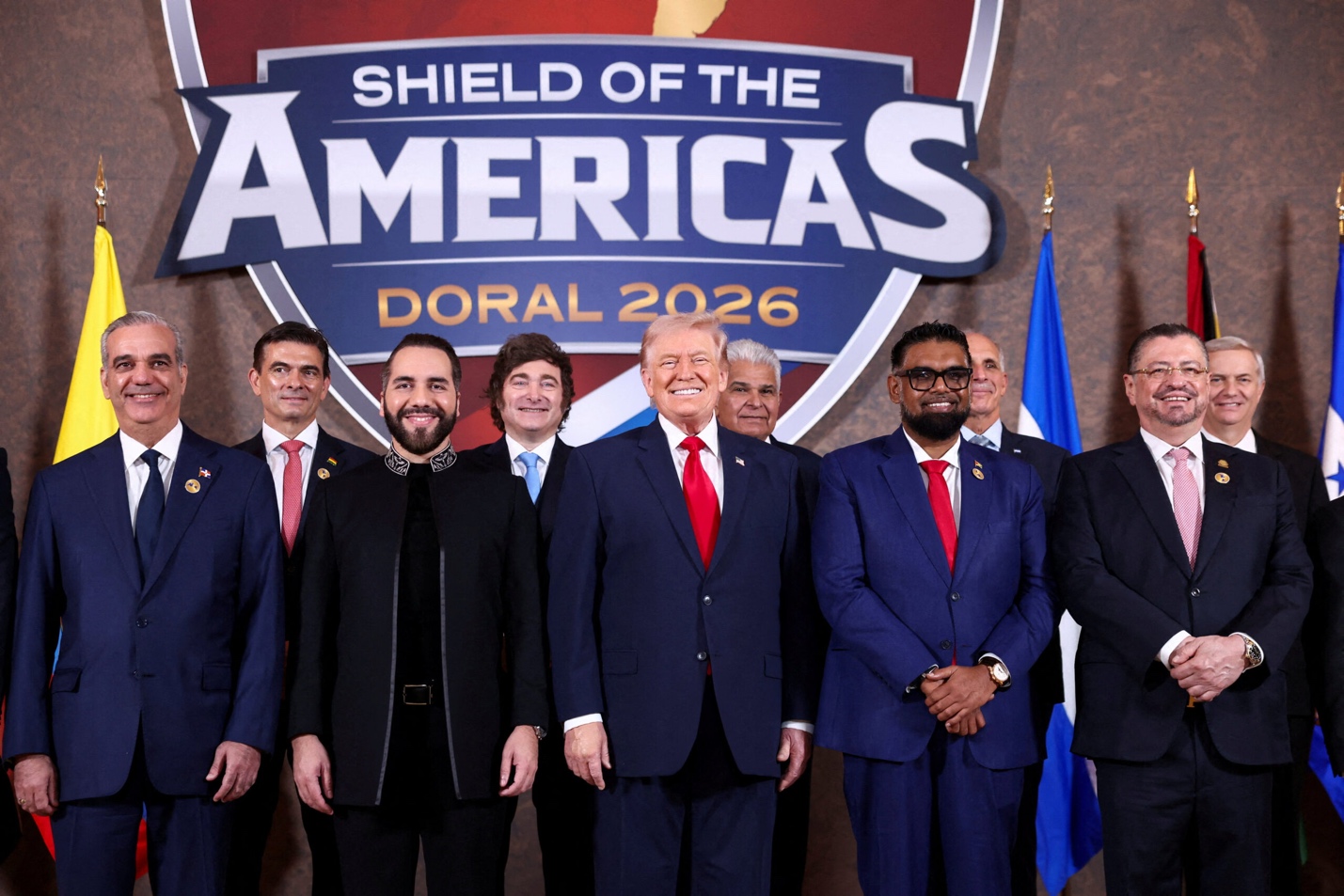
Abelardo de la Espriella of Colombia and Keiko Fujimori of Peru are two leaders favored by the Trump administration who embody its alliance with the extreme right
The new presidents of Colombia, Abelardo de la Espriella, and of Peru, Keiko Fujimori, have positioned themselves as ardent supporters of the Trump administration’s Shield of the Americas strategy which portends a return to an era of heightened neo-colonialism.
According to the State Department, under the Shield of the Americas, a “historic coalition of nations will work together to advance strategies that stop foreign interference in our hemisphere, criminal and narco-terrorist gangs, cartels, and illegal and mass immigration.”
U.S. political interference in Central and South America has historically been disguised under the euphemisms of defending democracy, freedom, progress and the fight against drug trafficking, in what it considers “its territory,” all of the Americas.
Only the communist enemy has been updated, from the defunct USSR to the rising China.
Colombia and Peru signed their accession following the assumption of office of the new governments this summer.
With respect to Colombia, CovertAction Magazine (CAM) reported that “de la Espriella is a lawyer for drug traffickers in the United States and for former Colombian President Álvaro Uribe Vélez, who was sentenced to 12 years of house arrest in July 2025 after being found guilty of bribery and fraud charges related to his efforts to conceal his participation with paramilitary groups, which committed atrocious war crimes in the repression of the left-wing Revolutionary Armed Forces of Colombia (FARC).”
In a case of déjà vu in his first week in office, de la Espriella ordered a harsh crackdown that killed four members of a splinter faction of FARC, which was accused of launching a car-bombing attack after his inauguration.
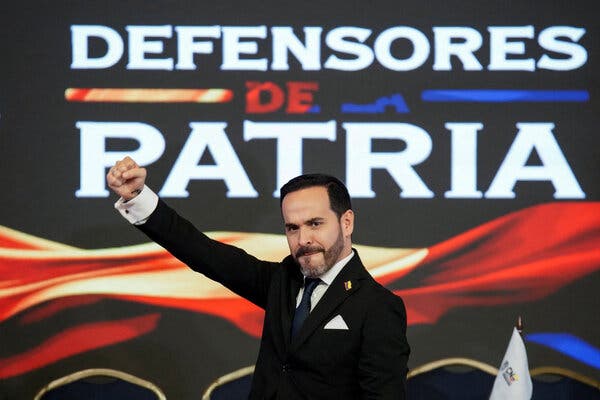
Espriella subsequently pulled a public relations stunt by which he was photographed with police and army officers standing over the bodies of dead guerrillas who had been killed in another military operation.
Adam Isaacson, a director of the Washington Office on Latin America, said that de la Espriella was “trying to get people excited…in a kind of pro wrestling kind of way to appeal to people’s basest instincts.”[1]
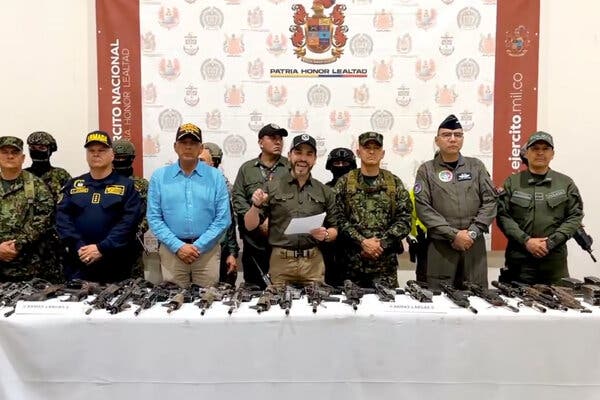
The New York Times reported that “that imagery [of De La Espriella posing with the dead bodies] carries particular weight in Colombia. During decades of armed conflict, the military’s practice of measuring success by enemy casualties produced one of the country’s darkest human rights scandals: Soldiers killed nearly 8,000 civilians, then cast them as guerrillas killed in combat to inflate their body count.”
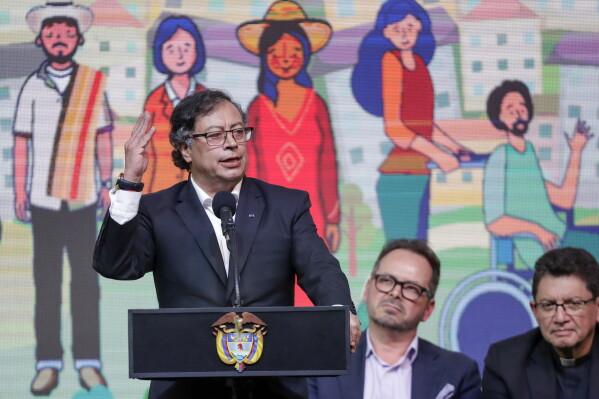
De la Espriella’s predecessor, Gustavo Petro (2022-2026), had halted military operations and pursued peace talks with FARC and other left-wing rebel groups, which led to a reduction of violence in Colombia during his presidential tenure.[2]
For her part, Keiko Fujimori is the daughter of former Peruvian dictator Alberto Fujimori (1990-2000), sentenced to 25 years in prison for crimes against humanity, aggravated homicide and kidnapping.
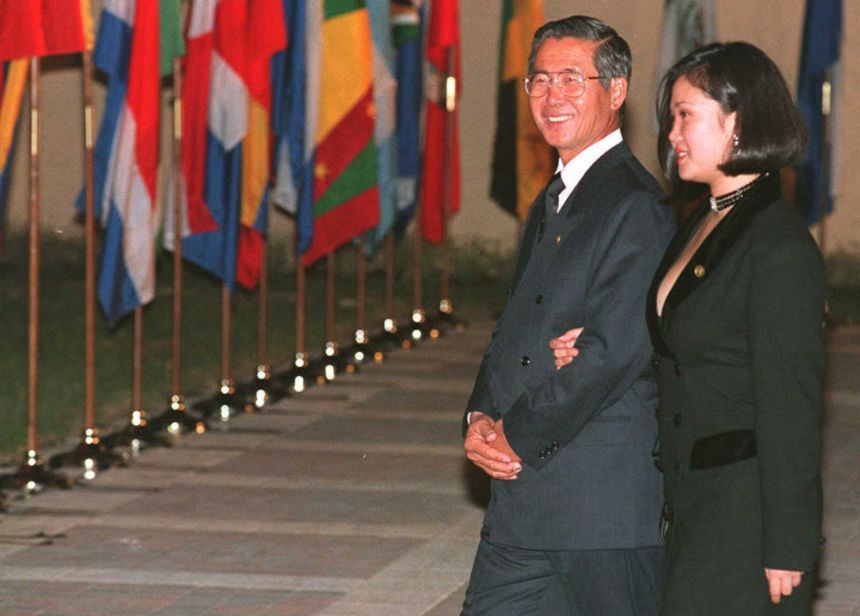
The Bush I and Clinton administrations heavily supported Fujimori in his brutal war against the leftist Sendero Luminoso, pouring in copious weaponry and security assistance under the guise of the War on Drugs.
From 1993 to 1998, the highest total of U.S. aid in fact went to Peru, with Fujimori having inaugurated large-scale privatization and tax reduction policies in the mining sector where U.S. corporations such as Phelps-Dodge had billions of dollars in investments.[3]
Keiko plans on continuing her father’s legacy by pursuing a “pro-investment mining agenda” featuring a “fast-track” approval mechanism for strategic projects and tax incentives to foreign mining corporations that will help starve Peru’s public sector.
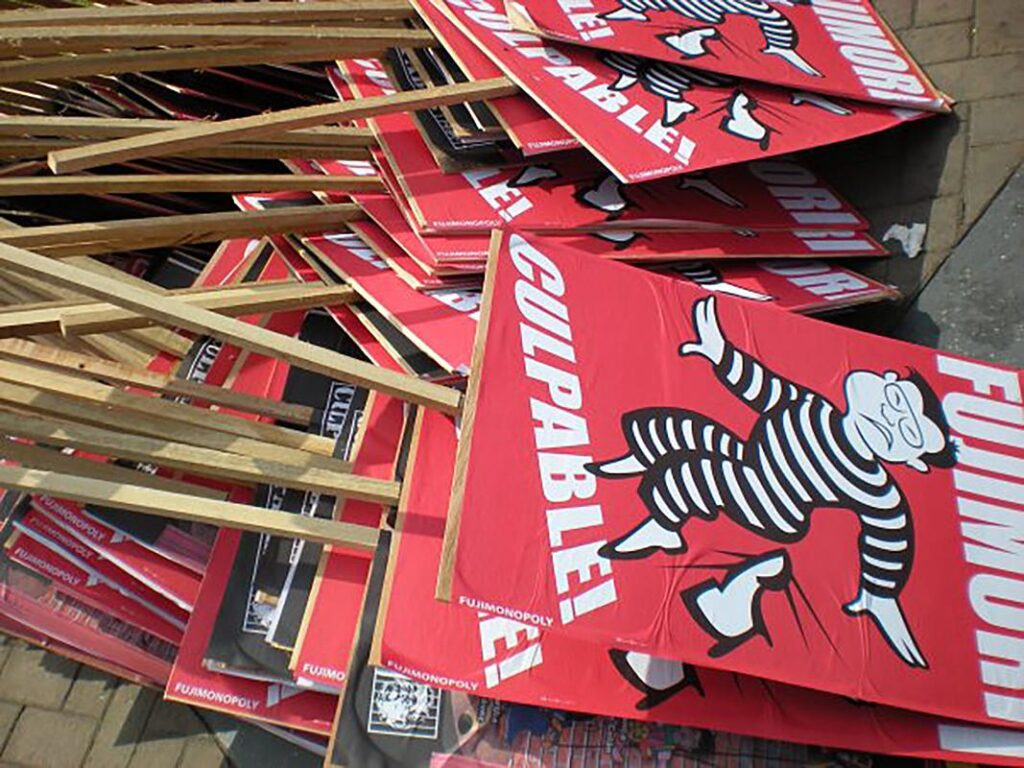
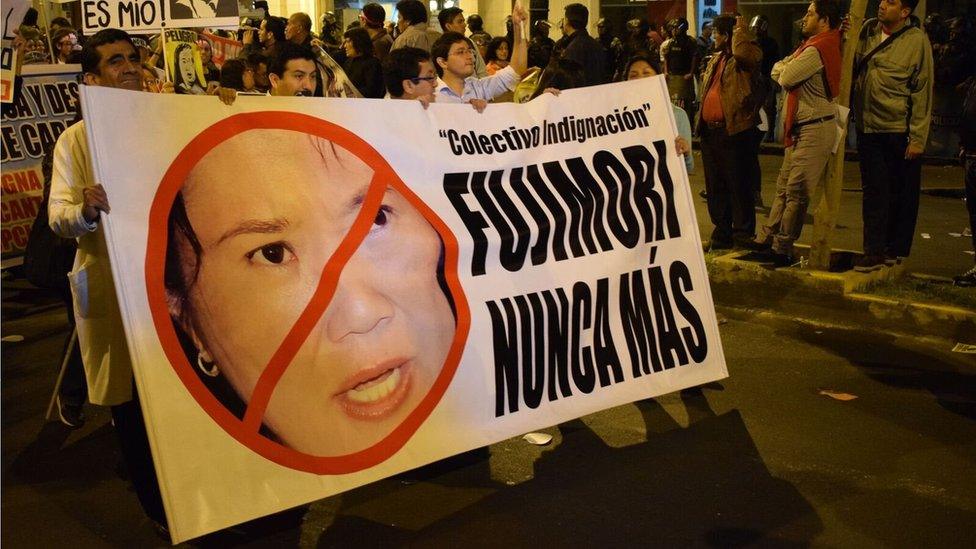
Like de la Espriella, Keiko came to power in a highly questioned election marred by allegations of U.S. interference.
Both the Colombian and Peruvian elections were decided in very close runoffs.
It took several days to confirm the winners, and doubts about the transparency of the vote counts continue to this day.
Former Colombian President Petro warned in Mexico City about the use of algorithms, bots, and artificial intelligence tools in electoral processes. He warned that such mechanisms could influence the upcoming presidential election in Brazil in October, and Mexico’s mid-term election in 2027.
According to Petro, algorithms linked to Israeli vote-counting software may have intervened in his country’s election. These systems allegedly made it possible to quickly calculate possible missing votes and modify the results—that is, what is known as “techno-fascism.”
In his presentation, he also mentioned technology companies and tools such as Palantir, owned by billionaire Peter Thiel. “The current of thought that dominates the world today through software system projects is being instilled in our heads every day. These methods have legitimacy among the political class that is currently governing the United States,” Petro denounced.
A network of two million bots allegedly intervened in the public conversation to favor de la Espriella. The contribution had already begun prior to the first round of voting, when the objective was to concentrate the right-wing vote behind his candidacy, to the detriment of Álvaro Uribe Vélez’s candidate, Paloma Valencia, who was eliminated from the runoff.
Petro stated that this alleged operation was supervised by the U.S. State Department, under the direction of Secretary of State Marco Rubio. “It is the system that they want to expand,” Petro asserted, and included Peru and Chile among those affected.
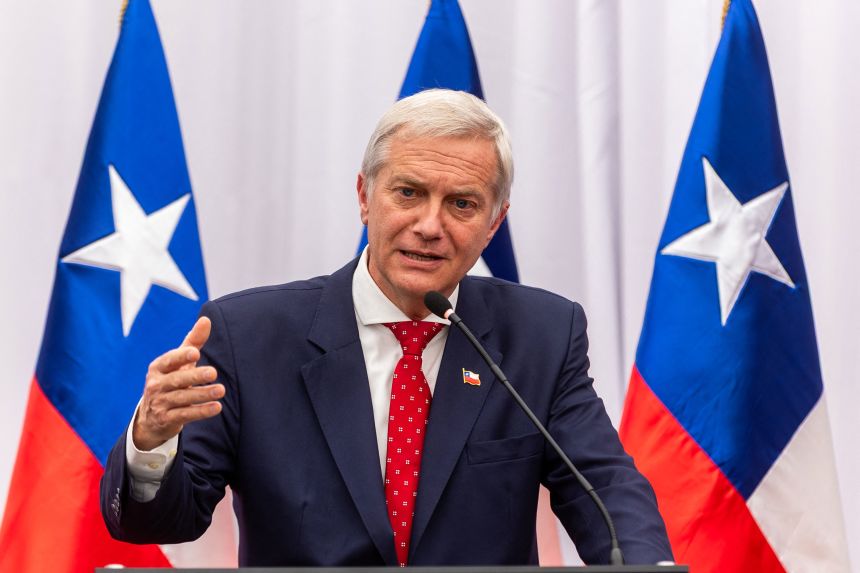
In his view, similar dynamics influenced the victories of Keiko Fujimori in Peru and José Antonio Kast in Chile.
In Peru, the difference between the right-wing candidate and the left-wing candidate Roberto Sánchez was only 49,641 votes. Fujimori obtained 50.13% of the valid votes, while Sánchez received 49.86%. In Colombia, the percentage was 49.66% for de la Espriella against 48.70% for Iván Cepeda, Gustavo Petro’s candidate.
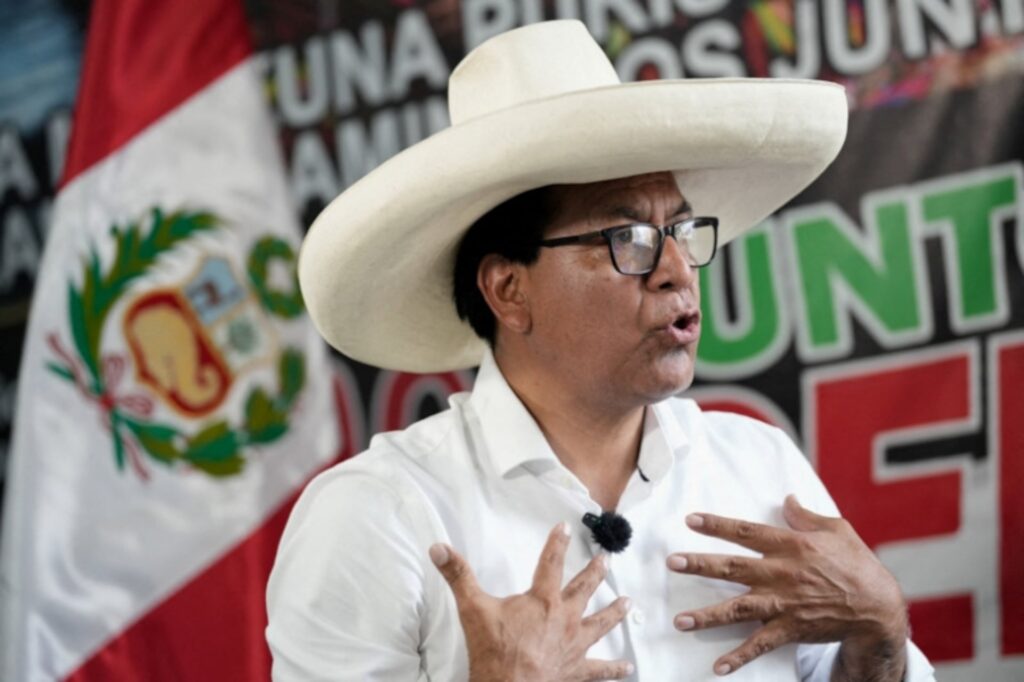
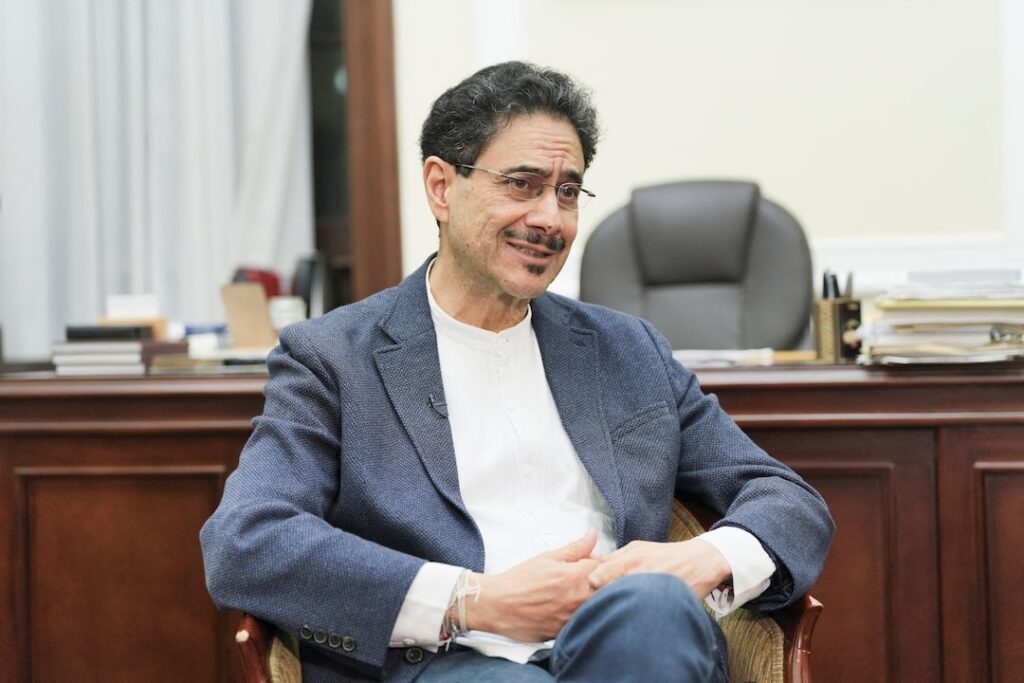
The Privatization of the Vote Count
Sergio Pascual, a telecommunications engineer, anthropologist and researcher at Celag Data, detailed two political developments in Peru that marked the vote count and the transfer of ballots from abroad. “On April 21, 2026, just 10 days after the first round of voting, Piero Corvetto, until then a respected head of the National Office of Electoral Processes, suddenly resigned. The National Board of Justice had ‘coincidentally’ just opened a preliminary investigation against him. The members of the JNJ [Junta Nacional de Justica—right wing party] had been elected for the 2025-2030 term by a special congressional commission controlled by Fuerza Popular [Fujimorism] and its allies,” he said.
On the other hand, but in the same vein, starting with the second round, “the consuls would transport the votes to Lima in diplomatic pouches and they would be ‘counted’ there. For the first time, overseas votes would remain unexamined for more than 24 hours after the election,” Pascual explains.
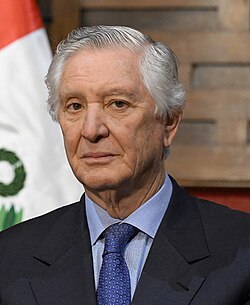
The foreign minister was already the Fujimorist Carlos Pareja, responsible for ensuring that the tally sheets from the overseas vote were not digitized and were instead transported to the country. “During the new process of transporting the votes, numerous irregularities were recorded. Some of the hundreds of thousands of votes arrived in diplomatic pouches, but many came in what appeared to be ordinary suitcases checked in on different airlines, seriously breaking the chain of custody of the ballots.”
Whereas historically these were the first results known in every election—because of the time difference—overseas votes were the last to be counted, and those that tipped the result in favor of Keiko Fujimori: She obtained 63% of those votes (194,625), compared with 37% (113,307) for Sánchez.
Sergio Pascual concludes that, “at none of these stages—from the telephone reception to the publication of results—do state officials intervene directly: The entire process following the voting table is operated entirely by contractors and private companies.”
For his part, according to Petro, in Colombia’s presidential runoff in June, there was an “algorithmic, systematic electoral fraud involving a huge volume of votes,” allegedly orchestrated from abroad against left-wing candidate Cepeda.
The former president stated that “foreign money and foreign companies with the capacity to change algorithms” interfered in the outcome of the electoral process.
The “New” Policies
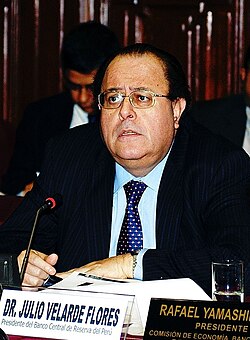
Thus, Colombia joins the wave of far-right governments in South America. Peru was already part of it, with its chronic political instability—11 presidents in the last 16 years—but with economic stability: The same Central Bank president, Julio Velarde Flores, took office in 2006 and will remain in the position at least until 2031.
The result of this “unstable contradiction” is that whoever is born poor will most likely die in that condition: Peru is the most unequal country in South America and the fourth most unequal in the world: The richest 0.1% of the population concentrates 22% of national income, while 13.9 million people face moderate or severe food insecurity, according to the World Inequality Database report.
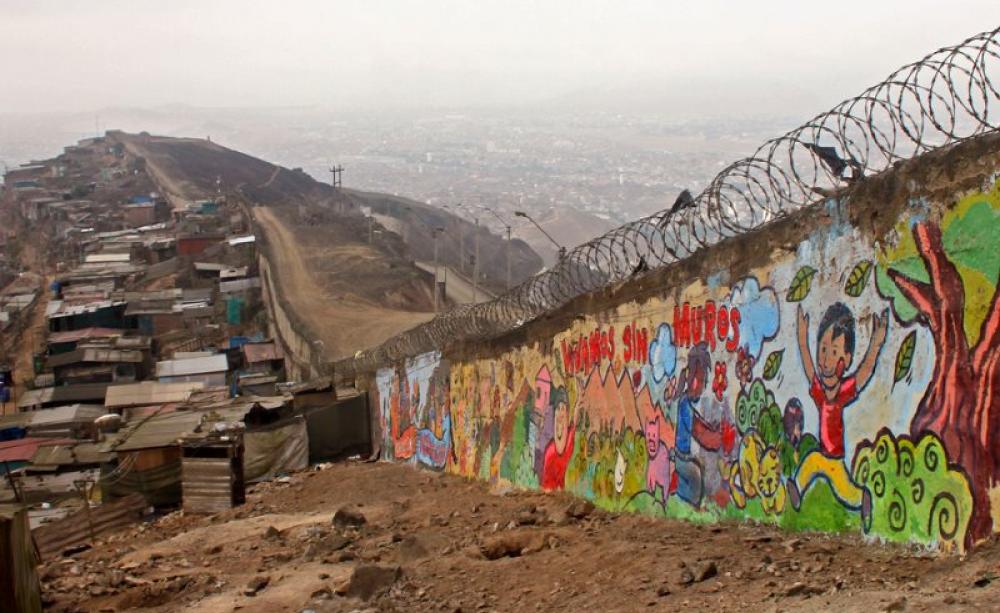
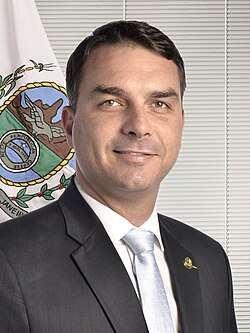
Both are now aligned with the United States and, together with Argentina, Chile, Ecuador, Bolivia and Paraguay, make up the Shield of the Americas. Venezuela remains, virtually under intervention, along with Uruguay and Brazil—unless Flávio Bolsonaro wins the next election.
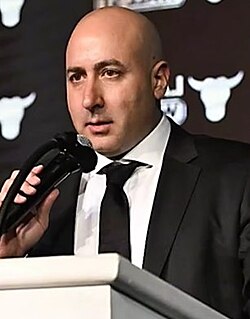
In several of these countries, the social-media adviser and lobbyist with strong ties to the White House, Fernando Cerimedo, who is currently imprisoned in Bolivia, played a central role in the campaigns and governments of Brazil—with Jair Bolsonaro—Argentina, Bolivia and Chile, where the Chamber of Deputies opened an investigative commission into his ties to Kast.
Cerimedo was seen as being close to Secretary of State Rubio. The entire database of the dissolved Cambridge Analytica—dissolved because of its illegal interference in electoral campaigns—was acquired for $140 million by Trump’s former presidential campaign manager and digital guru, Brad Parscale, under the political direction of Steve Bannon. In March 2025, Cerimedo was appointed his exclusive representative for its exploitation in Latin America and the Caribbean.
From Pacto Histórico, the political space of Petro and Cepeda, former senator Clara López Obregón explains to CAM that “de la Espriella’s advertisements run counter to pluralism, secularism, and diversity, which are at the heart of the Colombian democratic formula. And his foreign policy, in the measures he has enacted, is in total alignment with Donald Trump, who no longer respects the self-determination of peoples or even the basic rights of sovereignty. An earthquake that affected much of the western part of the country has put on hold the development of the agenda to address the disaster, but the path is already beginning toward ‘reinstalling God in schools,’ privatizing them even into the hands of evangelical organizations, rolling back advances for women and the LGBTI population, and returning to authoritarian means as the solution to the perennial social and armed conflict.”
As has already been revealed in CAM, “the Trump administration is turning Colombia into a central element of its ‘War on Drugs.’”
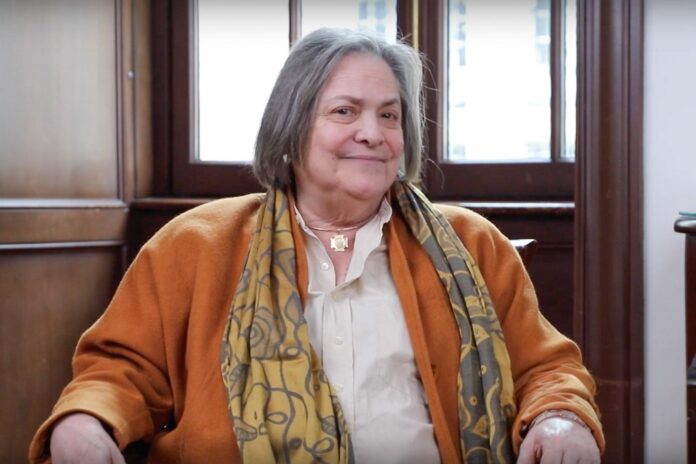
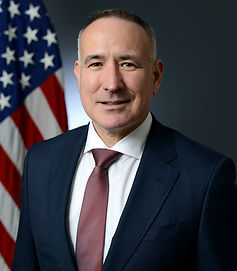
The old Plan Colombia has now been reformulated as Plan Patriota 2.0. For international relations expert and retired U.S. Army Lieutenant Colonel Albert Marckwardt, “it is part of a regional strategy to confront what the United States considers the threat.”
For his part, social activist and lawyer Rodrigo Cruz states, “Keiko Fujimori’s government is one of neoliberal continuity. She has requested delegated powers concerning 66 issues from Congress, but has not specified how or for what purpose. In addition, there are the 2027 public budget, financial equilibrium, and indebtedness laws…Meanwhile, contract killings are worsening more and more: Recently, four people were killed and a kidnapped mining entrepreneur was released after a $2.5 million ransom was paid. For the local press, Keiko’s relationship with Cerimedo also goes unnoticed.”
If further confirmation were needed, the State Department reported that “the head of U.S. diplomacy, Marco Rubio, will travel to Colombia, Ecuador, and Peru from September 8 to 10 to strengthen key United States alliances in the region.”

This primitive approach is modeled after other right-wing leaders like Donald Trump, who has publicized videos of immigration raids, sometimes accompanied by popular music, and President Nayib Bukele of El Salvador, who has released videos of inmates being shaved and marched into onen of El Salvador’s draconian prisons. ↑
Petro additionally cut back on the forced removal of coca leaves arguing that it unfairly targeted poor farmer; negotiated with drug trafficking groups to try and reach deals to reduce violence and petitioned the UN to decriminalize coca, citing its tradition use among indigenous people across the Andean region. De La Espriella by contrast has sought to revitalize the Plan Colombia, a failed militarized approach backed by the U.S. and vowed to resume aerial spraying of coca crops using chemicals that are banned in the U.S. and cause health and environmental damages. ↑
See Jeremy Kuzmarov, Warmonger: How Clinton’s Malign Foreign Policy Launched the U.S. Trajectory from Bush II to Biden (Atlanta: Clarity Press, 2024), 382. ↑
CovertAction Magazine is made possible by subscriptions, orders and donations from readers like you.
Blow the Whistle on U.S. Imperialism

Click the whistle and donate
When you donate to CovertAction Magazine, you are supporting investigative journalism. Your contributions go directly to supporting the development, production, editing, and dissemination of the Magazine.
CovertAction Magazine does not receive corporate or government sponsorship. Yet, we hold a steadfast commitment to providing compensation for writers, editorial and technical support. Your support helps facilitate this compensation as well as increase the caliber of this work.
Please make a donation by clicking on the donate logo above and enter the amount and your credit or debit card information.
CovertAction Institute, Inc. (CAI) is a 501(c)(3) non-profit organization and your gift is tax-deductible for federal income purposes. CAI’s tax-exempt ID number is 87-2461683.
We sincerely thank you for your support.
Disclaimer: The contents of this article are the sole responsibility of the author(s). CovertAction Institute, Inc. (CAI), including its Board of Directors (BD), Editorial Board (EB), Advisory Board (AB), staff, volunteers and its projects (including CovertAction Magazine) are not responsible for any inaccurate or incorrect statement in this article. This article also does not necessarily represent the views the BD, the EB, the AB, staff, volunteers, or any members of its projects.
Differing viewpoints: CAM publishes articles with differing viewpoints in an effort to nurture vibrant debate and thoughtful critical analysis. Feel free to comment on the articles in the comment section and/or send your letters to the Editors, which we will publish in the Letters column.
Copyrighted Material: This web site may contain copyrighted material the use of which has not always been specifically authorized by the copyright owner. As a not-for-profit charitable organization incorporated in the State of New York, we are making such material available in an effort to advance the understanding of humanity’s problems and hopefully to help find solutions for those problems. We believe this constitutes a ‘fair use’ of any such copyrighted material as provided for in section 107 of the US Copyright Law. You can read more about ‘fair use’ and US Copyright Law at the Legal Information Institute of Cornell Law School.
Republishing: CovertAction Magazine (CAM) grants permission to cross-post CAM articles on not-for-profit community internet sites as long as the source is acknowledged together with a hyperlink to the original CovertAction Magazine article. Also, kindly let us know at info@CovertActionMagazine.com. For publication of CAM articles in print or other forms including commercial internet sites, contact: info@CovertActionMagazine.com.
By using this site, you agree to these terms above.
About the Author
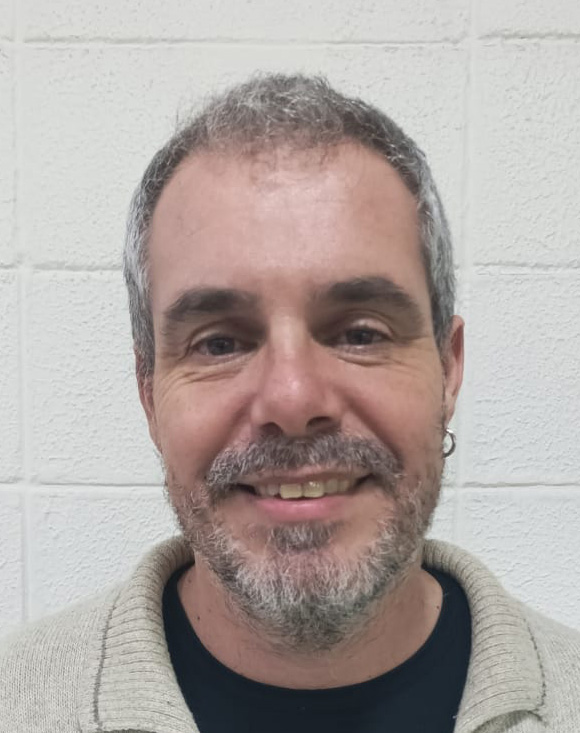
Hernán Viudes is an independent journalist and a graduate from The Faculty of Social Sciences at the University of Buenos Aires. He lives in Argentina and enjoys music, culture and football.
Hernán can be reached at hernanviudes@gmail.com.
