Plantation Owners Lobbied the U.S. Government to Acquire Over 100 Pacific Islands Between 1855 and 1900
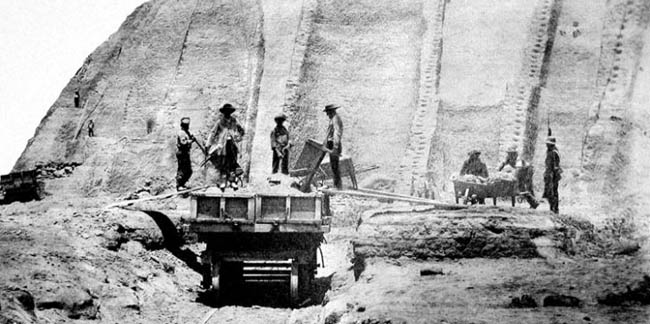
In the mid 19th century, the U.S. military kidnapped Pacific Islanders and African-Americans or otherwise lured them to remote and largely uninhabited Pacific islands so they could work on plantations producing guano that could be made into fertilizer, and copra that could be made into oil.
The owners of the plantations grew fabulously rich and lobbied the U.S. government for direct military intervention to support greater business opportunities for them in the Asia-Pacific.
The imported laborers, however, worked under miserable conditions: Overseers were abusive, the sun was blazing hot, water and food were scarce, rats ran rampant, pay was minimal, and the ammoniac air was practically unbreathable.
The working conditions were so bad that an American sailor who visited the islands wondered “how human beings could live in such a place and not go mad.”[1]
The sailor who made these observations was quoted in Miles M. Evers and Eric Grynaviski’s book, The Price of Empire: American Entrepreneurs and the Origins of America’s First Pacific Empire.
Evers is a professor of political science at the University of Connecticut; Grynaviski is a professor of political science at George Washington University.
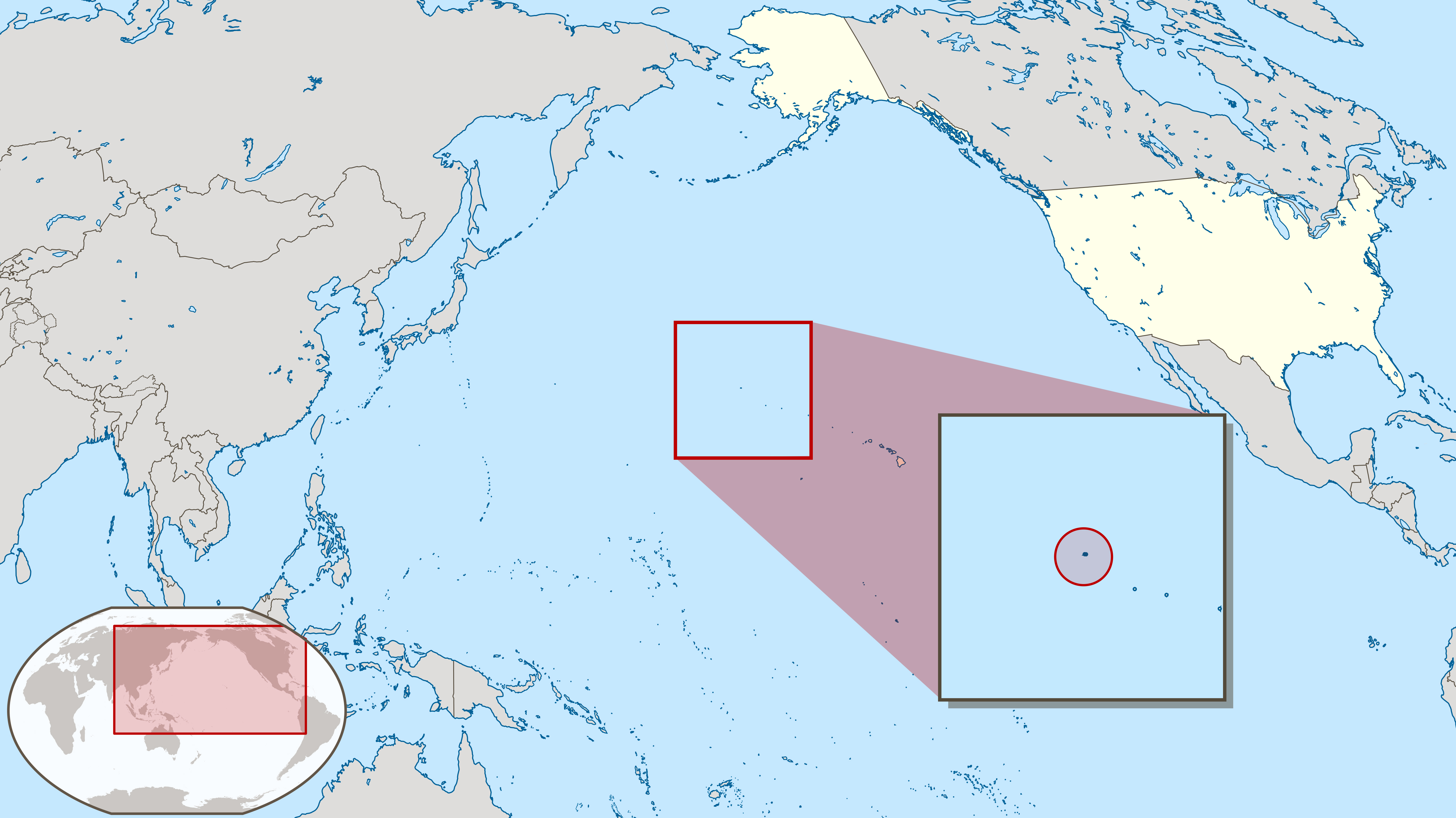
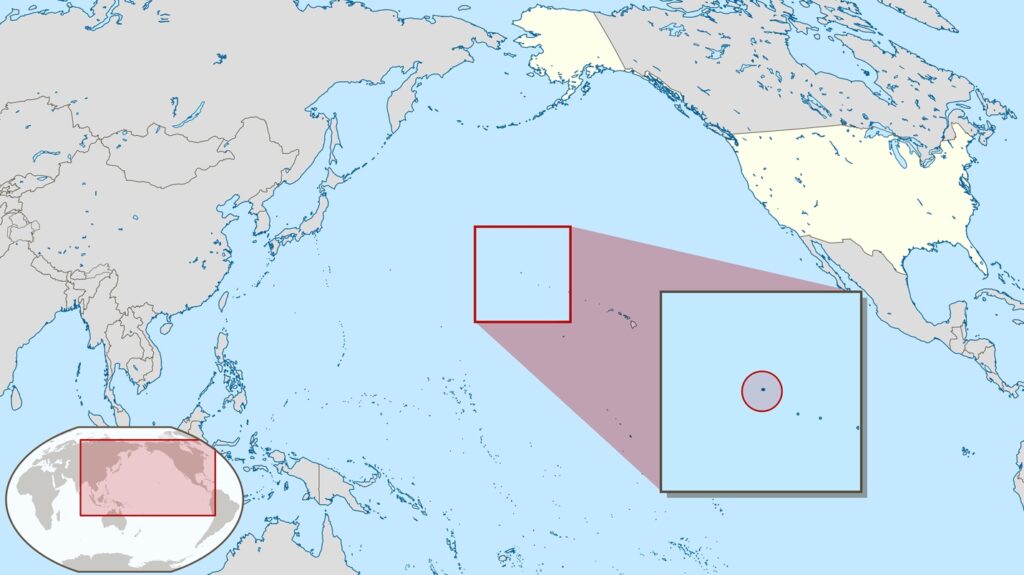
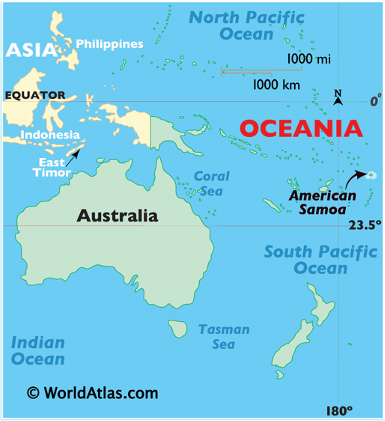
While conventional accounts of the rise of the U.S. empire in the Asia-Pacific usually start with the 1898-1902 Spanish-American Philippines War, Evers and Grynaviski show that the U.S. established a Pacific empire a half century earlier, in the mid-1800s when the U.S. acquired American Samoa and over one hundred islands in the Pacific, including Midway Island, which later served as a key battleground in the Pacific War.
Evers and Grynaviski attribute U.S. expansion to commodity booms and lobbying by entrepreneurs who sought to establish plantations and other businesses on newly acquired American territory.
A main concern was that the Pacific islands would be controlled by rival powers which would favor business competitors.
The State Department relied on the entrepreneurs for knowledge of what was going on in the islands, which were made out to be new “El Dorados.”
The 1856 Guano Act stated that, whenever an American citizen discovered an uninhabited, unclaimed island containing deposits of guano, that island would then “at the discretion of the President, be considered as appertaining to the United States.”[2]
Appertaining meant that the islands would be subjected to U.S. laws and regulations, and U.S. presidents could retain possession of the islands for as long as they wished.
The head of the pro-imperialist guano lobby, Alfred J. Benson, was a prominent American shipping merchant with several enterprises of value in New York and Brooklyn, who participated in the California gold rush and made a secret offer to purchase the Hawaiian kingdom to profit from trade with San Francisco.
According to Evers and Grynaviski, Benson was a crook who had a history of defrauding the government on projects that never materialized. At one time, he attempted to evade arrest after he had made false claims with the New York Police Department (NYPD).[3]
The Samoa lobby in the U.S. was spearheaded by H.J. Moors, an entrepreneur who was chasing high copra prices. Copra is the dried husk of coconut, which can be made into oil and sold as cattle feed.
Moors had started out working on a British plantation around 1878 as an overseer before being fired for his cruelty to the workers.
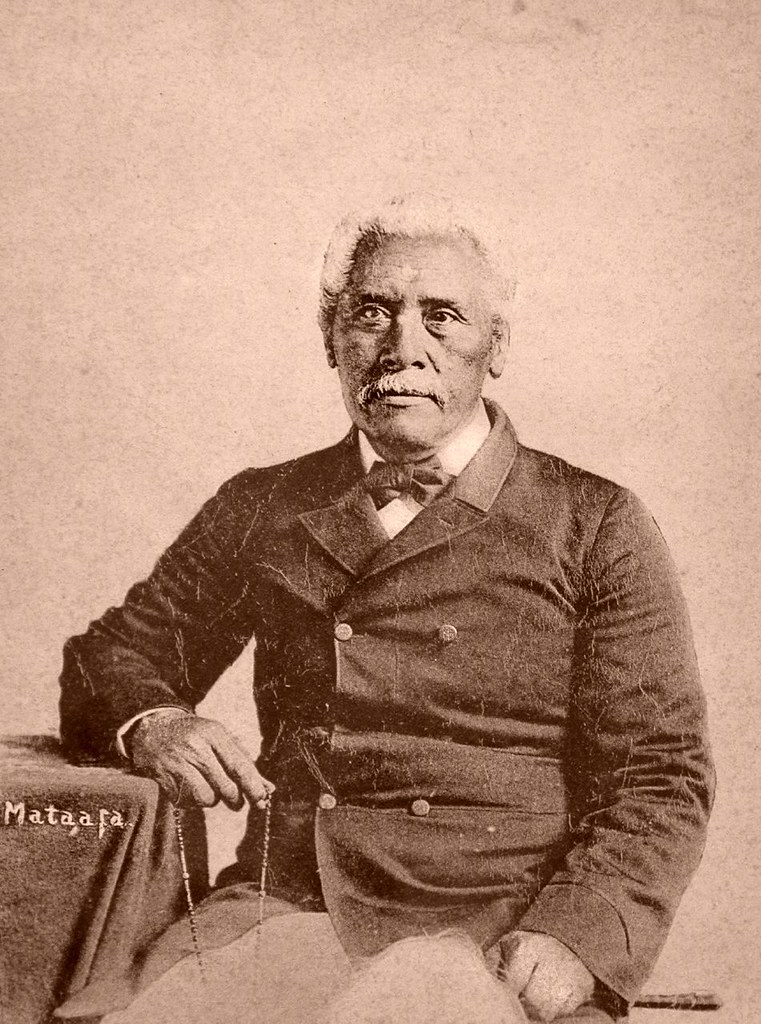
Subsequently, he supported a rebellion against the local government led by Mata’afa, who appointed himself king after seizing Apia, Samoa’s capital.
Moors’ push for American intervention resulted from his desire to break a growing German monopoly on copra production. Germany retained control of Apia after Samoa was split.
American Samoa remains an American territory today, though its residents are not afforded U.S. citizenship.[4]
Evers and Grynaviski’s final chapter addresses U.S. annexation of Hawaii following a coup against Polynesian Queen Liliuokalani that was supported by sugar plantation owners and other American settlers.
Henry A.P. Carter was a leader of the pro-imperialist lobby whose father had come to Hawaii chasing rising sandalwood prices. Carter helped to secure passage of an 1875 reciprocity treaty granting privileges to U.S. investors and securing U.S. political control over Hawaii.
Queen Liliuokalani was subsequently targeted for regime change because she followed King Kamehameha V in trying to curb American political dominance in Hawaii.[5]
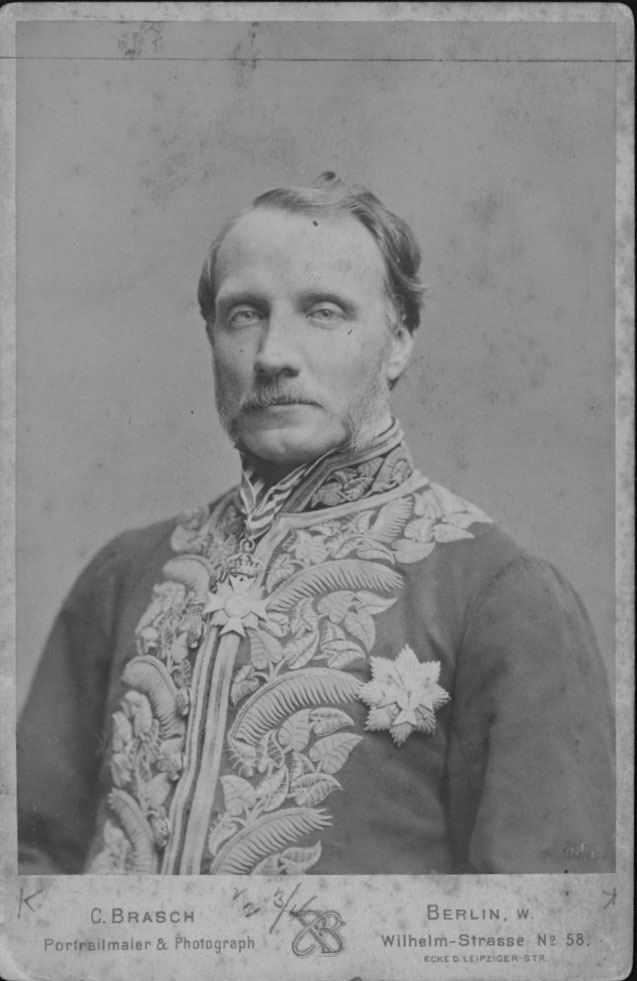
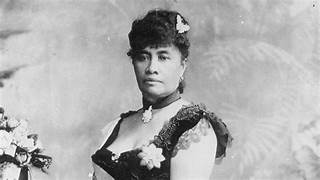
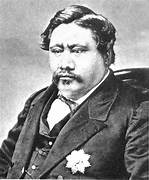
Well-researched and convincing in its analysis, Evers and Grynaviski’s book shows how the American empire in the Pacific was driven by commercial interests at its foundation.
Today that empire has taken a life of its own, with the U.S. possessing dozens of military bases that encircle China. The commercial imperative and profit motive continue to loom large, along with exploitative labor practices.

Miles M. Evers and Eric Grynaviski, The Price of Empire: American Entrepreneurs and the Origins of America’s First Pacific Empire (New York: Cambridge University Press, 2024), 48, 70. ↑
Evers and Grynaviski, The Price of Empire, 48. ↑
Evers and Grynaviski, The Price of Empire, 60. ↑
Evers and Grynaviski, The Price of Empire, 97. ↑
Evers and Grynaviski, The Price of Empire, 110. ↑
CovertAction Magazine is made possible by subscriptions, orders and donations from readers like you.
Blow the Whistle on U.S. Imperialism
Click the whistle and donate
When you donate to CovertAction Magazine, you are supporting investigative journalism. Your contributions go directly to supporting the development, production, editing, and dissemination of the Magazine.
CovertAction Magazine does not receive corporate or government sponsorship. Yet, we hold a steadfast commitment to providing compensation for writers, editorial and technical support. Your support helps facilitate this compensation as well as increase the caliber of this work.
Please make a donation by clicking on the donate logo above and enter the amount and your credit or debit card information.
CovertAction Institute, Inc. (CAI) is a 501(c)(3) non-profit organization and your gift is tax-deductible for federal income purposes. CAI’s tax-exempt ID number is 87-2461683.
We sincerely thank you for your support.
Disclaimer: The contents of this article are the sole responsibility of the author(s). CovertAction Institute, Inc. (CAI), including its Board of Directors (BD), Editorial Board (EB), Advisory Board (AB), staff, volunteers and its projects (including CovertAction Magazine) are not responsible for any inaccurate or incorrect statement in this article. This article also does not necessarily represent the views the BD, the EB, the AB, staff, volunteers, or any members of its projects.
Differing viewpoints: CAM publishes articles with differing viewpoints in an effort to nurture vibrant debate and thoughtful critical analysis. Feel free to comment on the articles in the comment section and/or send your letters to the Editors, which we will publish in the Letters column.
Copyrighted Material: This web site may contain copyrighted material the use of which has not always been specifically authorized by the copyright owner. As a not-for-profit charitable organization incorporated in the State of New York, we are making such material available in an effort to advance the understanding of humanity’s problems and hopefully to help find solutions for those problems. We believe this constitutes a ‘fair use’ of any such copyrighted material as provided for in section 107 of the US Copyright Law. You can read more about ‘fair use’ and US Copyright Law at the Legal Information Institute of Cornell Law School.
Republishing: CovertAction Magazine (CAM) grants permission to cross-post CAM articles on not-for-profit community internet sites as long as the source is acknowledged together with a hyperlink to the original CovertAction Magazine article. Also, kindly let us know at info@CovertActionMagazine.com. For publication of CAM articles in print or other forms including commercial internet sites, contact: info@CovertActionMagazine.com.
By using this site, you agree to these terms above.
About the Author
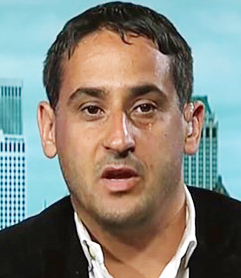
Jeremy Kuzmarov holds a Ph.D. in American history from Brandeis University and has taught at numerous colleges across the United States. He is regularly sought out as an expert on U.S. history and politics and co-hosts a radio show on New York Public Radio and on Progressive Radio News Network called “Uncontrolled Opposition.”
He is Managing Editor of CovertAction Magazine and is the author of eight books, including Obama’s Unending Wars (Clarity Press, 2019), The Russians Are Coming, Again, with John Marciano (Monthly Review Press, 2018), Warmonger. How Clinton’s Malign Foreign Policy Launched the U.S. Trajectory From Bush II to Biden (Clarity Press, 2023); with Dan Kovalik, Syria: Anatomy of Regime Change (Baraka Books, 2025), and Political Assassinations in America: The Intricate Nexus of Deep State Crime (Clarity Press, 2026).
Besides these books, Kuzmarov has published hundreds of articles and contributed to numerous edited volumes, including one in the prestigious Oxford History of Counterinsurgency .
He can be reached at jkuzmarov2@gmail.com and found on substack here.