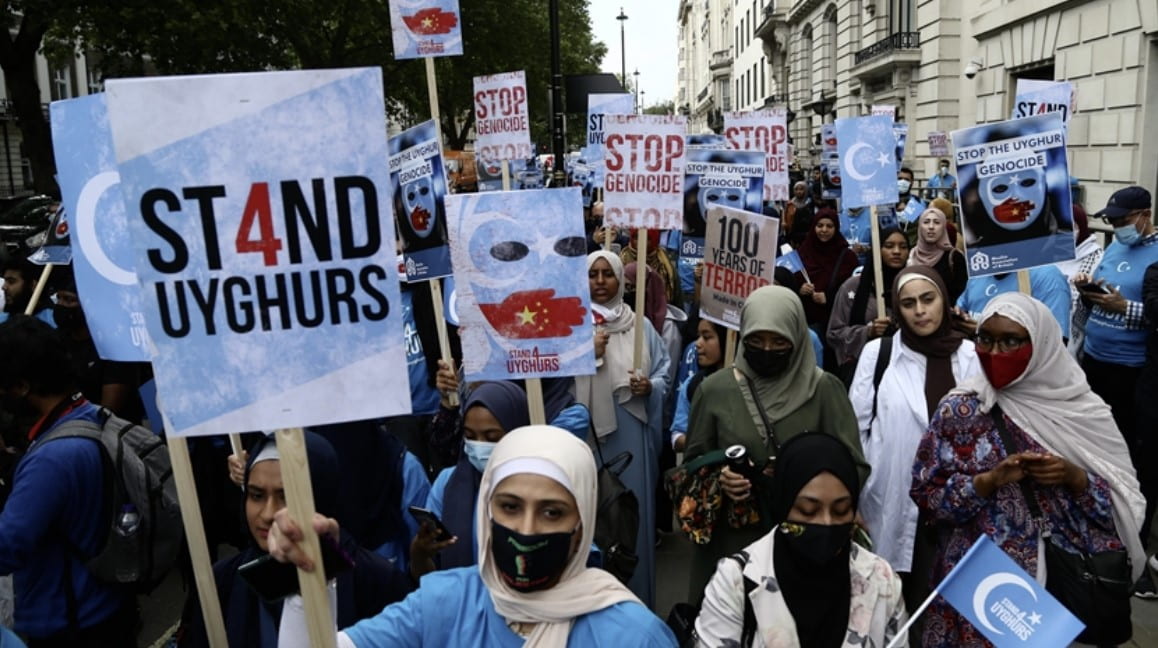
On June 29, 2020, the CIA-linked Jamestown Foundation—which was set up with the help of former CIA Director William Casey (1981-1987) and appointed ex-CIA Director James Woolsey (1993-1995) as Vice Chairman and former CIA Director Michael Hayden (2006-2009) to its board[1]—published a “research report” by Adrian Zenz, which falsely accused the Chinese government of committing “genocide” against ethnic minorities in Xinjiang.
After the release of the report, the media became filled with sensationalistic articles and Uyghur exiles were given platforms in major universities to promote the genocide claim. Secretary of State Mike Pompeo, former Ambassador-at-Large for International Religious Freedom and now National Endowment for Democracy (NED) Board members Sam Brownback, Senator Marco Rubio (R-FL) and House Representative Jim McGovern (D-MA) also began whipping up the “genocide” accusation and lobbying the Trump administration for hard-line anti-China policies.
In December 2021, President Joe Biden signed legislation—which passed both houses of Congress, with only Thomas Massie (R-KY) dissenting—banning imports from China’s Xinjiang region as part of an attempt to punish the Chinese government for its alleged genocide of Uyghurs and other ethnic minorities. Three years later, Ritchie Torres (D-NY) inserted a Uyghur Review Act into the 2024 National Defense Authorization Act (NDAA) requiring the Director of National Intelligence (DNI) to submit to Congress a report on the Uyghur genocide, with Torres alleging that more than one million Uyghur had been killed.[2]
Barry Sautman is a political science professor at Hong Kong University and lawyer who methodically debunks the Uyghur genocide psy-op in his book, Telling Tall Tales: “Uyghur Genocide” as a Political Stratagem.
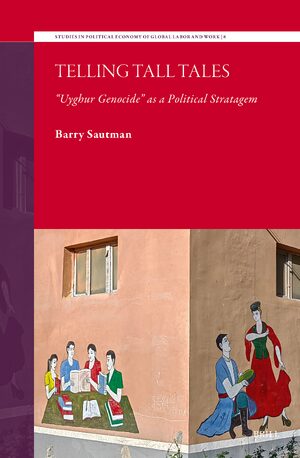

Sautman points out at the beginning of Telling Tall Tales that genocide is a very charged word that can be adopted for political purposes. In the Uyghur case, the allegations have helped to inflame Sinophobic sentiments in the U.S. and condition public support for a large-scale U.S. military build-up directed against China, intensified CIA operations, and economic warfare policies, which aim to weaken China as a geopolitical rival.
Perhaps the best evidence that no genocide ever took place was the fact that there were no observable mass migrations of Uyghur refugees outside of Xinjiang where most live and zero net migration of Uyghurs to neighboring countries like Kazakhstan, which borders Xinjiang.
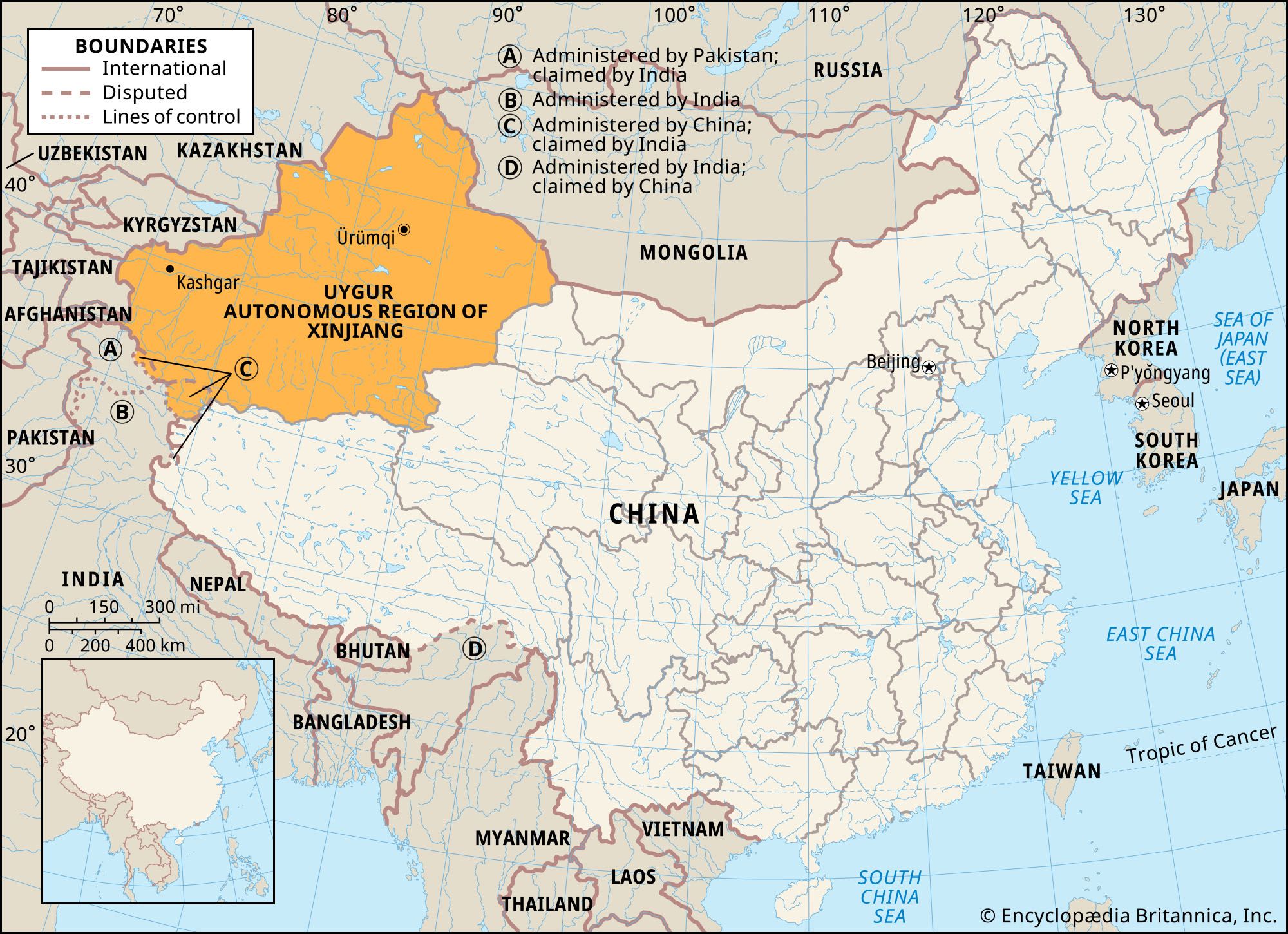
Additionally, Uyghur life expectancy has increased from 63 years in 1990 to 75 years in 2024 (up from 67 years in 2000 and 72 in 2010), in part because of expanded employment opportunities, rising incomes and Chinese government investment in infrastructural and development projects in Xinjiang under the Belt and Road Initiative (BRI).[3]
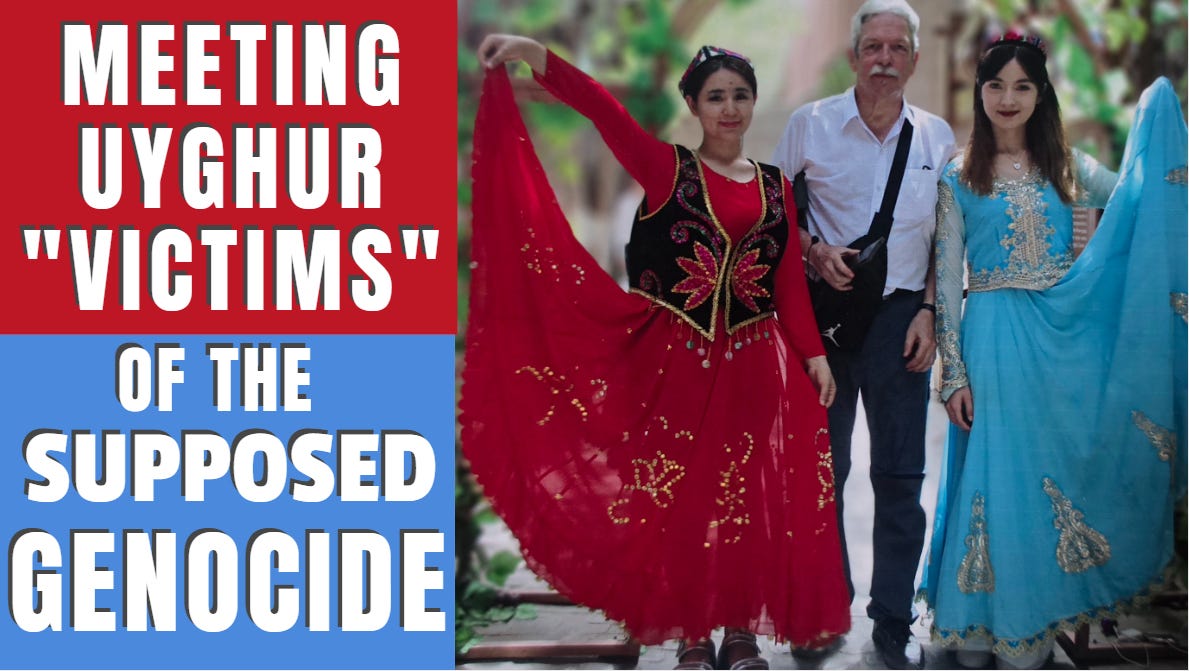
Amazingly, even many of the staunchest proponents of the genocide narrative acknowledge that the People’s Republic of China (PRC) never coordinated any mass killings—the usual criterion for genocide.
Instead, they allege that the Chinese deliberately tried to lower Uyghur birth rates, forced sterilizations and abortions on Uyghur women, and tried to eradicate Uyghur culture through the school system.
Sautman methodically debunks each of those claims.
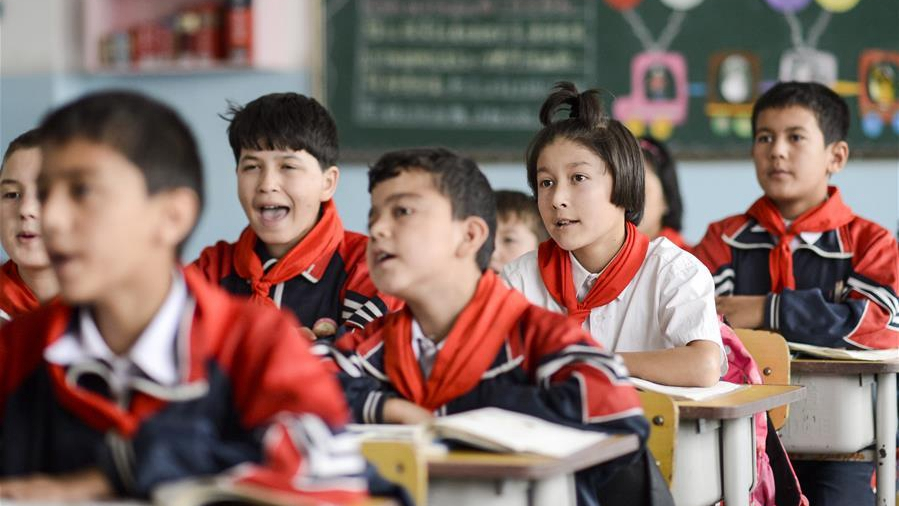
With respect to the latter, Sautman shows that the boarding schools to which some Uyghur children have been sent in no way resemble residential schools in the U.S. where Native American children were badly abused and taught that they were inferior.
In the Chinese schools, Uyghur children go home on weekends and holidays, are not beaten and do not perform any coerced labor, and are allowed to speak their own language.[4]
Furthermore, many of the boarding schools are highly selective and Uyghur parents want to send their children there because they have good math and reading classes and help many of the graduates get accepted into universities.[5]
With respect to the birth rate, Sautman discusses how there was a national policy in China to lower the birth rate between 2016 and 2021 that affected Han Chinese more than minority groups like the Uyghur who had preferential policies.
Whereas under China’s one-child policy, Han were limited to one child in cities and two in the countryside, ethnic minorities like the Uyghur could have two kids in cities and three in the countryside. Sautman documents how Uyghur birth rates in turn exceeded those of Han Chinese.
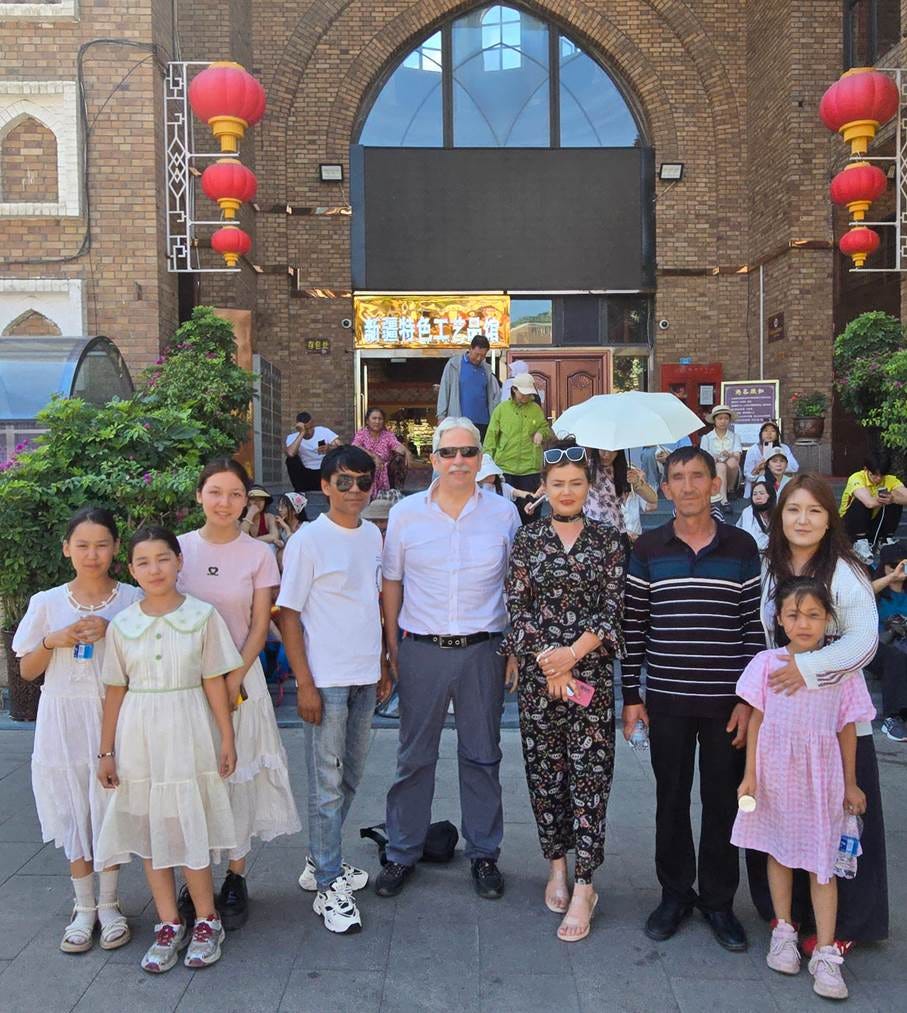
Sautman finds no evidence of forced sterilizations or abortions—allegations that were made by Uyghur exiles who were part of groups that were financed by the NED, a CIA-linked propaganda agency, and the Victims of Communism Memorial Foundation, an extreme right-wing group known for advancing fabricated claims of communist atrocities.
Though there was a documented decline in the Uyghur birth rate from 2016 to 2018, Sautman points out that this drop did not arise from genocidal intent but correlated with the first implementation of the birth limits under the One Child policy and a national decline in the birth rate.
Additionally, Uyghur couples were separated in this period because some Uyghurs were sent to Vocational Educational and Training Centers (VETCs), which helped them to obtain social mobility and double their income over the next eight years, causing women to have fewer kids.[6]
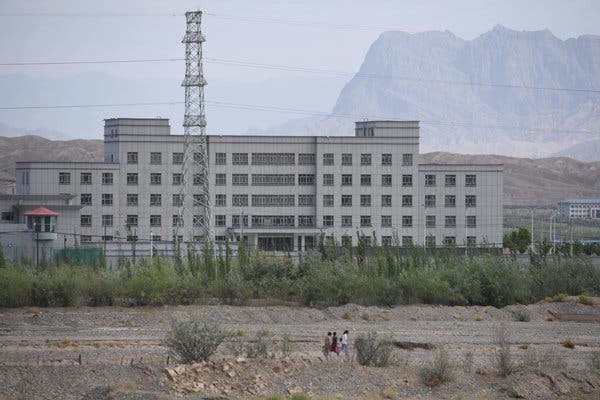
While the VETCs were characterized by proponents of the Uyghur genocide narrative as mass internment or concentration camps, Sautman shows that conditions in them did not resemble those of a concentration camp or even jail.
An important backdrop behind the VETCs’ establishment was the pattern of Uyghur extremism and terrorism that escalated from the late 1990s through the mid 2010s.
On July 5, 2009, Uyghurs carried out a violent pogrom targeting Han Chinese and businesses, chanting “Kill the Han, Smash the Hoi, Drive the Mongols Out.” Hundreds of Han Chinese were injured and killed.
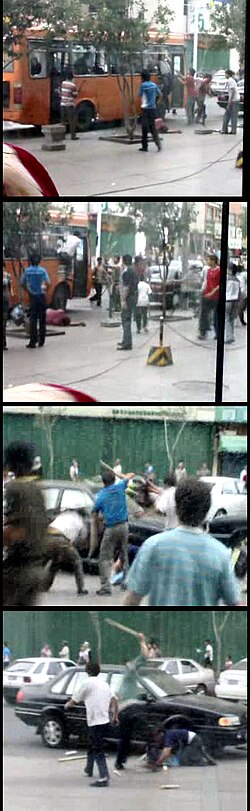
The pogroms were part of a wave of radicalization driven by Uyghur separatist groups who had links with violent Islamic fundamentalist organizations including ISIS and al-Qaeda.
The latter received financial support from radical Salafist and Wahhabi groups based in Saudi Arabia and backing from the CIA, which has a history of using Islamic radicals to destabilize leftist or nationalist governments like that of China.[7]
Uyghur leaders like Emir Abdul Haq al Turkistani, head of the East Turkistan Islamic Movement (ETIM), fought with the Taliban in Afghanistan and al-Qaeda-linked groups in Syria mobilized by the CIA to unseat Bashar al-Assad (2000-2024), a secular nationalist.
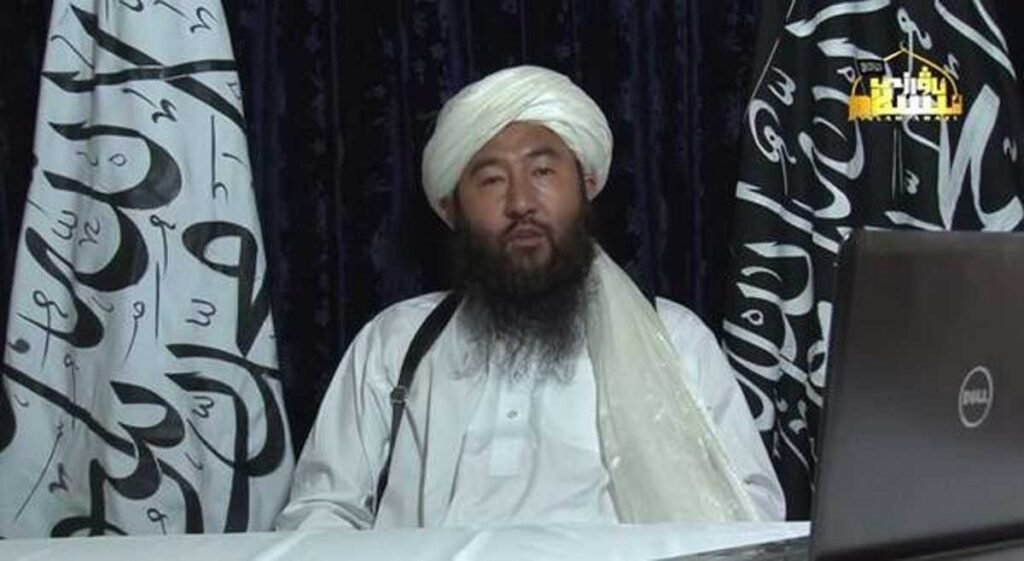
Three Uyghurs who fought in the Syrian civil war were later incorporated into Syria’s Ministry of Defense under President Abu Mohammad al-Jolani, a former al-Qaeda commander backed by the U.S.
A Pentagon analyst wrote in 2020 that “Uyghur militants have long established, deep operational ties to Al Qaeda and the Taliban dating back to at least the early 2000s…After the Urumqi riots [of June 2009], Aby Yahya al-Libi, an Al-Qaeda leader, condemned China’s decades of oppression, organized cleansing and systemic repression of the Muslim population and called on Uyghur to prepare for holy war.”[8]
In 2017, al-Qaeda released a video featuring Uyghur members who vowed to return home and “shed blood like rivers.”[9]
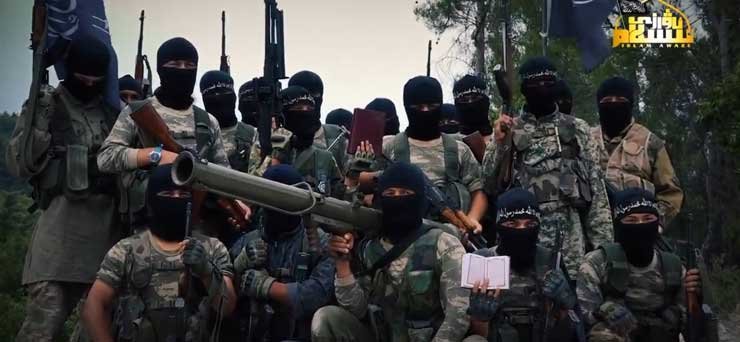
It is in this context that the PRC adopted anti-terrorism and de-extremism measures that included the establishment of the VETCs whose purpose was to better integrate Uyghur into Chinese society.
Sautman notes that only 8.7% of Uyghur households in Xinjiang had someone who went at some time to one of the VETCs—which shows there were never any mass round-ups.[10]
In 2024, the Chinese government provided $39 U.S. billion (280 billion yuan) in infrastructure projects in Xinjiang. The Chinese government also helps create an estimated 460,000 new jobs in Xinjiang each year.[11]
One of the tall tales that Sautman debunks is that China employed Uyghur slave labor in the cotton industry. Sautman shows that much of the industry is in fact mechanized.
The spinning of tall tales by Uyghur émigré groups is often driven by personal bitterness like with other émigré groups and ideological opposition to the leftist policies of the PRC.
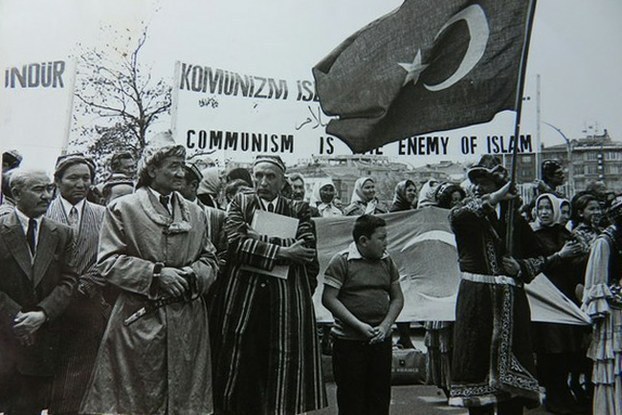
The Uyghur separatist movement emerged from elements in Xinjiang that view socialism as “the enemy of Islam.” Leaders such as Isa Yusuf Alptekin, whose son Erkin heads the NED-funded World Uyghur Congress (WUC), collaborated with the Guomindang, which fought against the Chinese Communist Party (CCP) in the Chinese Civil War in the 1940s, and forged ties with the Turkish far right.
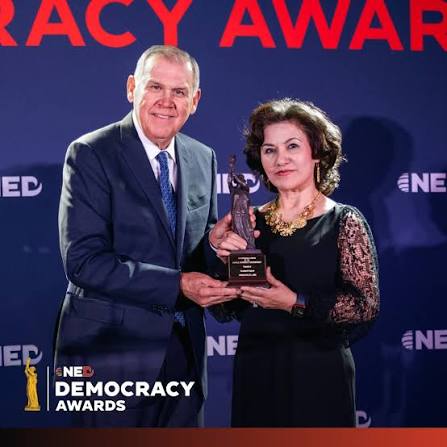
Sautman notes that, from 2004 to 2020, Uyghur émigré groups received $8,758,300 from the NED, which publishes false atrocity narratives as part of a propaganda campaign directed against China aiming to facilitate support for U.S. regime-change and war policies.[12]
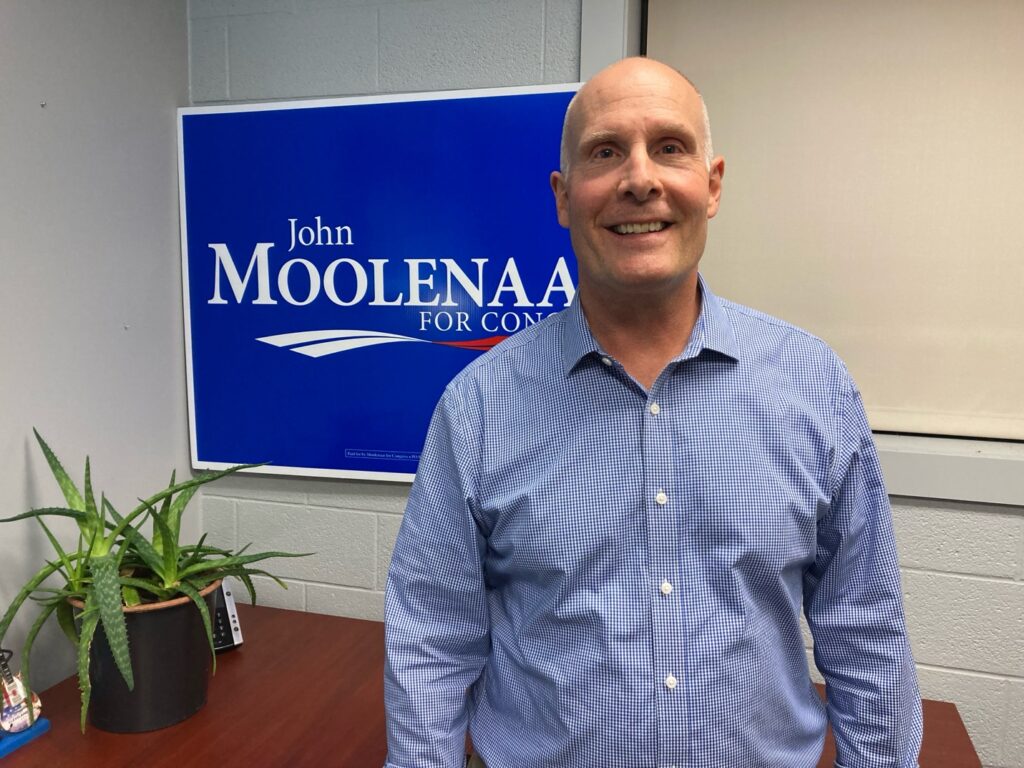
Fittingly, the NED recently appointed to its board of directors notorious China hawks Sam Brownback and John Moolenaar (R-MI), the chairman of the House Committee on the Chinese Communist Party (CCP), which falsely accused China of flooding the U.S. with fentanyl and subverting American universities.
The Uyghur genocide allegations draw on racist yellow-peril caricatures that first gained prominence in the 19th century as part of a Sinophobic campaign directed against Chinese migrant laborers.
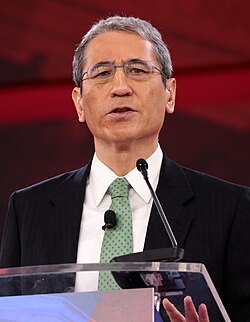
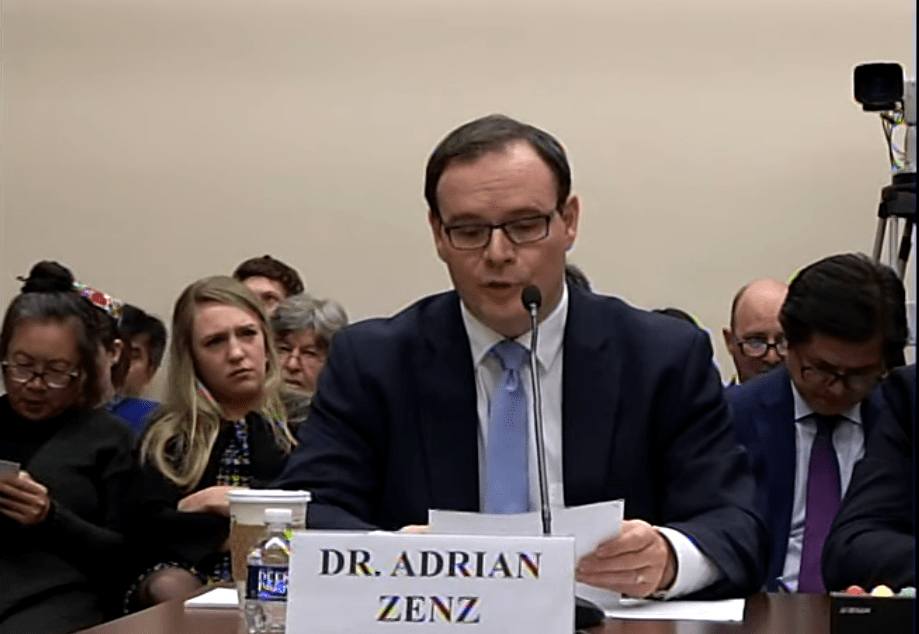
Some of its greatest purveyors have been pseudo-academics like Adrian Zenz, an evangelical Christian and fellow at the Victims of Communism Memorial Foundation who is often quoted by politicians, James Millward of Georgetown University, and Gordon G. Chang who falsely claimed that China was building crematoria to dispose of Uyghur corpses.[13]

Human Rights Watch and Amnesty International have added to the chorus of lies, along with even putatively progressive media outlets.
According to Sautman, tall tales have been spread as part of a white savior complex that is part of a long history of Americans wanting to save China from heathenism, communism and other things.
Championing independence for Tibet, Hong Kong and Inner Mongolia, which combined with Xinjiang constitute 55% of China’s territory, the white saviors are predominantly liberal anti-communists who have made common cause with conservatives in supporting the U.S. government’s efforts to foster a “Soviet-style breakup of China by East Turkistan separatists.”
The latter would serve U.S. geopolitical objectives, particularly since Xinjiang possesses 30-40% of China’s oil, natural gas and coal.
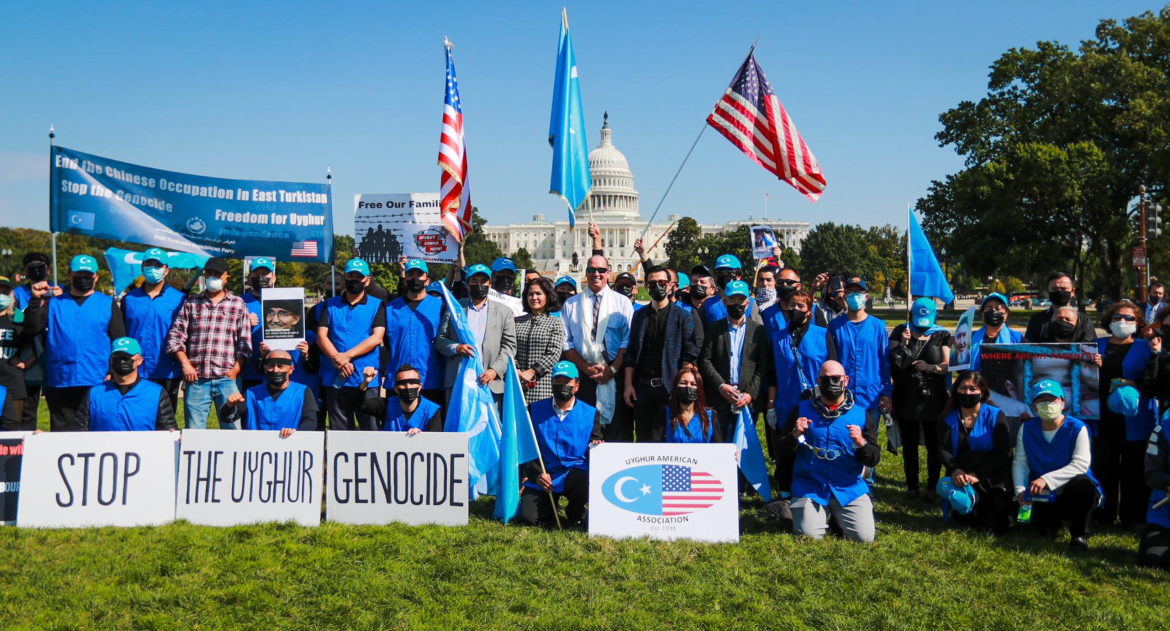
While surveillance in China proliferates and individual Uyghur may have endured unlawful detention under anti-terrorist operations or isolated abuses by people in authority at the VETCs, Chinese state policies appear from Sautman’s study to be relatively enlightened in addressing the problem of Uyghur terrorism and have helped integrate Uyghur populations into Chinese society and elevate their standard of living.
Ironically, the people most adversely impacted by the spreading of the false Uyghur genocide narrative are the Uyghurs themselves. Sautman notes that draconian U.S. sanctions imposed based on fraudulent claims have dramatically reduced imports from Xinjiang and cost many regional jobs.
In Kashgar Prefecture, Sautman found that only one-fifth of textile factories were still operational due to the sanctions. In 2024, one sanctioned cotton factory was forced to reduce its workforce from 20,000 to 5,000; another factory, with 700 employees in 2021, had only 50 by 2024. In 2024, foreign trade had fallen by 70% from what it had been in 2023.
Sautman found that most of the laid-off factory workers were women and that the layoffs extended to neighboring countries like the Philippines, whose exports to the U.S. were stuck in ports due to requirements that no Xinjiang cotton be used.[14]
The double standard of American policymakers was apparent in their invading and bombing more than a half-dozen Muslim countries in the Middle East and supporting Israeli genocide against Muslims in Gaza—a genocide corroborated by genocide scholars, unlike that alleged against the Uyghurs.
Furthermore, the Biden and Trump administrations enhanced U.S. ties to the Modi government in India, which systematically persecutes Muslims—though this has received scant media attention.[15]
Anti-China Complex Disparages Chinese Labor Unions
Coinciding with their advancement of the misleading Uyghur genocide narrative is a propensity of U.S. and Western-based academics to disparage or ignore the achievements of the All-China Federation of Trade Unions (ACFTU), which Immanuel Ness outlines in his book Dialectics of Chinese Labor: Trade Unions under Market Socialism.
Ness, a professor at Brooklyn College’s Political Science Department, has published numerous important books on labor organizing and migration and is a long-time trade union organizer and political activist.
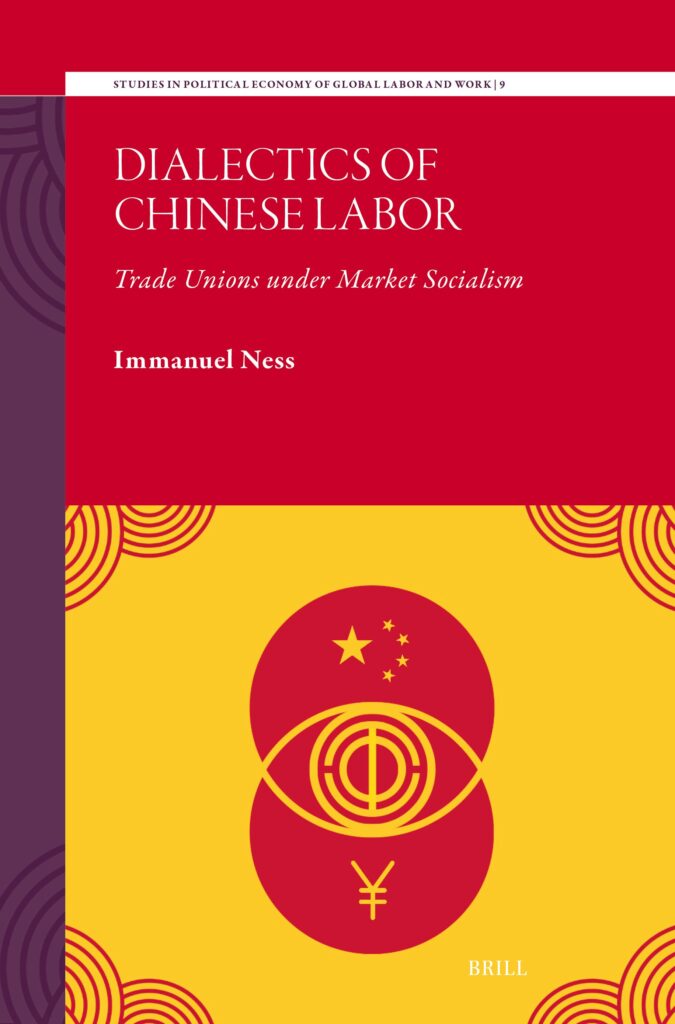

Critiquing what he calls “the anti-China academic complex” in the U.S. and West—a “propaganda behemoth established to inhibit free thinking and independent perceptions”—Ness shows that, while trade unions are declining worldwide, the ACTFU has helped Chinese workers to achieve real wage growth, improvements to benefits and conditions on the job and labor rights in the workplace—on a much higher scale than American workers have achieved.[16]
Formed in 1925, the ACTFU has experienced unprecedented membership growth, from 134 million members in 2005 to nearly 303 million members in 2018 and 400 million in 2024, representing about 75% of the Chinese workforce, which contrasts with around 10% of the U.S. workforce that is unionized.[17]
Many of the ACTFU members are urban migrant workers drawn from the ride-share, digital technology, courier and food delivery industries that have been impossible to organize into unions in the U.S.
Ness notes that, in 2020, the State of California passed a proposition denying drivers the right to employment with the ride technology firms by forcing them to work as independent contractors, which prevents them from organizing to secure higher wages and benefits.[18]
The anti-China complex disparages the ACTFU because it is supposedly an authoritarian organization controlled by the Chinese state; however, Ness shows that it is holistic in its approach in responding to workers’ demands and taking responsibility for improving workers’ conditions, and that most local labor leaders are democratically elected.
The Chinese socialist state at the same time stands up for the ACTFU in labor disputes and strikes, with Chinese labor courts almost always supporting workers in disputes with management. With the assistance of the ACTFU, workers have won 95% of cases brought against employers.[19]
This latter figure contrasts with the U.S. where the government constantly passes anti-labor legislation and has a history of siding with management, and the Supreme Court has made decisions impeding workers’ ability to join unions and strike against private and public enterprises.[20]
In comparison to China, Ness finds that U.S. unions are generally much weaker than in China because they are confined to niche industries, lack creativity in expanding their recruitment and are largely acquiescent to the corporate power structure.
The misrepresentation of the success of Chinese labor unions compared to their U.S. counterparts fits with a pattern of anti-China discourse and jingoism in the U.S. that is helping to drive forward confrontational policies that could lead to war. In puncturing the official narrative about China, both Sautman and Ness have performed a valuable public service that could lead to a change in public attitudes and foreign policy approaches if many people would read their books.

CIA links to the Jamestown Foundation are discussed in Barry Sautman, Telling Tall Tales: “Uyghur Genocide” as a Political Stratagem (Leiden: Brill, 2026), 310. ↑
Sautman, Telling Tall Tales, 322. ↑
Ibid., 190. ↑
Ibid., 82. ↑
Ibid., 94. ↑
Ibid., 48. ↑
See Robert Dreyfuss, Devil’s Game: How the United States Helped Unleash Fundamentalist Islam (New York: Metropolitan Books, 2005). ↑
Sautman, Telling Tall Tales, 296. ↑
Idem., 296. ↑
Ibid., 30. ↑
Ibid., 284. ↑
Ibid., 144. ↑
A series of articles by The Grayzone on Zenz and the political implications of the Uyghur genocide allegations and people and institutions promoting this false narrative can be found here. The Grayzone investigation found that Zenz’s assertion of genocide “is contradicted by flagrant data abuse, fraudulent claims, cherry-picking of source material, and propagandistic misrepresentations.” ↑
Sautman, Telling Tall Tales, 237. The U.S. Department of Homeland Security was sanctioning Chinese companies without any direct proof that they used forced labor, for which there was no evidence. ↑
Sautman, Telling Tall Tales, ch. 6. ↑
Immanuel Ness, Dialectics of Chinese Labor: Trade Unions under Market Socialism (Leiden: Brill, 2026). ↑
Ness, Dialectics of Chinese Labor, 106. China has the highest union membership rate in the world. Workers in 92% of all Fortune 500 companies operating in China were represented by a union affiliated with the ACFTU. ↑
Ness, Dialectics of Chinese Labor, 108. ↑
Ibid., 30, 44, 181. Ness notes that, in addition to fighting for better worker pay and benefits, the ACFTU provided vocational and jobs-skill training and even mental health support. ↑
Ness, Dialectics of Chinese Labor, 43. ↑
CovertAction Magazine is made possible by subscriptions, orders and donations from readers like you.
Blow the Whistle on U.S. Imperialism

Click the whistle and donate
When you donate to CovertAction Magazine, you are supporting investigative journalism. Your contributions go directly to supporting the development, production, editing, and dissemination of the Magazine.
CovertAction Magazine does not receive corporate or government sponsorship. Yet, we hold a steadfast commitment to providing compensation for writers, editorial and technical support. Your support helps facilitate this compensation as well as increase the caliber of this work.
Please make a donation by clicking on the donate logo above and enter the amount and your credit or debit card information.
CovertAction Institute, Inc. (CAI) is a 501(c)(3) non-profit organization and your gift is tax-deductible for federal income purposes. CAI’s tax-exempt ID number is 87-2461683.
We sincerely thank you for your support.
Disclaimer: The contents of this article are the sole responsibility of the author(s). CovertAction Institute, Inc. (CAI), including its Board of Directors (BD), Editorial Board (EB), Advisory Board (AB), staff, volunteers and its projects (including CovertAction Magazine) are not responsible for any inaccurate or incorrect statement in this article. This article also does not necessarily represent the views the BD, the EB, the AB, staff, volunteers, or any members of its projects.
Differing viewpoints: CAM publishes articles with differing viewpoints in an effort to nurture vibrant debate and thoughtful critical analysis. Feel free to comment on the articles in the comment section and/or send your letters to the Editors, which we will publish in the Letters column.
Copyrighted Material: This web site may contain copyrighted material the use of which has not always been specifically authorized by the copyright owner. As a not-for-profit charitable organization incorporated in the State of New York, we are making such material available in an effort to advance the understanding of humanity’s problems and hopefully to help find solutions for those problems. We believe this constitutes a ‘fair use’ of any such copyrighted material as provided for in section 107 of the US Copyright Law. You can read more about ‘fair use’ and US Copyright Law at the Legal Information Institute of Cornell Law School.
Republishing: CovertAction Magazine (CAM) grants permission to cross-post CAM articles on not-for-profit community internet sites as long as the source is acknowledged together with a hyperlink to the original CovertAction Magazine article. Also, kindly let us know at info@CovertActionMagazine.com. For publication of CAM articles in print or other forms including commercial internet sites, contact: info@CovertActionMagazine.com.
By using this site, you agree to these terms above.
About the Author
Jeremy Kuzmarov holds a Ph.D. in American history from Brandeis University and has taught at numerous colleges across the United States. He is regularly sought out as an expert on U.S. history and politics and co-hosts a radio show on New York Public Radio and on Progressive Radio News Network called “Uncontrolled Opposition.”
He is Managing Editor of CovertAction Magazine and is the author of eight books, including Obama’s Unending Wars (Clarity Press, 2019), The Russians Are Coming, Again, with John Marciano (Monthly Review Press, 2018), Warmonger. How Clinton’s Malign Foreign Policy Launched the U.S. Trajectory From Bush II to Biden (Clarity Press, 2023); with Dan Kovalik, Syria: Anatomy of Regime Change (Baraka Books, 2025), and Political Assassinations in America: The Intricate Nexus of Deep State Crime (Clarity Press, 2026).
Besides these books, Kuzmarov has published hundreds of articles and contributed to numerous edited volumes, including one in the prestigious Oxford History of Counterinsurgency .
He can be reached at jkuzmarov2@gmail.com and found on substack here.





While this piece provides an interesting overview of Sautman and Ness’s academic work, it suffers from a significant journalistic gap: it contains no original interviews or primary source reporting. When attempting to debunk a massive body of international claims, standard journalistic best practice dictates interviewing at least some first-hand witnesses or survivors to directly cross-examine their stories. Relying exclusively on secondary literature reviews weakens the empirical weight of the article, regardless of one’s perspective on the region’s geopolitics.
Barry Sautman and Emanuel Ness are recognized in Academic circles as fully credentialed, highly productive professors who publish in peer-reviewed journals. However, because both authors maintain strongly anti-imperialist, pro-Beijing, or Marxist viewpoints, their conclusions on sensitive geopolitical topics are deeply polarizing and heavily rejected by international human rights organizations. As is usually the case the author has chosen as his primary source two writers whose ideological beliefs are similar to his own ideological beliefs.