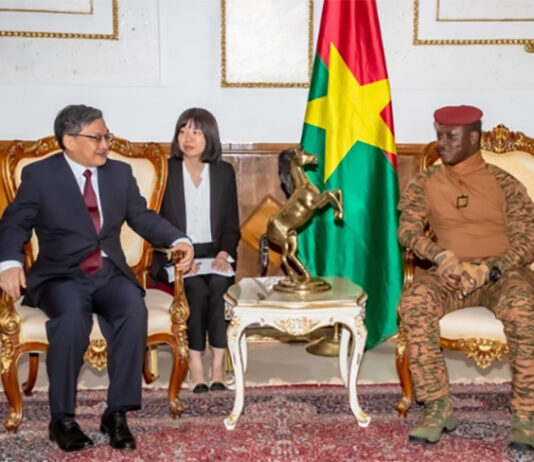
China is a modern superpower, as is the U.S., but a qualitatively different one. The U.S. uses military aggression, coups and sanctions to impose U.S. corporate interests worldwide. China is a predominantly peaceful power that respects national sovereignty, mutual development, and non-interference.
Despite opposing imperialism, too many in the Western...
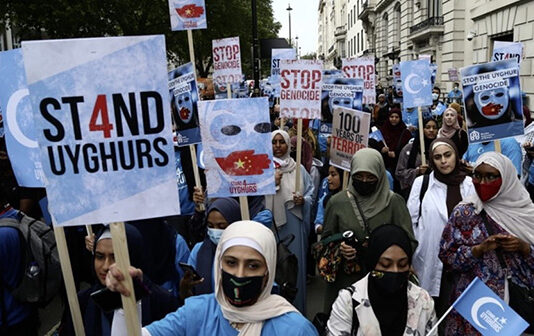
On June 29, 2020, the CIA-linked Jamestown Foundation—which was set up with the help of former CIA Director William Casey (1981-1987) and appointed ex-CIA Director James Woolsey (1993-1995) as Vice Chairman and former CIA Director Michael Hayden (2006-2009) to its board—published a “research report” by Adrian Zenz, which falsely accused the Chinese...
Part Three: Artificial Intelligence = Alienation Instructors
I am conscious of being alienated. Feeling, knowing we have no real control over our lives, or over what happens around us throughout the world. Many of us who look honestly inside feel isolated, estranged from people, society, ourselves. Hopelessly living limply with...
China invests in U.S./Israel Wars and supported Pol Pot’s Genocide and South African Apartheid
Che Guevara’s revolutionary humanist perspective led him to “reject any notion that included using capitalist tools or fetishes. The pipe dream that socialism can be achieved with the help of the dull instruments left to us...
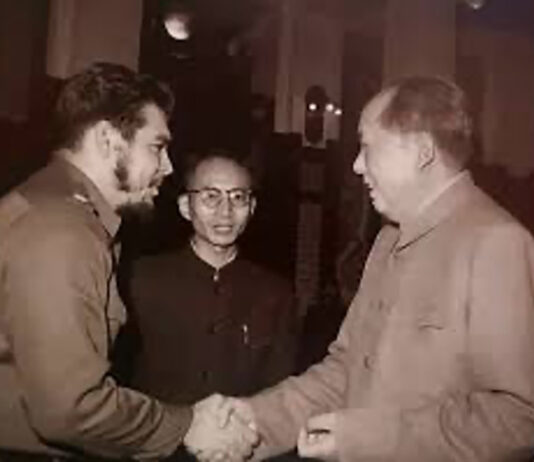
My morality and thought processes, and much of my writings have I learned from Che Guevara’s meaning about building a socialist society in which people begin to shed themselves from being alienated commodities.
My evaluation of China is based on what Che meant, in order to develop the “New...
Political legitimacy thrives on competence and executing the people’s will—not on money and endless election campaigns
Long before the West ever seriously discussed equal opportunities, sophisticated concepts of meritocratic selection already existed in China. The Tang Dynasty state, in particular, is considered an early example of a system based on...

Persecution of Chinese scientists is part of anti-China policy that could lead to World War III
On March 20, Danhao Wang, a brilliant thirty-year-old Chinese post-doctoral physicist at the University of Michigan, allegedly took his own life after being subjected to hostile questioning by federal agents.
China’s Ministry of Foreign Affairs...

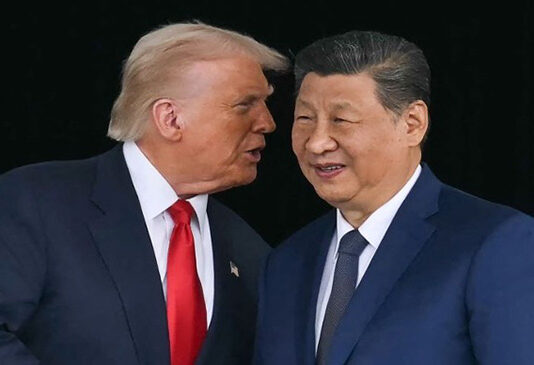
After almost a year of an escalating trade war, U.S. President Donald Trump met with Chinese President Xi Jinping in South Korea last week...

An on-the-ground account challenging Western propaganda
Upon landing in Urumqi, the capital of the Xinjiang Uyghur Autonomous Region (commonly known as Xinjiang), it is evident that the Uyghurs, a Turkic-speaking Muslim minority, call this home.
As I exited the airport arrivals hall, I noticed a restaurant sign reading “EGG BOMB.” The...

The founder of Tech Buzz China, Rui Ma, posted on X after a recent trip to China about her observations on energy there. “Energy is considered a solved problem...

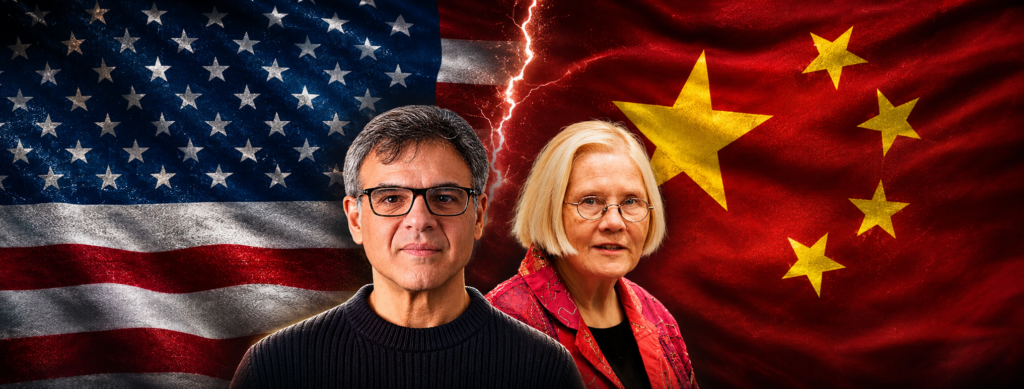
 Radhika Desai is a Professor of Political Studies at the University of Manitoba, Winnepeg, Canada, Director of its Geopolitical Economy Research Group, and Convenor of the International Manifesto Group. Ms. Desai is an author of multiple books, including Geopolitical Economy(2013) and her most recent Capitalism, Coronavirus and War(2022). Ms. Desai hosts a fortnightly show, Geopolitical Economy Hour on the Geopolitical Economy Report website.
 Yan Pan is a Chinese PhD researcher at LUT University, Finland. Her work examines the political economy of China’s technological and industrial development, with a particular focus on the industrialization and governance of neurotechnology in China. Her research concerns industrial policy models for future industries in Chinese and Global South contexts. Prior to her PhD, she researched educational reforms and structural change in labor demand in China.
 Ken Hammond is professor emeritus of East Asian and Global History at New Mexico State University. He has lived and worked in China from time to time since 1982. A lifelong political activist, he is a member of the Party for Socialism and Liberation.