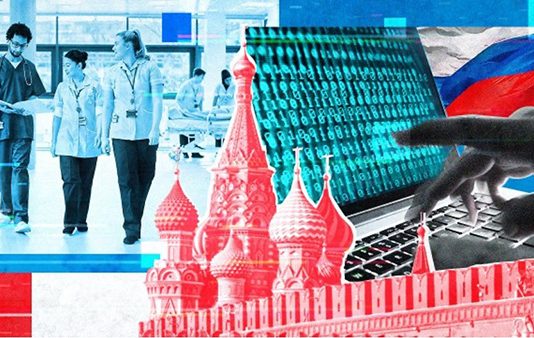
At the start of June, Admiral Robert Bauer, head of NATO’s military committee, announced that the military alliance had finalized plans to recognize state-backed cyberattacks on its members as a dedicated pretext for activating Article 5. Reportedly “a joint decision of all allies,” from now on, foreign hacking blitzes...
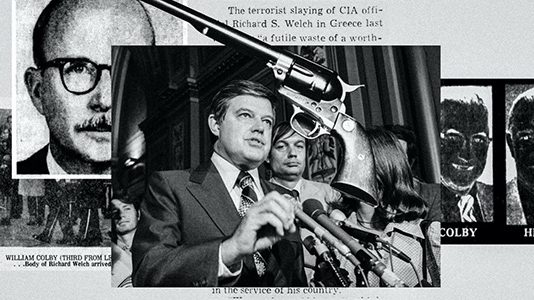
Confronted with an incoherent assertion, an exasperated Bertrand Russell once sighed, “Statements of this kind, I must confess, leave me gasping, and I hardly know where to begin.” I found myself repeatedly having the same thought while making my way through a delusional new book about the intelligence community.
Big...
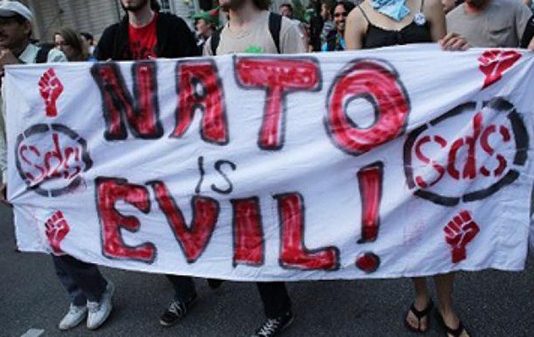
Will a formidable peace movement ever emerge that can succeed in stopping it?
This past week, the North Atlantic Treaty Organization (NATO) celebrated its 75th anniversary by hosting a summit in Washington, D.C., where its founding treaty was signed.
A declaration issued at the summit made clear NATO’s intent to continuously...
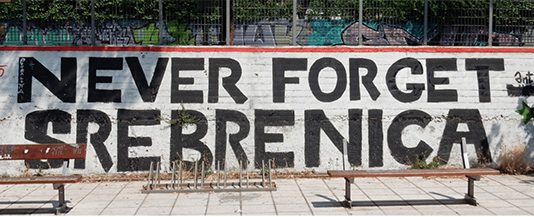
Lack of evidence can never be acknowledged, because it would undercut the rationale for military intervention.
In June 2021, the Biden White House issued a statement approving the decision of the United Nations International Residual Mechanism for Criminal Tribunals in The Hague to affirm its conviction of Serb General Ratko...
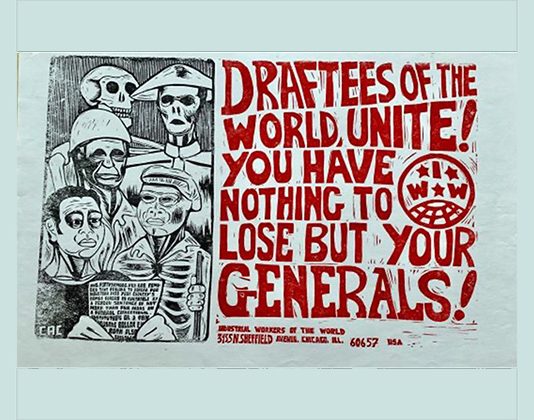
About ten years ago, I attended a lecture by noted anti-war author Andrew Bacevich, a professor of international relations at Boston University and former Army colonel whose son died in Iraq.
Bacevich provided critical commentary on U.S. foreign policy in the Middle East and then advocated for restoring the draft...
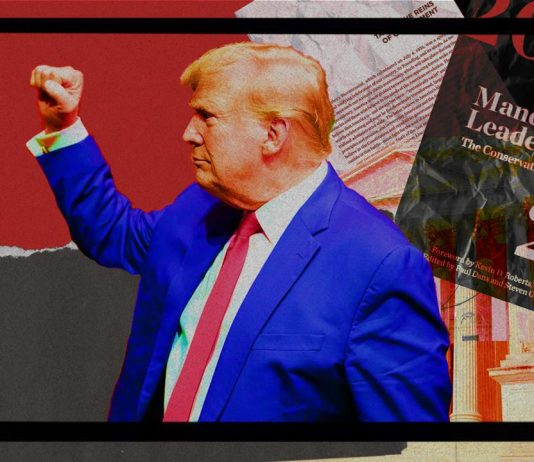
Project 2025 bills itself as a comprehensive plan to undo decades of social progress - in its own words, to “dismantle the administrative state” and “return self-governance to the American people.” Democrats have jumped into using it and its connections to the Trump agenda and former staff as a reason to rally behind Joe Biden...
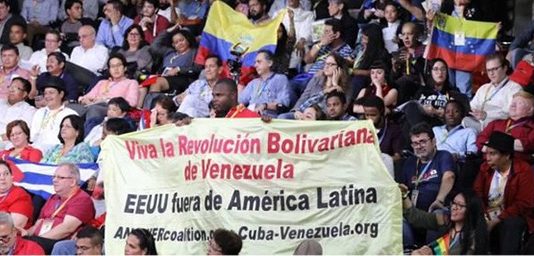
Venezuela has itself experienced multiple U.S.-backed coup attempts
On June 27, 2024, the Venezuelan government condemned the failed military coup attempt that sought to unseat Bolivia’s left-wing government.
Venezuela’s government has itself survived repeated coup attempts backed by the United States since the country’s Bolivarian Revolution in the late 1990s.
The...
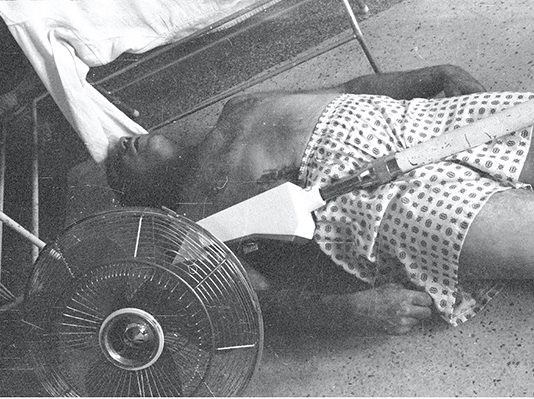
Thomas Merton was the most influential Catholic writer of the 20th century.
He was almost as well-known in the United States as the author Ernest Hemingway or the popular Bishop Fulton J. Sheen.
He had been raised in France where his American mother and New Zealander father had met in a...

With all the glorification of our “heroes” in uniform—a glorification that seems to grow in inverse proportion to the real need for them—a person could begin to feel afraid to utter aloud the sort of jokes that people used to make. For instance, you might feel the need to...

The U.S. government is spying on you through your mail. The little-known program called mail covers lets law enforcement request that an investigative bureau inside the Postal Service track and report on all the mail you’re getting. And it’s done without a warrant, without any real oversight or transparency, and at the request of agencies like the IRS, FBI, Department of Homeland Security and ICE...

 Radhika Desai is a Professor of Political Studies at the University of Manitoba, Winnepeg, Canada, Director of its Geopolitical Economy Research Group, and Convenor of the International Manifesto Group. Ms. Desai is an author of multiple books, including Geopolitical Economy(2013) and her most recent Capitalism, Coronavirus and War(2022). Ms. Desai hosts a fortnightly show, Geopolitical Economy Hour on the Geopolitical Economy Report website.
 Yan Pan is a Chinese PhD researcher at LUT University, Finland. Her work examines the political economy of China’s technological and industrial development, with a particular focus on the industrialization and governance of neurotechnology in China. Her research concerns industrial policy models for future industries in Chinese and Global South contexts. Prior to her PhD, she researched educational reforms and structural change in labor demand in China.
 Ken Hammond is professor emeritus of East Asian and Global History at New Mexico State University. He has lived and worked in China from time to time since 1982. A lifelong political activist, he is a member of the Party for Socialism and Liberation.