[This article is part of CovertAction Magazine’s attempt to educate readers on the horrific history of the CIA.—Editors]
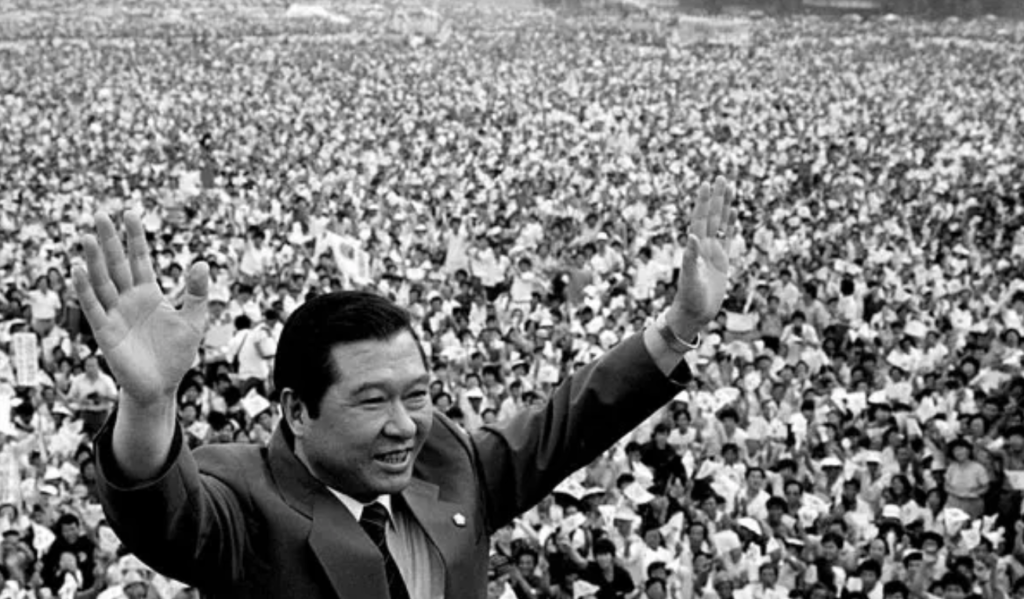
On August 8, 1973, Kim Dae-jung, an opposition leader with the Korean New Democratic Party (KNDP), was kidnapped by the Korean Central Intelligence Agency (KCIA) from the 22nd floor of the Grand Palace Hotel in Tokyo and drugged while he was imprisoned.[1]
The plot was to swiftly eliminate Kim, though reactions from the U.S. and Japan resulted in his release in Seoul a week later, after which time he was placed under house arrest.
A member of the elected assembly who ran for president in 1971 under a climate of terror, Kim opposed General Park Chung-hee’s sending of more than 50,000 South Korean mercenary troops into South Vietnam, and called for making South Korea a war-free zone by getting the Soviet Union, China, the United States and Japan to guarantee its neutrality.[2]
In 1980, Kim was sentenced to 20 years in prison after leading the Kwangju uprising though, after South Korea’s dictatorship was overthrown, he was elected president in 1997.
“One of the Most Brutal and Venal Security Services”
The Korean CIA was established in 1961, with the advice and assistance of the U.S. CIA.
A key underlying purpose behind its formation was a) to protect the 600 U.S. multinationals and 400 Japanese firms that formed over 50% of South Korea’s industrial base; b) to protect over 100 U.S. army bases that provide a significant portion of Seoul’s annual revenue; and c) to protect an oil dependency funneled through California-Texaco and Gulf.[3]
Dissident movements seeking reunification with the communist North had been brutally stamped out by the U.S proxy regimes in South Korea from the mid 1940s onwards.[4] U.S. policy elites after World War II had aimed to divide the Koreas and establish a client regime in the South whose economy was integrated with Japan, which the U.S. wanted to build up as a strategic counterweight against the People’s Republic of China (PRC).
The CIA had played an important role in the Korean War (1950-53) by sending guerrilla commandos from the South behind enemy lines into the North to carry out sabotage and terrorist operations.
In the early 1960s, the CIA sent its top psychologist, John Winne, to select the initial KCIA cadres using a CIA-developed psychological assessment test. A joint KCIA-CIA interrogation center was set up in Yon Don Tho along with another one in Seoul which was remembered by South Koreans as an institution of authoritarian terror.[5]
Journalist Jonathan Marks wrote that CIA officers were not content simply to work closely with the KCIA and other foreign intelligence services; “they insisted on penetrating them and [Winne’s] personality assessment test provided a useful aid.”[6]
Setting the groundwork for the Vietnam Phoenix program, which resulted in thousands of deaths, CIA advisers used imported technology such as computers in South Korea to create blacklists of leftists who were arrested and often tortured.[7]
Among the KCIA advisers who worked directly in Phoenix was Colton Westbrook, who became involved in mind control projects within the United States that resulted in creation of violent, nihilistic offshoots of the 1960s New Left movement that were deliberately self-destructive.[8]
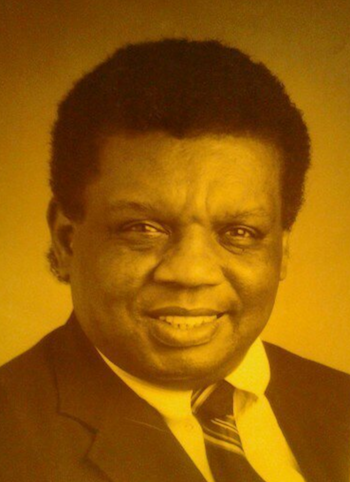
By the late 1970s, the KCIA had “earned a reputation as one of the most brutal and venal security services in the world,” according to journalist Tad Szulc. A State Department official described the KCIA to Szulc as “a combination of the Gestapo and the Soviet K.G.B.”[9]
Carolyn Turbyfill, a former Peace Corps volunteer in South Korea, wrote in the December 1980 issue of CovertAction Information Bulletin that “what the KCIA does best is terrorize the Korean people. Its job is to intimidate the people to make them paranoid and distrustful of everyone, and therefore unable to communicate their common desires and complaints, unable to organize and act. Those who defy this intimidation are arrested and tortured. Friends and family of dissidents are often harassed or arrested and tortured too.”[10]
Comparing the KCIA to SAVAK in Iran and DINA in Chile, which were also either created, subsidized or assisted by the CIA, Turbyfill went on to describe the techniques of torture that the KCIA adapted ranging the gamut from sleep deprivation and electroshock to “Genghis Khan cooking;” hanging a person upside down just above a burning flame.[11]
The KCIA’s unethical practices were evident when it was caught bribing U.S. Congressmen.
Operating as a de facto mafia, the KCIA involved themselves in all major business transactions in South Korea, demanding extortion payments, while intimidating and harassing South Koreans living in-exile.
Particularly feared was the KCIA’s sixth bureau which, according to State Department official Gregory Henderson, was devoted to “dirty tricks, sabotage and assassination,” directing the harassment of South Koreans abroad, including in West Germany and Japan.[12]
The equally feared fifth bureau was responsible for surveillance and enforcing draconian national security laws passed by General Park, while the second bureau was in charge of internal propaganda and press censorship.
General Park’s White Terror
The head of the Korean CIA at the time of Kim’s 1973 abduction, Lee Hu Rak, was an aide to General Park Chung-hee, a CIA asset who ruled South Korea with an iron fist from 1961 to 1979 after coming to power in a coup backed by the Kennedy administration.
The KCIA’s founder, Kim Jong-pil was General Park Chung-hee’s nephew.
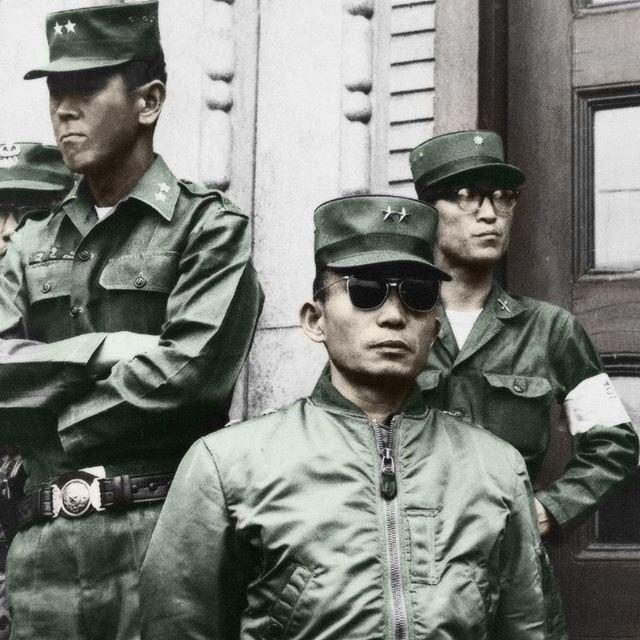
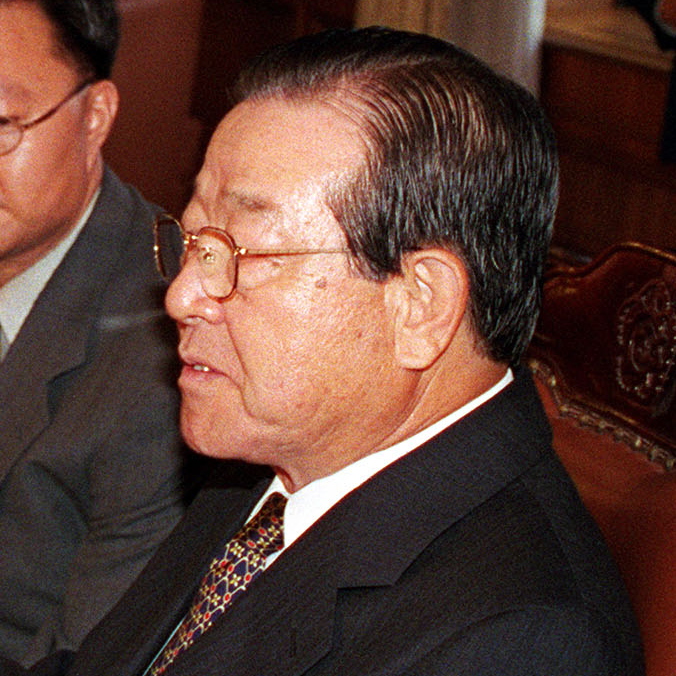
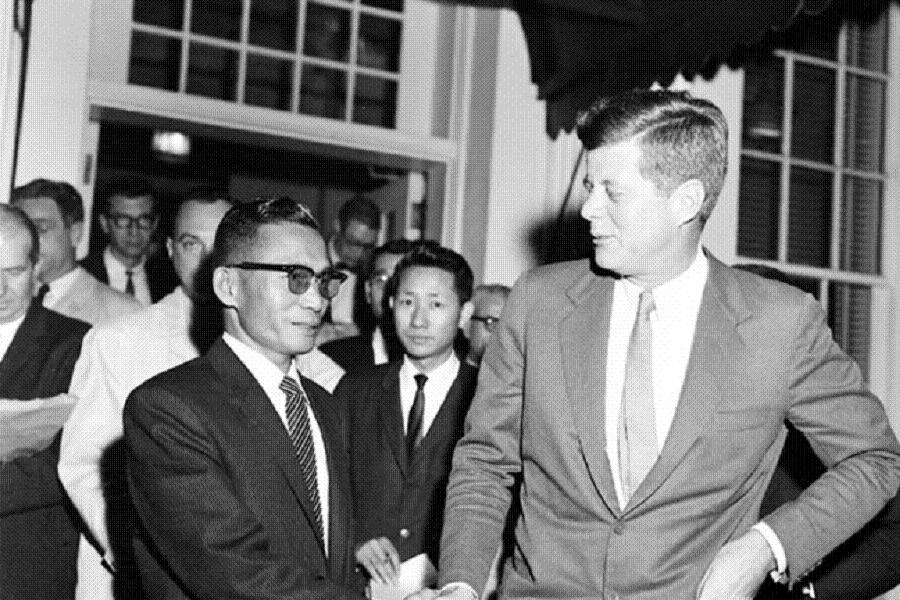
Only six months after he had led a military coup against the democratically elected Choe Myon in May 1961, General Park was invited for a White House visit by then President John F. Kennedy, who offered to provide his regime with $400 million in economic aid.[13]
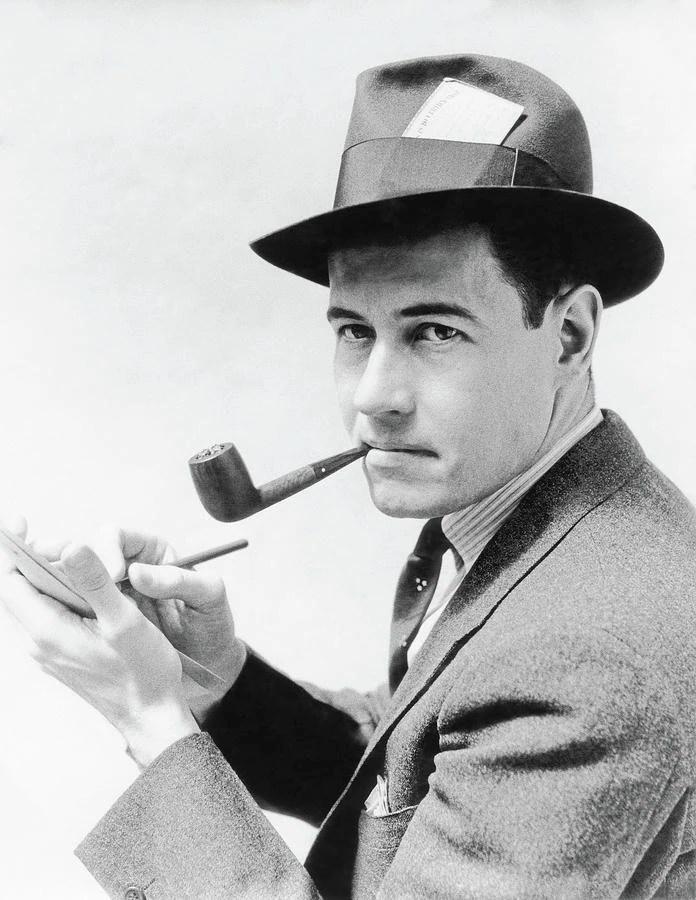
David W. Conde, a journalist who worked for the U.S. occupying authority in Japan after World War II, characterized Park as a “mechanized puppet of the CIA,” who was able to “exercise tremendous power over his masters in Washington through the threat to fail to repel the mythical invasion from the communists in North Korea.”[14]
During World War II, Park had volunteered for service in the Japanese occupation army, and then allegedly took charge of a Republic of Korea (ROK) “White Elephant” battalion whose mission was to kill communist leaders and supporters in North Korea in the “Operation Phoenix” of the Korean War.[15]
The White Elephant Battalion operations became the model for similar programs run by Park that cycled CIA operatives in and out of Vietnam.[16]
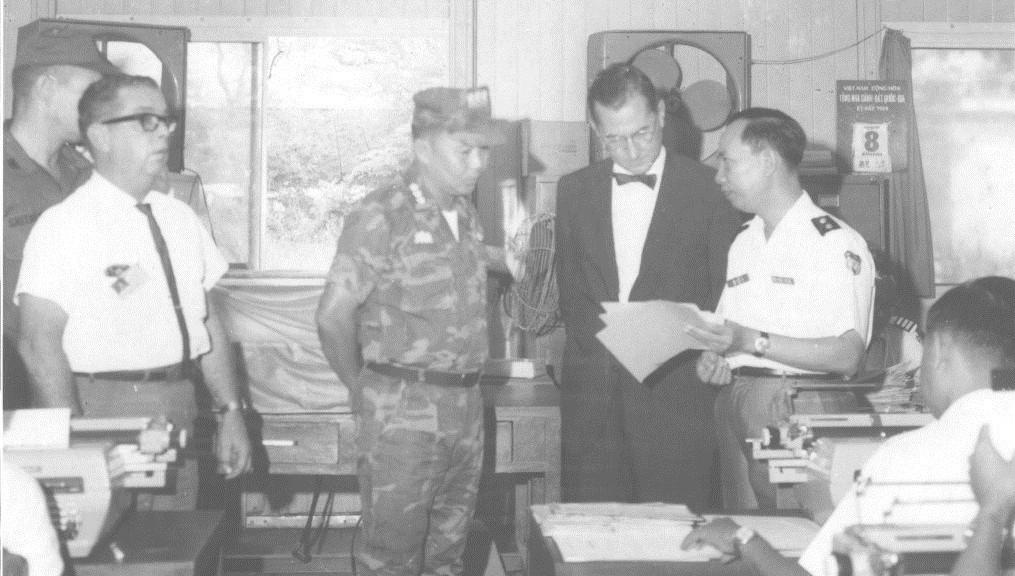
According to Conde, Park and his CIA-KCIA terror machine detained more than 100,000 alleged North Korean sympathizers from 1961 to 1973 and “executed many patriots.”[17]
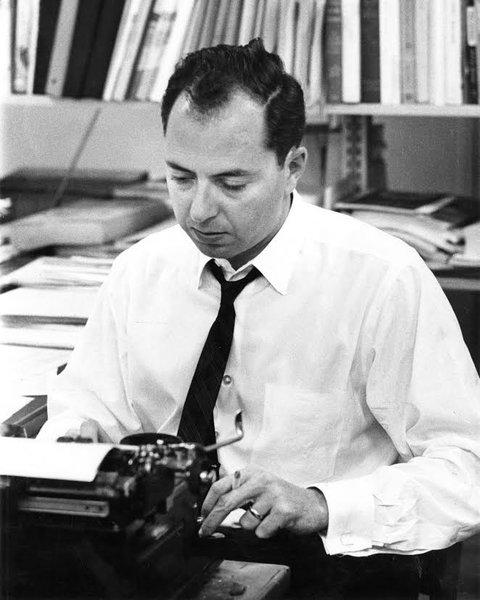
Tad Szulc reported that, as the principal political and internal security instrument for President Park, the KCIA “practiced repression of such brutality the American CIA in Seoul intervened quietly to obtain a modification in the KCIA’s medieval prisoner interrogation methods.”[18]
Learning from the CIA, the KCIA had set up a business empire to help fund political operations that included front organizations and companies, many of which operated in the U.S.[19]
The KCIA also became expert at infiltrating dissident movements to sow dissension or carry out criminal acts in order to try and discredit them.[20]
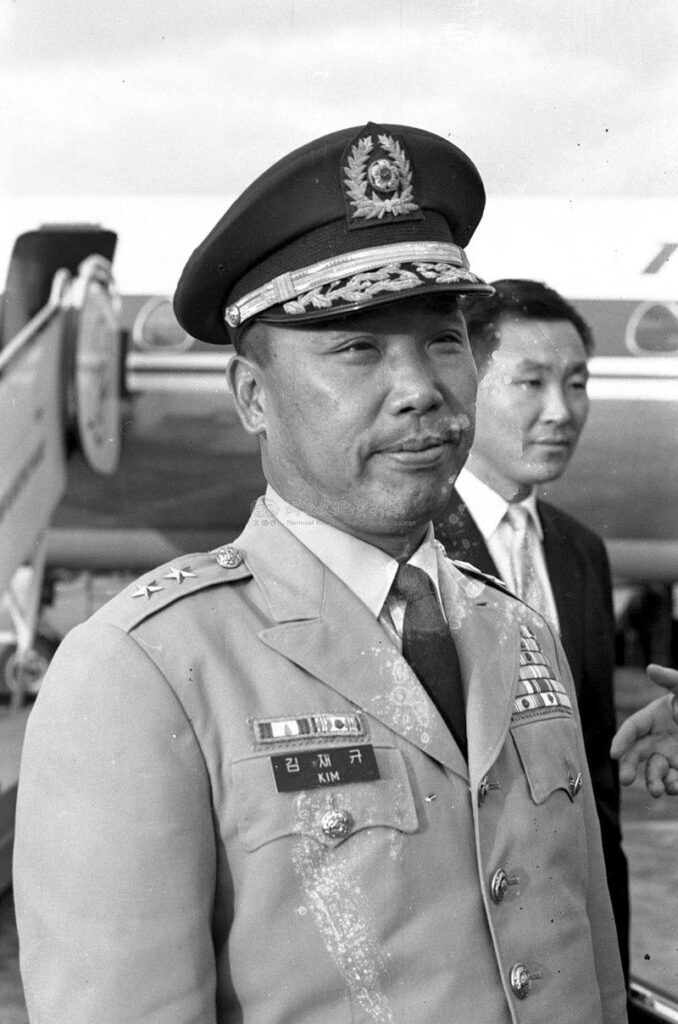
In October 1979, Park was executed by his KCIA chief, Kim Jae-gyu, after dining with him in KCIA headquarters.
One theory holds that Kim Jae-gyu was acting on behalf of the CIA, which wanted to prevent the development of a nuclear weapon by South Korea, something that Park was pursuing.
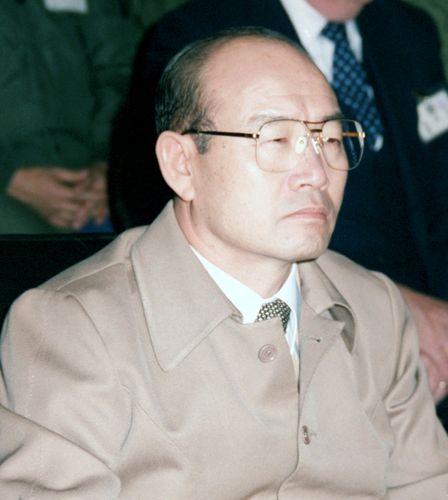
Later the United States recognized Chun Doo-hwan’s legitimacy on the condition of his abandoning the nuclear weapons program.[21]
Chun Doo Hwan’s reputation for cruelty had been established during the Vietnam War and during his tenure helping to run the notorious prison torture center, So Bingo, which the KCIA was active carrying out interrogations in.[22]
Origins in Cold War-Era Police Training
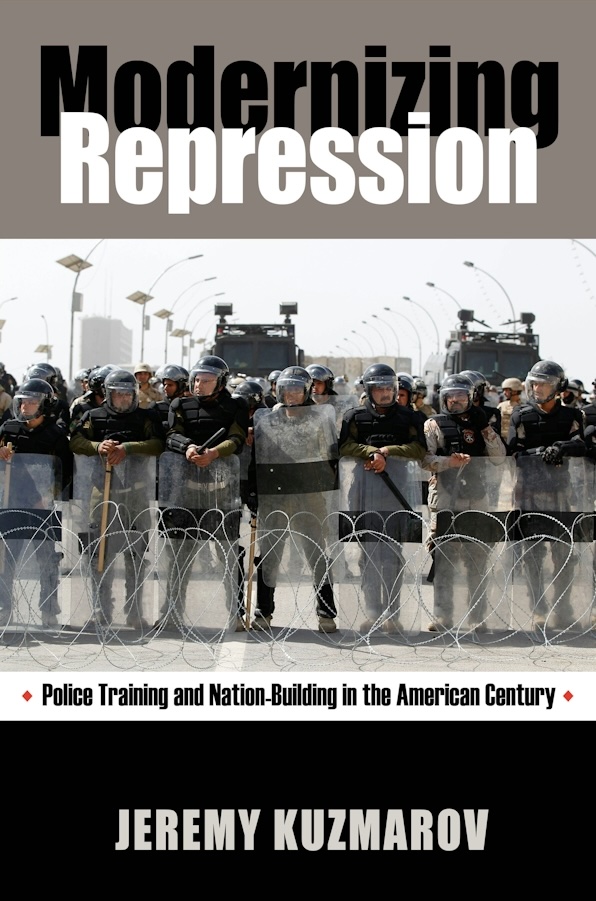
In Modernizing Repression: Police Training and Nation-Building in the American Century (2012), I root the origins of the KCIA in Cold War-era police training programs that began during the Korean War.
Under these programs, U.S. clandestine operators trained and equipped South Korean police (KNP) for campaigns of repression targeting pro-North Korean elements and leftists in South Korea.
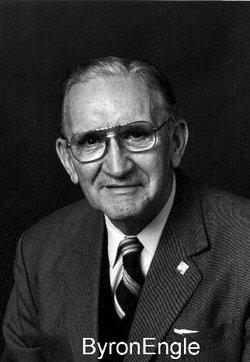
USAID’s Office of Public Safety (OPS) provided a cover for the CIA operations carried out under the oversight of OPS director Byron Engle, a CIA agent who had worked under General Douglas MacArthur in the Public Safety branch during the U.S. occupation of Japan.
The OPS provided modern police technologies, including radios and squad cars, and assisted the KNP in systematizing record keeping while overseeing the interrogation of political prisoners.
A CIA report noted that South Korea had emerged from the Korean War with a “rigid anticommunist national attitude and vigilant…repressive internal security system…which has resulted in the virtual elimination of all but the most covert and clandestine communist operators.” Various revenge regiments were in existence, whose mission was to hunt down northern collaborators.[23]
Throughout the mid-1950s, U.S. military and police advisers oversaw KNP units carrying out “mop up” operations against “bandits” and spies in which efficiency was measured by the number of weapons seized and guerrillas captured and “annihilated,” usually at least four times the number of police wounded and killed.[24]
Many of the KNP units that participated in counter-bandit operations became integrated into the KCIA, which the CIA developed out of Korean police intelligence units trained by the U.S.
CIA operatives working under OPS cover set up intelligence schools and a situation facility in Seoul equipped with maps and telecommunications equipment.
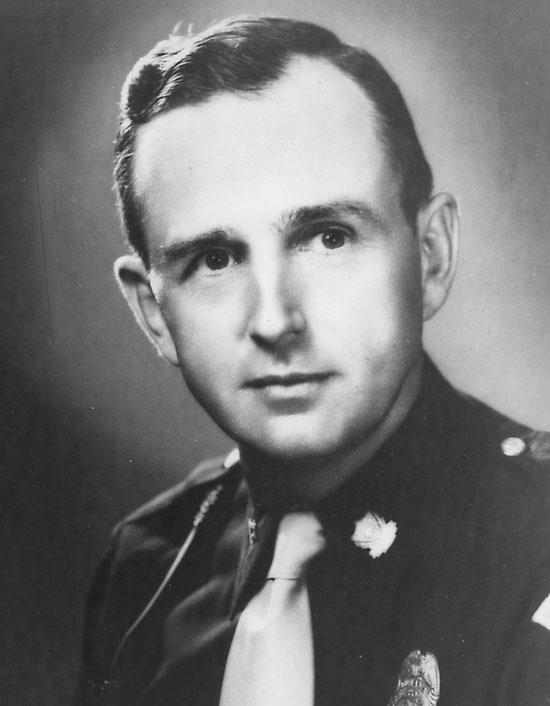
One of these operatives was Arthur M. Thurston, a friend of Engle who had served in the Indiana state police, an important recruiting ground for the OPS.
Thurston was chairman of the board of the Farmer’s National Bank in Shelbyville, Indiana, where he had served in the police force. He would leave town for months at a time, telling his friends and family that he was going to Europe on business—though this was part of his cover.[25]
Frank Jessup, who headed the OPS team in South Korea from 1967 to 1970, had been Superintendent of the Indiana State Police and served in counter-intelligence during the Pacific War and as a police adviser in Greece, Liberia, Guatemala and Iran.[26]
By the mid-1960s, the KCIA had 350,000 agents out of a population of 30 million, dwarfing the Russian NKVD at its height. CIA attaché Peer de Silva rationalized its ruthless methods by claiming “there are tigers roaming the world, and we must recognize this or perish.”[27]
Geostrategic Calculations
De Silva’s comments obscure the geostrategic considerations driving U.S. involvement in Southeast Asia and repression of nationalist and communist forces throughout the Cold War and beyond.
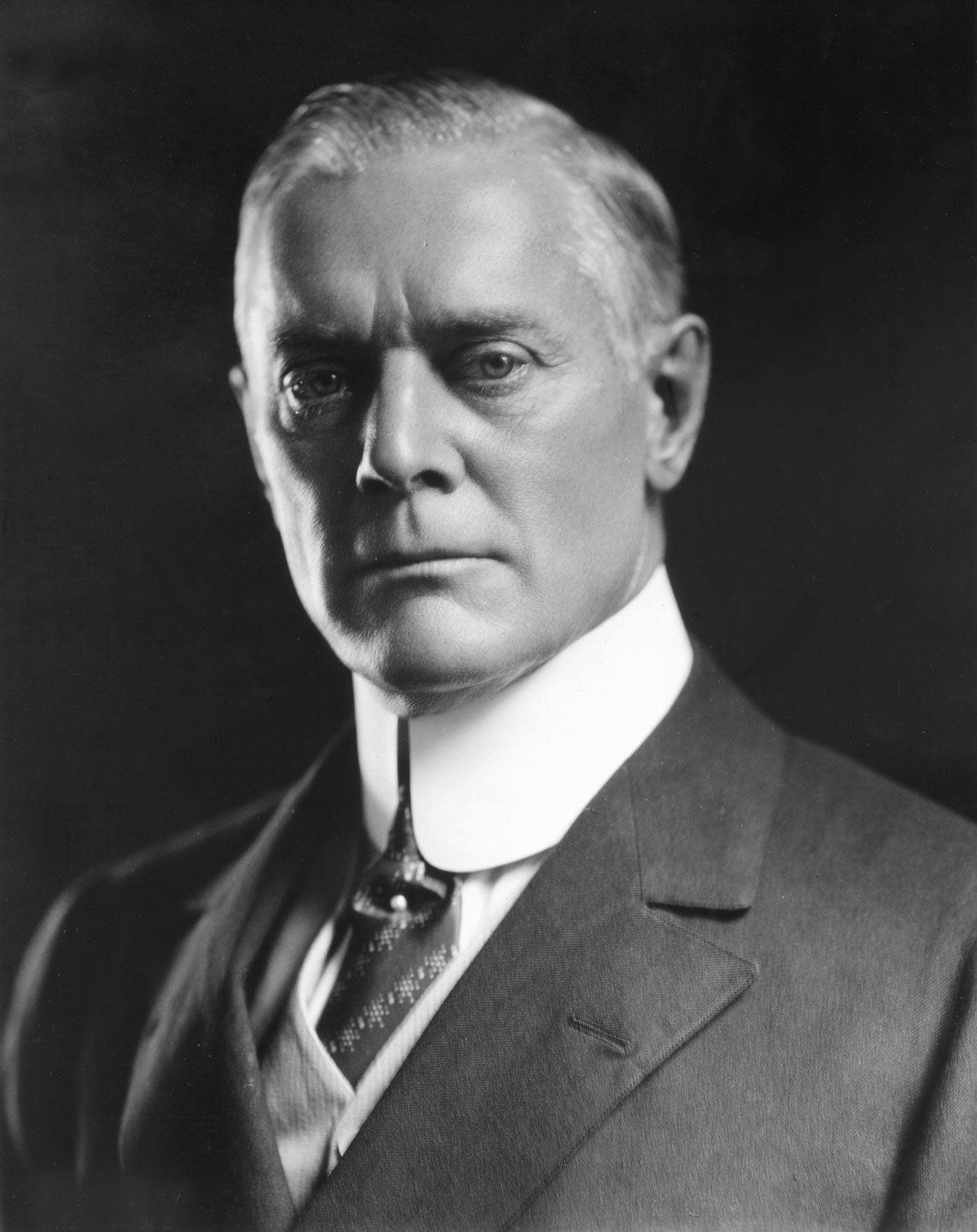
Since the late 19th century, U.S. policymakers have believed that controlling Southeast Asia was key to global domination. Pro-imperialist Senator Albert J. Beveridge (R-IN) famously said: “He who controls Asia, controls the world.”
When Japan began to challenge Western imperialism and establish its own Southeast Asian empire in the 1920s and 1930s, the FDR administration provoked the Pacific War. As a spoil of victory, the U.S. acquired a network of military bases from Okinawa through the Ryukyu Islands and Cheju do Island off the southern tip of South Korea that it maintains to this day.
The Truman administration provoked the Korean War in an attempt to establish a base of American power in the Asia-Pacific.[28]
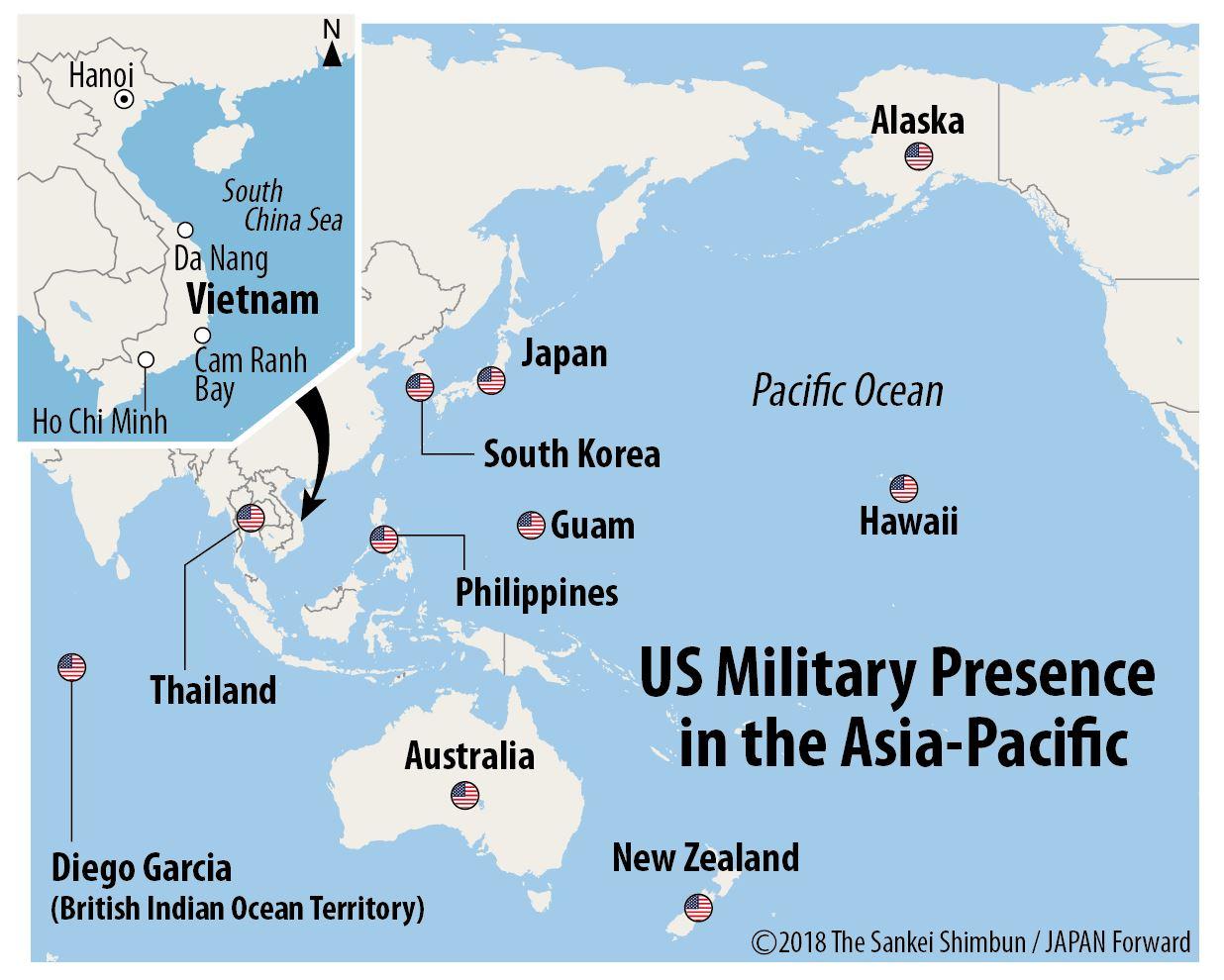
Standing in America’s way was Kim Il-sung and the North Korean communists who allied with Maoist China. The U.S. was able to preserve control over South Korea, whose economy was interlinked with Japan, a junior partner in the Cold War.[29]
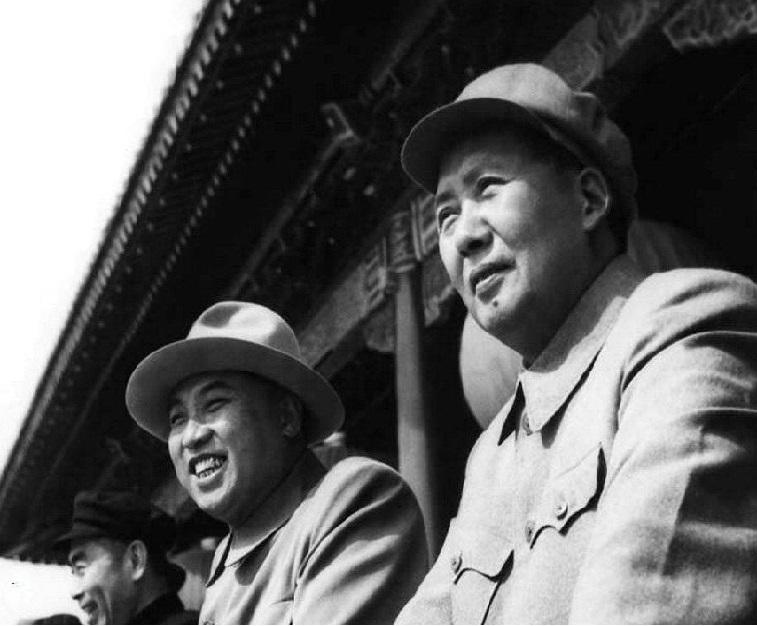
The KCIA’s major function was to help stabilize a U.S. client regime in South Korea that would preserve U.S. bases there, provide raw materials to Japan to feed its economic growth and establish a market for Japanese manufactured goods, and resist takeover by North Korea backed by China.[30]
To achieve these goals, successive U.S. administrations promoted police state methods.
Today, the same calculations remain as an ascendant China represents a growing threat to U.S. hegemony in Southeast Asia.
The KCIA is now called the National Intelligence Service (NIS), though it performs some of the same functions it always has. This includes trying to bribe and threaten people who support North Korea’s governing ideals, raiding the offices of progressive political parties, slandering or arresting public officials who support North-South unification, and fabricating documents to make it look like proponents of unification were national traitors.[31]
Park Chung-hee’s daughter, Park Geun-hye, who served a four-year stint as president from 2013 to 2017, and Yon Suk-Yeol, a favorite of the Biden administration who was South Korea’s president from 2022 until his impeachment in April 2025 following his declaration of martial law, helped to revitalize a Cold War atmosphere in South Korea.
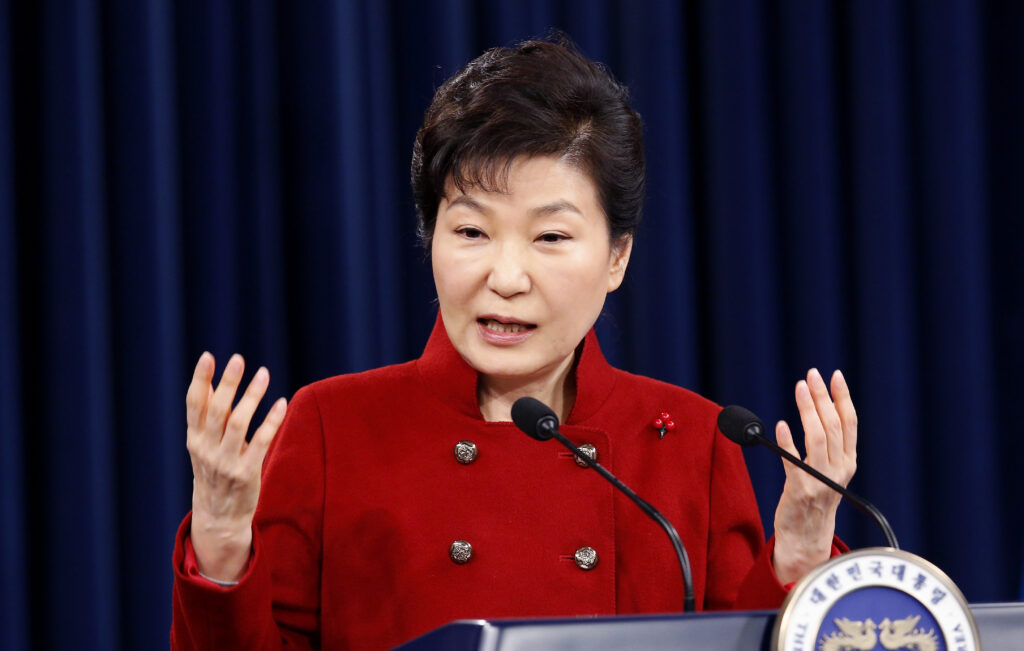
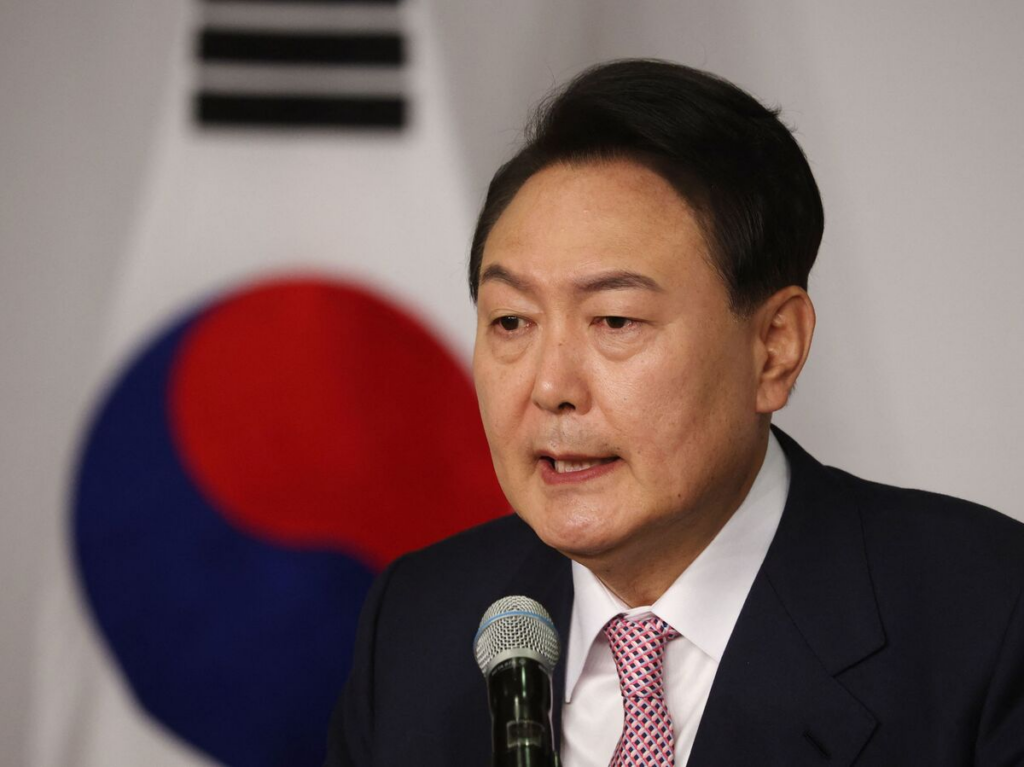
When Yon declared martial law in December 2024, he ordered the NIS to round up opposition politicians and others that were falsely accused of being North Korean agents.
The campaign of repression would have been one familiar to the NIS’s creators whose dirty work in South Korea has had a very negative long term impact.

David W. Conde, “More Crimes of the Korean CIA,” 1973, David W. Conde Papers, University of British Columbia Special Collections. ↑
Conde, “More Crimes of the Korean CIA.” ↑
Steven Clark Hunziker, “Repression, Not Reform, as the Thrust of U.S. Foreign Policy: The Case of South Korea,” Covert Action Information Bulletin, 11 (December 1980), 11. ↑
See Jeremy Kuzmarov, “The Korean War: Barbarism Unleashed,” Peace History, https://peacehistory-usfp.org/korean-war/. ↑
Douglas Valentine, The Phoenix Program (New York: William Morrow & Co., 1990), 77. The CIA liked people with dependent psychologies. ↑
Valentine, The Phoenix Program, 77. ↑
Valentine, The Phoenix Program ↑
See Brad Schreiber, Revolution’s End: The Patty Hearst Kidnapping, Mind Control, and the Secret History of Donald DeFreeze and the SLA (New York: Skyhorse Publishing 2016); Mae Brussell, “The SLA Is the CIA,” The Realist, February 1974. ↑
Tad Szulc, “Inside South Korea’s C.I.A.,” The New York Times, March 6, 1977. ↑
Carolyn Turbyfill, “The KCIA,” CovertAction Information Bulletin, December 1980, 14. ↑
Turbyfill, “The KCIA.” Drugs and psychological torture were also widely adopted. A U.S. diplomat described the KCIA as “the ubiquitous feared core of control over all political activity within Korea.” Alfred W. McCoy, Cold War on Five Continents: A Global History of Empire and Espionage (Chicago: Haymarket Books, 2025), 101. ↑
Szulc, “Inside South Korea’s C.I.A.” ↑
McCoy, Cold War on Five Continents, 101. ↑
David W. Conde, CIA: Core of the Cancer (New Delhi: Entente Private Limited, 1970). ↑
Idem. The Phoenix program was a kill-capture program designed to neutralize the Vietcong and its supporters and resulted in at least 20,000 civilian deaths. ↑
Valentine, The Phoenix Program, 77-79. These operatives included John Hart, CIA station chief in Seoul, who held a Master’s degree in psychology from George Washington University and had run CIA agents into North Korea on suicide missions during the Korean War; Tucker Gouglemann, a World War II Marine Corps hero who was kidnapped by North Vietnamese agents at the end of the Vietnam War and killed; and Patrick Muldoon, a Georgetown University dropout who worked as an interrogator in South Korea and Vietnam. ↑
Conde, “More Crimes of the Korean CIA.” ↑
Szulc, “Inside South Korea’s C.I.A.” Many of its interrogation methods, though, had derived from the CIA. See Alfred W. McCoy, A Question of Torture: CIA Interrogation, from the Cold War to the War on Terror (New York: Metropolitan Books, 2006). ↑
Szulc, “Inside South Korea’s C.I.A.” The KCIA financed the Christian religious cult led by Reverend Sung Myong Moon, which promoted large-scale anticommunist propaganda and was involved in the creation of the proto-fascist World Anti-Communist League (WACL). Moon was also involved in bribing U.S. Congressmen and establishing The Washington Examiner as a propaganda organ in the U.S. ↑
Turbyfill, “The KCIA.” ↑
Kim claimed that the United States was behind him. Diplomatic cables show that Ambassador William H. Gleysteen worried about the possibility of Kim claiming that he and his predecessor incited Kim to assassinate Park. In any case, it is possible that Kim believed that his coup would have the support of the United States if successful. In 1999, Gleysteen said that the U.S. became unwittingly involved in Park’s assassination without explaining further. Kim had frequent meetings with Robert G. Brewster, CIA chief in Seoul, and other American diplomats. He met with Ambassador Gleysteen on the day of the assassination, just five hours before the shooting. According to some sources, Kim was afterwards protected by the CIA and was even seen alive after his “alleged” execution. ↑
Hunziker, “Repression, Not Reform, as the Thrust of U.S. Foreign Policy: The Case of South Korea,” 9-13. ↑
Jeremy Kuzmarov, Modernizing Repression: Police Training and Nation-Building in the American Century (Amherst, MA: University of Massachusetts Press, 2012), 91. ↑
Kuzmarov, Modernizing Repression, 91. ↑
Kuzmarov, Modernizing Repression, 96. ↑
Idem. ↑
Idem. ↑
See Kuzmarov, “The Korean War: Barbarism Unleashed.” ↑
See Bruce Cumings, Origins of the Korean War, Vol. 1 (New Jersey: Princeton University Press, 1981). ↑
For analysis of the strategic imperatives underlying U.S. foreign policy in the Asia Pacific during the Cold War, see Noam Chomsky, At War with Asia (New York: Pantheon, 1971). ↑
The National Security Law, a remnant from the Japanese colonial period and the anti-communist Syngman Rhee regime in the years following World War II, is still in effect and remains a weapon for South Korea’s National Intelligence Service. The law makes it a crime to express thoughts that can be construed as “pro-North” or “pro-communist.” Often it has been used to suppress dissent. ↑
CovertAction Magazine is made possible by subscriptions, orders and donations from readers like you.
Blow the Whistle on U.S. Imperialism
Click the whistle and donate
When you donate to CovertAction Magazine, you are supporting investigative journalism. Your contributions go directly to supporting the development, production, editing, and dissemination of the Magazine.
CovertAction Magazine does not receive corporate or government sponsorship. Yet, we hold a steadfast commitment to providing compensation for writers, editorial and technical support. Your support helps facilitate this compensation as well as increase the caliber of this work.
Please make a donation by clicking on the donate logo above and enter the amount and your credit or debit card information.
CovertAction Institute, Inc. (CAI) is a 501(c)(3) non-profit organization and your gift is tax-deductible for federal income purposes. CAI’s tax-exempt ID number is 87-2461683.
We sincerely thank you for your support.
Disclaimer: The contents of this article are the sole responsibility of the author(s). CovertAction Institute, Inc. (CAI), including its Board of Directors (BD), Editorial Board (EB), Advisory Board (AB), staff, volunteers and its projects (including CovertAction Magazine) are not responsible for any inaccurate or incorrect statement in this article. This article also does not necessarily represent the views the BD, the EB, the AB, staff, volunteers, or any members of its projects.
Differing viewpoints: CAM publishes articles with differing viewpoints in an effort to nurture vibrant debate and thoughtful critical analysis. Feel free to comment on the articles in the comment section and/or send your letters to the Editors, which we will publish in the Letters column.
Copyrighted Material: This web site may contain copyrighted material the use of which has not always been specifically authorized by the copyright owner. As a not-for-profit charitable organization incorporated in the State of New York, we are making such material available in an effort to advance the understanding of humanity’s problems and hopefully to help find solutions for those problems. We believe this constitutes a ‘fair use’ of any such copyrighted material as provided for in section 107 of the US Copyright Law. You can read more about ‘fair use’ and US Copyright Law at the Legal Information Institute of Cornell Law School.
Republishing: CovertAction Magazine (CAM) grants permission to cross-post CAM articles on not-for-profit community internet sites as long as the source is acknowledged together with a hyperlink to the original CovertAction Magazine article. Also, kindly let us know at info@CovertActionMagazine.com. For publication of CAM articles in print or other forms including commercial internet sites, contact: info@CovertActionMagazine.com.
By using this site, you agree to these terms above.
About the Author
Jeremy Kuzmarov holds a Ph.D. in American history from Brandeis University and has taught at numerous colleges across the United States. He is regularly sought out as an expert on U.S. history and politics for radio and TV programs and co-hosts a radio show on New York Public Radio and on Progressive Radio News Network called “Uncontrolled Opposition.”
He is Managing Editor of CovertAction Magazine and is the author of six books on U.S. foreign policy, including Obama’s Unending Wars (Clarity Press, 2019), The Russians Are Coming, Again, with John Marciano (Monthly Review Press, 2018), Warmonger. How Clinton’s Malign Foreign Policy Launched the U.S. Trajectory From Bush II to Biden (Clarity Press, 2023); and with Dan Kovalik, Syria: Anatomy of Regime Change (Baraka Books, 2025).
Besides these books, Kuzmarov has published hundreds of articles and contributed to numerous edited volumes, including one in the prestigious Oxford History of Counterinsurgency .
He can be reached at jkuzmarov2@gmail.com and found on substack here.