This is the second part of a two-part series, the first of which focused on Japan’s occupation of China prior to and during World War II, the human experimentation that occurred at Unit 731 (Japan’s bioweapons research facility in occupied Manchuria), and the after-effects of the Empire of the Rising Sun’s covert chemical and bacteriological weapons programs on contemporary Sino-Japanese relations.
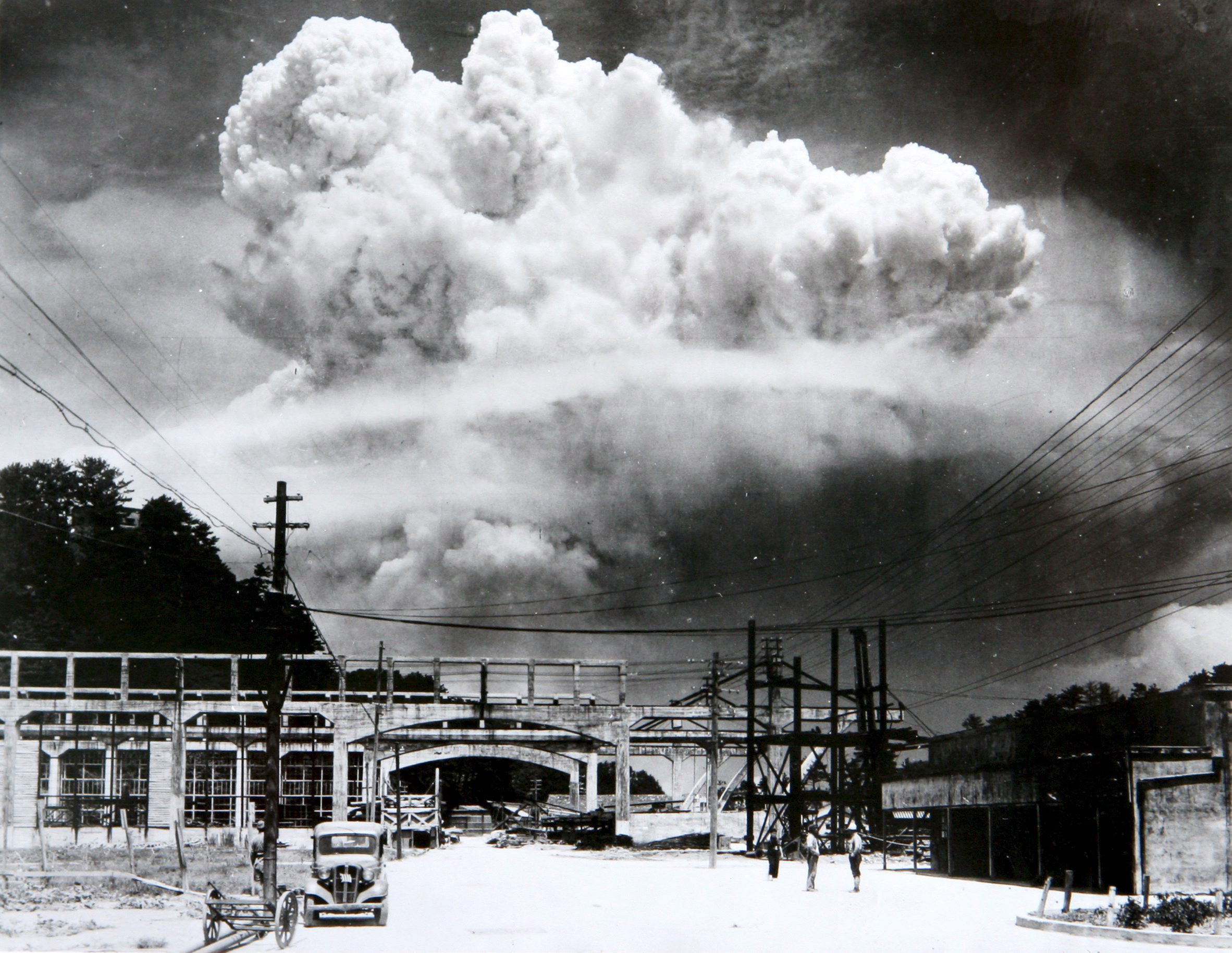
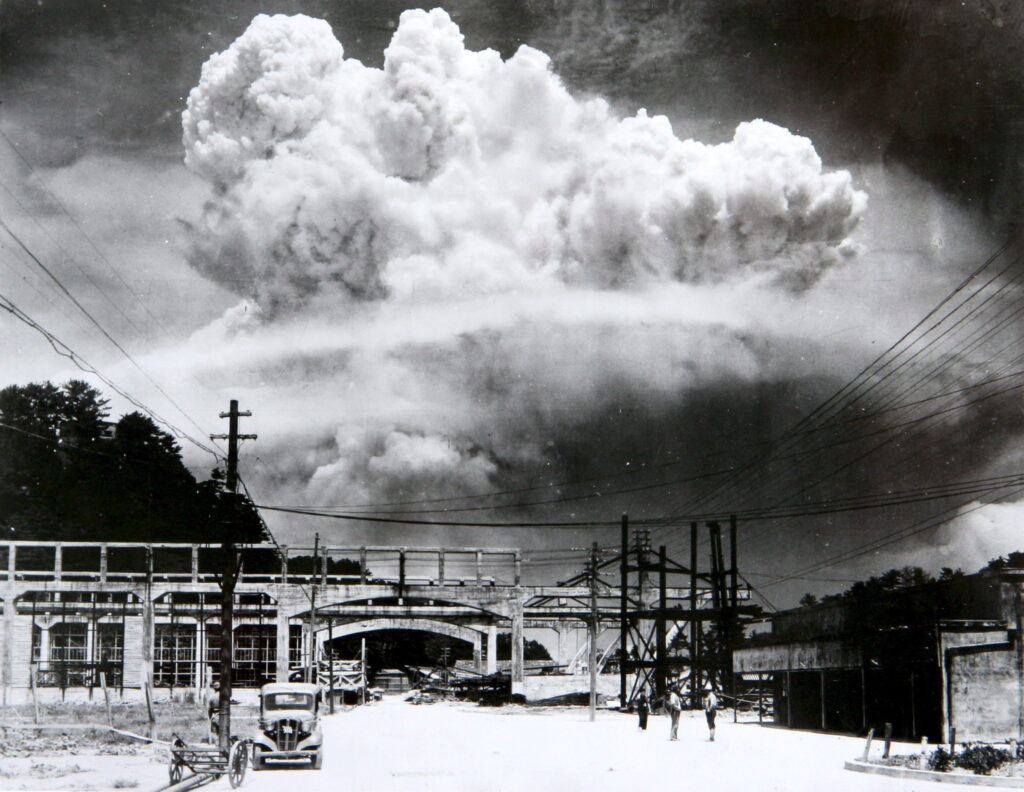
In August 1945, Japan unconditionally surrendered to the Allied Powers after a Soviet incursion into occupied Manchuria, which occurred after two atomic weapons attacks at the hands of the United States.
Contrary to mainstream accounts, the U.S.’s rationale for dropping atomic bombs on Hiroshima and Nagasaki was not to halt Japan’s expansion.
Before the bombs instantly razed two entire cities and incinerated hundreds of thousands of civilians, U.S. war planners viewed Japan’s defeat as imminent and had been trying to negotiate a surrender.
Senior advisers to President Harry S. Truman thought that the Japanese would capitulate, provided they were allowed to retain their emperor, yet Truman made the fateful decision to drop the bombs anyway and Hirohito remained in power for all that.
What, then, was the real geopolitical motivation behind the atrocities at Hiroshima and Nagasaki? Many historians have since concluded that the A-bomb was used to send the Soviet Union a message that the U.S. was the pre-eminent superpower and to prevent Japan from falling under the Soviet sphere of influence.
Instead, Japan wound up as practically a U.S. colony, remaining economically and militarily dependent even after the termination of the American occupation. Indeed, after more than 80 years having passed, approximately 60,000 U.S. troops are still stationed on the island, dispersed across 120 U.S. military bases.
Before the Cold War began, even during the wartime alliance, the U.S. was already turning its attention toward the Soviet Union, seeking to stem its global influence and combat the specter of communism abroad. Aside from nuclear weapons, an arsenal of deadly pathogens was viewed as an effective strategic edge against the “Red Menace.”
After the termination of the international conflagration, when the Allied nations began to probe into Japanese war crimes, the U.S. took a particular interest in reports of a Japanese bioweapons research program. Prior to the end of World War II, Japan’s biowarfare activities had been acknowledged.
For example, in 1942, the Rocky Mountain Medical Journal published a story about the human experimentation that occurred at Unit 731 where the Imperial Japanese Army’s testing of noxious weapons on civilian captives.
The U.S. began investigating Japan’s war crimes in September 1945, coinciding with the American occupation of the island nation. Invested in a bioweapons research program of their own, the U.S. government was eager for data on Japanese biowarfare activities.
Indeed, Washington recognized the valuable information to be gained by overseeing the inquiry into Japan’s production and war-time use of bioweapons. The U.S. maneuvered to exert control over the probe in order to obtain exclusive access to Tokyo’s germ-warfare research.
The U.S. government recruited a physician and bacteriologist, Murray Sanders, the head of the infectious disease research division at Fort Detrick, Maryland (the U.S.’s own bioweapons research facility which would later employ former Nazis via Operation Paperclip), to interview Japanese biowarfare experts.
The story of Chinese POWs was revealed.
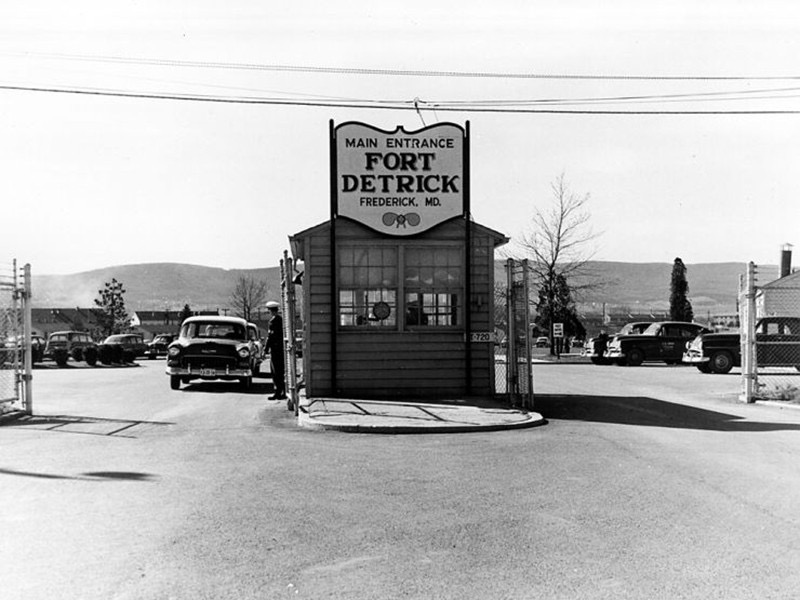
Sanders had been drafted into the U.S. Army in 1943, and was stationed at Fort Detrick.
There Sanders became involved with the army’s research and development of bioweaponry and Sanders performed a number of classified experiments at the facility, including some where many scientists on his team became infected with the pathogens they were researching.
“We had some deaths around that time,” admitted Sanders and there were “casualties in the workplace.” However, he was awarded the Legion of Merit for his effort in “the development, perfection, and standardization of laboratory methods for detection and evaluation of actual potential biological warfare agents.”
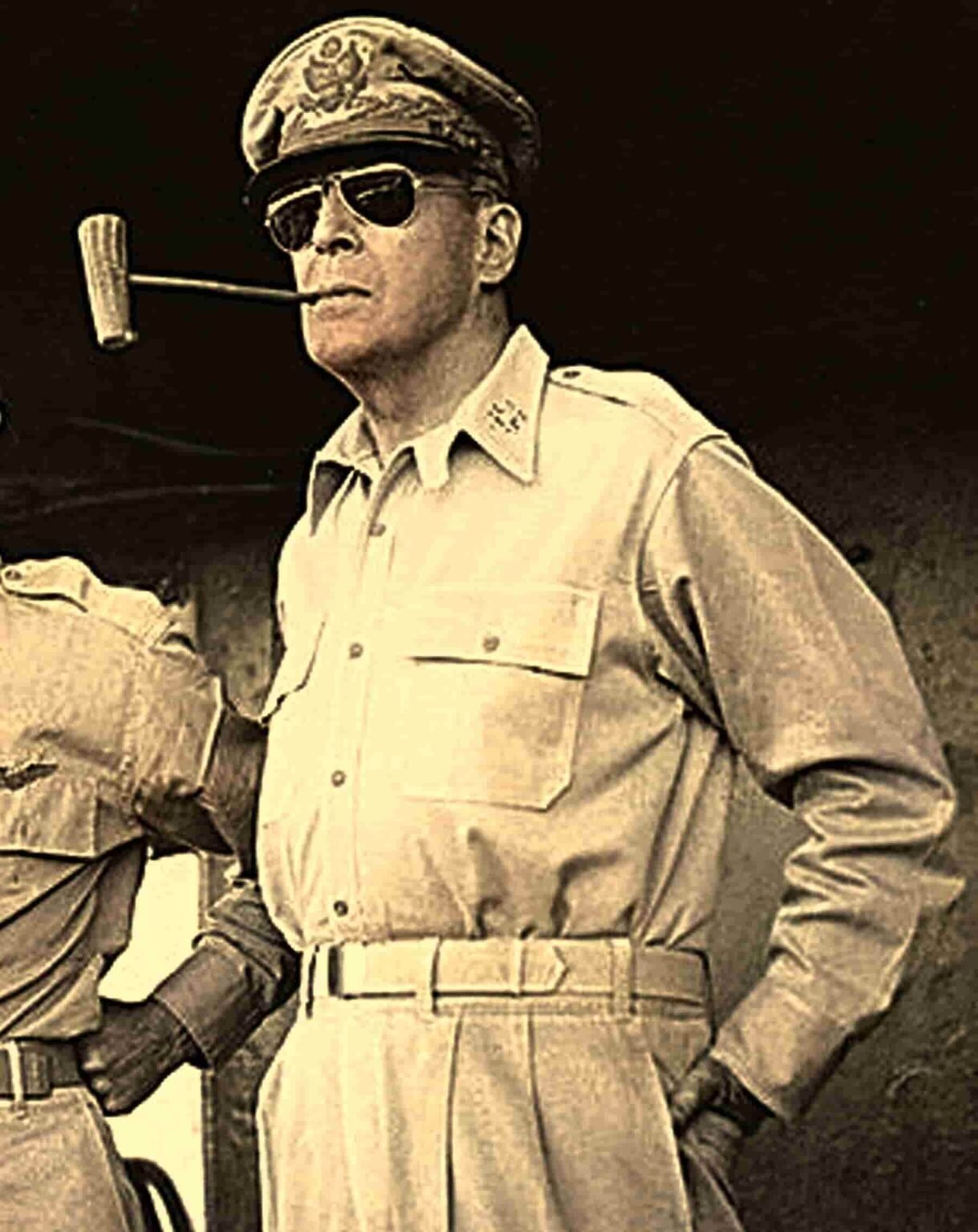
In fact, Sanders had been aware of Japan’s biowarfare activities since 1944 when he learned of Japanese troops poisoning wells in Manchuria. In September 1945, Sanders was summoned by General Douglas MacArthur to investigate Japan’s bioweapons program.
Among the first Japanese scientists interviewed by Sanders upon his arrival in Japan was the army physician Ryoichi Naito, who was subsequently appointed by the U.S. government to help Sanders connect with other Japanese scientists.
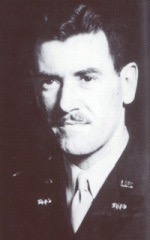
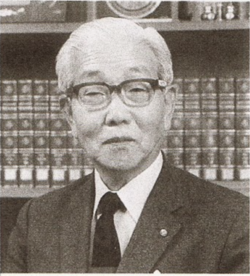
Lieutenant Colonel Naito was a high-ranking member of Unit 731 and a participant in the human experimentation that occurred at the sub-rosa research facility. A medical doctor specializing in microbiology, he cultivated pathogens during his time with the unit. During the war, General Shiro Ishii, also a microbiologist and the head of Unit 731, subsequently appointed Colonel Naito as the germ-warfare program executive at Unit 9420 located in Singapore.
After Sanders reviewed the data provided by the Unit 731 researchers, he brought his findings to General MacArthur. Sanders emphasized to the top commander the priority of preventing the data produced by the Japanese scientists from falling into the hands of the Soviets.
Recognizing how indispensable the information was, Sanders noted that such bioweapons data “could never have been obtained in the United States because of scruples attached to experiments on humans.”
Many of the former staff of Unit 731 hoped to avoid prosecution for war crimes at the hands of the Soviet Union and Sanders realized that a deal could be made, leading the bacteriologist to suggest to MacArthur that the scientists be granted legal immunity in exchange for their bioweapons research expertise. “My recommendation is that we promise Naito that no one involved in [bioweapons] will be prosecuted as war criminals,” suggested the physician to his superior. MacArthur agreed to Sanders’ proposal, believing that the data was “almost incalculable and incredibly valuable to the United States,” and consented to grant the Japanese scientists immunity from war crimes prosecution provided they give their data exclusively to Uncle Sam.
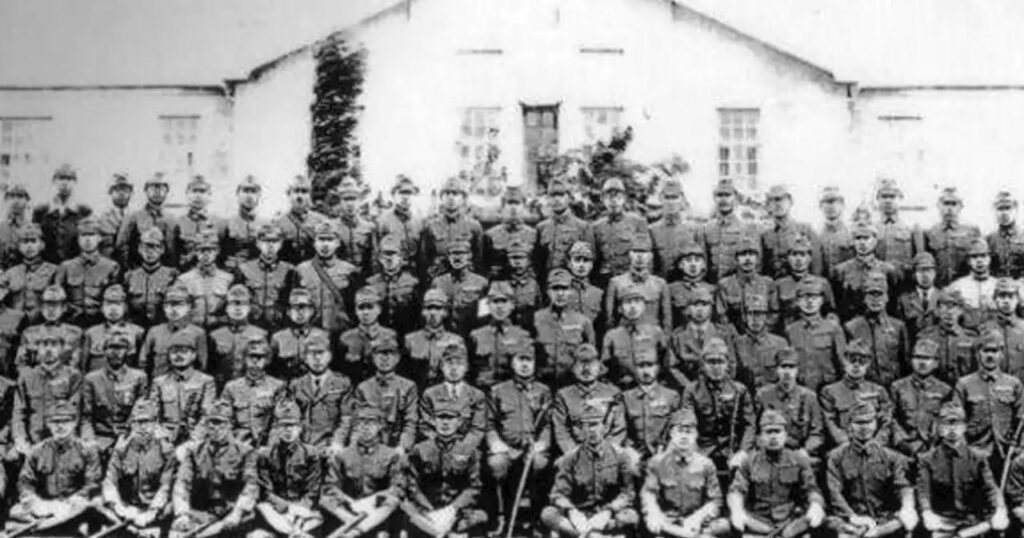
From the beginning, the U.S. tried to dictate the terms of the investigation into Japan’s biowarfare activities and its war crimes more generally. For example, the State-War-Navy Coordinating Committee (SWNCC) and the Joint Chiefs of Staff (JCS) restricted access of other Allied nations to knowledge of the Japanese bacteriological and chemical weapons, with the exception of the United Kingdom. In fact, the U.S. and UK collaborated in keeping the information the U.S. obtained about Japan’s bioweapons program a secret.
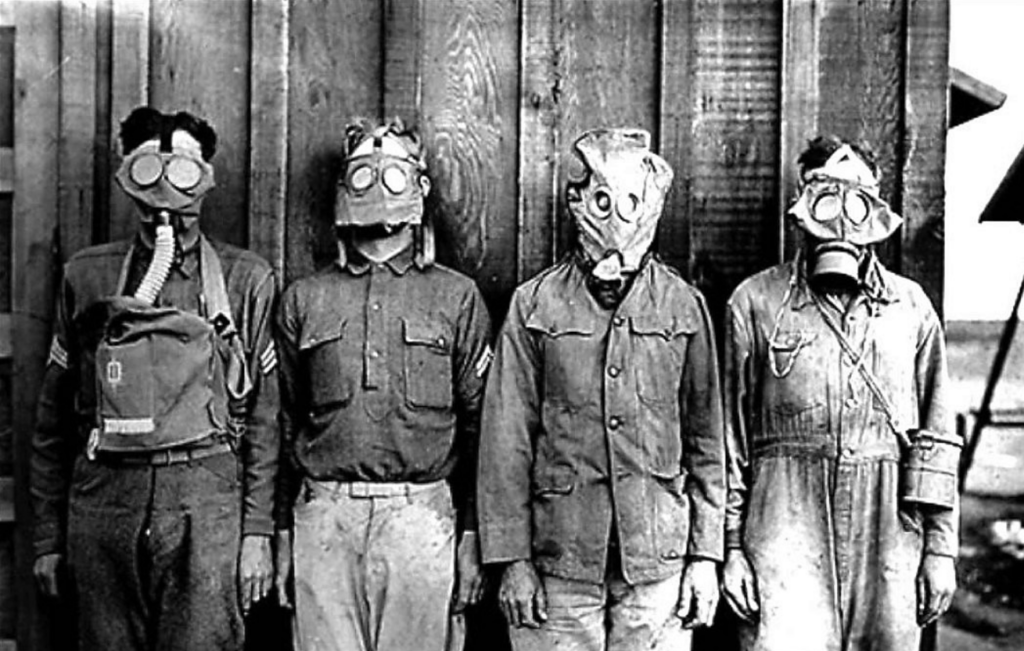
The U.S. government was well aware of Japan’s war-time barbarity, but put a lid on how much information escaped top military circles. A 1945 Secretary of War report stated: “We know for a fact that the Japanese do have most of the biological agents that would be most suitable for purposes of biological warfare. We know that they have done a great deal of research with them over the years. This is important.”
Nevertheless, in November of that same year, Secretary of War Henry Stimson sent the Deputy Chief of Staff a message stating that, henceforth, all intelligence on Japanese bioweapons must be treated as classified and only distributed to the Scientific Branch of G-2 (military intelligence) and the War Department. Re stricting the investigation into Japanese war crimes, head of G-2 General Charles Willoughby created regulations ordering that suspects could not be interviewed or approached without his permission and supervision.
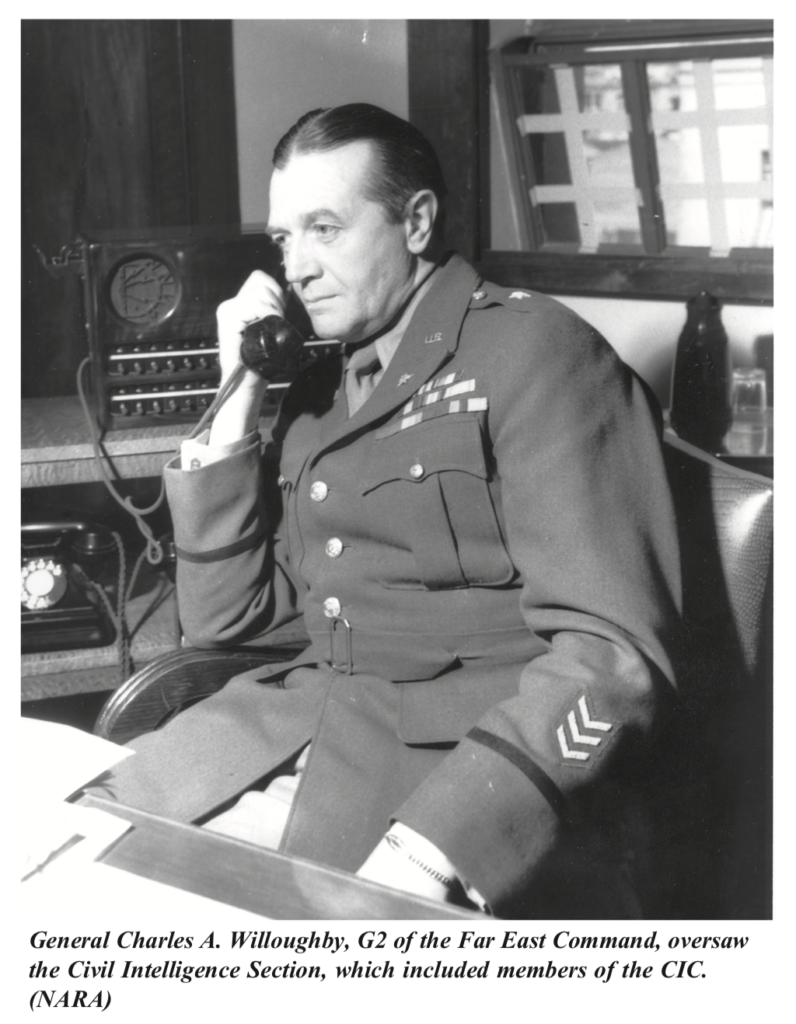
After the Japanese defeat, and determined to evade justice, Unit 731 head General Ishii faked his own death, using his spare cash to arrange a mock funeral for himself in his native Chiyoda City after which he went into hiding. However, U.S. authorities discovered his whereabouts and he was subsequently brought in for questioning.
On February 6, Ishii and the second commander of the unit, Lieutenant General Masaji Kitano, were interrogated in Tokyo by Lieutenant Colonel Arvo Thompson, who was dispatched from Fort Detrick. During the sessions, Ishii acknowledged that his facility had committed acts of biowarfare. This should have resulted in his prosecution as a war criminal in the Tokyo Trial, where Japanese offenders were supposed to be brought to justice.
In fact, a U.S. Army record dated January 7, 1946, that is, prior to Ishii’s interrogation, states: “According to comment from the United States Department of Defense made on January 6, 1946, Shiro Ishii committed biological experiment[s] in Manchuria and should be arrested and interrogated. The record from the Secret Intelligence Service and military could not reveal the location of Shiro Ishii and it did not request the Japanese government to arrest Shiro Ishii for the U.S. Army.”
Certainly, Ishii should have been a leading defendant in the Tokyo Trial; instead, upon Sanders’ suggestion, he was granted immunity and put on the U.S. Army’s payroll, after which he was hired to give lectures on the findings of Unit 731 at Fort Detrick.
The U.S. government’s bribery of would-be Japanese genocidaires was only brought to light decades after the fact.
In the summer of 2005, biowarfare specialist and professor Tsuneishi Keiichi of Kanagawa University, who had been working on uncovering the Empire of the Rising Sun’s secret bioweapons program for many years, came upon two revelatory documents in the U.S. National Archives.
Dated from July 1947, and penned by General Willoughby, the documents revealed how the U.S. government offered the Unit 731 scientists monetary compensation and shielded them from prosecution.
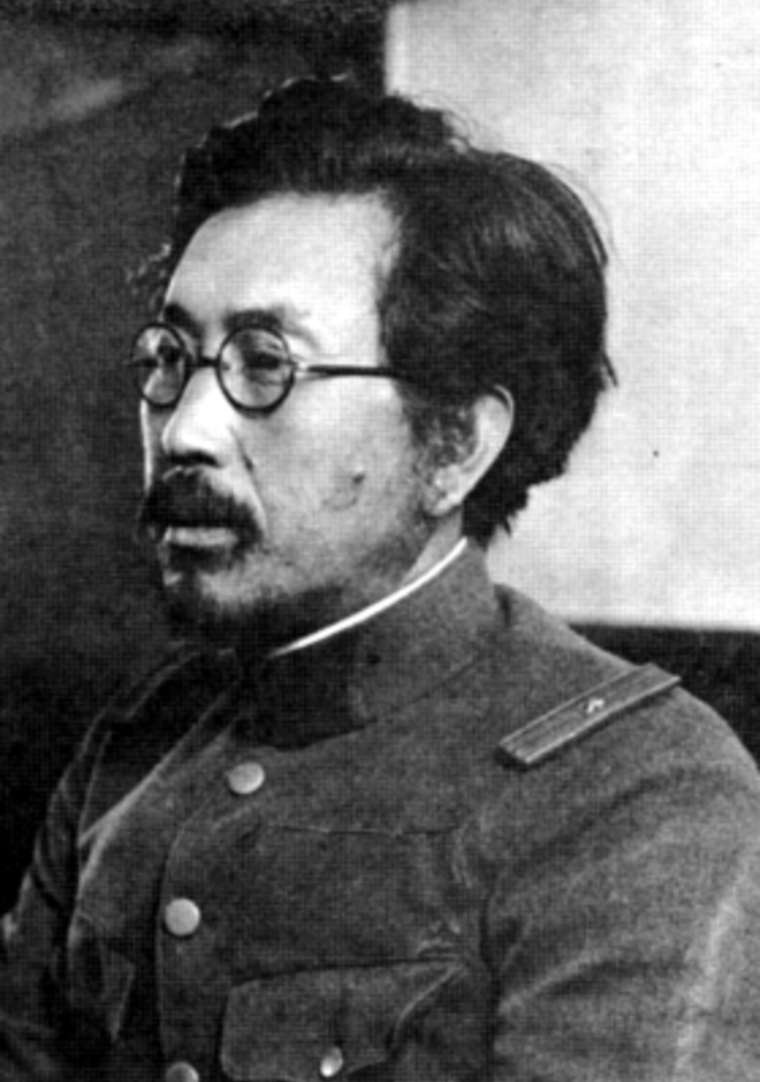
Over and above offering full judicial immunity to high-ranking Unit 731 officials in exchange for their bioweapons research, the U.S. government paid the scientists money to obtain data gathered from human experiments, the knowledge of which General MacArthur had urged Sanders to suppress.
Although General Willoughby noted that the pay-offs were “a mere pittance…netting the U.S. the fruit of 20 years’ laboratory tests and research,” it is still disconcerting that the U.S. government paid war criminals money to obtain knowledge that was gained by such unethical means.
For example, after Ishii was guaranteed protection from prosecution, he turned over boxes of documents and approximately 15,000 microscopic slides to the American authorities. The slides, each of which contained a slice of human tissue from various organs of victims who had been infected with one of Ishii’s diverse selection of pathogens, were sent to Fort Detrick to supplement the scientists’ research into bacteriological warfare.
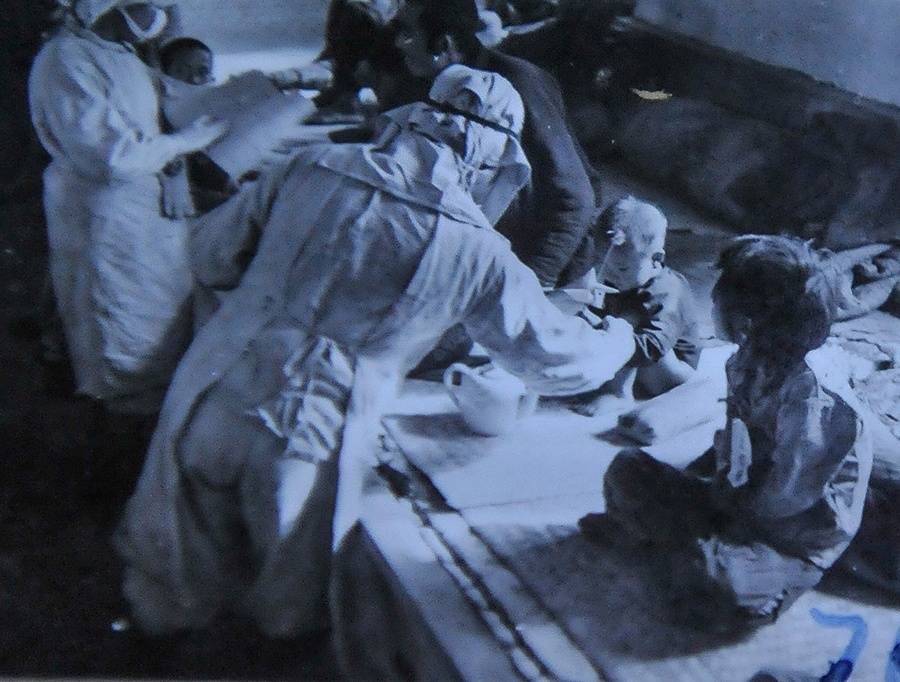
The Japanese bioweapons scientists escaped the U.S.-controlled Tokyo Trial, also known as the International Military Tribunal for the Far East (IMTFE), under the protection of the American government. Planned after Japan’s unconditional surrender, the IMTFE was supposed to be the eastern equivalent of the Nuremberg Trials.
In January 1946, General MacArthur ordered the establishment of the special tribunal and he issued a decree which laid out the laws and procedures by which the Tokyo Trial would be conducted. The trial was convened on April 26, 1946, and, much like the Nuremberg proceedings, the U.S. ended up letting quite a few war criminals off the hook.
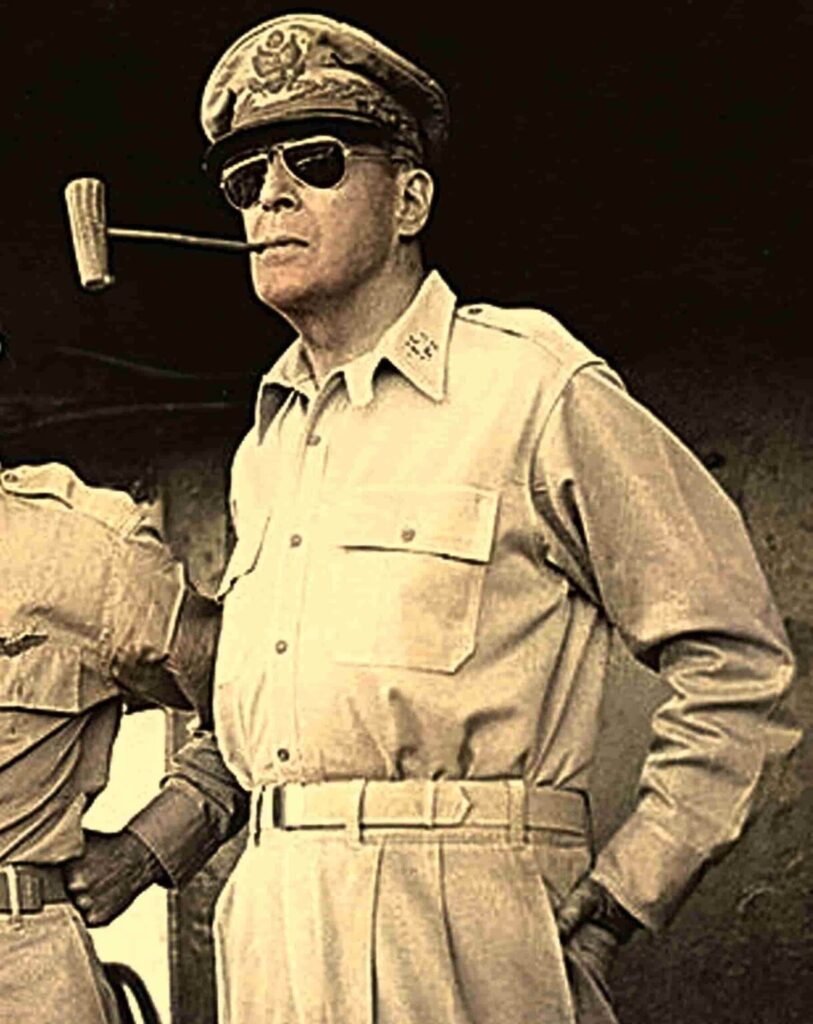
However, more Nazis were brought to justice at the first Nuremberg Trial than Japanese war criminals at the IMTFE because the former was a collaborative effort on the part of the Allied powers. The legal process was also controlled by multiple superpowers instead of a single hegemon.
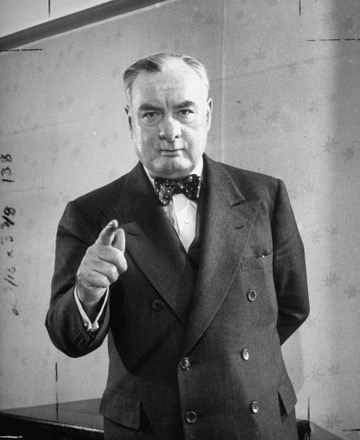
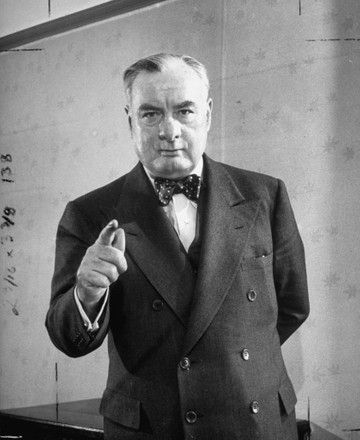
Although the Tokyo Trial still had extensive participation from the international community and was overseen by 11 countries, the U.S. had the ultimate say in the proceedings. Appointed by President Truman, the Chief Prosecutor of the Tokyo Trial was Joseph B. Keenan, a former Assistant Attorney General in the Roosevelt administration.
On June 4 1946, only a few months after the trial was convened, Keenan ordered that “Hereafter no interrogations of Japanese or other enemy aliens will be performed in Japan by agencies of any country, except by prior authority of and under the direct supervision of the Assistant Chief of Staff, G-2, General Headquarters.”
The U.S. government grew concerned that information about Japan’s bioweapons program would be uncovered by other nations, undermining its monopolistic control of the data.
Suspiciously, on March 2, 1946, i.e., before the trial even began, Keenan’s main assistant, Colonel Thomas H Morrow, submitted a report stating that the Imperial Japanese Army had violated international law by using bacteriological and chemical weapons against the Chinese. After he submitted this report to his superior, Morrow was subsequently restationed, a clear indication that the head prosecutor of the Tokyo Trial did not want to pursue biowarfare charges against Japan.
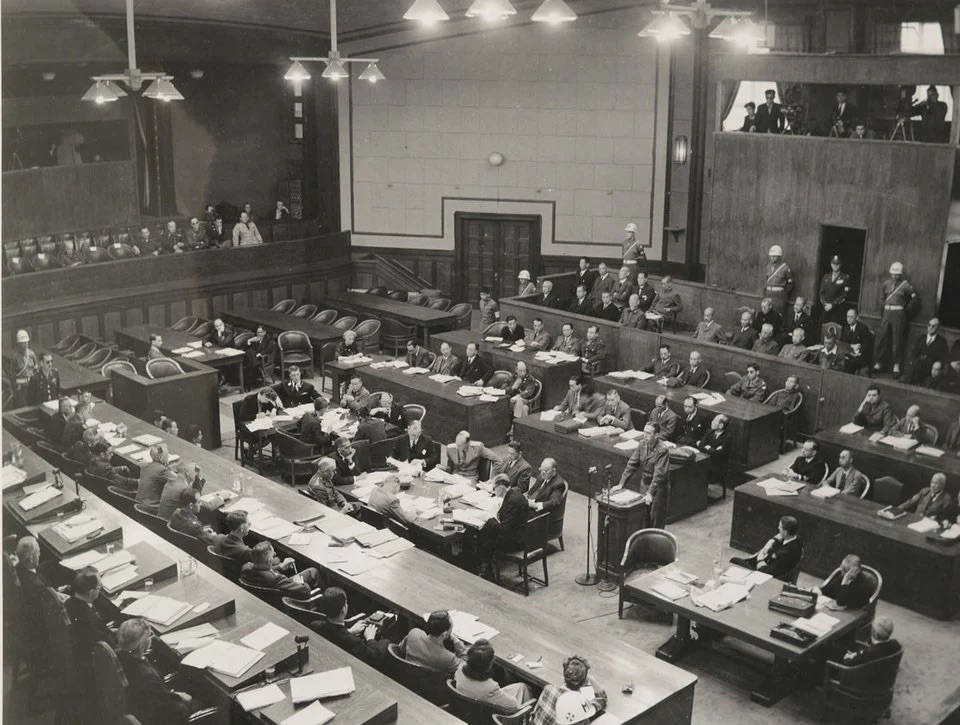
Not only did the U.S. purposefully turn a blind eye to Japan’s biowarfare activities, other participants in the IMTFE noticed how half-hearted the American search for physical evidence of Japanese war crimes was.
For example, New Zealand prosecutor R.H. Quilliam complained that the U.S. prosecutors “ignored many government files that had survived the deliberate mass destruction that had taken place prior to the arrival of the Allied forces and instead directed their attention to what seemed to be unrevealing documents of little or no productive value.”
Other countries attempted to bring Japan’s use of chemical and bacteriological weapons to light at the trial, but were met with resistance from the U.S. For example, the International Prosecution Section (IPS), an integral part of the military tribunal responsible for dealing with the Japanese war criminals was hogtied by the procedural control of the U.S. government.
Under pressure from Washington, the IPS erased from its program the Chinese Division’s charge that the Empire of the Rising Sun had deployed chemical weapons throughout the war. However, with China still reeling from its “century of humiliation,” the country which exerted the most influence within the IMTFE in trying to expose Japan’s bioweapons program was the U.S.’s Cold War nemesis, the Soviet Union.
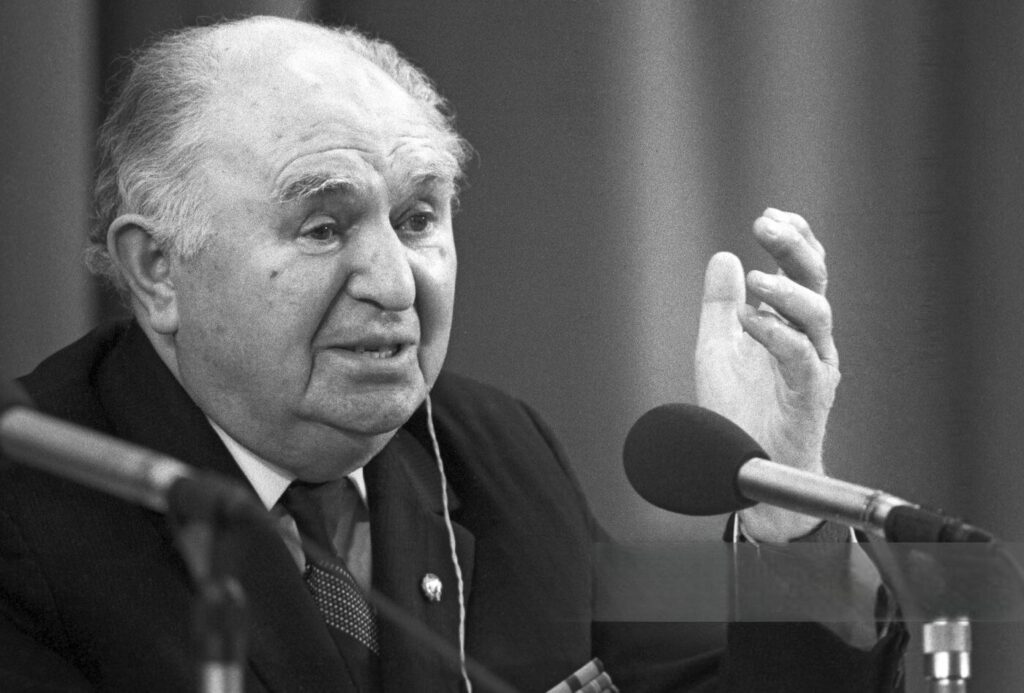
In fact, the Soviet jurist and Assistant Chief Prosecutor from the USSR at the Nuremberg Trial, Mark Raginsky, claimed at the Tokyo Trial that the Soviets had sufficient evidence to convict the Japanese defendants of human experimentation, based on confessions obtained from POWs.
Unfortunately, the results of the interrogations gathered by the Soviets would not be used for war crimes prosecution during the IMTFE. The Soviet delegation had given Chief Prosecutor Keenan the written confessions of two prisoners, stating that Unit 731 scientists had tested bioweapons on live human beings, but Keenan did not present the evidence to the court. The Soviets even offered to bring three Japanese POWs to testify at the trial, but the IPS opposed it.
Indeed, the Soviet delegation wanted to prosecute the defense for bioweapons use, presenting information to their war-time ally, but the U.S. insisted that the confessions were “unreliable” and lacked evidence to support them. Growing Cold War tensions had impacted the ad hoc tribunal from its inception, and the Americans prohibited Soviet authorities from interrogating Japanese detainees captured by U.S. forces.
The U.S. did accede to the Soviets’ request to interrogate Shiro Ishii and two other members of Unit 731, but ordered the POWs not to disclose any details of the interrogations they had undergone at the hands of the Americans or any important information regarding bacteriological warfare.
The U.S. government had acquired exclusive knowledge of Japan’s bioweapons program, and wanted to keep the matter quiet so that it could incorporate the unscrupulously collected data into its own covert germ-warfare project.
Even before the dust had settled from World War II, Washington was already kickstarting the Cold War against the USSR, which had been under assault by the West since its inception.
Desperate to halt any information from coming to light, in August 1947, an SWNCC task force claimed that the evidence was insufficient to press charges on suspected Japanese biowarfare criminals, insisting that Japan’s program was a mere rumor.
However, a declassified CIA document from two months earlier revealed that “On 27th October, 1940, Japanese planes scattered quantities of wheat grain over Ningpo [a city in China]. Epidemic of bubonic plague broke out 29th October, 1940. Karazawi affidavit in paragraph 3 below confirms this as Ishii detachment experiment.”
Further on in the document it is admitted that there was “strong circumstantial evidence” of biowarfare being waged by Japan at other locations and that Ishii’s team violated the “rules of land warfare” with the provision that “this expression of opinion is not a recommendation that [the] group be tried and charged” for war crimes.
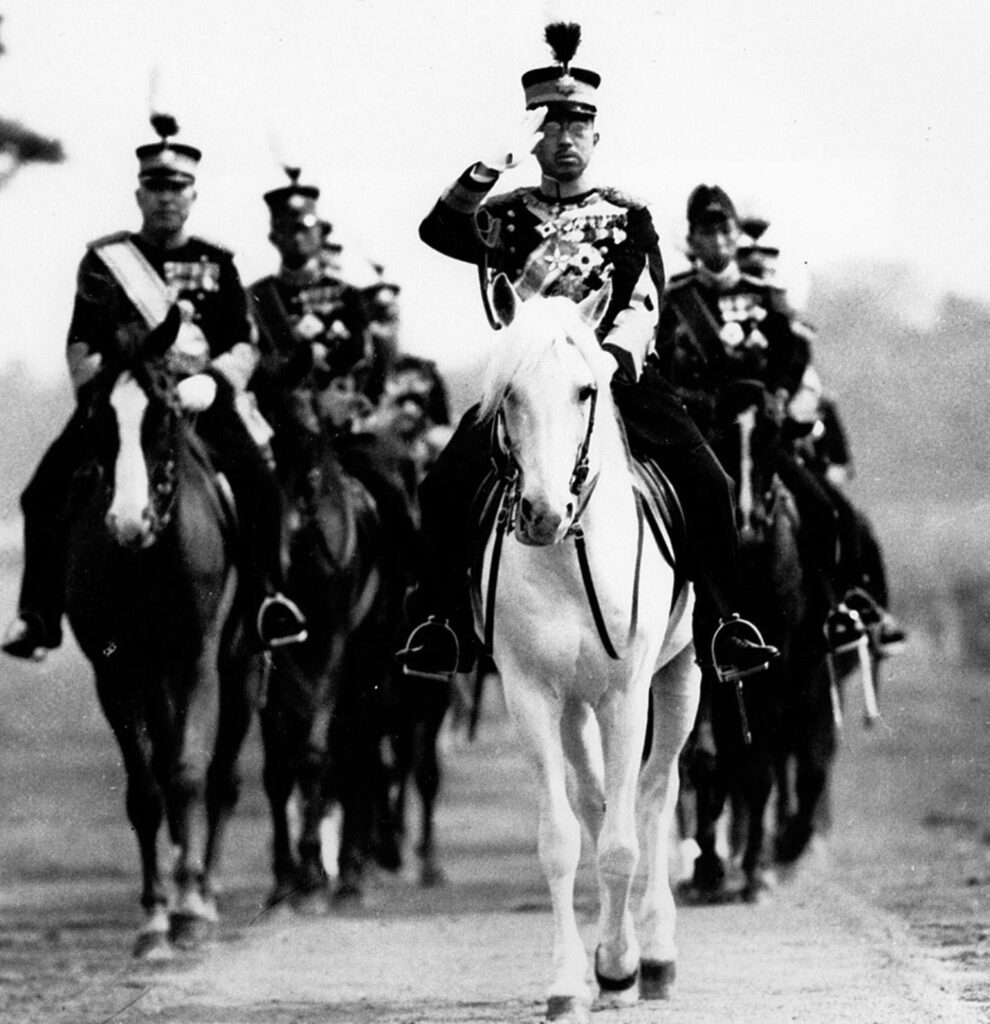
In addition to covering up what occurred at Unit 731, the American government whitewashed the responsibility of Emperor Hirohito for his country’s war crimes. In fact, the IMTFE did not hold the deified monarch to account at all and the Japanese ruler remained on the throne throughout the entirety of the American occupation, holding sovereignty until his death in 1989.
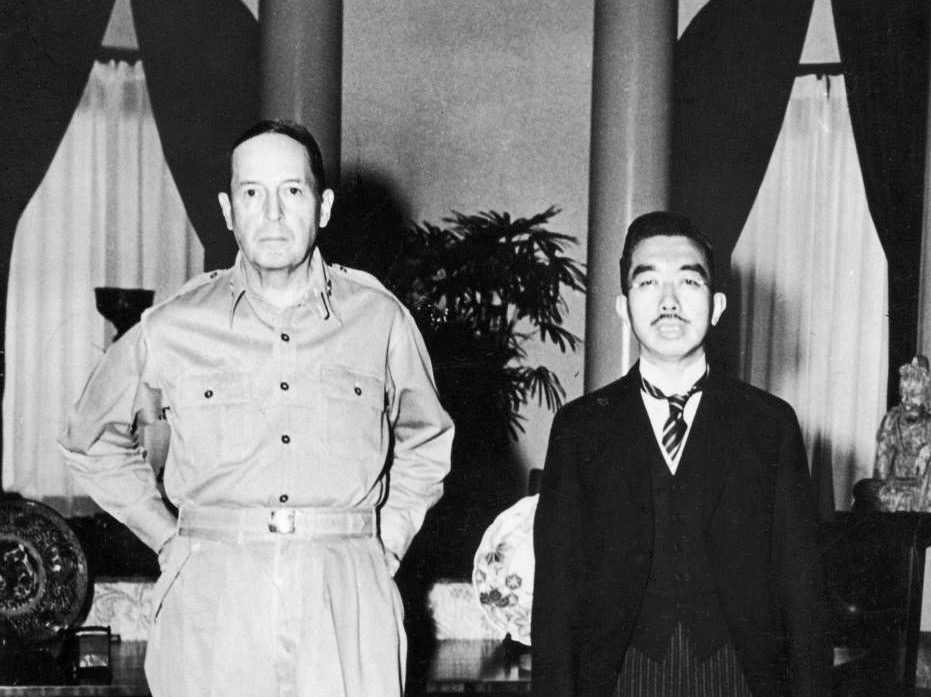
The exclusion of the Emperor, and the Royal Family as a whole, from the litigation was essential in keeping the local population mollified during the U.S. occupation. General MacArthur and Emperor Hirohito held a clandestine meeting where it was agreed that the Imperial House would be spared from prosecution in exchange for the role they would play in the post-war occupation. Chief Prosecutor Keenan was also aware of this collusion, as revealed by Robert Donihi, a former prosecuting attorney for the IMTFE. The latter told Japanese media that, during a December 1945 flight to Tokyo, Keenan confessed, “we will not sue Emperor Hirohito; do not think about that. We will not hold Hirohito accountable as he can be used to govern Japan on behalf of the Allied Powers [read: the United States].”
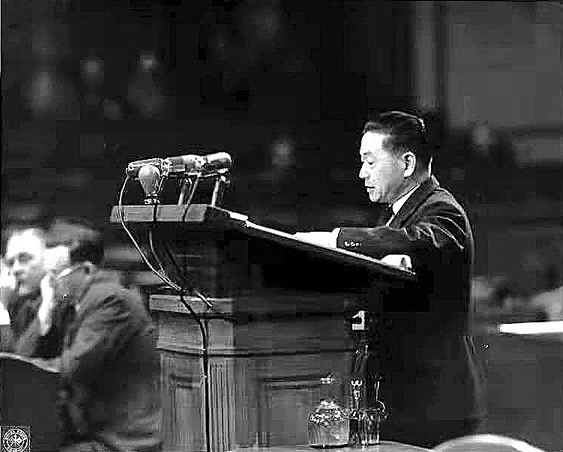
Despite its acronym, there was a glaring absence of internationalism in how the IMTFE was conducted; in practice, it was a highly politicized and U.S.-controlled affair with American geopolitical interests coming before all else.
For example, Mongolia was not allowed a delegate at the trial even though, in 1939, it had been a major site of clashes between the Imperial Japanese Army and the Red Army/Mongolian forces.
The Soviets were displeased with the Mongolian People’s Republic’s lack of representation and both the Soviet and Chinese delegations pushed for recognition of the way each respective country had been specifically targeted by Japanese militarism. The efforts of these nations resulted in revealing World War II’s origins in the East, as well as the atrocities committed by Imperial Japan.
Thus at the trial, the Chinese prosecution team exposed the Nanjing Massacre, as well as Japan’s use of opium trafficking to weaken the resistance of the Chinese, whereby the drugs were sold to raise funds for the island nation’s growing war budget.
Both the Soviet and Chinese delegations pointed to the importance of the year 1928 for World War II, with the Chinese representatives asking the court to recognize January 1, 1928, as the beginning of Japan’s aggression against their country.
Similarly, the Soviet delegation accused the Japanese of planning to wage war against the USSR since the late twenties and presented a trove of documents to support the accusation. However, the IMTFE only recognized the invasion of Manchuria in 1931 as the start of Japan’s offensive.
The Tokyo Trial adjourned in mid-November of 1948. The verdict was that Japan had waged wars of aggression and seven defendants were given the death penalty and 16 life sentences, but Unit 731 and Japan’s biowarfare activities were excluded from the ruling.
Since the U.S. was granting many of the scientists and war criminals immunity and reaping the benefits of their research, Washington wanted to keep Japan’s bioweapons program hushed up.
Luckily, the crimes of Unit 731 came to light mainly due to the Soviet Union’s corrective to the Tokyo Trial. Toward the end of the war, the Soviet forces captured some of the key Unit 731 researchers and subsequently worked to collect evidence on Japan’s bioweapons program. Unhappy with the outcome of the U.S.-dominated IMTFE, in October 1949, Moscow decided to hold its own litigation to indict the senior officials of Unit 731 who were in Soviet custody.
Known as the Khabarovsk Trial after the city in far eastern Russia where it was held, it was the only war crimes trial dedicated to the Imperial Japanese Army’s development and testing of bioweapons on live human subjects. The trial also addressed Japan’s violation of the Geneva Convention, with the defendants charged with the manufacture and deployment of bioweapons against the USSR, Mongolia and China.
Indeed, the proceeding uncovered that General Ishii had commanded three expeditions in China to test deadly pathogens against Chinese troops and civilians. The Khabarovsk Trial also had an international impact by strengthening the relationship between the Soviet Union and China, the latter which was soon to emerge as a communist-led country in its own right.
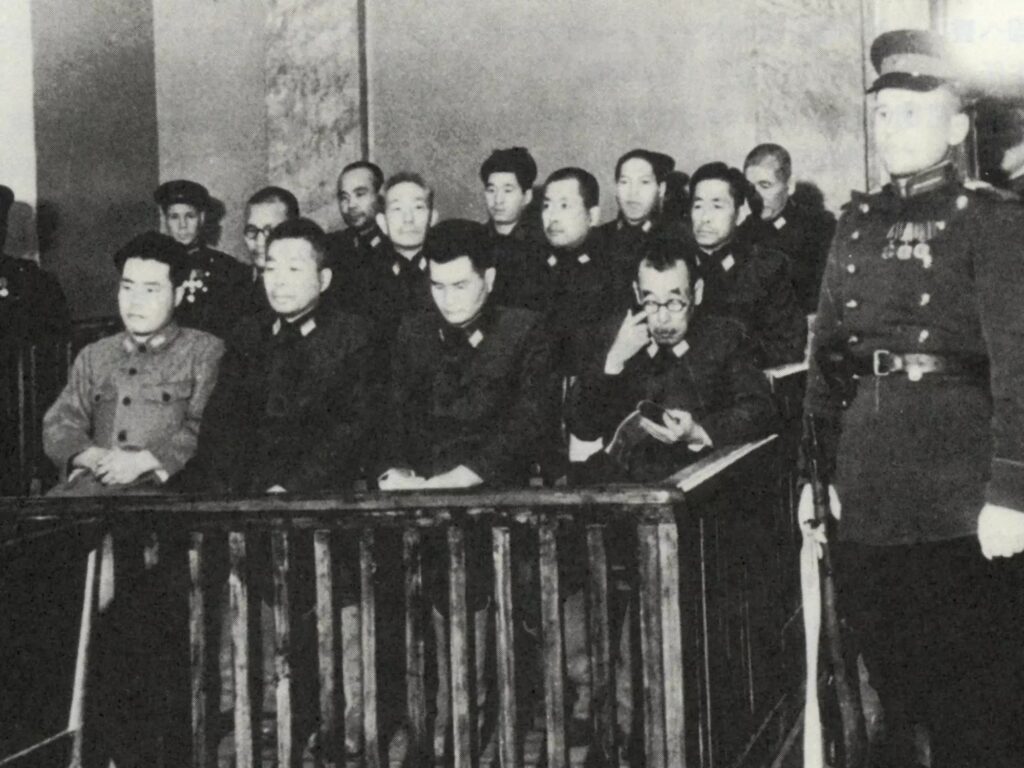
The Soviets were accused in Western media of doling out light sentences to the defendants at the Khabarovsk Trial so as to utilize the bioweapons research data for their own ends. However, contrary to the secretive actions of the U.S. government with its concealment of Japan’s bio-attacks and protection of its perpetrators, the Soviets were transparent about the results of their trial.
Although in the West it was dismissed as another “show trial,” the Soviet Union shared its findings with the world. In 1950, Moscow published a volume of material from the proceedings which was made available to the public with editions in the major foreign languages. The official English title was “Materials on the Trial of Former Servicemen of the Japanese Army Charged with Manufacturing and Employing Bacteriological Weapons.”
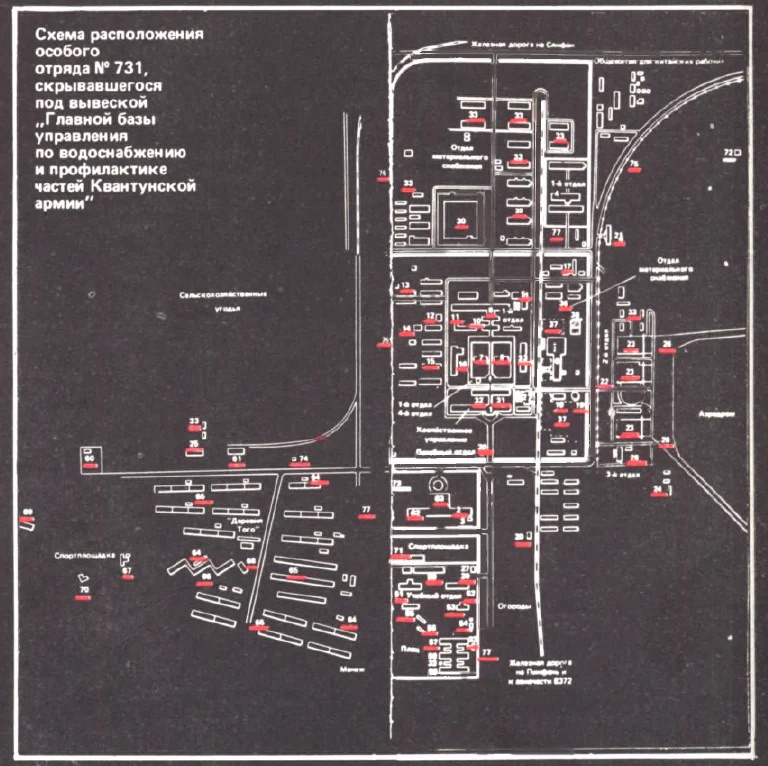
The Khabarovsk Trial also brought to light the extent to which Emperor Hirohito was responsible for what transpired at Unit 731. At the trial, Secretary of the Kwantung Army (Japan’s military force in Manchuria) Ryuji Kajitsuka testified that “Unit 731 was set up based on the order of Emperor Hirohito in 1936…The place where the Unit was stationed was confirmed by the headquarters of the Kwantung Army.”
Major General Kawashima Kiyoshi, a former high-ranking officer in Unit 731, confessed at Khabarovsk in a similar vein. Speaking of the secret order of Emperor Hirohito which had founded the bioweapons research facility, “When I took office as the Secretary of General Affairs of Unit 731, I had personally read this order from the archives.”
However, during his interrogations with Lieutenant Colonel Thompson from Fort Detrick, Shiro Ishii had protected His Majesty and denied the Emperor’s knowledge of the unsavory type of research that occurred at his facility.
The Japanese war criminals tried at Khabarovsk received relatively light sentences for the Soviet courts (between two and twenty-five years in Siberian labor camps), leading to accusations of off-the-record agreements. The war criminals still doing time were repatriated to Japan in 1956, not coincidentally the same year as Khrushchev’s so-called “Secret Speech.”
However, the Soviets certainly did more to bring Japanese biowarfare crimes to light than the Americans. That said, the U.S. government made back-door deals with some of Japan’s worst war criminals who were guilty of the most barbaric human experiments, rivaled only by the medical sadism of the Nazis.
For example, Hisato Yoshimura, the Head of the Frostbite Laboratory at Unit 731 who conducted freezing experiments on prisoners at the facility, escaped justice at the IMTFE under American protection. In fact, after the trial concluded, Yoshimura went on to be appointed principal of Kyoto Prefectural Medical University and enjoyed a life-long career as a scientist.
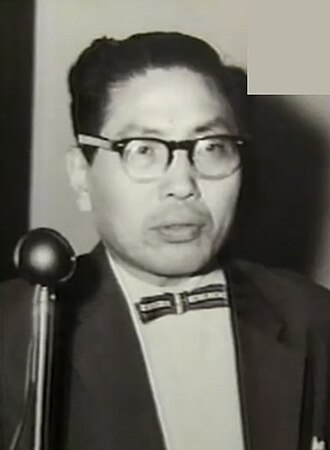
However, the most glaring example of Washington’s safeguarding and use of Japanese genocidaires is represented by Unit 731 head Shiro Ishii. Even more incriminating, his daughter Harumi Ishii told The Japan Times on August 29, 1982, “as far as I know it was true that a deal was made. But it was the U.S. side which approached my father, not the other way around.”
Not only was Ishii actively recruited by the U.S., but the information the American government gained by dirty dealings with Japanese biowarfare criminals was put to practical use in one of U.S. imperialism’s most destructive crimes against humanity—the Korean War.
During the course of the three-year offensive, the U.S. engaged in an enormous carpet-bombing campaign, dropping more than 600,000 tons of explosives on villages and infrastructure.
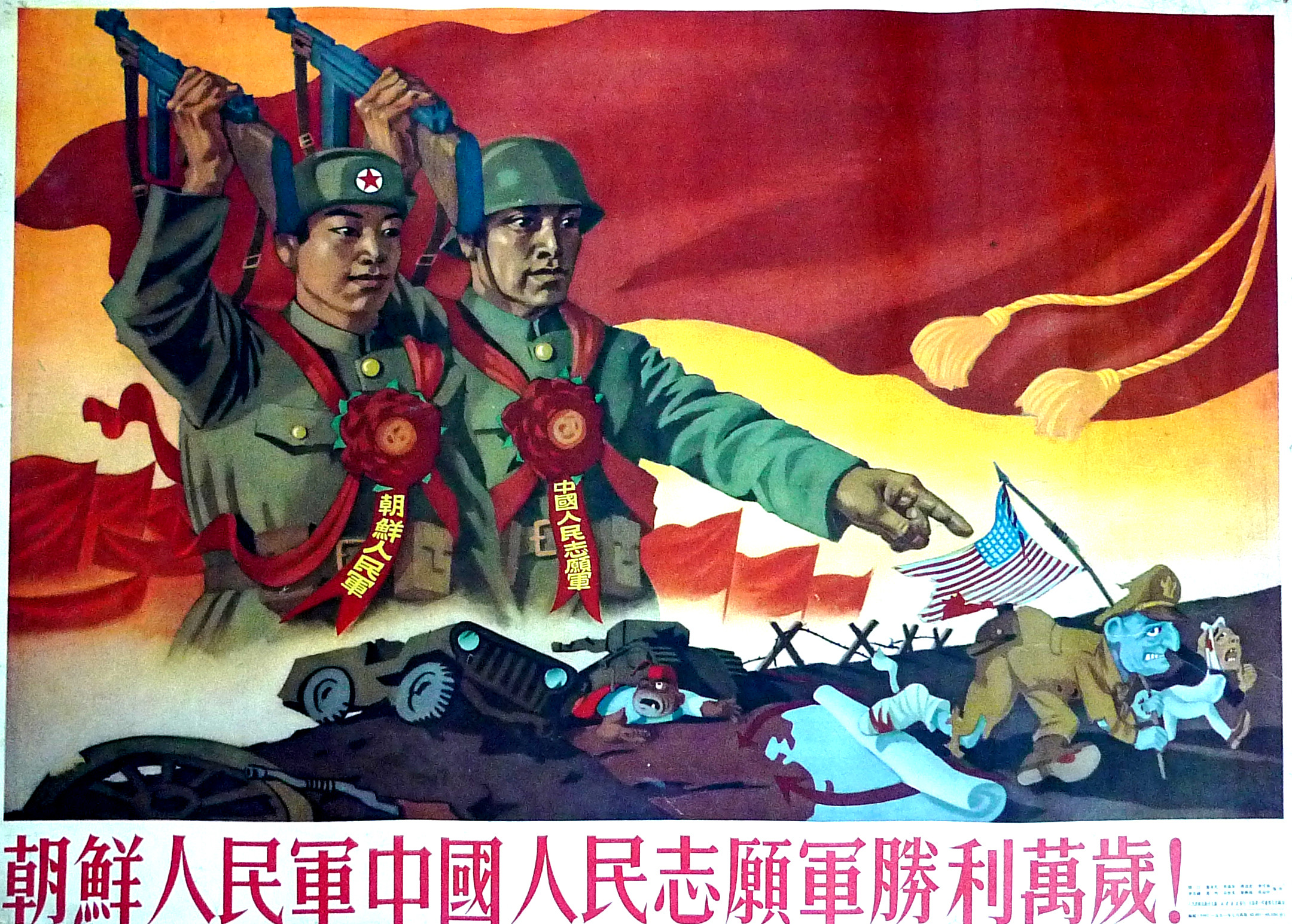
Accusations of the U.S. conducting biowarfare against the North Koreans and the Chinese were dismissed as “communist propaganda” until the 1980s. In the years since, the CIA released a large quantity of documents and intelligence communications reports pertaining to the Korean War, files which provided strong evidence that the U.S. did, indeed, wage biowarfare in Korea.
The methods which the Democratic People’s Republic of Korea (DPRK) accused the U.S. of deploying bioweapons are almost identical to the technologies pioneered (and tested on people) at Unit 731.
Indeed, in February 1952, North Korean Foreign Minister Pak Hon-yang reported that the U.S. Air Force had unloaded plague and cholera bombs on the DPRK. Plague bombs, meaning infected fleas encased in bombshells, were a specialty of General Ishii.
Not surprisingly, the germ-weapons expert was named in the same statement by the DPRK’s Foreign Minister who indicated that Ishii and other Japanese war criminals had been involved in “systematically spreading large quantities of bacteria-carrying insects by aircraft in order to disseminate contagious diseases over our frontline positions and our rear.”
In fact, General Ishii had traveled to Korea during the war, making two successive visits in 1952, presumably to take part in the U.S.’s bioweapons activities. However, it seems that he may have been in the country earlier.
A Pravda report from January 1951, purported that the U.S. had “established a bacteriological warfare center in Japan under the direction of former Japanese Lt. Gen. Shiro Ishii.” The Soviet newspaper also claimed that Ishii’s work for the U.S. government was being imported from Japan to Fort Detrick.
Interestingly, this story was picked up by the Associated Press, lending the accusations more credence in the West. After the CIA declassified a substantial amount of material for the 60th anniversary of the Korean War, journalist and author of Cover-Up at Guantanamo Jeffrey S. Kaye thoroughly reviewed the released files, concluding that the U.S. undoubtedly engaged in germ warfare during the Korean War:
“Viewed from the angle of basic evidentiary standards, I’d say based on the evidence from hundreds of eyewitnesses given to different investigators over the years, the uncensored portions of Defense Department documents available from the U.S., and now the two dozen descriptions in CIA documents of communications intercepted during the Korean War from units of the Korean People’s Army and Chinese People’s Volunteer Army, and the contemporary statements of U.S. Air Force and Marine Corps officers about the operations of the germ war, that the preponderance of the evidence, that is, over 50 percent of the evidence points to the truth of the germ warfare allegations. Some U.S. academics have claimed they unearthed documents that show the Korean War evidence was a ‘hoax’ perpetrated by Russia, China and North Korea. But those documents have never been seen in their original, and the claims within the documents are easily disconfirmed, as I’ve demonstrated on a number of occasions.”
Another connection between the U.S., Japanese war criminals, and the Korean War emerges with the Nihon Blood Bank. Due to the impunity they received from the American government during the IMTFE, many former Unit 731 scientists enjoyed prominent medical, educational and business careers after the end of World War II, for example, Nihon Blood Bank founders—and germ-warfare division veterans—Lieutenant Colonel Ryoichi Naito and Lieutenant General Misaji Kitano. Naito was a high-ranking officer in Unit 731 who was granted immunity, and Kitano was the second commander of the bioweapons research facility.
The latter had also been protected by the Americans even though, during the interrogations conducted by the Fort Detrick investigators, he wrote confessions of the human experiments conducted at Unit 731. This did not prevent the U.S. from allowing Kitano to repatriate to Japan from a prison camp in Shanghai in 1946.
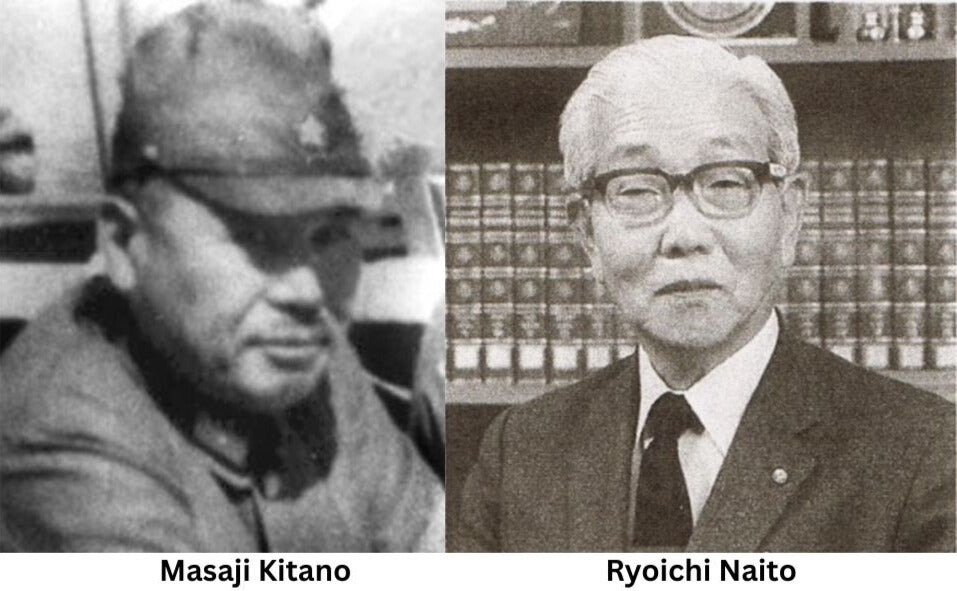 The founders of the Nihon Blood Bank. [Source: cdn.shopify.com]
Five years later, Kitano would go on to found the Nihon Blood Bank with Naito, a company which provided support to the imperialist assault on North Korea. The blood bank specialized in producing dried plasma, a commodity which it sold to the U.S. military during the Korean War.
In fact, Nihon Blood Bank was the largest blood bank in Japan and, for a time, the largest blood product company in the world. It relied on the medical expertise of Naito who was its first president, while he and Kitano brought many of their former Unit 731 colleagues onto the staff.
The Nihon Blood Bank was renamed the Green Cross Corporation in 1964 with co-founder Kitano acting as its new director. Meanwhile, Murray Sanders, the Fort Detrick scientist whose brainchild was the U.S. recruitment of Japanese biowarfare experts, went on to serve as a consultant for the Green Cross Corporation from 1950 until his death in 1987. It is likely that Sanders was awarded with the position in exchange for his role in helping the organization’s founders escape prosecution.
The already dubious blood product company found itself at the center of another major controversy, a scandal which did not transpire until the 1980s. Around that time, the Green Cross Corporation was importing large amounts of plasma from the United States, some of which was found to have been contaminated with HIV.
In 1982, the Centers for Disease Control had discovered that AIDS could be transmitted through unheated blood products and, in December of that year, the Green Cross Corporation was aware that blood-transmitted AIDS infections had occurred in the U.S. The company continued importing the plasma anyway, prioritizing the bottom line over safety, an unsurprising fact given the founders’ history of violating medical ethics.
Due to the pharmaceutical giant’s unethical importation and marketing of contaminated blood products, thousands of Japanese people, mostly hemophiliacs, were infected with HIV and more than 400 people died.
In 1989, some of the victims filed lawsuits against the Japanese Ministry of Health and Welfare as well as five Japanese drug companies, the Green Cross Corporation among them. Today the Green Cross Corporation, through a series of mergers and acquisitions, is part of the Mitsubishi Corporation, casting a shadow over its historical origins.
To this day, the history of World War II and its aftermath hang over relations between Washington, Tokyo and Beijing. Imperial Japan committed atrocities against the Chinese population which have never been atoned for, often not even acknowledged, by the Japanese government, which has only strained bilateral relations.
To make matters worse, since the American occupation, Japan has been a vassal state and virtual U.S. aircraft carrier in the Pacific, acting as an outpost of Western imperialist aggression against China. In November 2025, newly elected Japanese Prime Minister Sanae Takaichi suggested that her country could militarily intervene in the event of a Chinese military operation in Taiwan.
These remarks caused Beijing to demand an official retraction, which she refused, worsening Sino-Japanese tensions. Taiwan was historically a part of China until the island broke away at the end of the Chinese Civil War in 1949 and became a refuge for Chiang Kai-shek and the Kuomintang.
Mao Tse-tung once perceptively noted that “Imperialism fears China and the Arabs. Israel and Taiwan are bases of operation for Imperialism in Asia. They created Israel for the Arabs and Taiwan for us. They both have the same objective.”
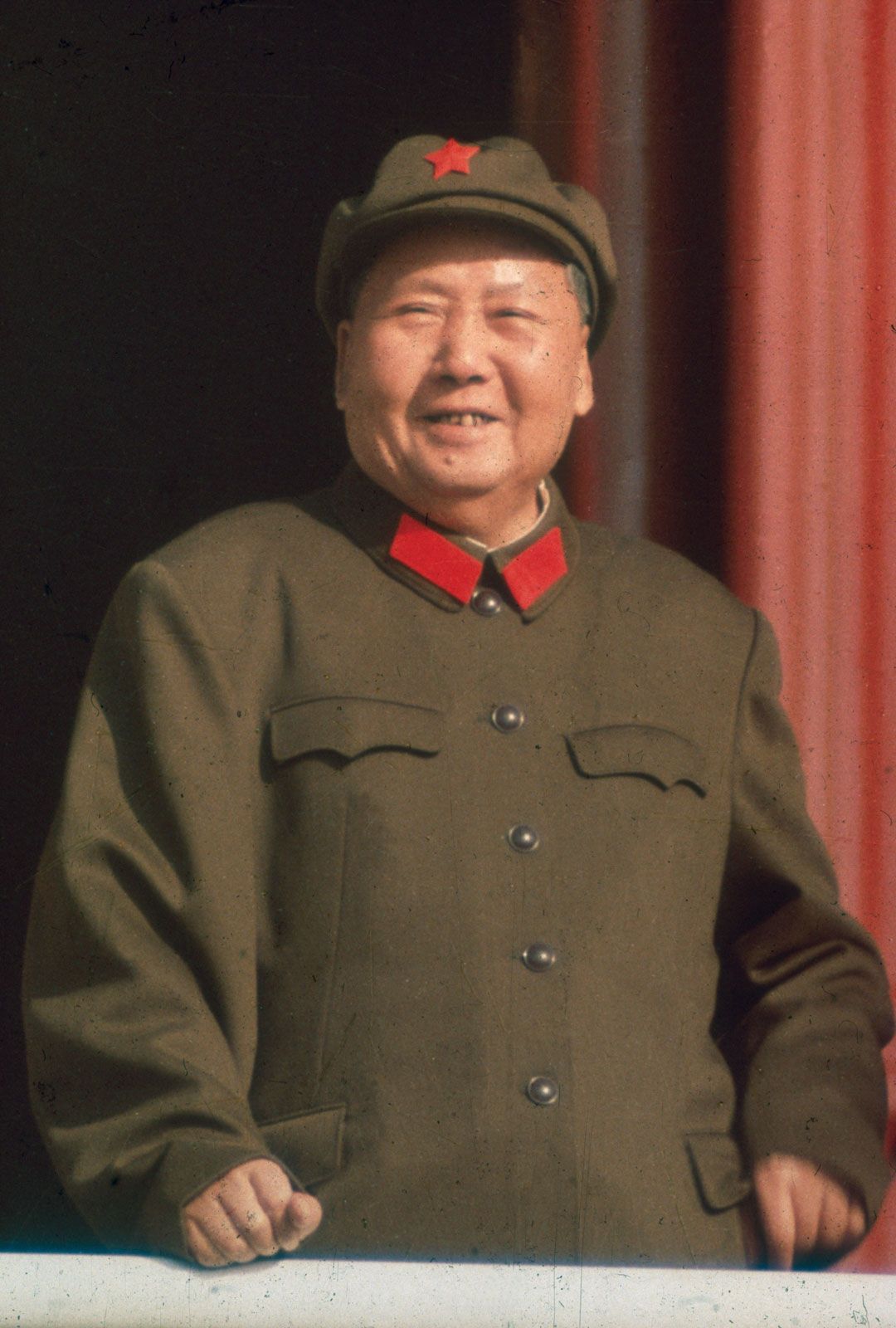
Given how the U.S. has recently been attempting to use Taiwan as a cat’s paw against China, it is not unjustified for the Japanese prime minister’s comments to spark indignation.
The U.S. recognizes the importance of Japanese support in a proxy war against China via Taiwan; a 2024 article from the U.S. Naval Institute’s website admits that the U.S. would not win a conflict with China over Taiwan without Japan’s military commitment to the island.
In fact, on the same day as Takaichi implied her country’s role in “protecting Taiwanese independence,” the U.S. announced the sale of $700 million worth of arms to Taiwan.
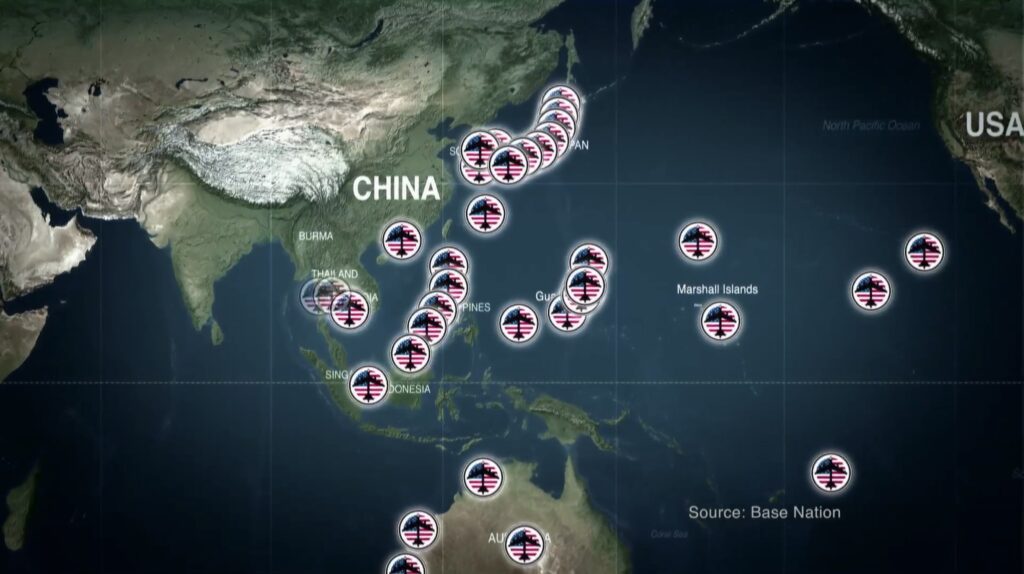
Although China has been accused of militarizing the South China Sea, it is the U.S. who has encircled the country with military bases as well as weaponizing its Western outposts in the region, an important detail that goes [NOTE: This sentence is incomplete]
The U.S., which emerged from World War II as the dominant imperialist power, continuously attempts to present a version of events which justifies its military ventures and to obscure any facts which might present its imperium in an unfavorable light.
Exposure of events which reveal inconvenient truths and are meant to be concealed from the American public have often come from a competing superpower.
Japan’s war crimes at Unit 731 could easily have disappeared from history and remained relegated to the annals of the U.S. government, absorbed by its intelligence agencies, and laying the basis for the bioweapons research conducted at Fort Detrick, Maryland (a place which was, not coincidentally, a prize location for Operation Paperclip Nazi scientists who had also worked on bioweapon
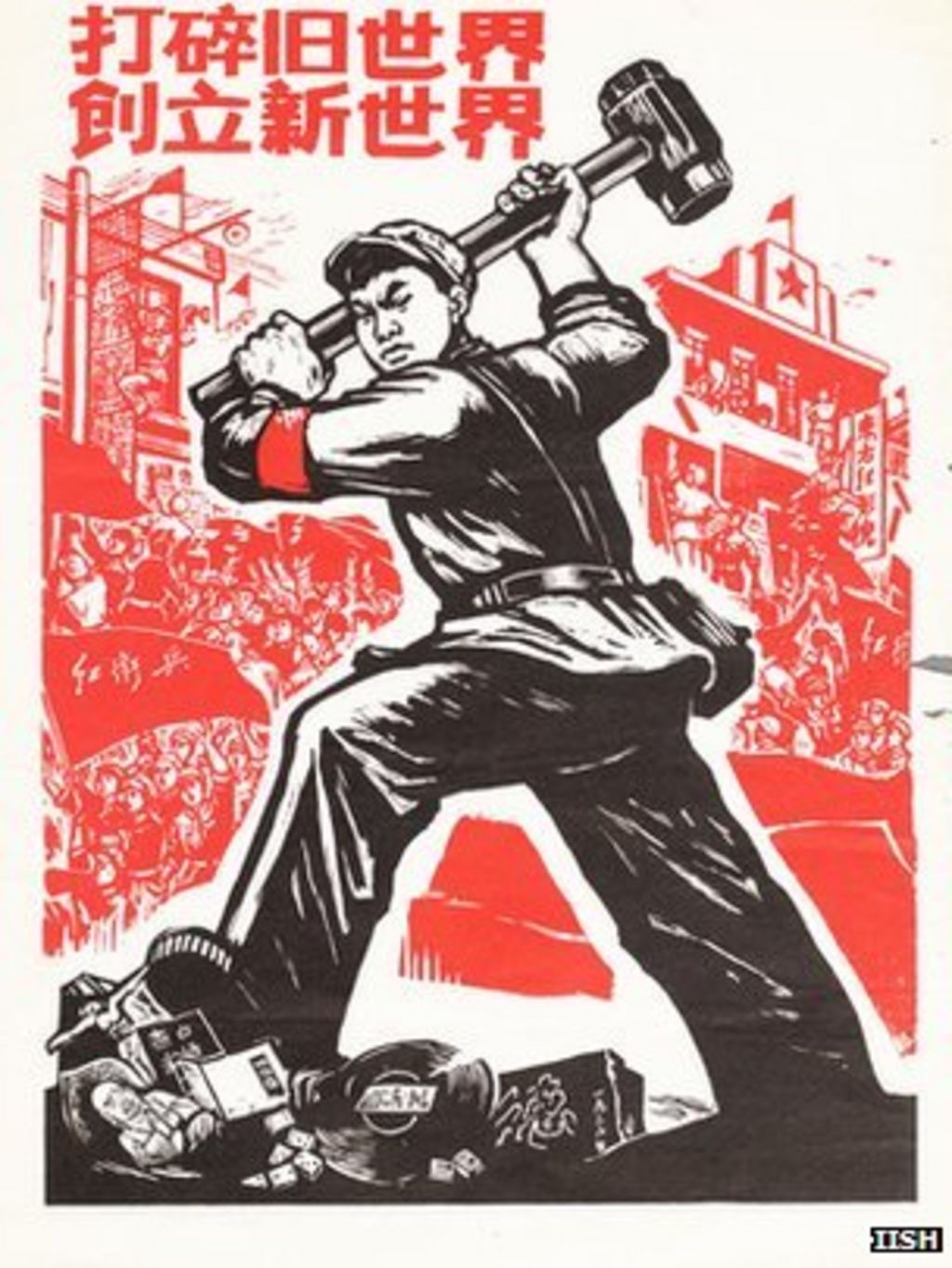
Instead, in the Anglophone world, the horrors that occurred at Unit 731 during World War II were brought to light because of the “Evil Empire.”
The Soviet Union stepped in where China, in the middle of internal conflict and emerging from a century of national humiliation, could not in exposing the human cost of Japan’s occupation of Manchuria. It serves as a testament to the importance of multipolarity, and countering U.S. hegemony over the globe.
After the fall of the Soviet Union, the world entered an unprecedented era of American full-spectrum dominance. Its ideological rivals were supposedly dead and buried, with neo-conservative political scientist Francis Fukuyama prematurely proclaiming “the end of history.”
Yet today as China rises on the world stage, a multipolar world is emerging, and it could spell the consignment of U.S. imperialism to the dustbin of history.

CovertAction Magazine is made possible by subscriptions, orders and donations from readers like you.
Blow the Whistle on U.S. Imperialism
Click the whistle and donate
When you donate to CovertAction Magazine, you are supporting investigative journalism. Your contributions go directly to supporting the development, production, editing, and dissemination of the Magazine.
CovertAction Magazine does not receive corporate or government sponsorship. Yet, we hold a steadfast commitment to providing compensation for writers, editorial and technical support. Your support helps facilitate this compensation as well as increase the caliber of this work.
Please make a donation by clicking on the donate logo above and enter the amount and your credit or debit card information.
CovertAction Institute, Inc. (CAI) is a 501(c)(3) non-profit organization and your gift is tax-deductible for federal income purposes. CAI’s tax-exempt ID number is 87-2461683.
We sincerely thank you for your support.
Disclaimer: The contents of this article are the sole responsibility of the author(s). CovertAction Institute, Inc. (CAI), including its Board of Directors (BD), Editorial Board (EB), Advisory Board (AB), staff, volunteers and its projects (including CovertAction Magazine) are not responsible for any inaccurate or incorrect statement in this article. This article also does not necessarily represent the views the BD, the EB, the AB, staff, volunteers, or any members of its projects.
Differing viewpoints: CAM publishes articles with differing viewpoints in an effort to nurture vibrant debate and thoughtful critical analysis. Feel free to comment on the articles in the comment section and/or send your letters to the Editors, which we will publish in the Letters column.
Copyrighted Material: This web site may contain copyrighted material the use of which has not always been specifically authorized by the copyright owner. As a not-for-profit charitable organization incorporated in the State of New York, we are making such material available in an effort to advance the understanding of humanity’s problems and hopefully to help find solutions for those problems. We believe this constitutes a ‘fair use’ of any such copyrighted material as provided for in section 107 of the US Copyright Law. You can read more about ‘fair use’ and US Copyright Law at the Legal Information Institute of Cornell Law School.
Republishing: CovertAction Magazine (CAM) grants permission to cross-post CAM articles on not-for-profit community internet sites as long as the source is acknowledged together with a hyperlink to the original CovertAction Magazine article. Also, kindly let us know at info@CovertActionMagazine.com. For publication of CAM articles in print or other forms including commercial internet sites, contact: info@CovertActionMagazine.com.
By using this site, you agree to these terms above.
About the Author
Shaenah Batterson is a polemicist and poet located in Baltimore, Maryland.
She writes a Substack called The Red Letter and cohosts the podcast Captive Minds.
Shaenah can be reached at shaenahbatterson@icloud.com.