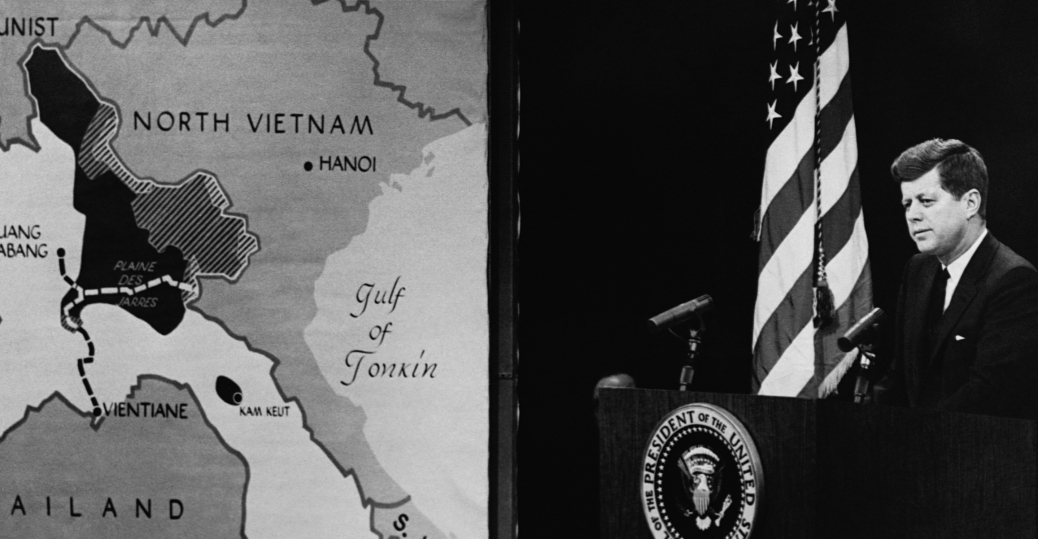
This article addresses one of the most consequential and deliberately obscured chapters in American history: President John F. Kennedy’s potentially planned strategic withdrawal from Vietnam, its abrupt reversal under Lyndon B. Johnson, and the documentary evidence suggesting foreknowledge of policy transformation.
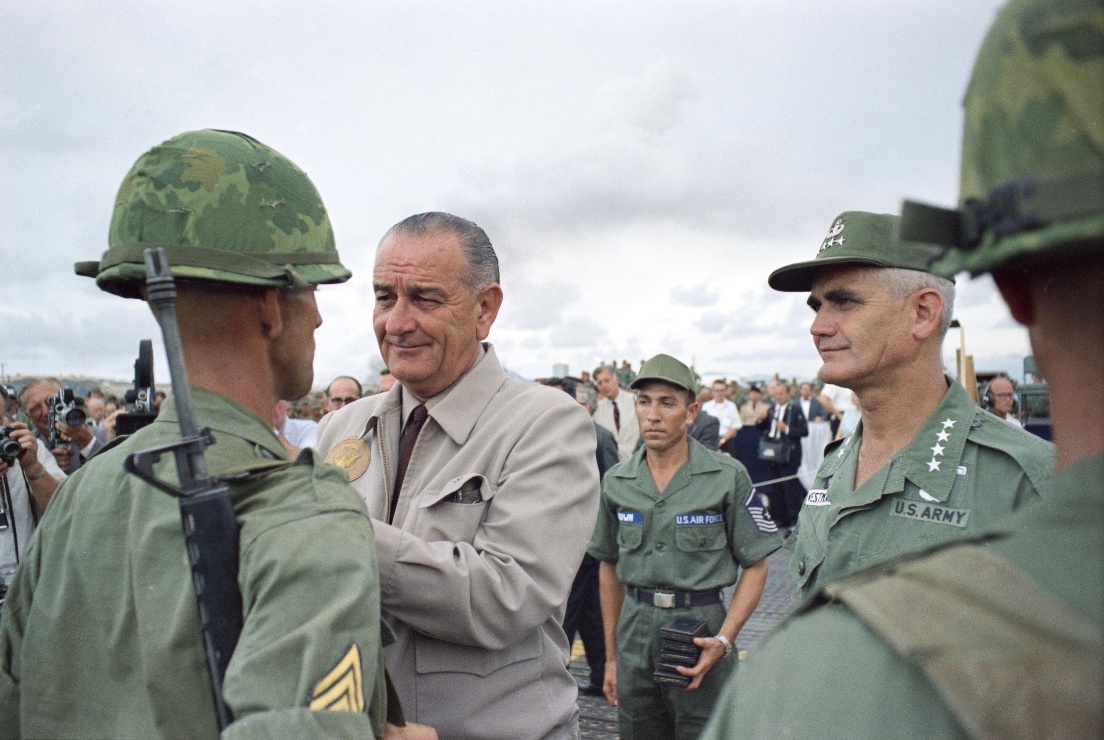
The focus centers on National Security Action Memorandum (NSAM) 263, its betrayal through NSAM 273, and a myriad of drafts, memos and historical distortions that reveal not merely bureaucratic evolution but potential conspiracy.
The conventional debate positions this as a question of attribution—JFK’s war versus LBJ’s war. This framework, however, obscures three more significant inquiries: evidence of conspiracy in Kennedy’s assassination, documentation of Kennedy’s conflict with the Central Intelligence Agency (CIA), and evidence of his confrontation with the Pentagon establishment.
This analysis demonstrates, through primary documentary evidence, that United States policy on Vietnam underwent a complete reversal within 48 hours of Kennedy’s assassination—and that this reversal was drafted, edited, circulated, and prepared for signature before the president’s body reached Bethesda Naval Hospital.
This constitutes documented fact, not theoretical speculation. Every document cited herein exists in the public record at the John F. Kennedy Presidential Library, the National Archives, or the State Department’s “Foreign Relations of the United States” series.
Genesis of NSAM 263: Kennedy’s Strategic Vision
On October 11, 1963, President Kennedy signed National Security Action Memorandum 263, directing the withdrawal of 1,000 U.S. military personnel from Vietnam by year’s end and projecting withdrawal of “the major part of the U.S. military task” by the conclusion of 1965.[1]
At this juncture, more than 16,732 American advisers were stationed in Vietnam, supporting a deteriorating South Vietnamese regime against a Viet Cong insurgency.[2]
Kennedy, it should be noted, contributed to a significant escalation of the Vietnam War during his presidency and had advanced violent counterinsurgency operations, including the infamous Strategic Hamlet Program designed to isolate the peasant population from insurgents and win hearts and minds through aid programs.
Since the mid-1950s, Kennedy had been associated with the American Friends of Vietnam (AFV), or Vietnam lobby, which promoted greater foreign aid to the Catholic anti-communist regime of Ngo Dinh Diem.[3]
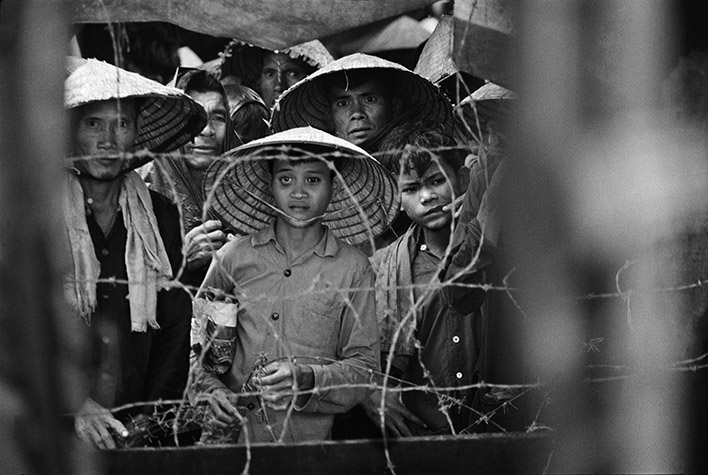
The decision to withdraw 1,000 troops emerged not from impulse but from deliberate policy formulation, rooted in the McNamara-Taylor report of October 2, 1963. Kennedy’s personal investment in this policy is documented in his handwritten annotation on the cover memorandum: “This action should be carried out.”[4]
The context of 1963 was one of institutional turbulence. The South Vietnamese government under President Ngo Dinh Diem faced systemic corruption and popular opposition, culminating in a coup before Kennedy could intervene diplomatically. Viet Cong forces were advancing, and Kennedy—a Cold War pragmatist—grew increasingly skeptical of the U.S. capacity to prevail in a conflict that South Vietnam appeared unwilling to prosecute.
The McNamara-Taylor Report on Vietnam, while optimistically assessing “great progress” against insurgency, provided Kennedy with policy justification: a recommendation to phase out U.S. military presence while training South Vietnamese forces for autonomous operations. This withdrawal framework had been under deliberate development throughout 1963, guided by Kennedy himself to secure Pentagon endorsement.[5] Kennedy seized this strategic opening, perceiving an exit from a potential quagmire.
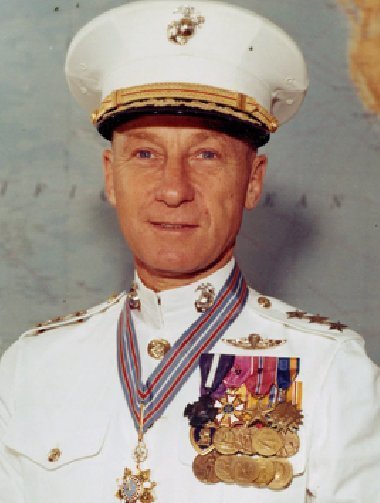
NSAM 263 emerged from more than 50 high-level meetings in 1963, demonstrating Kennedy’s methodical approach to Vietnam policy.[6] At least 14 of these sessions included Marine Lieutenant General Victor H. Krulak, Special Assistant to the Joint Chiefs of Staff for Counterinsurgency and Special Activities. Krulak’s principal writer, Colonel L. Fletcher Prouty, transformed raw intelligence and field reports from the Taylor-McNamara mission into the precise language that became NSAM 263.[7]
The directive specified withdrawal of 1,000 troops by December 1963 and complete exit by 1965, but mandated no public announcement to avoid signaling weakness to Saigon or insurgent forces.[8] This operational security reflected not political cowardice but strategic calculation, balancing domestic anti-communist pressure with foreign policy objectives and electoral considerations.
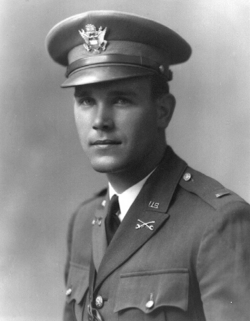
Krulak and Prouty served as Pentagon anchors for the withdrawal plan. McGeorge Bundy, Dean Rusk, and State Department interventionists were deliberately maintained at institutional distance because Kennedy distrusted their advocacy for deeper American involvement.
Despite persistent mainstream historical perspectives, Kennedy’s commitment to withdrawal finds corroboration in testimony from his closest advisers. Attorney General Robert F. Kennedy indicated that his brother planned a complete exit following the 1964 election, concerned about triggering anti-communist backlash if acting prematurely.[9] Secretary of Defense Robert McNamara, in his 1995 memoir In Retrospect, confirmed Kennedy’s determination to withdraw all major forces by 1965, independent of South Vietnamese progress.[10] Theodore Sorensen, Kennedy’s speechwriter, documented in Counselor: A Life at the Edge of History, that Kennedy distrusted Pentagon escalation advocacy, viewing Vietnam as strategically untenable.[11] Arthur Schlesinger, Jr., Kennedy’s special assistant, corroborated this assessment, noting the president’s frustration with military advisers pressing for deeper engagement.[12] These accounts, composed before Vietnam became a national tragedy, carry particular evidentiary weight as they remain untainted by retrospective political considerations.
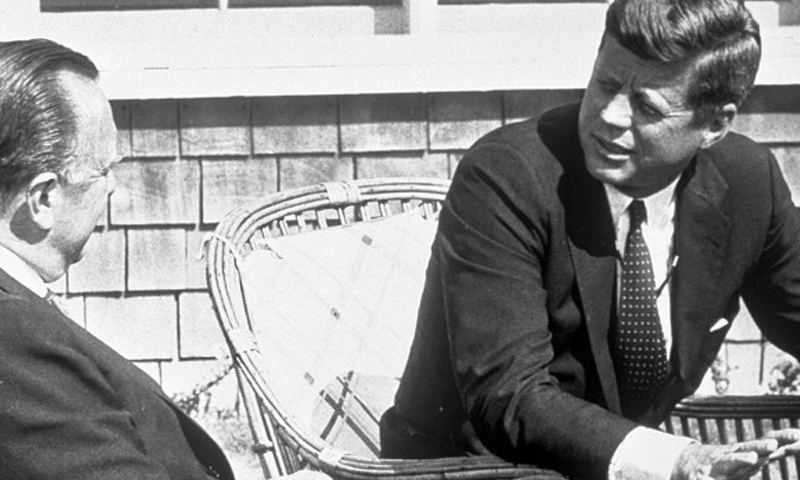
Kennedy’s public statements reinforce this documentary record. On September 2, 1963, he informed CBS’s Walter Cronkite: “In the final analysis, it is their war. They are the ones who have to win it or lose it. We can help them, we can give them equipment, we can send our men out there as advisers, but they have to win it, the people of Vietnam.“[13] One week later, on September 9, he told NBC’s Chet Huntley and David Brinkley: “I don’t think that unless a greater effort is made by the [South Vietnamese] government to win popular support that the war can be won out there.“[14] These statements represented not casual remarks but deliberate policy signals broadcast to the nation.
Senator Mike Mansfield (D-MT), a trusted confidant, recalled Kennedy confiding in 1963 his intention to withdraw following the election, despite anticipated political cost.[15] Kenneth O’Donnell, Kennedy’s appointments secretary, quoted him stating: “In 1965, I’ll be damned everywhere as a Communist appeaser. But I don’t care. If I tried to pull out completely now, we’d have another Joe McCarthy red scare on our hands.”[16] This reflects a president resolute in his strategic vision to terminate American involvement in Vietnam.
This represented official United States policy on the morning of Thursday, November 21, 1963, when President Kennedy departed the White House for Texas.
NSAM 263’s implications extended across strategic and political dimensions. Strategically, it transferred responsibility to South Vietnam, challenging Pentagon and CIA factions which viewed Vietnam as essential Cold War terrain. Politically, it risked backlash from anti-communist constituencies in Congress and the public, who equated withdrawal with ideological weakness. Analysts including Prouty argue this defiance of military-industrial complex interests rendered Kennedy vulnerable to institutional opposition.[17] Whether interpreted as transformative vision or pragmatic first measure, NSAM 263 constituted Kennedy’s blueprint to avert a conflict that would ultimately claim millions of lives.
The Betrayal: NSAM 273 and Its Pre-Assassination Drafts
On November 26, 1963—four days following Kennedy’s assassination and one day after his interment—President Lyndon B. Johnson signed NSAM 273, effectively nullifying Kennedy’s withdrawal directive.[18] Drafted by National Security Adviser McGeorge Bundy, NSAM 273 superficially claimed continuity with NSAM 263’s withdrawal objectives, citing the October 2, 1963, White House statement.[19] This constituted deliberate misrepresentation. The document’s substantive content shifted U.S. policy toward commitment “to win their contest against the externally directed and supported Communist conspiracy,” establishing a foundation for escalation.[20] By 1965, Johnson had deployed 250,000 troops to Vietnam, obliterating Kennedy’s withdrawal timeline. The Pentagon Papers subsequently characterized the 1963 withdrawal of 1,000 troops as merely an “accounting exercise.”[21]
The critical question concerns the rapidity of this reversal. The answer resides in the drafts of NSAM 273—documents that antedate Kennedy’s death and suggest institutional foreknowledge at the highest levels.
The Honolulu Conference: November 20-21, 1963
Forty-eight hours before the assassination, senior civilian and military officials responsible for Vietnam policy convened at CINCPAC Headquarters, Camp H. M. Smith, Honolulu, Hawaii. The official conference agenda addressed “Implementation of U.S. Policy in South Vietnam Following the Diem Coup”—ostensibly, execution of NSAM 263 and Kennedy’s withdrawal plan.
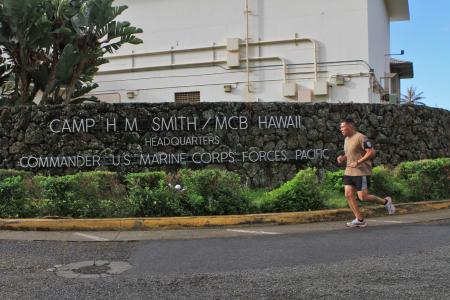
Conference participants included Secretary of State Rusk, Secretary of Defense McNamara, Director of Central Intelligence John A. McCone, Deputy Assistant Secretary of Defense William P. Bundy, Assistant Secretary of State for Far Eastern Affairs Roger Hilsman, Commander of U.S. Military Assistance Command Vietnam General Paul D. Harkins, Commander-in-Chief Pacific Admiral Harry D. Felt, NSC staff member Michael V. Forrestal, U.S. Ambassador to South Vietnam Henry Cabot Lodge, Jr., and approximately 30 additional senior military and civilian officials.
Critically, National Security Adviser Bundy did not attend the Honolulu Conference. He remained in Washington, D.C.
Victor Krulak attended but was conspicuously excluded from drafting follow-on memoranda—an exclusion that merits analytical attention given his previous role in NSAM 263.
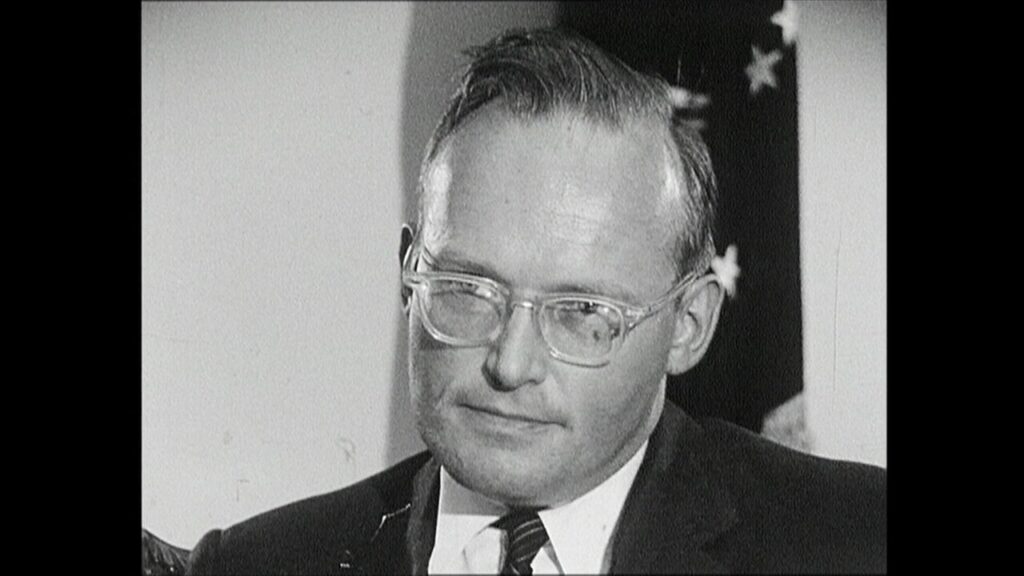
While the conference remained in session in Honolulu on November 20—while the official agenda purportedly concerned implementation of Kennedy’s withdrawal order—McGeorge Bundy, in Washington, D.C., commenced drafting a new National Security Action Memorandum that would comprehensively reverse NSAM 263.
The Five Pre-Assassination Drafts of NSAM 273
John F. Kennedy Presidential Library folder JFKNSF-342-014 contains five distinct drafts of what would become NSAM 273, dated November 21-26, 1963. Each draft demonstrates a deliberate pivot from withdrawal policy, crafted with institutional precision before Kennedy’s burial on November 25.[22]
The chronology, authorship and content evolution of each draft follows:
Draft 1 (November 21, 1963): Written by McGeorge Bundy in Washington, D.C., following the conclusion of the Honolulu Conference. This draft introduced the phrase “assist the people and Government of South Vietnam to win their contest against the externally directed and supported Communist conspiracy.” The Honolulu Conference, attended by key advisers, including McNamara and Rusk, ostensibly focused on implementing Kennedy’s withdrawal plan and discussing logistics for the 1,000-troop reduction.[23] Yet Bundy’s draft, written in Washington based on conference reports, emphasized expanded military aid and “winning” the war, conspicuously omitting withdrawal timelines. Handwritten annotations by Bundy, verified through National Archives handwriting analysis, prioritized counterinsurgency operations, including covert actions against North Vietnam.[24] While withdrawal language remained present, it was substantially weakened. The critical question: Why was Bundy drafting escalation policy in Washington when the conference agenda in Honolulu centered on withdrawal implementation? This draft, marked “Top Secret,” demonstrates no trace of Kennedy’s strategic intent.
Draft 2 (November 21, 1963): This version built on the first, incorporating clauses for economic and military support to the post-Diem South Vietnamese government.[25] These revisions marginalized NSAM 263’s withdrawal objectives, emphasizing a sustained U.S. presence. The draft was circulated from Washington to William Bundy and Hilsman at the State Department for comment. A paragraph addressing “unity” was deleted to avoid “public recrimination.” The Honolulu Conference minutes, available at the National Archives, confirm no discussion of escalation—only withdrawal logistics.[26] The question persists: Why was William Bundy advancing this policy shift while his brother McGeorge drafted escalation policy in Washington?
Draft 3 (November 23, 10:00 a.m. EST): Hilsman returned the memorandum on November 23 with minor modifications, logged as received post-assassination. Typed annotations attributed to William P. Bundy and Roger Hilsman (notably not a hawk—dismissed by Johnson in March 1964 for his withdrawal stance and firmly on record supporting Kennedy’s withdrawal intention) refined aid commitments, focusing on stabilizing Saigon following Diem’s November 1 coup.[27]
Draft 4 (November 25, 2:00 p.m. EST): Further revisions followed Johnson’s November 24 meeting (characterized by aides as belligerent in tone). Modifications to paragraph 4 regarding unity emphasis and paragraph 7 concerning covert operations against North Vietnam derive from LBJ Library stenographer logs.[28]
Draft 5 (November 26, 6:00 p.m. EST): This draft incorporated final revisions by both McGeorge and William Bundy, consolidating escalation policy[29] and establishing a firm commitment to “win” in Vietnam.[30]
No copy of any of these five drafts was transmitted to President Kennedy. No record documents his review of a single page.
McGeorge Bundy’s Documented Movements: November 20-22, 1963
The documentary record establishes the following timeline:
Wednesday-Thursday, November 20-21, 1963
– McGeorge Bundy remained in Washington, D.C., at the White House while the Honolulu Conference proceeded in Hawaii
– November 21: Bundy drafted NSAM 273 in Washington based on cables and reports from the Honolulu Conference
– Bundy circulated the draft to Hilsman and William Bundy for their review
Friday, November 22, 1963
– Morning: Bundy in his office in Washington, D.C., when he received a telephone call from Secretary McNamara informing him of Kennedy’s assassination in Dallas
– Bundy remained in Washington throughout the crisis
This timeline reveals the most damning evidence: Bundy did not attend the Honolulu Conference when he drafted the reversal of Kennedy’s policy. He wrote NSAM 273—a complete repudiation of Kennedy’s withdrawal plan—from Washington on November 21, 1963, one day before the assassination, based solely on conference reports. This document reversed a policy Kennedy had personally directed throughout 1963, yet Kennedy never saw it.
The evidentiary significance becomes acute here. Approximately 95% of the final memorandum’s content originated in the first draft—the pre-assassination draft written in Washington while Kennedy was alive. In a 1988 interview with historian John Newman, McGeorge Bundy provided explosive testimony. When asked who directed changes to the November 21 drafts, Bundy replied: “The President.”[31] Newman was pressed for clarification: Which president? Bundy specified: “Lyndon Johnson,” then Vice President, not Kennedy.[32] This admission, documented in JFK and Vietnam, confirms that Johnson personally provided editorial direction to NSAM 273 drafts on November 21, 1963, i.e., before Kennedy’s assassination.[33]
Consider the implications: The Vice President actively shaped policy to reverse Kennedy’s withdrawal plan while Kennedy remained alive. No records indicate Kennedy approved or reviewed these drafts, which directly contradicted his documented policy direction throughout 1963.[34] The Honolulu Conference, as documented in declassified cables, focused exclusively on implementing NSAM 263—yet Bundy in Washington, Pentagon staff in Hawaii, and Johnson in Texas were crafting escalation.[35] The probability that this comprehensive reversal—a policy Kennedy had personally directed throughout 1963—occurred without substantial advance planning by Bundy, Johnson, and Pentagon interventionists while all parties were dispersed across Washington, Honolulu and Texas strains credibility. Indeed, this geographic dispersion likely constituted operational cover. The reversal necessarily required extended advance planning. The proposition that Kennedy knew and endorsed this reversal while Bundy drafted it in secret is demonstrably implausible.
The November 21 drafts, edited by Johnson, Pentagon interventionist and Bundy before Kennedy’s death, constitute evidence of foreknowledge regarding policy transformation. The marginal annotation in Draft 3, potentially attributable to Johnson, aligns with his documented hawkish position, though handwriting analysis remains inconclusive.[36] The Assassination Records Review Board’s inconclusive analysis does not negate the annotation’s rhetorical consistency with Johnson’s documented rhetoric.[37] These drafts, accessible via the JFK Library’s “Drafts and Related Materials” collection, reveal premeditated effort to undermine Kennedy’s strategic vision.[38]
The questions demand answers: Why was Johnson editing NSAM 273 before assuming the presidency? Why did Bundy pivot from the Honolulu Conference agenda? These inquiries indicate deliberate institutional planning, with Bundy as orchestrator and Johnson and Pentagon interventionists as collaborating actors.
Hoover’s Precipitate Judgment and the Katzenbach Memorandum
Evidence of institutional foreknowledge extends beyond NSAM 273. FBI Director J. Edgar Hoover’s actions amplify these concerns. Within hours of Kennedy’s assassination on November 22, 1963, Hoover informed Robert F. Kennedy that Lee Harvey Oswald constituted the lone gunman, based exclusively on preliminary Dallas police reports.[39] This determination occurred hours after the shooting, absent completed ballistic analysis. By November 24, before Oswald’s murder by Jack Ruby, Hoover collaborated with Deputy Attorney General Nicholas Katzenbach on a memorandum urging public conviction that “Oswald is the real assassin” and suppression of “speculative and erroneous information.”[40] The Katzenbach memorandum reads as an operational blueprint for narrative control.[41]
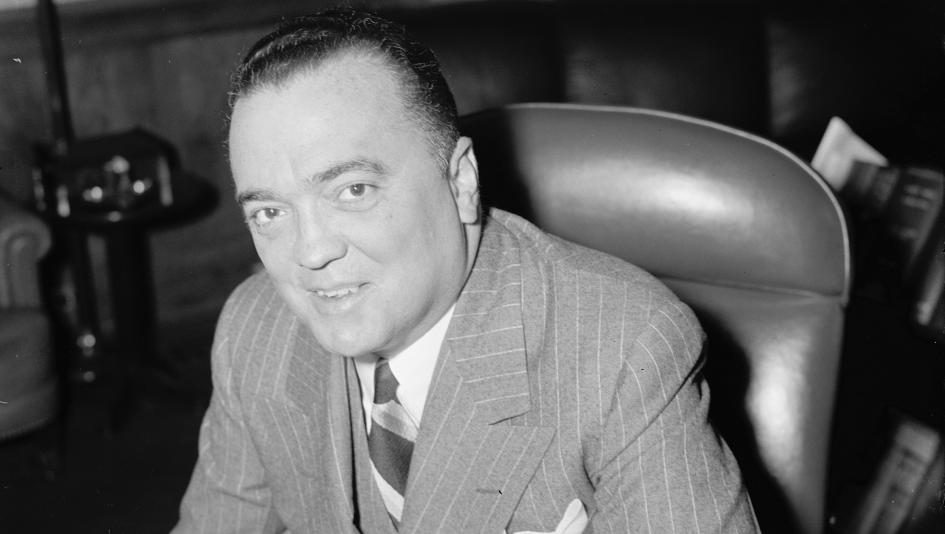
Yet evidence remained far from conclusive. Paraffin testing on Oswald revealed no nitrate residue, casting substantial doubt on whether he discharged a weapon.[42] A CIA report documented an Oswald impersonator in Mexico City weeks before the assassination, suggesting a broader conspiracy.[43] Hoover, aware of these anomalies, dismissed them in a November 23 telephone conversation with Johnson, insisting on the lone-gunman theory.[44] What explains this haste? Coordinated foreknowledge represents the only rational explanation.[45] The Katzenbach memorandum’s emphasis on shaping public perception, issued concurrent with NSAM 273’s finalization, suggests coordinated institutional effort to close the assassination investigation and facilitate Vietnam escalation, as researchers including Oliver Stone and Prouty have argued. Was Hoover protecting CIA, Johnson and Pentagon interests?
Historical Distortions: Updegrove, Selverstone, and Institutional Legacy Management
The institutional cover-up persists not in clandestine operations but in contemporary historical scholarship. Two historians, Mark Updegrove and Marc J. Selverstone, exemplify this continuing distortion in works coincidentally published for the 60th anniversary of the assassination addressing Kennedy and Vietnam.
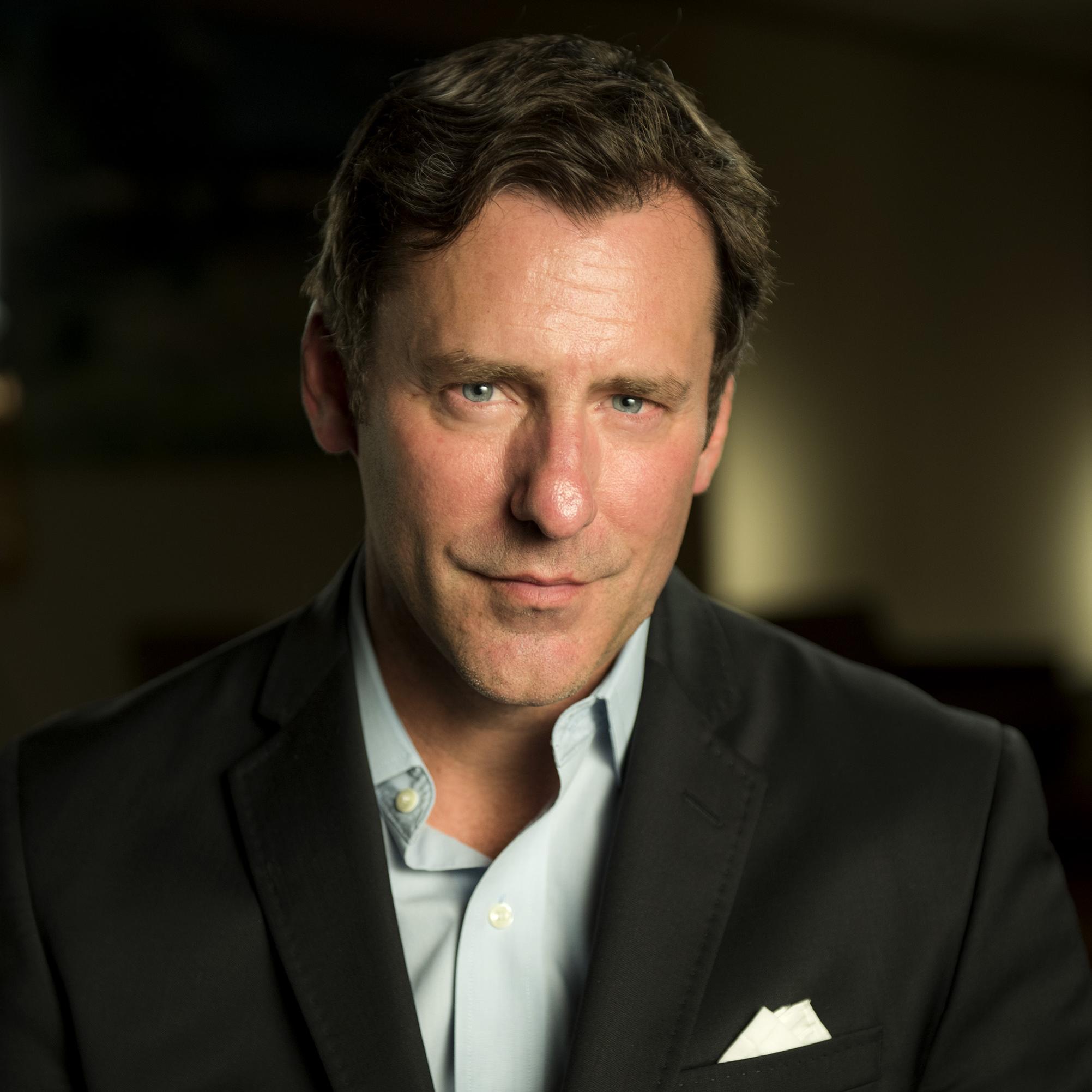
Updegrove, President and CEO of the Lyndon B. Johnson Foundation, references NSAM 263 in his 2022 work Incomparable Grace: JFK in the Presidency but misleads readers by framing it as tentative, conditional policy contingent on South Vietnamese success.[46] He dismisses Kennedy’s withdrawal intent as “myth,” disregarding primary sources including McNamara’s memoir, Robert Kennedy’s interviews, and the Assassination Records Review Board’s confirmation of Kennedy’s 1965 withdrawal plan.[47] Most significantly, Updegrove deliberately omits NSAM 273, thereby erasing Johnson’s rapid policy reversal.[48]
Updegrove’s leadership of the LBJ Foundation, which supports the LBJ Presidential Library in Austin, Texas, grants him influence over its 45 million pages of documentation.[49] The library, administered by the National Archives, curates exhibits and programs emphasizing Johnson’s civil rights achievements while minimizing his Vietnam failures.[50]
This institutional orientation shapes historical narratives, marginalizing documents like NSAM 273 that expose Johnson’s role not only in Vietnam escalation but in potential foreknowledge of the assassination. Updegrove’s omissions constitute not mere scholarly negligence but alignment with legacy-protection objectives.
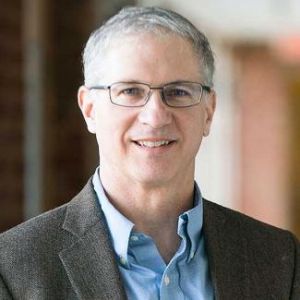
Marc J. Selverstone’s 2022 work The Kennedy Withdrawal: Camelot and the American Commitment to Vietnam proves equally problematic. Selverstone argues NSAM 263 constituted a strategic maneuver to pressure South Vietnam rather than be a firm withdrawal plan.[51] He emphasizes bureaucratic ambiguities and Kennedy’s public anti-communist rhetoric, marginalizing private accounts from Mansfield, O’Donnell, and others confirming Kennedy’s resolve.[52] Like Updegrove, Selverstone deliberately omits NSAM 273, obscuring the stark contrast between Kennedy’s de-escalation and Johnson’s escalation.[53] These historians engage not in misinterpretation but in historical distortion designed to sanitize Johnson’s legacy.
The Robert Kennedy Evidence: Temporal Evolution of Testimony
Critics frequently cite Robert Kennedy’s April 1964 oral history interview, in which he stated his brother had “no” intention of withdrawing from Vietnam. This selective citation, however, ignores Robert Kennedy’s subsequent and more comprehensive testimony. Consider his later statements:
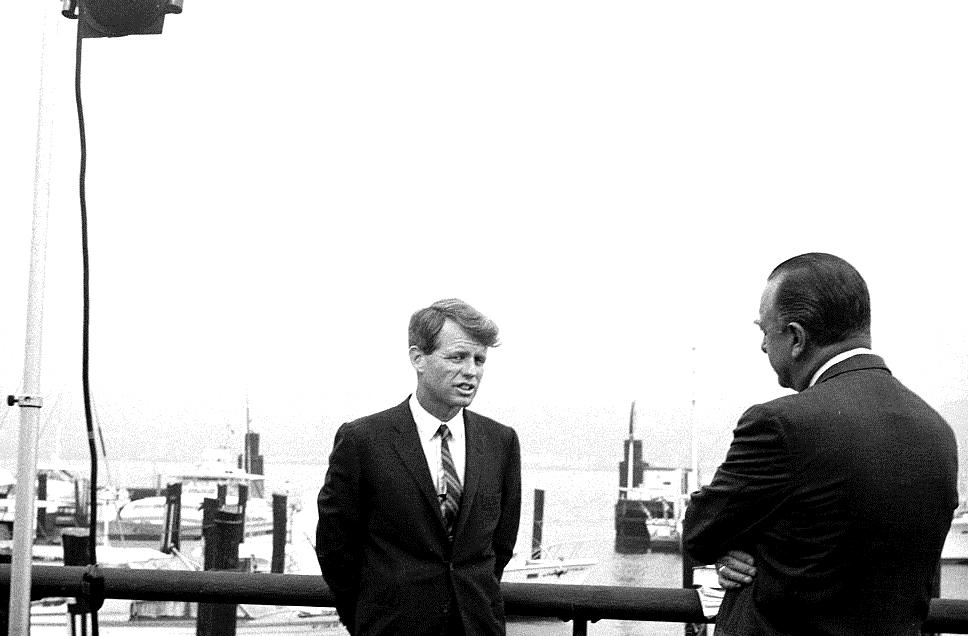
In a February 1968 interview with Walter Cronkite (broadcast nationally), Robert Kennedy stated: “The President [JFK] felt that he had a strong, overwhelming reason for American involvement—but he also felt that if he had been re-elected in 1964, he would have pulled out of Vietnam. He would have settled it diplomatically, or he would have withdrawn.”
In a December 1967 interview with John Bartlow Martin (the same historian who conducted the 1964 interview, released following Robert Kennedy’s death), he clarified: “At the time of his death, President Kennedy had decided that after the 1964 election he would withdraw from Vietnam…He was going to take the political heat and get out. He didn’t want a McCarthy-type red-baiting campaign saying he lost Vietnam like Truman was accused of losing China.”
On May 15, 1968, during a California campaign appearance (recorded and widely reported), Robert Kennedy stated: “My brother was going to get out after he was re-elected. He told me that personally. He said, ‘After 1964, we’re coming home.’ He was afraid that if he moved before the election, the Republicans would say he was soft on communism—another ‘Who lost China?’ crusade.”
This is Robert Kennedy—the person with greatest access to John Kennedy’s strategic thinking—informing the American public in 1967 and 1968 that the position he described in 1964 represented temporary political positioning until after the 1964 election, following which Kennedy intended complete withdrawal regardless of political cost. When confronted with the 1964 quotation, the appropriate response references Robert Kennedy’s own clarification in 1967 and 1968: His brother planned to terminate the war following re-election, with the sole impediment being avoidance of McCarthy-style political persecution. These statements, delivered when Robert Kennedy had minimal political incentive for distortion, represent the most reliable testimony available.
The September 1963 Television Interviews: Contextual Analysis
Revisionists frequently cite Kennedy’s September 1963 television interviews with Walter Cronkite and David Brinkley as evidence of commitment to military victory. They quote selectively:
To Cronkite (September 2): “I don’t agree with those who say we should withdraw…In the final analysis, it is their war.”
To Huntley-Brinkley (September 9): “I don’t think that unless a greater effort is made by the [South Vietnamese] government to win popular support that the war can be won…I don’t agree…that we should withdraw. That would be a great mistake.”
These selective quotations, however, omit critical contextual qualifications. In the Huntley-Brinkley broadcast, Kennedy added immediately after stating “No” to withdrawal: “We are not sending combat troops. We are not sending American boys to fight this war. That is the responsibility of the South Vietnamese.”
Three weeks following these interviews, on October 2, 1963, Kennedy approved the McNamara-Taylor Report and its public announcement of a 1,000-troop withdrawal by December and bulk personnel withdrawal by the end of 1965—precisely because he concluded South Vietnamese leadership was not making requisite political effort.
When Kennedy stated “withdraw would be a great mistake” on September 9, he spoke in September, i.e., before the final McNamara-Taylor mission, before conclusive evidence of Saigon’s reform failure, and before issuing the actual withdrawal order on October 11. The interviews did not constitute permanent commitment but conditional warning: Reform governance or face an American exit. When Saigon failed to reform, Kennedy issued the withdrawal order.
This does not constitute hawkishness but represents escalation’s opposite. Any historian or analyst quoting these sentences absent conditional clauses, absent the September 9 insistence on “no combat troops,” and absent the October 11 withdrawal order engages not in historical correction but in historical mutilation.
Richard Goodwin’s Testimony Regarding Policy Continuity
Richard Goodwin, who served in both the Kennedy and Johnson administrations, provided crucial testimony in Remembering America: “In later years [LBJ] and others in his administration would assert that they were merely fulfilling the commitment (in Vietnam) of previous…Presidents. The claim was untrue. During the 1st half of 1965, I attended meetings…where the issues of escalation were discussed. Not once, did any participant claim that we had to…send combat troops because of ‘previous commitments.’ The claim of continuity was reserved for public justification: intended to conceal the fact that a major policy change was being made.”[54]
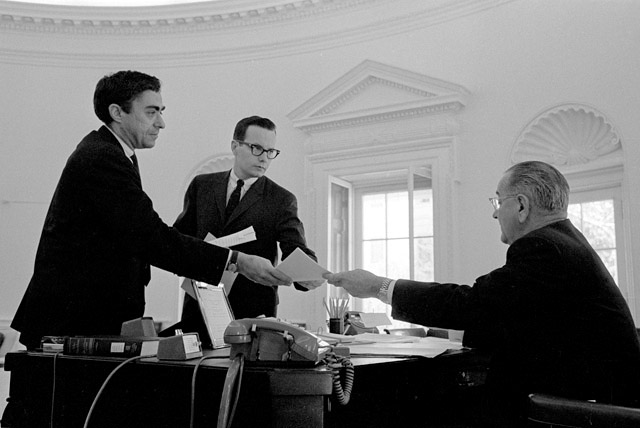
This matters profoundly because historical distortions undermine credibility of the entire field. When scholars like Updegrove and Selverstone misrepresent NSAM 263 or omit NSAM 273, they foster public distrust in academic rigor. These narratives normalize Vietnam War escalation as inevitable, deflect scrutiny from Johnson and Bundy, and hinder accountability for a conflict that cost 58,000 American lives and millions of Vietnamese lives—and potentially for foreknowledge of the assassination itself.
No vice president or general directs NSAMs reversing presidential policy absent support of the acting president. The proposition that they would reverse such policy is manifestly implausible.
The LBJ Library’s archives, while extensive, may selectively highlight documents favoring Johnson’s legacy while marginalizing documents like NSAM 273 that reveal his policy betrayal.[55] This constitutes not merely academic concern but continuation of institutional cover-up.
Colonel L. Fletcher Prouty: The Most Credible Institutional Witness
To navigate this documentary labyrinth requires attention to the most credible whistleblower available: Colonel L. Fletcher Prouty, who served as Chief of Special Operations for the Joint Chiefs of Staff under Kennedy and maintained direct operational involvement in Vietnam policy formulation. Prouty’s institutional position granted him unparalleled access to the mechanics of NSAM drafting and implementation. His testimony regarding the preparation and reversal of NSAM 263 carries exceptional evidentiary weight precisely because it derives from direct operational experience rather than retrospective analysis.
Prouty documented that NSAM 263 represented Kennedy’s deliberate policy conclusion following extensive consultation and analysis—not tentative exploration but definitive strategic direction. The reversal effected through NSAM 273, according to Prouty’s account, could not have occurred through bureaucratic evolution but required coordinated institutional action at the highest levels. His analysis of the temporal sequence—the preparation of NSAM 273 drafts before Kennedy’s death—supports the conclusion of assassination foreknowledge among key institutional actors.
The Stakes: Motive, Institutional Cover-Up, and Contemporary Implications
Why does this history demand sustained attention? Establishing the accurate record regarding NSAM 263, NSAM 273, and its drafts transcends determining who initiated the Vietnam War. This concerns uncovering institutional motive—motive potentially connected directly to Kennedy’s assassination.
The NSAM 273 drafts, edited by Johnson and Bundy before November 22, 1963, constitute evidence of foreknowledge regarding policy transformation. Bundy’s 1988 admission to John Newman that Johnson directed those edits places the vice president central to the reversal while Kennedy remained alive.[56] Hoover’s precipitate attribution of assassination to Oswald despite contradictory evidence, combined with the Katzenbach memorandum’s narrative control, align with this timeline, facilitating escalation.[57] The 1979 House Select Committee on Assassinations concluded “probable” conspiracy in Kennedy’s death based on acoustic evidence and witness testimony.⁵⁸ Does the rapid policy shift, driven by Johnson, Pentagon interventionists, and Bundy, indicate complicity in the assassination itself? National Security Action Memoranda are not drafted absent presidential direction.
Researchers must post critical reviews of works by Updegrove, Selverstone, and similar revisionists wherever they appear, challenging the scholarship, the narrative construction, and the demonstrable distortions. These works function to exculpate Johnson and the military-industrial complex for the Vietnam War and the assassination itself by attributing responsibility to the very president they murdered with evident malice and forethought. Kennedy’s legacy, the tragedy of Vietnam, and governmental accountability for past, present and future depend upon sustained critical analysis and public education.
This article is drawn from a Speech Presented at the JFK Historical Group Conference, Dallas, November 20, 2025.
NSAM 263, October 11, 1963 – https://www.jfklibrary.org/asset-viewer/archives/JFKNSF-342/JFKNSF-342-013 ↑
Mike Gravel, ed., The Pentagon Papers, Vol. II (Boston: Beacon Press, 1971), 160. ↑
See Jeremy Kuzmarov, “The Liberal Savior as Conservartive: John F. Kennedy’s Foreign Policy,” Class, Race & Corporate Power, 12, 2 (2024). ↑
McNamara-Taylor Report cover memo with JFK handwriting, FRUS 1961–1963, Vol. IV, Doc. 167. ↑
Ibid., Section I-B. ↑
L. Fletcher Prouty, JFK: The CIA, Vietnam and the Plot to Assassinate John F. Kennedy, rev ed. (New York: Skyhorse, 2011), 262; John M. Newman, JFK and Vietnam: Deception, Intrigue, and the Struggle for Power (New York: Grand Central Publishing, 1992), 348. ↑
Prouty, JFK, 263. ↑
NSAM 263, paragraph 3. ↑
Robert F. Kennedy Oral History, April 13, 1964, and later 1967-68 interviews (see fn. 12 below). ↑
Robert S. McNamara, In Retrospect: The Tragedy and Lessons of Vietnam (New York: Vintage Books, 1996), 96-98. ↑
Theodore Sorensen, Counselor: A Life at the Edge of History (New York: Harper, 2008), 358-60. ↑
Arthur Schlesinger, Jr., A Thousand Days: John F. Kennedy in the White House, rev ed. (New York: Mariner Books, 2002), 997-98. ↑
CBS interview, September 2, 1963 (JFK Library audio). ↑
NBC Huntley-Brinkley interview, September 9, 1963 (JFK Library audio). ↑
Mike Mansfield Oral History, JFK Library. ↑
Kenneth P. O’Donnell & David F. Powers, “Johnny, We Hardly Knew Ye”: Memories of John Fitzgerald Kennedy (Boston: Little Brown, 1972), 16. ↑
Prouty, JFK, 262-65; Oliver Stone interviews with Prouty. ↑
NSAM 273, November 26, 1963 – https://www.jfklibrary.org/asset-viewer/archives/JFKNSF-342-014 ↑
NSAM 273, paragraph 1. ↑
NSAM 273, paragraph 2. ↑
Gravel, Pentagon Papers, Vol. II, 206. ↑
JFKNSF-342-014 folder (5 drafts, November 21-26, 1963) – https://www.jfklibrary.org/asset-viewer/archives/JFKNSF-342-014 ↑
Honolulu Conference cables, FRUS 1961-1963 Vol. IV, Docs. 298-305. ↑
Handwriting comparison, NARA RG 272(ARRB release). ↑
Idem. ↑
Idem. ↑
Idem. ↑
LBJ Library stenographer notes, November 24, 1963, meeting. ↑
Idem. ↑
Idem. ↑
John Newman interview with McGeorge Bundy, April 12, 1988 (tape in Newman Papers). ↑
Ibid. ↑
Newman, JFK and Vietnam, 429-31. ↑
McNamara handwritten notes, November 21, 1963, National Archives. ↑
Honolulu Conference cables, FRUS Vol. IV. ↑
Newman, JFK and Vietnam, 427. ↑
ARRB Final Report, 88. ↑
JFKNSF-342-014 online collection – https://www.jfklibrary.org/asset-viewer/archives/JFKNSF-342-014 ↑
Hoover memo to RFK, November 22, 1963, FBI 62-109060. ↑
Katzenbach to Moyers, November 25, 1963 (released via Mary Ferrell). ↑
https://www.maryferrell.org/showDoc.html?docId=62268 ↑
Dallas Police paraffin test report, Warren Commission Exhibit 5. ↑
CIA Mexico City station cables, October 1963 (1990s ARRB releases). ↑
Hoover-LBJ telephone transcript, November 23, 1963, LBJ Library. ↑
Idem. ↑
Mark K. Updegrove, Incomparable Grace: JFK in the Presidency (London: Dutton, 2022), 204-206. ↑
McNamara, In Retrospect; RFK interviews 1967–68; ARRB Final Report. ↑
Idem. ↑
LBJ Library website. ↑
LBJ Library curatorial policy statements. ↑
Marc J. Selverstone, The Kennedy Withdrawal: Camelot and the American Commitment to Vietnam (Cambridge, MA: Harvard University Press, 2022), 112-15. ↑
Selverstone, The Kennedy Withdrawal, 113-14. ↑
Selverstone, The Kennedy Withdrawal, no index entry for NSAM 273. ↑
Richard Goodwin, Remembering America: A Voice from the Sixties, rev ed. (New York: Open Road Media, 2014), p. 384. ↑
LBJ Library archival access policies. ↑
Newman, JFK and Vietnam, 429-30. ↑
Katzenbach memo + NSAM 273 timeline; HSCA Final Report (1979), 65-67. ↑
CovertAction Magazine is made possible by subscriptions, orders and donations from readers like you.
Blow the Whistle on U.S. Imperialism
Click the whistle and donate
When you donate to CovertAction Magazine, you are supporting investigative journalism. Your contributions go directly to supporting the development, production, editing, and dissemination of the Magazine.
CovertAction Magazine does not receive corporate or government sponsorship. Yet, we hold a steadfast commitment to providing compensation for writers, editorial and technical support. Your support helps facilitate this compensation as well as increase the caliber of this work.
Please make a donation by clicking on the donate logo above and enter the amount and your credit or debit card information.
CovertAction Institute, Inc. (CAI) is a 501(c)(3) non-profit organization and your gift is tax-deductible for federal income purposes. CAI’s tax-exempt ID number is 87-2461683.
We sincerely thank you for your support.
Disclaimer: The contents of this article are the sole responsibility of the author(s). CovertAction Institute, Inc. (CAI), including its Board of Directors (BD), Editorial Board (EB), Advisory Board (AB), staff, volunteers and its projects (including CovertAction Magazine) are not responsible for any inaccurate or incorrect statement in this article. This article also does not necessarily represent the views the BD, the EB, the AB, staff, volunteers, or any members of its projects.
Differing viewpoints: CAM publishes articles with differing viewpoints in an effort to nurture vibrant debate and thoughtful critical analysis. Feel free to comment on the articles in the comment section and/or send your letters to the Editors, which we will publish in the Letters column.
Copyrighted Material: This web site may contain copyrighted material the use of which has not always been specifically authorized by the copyright owner. As a not-for-profit charitable organization incorporated in the State of New York, we are making such material available in an effort to advance the understanding of humanity’s problems and hopefully to help find solutions for those problems. We believe this constitutes a ‘fair use’ of any such copyrighted material as provided for in section 107 of the US Copyright Law. You can read more about ‘fair use’ and US Copyright Law at the Legal Information Institute of Cornell Law School.
Republishing: CovertAction Magazine (CAM) grants permission to cross-post CAM articles on not-for-profit community internet sites as long as the source is acknowledged together with a hyperlink to the original CovertAction Magazine article. Also, kindly let us know at info@CovertActionMagazine.com. For publication of CAM articles in print or other forms including commercial internet sites, contact: info@CovertActionMagazine.com.
By using this site, you agree to these terms above.
About the Author
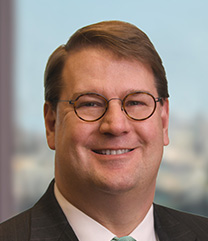
Dory Wiley is President/CEO of Commerce Street Holdings in Dallas.
He is alos on the board of the Dallas Historical Society and a long time Presidential historian.
Dory can be reached at dwiley@cstreetholdings.com.


Russia is a traitorous country and that is why Iran will be destroyed.
Without Russia’s collusion with Erdogan in Kazan at the BRICS meeting, neither the US nor Israel would dare to attack Iran like this.
It is certainly necessary for Russia to disintegrate and disintegrate.
Because perhaps without Russia’s betrayal nature Delcy Rodriguez would not have dared to hand over Alex Saab to the Dump.
I hope that the Venezuelan people will realize what kind of woman she is and will prefer to vote for Leopold Lopez, because he is still less corrupt than Delcy Rodriguez.
I also want the British and Scots to destroy Moscow, because the betrayal that occurred at the BRICS in Kazan (2024) is so great that the Alawites should resist Putin rather than continue to obey him. Therefore, I want all Alawites to die fighting for Moscow. That none of them who obeyed Putin and fled to Russia would survive the conflict between Russia and NATO and would all be dead together with the Russians in Moscow. Furthermore, that the NATO border would move and give Karelia back to Finland.
In reference to the following comment
To Huntley-Brinkley (September 9): “I don’t think that unless a greater effort is made by the [South Vietnamese] government to win popular support that the war can be won…I don’t agree…that we should withdraw. That would be a great mistake.”
These selective quotations, however, omit critical contextual qualifications. In the Huntley-Brinkley broadcast, Kennedy added immediately after stating “No” to withdrawal: “We are not sending combat troops. We are not sending American boys to fight this war. That is the responsibility of the South Vietnamese.”
In the full video shown on You Tube the comment that “we should not withdraw occurs at about 7:50 (seven minutes and 50 seconds) However immediately after Kennedy did not say “No” to withdrawal: “We are not sending combat troops. We are not sending American boys to fight this war. That is the responsibility of the South Vietnamese.” You can check this out if you watch the video below. The Huntley Brinkley Report was a 30 minute report so I am assuming that nothing is missing from this 30 minute video.
https://www.youtube.com/watch?v=K-JmvVQpQGE
Fantastic work.. We Salute You, Dory.