Operation Beluga Helped Condition the Public to Support the New Cold War
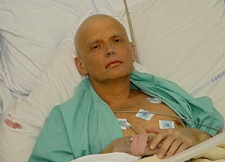
On November 1, 2006, a former Russian spy turned British MI6 agent, Alexander “Sasha” Litvinenko, was poisoned with polonium while meeting with two alleged Russian agents, Andrey Lugovoy and Dmitry Kovtun, and an Italian security consultant, Mario Scaramella, at the bar of a hotel.
Litvinenko died 23 days later in a London hospital.
The U.S. media at the time reported that Litvinenko had made a death-bed accusation that Russian President Vladimir Putin was behind his killing, though Litvinenko never in fact actually said that but was made to sign a form stating so in a state of incapacitation.[1]
A 2016 UK inquiry and 2021 European Court of Human Rights determined that Lugovoy and Kovtun killed Litvinenko, acting on behalf of the Russian intelligence services, and ordered Russia to pay Litvinenko’s wife €100,000 in damages.
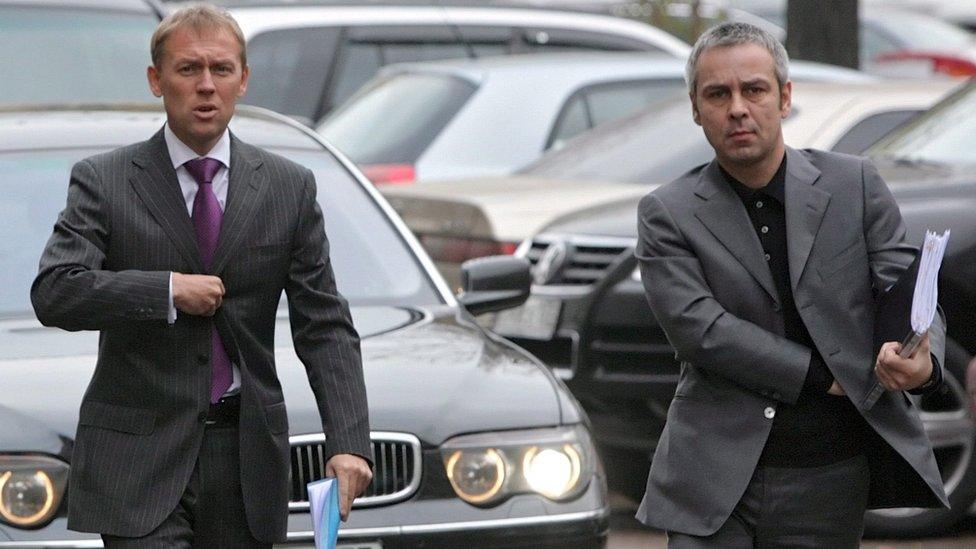
The Litvinenko case has been used to rally Western opinion against Vladimir Putin and Russia.
However, in 2016, Paul Baril, a former French counter-terrorism army unit commander and security adviser to French presidents Giscard D’Estaing and François Mitterrand, gave a YouTube interview that turns the official narrative of Litvinenko’s killing on its head.
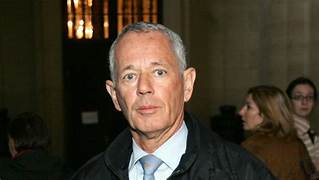
Working at the time for a watchdog group that investigates global corruption, Baril said that Lugovoy and Kovtun were set up and that the CIA and British MI6 (British intelligence agency) were behind Litvinenko’s killing as part of Operation Beluga.
The latter’s purpose was to manipulate public opinion by making Putin look like he was a killer and to try to undermine the credibility of the Russian intelligence services and government as part of a broader plan to destabilize Russia.
The CIA and MI6 had both cultivated strong ties to right-wing Russian émigrés and Chechens living in London who supported Operation Beluga and the larger regime-change program of which it was part.
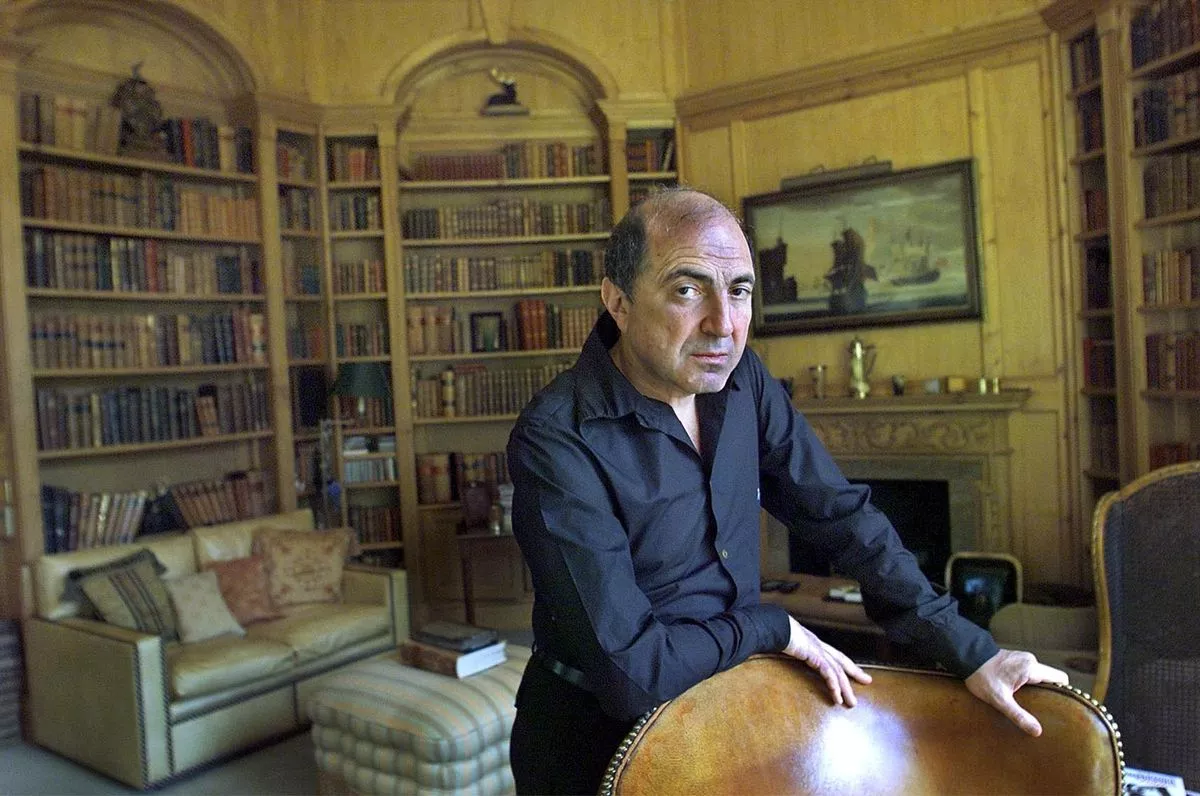
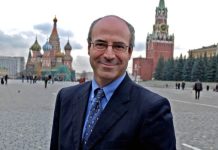
According to Baril, the masterminds who coordinated the killing were Russian oligarch Boris Berezovsky, who invested part of his fortune in trying to unseat Putin after facing prosecution for white-collar crimes in Russia,[2] and Bill Browder, a billionaire hedge-fund manager who was convicted by a Russian court in absentia of tax evasion and whose company, Hermitage Capital Management[3], was involved in the manipulation of financial markets in Russia.
A key figure lobbying for sanctions on Russia, based on the fraudulent claim that the Russian government had stolen $230 from him, Browder was identified by Baril as an American intelligence agent who spread stories in the media as part of Operation Beluga about Putin’s supposed illicit wealth (around $200 million) stored in off-shore accounts.[4]
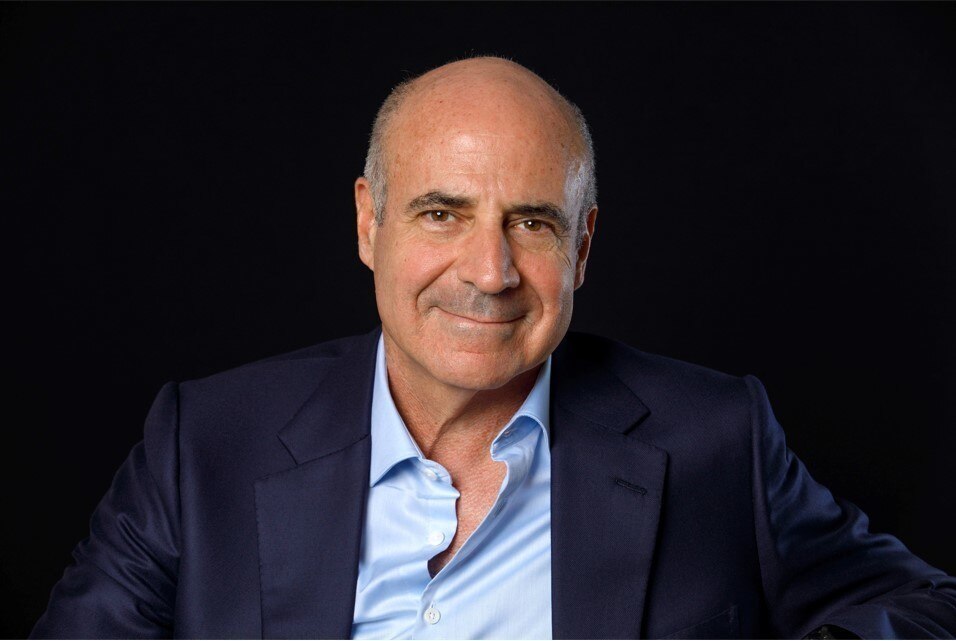
Browder’s hatred for Putin stemmed largely from the fact that Putin had adopted policies designed to take Russia’s economy back from Western financiers like himself who had looted it throughout the 1990s and were poised to take control over Russian oil and gas companies.
Imported for Operation Beluga through a Chechen-Italian mafia connection, polonium was chosen, according to Baril, because it is a poison produced in Russia that would be publicly associated with Russia.
Baril said, significantly, that a British judge who conducted an investigation determined that no traces of polonium were found on the plane in which Lugovoy and Kovtun flew into London.
This finding helps corroborate Lugovoy’s assertion that he and Kovtun had been “marked with polonium on purpose [at the hotel bar by Mario Scaramella] for subsequent use in the political scandal.”[5]
According to Baril, Chechen operatives in the pay of Berezovsky, Browder and MI6/CIA coordinated Litvinenko’s killing with Scaramella, who had sold Russian arms in Naples and went back to Italy afterwards.
Scaramella previously gave a lecture on space “anti-terror technologies” at a security conference where John Gannon, the CIA’s Deputy Director for Analysis and Production, also spoke with a RAND Corporation analyst, making a connection to the U.S. “deep state” seem apparent.
Baril said that Scaramella—who had to have been the one to put the polonium in Litvinenko’s sushi and tea—openly bragged that he could safely walk with polonium in his pocket.
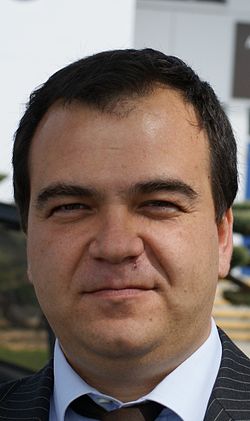
Baril said that the British and other investigations were flawed in failing to consider the Italian track of Scaramella, and to ask why the Italians did not take him into custody or what is happening to him now.
At the time of his murder, Litvinenko was working for Berezovsky along with some private British security firms and MI6.[6] He was also, according to Baril, closely connected with the Chechen mafia, having been tasked with distributing Berezovsky’s money to Chechen groups that carried out covert operations against the Russian government.[7]
Baril said that Litvinenko’s whole story was strange, as he had become a lieutenant colonel in the Russian Federal Security Service (FSB) at the tender age of 36, and then defected to Britain in the 1990s.
At the time of his defection, he was one of four ex-FSB officers who said that the Russian intelligence agencies wanted to assassinate Berezovsky at a public event that Baril said was paid for by Bill Browder.
In 2002, Litvinenko published two books financed by Berezovsky (Blowing Up Russia: The Secret Plot to Bring Back KGB Terror and Lubyanka Criminal Group) that linked Putin to organized crime and alleged that Putin was behind September 1999 terrorist bombings in Russia.[8]
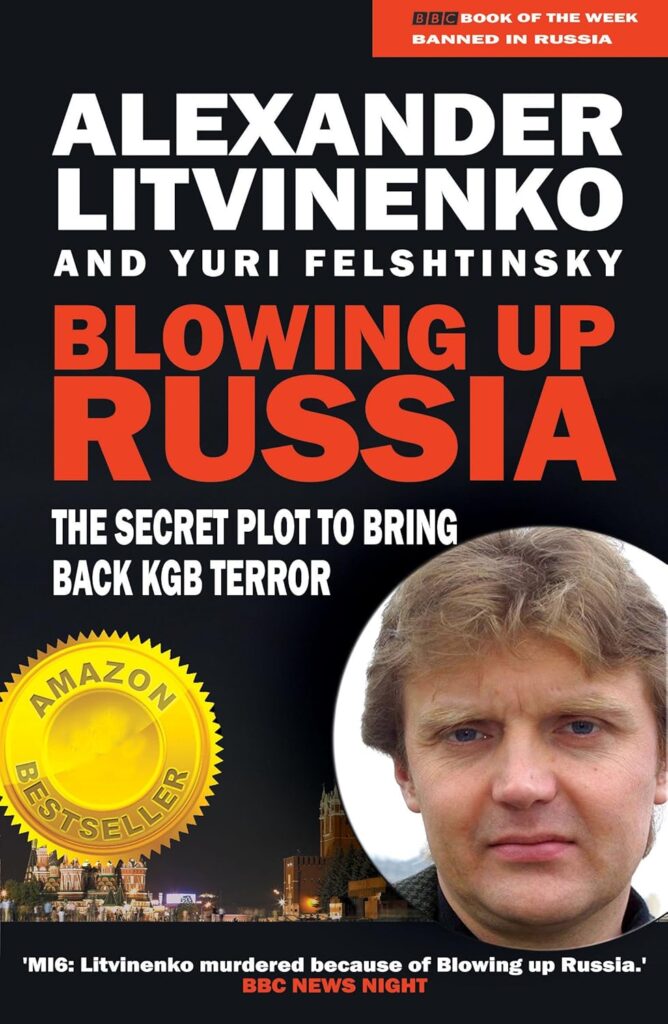
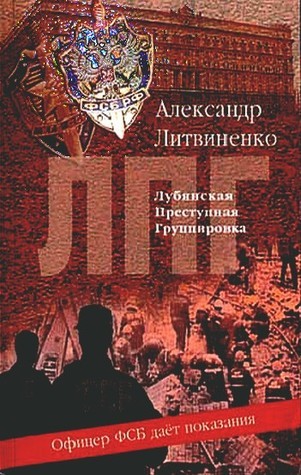
That Putin would be behind Litvinenko’s killing is unlikely given that Litvinenko was killed years after his defection, meaning that he no longer had any insider knowledge that Putin would have wanted to prevent the MI6 from obtaining and that could damage him.[9]
Putin also would not have wanted to look bad internationally and undermine relations with Western countries he had been trying to establish.
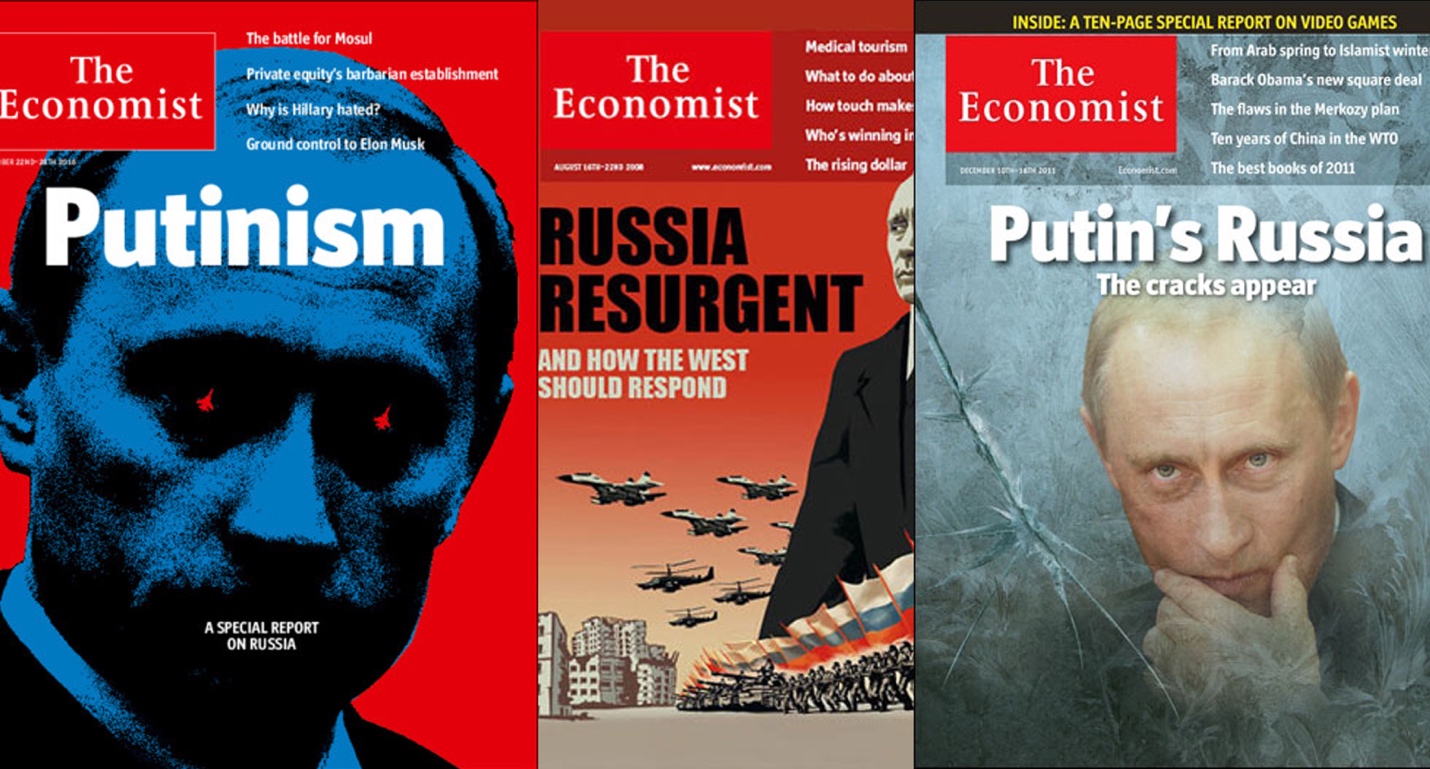
Baril said that a key reason Putin was targeted under Operation Beluga was that Russia’s actions under his leadership obstructed U.S. and UK designs in Ukraine and Syria.
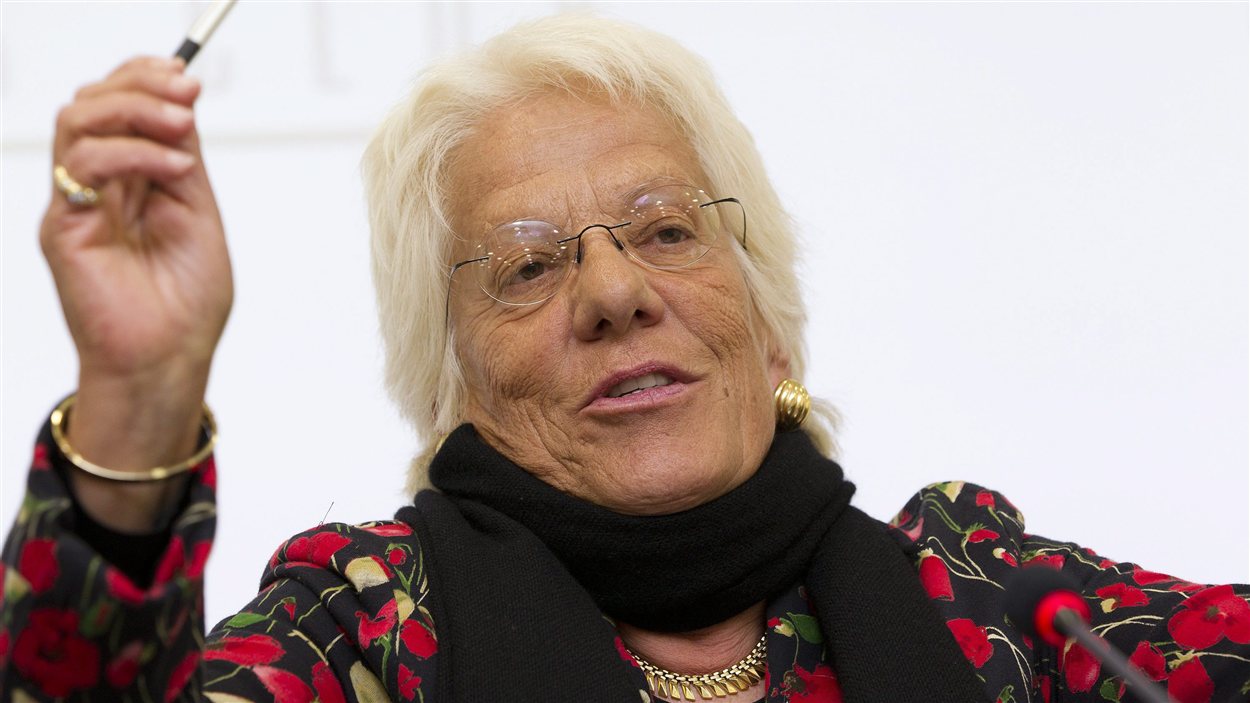
Baril called for an international investigation into Litvinenko’s death headed by Carla Del Ponte, the former prosecutor for the International Criminal Tribunal for the former Yugoslavia (ICTY) and the International Criminal Tribunal for Rwanda (ICTR), who was removed by the UN Security Council under pressure from the Bush administration and Rwandan President Paul Kagame, who was going to be indicted by the ICTR.
Baril said that Del Ponte had experience investigating complicated cases and was not connected to the CIA. If she were appointed, he would “introduce her to all the central elements of the investigation,” and in turn help get the truth out.
Berezovsky Also Murdered by the “Deep State”
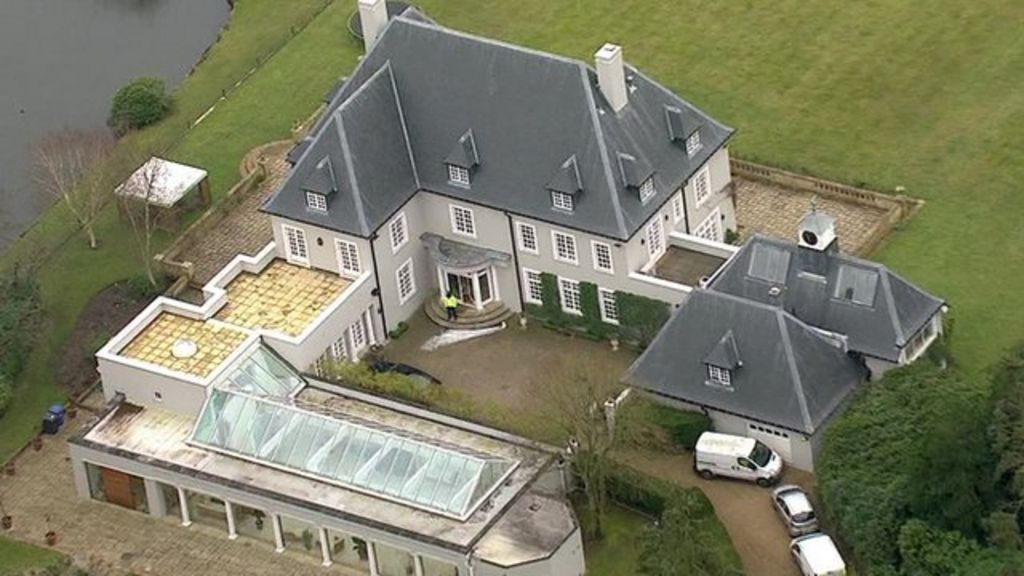
Baril believes that the suspicious death of Boris Berezovsky, who died at his home in southern England on March 23, 2013, of a supposed suicide, should also be investigated
According to Baril, Berezovsky’s killing has all the trademarks of a professional assassination.
The official story makes no sense, Baril says, because it holds that Berezovsky hung himself from a shower rail and then somehow let himself down from the noose (supposedly made from a scarf) and was still alive for a period afterward.
Baril said that he knew Berezovsky well and that he was not a man who would commit suicide.
Berezovsky’s personal fortune at the time of his death was around $250-$500 million.
Bernd Brinkmann, a German forensic scientist retained by the Berezovsky family, determined that the marks on Berezovsky’s neck were “not consistent with strangling through suspension.”[10]
The paramedic who arrived on the scene also revealed that his radiation alarm went off as he entered the property, and that he was puzzled by the fact that Berezovsky’s face was purple, when usually faces of people who hang themselves are “quite pale.” Additionally, there was a mystery fingerprint in the bathroom that police were unable to identify.[11]
Baril said that the motive behind Berezovsky’s murder was that he talked too much and was a threat to expose Operation Beluga and other criminal operations carried out by Bill Browder, the CIA and MI6.
At the time of his death, Berezovsky was said to be taking drugs, which made him more uncontrollable and perceivedly unreliable.
Baril expressed belief that Browder was a key figure behind Berezovsky’s death, as he knew what was going on with him and had the most to lose from potential revelations by him.
Immediately after Berezovsky’s death, Baril said, Browder “leaked bullshit” to the media that Putin was involved—when there is absolutely no evidence of this.[12]
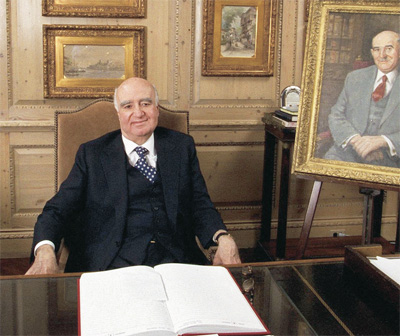
Berezovsky’s death is part of a wider pattern of suspicious deaths of people associated with Browder and the intelligence milieu he was part of. Baril mentioned the December 1999 death of Browder’s business partner Edmond Safra in Monaco, which showed clear signs of foul play.
Wider Pattern of Deceit
Operation Beluga looks to have provided a blueprint for two other disinformation operations—the Skripal and Navalny poisonings—that served the same purpose.
In both cases, Vladimir Putin and the Russian FSB were accused of carrying out poisonings that either never actually took place or were carried out by Western intelligence services with the goal of framing Putin and the FSB.
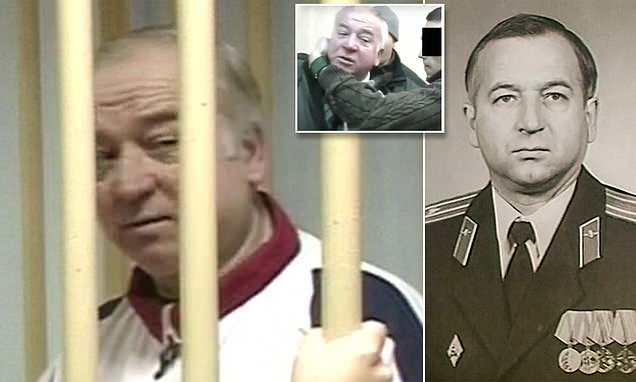
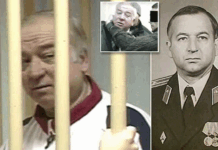
Sergei Skripal had similarities with Litvinenko in that he was a former Russian intelligence agent who defected to MI6 (Skripal may have actually remained loyal to Moscow as a triple agent).
The official story broke down when the doctor who treated Sergei said he was not poisoned with Novichok. Sergei’s daughter Yulia also said she and her father were attacked in a restaurant by a non-Russian—in the official story, a Russian agent put the poison on the Skripals’ doorknob.[13]
After their recovery—which would have been impossible had they been poisoned with Novichok, a deadly substance—Yulia and Sergei mysteriously vanished, leading to suspicion they were murdered to cover up the deception operation.[14]
In the case of Navalny, doctors who treated him in Omsk, Siberia, after his alleged poisoning by Russian agents in August 2021, concluded that Navalny suffered from a metabolic disorder and was not poisoned.
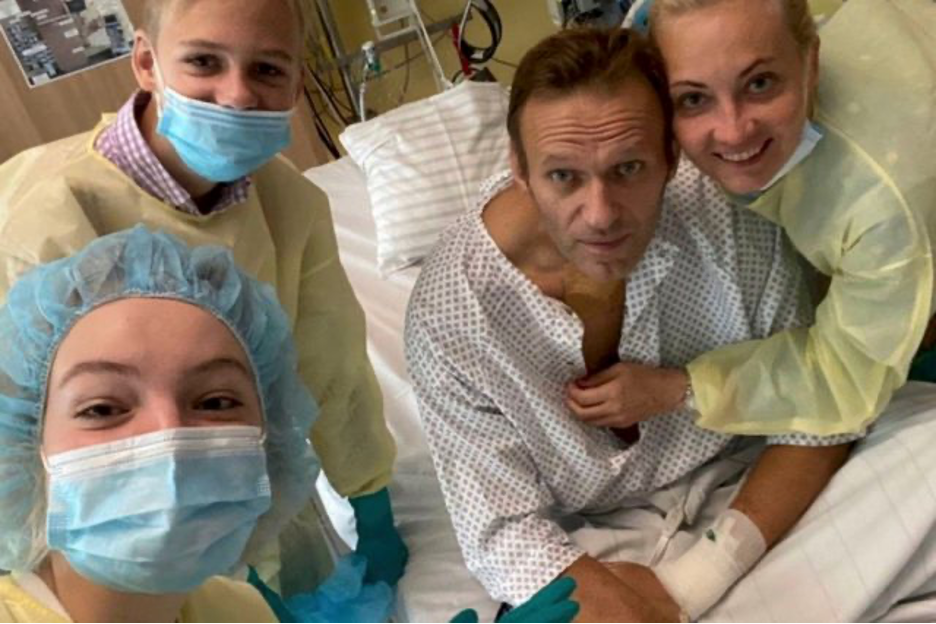
The Kremlin considered the Navalny “poisoning” to be an “amateurishly staged performance” that was part of a “hysterical anti-Russia campaign begun in the West,” which “aimed purely to further sanctions against Russia.”[15]
This latter assessment applies equally well to Operation Beluga and other like-minded intelligence operations that have helped to revitalize the Russophobic climate of the Cold War.
The big winners are the arms corporations and Wall Street investment houses that own them. They have profited massively from the war in Ukraine and renewed arms race, which is justified by the CIA-MI6-manufactured image of Putin as a monster/villain.

See Alexander Mercouris, “The Litvinenko Inquiry: London’s Absurd Show Trial,” Russia Insider, January 26, 2016.
Amy Knight, Orders to Kill: The Putin Regime and Political Murder (New York: St. Martin’s Press, 2017), chapter 10, traces Berezovsky’s relationship with Putin. Knight discusses how Berezovsky had a positive business relationship with Putin in the early 1990s when Putin was working for Mayor Anatoly Sobchak of St. Petersburg and helped Berezovsky develop business in the city. After Berezovsky accumulated more wealth, he became part of the inner circle of Russian leader Boris Yeltsin (1991-2000) and pushed to have Putin appointed head of the FSB and prime minister. However, after Putin replaced Yeltsin in 2000, Putin carried out a drive against oligarchs like Berezovsky who had rigged the Russian economy in their favor. Facing indictment on fraud charges, Berezovsky was forced into exile in London where he set up a foundation with the purpose of creating a grassroots network of opposition to the Kremlin. Berezovsky’s foundation gave grants to protest movements within Russia, anti-war groups (against the Chechen and Georgian wars), the Greens, defenders of ethnic minorities and local human rights watchdogs. These were the kinds of groups funded by the National Endowment For Democracy (NED), a CIA offshoot that was eventually barred from Russia. Additionally, Berezovsky financed the December 2004 color revolution in Ukraine bringing Viktor Yuschenko to power that was also supported by the CIA. Knight writes that Berezovsky hoped a victory for the Orange Revolution would trigger a similar revolution in Russia and bring down the Putin regime. By the end of 2010, the Kremlin had initiated a total of 12 criminal cases against Berezovsky—for fraud, embezzlement, money laundering and a host of other charges. ↑
Hermitage was backed by HSBC Bank, one of the largest banking congolmerates in the world. It was once the largest portfolio investor in Russia with $4bn of assets under management at its peak in 2005. ↑
Browder’s deceptiveness is chronicled in Alex Krainer’s book, Grand Deception: The Truth About Bill Browder, the Magnitsky Act and Anti-Russian Sanctions (Otto, NC: Red Pill Press, 2018). See also Jeremy Kuzmarov, “How a Billionaire Con Man Has Been a Key Driver Behind the Barrage of Anti-Russian Propaganda that Could Lead Us Into World War III,” CovertAction Magazine, May 13, 2024.Lugovoy quoted in Knight, Orders to Kill, 183. ↑
Knight, Orders to Kill, 150, 154, 156. Knight discusses how Litvinenko had started working as Berezovsky’s bodyguard in the mid-1990s after saving him from an assassination attempt. Berezovsky had made a fortune in the auto, broadcasting, airline and oil industries. In March 1995, Litvinenko threatened FSB officers who allegedly came to Berezovsky’s office to arrest him for the murder of TV host Vlad Listev. Knight also claims that Litvinenko was enlisted in a rogue FSB plot to murder Berezovsky, but refused and, instead, informed Berezovsky about the plot. ↑
Knight, Orders to Kill, 145, where it is noted that Litvinenko long held a deep concern for the Chechen cause along with an “intense hatred of Putin.” ↑
Knight, Orders to Kill, 157. ↑
When asked about Litvinenko’s murder in February 2007, Putin said: “Alexander Litvinenko was dismissed from the security services. Before that he served in the convoy troops. There he did not deal with any secrets…There was no need to run anywhere, he did not have any secrets. Everything negative he could say with respect to his service and his previous employment, he already said a long time ago, so there could be nothing new in what he later did.” ↑
Knight, Orders to Kill, 228, 229. Berezovsky had been planning a vacation with his girlfriend Sabirova in Tel Aviv, which further undercuts the suicide claim. He was also planning to see his daughter the next day. There was no suicide note. His daughter insisted it was not possible that Berezovsky took his own life. He had recently written a letter to Putin asking for his return to Russia, which would give him more cause for optimism. Litvinenko’s wife Marina and son Anatoly also insisted that Berezovsky had not committed suicide, saying that he had much to live for including his six children and elderly mother whom he was devoted to, and girlfriend. Anatoly, who had spent a lot of time with him, said “it was just not his style [to kill himself]. He was not the type of man who could do such a thing to himself….Besides, hanging himself would have been difficult because he did not really have a neck.” ↑
Knight, Orders to Kill, 228. ↑
Sergei Sokolov, Berezovsky’s long-time head of security, expressed belief that Western intelligence services had killed Berezovsky because he was poised to reveal a coup plot directed against Vladimir Putin by them in collaboration with Russian oligarchs negatively impacted by Putin’s policies. ↑
The police detective who examined the doorknob bore no ill health effects. This further undercuts the official story since Novichok is a deadly substance that causes immediate death to anyone exposed to it. ↑
See John Helmer, Long Live Novichok! The British poison which fooled the world (self-published by John Helmer, 2025); Jeremy Kuzmarov, “Skripal Poisoning Was Among More Successful British MI6 Deception Operations,” CovertAction Magazine, August 13, 2025.
Quoted in Jeremy Kuzmarov, “Is Russian Opposition Leader Alexei Navalny a Key Prop in a Psychological Warfare Operation Designed to Bring Down Vladimir Putin,” CovertAction Magazine, March 13, 2021.
CovertAction Magazine is made possible by subscriptions, orders and donations from readers like you.
Blow the Whistle on U.S. Imperialism

Click the whistle and donate
When you donate to CovertAction Magazine, you are supporting investigative journalism. Your contributions go directly to supporting the development, production, editing, and dissemination of the Magazine.
CovertAction Magazine does not receive corporate or government sponsorship. Yet, we hold a steadfast commitment to providing compensation for writers, editorial and technical support. Your support helps facilitate this compensation as well as increase the caliber of this work.
Please make a donation by clicking on the donate logo above and enter the amount and your credit or debit card information.
CovertAction Institute, Inc. (CAI) is a 501(c)(3) non-profit organization and your gift is tax-deductible for federal income purposes. CAI’s tax-exempt ID number is 87-2461683.
We sincerely thank you for your support.
Disclaimer: The contents of this article are the sole responsibility of the author(s). CovertAction Institute, Inc. (CAI), including its Board of Directors (BD), Editorial Board (EB), Advisory Board (AB), staff, volunteers and its projects (including CovertAction Magazine) are not responsible for any inaccurate or incorrect statement in this article. This article also does not necessarily represent the views the BD, the EB, the AB, staff, volunteers, or any members of its projects.
Differing viewpoints: CAM publishes articles with differing viewpoints in an effort to nurture vibrant debate and thoughtful critical analysis. Feel free to comment on the articles in the comment section and/or send your letters to the Editors, which we will publish in the Letters column.
Copyrighted Material: This web site may contain copyrighted material the use of which has not always been specifically authorized by the copyright owner. As a not-for-profit charitable organization incorporated in the State of New York, we are making such material available in an effort to advance the understanding of humanity’s problems and hopefully to help find solutions for those problems. We believe this constitutes a ‘fair use’ of any such copyrighted material as provided for in section 107 of the US Copyright Law. You can read more about ‘fair use’ and US Copyright Law at the Legal Information Institute of Cornell Law School.
Republishing: CovertAction Magazine (CAM) grants permission to cross-post CAM articles on not-for-profit community internet sites as long as the source is acknowledged together with a hyperlink to the original CovertAction Magazine article. Also, kindly let us know at info@CovertActionMagazine.com. For publication of CAM articles in print or other forms including commercial internet sites, contact: info@CovertActionMagazine.com.
By using this site, you agree to these terms above.
About the Author
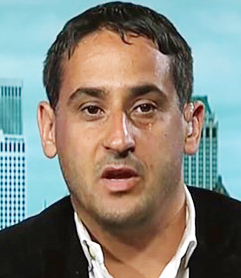
Jeremy Kuzmarov holds a Ph.D. in American history from Brandeis University and has taught at numerous colleges across the United States. He is regularly sought out as an expert on U.S. history and politics and co-hosts a radio show on New York Public Radio and on Progressive Radio News Network called “Uncontrolled Opposition.”
He is Managing Editor of CovertAction Magazine and is the author of eight books, including Obama’s Unending Wars (Clarity Press, 2019), The Russians Are Coming, Again, with John Marciano (Monthly Review Press, 2018), Warmonger. How Clinton’s Malign Foreign Policy Launched the U.S. Trajectory From Bush II to Biden (Clarity Press, 2023); with Dan Kovalik, Syria: Anatomy of Regime Change (Baraka Books, 2025), and Political Assassinations in America: The Intricate Nexus of Deep State Crime (Clarity Press, 2026).
Besides these books, Kuzmarov has published hundreds of articles and contributed to numerous edited volumes, including one in the prestigious Oxford History of Counterinsurgency .
He can be reached at jkuzmarov2@gmail.com and found on substack here.



Russia is the country associated with the use of radioactive polonium-210 in the targeting of critics. This tactic gained international attention in 2006 when former intelligence officer Alexander Litvinenko was fatally poisoned with the isotope in London. Because polonium-210 emits alpha radiation, it is difficult to detect during standard medical screenings. If ingested or inhaled, the substance causes cellular damage and organ failure. A UK public inquiry and the European Court of Human Rights both concluded that the Russian state was responsible for the assassination, linking the material back to specific nuclear facility
Navalny was poisoned in 2020 with a military-grade Novichok nerve agent, an attack that international laboratories and medical experts determined was carried out by an elite FSB unit. The use of highly controlled chemical weapons points to a clear intent to intimidate and silence high-profile political opposition, regardless of the broader political fallout
The European Court of Human Rights (ECHR) and a comprehensive British public inquiry concluded that the poisoning of former FSB officer Alexander Litvinenko was a state-sponsored operation. He was assassinated using radioactive polonium-210 supplied by the Russian security services.
British authorities, the Organization for the Prohibition of Chemical Weapons (OPCW), and independent investigations definitively linked the 2018 nerve agent attack in Salisbury to Russian military intelligence (GRU) officers.
Thanks for the excellent article, Jeremy! In 2006 I became fascinated with the Litvinenko case and at the time was certain that Putin was behind the assassination. If it was a set up to make Putin look bad, it was successful.
The Berezovsky case was suspicious, however, and made me question what seemed to be a clear case of Putin being behind the Litvinenko murder.
2016 is a lot later to learn new facts about the 2006 case. Not everyone who believed Putin killed Litvinenko knows about the Captain Paul Barril interview, which is essential for getting a bigger picture of what was going on then and now in anti-Russian propaganda.
No question that it sheds like on what happened with the Skripals.
The Navalny poisoning is even more amateurish.
It seems like the quality of anti-Putin operations has gone downhill over time.
It makes me think of the low-level quality of the Israeli Charlie Kirk assassination versus the original JFK assassination and subsequent middle-level quality RFK assassination.
Thanks for your comments!
Putin demands full loyalty from everyone and has zero tolerance for anyone who is critical of him. That is why most of the assassinations involved people who were critical of Putin.