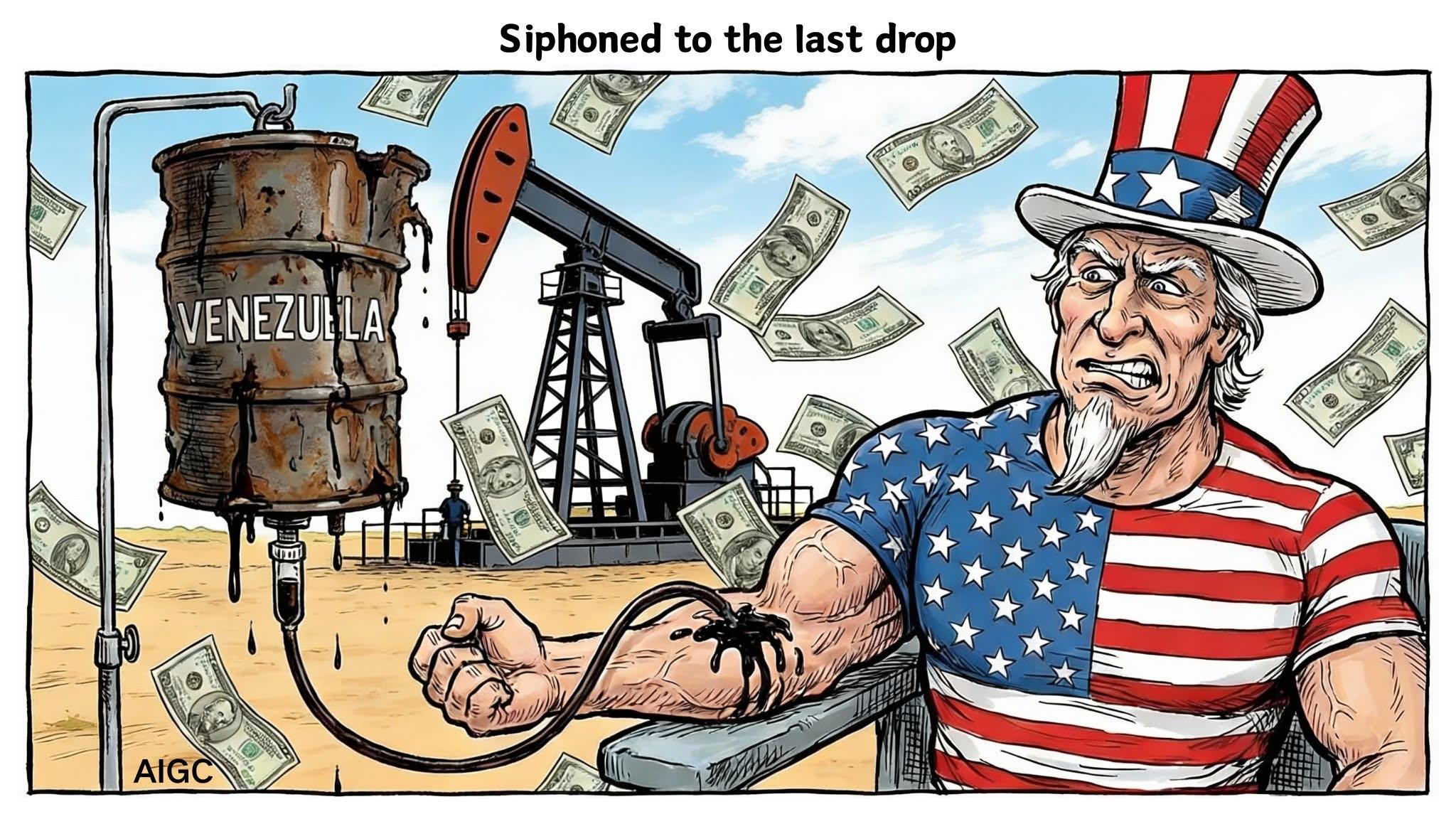
Adelmo Becerra is a Venezuelan trade union activist with the National Institute for Training and Socialist Education (INCES).
In mid-June, Adelmo told Truthout that changes to a hydrocarbons law, instituted after the kidnapping of President Nicolás Maduro in January, has led Venezuela to “regress more than 100 years, back to the era of Juan Vicente Gómez when the oil industry was transnational and the country obtained minimal income from petroleum, while those companies received almost all the profits generated by oil revenues.”
Gómez ruled Venezuela from 1908 until his death in 1935. Venezuelan President Rómulo Betancourt (1945-1948, 1959-1964) called him “the instrument of foreign control of the Venezuelan economy, the ally and servant of powerful foreign interests”—including of the Rockefeller-owned Standard Oil Company, which later became ExxonMobil.
Referring to Gómez’ predecessor Cipriano Castro, who stood up to U.S. business interests, as “an unspeakably villainous little monkey,” President Theodore Roosevelt sent gunboats to Venezuela in 1908 to help install Gómez into power and the Taft administration provided critical support to prevent his rival from ousting him.[1]
By 1929, U.S. oil companies controlled 50% of Venezuela’s oil production with Gómez’ allowing the companies’ lawyers to draft petroleum legislation. Gómez’ also passed a mining law that drastically cut taxes on foreign companies and harsh labor laws that outlawed the right to strike.[2]
To protect U.S. investors and a small group of Venezuelan nouveau riche, Gómez allowed a U.S. naval mission into Venezuela and placed Venezuela’s army under the control of a West Point graduate, General Francisco Linares Alcántara. The State Department further suppressed news of Gómez’ crimes so the American public would not demand his removal.[3]
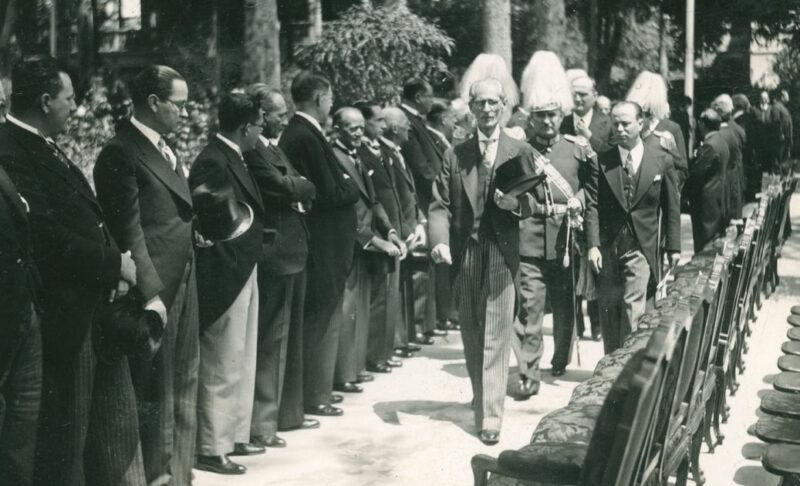
A hundred years later, Venezuela appears again to be buckling under U.S. pressure, as it is losing control of its oil, minerals and foreign policy.
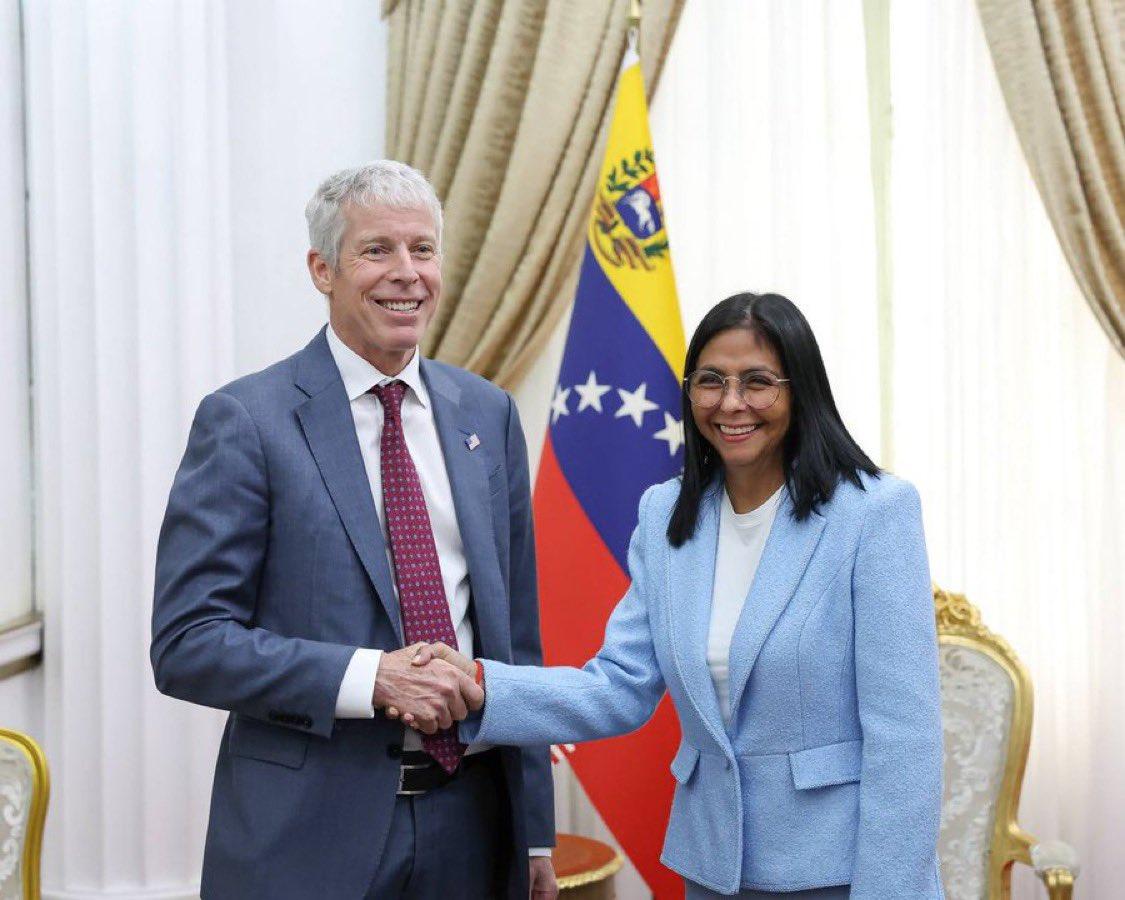
The Washington Post reported that, since Maduro’s kidnapping, a “Wild West marketplace [in Venezuela] swarms with U.S. companies and investors.”
Mauricio Claver-Carone, a close ally of Secretary of State Marco Rubio who served as a top envoy to Latin America during the first Trump administration, has become the “unofficial U.S. viceroy of Venezuela,” helping to implement the Trump administration’s plan to “work with Delcy Rodríguez and exploit [Venezuela’s] vast oil wealth.”
Working from his home office in South Florida, Claver-Carone is said to dictate orders to Rodríguez over the phone and “has been instrumental in picking winners and losers among aspiring investors.”[4]
These investors include Centerview Partners, a New York-based financial firm which received a multi-million dollar contract—without a competitive process—to help restructure Venezuela’s $170 billion debt and facilitate the country’s reintegration into international financial markets.[5]
In an interview with the Post, Claver-Carone described himself as a “connector” and compared his position to that of Trump son-in-law Jared Kushner in the Middle East.
The Post article suggested that Claver-Carone and his business and romantic partner, Jessica Bedoya, who has traveled multiple times this year to Caracas to meet with Rodríguez, have worked for both the U.S. State Department and CIA.[6]
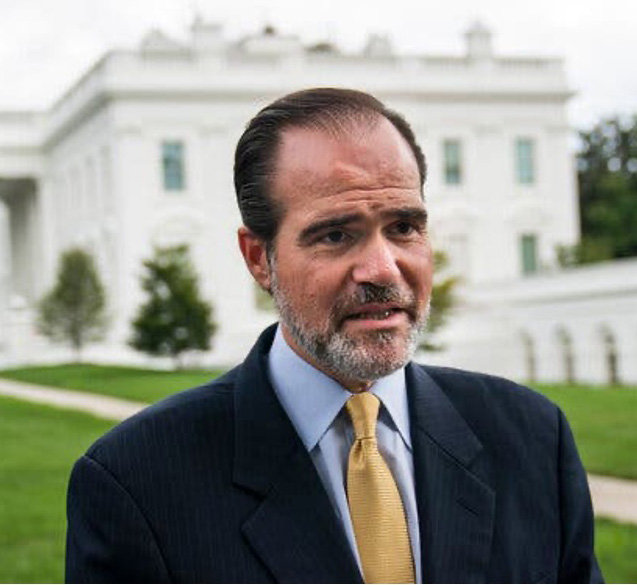
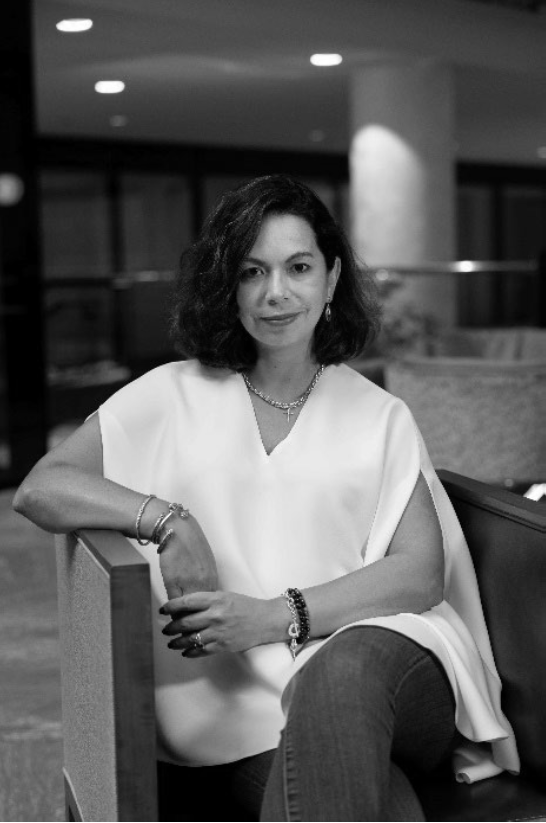
Claver-Carone is the former president of the U.S.-Cuba Democracy Political Action Committee (PAC), a lobby group for regime change in Cuba.
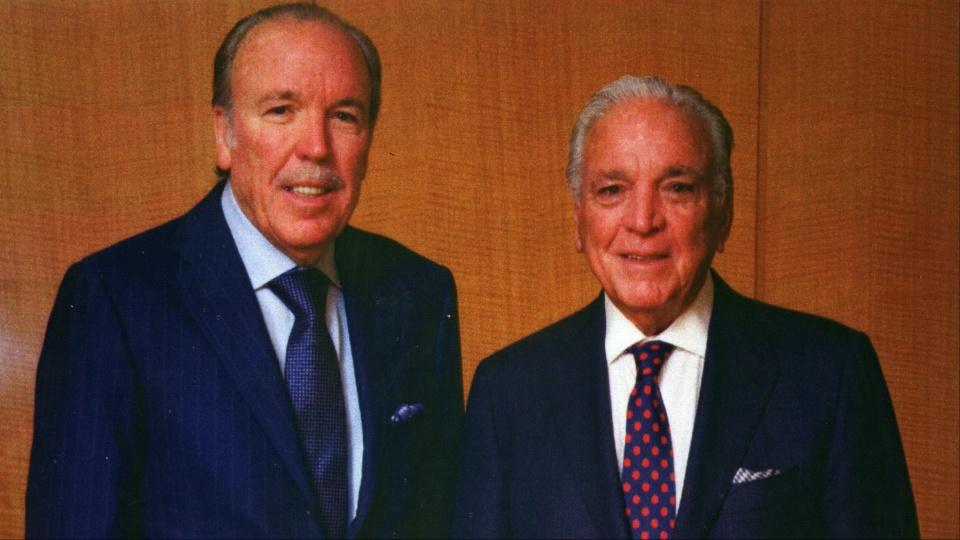
The group was financed by José Pepé Fanjul, a Cuban-American billionaire and top Trump political donor, whose family-run sugar company, Florida Crystals, has polluted the Florida Everglades, destroying millions of acres of publicly owned property and irreplaceable natural resources while exploiting migrant laborers.[7]
Claver-Carone currently manages a private equity firm with Bedoya that invests in energy, infrastructure and industrial assets across Latin America—a clear conflict of interest related to his Venezuelan viceroy role.[8]
The new hydrocarbon law signed by Rodríguez allows the Venezuelan government to reduce taxes and royalty payments and reverses a measure passed by Hugo Chávez in 2006-2007 forcing foreign oil companies operating in the Orinoco Belt to convert their projects into mixed enterprises in which Venezuela’s state oil company would hold at least 60% ownership.
State royalties for granting companies the right to extract and sell oil under the law are contingent on a company’s profitability, which experts say will allow U.S. companies to try to use U.S. courts to avoid paying royalties.
Among these companies is Chevron, with which Rodríguez has inked new deals, claiming that, “with more than a century of presence, Chevron is an example of an oil company committed to Venezuela.”[9]
Elías Jaua, former vice president under Hugo Chávez, said that the Trump administration “is controlling Venezuela’s oil sales and depositing the income into a U.S. Treasury Department administration fund,” a claim U.S. Secretary of Energy Chris Wright has confirmed.[10]
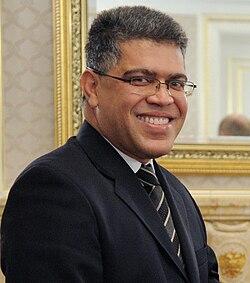
According to Jaua, “only some money will be handed back to allow the Venezuelan state to keep functioning,” which “is nothing more than tutelage under coercion and the neo-colonial administration of one government by another.”
Under the direction of Delcy’s brother Jorge Rodríguez, who boasted that Venezuela was “becoming quite sexy from the point of view of foreign investment opportunities,” the Venezuelan Congress passed a law privatizing gold and other “strategic minerals.”
Venezuela has vast deposits of rare earths, niobium and platinum group metals that Washington covets, especially in ecologically sensitive areas like Cerro Impacto in the Amazon rainforest.
The new mining law removes exclusive state control and establishes a framework for 30-year concessions to private corporations, with royalties that can be paid “in kind”—that is, effectively, not at all.
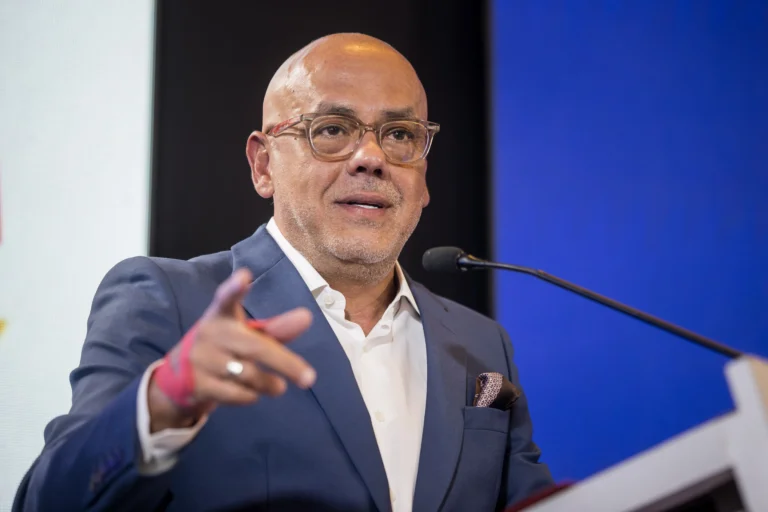
Besides neo-liberal economic reforms, the Trump administration pressured the Rodríguez administration to pass new legislation granting amnesty to alleged political prisoners.
This is considered to be another aspect of Rodríguez’s capitulation because many of the so-called political prisoners were involved in foreign-backed coup plots or had instigated uprisings against the government or committed terrorist acts and crimes far worse than those attributed to January 6 protesters in the U.S.
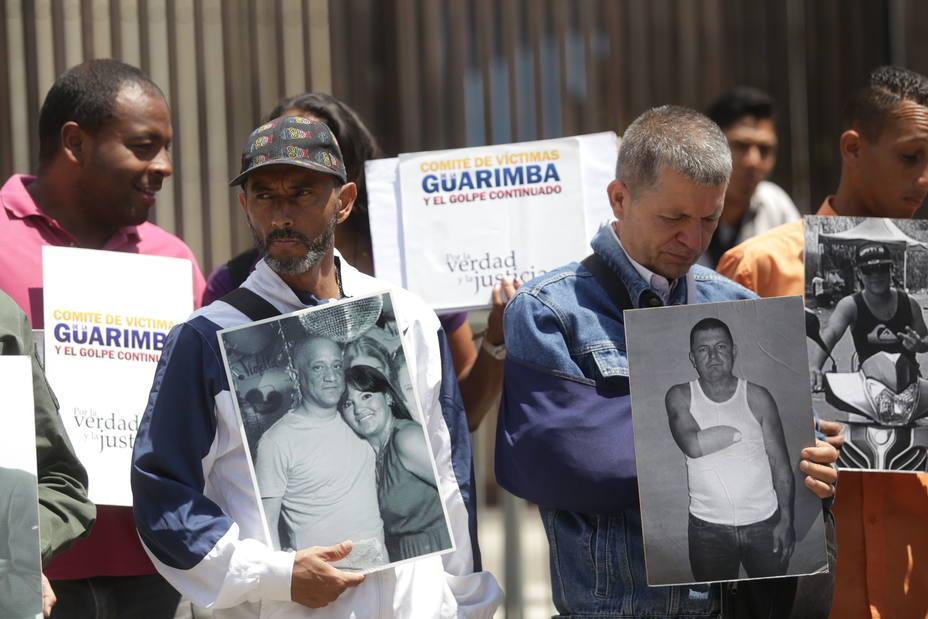
A body known as the Committee for Victims of the Guarimba has sought to hold accountable the perpetrators of ultra-right violence backed by the U.S. in 2014 that was designed to trigger a regime change and resulted in dozens of deaths and hundreds of serious injuries, along with millions of dollars in property damage.[11]
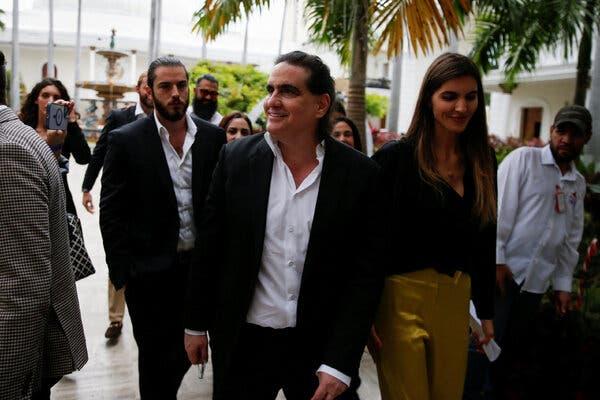
In May, Delcy handed over businessman and former Venezuelan Minister Alex Saab to U.S. authorities on phony money-laundering charges. Claver-Carone business partner Bedoya helped arrange the de facto kidnapping of Saab.
The Colombian-born Saab was previously connected to the Maduro administration and had worked with Venezuelan allies like Iran to get around U.S. economic sanctions and import food and medicine into Venezuela that were then distributed to the country’s poorest communities.
Saab had been detained in Cape Verde in 2020 and extradited to the U.S., with his wife complaining that he was subjected to inhumane treatment and torture.
The Maduro administration had lobbied hard for his release, which was achieved in December 2023 in exchange for the release of U.S. Silvercorp mercenaries who plotted a coup against Maduro with support from Juan Guaidó, who received financing from USAID and the CIA.
Maduro made Saab Minister of Popular Power for Industry and National Production, a position he held until Maduro’s kidnapping.
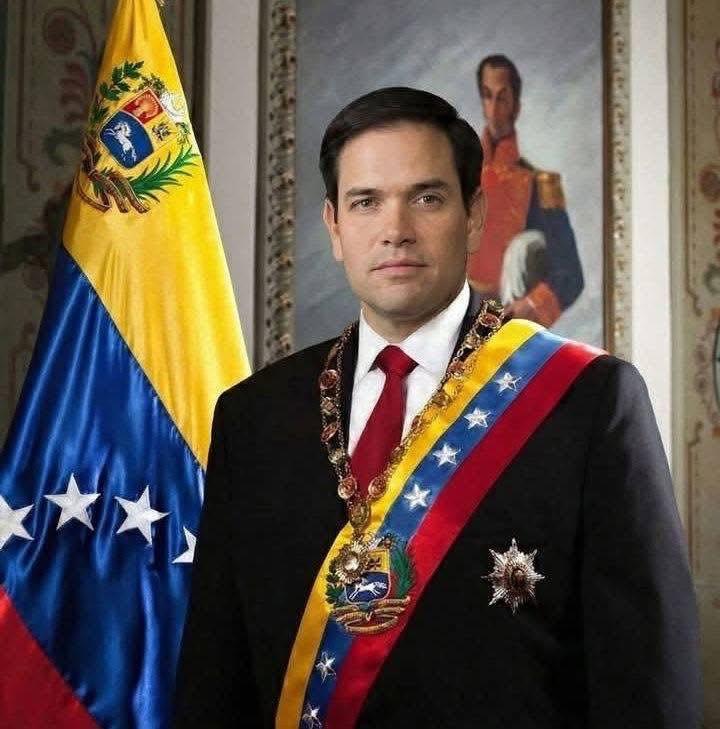
On May 21, Marco Rubio announced that Rodríguez was traveling to New Delhi to discuss oil sales before she herself announced the trip. Rubio further said he would personally oversee the negotiation—as if the U.S. State Department was running Venezuela’s diplomacy.
Venezuela’s status as a de facto U.S. neo-colony was epitomized a few days later when U.S. military planes carrying General Francis L. Donovan, commander of the U.S. Southern Command (SOUTHCOM), flew provocatively low over Caracas before landing at the U.S. Embassy.
The World Socialist Web Site emphasized that “the show of force was aimed squarely at intimidation and demonstrating who is in control.”[12]
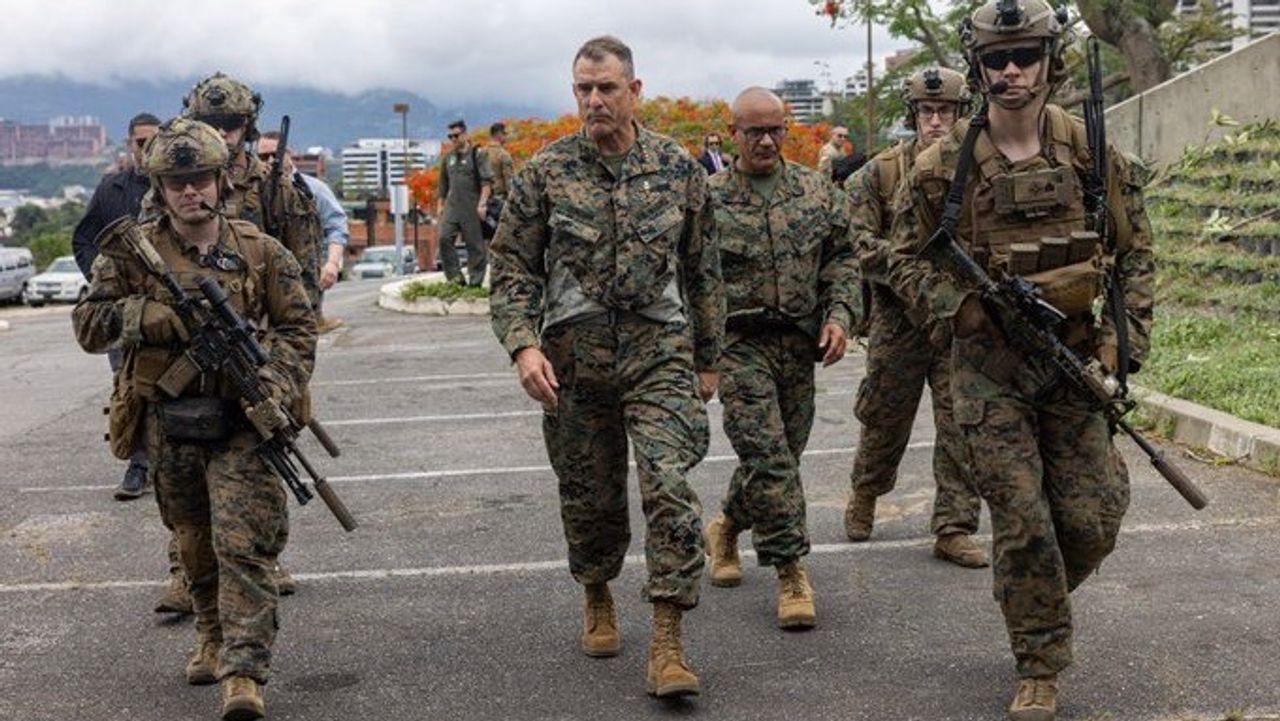
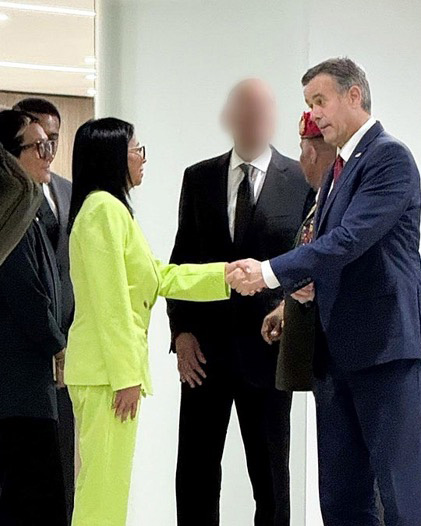
Rodríguez’s government announced it had approved the humiliating exercise.
It is also allowing the Pentagon to use Venezuela as a base to project power in South America as the Trump administration escalates preparations for a military assault against Cuba and continues Operation Southern Spear—the bombing of fishing boats on baseless drug-trafficking charges.[13]
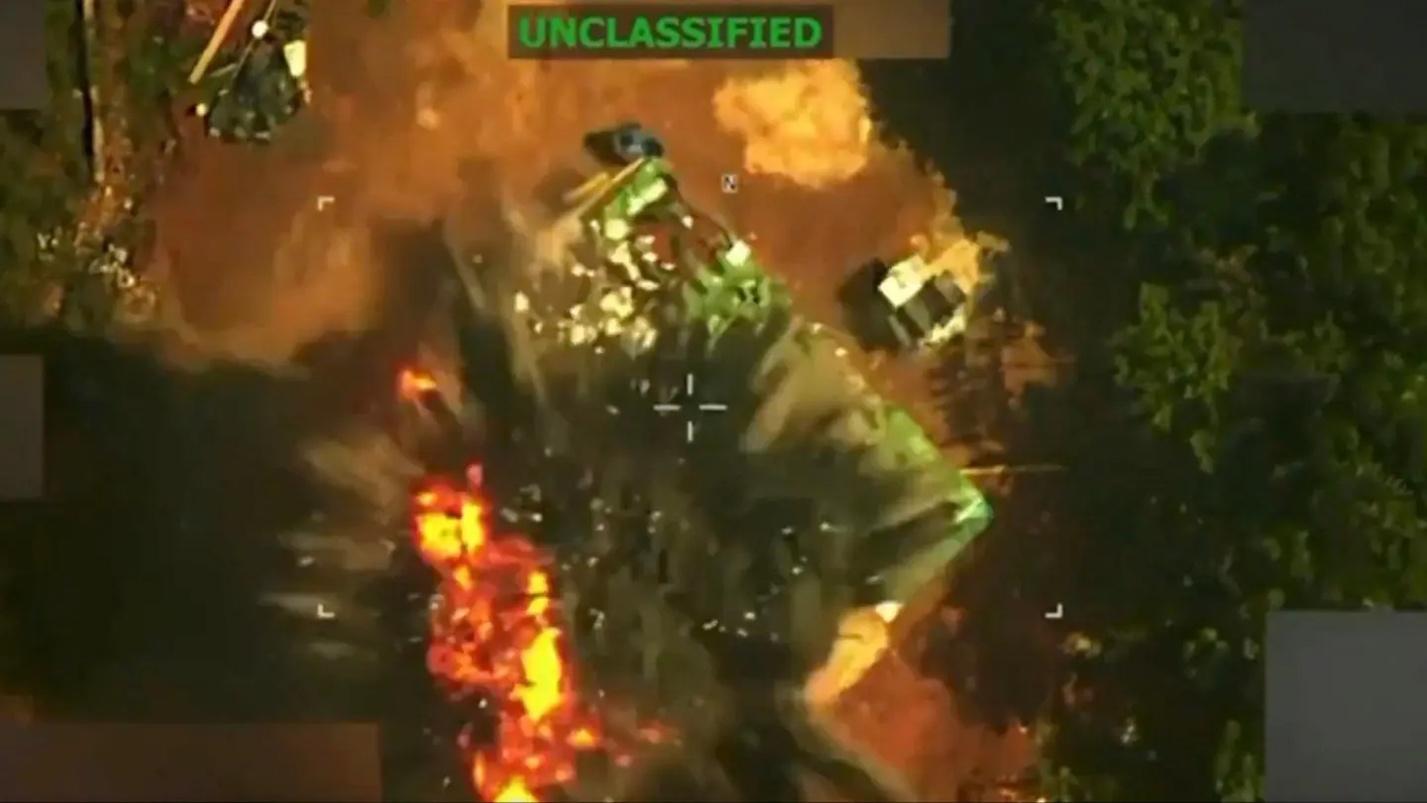
After purging pro-Maduro officials from her Cabinet, Rodríguez appointed as the new Defense Minister General Gustavo González López, who was trained in the 1990s in the notorious U.S. Army School of the Americas at Fort Benning, Georgia.[14] The U.S. has since carried out military operations in Venezuela targeting drug traffickers, killing Tren de Aragua leader Héctor “Niño” Guerrero in southeast Bolívar state in an extrajudicial execution.
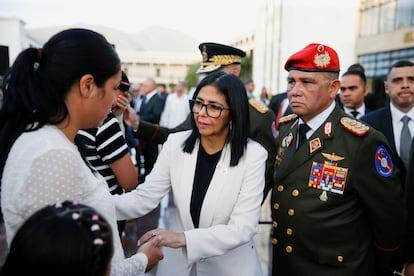
Reneging on a promise to raise Venezuela’s minimum wage from its paltry current total of 27 cents a month (130 bolivars), Rodríguez has begun censoring left-wing journalists and canceling left-wing news programs on Venezuelan state TV.
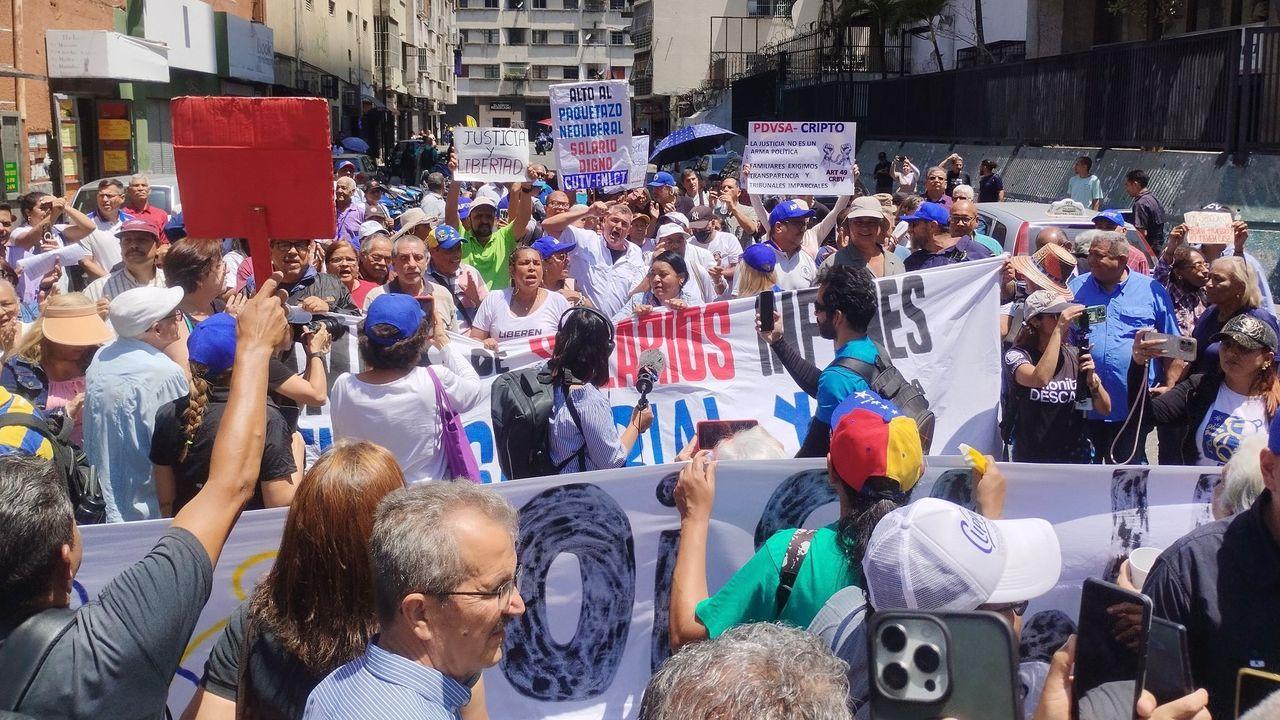
Members of Rodríguez’s government have also met with officials from the International Monetary Fund (IMF), from which Hugo Chávez had withdrawn Venezuela in 2006, calling it an instrument of U.S. imperialism with the World Bank.
Adelmo Becerra said “there is no transparent information” but, “based on global experience, it is clear that countries that negotiate with the IMF subordinate their economic policy to well-known neo-liberal measures that are contrary to the economic and social rights of the great majority of the population.”
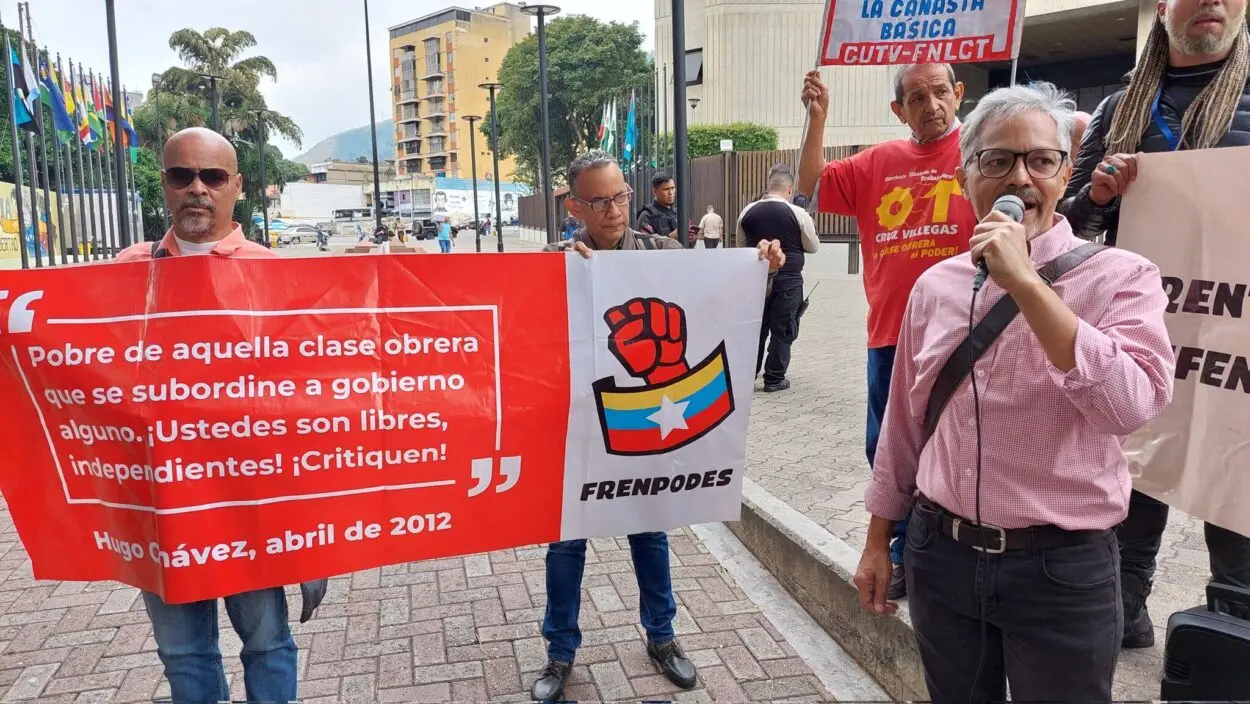
Truthout concludes its article by noting that it was IMF-imposed austerity measures that fueled mass protests in the early 1990s, which led to the rise of Chavismo. The same thing could happen again if Delcy continues to go forward with neo-colonialist policies and to destroy the Bolivarian Revolution from within.
U.S. Consolidates Military Control After Devastating Earthquake
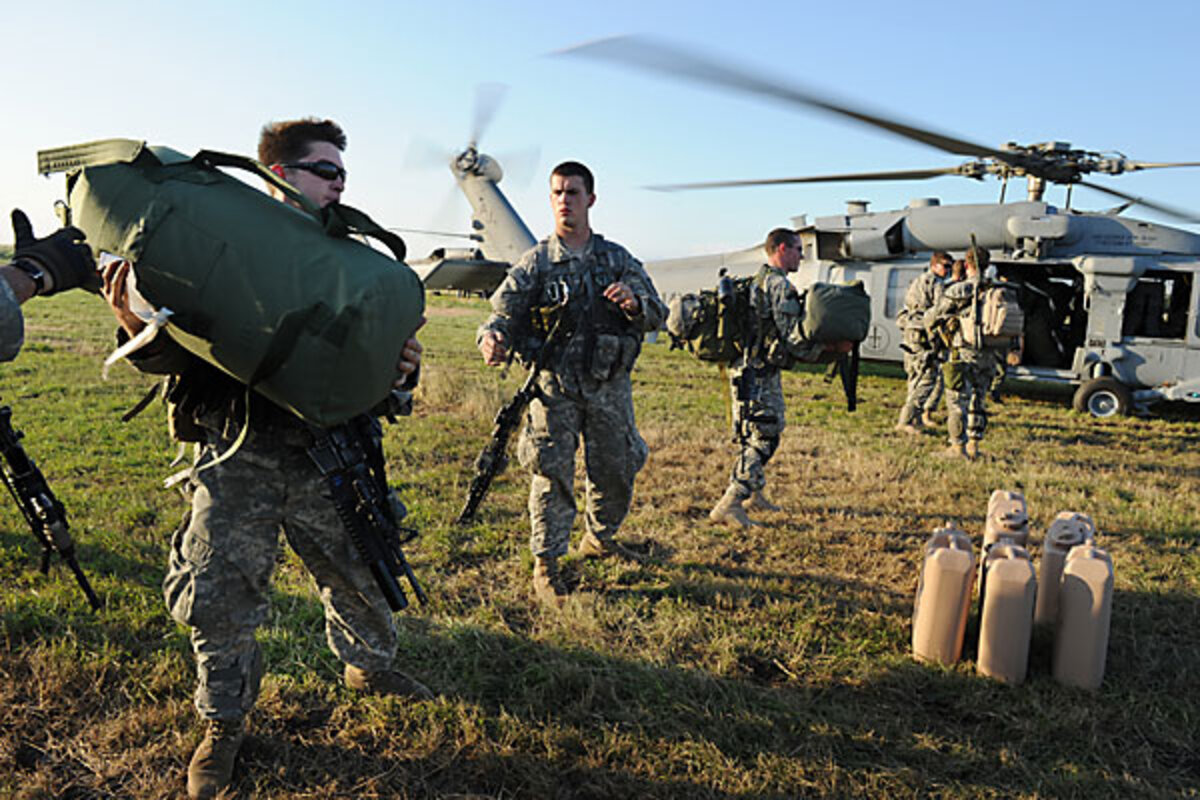
Andrea Lobo reported in the World Socialist Website (WSWS) that the Trump administration seized on the humanitarian catastrophe resulting from the June 24 earthquake to consolidate its military control over Venezuela, dispatching warships, warplanes and a Commanding General of the Marine Corps, Kevin J. Jarrard—under the cover of a disaster relief operation.
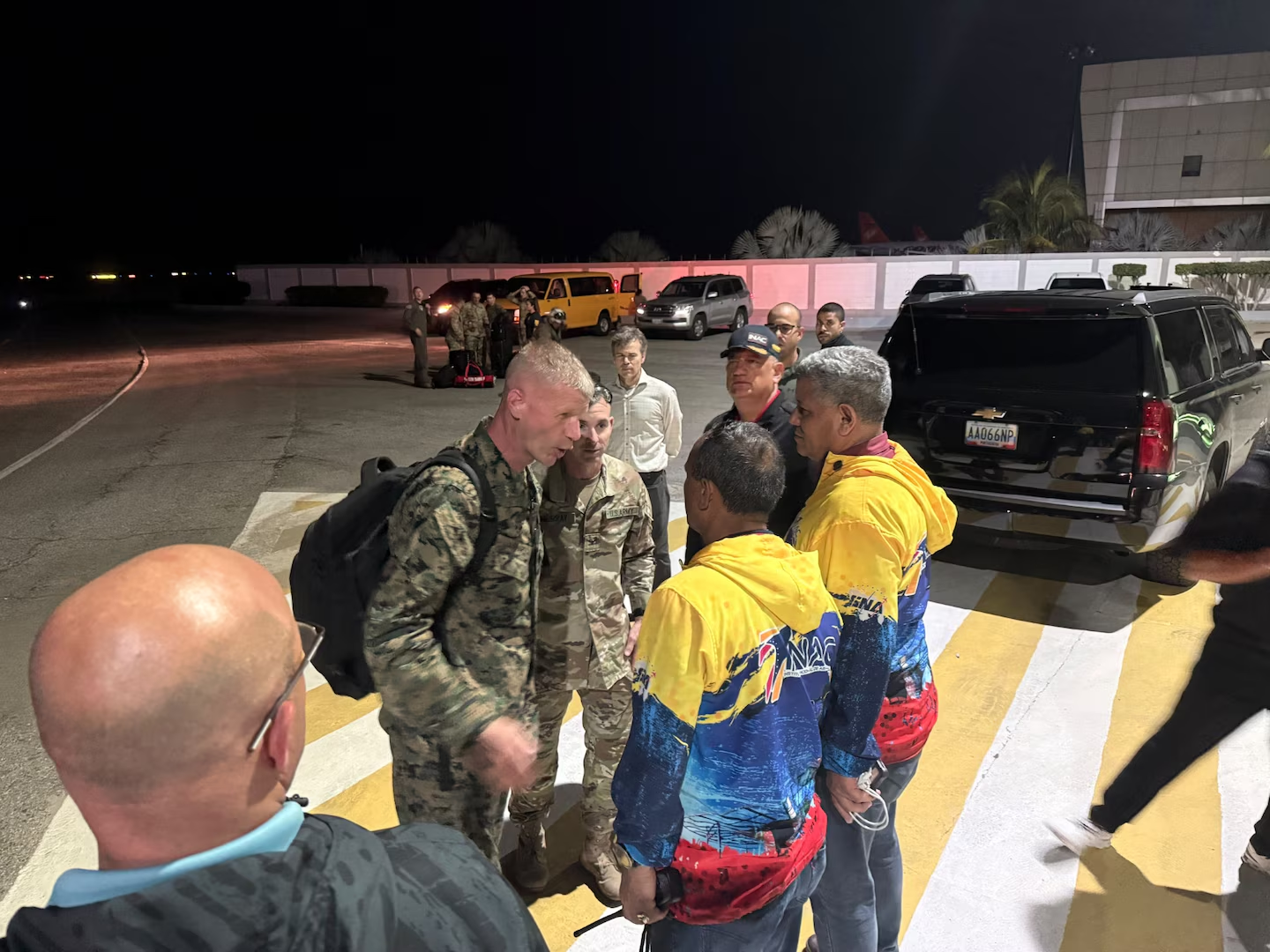
Delcy Rodríguez for her part appointed the Commander of the Bolivarian National Guard as the sole authority for the emergency and placed the state of La Guaira under military administration.
According to Lobo,“the configuration is stark: only six months after a US special forces operation abducted the Venezuela’s sitting president Nicolás Maduro, the commanding general of the US Marine Corps and the Commander of the Venezuelan National Guard are now in control. It is a military occupation wearing the mask of disaster relief.”
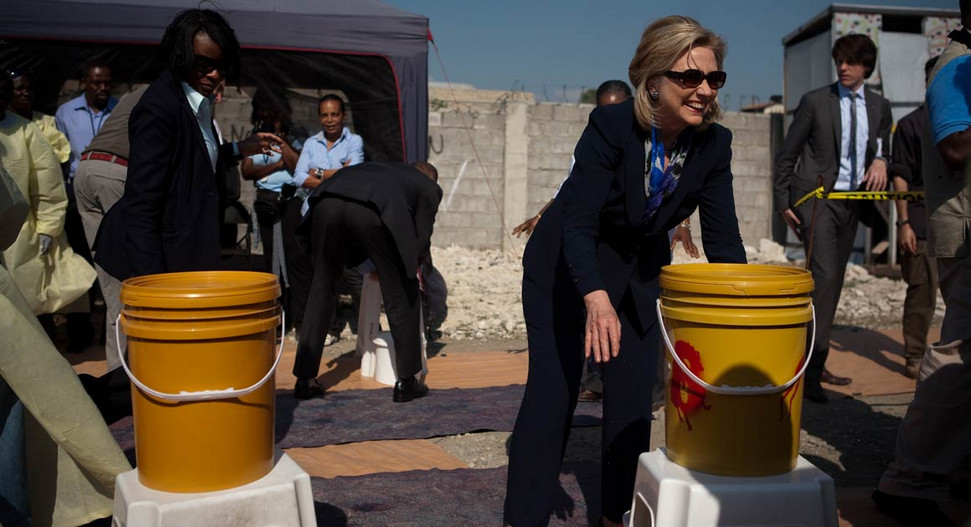
A historical parallel occurred in Haiti when the Obama administration effectively occupied the country militarily following a devastating earthquake that resulted in over 100,000 deaths.
Under the Operation Unified Response, Obama dispatched over 15,000 U.S. troops who provided a cover for business rackets in which Clinton Foundation donors and Clinton cronies, like Hillary’s brother, Tony Rodham, reaped enormous profits from a reconstruction “gold rush,” as a cable from U.S. ambassador Kenneth Merten leaked by Wikileaks described it.[15]
A similar post earthquake reconstruction gold rush is likely to occur in Venezuela under the oversight of the U.S. military and Rodríguez administration. As events unfold, the question remains: will her administration allow the undoing of the Bolivarian revolution, or are these just efforts to appease U.S. imperialism for the time being?
Judith Ewell, Venezuela and the United States: From Monroe’s Hemisphere to Petroleum’s Empire (Athens: The University of Georgia Press, 1996), 99. Secretary of State Elihu Root called Castro a “crazy brute.” For more background, see Brian S. McBeth, Juan Vicente Gómez and the Oil Companies in Venezuela, 1908-1935, rev ed. (New York: Cambridge University Press, 2002). The Harding administration, which had close ties with the Rockefeller owned Standard Oil Company, strongly supported Gómez as part of its aggressive efforts to expand the operations of U.S. oil companies overseas. Secretary of State Philander Knox (1909-1913) visited Venezuela in providing visible symbols of the friendly U.S.-Venezuela relations under Gómez’ rule. ↑
Ewell, Venezuela and the United States, 134, 135; McBeth, Juan Vicente Gómez and the Oil Companies in Venezuela, 1908-1935, 7. Under the mining law, mining taxes were reduced from three to one percent of gross production; customs duties on mining equipment were eliminated and all outstanding mining taxes were written off. ↑
Ewell, Venezuela and the United States, 115, 119, 137, 138. In 1933, the International Committee of the Political Prisoners of New York sent a letter of protest about political prisoners to Venezuela’s ambassador while labor groups staged protests against Gomez’ stifling of the Venezuelan labor movement. The U.S. State Department ignored the letters and protests and claimed that “Venezuela’s political prisoners were better off than Italy’s or Russia’s” and that “Venezuela’s personal freedom was as great as any country in the world.” ↑
Samantha Schmidt et al., “In Venezuela, Trump ally’s role is pivotal and unofficial,” The Washington Post, May 26, 2026. Claver-Carone was reportedly intimately involved in the plans to oust Nicolás Maduro and establish his successor before acting as a trusted go-between for Washington and the interim government. A former senior U.S. official stated: “Mauricio’s calling the shots on private sector economic positions, and if anyone wants in, they have to go to him.” Max Blumenthal reported in The Grayzone that Claver-Carone masterminded many of the policies that define Trump’s relationship with Venezuela, from its recognition of the previously unknown Juan Guaidó as the country’s “interim president” to the deportation of hundreds of Venezuelan migrants from the U.S. to El Salvador’s maximum security CECOT prison. Many of those migrants had been prompted to journey to the U.S. by the economically crushing sanctions unleashed at Claver-Carone’s direction. ↑
Bedoya flew by private jet to Caracas with a senior Centerview adviser. The World Socialist Web Site noted that the “corruption is flagrant: An unelected operative is shaping the economic architecture of a sovereign nation on behalf of his creditors.” ↑
From 2018 to 2020, Bedoya served as deputy senior director for Western Hemisphere Affairs at the White House National Security Council (NSC). The couple’s secret romance at the Inter-American Development Bank (IDB), which Claver-Carone was president of in the early 2020s, triggered a probe ordered by the IDB, which discovered that Claver-Carone had increased his paramour’s salary by 40%, a $133,000 reward in less than a year. Investigators also found that the couple had racked up expenses on an IDB credit card during romantic getaways. ↑
José Pepé Fanjul lives in West Palm Beach near Trump’s Mar-a-Lago and has been friends with Trump for years. His brother Alfy has had a well-known relationship with the Clintons, serving as co-chair of Bill Clinton’s Florida campaign in 1992. When Clinton was in office, Alfy used this connection to convince the president to quietly withdraw support for Vice President Al Gore’s proposal to tax Florida sugar growers a penny per pound to fund the clean-up of the polluted Florida Everglades. In exchange for $7 million in campaign donations, Trump rescinded a Biden administration order from 2022 that banned imports from the Central Romana Corporation—a major exporter of sugar to the U.S. for which Alfy is a top executive—because of information indicating widespread abuses of workers, including withheld wages, forced labor and hazardous working conditions. During the 2022 mid-term elections, the U.S.-Cuba Democracy PAC gave $84,600 to congressional candidates; during the 2020 election it gave $112,000; during the 2018 mid-term elections it gave $166,400, and in 2016 it gave $583,000. Backing Republicans like Marco Rubio, who has been funded directly by the Fanjul family, its favorites have included Robert Menendez of New Jersey, the disgraced former Chairman of the Senate Foreign Relations Committee who long championed a hard-line policy toward Cuba, and Debbie Wasserman Schultz (D-FL), the former Democratic National Committee Chair, who received more than $40,000 in campaign contributions from the U.S.-Cuba Democracy PAC between 2016 and 2022. ↑
Another important figure in Venezuela is the new U.S. charge d’affaires at the U.S. embassy, John Barrett, holder of an MBA degree who worked for PepsiCo and The Walt Disney Company, served as economic counselor in mineral-rich Peru and played a role in U.S. efforts to displace Chinese influence in Panama, amid threats by Trump to seize control of the Panama Canal by force. ↑
Shell is reportedly in advanced negotiations with the Venezuelan government to expand its operations in the country’s offshore natural gas fields. A previous CAM article showed how current Homeland Security Secretary Markwayne Mullin amassed stock in Chevron just before the military operation to kidnap Maduro, which he sanctioned as a then-member of the U.S. Senate Armed Services Committee. ↑
According to The Washington Post, the money is being deposited into a Citibank account controlled by the U.S. Treasury. ↑
The head of the Guarimba who incited violence in 2014, Leopoldo López, is often featured by the National Endowment for Democracy (NED), a CIA offshoot, as a speaker at its events. In September 2015, López was sentenced to prison in Venezuela for 13 years and nine months for inciting acts of terrorism. ↑
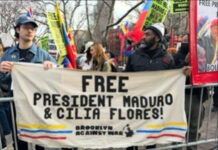
The World Socialist Web Site further emphasized that the flyover directly revived the trauma Caracas suffered during Operation Absolute Resolve on January 3, a brutal pre-dawn military assault in which high-rises and the city center trembled as helicopters dropped troops, the Presidential Guard was annihilated, and President Nicolás Maduro was seized with his wife Cilia Flores from his compound and flown out of the country. At least seven explosions ripped across northern Venezuela on that day, with strikes on military infrastructure, including the Generalissimo Francisco de Miranda Air Base, Fort Tiuna, Higuerote Airport and the Port of La Guaira, while a blackout across southern Caracas cloaked the operation. ↑
Donald Trump has even joked about making Venezuela the 51st U.S. state. ↑
The U.S. Army School of the Americas is known for training CIA assets and U.S. government proxies who have been involved in some of the worst human rights atrocities in modern history. The rogues’ gallery of graduates includes Panamanian dictator Manuel Noriega, Roberto D’Aubuisson, El Salvador death-squad operator and murderer of Archbishop Oscar Romero, and Bolivian dictator Hugo Banzer. ↑
Jeremy Kuzmarov, Obama’s Unending Wars: Fronting the Foreign Policy of the Permanent Warfare State (Atlanta: Clarity Press, 2019), 295. For further detail on U.S. corporate profiteering and corruption related to the 2010 Haitian earthquake relief effort and neocolonialism, see Jake Johnston, Aid State: Elite Panic, Disaster Capitalism, and the Battle to Control Haiti (New York: Saint Martin’s Press, 2024). ↑
CovertAction Magazine is made possible by subscriptions, orders and donations from readers like you.
Blow the Whistle on U.S. Imperialism
Click the whistle and donate
When you donate to CovertAction Magazine, you are supporting investigative journalism. Your contributions go directly to supporting the development, production, editing, and dissemination of the Magazine.
CovertAction Magazine does not receive corporate or government sponsorship. Yet, we hold a steadfast commitment to providing compensation for writers, editorial and technical support. Your support helps facilitate this compensation as well as increase the caliber of this work.
Please make a donation by clicking on the donate logo above and enter the amount and your credit or debit card information.
CovertAction Institute, Inc. (CAI) is a 501(c)(3) non-profit organization and your gift is tax-deductible for federal income purposes. CAI’s tax-exempt ID number is 87-2461683.
We sincerely thank you for your support.
Disclaimer: The contents of this article are the sole responsibility of the author(s). CovertAction Institute, Inc. (CAI), including its Board of Directors (BD), Editorial Board (EB), Advisory Board (AB), staff, volunteers and its projects (including CovertAction Magazine) are not responsible for any inaccurate or incorrect statement in this article. This article also does not necessarily represent the views the BD, the EB, the AB, staff, volunteers, or any members of its projects.
Differing viewpoints: CAM publishes articles with differing viewpoints in an effort to nurture vibrant debate and thoughtful critical analysis. Feel free to comment on the articles in the comment section and/or send your letters to the Editors, which we will publish in the Letters column.
Copyrighted Material: This web site may contain copyrighted material the use of which has not always been specifically authorized by the copyright owner. As a not-for-profit charitable organization incorporated in the State of New York, we are making such material available in an effort to advance the understanding of humanity’s problems and hopefully to help find solutions for those problems. We believe this constitutes a ‘fair use’ of any such copyrighted material as provided for in section 107 of the US Copyright Law. You can read more about ‘fair use’ and US Copyright Law at the Legal Information Institute of Cornell Law School.
Republishing: CovertAction Magazine (CAM) grants permission to cross-post CAM articles on not-for-profit community internet sites as long as the source is acknowledged together with a hyperlink to the original CovertAction Magazine article. Also, kindly let us know at info@CovertActionMagazine.com. For publication of CAM articles in print or other forms including commercial internet sites, contact: info@CovertActionMagazine.com.
By using this site, you agree to these terms above.
About the Author
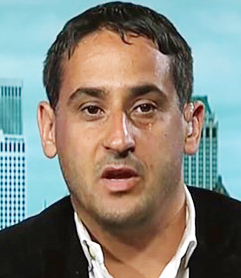
Jeremy Kuzmarov holds a Ph.D. in American history from Brandeis University and has taught at numerous colleges across the United States. He is regularly sought out as an expert on U.S. history and politics and co-hosts a radio show on New York Public Radio and on Progressive Radio News Network called “Uncontrolled Opposition.”
He is Managing Editor of CovertAction Magazine and is the author of eight books, including Obama’s Unending Wars (Clarity Press, 2019), The Russians Are Coming, Again, with John Marciano (Monthly Review Press, 2018), Warmonger. How Clinton’s Malign Foreign Policy Launched the U.S. Trajectory From Bush II to Biden (Clarity Press, 2023); with Dan Kovalik, Syria: Anatomy of Regime Change (Baraka Books, 2025), and Political Assassinations in America: The Intricate Nexus of Deep State Crime (Clarity Press, 2026).
Besides these books, Kuzmarov has published hundreds of articles and contributed to numerous edited volumes, including one in the prestigious Oxford History of Counterinsurgency .
He can be reached at jkuzmarov2@gmail.com and found on substack here.
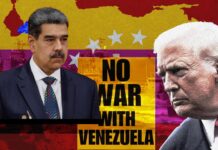

The article mentions that Rodríguez has begun censoring left-wing journalists and canceling left-wing news programs on Venezuelan state TV.
But this was also something that Maduro also did.
Nicolás Maduro’s government systematically censored independent, opposition, and critical voices—including journalists and programs from various political backgrounds—rather than specifically targeting left-wing state TV programs. State-controlled media like Venezolana de Televisión (VTV) remained strictly pro-government, while independent, critical, and dissident journalists faced widespread closures, blocking, and purges.
Internal dissent or independent positions expressed by workers inside state-run networks like VTV resulted in mass firings and staff removals.
Hundreds of independent radio stations, television providers, and print newspapers.
were shut down or pulled off the air under regulatory pressure from CONATE
Blocking Digital Media: Numerous independent digital news sites and social platforms faced systemic blocking and internet filtering.