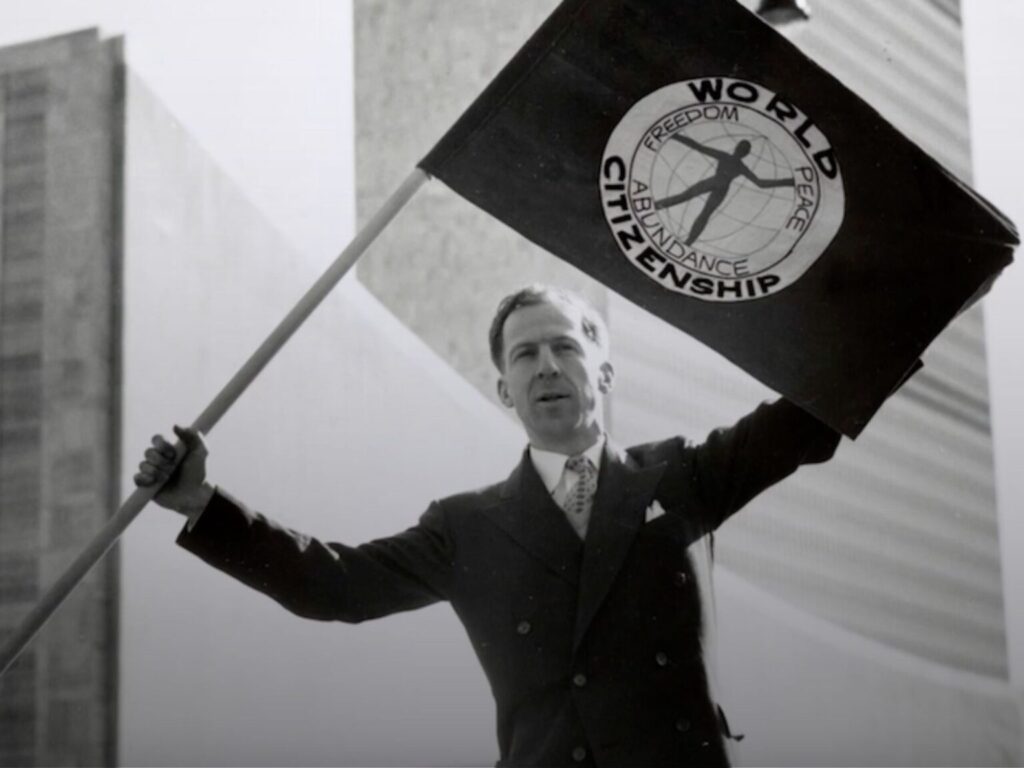
In the early 1940s, Garry Davis was a rising Broadway star, understudy to Danny Kaye, until he was drafted into World War II and ordered to bomb the city of Brandenburg.
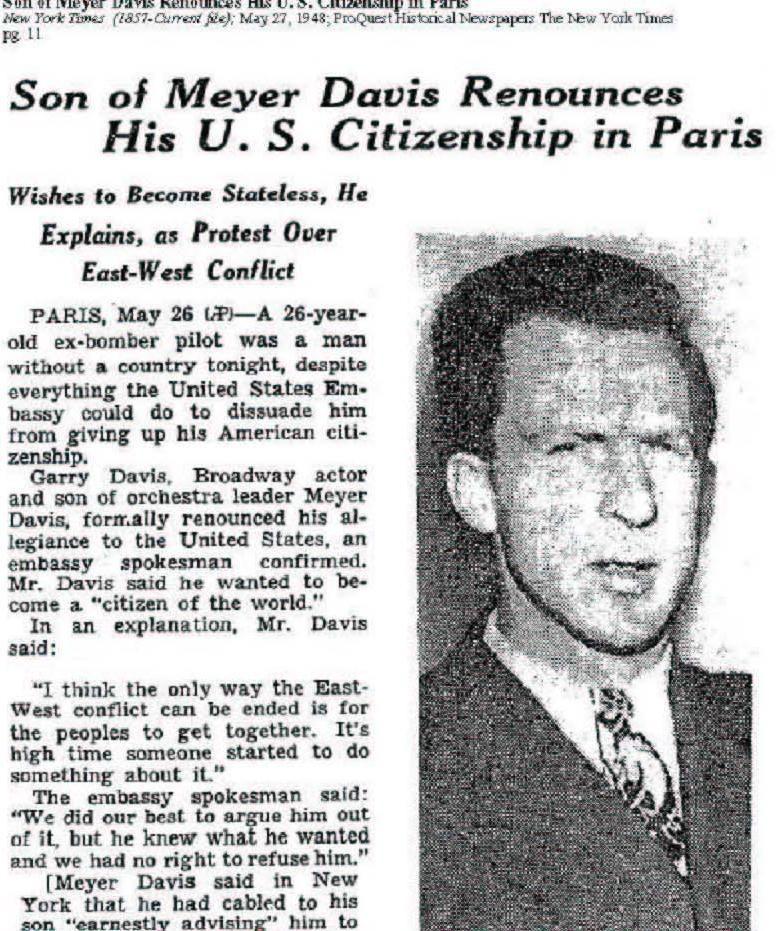
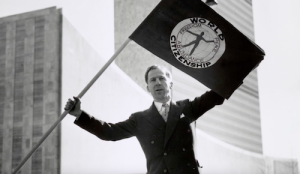
Horrified at the carnage he caused, and mortified by the death of his older brother, Meyer Davis, Jr., whose Navy ship was sunk by a German submarine, Garry traveled to the U.S. Embassy in Paris and officially gave up his U.S. citizenship, declaring himself the first “World Citizen.”
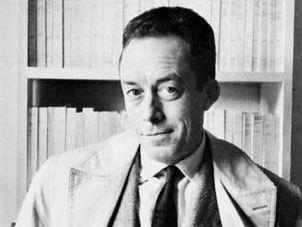
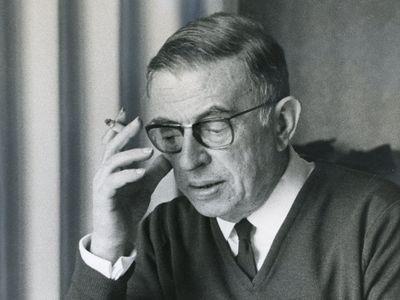
Publicized in the media, Davis’s actions gained the attention of Robert Sarrazac, a hero of the World War II French Resistance, who set up a solidarity counsel headed by novelist Albert Camus and philosopher Jean-Paul Sartre.
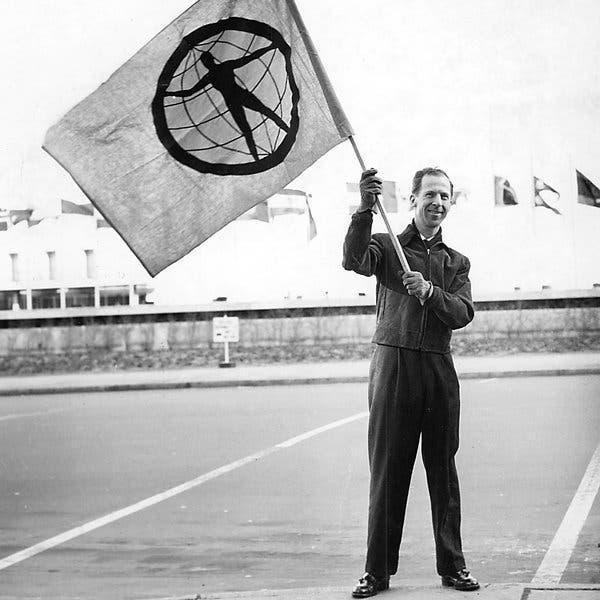
When the UN General Assembly met in the Palais de Chaillot outside Paris that September, Davis interrupted the proceedings from the balcony and said that the sovereign states the UN represented were leading to the abyss of total war and that the remedy was the establishment of a “People’s World Assembly” that could outlaw war and abuses of human rights.
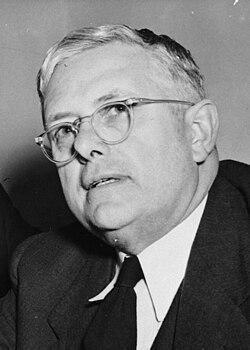
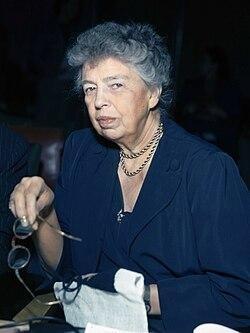
The Universal Declaration of Human Rights, advocated by the U.S. delegate, First Lady Eleanor Roosevelt, was being vehemently opposed by the Soviet Union—until 20,000 people rallied with Garry Davis on December 9, 1948, to demand that the UN recognize the rights of humanity. The very next day, December 10, the Soviets withdrew their efforts to try to block it and the Universal Declaration of Human Rights was unanimously enacted.[1]
Albert Einstein called Davis’s vision the key to humanity’s survival.
Davis’s story is told in a documentary airing on PBS this summer, The World Is My Country, that is introduced by Martin Sheen.
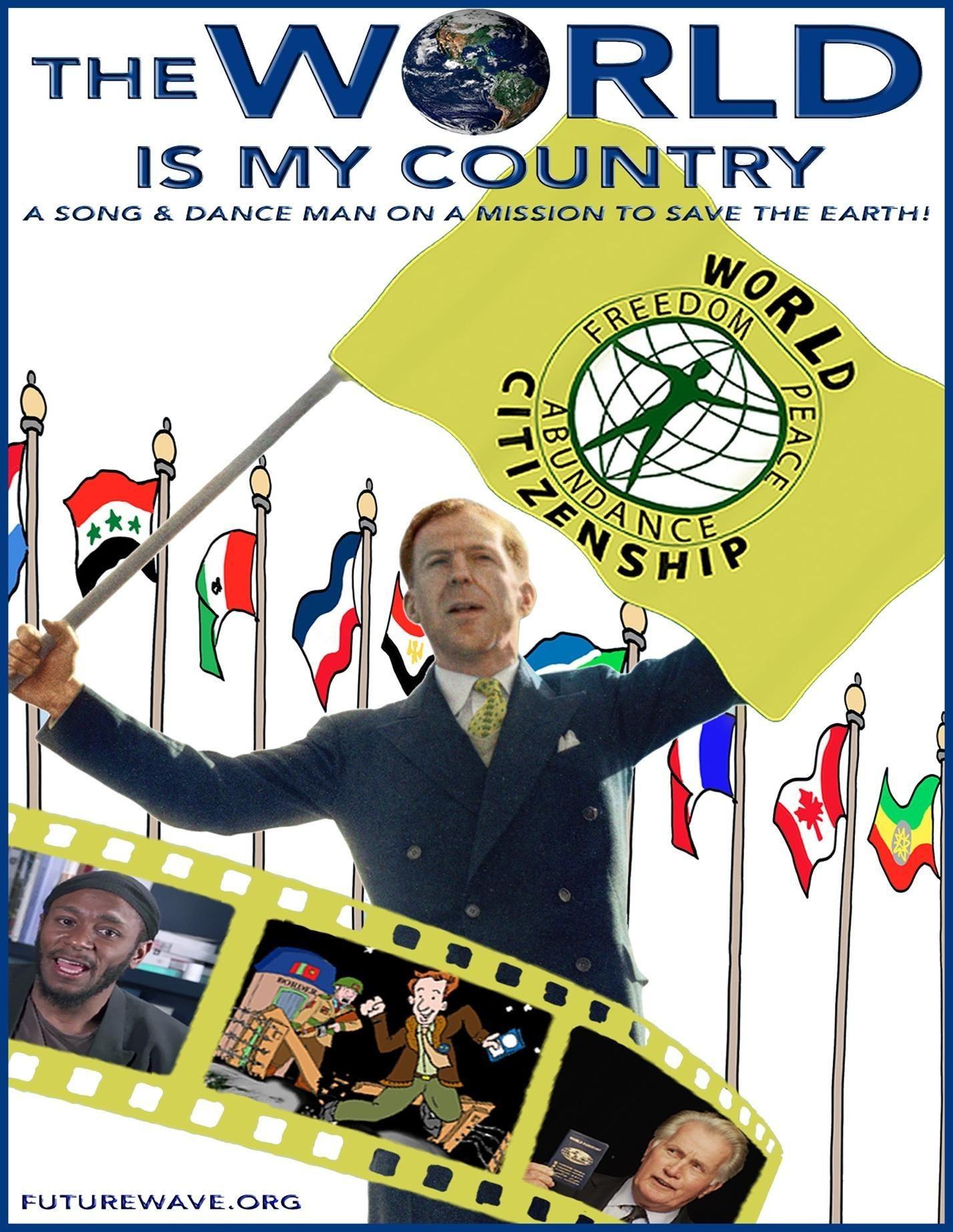
Originally made in 2021 but re-released this year, The World is My Country, was directed by Arthur Kanegis, who started his career co-producing a Vietnam-era documentary on the automated air war, which included information about the anti-personnel bombs produced by Honeywell that were used in Vietnam.
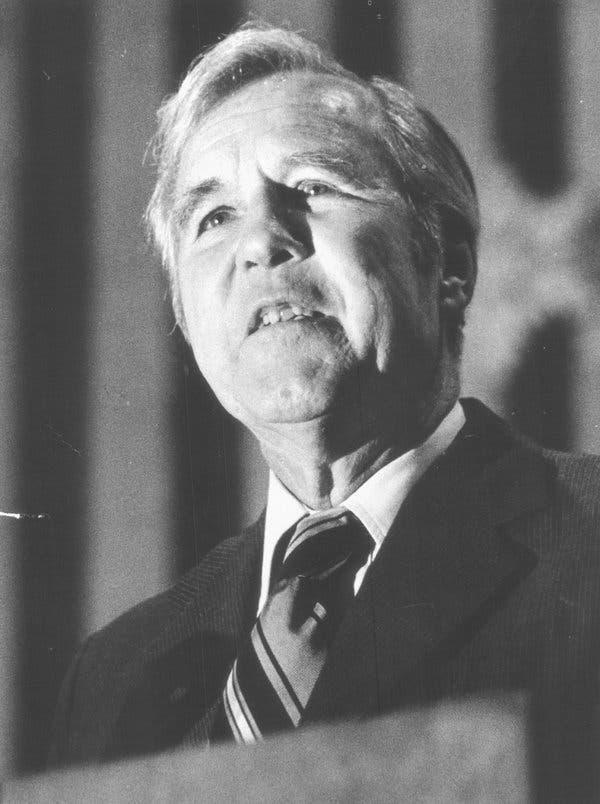
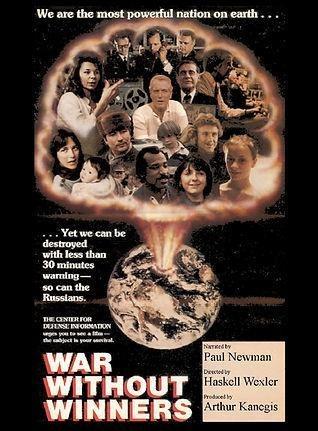
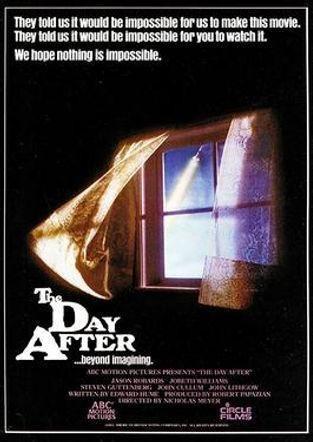
In the 1980s, while working for a peace organization set up by Admiral Gene La Roque, Kanegis directed War Without Winners narrated by Paul Newman. He was also the nuclear-war researcher for the 1983 ABC TV special “The Day After” which inspired the nuclear-freeze movement and convinced President Ronald Reagan that nuclear war was unwinnable, leading to his negotiating and signing arms-limitation agreements with the Soviet Union.
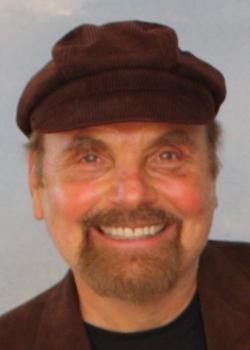
In an exclusive interview with CovertAction Magazine, Kanegis said that peace activism was in his DNA: His parents met at a sit-in to protest segregation and were active in the peace and civil rights movements; before he even reached kindergarten, he would tell his dad that he wanted to “take all the guns and melt them down and turn them into doorknobs.”
While making War Without Winners and consulting on “The Day After,” Kanegis carried out research in the Pentagon library. When Reagan asked some of his aides to find inaccuracies in “The Day After,” they could not find any.
Kanegis said that he knew Garry for many years as the issuer of world passports, but it was not until Garry’s son Troy encouraged him to read his father’s book My Country Is the World that he was inspired to make the film about Davis. “The book read like a movie” Kanegis said, “so I just had to make a movie about him.” Also, after making the films about the horrors of war, he wanted to start making films showcasing alternatives that could inspire people.
Initially, Kanegis wrote a screenplay about Garry Davis that he wanted to have produced as a feature film but, when funding did not pan out, he conceived of putting Garry back on stage to tell his story—which Garry, as a former actor, was thrilled to do.
The World Is My Country starts out with a 91-year-old Garry Davis performing a monologue before a rapt audience in Burlington, Vermont, in 2013—not long before he passed away.
Garry starts out by taking the audience back to his rise on Broadway, where he received his first break serving in the chorus of the hit Let’s Face It! and as an understudy to Danny Kaye, a Hollywood star in the 1940s and 1950s.
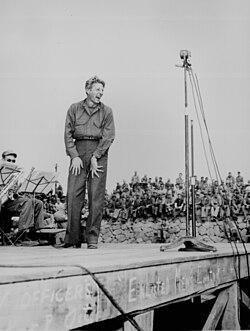
Davis said that he would never forget the show at the Imperial Theater in Manhattan where he received 13 curtain calls after performing in a matinee in place of Kaye who had developed laryngitis. The New York Times gave Davis a glowing review and he was in high demand thereafter, performing in The Wizard of Oz among other Broadway hits.
Davis’s budding stardom was put on hold by the Pearl Harbor attacks on December 7, 1941, when he was drafted into the Army and sent to fight in Germany after training with the 92nd Bombardment Group. When Davis saw pictures from the destruction caused by bombing raids he had carried out in Brandenburg, Germany, he was horrified and wondered why he and his fellow Army Air Force pilots were not arrested for killing people when murder was normally outlawed.
Garry wrote in his 1961 memoir, The World Is My Country, “ever since my first mission over Brandenburg, I had felt pangs of conscience. How many bombs had I dropped? How many men, women and children had I murdered? Wasn’t there another way, I kept asking myself.”[2]
Davis’s sadness about all the death and destruction bred by World War II was compounded by the devastating loss of his brother Meyer, who had been a great poet and mentor. Davis said that he and his brother had plans to try to work together to change the world.
After resuming his acting career, Davis said that he was depressed, especially after learning about the destruction in Hiroshima and Nagasaki caused by the dropping of the two atomic bombs.
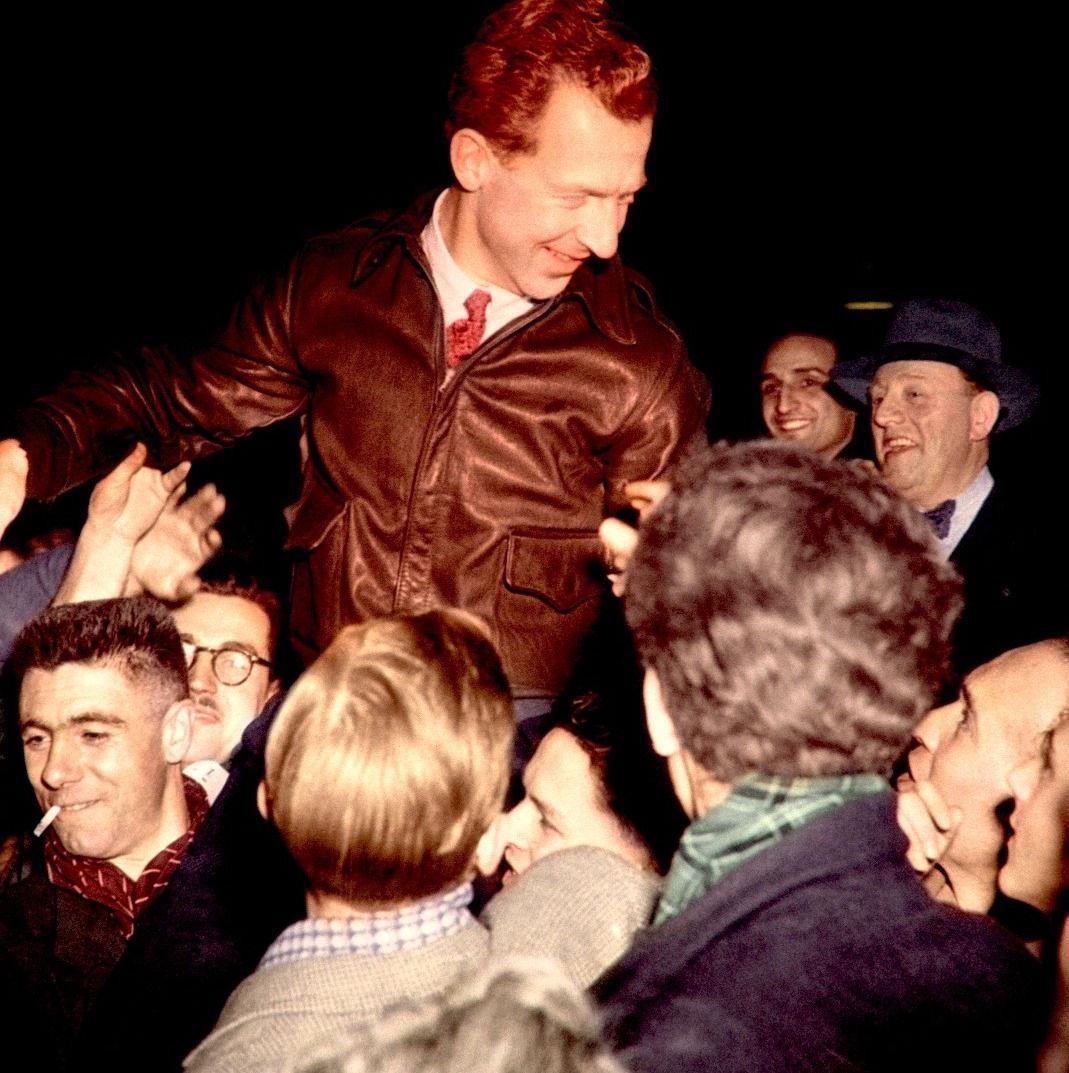
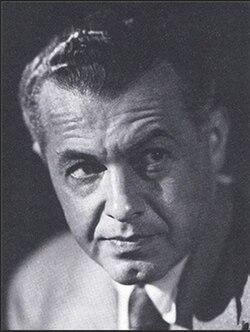
While wondering what he could do, Davis read Emery Reves’ book, The Anatomy of Peace (1945), which he said struck him like a lightning bolt.
The book advocated for a federation of nations designed to achieve peace. Under Reves’ systems, nation-states would relinquish the powers to manage and regulate intergovernmental relationships while retaining sovereignty over domestic matters.
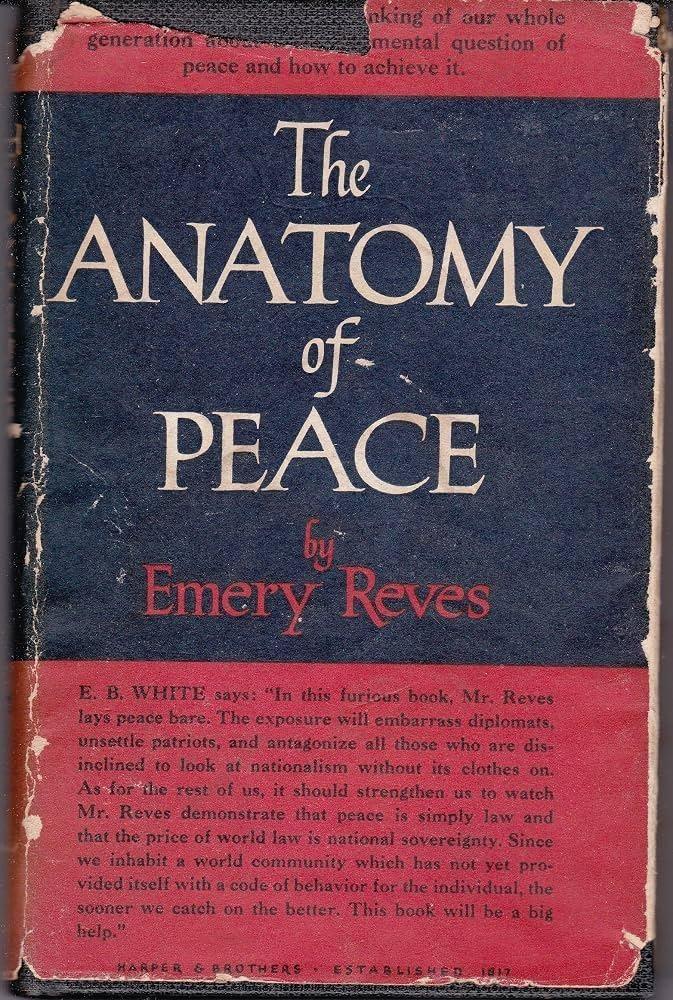
Davis relayed to his audience that, if so many different ethnic groups could live in New York City harmoniously, why couldn’t nation-states with different ethnic populations do the same?
Reves’ book, Davis said, helped make clear how nationalistic rivalries had led to the two World Wars, and that international law, enforced by a world federalist body, could help prevent the next war.
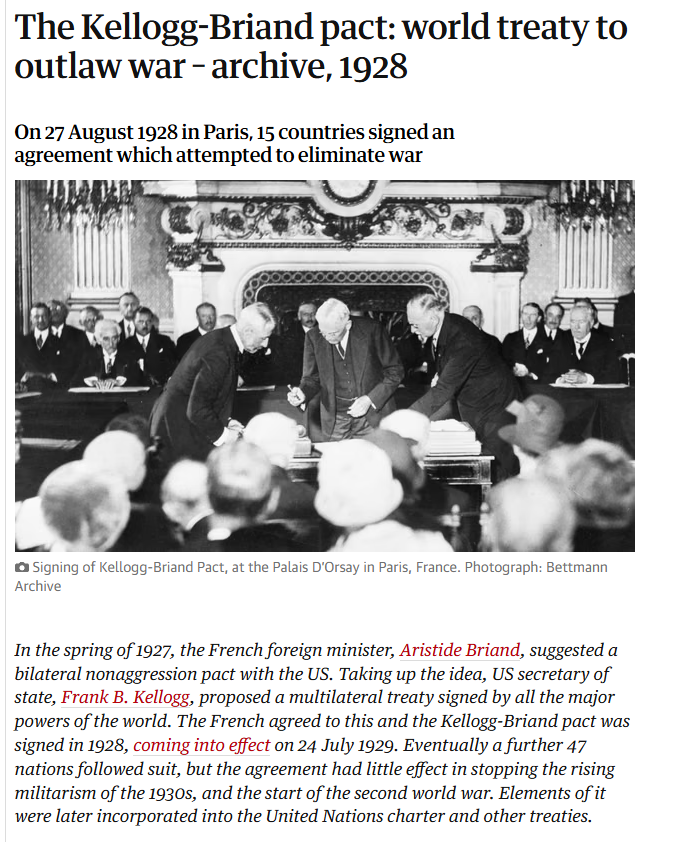
An important precedent was established with the 1928 Kellogg-Briand Pact outlawing war, which the world federation government could enforce. People would become citizens of this latter government, renouncing allegiance to nation-states that were the incubators of war.
Davis’s motivation to go to Paris in 1948 was prompted by the escalation of the Cold War and the Berlin crisis. At the time, he was in the active U.S. Army Reserves but was not going to fight in another war.
After going to the U.S. embassy in Paris to give up his citizenship, Davis began publicizing his vision of a stateless and borderless world, and camped out on the steps of the Palais de Chaillot on the eve of the UN General Assembly meeting.
Davis was on a different wave-length from his father, Meyer Davis, Sr., who coordinated the orchestra that played at the 1948 Republican National Convention in Philadelphia, and sister, Virginia Davis, who opened the convention by singing “The Star-Spangled Banner.”
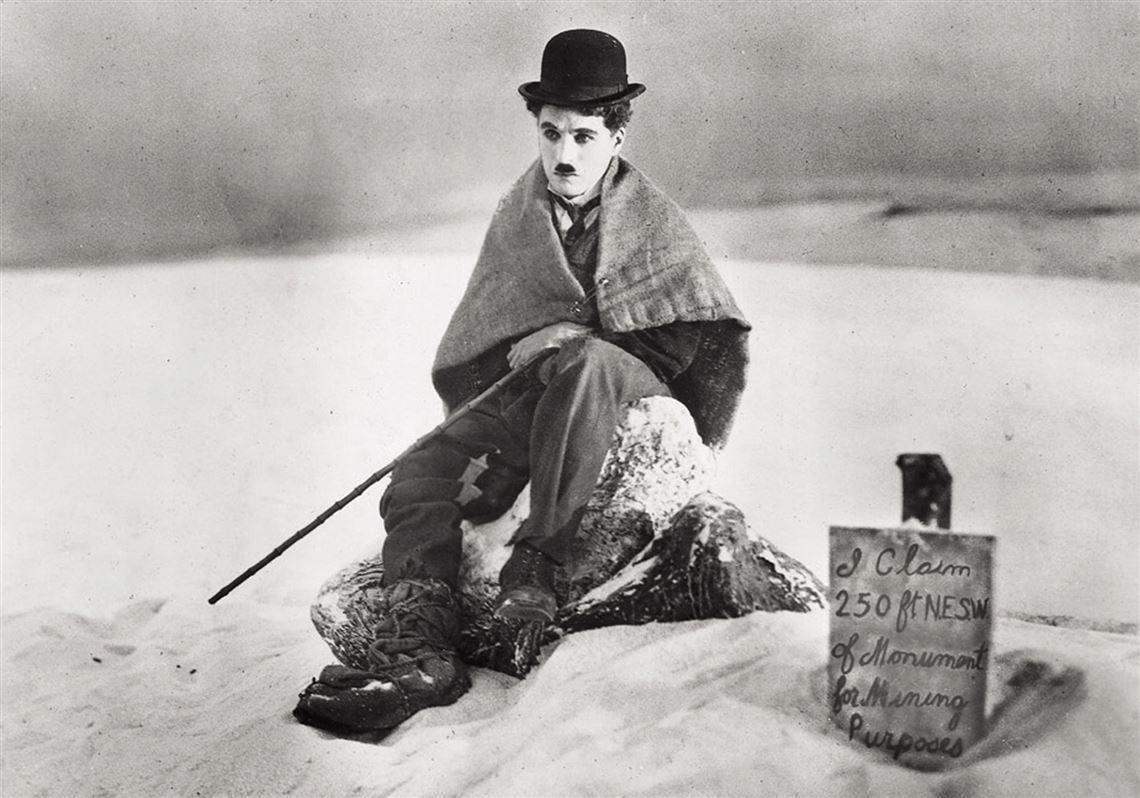
Davis, however, noted that Charlie Chaplin, the great silent movie star, was a pacifist who embraced the “One-World” concept in the late 1940s as did Martin Luther King Jr. and Nelson Mandela later on.
Davis said that he also found many kindred spirits throughout his travels in Europe, which was still largely in ruins from World War II. One of those kindred spirits was a pretty French girl named Esther, who would bring him food when he was imprisoned for lacking a passport and eventually became his wife.
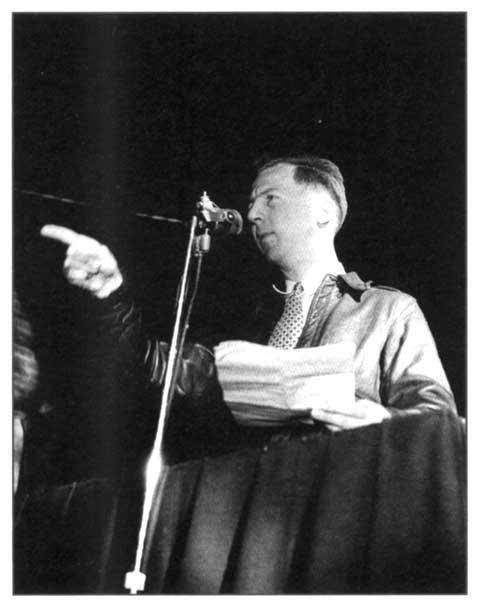
After Davis’s UN balcony speech, Sarrazac interrupted the UN General Assembly proceedings and spoke for more than an hour.
With mass enthusiasm for their ideas, Sarrazac rented the biggest hall in Paris for a meeting where Davis spoke before 20,000 people who, at the end of his talk, began chanting his name. Soon over 750,000 people registered to be part of the new World Citizen movement.
Dr. Herbert Evatt, the President of the UN General Assembly in 1948, was among those to support Davis’s world peace plan and call for world government, and invited Davis to give a speech at the UN where he again appealed for his concept of world citizenship.
Afterwards, Eleanor Roosevelt wrote a column advocating for the UN Declaration of Human Rights, which concluded: “How much better the world would be if Mr. Davis would set up his governmental organization and start international government.”
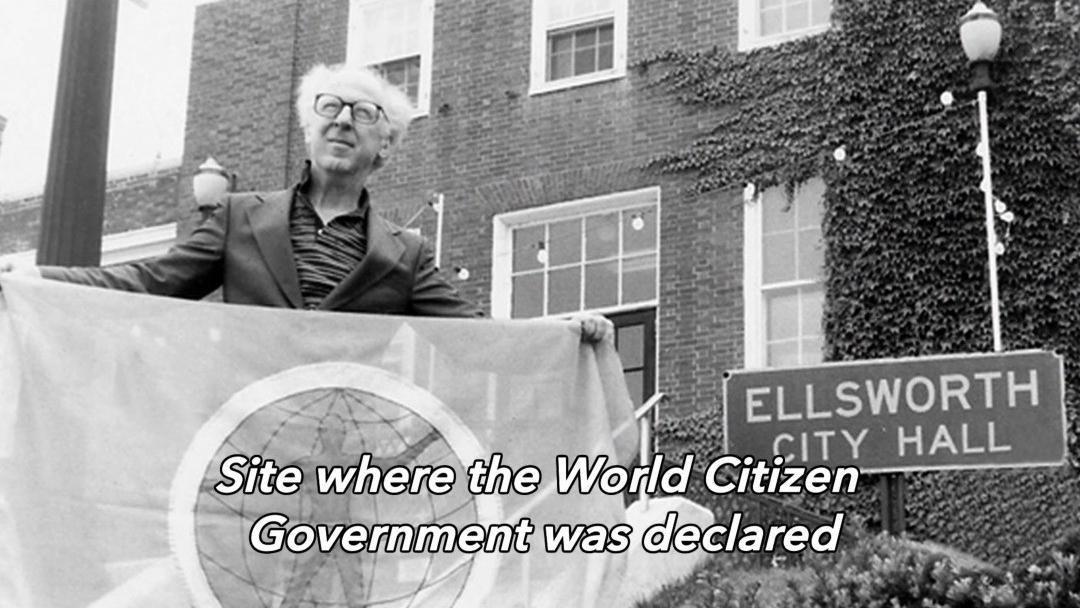
Davis tried to follow up on Roosevelt’s suggestion by declaring a new government for the people of the world at the Ellsworth, Maine, City Hall on September 4, 1953.
Though only 100 people were present for the declaration, which was issued after meeting with a constitutional lawyer, Davis said that his real audience was global, not local.
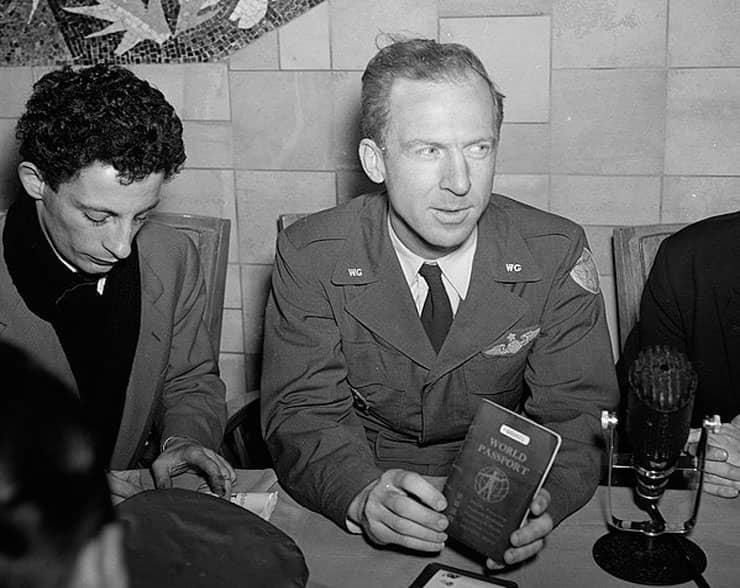
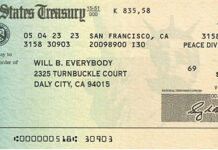
Afterwards, he set up an office in Washington for a World Citizen Government and began issuing World Passports and ID documents mandated by the UN Declaration of Human Rights.
The issuing fees were similar to the costs of national passports, but they issued them free of charge to stateless refugees and others trapped in refugee camps and detention centers for lack of papers.
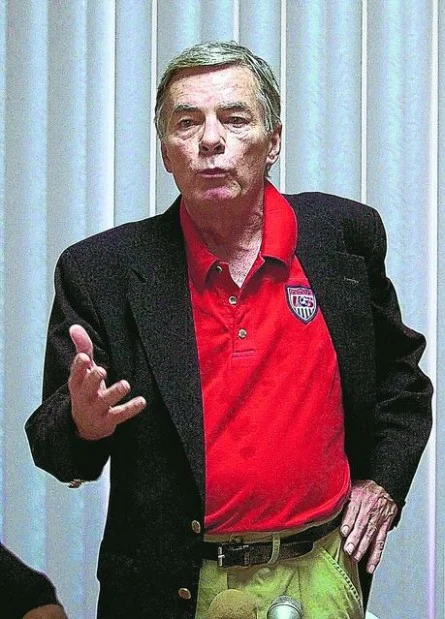
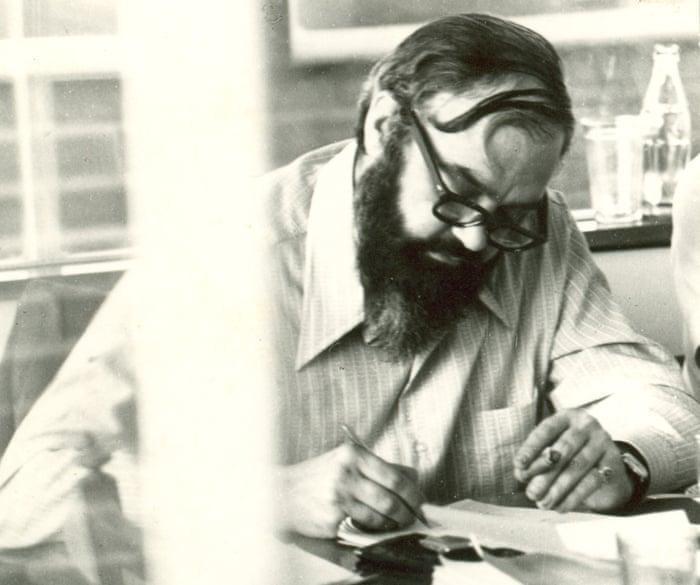
In the late 1980s, the world passport was given to Philip Agee, co-founder of CovertAction Information Bulletin (precursor to CovertAction Magazine) who wrote the tell-all expose of the CIA, Inside the Company: A CIA Diary (1975).
Agee’s U.S. passport was revoked after he had called the U.S. embassy in Tehran to propose that the CIA release its files on Iran’s intelligence services in exchange for the release of U.S. embassy hostages following the 1979 Iranian revolution.
Agee was subsequently able to travel to numerous countries on the Davis-issued world passport, and it helped him until he was able to get other travel documents.
In 2013, Davis’ passport was issued to National Security Agency whistleblower Edward Snowden, who had been forced to seek refuge in Russia after exposing U.S. state crimes.
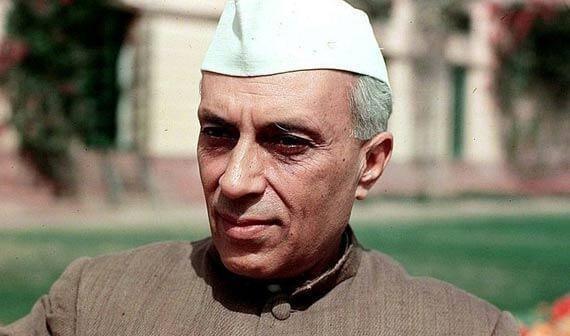
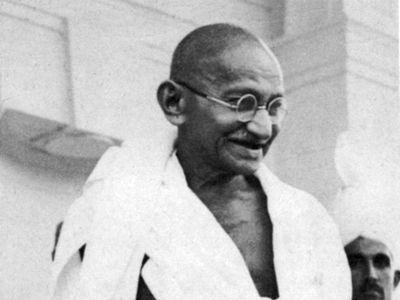
Traveling widely across Europe and Asia promoting his message that nation-states were the breeding grounds for war, Davis found a supporter for his ideas in India Prime Minister Pandit Jawaharlal Nehru, to whom he presented a world passport and who told him that Mahatma Gandhi saw things the way he did.

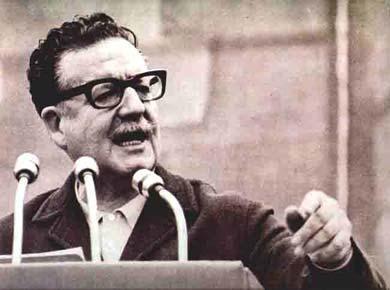
Another prominent adherent to the One-World ideal was Salvador Allende, Chile’s democratically elected socialist president, who was overthrown and murdered in a CIA-backed fascist coup in September 1973. Allende worked closely with Stafford Beer, a British pioneer in the theoretical science of effective government organization who was a supporter of Davis and worked with him.
Leftist critics of the world federalism concept normally highlight how it does not adequately address the problem of corporate power or offer a formula for ensuring that wealthy plutocratic interests not dominate the global economy and in turn take over the world federalist administration as they have done to individual nation-states.
By omitting a class analysis, world federalism, they say, risks creating a supranational technocracy where the international ruling class consolidates power, leaving the global working class disenfranchised and economically exploited.
Davis made clear that a top-down world government would be just as bad as the top-down national governments; the key to success, he believed, was that the world government would be truly representative of the people and committed to eradicating violence.
The World Is My Country emphasizes that Davis came to influence the establishment of the European Union which, though fraught with problems today, including in its mobilization for war against Russia, was originally set up to prevent the nationalistic rivalries in Europe that had led to World Wars I and II and to help settle refugees.
Davis told his audience in Burlington that humans are highly intelligent and have devised ingenious solutions to many different problems; it is time that human genius is applied better to government and to ending the scourge of war.
This message is highly resonant a decade after Davis’s death where warfare remains endemic, the UN has become impotent in its ability to uphold human rights and international law, and the Trump administration and its supporters have attempted to revitalize a hyper-nationalism associated with fascism and the kind of naked imperialism that was prevalent in the 19th century.
Liberal Democrats have also, for years, been pushing a bellicose policy toward Russia that has resulted in a calamitous war in Ukraine and heightened the risk of nuclear war, whose terrible costs seem to have been forgotten.
Presaging the thinking of today’s global justices movements, including those behind the World Social Forum, the One-World ideal advocated by Davis and its call to establish a genuinely democratic supra-national organization offers a potential remedy to the current predicament that could draw support from the growing protests being directed at U.S. military facilities worldwide, and anger at the U.S.-Israeli aggression in Lebanon, Syria and Iran and the genocide in Gaza.
A vast program of public education will be needed to help advance a world federalist system by helping people to overcome the nationalist conditioning and propaganda that has fueled support for existing political structures and the disastrous foreign policies they have carried out.
Additionally, plans will have to be developed for the reconversion of the American economy away from dependence on weapons industries and production, along with many other countries that depend heavily on war-related spending.

The Soviet UN delegation had expressed concern about the use of the declaration to intrude on nations’ sovereignty and wanted the definition of human rights to include economic rights and the right to housing, free health care, clothing, food, employment and education. ↑
See Garry Davis, My Country Is the World (London: Macdonald,1962). ↑
CovertAction Magazine is made possible by subscriptions, orders and donations from readers like you.
Blow the Whistle on U.S. Imperialism

Click the whistle and donate
When you donate to CovertAction Magazine, you are supporting investigative journalism. Your contributions go directly to supporting the development, production, editing, and dissemination of the Magazine.
CovertAction Magazine does not receive corporate or government sponsorship. Yet, we hold a steadfast commitment to providing compensation for writers, editorial and technical support. Your support helps facilitate this compensation as well as increase the caliber of this work.
Please make a donation by clicking on the donate logo above and enter the amount and your credit or debit card information.
CovertAction Institute, Inc. (CAI) is a 501(c)(3) non-profit organization and your gift is tax-deductible for federal income purposes. CAI’s tax-exempt ID number is 87-2461683.
We sincerely thank you for your support.
Disclaimer: The contents of this article are the sole responsibility of the author(s). CovertAction Institute, Inc. (CAI), including its Board of Directors (BD), Editorial Board (EB), Advisory Board (AB), staff, volunteers and its projects (including CovertAction Magazine) are not responsible for any inaccurate or incorrect statement in this article. This article also does not necessarily represent the views the BD, the EB, the AB, staff, volunteers, or any members of its projects.
Differing viewpoints: CAM publishes articles with differing viewpoints in an effort to nurture vibrant debate and thoughtful critical analysis. Feel free to comment on the articles in the comment section and/or send your letters to the Editors, which we will publish in the Letters column.
Copyrighted Material: This web site may contain copyrighted material the use of which has not always been specifically authorized by the copyright owner. As a not-for-profit charitable organization incorporated in the State of New York, we are making such material available in an effort to advance the understanding of humanity’s problems and hopefully to help find solutions for those problems. We believe this constitutes a ‘fair use’ of any such copyrighted material as provided for in section 107 of the US Copyright Law. You can read more about ‘fair use’ and US Copyright Law at the Legal Information Institute of Cornell Law School.
Republishing: CovertAction Magazine (CAM) grants permission to cross-post CAM articles on not-for-profit community internet sites as long as the source is acknowledged together with a hyperlink to the original CovertAction Magazine article. Also, kindly let us know at info@CovertActionMagazine.com. For publication of CAM articles in print or other forms including commercial internet sites, contact: info@CovertActionMagazine.com.
By using this site, you agree to these terms above.
About the Author
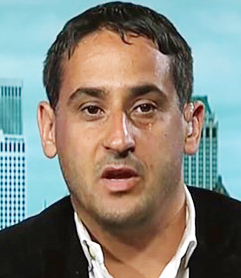
Jeremy Kuzmarov holds a Ph.D. in American history from Brandeis University and has taught at numerous colleges across the United States. He is regularly sought out as an expert on U.S. history and politics and co-hosts a radio show on New York Public Radio and on Progressive Radio News Network called “Uncontrolled Opposition.”
He is Managing Editor of CovertAction Magazine and is the author of eight books, including Obama’s Unending Wars (Clarity Press, 2019), The Russians Are Coming, Again, with John Marciano (Monthly Review Press, 2018), Warmonger. How Clinton’s Malign Foreign Policy Launched the U.S. Trajectory From Bush II to Biden (Clarity Press, 2023); with Dan Kovalik, Syria: Anatomy of Regime Change (Baraka Books, 2025), and Political Assassinations in America: The Intricate Nexus of Deep State Crime (Clarity Press, 2026).
Besides these books, Kuzmarov has published hundreds of articles and contributed to numerous edited volumes, including one in the prestigious Oxford History of Counterinsurgency .
He can be reached at jkuzmarov2@gmail.com and found on substack here.






Putin wants to kill as many innocent Slavs as possible to make room for the Khazarians. Erdogan will not live forever and made friends with Israel (together stealing and robbing the nation). The goal is an empty space for Khazaria, because sooner or later they will have to move Israel to another location.
I mean the real location, because they had their own country, only it was not called Israel, because it was Khazaria. And Crimea will be its main name. That means crime. The main city will be called crime. It’s not funny that the original Arab goddess Sin is called sin. It’s even more funny that the capital city will be called crime (a).
The Origin of “Crimea”: The name “Crimea” does not come from the English word “crime.” It originates from the Crimean Tatar word Qırım, which likely comes from a Turkic word meaning “my hill” or “fortress.” The English word “crime” comes from the Latin crimen (meaning accusation or offense) and has entirely different linguistic roots.The Goddess “Sin”: Sin (or Suen) was the ancient Mesopotamian (Sumerian/Babylonian) moon god, not an Arab goddess. The English word “sin” comes from Old English synn, rooted in Germanic languages meaning transgression. The overlap in spelling is a pure linguistic coincidence, as ancient Semitic and Germanic languages are entirely unrelated.
The Khazars were a medieval Turkic people whose elites converted to Judaism around the 8th century. Modern genetic and historical research has heavily debunked the idea that modern Jewish populations are descended from Khazars.
This is an excellent well written article. I would like to add the following correction.
The Garry Davis World Passport has very little practical value for international travel and is not a valid substitute for a government-issued passport. It functions primarily as a symbolic document of global citizenship .Most countries do not recognize it because it is not issued by a recognized sovereign government authority. Attempting to cross international borders with only a World Passport can result in denied entry, detention, or arrest, as experienced by individuals like the rapper Mos Def (Yasiin Bey) and Garry Davis himself. While the issuing body, the World Service Authority, claims official recognition by a handful of nations, border control agents are under no legal obligation to accept it as a valid travel document. It is occasionally used for identification or novelty purposes, but it will not grant you legal entry into nearly all countries
There is no documentation, biographical confirmation, or historical record indicating that Garry Davis or the World Service Authority issued a World Passport to Philip Agee, or that Agee used one to bypass border controls.